Think you know the American Revolution? It wasn’t just powdered wigs, tea, and muskets. Behind the textbook version are tons of weird, wild, and unexpected details that make the whole thing feel way more real. From teenage soldiers to dramatic love triangles and international spies, there’s a lot more going on than most history books let on. Here are 30 surprising facts that might just make you see the Revolution in a totally new light.
The British Hired German Mercenaries to Fight the Colonists
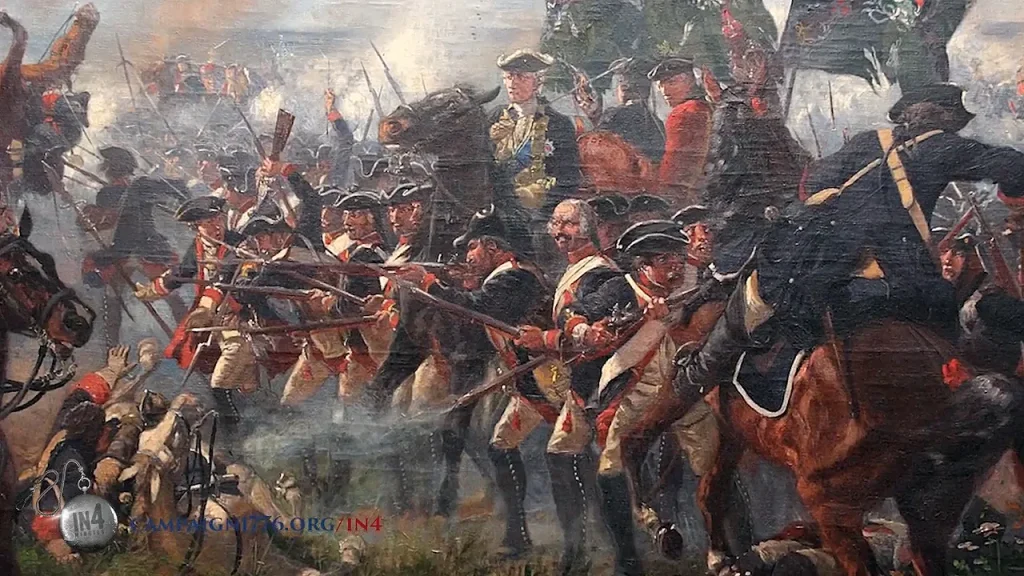
Known as Hessians, these soldiers were paid to join the British side. They didn’t exactly care about the politics, they were just there for the money. Many of them didn’t speak English and had no idea what they were really fighting for. Some even stayed in America afterward.
Paul Revere Wasn’t the Only Midnight Rider
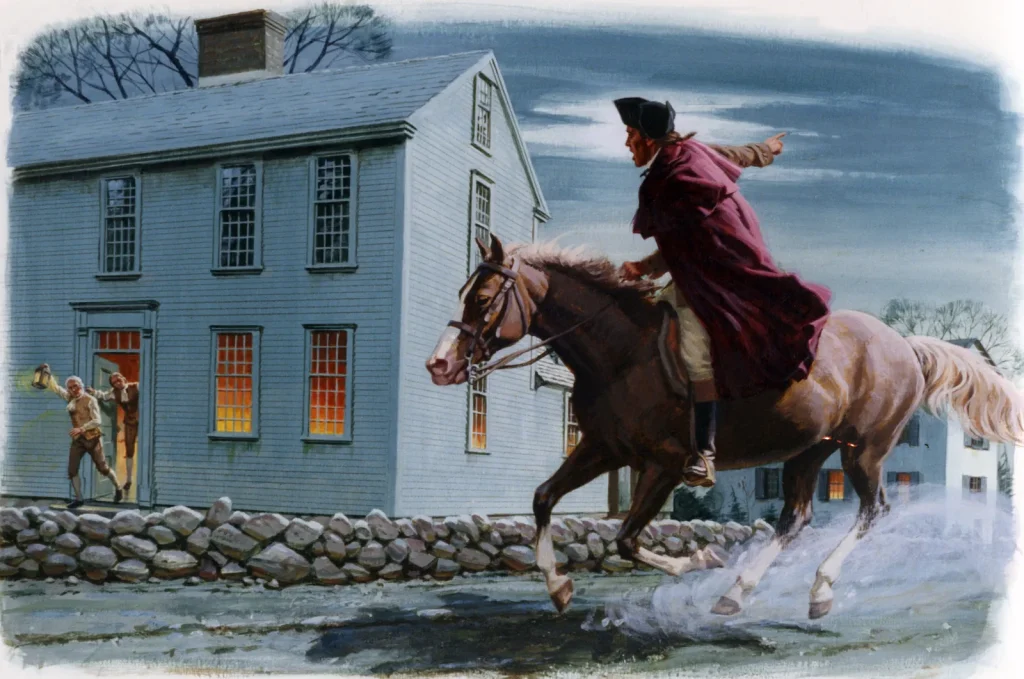
He gets all the fame, but others rode that night too. William Dawes and Samuel Prescott also warned colonists that the British were coming. Prescott is actually the only one who made it all the way to Concord. History just picked one guy for the spotlight.
Spies Played a Huge Role in the War
Secret codes, invisible ink, and fake laundry signals were real tactics. The Culper Spy Ring, organized by Washington, helped turn the tide in key battles. Some spies were women who never got credit for their work. It sounds like a Netflix show waiting to happen.
At Least One Battle Was Fought Over Rum
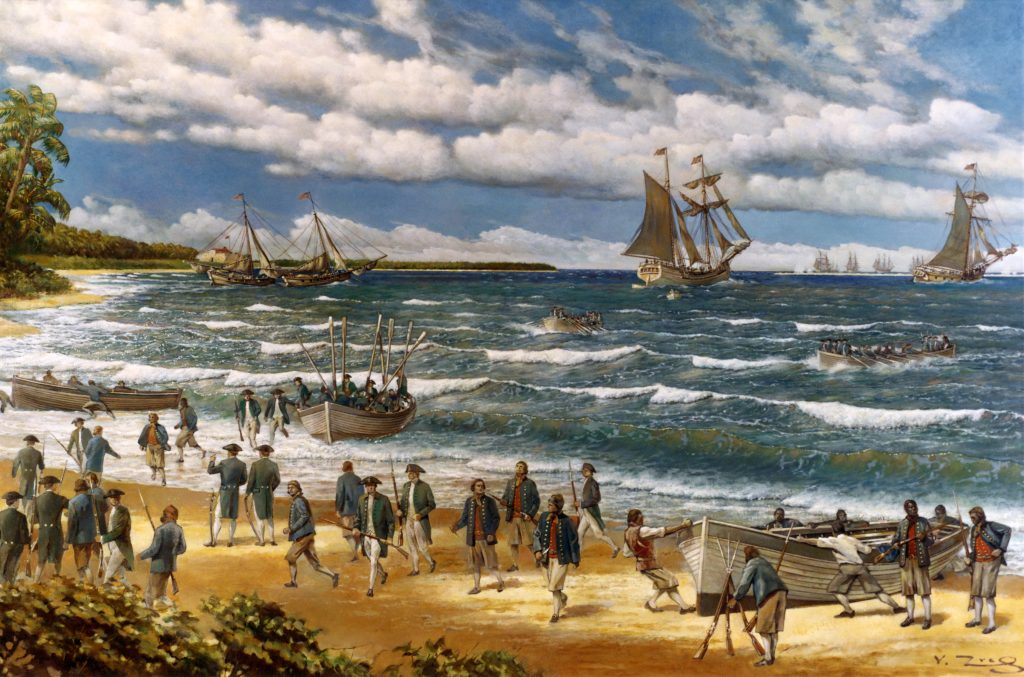
The Battle of Nassau in the Bahamas wasn’t just strategic, it was partly to capture British rum stores. The Continental Marines (yep, early version of the Marines) saw it as a bonus. You know morale’s low when rum becomes part of the battle plan.
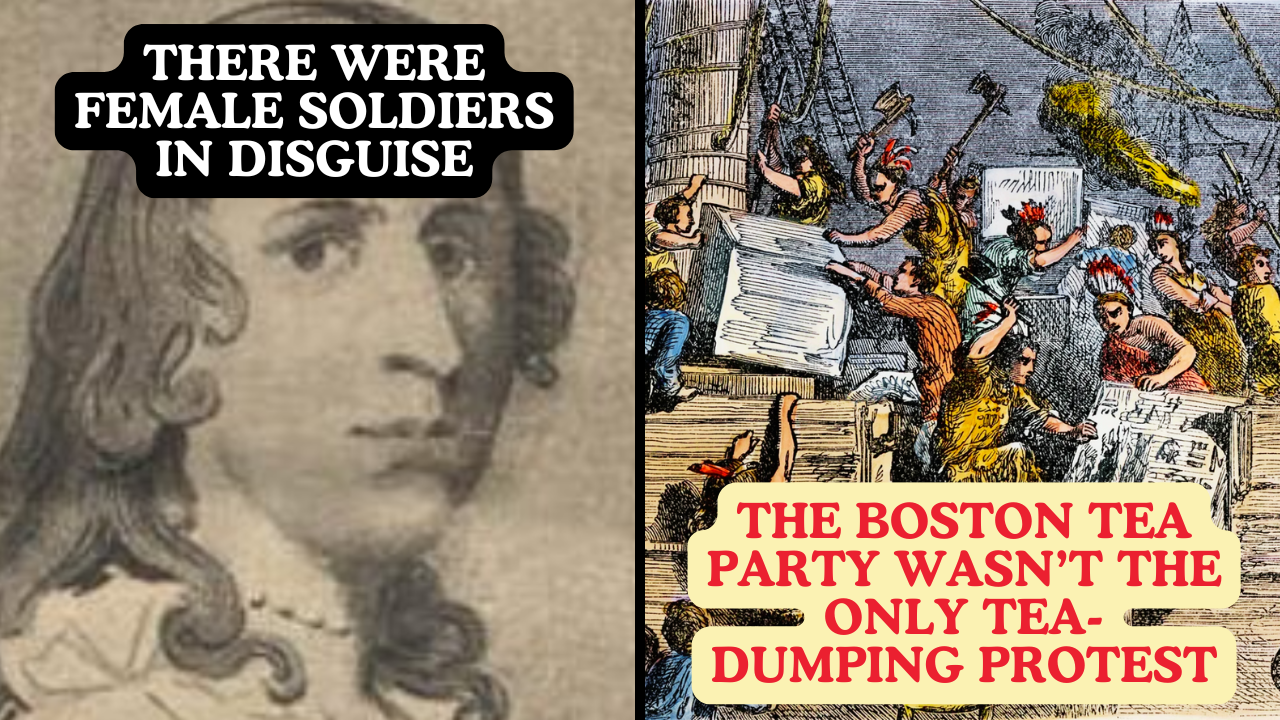
There Were Female Soldiers in Disguise
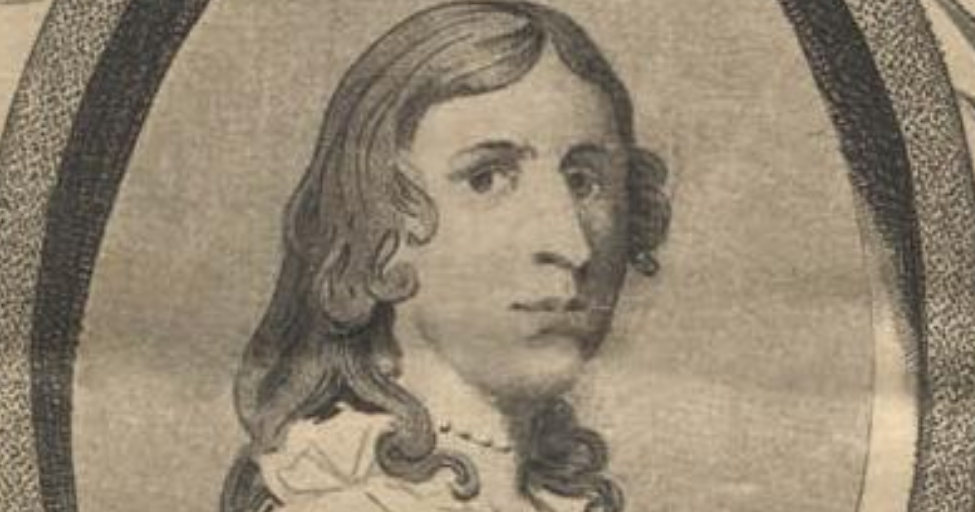
Deborah Sampson is one of the most famous. She dressed as a man to fight and was only discovered after being wounded. When the truth came out, she wasn’t punished; she was eventually given a pension for her service. Total legend.
Native American Tribes Were Split on Which Side to Support
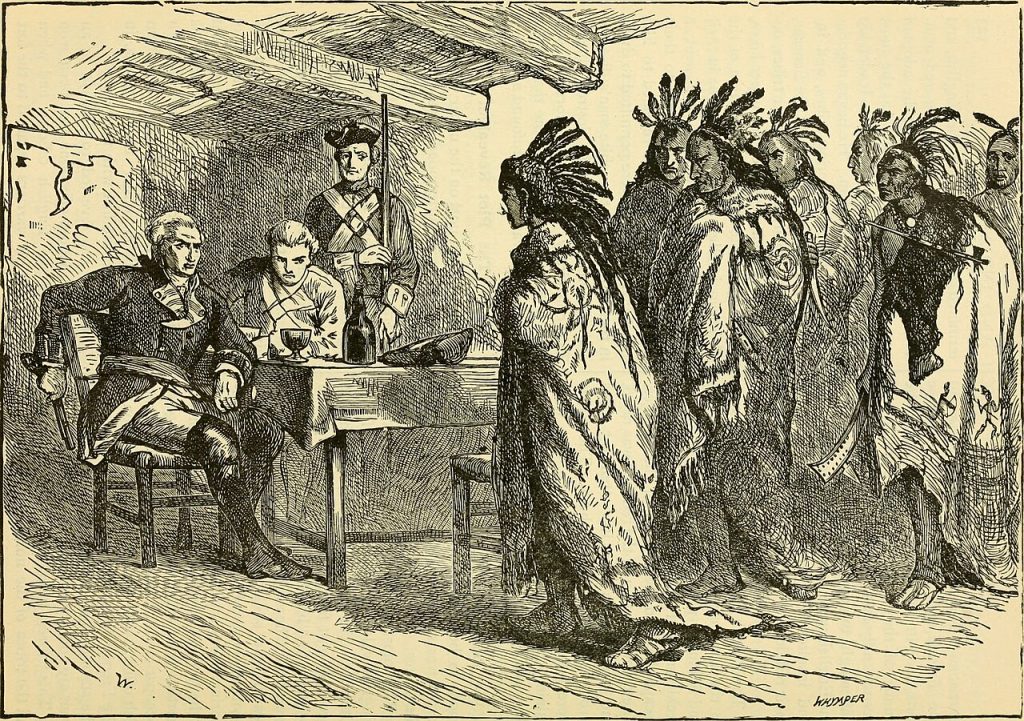
Some tribes fought with the British, others with the Americans. Most were just trying to protect their land. The Revolution ended up being devastating for many Native communities, no matter who they sided with. They were often left out of the peace talks entirely.
France Helped Win the War, But Wasn’t a Fan of America at First
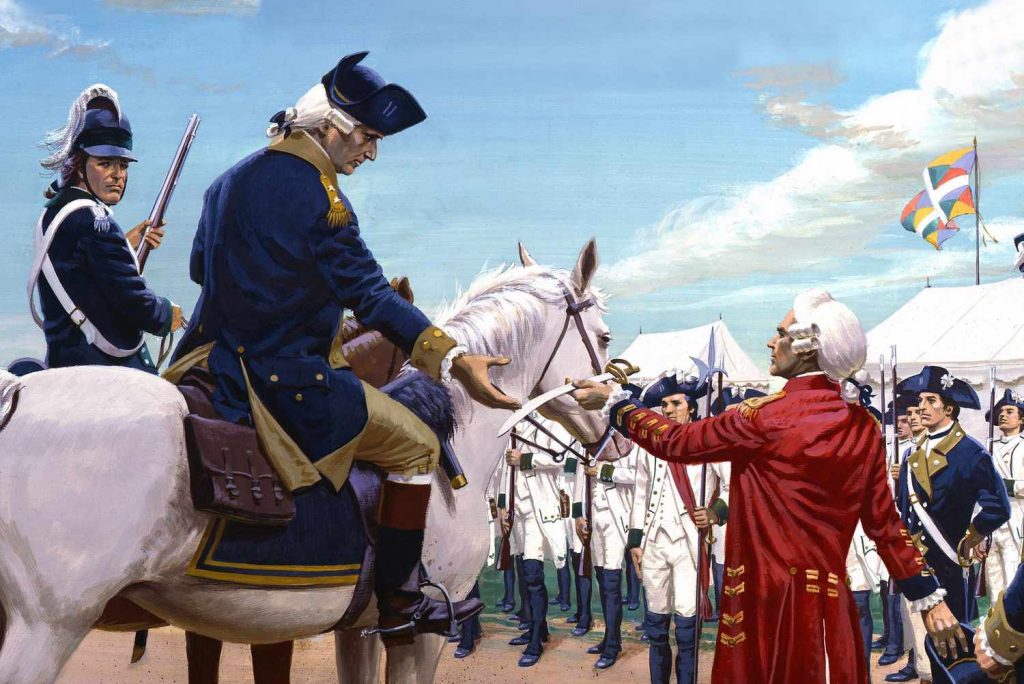
The French government didn’t exactly rush to help. It took a major American victory at Saratoga to convince them to join. Once they did, their money, ships, and soldiers were game-changers. The irony? A few years later, France had its own bloody revolution.
The Boston Tea Party Wasn’t the Only Tea-Dumping Protest
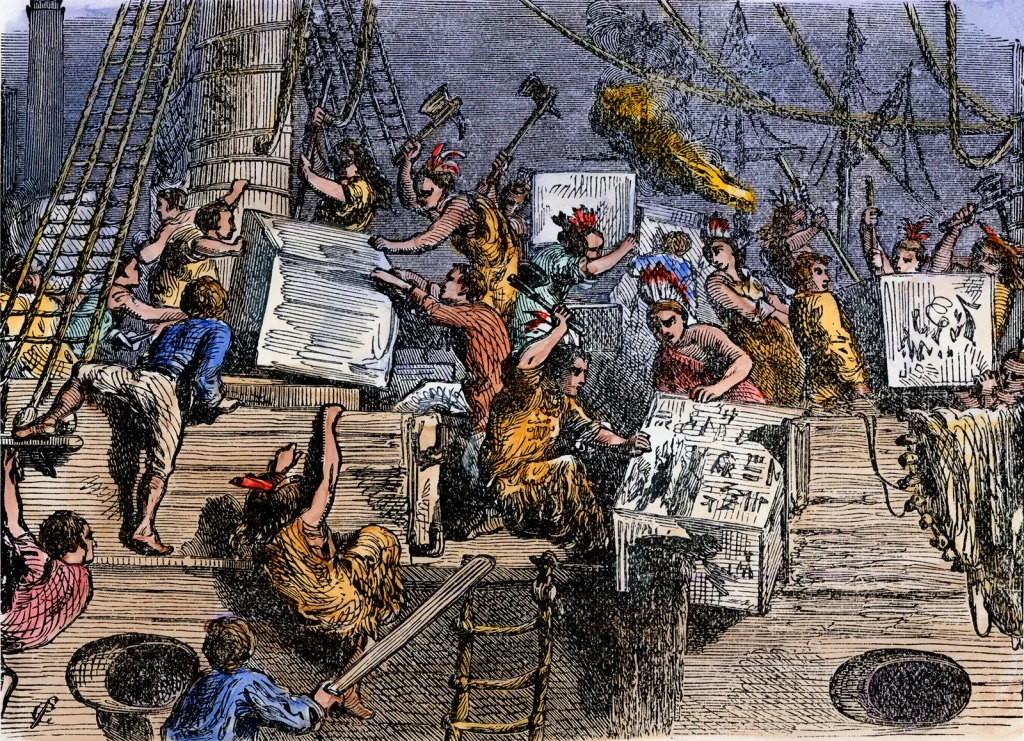
Other cities, like Charleston and New York, had their own versions. Sometimes they just refused to unload the tea or let it rot in storage. Boston just had better PR. Seriously, imagine the hashtag potential if this happened now.
A Future King of France Was There to Help
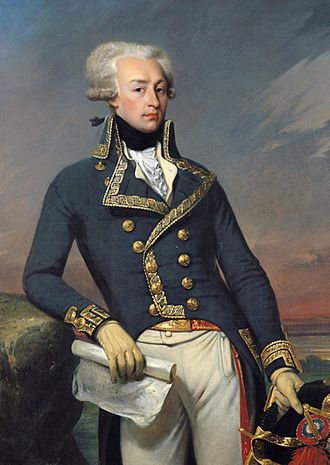
The Marquis de Lafayette was only 19 when he joined the American cause. He became close with George Washington and fought in key battles. He was so committed, he spent his own money to support the troops. Not bad for a French aristocrat with zero obligation.
The Winter at Valley Forge Wasn’t All Freezing and Misery
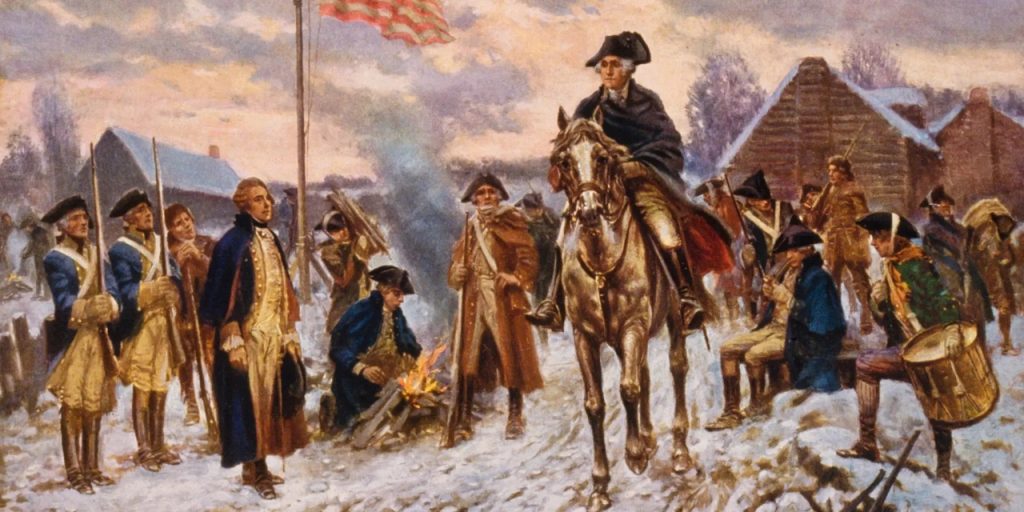
Yes, it was cold and supplies were short, but it wasn’t nonstop suffering. It was also where the Continental Army got real military training from Baron von Steuben, a Prussian officer. They came out more disciplined and effective than ever. Sometimes the turning point happens in the darkest moments.
There Were Black Soldiers on Both Sides
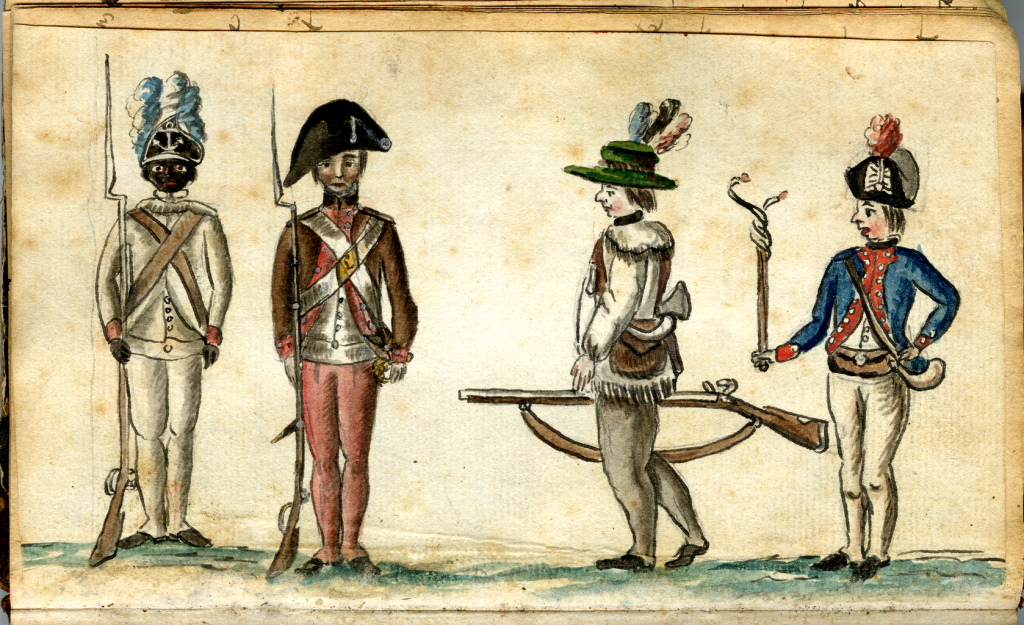
Thousands of African Americans fought in the war. Some were promised freedom by the British, others joined the Continental Army hoping for a better future. Sadly, freedom was not always granted after the fighting ended. It’s a deeply complicated legacy.
John Adams and Thomas Jefferson Died on the Same Day
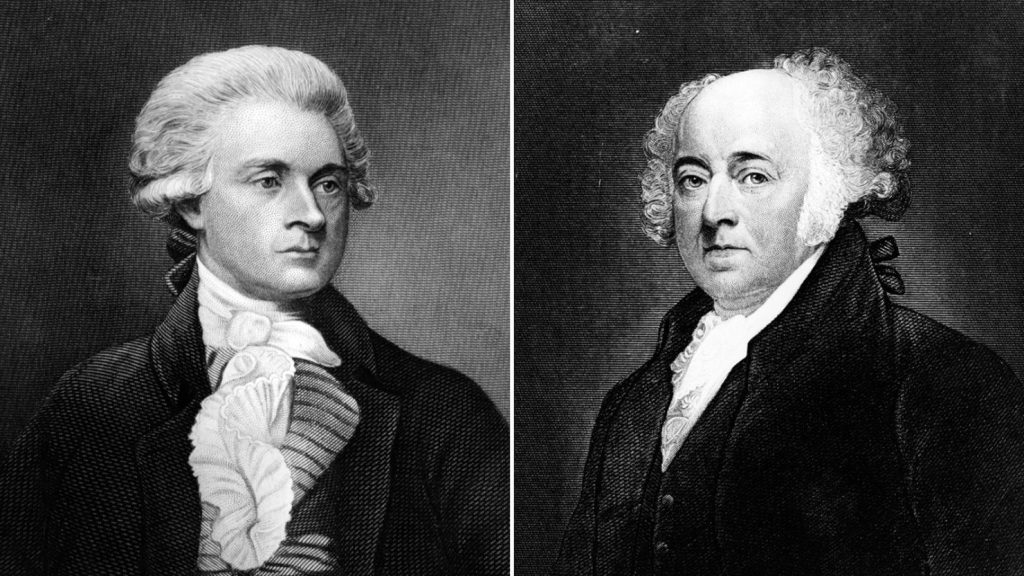
And not just any day, July 4th, 1826. It was the 50th anniversary of the Declaration of Independence. They had been friends, enemies, then friends again. Their deaths on that day felt almost poetic.
The British Didn’t Lose Because of Just One Battle
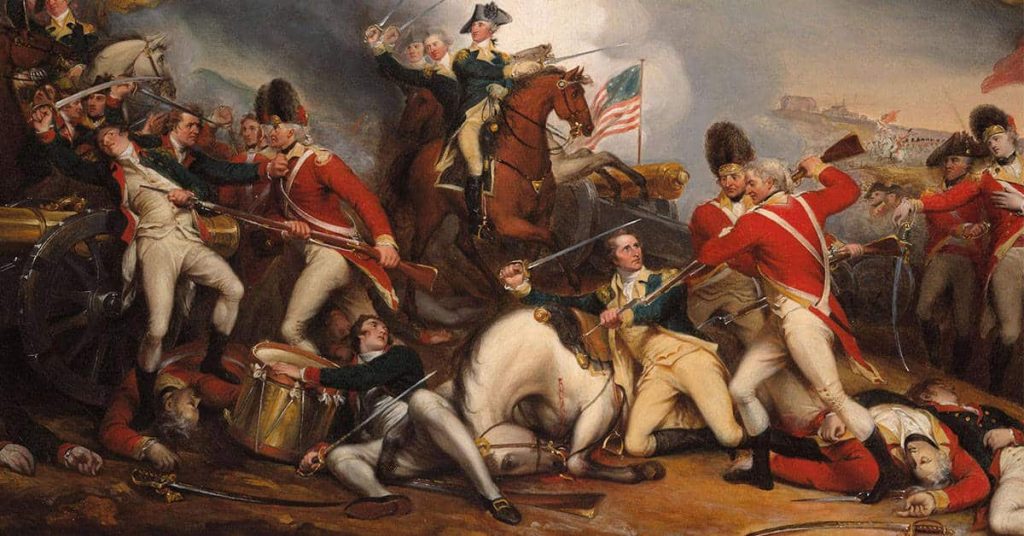
It took years of hit-and-run tactics, supply issues, and political headaches back in Britain. The war dragged on longer than anyone expected. The final surrender at Yorktown in 1781 was more like the last straw than a sudden defeat. Exhaustion played a big role.
Some Women Followed the Army Camps
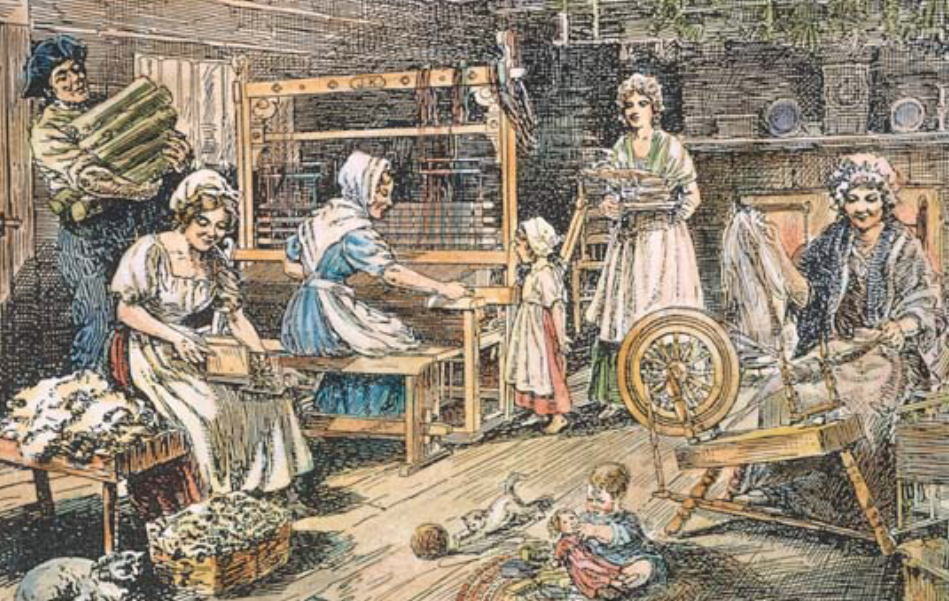
Known as “camp followers,” these women cooked, did laundry, and nursed the wounded. Some were soldiers’ wives, others were just trying to survive. Their support kept the army going even when conditions were brutal. They rarely get mentioned in history books.
A Deadly Disease Threatened to Wipe Out the Continental Army
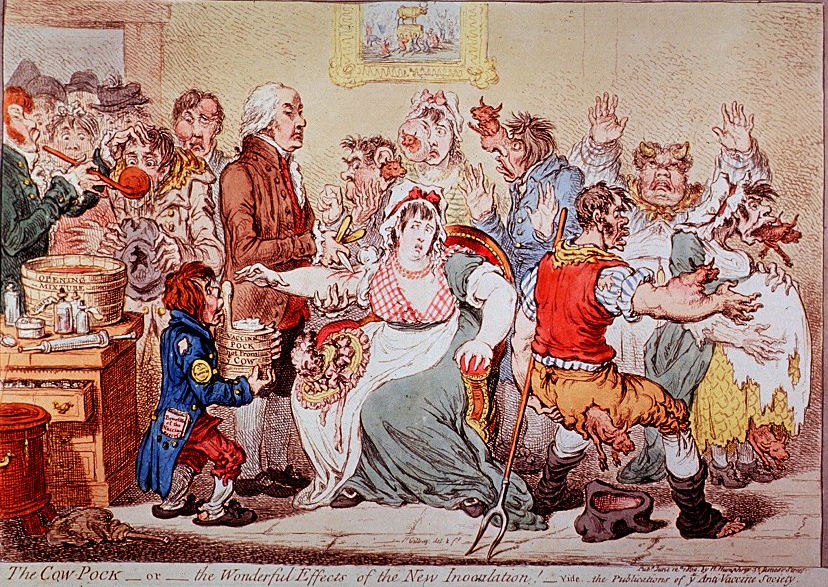
Smallpox was a huge risk. George Washington made the controversial decision to inoculate the troops, which was risky at the time. It worked and likely saved the entire army from being wiped out. Washington’s gamble paid off big time.
Some Colonists Wanted a Monarchy After the War
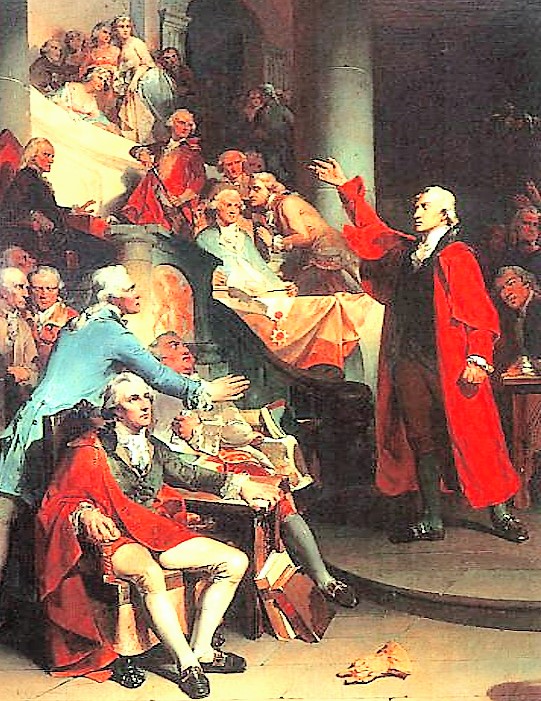
A group even offered George Washington the chance to become king. He turned it down immediately. He wanted a republic, not a repeat of the British system. Imagine how different history would look if he’d said yes.
The First Flag Designer Was Probably a Seamstress
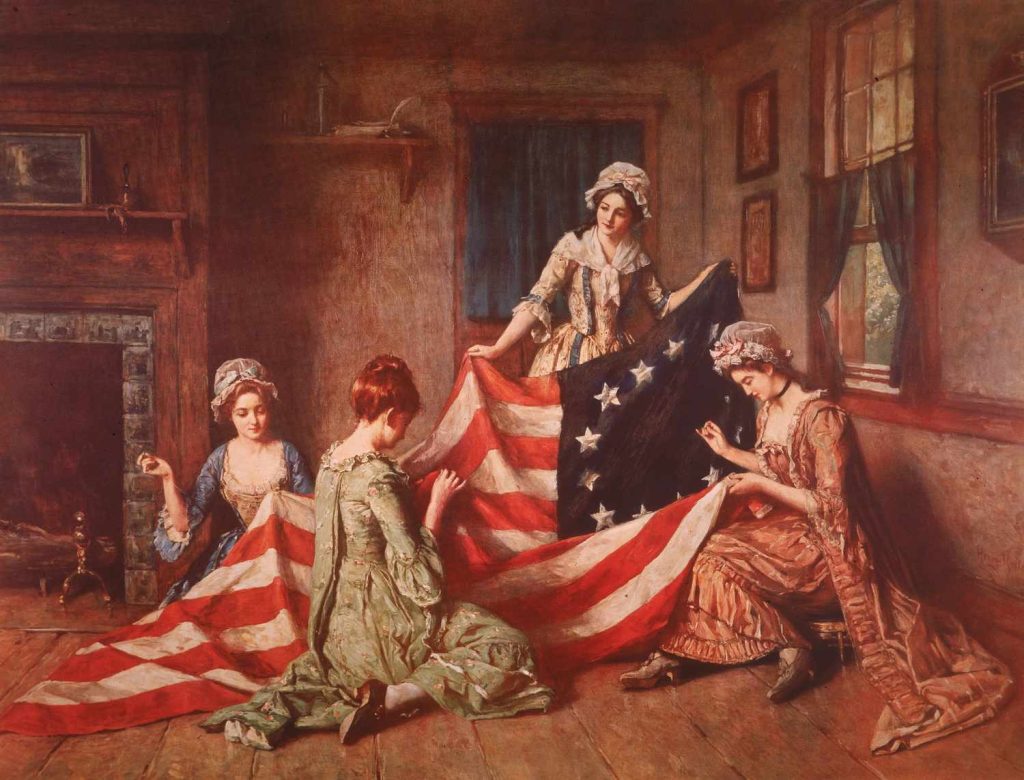
Betsy Ross is the most famous name, but the full truth is debated. Still, many historians agree that she was one of several women who helped create the first American flags. Her story has stuck, even if it’s partly folklore. Either way, she made her mark.
The War Reached as Far as India and the Caribbean
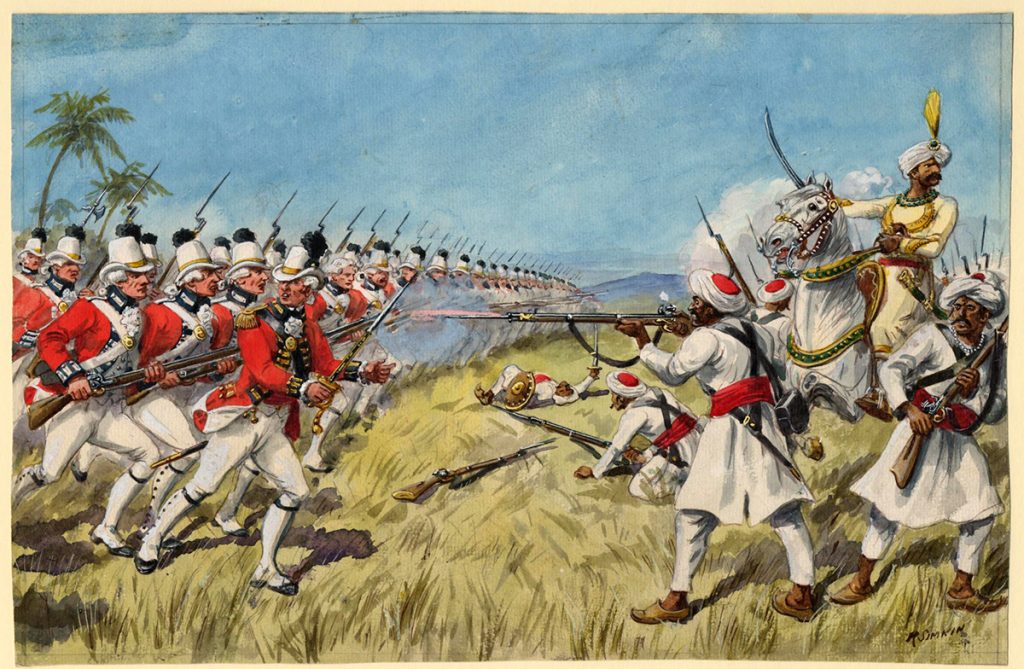
Thanks to the global scale of Britain’s empire, fighting spilled into other regions. French and British forces clashed far from American shores. The Revolution was part of a much larger conflict. It wasn’t just a local rebellion, it was worldwide.
Soldiers Often Wore Mismatched Uniforms
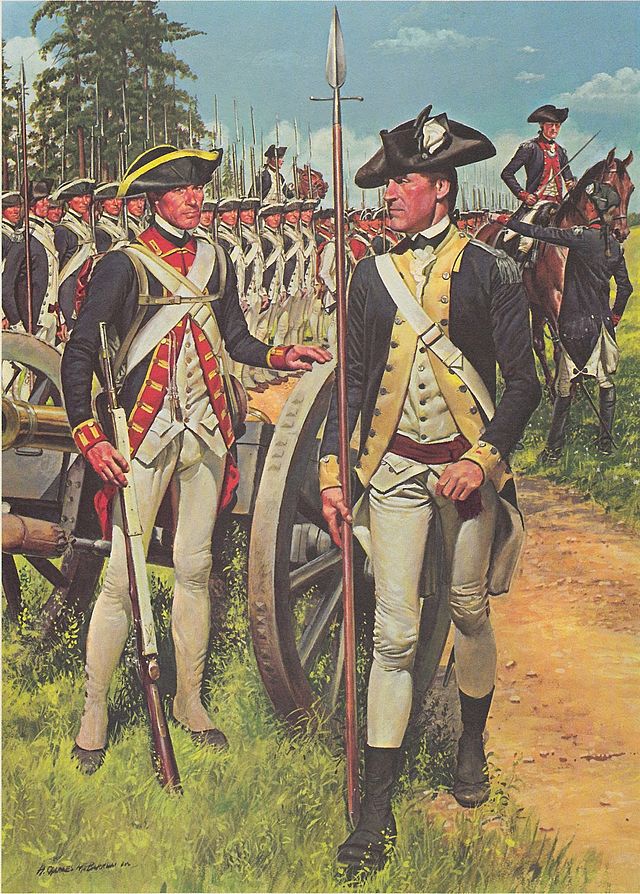
The Continental Army didn’t exactly have a consistent wardrobe. Early on, they wore whatever they had, and uniforms were often stitched together from scraps. It wasn’t until later that things got more official. So yes, some looked more like pirates than soldiers.
An American General Betrayed His Country for Money
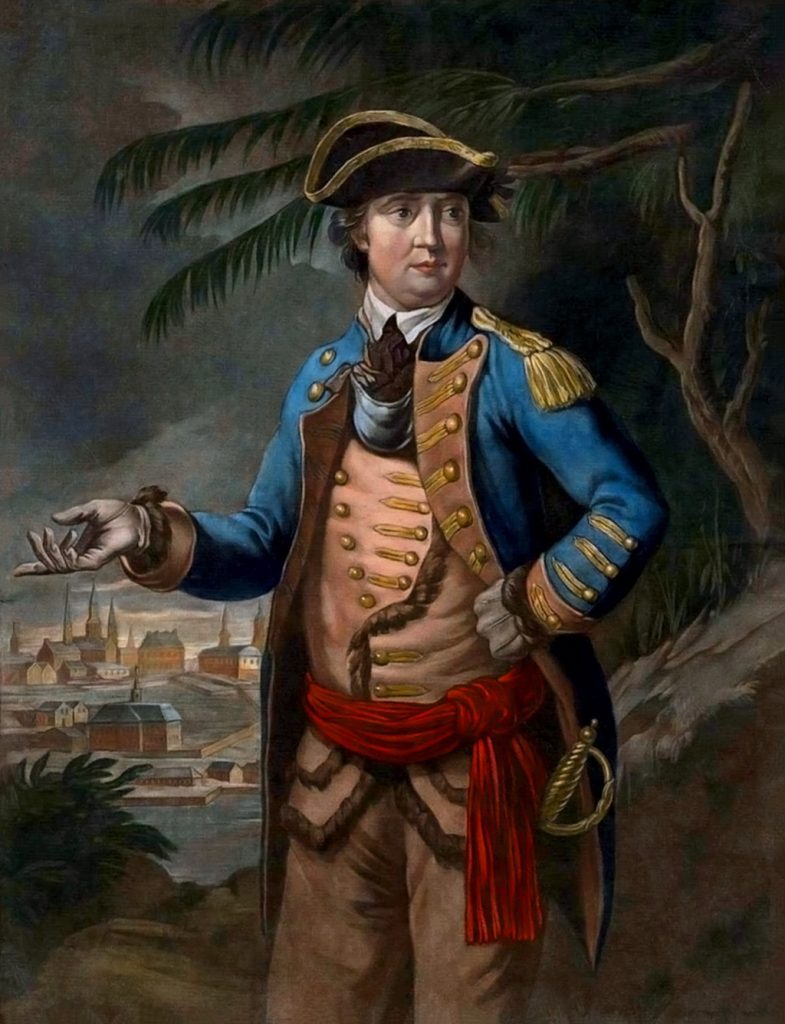
Benedict Arnold didn’t start out as a villain. He was a respected leader until he switched sides and planned to hand over West Point to the British. His plan failed, but his name still lives on as the ultimate traitor in American history.
Many Soldiers Got Paid in Land
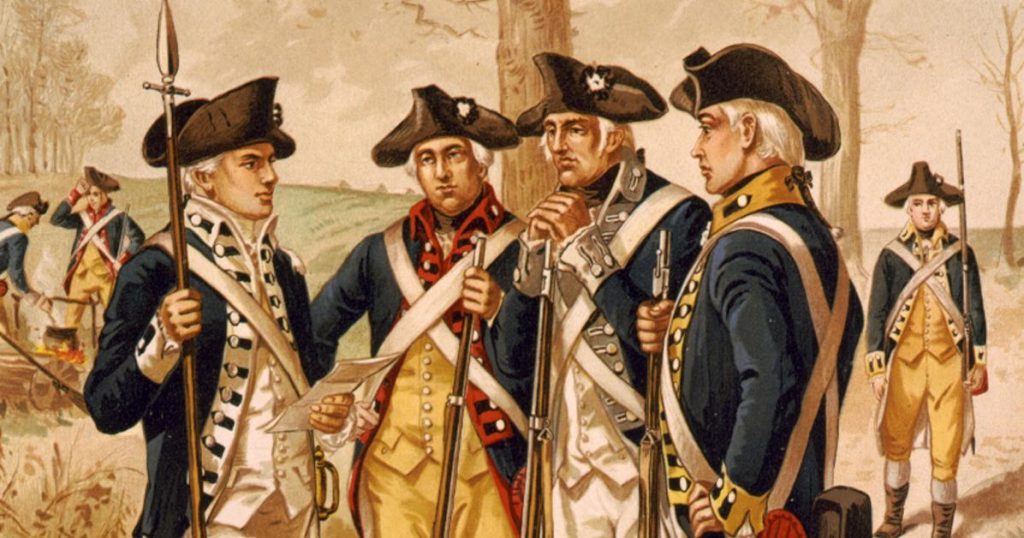
The Continental Congress didn’t have much money, so land was used as payment. Veterans were promised plots out west, though not all of them ever got it. Some deals fell through, leading to bitter resentment. It’s one of the less glamorous aftereffects of war.
One Battle Took Place in What’s Now Canada
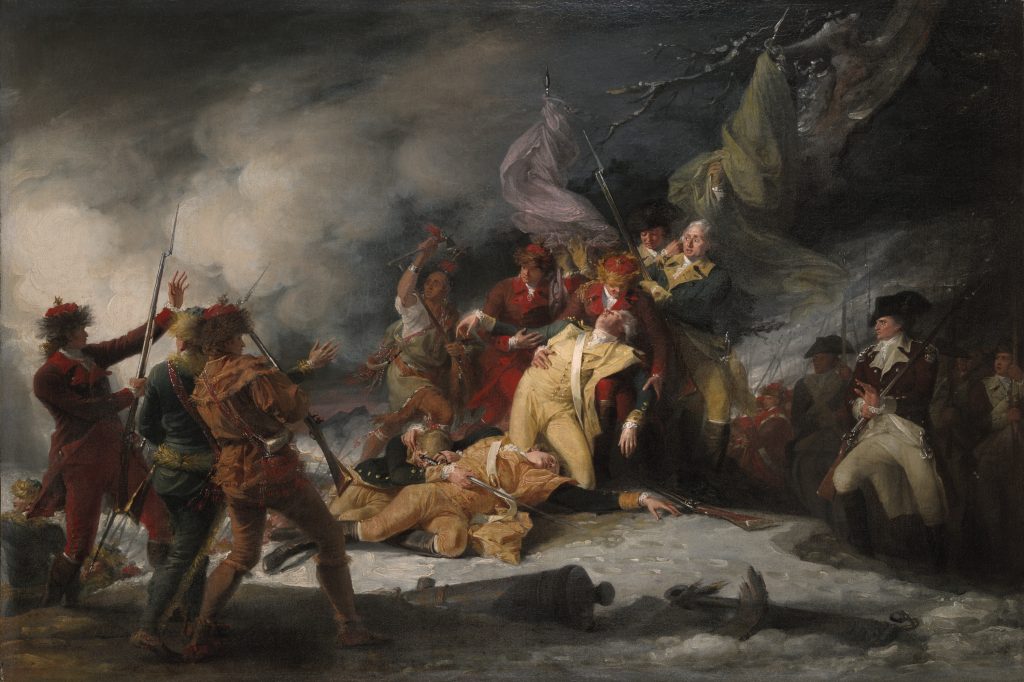
The failed invasion of Quebec in 1775 was an attempt to bring Canada into the Revolution. It didn’t work; Quebec stayed loyal to Britain. The cold weather and disease made it a total disaster. It’s a part of the war most Americans don’t hear much about.
A Pamphlet Sparked a Movement
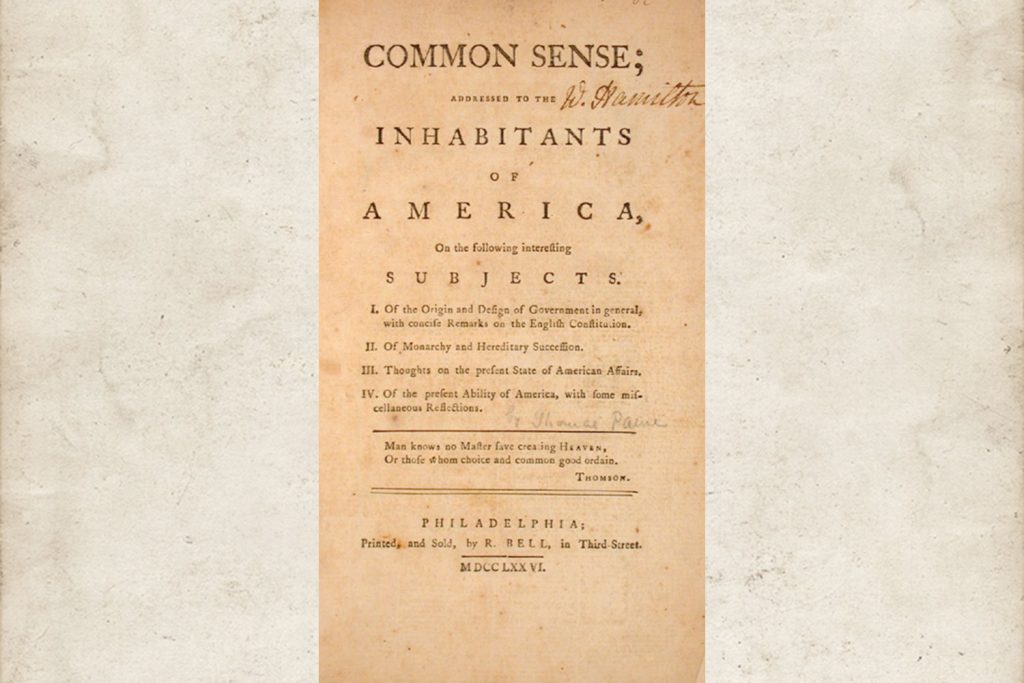
Thomas Paine’s Common Sense was like the viral blog post of 1776. It made a compelling case for independence in a language that regular folks could understand. It sold over 100,000 copies in just a few months. That’s huge for the time.
You Can Still Visit Original Battlefields Today
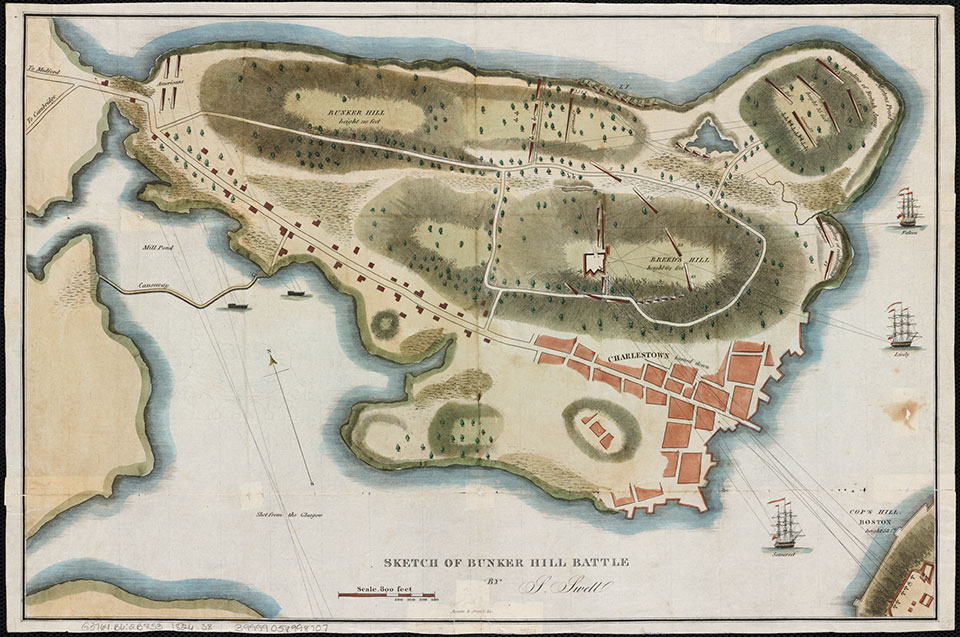
Many Revolutionary War sites have been preserved and are open to the public. Walking those grounds is a surreal way to connect with the past. From Bunker Hill to Yorktown, they’re scattered across the East Coast. Bring comfy shoes and maybe a ghost app, just in case.
The War Started Over a Year Before the Declaration of Independence
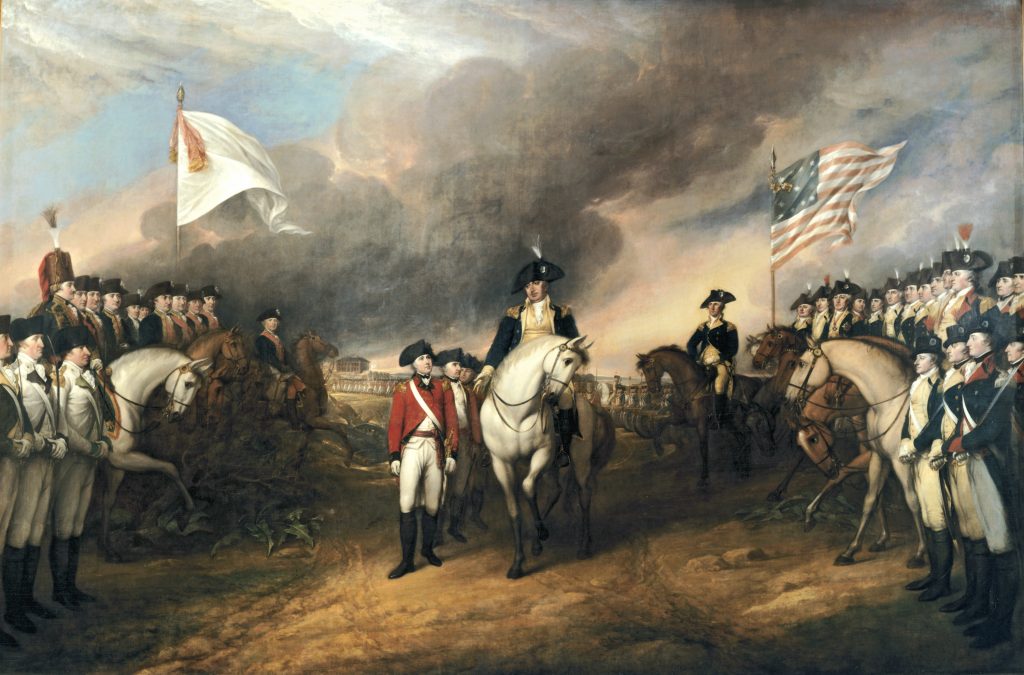
Fighting actually broke out in April 1775, but the Declaration wasn’t signed until July 1776. That means people were literally dying in battle before anyone officially said, “Hey, we’re our own country now.” The Continental Congress took its time.
The War Officially Ended Two Years After the Fighting Stopped
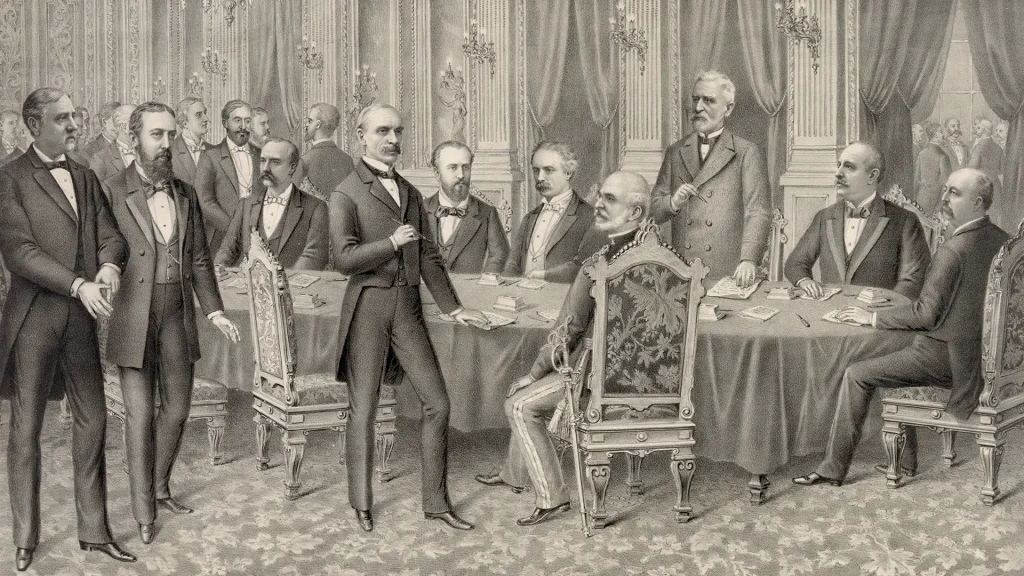
Yorktown happened in 1781, but the Treaty of Paris wasn’t signed until 1783. That’s a long wait for peace. During that time, both sides stayed tense and unsure. Technically, the U.S. wasn’t officially independent until that signature was dry.
Teenagers Were on the Front Lines
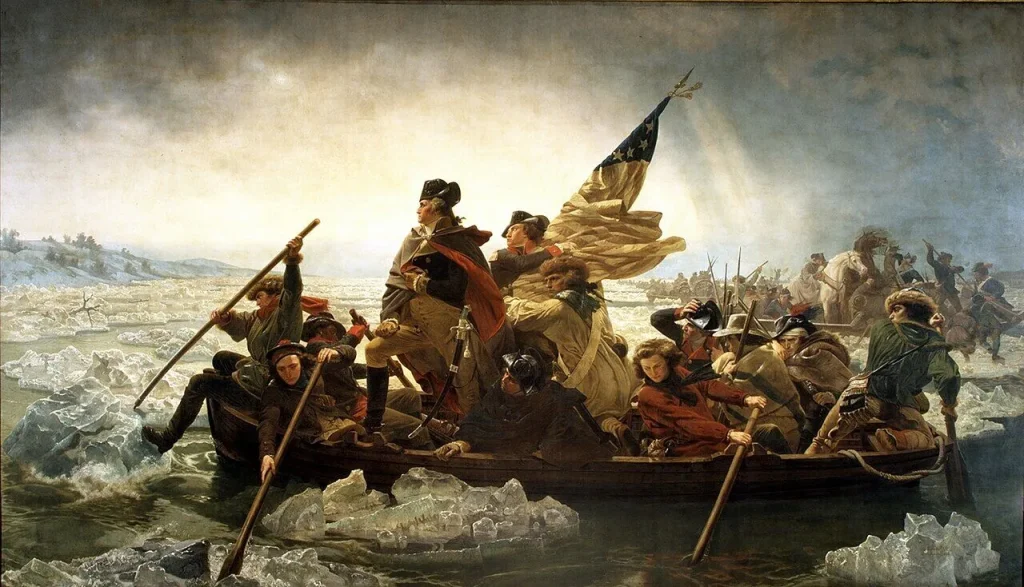
Some soldiers were just 15 or 16 years old. Kids lied about their age or got permission from their parents to enlist. For many, the promise of adventure or pay (however little) was more appealing than farm work. It’s wild to imagine high schoolers today doing the same.
Only About One-Third of Colonists Supported the Revolution
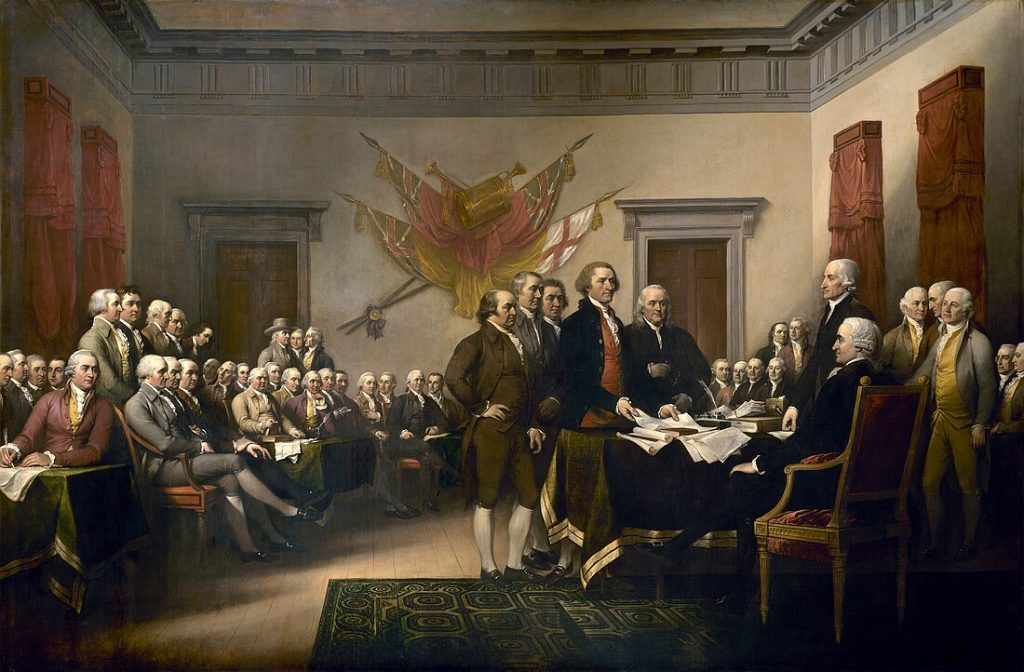
Not everyone was waving flags and shouting about liberty. Many colonists stayed loyal to the British crown, and a large portion simply tried to stay out of it altogether. Families were split, friendships ended, and some loyalists even left for Canada. It wasn’t a unified effort, it was messy.
Ben Franklin Tried to Get Turkeys as the National Bird
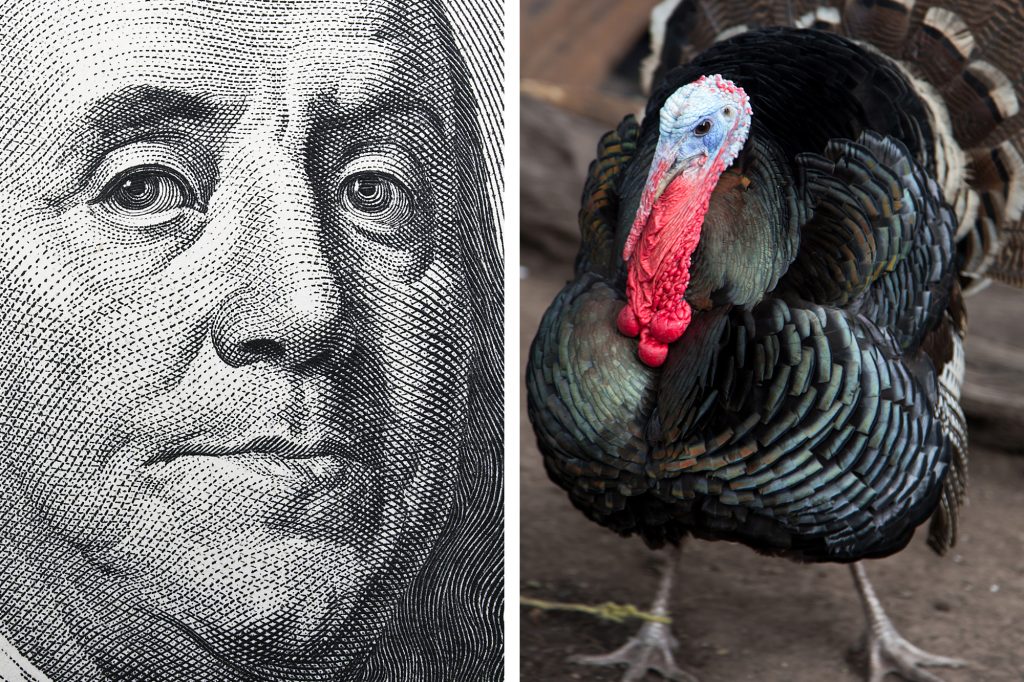
Yep, he thought the bald eagle was lazy and kind of rude. He believed the turkey was a more “respectable” bird and better fit the spirit of the new nation. Needless to say, the eagle won that argument. Can you imagine eating a national symbol every Thanksgiving?
George Washington Didn’t Have Wooden Teeth
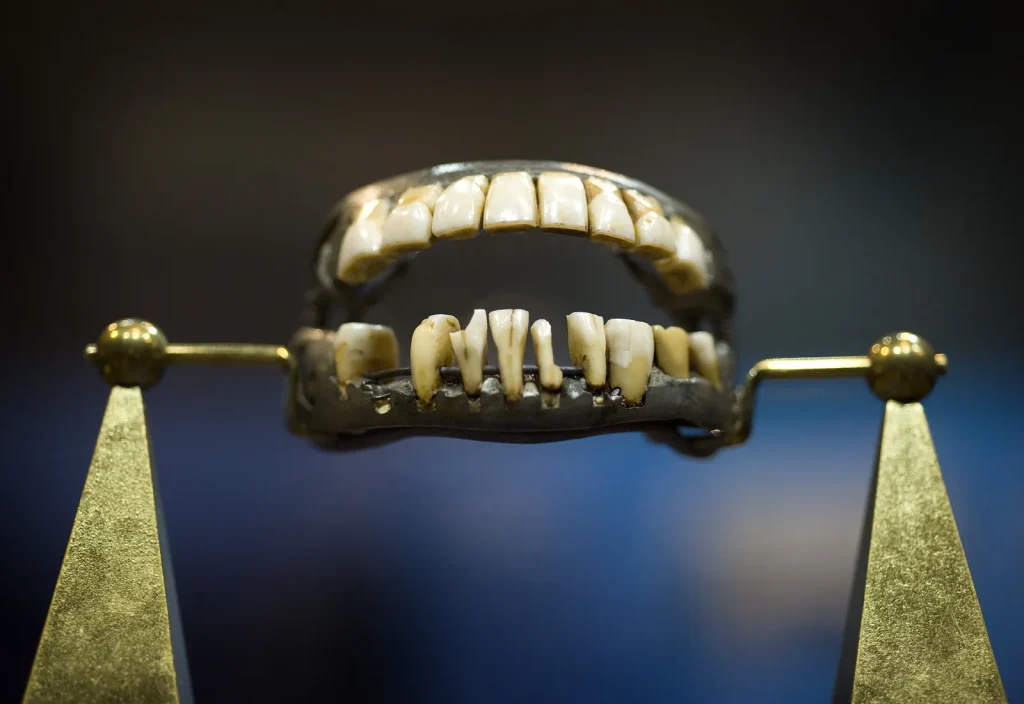
They were actually made of ivory, human teeth, and even animal bones. The wooden teeth myth has been floating around forever, but it’s just that, a myth. Washington had horrible dental problems, and his dentures were famously uncomfortable. He even had to have them adjusted to smile properly in portraits.