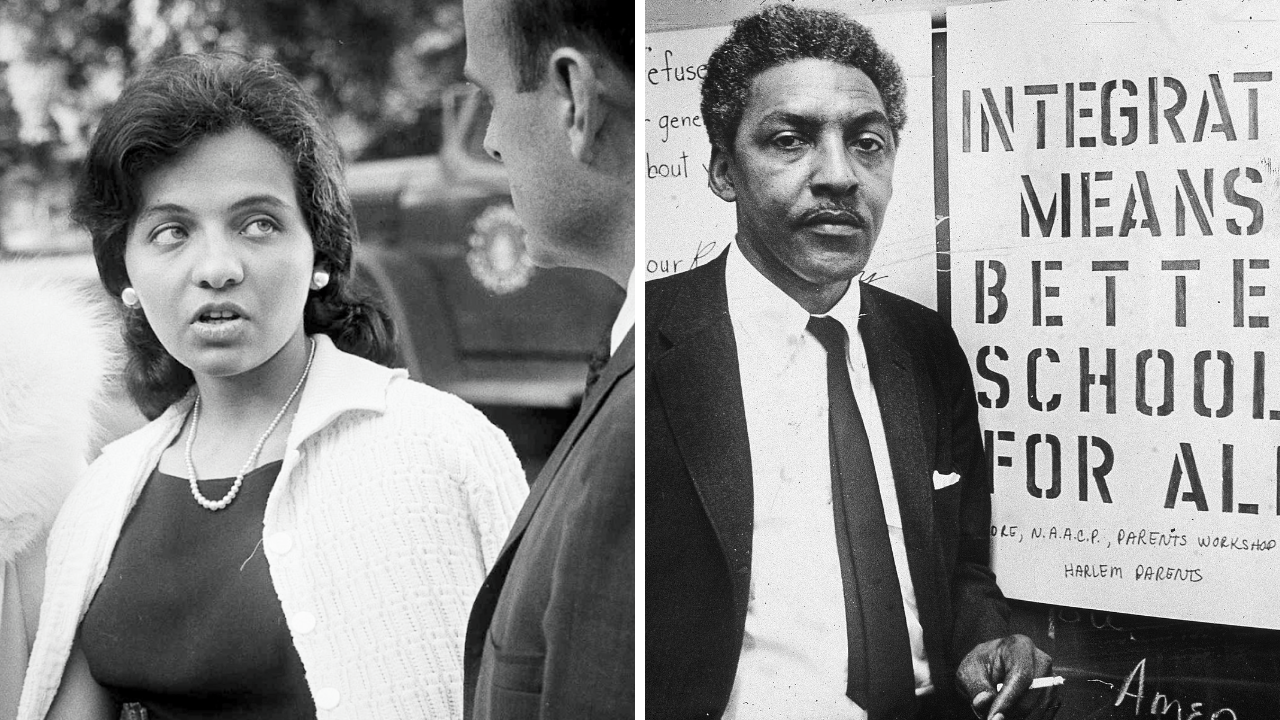
Everyone knows Martin Luther King Jr. and Rosa Parks, but the Civil Rights Movement was powered by thousands of other brave individuals, such as activists, organizers, students, and people who refused to back down. These unsung heroes took enormous risks, faced violent backlash, and often sacrificed their freedom or lives for the cause of justice. They may not have made the headlines, but progress would have stalled without their work. This list honors 30 of those lesser-known legends who helped shape the fight for civil rights in America.
James Reeb
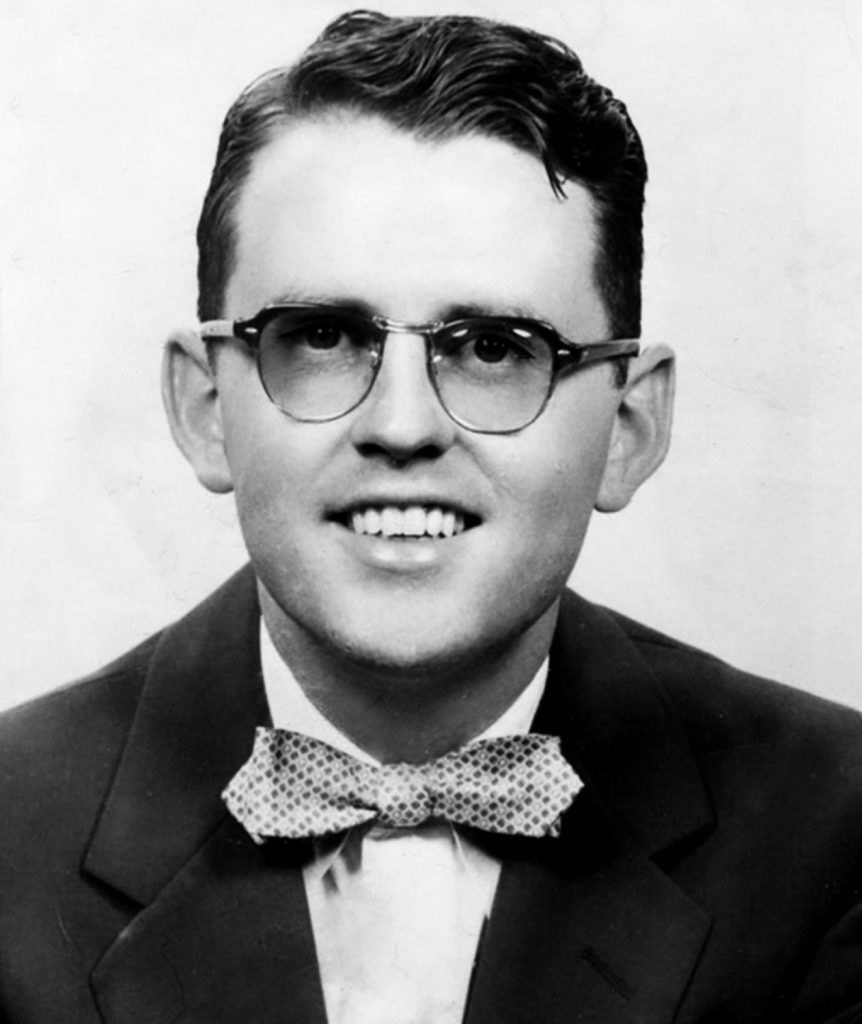
James Reeb was a white Unitarian minister who traveled to Selma to support voting rights. He was beaten to death by segregationists for standing in solidarity. His death drew national outrage and helped push the Voting Rights Act forward. He gave his life for a cause he believed was bigger than himself.
Claudette Colvin
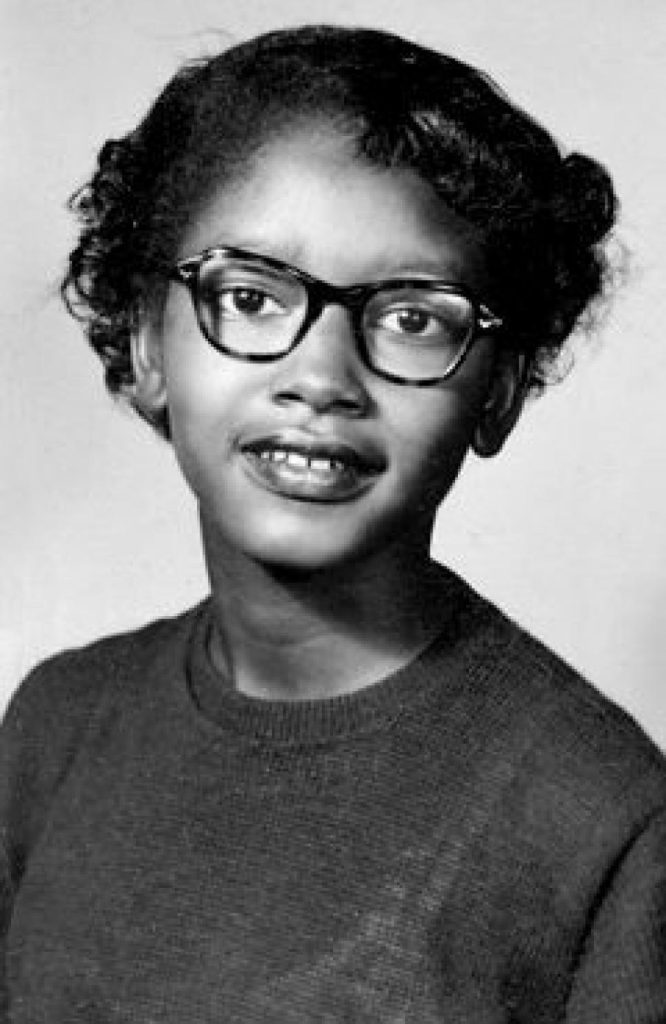
Nine months before Rosa Parks refused to give up her bus seat, 15-year-old Claudette Colvin had already done it. She was arrested and shouted that she had the same rights as any white person. Civil rights leaders feared her story wouldn’t gain traction because she was a teenager and became pregnant. History nearly erased her, but her courage was undeniable.
Fred Shuttlesworth
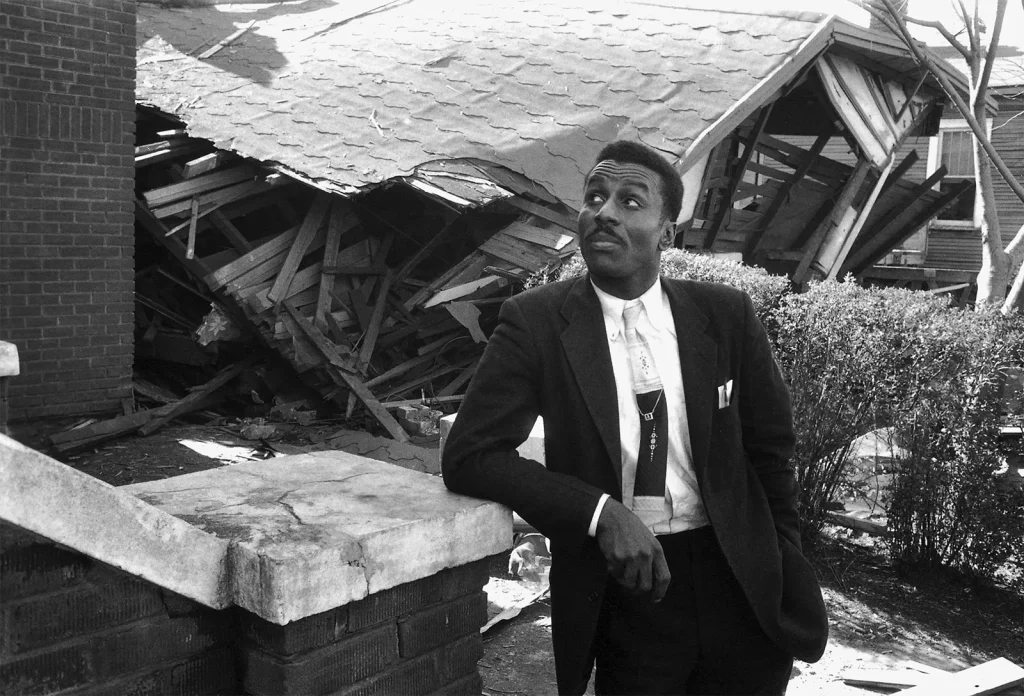
Fred Shuttlesworth was a bulldog of a preacher in Birmingham, Alabama. Bombings, beatings, and arrests never stopped him. He helped launch the Southern Christian Leadership Conference and fought fiercely to desegregate buses and schools. He had a reputation for jumping into the fire and daring others to follow.
Jo Ann Robinson
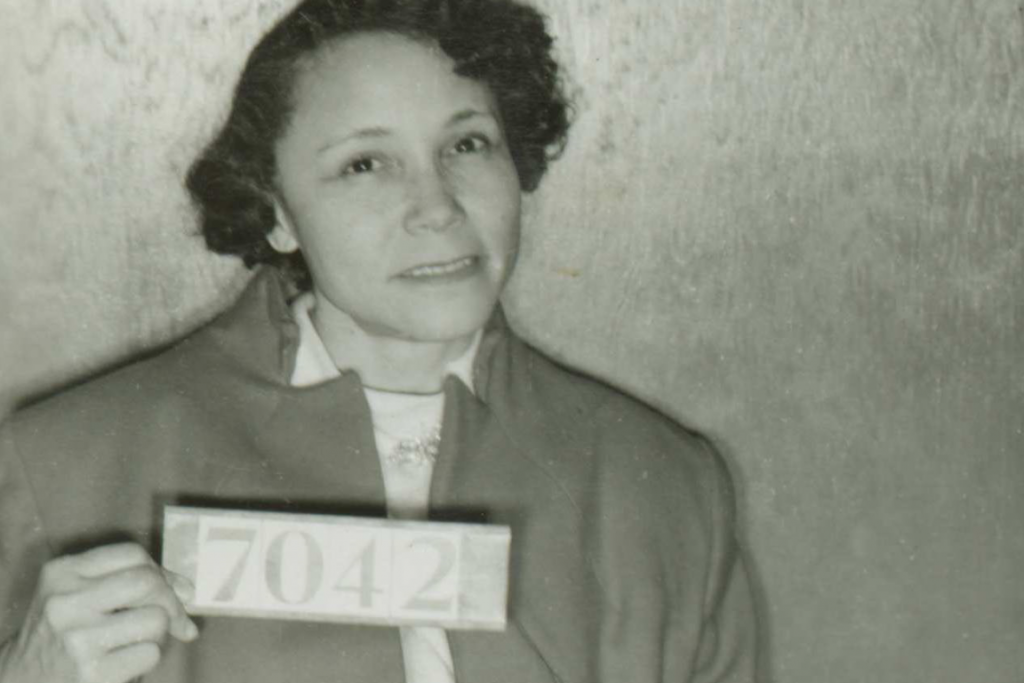
Jo Ann Robinson was a teacher who quietly helped ignite the Montgomery Bus Boycott. After Rosa Parks’ arrest, Robinson stayed up all night mimeographing 35,000 flyers calling for a boycott. She stayed in the shadows, but her organizing skills were critical. Without her, the momentum might never have started.
Amelia Boynton Robinson
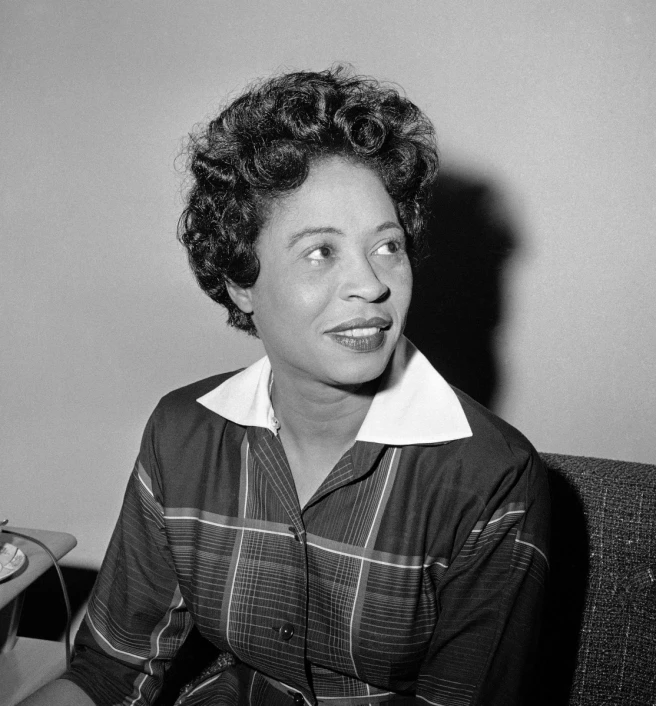
Amelia Boynton Robinson opened her home and office to organizers in Selma. She was brutally beaten during Bloody Sunday on the Edmund Pettus Bridge. That image of her unconscious on the pavement shocked the world. But she kept fighting for voting rights long after the cameras left.
Reverend James Lawson
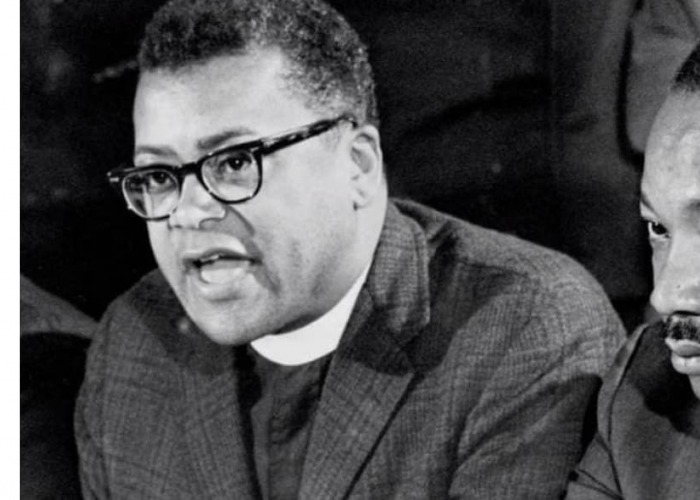
Lawson was the mastermind behind many of the nonviolent training sessions that shaped the movement. He studied Gandhi’s tactics and passed those lessons on to students like John Lewis. His teachings helped protesters stay strong when violence erupted. He believed that spiritual strength could break any chain.
Ella Baker
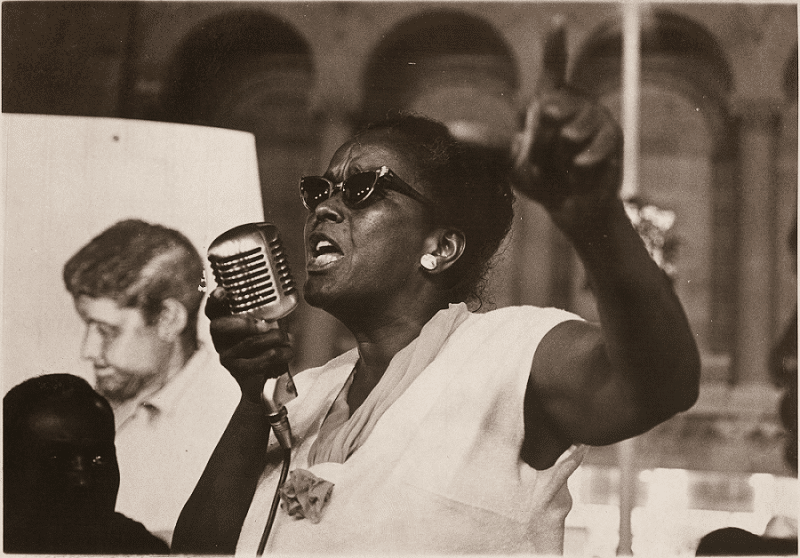
Ella Baker believed in grassroots power. She rarely took the spotlight but mentored countless young activists. She pushed for group-centered leadership and helped found the SNCC. Her fierce independence challenged the male-dominated leadership of the time, and her legacy still inspires today’s movements.
Fannie Lou Hamer
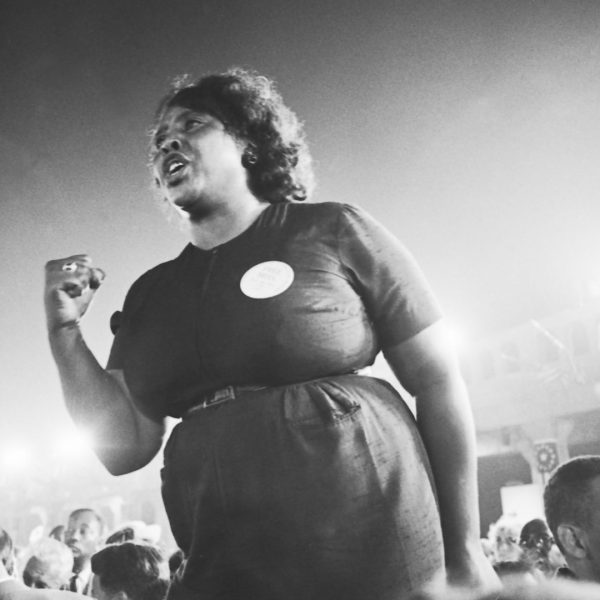
Hamer spoke truth with a voice that shook rooms. A sharecropper turned activist, she helped found the Mississippi Freedom Democratic Party. She was beaten in jail and left permanently injured, but never silenced. Her speech at the 1964 Democratic Convention was so powerful it nearly derailed the whole event.
Jimmie Lee Jackson
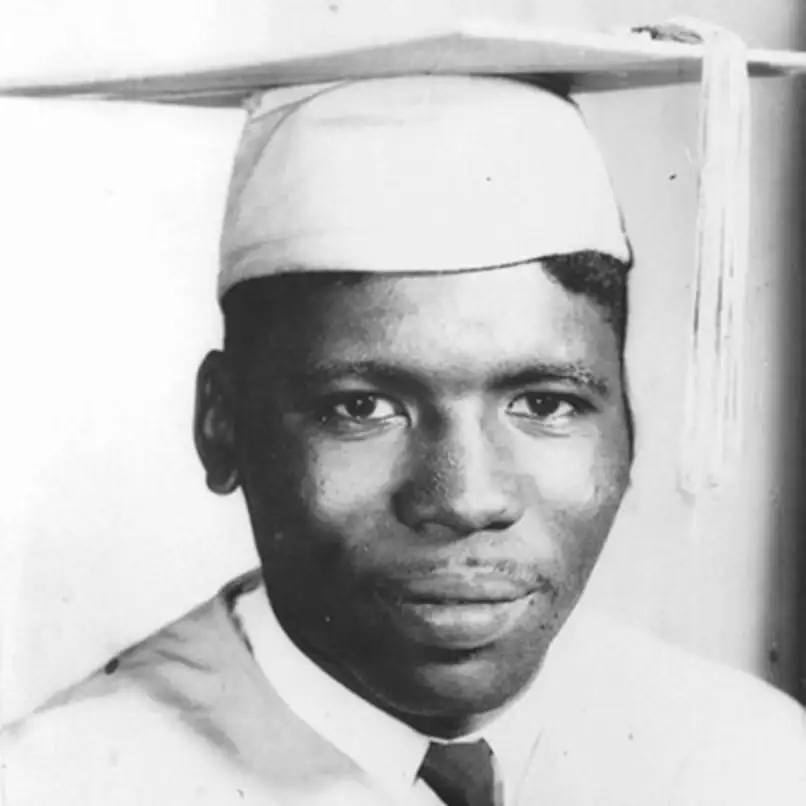
Jackson’s death in 1965 lit the match for the Selma to Montgomery marches. He was shot by a state trooper while trying to protect his mother during a peaceful protest. His name was etched into every step that marchers took. His sacrifice helped force the passage of the Voting Rights Act.
Charles Hamilton Houston
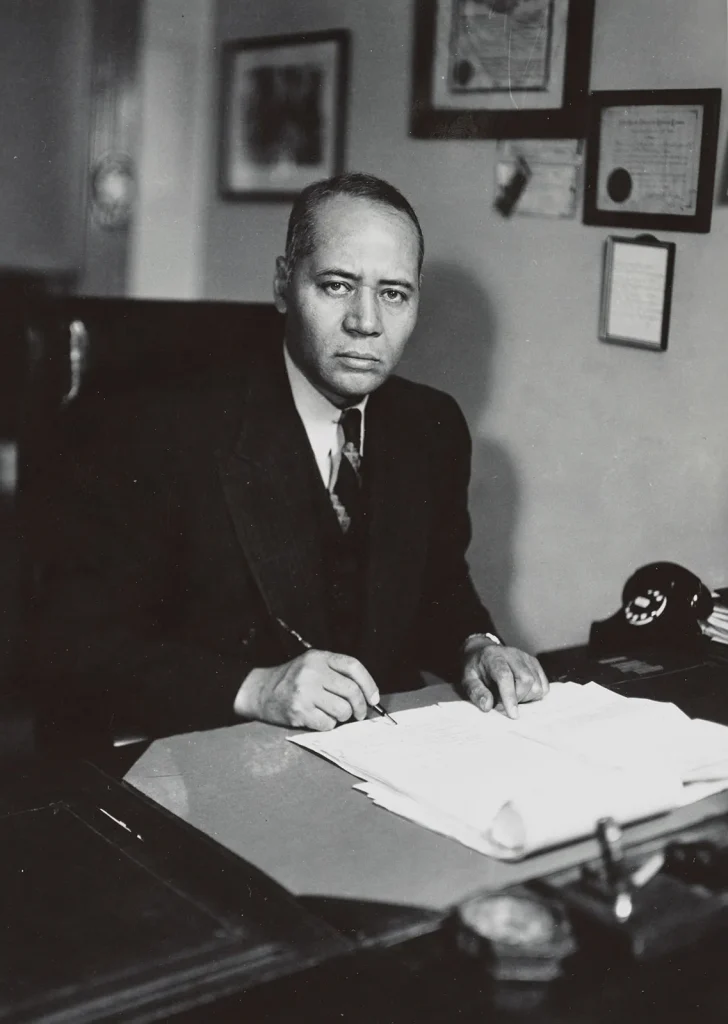
Houston was a legal giant and the mentor of Thurgood Marshall. He mapped out the strategy that led to Brown v. Board of Education. Often called “The Man Who Killed Jim Crow,” he turned the law into a weapon for justice. Without him, the courts might have stayed closed to change.
Viola Liuzzo
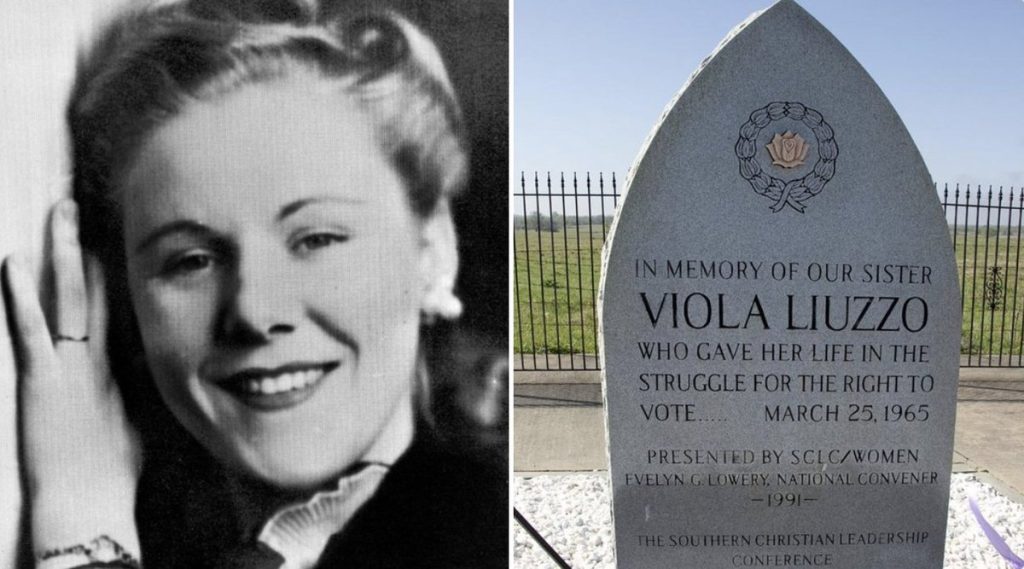
A white housewife from Detroit, Viola was moved to act after watching Selma on TV. She drove to Alabama to help and was murdered by the Klan while transporting fellow activists. Her death exposed the deep hate still alive in the South. She paid the ultimate price for doing the right thing.
Septima Clark
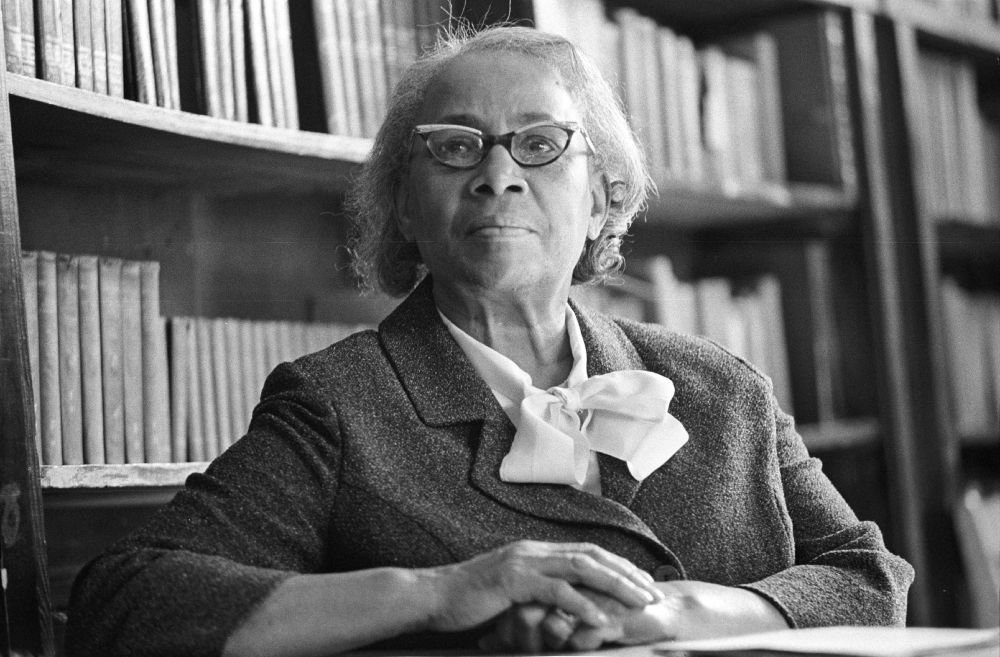
Clark believed literacy was power. She founded Citizenship Schools to teach Black Southerners how to read, write, and pass voter literacy tests. She was fired from teaching for being in the NAACP, but never stopped educating. Her quiet work empowered thousands.
Rev. C.T. Vivian
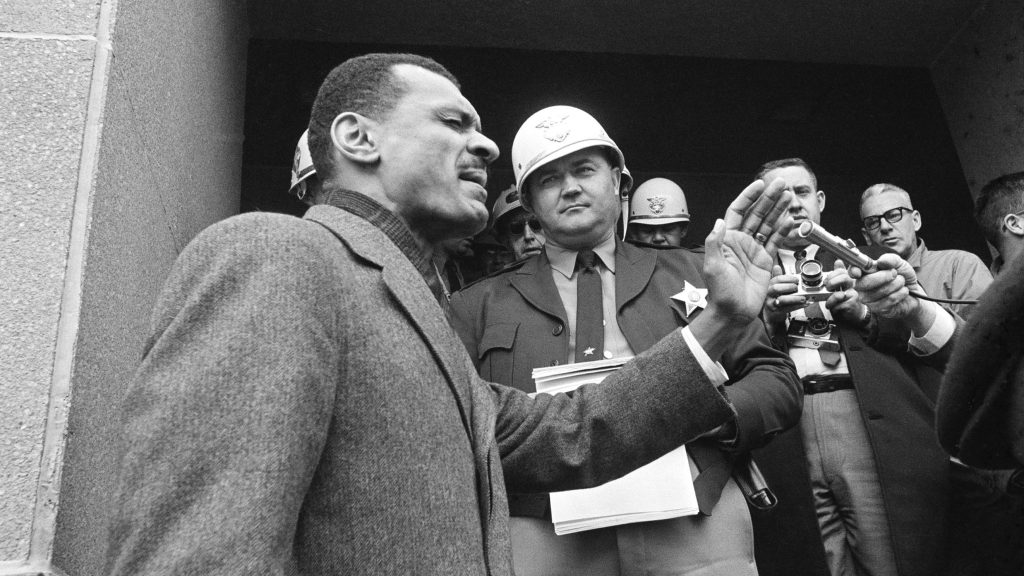
Vivian was once punched in the face by a sheriff while trying to register voters. He simply stood back up and kept talking. His calm defiance became a symbol of strength. He worked closely with King, but also led his own charge in expanding civil rights through action and compassion.
Myles Horton
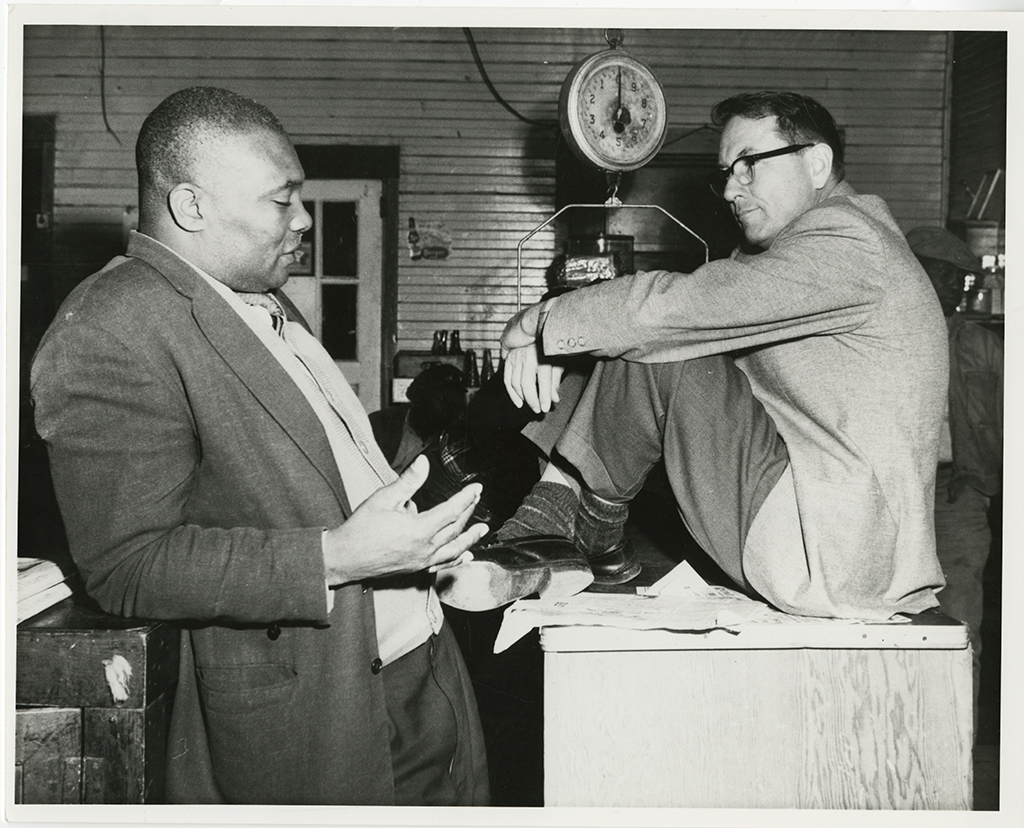
Horton co-founded the Highlander Folk School, a training ground for civil rights leaders. Rosa Parks studied there before her famous act of resistance. The school was constantly attacked by segregationists, but Horton stood firm. He believed change started with people learning to lead themselves.
Ann Atwater
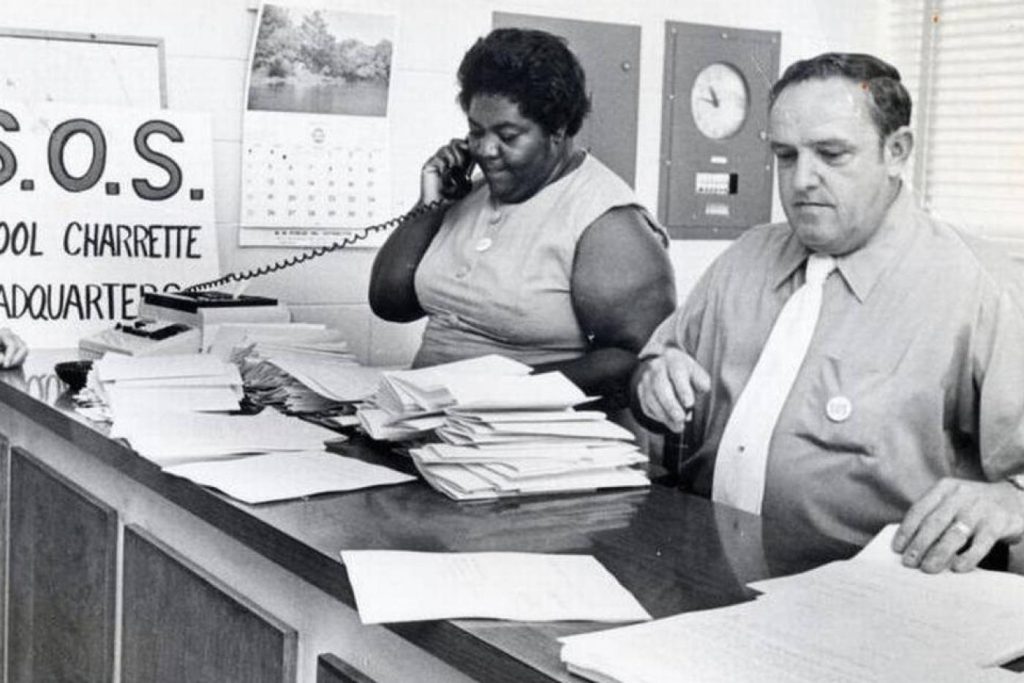
A bold community activist in Durham, North Carolina, Ann Atwater fought tirelessly for better housing and schools. She later formed an unlikely friendship with a Klan leader during school desegregation talks. Her story proves that radical change can come from unexpected places. She led with both fire and forgiveness.
Medgar Evers
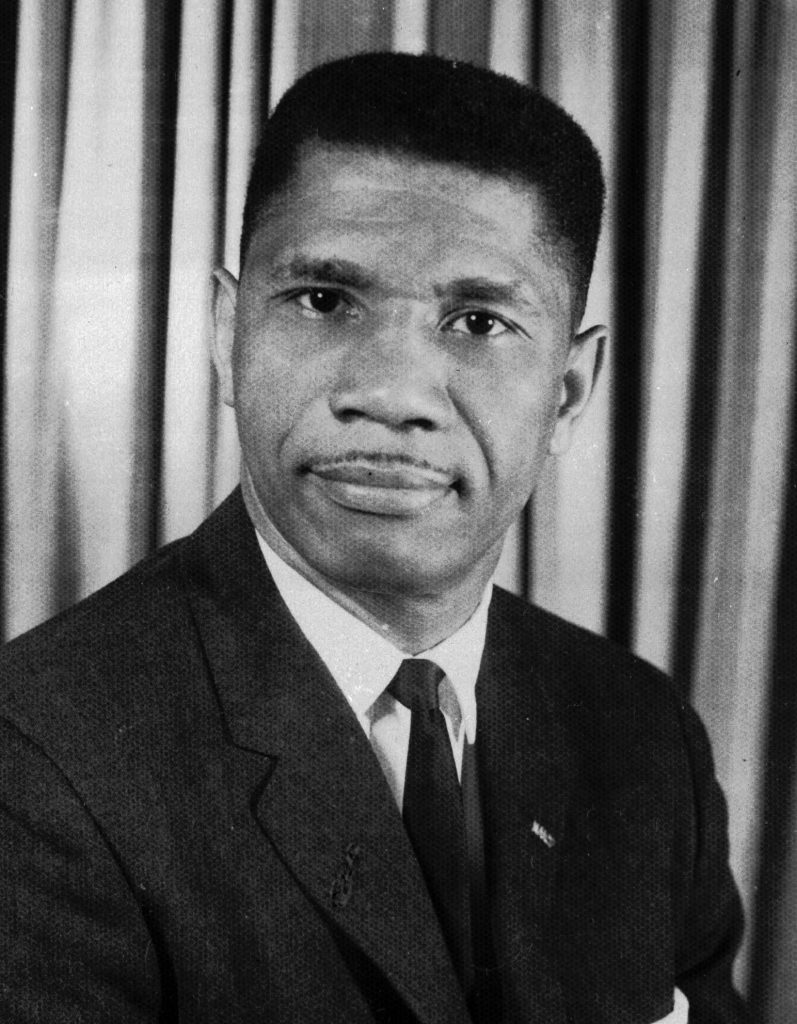
Evers was a World War II veteran who returned to Mississippi to fight for civil rights. He investigated lynchings and helped integrate the University of Mississippi. He was assassinated in his driveway in 1963. His death became a rallying cry for justice and his legacy lived on through his widow, Myrlie.
Ruby Bridges
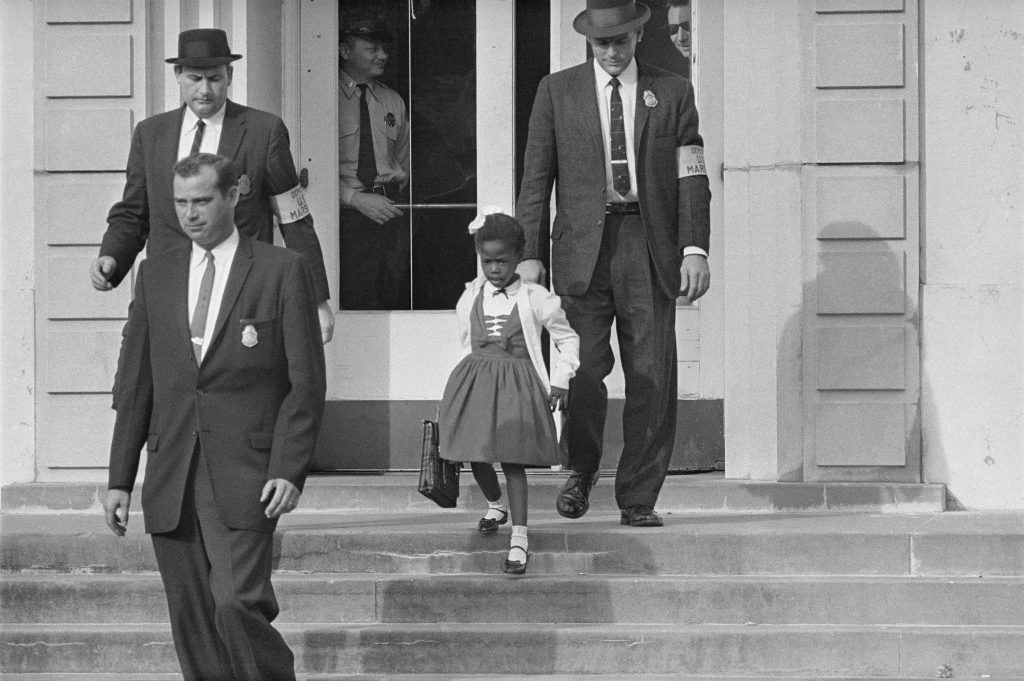
At just six years old, Ruby became the first Black child to integrate an all-white elementary school in the South. She walked past mobs of screaming adults just to attend first grade. Her quiet bravery made history. A little girl showed the country what real courage looked like.
Johnnie Carr
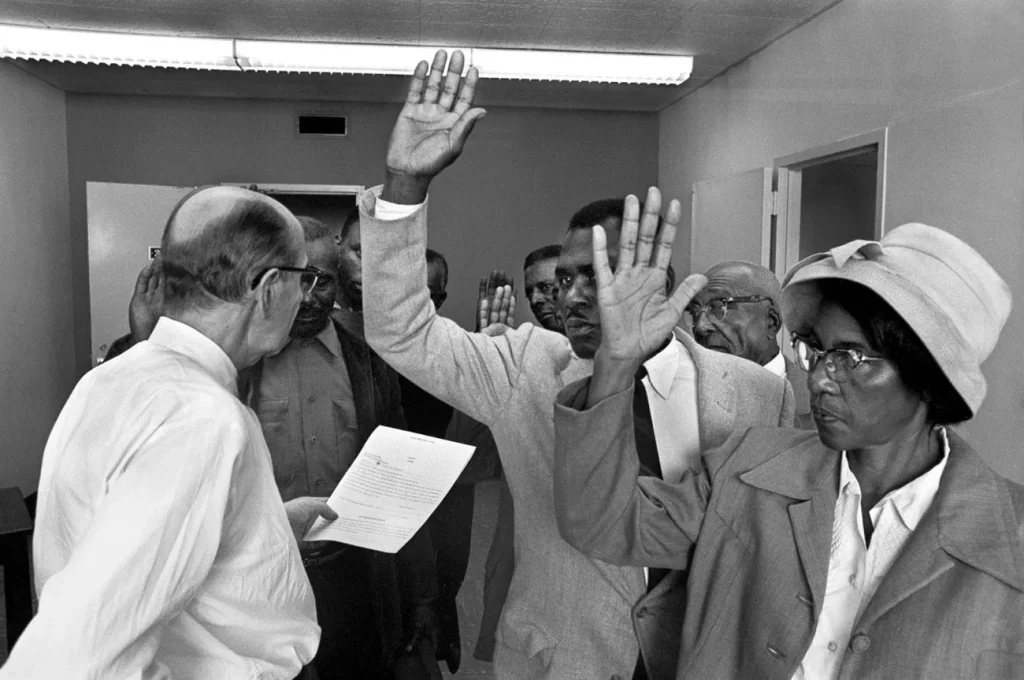
A close friend of Rosa Parks, Carr took over leadership of the Montgomery Improvement Association. She worked behind the scenes for decades, keeping momentum alive. Even into her 80s, she was still attending rallies and speaking out. She proved that activism is a lifelong commitment.
Barbara Jordan
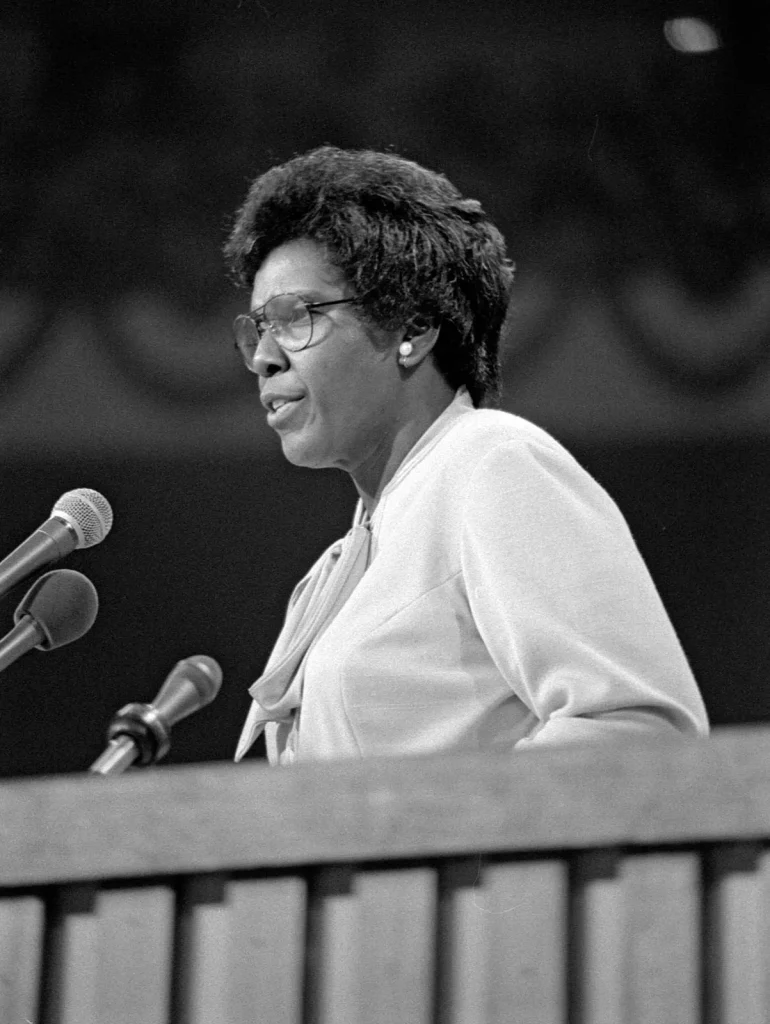
Jordan broke barriers as the first Black woman from the South elected to Congress. Before that, she was a fierce advocate for civil rights in Texas. Her speeches were sharp and commanding. She used her voice to demand justice in the halls of power.
Robert Parris Moses
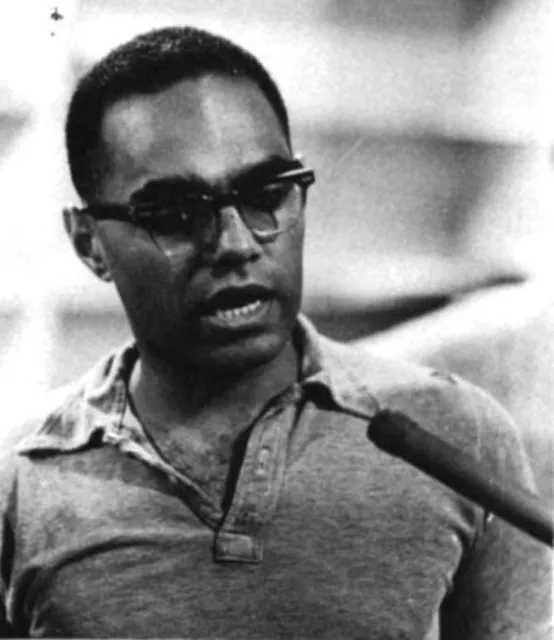
Moses was quiet, cerebral, and deeply committed to voter education. He organized Freedom Summer and helped Black Mississippians register to vote, despite enormous danger. He believed in empowering the people rather than grabbing the spotlight. His impact was lasting and profound.
Dorothy Height
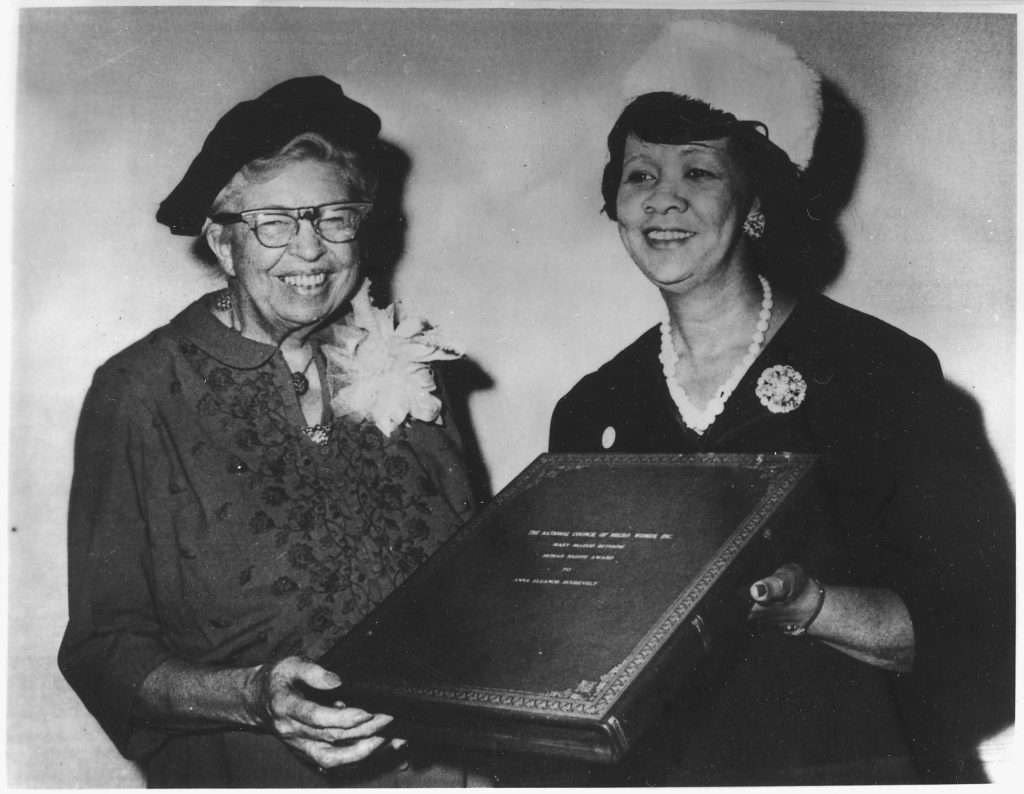
Height worked at the intersection of race and gender for over 40 years. She led the National Council of Negro Women and advised multiple presidents. She stood on the platform at the March on Washington but was not allowed to speak. Still, she led with dignity and unshakable resolve.
James Meredith
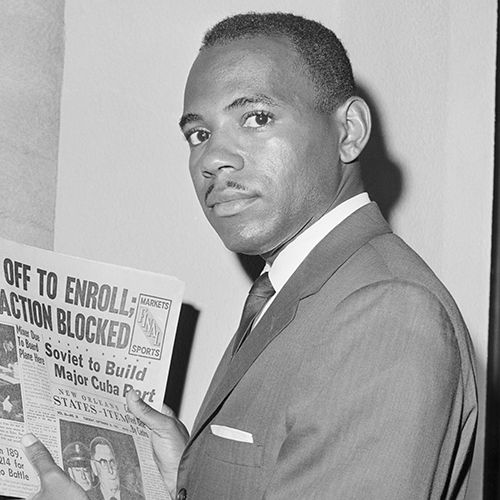
Meredith integrated the University of Mississippi under federal protection in 1962. It took over 30,000 troops to get him safely to class. Later, he marched against fear through Mississippi and was shot along the way. His courage cracked one of the South’s toughest strongholds.
Frank Smith Jr.
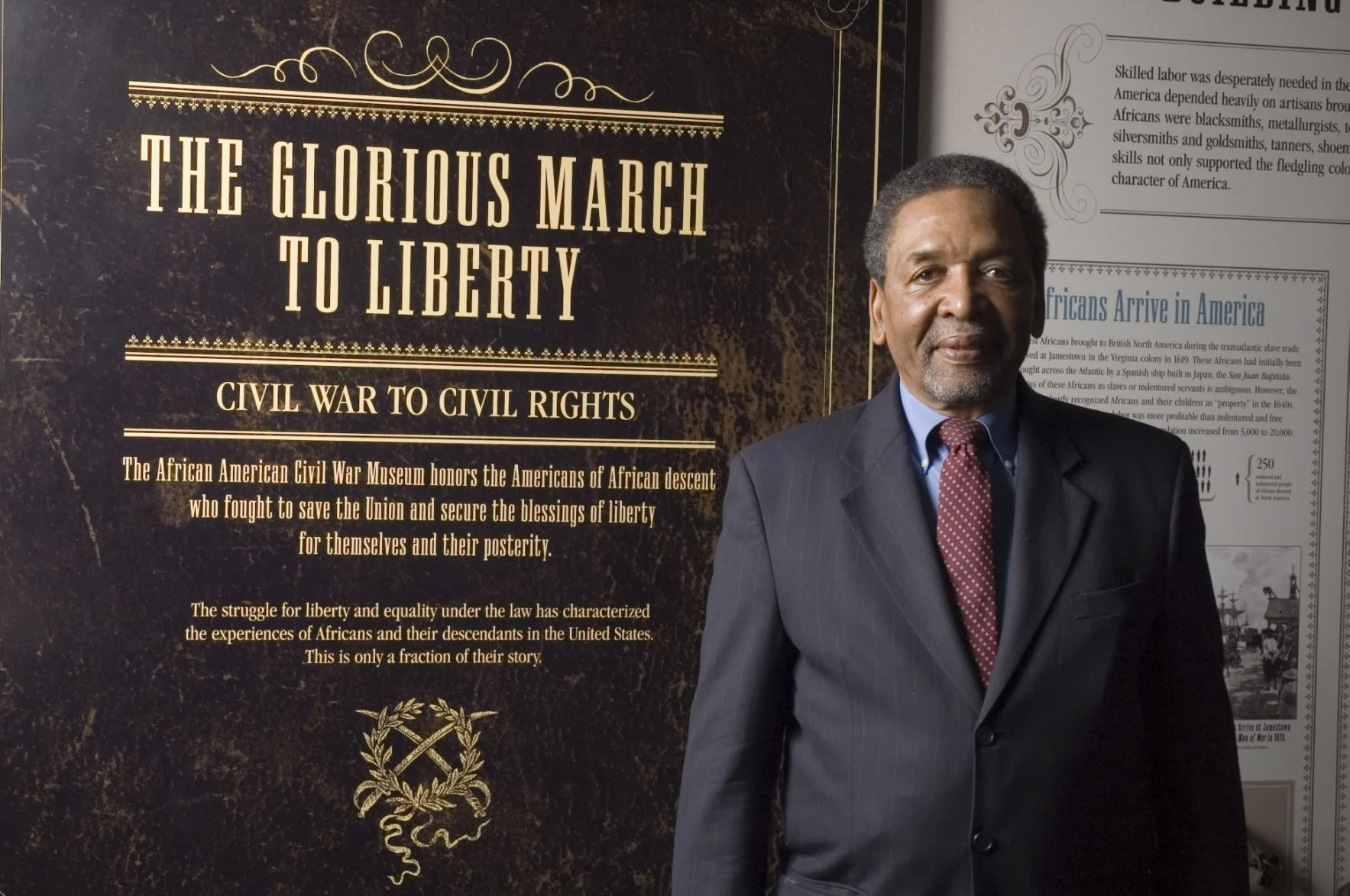
As a SNCC member, Frank Smith registered voters and built political power in Mississippi. He survived beatings and threats in the Deep South. Afterward, he became a respected D.C. councilmember. His story is one of resilience from the front lines to the chambers of change.
Lamar Smith
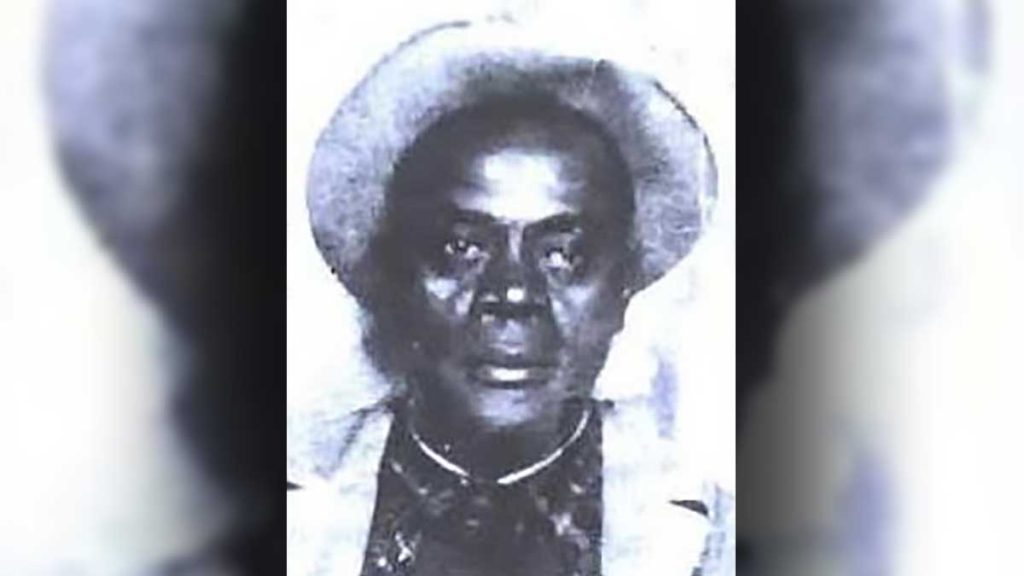
In 1955, Lamar Smith was shot and killed in broad daylight outside a courthouse for helping Black citizens vote. No one was ever charged. His death is a grim reminder of what activists faced in the Jim Crow South. He is one of many who paid with their life.
Mae Mallory
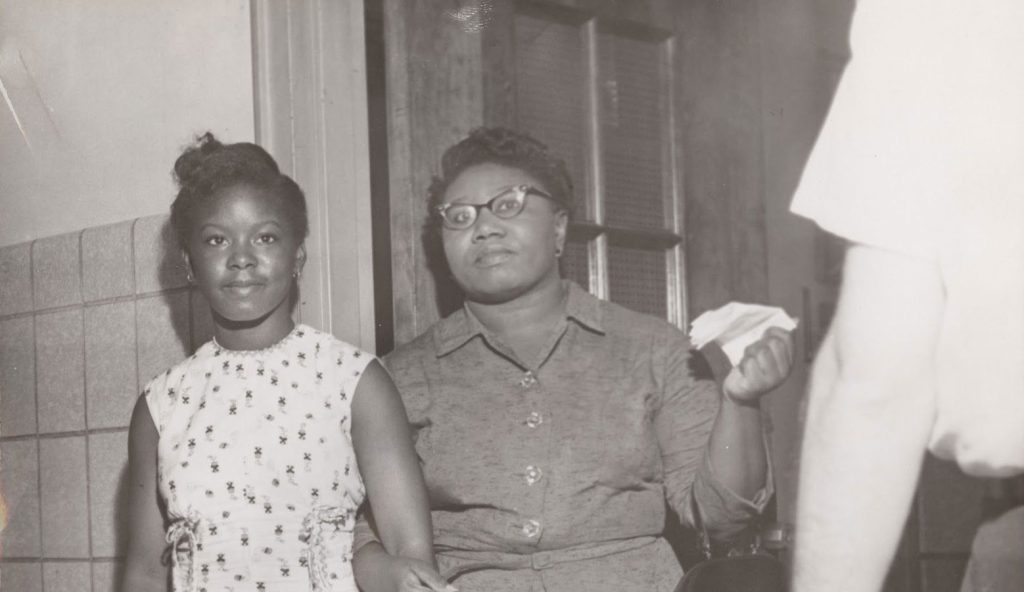
Mallory was a radical thinker and fighter for school integration in New York and Ohio. She was wrongly imprisoned for her activism but never gave in. She believed
Benjamin Mays
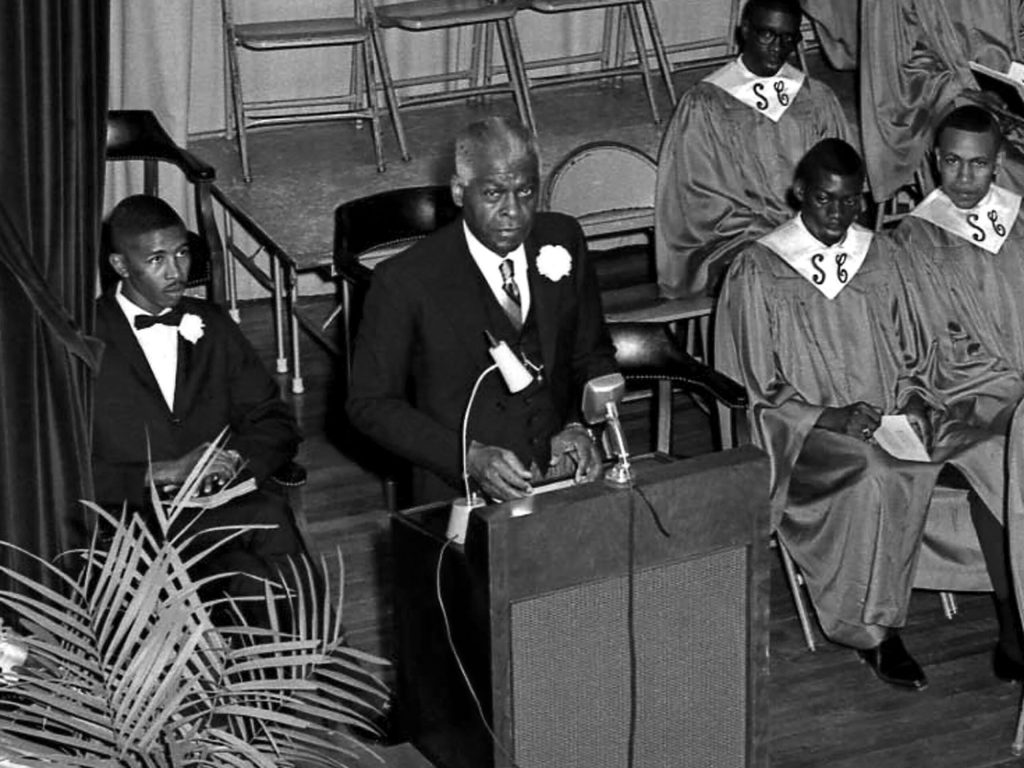
As president of Morehouse College, Mays mentored generations of Black leaders, including MLK himself. He preached excellence, justice, and quiet strength. His influence shaped the minds that shaped the movement. Mays was a professor, but also a prophet in his own right.
Pauli Murray
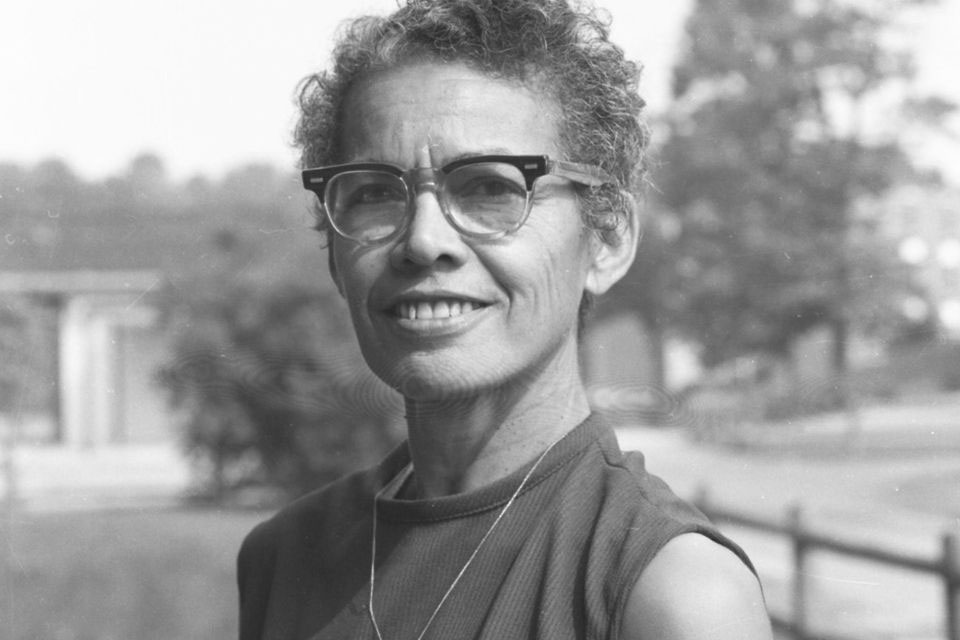
Murray was a poet, lawyer, and Episcopal priest who fought both racism and sexism long before intersectionality had a name. She inspired Ruth Bader Ginsburg and helped lay the groundwork for both civil and women’s rights. The movement wasn’t always ready for her brilliance. But she helped define what justice could look like.
Marsha P. Johnson
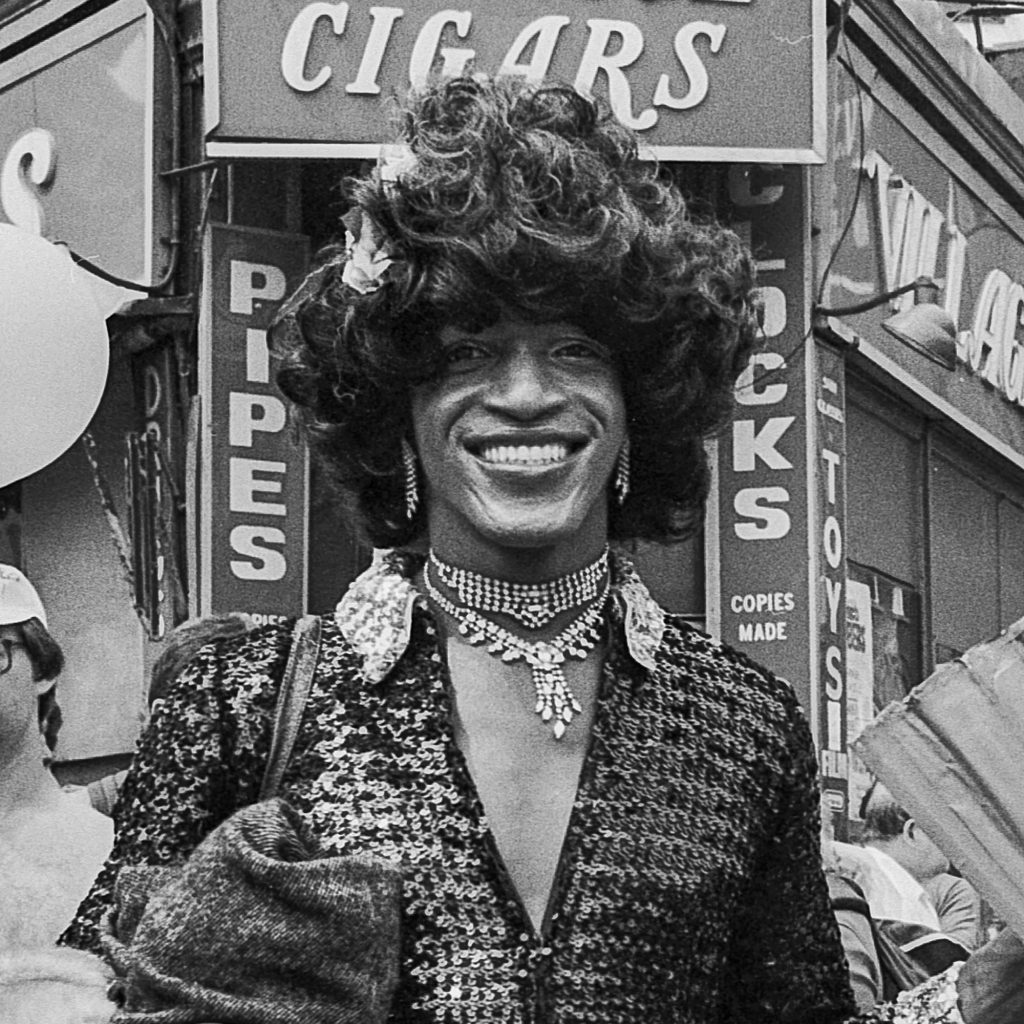
Best known for her role in LGBTQ+ rights, Marsha was also a fierce voice against police brutality and racial injustice. She marched, organized, and spoke out in an era that barely acknowledged queer Black activists. Her activism was intersectional before the term was popular. She demanded liberation for everyone.
Bayard Rustin
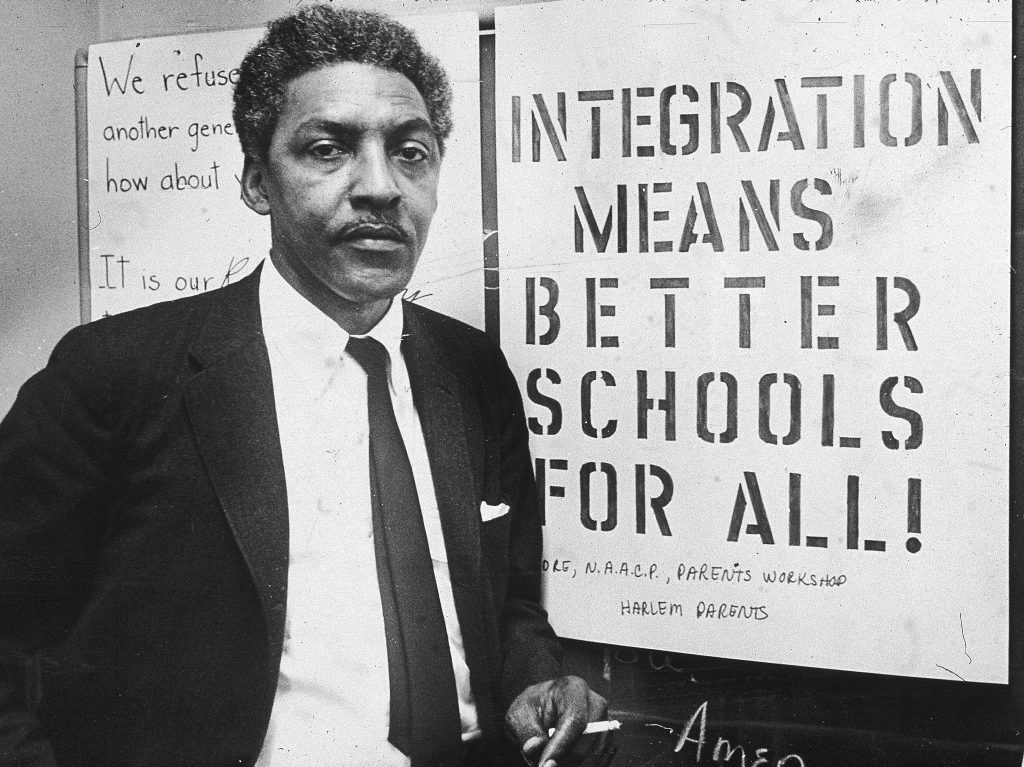
Behind the scenes of the 1963 March on Washington was Bayard Rustin, a brilliant strategist and mentor to Martin Luther King Jr. He was openly gay, which often made other leaders sideline him despite his invaluable work. Rustin stayed focused on the cause, even when it meant not getting credit. His vision of peaceful protest shaped the entire movement.
Diane Nash
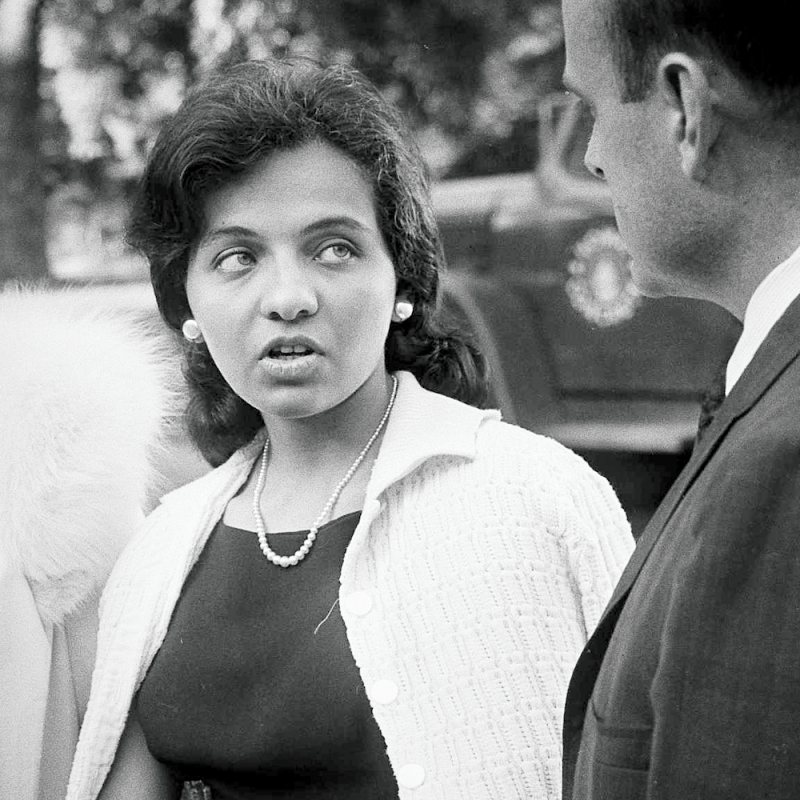
As a college student, Diane Nash co-founded the Student Nonviolent Coordinating Committee and helped lead the Freedom Rides. Her calm, fierce determination was legendary. She once told a mayor, to his face, that segregation was immoral. And she never backed down, even when pregnant and threatened with jail.