The 1970s were anything but boring. It was a decade of big changes, loud fashion, political scandals, and groundbreaking movements. From space missions to massive protests, the world was in constant motion. This was the era when disco boomed, wars raged on, and Watergate rocked America to its core. Let’s take a look back at 30 major events that shaped the seventies and left a mark on history.
The Vietnam War Ends (1975)
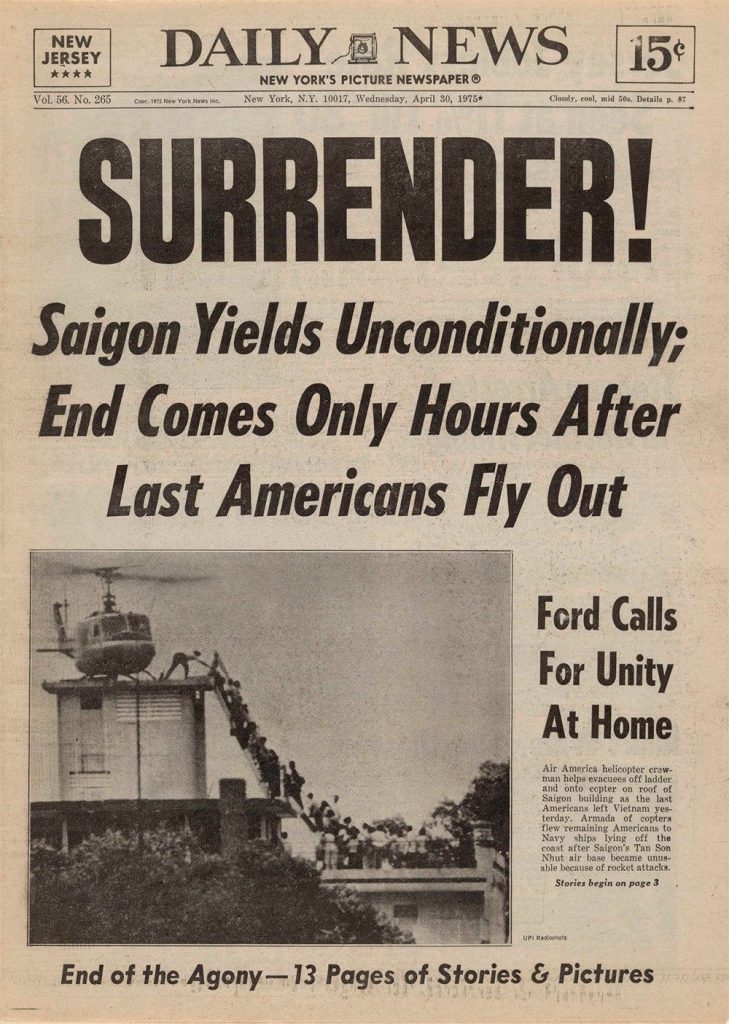
After years of conflict, the Vietnam War came to a chaotic end with the fall of Saigon. Helicopters evacuated Americans and South Vietnamese from rooftops as North Vietnamese forces closed in. The war had cost millions of lives and left deep scars on the United States and Southeast Asia. It also marked the first major military defeat for the U.S., changing how the country approached foreign policy going forward.
Apollo 13’s Near-Disaster in Space (1970)
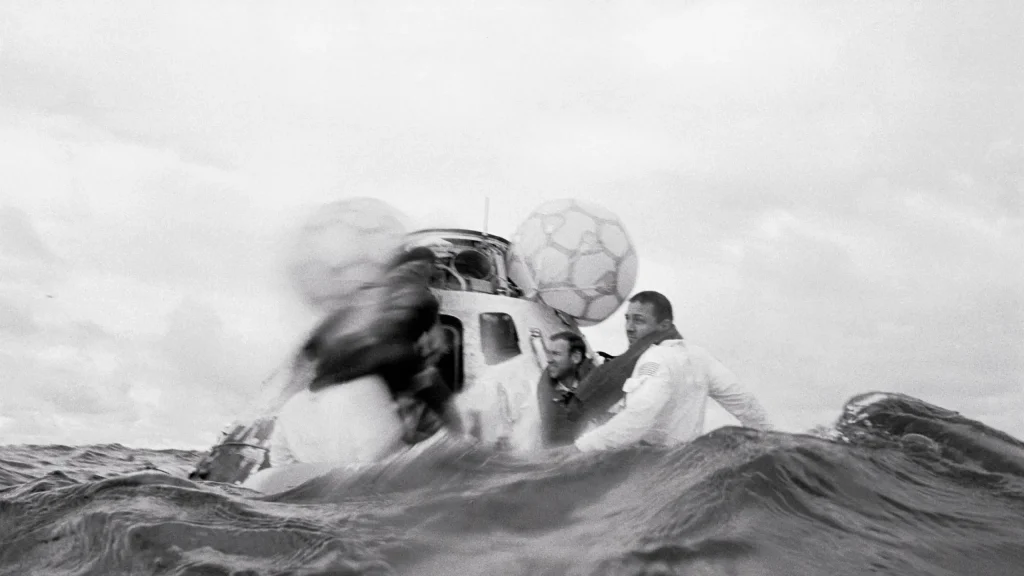
What was supposed to be NASA’s third moon landing turned into a fight for survival. An onboard explosion crippled Apollo 13’s spacecraft, leaving three astronauts stranded far from Earth. They worked with mission control to make an emergency return using clever science and pure grit. The phrase “Houston, we have a problem” became iconic.
Saturday Night Live Premieres (1975)
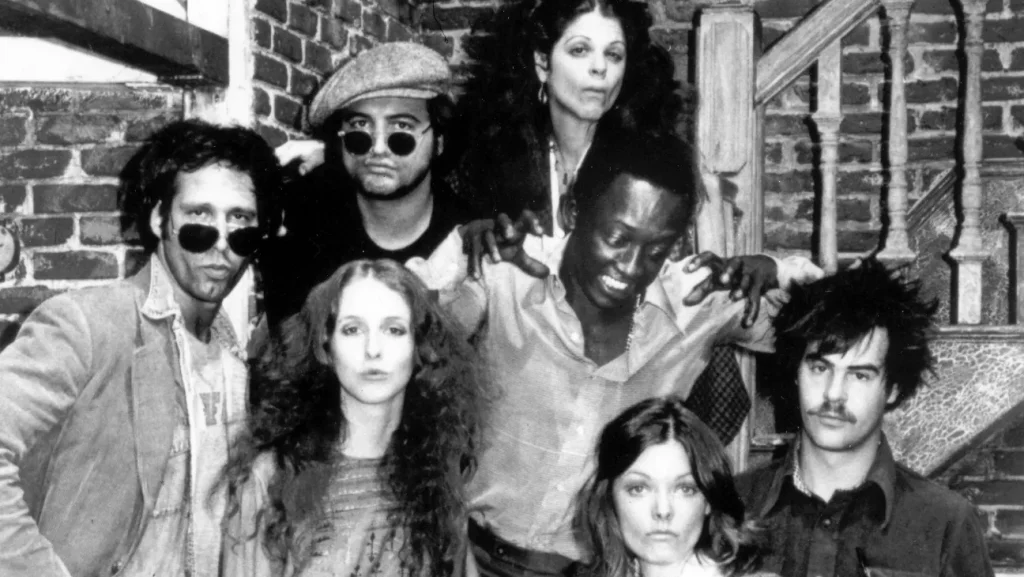
Live from New York, it was… a total game-changer. Saturday Night Live debuted on NBC and quickly became the edgy, must-watch sketch show of the decade. It launched the careers of comedy legends like Chevy Chase, Gilda Radner, and John Belushi. Its mix of politics and punchlines captured the spirit of the times.
The Munich Olympics Massacre (1972)
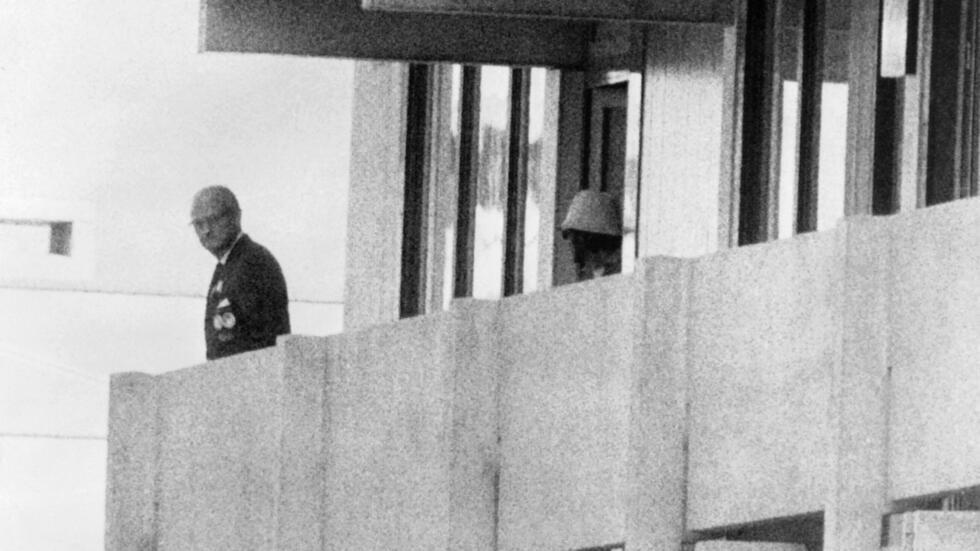
The world was watching when tragedy struck the 1972 Summer Olympics in Munich. Palestinian terrorists took 11 Israeli athletes hostage, and the standoff ended in a bloody disaster. All the hostages were killed during a failed rescue attempt. It shocked the globe and changed security protocols for international events forever.
Punk Rock Explodes (Late 1970s)
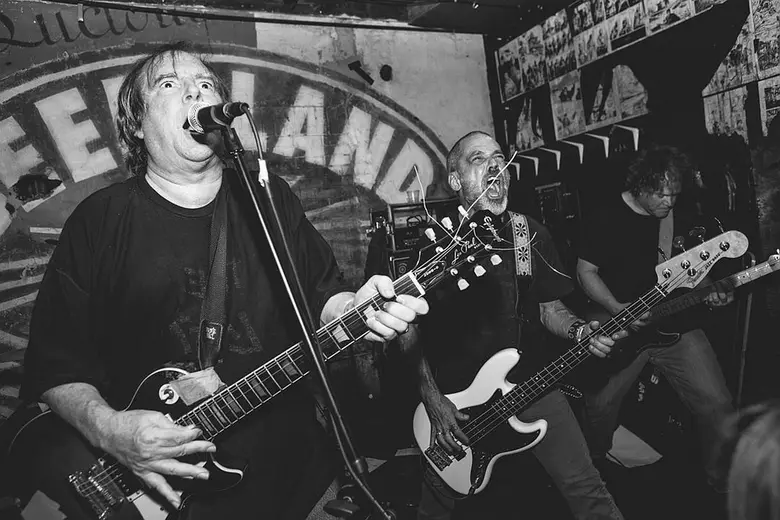
Safety pins, snarling vocals, and anti-everything energy, punk rock was not here to be polite. Bands like the Sex Pistols and The Ramones tore through the music scene with raw sounds and rebellion. It gave voice to young people frustrated with society and mainstream music. Punk didn’t just shake up music, it rewrote the rules.
The First Test Tube Baby (1978)
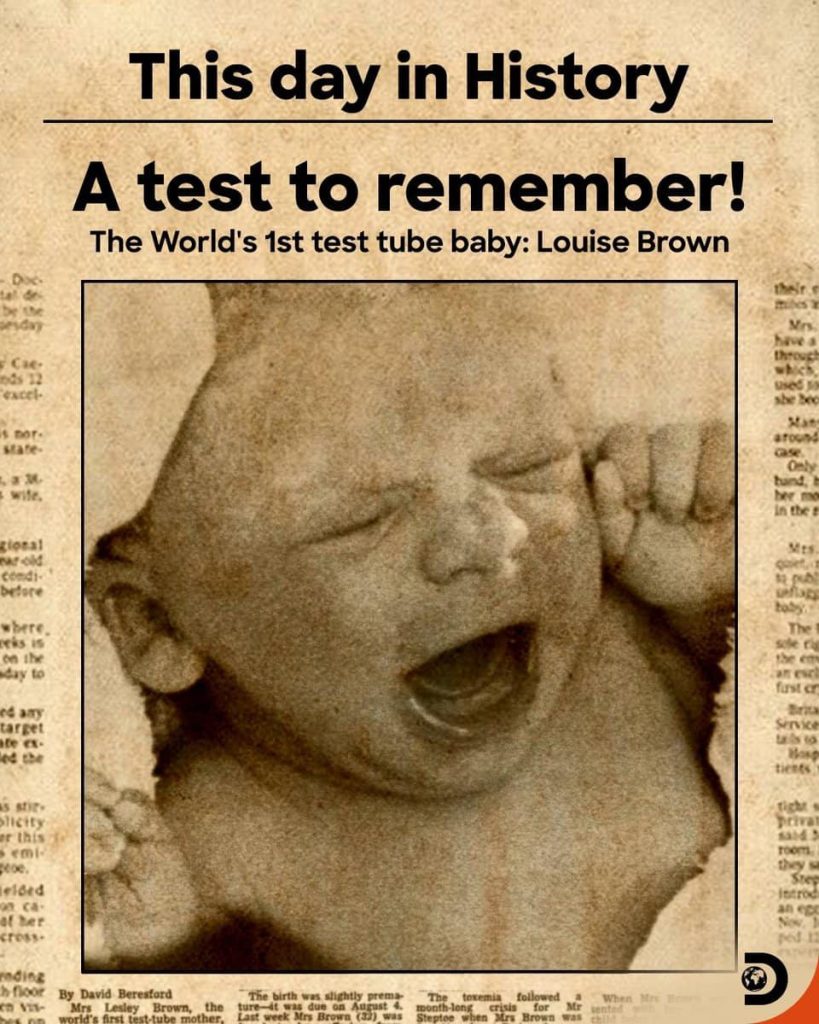
In England, Louise Brown was born under very unusual circumstances—she was the world’s first baby conceived via in vitro fertilization (IVF). It sparked awe and controversy, as some saw it as science going too far. But for many couples struggling with infertility, it offered hope. It was the beginning of a whole new era in reproductive medicine.
Elvis Presley Dies (1977)
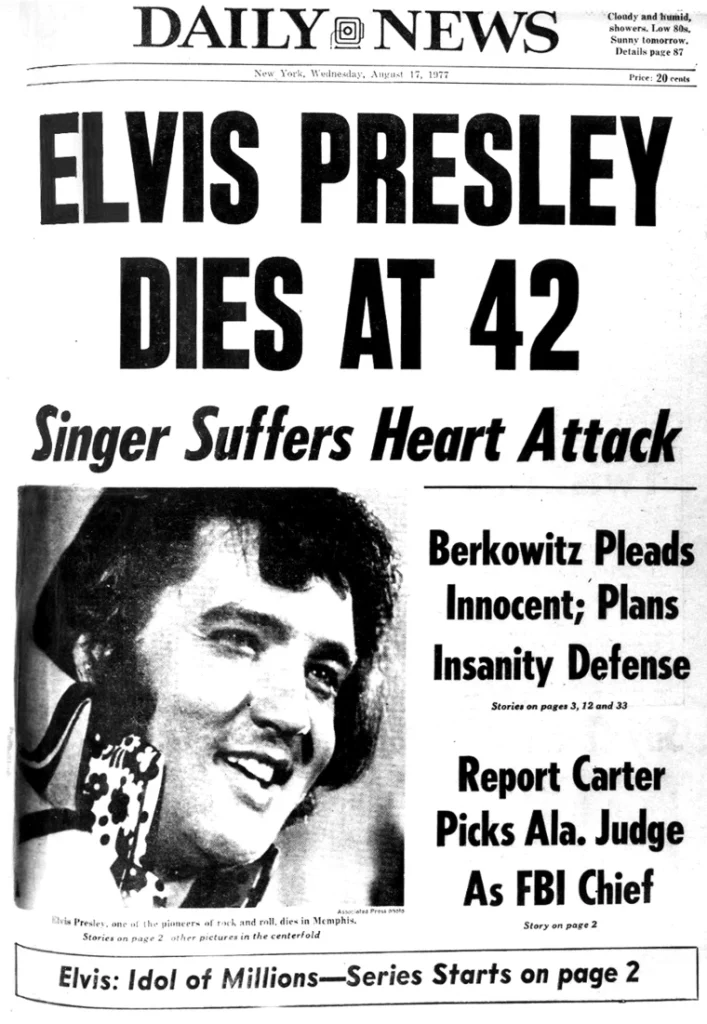
The King of Rock and Roll left the building for good in 1977. Elvis Presley died suddenly at his Graceland home, stunning fans worldwide. He had become a cultural icon and music legend, despite years of health struggles. His death cemented his status as one of the most mythologized figures in American pop culture.
The Bangladesh Liberation War (1971)
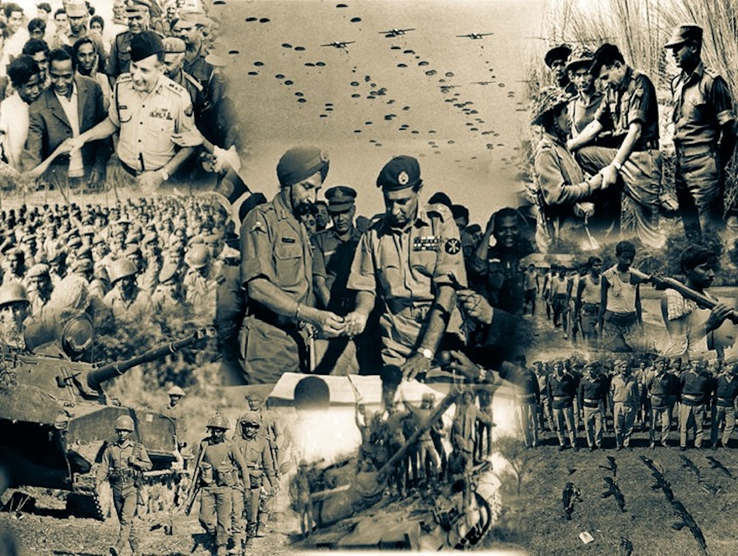
A brutal war led to the birth of a new nation: Bangladesh. The conflict began when East Pakistan demanded independence from West Pakistan, resulting in widespread violence. India stepped in to support the independence movement. After months of fighting, Bangladesh officially became a sovereign country in December 1971.
The Jonestown Massacre (1978)
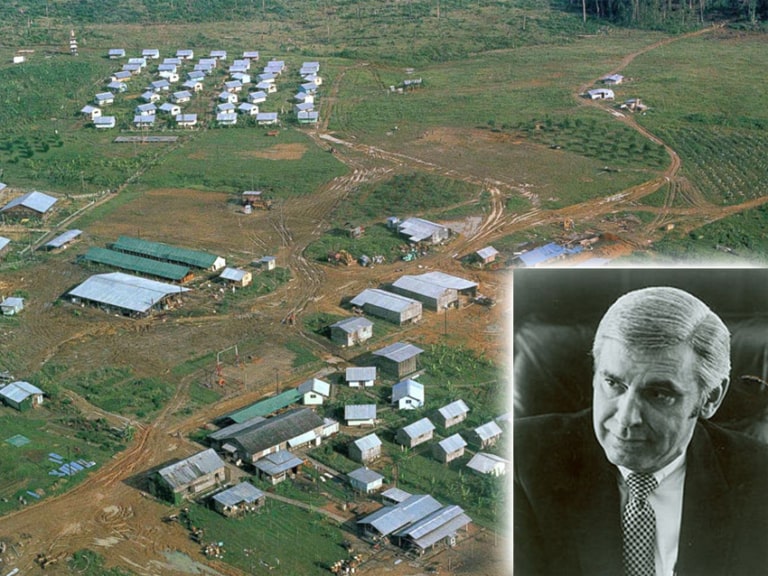
More than 900 people died in Guyana after drinking poison under the command of cult leader Jim Jones. The mass suicide was orchestrated at the People’s Temple compound in what became known as Jonestown. It was one of the largest losses of American civilian life in a non-natural disaster. The horror shocked the world and changed how cults were viewed.
Margaret Thatcher Becomes Leader of the UK Conservative Party (1975)
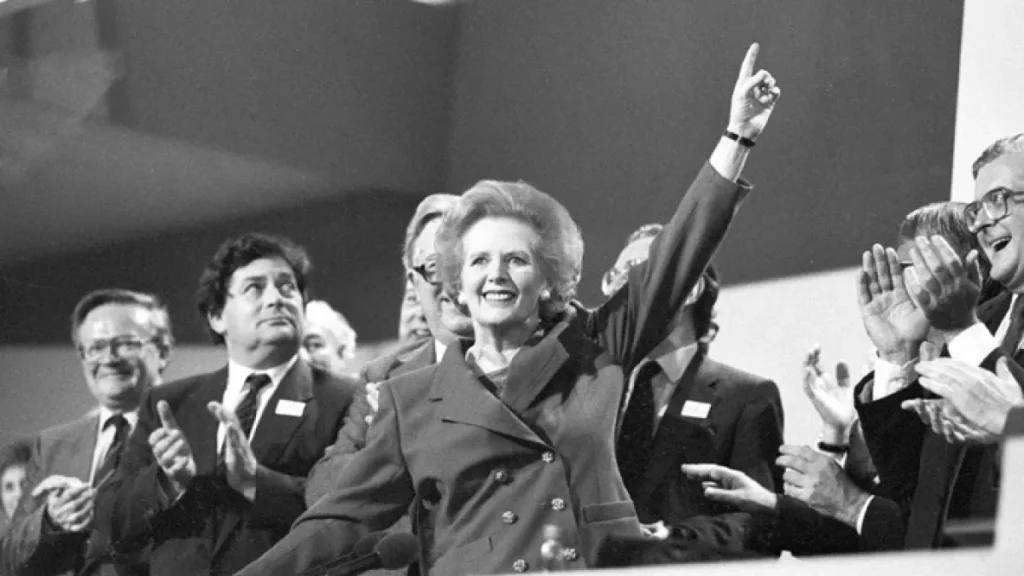
Britain had never seen anything like her. Margaret Thatcher became the first woman to lead a major political party in the UK. Known as the “Iron Lady,” she quickly made waves with her bold and often polarizing views. She would go on to become Prime Minister in 1979, but her rise began in the mid-’70s.
The Collapse of the Bretton Woods System (1971)
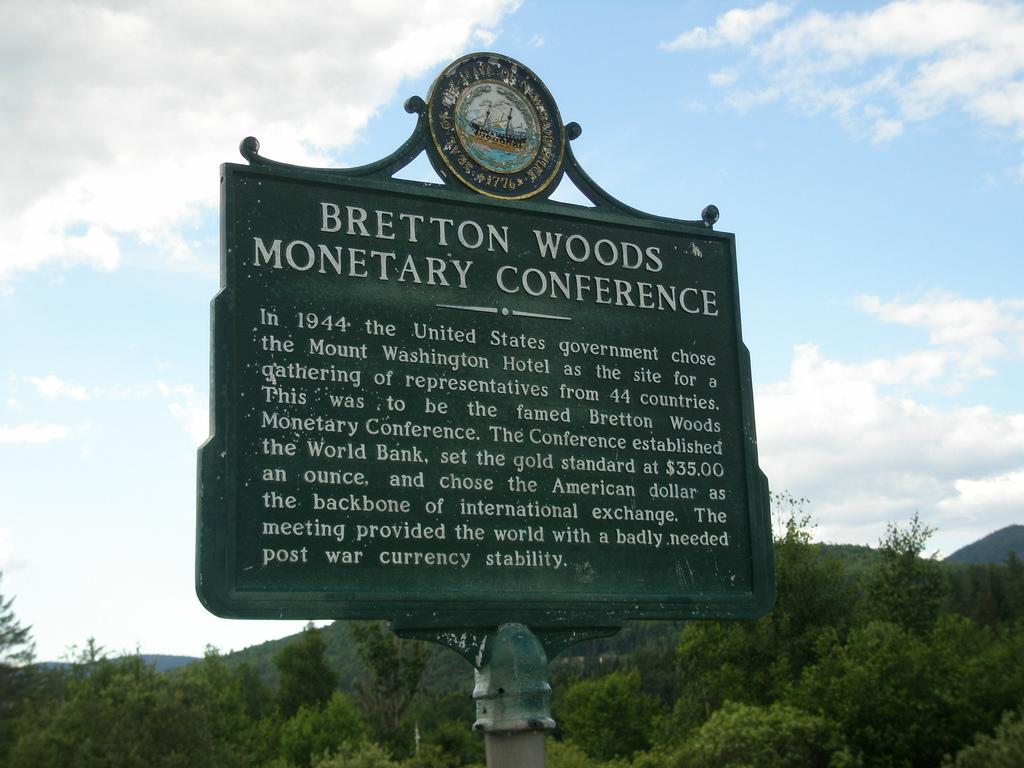
Up until the early ’70s, the global economy ran on a gold-backed system. But in 1971, President Nixon pulled the U.S. off the gold standard, ending fixed exchange rates between major currencies. It was a financial mic drop that threw international markets into chaos. Floating currency rates became the new norm, and the dollar’s role as a global currency solidified.
The Khmer Rouge Takes Over Cambodia (1975)
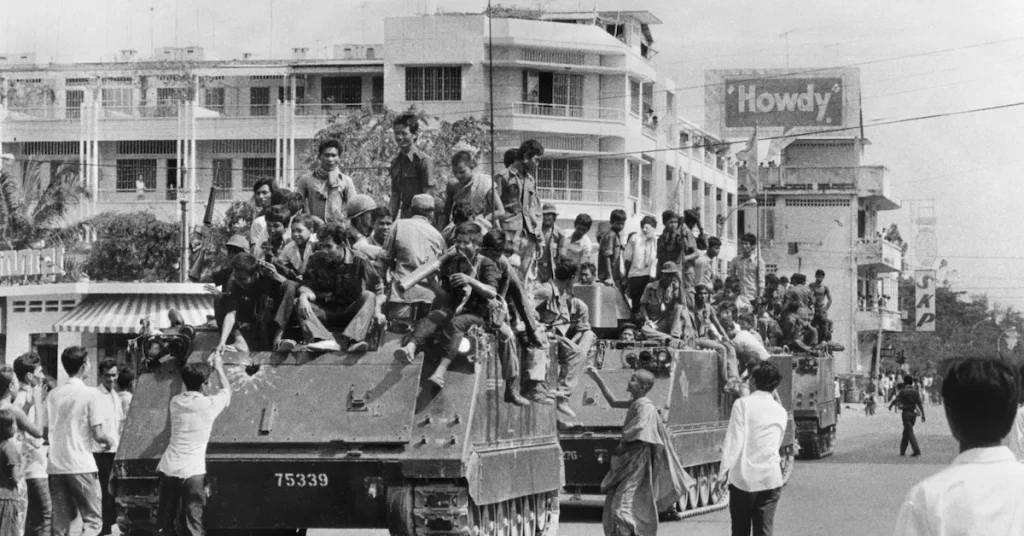
When the Khmer Rouge seized power in Cambodia, many hoped for peace after years of war. Instead, they got genocide. Led by Pol Pot, the regime killed nearly 2 million people through forced labor, starvation, and execution. The country was turned into a nightmarish “agrarian utopia” that left behind mass graves and unspeakable trauma.
The First Email Is Sent (1971)
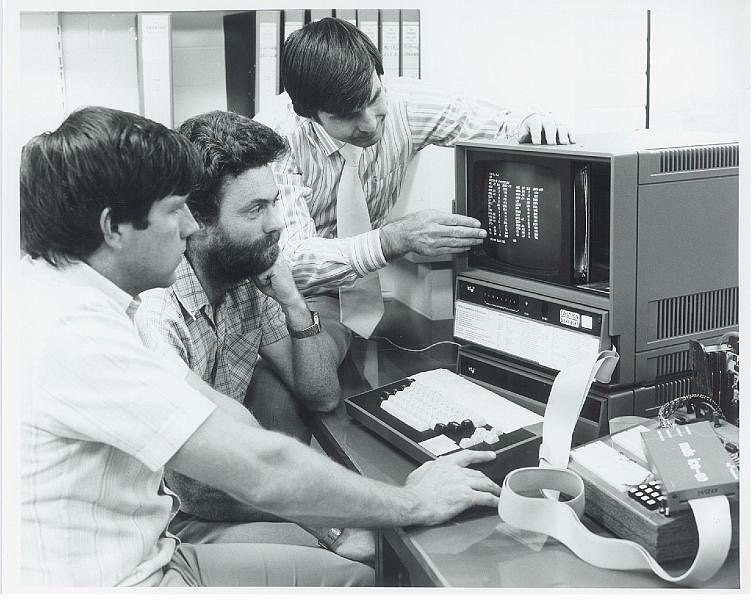
No emojis, no GIFs, just text. In 1971, computer engineer Ray Tomlinson sent the first-ever email between two machines sitting side by side. He chose the “@” symbol to separate the user from the host, and internet communication was born. At the time, it didn’t seem like a big deal… but it quietly kicked off the digital revolution.
Three-Day Week in the UK (1974)
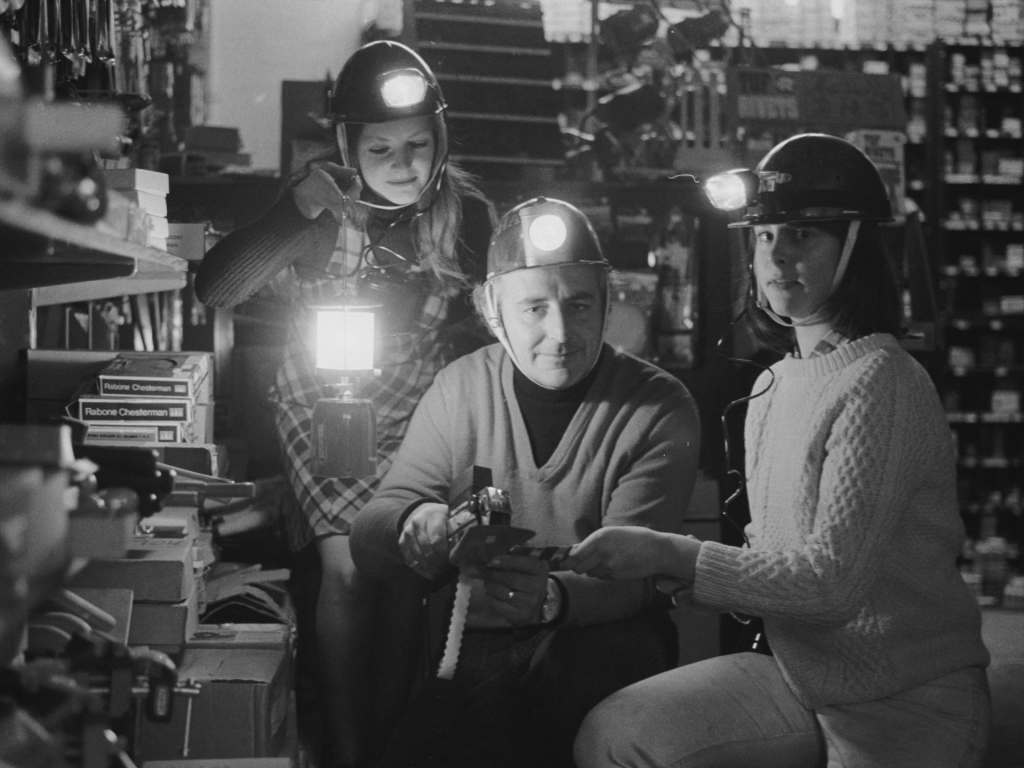
To save electricity during a massive coal shortage, the British government imposed a national three-day workweek. Businesses shut down early, factories powered off, and TV networks stopped broadcasting at 10:30 p.m. It was like someone hit pause on daily life. The move highlighted just how fragile modern infrastructure could be.
Voyager Spacecraft Launched (1977)
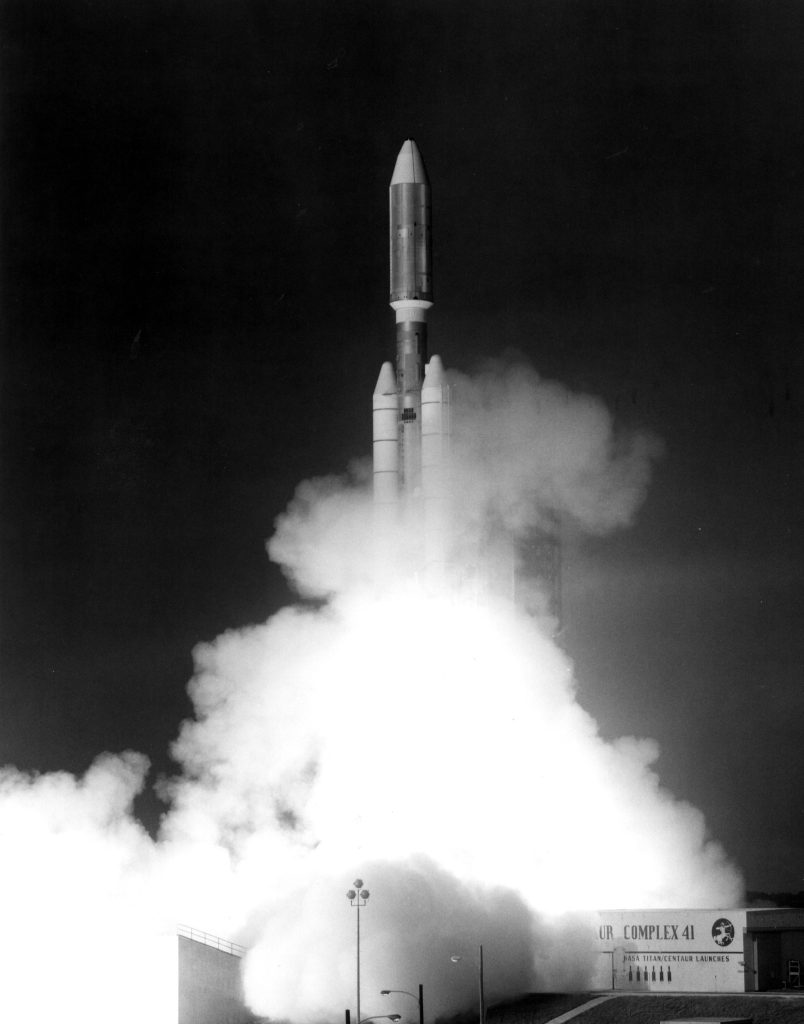
NASA launched Voyager 1 and Voyager 2 into the cosmos, and they’re still traveling through space today. These twin spacecraft carried golden records with sounds of Earth, just in case aliens were curious. Voyager 1 eventually became the first human-made object to enter interstellar space. It’s like a message in a bottle tossed into the galactic ocean.
Grease Premieres on Broadway (1972)
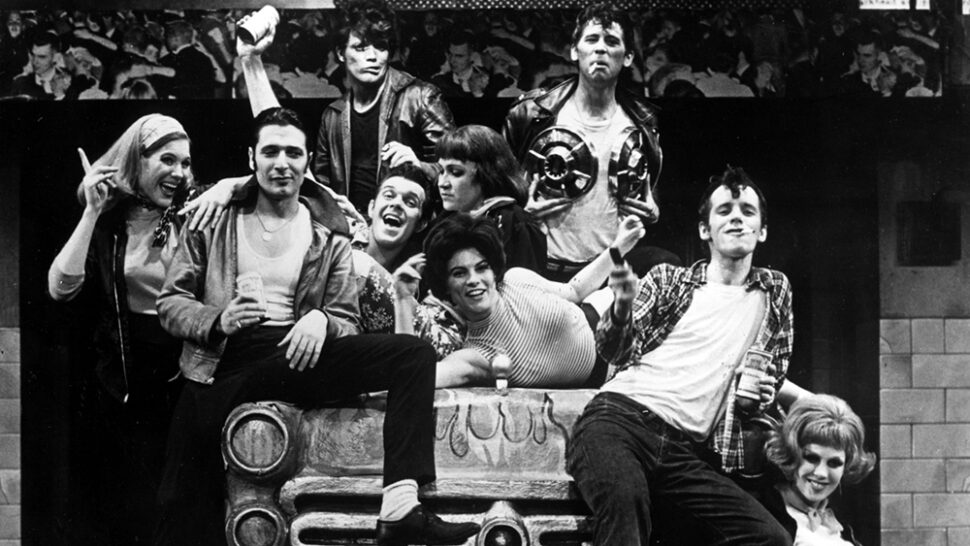
Before it was a movie starring John Travolta and Olivia Newton-John, Grease hit Broadway and became a massive sensation. The show mixed 1950s nostalgia with catchy songs and teenage drama. Audiences couldn’t get enough of the slicked-back hair and poodle skirts. It defined what it meant to be cool for a whole new generation.
Stagflation Hits Hard
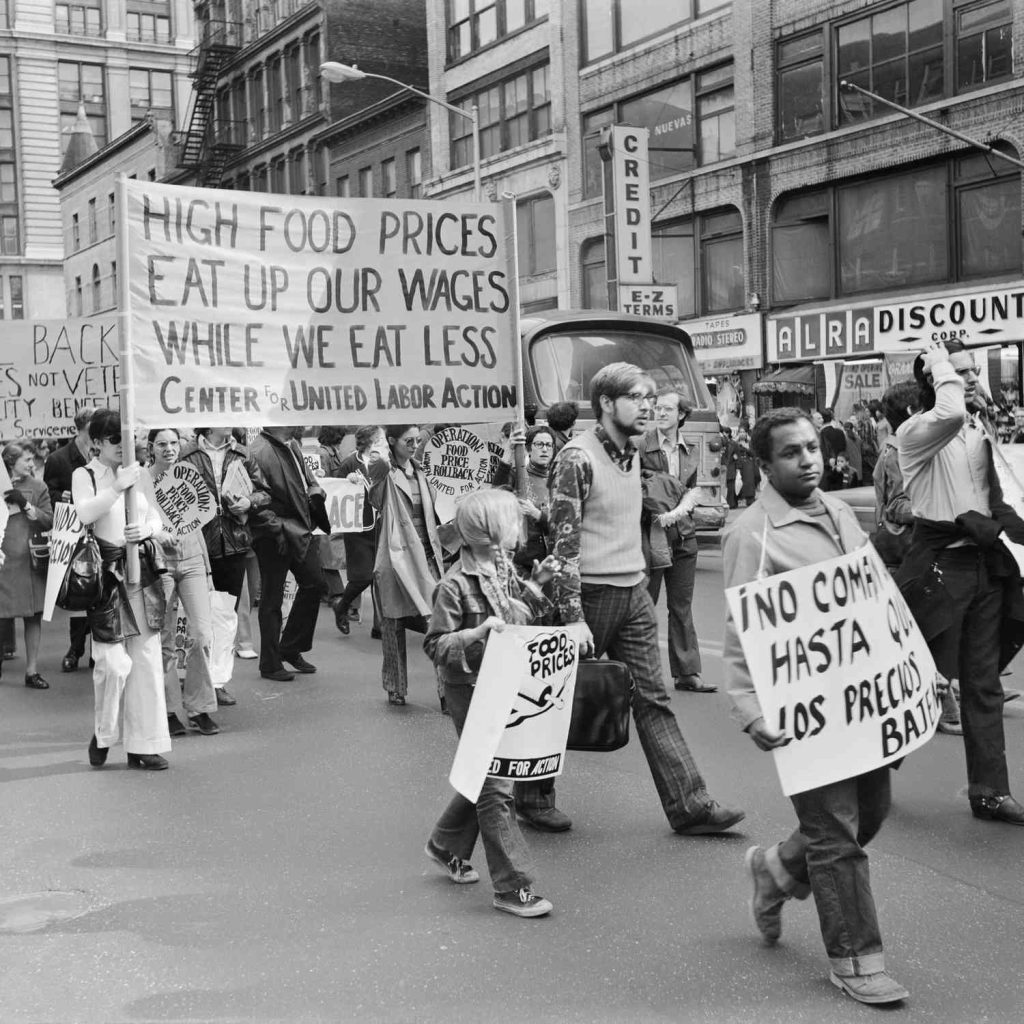
Economics got weird in the ‘70s. The world experienced a bizarre mix of high inflation, rising unemployment, and stagnant growth, what experts called “stagflation.” It broke every economic rulebook and left policymakers scrambling for answers. The usual fixes didn’t work, and people felt it every time they went shopping.
U.S. Bicentennial Celebrations (1976)
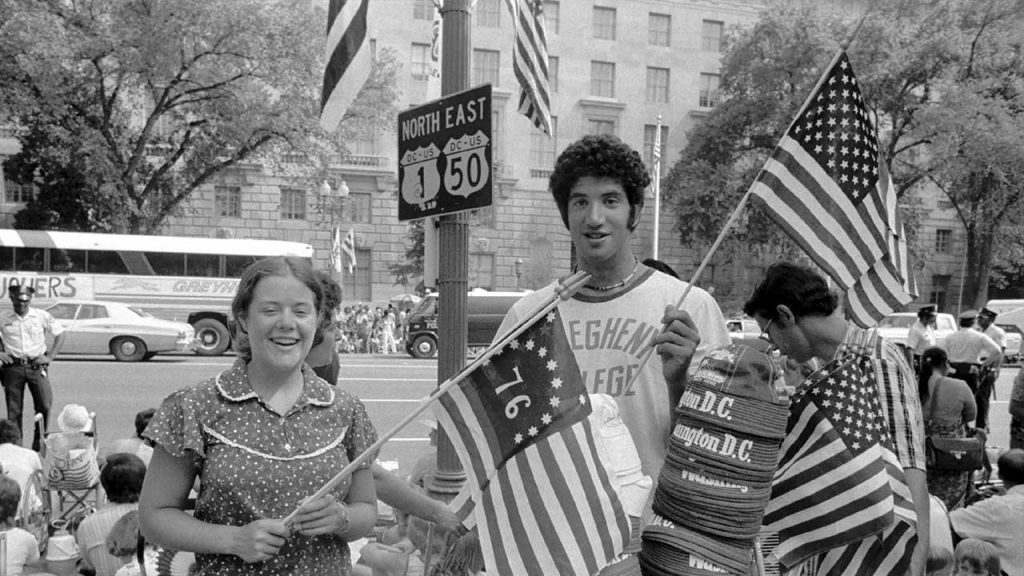
America turned 200 in 1976, and the whole country went full-on red, white, and blue. Parades, fireworks, tall ships, and a massive dose of patriotism filled the year. Even consumer products got in on the act with “Bicentennial” everything, from soda cans to sneakers. It was a moment of pride and reflection during a turbulent decade.
Iranian Revolution Begins (1979)
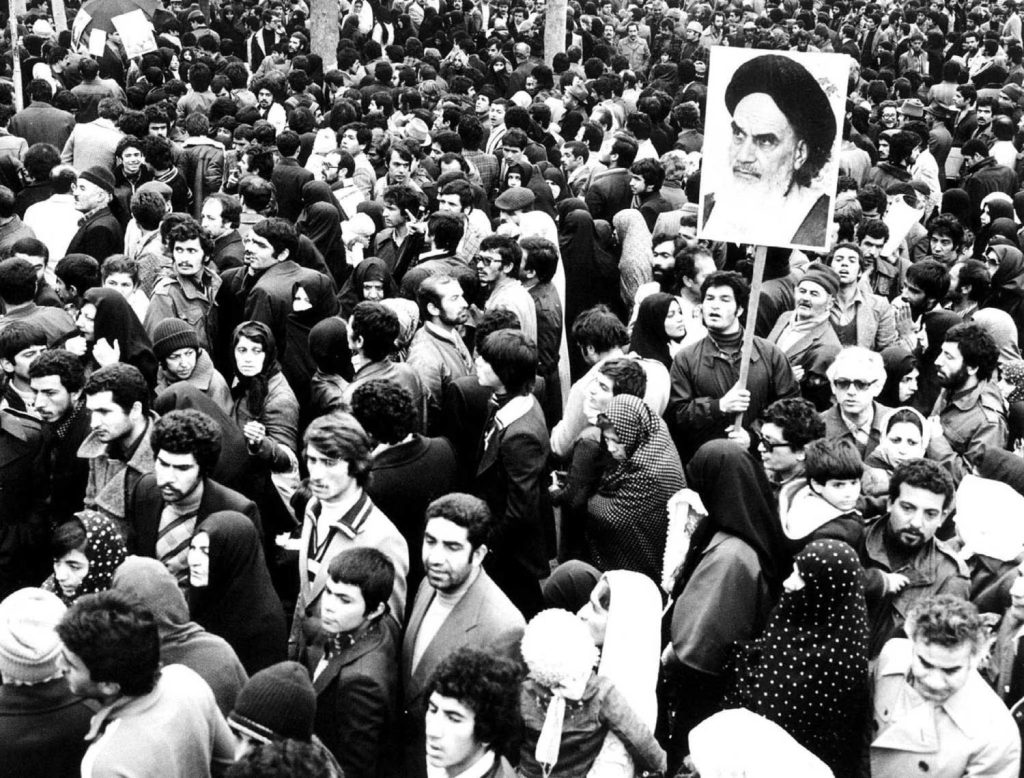
By the end of the decade, Iran was in upheaval. Massive protests, strikes, and civil unrest led to the fall of the Shah and the rise of Ayatollah Khomeini. The country shifted from a Western-backed monarchy to an Islamic Republic. It wasn’t just a regional shift; it completely changed global politics, especially for the U.S.
Sony Introduces the Walkman (1979)
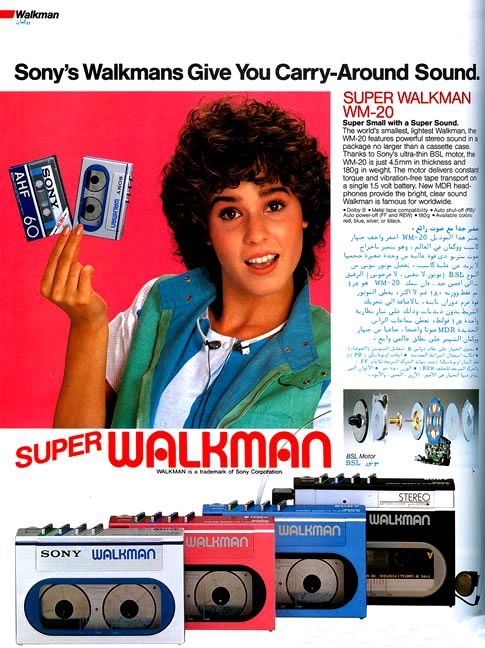
Music went mobile when Sony released the Walkman. Suddenly, you didn’t have to blast your tunes from a boombox, you could listen privately on your headphones while strutting down the street. It was a cultural game changer and set the stage for portable tech trends to come. People finally had their own personal soundtracks.
The First Earth Day (1970)
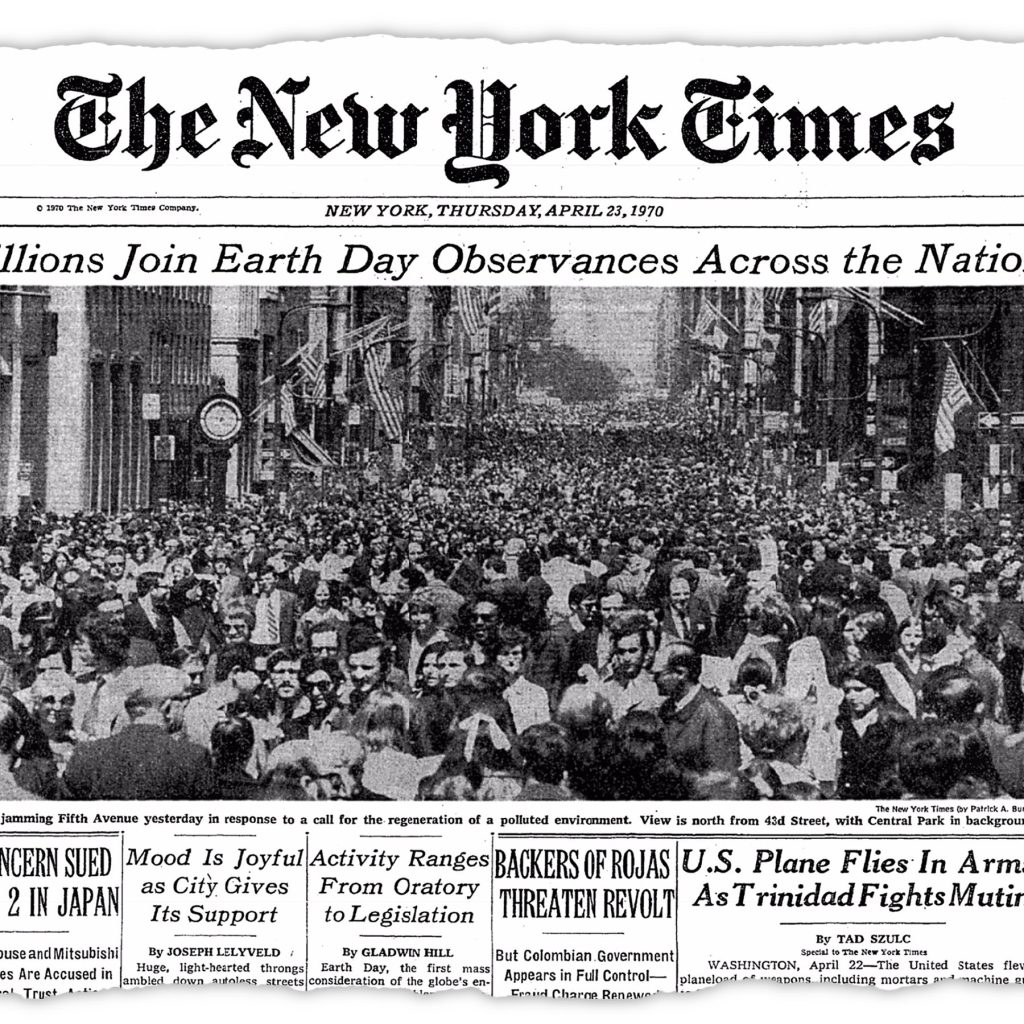
On April 22, 1970, millions of people across the U.S. took to the streets to protest pollution and raise awareness about environmental issues. It was the birth of Earth Day, a movement that united scientists, students, and everyday citizens. It also helped push through key legislation like the Clean Air and Water Acts. Nature finally got a voice in Washington.
The Rise of Disco (Mid-to-Late 1970s)
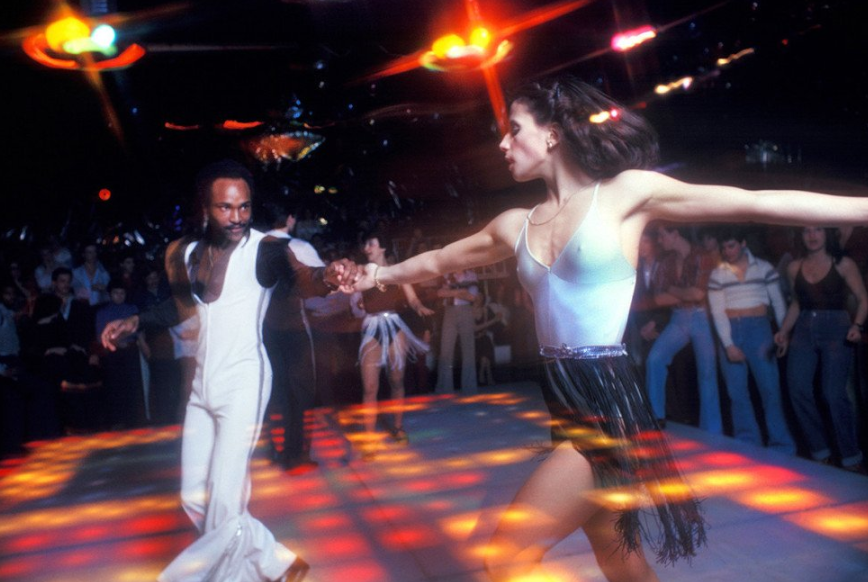
Disco fever swept the world and took over the dance floor. Clubs like Studio 54 were packed, and artists like Donna Summer and the Bee Gees ruled the charts. The music was glittery, fast, and full of rhythm—everything people needed to escape the chaos of the times. Love it or hate it, disco was impossible to ignore.
Patty Hearst Kidnapped (1974)
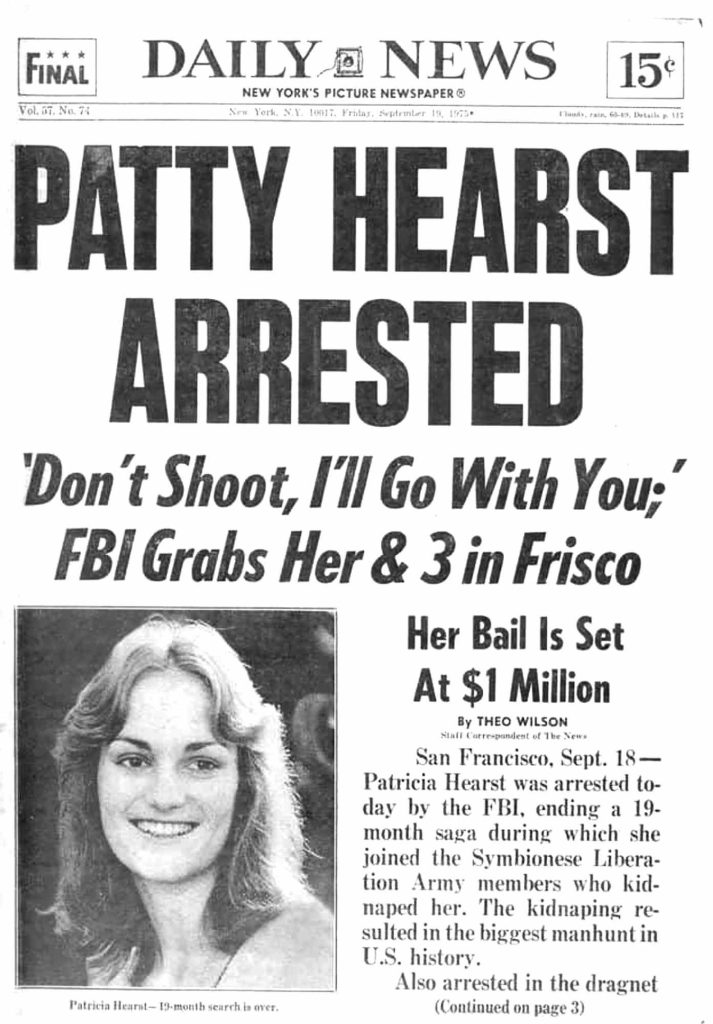
In one of the strangest true crime stories of the decade, newspaper heiress Patty Hearst was kidnapped by a left-wing militant group called the Symbionese Liberation Army. Shockingly, she later appeared to join their cause, even robbing a bank with them. The public was fascinated, was she brainwashed or a willing rebel? Her trial became a media circus.
The Godfather Hits Theaters (1972)
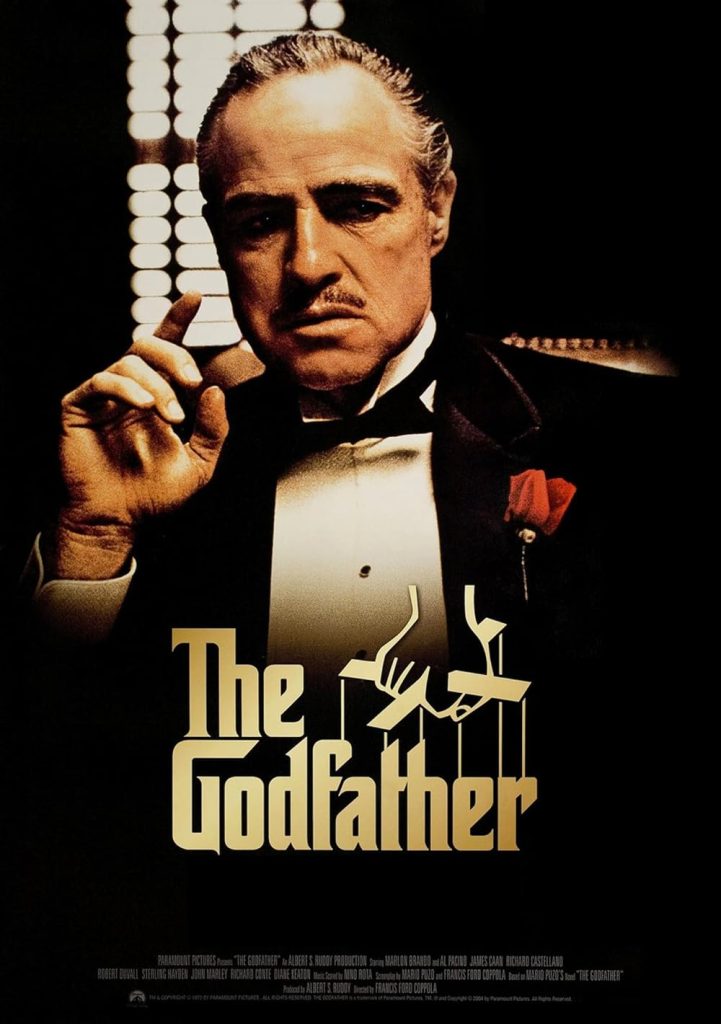
Cinema was forever changed when The Godfather premiered. Directed by Francis Ford Coppola and starring Marlon Brando and Al Pacino, the film redefined the gangster genre. Its gritty storytelling and iconic lines made it an instant classic. People started quoting Don Corleone and viewing mob stories through a whole new lens.
The Oil Crisis of 1973
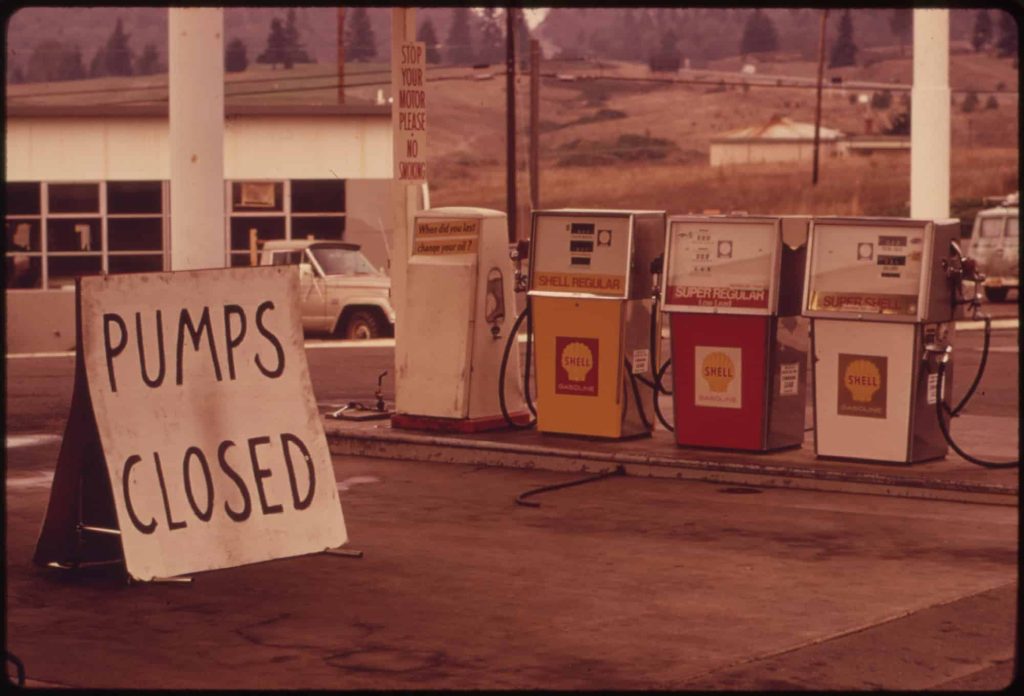
Imagine pulling up to a gas station and seeing a “No Gas” sign. That was reality in 1973 after OPEC cut oil exports to countries supporting Israel. Fuel prices shot up, people waited in long lines for gas, and economies around the world were shaken. It forced the West to rethink its energy dependence and kickstarted interest in alternative energy.
The Yom Kippur War (1973)
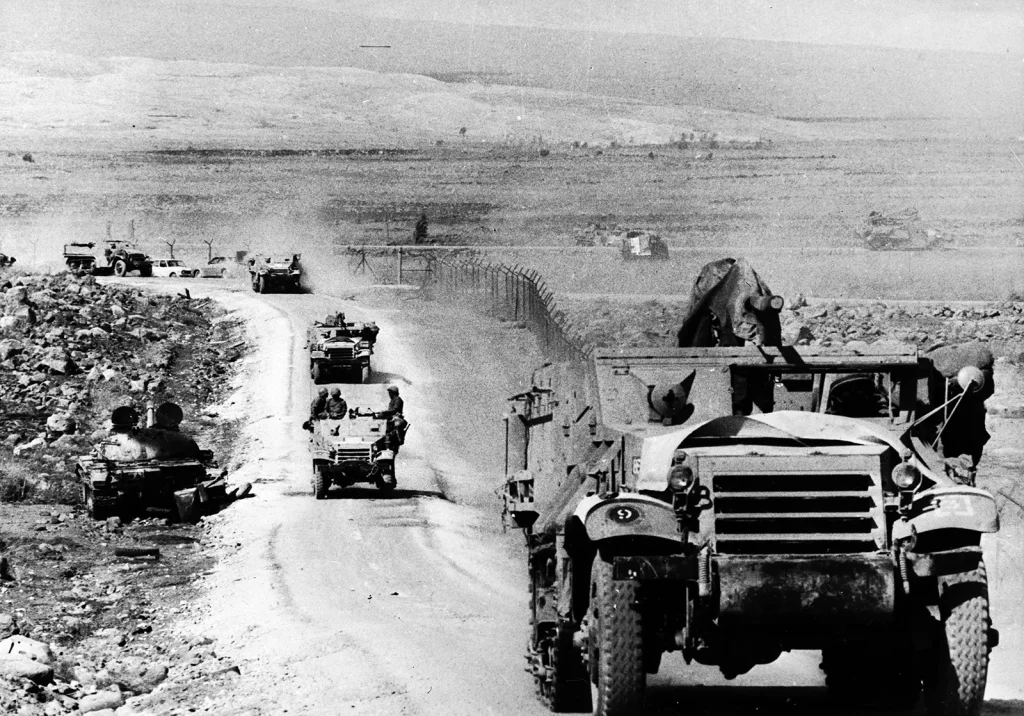
On the holiest day in the Jewish calendar, Egypt and Syria launched a surprise attack on Israel. The war lasted less than three weeks but had long-lasting effects in the Middle East. The U.S. and Soviet Union got involved diplomatically, adding Cold War tension to the mix. It eventually led to peace talks, but the fighting left thousands dead.
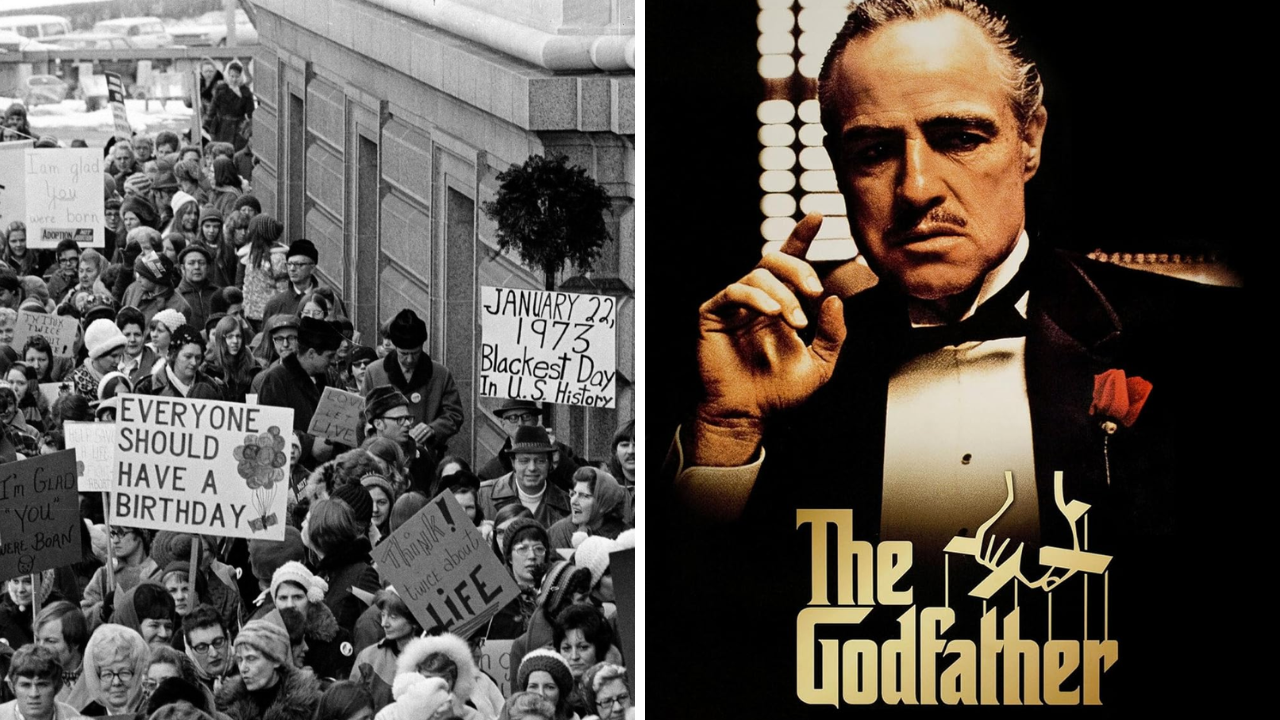
Roe v. Wade Legalizes Abortion (1973)
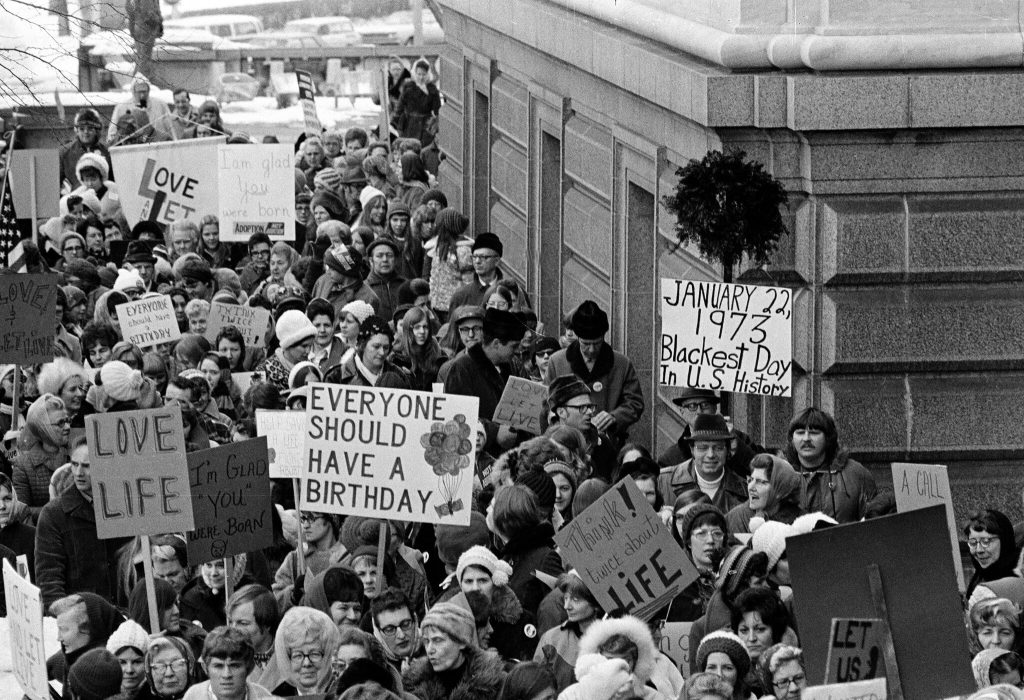
In a landmark decision, the U.S. Supreme Court ruled that the Constitution protected a woman’s right to have an abortion. The case, Roe v. Wade, instantly became one of the most controversial rulings in American history. Supporters called it a victory for women’s rights, while opponents saw it as a moral disaster. The ruling’s impact continues to spark heated debate to this day.
The Kent State Shootings (1970)
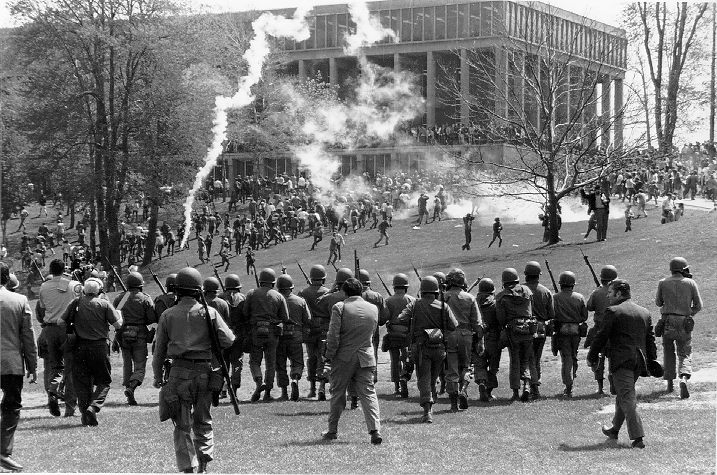
Peaceful protest turned deadly when National Guard troops opened fire on students protesting the Vietnam War at Kent State University. Four students were killed and nine were injured. The shocking images sparked national outrage and even inspired the protest anthem “Ohio” by Crosby, Stills, Nash & Young. It showed just how deeply divided the country had become over the war.
The Birth of Microsoft (1975)
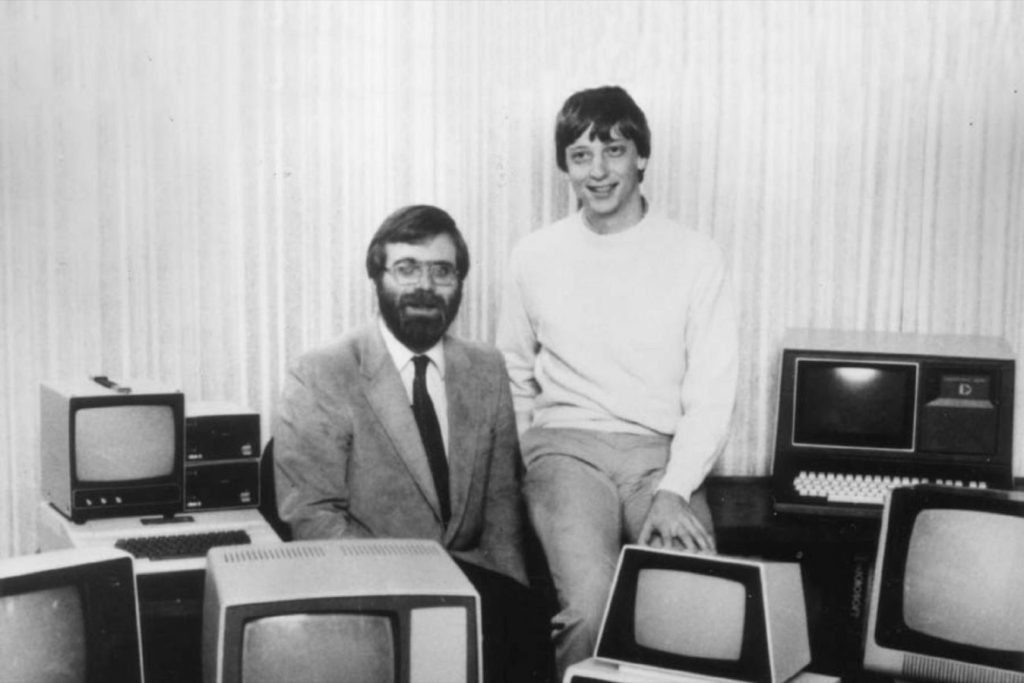
Two young guys named Bill Gates and Paul Allen had an idea that would change the world. From a tiny garage startup, Microsoft was born in 1975. They wanted to put a computer on every desk and in every home, which sounded ridiculous at the time. It didn’t take long for people to realize they were onto something huge.
Watergate Scandal Breaks Wide Open (1972–1974)
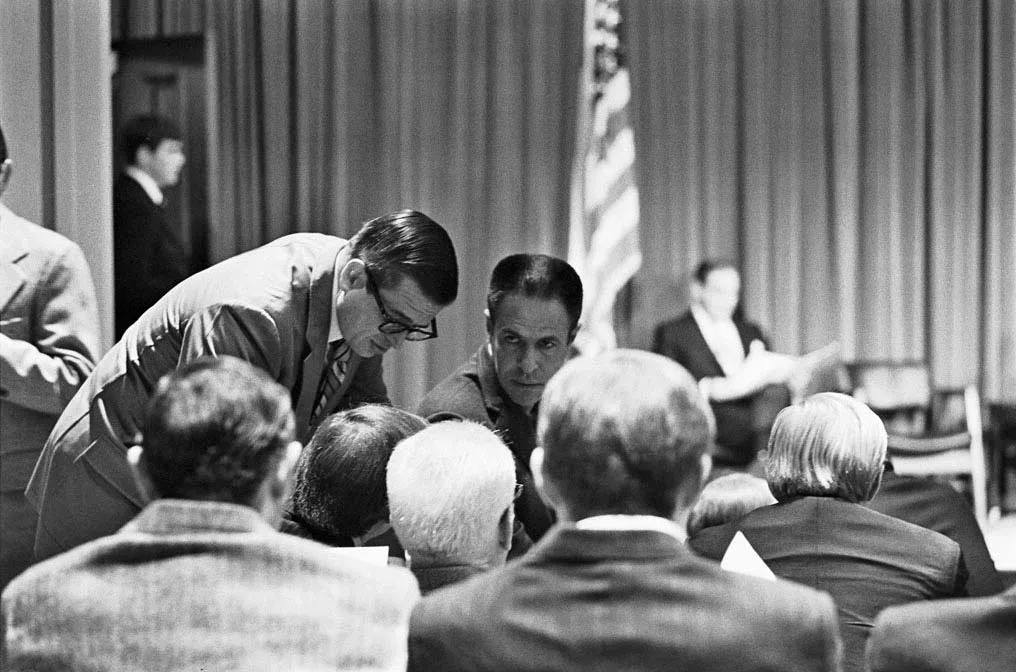
What started with a strange break-in at the Democratic National Committee headquarters led to one of the biggest political scandals in U.S. history. President Richard Nixon’s administration was caught in a web of lies, wiretaps, and cover-ups. The drama played out on TV, gripping the nation. It all ended in 1974 when Nixon resigned, making him the first and only U.S. president to do so.