History is frequently painted with the blood of conquests and the ego of tyrants, yet a handful of rulers chose a different path. This article contains 30 remarkable monarchs who placed the welfare of their people above their own power or prestige. From ancient emperors who drafted the first human rights to modern queens who served as pillars of stability, these figures redefined the crown. We can see how compassion serves as a more enduring legacy than any military victory.
Ashoka the Great
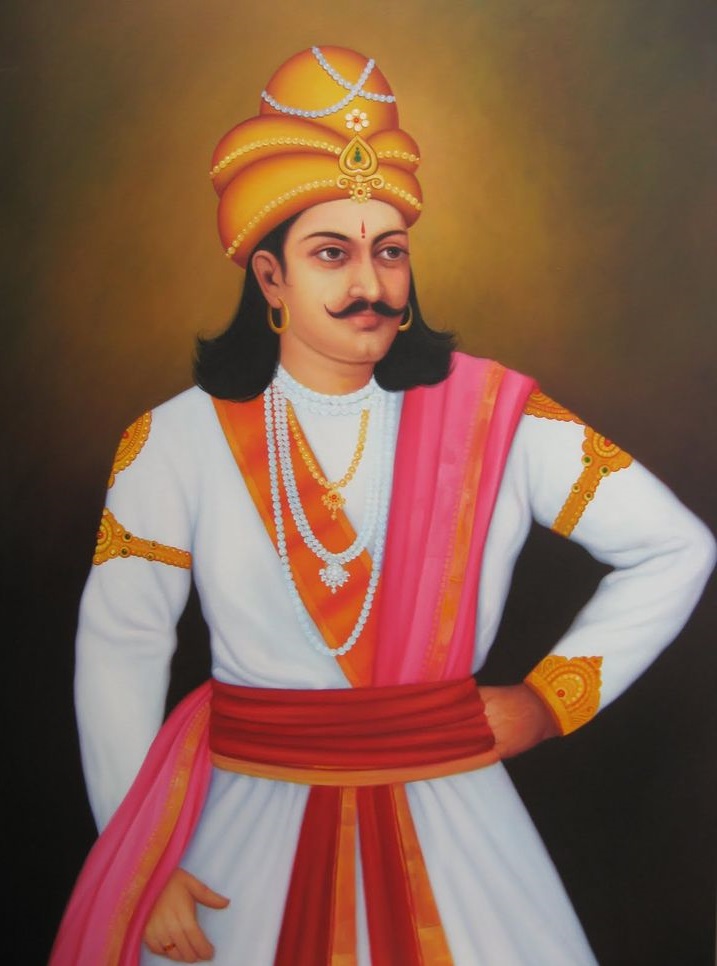
After the brutal conquest of Kalinga, this Indian emperor was so haunted by the suffering he caused that he swore off violence forever. He spent the rest of his life building hospitals and planting shade trees for weary travelers.
Louis XVI
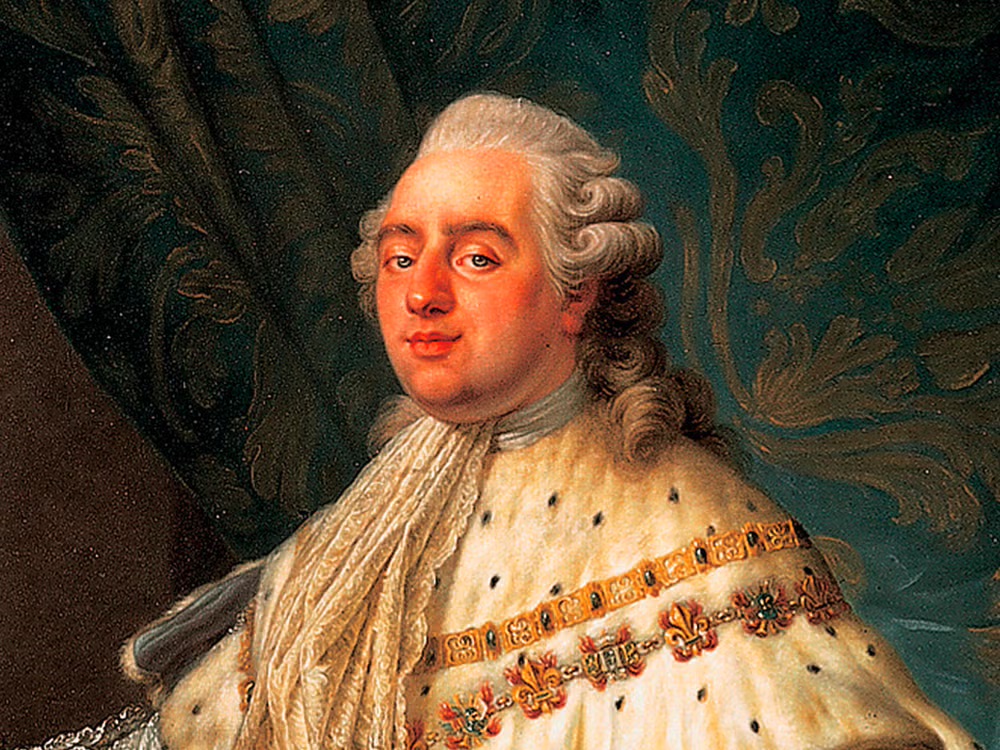
Often remembered as the tragic figure of the French Revolution, Louis was actually a man of immense personal gentleness. He was one of the first monarchs to attempt to tax the nobility to relieve the burden on the starving peasantry. His refusal to fire on his own people during the initial riots eventually led to his downfall. It is a historical irony that his kindness made him vulnerable to radical forces.
Catherine the Great
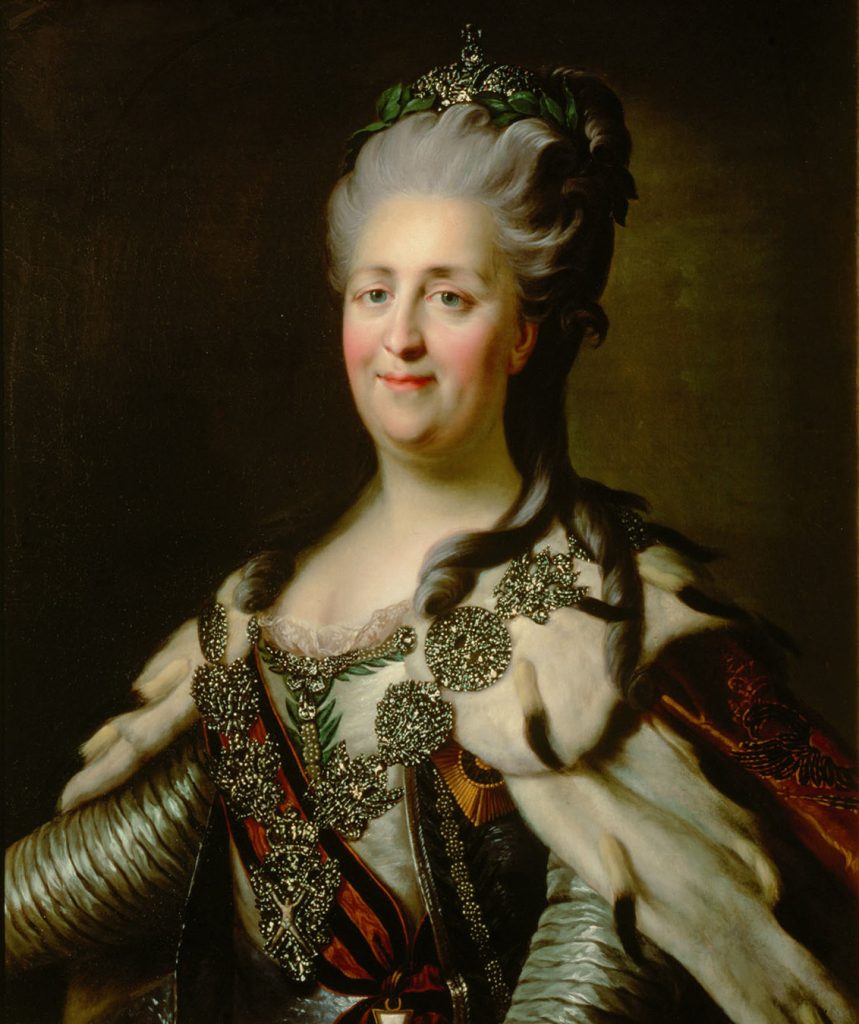
Although she expanded Russia significantly, Catherine was a devotee of the Enlightenment who corresponded with the greatest philosophers of her age. She proposed a new legal code that aimed to abolish torture and establish the equality of all citizens before the law. This initiative was centuries ahead of its time for the Russian Empire.
Alfred the Great
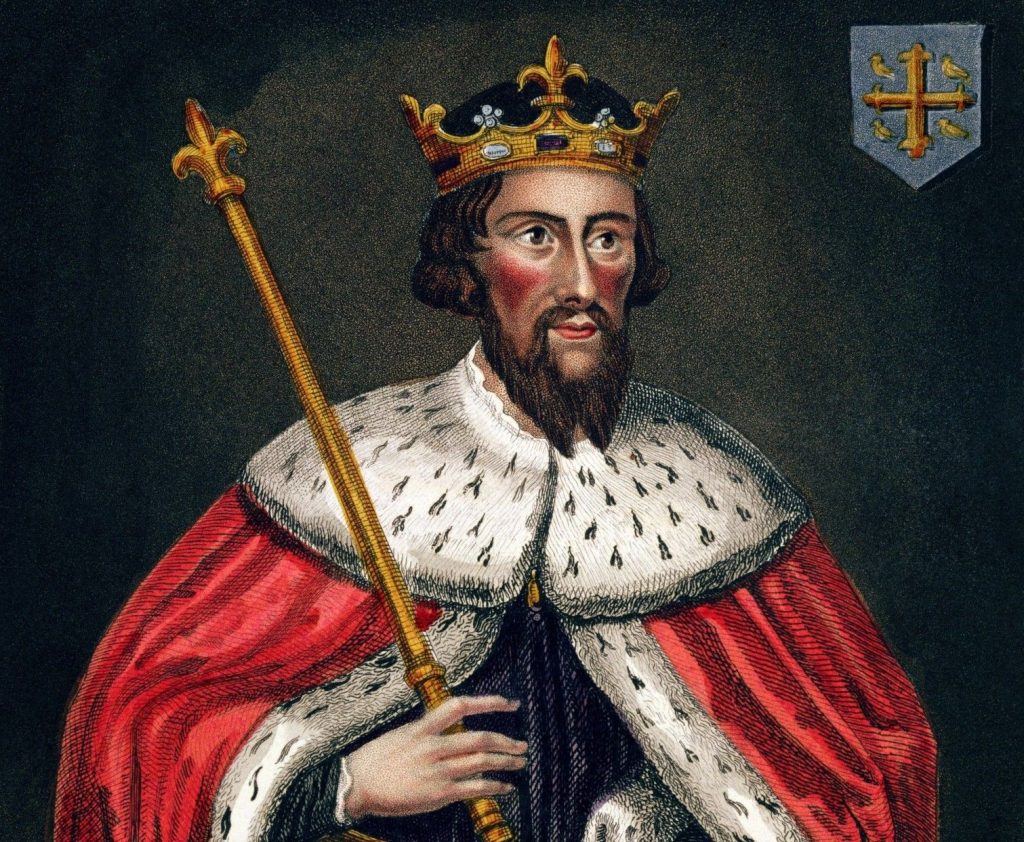
This King of Wessex is the only English monarch to carry the title Great due to his devotion to his people’s survival. He founded schools and personally translated books from Latin to ensure his subjects could gain wisdom.
Pedro II of Brazil
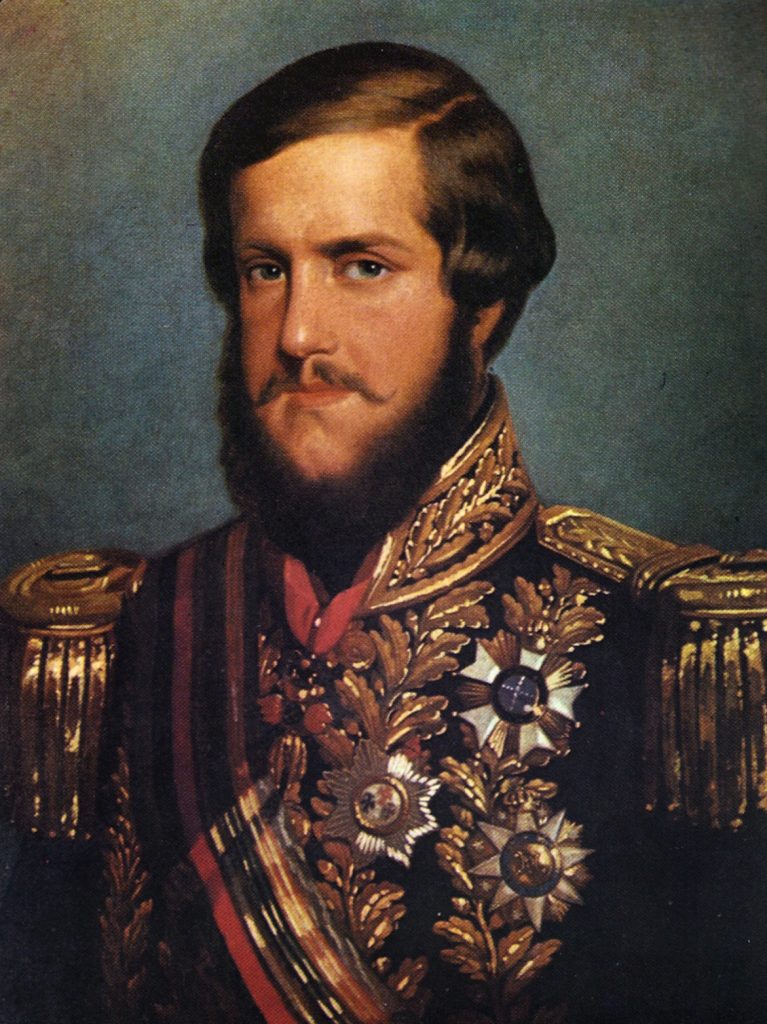
Widely respected for his intellectual nature, Pedro II once claimed he would have preferred to be a schoolteacher than an emperor. He used his influence to gradually dismantle the institution of slavery in Brazil, even though he knew it would anger the powerful landowning elite. His reign ended in a peaceful coup because he refused to use force to maintain his power. This choice highlights a rare commitment to national peace over personal status.
Akbar the Great
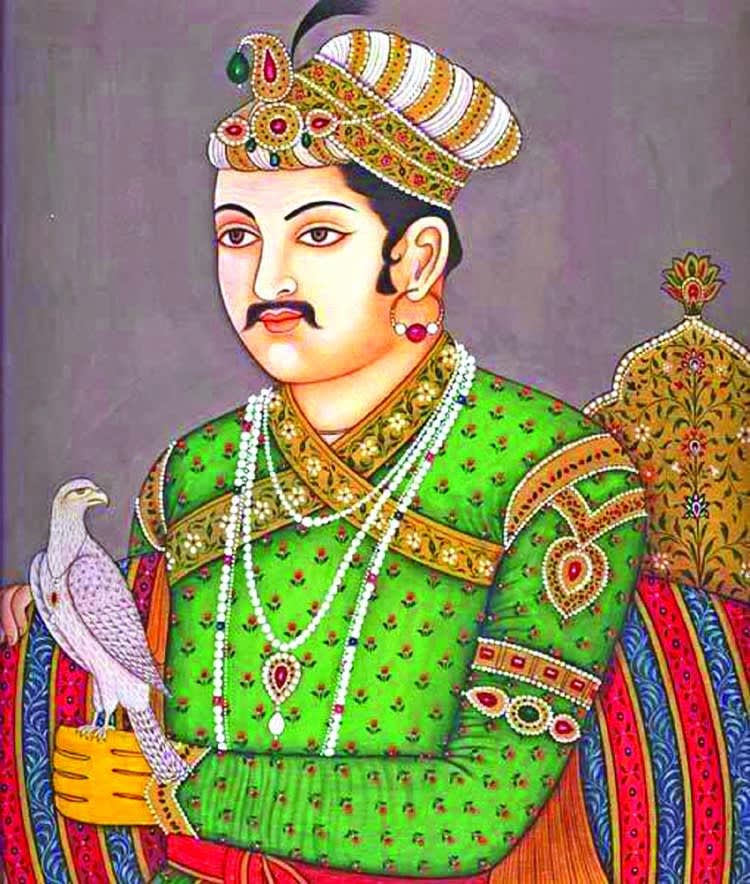
Abolishing the hated tax on non-Muslims was just one way this Mughal ruler promoted harmony across his diverse empire. He hosted interfaith dialogues in his private chambers to understand the beliefs of his subjects. Akbar even created a new syncretic religion to bridge the gaps between his people.
Antoninus Pius
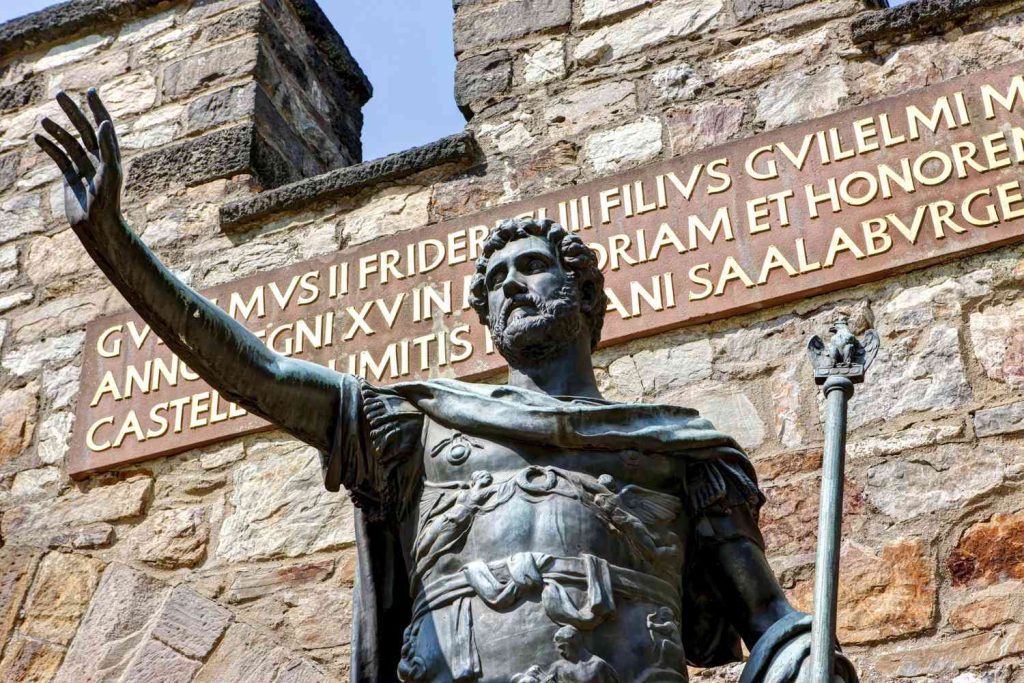
Rome experienced its most peaceful era under the steady hand of Antoninus. He focused entirely on internal administration and judicial fairness rather than seeking glory through conquest.
Jadwiga of Poland
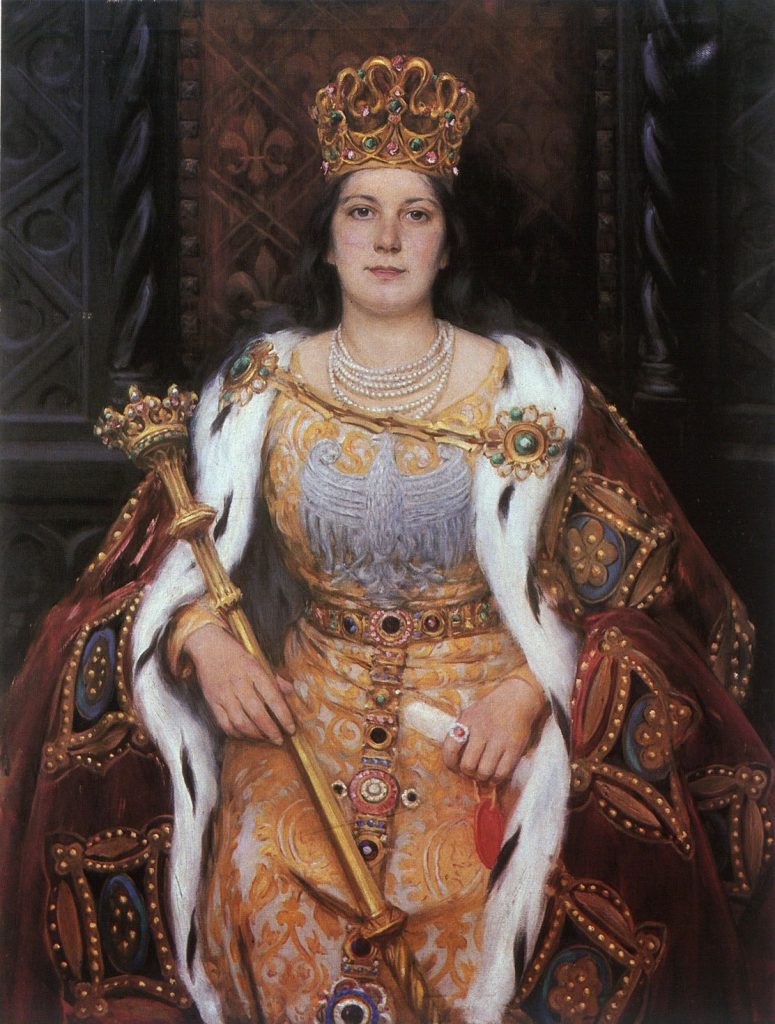
Deeply pious and educated, Jadwiga was crowned as a king to emphasize her sovereign power. She used her personal fortune to revive the University of Krakow and build countless hospitals for the poor. Her diplomacy prevented numerous wars that would have devastated the Polish countryside. She is still revered today as a protector of the marginalized.
Christian X of Denmark
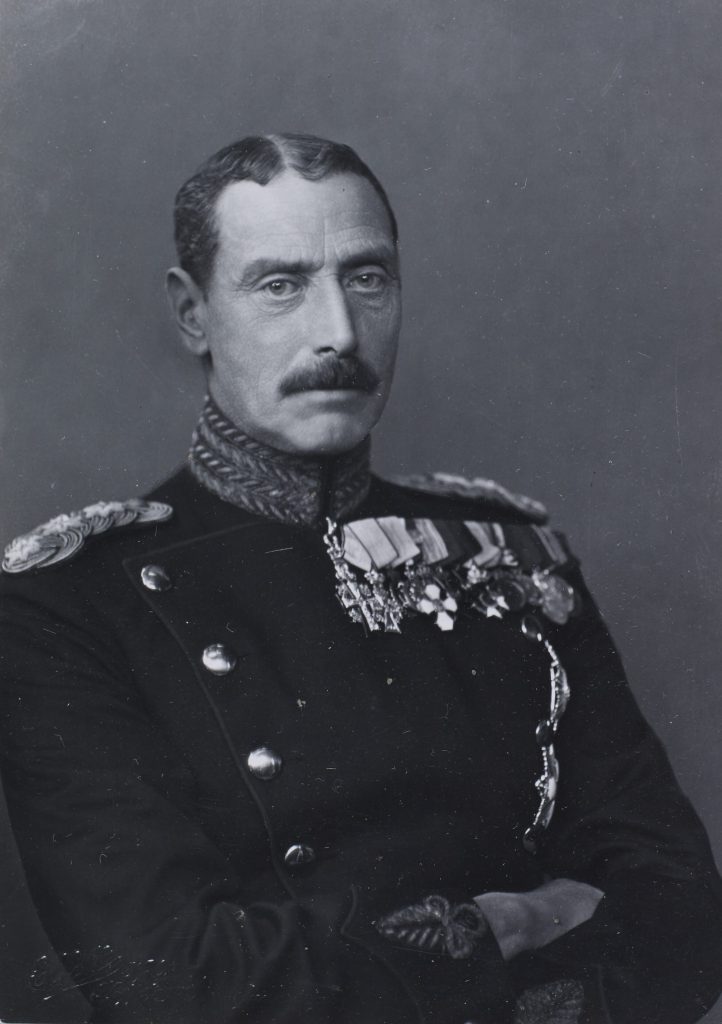
Riding through the streets of Copenhagen every day without a guard, Christian X became a symbol of national unity during World War II. He famously protected his Jewish subjects by refusing to implement discriminatory laws. This act of quiet defiance saved thousands of lives.
Frederick II of Prussia
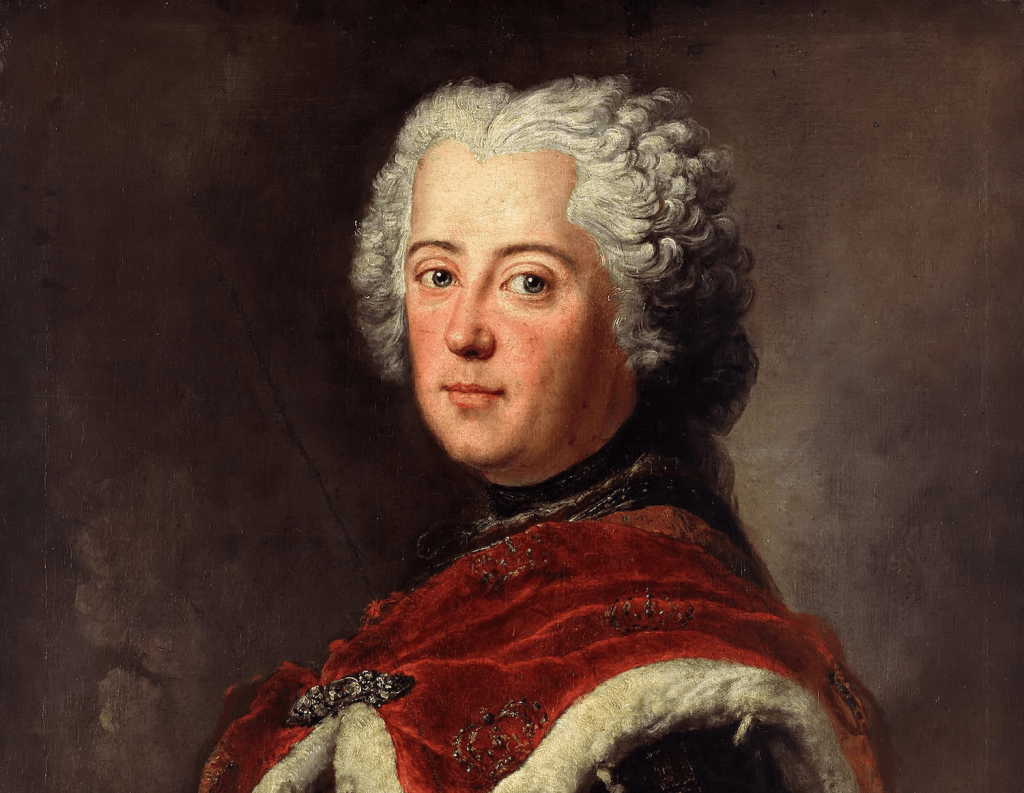
Known as the philosopher king, Frederick was a patron of the arts who abolished torture and promoted religious tolerance. He viewed himself as the first servant of the state rather than its absolute owner. Despite his military successes, his true passion was playing the flute and writing philosophy. He often allowed his subjects to petition him directly in the gardens of his palace.
Umar ibn Abdul Aziz
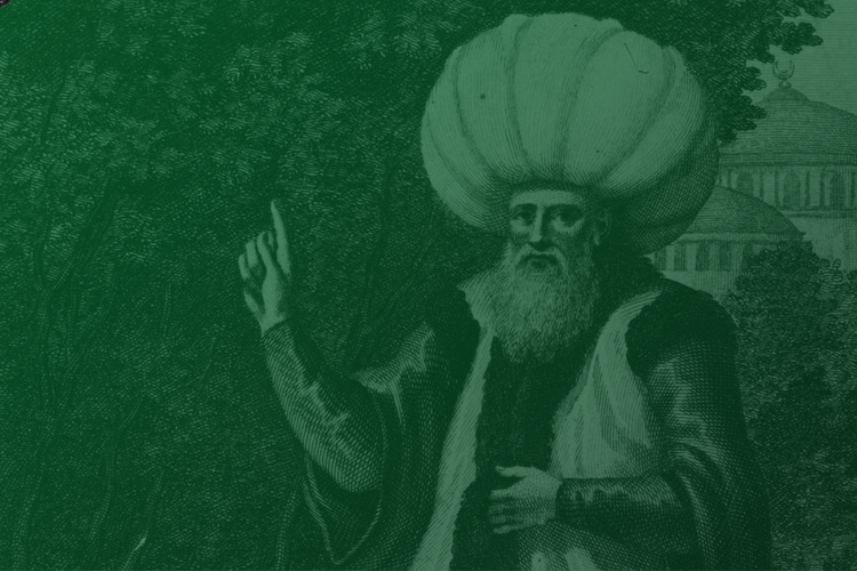
Islamic history remembers this caliph for his extreme humility and devotion to social justice. He redistributed the wealth of the ruling family back to the public and lived a life of poverty himself. His reforms were so effective that it was reportedly difficult to find anyone poor enough to accept charity.
Saint Louis IX
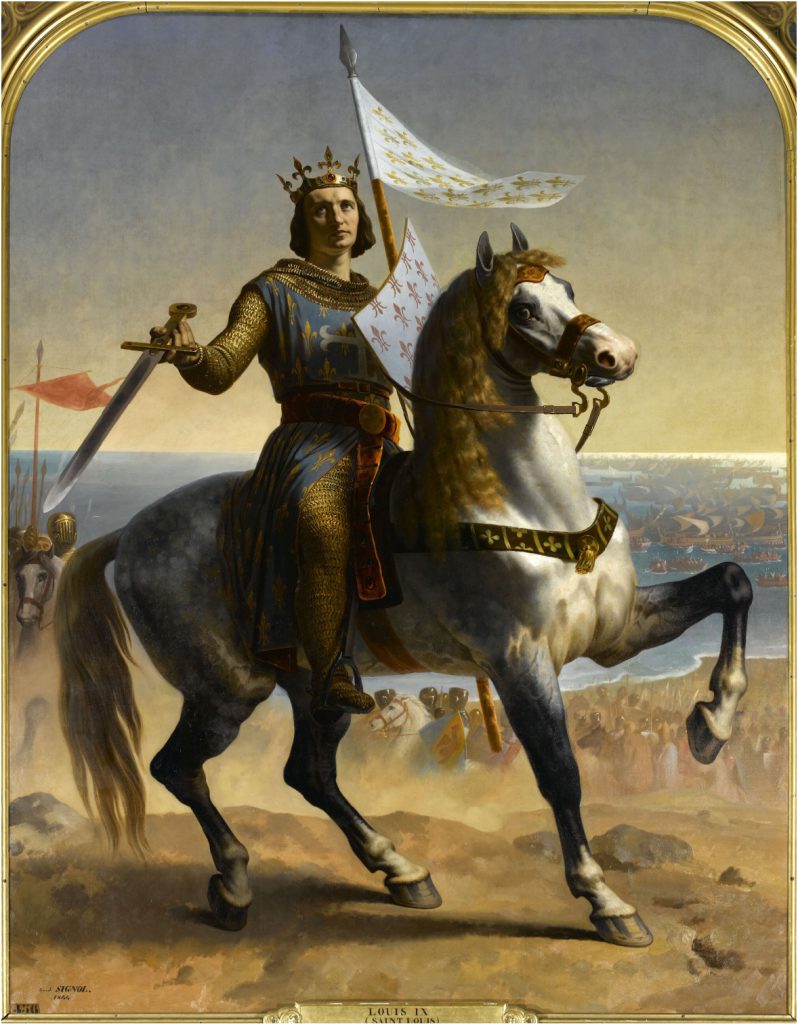
Feeding the hungry was not just a duty for this French king: it was a daily ritual. He often invited the homeless to sit at his royal table and eat the same food as the court. This monarch believed that a king would be judged by God based on how he treated the least of his subjects. He even established a complex legal system to protect peasants from the abuses of lords.
Saladin
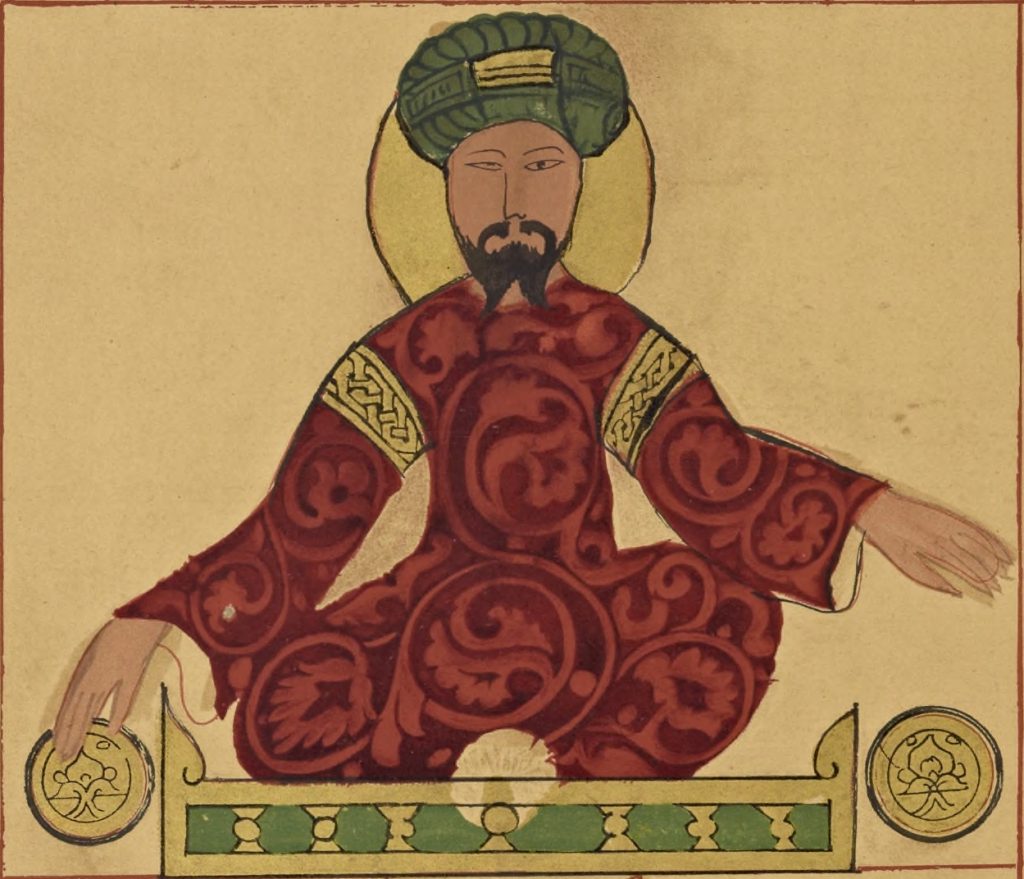
Crusader chronicles are filled with stories of Saladin’s mercy toward his enemies. When he recaptured Jerusalem, he forbade his soldiers from looting and allowed the inhabitants to purchase their freedom for a nominal fee. He even sent his own physician to treat his rival, King Richard the Lionheart.
Haakon VII of Norway
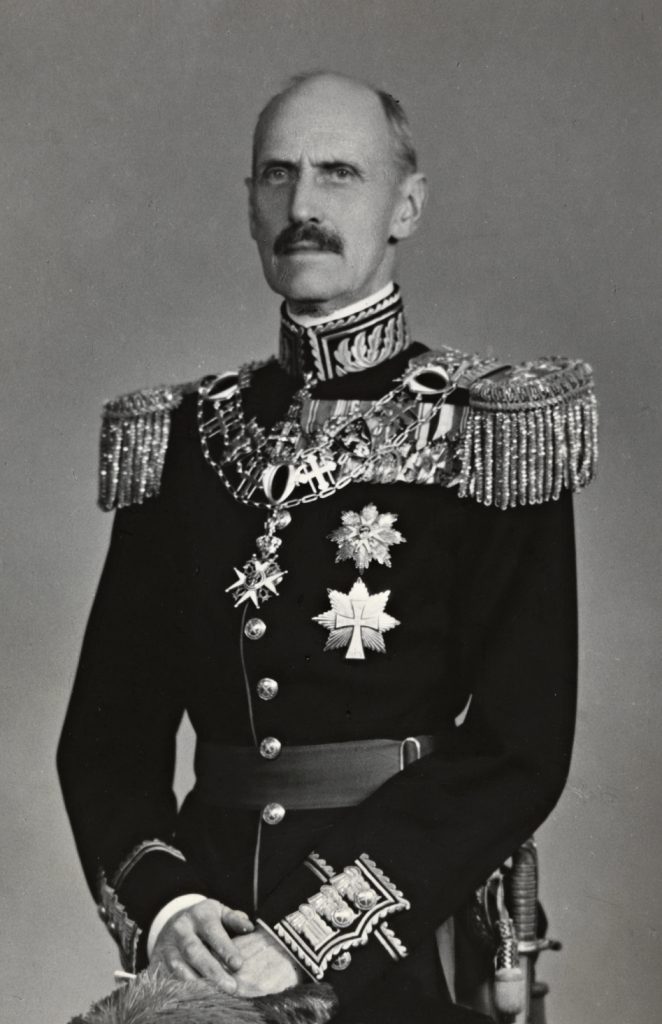
Elected by a national plebiscite, Haakon refused to become a puppet for invaders during the darkest days of the twentieth century. He stayed close to his people through radio broadcasts from exile, providing hope and moral leadership. His commitment to democracy was so absolute that he refused to take any action without the consent of his elected cabinet. This made him a hero of the Norwegian resistance.
Sejong the Great
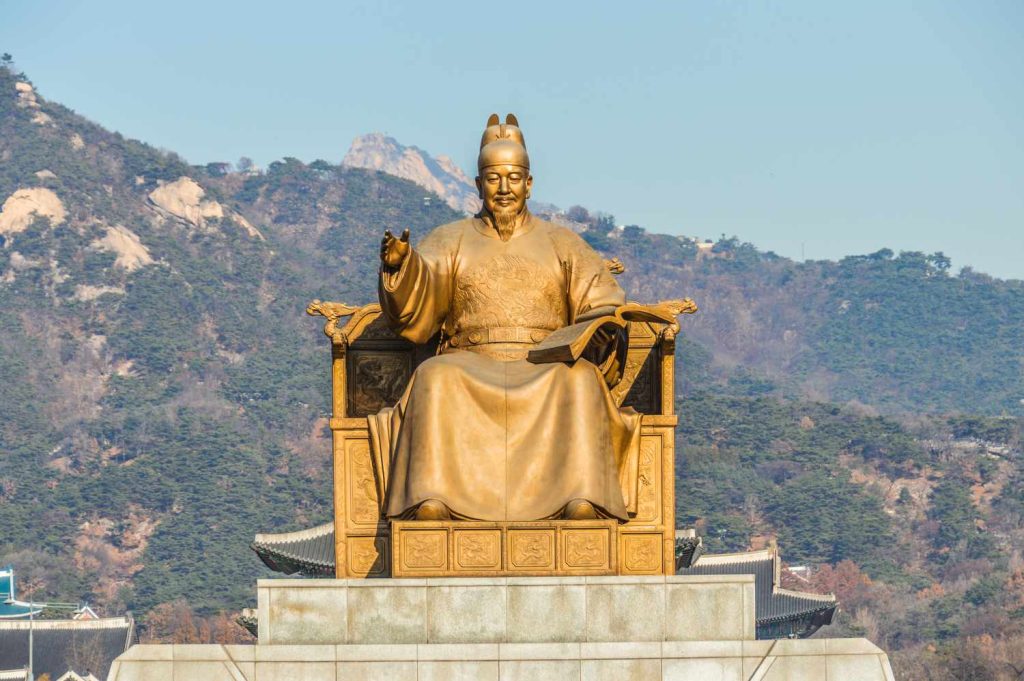
Korea owes its modern alphabet to this brilliant king who wanted his people to be literate. He realized that the complex characters used by the elite were a barrier to the education of the poor. Sejong also implemented early forms of maternity leave for government workers and their spouses.
Cyrus the Great
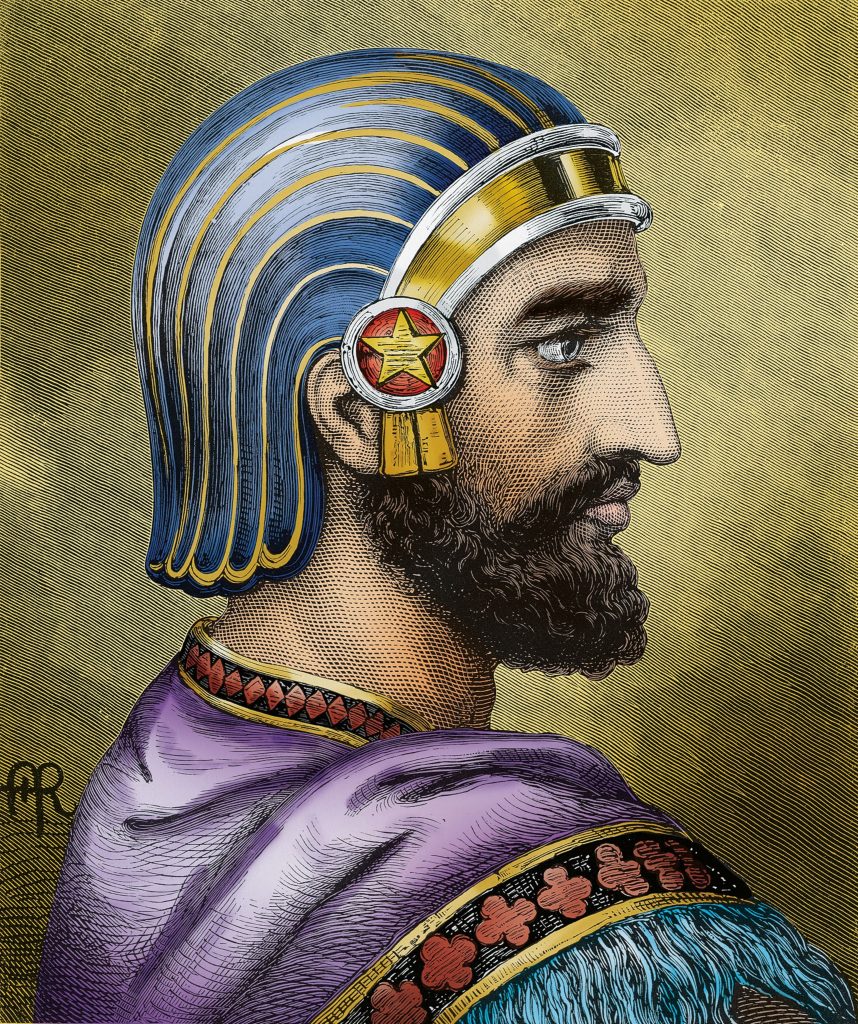
The famous “Cyrus Cylinder” is often cited as the world’s first charter of human rights. This Persian emperor allowed conquered peoples to maintain their own religions and customs rather than forcing them to assimilate. He famously liberated the Jewish people from their captivity in Babylon and helped them rebuild their temple. His legacy influenced thinkers as far away as the founding fathers of the United States.
Mansa Musa
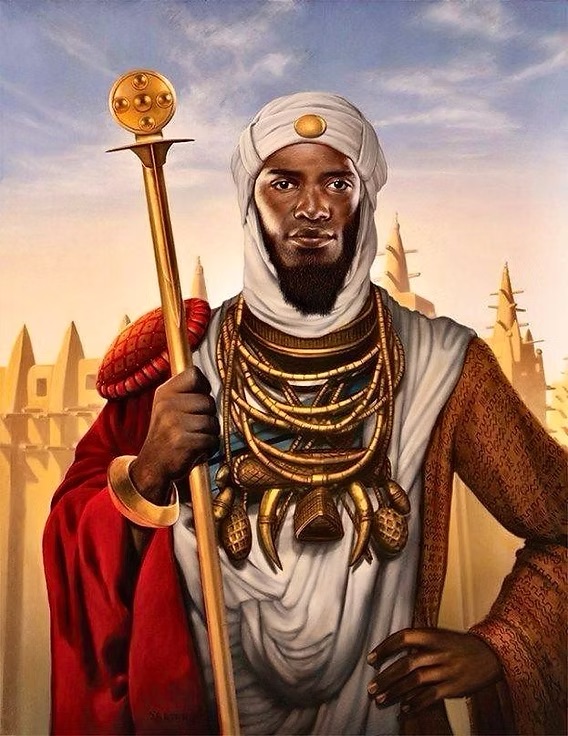
Wealth alone did not define this ruler of Mali: it was his staggering generosity that made him a legend. During his pilgrimage to Mecca, he gave away so much gold to the poor that he unintentionally devalued the metal in Egypt for over a decade. He used his riches to build universities and libraries across his kingdom.
Queen Victoria
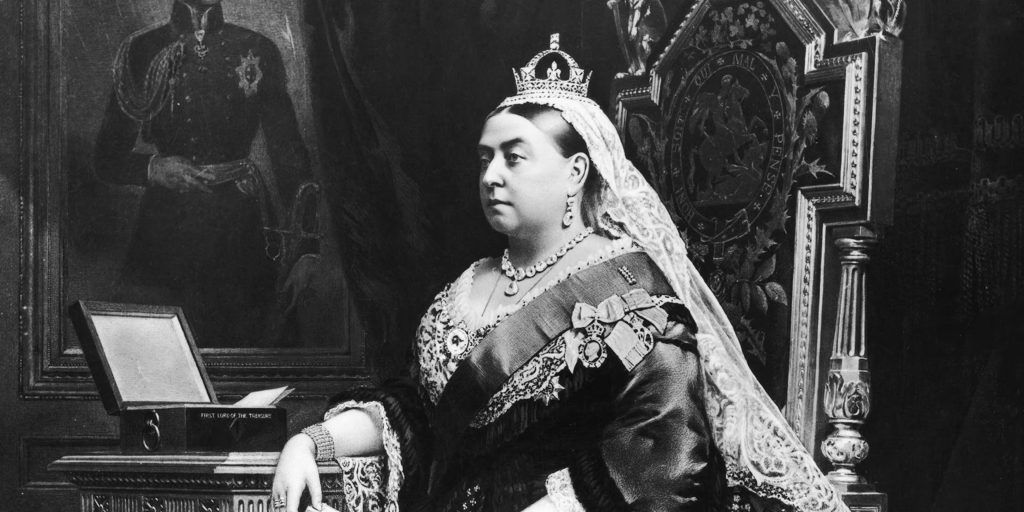
Defying the rigid prejudices of her era, Victoria formed a deep and controversial friendship with her Indian attendant, Abdul Karim. She learned Hindustani and advocated for his fair treatment against her own court’s racism. In her later years, she became a prolific patron of charities focusing on animal welfare and the education of women. This softer side of the “Grandmother of Europe” is often overlooked in traditional history books.
Athelstan
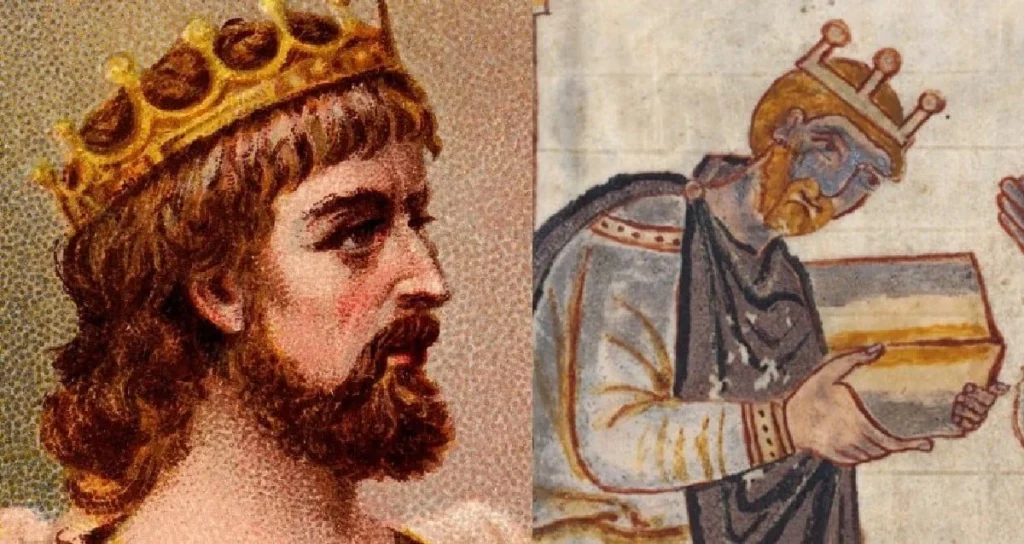
Focusing on the welfare of the vulnerable, Athelstan established laws that required each of his royal manors to support one destitute person. He believed that the strength of a kingdom was measured by its charity rather than its borders.
Maria Theresa
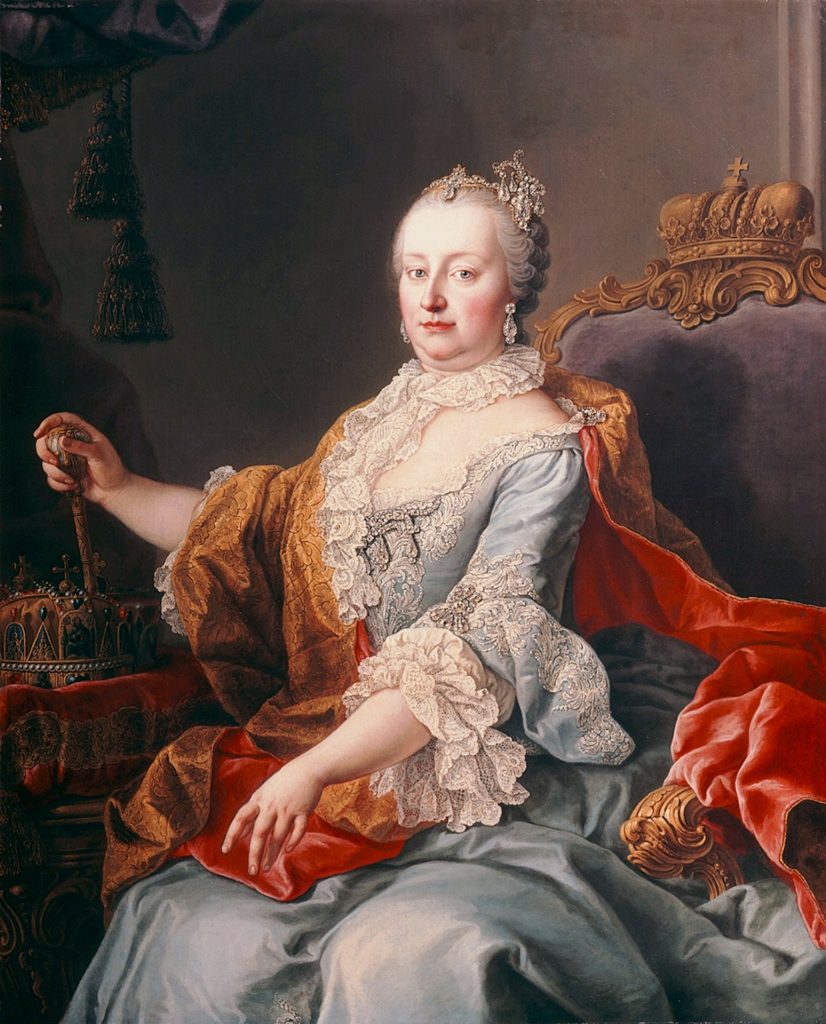
Educational reform was the cornerstone of Maria Theresa’s long reign over the Habsburg Empire. She introduced mandatory primary schooling for all children, regardless of their social standing or gender. Her maternal style of leadership made her one of the most beloved figures in Austrian history. She also worked tirelessly to improve the conditions of serfs by limiting the labor they owed to lords. This paved the way for the eventual abolition of serfdom.
Henry IV of France
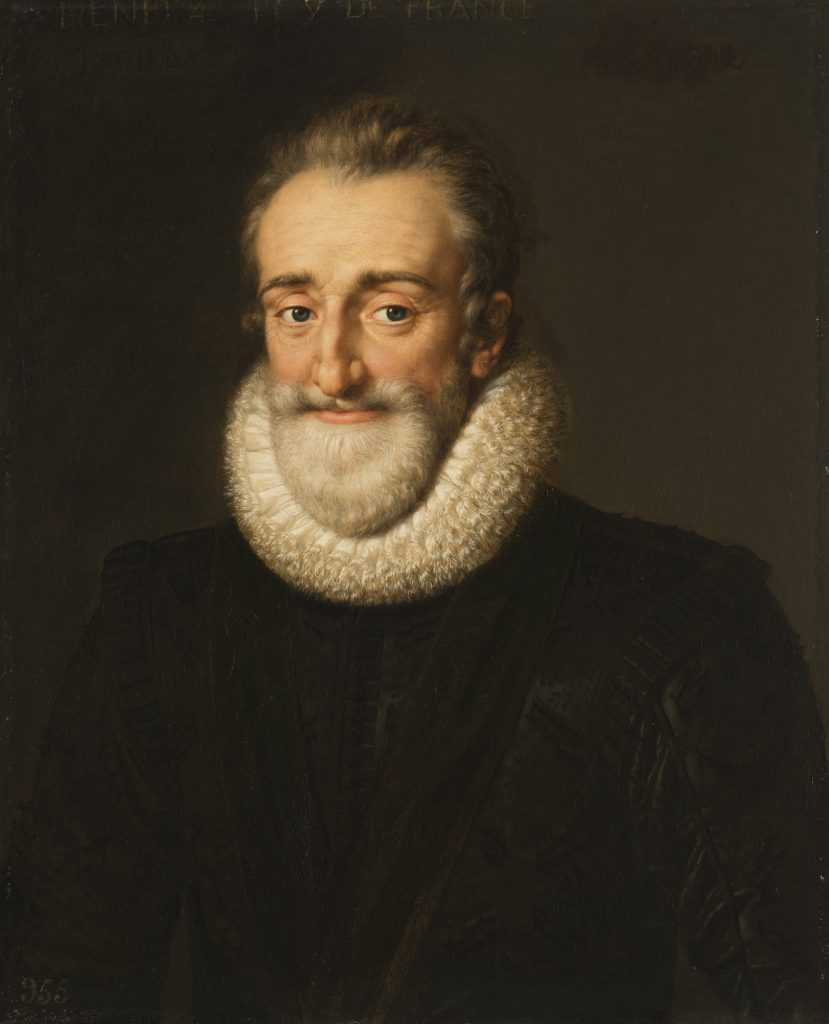
Peasant life was a priority for Henry IV, who famously wished that every family could afford a chicken in their pot on Sundays. He ended decades of religious civil war by granting legal rights to the Protestant minority through the Edict of Nantes.
Joseph II
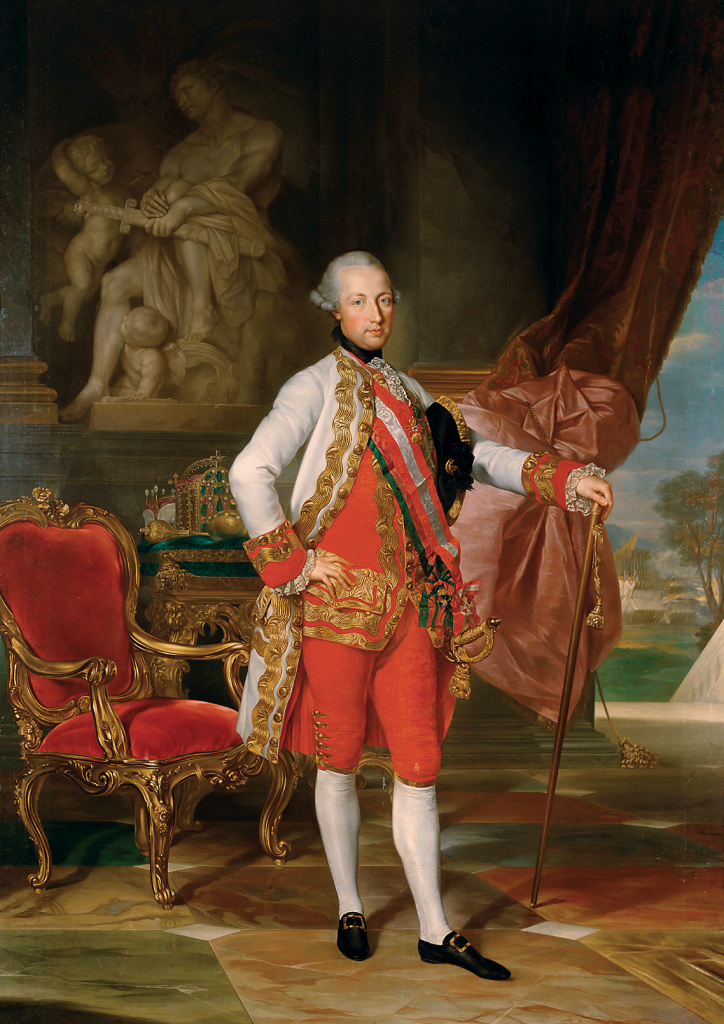
Austria saw its most radical changes under Joseph II, a ruler who lived as simply as a commoner to save money for the state. He abolished serfdom and the death penalty while granting full religious freedom to Jews and Protestants. Joseph often traveled incognito among his subjects to hear their true grievances without the filter of his courtiers. His commitment to the people was so intense that it often alienated the traditional nobility. He remains the ultimate example of a monarch who sacrificed comfort for reform.
Marcus Aurelius
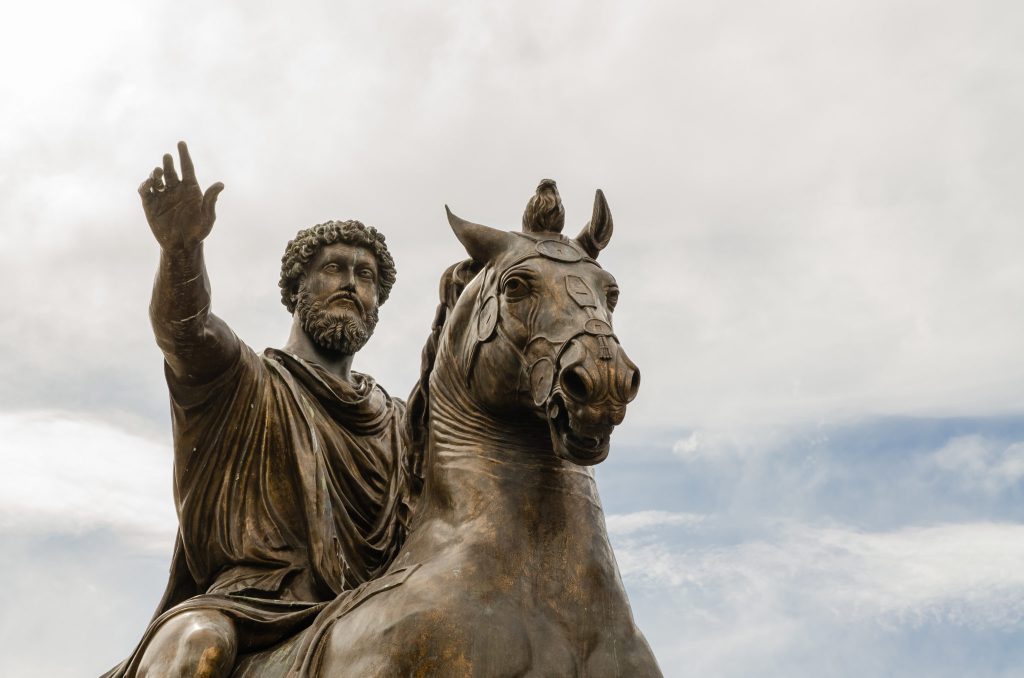
Philosophical thought guided every decision made by this Roman emperor, as seen in his personal writings “Meditations.” He viewed his role not as a privilege, but as a heavy burden to be carried for the benefit of humanity.
Charles I
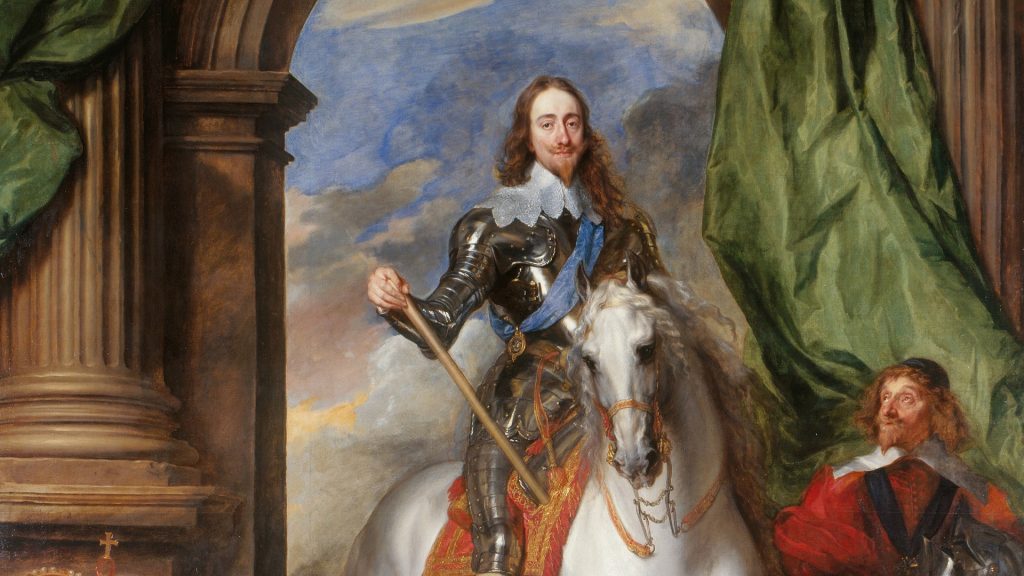
Despite his political failures, Charles I was a deeply sensitive man who preferred the company of artists to the violence of the battlefield. He was a devoted family man who refused to abandon his principles even when faced with execution. Many historians argue that his inability to be ruthless is what ultimately cost him his crown and his life. He faced his end with such grace that he won the sympathy of many who had previously opposed him. This dignity in the face of death became a defining part of his historical image.
Khama III
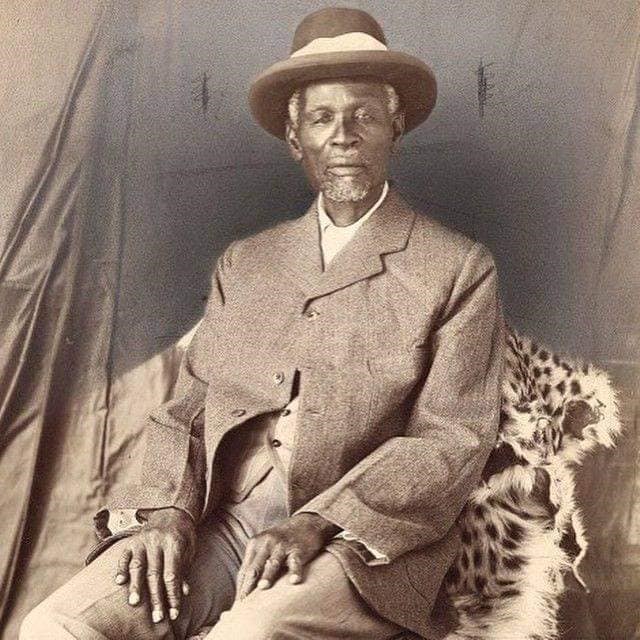
Diplomacy was the primary weapon of this African king who protected his people from the encroachment of colonial mining interests. He traveled to London to personally petition for the protection of his territory, ensuring the survival of the Tswana culture.
Suleiman the Magnificent
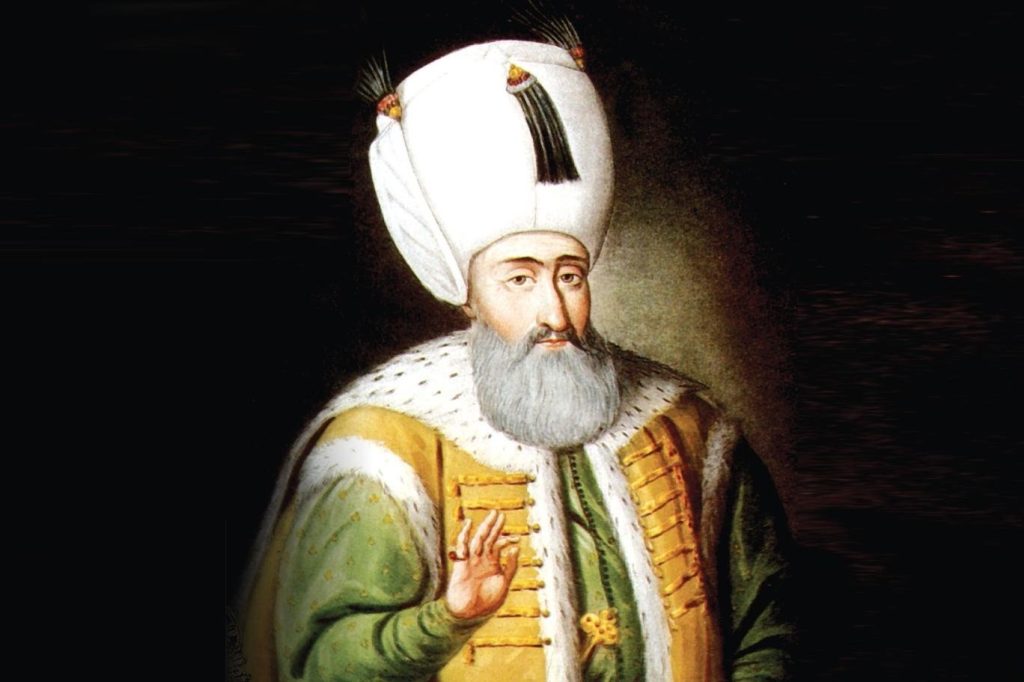
Codifying laws to protect the common citizens from corrupt officials earned this Ottoman sultan the title “The Lawgiver” among his own people. He was also a prolific poet who wrote under a secret name about the beauty of love and the transience of power. Suleiman ensured that the legal systems within his empire were fair to both Muslims and Christians alike. This period of justice coincided with the zenith of Ottoman cultural and political influence. His reign is often remembered as a golden age for the arts and architecture.
Gustav III of Sweden
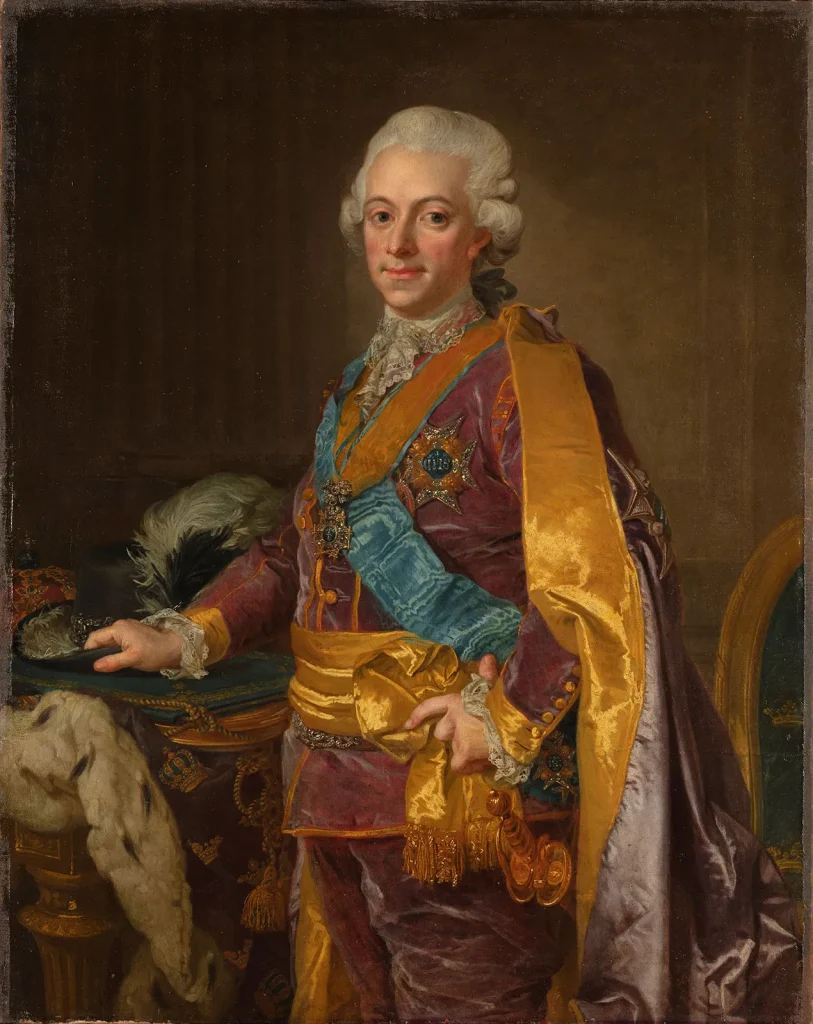
Sweden moved toward a more humane legal system when Gustav III abolished judicial torture and promoted the freedom of the press. He was a champion of the common people in their struggles against the restrictive privileges of the Swedish aristocracy.
Saint Margaret of Scotland
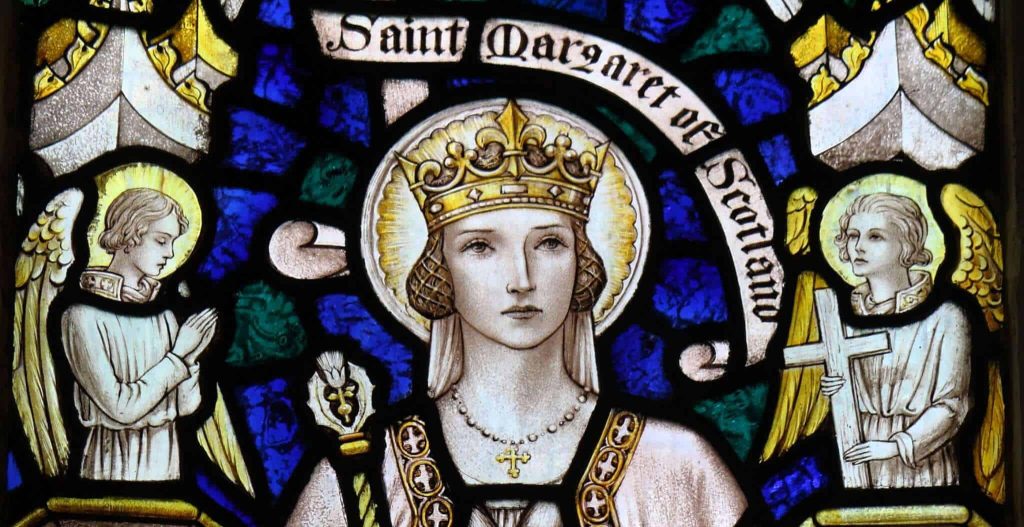
Orphans were a frequent presence at the table of this Scottish queen, who personally served them food before attending to her own needs. She was an English princess who brought a new sense of culture and religious devotion to the northern kingdom. Margaret worked tirelessly to reform the church and improve the lives of the poor through various charitable organizations. She even established a ferry service across the Firth of Forth to help pilgrims travel safely. This act of infrastructure for the public good reflects her practical approach to compassion.
Elizabeth II

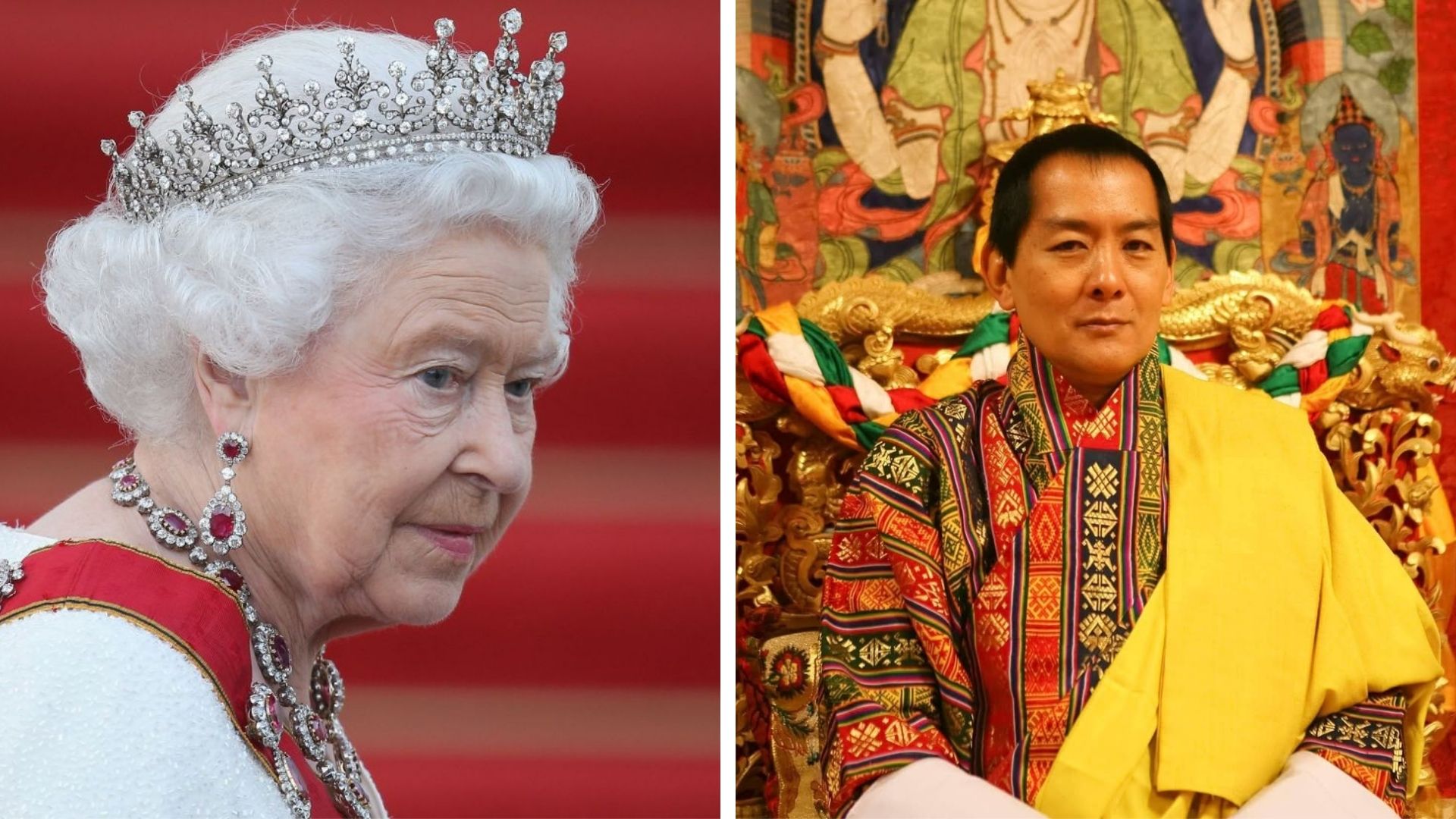
Service became the defining theme of Elizabeth II’s seventy-year reign, during which she acted as a patron for over six hundred charities. She offered a steadying presence through decades of global upheaval and social change.
Jigme Singye Wangchuck
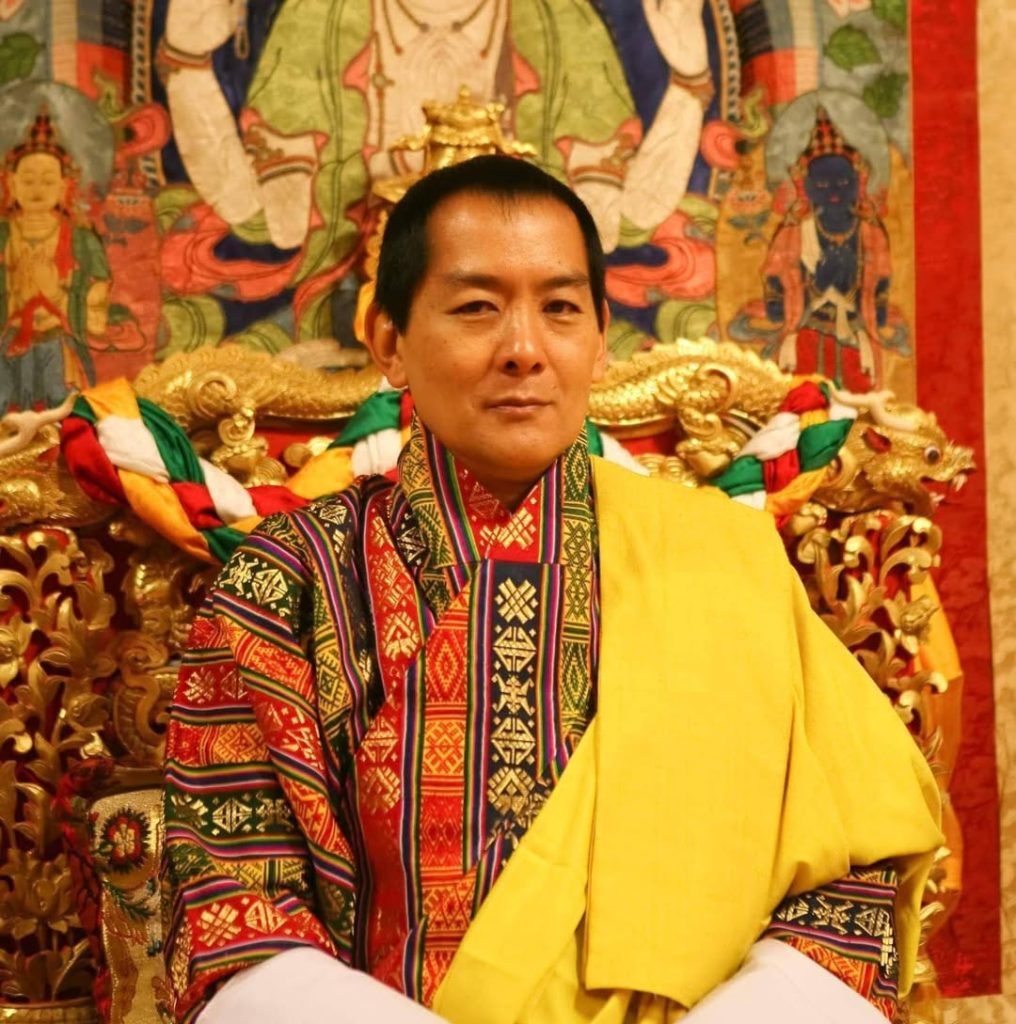
Happiness became a formal government policy under this King of Bhutan, who invented the “Gross National Happiness” index to measure the well-being of his subjects. He believed that spiritual and mental health were far more important than mere economic growth. In a final, shocking act of compassion, he voluntarily abdicated his absolute power to turn Bhutan into a modern democracy. He essentially fired himself to ensure that his people had the right to choose their own future. It is perhaps the most selfless act ever performed by a modern monarch.