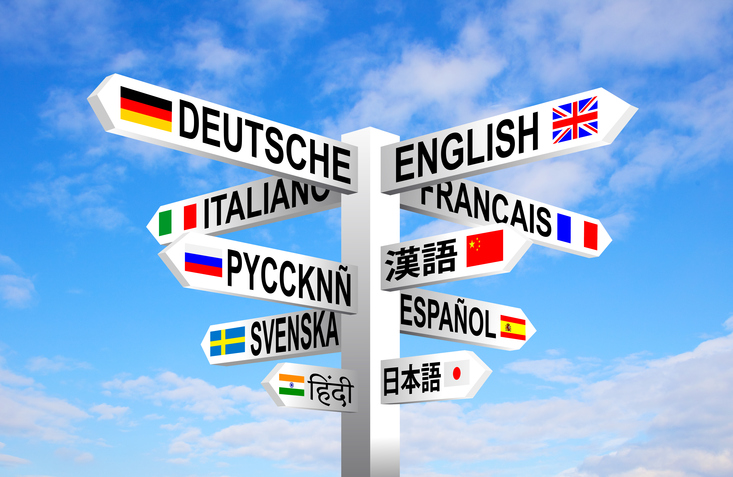
Some languages challenge learners with unfamiliar writing systems, tonal pronunciation, or complex grammar that works nothing like English or Spanish. Here’s a closer look at what makes them so difficult
1. Mandarin Chinese
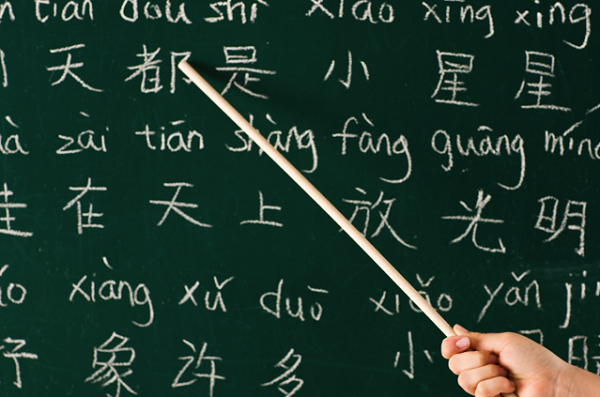
Its writing system uses thousands of characters instead of an alphabet, which requires years of memorization. The tonal nature of the language also means a single change in pitch completely changes meaning.
2. Arabic
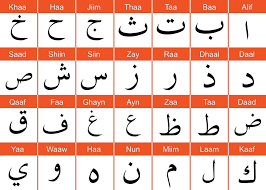
Arabic has a script that changes shape depending on the letter’s position in the word, plus many sounds that don’t exist in English. Its grammar is based on root patterns that completely transform the structure of words.
3. Japanese
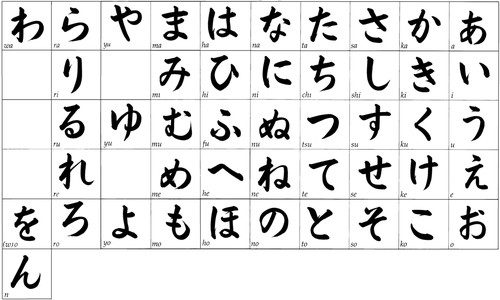
Learners must juggle three writing systems — kanji, hiragana, and katakana — each used differently. Levels of politeness also modify grammar, making everyday conversation surprisingly intricate.
4. Korean
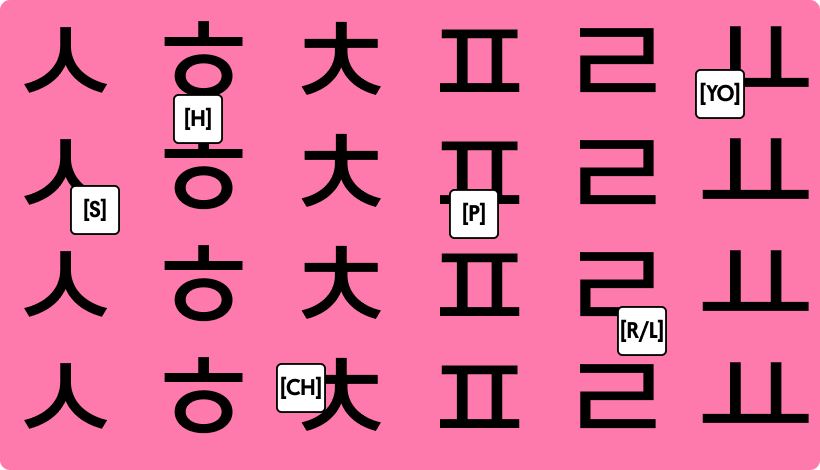
Hangul is logical, but Korean grammar is completely different from Western structures and relies heavily on honorifics. Vocabulary also has little overlap with European languages.
5. Cantonese
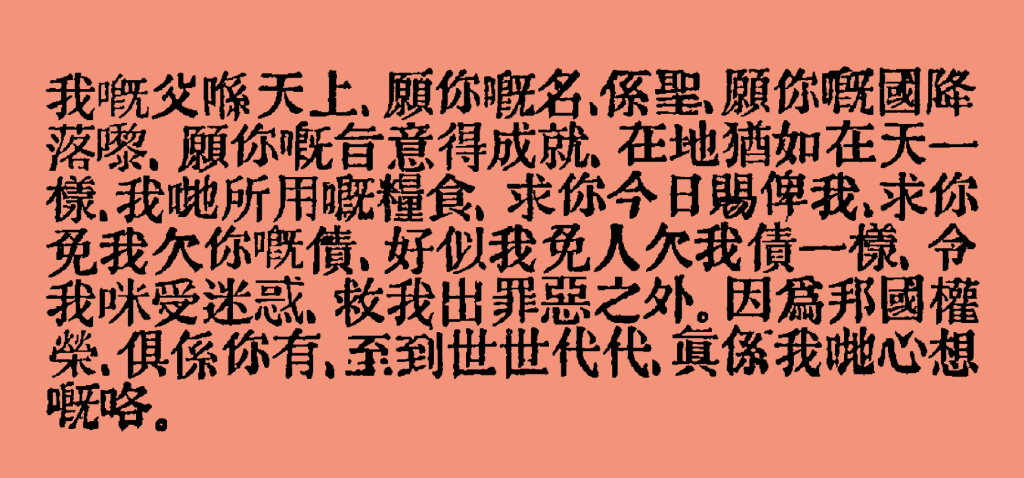
Spoken in Hong Kong and Macau, cantonese uses at least six tones, making pronunciation extremely precise. It also relies heavily on traditional Chinese characters, which adds another layer of difficulty.
6. Russian
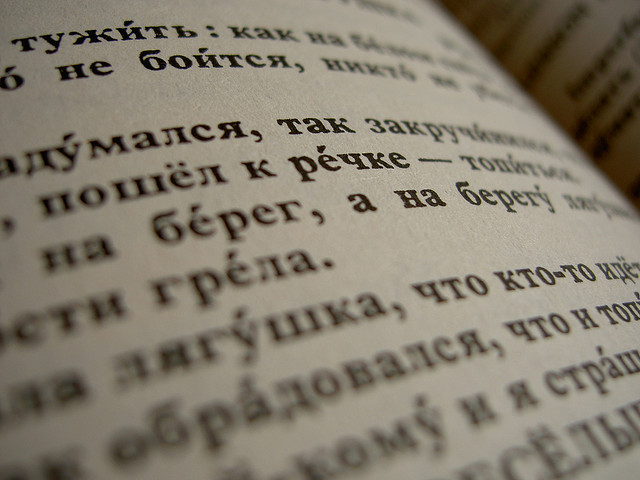
The Cyrillic alphabet is only the beginning; Russian grammar includes cases, verb aspects, and unpredictable stress patterns. A small shift in emphasis can change a word entirely.
7. Finnish
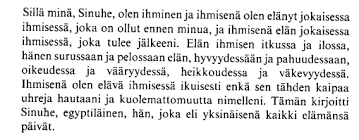
Finnish has 15 grammatical cases and extremely long compound words. Since it’s not related to most European languages, almost nothing feels familiar.
8. Hungarian
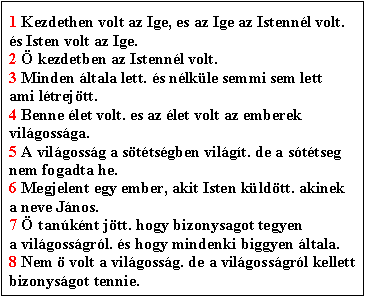
With 18 cases and complex vowel harmony rules, Hungarian twists sentences in ways that feel almost mathematical. Its structure is powerful but tricky for beginners.
9. Icelandic
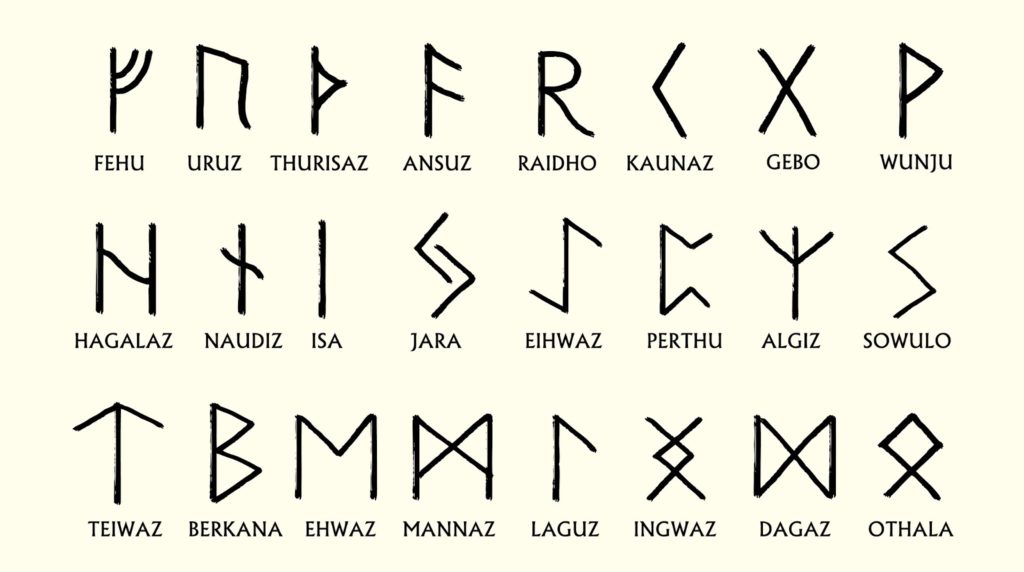
Icelandic preserves ancient Nordic forms, making its grammar dense and highly inflected. New words are often built from old roots, giving the language a mythic quality.
10. Polish
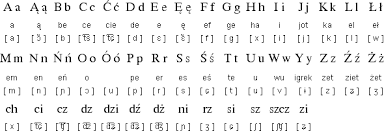
Polish pronunciation includes difficult consonant clusters, and its seven cases add heavy grammatical complexity. Stress placement varies and must be memorized.
11. Turkish
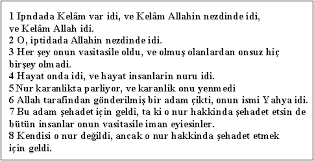
Turkish is agglutinative, meaning dozens of suffixes attach to words to express meaning. Vowel harmony influences spelling and pronunciation throughout the language.
12. Persian
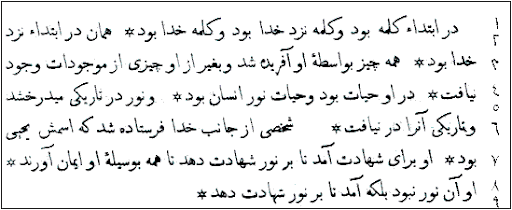
Written right to left, Persian omits many vowels in writing. Iranian official language grammar appears simple at first but becomes complex with advanced texts and idiomatic expressions.
13. Hebrew

Like Arabic, Hebrew leaves out most vowels in writing, requiring guesswork from context. Verb patterns are unique and follow their own internal logic.
14. Greek
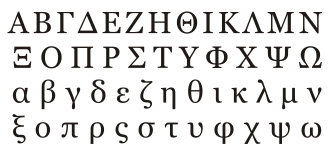
Greek has its own alphabet and extensive verb tenses, cases, and irregular forms. Many scientific words come from Greek, but everyday speech is far more complex.
15. Thai
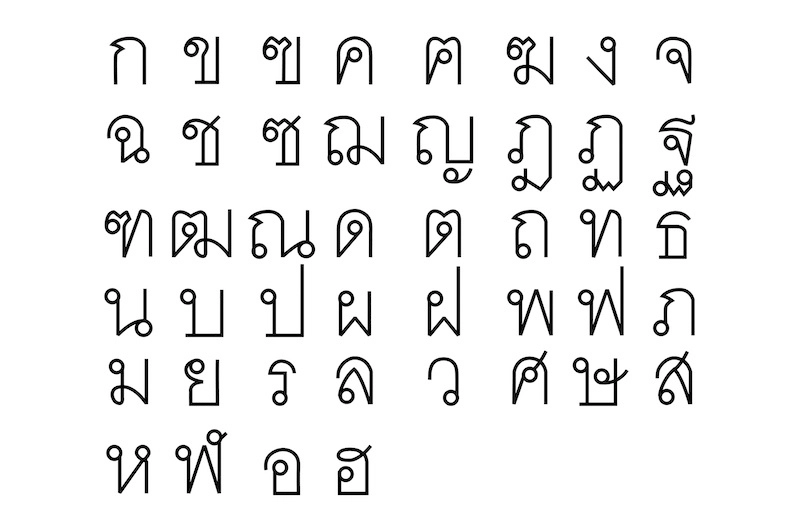
Thai is tonal, and its writing system contains numerous characters with minimal spacing between words. Reading requires recognizing boundaries instinctively.
16. Vietnamese
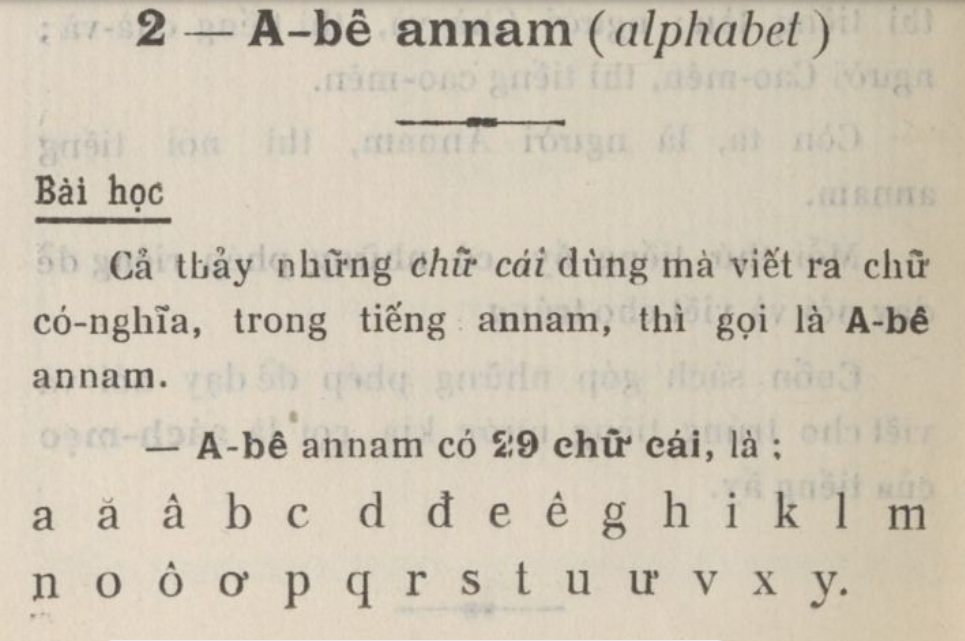
Vietnamese uses tones and diacritics that change meaning subtly but dramatically. Even though it uses the Latin alphabet, pronunciation is a major challenge.
17. Navajo
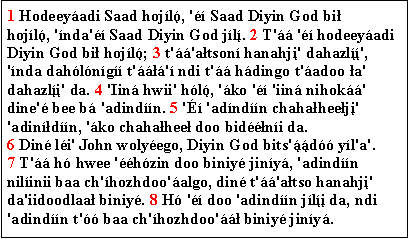
This language is spoken in the Navajo Nation, a Native American reservation located in the United States. The language reflects cultural concepts that don’t exist elsewhere.
18. Basque
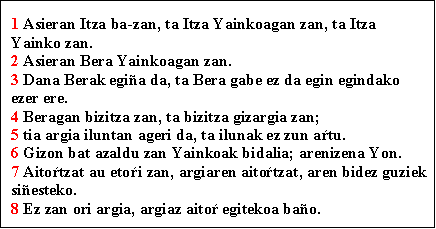
Basque is unrelated to any other known language, giving its vocabulary and grammar a completely unique structure. Cases make sentence building especially complex.
19. Georgian
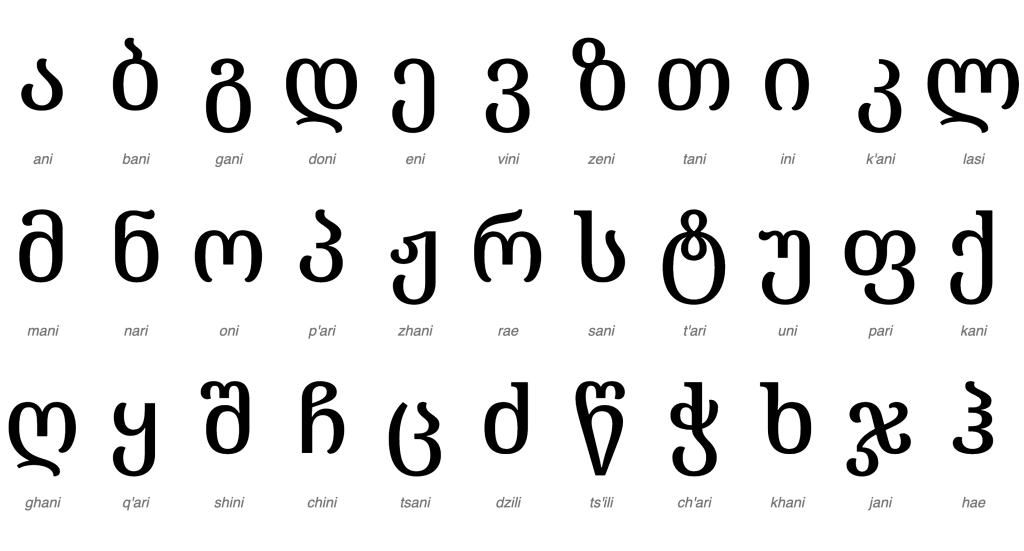
Georgian uses the elegant Mkhedruli script, unfamiliar to most learners. Its consonant-heavy words and verb systems require careful study.
20. Welsh
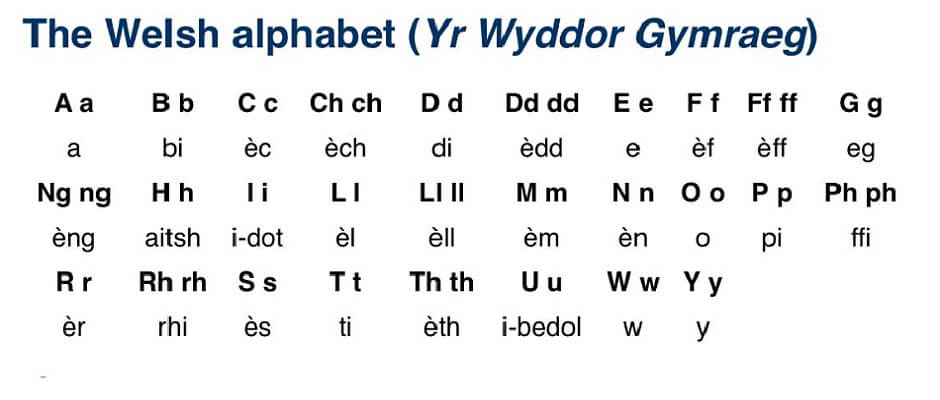
Welsh features long words and initial consonant mutations that change how words begin depending on grammar. Its rhythm is beautiful but hard for newcomers.
21. Hindi
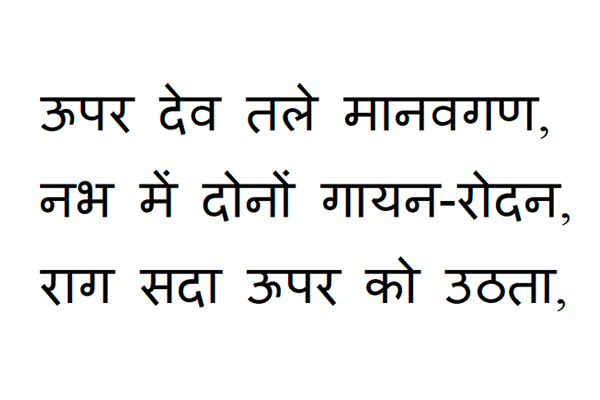
Hindi uses the Devanagari script, where letters join in complex ways. Grammar includes gendered nouns and verb agreements that require constant attention.
22. Urdu
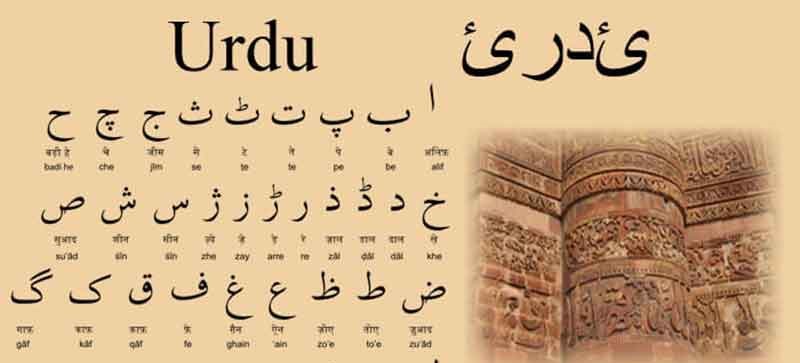
Spoken in Pakistan, Urdu blends Persian, Arabic, and South Asian influences into a script rich in curves and ligatures. Its poetic vocabulary can be challenging to master.
23. Serbian
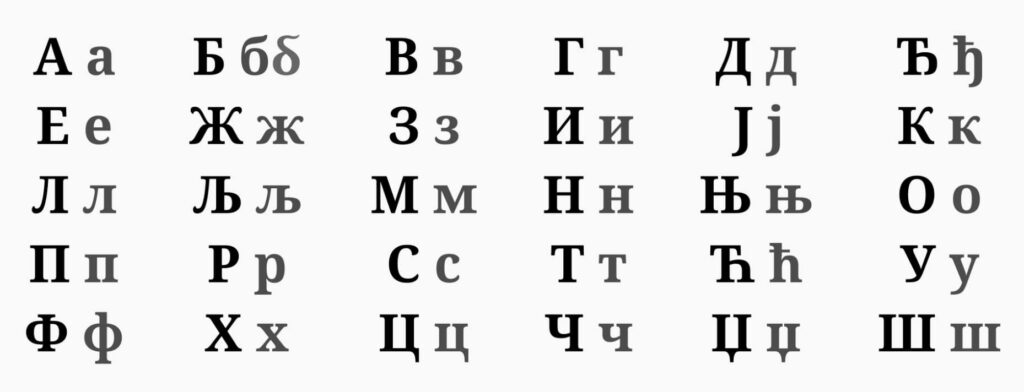
Serbian uses both Cyrillic and Latin scripts interchangeably. Grammar relies on cases and verb aspects that make expression highly flexible but difficult.
24. Croatian
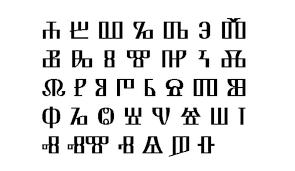
Croatian grammar includes seven cases and many irregularities. Pronunciation and verb aspects add extra layers of complexity.
25. Tagalog (Filipino)
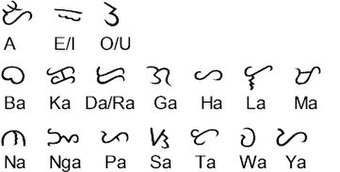
Spoken mostly in , PhilippinesTagalog uses a focus system that changes meaning depending on which part of the sentence is highlighted. Word order doesn’t follow Western patterns.
26. Swahili
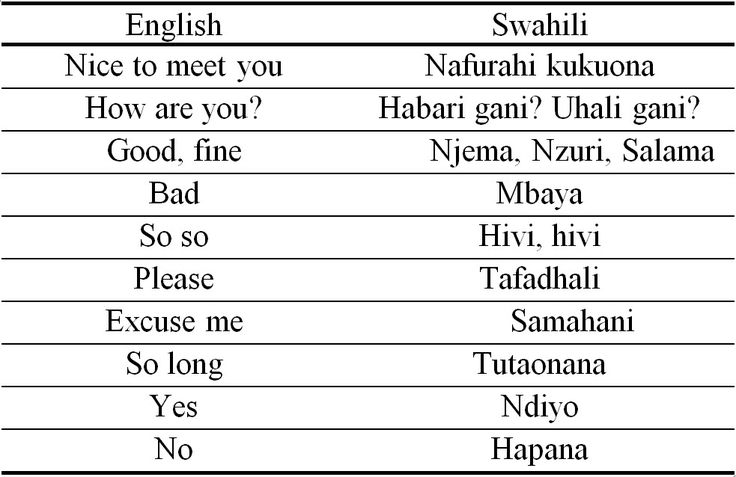
Swahili uses a noun-class system where classes affect verbs and adjectives. While phonetic, it requires deep understanding of agreement rules. It is Spoken mostly in Tanzania, Kenya and Uganda.
27. Zulu
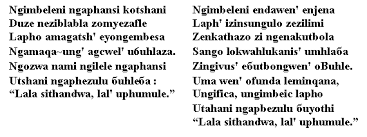
Zulu includes click consonants that are unfamiliar to most learners. Its noun classes and verb structures make grammar a demanding obstacle for everyone who is not South African.
28. Amharic
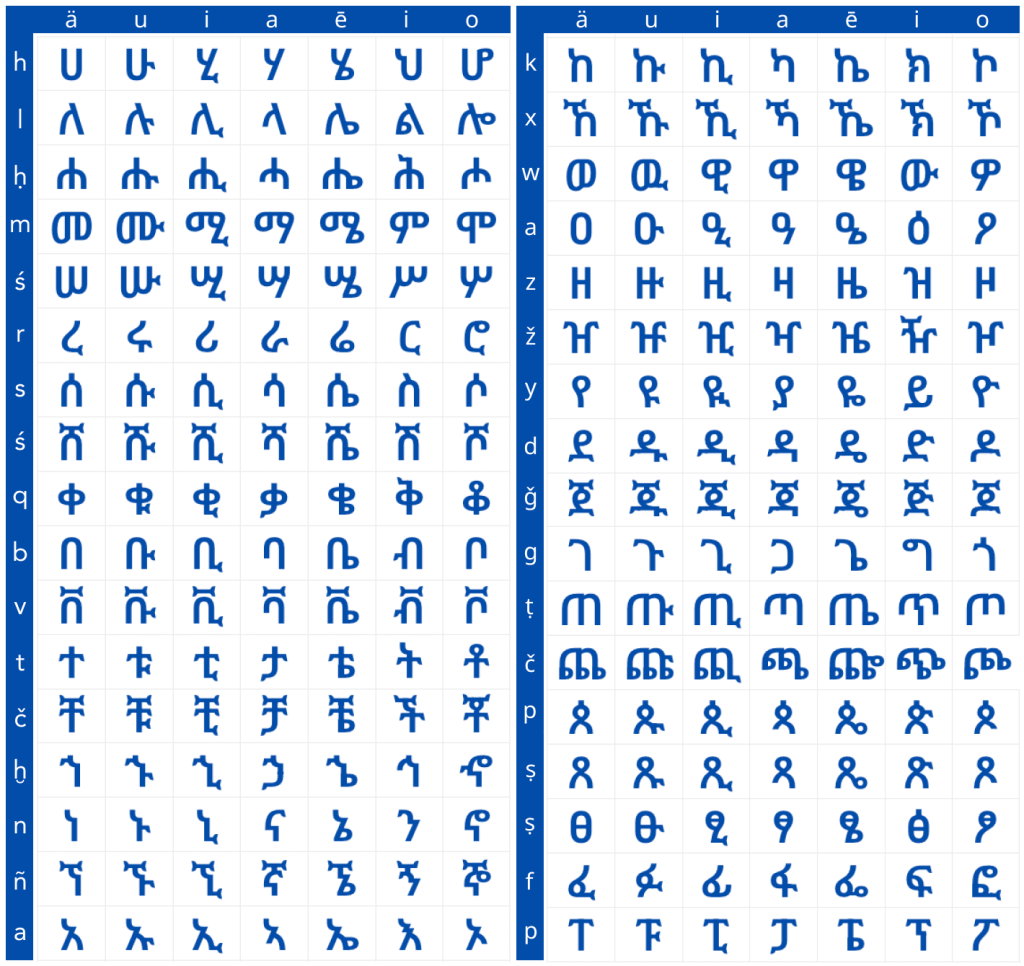
Spoken in Ethiopia, Amharic uses a unique syllabic script called Fidel, with characters representing consonant–vowel pairs. Verb roots and forms add significant complexity.
29. Maltese
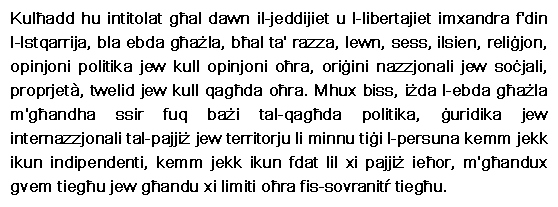
Maltese blends Arabic structure with Italian and English vocabulary. The mix creates irregular spelling and unpredictable pronunciation patterns.
30. Tibetan
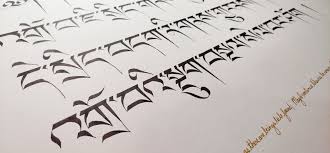
Tibetan has a traditional writing system with silent letters and multiple spellings for similar sounds. Grammar reflects centuries-old structures not always used in modern speech.