The cinematic world is often a battlefield where artistic vision clashes with public expectation. From casting choices to political statements, audiences have increasingly used the power of the boycott to voice their displeasure. This list includes 30 instances where movies faced significant organized resistance from the very people they intended to entertain. These controversies reveals the complex relationship between Hollywood and its global fanbase.
“The Last Temptation of Christ” (1988)
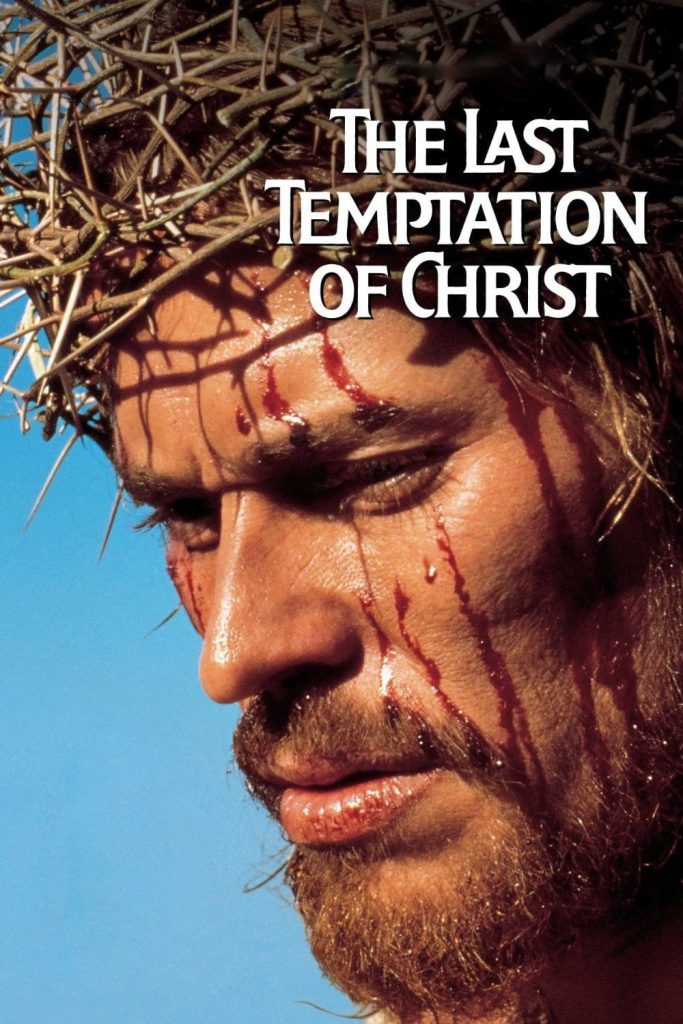
Religious groups were so incensed by this Martin Scorsese film that they organized massive pickets outside theaters. The portrayal of a vulnerable, humanized version of Jesus led to bans in multiple countries and even acts of violence at certain screenings. It remains one of the most controversial religious films ever produced.
“Sonic the Hedgehog” (2020)
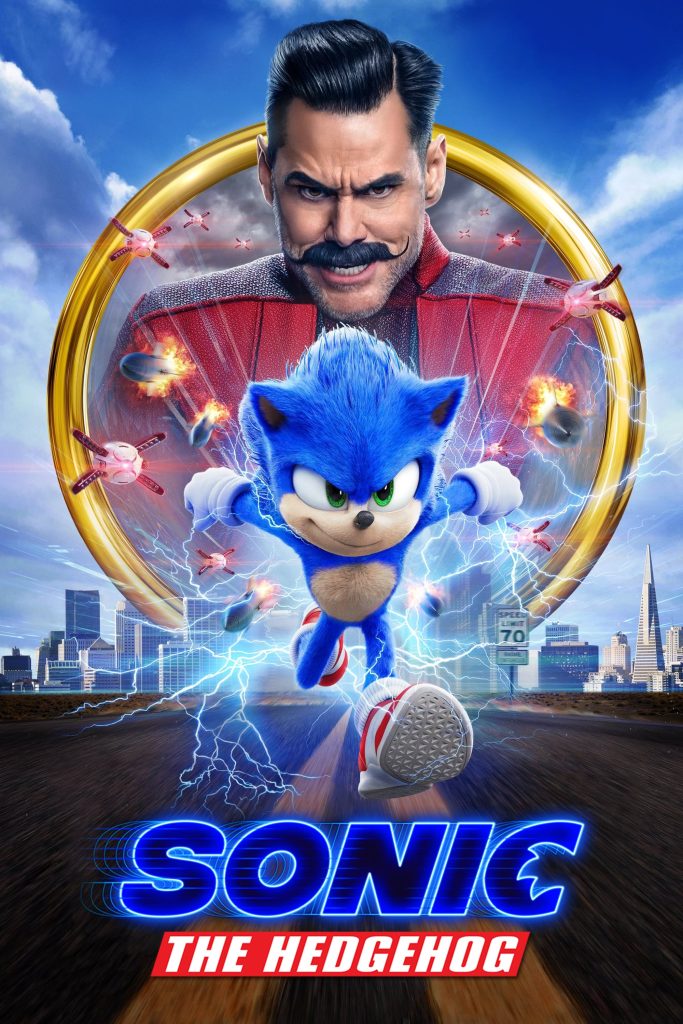
Initial trailers for this video game adaptation sparked an immediate and unified boycott threat due to the character’s uncanny human-like design. Fans were so vocal about their distaste that the studio decided to delay the release and spend millions on a total visual overhaul. This remains a rare example of fan pressure successfully changing a completed film.
“Ghostbusters” (2016)
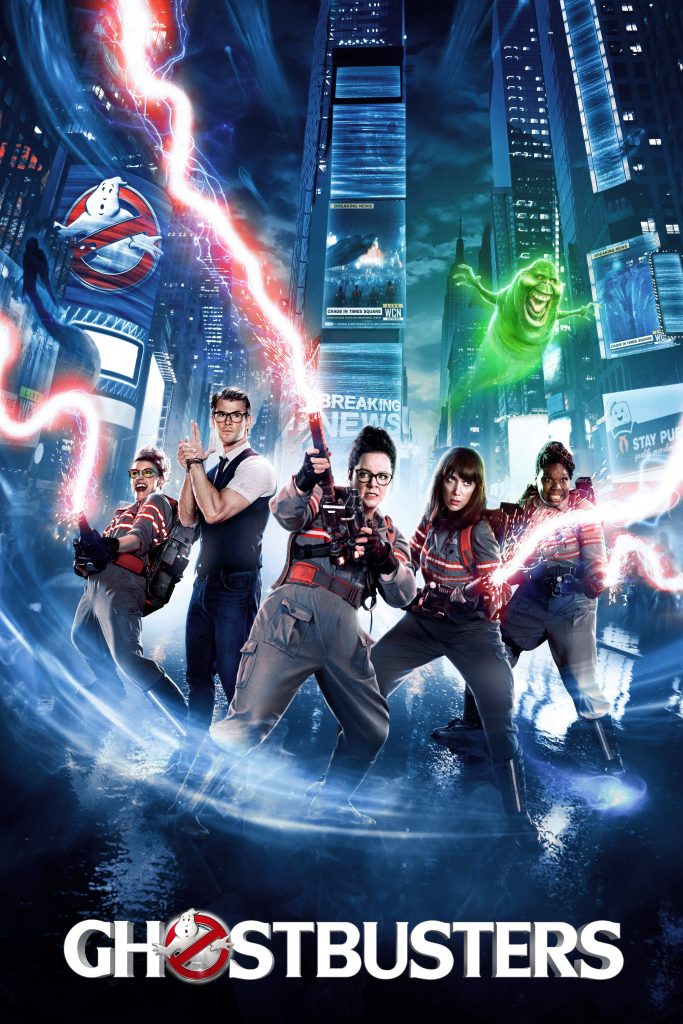
Gender-swapping the original cast led to a wave of online vitriol that targeted the production’s marketing materials before the film even premiered. While some critiques were focused on the humor, much of the boycott was driven by a rejection of the remake’s core concept. The film’s trailer became the most disliked movie trailer in the history of YouTube.
“Mulan” (2020)
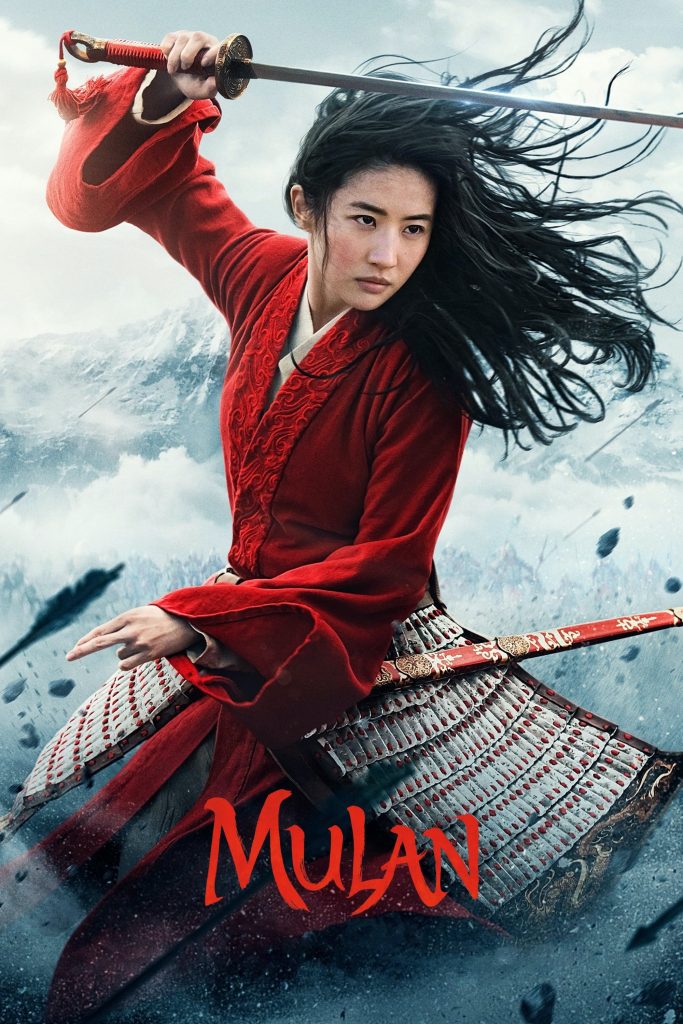
Political tensions in Hong Kong spilled over into the film industry when the lead actress voiced support for local police during civil unrest. This sparked the #BoycottMulan movement across social media platforms in several Asian territories and the United States. Further controversy arose when the film’s credits thanked government entities in Xinjiang.
“The Flash” (2023)
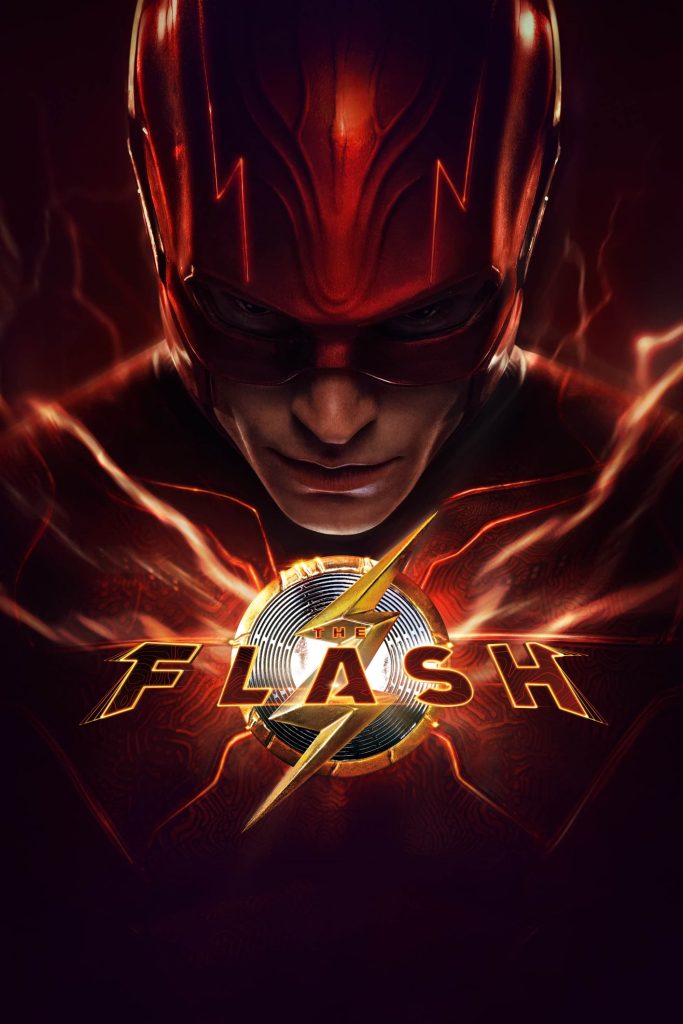
Off-screen legal troubles and erratic behavior from the lead actor cast a long shadow over this high-budget superhero production. Many fans called for a boycott, refusing to support the film despite the inclusion of Michael Keaton’s Batman. The project eventually suffered a massive financial loss for the studio.
“The Little Mermaid” (2023)
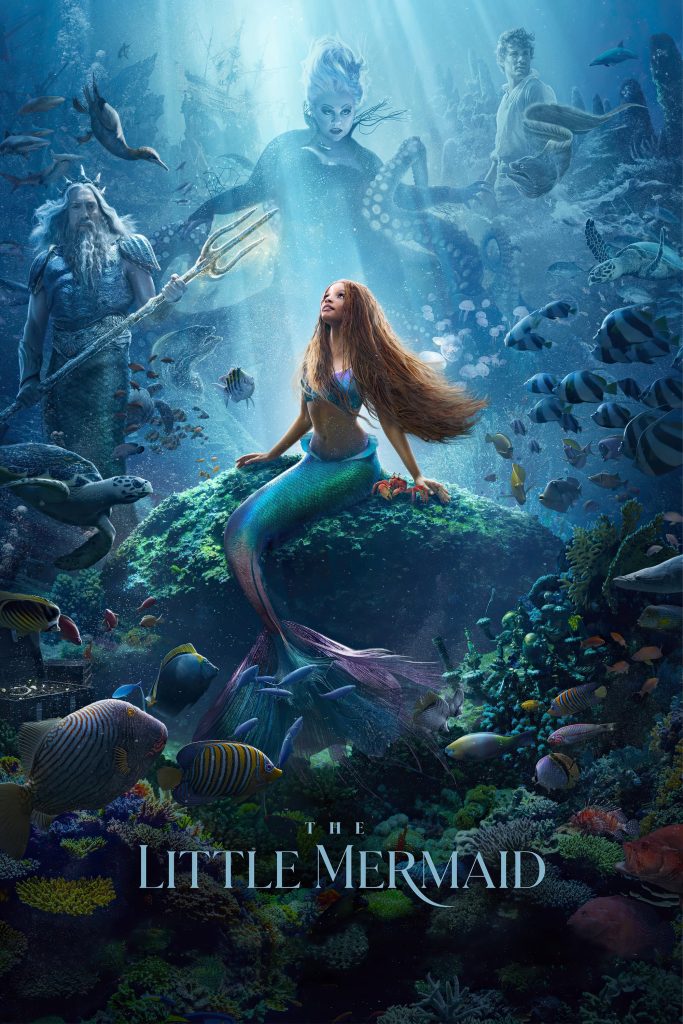
Casting a Black actress for the role of Ariel sparked a heated debate regarding racial representation and faithfulness to the original animated source. While many supported the move, a vocal segment of the internet organized review-bombing campaigns and boycotts. The film’s performance varied significantly between domestic and international markets.
“Star Wars: The Last Jedi” (2017)
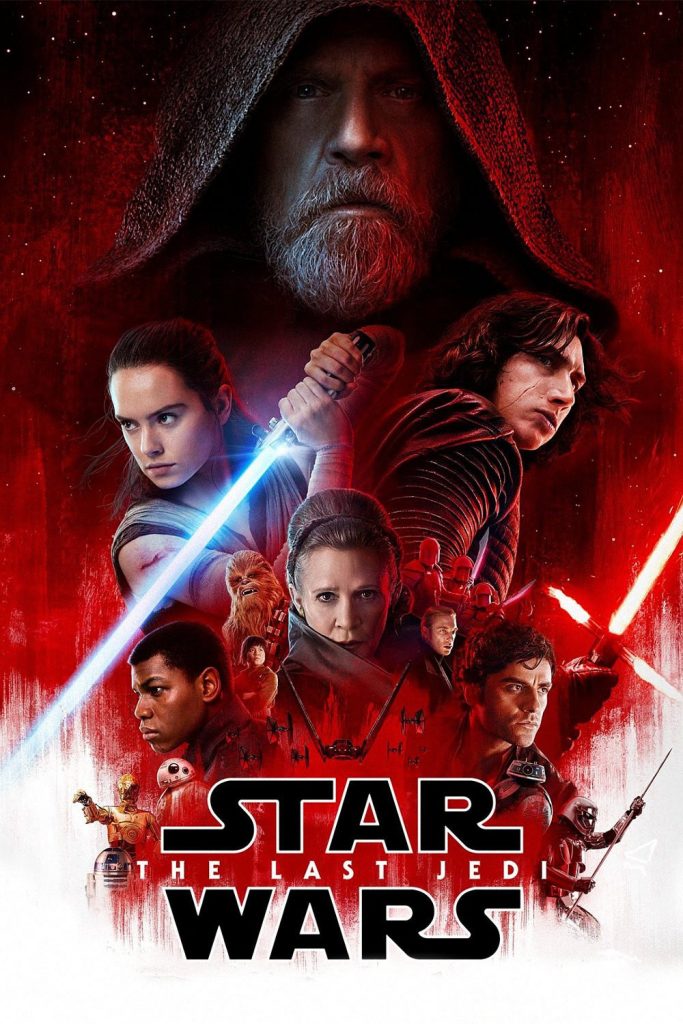
Rian Johnson’s subversion of franchise tropes left a vocal segment of the fanbase feeling alienated and betrayed by the direction of the sequel trilogy. This internal rift led to organized efforts to stay away from future theatrical releases in the series. Some enthusiasts even launched petitions to have the entire film stricken from official canon.
“A Dog’s Purpose” (2017)
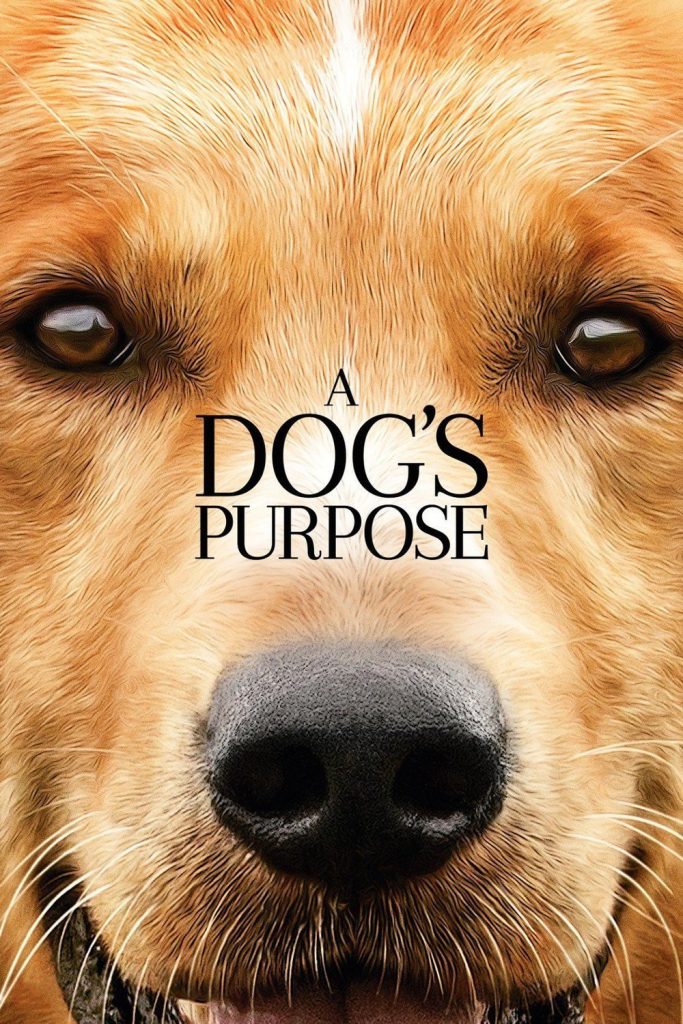
Leaked footage appearing to show a stressed dog being forced into rushing water led to immediate calls for a boycott from animal rights groups. The production cancelled its premiere and press junket as the controversy went viral across major news outlets. Independent investigations later clarified that the footage had been edited to look worse than it was.
“The Passion of the Christ” (2004)
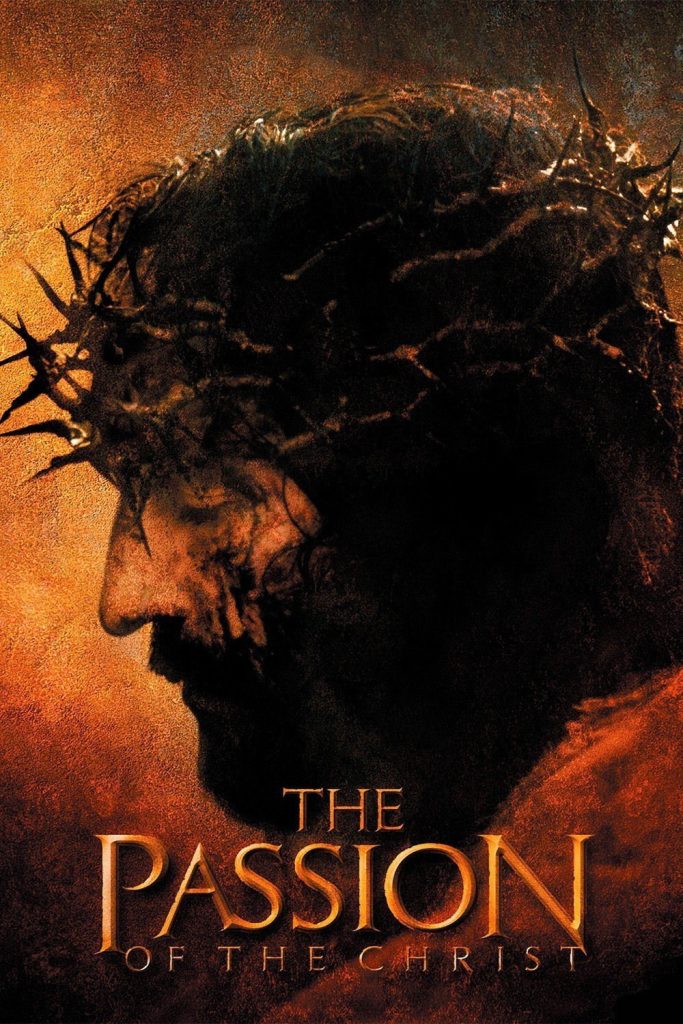
Accusations of antisemitism and excessive violence plagued this Mel Gibson-directed project long before it arrived in theaters. Several civil rights organizations urged audiences to skip the film, fearing it would incite real-world prejudice. Despite the boycotts, it became one of the highest-grossing R-rated films of all time.
“The Da Vinci Code” (2006)
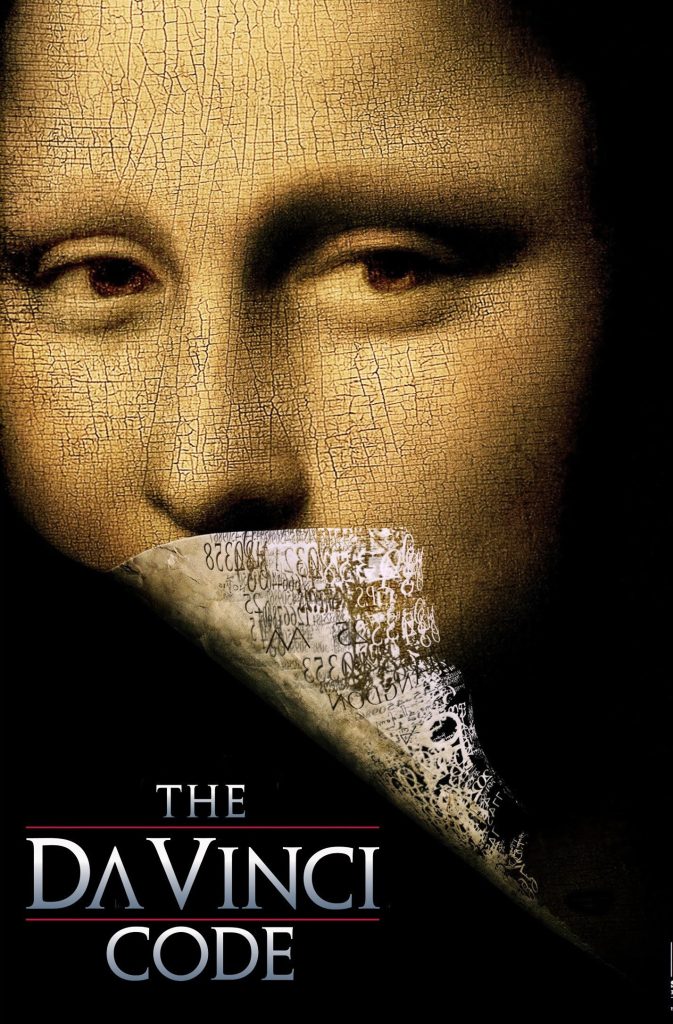
The Catholic Church and various Christian groups called for a boycott based on the story’s fictionalized claims about the bloodline of Jesus. Protesters gathered at the Cannes Film Festival and at theaters globally to voice their dissent. Many viewers were specifically bothered by the blend of historical fact and provocative fiction.
“Solo: A Star Wars Story” (2018)
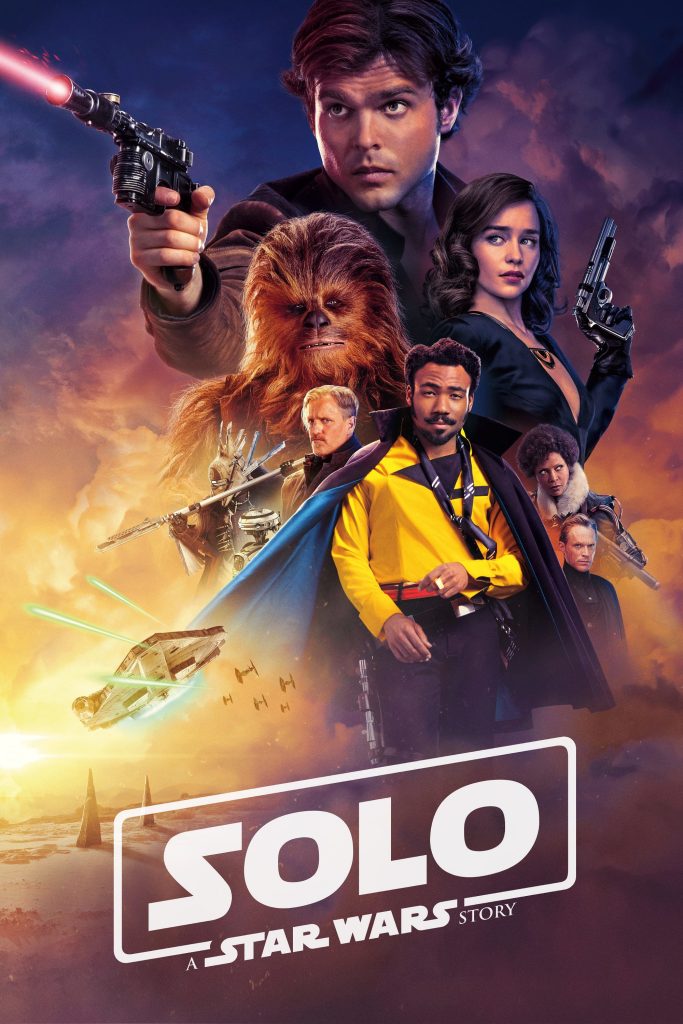
This film became the primary target for fans still frustrated by the previous entry in the franchise. The resulting boycott is often cited as a key factor in why this was the first live-action “Star Wars” movie to lose money at the box office. Disney subsequently shifted its focus toward television content for several years.
“Lightyear” (2022)
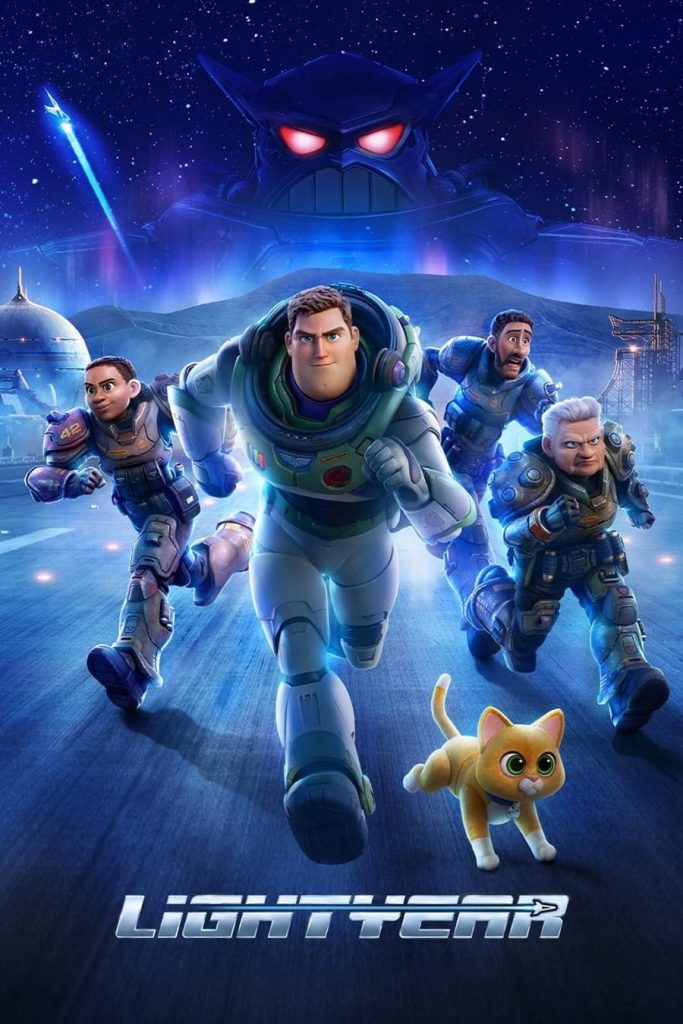
Discussions regarding a brief scene featuring a same-gender couple led to the film being banned in multiple Middle Eastern countries and boycotted by conservative groups in the West. Critics debated whether the controversy or “Toy Story” franchise fatigue was the main cause of its underwhelming performance. It remains one of Pixar’s most discussed modern releases.
“The Hunt” (2020)
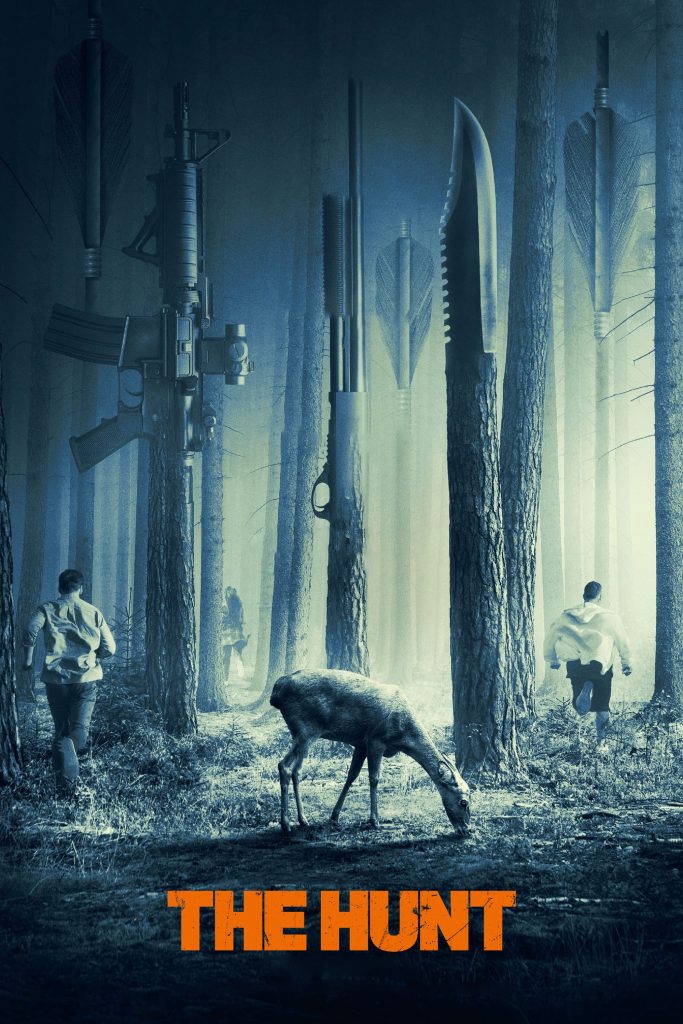
Initial reports about the film’s premise, which involved political elites hunting common citizens, led to a massive backlash from political commentators. The outcry was so severe that the studio temporarily pulled the film from its release schedule and delayed the marketing campaign. It was finally released with a marketing strategy that leaned into the controversy.
“Beauty and the Beast” (2017)
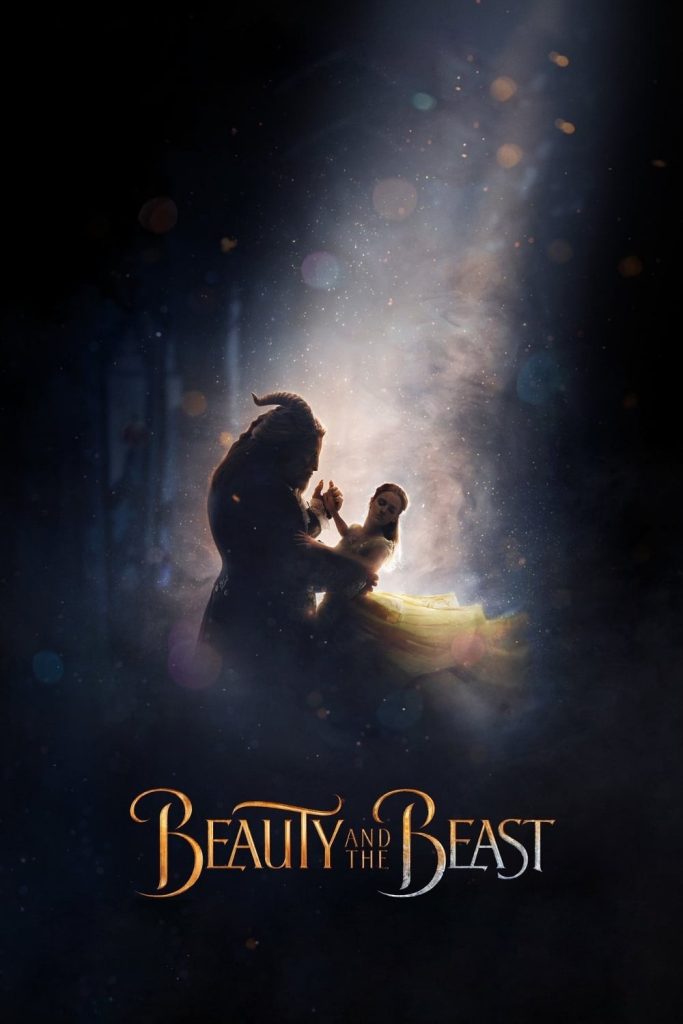
The director’s mention of an “exclusively same-gender relationship moment” involving the character LeFou caused an immediate uproar in several international markets. Some drive-in theaters in the United States refused to screen the movie, and it faced censorship in Russia and Malaysia. Despite the noise, the film grossed over a billion dollars worldwide.
“Monty Python’s Life of Brian” (1979)
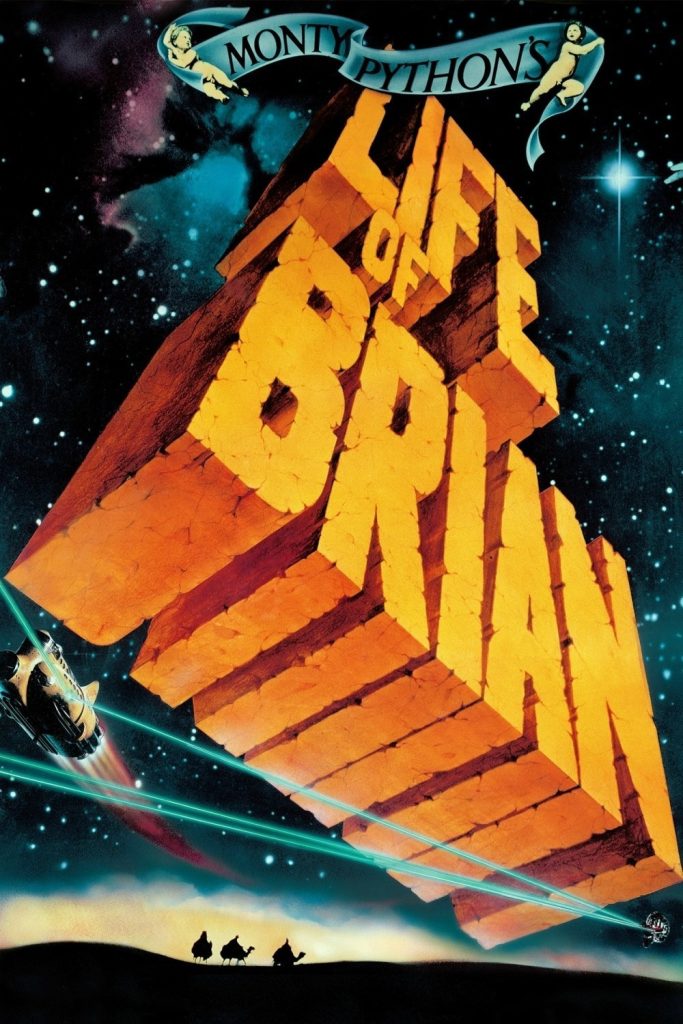
Religious leaders across the globe accused this comedy of being blasphemous and organized large-scale protests and bans. The film was famously promoted with the tagline “So funny it was banned in Norway!” which helped turn the boycott into a marketing tool. It is now considered one of the greatest comedies ever made.
“Brokeback Mountain” (2005)
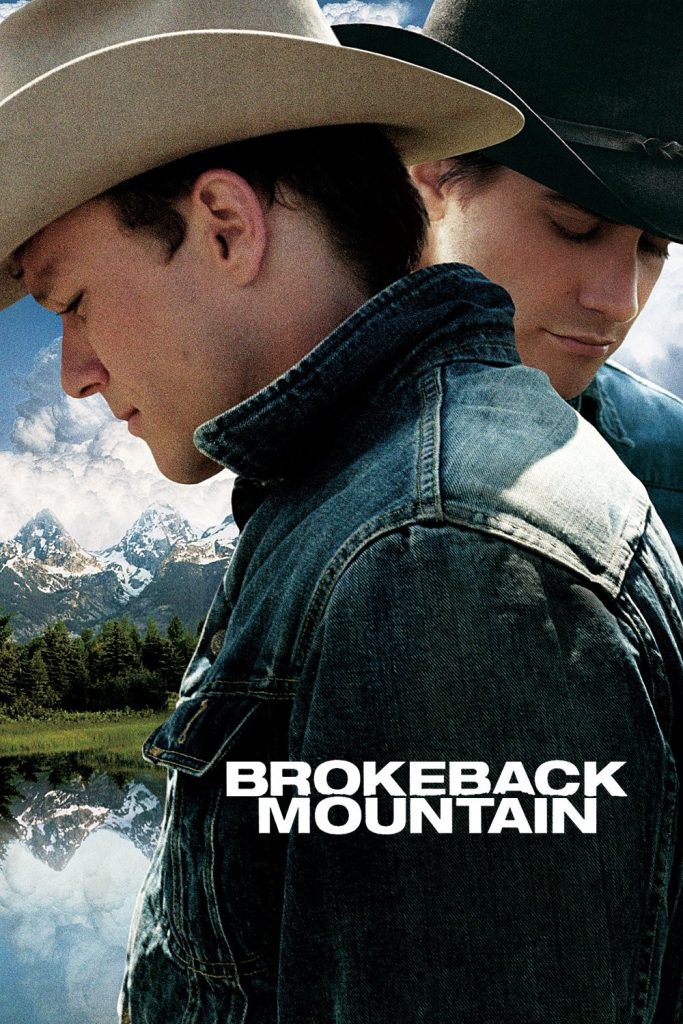
Conservative organizations in the United States urged people to avoid this romantic drama due to its portrayal of a relationship between two cowboys. Some theater owners in Utah and other rural areas famously pulled the film from their screens at the last minute. This resistance did little to stop the film from winning multiple Academy Awards.
“Joker” (2019)
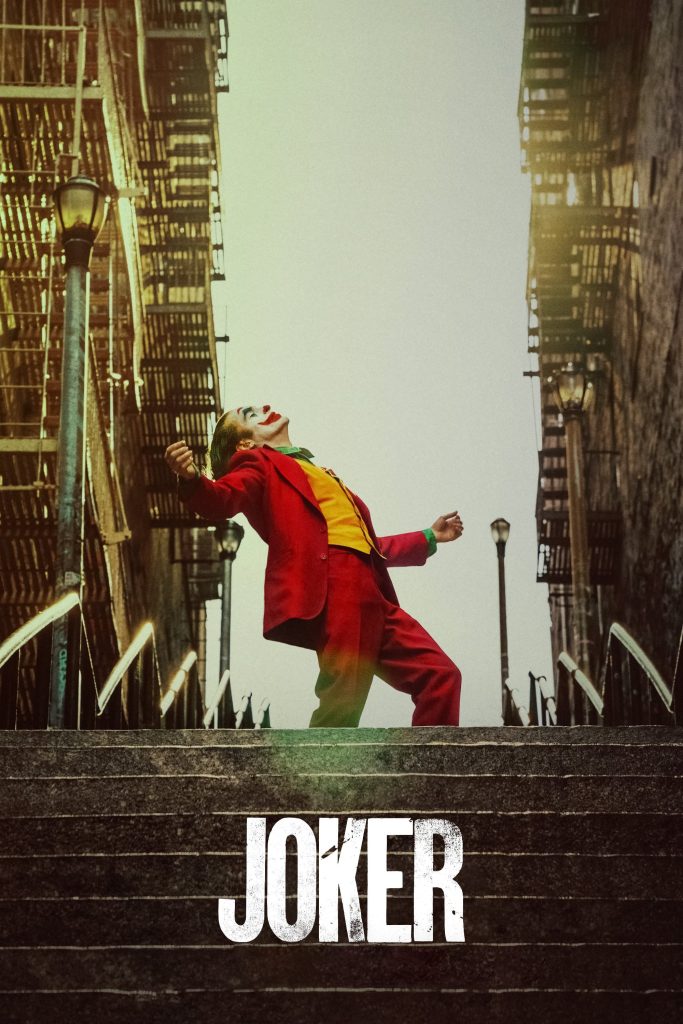
Concerns over the film potentially inciting real-world violence led to increased police presence at theaters and a preemptive boycott by some concerned parents. Families of victims from the 2012 Aurora shooting even signed a letter expressing concern to the studio. The movie ultimately received critical acclaim and became a major cultural phenomenon.
“The Interview” (2014)
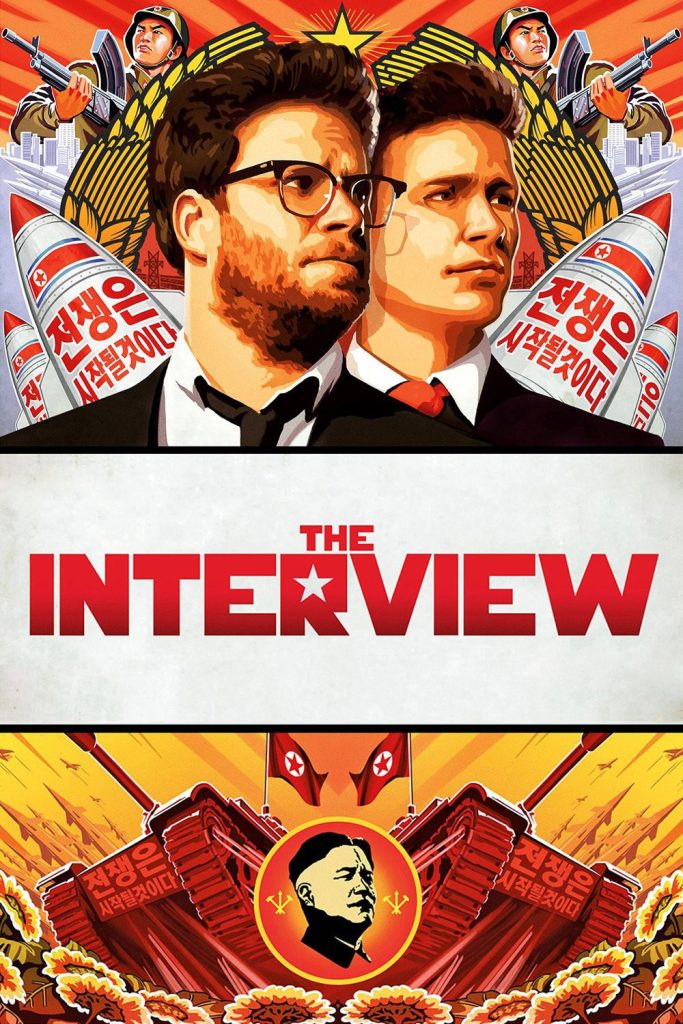
International threats and a massive cyberattack on Sony Pictures led many theater chains to cancel screenings of this comedy. While not a fan-led boycott, the public was caught in the crossfire of geopolitical tensions surrounding the film’s depiction of North Korea. It was eventually released digitally as an act of defiance against the hackers.
“Snow White” (2025)
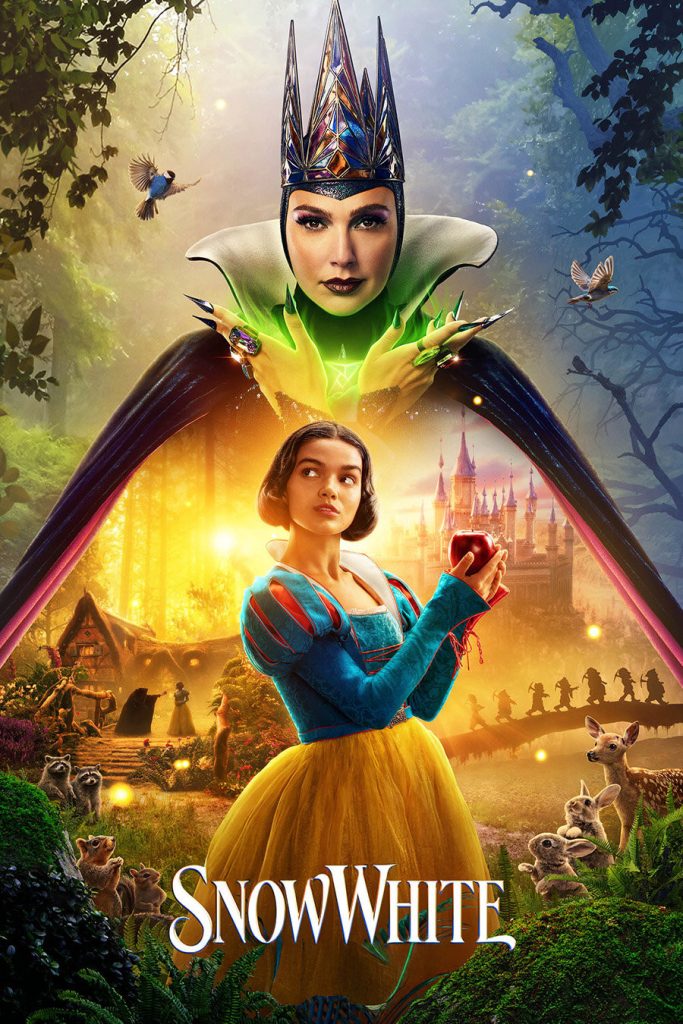
Public comments from the lead actress regarding the original 1937 film’s plot and “weird” romantic elements sparked an early boycott movement. Fans of the classic Disney story expressed frustration over changes to the iconic Seven Dwarfs characters and the general tone of the remake. The film’s marketing team had to pivot several times to address these concerns.
“The Golden Compass” (2007)
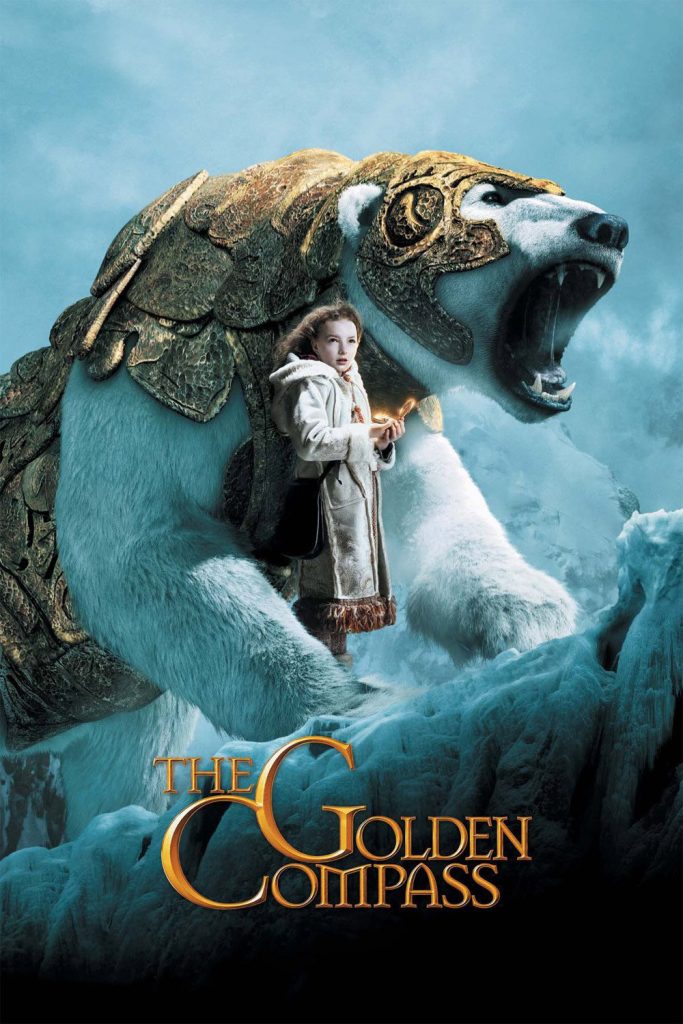
Religious organizations targeted this fantasy adaptation, claiming it promoted atheism to children through the author’s underlying themes. Despite the studio toning down the book’s anti-church elements, the boycott was successful enough to hinder the film’s domestic box office. Plans for a theatrical sequel were ultimately scrapped following the poor reception.
“Noah” (2014)
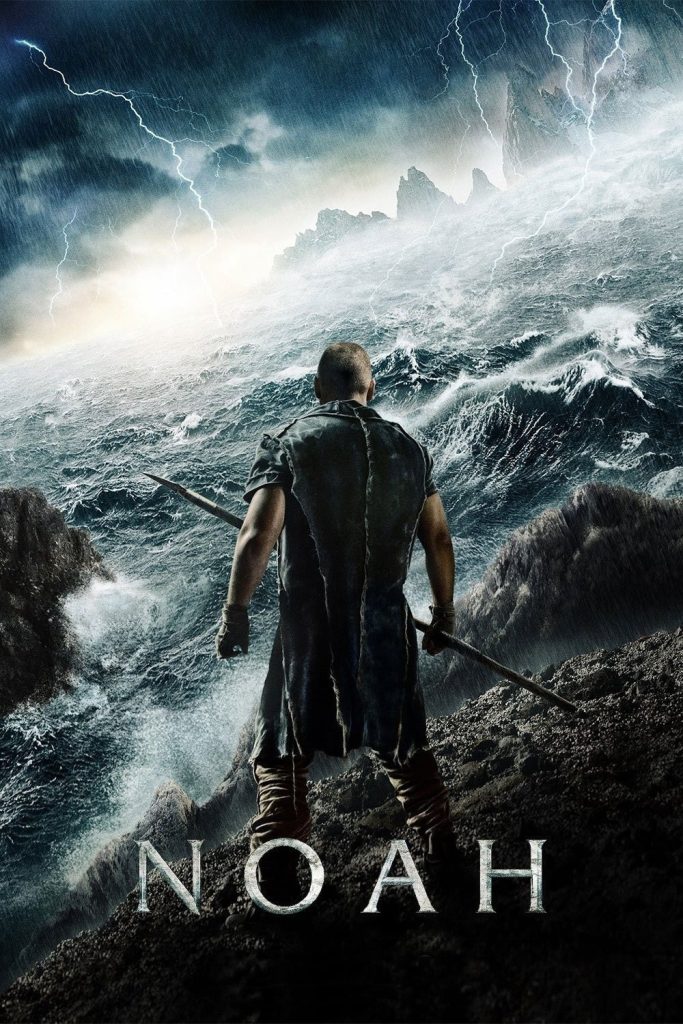
Darren Aronofsky’s stylistic and environmentalist take on the biblical story met with resistance from audiences expecting a more literal translation. Several countries in the Middle East banned the film for its depiction of a prophet, which is forbidden in Islamic tradition. The production faced significant pressure to add a disclaimer stating the film was a creative interpretation.
“Exodus: Gods and Kings” (2014)
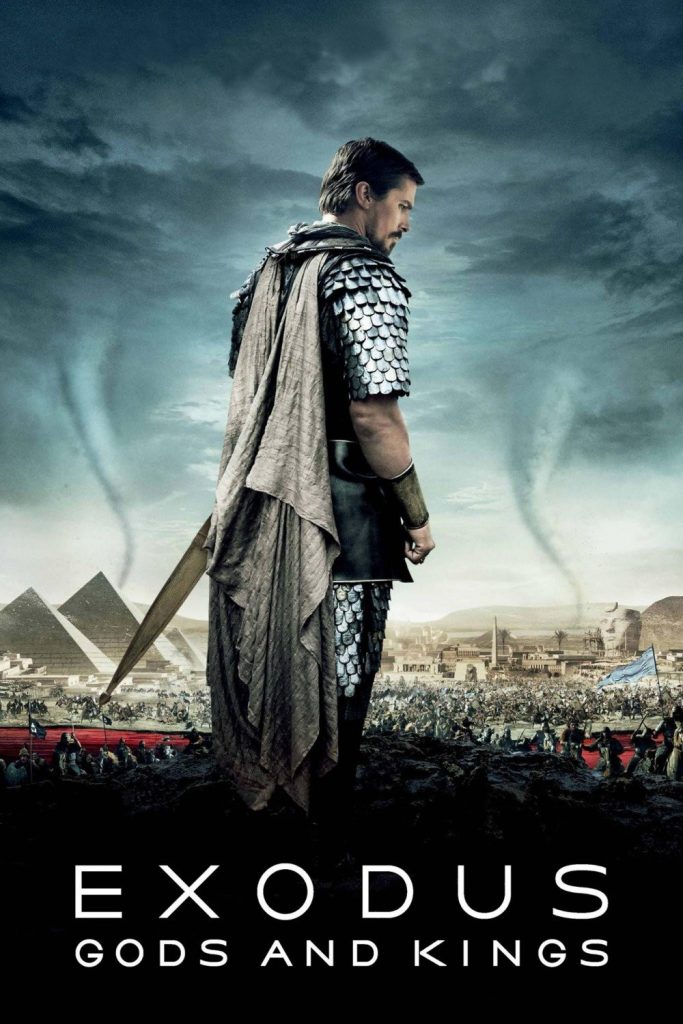
A major boycott campaign emerged due to “whitewashing” concerns after white actors were cast in the lead roles of Egyptian and Hebrew characters. Director Ridley Scott’s defense of the casting choices only further fueled the online backlash. The film underperformed and was banned in Egypt for historical inaccuracies.
“Fifty Shades of Grey” (2015)
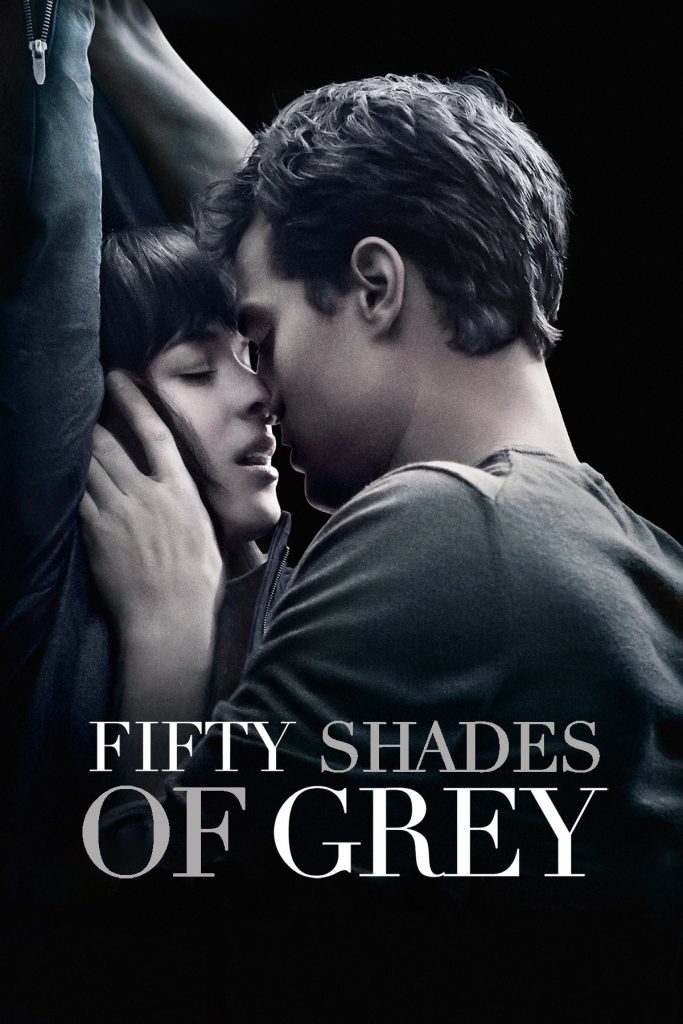
Anti-domestic violence groups and moral watchdogs urged audiences to skip this adaptation, claiming it romanticized abusive relationships. Protesters stood outside theaters with signs encouraging people to donate their ticket money to women’s shelters instead. The film still managed to attract its target audience in record-breaking numbers.
“Dogma” (1999)
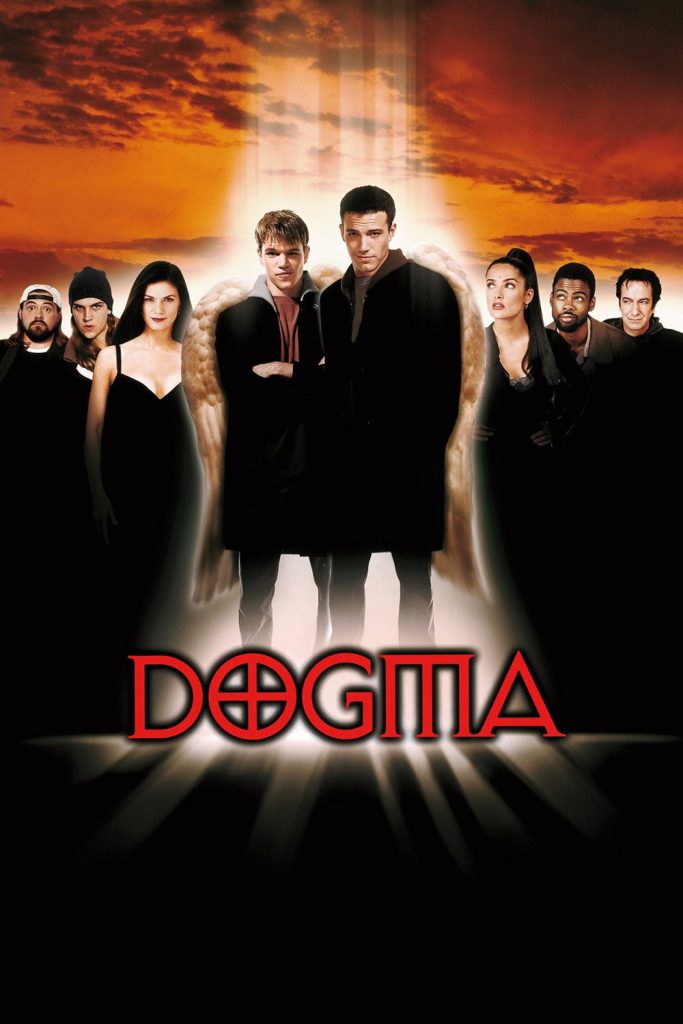
Director Kevin Smith famously joined a protest against his own movie after the Catholic League organized a massive boycott. The satirical take on religious doctrine led to death threats and intense security at the film’s premiere. It has since become a cult classic, though legal rights issues have kept it off most streaming services.
“Zoolander” (2001)
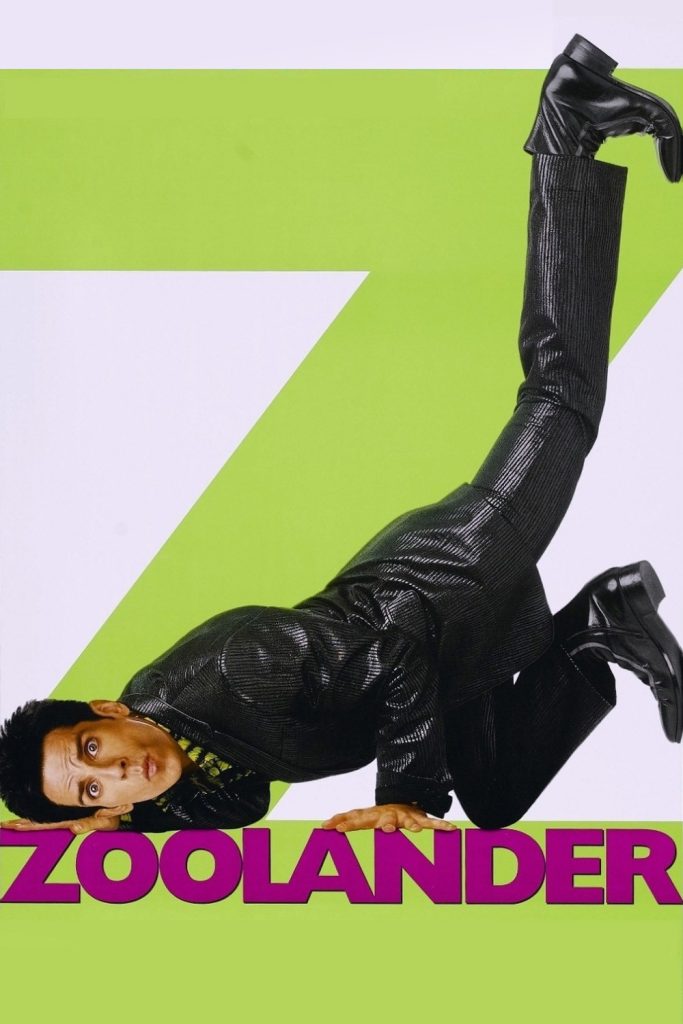
This fashion-industry comedy was completely banned in Malaysia because of its plot involving the attempted assassination of the country’s Prime Minister. While not a standard fan boycott, the local audience was legally prevented from supporting the film in theaters. Many other countries in the region initially viewed the film with high levels of skepticism.
“Doctor Strange” (2016)
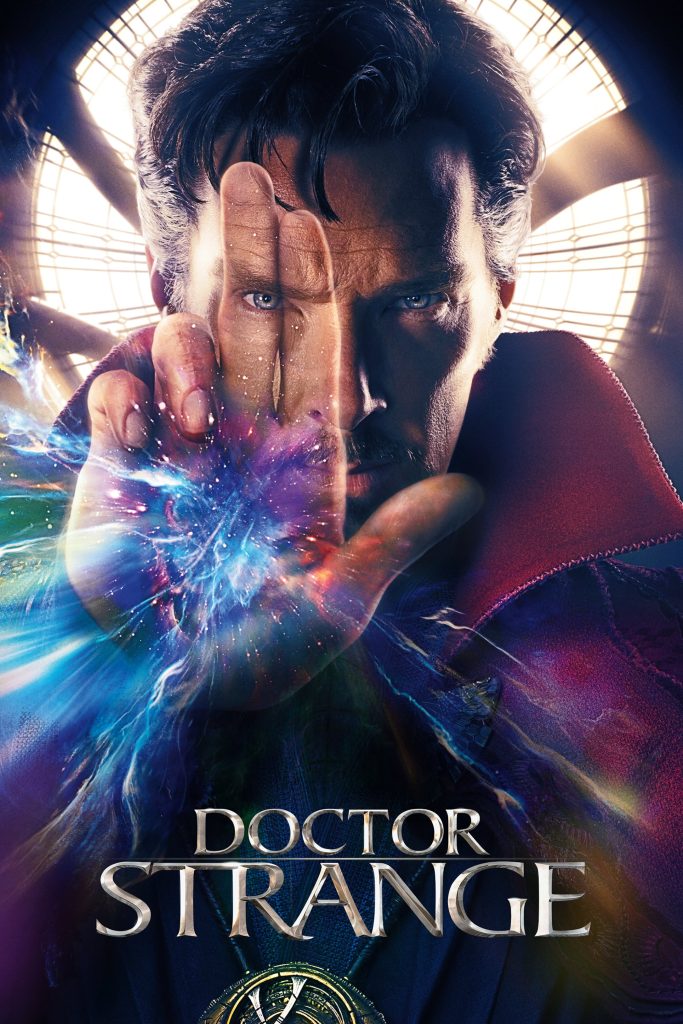
Marvel faced intense criticism and a vocal boycott for casting Tilda Swinton as the Ancient One, a character who is Tibetan in the comics. The studio defended the decision as an attempt to avoid negative Asian stereotypes, but many saw it as removing an Asian role. This debate highlighted ongoing issues regarding representation in major superhero franchises.
“Ghost in the Shell” (2017)
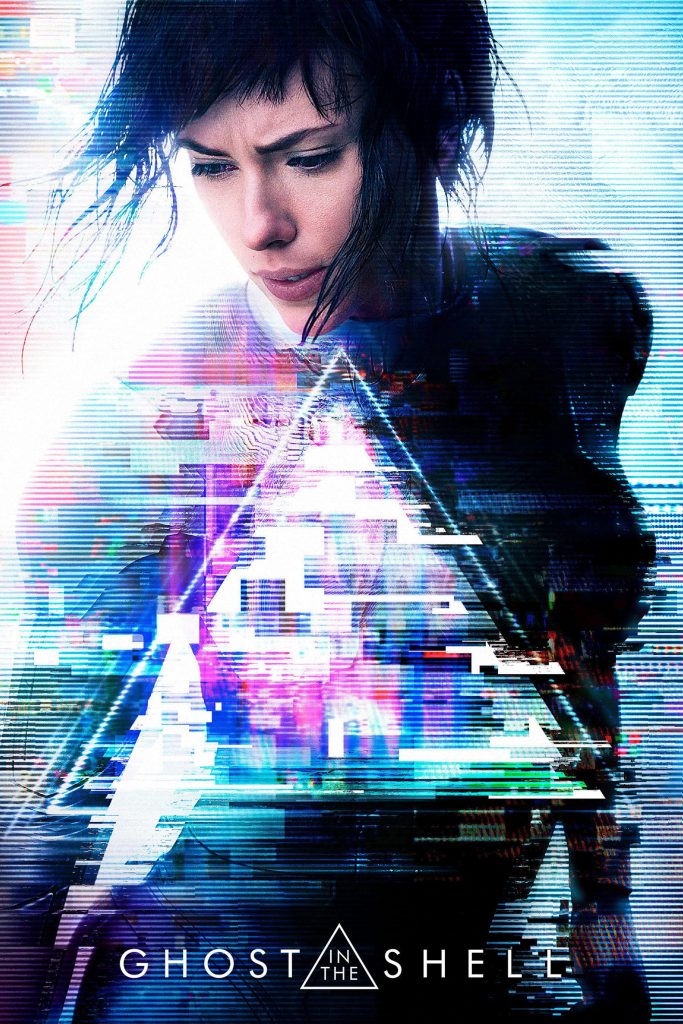
Anime fans worldwide called for a boycott when Scarlett Johansson was cast as Major Motoko Kusanagi in this live-action remake. The production was accused of ignoring the character’s Japanese heritage in favor of a big-name Hollywood star. Poor reviews and the boycott combined to make the film a significant box office disappointment.
“Eternals” (2021)
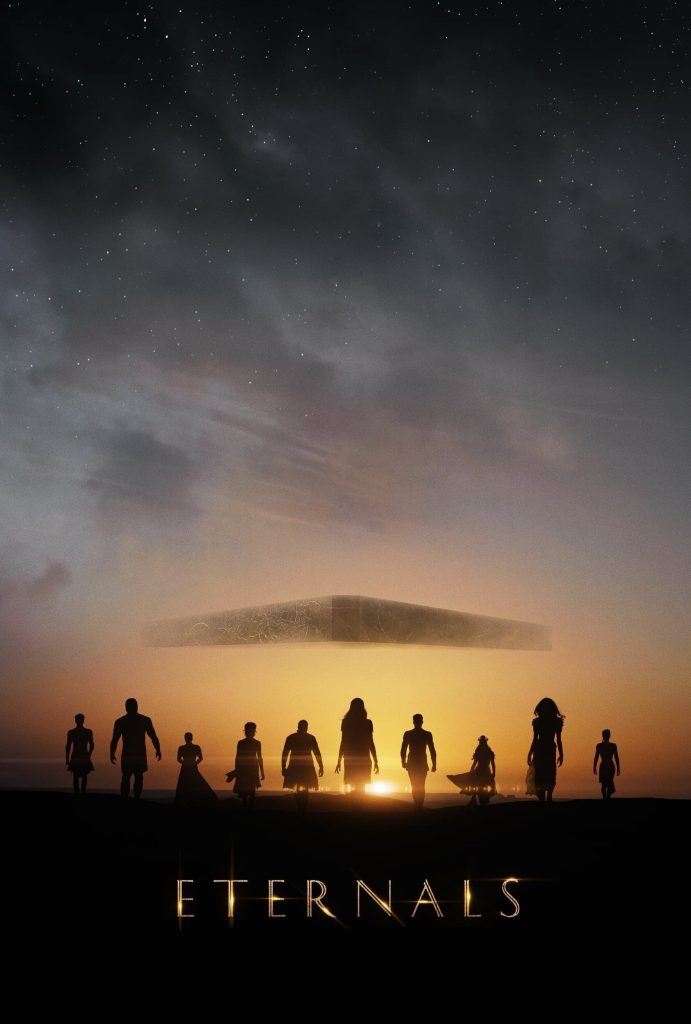
Diverse casting and the inclusion of a same-gender couple led to the film being review-bombed by certain online groups before its release. It was also pulled from theaters in several markets that requested cuts to specific scenes. Despite the divisive reception, the film expanded the cosmic boundaries of the Marvel Cinematic Universe.
“Spider-Man: Across the Spider-Verse” (2023)
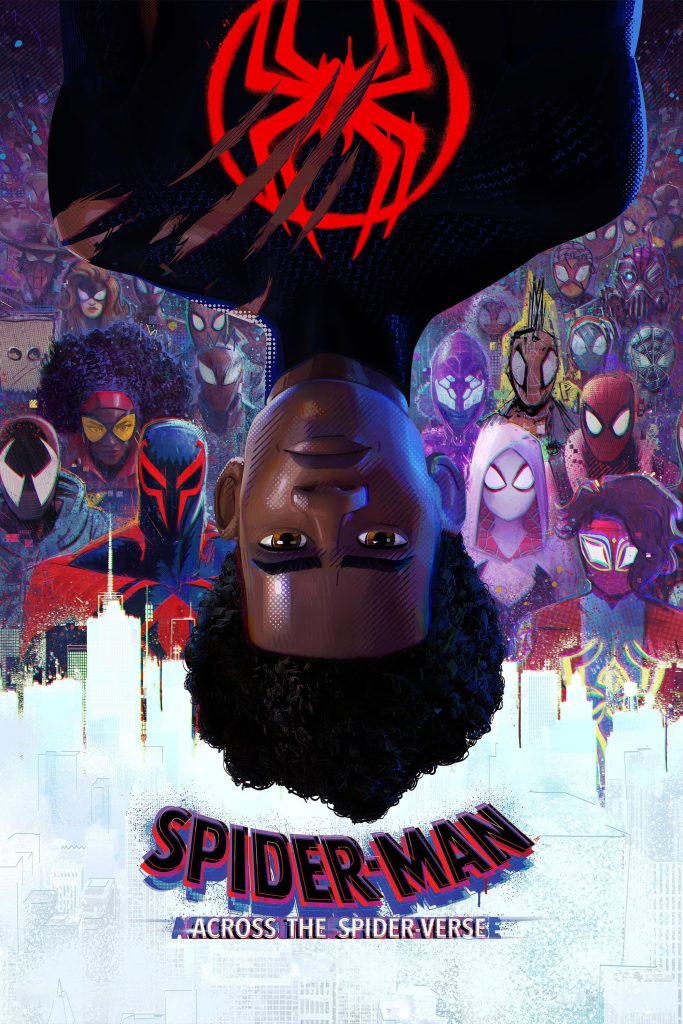
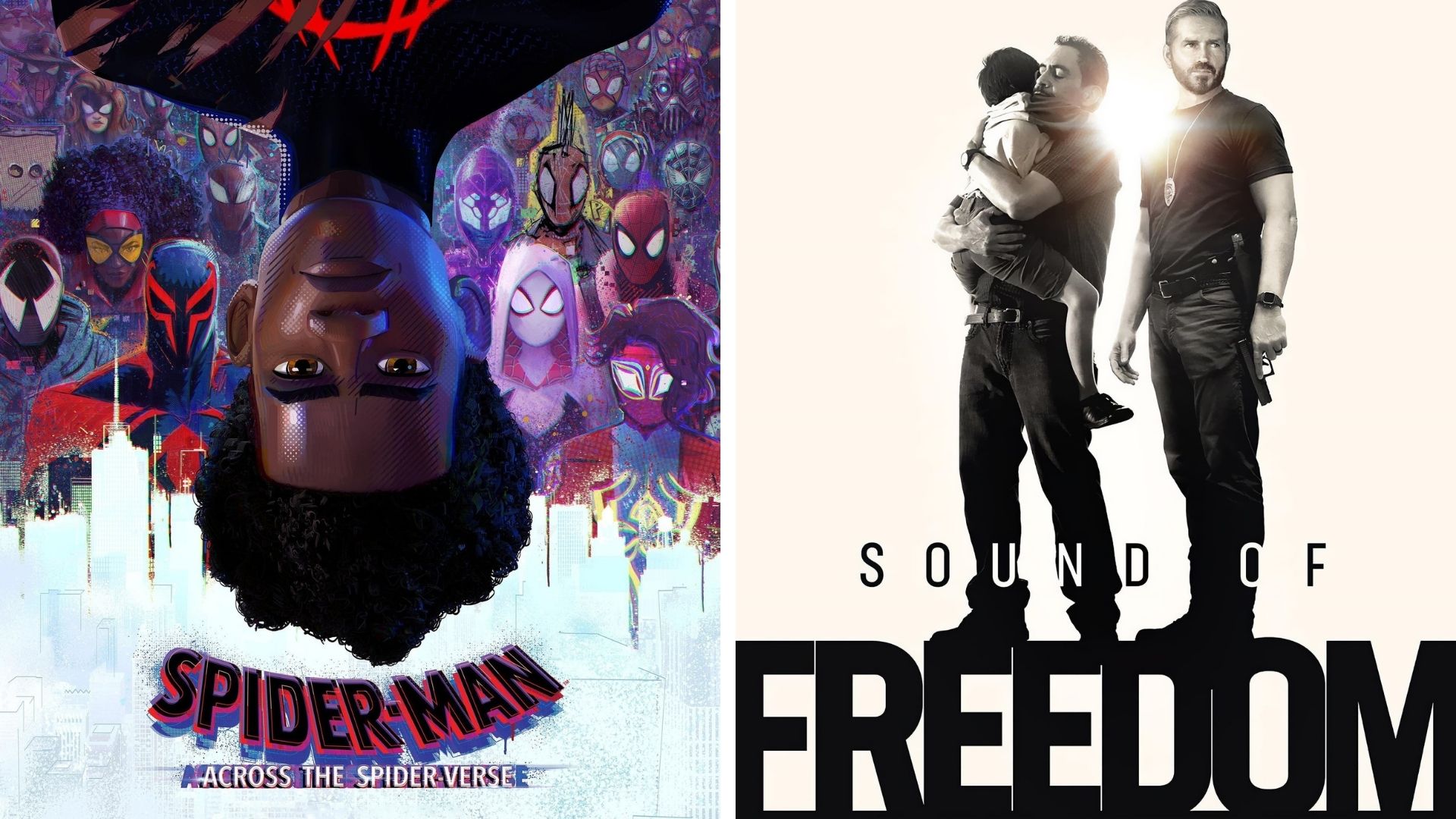
This critically acclaimed animated sequel was pulled from release in several Middle Eastern territories after failing to meet local censorship requirements. The issue stemmed from a background poster within the film that featured a supportive message for transgender rights. Fans in those regions were left without an official way to view the movie in theaters.
“The Sound of Freedom” (2023)
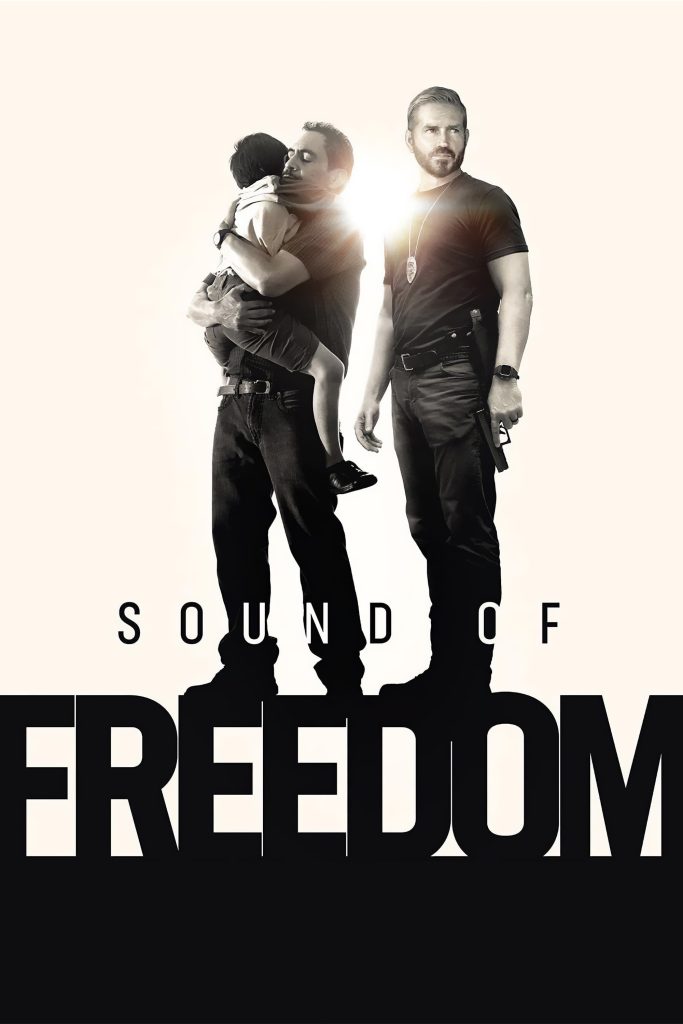
This independent production became a lightning rod for political division and accusations of conspiratorial undertones. While many critics and mainstream media outlets encouraged audiences to look elsewhere, a highly motivated grassroots movement pushed the film to massive success. It managed to outearn major studio blockbusters despite a complete lack of traditional Hollywood support.