The 1980s gave music fans some of the most recognizable voices, hairstyles, and performances in pop culture history. MTV transformed stars into visual icons, stadium concerts grew larger than ever, and everything from synth-pop to hip-hop found new audiences. These 30 artists helped define the decade with songs and performances people still remember today.
Michael Jackson transformed pop with Thriller

Michael Jackson’s Thriller arrived in 1982 and became a defining album of the decade. Songs such as “Billie Jean” and “Beat It” dominated radio, while his elaborate music videos helped change what audiences expected from pop stars. His moonwalk and red leather jacket became instantly recognizable symbols of the era.
Madonna made reinvention her signature

Madonna’s arrival on the pop charts introduced a bold new combination of dance music, fashion, and attitude. Her 1984 album Like a Virgin made her a worldwide star, and fans copied everything from her lace gloves to her layered jewelry. By the end of the decade, she had repeatedly reinvented both her sound and her image.
Prince turned Purple Rain into a phenomenon

Prince combined rock guitar, funk rhythms, and theatrical showmanship in a way few artists could match. His 1984 album and film Purple Rain introduced a wider audience to songs such as “When Doves Cry” and “Let’s Go Crazy.” The purple clothing, motorcycle, and unforgettable guitar performances helped create one of the decade’s most distinctive images.
Whitney Houston introduced an extraordinary voice

Whitney Houston’s self-titled debut album arrived in 1985 and introduced listeners to a remarkably powerful singer. Hits such as “How Will I Know” and “Greatest Love of All” demonstrated her ability to move between upbeat pop and emotional ballads. Her second album, released in 1987, confirmed that she was one of the decade’s biggest new stars.
Tina Turner made an incredible comeback

Tina Turner’s 1984 album Private Dancer marked an extraordinary new chapter in her career. “What’s Love Got to Do with It” became her first solo number-one hit on the Billboard Hot 100. Her distinctive voice, energetic stage presence, and unmistakable hairstyle made her comeback one of the decade’s great musical stories.
David Bowie continued changing his sound

David Bowie entered the 1980s with an established reputation for reinvention, but his commercial reach grew enormously with Let’s Dance in 1983. The album’s title track and “Modern Love” brought his music to new audiences. His sharp suits, memorable videos, and constantly evolving persona remained central to his appeal.
George Michael stepped out from Wham!

George Michael became a teen idol alongside Andrew Ridgeley in Wham!, the duo behind hits such as “Wake Me Up Before You Go-Go.” His 1987 solo album Faith revealed a more mature musical identity and produced several major singles. The leather jacket, sunglasses, and carefully styled stubble from that era became part of his signature look.
Freddie Mercury commanded the Live Aid stage

Freddie Mercury delivered one of rock’s most celebrated live performances when Queen appeared at Live Aid in 1985. With his powerful voice and commanding stage presence, he led an enormous Wembley Stadium audience through a rapid sequence of familiar songs. The performance remains a defining example of his ability to connect with a crowd.
Cyndi Lauper brought color to the charts

Cyndi Lauper’s breakthrough album She’s So Unusual arrived in 1983 with an infectious mixture of pop and personality. “Girls Just Want to Have Fun” became a major hit, while “Time After Time” revealed her gift for emotional songwriting. Her brightly colored hair and playful clothing made her a natural fit for MTV.
Bruce Springsteen filled stadiums with Born in the U.S.A.

Bruce Springsteen’s Born in the U.S.A. became one of the biggest albums of 1984. Its powerful songs explored working-class experiences while bringing his music to an enormous mainstream audience. Wearing jeans, a white T-shirt, and a bandana, Springsteen created a look almost as recognizable as his voice.
Lionel Richie gave the decade unforgettable ballads

After achieving success with the Commodores, Lionel Richie became a major solo star during the 1980s. Songs such as “All Night Long (All Night)” and “Hello” showed his talent for both celebration and romance. His approachable style and memorable melodies made him a familiar presence on radio and television.
Phil Collins became a solo superstar

Phil Collins balanced his work with Genesis and a hugely successful solo career during the 1980s. “In the Air Tonight” became famous for its dramatic drum entrance, while later hits introduced him to an even wider audience. His distinctive voice and emotionally direct songwriting made him one of the decade’s most familiar performers.
Bono helped U2 reach worldwide audiences

U2’s combination of atmospheric guitar music and emotionally charged performances grew steadily throughout the decade. The Joshua Tree, released in 1987, brought the Irish band international success with songs such as “With or Without You.” Bono’s passionate stage presence helped establish the group as a major concert attraction.
Stevie Wonder remained a musical powerhouse

Stevie Wonder entered the 1980s already recognized as one of popular music’s great talents. He continued reaching new audiences with songs such as “Master Blaster (Jammin’)” and “I Just Called to Say I Love You.” His ability to blend soul, pop, and social commentary kept him influential throughout the decade.
Annie Lennox helped define synth-pop

Annie Lennox’s powerful voice and striking appearance made Eurythmics one of the most recognizable acts of the 1980s. The duo broke through internationally with “Sweet Dreams (Are Made of This)” in 1983. Lennox’s short orange hair, sharp suits, and commanding performances challenged traditional expectations of a pop star.
Bon Jovi brought arena rock to the mainstream

Jon Bon Jovi became one of the decade’s most recognizable rock frontmen after the release of Slippery When Wet in 1986. Songs such as “Livin’ on a Prayer” and “You Give Love a Bad Name” became enormous radio hits. His long hair, energetic performances, and memorable choruses helped define the era’s arena-rock sound.
Janet Jackson found her own musical identity

Janet Jackson established herself as a major recording artist with Control in 1986. Songs such as “Nasty” and “What Have You Done for Me Lately” introduced a confident new image and a sharply rhythmic sound. Her elaborate choreography and increasingly sophisticated videos made her a major figure in contemporary pop.
Billy Joel kept telling stories through music

Billy Joel continued his run of successful albums during the 1980s with Glass Houses, An Innocent Man, and The Bridge. His songs ranged from energetic rock to nostalgic tributes to earlier pop styles. Tracks such as “Uptown Girl” and “We Didn’t Start the Fire” helped introduce his storytelling to new generations of listeners.
Sade brought sophistication to 1980s soul

Sade Adu became internationally recognized when her band’s debut album Diamond Life arrived in 1984. Songs such as “Smooth Operator” combined smooth jazz influences with understated soul and pop. Her calm delivery and elegant appearance offered a striking contrast to the decade’s more flamboyant performers.
Kate Bush made artful pop unforgettable

Kate Bush created some of the decade’s most imaginative music with her theatrical vocals and ambitious production. Her 1985 album Hounds of Love included “Running Up That Hill” and “Cloudbusting.” She treated music videos as opportunities for storytelling, adding striking visual worlds to her unusual songs.
Run-DMC changed the sound of popular music

Run-DMC helped bring hip-hop from New York’s streets to a much larger international audience. Their 1986 collaboration with Aerosmith on “Walk This Way” became an important crossover moment for rap and rock. Their Adidas sneakers, black hats, and bold stage presentation became enduring symbols of hip-hop culture.
Ozzy Osbourne became a heavy metal icon

After leaving Black Sabbath, Ozzy Osbourne launched a successful solo career that helped shape 1980s heavy metal. His debut solo album Blizzard of Ozz introduced songs such as “Crazy Train.” Between his unmistakable voice, dramatic performances, and colorful public image, Ozzy became one of metal’s most recognizable personalities.
Duran Duran became MTV favorites

Duran Duran helped turn the music video into an essential part of a pop band’s identity. Their stylish clips for songs such as “Rio” and “Hungry Like the Wolf” combined fashion, adventure, and memorable melodies. The British group became international stars during the early 1980s and helped define the New Romantic era.
Bob Marley’s music continued reaching the world

Bob Marley entered 1980 as one of reggae’s most influential international figures. His final studio album released during his lifetime, Uprising, included the enduring song “Redemption Song.” Although he died in 1981, his music continued finding new listeners throughout the decade, especially after the release of the compilation Legend in 1984.
Rick Astley made Never Gonna Give You Up a hit

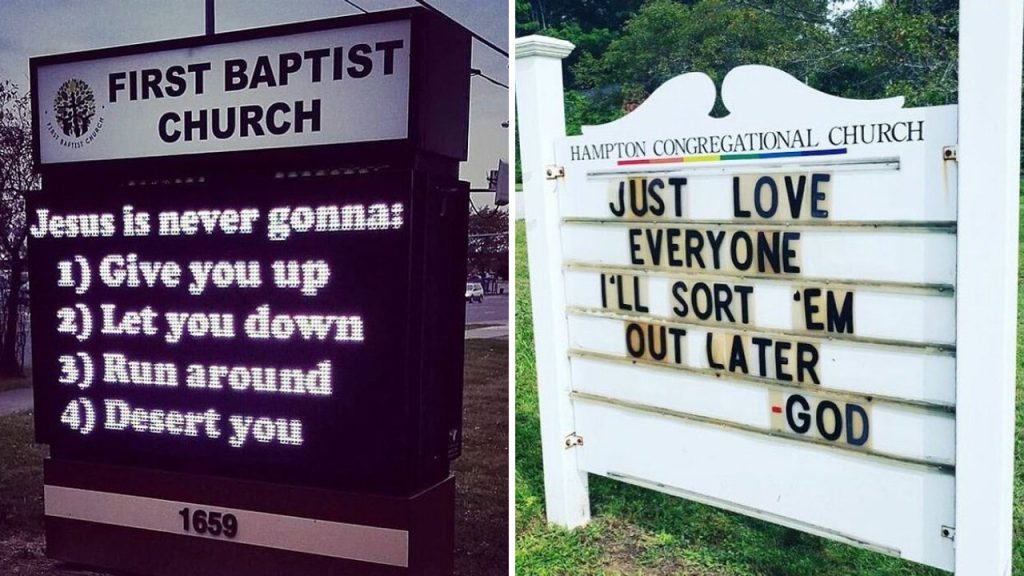
Rick Astley’s deep voice surprised listeners when “Never Gonna Give You Up” became an international hit in 1987. His debut album Whenever You Need Somebody established him as a major young pop performer. Decades before the internet turned the song into a famous joke, it was already one of the era’s most recognizable dance-pop singles.
Pat Benatar brought power to rock radio

Pat Benatar became a leading female rock performer with a series of hits early in the decade. Songs such as “Hit Me with Your Best Shot” and “Love Is a Battlefield” showcased her forceful voice and commanding delivery. Her dramatic stage fashion and music videos also made her a familiar figure on MTV.
Elton John kept reinventing his piano-driven pop

Elton John remained a major presence on the charts throughout the 1980s. Songs such as “I’m Still Standing” and “I Guess That’s Why They Call It the Blues” helped introduce him to another generation of listeners. His colorful public persona remained recognizable even as his musical style continued evolving.
Diana Ross remained an unstoppable performer

Diana Ross entered the 1980s with decades of success behind her, but she continued making major hits. Her 1980 album Diana included the disco-influenced favorites “Upside Down” and “I’m Coming Out.” Ross’s glamorous stage presence and unmistakable voice kept her at the center of popular entertainment.
Jimmy Buffett turned Margaritaville into a lifestyle

Jimmy Buffett’s relaxed island-inspired sound gave listeners a musical escape from everyday routines. Although “Margaritaville” first became a hit in 1977, his devoted following continued growing during the 1980s. His concerts developed into colorful celebrations where fans embraced the tropical atmosphere of his songs.
Donna Summer carried disco into the new decade

Donna Summer entered the 1980s as one of disco’s most successful performers and continued adapting her sound. Her 1983 hit “She Works Hard for the Money” became an anthem celebrating working women. With a powerful voice and an impressive string of recordings, she remained an important figure as dance music evolved.