Science is often described as a story of progress, yet even after centuries of experiments, some questions remain stubbornly open. From the structure of the cosmos to the quirks of the human body, there are basic phenomena that still resist neat equations or final explanations. In this article, we look at 30 examples that range from everyday puzzles to deep cosmic riddles. Together they show that the unknown is not a failure of science, but the fuel that keeps research moving forward.
Dark Matter And Dark Energy
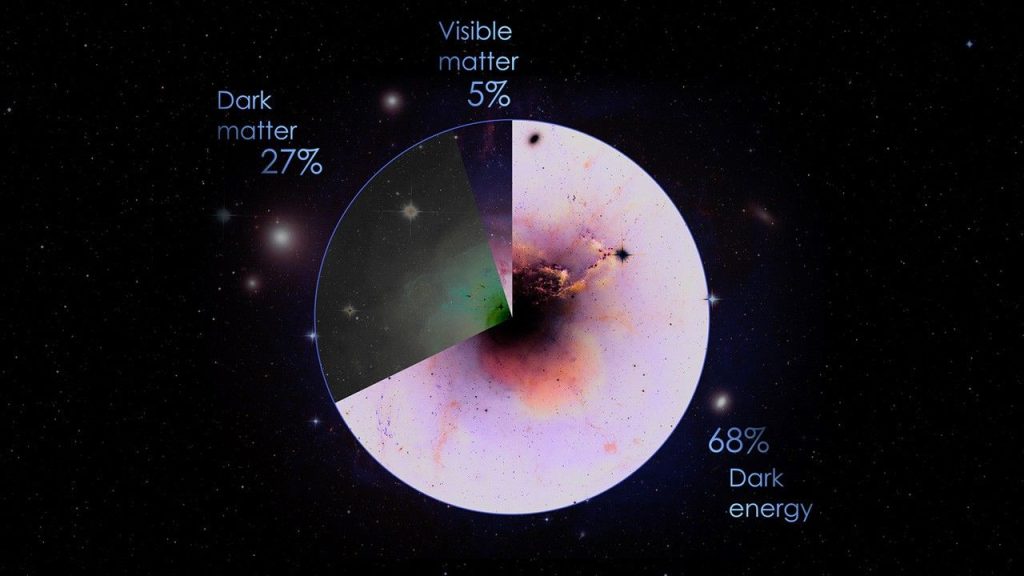
Observations of galaxies and the expansion of the universe suggest that the matter we can see is only a small fraction of what exists. Astronomers infer invisible dark matter from its gravitational pull and dark energy from the way space itself appears to expand faster over time. Despite decades of experiments, scientists still have no direct detection of these components or a clear understanding of their true nature.
The Origin Of The Universe
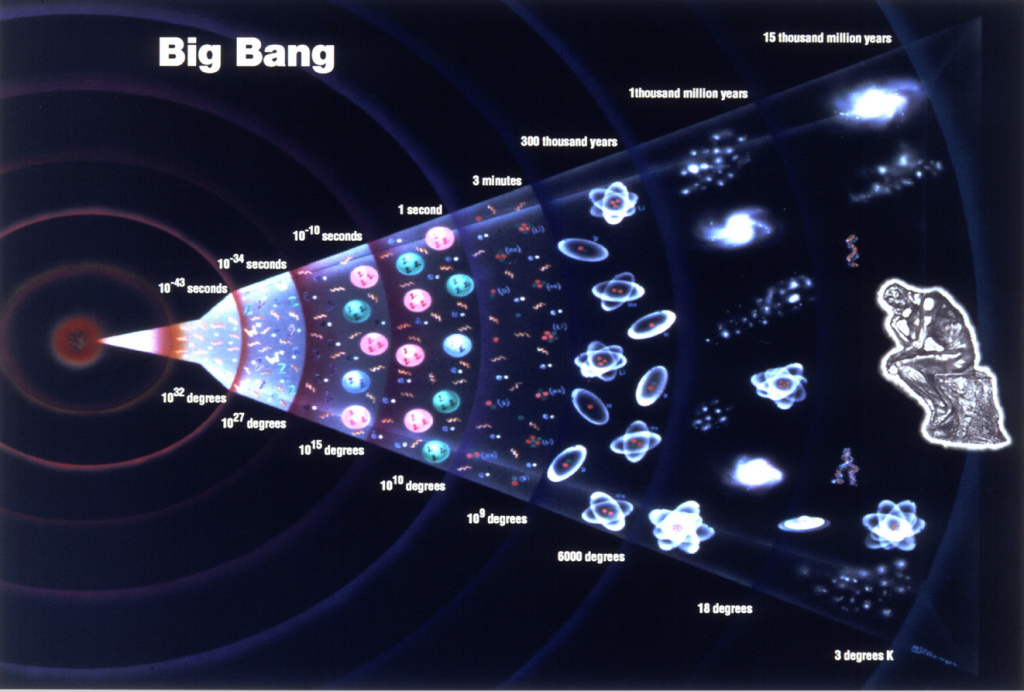
The Big Bang model describes how the universe has expanded and cooled from a very hot, dense state, but not what set the process in motion. Physicists can trace events back to fractions of a second after this beginning, yet conditions at the very start remain speculative. Whether the universe emerged from a quantum fluctuation, a prior cycle, or something else entirely is still an open question.
How Life Began On Earth
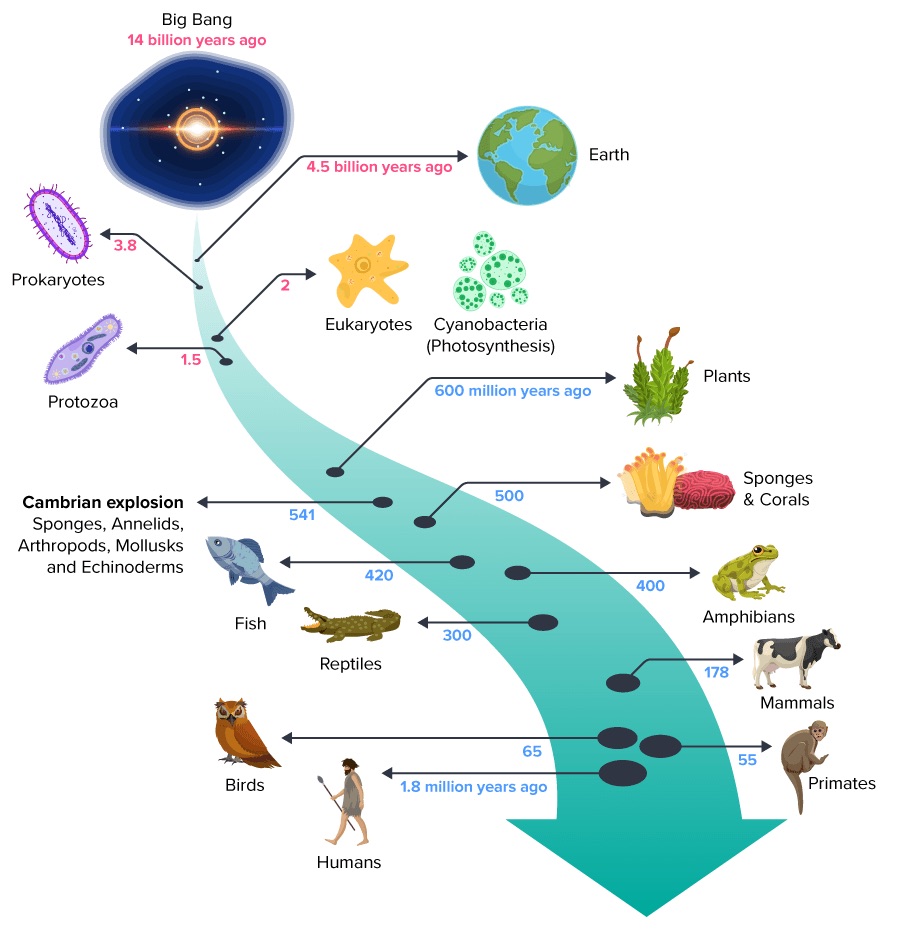
Laboratory experiments have shown that key building blocks of life, such as amino acids, can form from simple chemicals under early Earth conditions. Even so, scientists cannot yet reconstruct the exact pathway from nonliving chemistry to the first self-replicating cells. Multiple hypotheses compete, from deep sea vents to shallow pools, and no single scenario has enough evidence to be declared the winner.
Why We Sleep

Sleep is clearly essential for health, memory, and brain maintenance, but there is no single agreed explanation for why it evolved in the first place. From an evolutionary standpoint, being unconscious for hours at a time seems risky for an animal that needs to avoid predators. Current theories focus on energy conservation, cellular repair, and the reorganization of neural connections, yet none fully capture all aspects of sleep across species.
Why We Dream

Researchers know that dreaming is linked to particular stages of the sleep cycle and to specific brain activity patterns. What remains unclear is the core purpose of dreams, if there is one. Ideas range from emotional processing and problem solving to random byproducts of neural housekeeping, but evidence is not strong enough yet to rule out competing views.
Where Consciousness Comes From
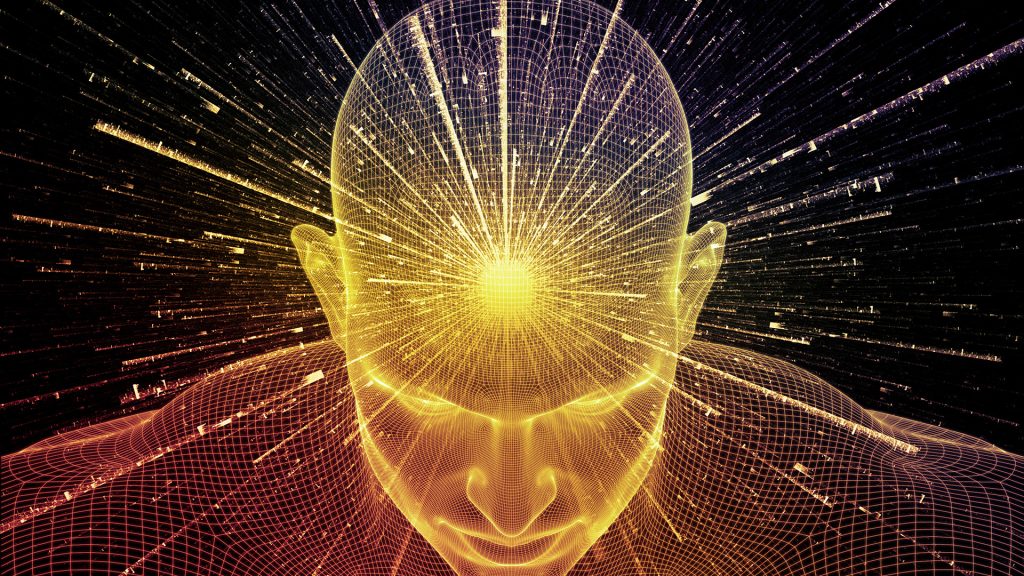
Neuroscience can map which brain regions are active when people report different experiences, but it cannot yet explain how electrical and chemical signals become subjective awareness. This is sometimes called the “hard problem” of consciousness. Competing theories treat consciousness as an emergent property of complex networks, a fundamental feature of the universe, or something else again, and there is no consensus on which, if any, is correct.
What Happens When You Die

Medicine defines death in terms of heart function, breathing, and brain activity, but the exact boundary between life and death is not as clean as it sounds. Some patients revived after cardiac arrest report vivid near death experiences, and researchers still debate how to interpret these accounts. Science can describe the shutdown of biological systems, yet it has little to say about the subjective side of dying.
Are We Alone In The Universe

There are hundreds of billions of stars in our galaxy and many times more in the observable universe, many of them with planets in habitable zones. Yet despite radio surveys, planetary missions, and careful monitoring of the sky, there is still no confirmed sign of extraterrestrial life. This tension between high probability estimates and zero detections is the heart of the famous Fermi paradox.
How Many Species Live On Earth
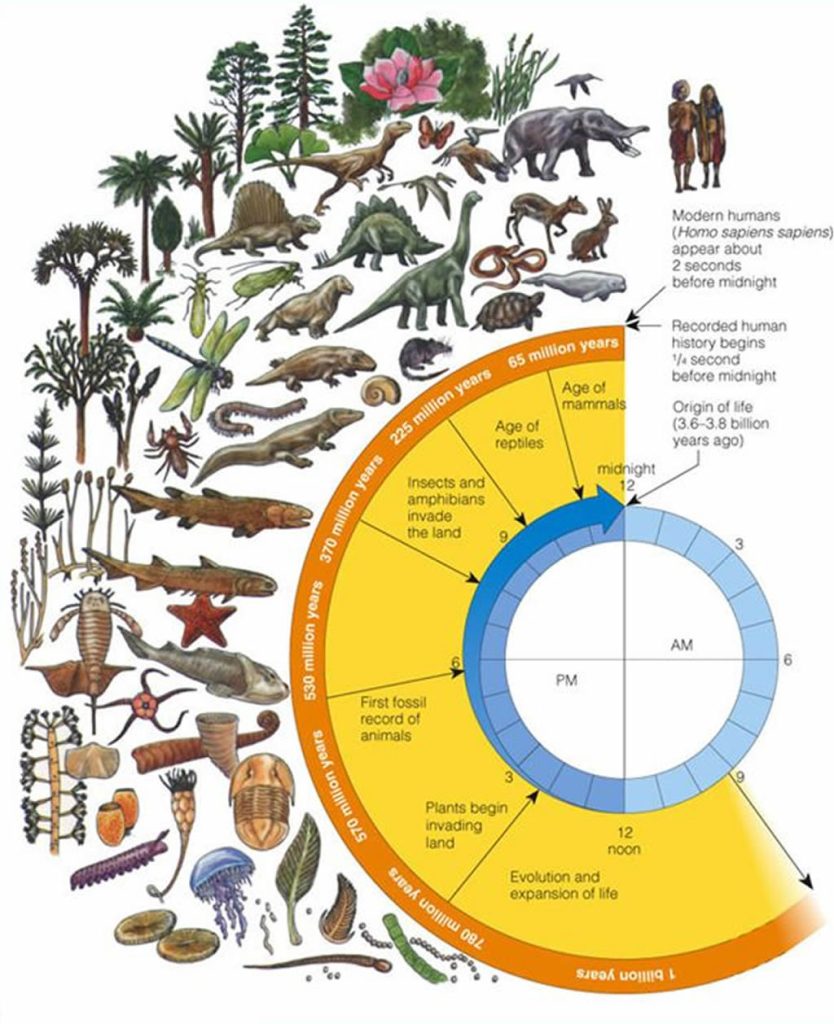
Biologists have formally described only a fraction of the species on our planet, with new organisms still being found in soil, oceans, and even city environments. Estimates for the total number range from a few million to tens of millions, depending on the method used. Until more habitats are sampled and cataloged, the true diversity of life on Earth will remain a moving target.
The Limits Of Human Lifespan

Average life expectancy has risen dramatically over the past century thanks to sanitation, vaccines, and better medical care. What scientists do not yet know is whether there is a fixed ceiling on human age or if future therapies could push lifespans to 120, 150, or beyond. Studies of supercentenarians and animal models point in different directions, leaving the question unresolved.
Why We Yawn And Why It Is Contagious

Yawning is common across humans and many animals, but there is still no definitive account of why we do it. Hypotheses include cooling the brain, boosting alertness, or serving as a social signal, yet none explains every observation. The contagious nature of yawns, which can spread even through reading or thinking about them, adds another layer of mystery.
Why We Laugh

Laughter appears in every known culture and often arises in social situations rather than in response to jokes alone. Researchers suspect it helps strengthen social bonds and diffuse tension, but they still cannot fully formalize what makes something funny. Attempts to build a single theory of humor keep running into exceptions and cultural differences.
Why Cats Purr

House cats purr when they seem content, but also when they are hungry, stressed, or in pain, which makes the behavior hard to pin down. Studies suggest that low frequency vibrations from purring may help soothe the animal or even promote tissue repair, but firm proof is limited. Researchers have a good handle on the mechanics in the throat, yet the deeper reasons for purring remain unsettled.
How General Anesthesia Works

Modern anesthesia lets surgeons carry out invasive procedures while patients feel nothing and remember little or nothing afterward. Doctors know which drugs and doses reliably induce this state and which receptors they bind to, but not the full chain of events between molecule and global loss of consciousness. Different anesthetics act in different ways, which complicates efforts to craft a single unifying theory.
How Acetaminophen Relieves Pain

Acetaminophen, also known as paracetamol, is one of the most widely used pain relievers on Earth. Yet the patient information leaflets are usually upfront about the fact that its mechanism is not completely understood. It likely acts on several pathways in the nervous system at once, including enzymes and signaling molecules, but researchers still debate which of these effects matters most.
What Gravity Really Is
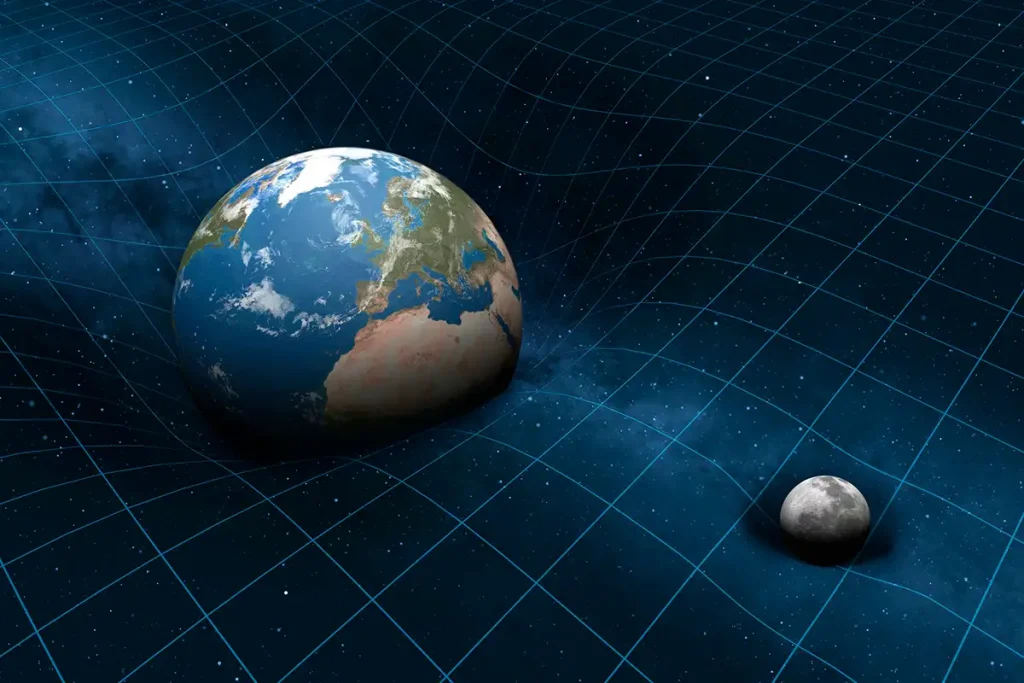
Einstein’s general relativity describes gravity as the curvature of spacetime and predicts many phenomena with impressive accuracy. At the same time, physicists have never managed to merge this theory with quantum mechanics, which governs particles at very small scales. Until a working theory of quantum gravity is found, the deepest description of what gravity is will remain incomplete.
The True Nature Of Magnetism
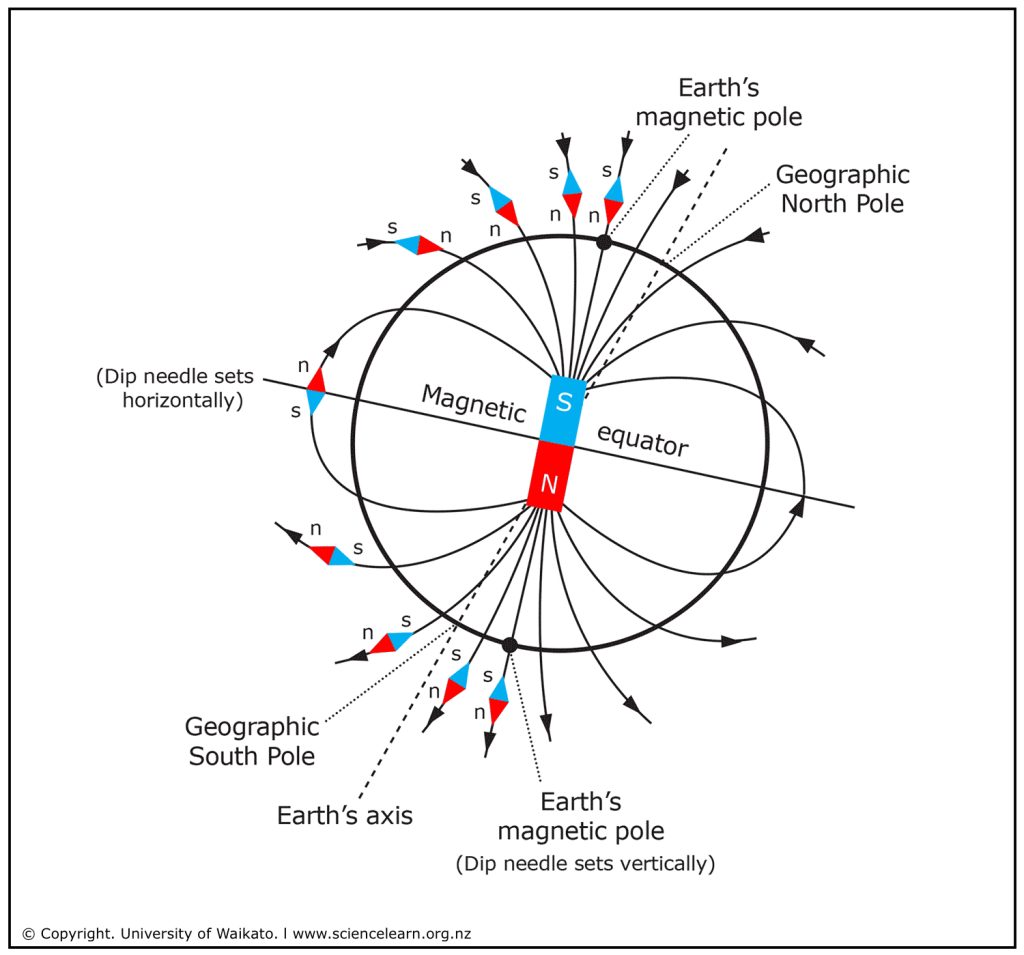
Physics textbooks can predict magnetic fields and forces with great precision, and engineers design motors and generators around those equations. Still, the question of what magnetism “really is” beyond being one aspect of electromagnetism pushes into territory science has not settled. At a fundamental level, it emerges from quantum properties of particles, but the intuitive picture remains hard to grasp.
Quantum Entanglement
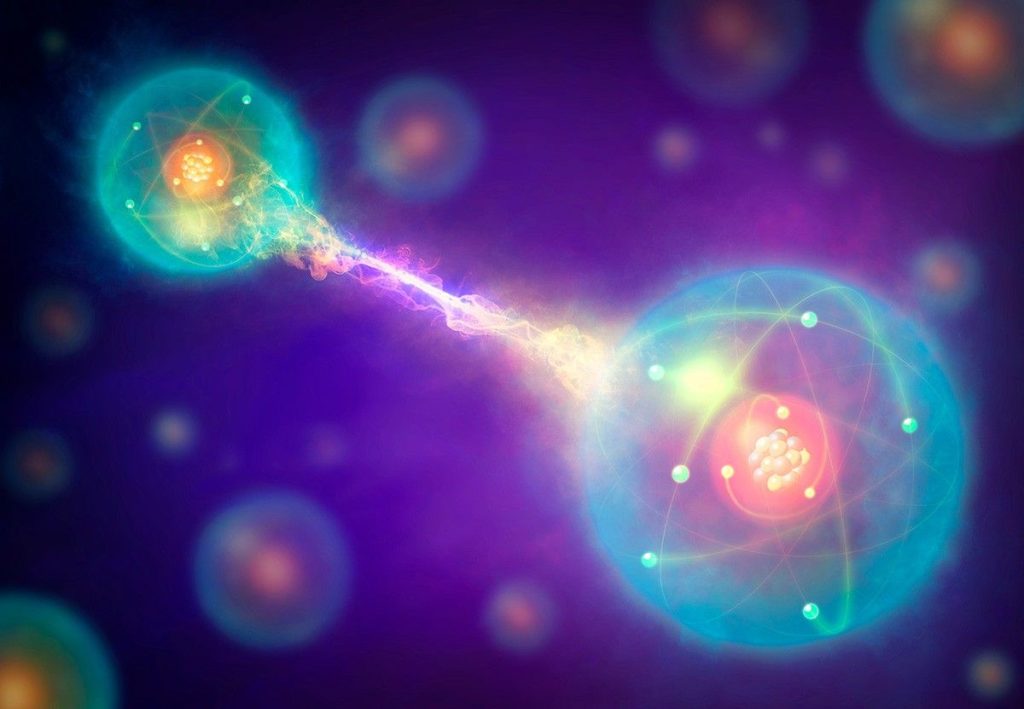
In quantum entanglement, particles can become linked so that measuring one instantly affects the description of the other, no matter how far apart they are. Experiments confirm the effect again and again, ruling out classical hidden variable explanations. What scientists do not agree on is what this says about information, locality, and the underlying nature of reality.
Matter And Antimatter Imbalance
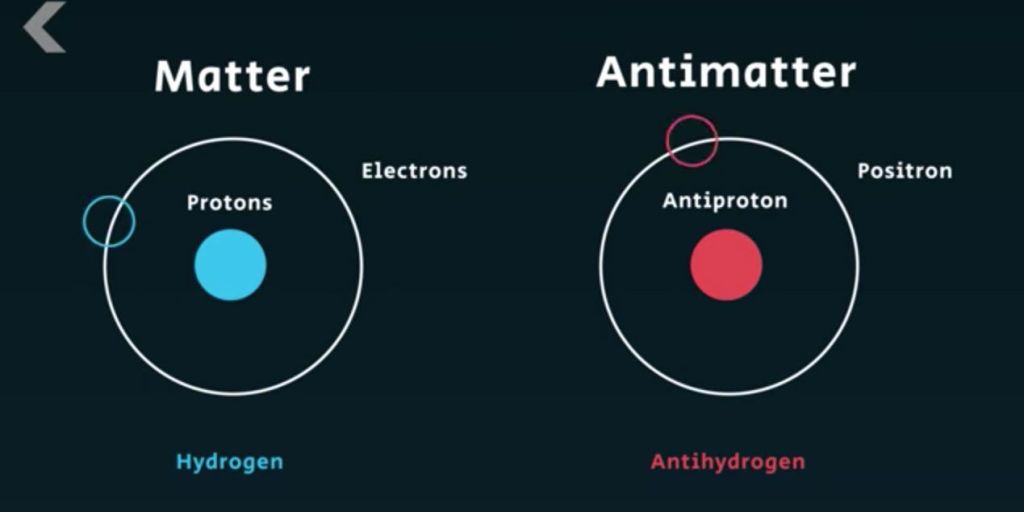
According to current theories, the Big Bang should have produced equal amounts of matter and antimatter, which annihilate each other when they meet. Our universe, however, is overwhelmingly made of matter, with antimatter appearing only briefly in high energy environments. Physicists have identified small asymmetries in particle behavior, but they are not large enough to explain why anything solid is left at all.
The Placebo Effect
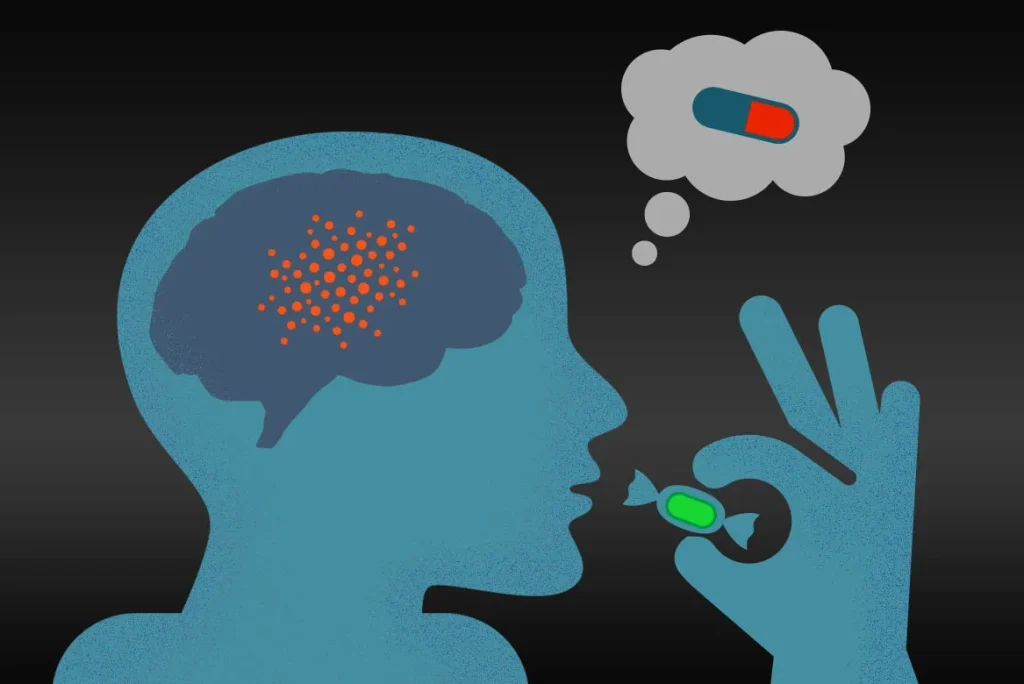
In clinical trials, some patients improve after taking pills with no active ingredient, provided they believe they are receiving real treatment. This placebo effect is strong enough that drug studies must be carefully controlled to account for it. Researchers suspect that expectations and brain chemistry are deeply involved, but they still cannot fully map how belief translates into measurable changes in the body.
How Bicycles Stay Upright

Most of us learn to ride a bike as children and never forget, yet the physics that keeps a moving bicycle stable is surprisingly subtle. Simple explanations based on spinning wheels or shopping cart style steering both turn out to be incomplete. Modern analyses show that several factors work together, and scientists are still debating how best to capture them in a single, satisfying model.
The Mpemba Effect

The Mpemba effect refers to experiments in which hot water appears to freeze faster than cooler water under certain conditions. The effect has been reported for centuries and has been observed in some controlled setups, but not consistently. Multiple theories involving evaporation, convection, and supercooling have been proposed, and researchers still debate whether there is a single underlying mechanism or even a robust effect at all.
Ball Lightning

Ball lightning is described as glowing spheres that sometimes appear during storms, move oddly, and occasionally explode. Eyewitness reports go back centuries, and a few modern measurements exist, but systematic data are scarce. Laboratory experiments can create similar looking plasma structures, yet it is still unclear how they relate to the rare events seen in nature.
The Ocean’s Twilight Zone
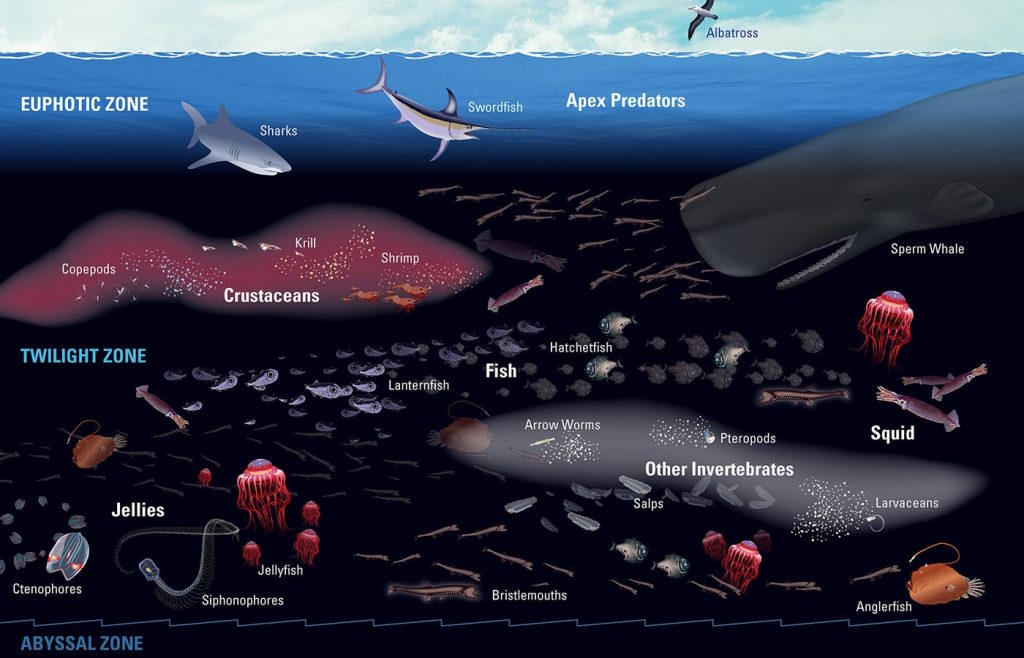
Between the sunlit surface and the deep abyss lies a dim region of the ocean where light barely reaches and human sampling is difficult. Sonar and limited expeditions suggest this twilight zone could hold more fish than all other layers combined and plays an important role in carbon cycles. Yet the full diversity of life there, and how it responds to climate change, remain largely unknown.
ASMR And Tingles

Autonomous sensory meridian response, or ASMR, describes the tingling, relaxing sensations some people feel when they hear soft sounds or see particular visual cues. Online videos built around whispering, tapping, and slow movements attract huge audiences, but not everyone experiences the effect. Early brain imaging studies hint at links to reward and social bonding systems, yet there is no widely accepted explanation for why some triggers work and others do not.
How Dogs Were First Domesticated

Genetic and archaeological evidence agree that dogs evolved from wolves and were the first animals domesticated by humans. What remains contentious is where, when, and how often this process took place, with different studies pointing to different regions and timelines. Whether early humans actively tamed wolf pups or wolves gradually adapted to living near people for scavenging opportunities is still debated.
How Many Dimensions The Universe Has
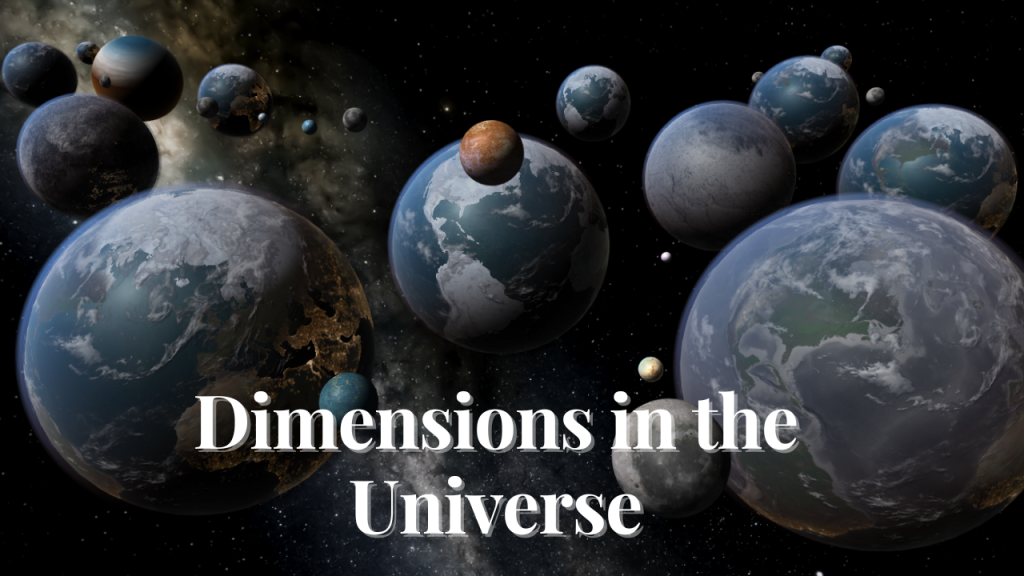
Everyday experience suggests the universe has three dimensions of space and one of time, but advanced physical theories go further. Some versions of string theory and related models propose extra spatial dimensions that are curled up or otherwise hidden from direct view. Without experimental evidence for these dimensions, the idea remains a mathematically attractive but unconfirmed attempt to unify nature’s forces.
Whether Time Travel Is Possible
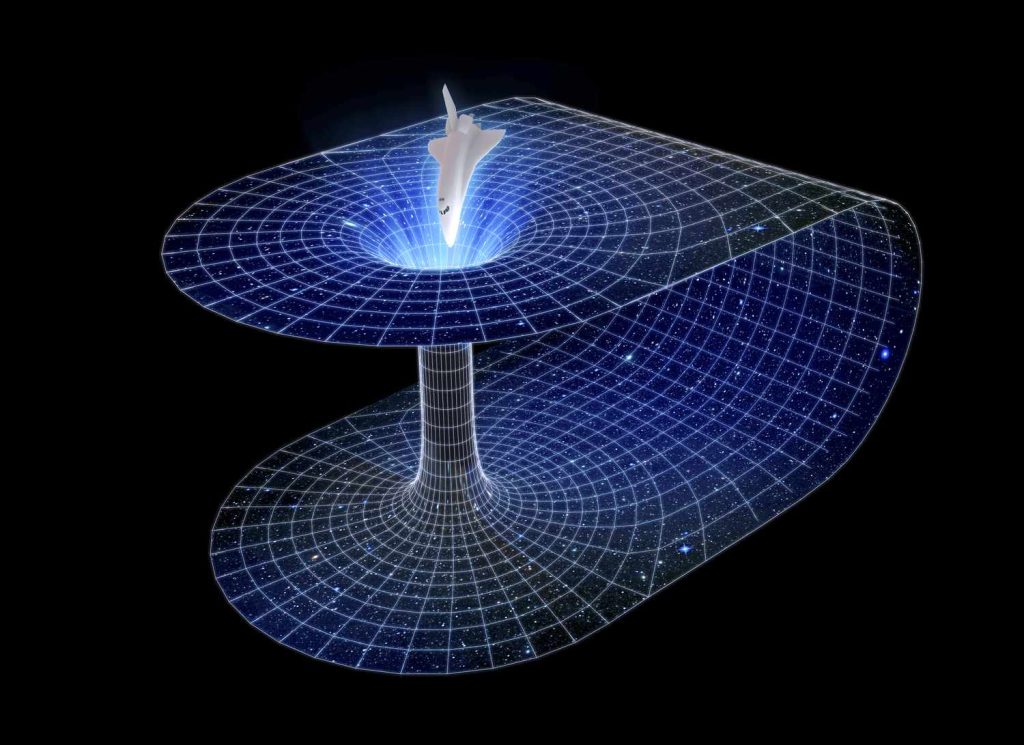
Relativity already allows for limited kinds of time travel, such as time dilation for fast moving astronauts or objects near strong gravity. The bigger open question is whether closed time loops, like those in science fiction stories, can exist without destroying consistency. At the moment, time travel to the distant past remains a thought experiment more than a realistic engineering challenge.
The Size Of The Universe
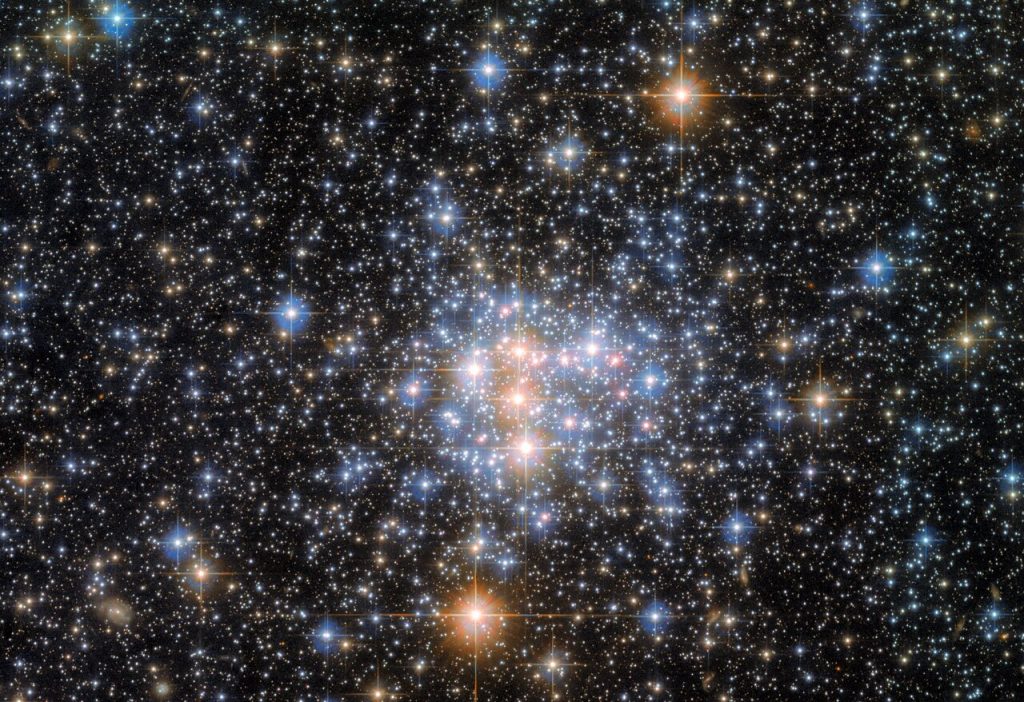
Astronomers can only observe a finite region of space because light has had limited time to reach us since the Big Bang. Within that horizon, measurements suggest the universe is very close to geometrically flat, which is consistent with both finite and infinite models. As a result, the true size and shape of the cosmos beyond what we can see remain unknown.
Whether Reality Is Truly Real

Experiments in physics show that our perceptions are filtered through instruments, brains, and mathematical models that do not capture everything about the world. Some philosophers and scientists have even suggested that we might live in a kind of simulation or that what we call reality is only one layer of a deeper structure. Science can test specific models and predictions, but the ultimate question of what it means for reality to be “real” is still wide open.