Modern hits keep borrowing the best parts of earlier eras, from synth lines and drum breaks to vocal phrasing and studio tricks. This list contains 30 tracks whose ideas echo loudly in today’s pop, hip‑hop, electronic, and indie scenes. Follow these songs to hear where current sounds learned their moves. You will spot fingerprints everywhere, from sampling and side‑chain pulses to minimalist hooks designed for the algorithm era.
Donna Summer — “I Feel Love” (1977)
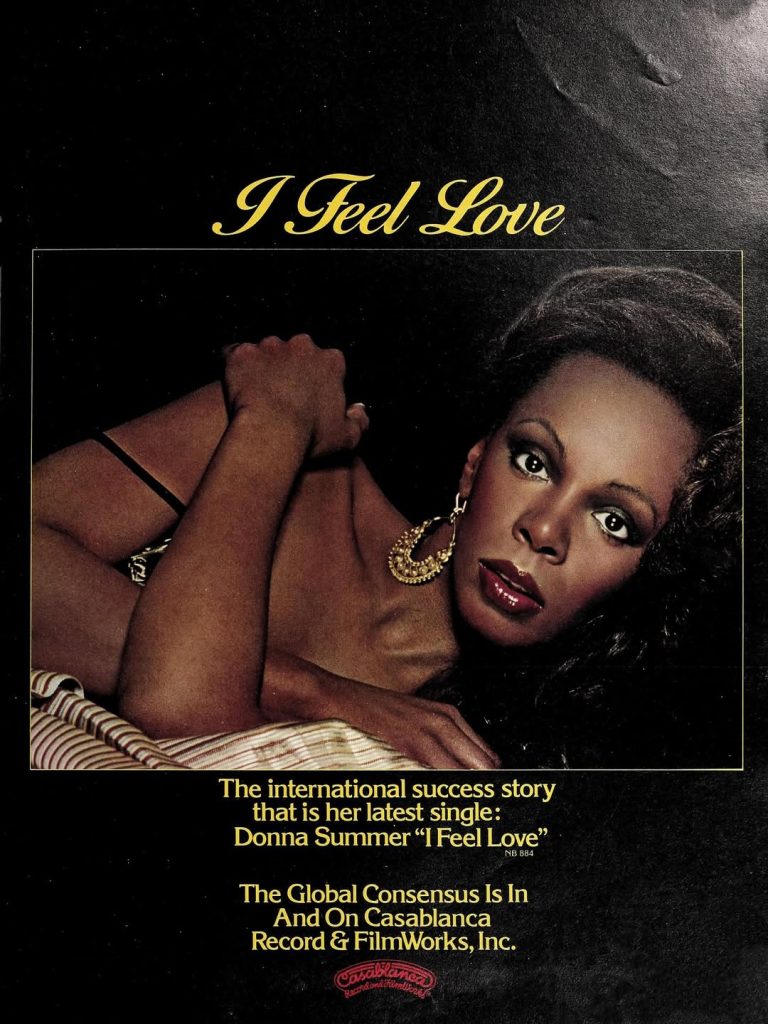
Giorgio Moroder’s sequenced synth bass made futurism feel romantic, creating a blueprint for modern EDM and pop. You can hear its pulse in everything from festival house to sleek Dua Lipa‑style disco revival. It proved a machine groove could be both minimalist and emotionally direct.
Chic — “Good Times” (1979)
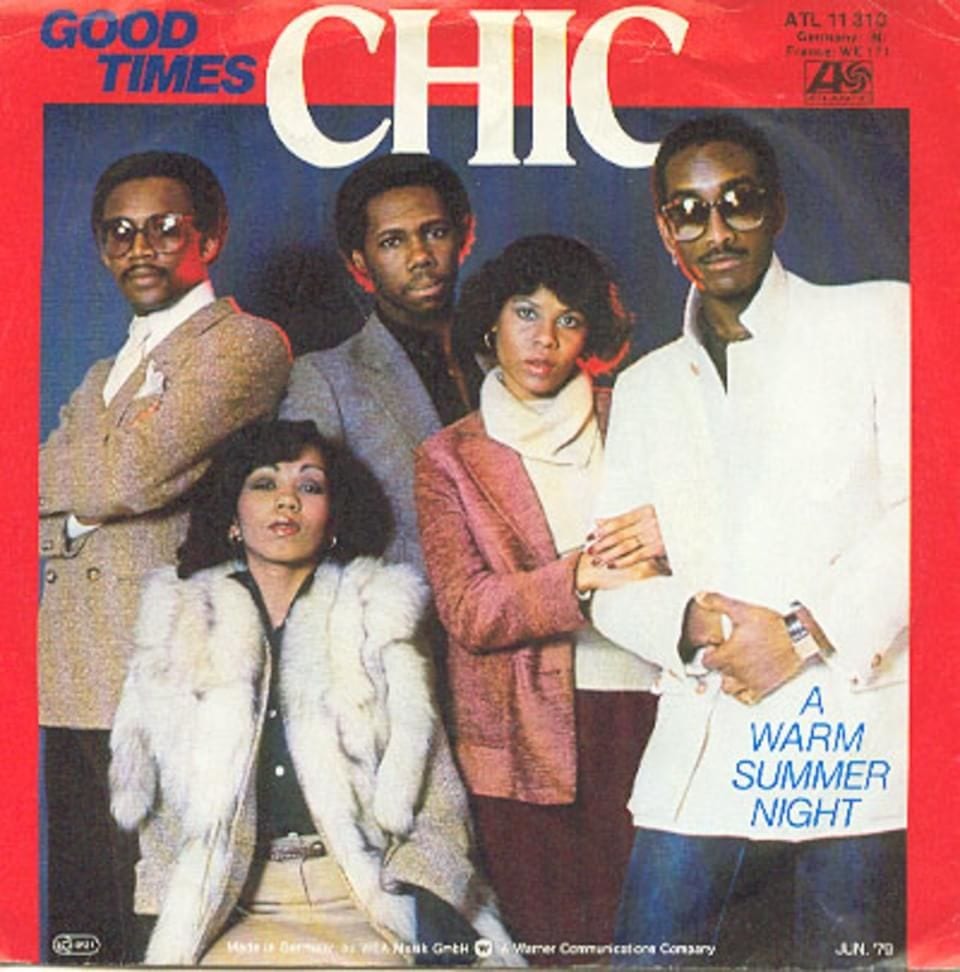
Bernard Edwards’s bassline powered hip‑hop’s early crossover via “Rapper’s Delight,” then kept resurfacing in dance and pop. Its tight guitar and pocket‑first rhythm section remain a template for groove‑led songwriting. Many modern nu‑disco tracks are this record’s grandchildren.
Kraftwerk — “Trans‑Europe Express” (1977)
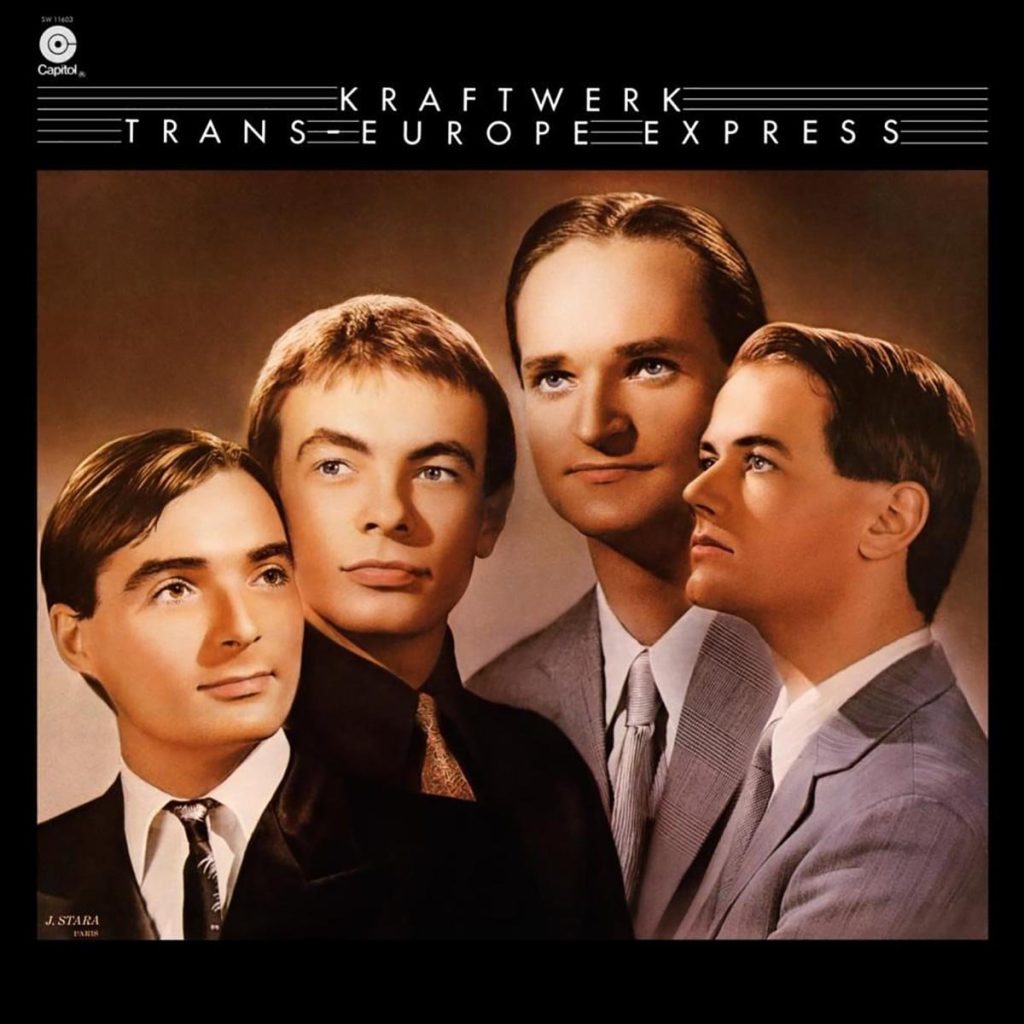
Cold synths and metronomic drums showed how minimalism could be catchy, influencing electro, techno, and early hip‑hop. Afrika Bambaataa lifted its textures into “Planet Rock,” and the aftershocks still ripple through club music. Modern producers chase this clarity when they strip arrangements back.
Grandmaster Flash & The Furious Five — “The Message” (1982)
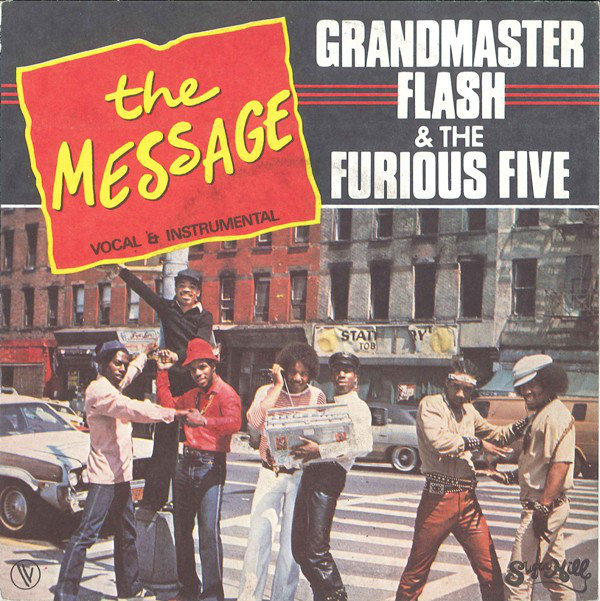
A pivot from party rhymes to street reportage, it set the tone for socially conscious rap. The sparse drum machine and hooky refrain previewed how minimal beats can carry heavy narratives. News‑feed realism in modern hip‑hop owes it a debt.
Michael Jackson — “Billie Jean” (1983)
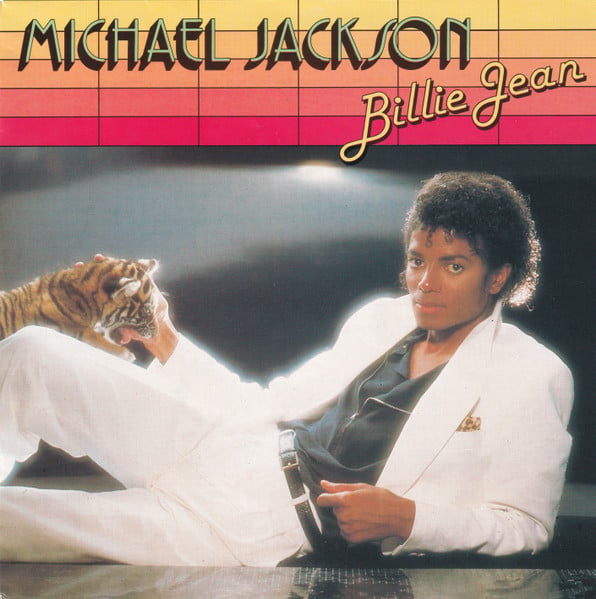
Sparse arrangement, precision bass, and a vocal that treats rhythm like a lead instrument, today’s pop still copies the formula. Producers lean on its lesson that one great groove plus space beats maximal layers. Even modern R&B’s crisp drum programming echoes its bite.
New Order — “Blue Monday” (1983)
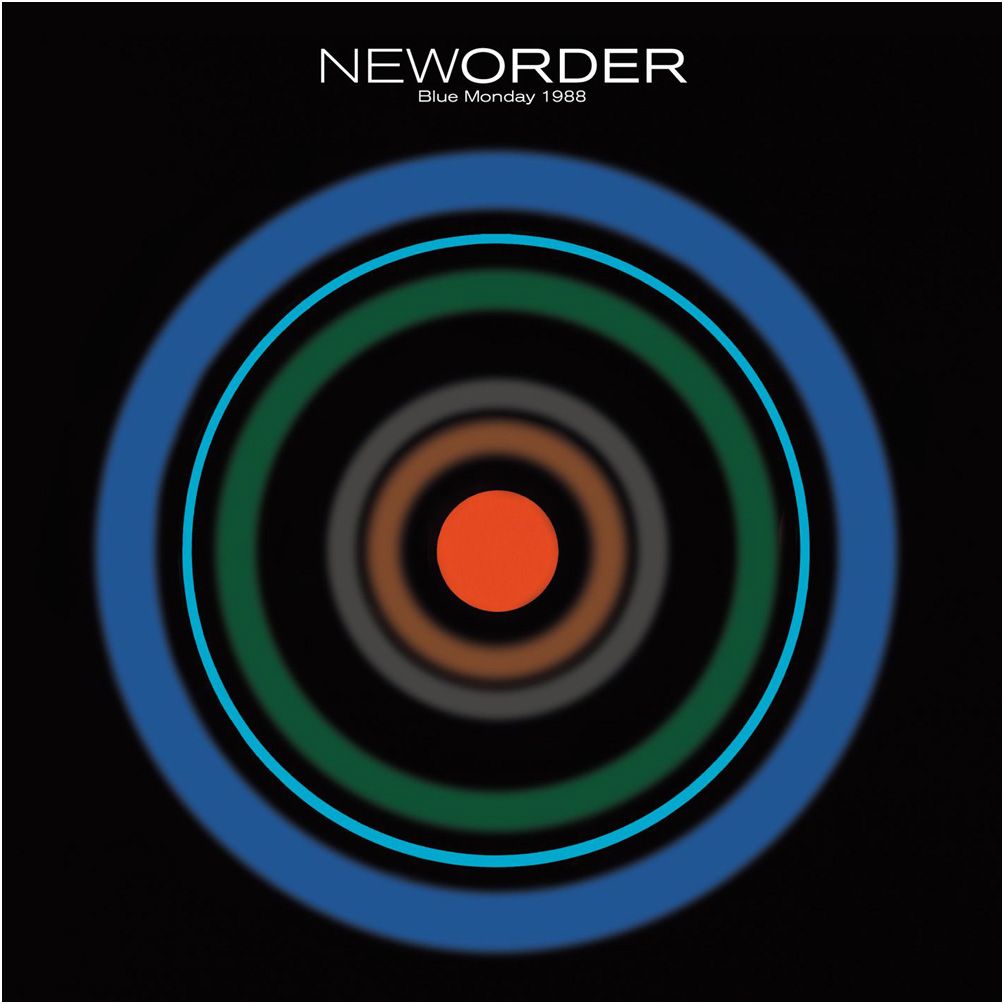
A synth‑driven club song that worked like rock, it fused indie sensibility with dance structures. Four‑on‑the‑floor kick, gated textures, and a hook built from machines are now standard pop tools. Plenty of 2010s‑2020s chart hits follow this hybrid path.
Prince — “When Doves Cry” (1984)
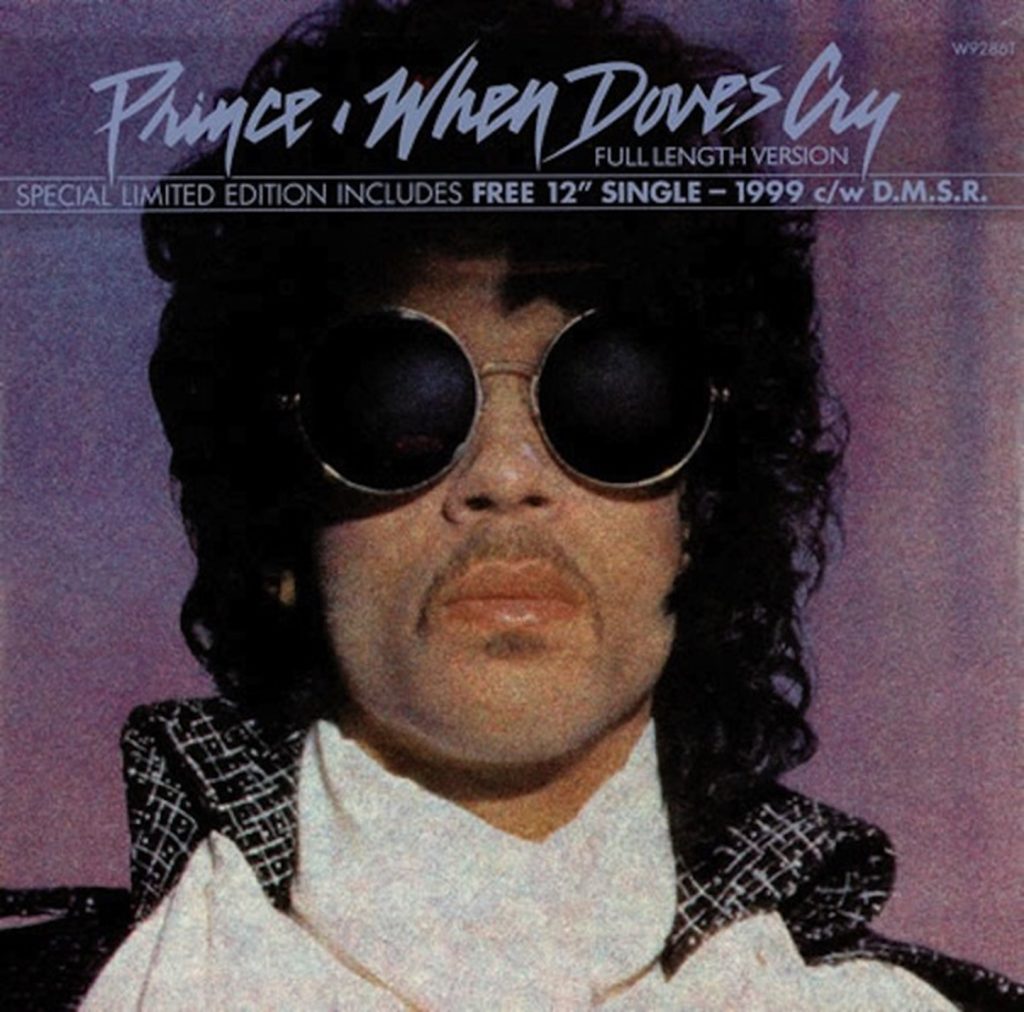
No bassline, just tension, proof that subtraction can be a hook. Its drum machine and guitar synth blend previewed the genre‑less mindset of current pop. Modern artists borrow its daring arrangement choices as much as its melodies.
Run‑DMC feat. Aerosmith — “Walk This Way” (1986)
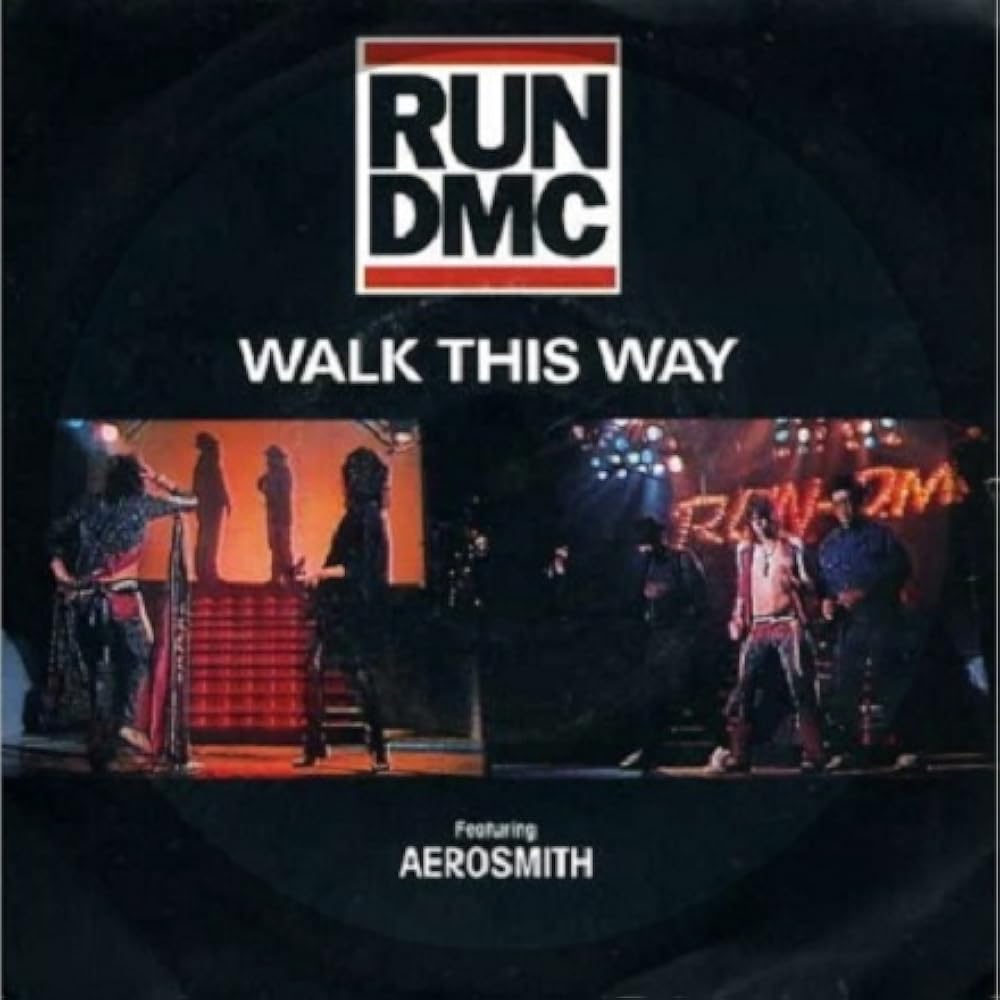
A rap‑rock handshake that opened radio’s doors to cross‑genre collaboration. Its success legitimized hybrid formats, laying groundwork for today’s genre‑fluid playlists. The idea that a mash‑up can be a mainstream single starts here.
Public Enemy — “Fight The Power” (1989)
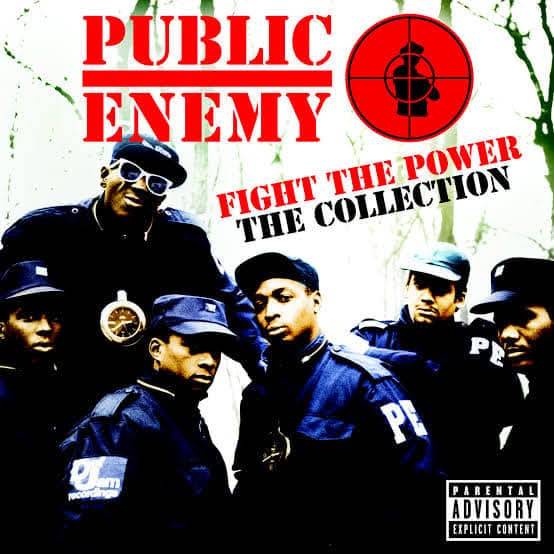
The Bomb Squad’s maximal sample collages showed how density can feel cinematic. Its political urgency continues in modern protest anthems and documentary soundtracks. Producers still chase that wall‑of‑samples adrenaline.
Madonna — “Vogue” (1990)
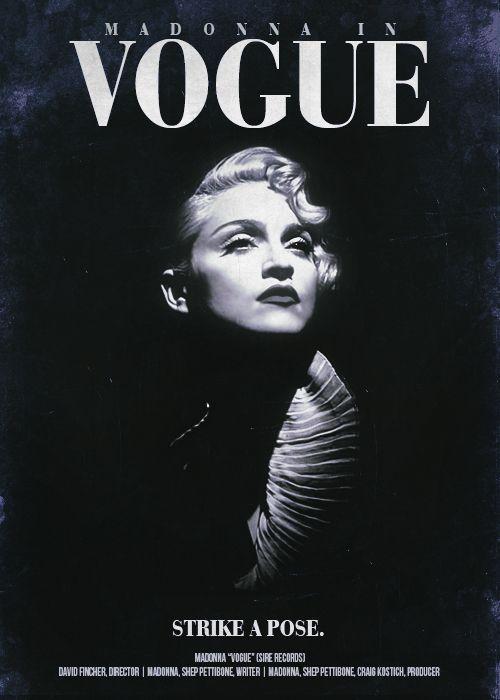
House beats plus high‑fashion attitude brought ballroom culture to the charts. Its crisp kick, spoken cadences, and pose‑as‑hook approach shape pop choreography to this day. Many viral dance singles trace a line back to “Vogue.”
Massive Attack — “Unfinished Sympathy” (1991)
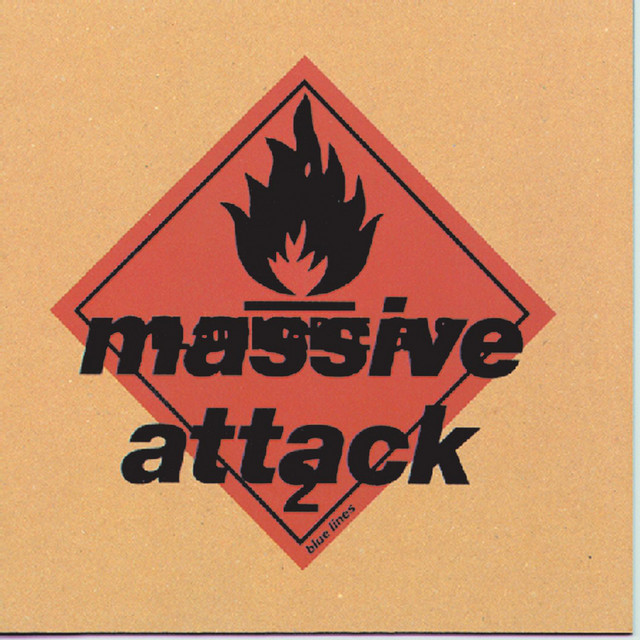
Orchestral sweep over breakbeats set the emotional grammar for trip‑hop and moody pop. Cinematic strings over downtempo grooves remain a go‑to for TV, film, and alternative R&B. It taught producers how to make melancholy feel grand.
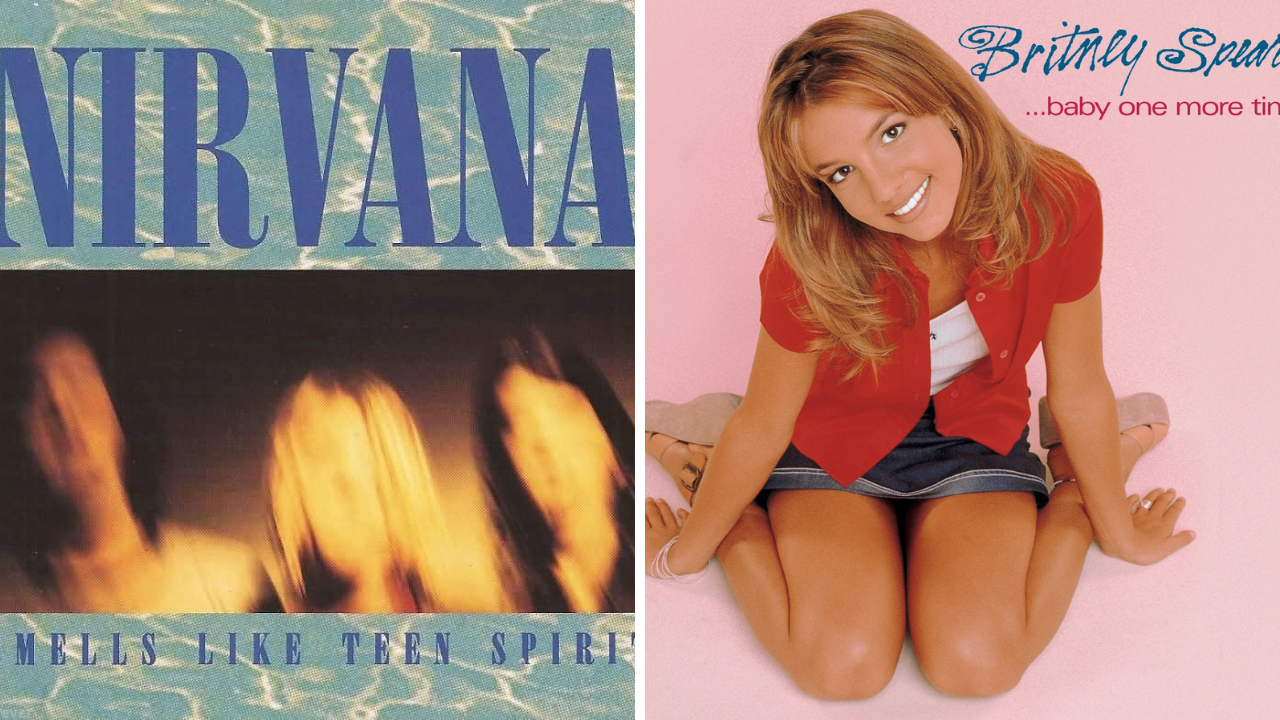
Nirvana — “Smells Like Teen Spirit” (1991)
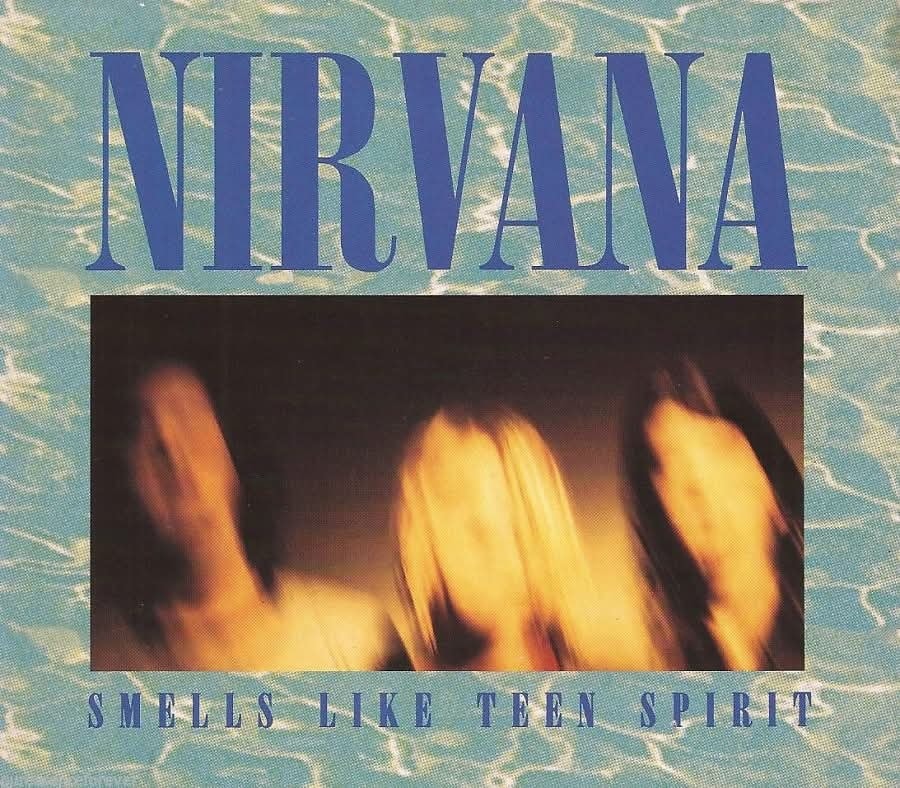
Quiet‑loud dynamics and scuffed melody reshaped radio, paving the way for alt rock’s mainstream run. Modern indie pop still borrows its soft‑verse, explosive‑chorus storytelling. A reminder that attitude can carry as much weight as polish.
Dr. Dre — “Nuthin’ but a ‘G’ Thang” (1992)
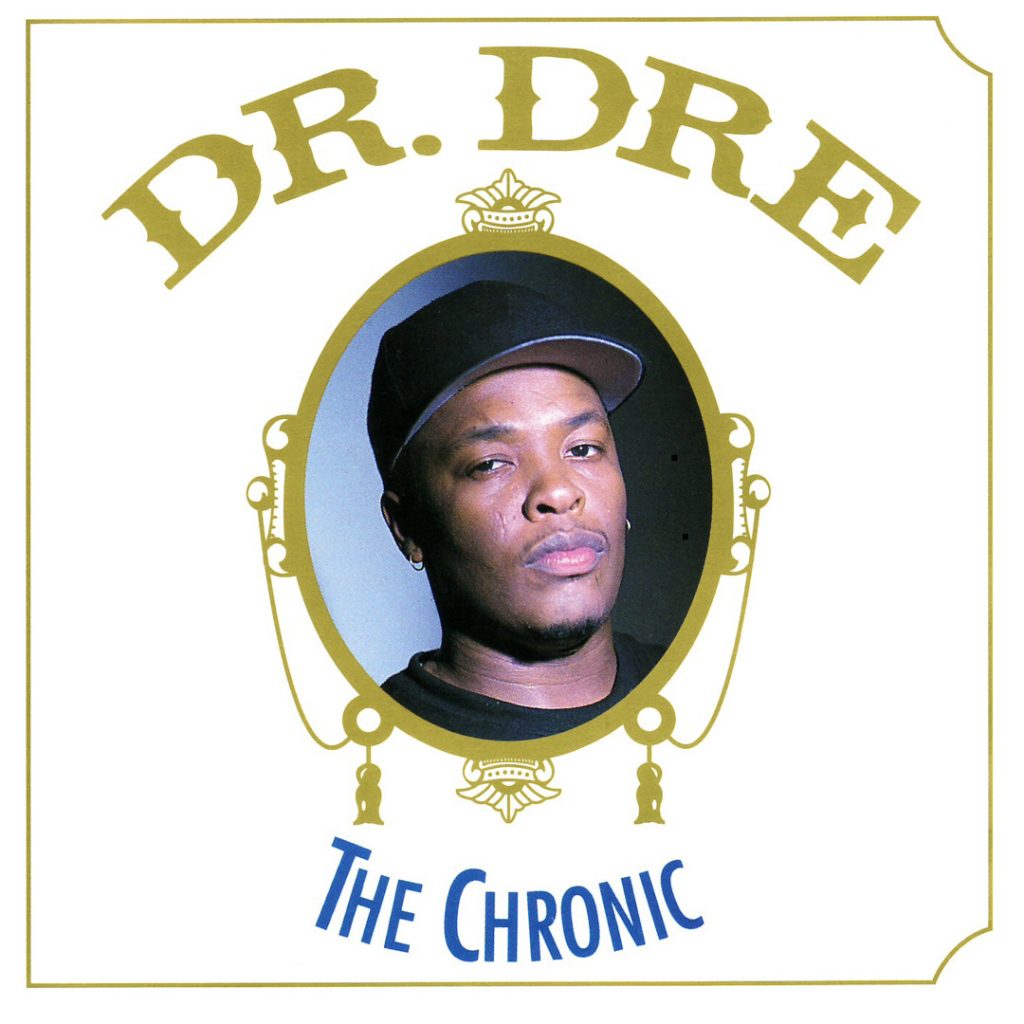
G‑funk’s syrupy synths and elastic bass rolled hip‑hop into a smoother, radio‑friendly era. From West Coast revivalists to contemporary R&B, that sun‑low swing is everywhere. It also codified the clean, roomy mix modern rap favors.
R.E.M. — “Losing My Religion” (1991)
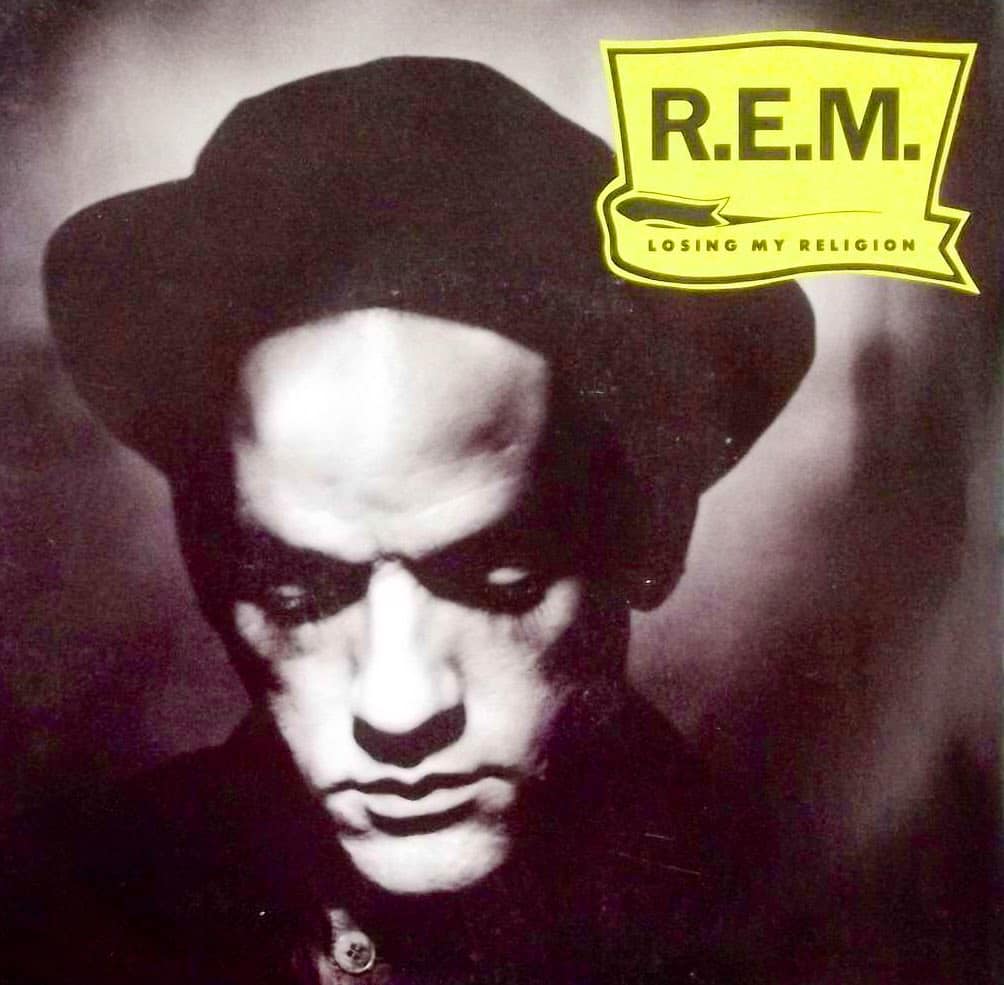
Jangle guitar and mandolin proved that off‑center instrumentation could still score a hit. Its open‑ended lyrics influenced the confessional indie writing common today. A lesson in restraint and texture over bombast.
A Tribe Called Quest — “Electric Relaxation” (1993)
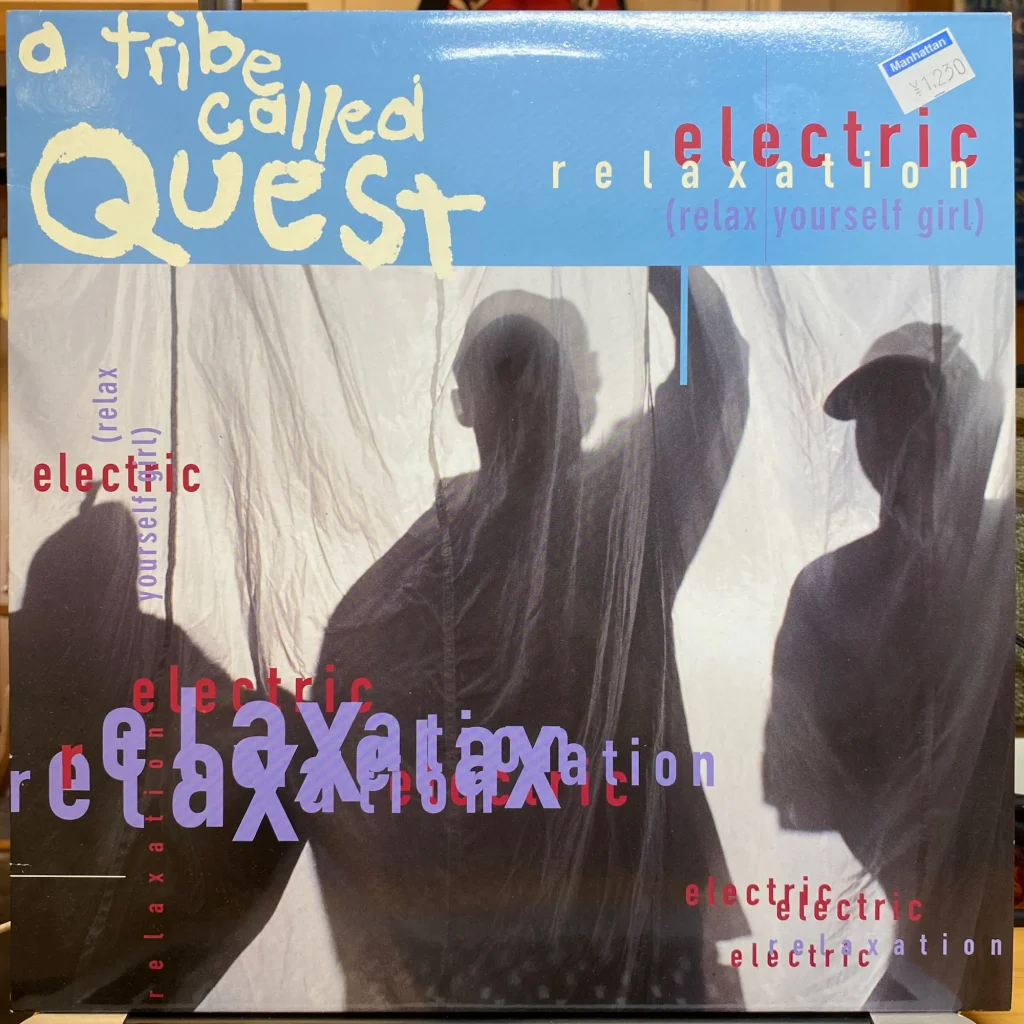
Jazz‑sample warmth and conversational flows pointed hip‑hop toward laid‑back sophistication. Lo‑fi hip‑hop and study‑beats playlists carry this DNA into streaming‑era life. It made smooth sound sharp.
Wu‑Tang Clan — “C.R.E.A.M.” (1993)
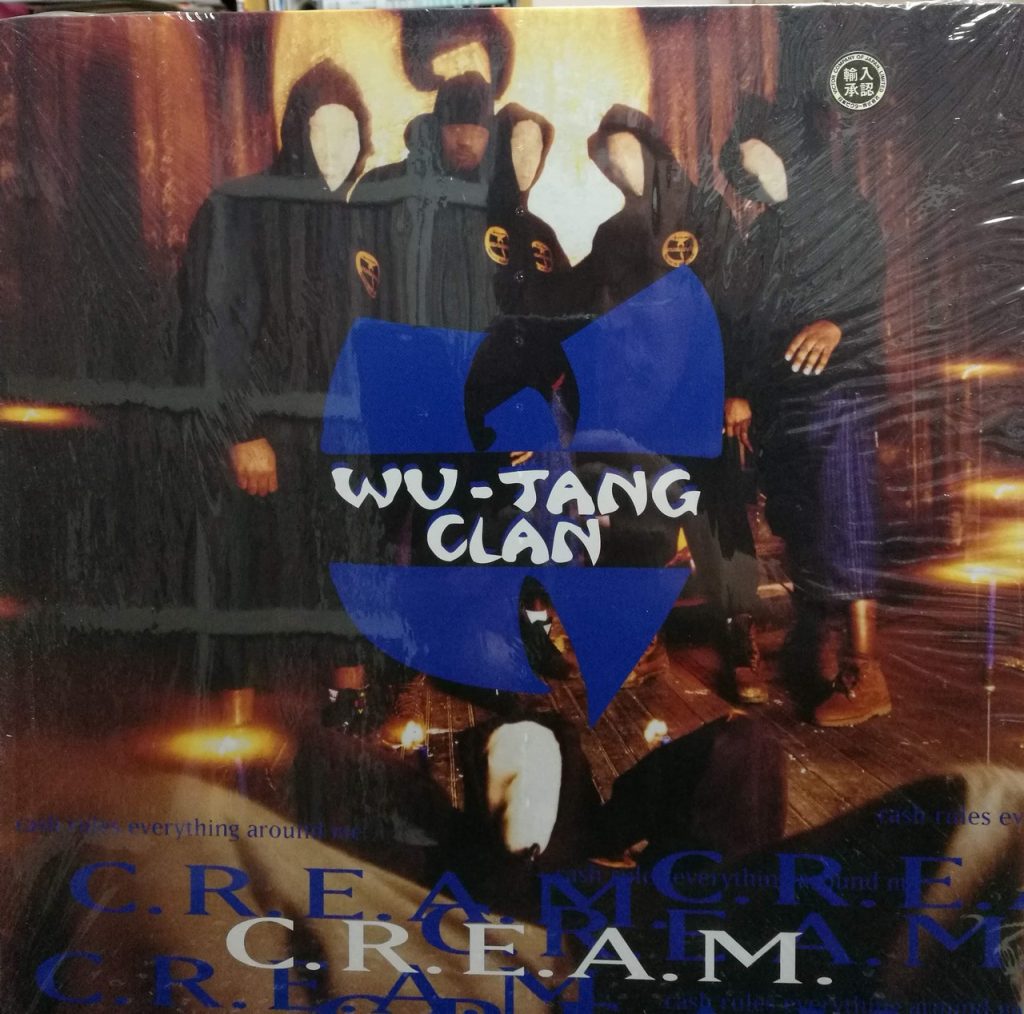
Dusty piano loops and stark drums created a blueprint for gritty realism. Modern underground rap and sample‑based beats still chase its haunted mood. Memorable mantra hooks continue to anchor complex verses.
Daft Punk — “Around The World” (1997)
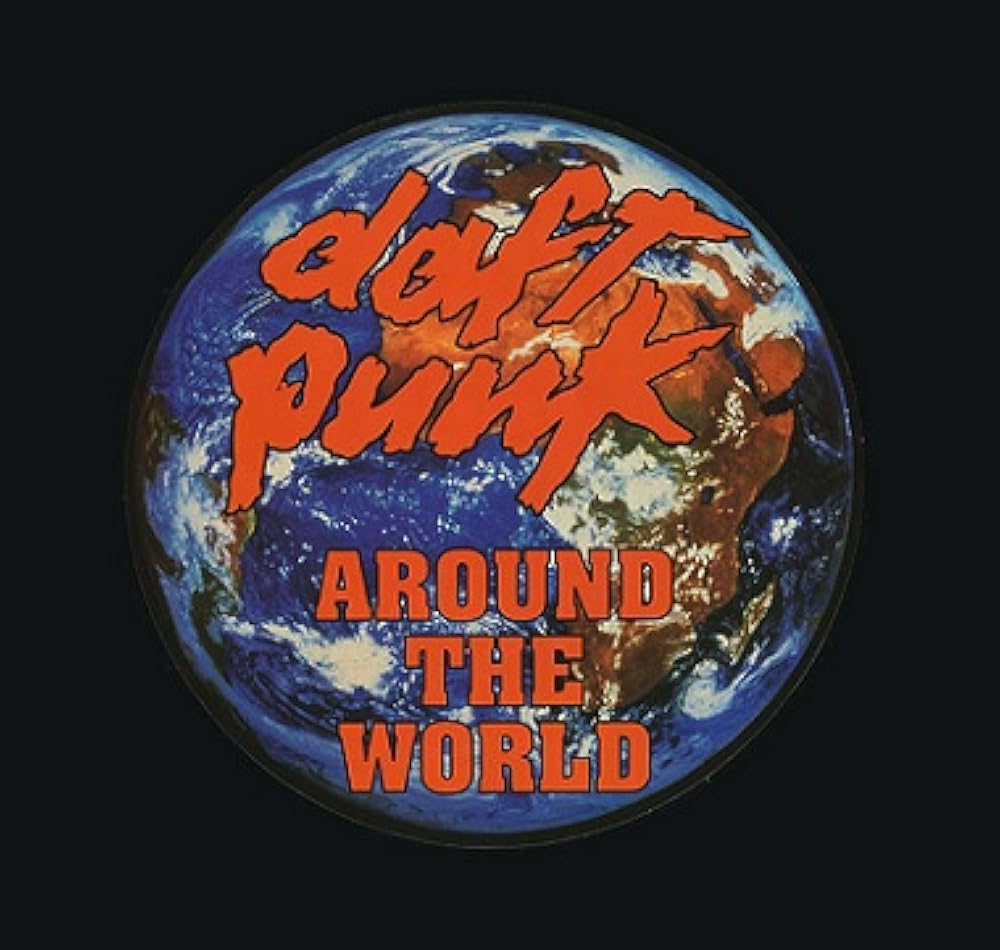
A minimalist loop, vocoder chant, and bass line turned repetition into design, not laziness. Its discipline echoes in today’s house‑pop crossovers and TikTok‑length hooks. Fewer parts, stronger groove remains a winning approach.
The Notorious B.I.G. — “Juicy” (1994)
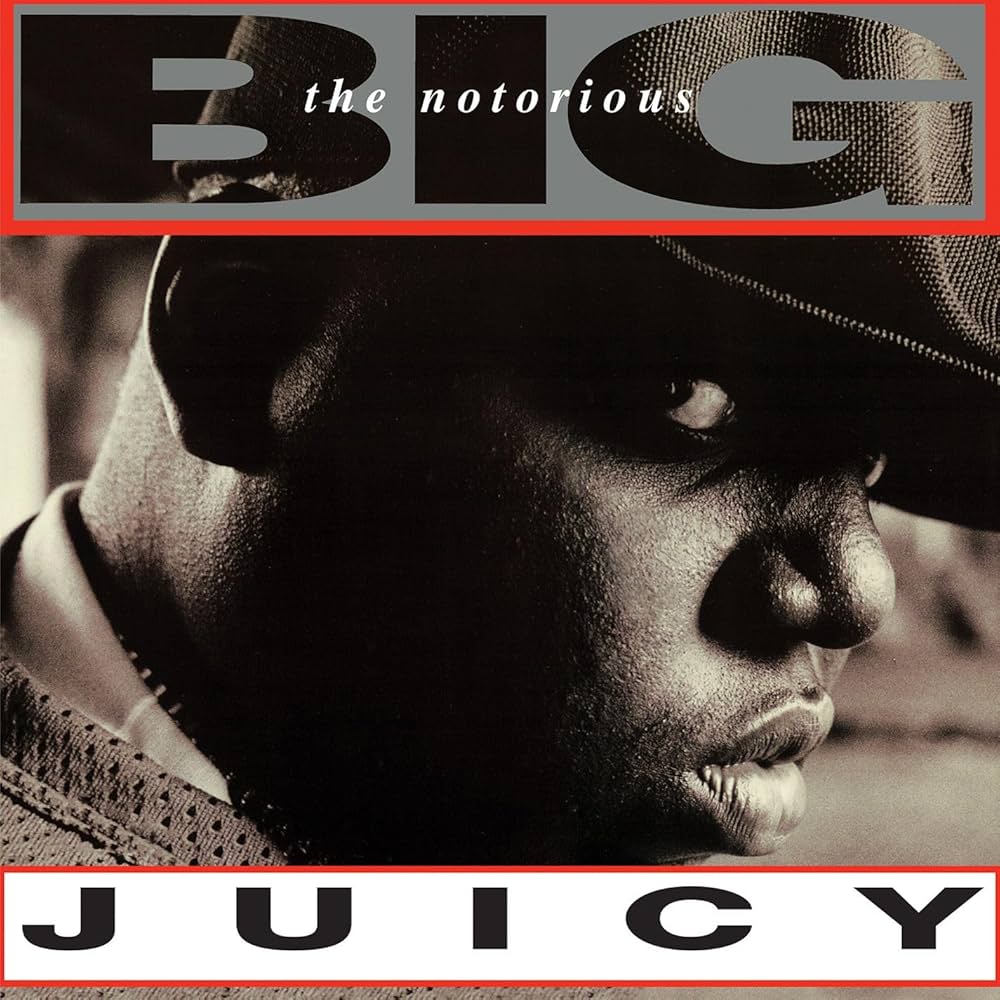
Built on Mtume’s “Juicy Fruit,” it showed how samples can carry nostalgia and uplift in one package. Modern rap’s autobiographical hits often pair feel‑good samples with aspirational lyrics in this mold. The format still works because it feels lived‑in.
Radiohead — “Creep” (1992)
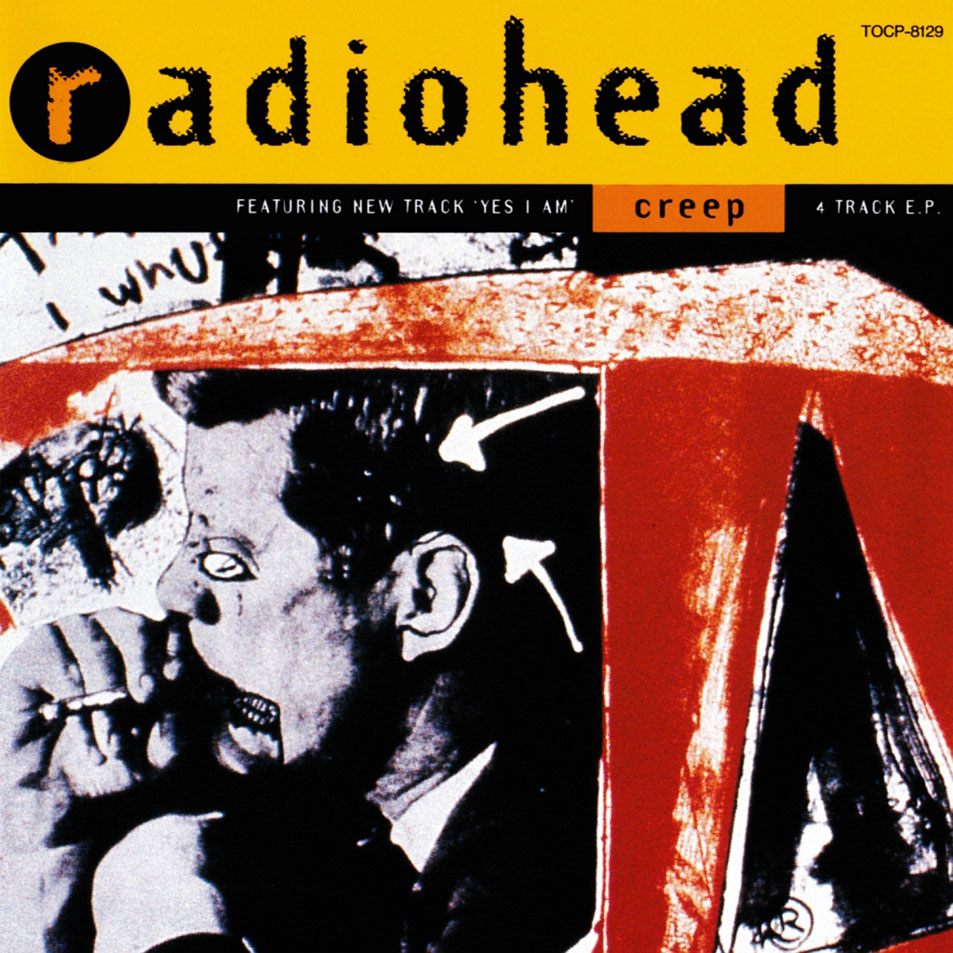
The loud‑quiet surge and unresolved yearning turned outsider angst into global pop currency. Its dynamic jolts forecast the tension‑release arcs used in modern alt and even EDM. A masterclass in letting distortion do the emoting.
Rage Against The Machine — “Killing In The Name” (1992)
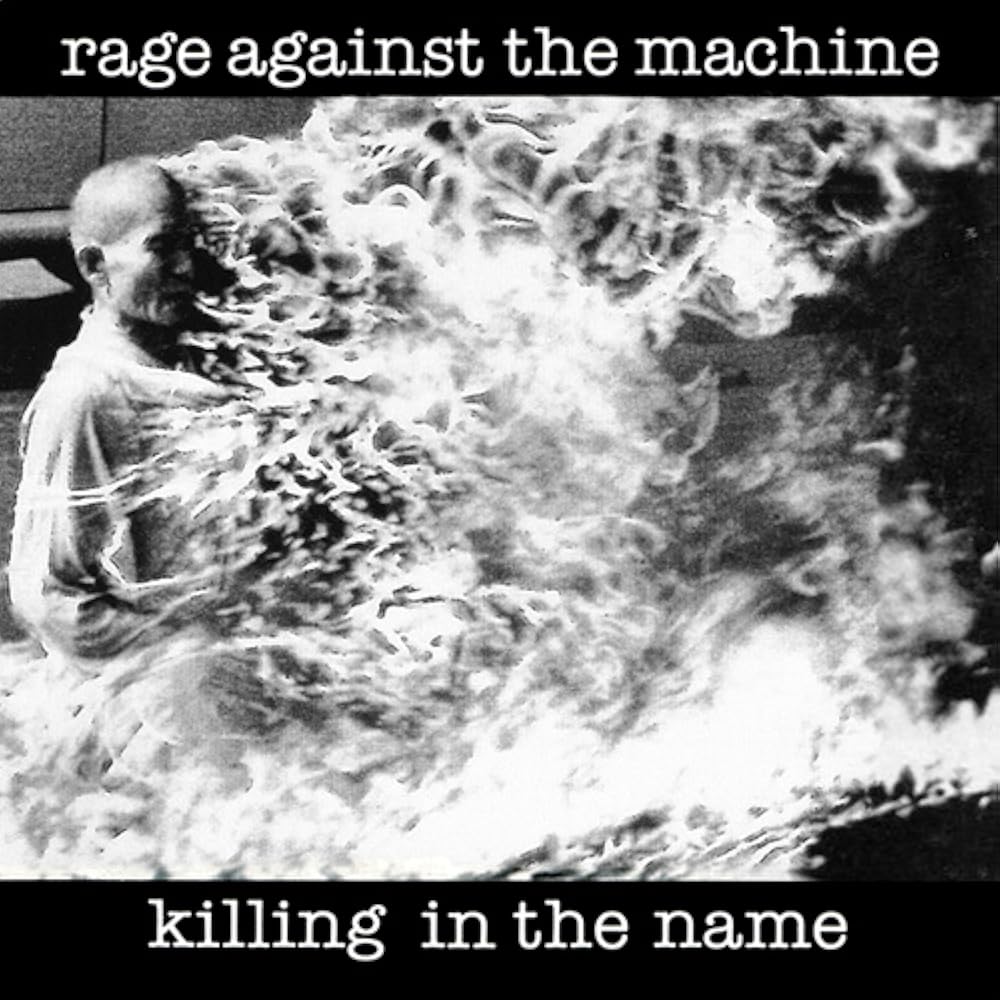
Hip‑hop cadences over detuned riffs laid groundwork for rap‑rock and festival energy drops. Contemporary heavy acts and sample‑triggered live shows still mirror its structure. It’s the ancestor of many modern mosh‑ready hooks.
Aphex Twin — “Windowlicker” (1999)
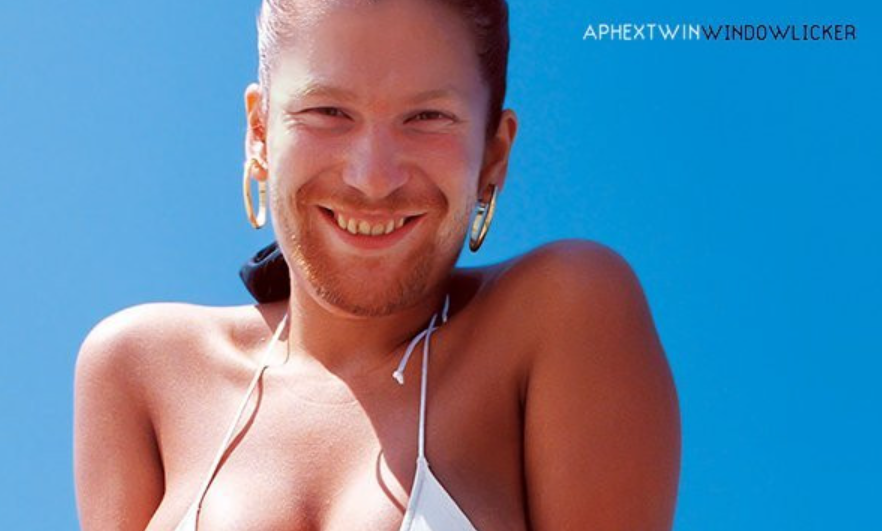
Warped vocals and hyper‑detailed beats demonstrated how sound design itself can be the star. Modern electronic producers treat timbre as melody in this spirit. Glitch aesthetics in pop owe a nod here.
The Prodigy — “Firestarter” (1996)
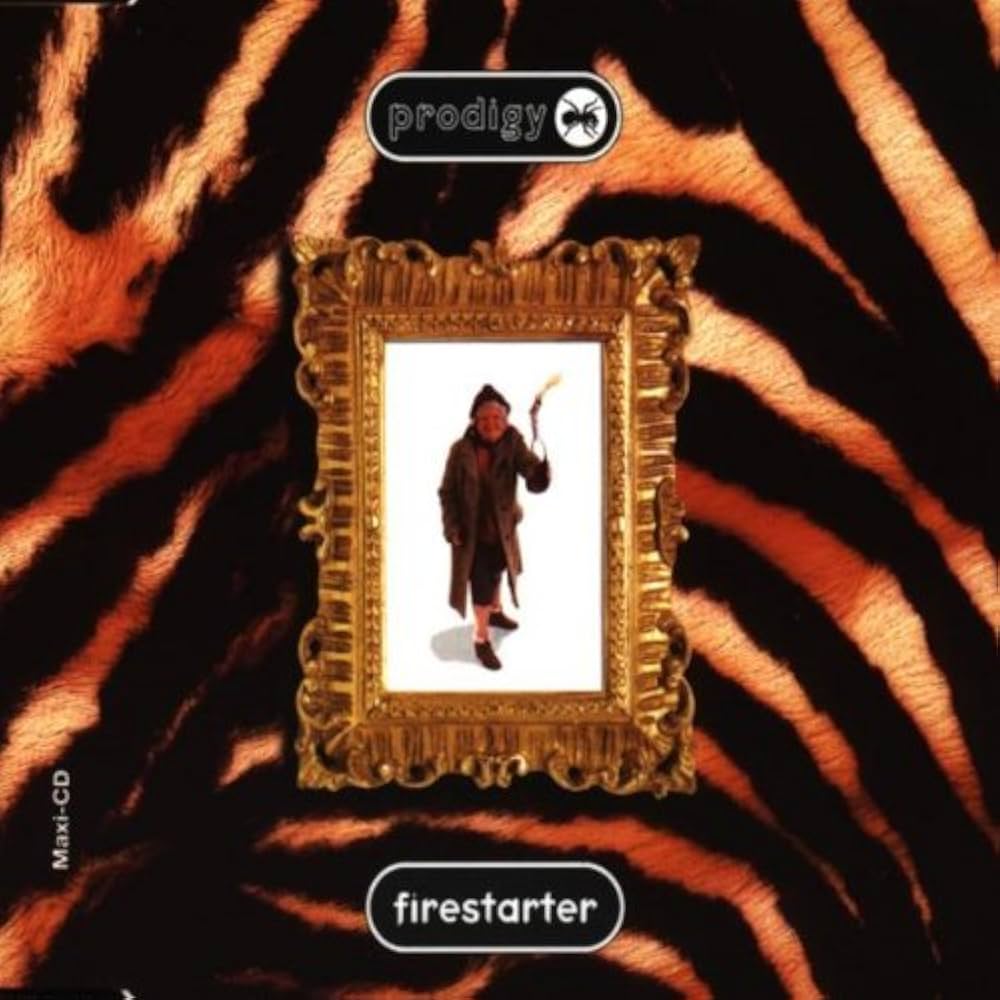
Punk posture met rave sonics and broke big in the U.S., expanding what electronic could look and feel like. Current crossover EDM borrows its chant‑ready hooks and distorted synth aggression. Stage energy became part of the songwriting.
De La Soul — “Me Myself And I” (1989)
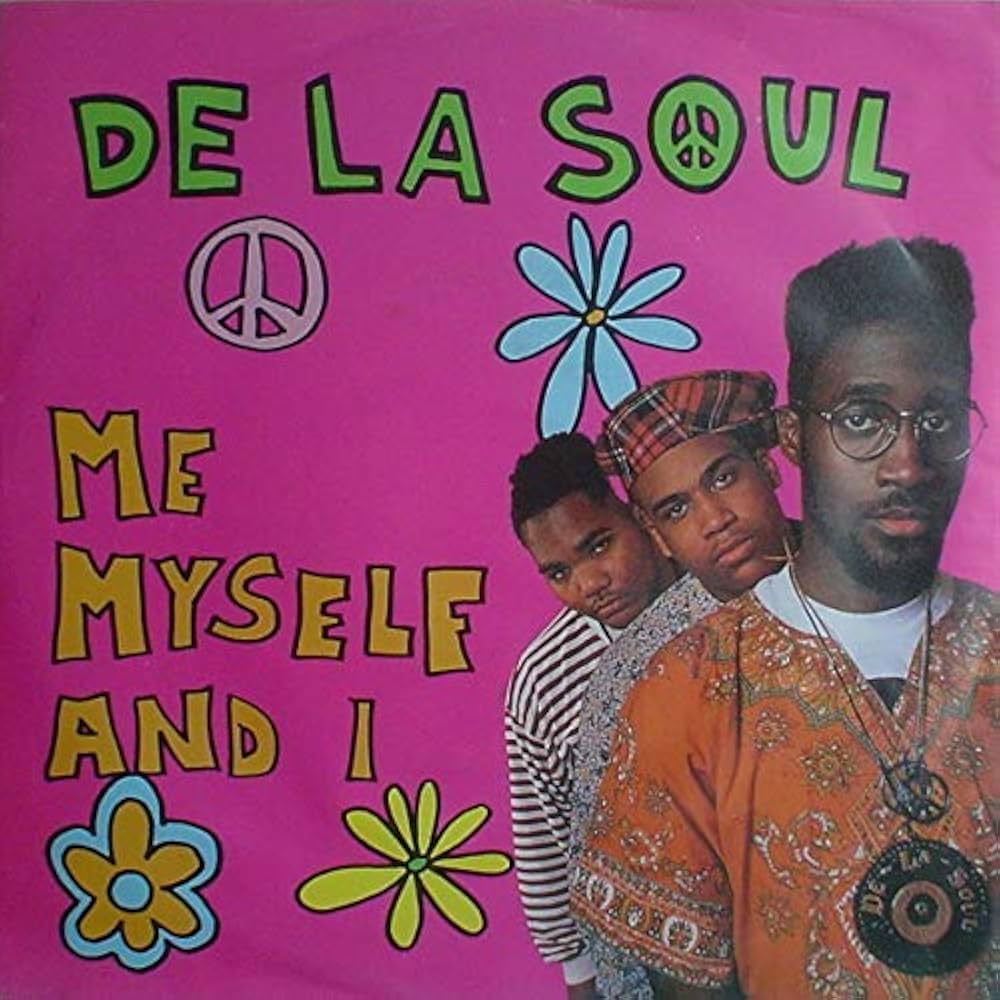
Using wit and clever samples, it broke hip-hop out of its tough-only persona. Modern alt rappers and indie artists carry that same lighthearted spark. Sometimes confidence shines brightest when it’s having fun.
Portishead — “Glory Box” (1994)
Torch‑song vocals over head‑nod drums anticipated today’s cinematic R&B. Producers still chase its vinyl‑warmth crackle and slow‑burn menace. A reference point for sultry minimalism.
Beastie Boys — “Sabotage” (1994)
Hard‑charging bass and siren‑like guitars turned chaos into chorus. Modern alt bangers and sync‑friendly tracks use similar build‑and‑blast tactics. It proved humor and heaviness can share a stage.
Queen & David Bowie — “Under Pressure” (1981)
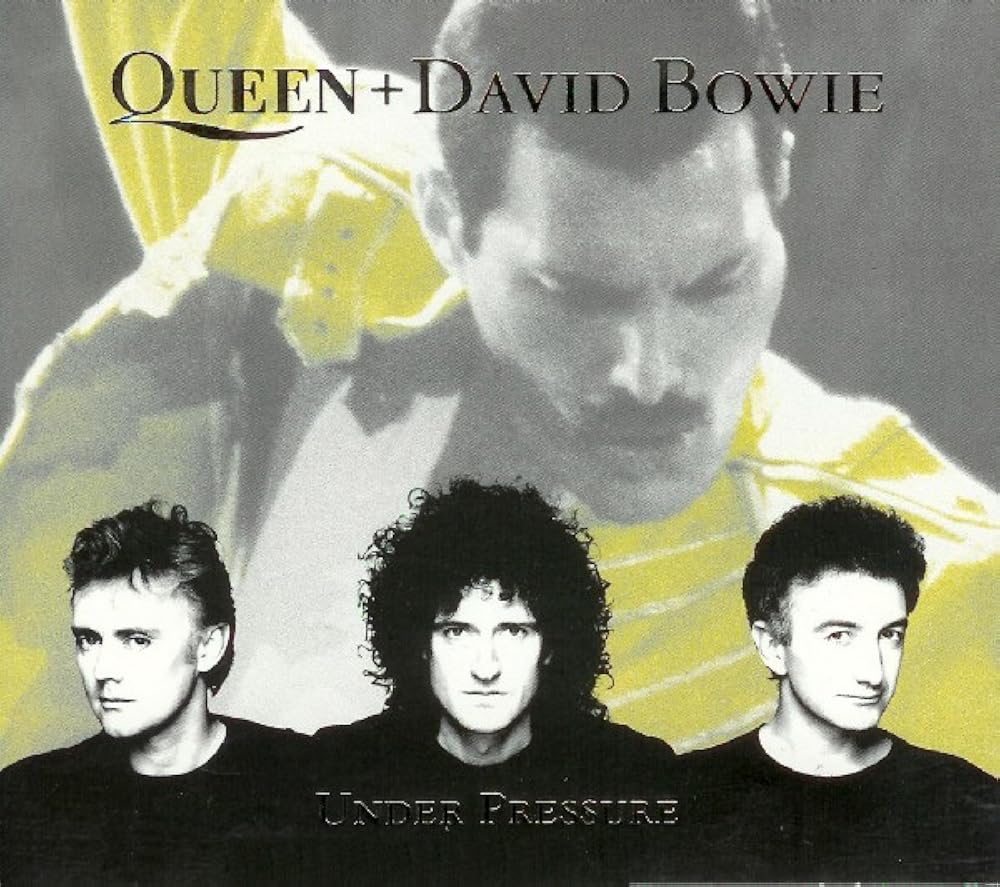
That bass line turned into a universal pop language, resurfacing through countless samples and nods across the years. Dynamic call‑and‑response vocals also set a model for duet arrangements. Hooks that simple are forever.
Rick James — “Super Freak” (1981)
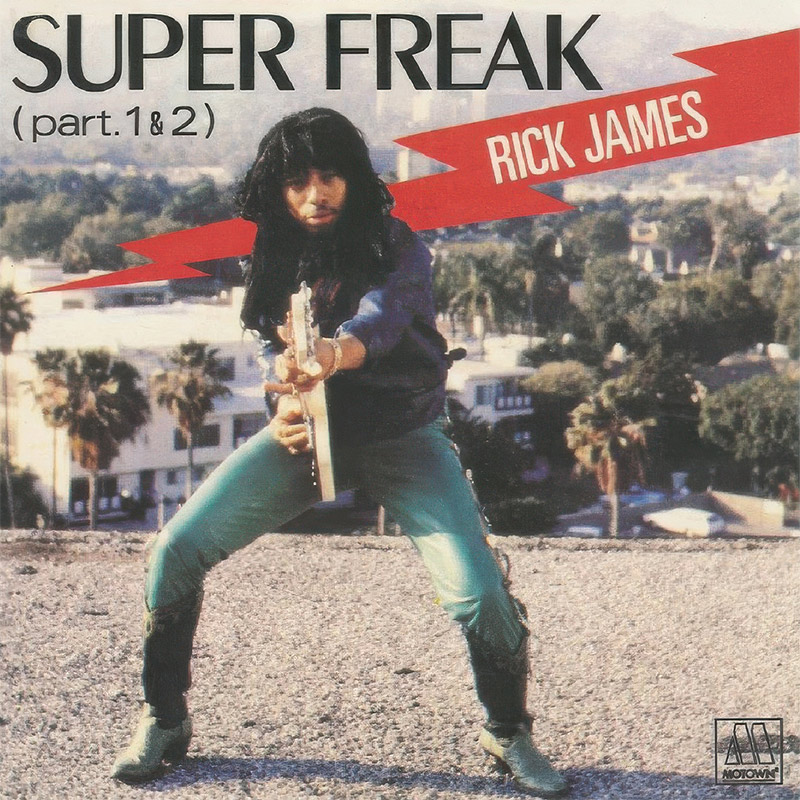
Funky guitar and rubbery bass resurfaced famously in “U Can’t Touch This,” then in countless nods after. From retro‑R&B to commercial pop, the groove keeps coming back. It’s a shorthand for playful swagger.
Lauryn Hill — “Doo Wop (That Thing)” (1998)
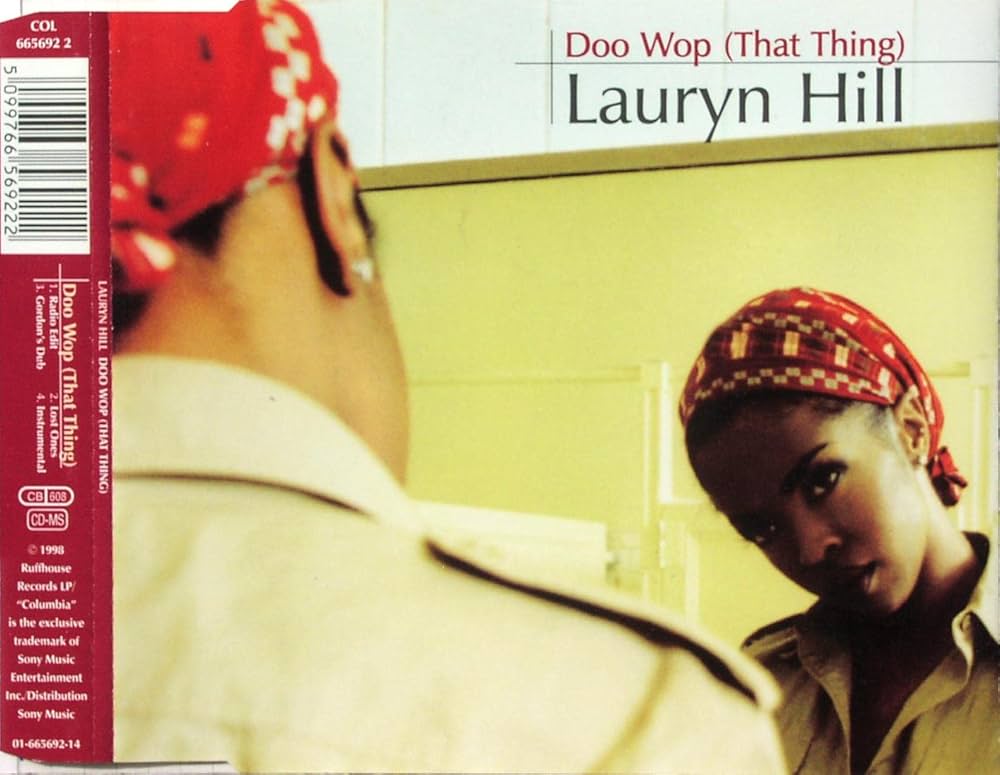
Vintage soul textures fused with sharp, modern lyricism, foreshadowing today’s retro‑centric pop‑rap hybrids. Its tight drum programming and stacked harmonies remain a go‑to recipe. A timeless chorus with contemporary bite.
Britney Spears — “…Baby One More Time” (1998)
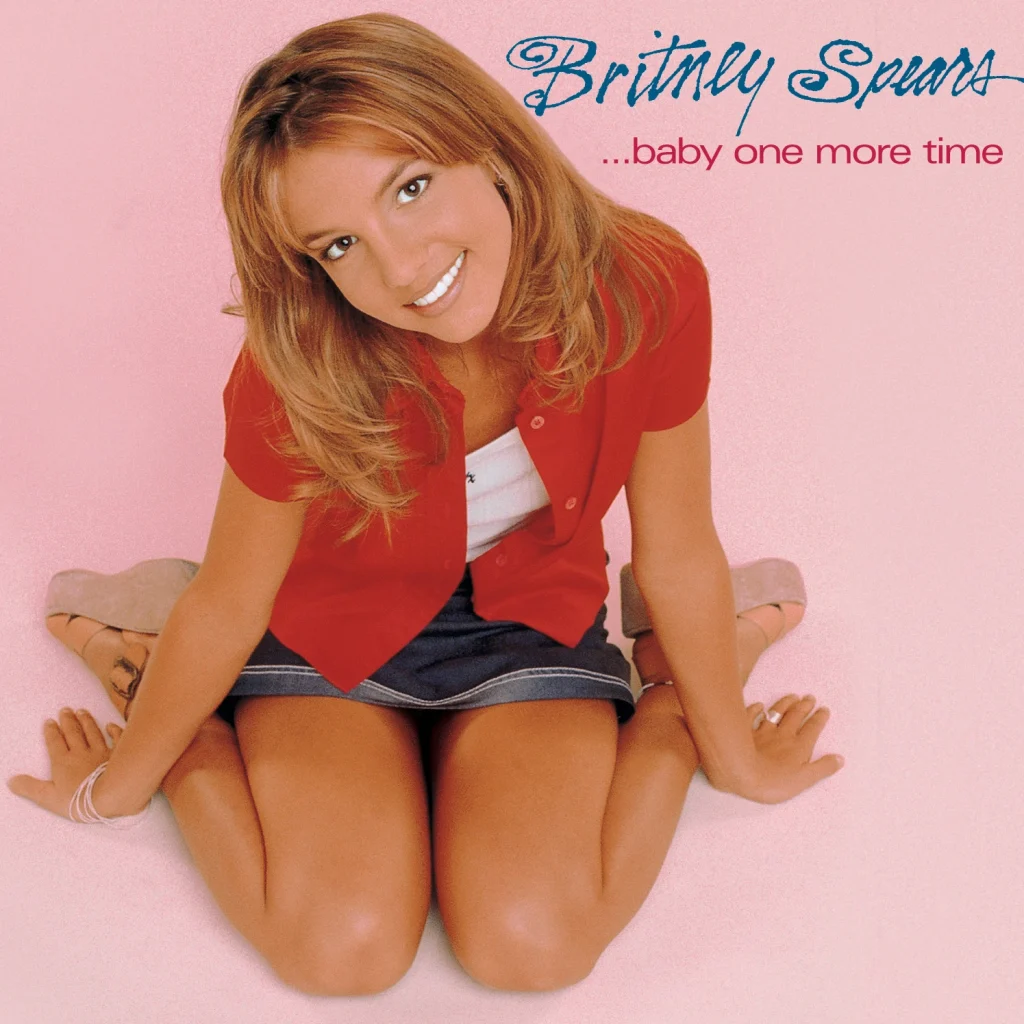
Max Martin’s punchy melodies and compressed drums helped define the blueprint for 2000s‑present pop. Modern hooks still lean on this economy, o ne unforgettable motif, spare chords, and vocal stacking. It’s a case study in hit architecture.
The Chemical Brothers — “Block Rockin’ Beats” (1997)
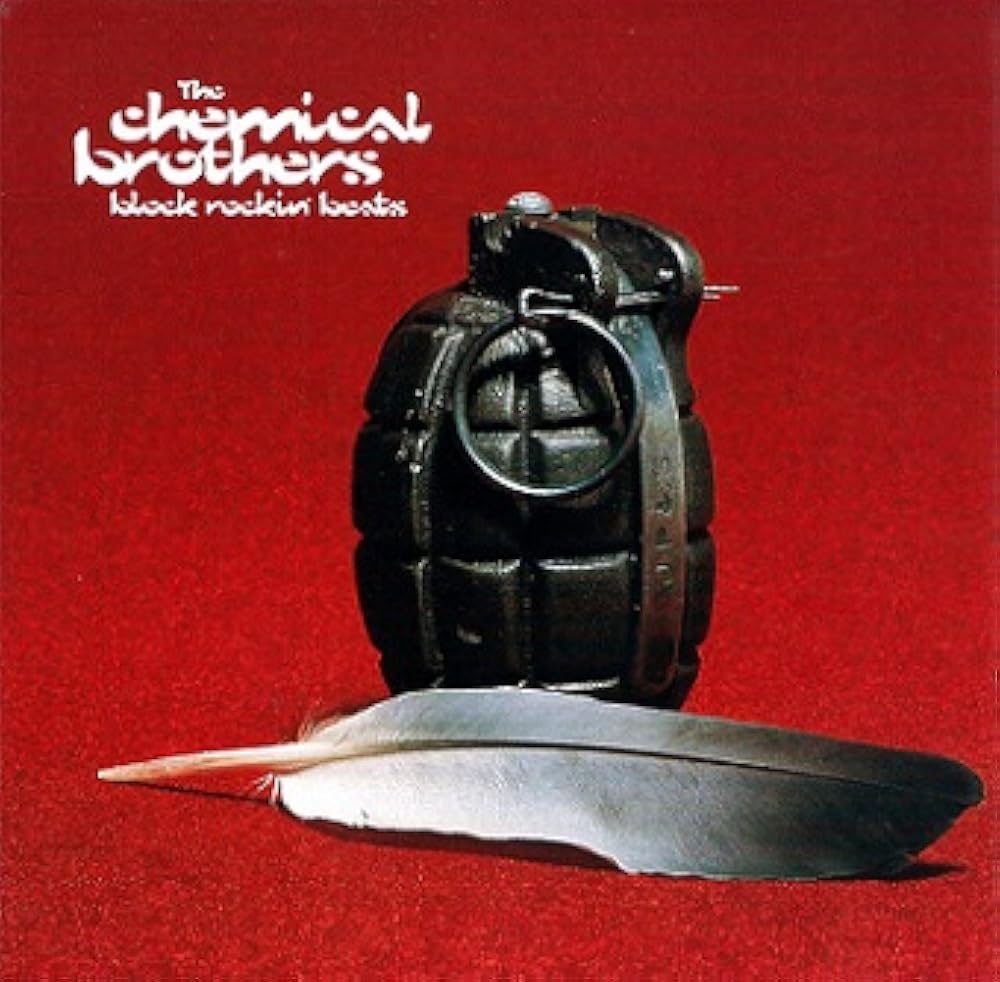
Breakbeat bombast turned sample science into arena‑sized spectacle. Big‑room electronic and festival hip‑hop borrow its drop logic and drum heft. Percussion as hook is now common currency.