Some homes have good bones, and some have Revolutionary War-era bones. Across the United States, a handful of homes have managed to outlast centuries of war, weather, renovations, and the occasional ghost story. These timeworn treasures are full of creaky floors, low ceilings, and untold stories, giving us a rare peek into early American life. Whether they are humble log cabins or stately colonial mansions, these homes have truly earned their place in the history books.
Henry Whitfield House (Guilford, Connecticut) built in 1639
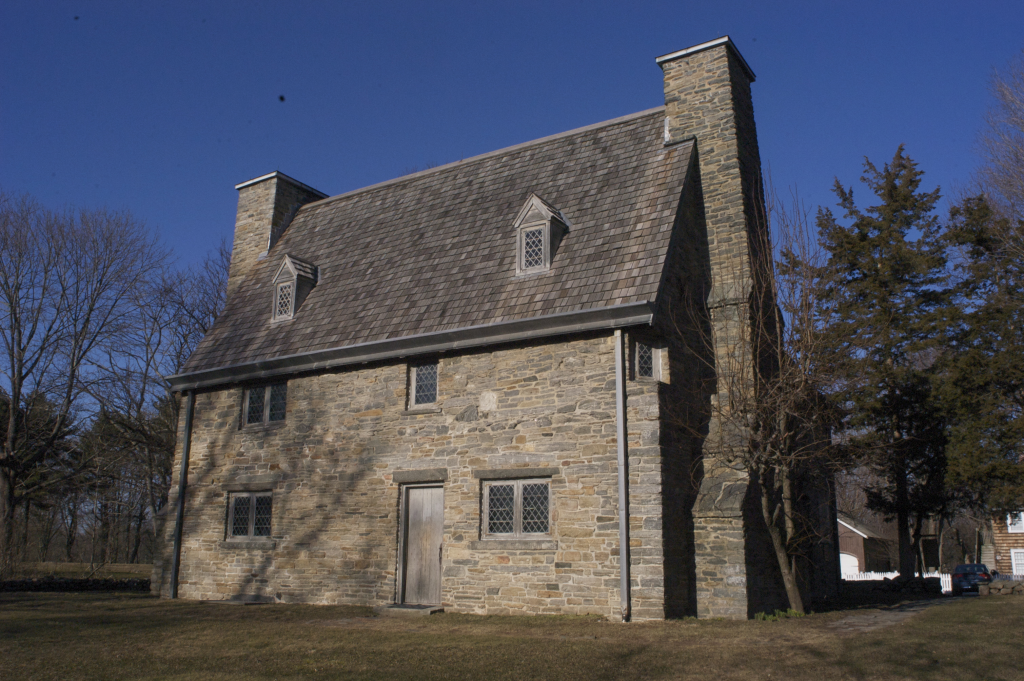
This thick-walled home is made entirely of stone, which was very unusual at the time. It served as both a place of worship and a defensive structure. It is the oldest stone house in New England, and it shows its age in the best possible way.
Richard Sparrow House (Plymouth, Massachusetts) built in 1640
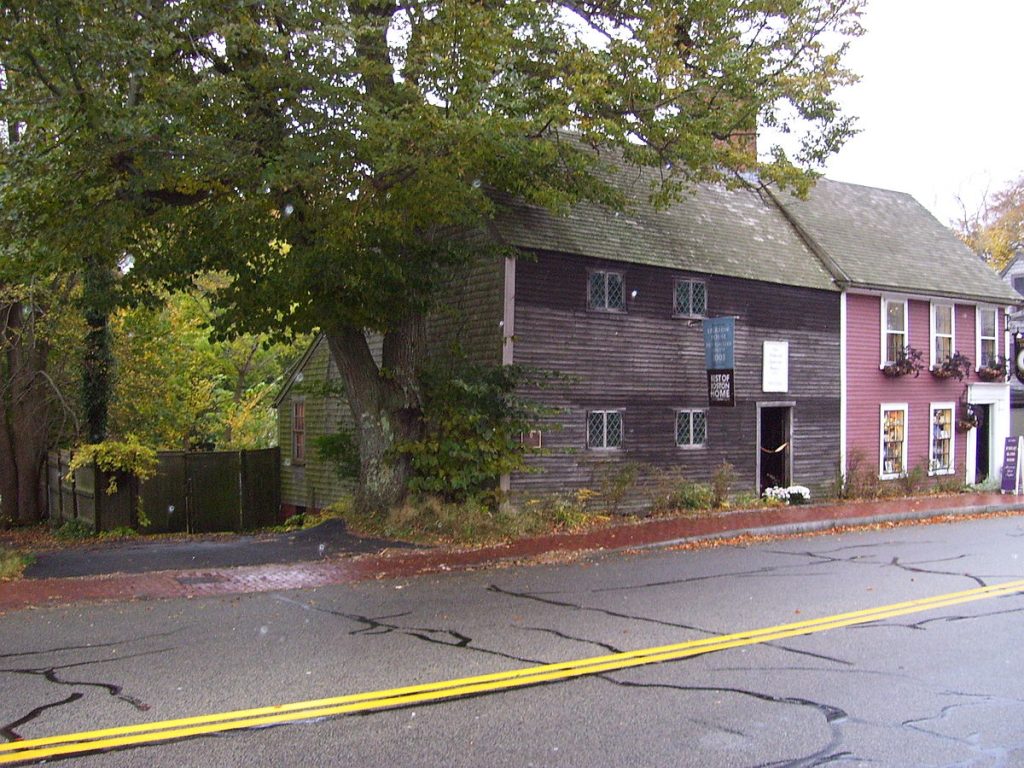
This was Plymouth’s version of a starter home. Richard Sparrow, a surveyor, built it after receiving land from the colony. Today, it functions as a charming little museum and is located in the same town where the Pilgrims first landed.
Deane Winthrop House (Winthrop, Massachusetts) built in 1675
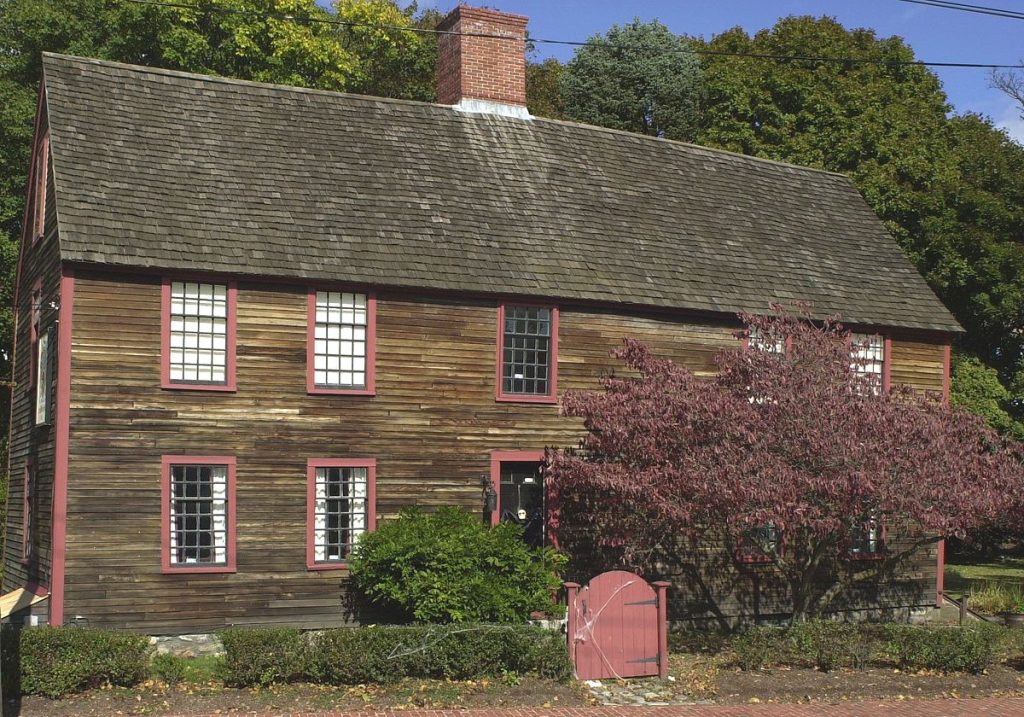
Deane Winthrop, the son of Massachusetts Bay Colony Governor John Winthrop, once lived here. The house is still surprisingly well-preserved and is occasionally used for events. It has that classic spooky New England charm if you are into that vibe.
Hoxie House (Sandwich, Massachusetts) built around 1675
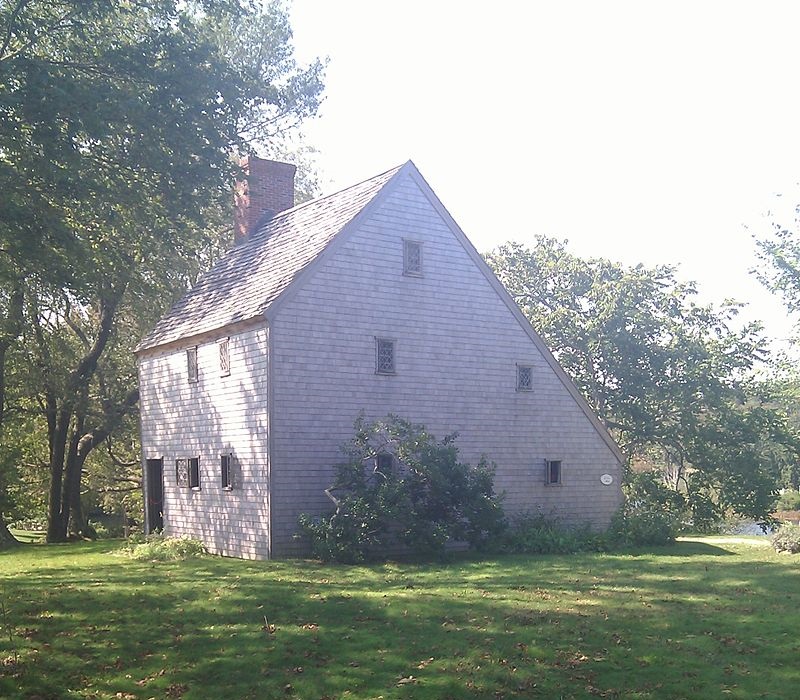
This home sits on a bluff overlooking Shawme Pond and has been carefully restored. Inside, you will find wide plank floors, lots of fireplaces, and ceilings low enough to bump your head if you are tall. It captures New England charm in its purest form.
Loomis Homestead (Windsor, Connecticut) built in 1640
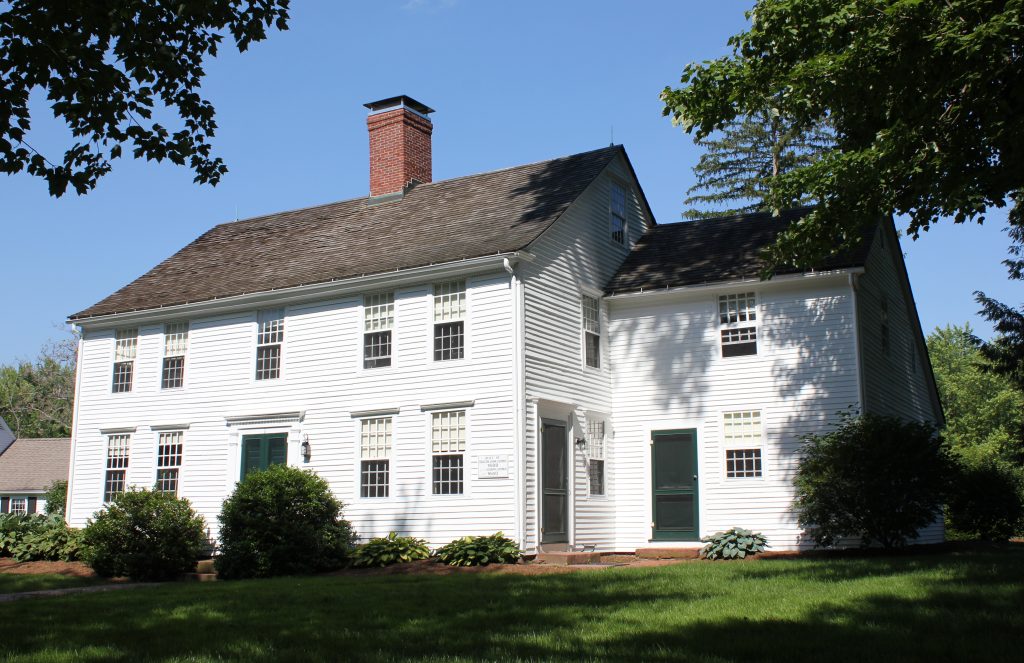
Now part of the Loomis Chaffee School campus, this house was once home to one of the town’s founding families. It is a rare glimpse into early rural Connecticut life. Some even believe it may be haunted, though nothing has been confirmed.
Parson Capen House (Topsfield, Massachusetts) built in 1683
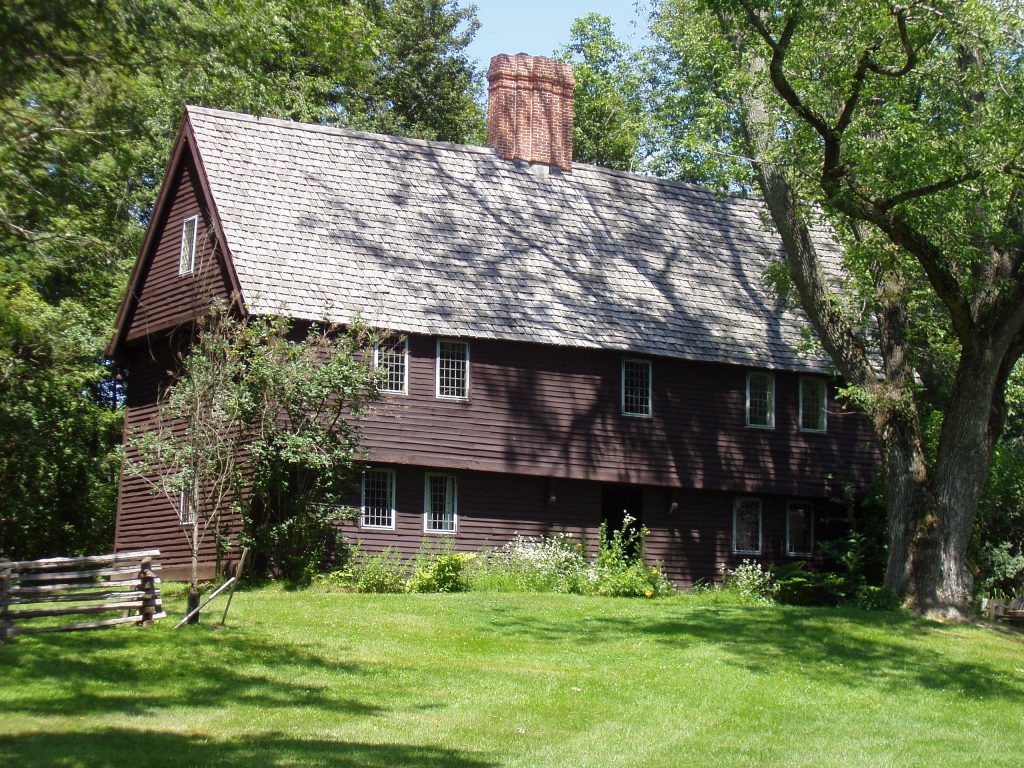
This house is one of the best-preserved examples of 17th-century New England architecture. It looks like it belongs in a fairy tale, with its intricate woodwork and quirky angles. It was originally built for a stylish minister.
John Ward House (Salem, Massachusetts) built in 1684
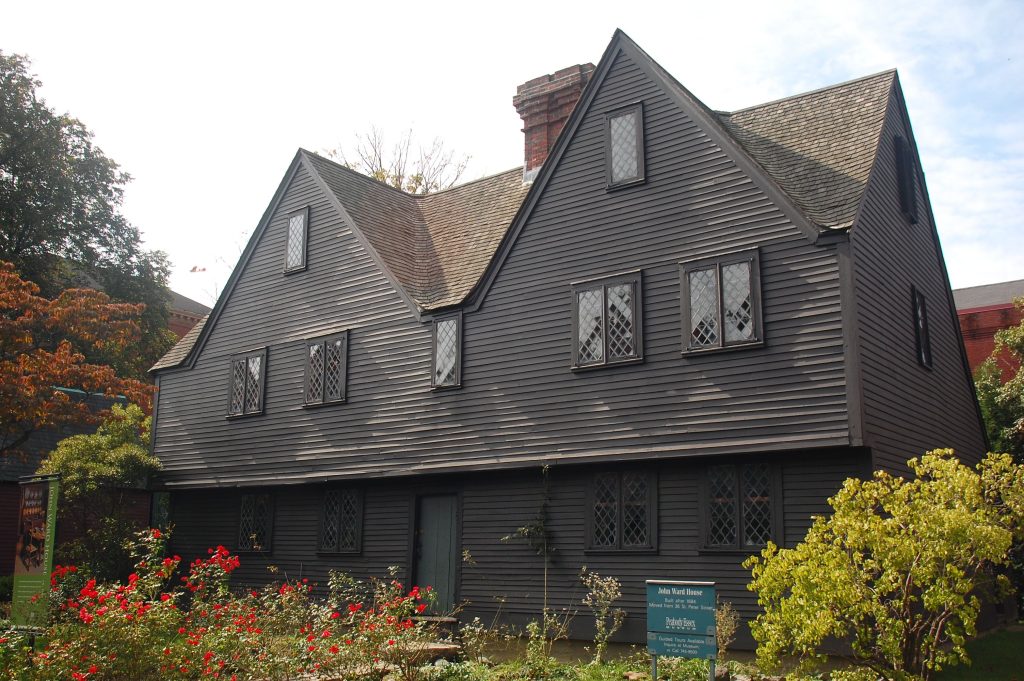
This house was disassembled and moved to the property of the Peabody Essex Museum. It now serves as an outdoor exhibit. Walking through it is like time traveling back to a town where people were once put on trial for sneezing suspiciously.
White–Ellery House (Gloucester, Massachusetts) built in 1710
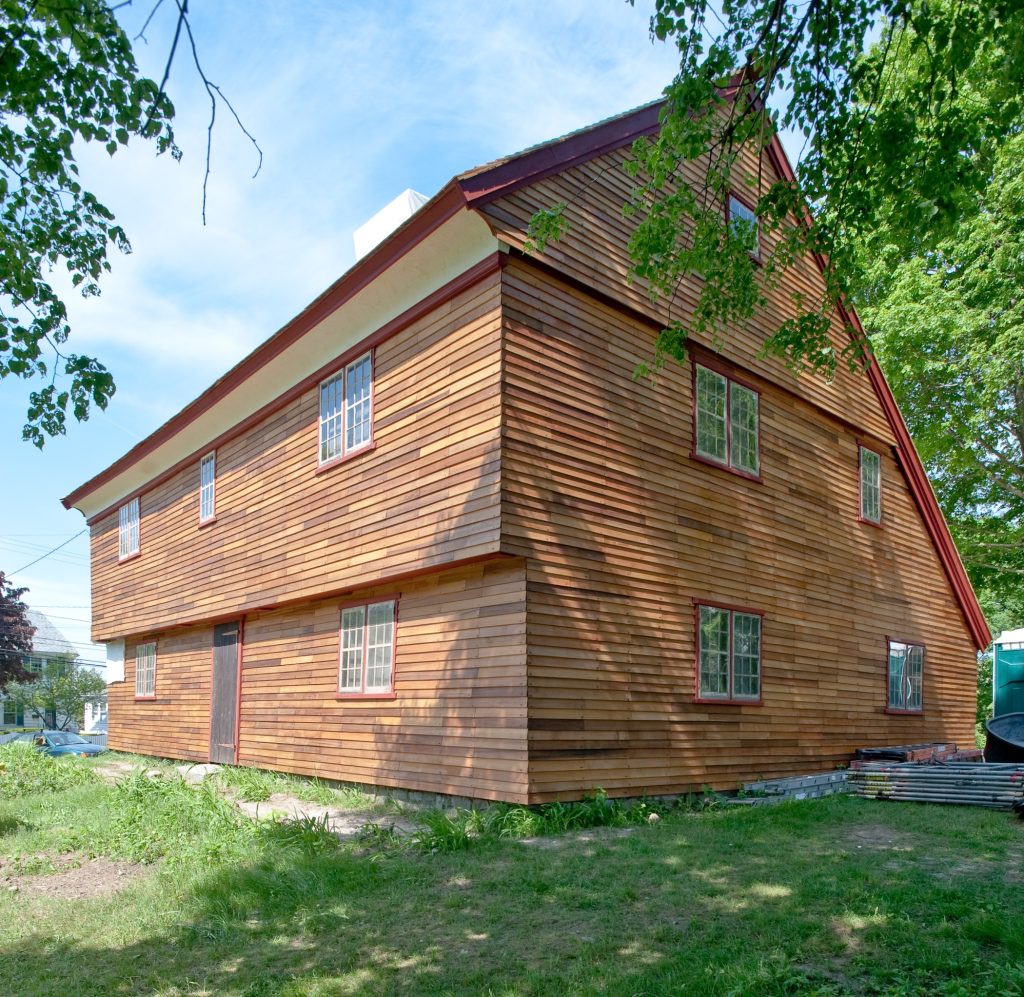
This saltbox home once stood on the main road into Gloucester. It was lived in for over 200 years and now hosts art installations and performances. Imagine doing performance art in your 300-year-old living room.
Whipple House (Ipswich, Massachusetts) built in 1677
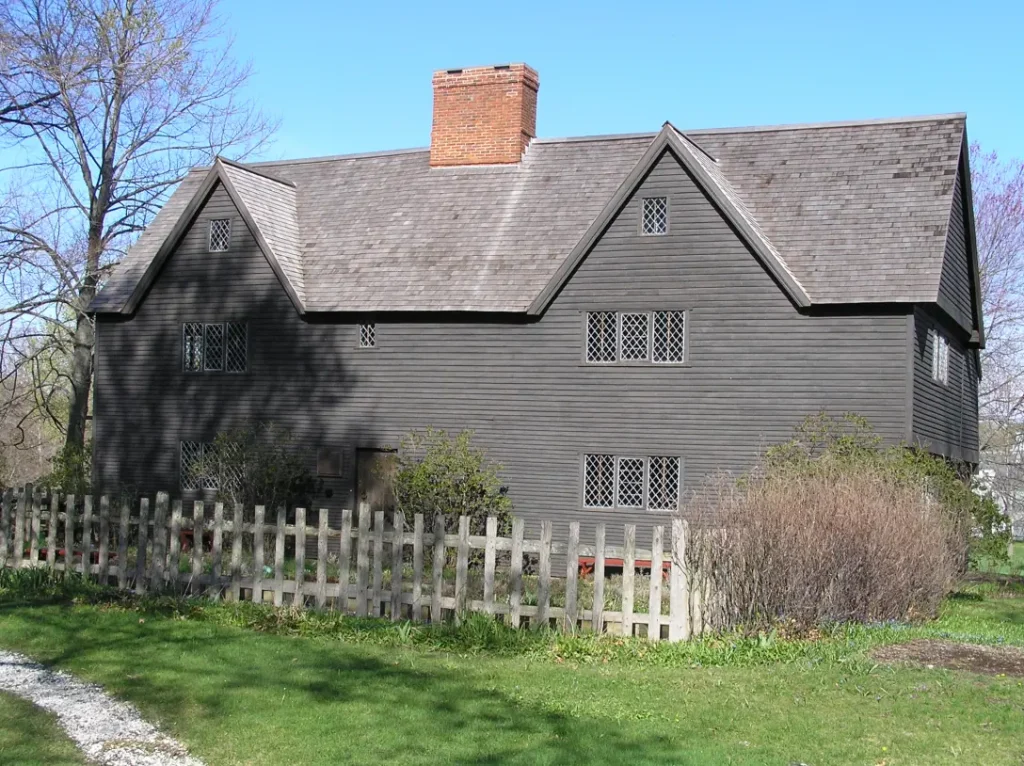
This was the home of a wealthy merchant and it still shows. Inside, you will find wood paneling, leaded glass windows, and a massive hearth that dominates the room. It was one of the more luxurious homes of its day.
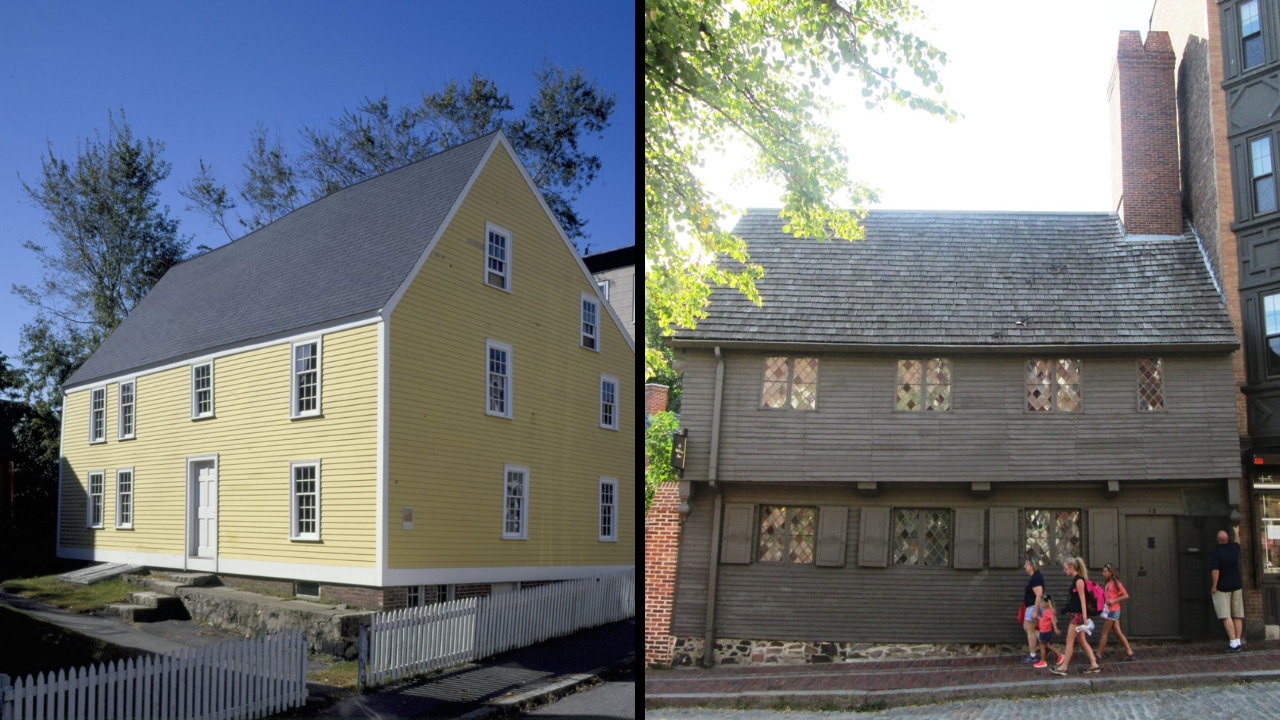
Paul Revere House (Boston, Massachusetts) built around 1680
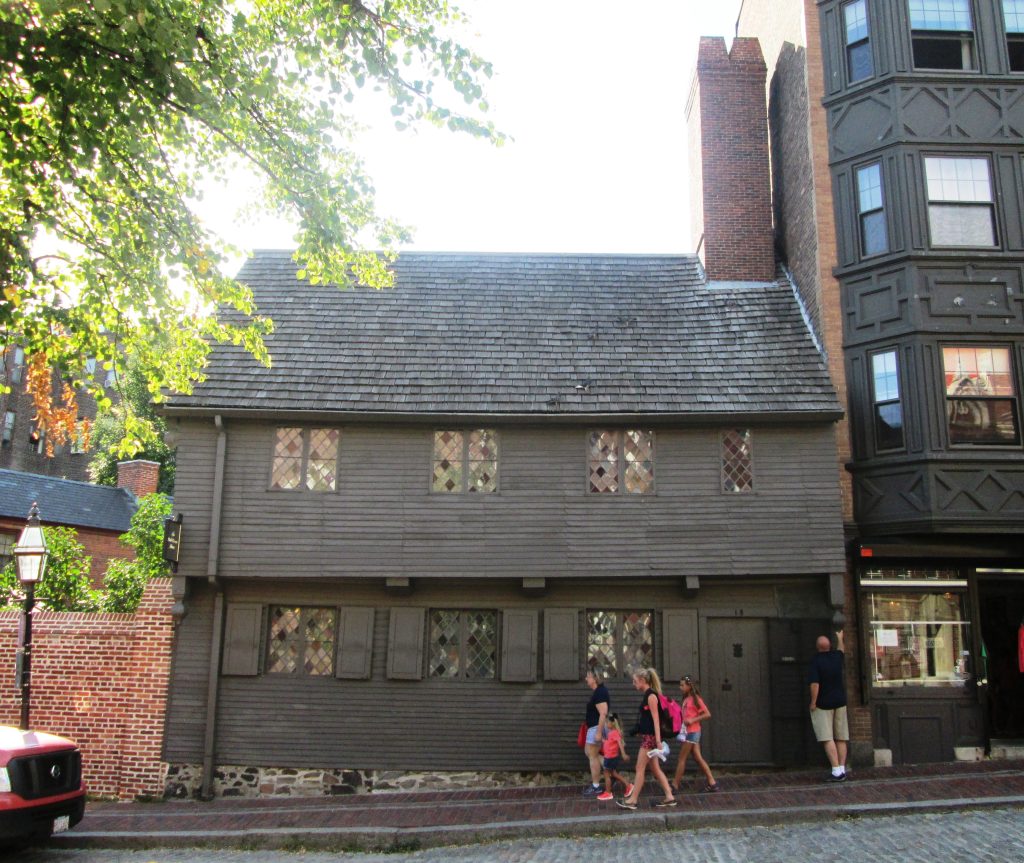
Yes, this was the actual home of Paul Revere. He lived here at the time of his famous midnight ride. The house is small and modest, which might surprise anyone expecting something grand.
Peter Tufts House (Medford, Massachusetts) built in 1678
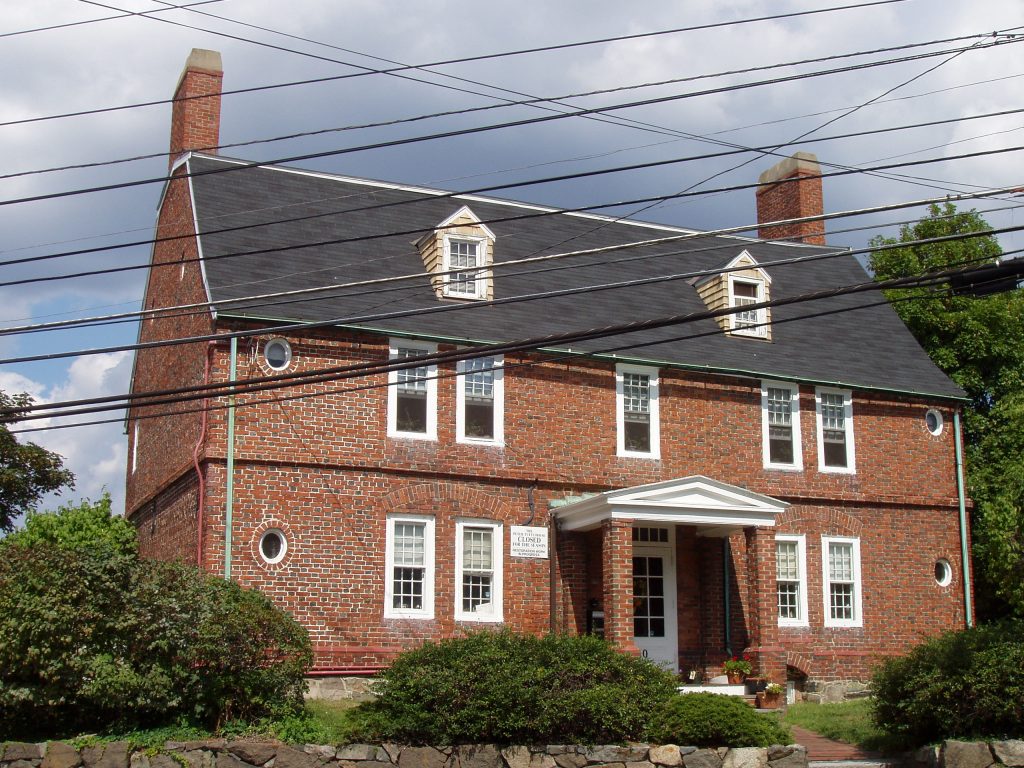
Constructed using brick, which was rare back then, this house has very thick walls. It gives off serious strength and durability vibes. It is one of the oldest brick homes still standing in the United States.
Thomas Lee House (East Lyme, Connecticut) started in 1660
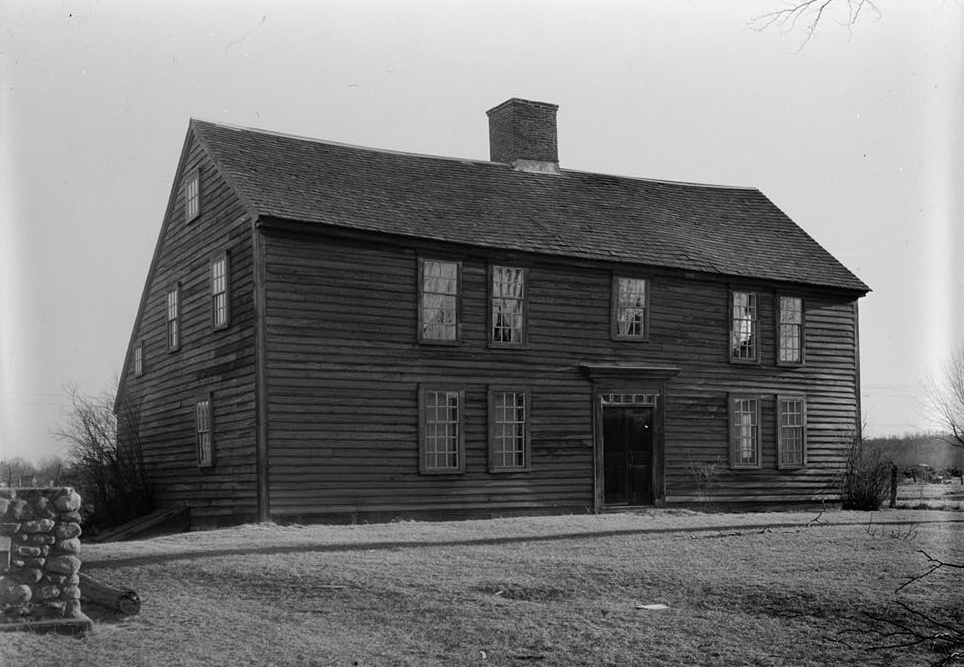
This home was built slowly over time, like a long-term renovation project. It stayed in the same family for generations and is now a museum. The creaky floorboards are practically a soundtrack.
C. A. Nothnagle Log House (Gibbstown, New Jersey) built around 1638
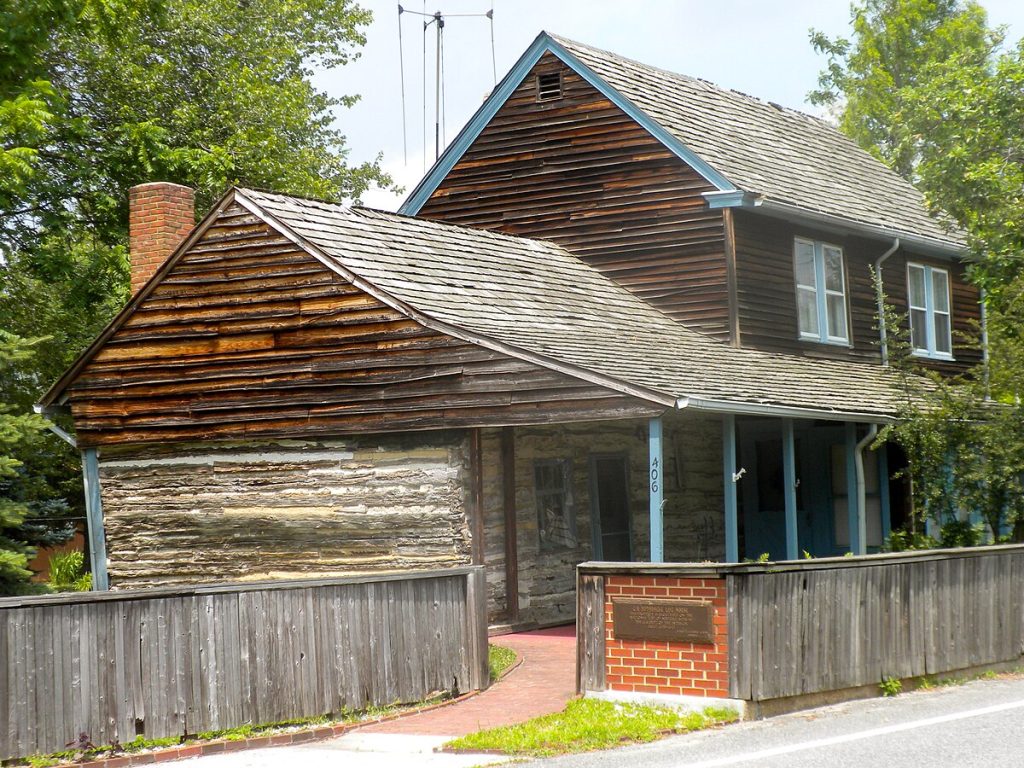
This tiny log cabin is believed to be the oldest surviving log home in the country. It is just one room, but it holds a lot of history and rustic character. It was built in the Scandinavian style.
House of the Seven Gables (Salem, Massachusetts) built in 1668
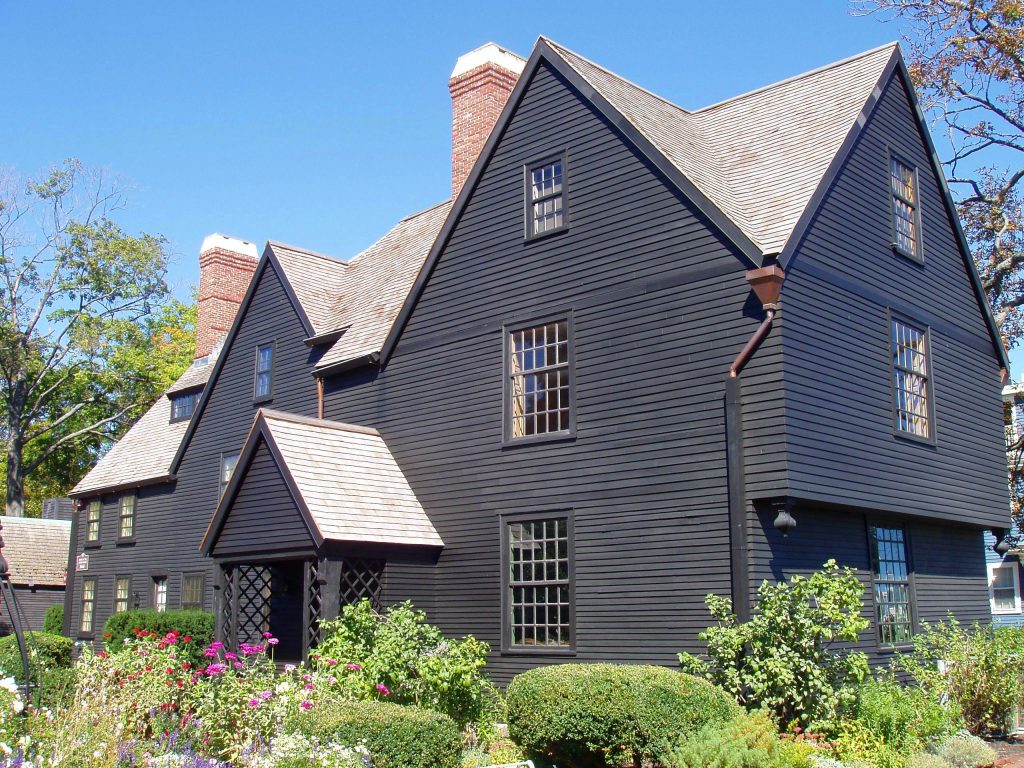
Made famous by Nathaniel Hawthorne’s novel, this home has a dramatic flair. With its secret staircase and seaside views, it feels like a movie set. The tour guides lean into the spooky details for added effect.
John Balch House (Beverly, Massachusetts) built around 1679
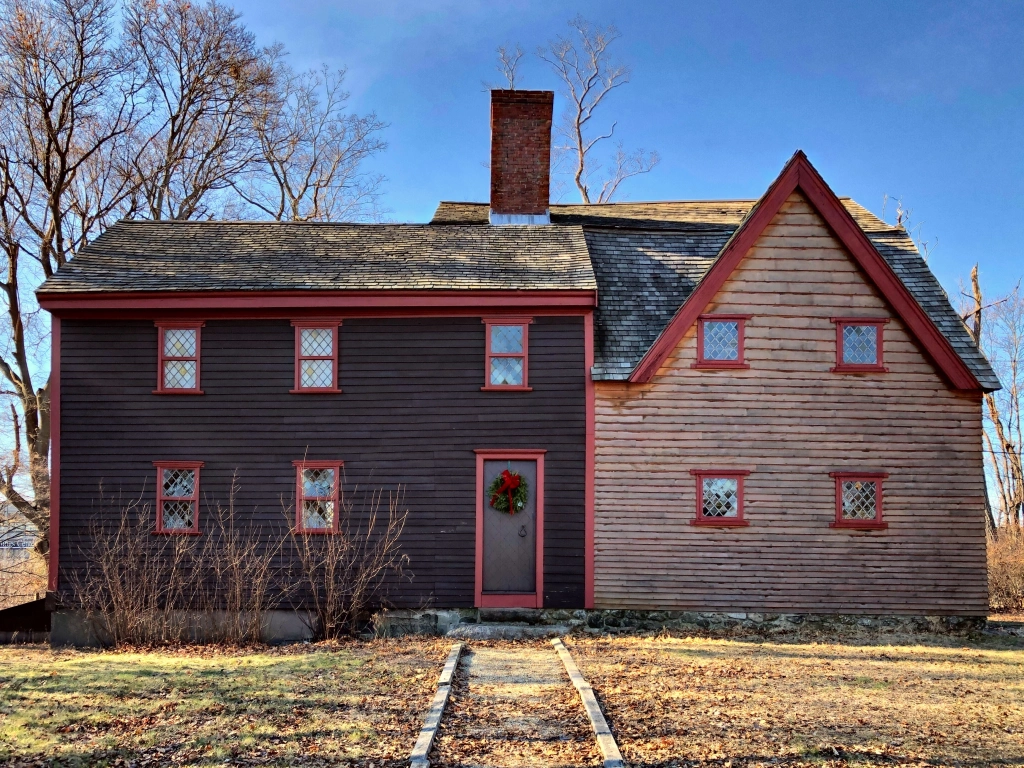
This cozy colonial home belonged to one of the area’s first English settlers. It features classic saltbox architecture and lots of unique design quirks. Despite its age, it feels inviting and warm.
Gedney House (Salem, Massachusetts) built in 1665
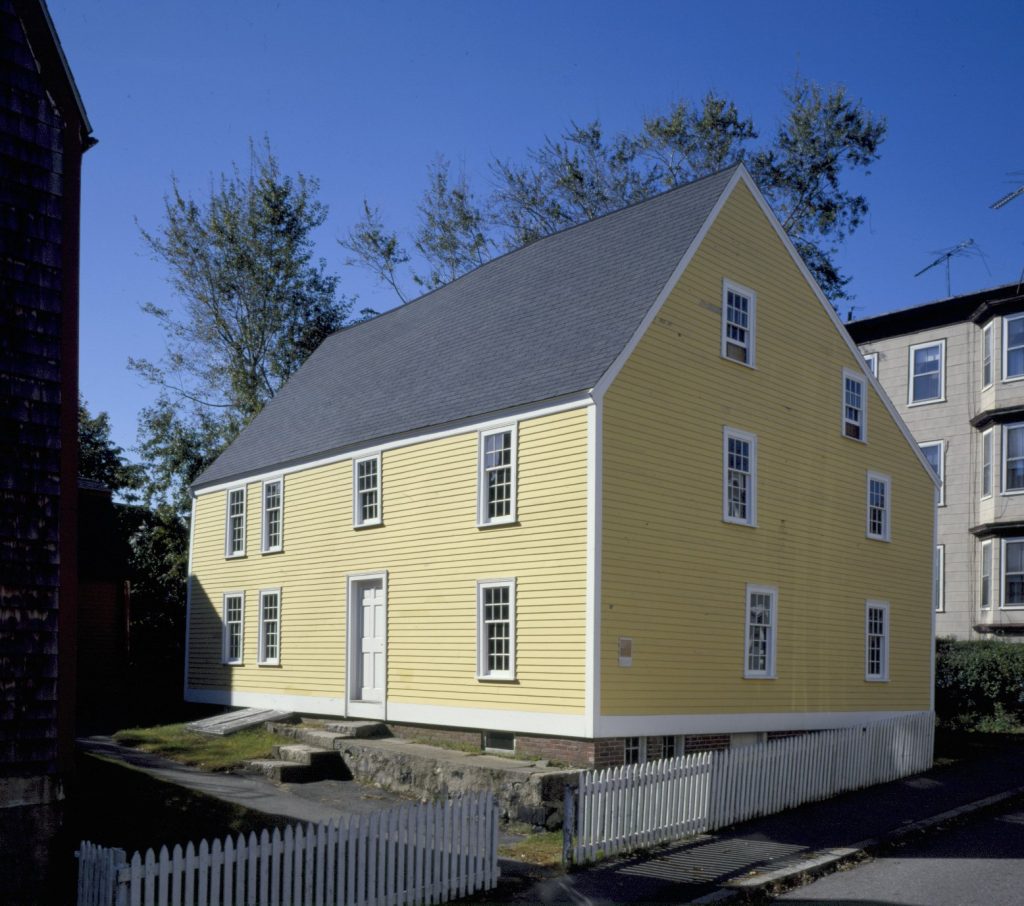
This house has gone through fire, neglect, and renovation but is still standing. Its interior has been left largely unfinished to show original construction. It is like a behind-the-scenes look at colonial building methods.
Warner House (Portsmouth, New Hampshire) built in 1716
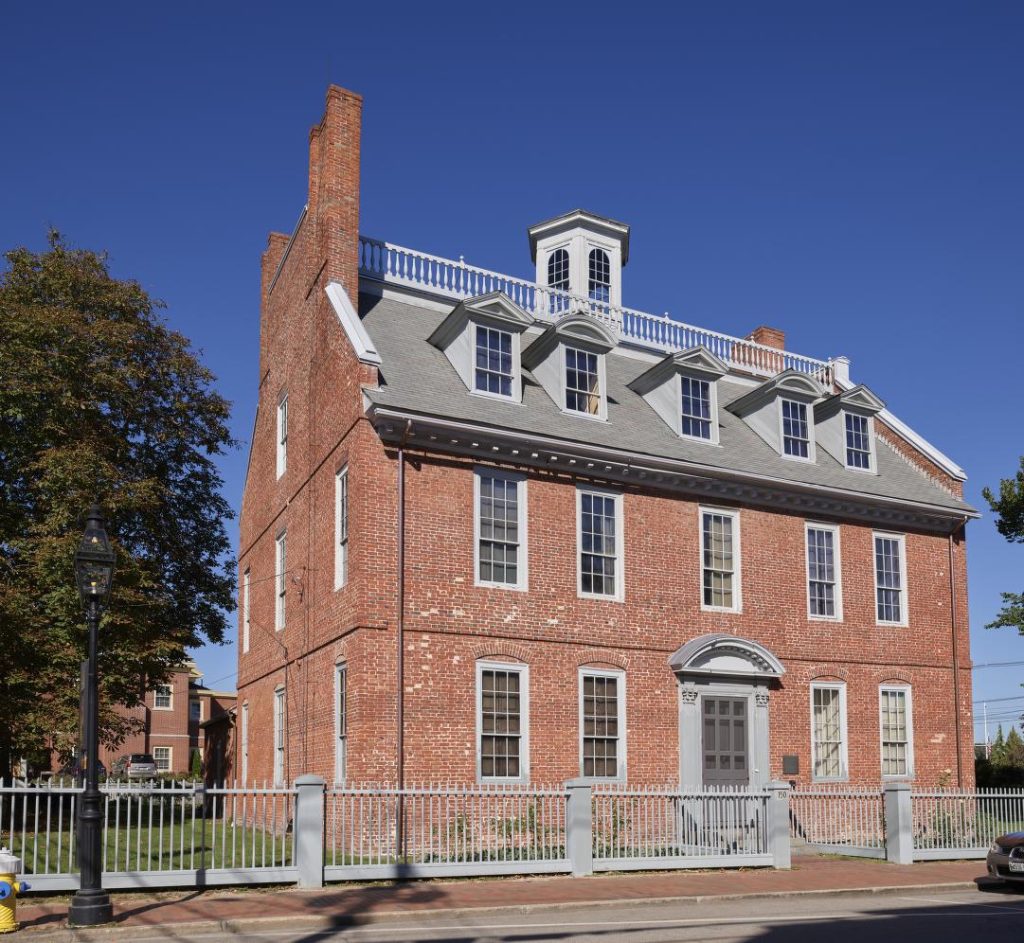
This home was all about showing off wealth. With imported goods, wall murals, and elegant woodwork, it was meant to impress. Even George Washington is said to have visited at one point.
Phelps-Hatheway House (Suffield, Connecticut) built around 1732
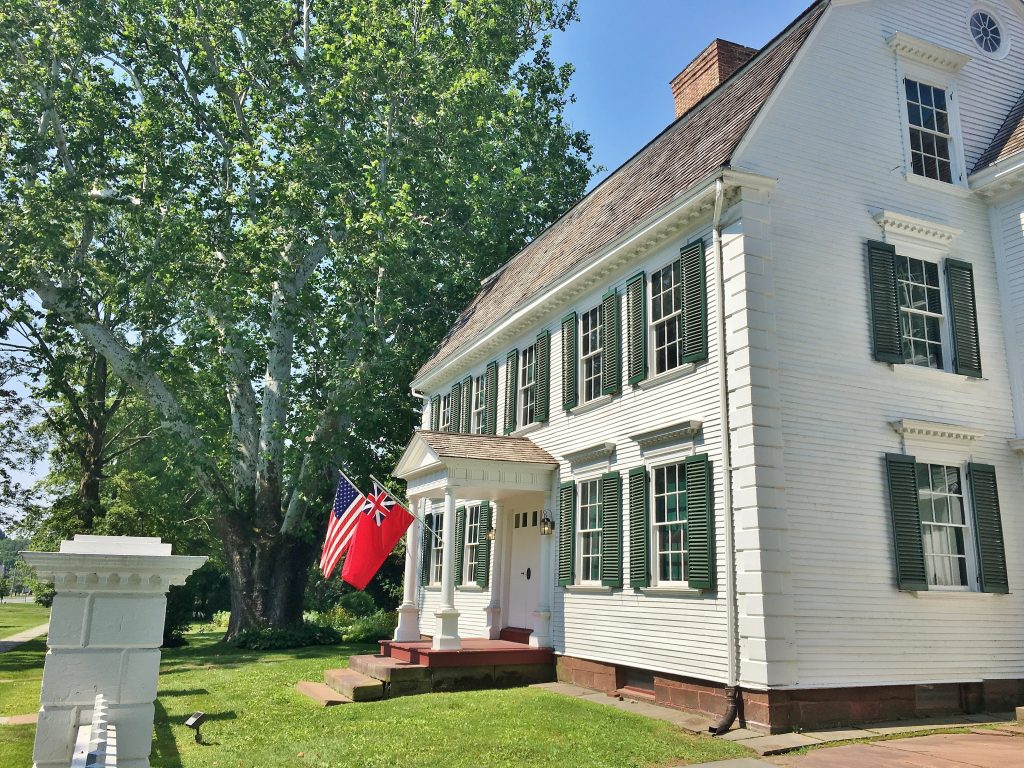
This house blends simple farmhouse elements with refined decorative touches. It underwent major upgrades in the 1790s. The colonial wallpaper alone is worth a visit.
Van Cortlandt House (Bronx, New York) built in 1748
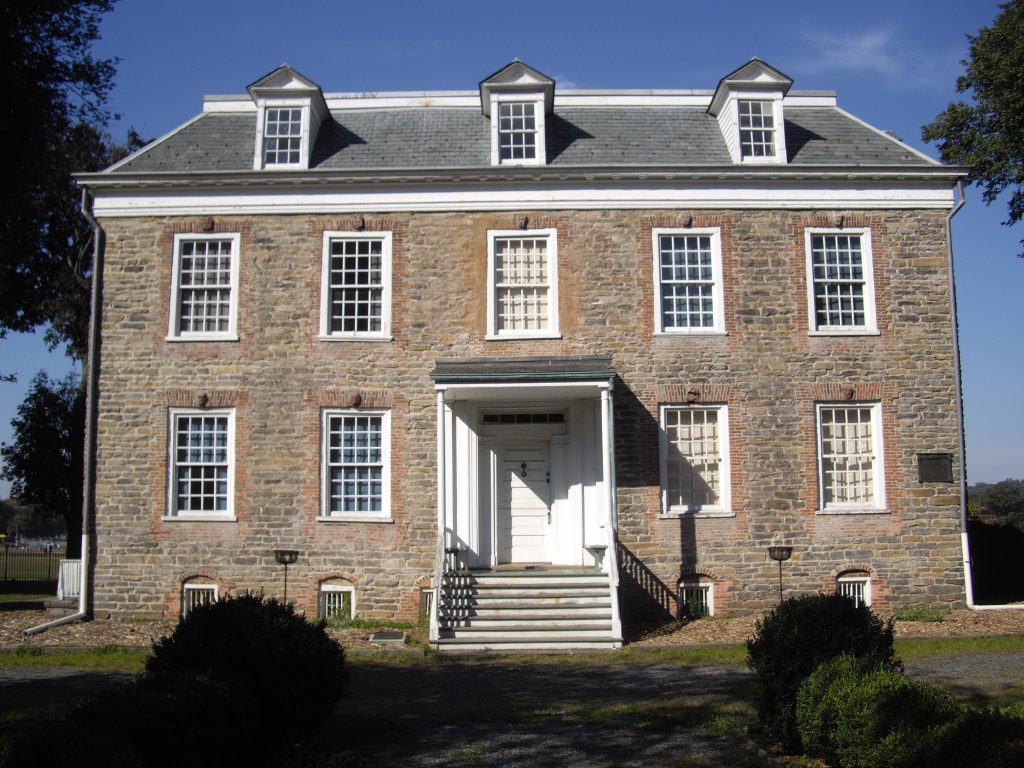
This is the oldest house in the Bronx, located in the middle of a large city park. The contrast between old-world charm and modern surroundings is surreal. It is a peaceful step back in time.
Philipse Manor Hall (Yonkers, New York) started around 1682
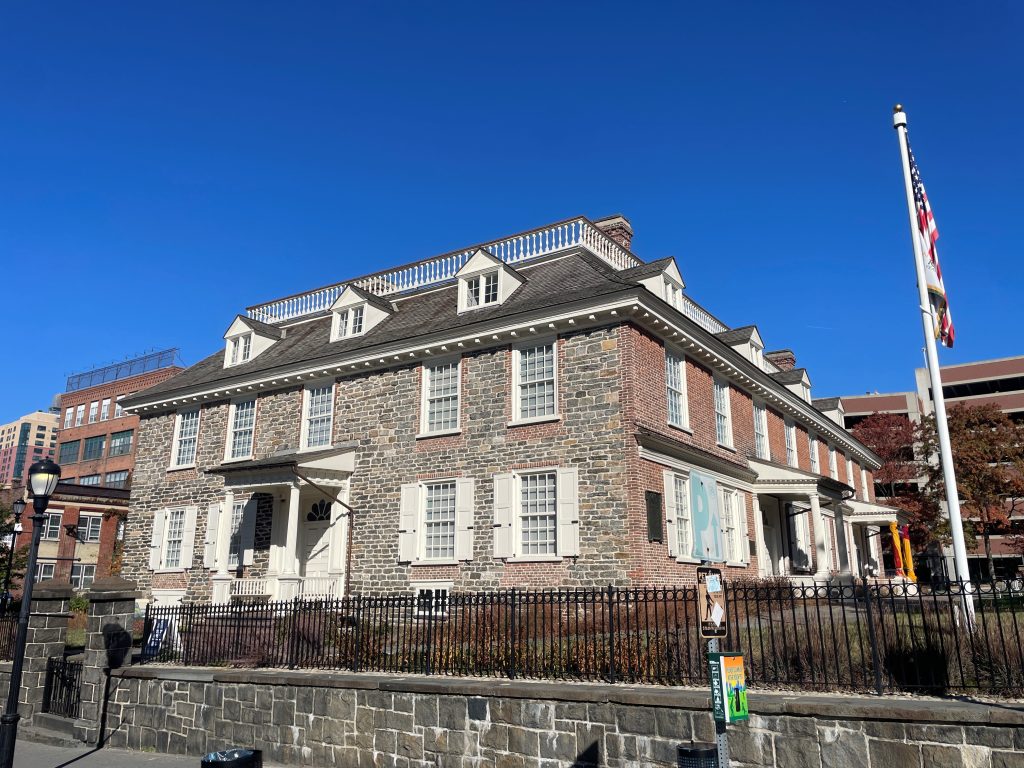
Originally a small stone house, it grew into a grand colonial mansion. It played a major role in early American trade and politics. Three U.S. presidents have reportedly visited.
Wyck House (Philadelphia, Pennsylvania) built around 1690
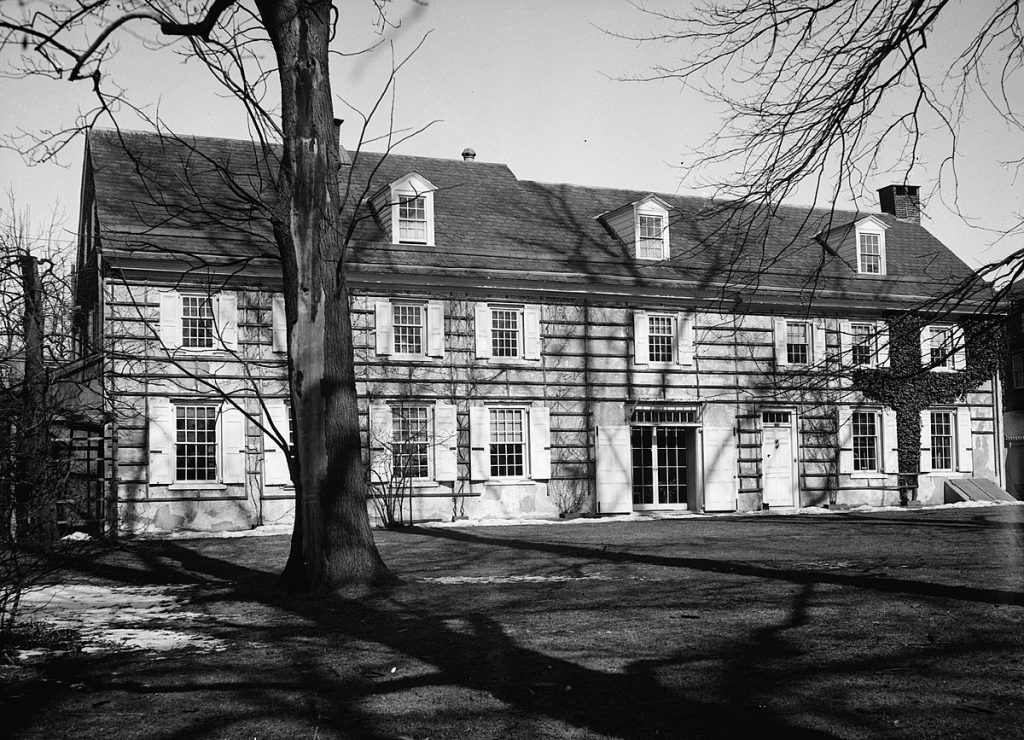
This Quaker family home later became known for its beautiful gardens. It mixes 17th-century structure with 19th-century botanical flair. Ideal for visitors who love both history and flowers.
Aiken-Rhett House (Charleston, South Carolina) built around 1820 with older features
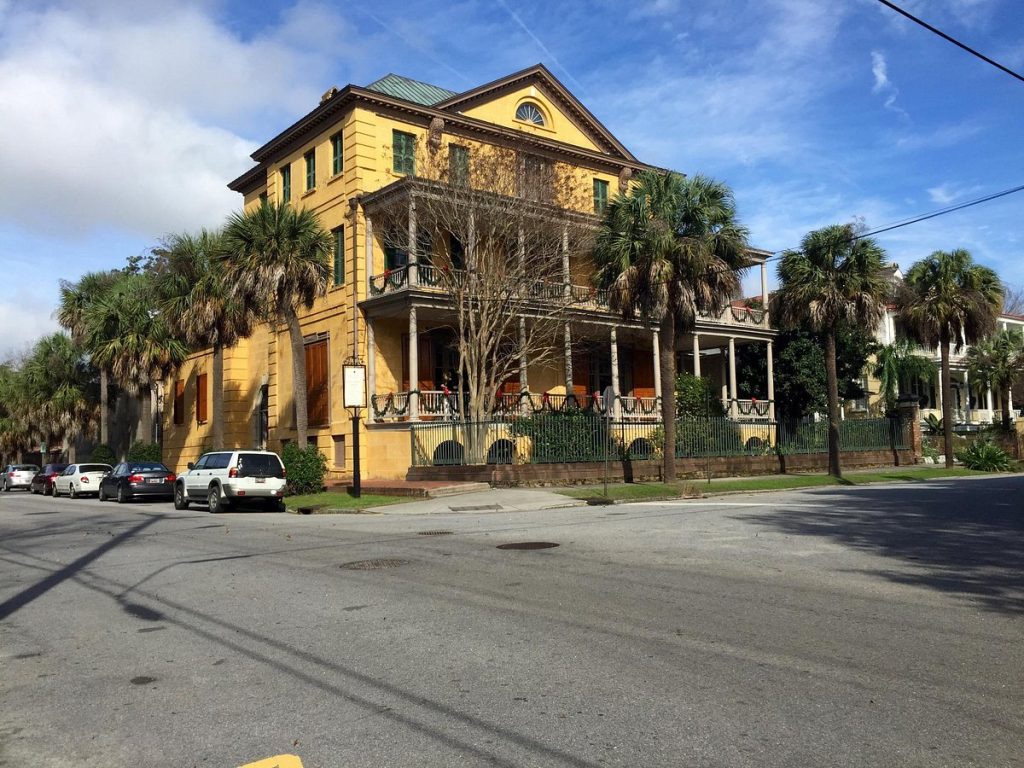
Some parts of this property date back further than the main house. It has been preserved in a remarkably raw condition. It feels like the family just walked out for lunch about two centuries ago.
Nathaniel Russell House (Charleston, South Carolina) built in 1808
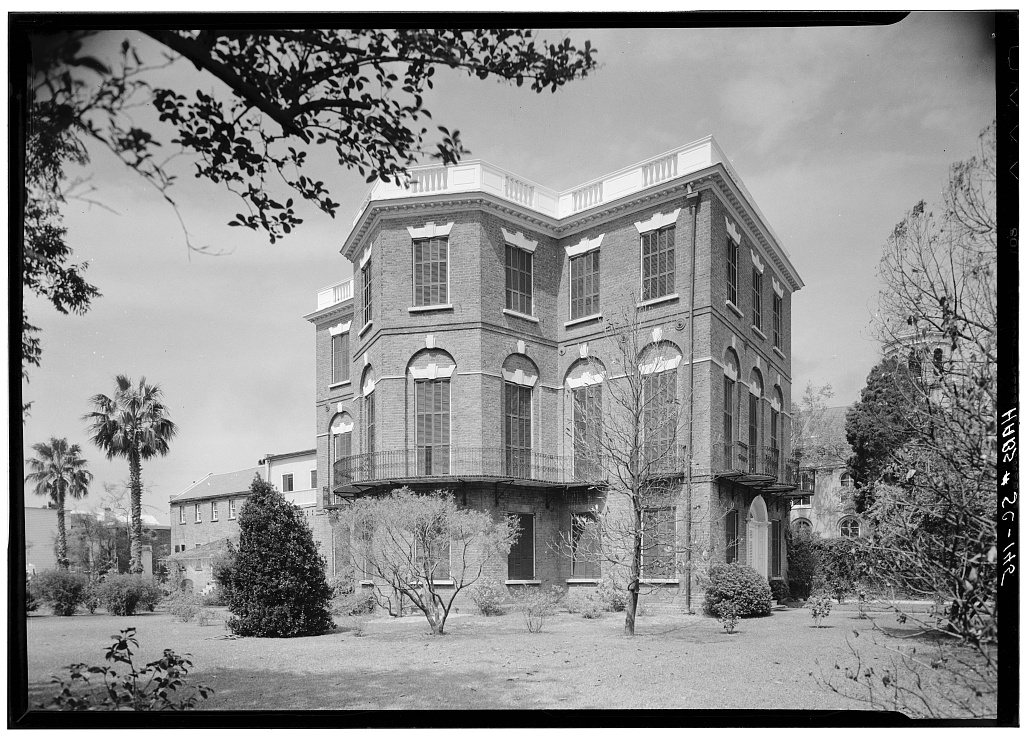
This elegant home includes a stunning spiral staircase and original paint colors. It reflects Southern wealth and sophistication. Walking through it feels like stepping inside an architectural love letter.
Drayton Hall (Charleston, South Carolina) built in 1738
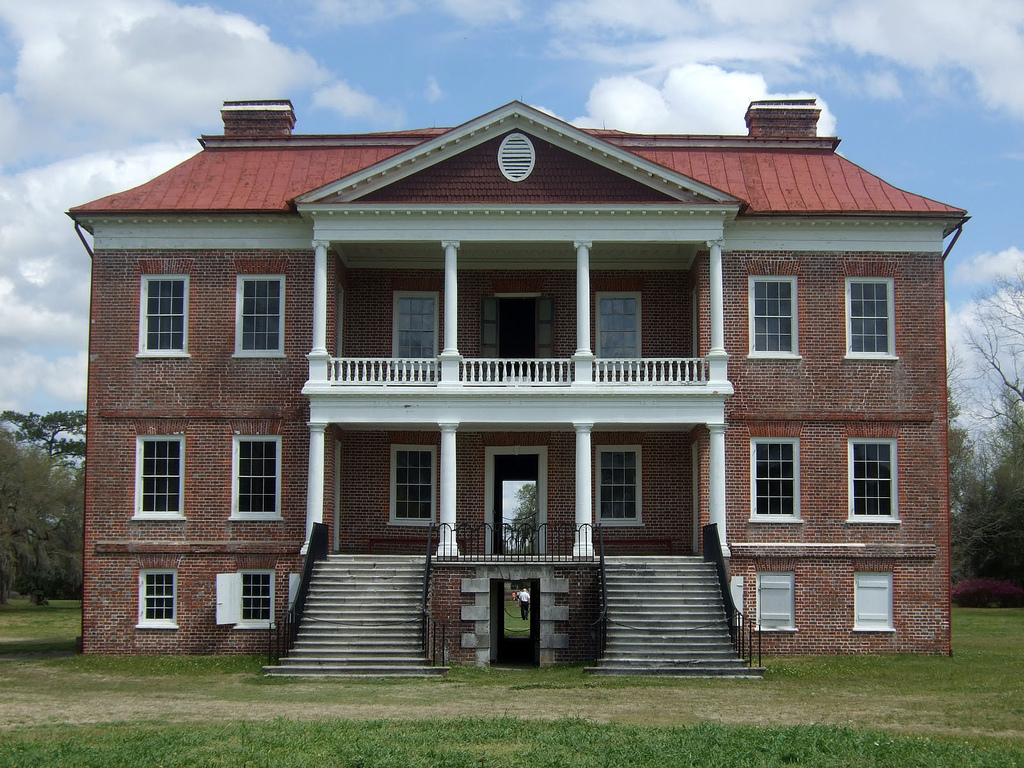
This is one of the oldest plantation houses in America that has never been modernized. There is no electricity or plumbing, just raw 18th-century presence. Its haunting beauty leaves a lasting impression.
Shirley Plantation (Charles City, Virginia) built in 1723
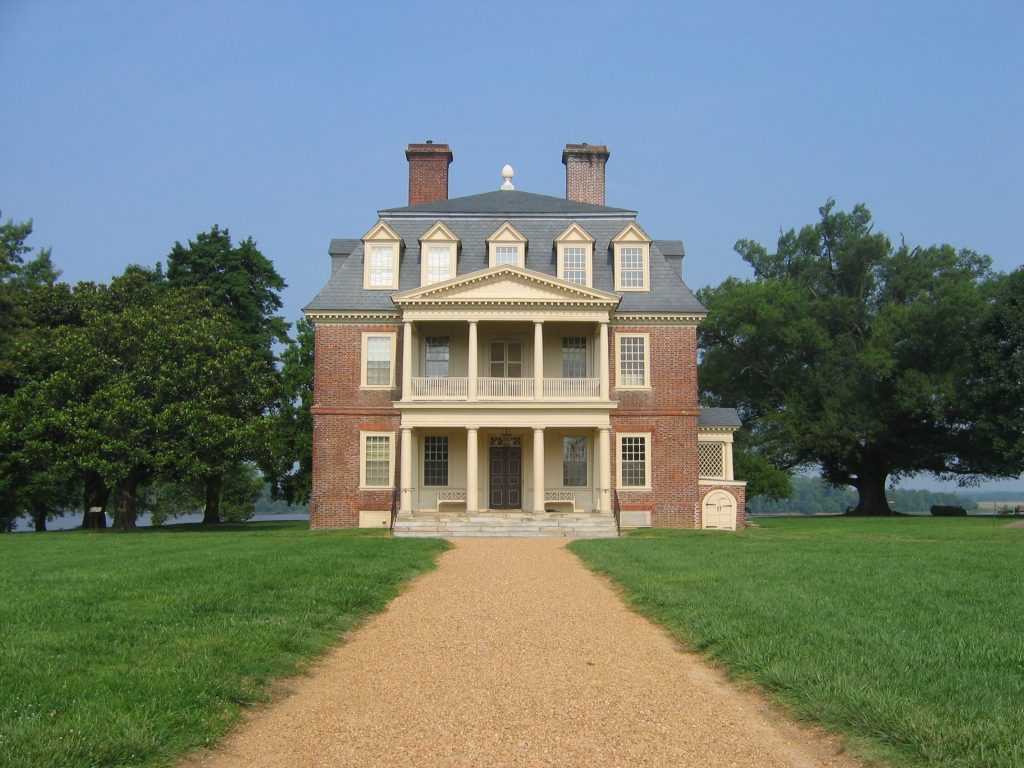
This house is still owned by descendants of the original family. It has hosted famous guests, including Thomas Jefferson. You can see original furnishings and family artifacts throughout.
Bacon’s Castle (Surry, Virginia) built in 1665
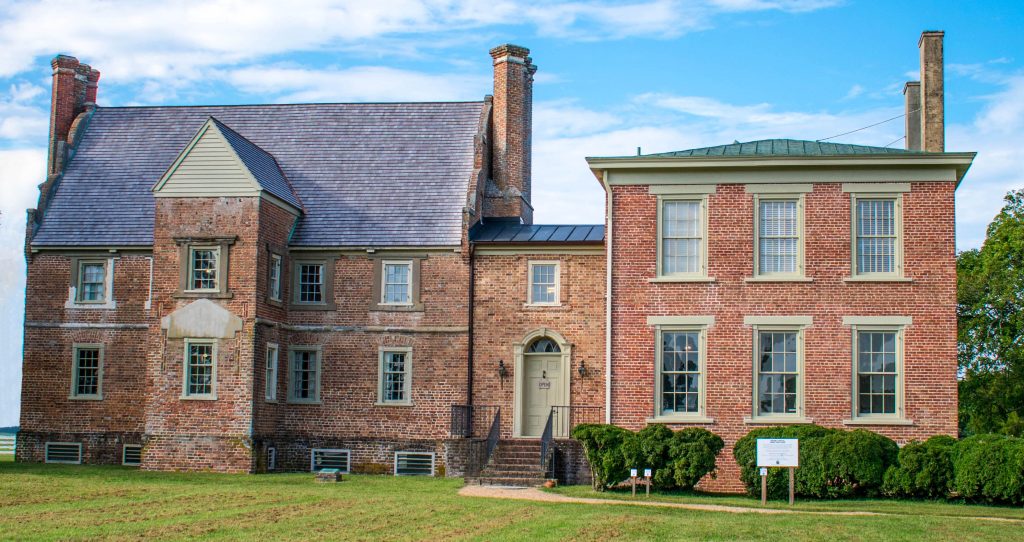
Despite the name, there is no actual bacon involved. It is the only surviving example of Jacobean architecture in the United States. The home’s long and complex history includes rebellions and restoration efforts.
Smith’s Castle (North Kingstown, Rhode Island) built around 1678
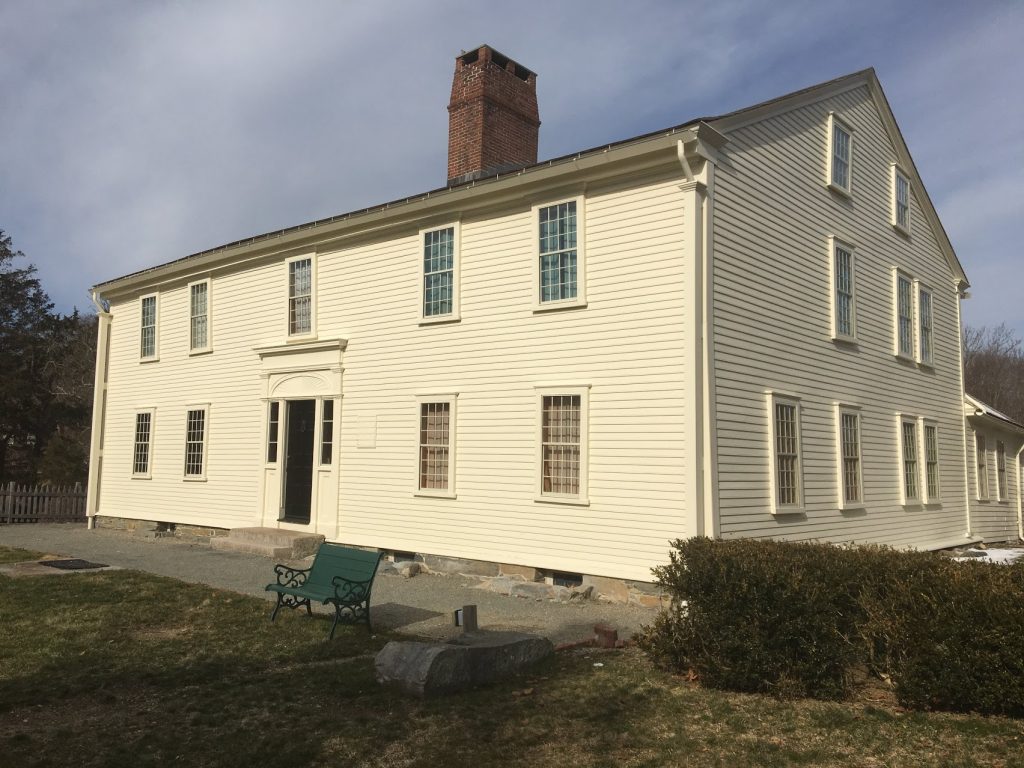
This was not really a castle, but it was still impressive. It served as a trading post, home, and even a military station. The grounds include a cemetery and a few chilling stories.
Clarke House (Chicago, Illinois) built in 1836
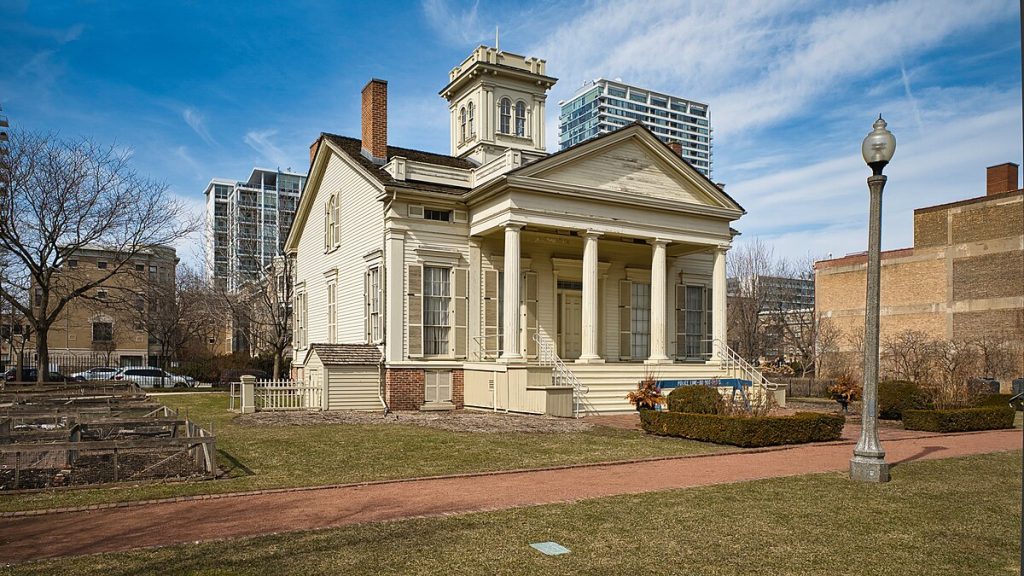
This is the oldest house in Chicago and has been moved twice. It survived the Great Chicago Fire simply by not being within city limits yet. Sometimes survival really is about location.
James Blake House (Boston, Massachusetts) built in 1661
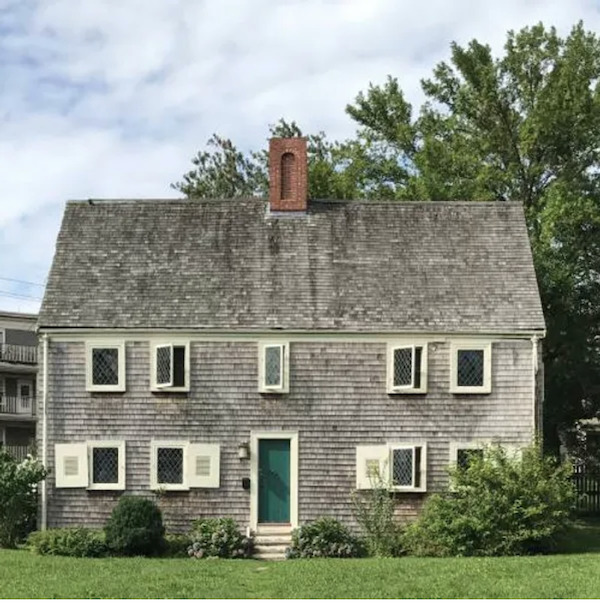
This home was constructed by English immigrant James Blake in the Dorchester neighborhood. Built in the Western English style, it feels more like an old countryside cottage than a Boston residence. Visitors can take a tour guided by people who really know their 17th-century stuff.
Fairbanks House (Dedham, Massachusetts) built around 1637
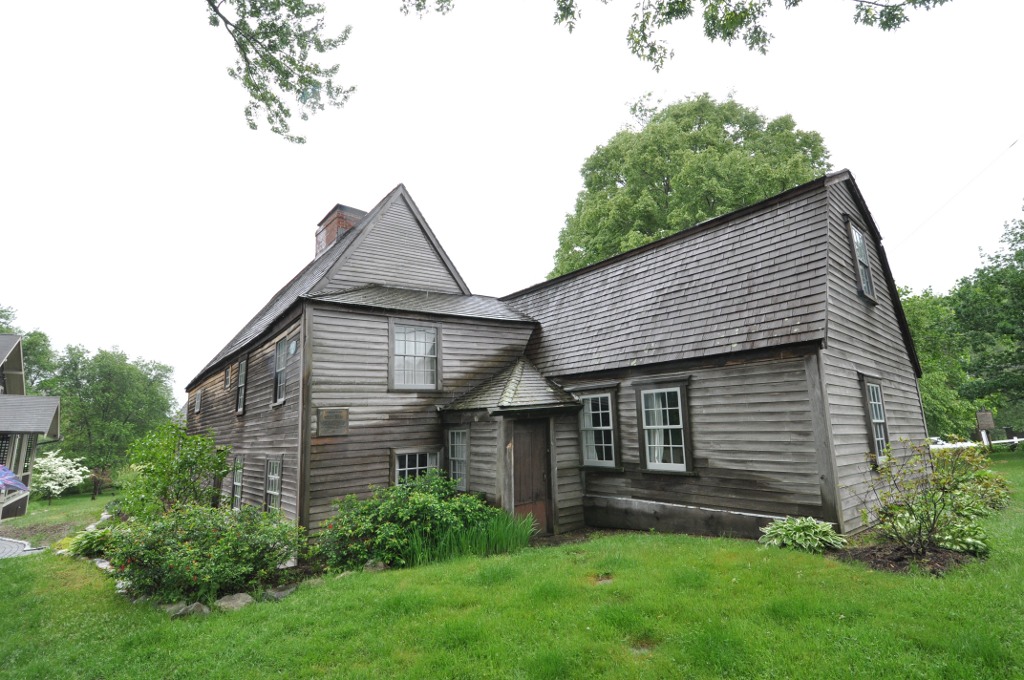
This home is often considered the oldest timber-frame house in North America. It was built by English settlers and still contains its original oak beams. The Fairbanks family lived here for eight generations, which is practically unheard of. Walking through it feels like stepping into a diorama of colonial life, minus the powdered wigs.