The global landscape of extreme wealth is rarely built overnight, operating instead as a multi-generational masterclass in compounding influence and industry domination. While modern billionaires frequently emerge from digital disruptions, the foundational blueprints of generational fortunes often trace back to gritty factories, ancient trade routes, or clandestine banking rooms. Every massive dynasty possesses a distinct catalyst point where an ordinary family lineage suddenly transformed into an unstoppable financial empire. Spanning across medieval merchant states to modern retail conglomerates, this list highlights 30 legendary families to uncover exactly how their massive fortunes began.
Rothschild
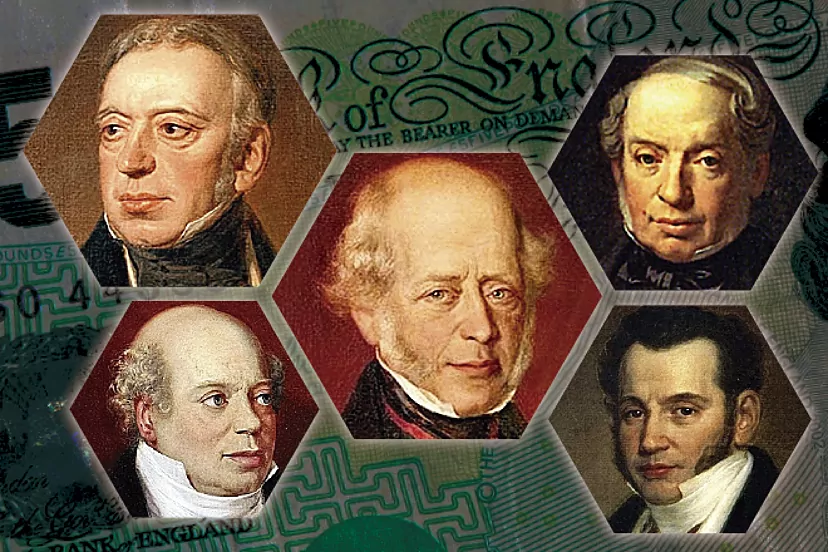
Capitalizing on the volatile political landscape of late 18th-century Europe, Mayer Amschel Rothschild stationed his five sons across the continent’s primary financial hubs. This coordinated banking web allowed the family to seamlessly transfer credit and gather critical war intelligence faster than sovereign states. The British branch famously leveraged early word of Napoleon’s defeat at Waterloo to secure absolute domination over London’s bond market.
Rockefeller
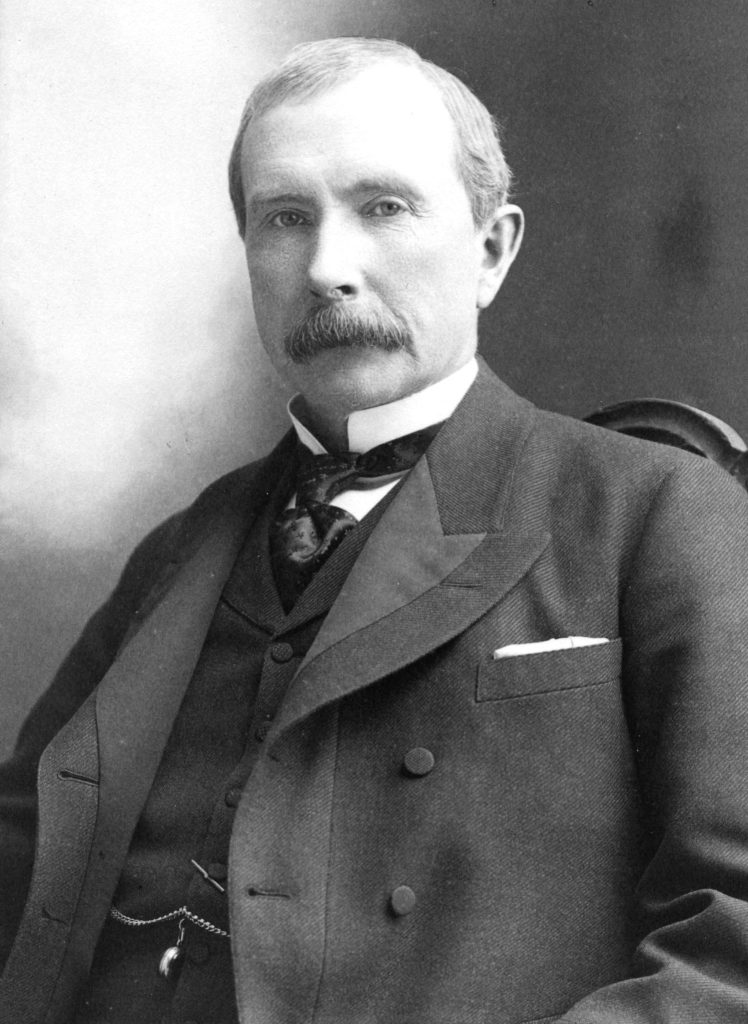
Ruthless efficiency and total integration allowed John D. Rockefeller to swallow up regional oil refineries until his Standard Oil conglomerate controlled nearly the entire American supply. When antitrust laws eventually forced the monopoly to dismantle into dozens of independent firms, the surging stock values paradoxically made the family vastly wealthier than before the breakup.
Vanderbilt
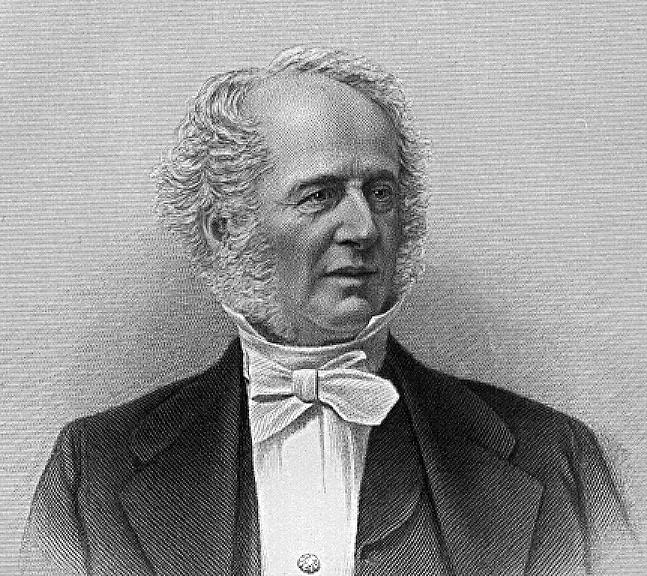
Long before railroads spanned the American continent, Cornelius Vanderbilt dropped out of school to operate a single makeshift ferry in New York Harbor. He methodically drove competing steamboat lines out of business by offering absurdly low passenger rates, eventually accumulating enough capital to buy up the nation’s core rail tracks. This vast transit monopoly funded a Gilded Age lifestyle defined by staggering Fifth Avenue palaces. Later generations focused entirely on competitive social climbing, completely draining the core inheritance within less than a century.
Walton
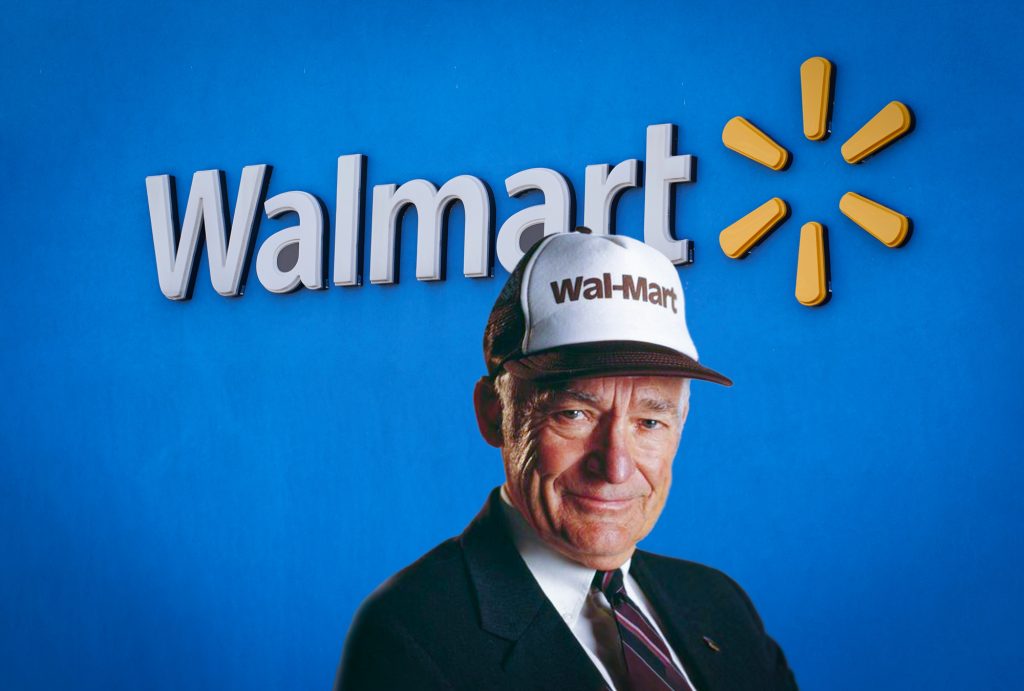
Rural consumers in the mid-20th century American South became the primary catalyst for an unprecedented retail empire when Sam Walton opened a single discount shop in Arkansas. By cutting out middle management and passing volume discounts directly to small-town shoppers, this single brand expanded into the largest private employer on the planet.
Medici
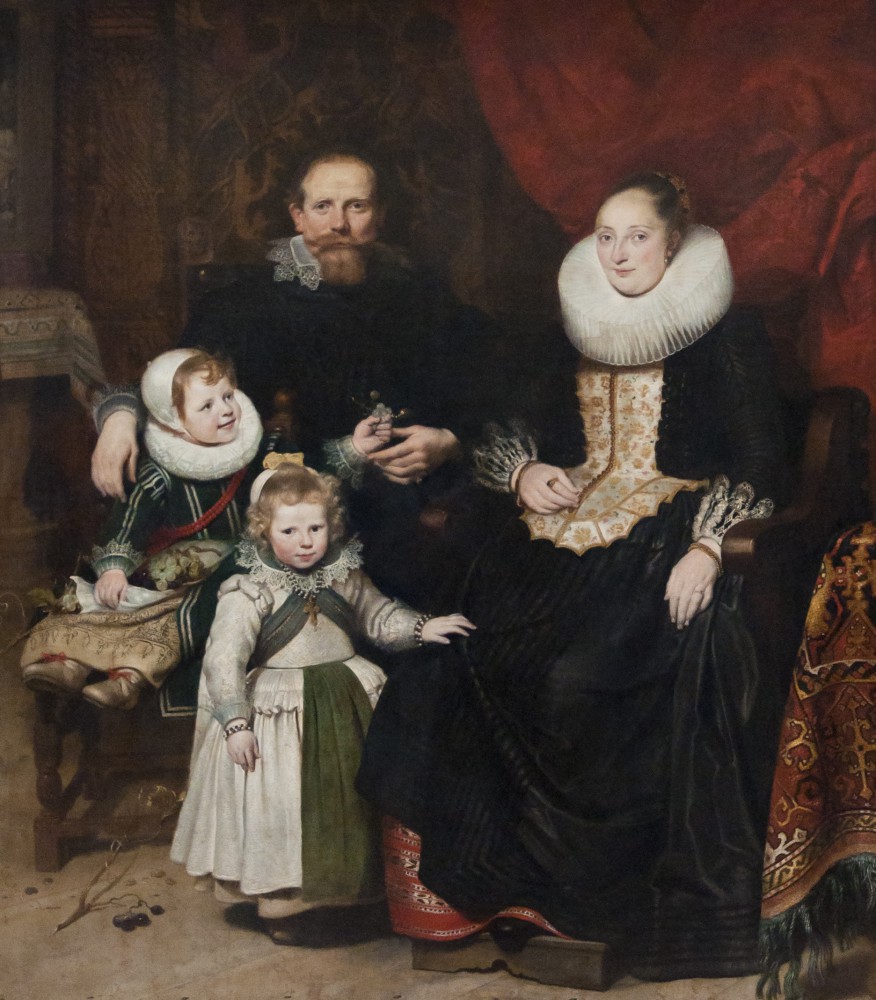
A sophisticated network of textile factories and wool workshops laid the early, low-profile foundation for this Florentine dynasty before they pivoted to high-stakes finance. By standardizing double-entry bookkeeping and charging hidden interest fees disguised as currency exchange premiums, the Medici family bypassed strict religious bans on usury. This massive liquid capital allowed them to purchase political control over Florence and fund the entire Italian Renaissance.
Astor
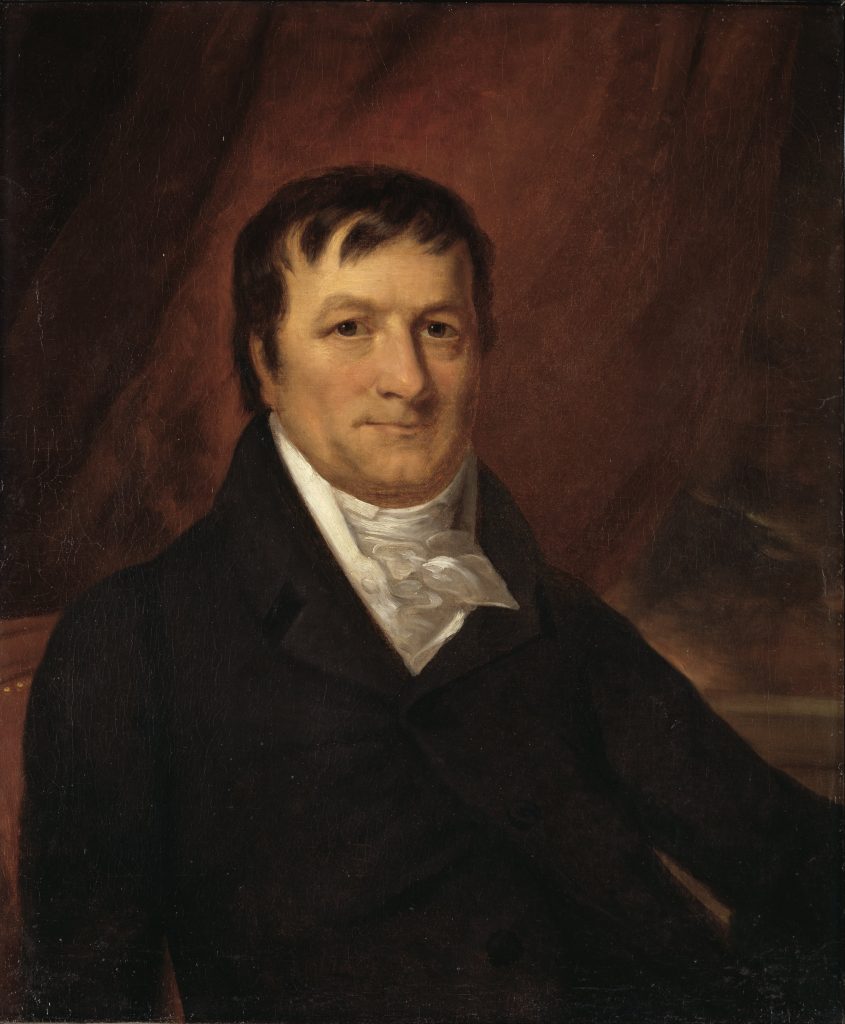
Arriving in America as a penniless German immigrant, John Jacob Astor recognized the immense profitability of trading beaver pelts with indigenous tribes. He successfully expanded this network into a global fur monopoly before plowing every cent of profit into undeveloped farmland north of New York City. As the urban grid rapidly expanded, his tenants paid exorbitant rents that transformed him into the nation’s first true real estate tycoon. The resulting fortune effectively bankrolled the elite high society of the early American republic.
Ford
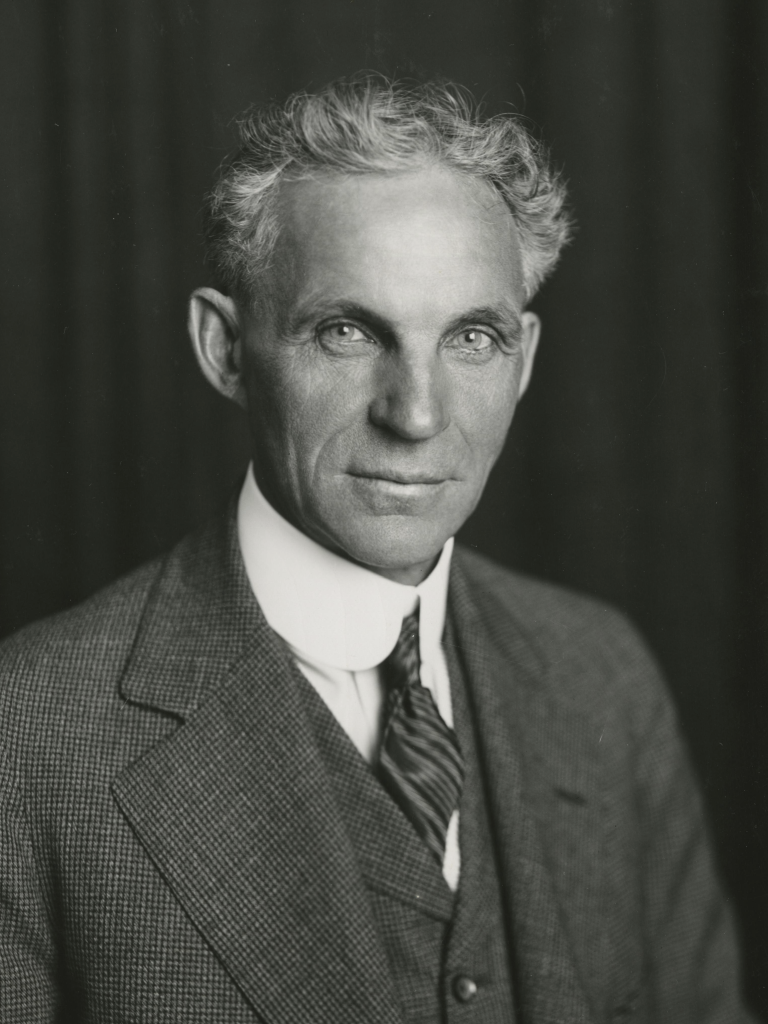
Industrial assembly methods underwent a permanent mutation when Henry Ford perfected the moving assembly line to churn out his mass-market vehicles. The company secured absolute independence from outside financiers by establishing a unique dual-class stock system that left all voting power strictly within the family bloodline.
DuPont
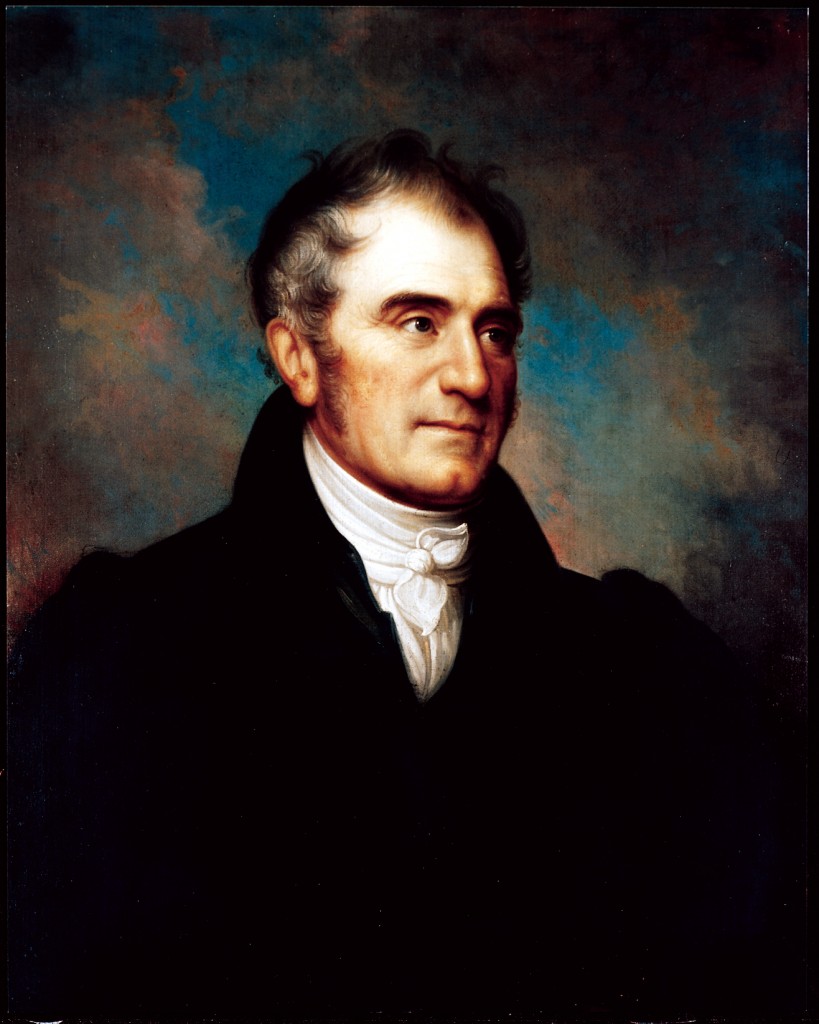
Escaping the bloody turmoil of the French Revolution, E.I. du Pont utilized his specialized training under elite chemists to establish a gunpowder mill in Delaware. The family business evolved into an industrial chemical laboratory during the 20th century, developing ubiquitous household materials such as nylon, Teflon, and Kevlar. Their massive chemical network underpins thousands of global consumer products.
Mellon
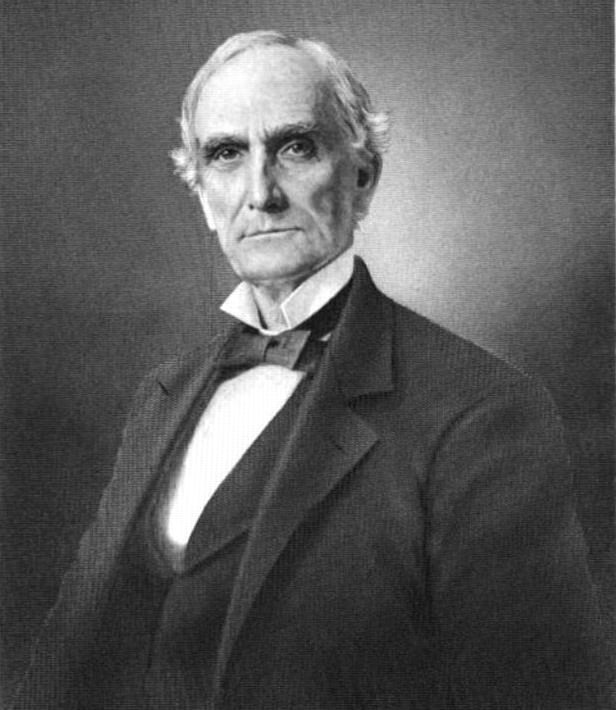
Pitch-black coal mines and roaring iron furnaces required massive injections of capital, prompting Judge Thomas Mellon to open a private bank in industrial Pittsburgh. His sons inherited this financial engine and specialized in taking massive equity stakes in high-risk manufacturing startups instead of issuing traditional loans. This early venture capital model directly birthed industrial titans like Alcoa Aluminum and Gulf Oil. Consequently, the family’s financial footprint remained deeply embedded in America’s heavy industrial core for generations.
Guggenheim
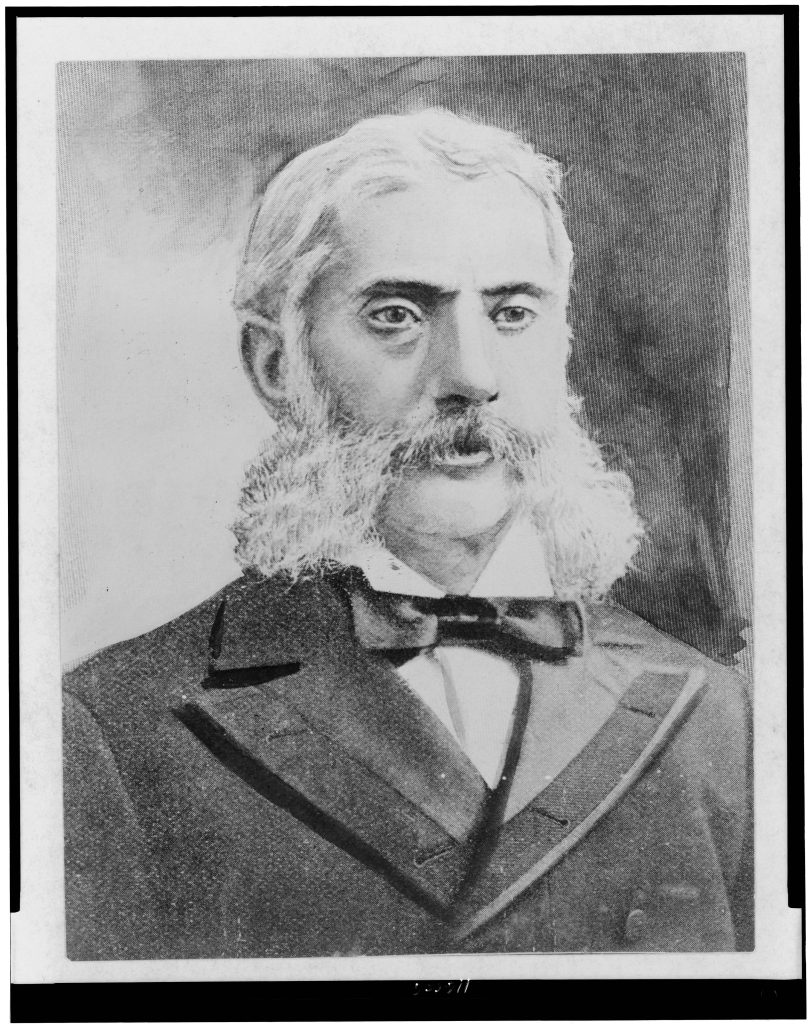
Merchant embroidery sales in Philadelphia initially sustained Meyer Guggenheim before he made a daring gamble on flooded silver mines in Colorado. By building their own smelting plants to process raw metallurgy across North and South America, the family established a global resource chokehold that eventually funded their transition into elite art curation.
Morgan
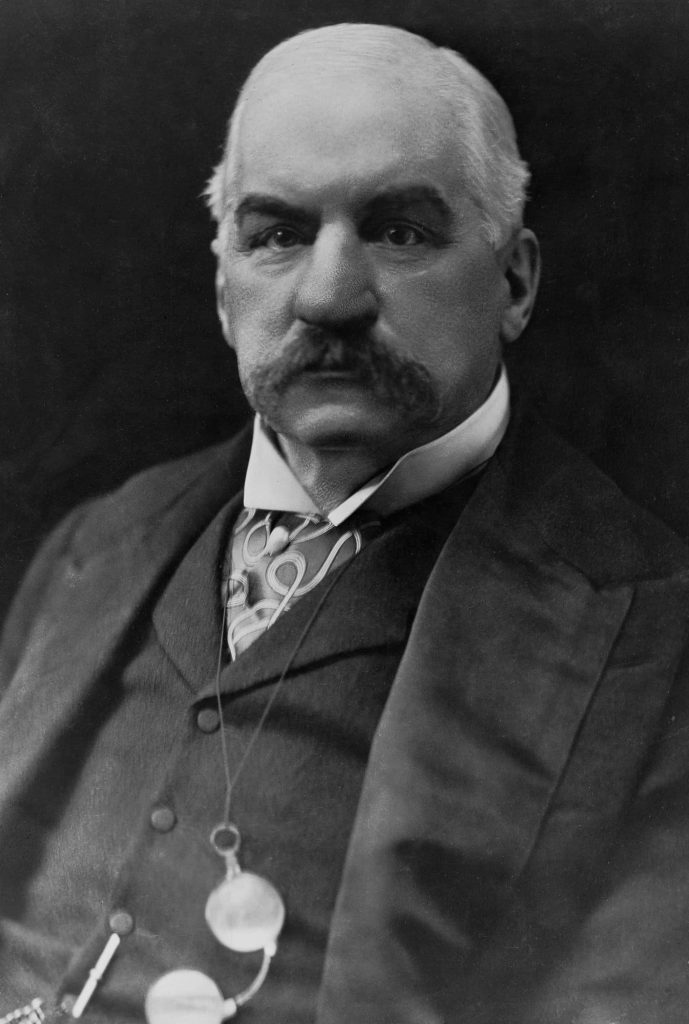
The concept of the modern corporate monopoly owes its existence to J. Pierpont Morgan, who used his family’s Anglo-American banking ties to forcibly merge competing industries. He systematically bought out ruined railroad networks and steel producers, assembling them into the world’s first billion-dollar corporation, U.S. Steel. His private vault held so much liquidity that he effectively functioned as America’s de facto central bank during the panic of 1907.
Getty
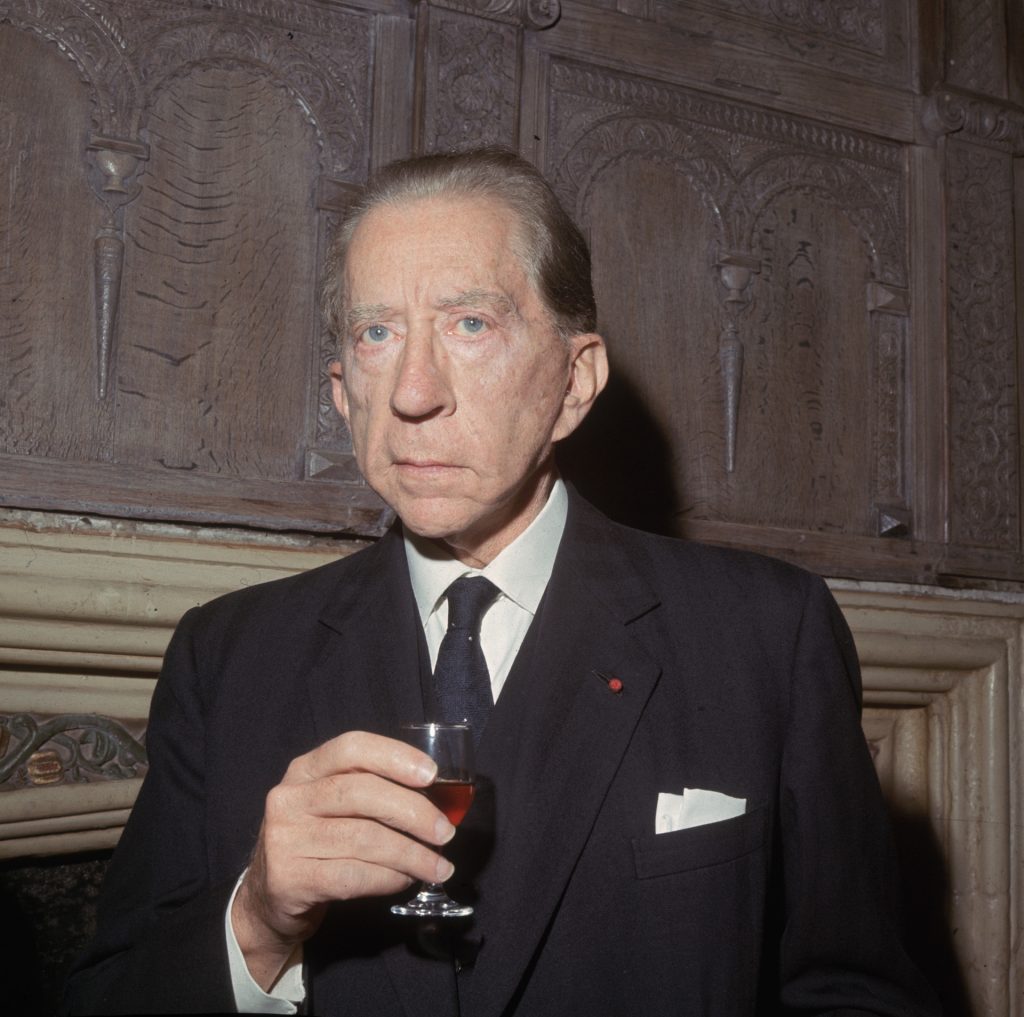
While most investors panicked during the Great Depression, J. Paul Getty quietly purchased depressed oil stocks at rock-bottom prices to build a formidable petroleum foundation. His ultimate financial coup occurred when he gambled millions on a barren tract of land between Saudi Arabia and Kuwait, hitting a massive oil reserve that produced a billion barrels. This sudden windfall crowned him the wealthiest private citizen alive. Yet, his extreme paranoia about wealth led him to install coin-operated payphones inside his luxurious English estate to save pennies.
Hearst
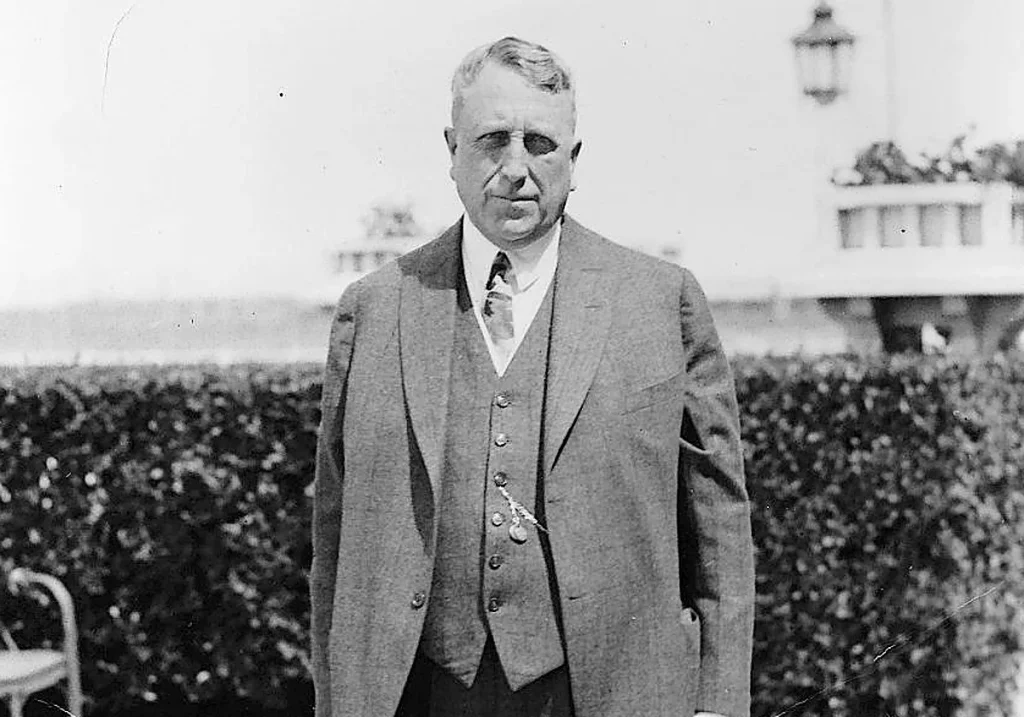
A highly lucrative gold and silver mine inherited from his father gave William Randolph Hearst the financial freedom to purchase a struggling San Francisco newspaper. He weaponized sensationalized headlines and dramatic fabrications to build a media empire that directly inspired the iconic Hollywood masterpiece “Citizen Kane.”
Koch
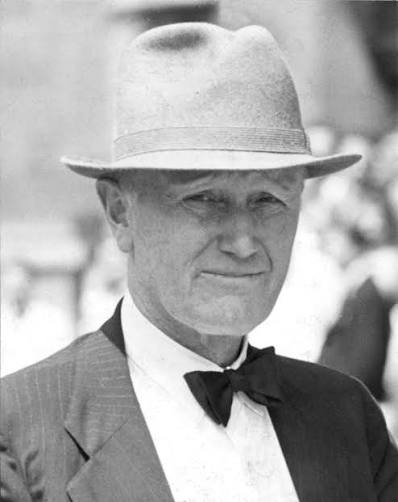
Developing an efficient new method to refine heavy crude oil into gasoline allowed Fred C. Koch to launch an international engineering enterprise. His descendants aggressively expanded this initial oil business into a massive, privately held conglomerate spanning cattle ranching, chemical manufacturing, and paper products. The family channeled this multi-billion-dollar liquidity stream into building an influential network of political think tanks across the United States.
Mars
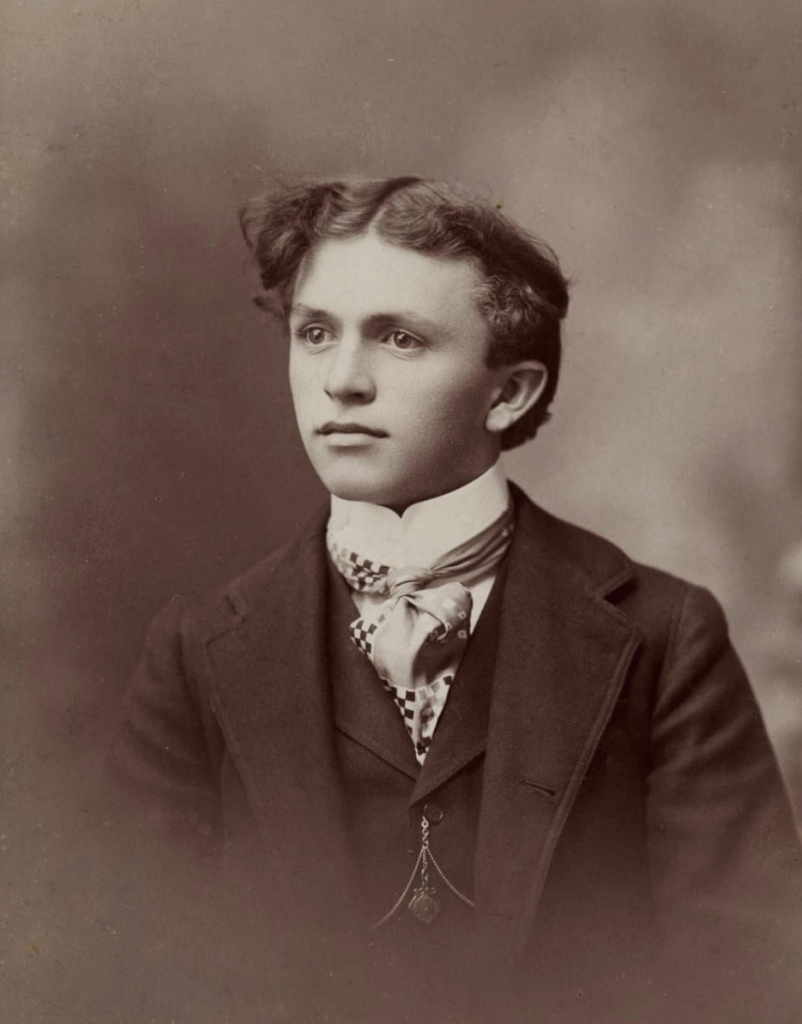
Operating from a modest home kitchen in the Pacific Northwest, Frank Mars began hand-crafting buttercream candies to support his family during a bout of severe polio. His breakthrough came when he paired cheap nougat with milk chocolate, creating the wildly successful Milky Way bar that launched them into industrial confectionery. The family chose to remain entirely private, avoiding public stock markets to keep their inner workings shielded from regulatory scrutiny. Today, their low-profile empire quietly controls a dominant share of the global pet food and veterinary market.
Cargill
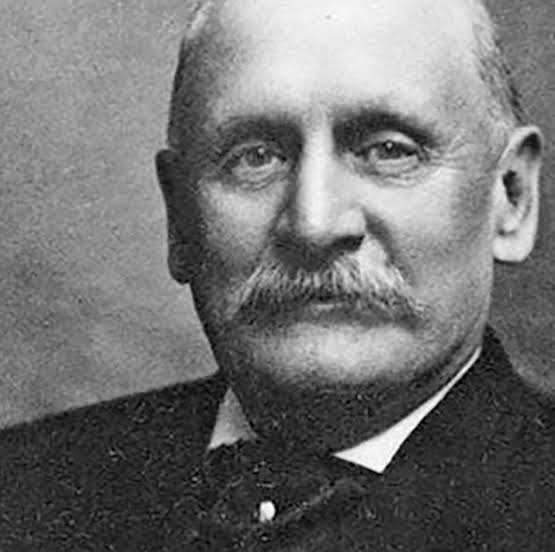
Post-Civil War agricultural expansion created a desperate need for storage, prompting William Cargill to purchase a single wooden grain elevator along a newly built Iowa railroad line. This single depot evolved into a massive, low-profile commodity trading engine that secretly dictates the pricing and distribution of global food supplies.
Pritzker
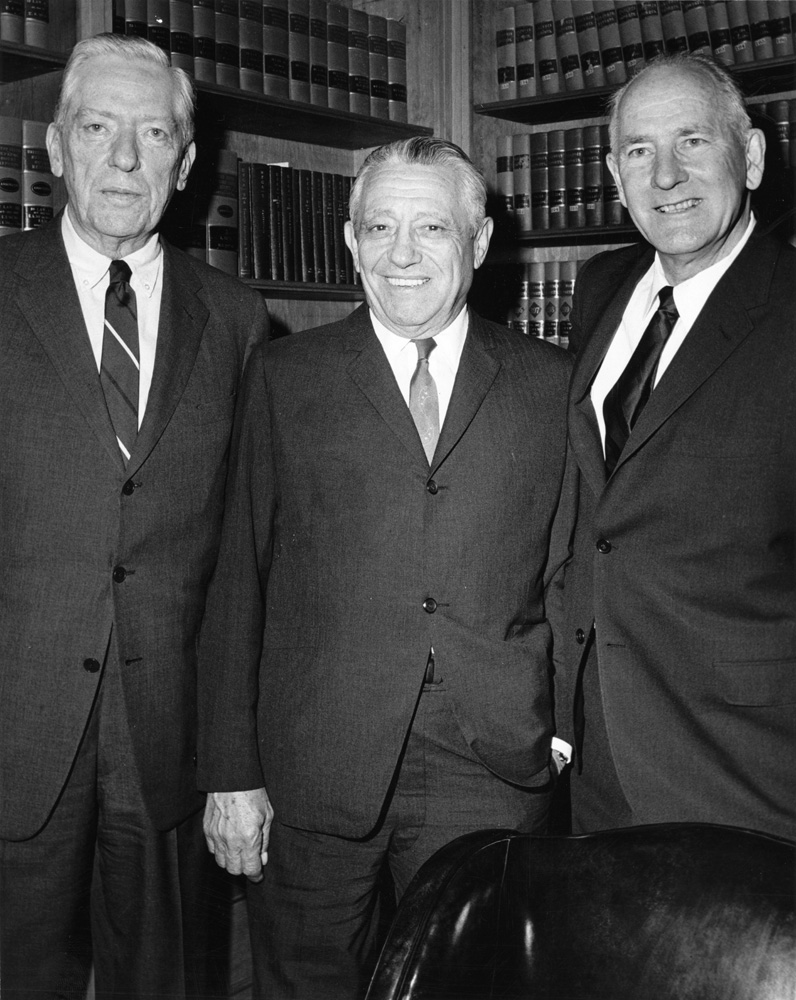
Nicholas Pritzker fled European poverty for Chicago, teaching himself English before establishing a local real estate law firm that laid the family’s financial foundations. His sons later capitalized on the dawn of commercial aviation by purchasing a modest motel situated directly outside Los Angeles International Airport. They rapidly scaled this single property into the Hyatt luxury hotel chain, establishing a dominant multi-billion-dollar dynasty in global hospitality.
Lauder
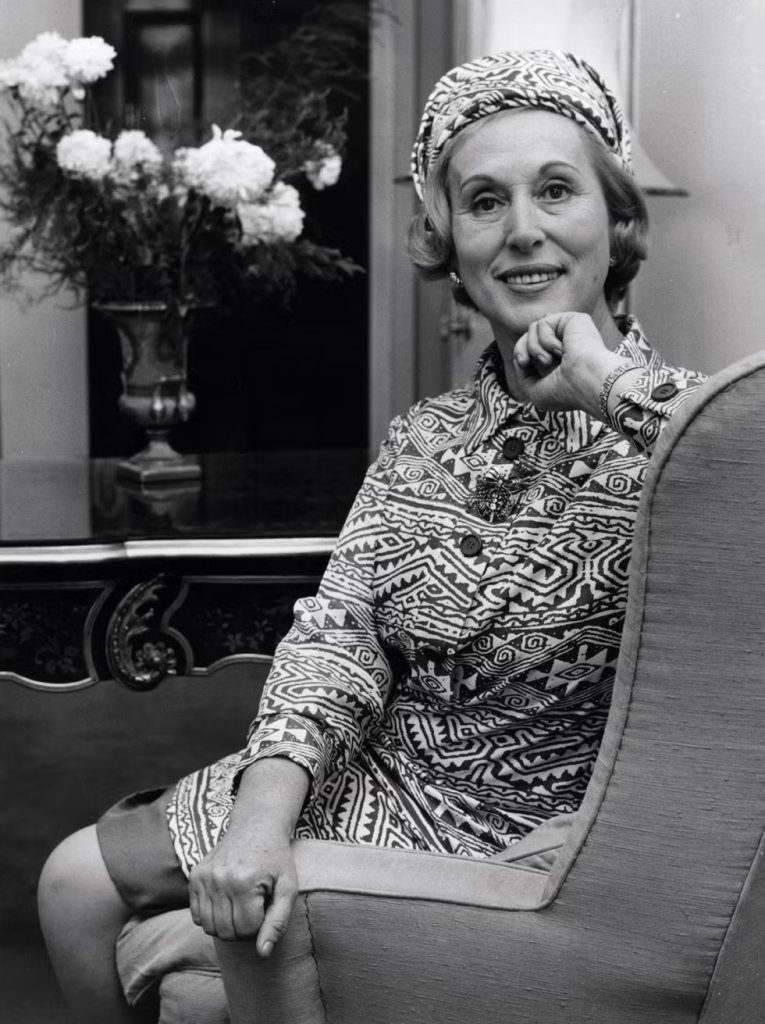
Developing homemade skin creams using secret recipes concocted by her chemist uncle, Estée Lauder initially targeted local hair salons to sell her products. She pioneered the game-changing marketing concept of offering free samples to every customer, an aggressive strategy that quickly secured premier counter space in high-end department stores. The family maintains absolute voting control over the global cosmetics empire through a rigid dual-class share arrangement. Their expansive beauty portfolio includes many of the world’s most recognizable luxury fragrance brands.
Hermès
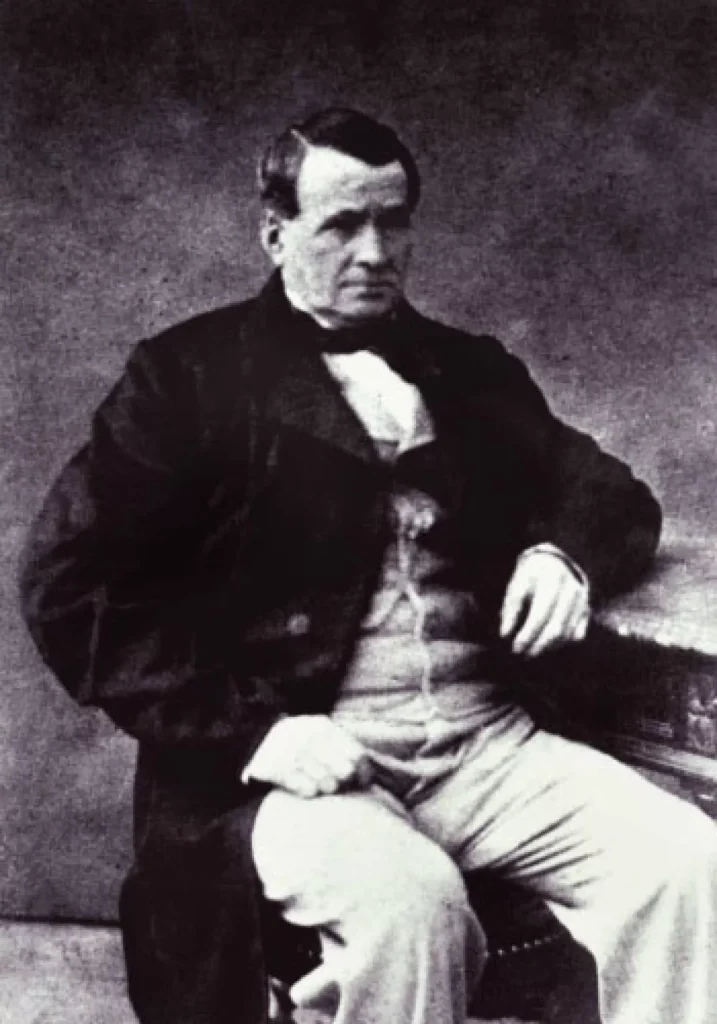
Elite European aristocrats in the 1830s relied heavily on Thierry Hermès to manufacture high-end leather harnesses and saddles for their carriage horses. The family carefully transitioned this artisanal workshop into an ultra-exclusive luxury brand by strictly limiting production numbers and rejecting traditional factory assembly lines.
Wertheimer
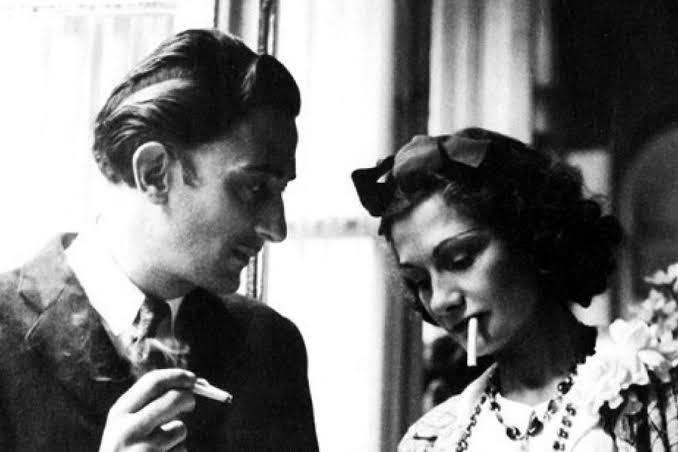
Financing a brilliant but cash-strapped fashion designer named Coco Chanel in the 1920s allowed Pierre Wertheimer to capture the manufacturing rights to the world’s most famous perfume. He slowly outmaneuvered his creative partner over several decades to gain total control of the entire luxury fashion house. Today, his grandsons operate the legendary brand in absolute secrecy, refusing to release public financial records or give press interviews.
Quandt
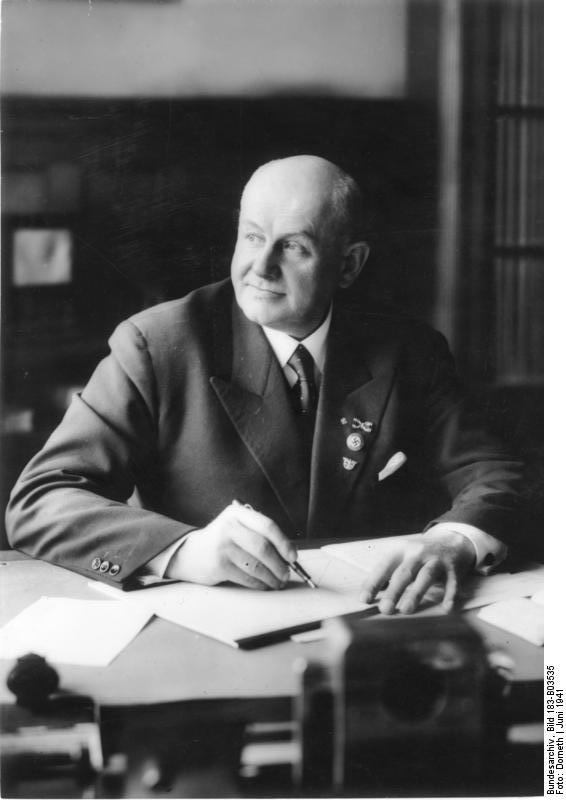
Amassing a massive industrial portfolio during the turbulent first half of the 20th century, Günther Quandt established an empire in battery production and industrial textiles. Decades later, his descendants executed a dramatic rescue of a failing regional car company called BMW right as it faced total liquidation. By pivoting the company toward high-end engineering and premium sports sedans, they turned the brand into an international powerhouse. The family remains the dominant shareholders driving the company’s multi-billion-dollar transition into electric vehicles.
Albrecht
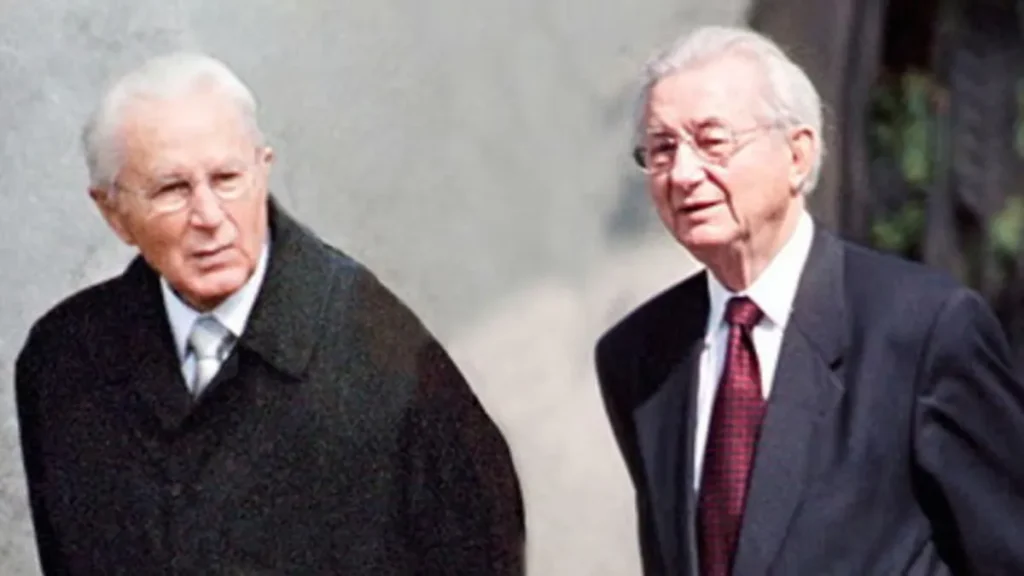
Facing severe food shortages in post-war Germany, Theo and Karl Albrecht took over their family’s tiny corner grocery store to test a radical retail experiment. By eliminating fresh goods, avoiding advertising, and selling items directly out of shipping boxes, they birthed the no-frills Aldi supermarket empire.
Ambani
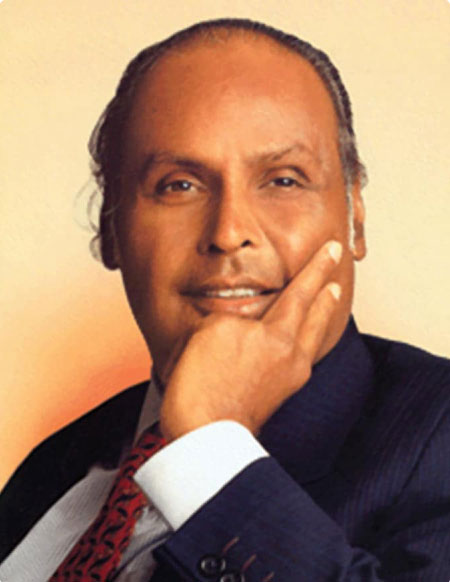
A tiny spice trading shop in Yemen provided the early capital for Dhirubhai Ambani before he returned to India to launch a synthetic yarn factory. He aggressively expanded this textile venture into massive oil refineries and telecom networks, building Reliance Industries into a dominant force in the South Asian economy. The family’s staggering generational wealth takes physical form in their private 27-story skyscraper in Mumbai, which requires a staff of hundreds to maintain.
Fugger
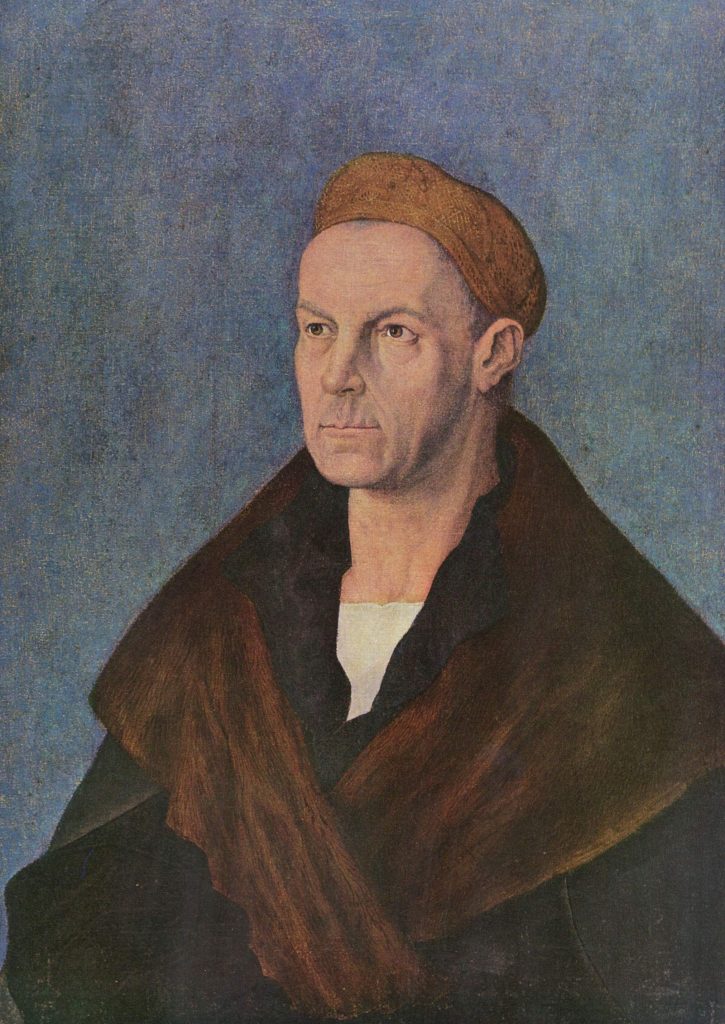
Long before the Rothschilds dominated European finance, Jakob Fugger utilized his family’s weaving profits to monopolize silver and copper mines across the Holy Roman Empire. He effectively bankrolled the elections of emperors and popes, extracting valuable mining rights as collateral for his massive personal loans. In 1521, he constructed the Fuggerei social housing complex in Augsburg to provide affordable shelter for impoverished local laborers. Remarkably, the annual rent for residents has remained fixed at exactly one guilder for over five centuries.
Murdoch
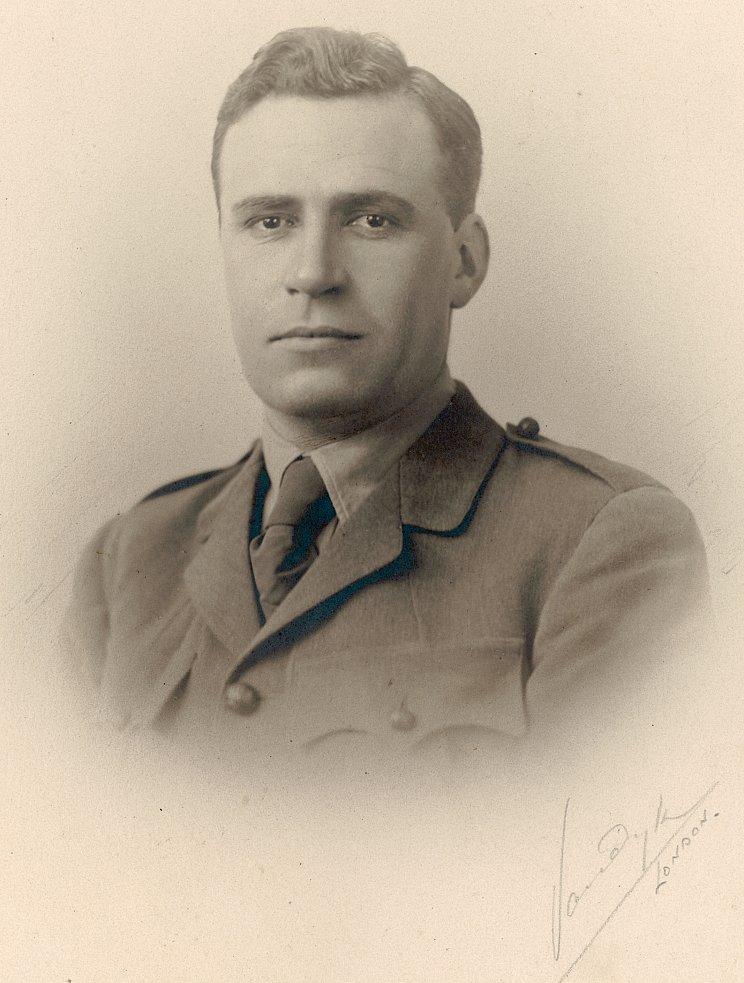
Inheriting a single struggling newspaper in Adelaide allowed Rupert Murdoch to test aggressive tabloid journalism techniques that prioritized sensationalism over academic reporting. He leveraged these profits to systematically acquire dominant news outlets across the United Kingdom and the United States, constructing a media empire that heavily dictates Western political elections.
Oppenheimer
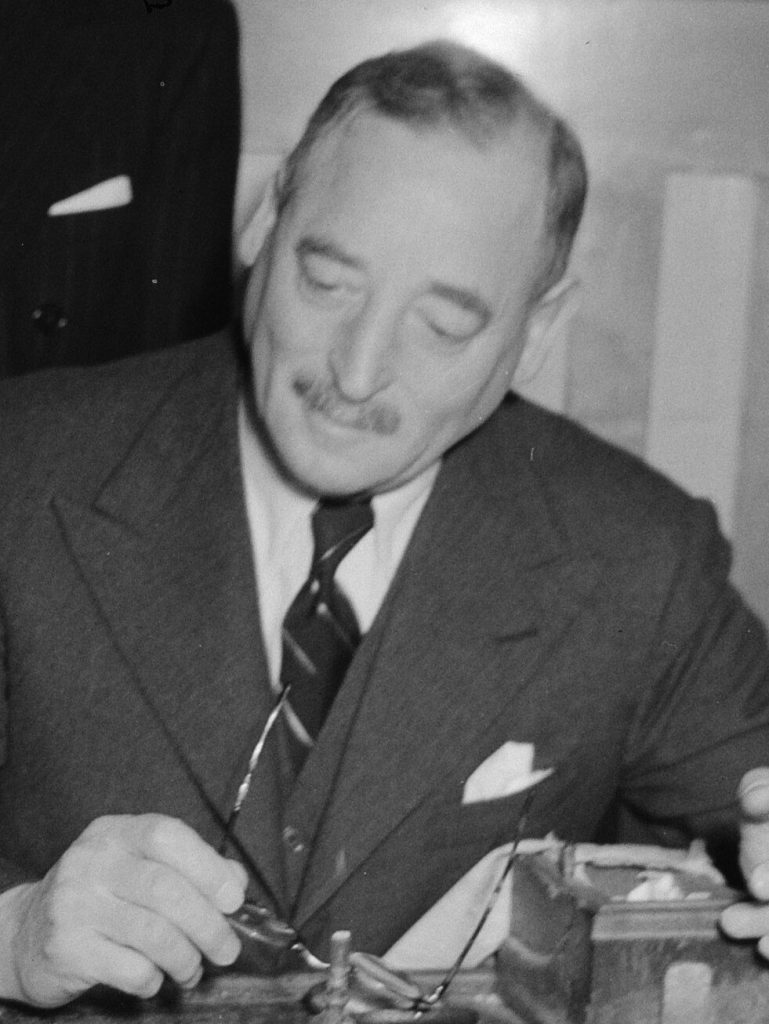
Securing a dominant stake in South Africa’s diamond fields during the 1920s allowed Ernest Oppenheimer to build a global gemstone cartel under the De Beers corporate umbrella. The family systematically bought up rival mines to control the global supply, artificially creating a perception of extreme diamond scarcity. They permanently cemented this luxury status by launching the highly successful “A Diamond Is Forever” marketing campaign.
Dassault
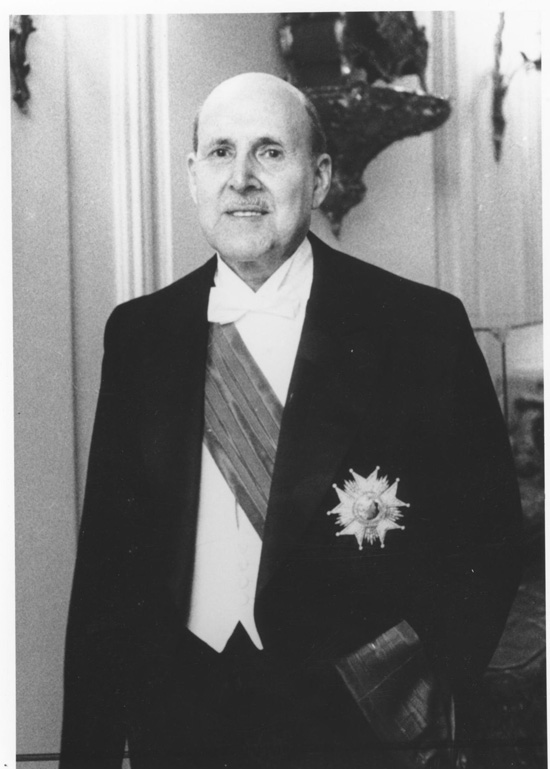
Brilliant mathematical talent allowed Marcel Bloch to design an innovative aircraft propeller that became standard equipment for French fighter planes during World War I. He survived wartime concentration camps, changed his surname to Dassault, and established a premier aerospace firm that manufactured the iconic Mirage fighter jets. The family leveraged this defense wealth to acquire national newspapers, software enterprises, and elite vineyards. Their multi-generational fortune remains deeply intertwined with France’s sovereign military infrastructure.
Ferrero
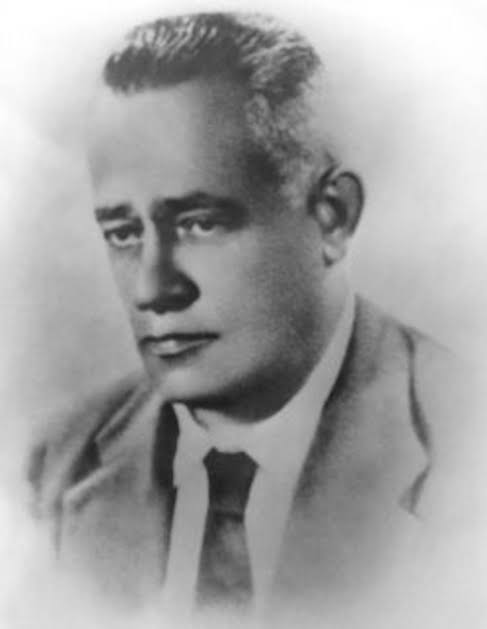
Severe cocoa shortages in post-war Italy forced pastry chef Pietro Ferrero to blend cheap, abundant hazelnuts into his chocolate spreads to stretch his inventory. This brilliant emergency substitution gave birth to Nutella, launching a private confectionery empire that consumes a massive percentage of the world’s annual hazelnut crop.
Porsche
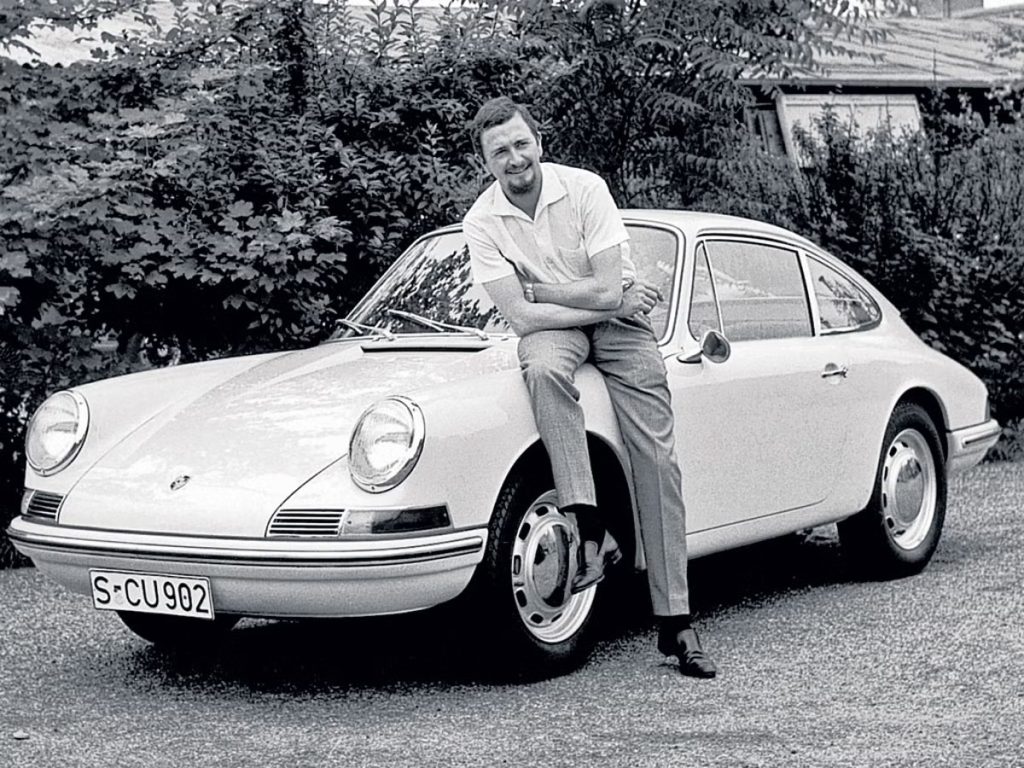
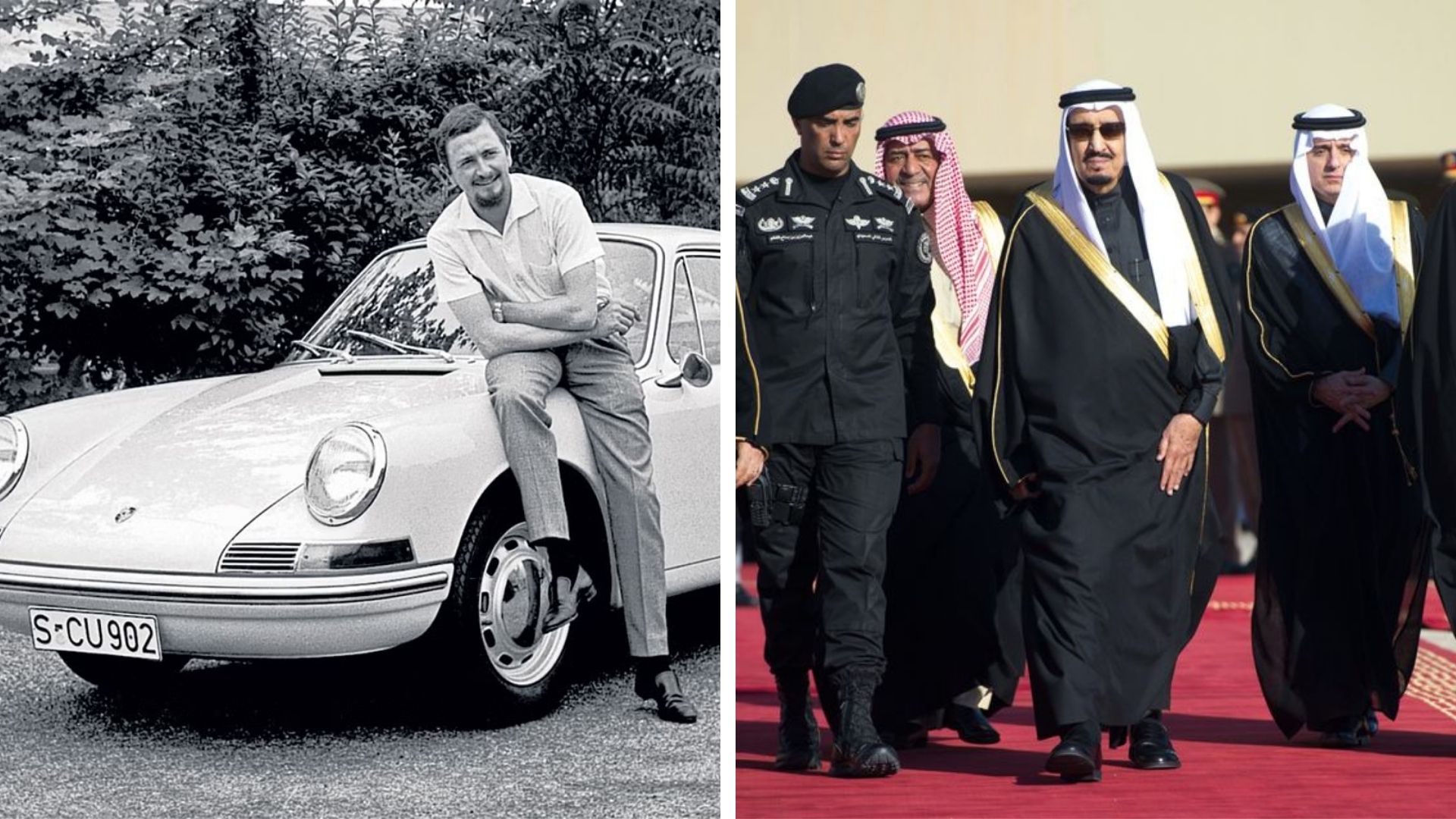
Designing engineering blueprints for mass-market vehicles laid the foundations for Ferdinand Porsche before his son established an independent luxury sports car company. The family line maintains an intricate corporate web with Volkswagen, controlling the dominant voting shares in Europe’s largest automotive conglomerate. Their internal board meetings and multi-generational family feuds are routinely covered by elite international financial media.
House of Saud

Uniting disparate desert tribes under a single absolute monarchy in the early 20th century allowed this royal dynasty to claim total ownership over the Arabian Peninsula. When international geologists discovered the world’s largest oil reserves beneath their territory shortly after, the family transformed into an unmatchable sovereign financial power. Their collective wealth is directly tied to the national treasury, bypassing traditional corporate calculations entirely. This massive capital pool quietly buys up prime global real estate, elite sports franchises, and Silicon Valley tech giants to secure their influence for the next century.