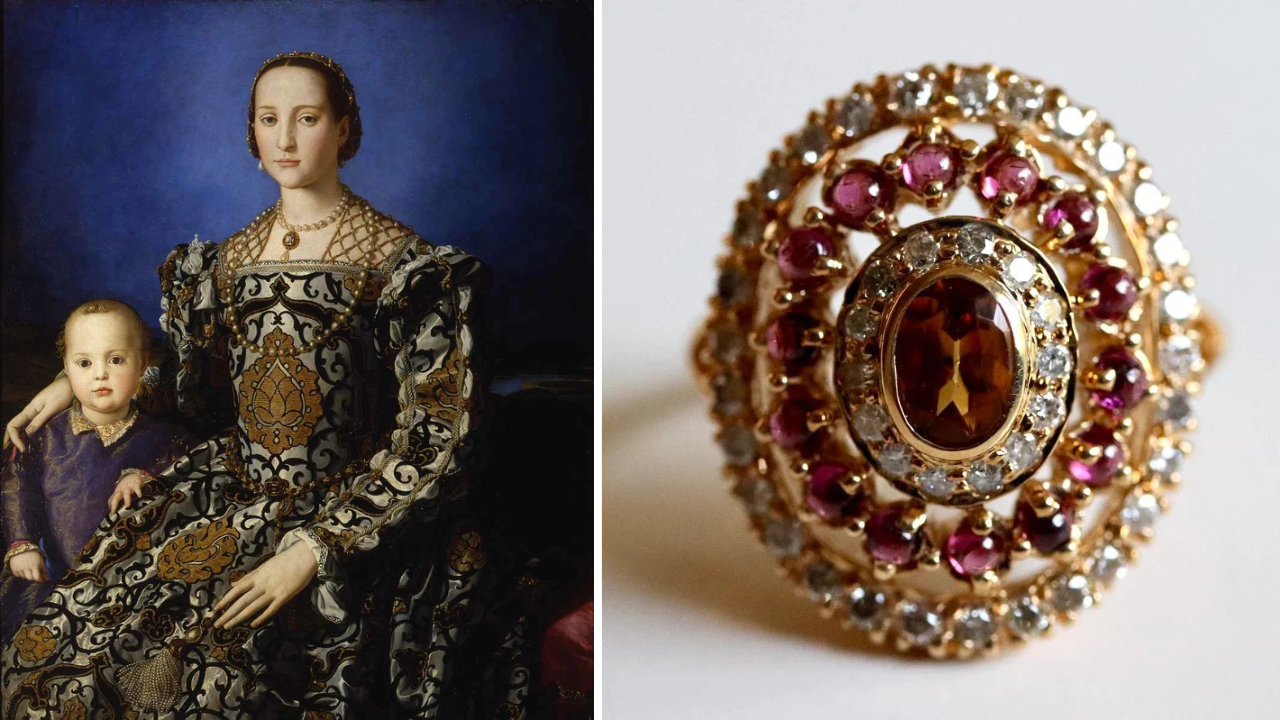
The Renaissance is remembered for art, science, and discovery, but it was also an era filled with strange habits and even stranger health advice. People cured headaches with earwax, lightened hair with bird droppings, and trusted the stars more than doctors. Beauty often meant danger, and medicine was closer to magic than logic. It was a time when curiosity ruled and common sense occasionally took the day off. These are some of the weirdest things people actually did during that glittering age of “progress.”
1. Tobacco smoke cures
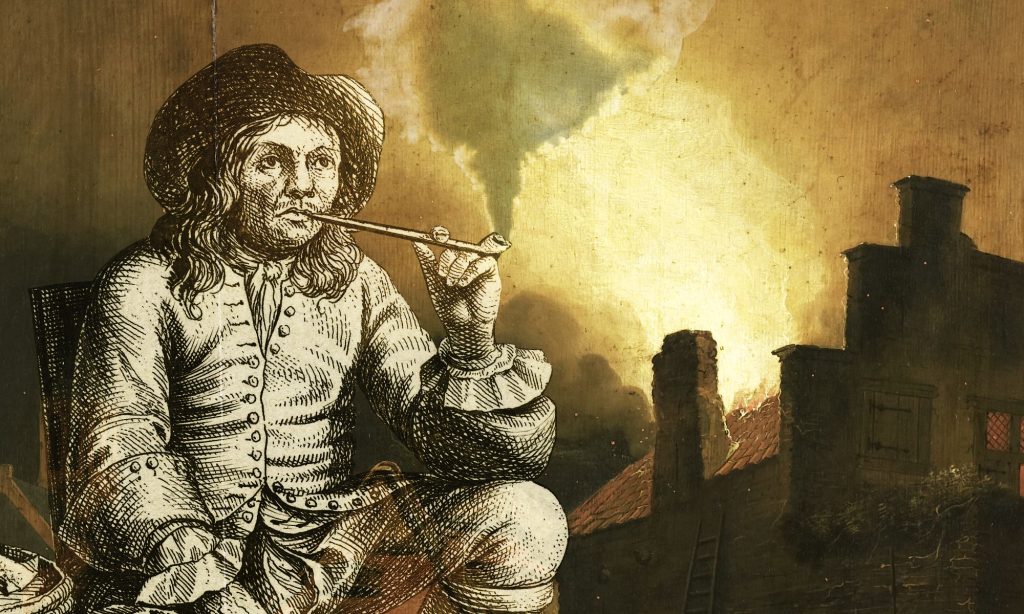
Renaissance healers thought tobacco could fix almost anything from drowning to stomach aches. They’d puff the smoke into the body in all sorts of creative ways, hoping it would spark life again. It’s safe to say the treatment was more smoke than science.
2. Bird beak masks
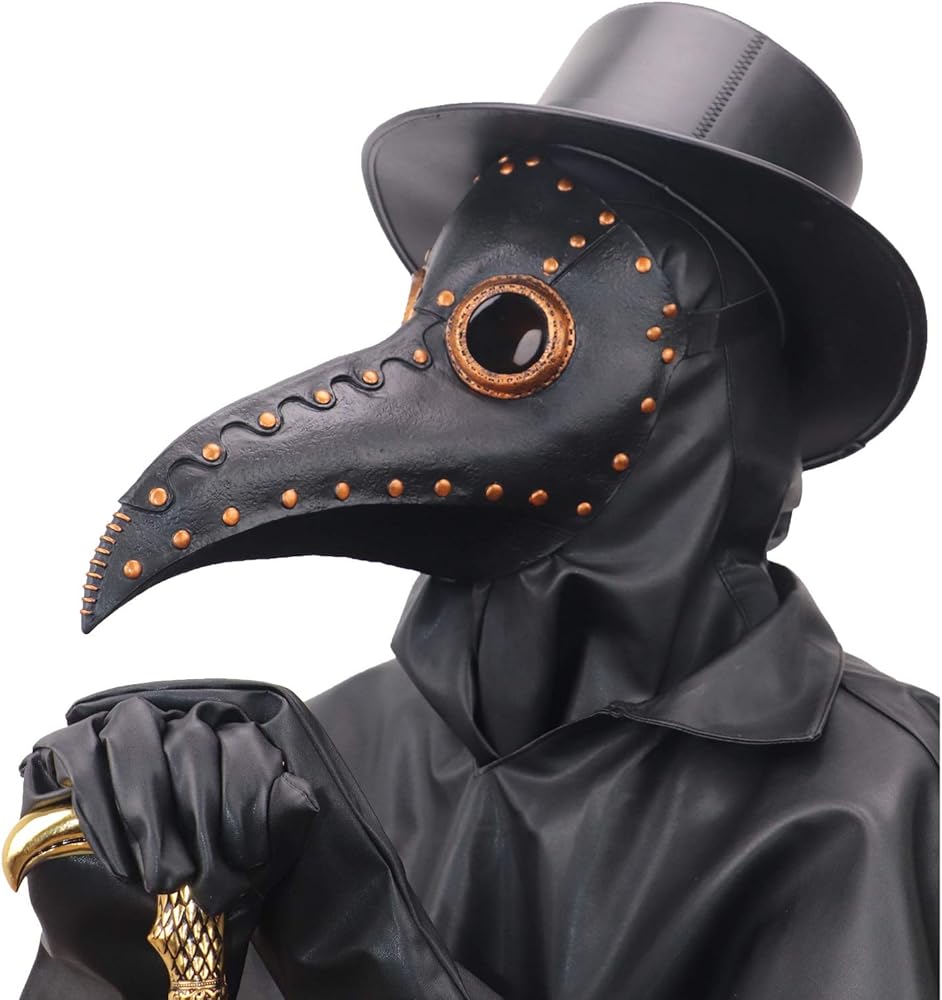
During outbreaks of disease, doctors wore long-nosed masks stuffed with herbs and flowers. They thought the pleasant scent would filter out deadly air. The result looked more like a creepy carnival costume than medical equipment.
3. Rooftop hair bleaching
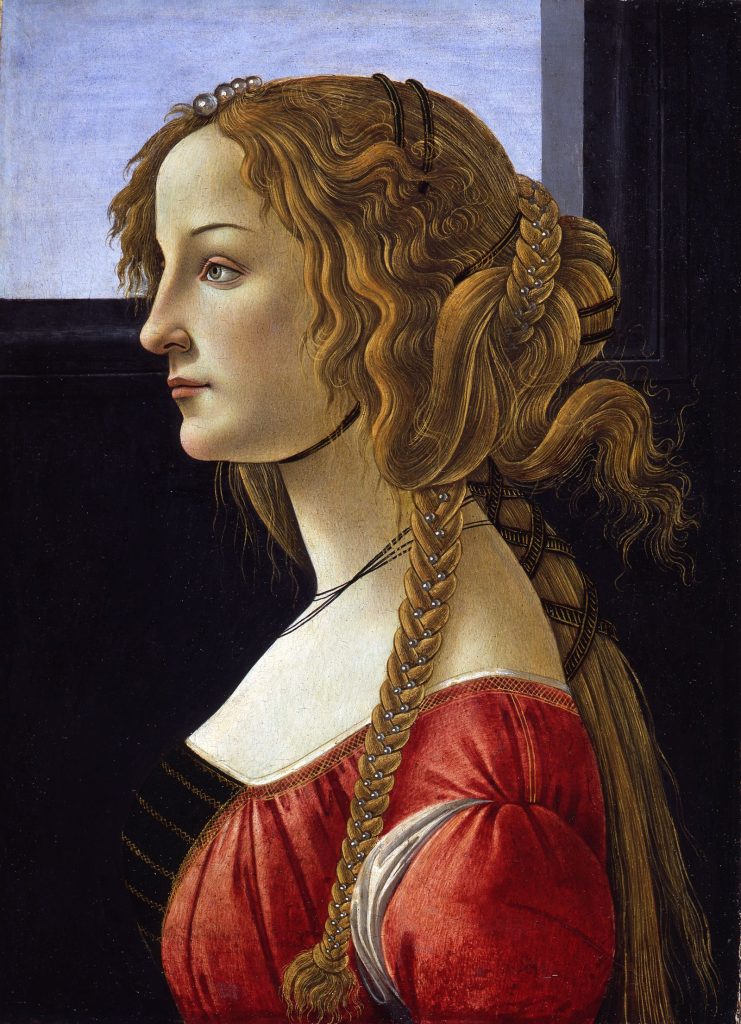
Women spent hours on rooftops trying to achieve the perfect golden hair. They covered every inch of skin but left their locks to bake in the sun. Beauty took patience, courage, and probably a very high pain tolerance.
4. Barbers with scalpels
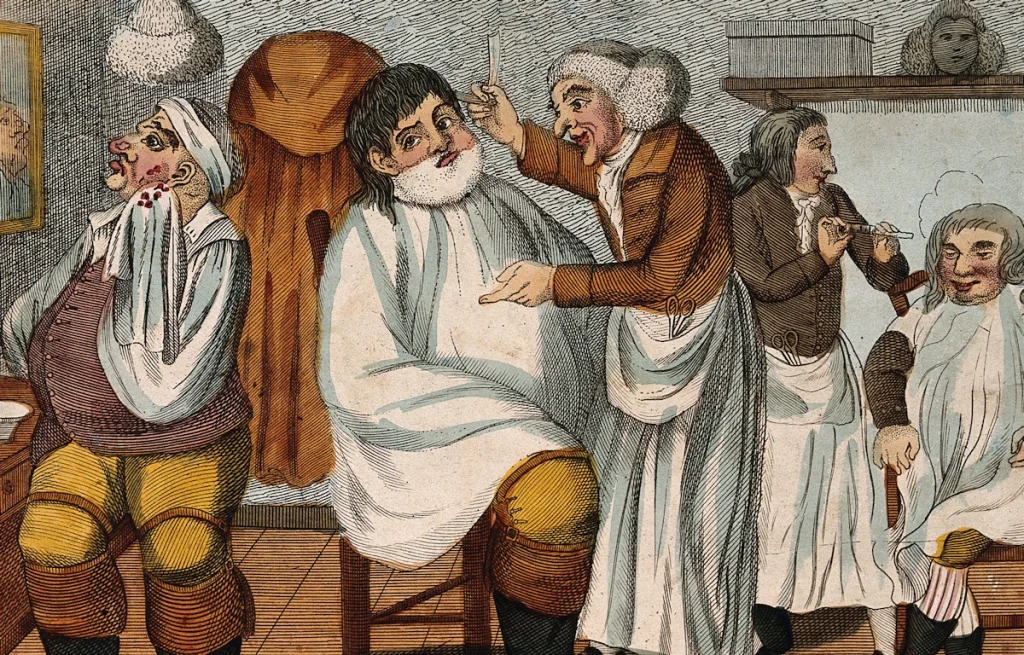
The person who trimmed your beard could also remove a tooth or slice open a vein to “balance your humors.” Barbers were the neighborhood surgeons long before medical licenses existed. You walked out lighter, one way or another.
5. Healing by shape
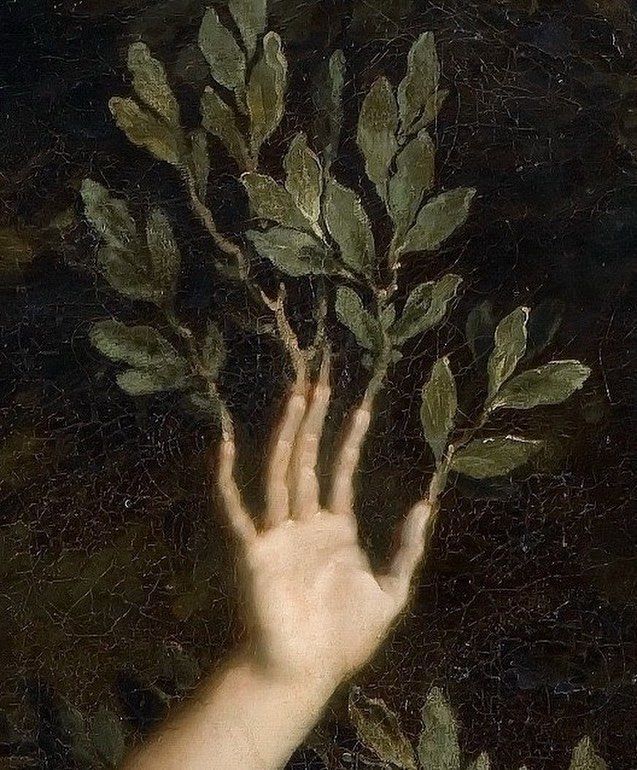
Plants that looked like body parts were believed to cure them. A root shaped like a hand might fix arthritis, and a petal shaped like an eye meant it could help vision. It was medicine by resemblance and faith more than proof.
6. Chicken healers
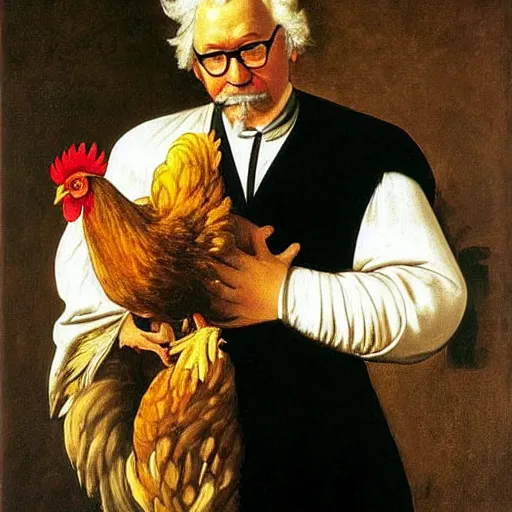
Some healers pressed live chickens against plague sores thinking the sickness would transfer to the bird. The unlucky hens didn’t last long, but neither did the logic. Desperation breeds some truly foul ideas.
7. Dangerous beauty recipes
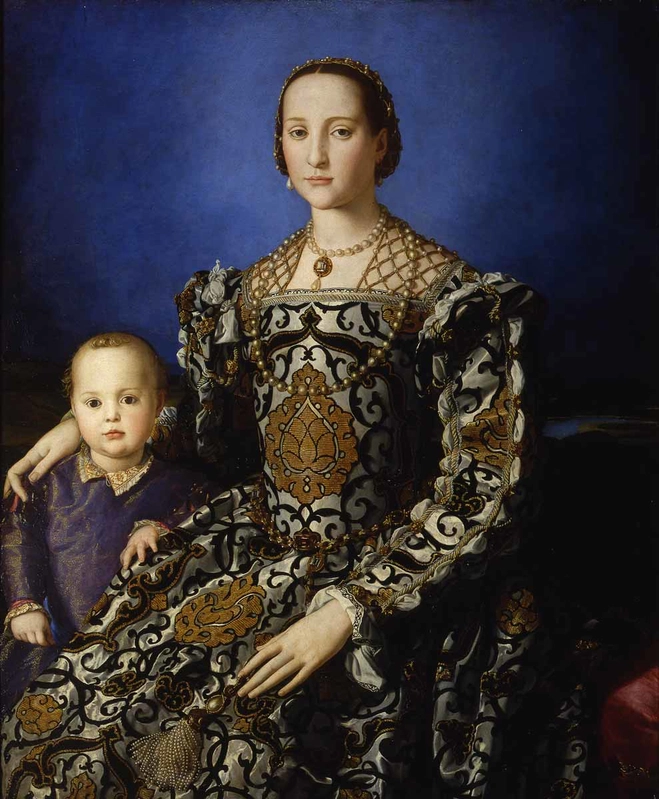
Smooth, pale skin was the dream, so people smeared quicklime, arsenic, and vinegar on their faces. They timed it with prayers, because honestly, that was the only safe part of the ritual. Vanity came with a side of risk.
8. Mercury medicine
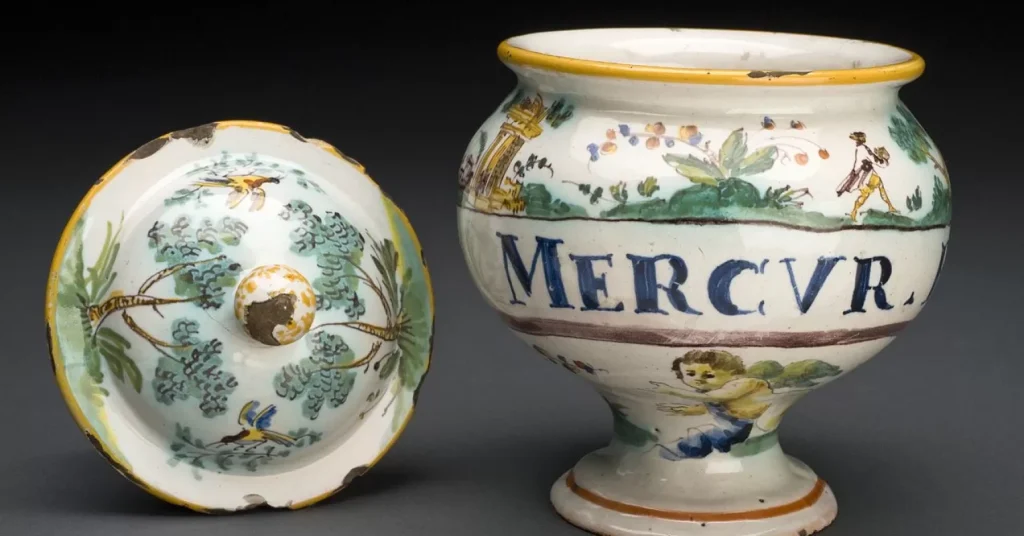
Doctors prescribed liquid metals to treat serious illness, believing it purified the body. It worked only in the sense that it eliminated the patient’s problems permanently. Toxicity didn’t make the symptoms disappear, just the person.
9. Earwax elixir
Nothing went to waste in Renaissance healing, not even the stuff inside your ears. Earwax mixed with clay was thought to soothe headaches and skin irritations. The remedy stuck around for a while, probably because nobody wanted to test alternatives.
10. Platform power
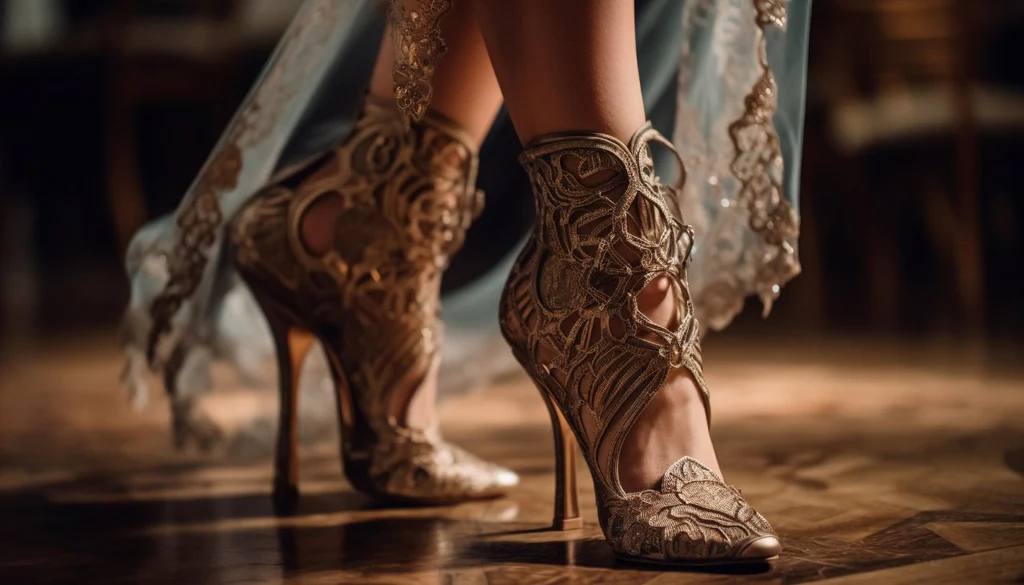
Venetian women strutted on towering wooden shoes called chopines that could reach a foot high. The taller you stood, the higher your social rank. Walking was optional, falling was inevitable.
11. Astrology predictions
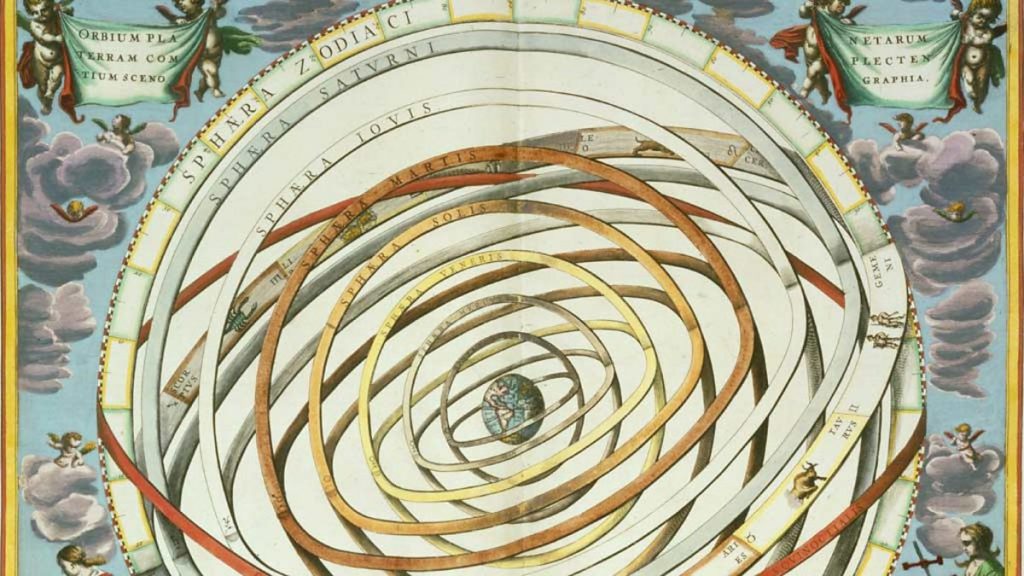
Doctors didn’t just check your pulse, they checked your horoscope. Planetary alignments decided when to bleed you or which herbs to pick. Mercury in retrograde wasn’t just bad luck, it was medical advice.
12. Baths were suspicious
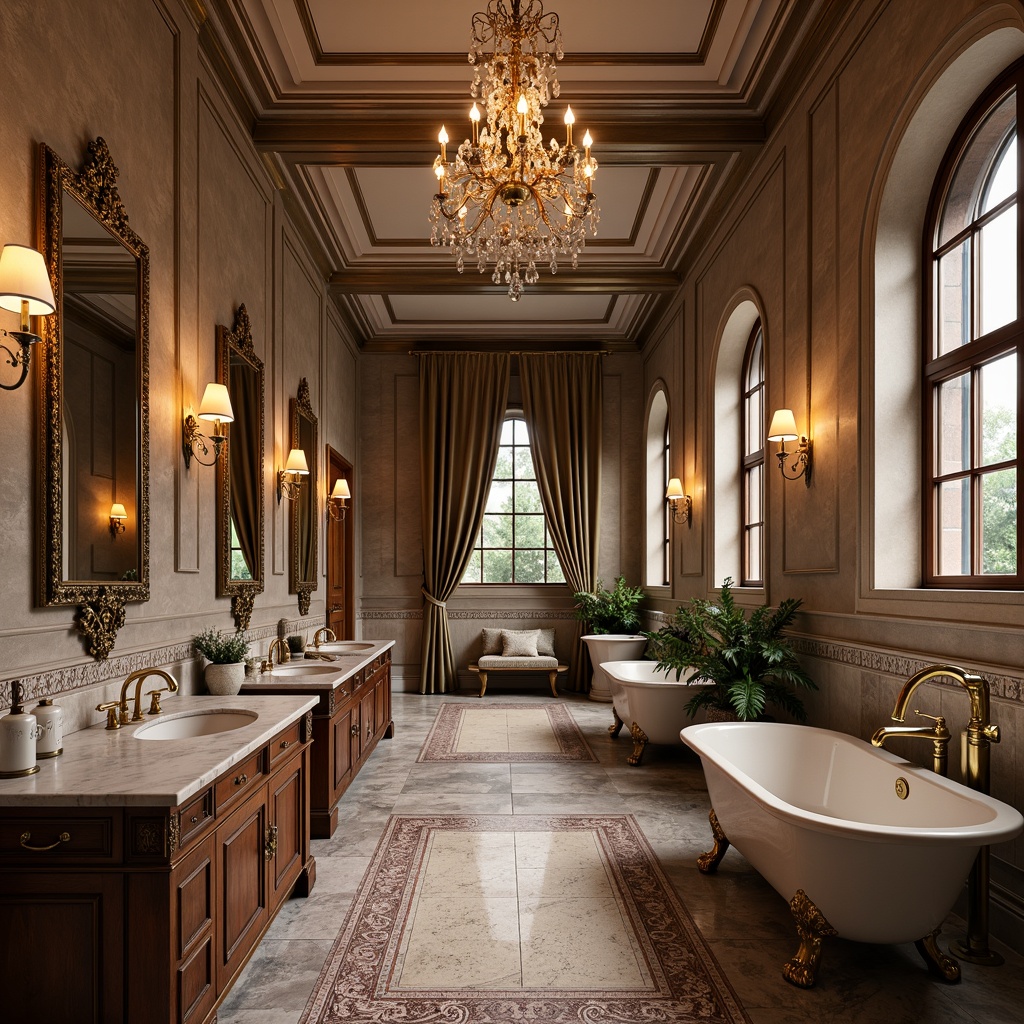
Many believed water opened the pores and let sickness slip inside. Skipping the tub was considered smart, not sloppy. Perfumed gloves did the heavy lifting for hygiene.
13. Ash toothpaste
Before minty tubes existed, people cleaned their teeth with a mix of ash, crushed shells, and honey. The gritty texture was meant to scrub away stains while the sweetness covered the taste. It left mouths clean-ish and probably a bit smoky.
14. Hiding from windows
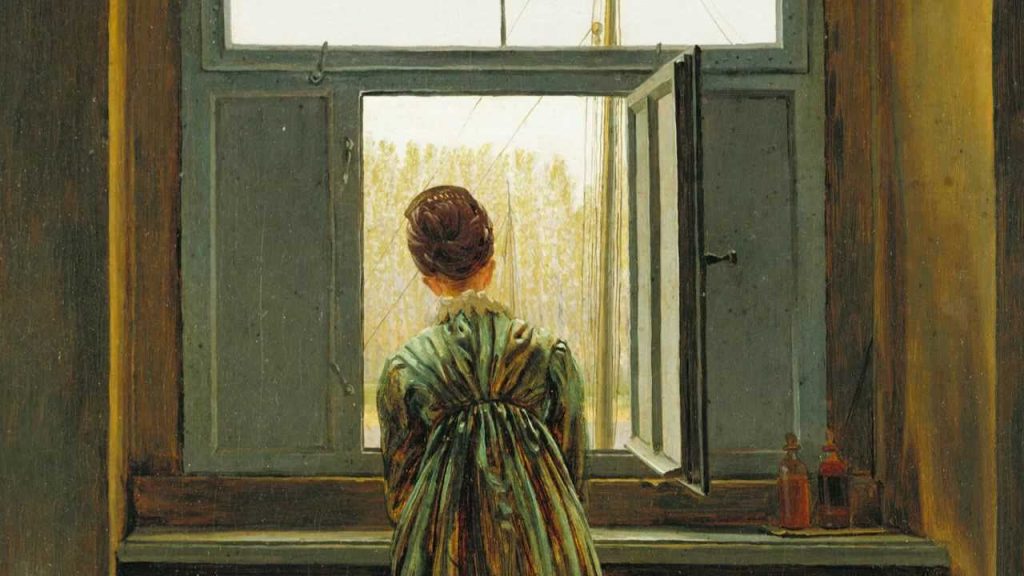
Ladies were told not to linger by windows in case their faces sparked temptation in men walking below. Modesty rules reached right into architecture. Imagine being grounded by a windowpane.
15. Bloodletting
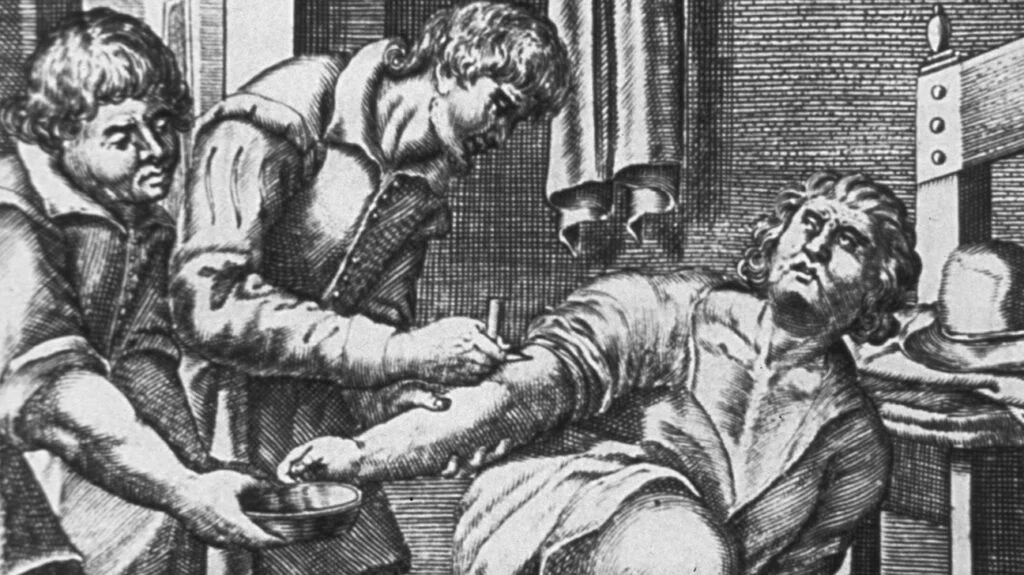
Many doctors believed sickness came from having too much blood. The fix was to drain some out through cuts or leeches, ideally under the right moon phase. Patients left lighter and hopefully not too lightheaded.
16. Face masks made of bread and milk
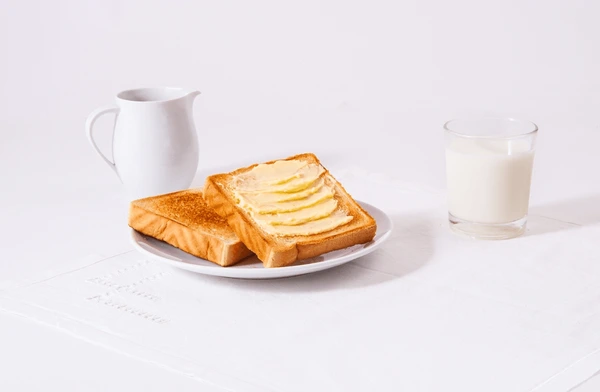
Renaissance beauty lovers used kitchen staples for their skincare routines. Bread soaked in milk was pressed onto the face overnight to “soften” the skin and calm redness.
17. Faith as a timer
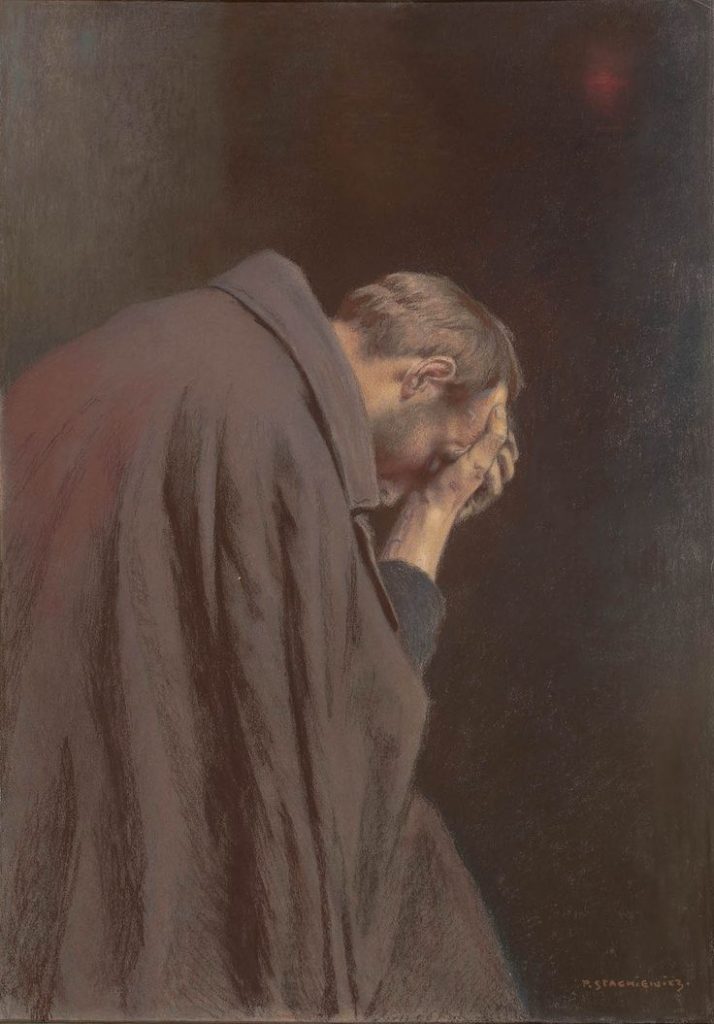
Without clocks, people measured time by how long it took to say a prayer. Boil an egg or remove body hair, just count your “Our Fathers.” Accuracy was negotiable, holiness was not.
18. Medical mice
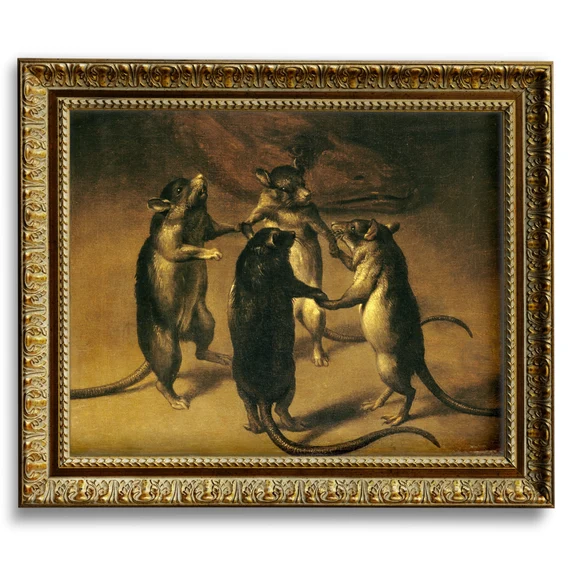
Tiny rodents were part of several folk cures, from ground-up mouse powder for coughs to live mice placed on wounds. The belief was that their warmth and vitality could transfer healing energy to the human body. It was more squeamish hope than science.
19. Sorrow sickness
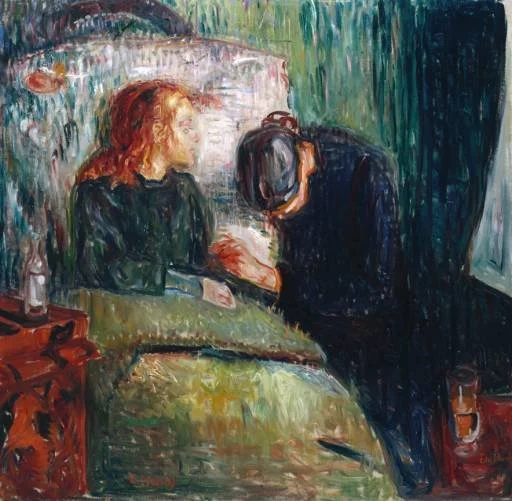
Doctors believed emotions like envy or heartbreak could make you physically ill. Remedies ranged from calming herbs to symbolic rituals. It’s basically Renaissance therapy, minus the couch.
20. Perfumed gloves
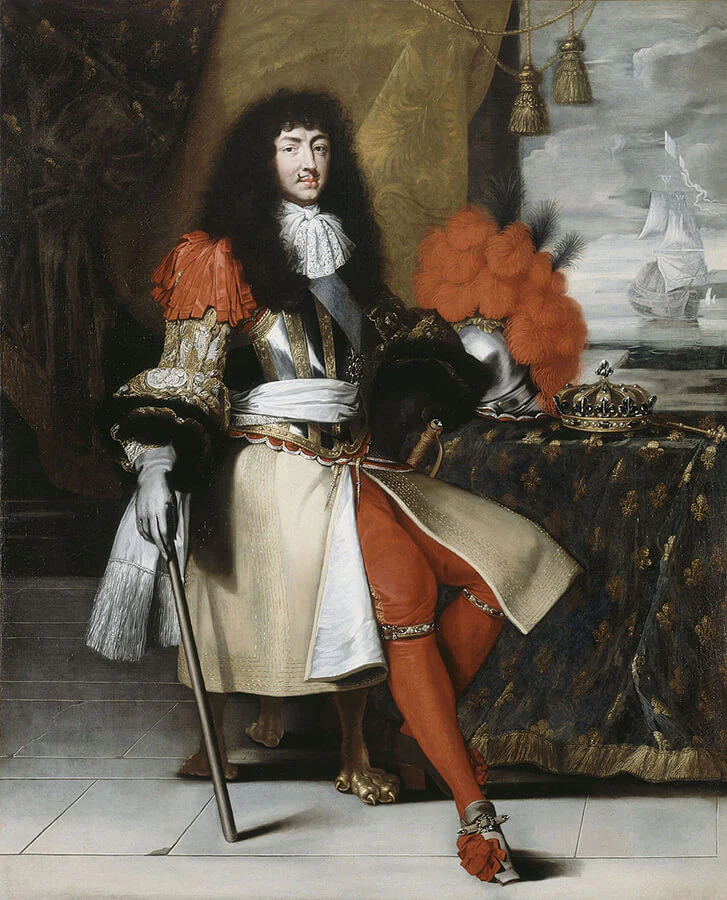
Since frequent washing was frowned upon, the elite masked body odor with richly scented gloves. These accessories were soaked in oils, herbs, and sometimes ambergris to project both wealth and freshness.
21. Happy spice
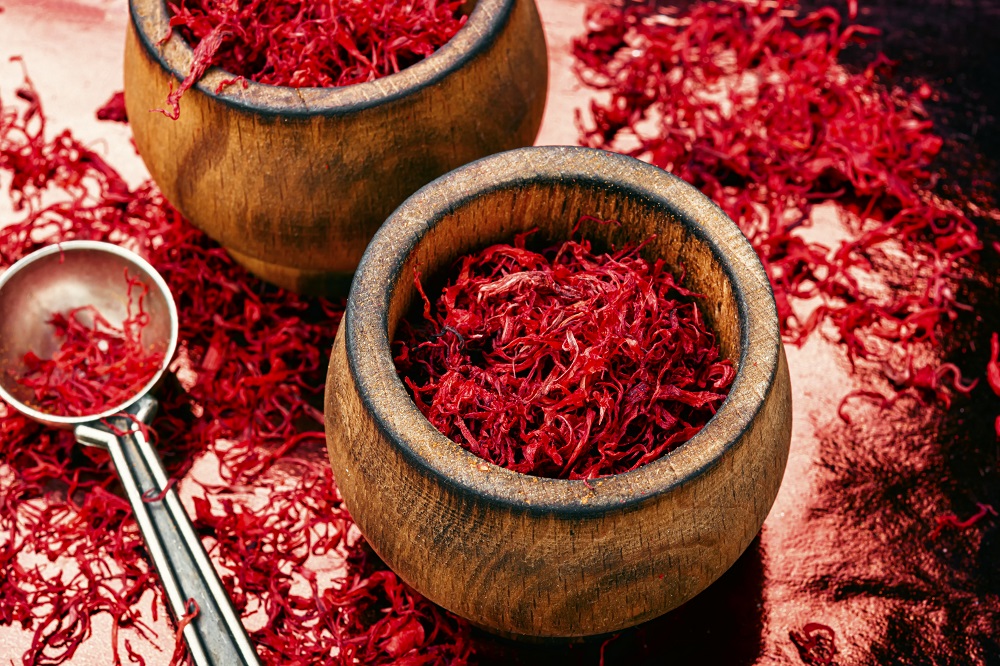
Some healers swore that saffron eaten in moderation made people cheerful. Eat too much, and they warned you might die of joy. Nobody tested that theory twice.
22. Tooth worms
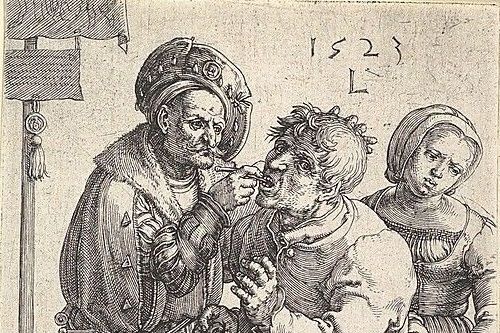
People thought toothaches were caused by tiny worms burrowing inside the tooth. Barbers tried to smoke them out or burn them alive. Dentistry back then was equal parts torture and guesswork.
23. Gold as a health supplement
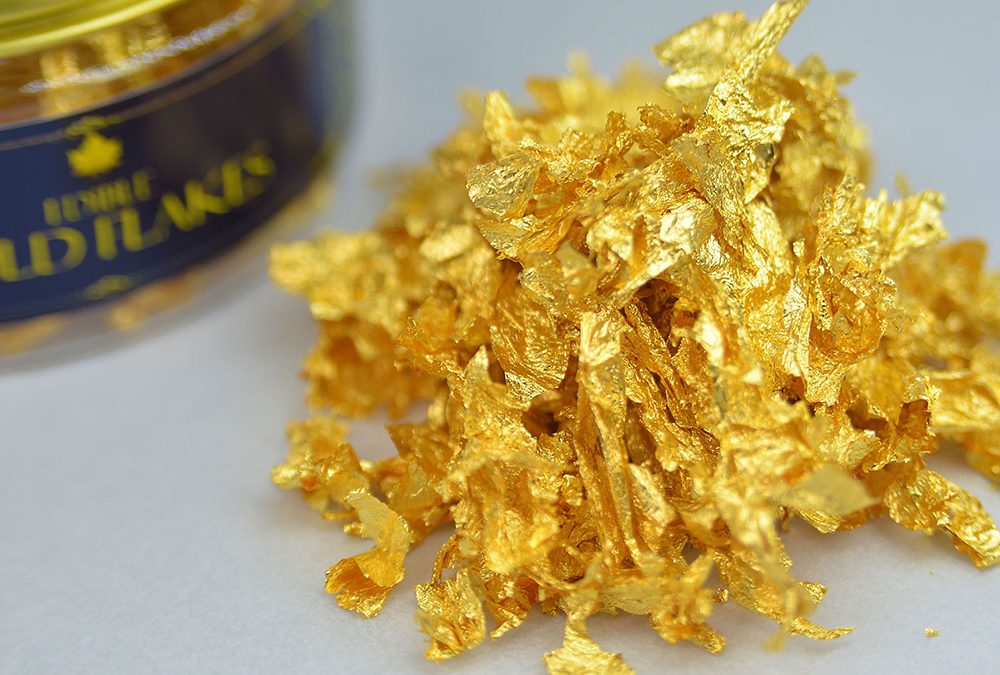
Some doctors swore that powdered gold could restore youth and strengthen the heart. Wealthy patients happily swallowed the shimmer, convinced it kept their bodies in perfect balance. The only thing it truly lightened was their wallets
24. Wine as medicine
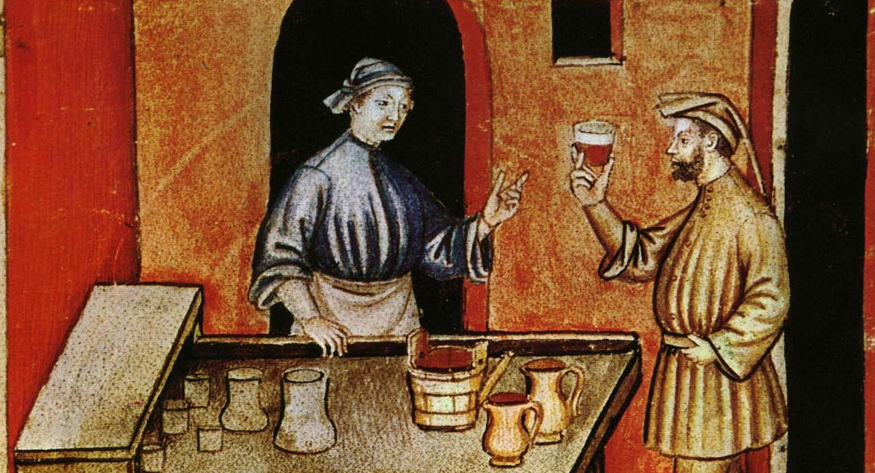
Doctors prescribed strong drink for stomach issues, fatigue, and nerves. It was said to strengthen the spirit in every sense. The Renaissance truly believed in liquid courage.
25. Dove conditioner
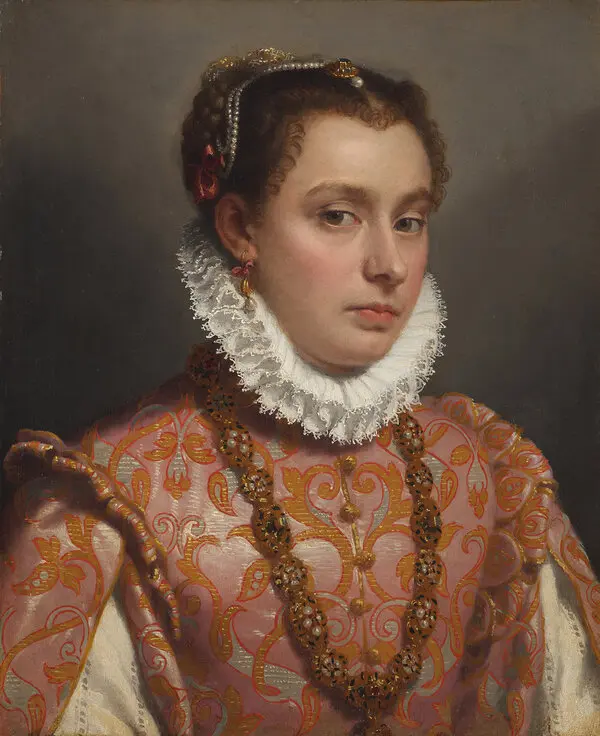
Dove droppings were prized as a natural lightener for hair. The mix was left in under the hot sun for that perfect Renaissance blonde. The smell was the price of beauty.
26. Medical music
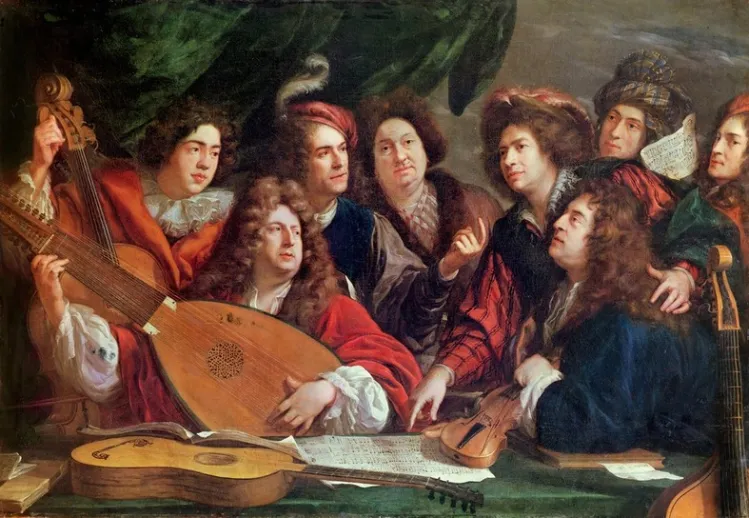
Physicians sometimes prescribed songs to heal sadness. The right melody was said to rebalance the soul’s harmony. Self-care meant a lute, not lavender oil.
27. Exotic pets
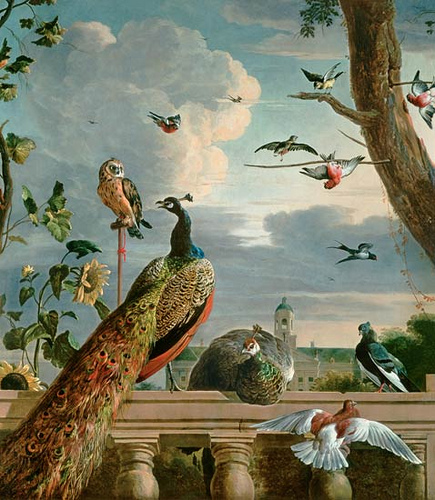
Wealthy families kept lions, leopards, and even giraffes to show off their power. Public squares became mini zoos of prestige.
28. Expensive weddings
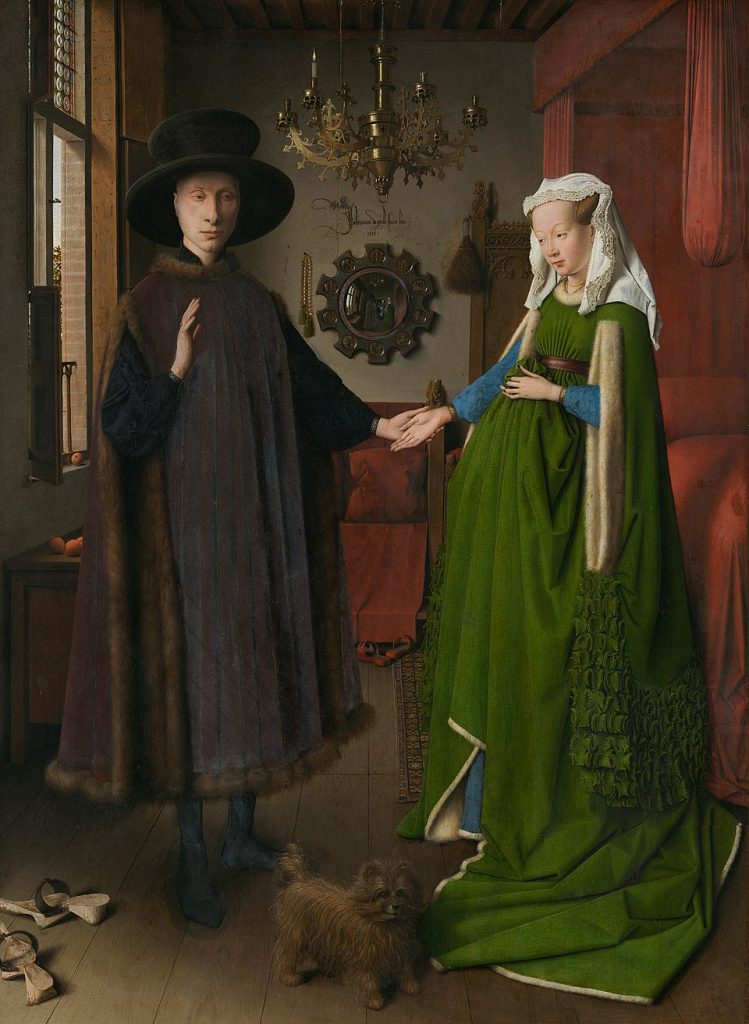
Some cities had to limit wedding budgets because nobles were bankrupting themselves with feasts and fabrics. Laws were passed to keep love from getting too expensive. Even romance needed a spending cap.
29. Gem cure
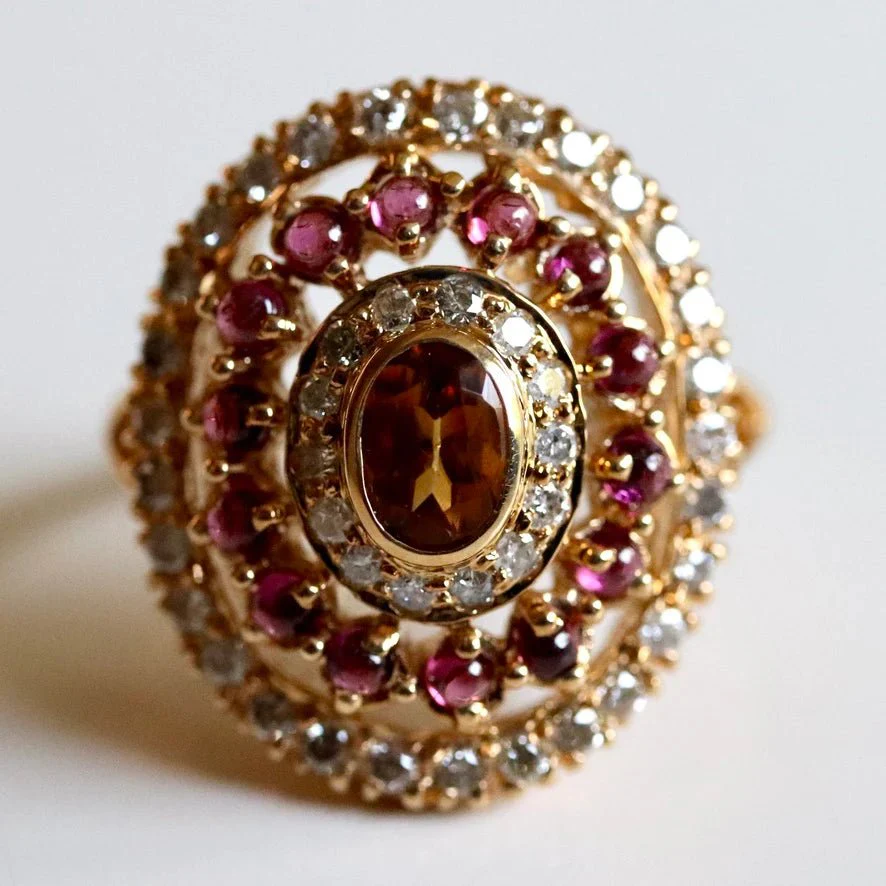
Some Renaissance healers believed jewels could absorb illness and radiate health back into the body. Rubies were said to fight infection, while emeralds supposedly cooled fevers. The treatment sparkled with confidence but not much actual healing power.
30. Unicorn horns
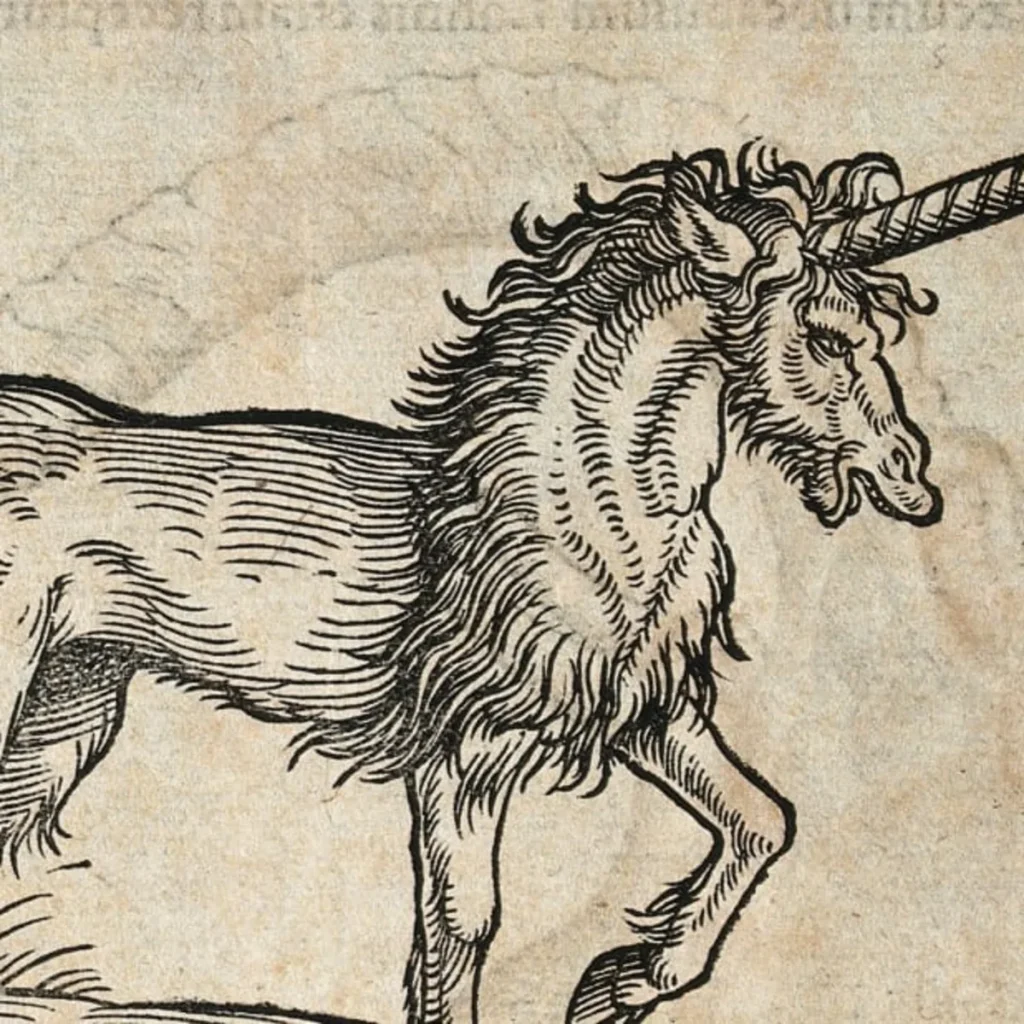
Wealthy patients believed powdered “unicorn horn” could cure poison and disease. The catch was that it was really narwhal tusk sold at royal prices. People practically drank glitter before anyone had heard of detox juice.