Nuclear disasters are some of the most terrifying moments in human history, not just because of the destruction they cause, but because of the invisible threat that lingers long after the explosion. These images capture the eerie stillness, the human cost, and the haunting landscapes left behind. From desolate towns to heroic workers in hazmat suits, each photo tells a story of resilience, tragedy, and irreversible change. This list offers a raw and powerful look at what happens when nuclear power goes terribly wrong.
Soviet refugees being checked for radioactivity at a Vienna airport.
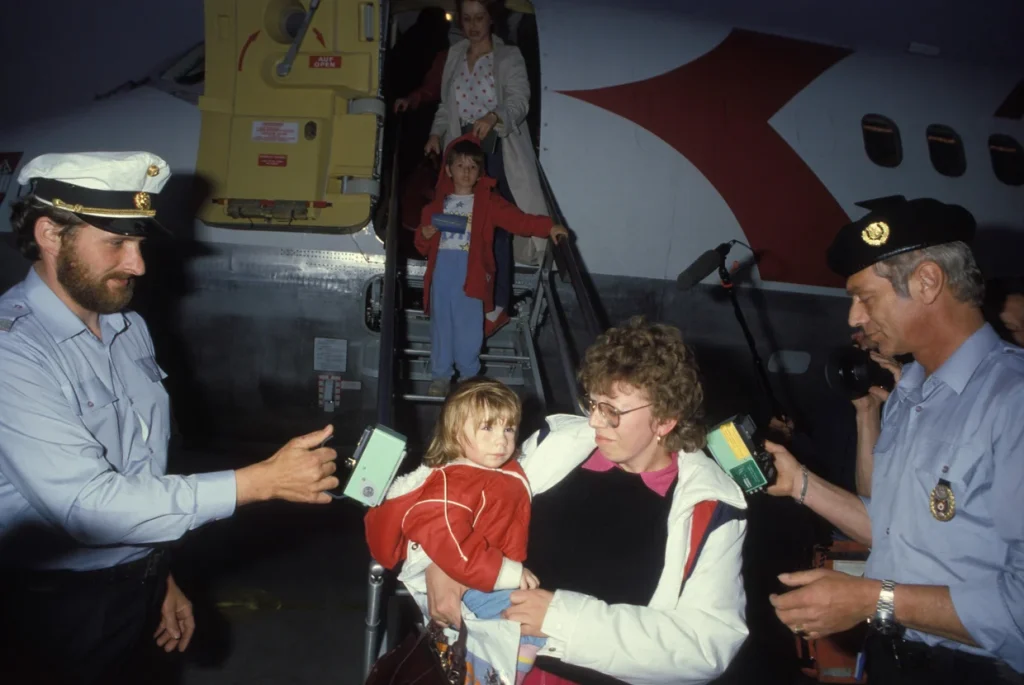
April 30, 1986.
Firefighters cleaning cars at the German border.
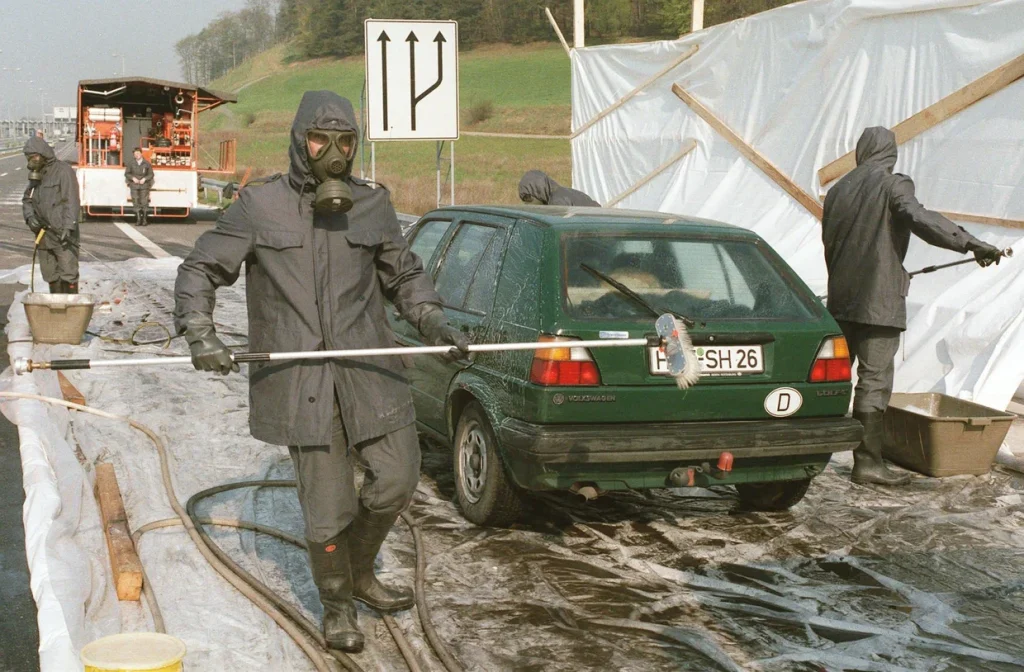
May 1986.
Hiroshima streetcar.
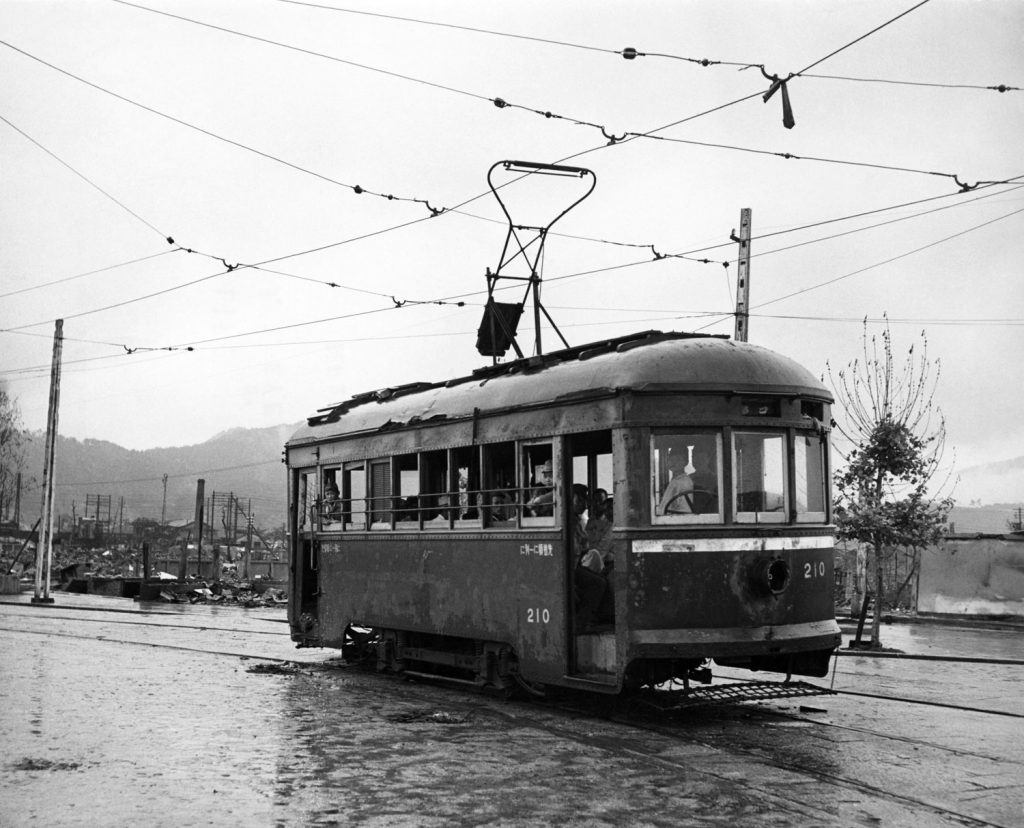
September 1945.
A sign advertising vegetables as free of contamination in a market.
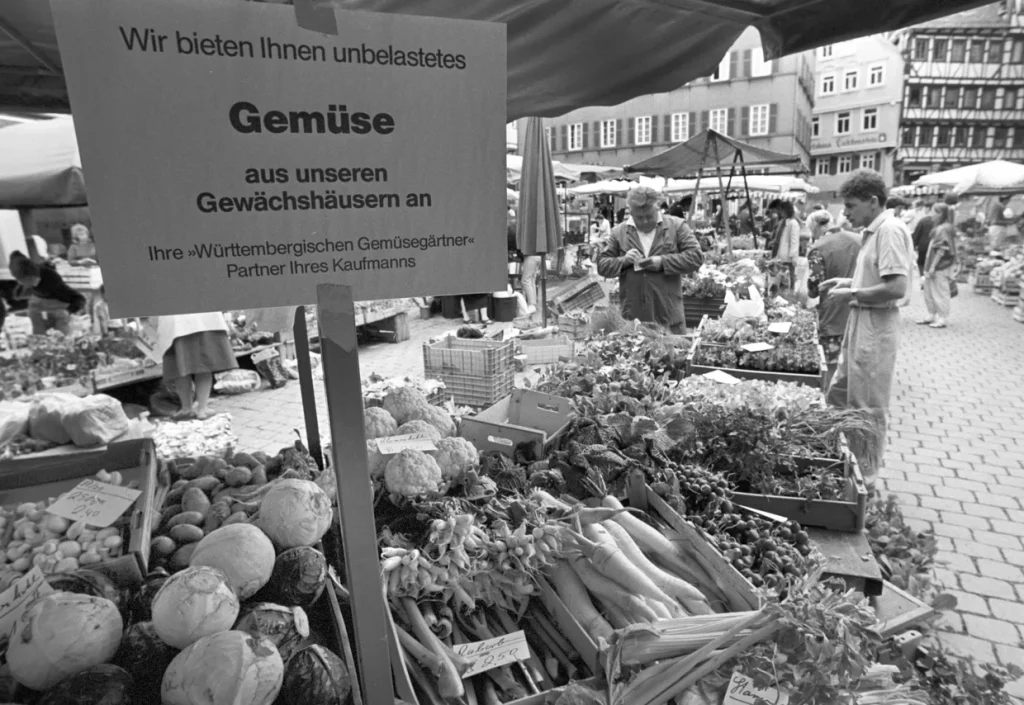
May 1986.
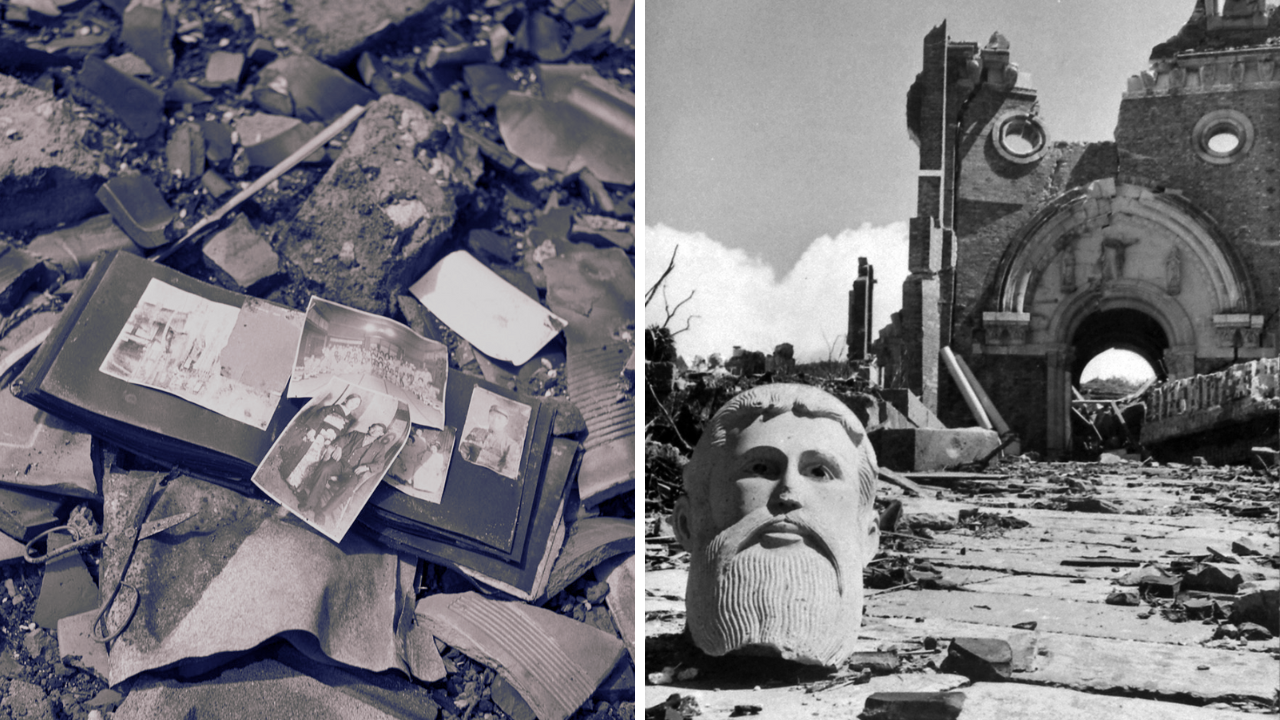
A photo album, pieces of pottery, a pair of scissors, shards of life strewn on the ground.
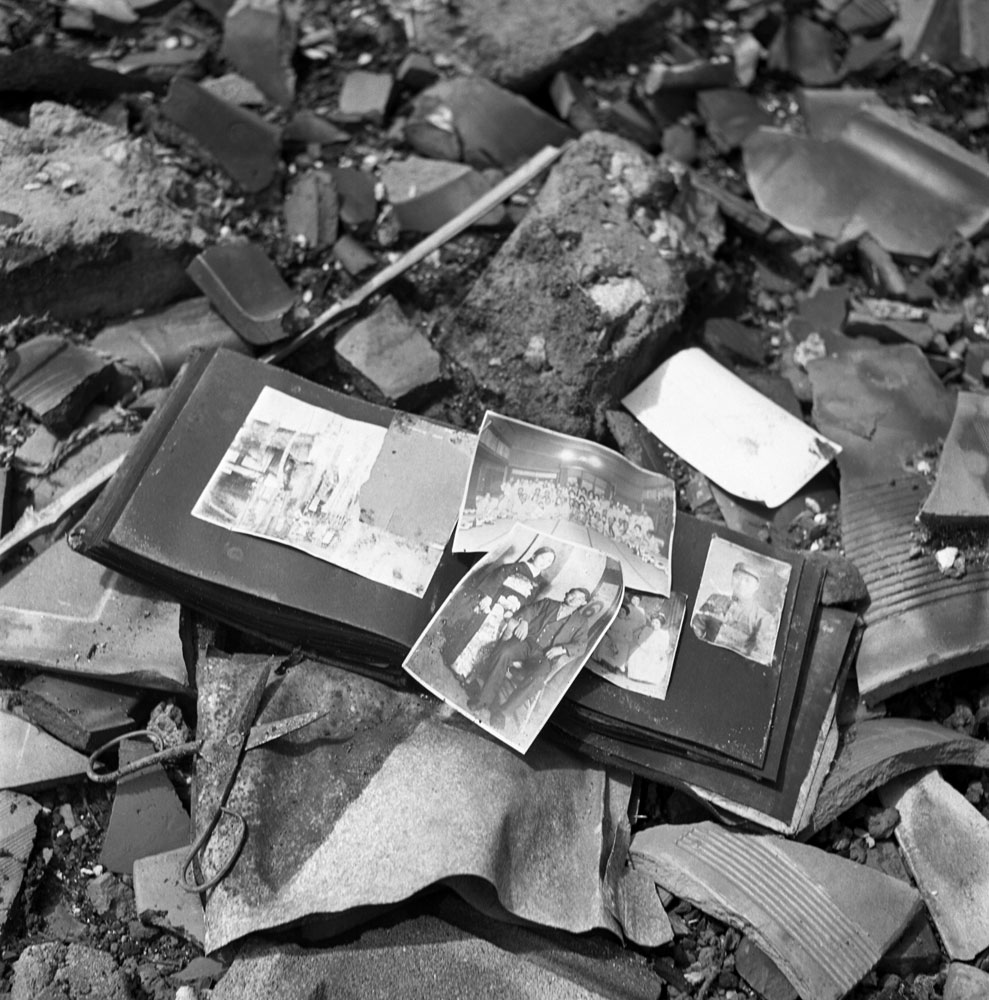
Nagasaki, 1945.
The crew of Enola Gay.
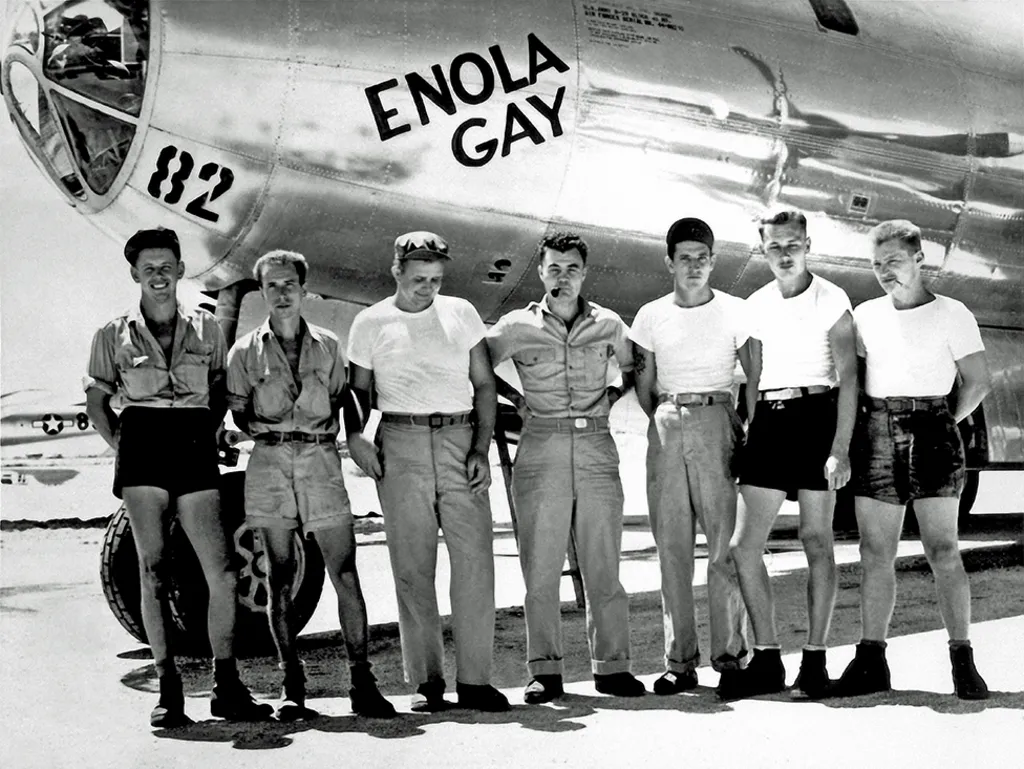
They dropped the atomic bomb on Hiroshima.
The front pages of four British morning newspapers reflecting the nuclear accident at the Chernobyl nuclear power plant.
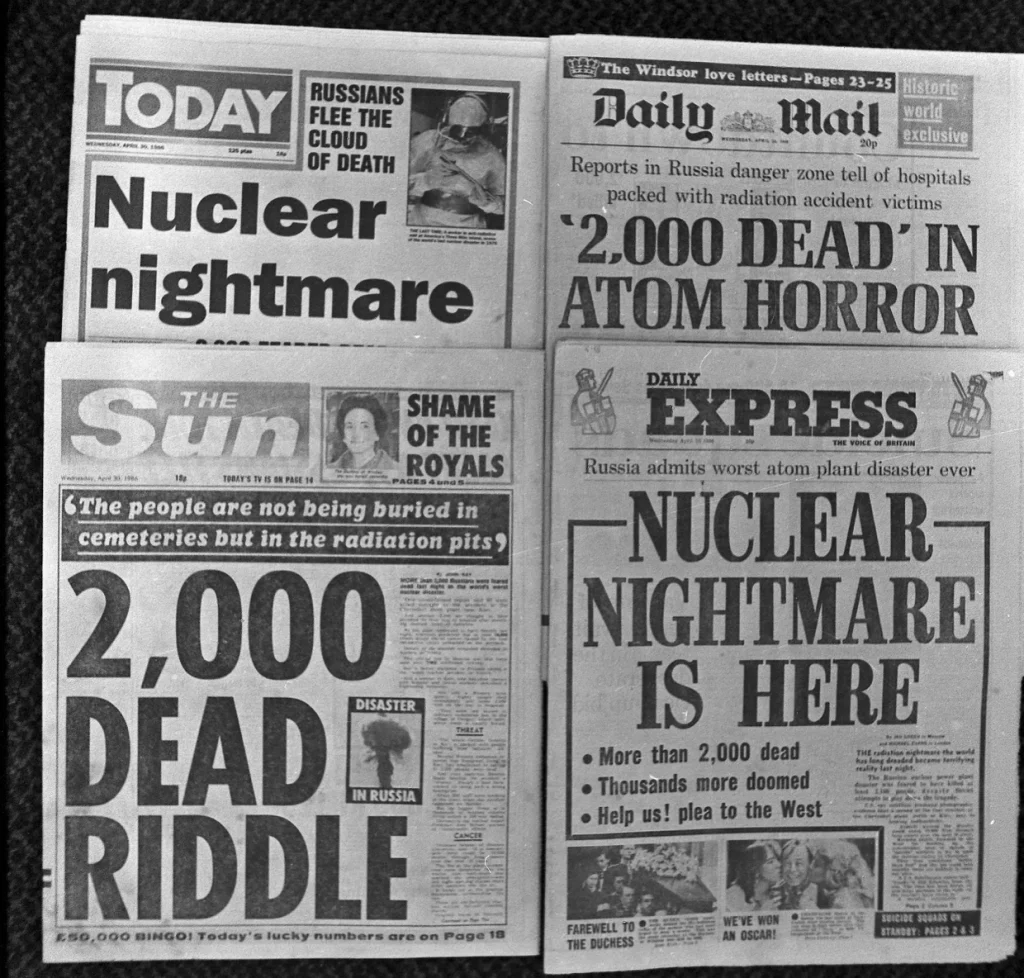
April 27, 1986.
LIFE magazine’s long-time picture editor’s notes, Wilson Hicks.
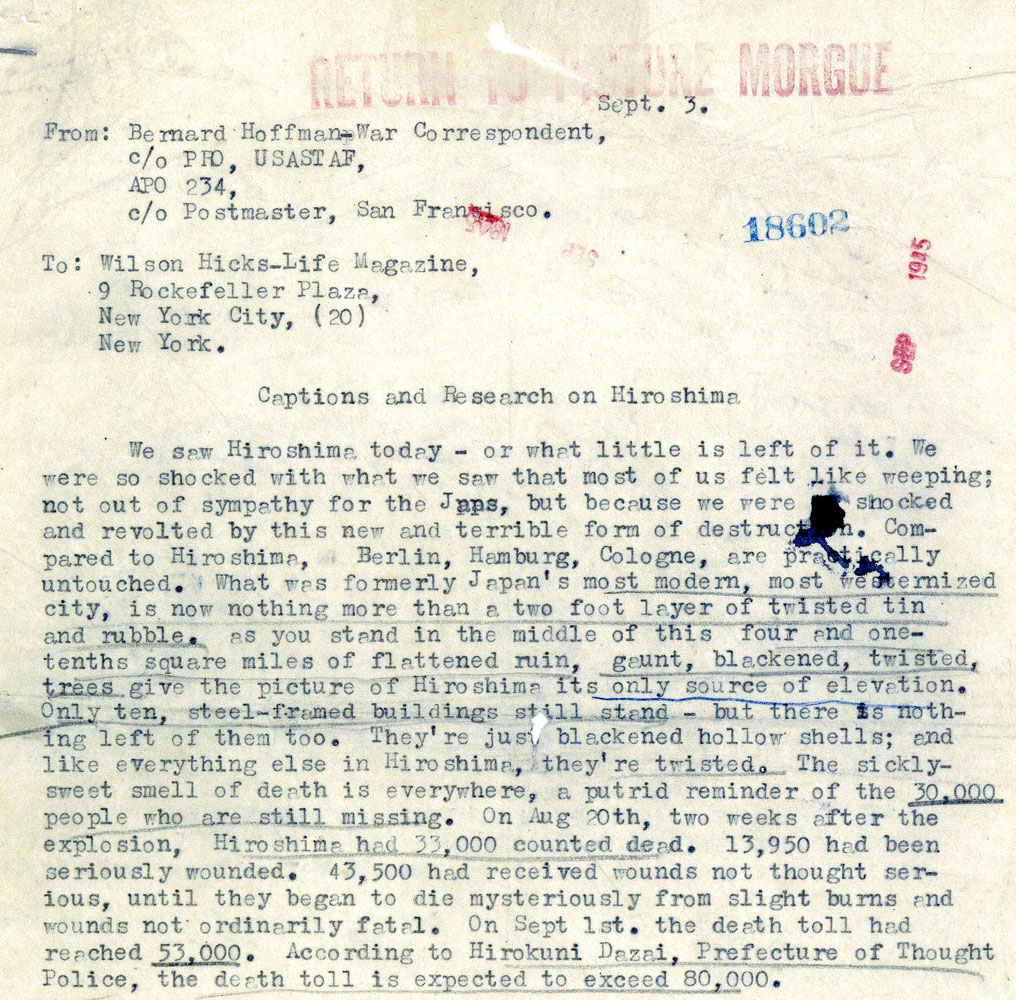
New York, September 1945.
A Geiger counter reading 679,000 counts per minute near a metal claw contaminated with radioactivity.
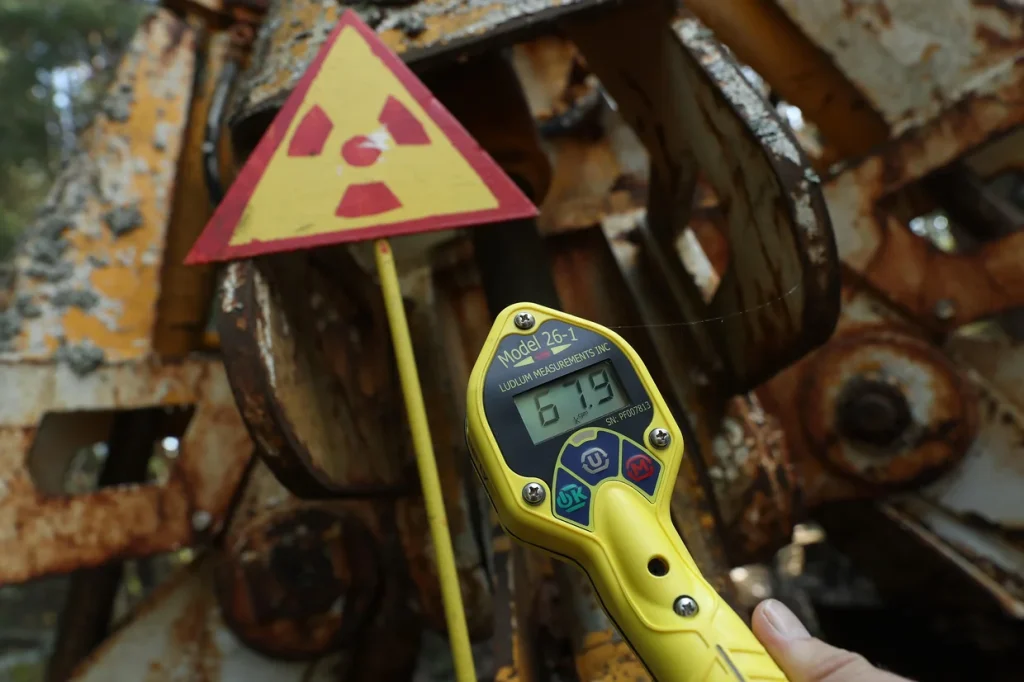
Pripyat, 2017.
Wrecked car.
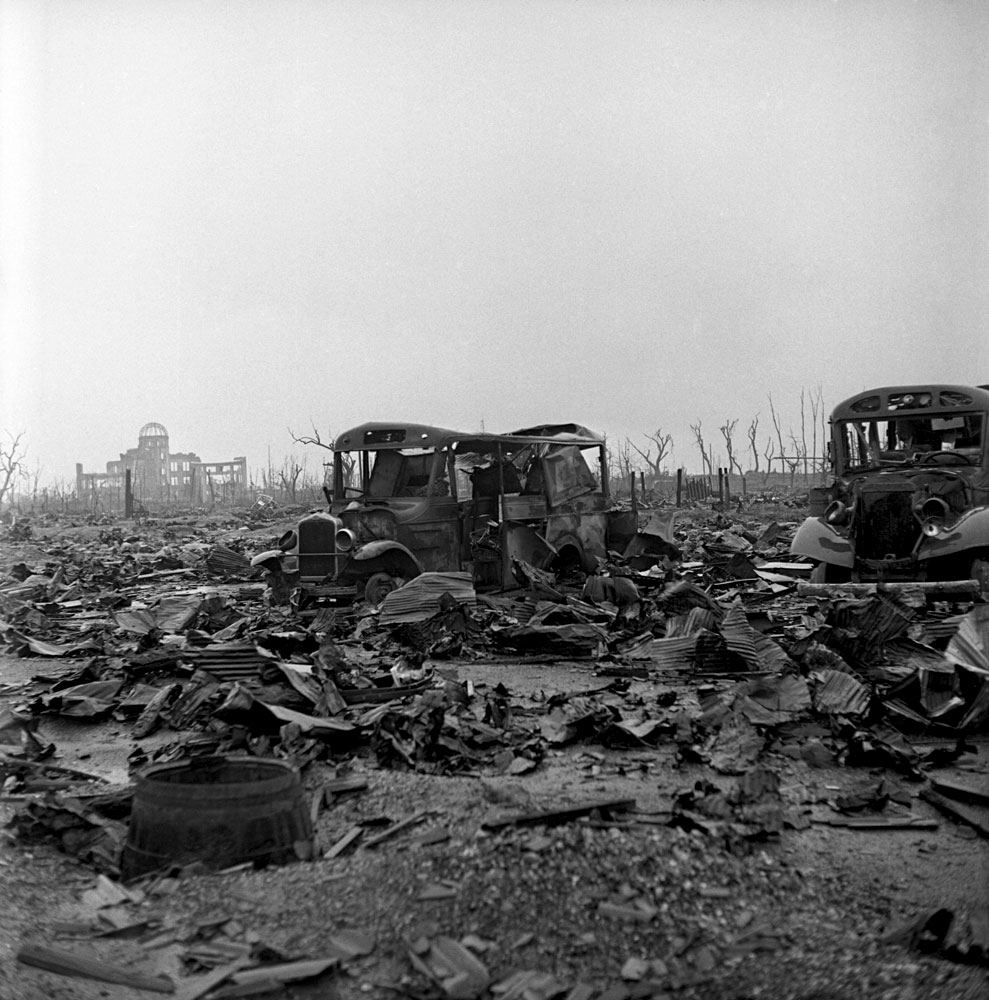
Hiroshima, 1945.
Yura Kudriakse, at the age of 12, a victim of the Chernobyl disaster, waiting for his turn to receive psychiatric treatment.
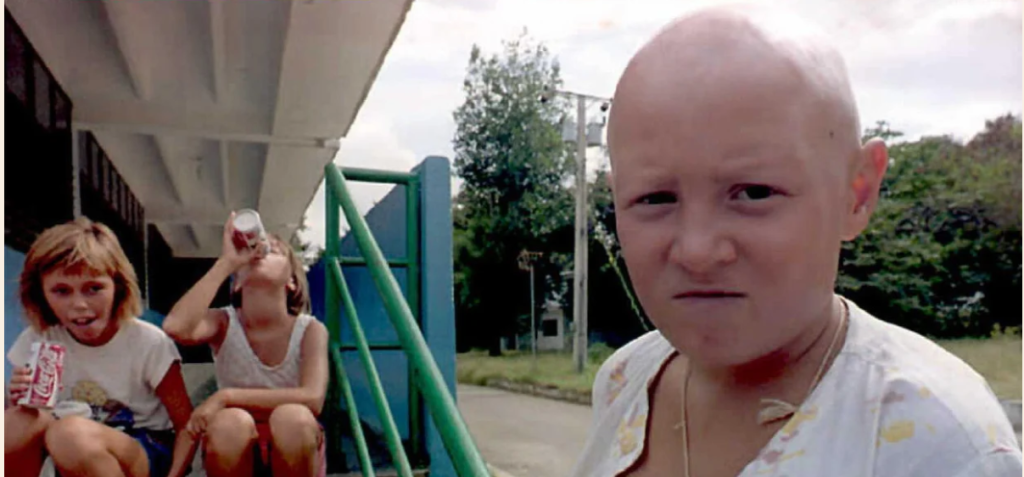
Tarara Children’s Hospital in Havana, Cuba, in December 1986.
A few months after an American B-29 dropped an atomic bomb, codenamed “Fat Man,” on the city.
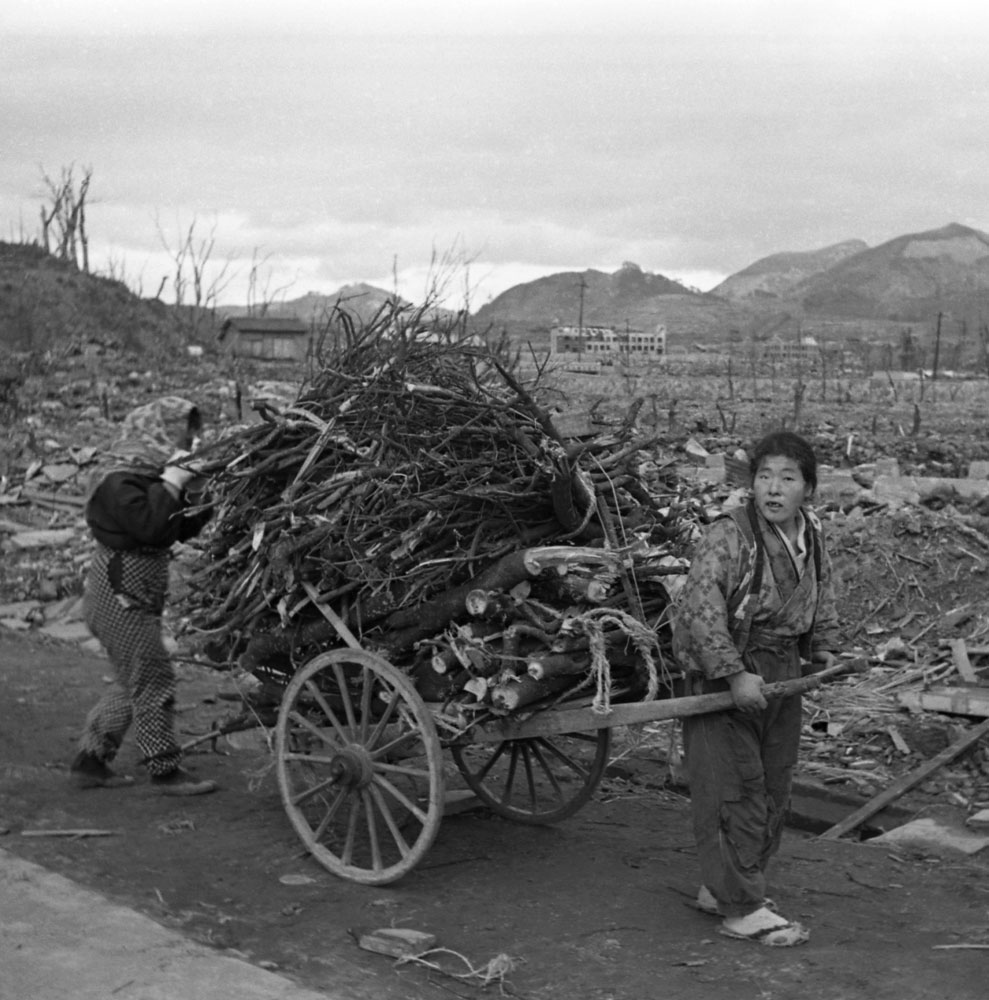
Nagasaki, 1945.
Tourists walking in a symbolic alley with signs bearing the names of villages and cities evacuated following the Chernobyl disaster.
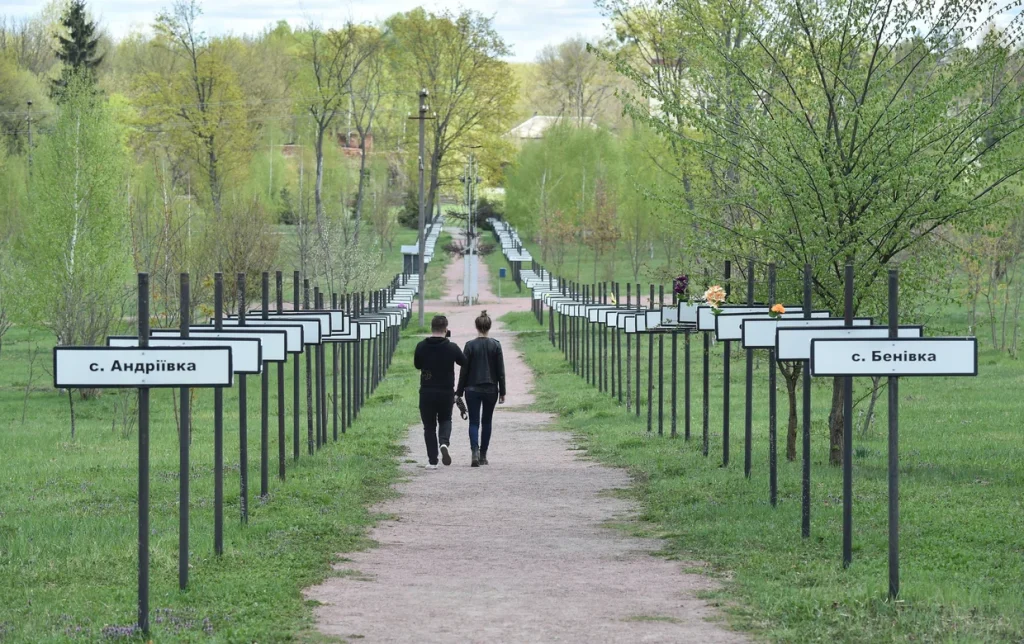
April 2018.
The landscape around Urakami Cathedral, Nagasaki.
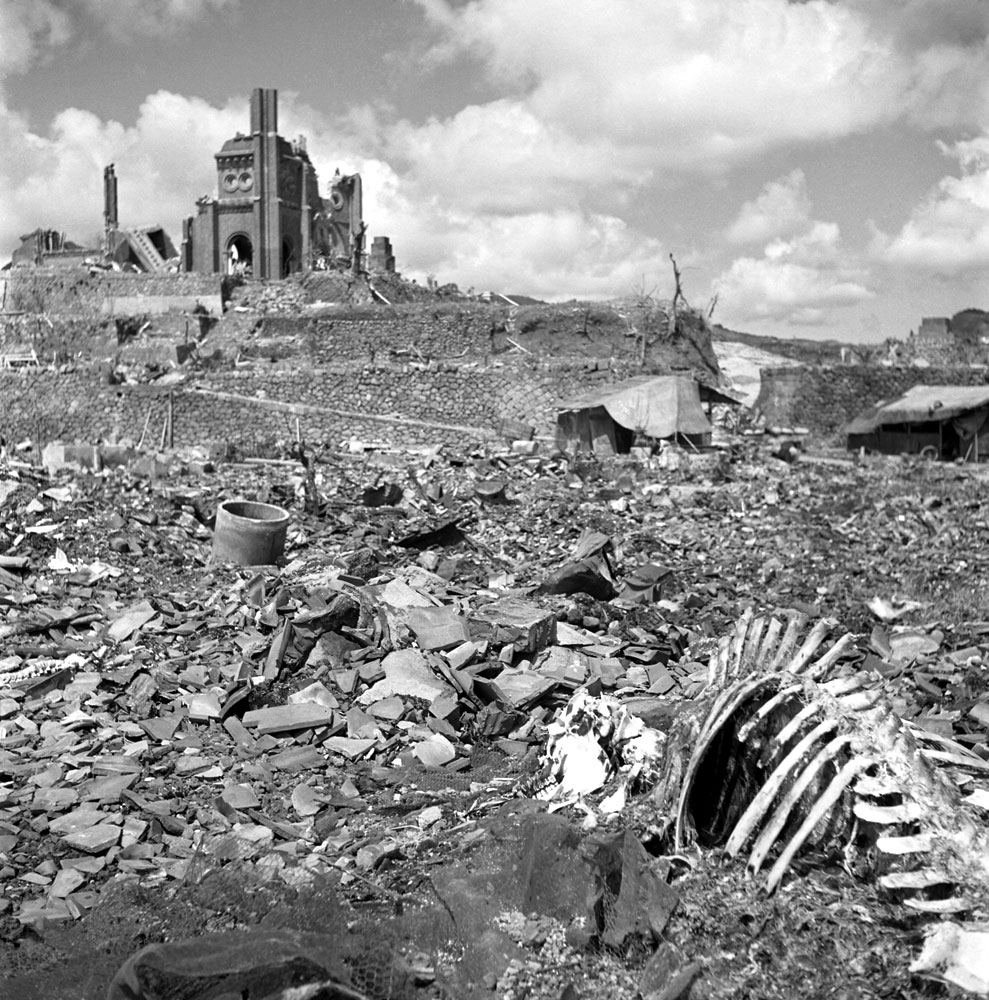
September 1945.
An aerial shot taken after the Chernobyl explosion that burned for 10 days.
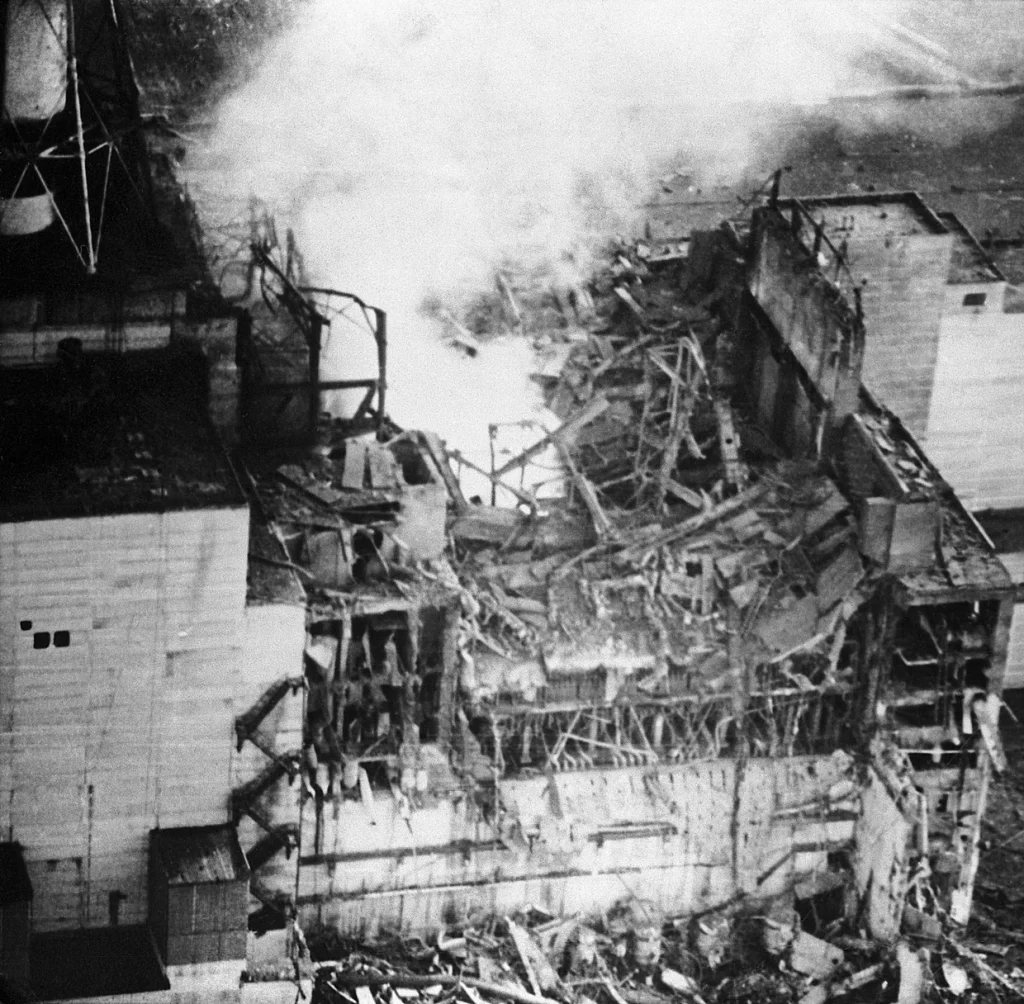
April 26,1986.
Children in Hiroshima wearing masks to protect themselves from air pollution amid the ruined city.
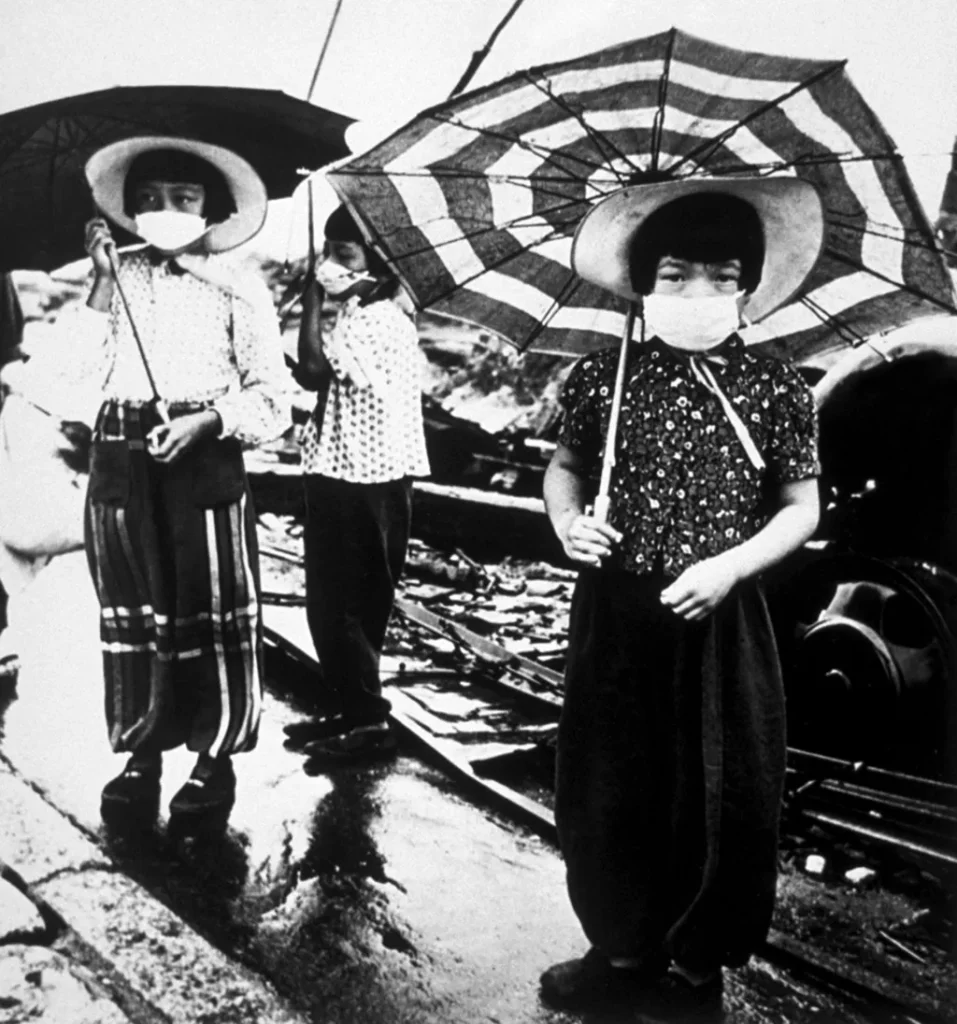
October 1945.
The photographers who took aerial pictures of Chernobyl’s explosion.
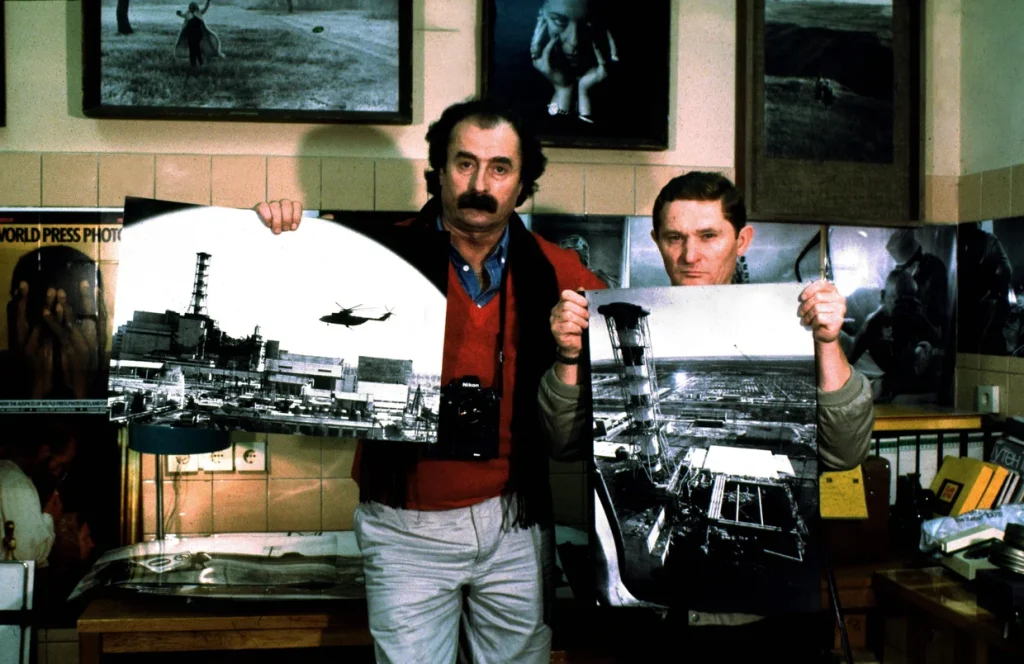
They took those pictures from a helicopter in April 2026.
Two women paying respects at a ruined cemetery.
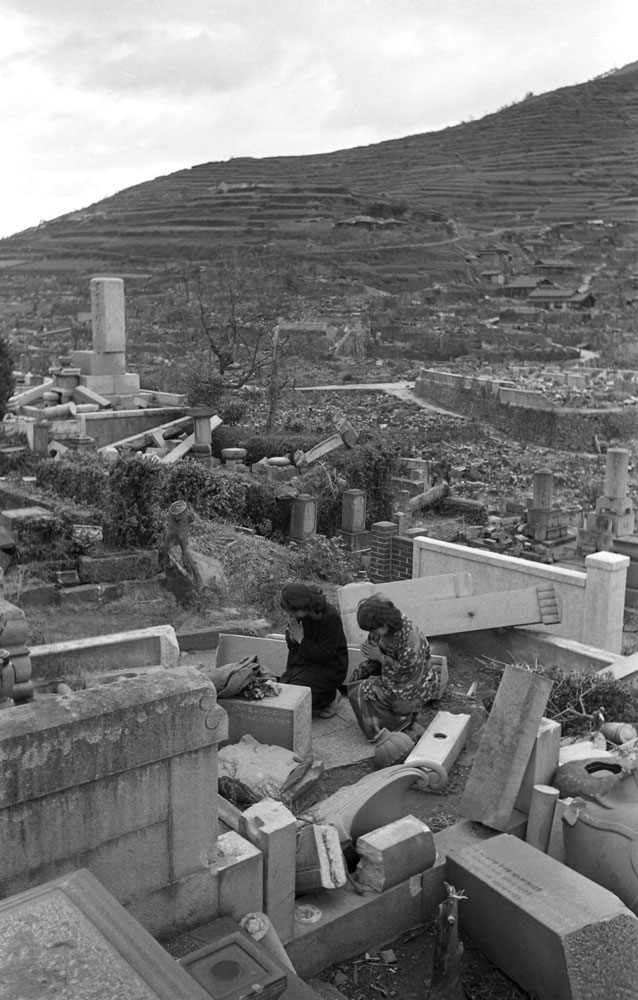
Nagasaki, 1945.
A lesson taking place in a bomb-damaged classroom whilst thousands of bodies were still buried under the ruins
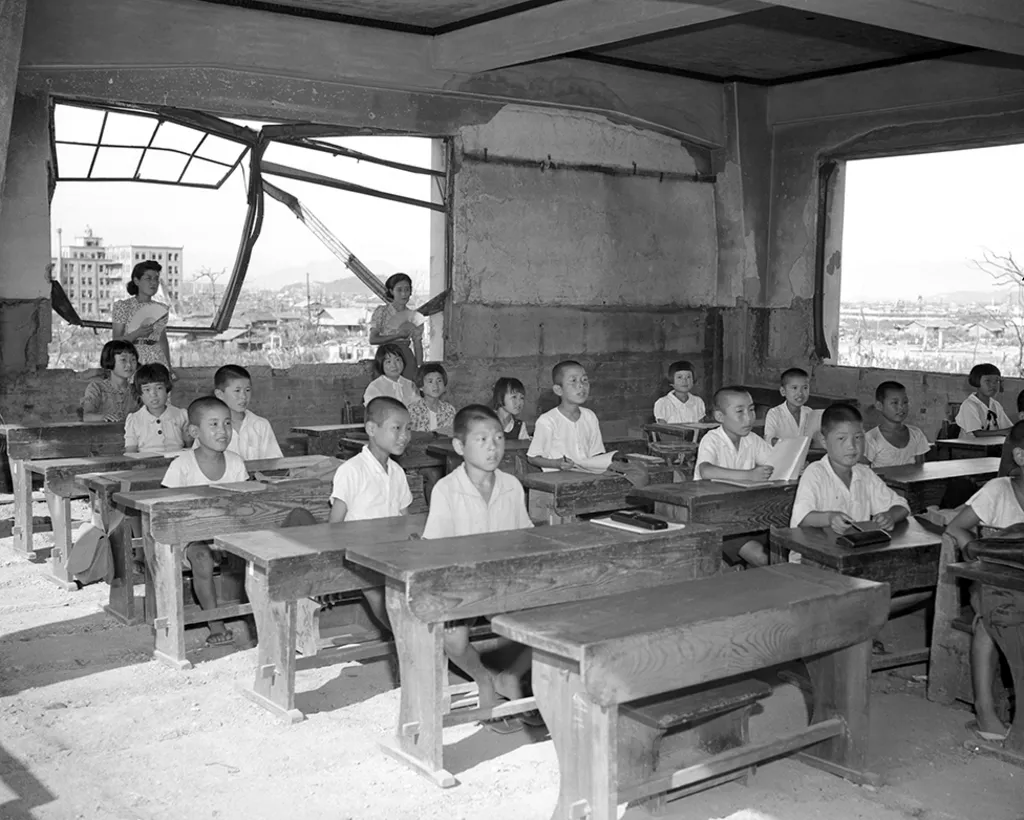
Hiroshima, 1946.
47,000 habitants of Pripyat evacuating in 1,200 buses and 200 trucks.
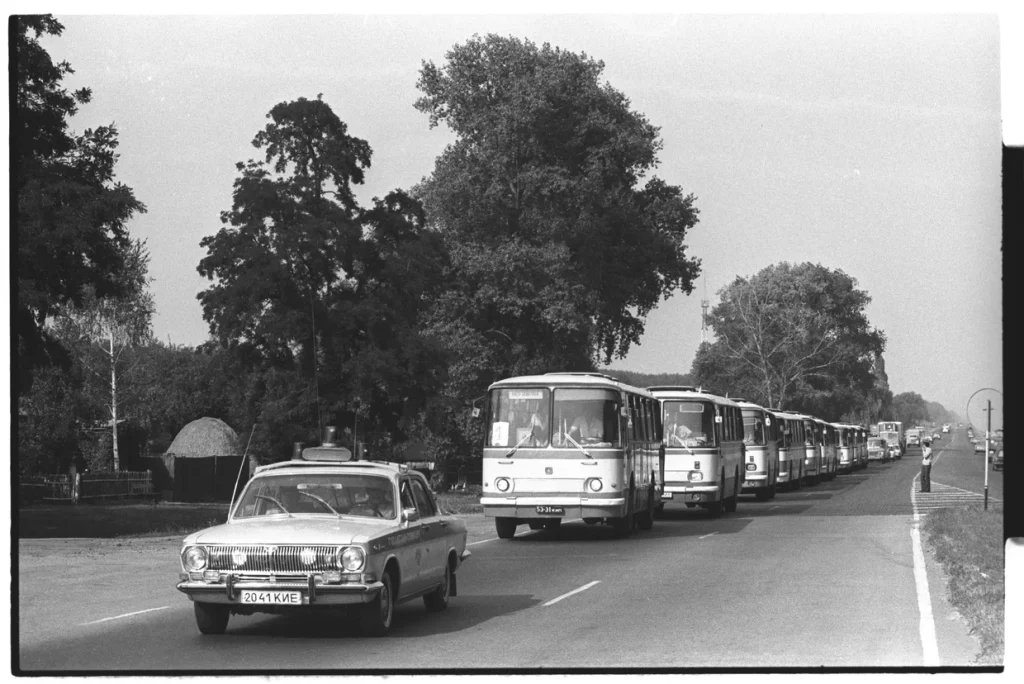
Locals believed they would be returning several days later. Instead, it became a ghost town.
Hiroshima two months after the August 6 bombing.
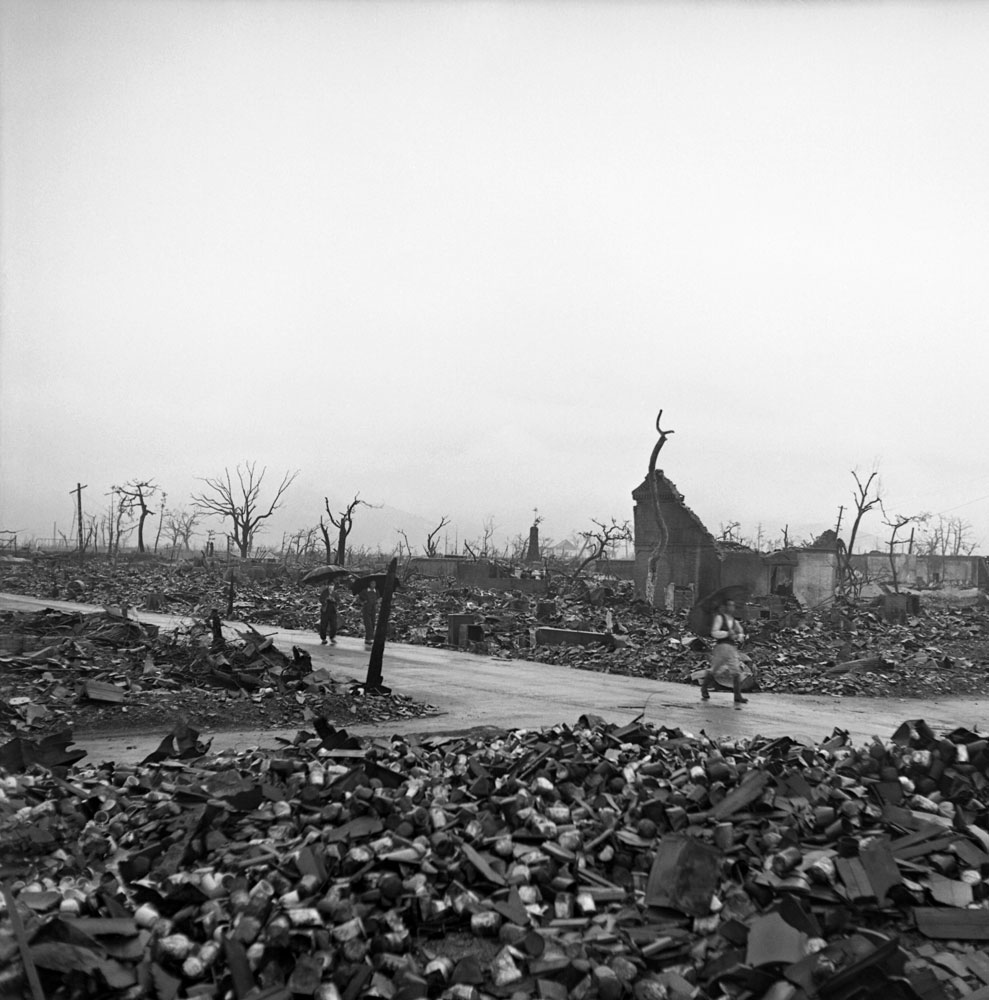
October 1945.
Urakami Cathedral (Roman Catholic).
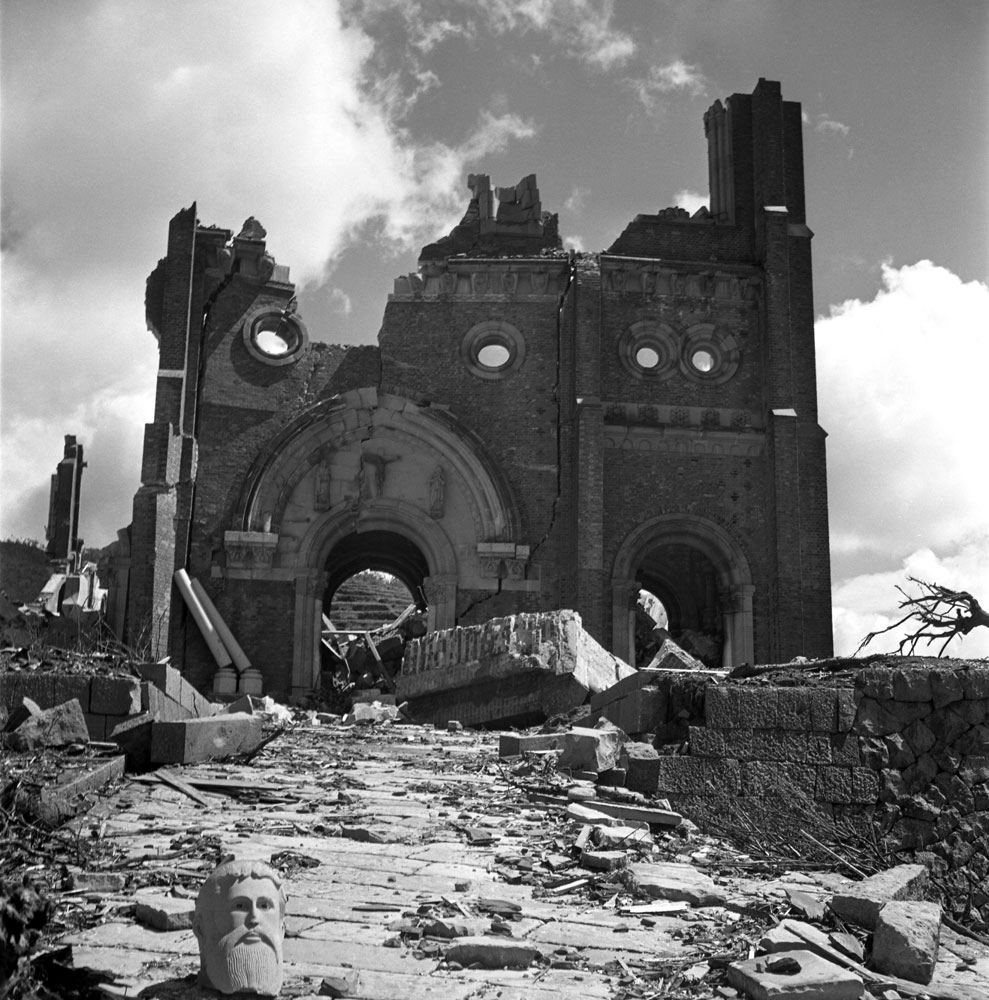
Nagasaki, September, 1945.
A Swedish farmer wearing anti-atomic gear, shifting fodder contaminated by the radioactive cloud of Chernobyl.
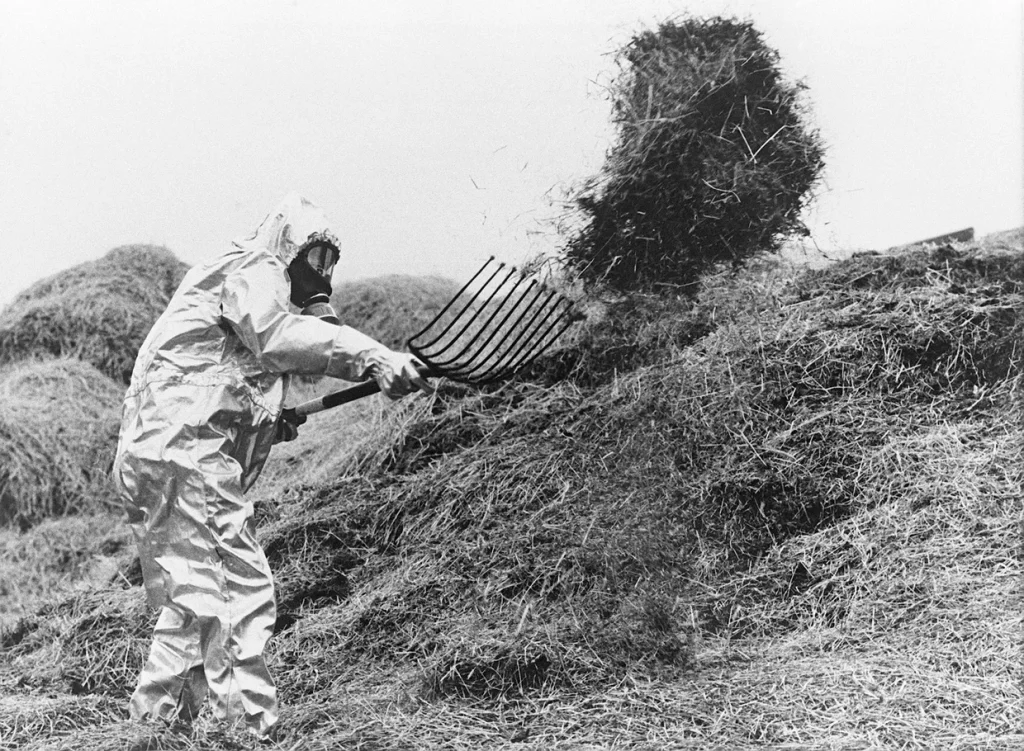
June 1986.
A bust in front of a destroyed cathedral two miles from the atomic bomb detonation site.
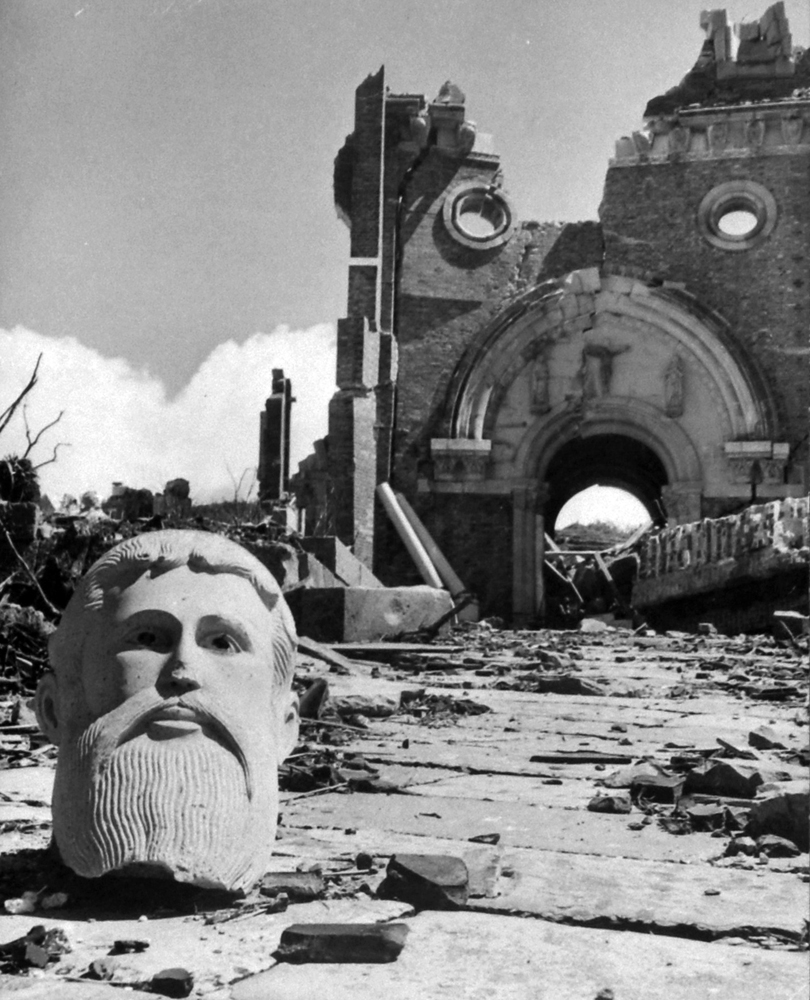
Nagasaki, Japan, 1945.
Nagasaki’s aftermath.
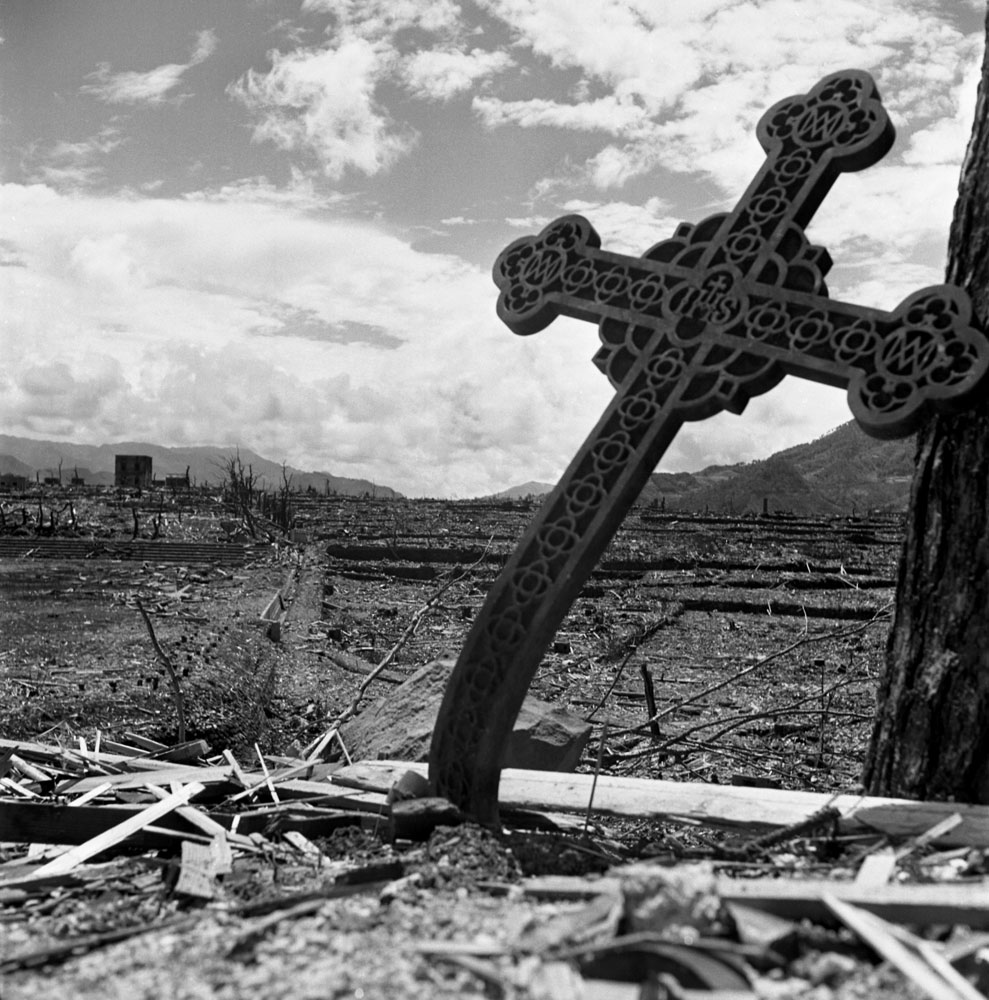
September, 1945.
A worker disposing of boxes of contaminated vegetables.
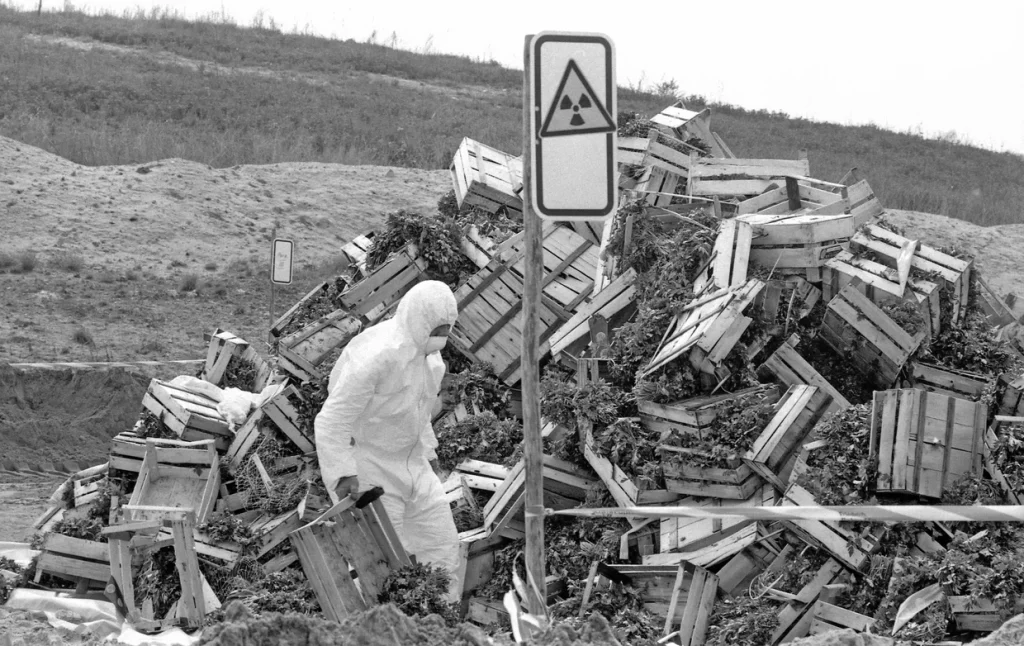
May 1986, Berlin.
A neighborhood reduced to rubble by an atomic bomb blast.
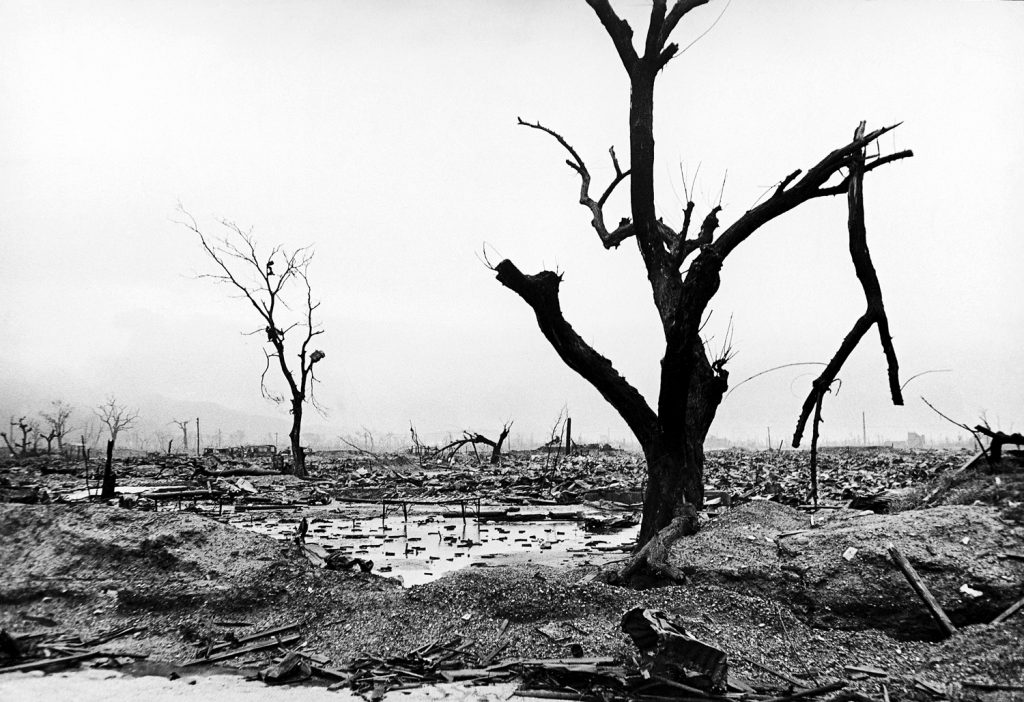
Hiroshima, 1945.
The shelter construction covering the exploded reactor at the Chernobyl nuclear plant.
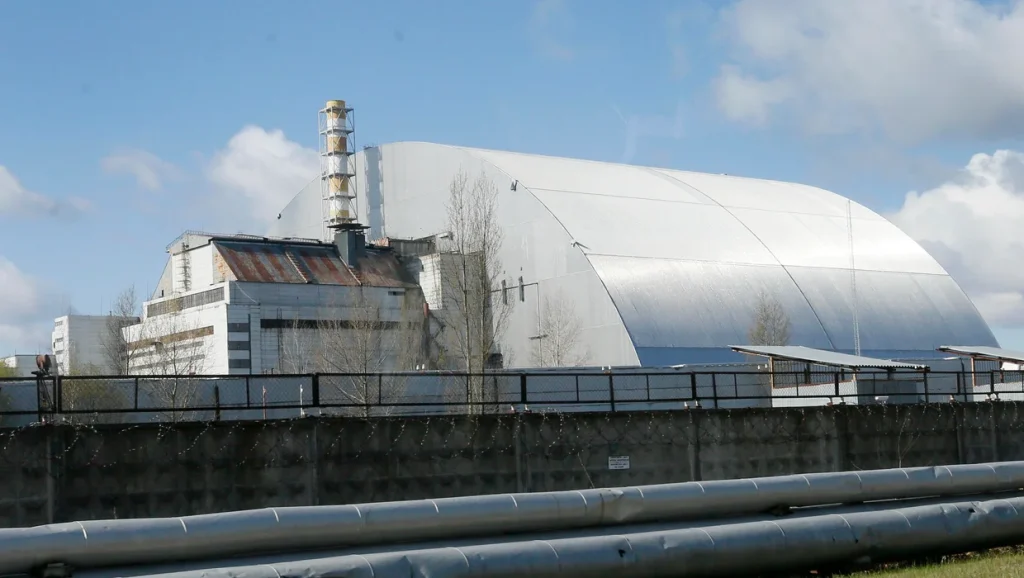
Ukraine.
The real control desk of the Chernobyl plant just days before the disaster.
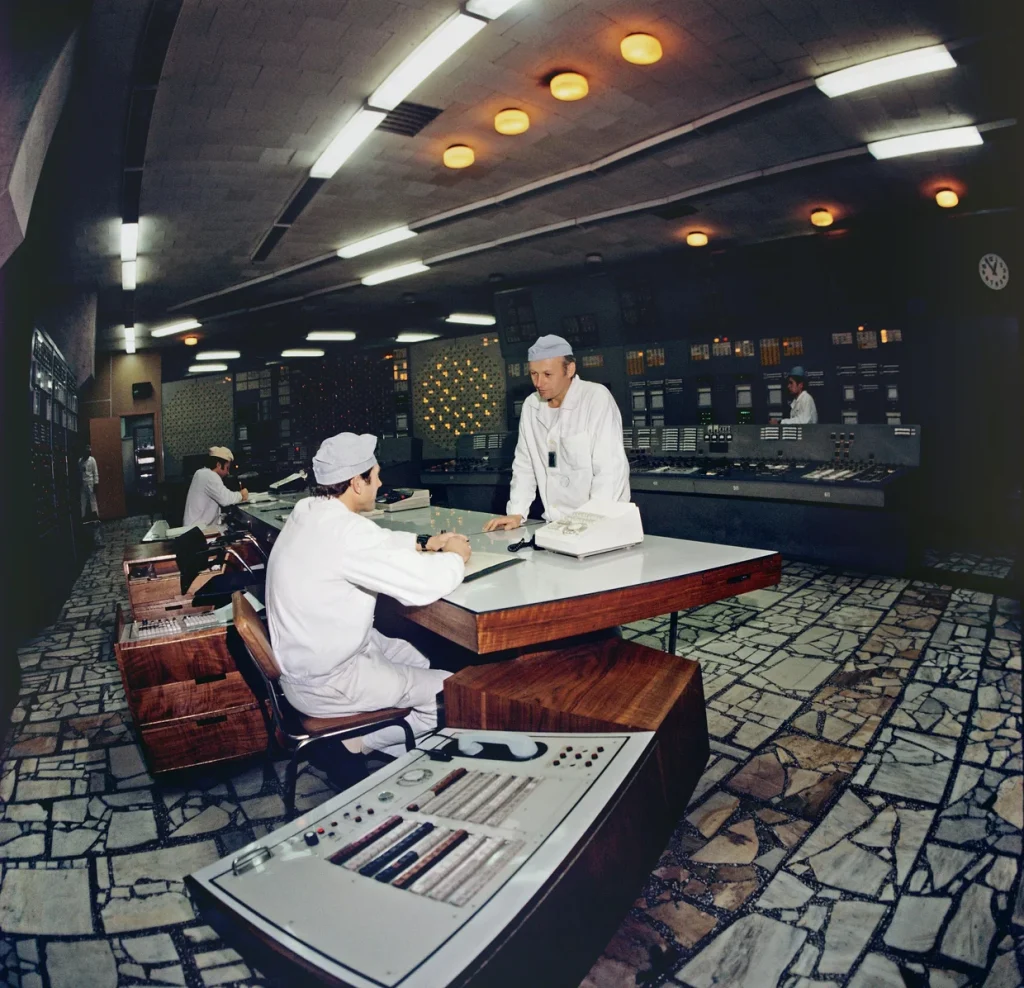
April 18, 1986.
Gas masks people used after Chernobyl disaster.
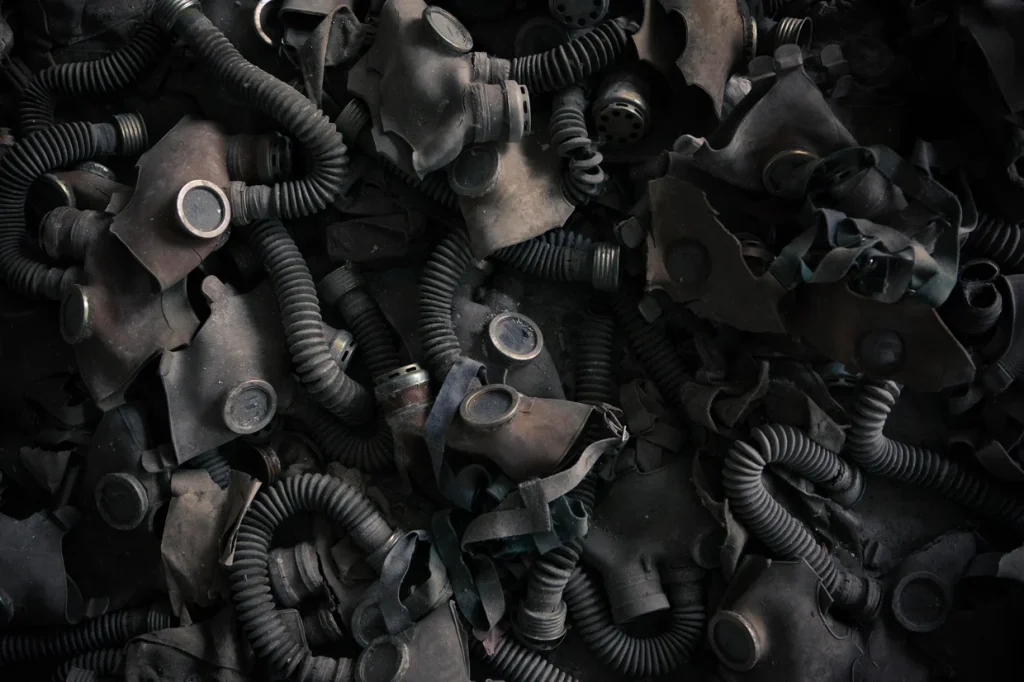
The air was so polluted it was impossible to breathe without the right equipment.