History isn’t just made on battlefields or behind podiums; it often happens in quiet rooms, at crowded tables, or during unexpected encounters. These meetings brought together some of the most influential minds, leaders, and visionaries of their time. Some were planned with diplomatic precision, others were spontaneous sparks that changed the course of history. Here are 30 unforgettable historical meetings that shaped the world as we know it.
The Yalta Conference (1945)
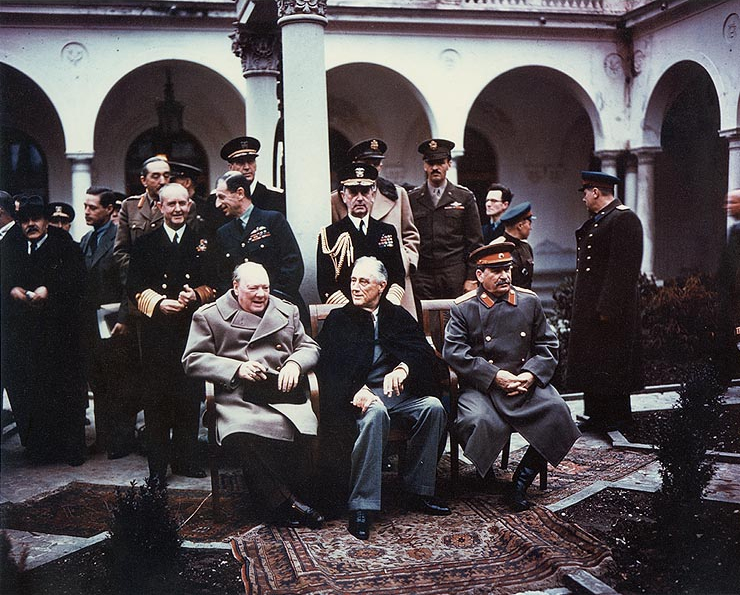
Held during the final months of World War II, the Yalta Conference brought together Winston Churchill, Franklin D. Roosevelt, and Joseph Stalin to discuss the post-war world order. The agreements they reached, including plans for the division of Germany and the establishment of the United Nations, shaped global politics for decades and sowed the seeds of the Cold War.
The Potsdam Conference (1945)
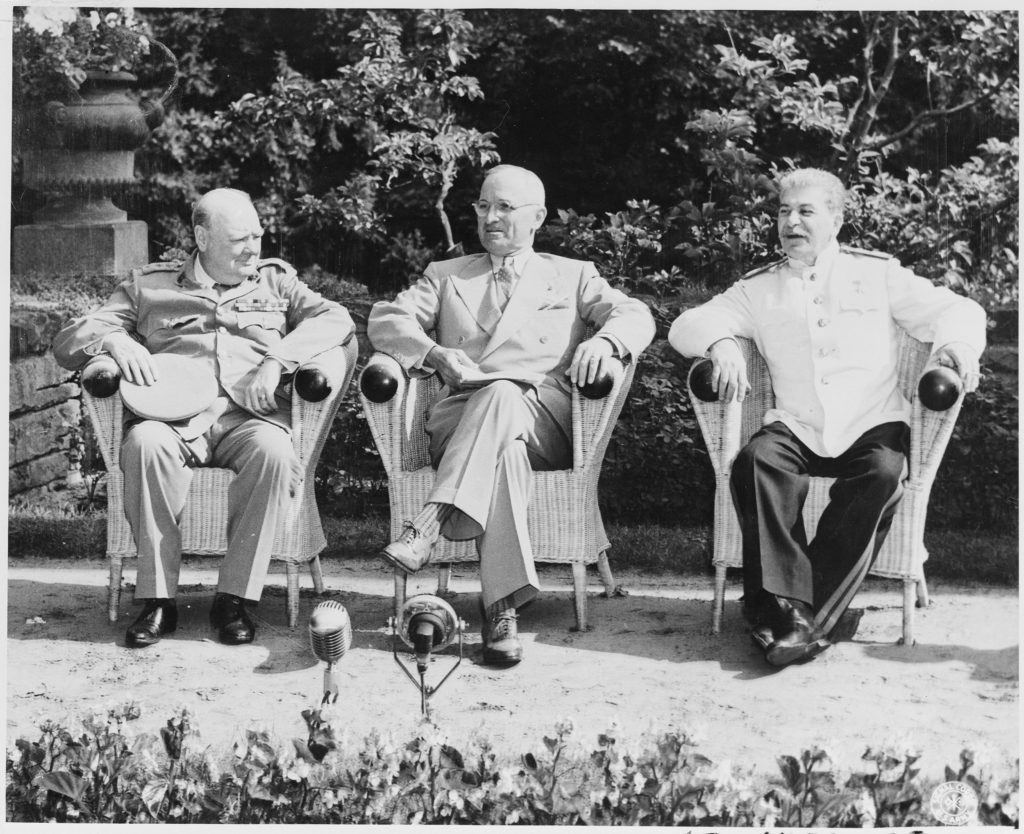
Just months after Yalta, Allied leaders met again in Potsdam. With Truman replacing Roosevelt and Attlee succeeding Churchill mid-conference, the dynamic had shifted. Here, the leaders finalized terms for Japan’s surrender and made critical decisions about the occupation of Germany, decisions that deepened East-West tensions and helped solidify the Iron Curtain.
The Meeting at Appomattox Court House (1865)
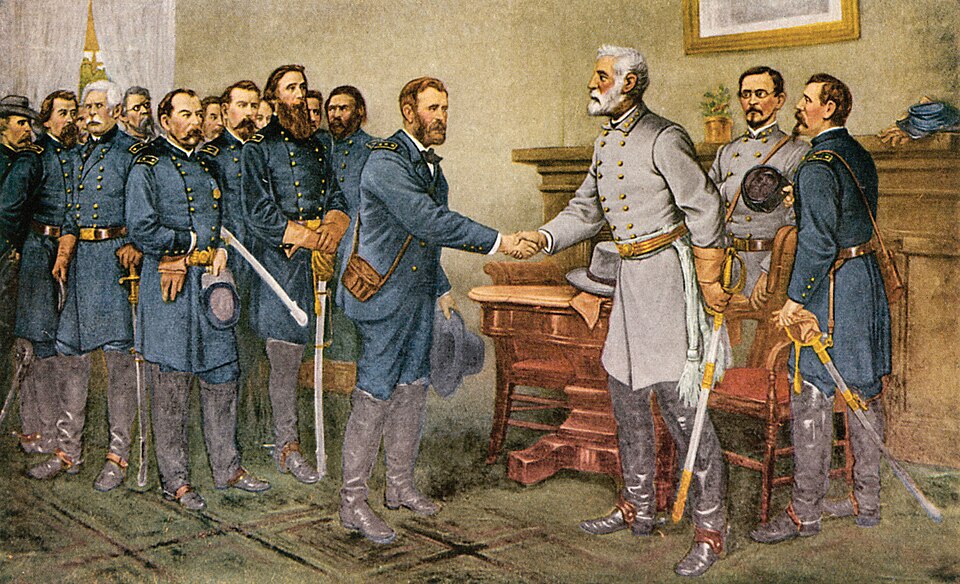
In a quiet Virginia village, Confederate General Robert E. Lee met Union General Ulysses S. Grant to surrender the Army of Northern Virginia, effectively ending the American Civil War. Grant’s lenient terms helped begin the process of national reconciliation, though the struggle for civil rights was far from over.
The Camp David Accords (1978)
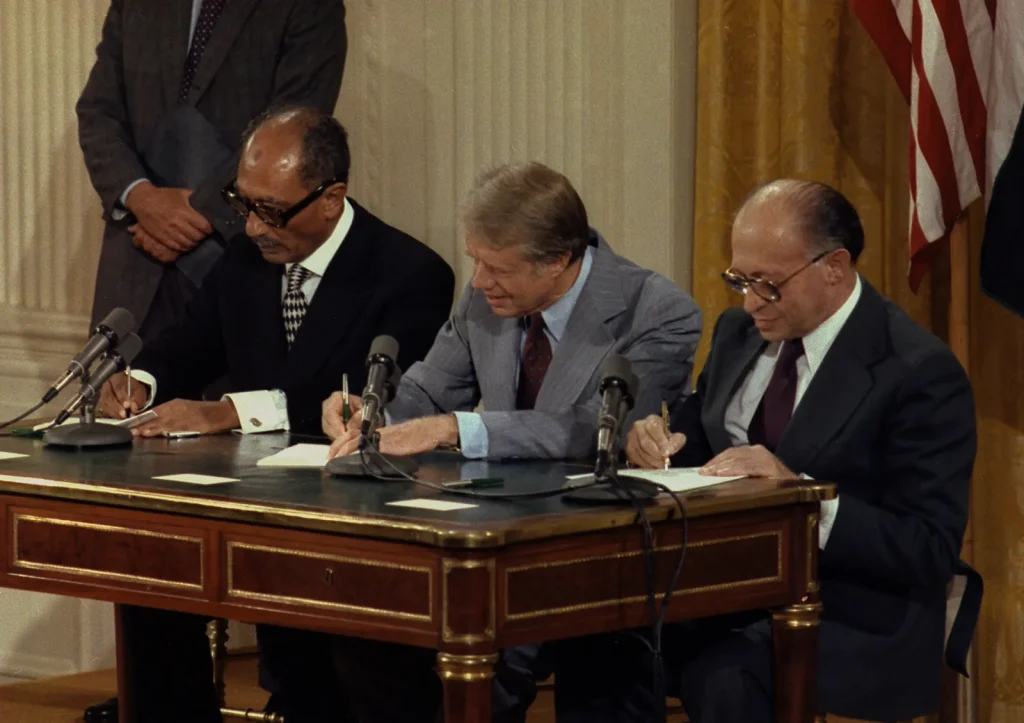
President Jimmy Carter hosted Egyptian President Anwar Sadat and Israeli Prime Minister Menachem Begin at Camp David for nearly two weeks of tense negotiations. The result was a landmark peace agreement between Egypt and Israel, making Egypt the first Arab nation to recognize Israel and reshaping Middle Eastern diplomacy.
The Congress of Vienna (1814–1815)
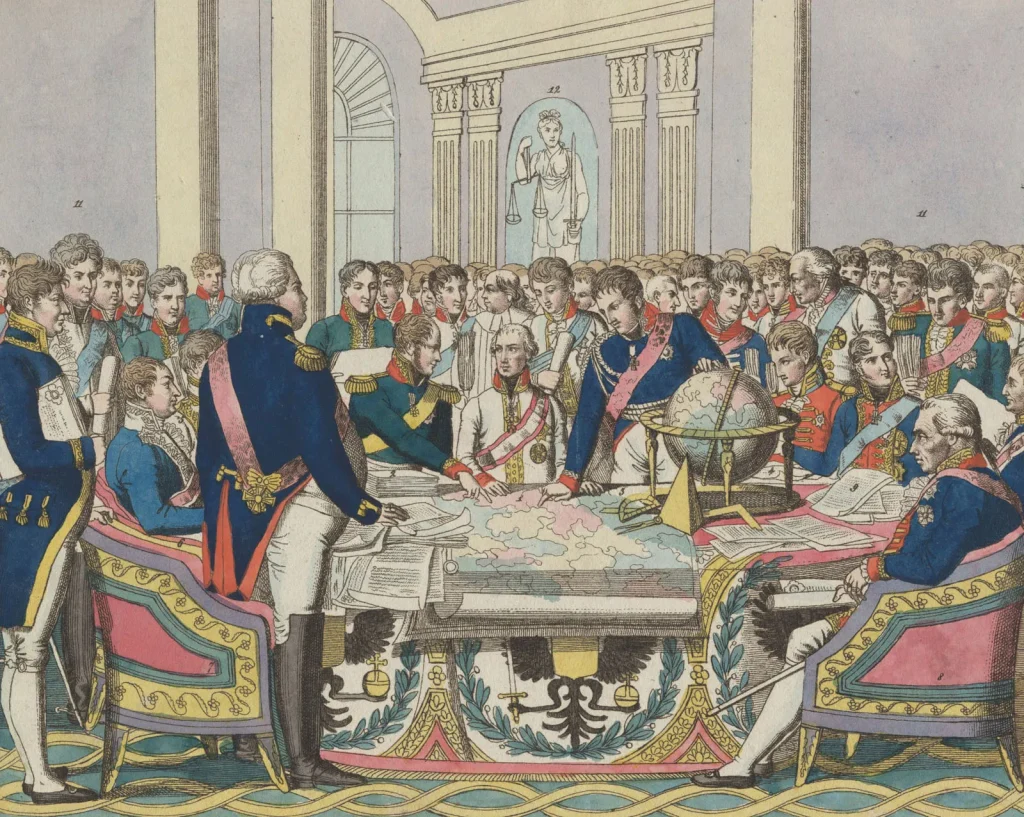
After Napoleon’s downfall, European leaders gathered in Vienna to restore order and reestablish monarchies. This meeting redrew the map of Europe and aimed to create a balance of power to prevent future large-scale conflict. It successfully maintained relative peace on the continent for nearly a century.
The First Continental Congress (1774)
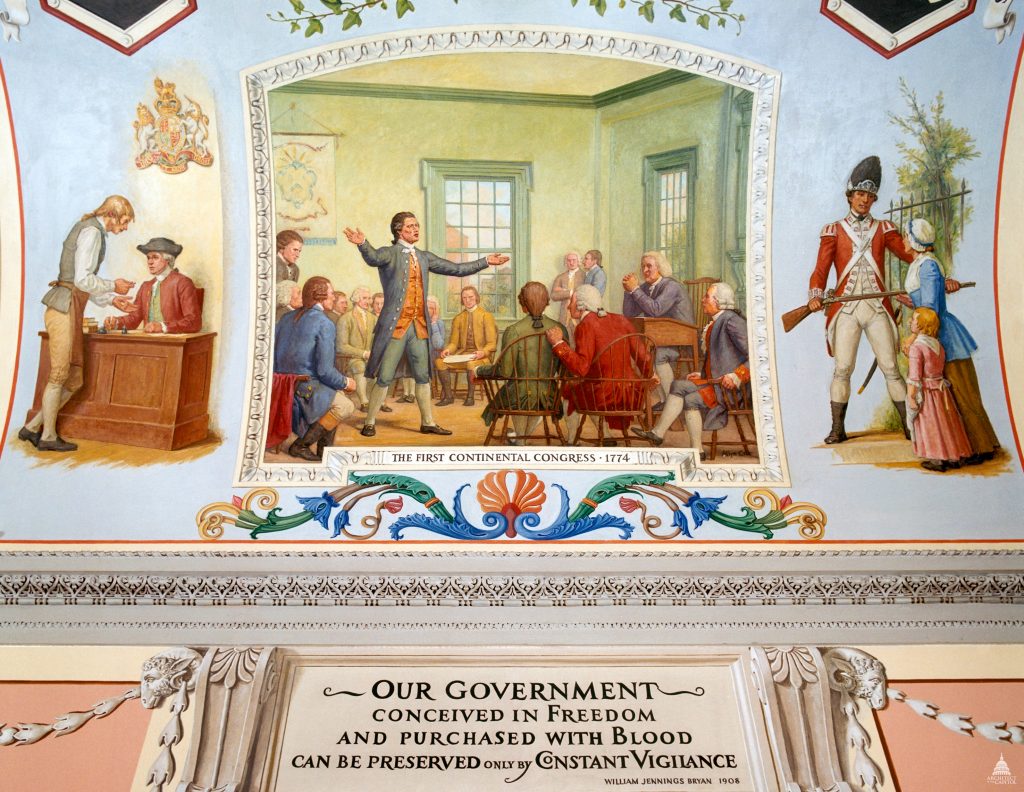
Delegates from 12 American colonies (Georgia sat this one out) met in Philadelphia to respond to Britain’s increasing control. This meeting was pivotal in organizing colonial resistance and laid the groundwork for the Declaration of Independence and the American Revolution.
The Meeting of Lenin and Trotsky (1917)
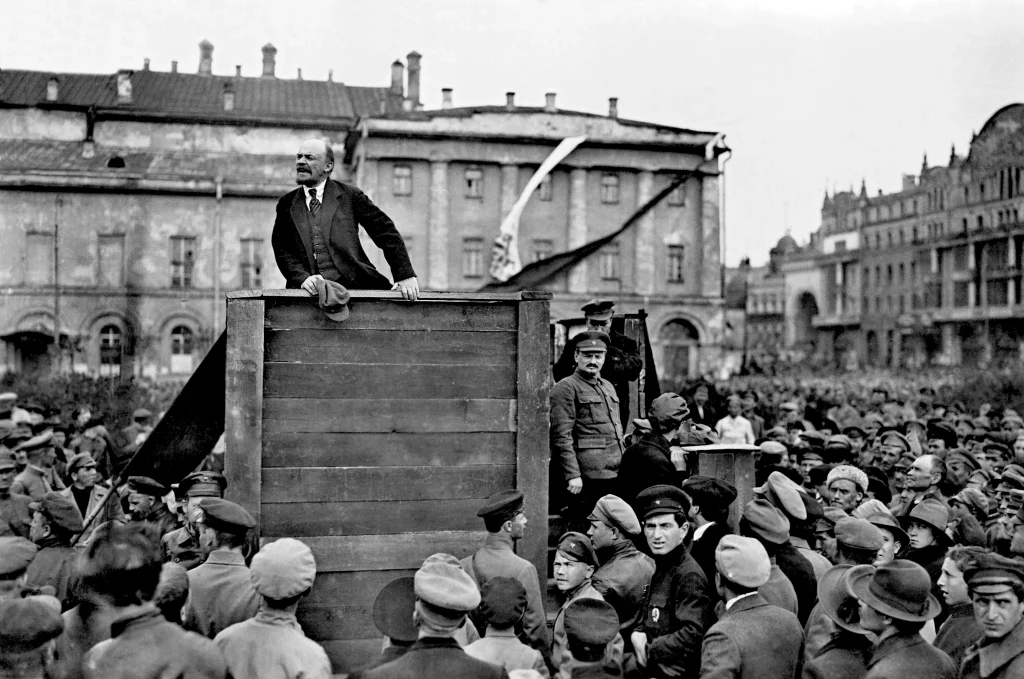
When Vladimir Lenin met Leon Trotsky in Petrograd, the two revolutionary leaders united to overthrow Russia’s Provisional Government. Their collaboration sparked the October Revolution, leading to the rise of the Soviet Union and a seismic shift in global politics.
Nixon Meets Mao (1972)
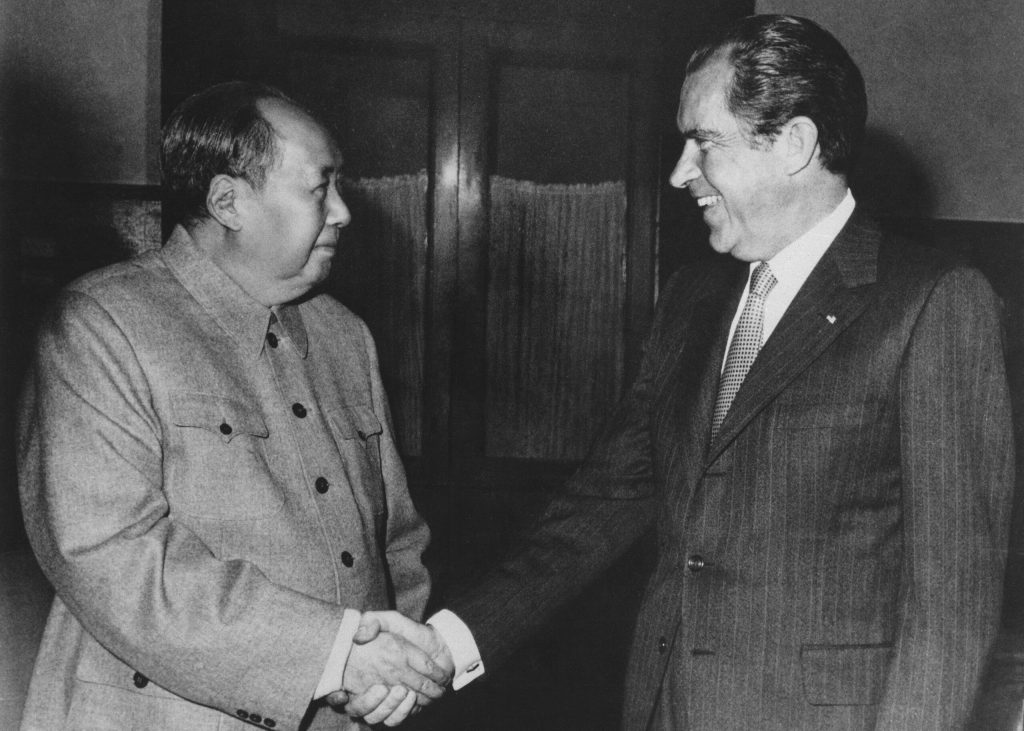
In a bold move to reframe Cold War alliances, U.S. President Richard Nixon visited China and met with Chairman Mao Zedong. This groundbreaking meeting opened diplomatic relations between the two nations and strategically isolated the Soviet Union, redefining global power balances.
The Big Three at Tehran (1943)
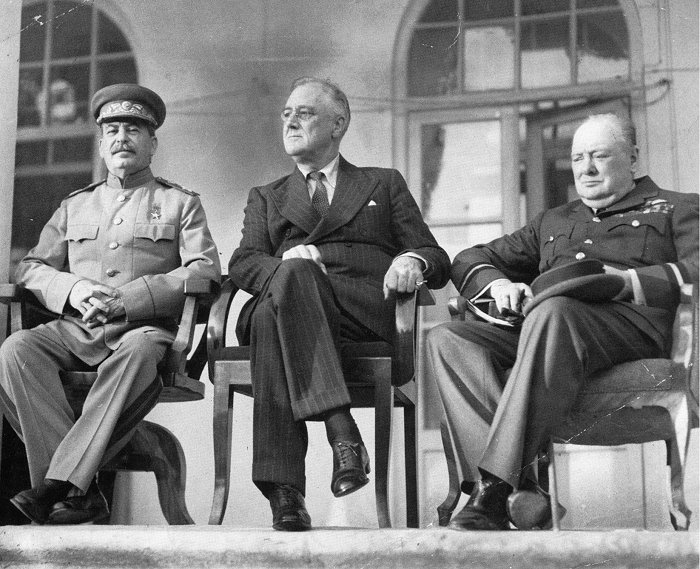
The first major meeting of Churchill, Roosevelt, and Stalin took place in Tehran, where they coordinated military strategy to defeat Nazi Germany. It also began discussions about the post-war world and set the stage for the controversial decisions at Yalta and Potsdam.
The Meeting of Martin Luther and Charles V (1521)
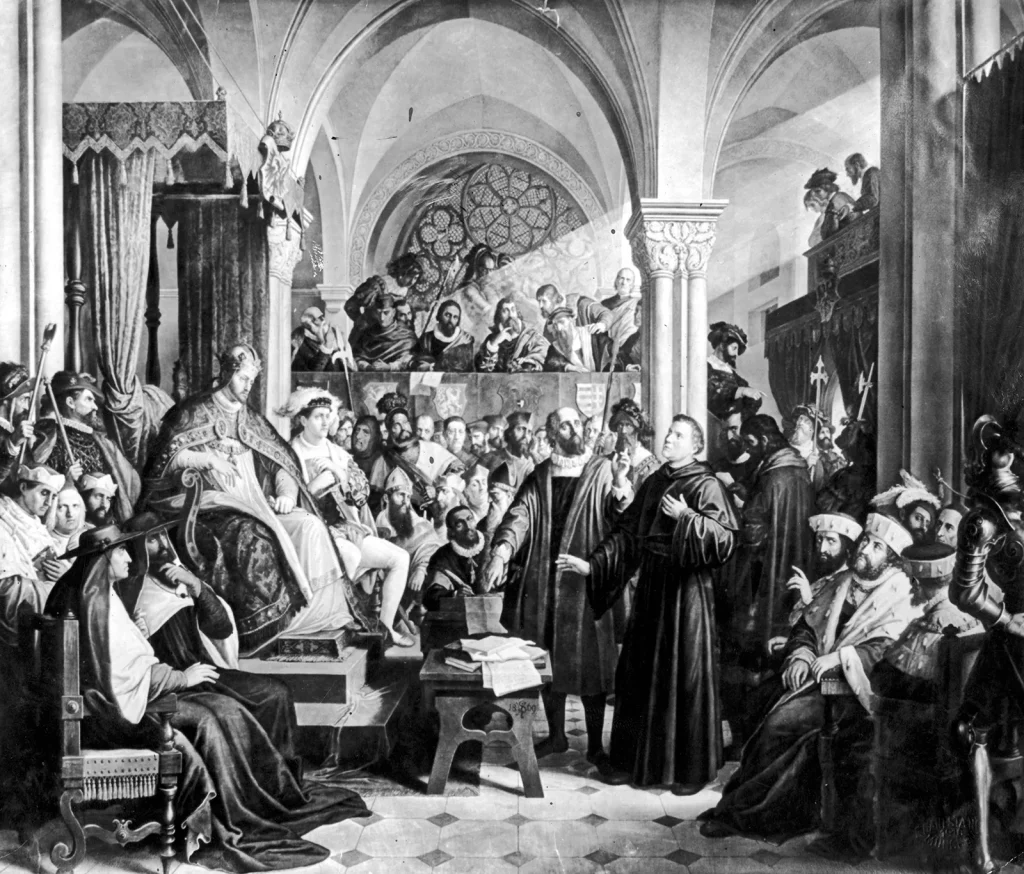
Summoned to the Diet of Worms, Martin Luther refused to recant his criticisms of the Catholic Church in front of Emperor Charles V. This defiant stand marked a turning point in the Protestant Reformation and challenged the authority of the Church across Europe.
The Oslo Accords (1993)
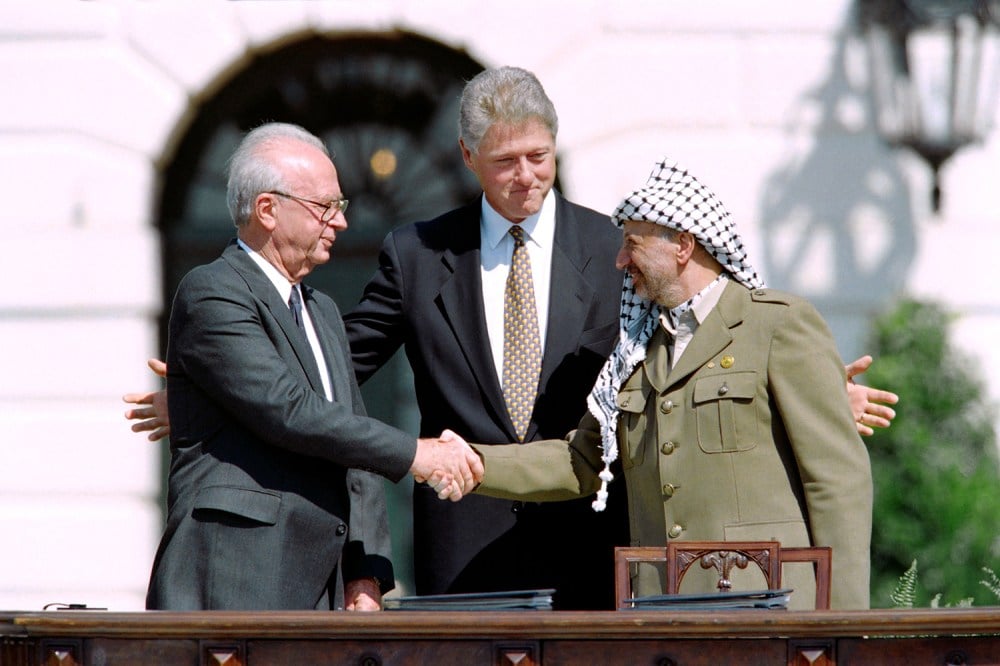
Secret negotiations in Norway led to a surprise handshake on the White House lawn between Israeli Prime Minister Yitzhak Rabin and PLO leader Yasser Arafat. The Oslo Accords marked a historic step toward peace in the Israeli–Palestinian conflict, though the path forward remained fraught.
The Signing of the Magna Carta (1215)
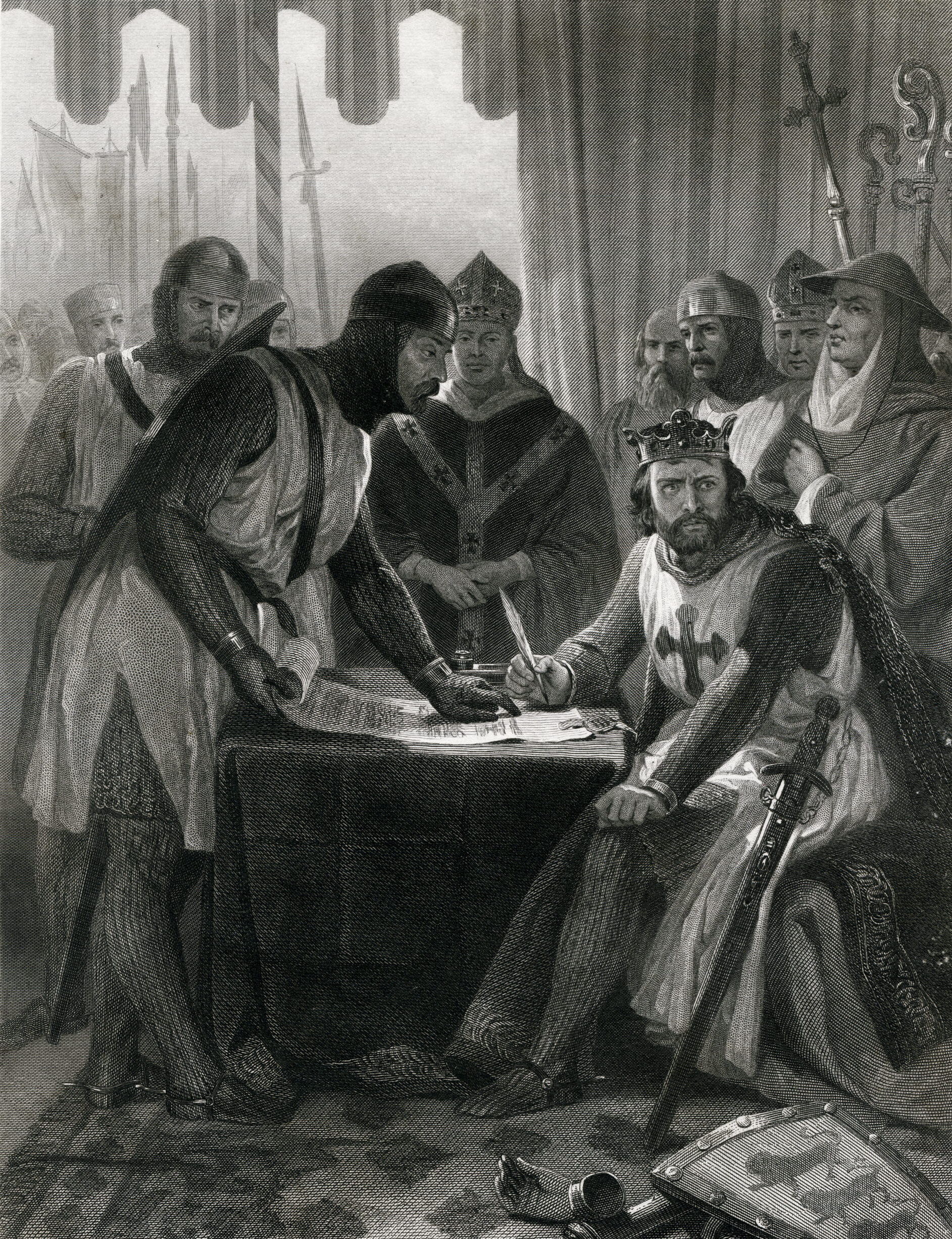
Facing rebellion from his barons, King John of England was forced to sign the Magna Carta at Runnymede. This foundational document limited royal authority and established principles of due process and legal equality, cornerstones of modern democracy.
The Founding of the United Nations (1945)
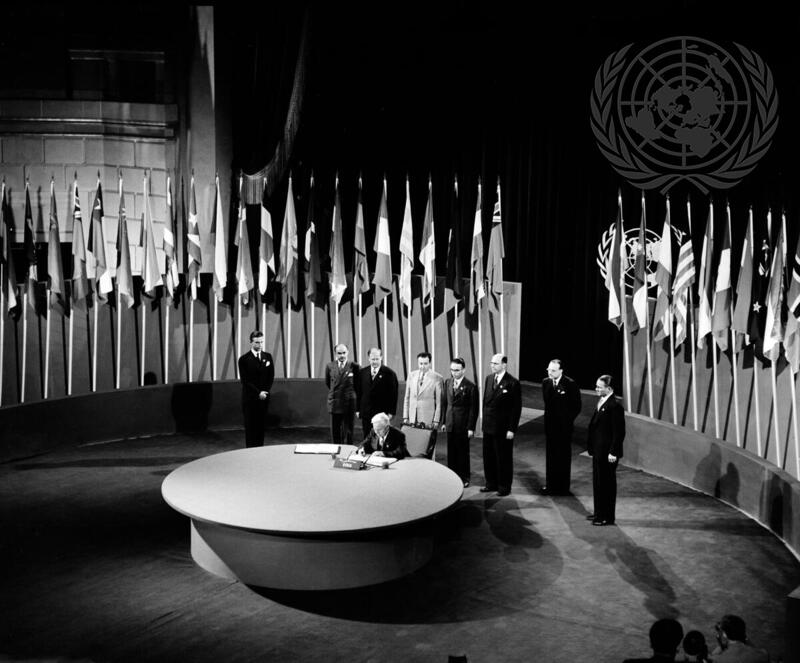
Delegates from 50 nations met in San Francisco to create a new international organization dedicated to peace and cooperation. Out of the ruins of WWII, the United Nations was born, providing a platform for global diplomacy that still exists today.
The Treaty of Versailles (1919)
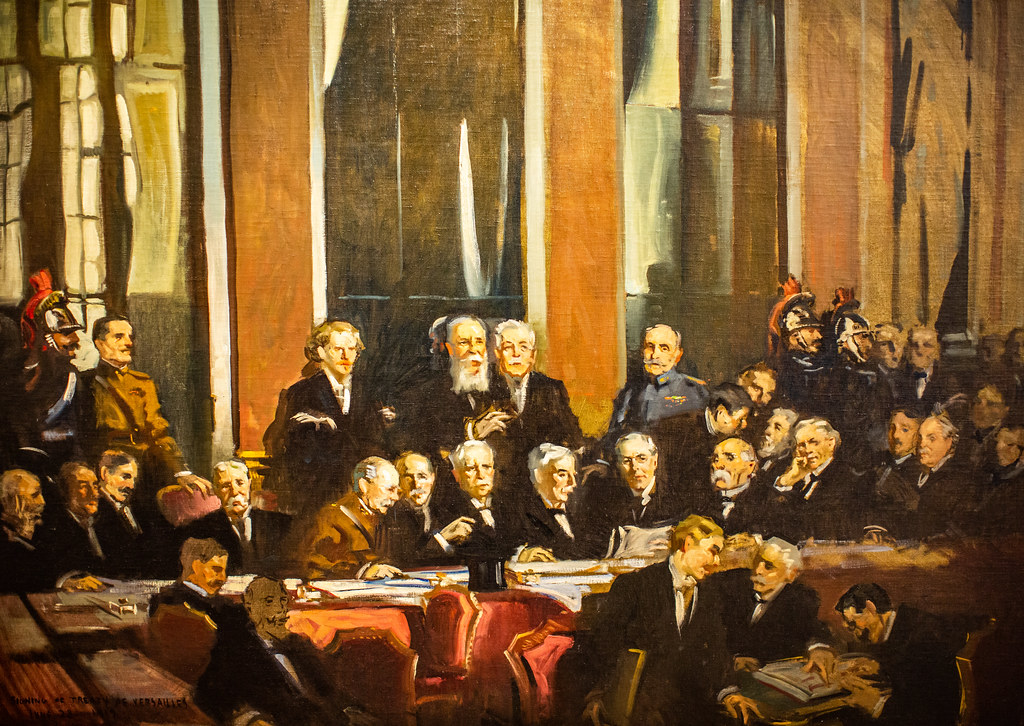
In the opulent Hall of Mirrors at Versailles, World War I officially ended. The treaty imposed harsh reparations on Germany, redrew borders, and created the League of Nations. Its punitive terms, however, laid the groundwork for resentment and the rise of Nazism.
The Meeting of Marx and Engels (1844)
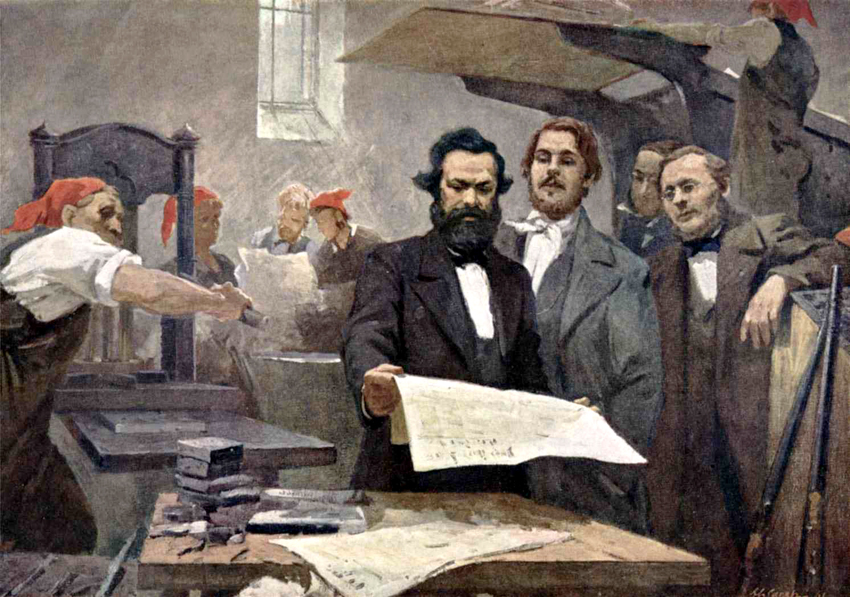
When Karl Marx met Friedrich Engels in Paris, they quickly bonded over their radical ideas. Their intellectual partnership produced The Communist Manifesto, which inspired revolutions, shaped 20th-century politics, and influenced labor movements worldwide.
The Geneva Summit (1955)
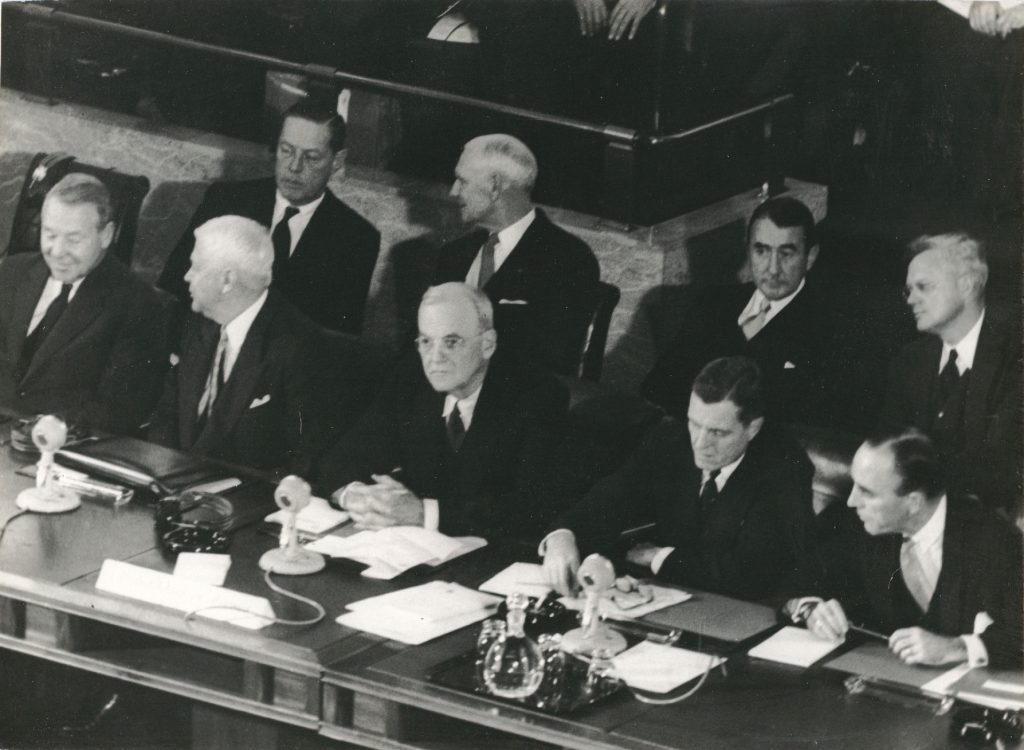
In the Cold War’s chill, leaders of the U.S., Soviet Union, U.K., and France met in Geneva for talks. Though no major agreements were reached, the summit marked a thaw in international relations and began a cautious era of diplomatic engagement between East and West.
The Paris Peace Accords (1973)
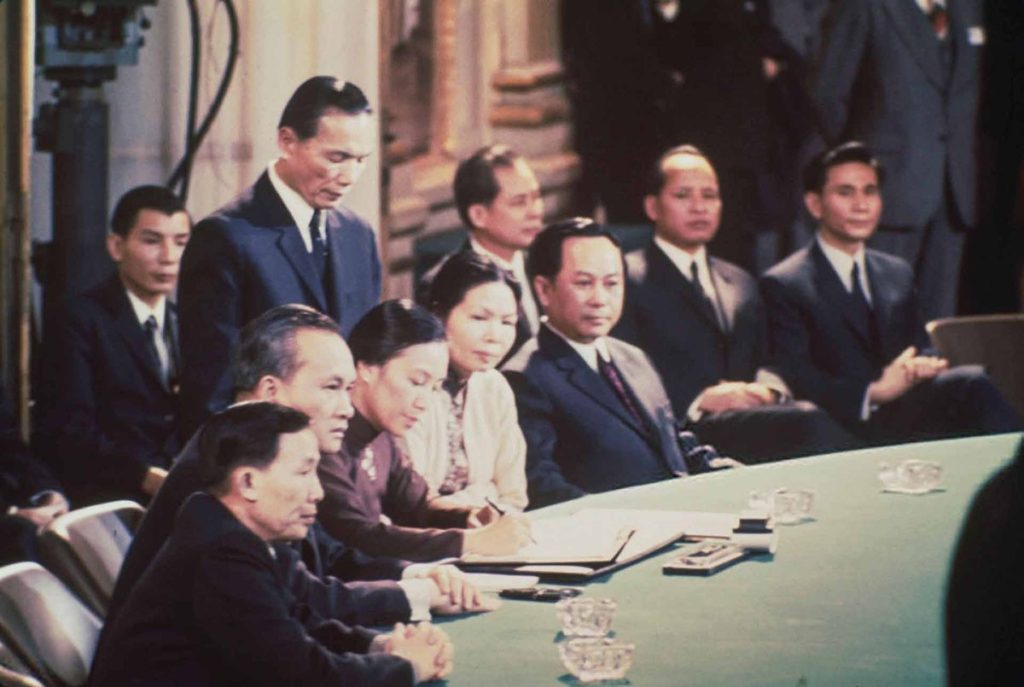
After years of war, U.S., North Vietnamese, South Vietnamese, and Viet Cong representatives signed the Paris Peace Accords, officially ending American involvement in Vietnam. While the agreement failed to secure lasting peace, it marked a significant shift in U.S. foreign policy.
The Meeting at Seneca Falls (1848)
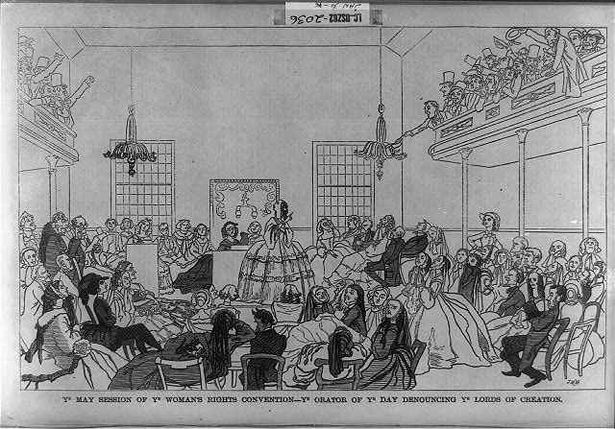
Organized by Elizabeth Cady Stanton and Lucretia Mott, the Seneca Falls Convention was the first women’s rights meeting in the U.S. Attendees declared that women deserved equal rights, including the right to vote, sparking the long fight for gender equality.
The Munich Agreement (1938)
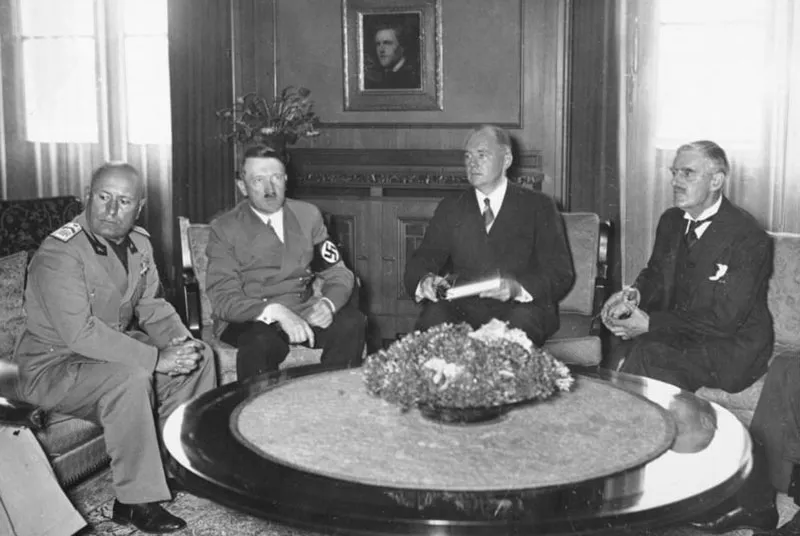
In an attempt to appease Hitler, British Prime Minister Neville Chamberlain and other European leaders agreed to let Nazi Germany annex parts of Czechoslovakia. This failed effort at peace emboldened Hitler and is widely seen as a cautionary tale of appeasement gone wrong.
The Bandung Conference (1955)
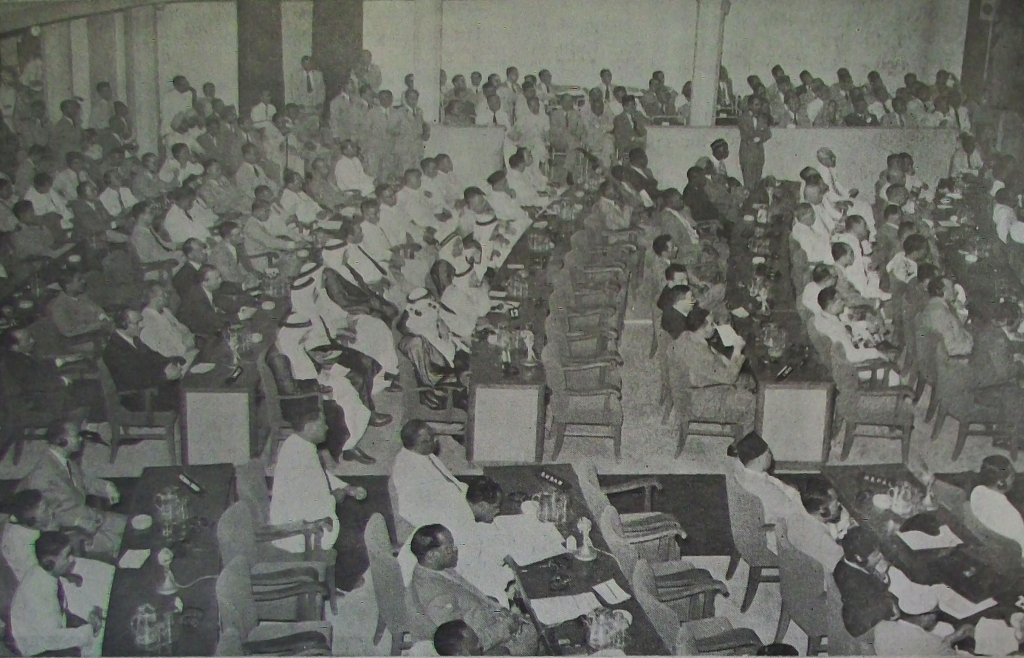
Leaders from 29 newly independent Asian and African countries met in Indonesia to forge a path outside the Cold War power blocs. The Bandung Conference launched the Non-Aligned Movement, asserting the right of countries to remain neutral in the East-West conflict.
The Gorbachev–Reagan Summits (1980s)
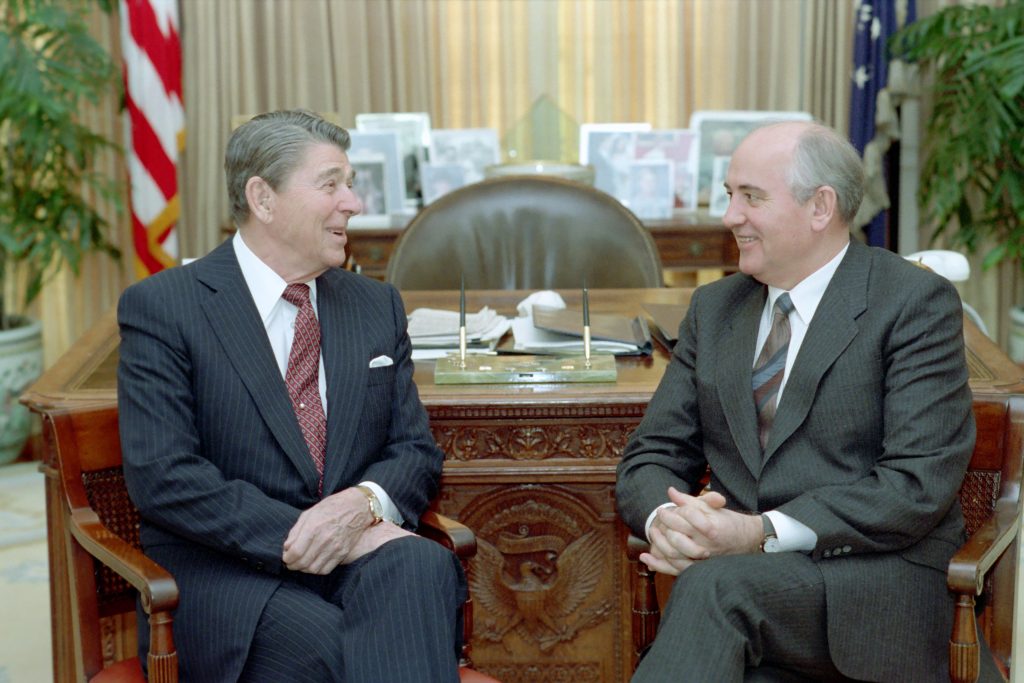
Throughout the 1980s, U.S. President Ronald Reagan and Soviet leader Mikhail Gorbachev held several summits that led to groundbreaking arms reduction agreements and a thaw in Cold War tensions. These talks helped bring an end to decades of nuclear brinkmanship.
The Treaty of Tordesillas (1494)
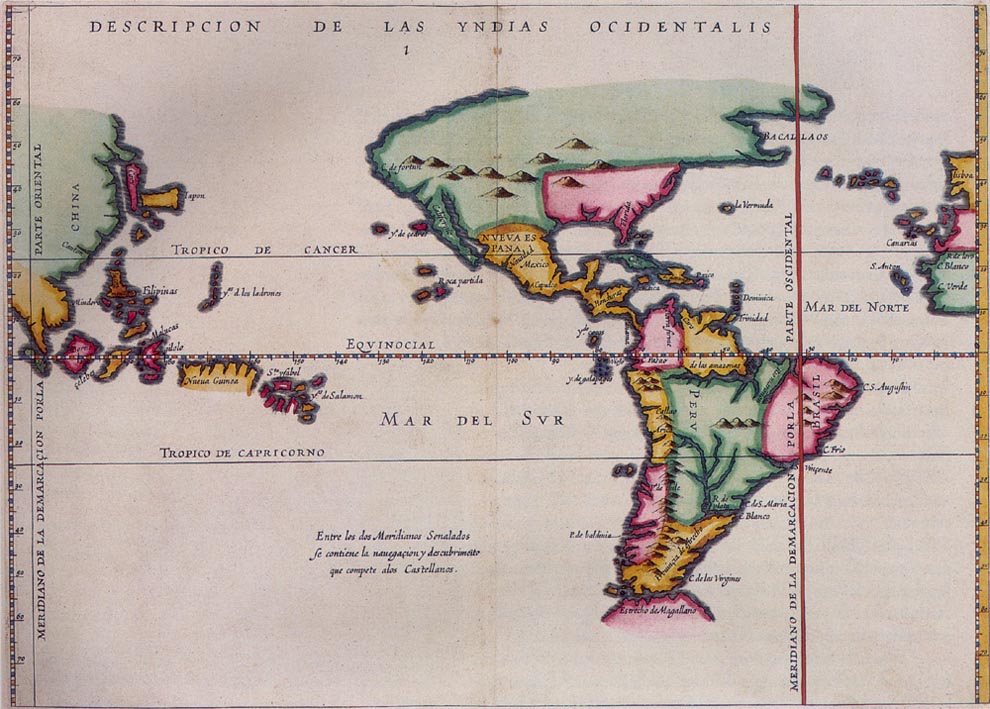
Brokered by the Pope, this treaty divided the New World between Spain and Portugal. Though it aimed to avoid conflict between the two seafaring empires, it effectively gave Europe permission to colonize vast swaths of the Americas.
The Kyoto Protocol Meeting (1997)
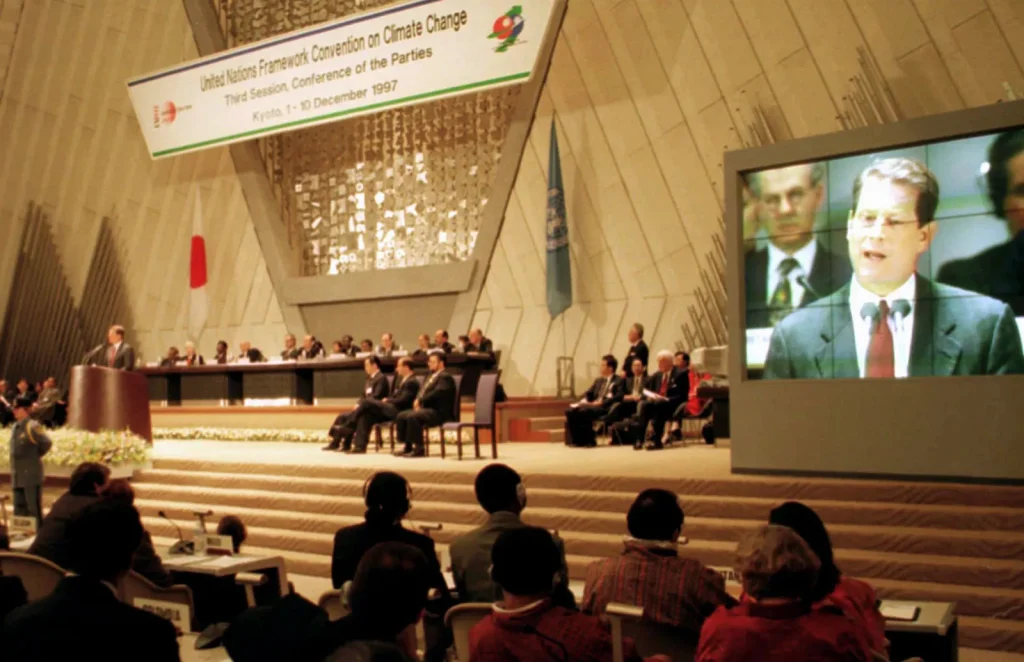
In Japan, representatives from 192 countries agreed to the world’s first legally binding treaty to reduce greenhouse gas emissions. Though not all countries ratified it, the Kyoto Protocol laid the groundwork for future climate action on a global scale.
The Cuban Missile Crisis Negotiations (1962)
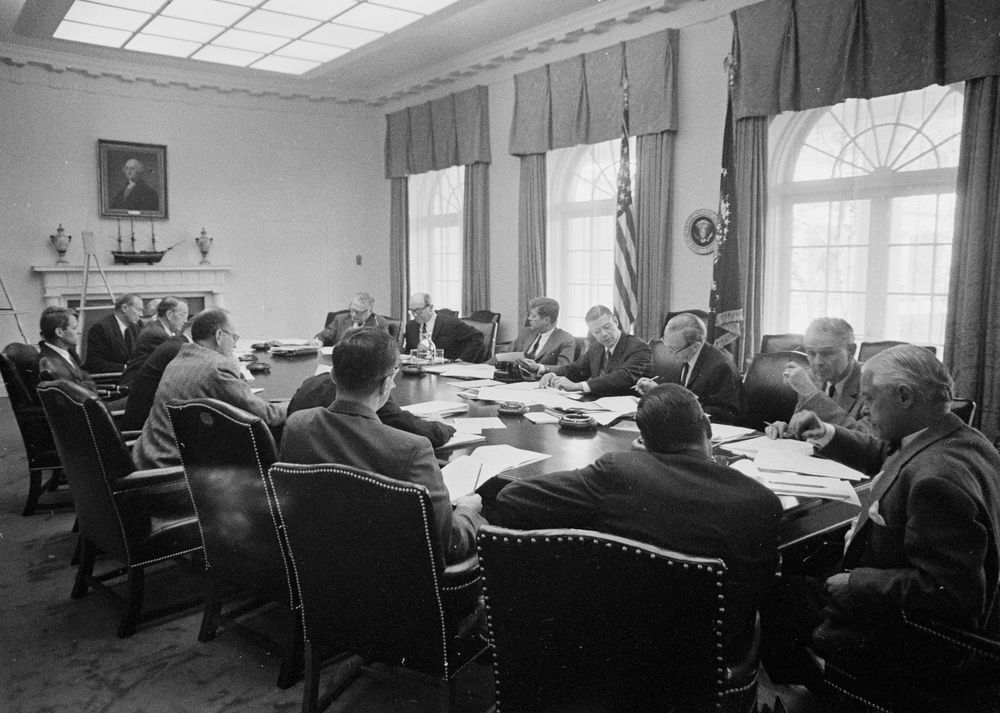
As the world teetered on the brink of nuclear war, U.S. President John F. Kennedy and Soviet Premier Nikita Khrushchev engaged in intense backchannel diplomacy. The resulting agreement to withdraw Soviet missiles from Cuba (and U.S. missiles from Turkey, quietly) saved the world from catastrophe.
The Meeting of Galileo and the Roman Inquisition (1633)
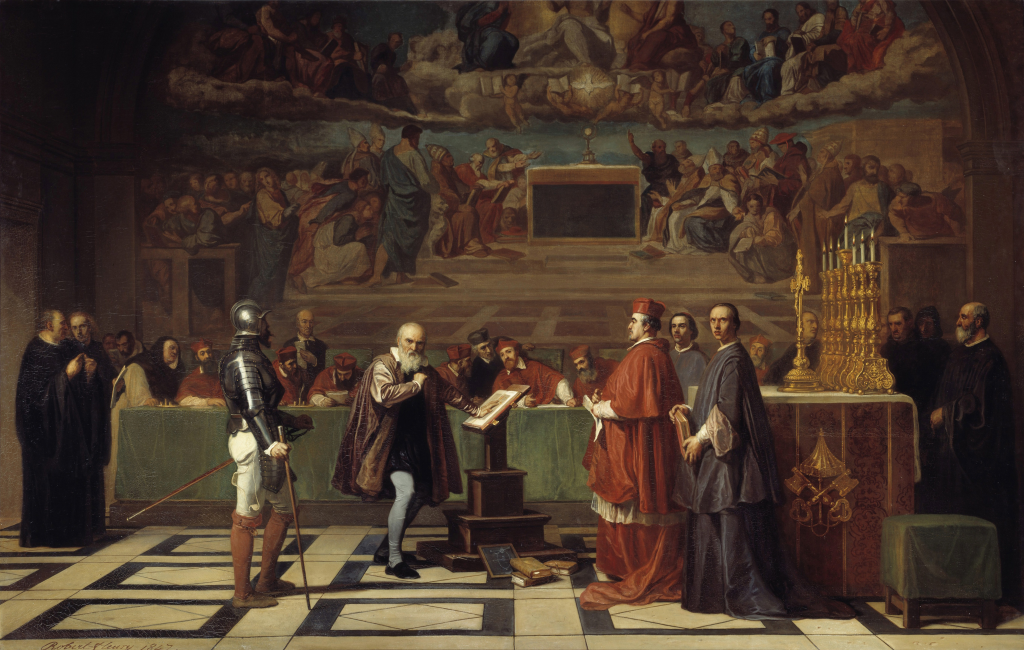
Summoned to Rome, Galileo Galilei defended his support of heliocentrism before the Catholic Church. Though forced to recant, the trial became a symbol of the clash between science and religious dogma, influencing future scientific thought and freedom of inquiry.
The Accra Conference (1958)
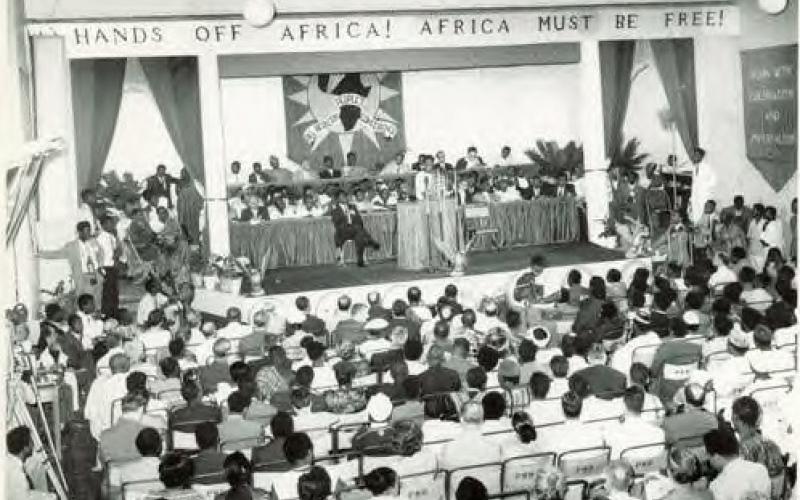
Chaired by Kwame Nkrumah, this meeting of African independence leaders set the stage for a wave of decolonization across the continent. It encouraged solidarity among African nations and ignited nationalist movements that would reshape the continent.
The Balfour Declaration Meeting (1917)
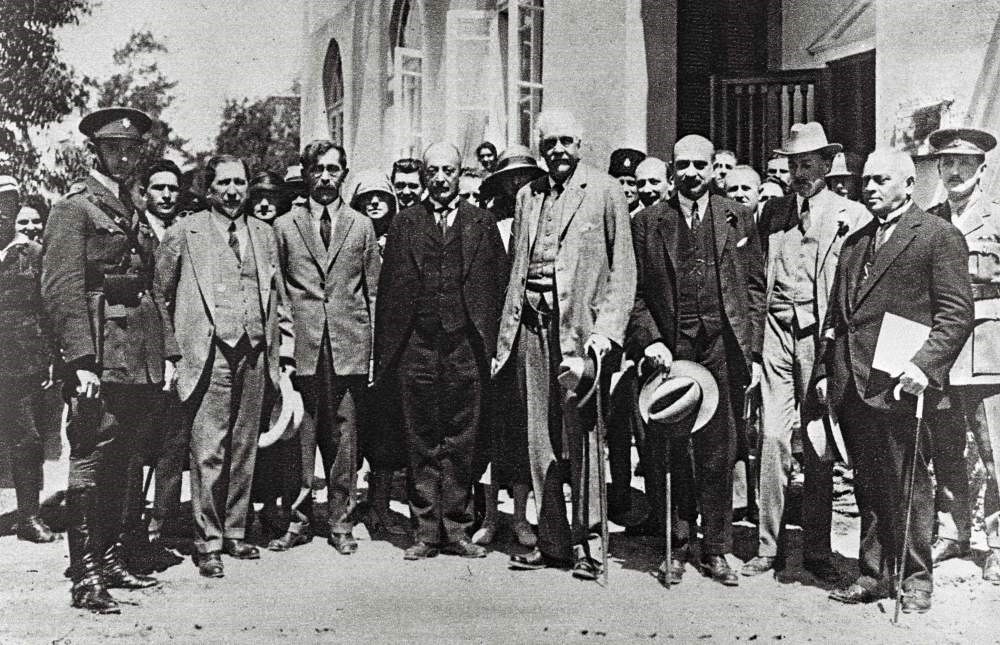
British Foreign Secretary Arthur Balfour issued a statement supporting the establishment of a Jewish homeland in Palestine after discussions with Zionist leaders. This brief but consequential document laid the foundation for the creation of Israel and ongoing Middle Eastern conflict.
The Meeting at Philadelphia: The Constitutional Convention (1787)
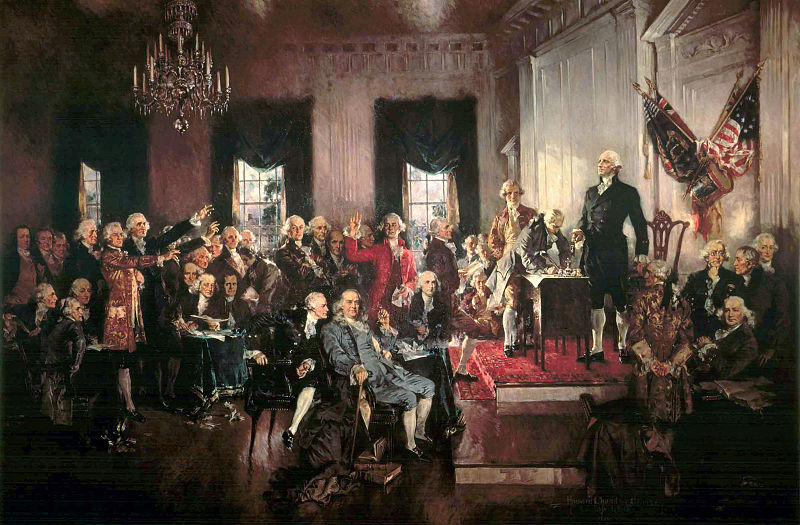
In a hot Philadelphia summer, 55 delegates from 12 states (again, Georgia skipped) gathered to fix the failing Articles of Confederation. What they ended up doing was rewriting the rules entirely, drafting the U.S. Constitution. This foundational document created the framework for modern American democracy, with ideas like checks and balances, separation of powers, and federalism that would inspire governments around the world.
The Founding of NATO (1949)
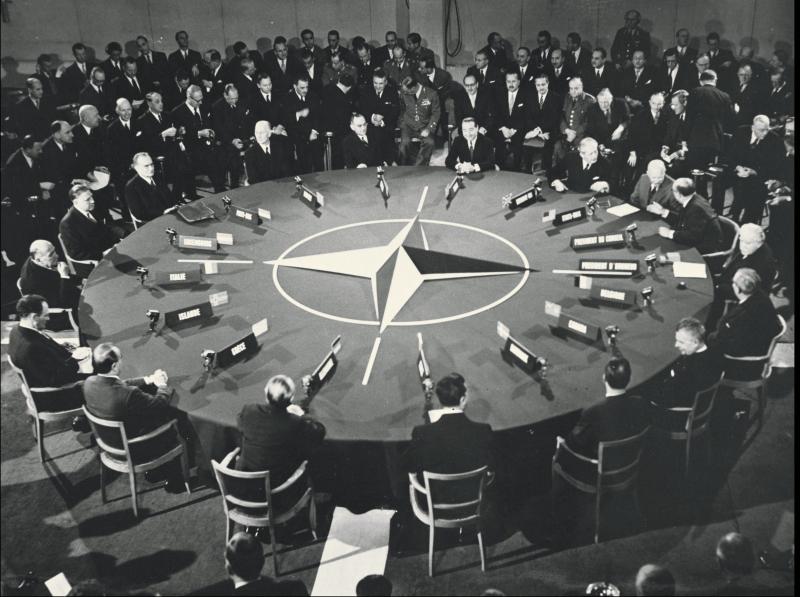
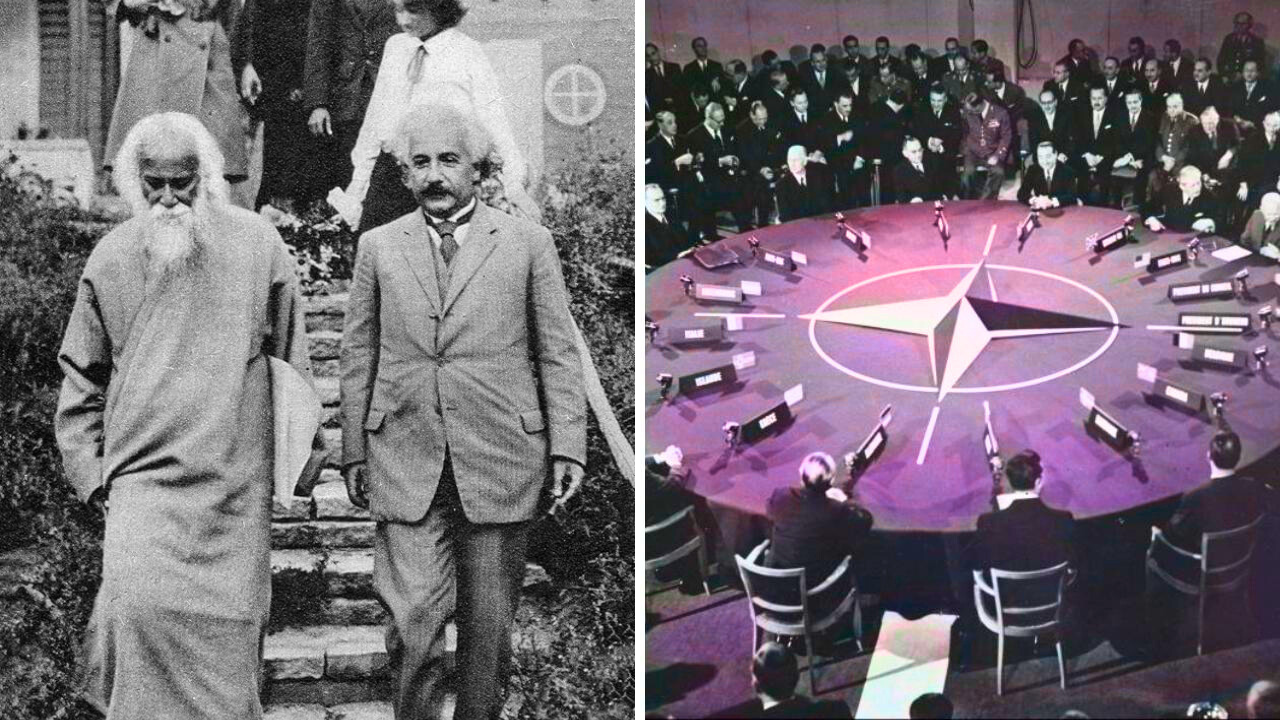
Twelve countries, including the U.S., Canada, and several Western European nations, met to form a military alliance in the wake of WWII. The North Atlantic Treaty Organization was created to counter Soviet expansion and remains a cornerstone of Western defense policy today.
The Meeting of Einstein and Tagore (1930)
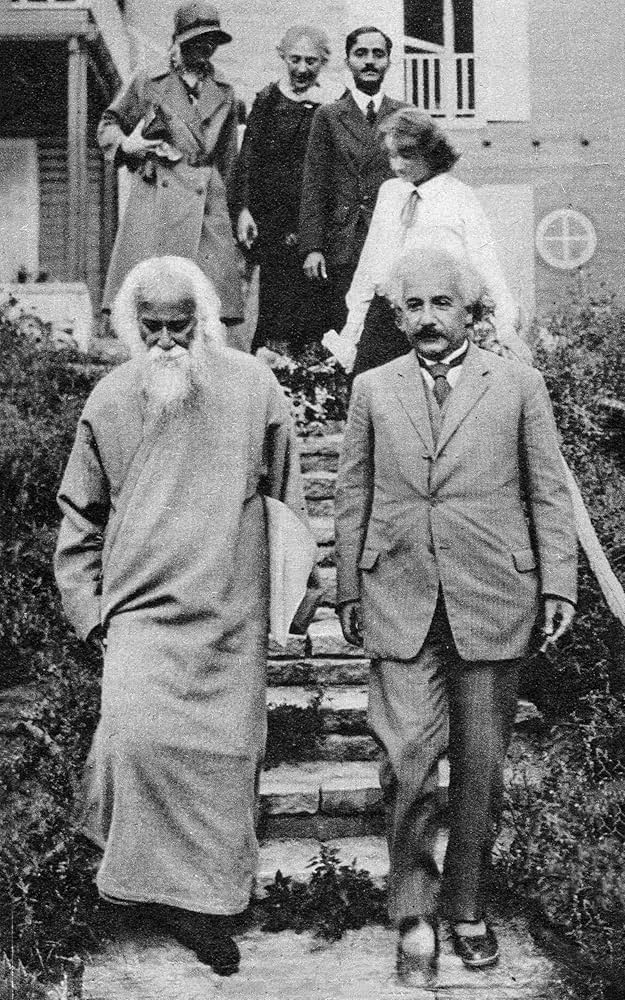
In Berlin, physicist Albert Einstein and philosopher Rabindranath Tagore had a fascinating conversation about science, reality, and the nature of truth. Their East-meets-West dialogue bridged disciplines and cultures, offering a rare philosophical exchange between two geniuses.