History is not just written by politicians in closed rooms; it is forged on the streets by regular citizens demanding change. Throughout the centuries, public demonstrations have served as the ultimate catalyst for shifting paradigms and overthrowing regimes. When thousands or millions of voices unite under a single cause, the course of human civilization alters forever. This article explores 30 pivotal moments where collective action redefined the global political landscape. From ancient religious defiance to modern digital mobilization, these movements prove that real power always resides with the people.
The Baltic Way (1989)
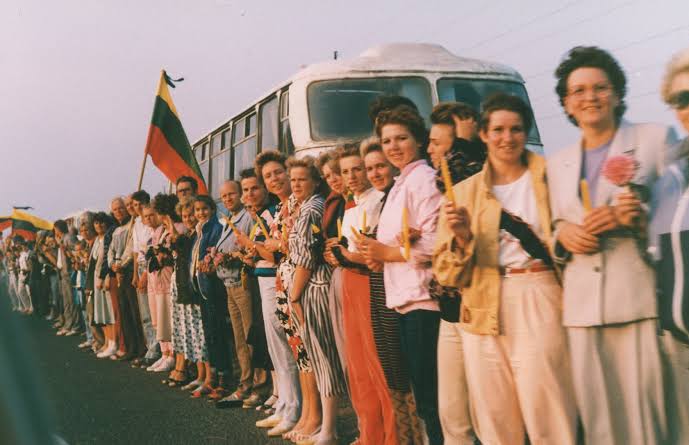
Hoping to draw attention to the illegal Soviet occupation, approximately two million people joined hands across Estonia, Latvia, and Lithuania. The unbroken human chain stretched for over 370 miles and demonstrated an undeniable yearning for independence. This peaceful demonstration forced Soviet leadership to acknowledge the secret protocols of the Molotov-Ribbentrop Pact. Within seven months, Lithuania became the first Soviet republic to declare independence.
The Women’s March (2017)
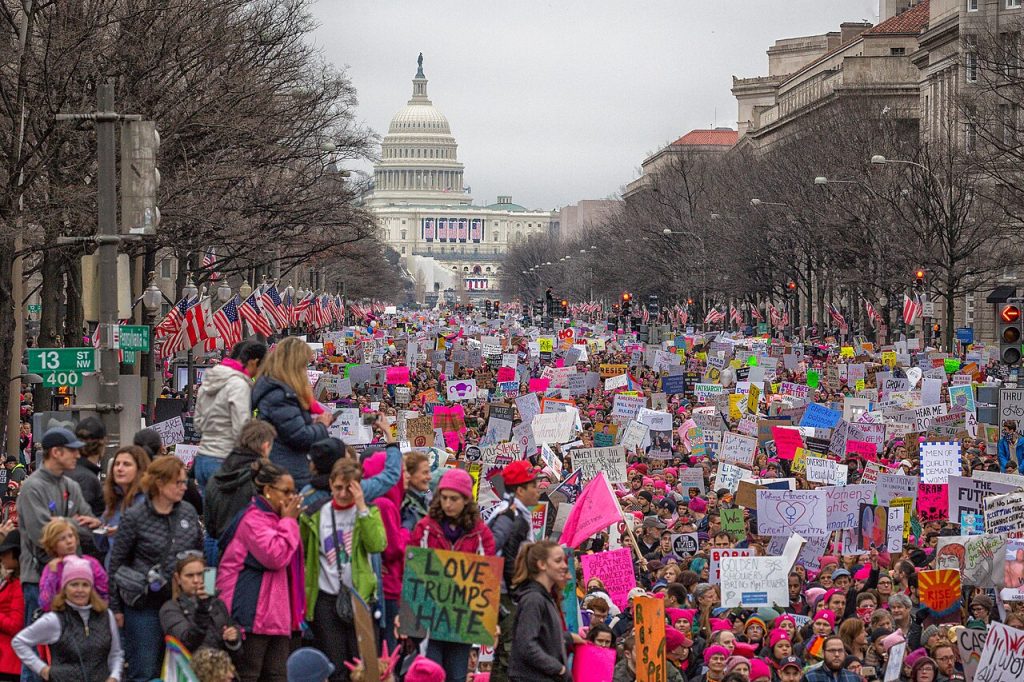
Coordinated global rallies took place the day after the inauguration of a new American president to advocate for women’s rights and immigration reform. Millions of participants filled major cities worldwide, creating one of the largest single-day demonstrations in United States history. The iconic pink knitted hats became an overnight cultural symbol of resistance. This massive turnout successfully mobilized a new wave of female political candidates in subsequent elections.
The Storming of the Bastille (1789)
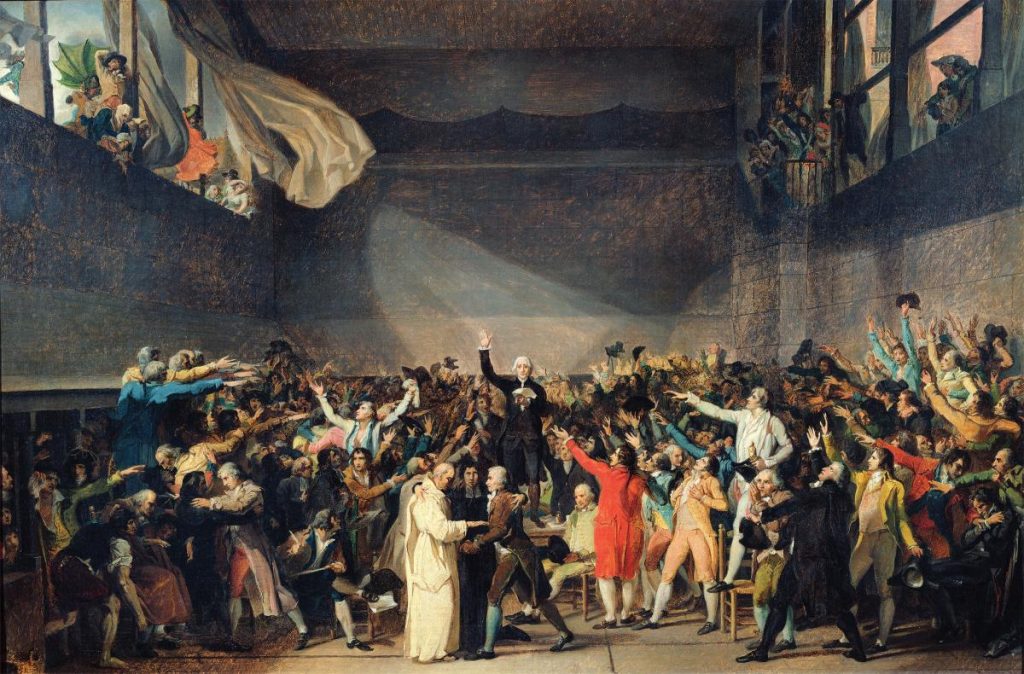
An angry mob attacked a medieval fortress and political prison in Paris to seize gunpowder and ammunition. This violent clash signaled the breakdown of royal authority and the true commencement of the French Revolution. Interestingly, the prison only held seven inmates at the exact moment it was captured. The fall of this structure symbolized the end of absolute monarchy in France.
March for Our Lives (2018)
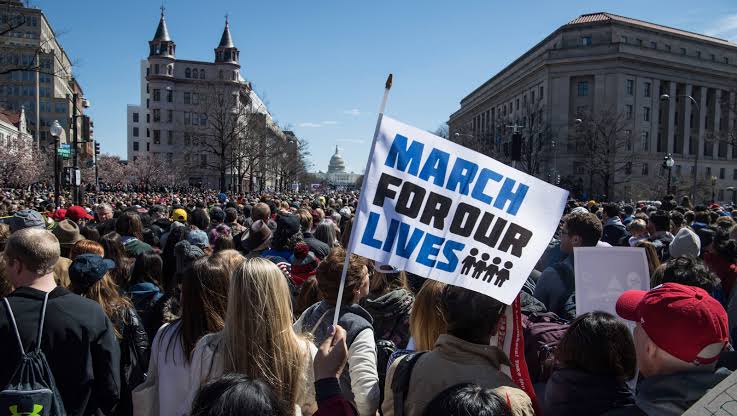
Student survivors of a tragic high school shooting in Parkland, Florida, organized a massive demonstration in Washington to demand stricter gun control laws. Hundreds of sibling marches occurred simultaneously across the country, driven heavily by youth leadership. The event represented one of the largest youth-led protests since the Vietnam War era. Consequently, several states passed legislation raising the firearm purchase age shortly thereafter.
The Boston Tea Party (1773)
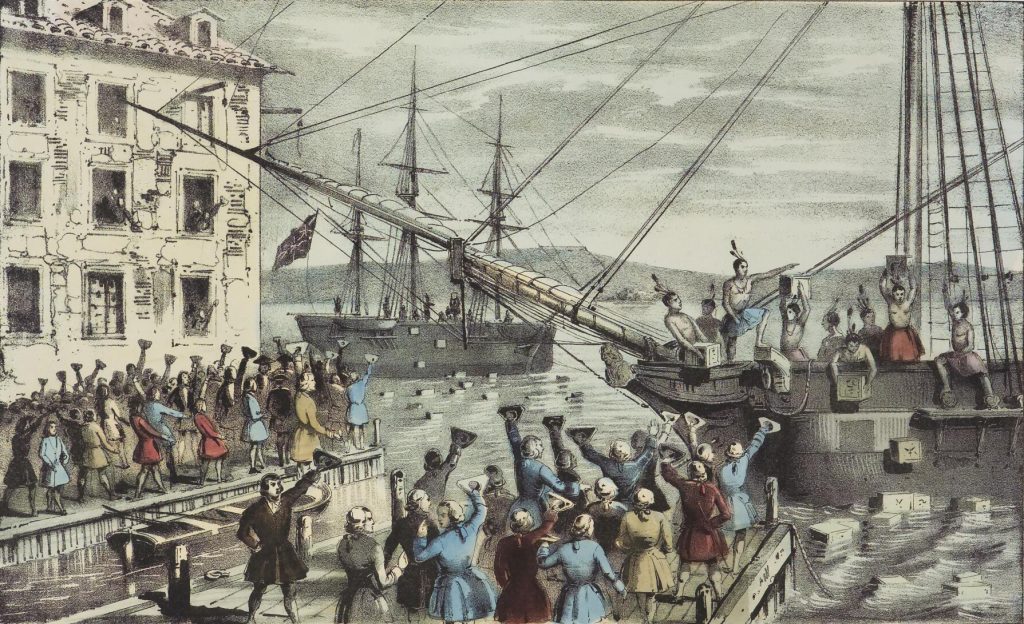
American colonists disguised themselves and dumped 342 chests of British tea into the harbor to protest unfair taxation without representation. This act of economic sabotage escalated political tensions between Great Britain and the thirteen colonies. The modern financial equivalent of the destroyed tea exceeds one million dollars. This event served as the direct spark that ignited the American Revolutionary War.
The Salt March (1930)
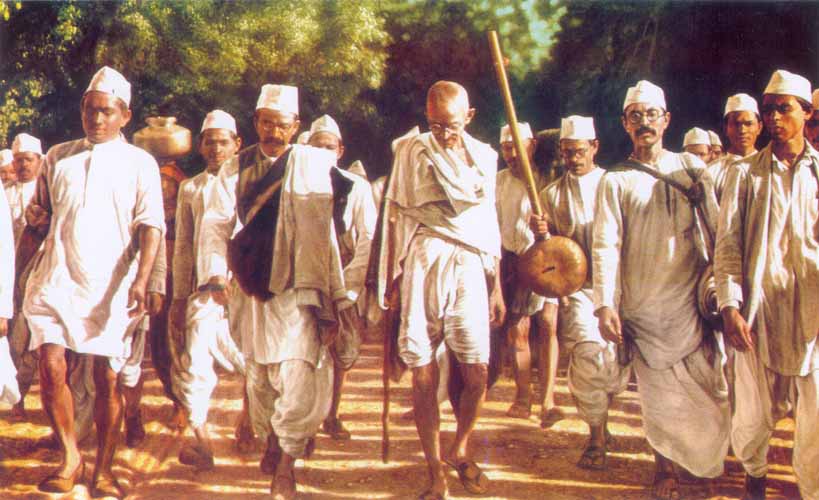
Mahatma Gandhi walked 240 miles to the Arabian Sea to harvest salt in open defiance of the British colonial monopoly. Thousands of citizens joined the procession along the way, transforming a simple walk into a massive nonviolent campaign. The British authorities responded by arresting over 60,000 peaceful protesters. This campaign effectively turned global public opinion against British colonial rule in India.
The Stonewall Riots (1969)
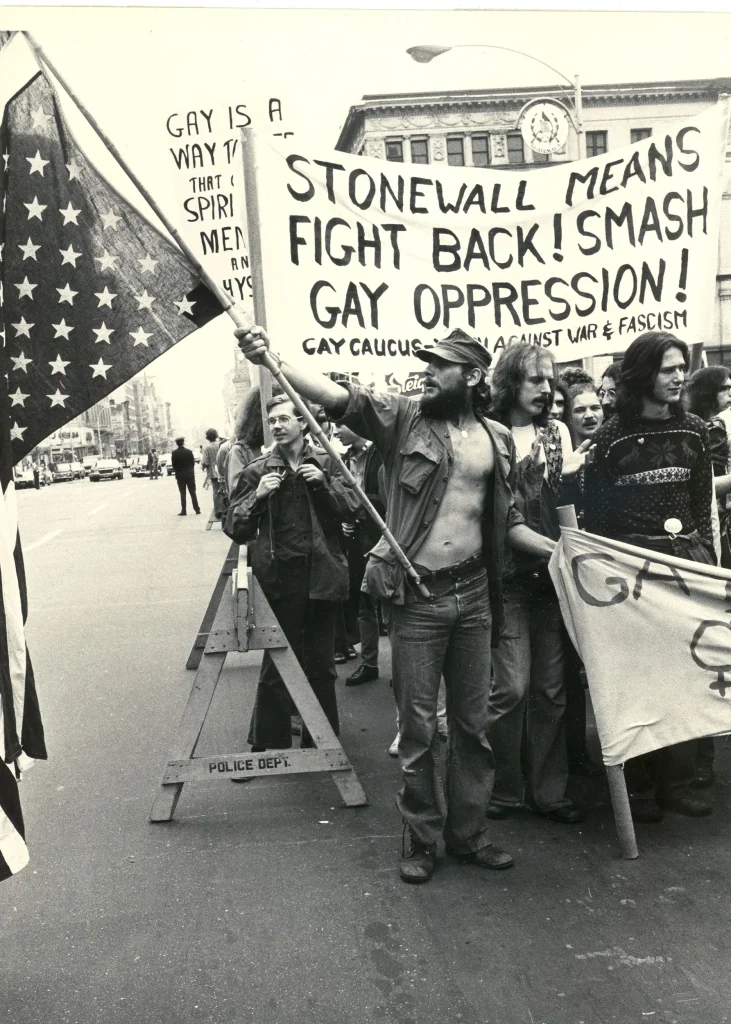
A series of spontaneous demonstrations broke out in New York City following a police raid on a popular gay bar in Greenwich Village. Patrons and neighborhood residents actively fought back, igniting six days of intense clashes. This confrontation is widely regarded as the foundational catalyst for the modern LGBTQ+ rights movement. Decades later, the site was officially designated as a National Monument.
The Velvet Revolution (1989)
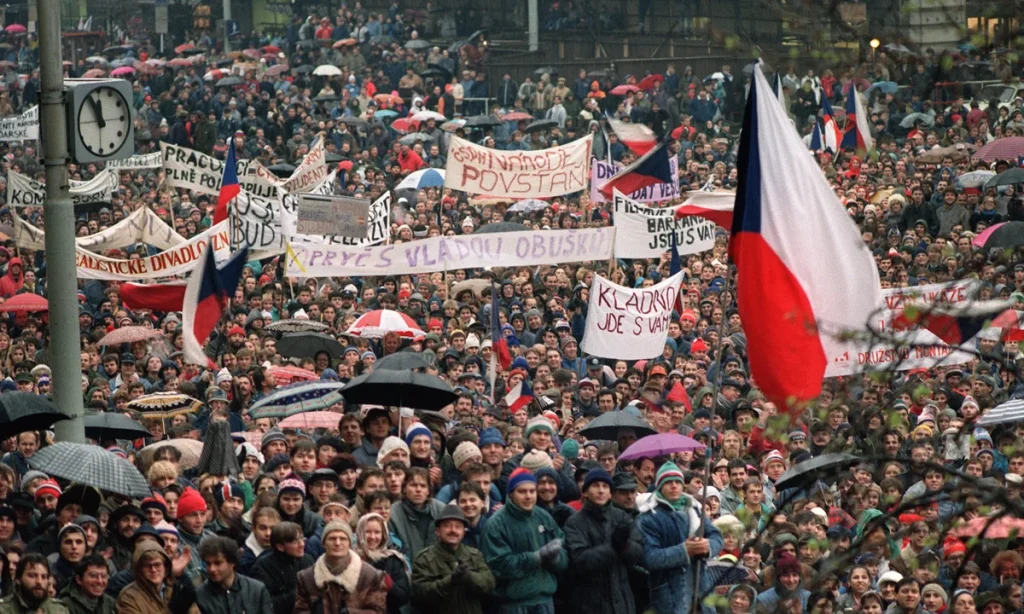
Nonviolent protests in Czechoslovakia led to the bloodless overthrow of the communist regime. Students and theater workers spearheaded the movement, which quickly grew to include millions of citizens during general strikes. This massive pressure caused the entire top leadership of the Communist Party to resign within weeks. Playwright Václav Havel was subsequently elected as the nation’s new president.
The Montgomery Bus Boycott (1955)
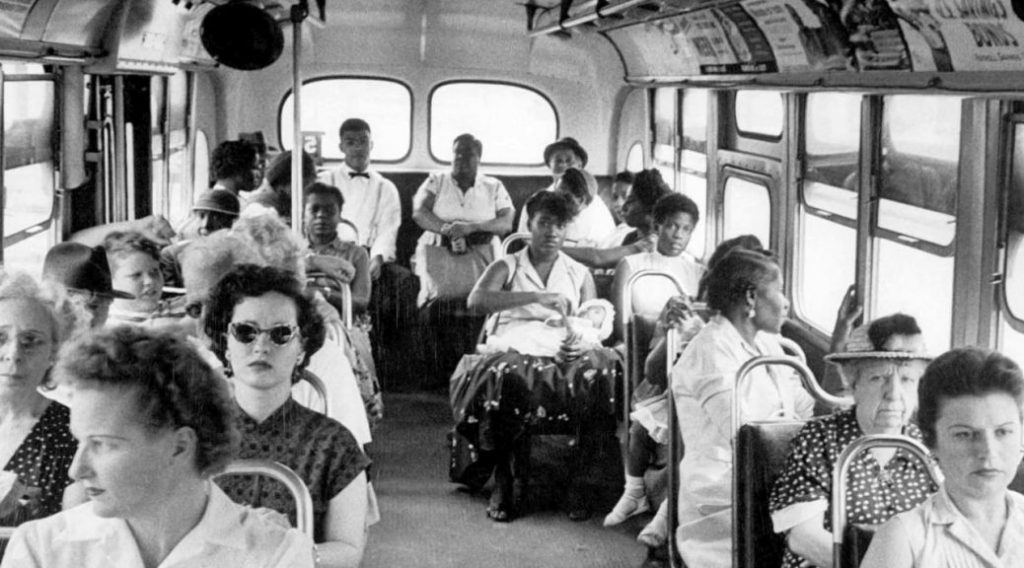
African American citizens refused to ride city buses for over a year to protest segregated seating policies following Rosa Parks’ arrest. This sustained economic protest severely crippled the public transit system’s revenue. Martin Luther King Jr. emerged as a prominent national civil rights leader during this campaign. The protest ended when the Supreme Court ruled that segregated buses were unconstitutional.
The People Power Revolution (1986)
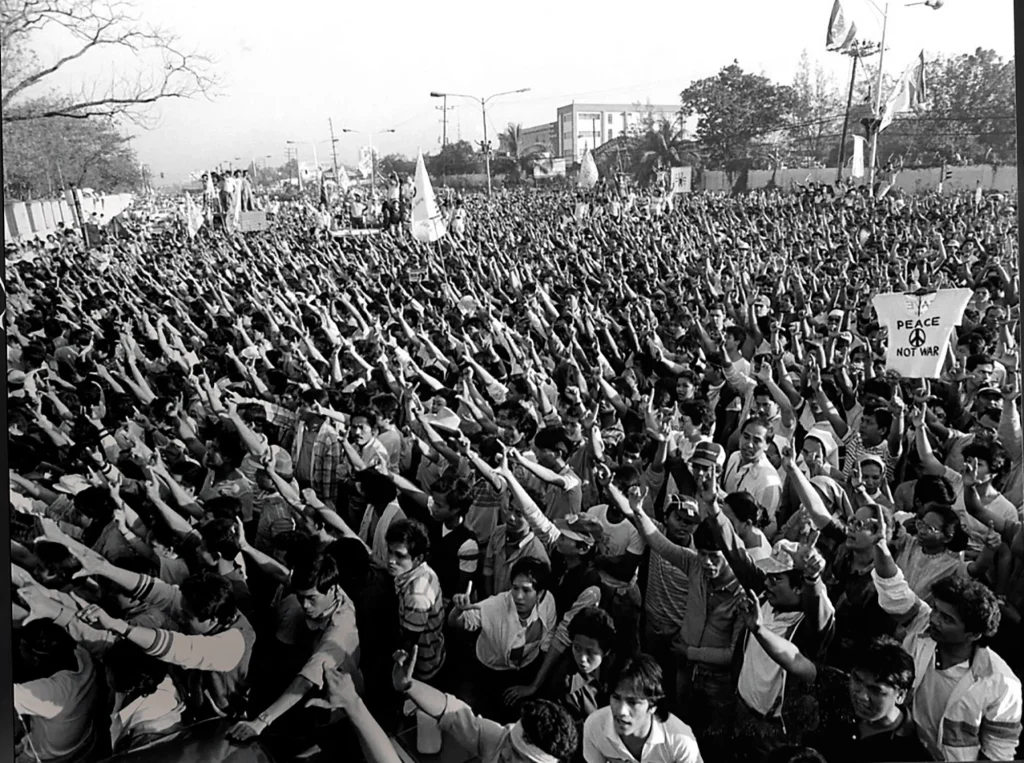
Millions of citizens filled a major highway in Manila to peacefully protest regime fraud and demand the departure of President Ferdinand Marcos. The presence of regular citizens, including nuns and priests, successfully prevented military forces from attacking the crowds. This immense display of civic unity forced the dictator into exile in Hawaii. The movement became a global blueprint for peaceful democratic transitions.
The Protestant Reformation (1517)
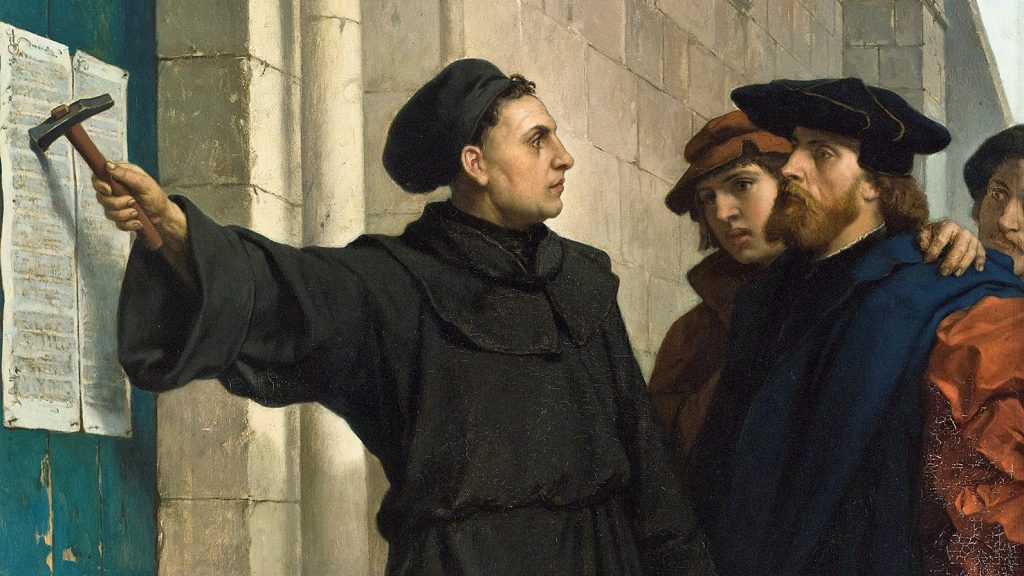
Martin Luther nailed his ninety-five theses to a church door in Wittenberg to criticize corrupt practices within the Catholic Church. This act of theological defiance quickly spread across Europe due to the recently invented printing press. The movement permanently fractured Western Christianity and reshaped continental politics for centuries. It remains a premier historical example of a single document igniting a continental upheaval.
The First Earth Day (1970)
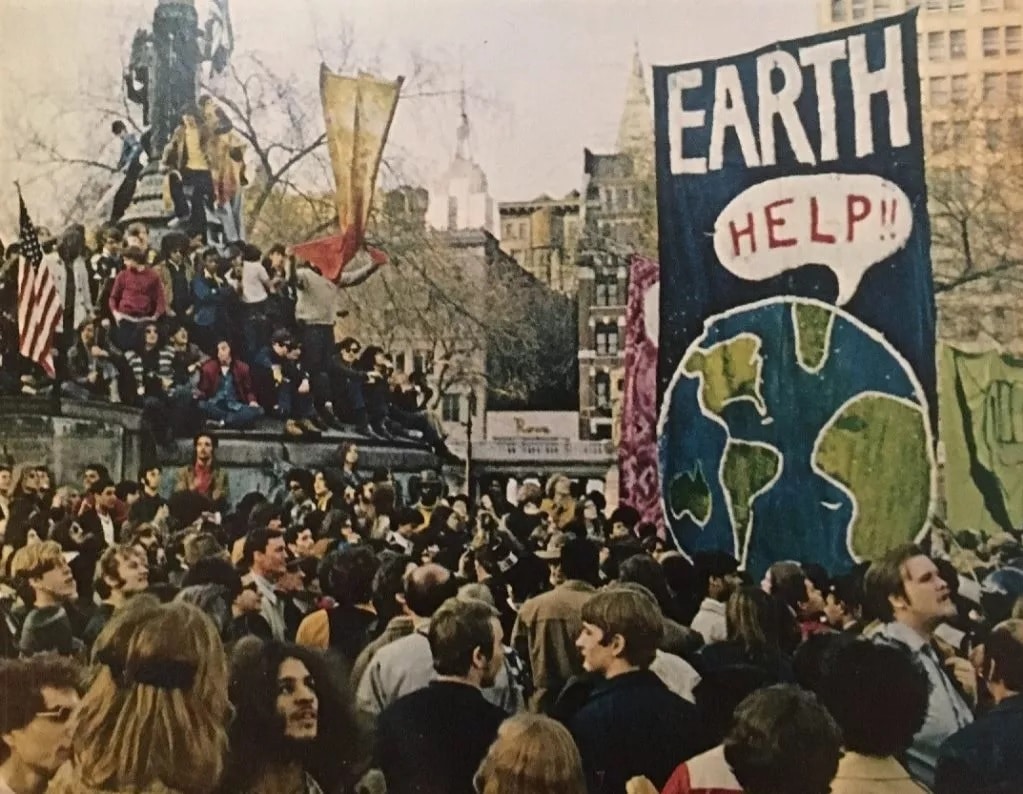
An estimated twenty million Americans took to the streets to protest environmental degradation and industrial pollution. Organized by a small team of activists and politicians, the event united people across various political spectrums. This massive public outcry led directly to the creation of the United States Environmental Protection Agency. It established environmental protection as a permanent priority in national policy.
The Umbrella Movement (2014)
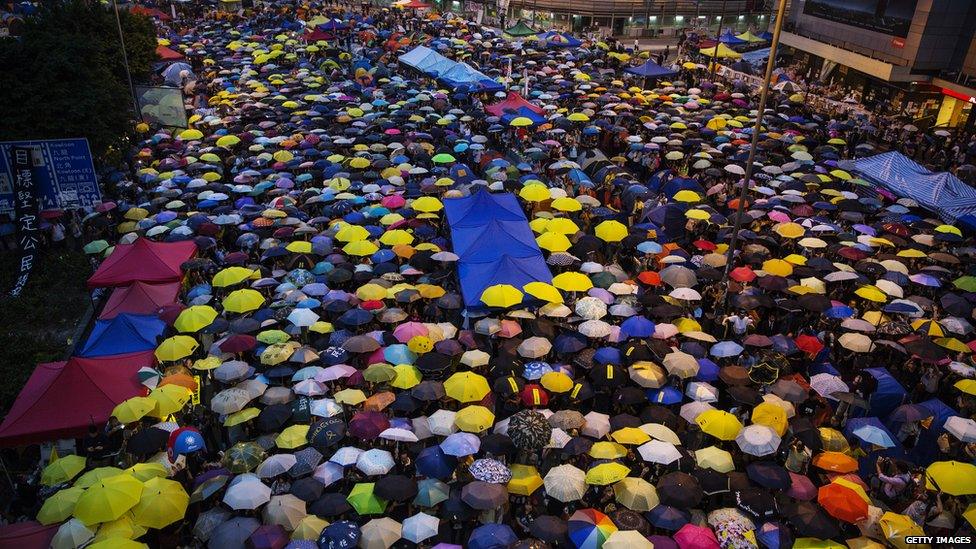
Activists in Hong Kong occupied major thoroughfares for 79 days to demand true universal suffrage in local elections. Protesters famously used regular umbrellas to shield themselves against police pepper spray and tear gas. Although the encampments were eventually cleared without securing policy changes, the event radicalized a new generation of youth leaders. The umbrella remained an enduring global symbol of political resilience.
Tiananmen Square Protests (1989)
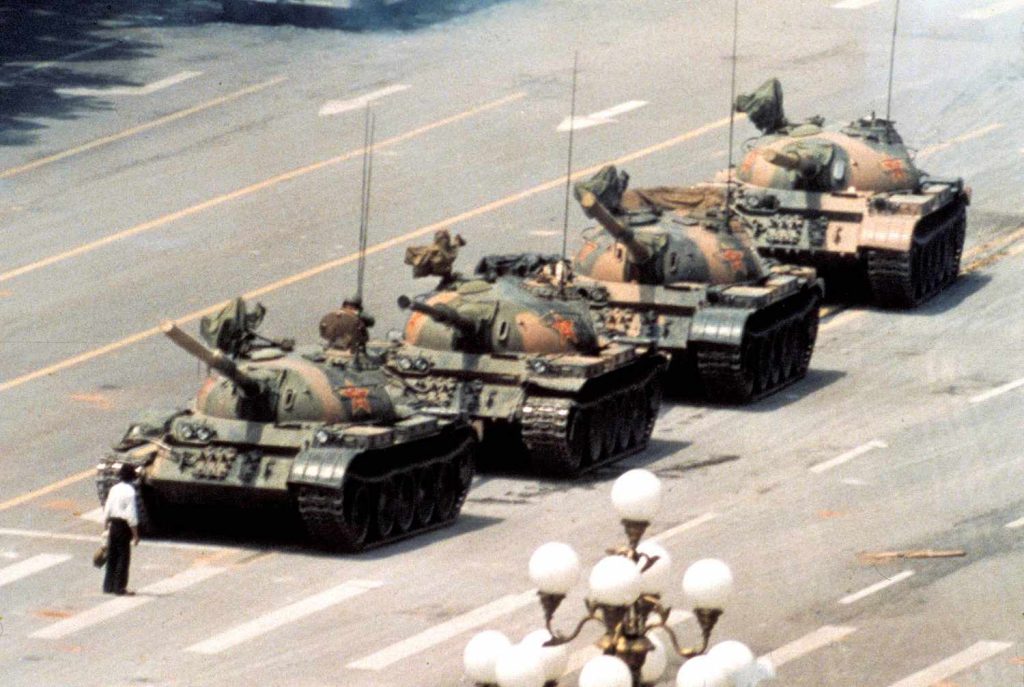
Student-led demonstrations calling for democracy and freedom of speech filled the heart of Beijing for several weeks. The movement attracted broad support from workers and ordinary citizens before a brutal military crackdown took place. An anonymous individual known as Tank Man became a legendary symbol of resistance by blocking a column of tanks alone. Official casualty numbers from the tragic crackdown remain classified.
The Soweto Uprising (1976)
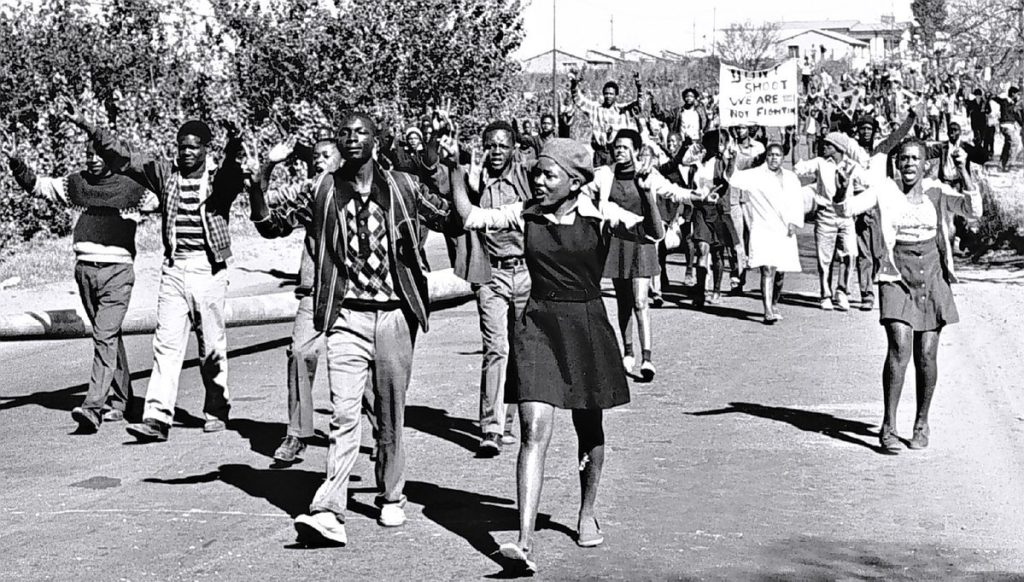
Thousands of Black students in South Africa marched to protest the forced introduction of Afrikaans as the medium of instruction in schools. Police forces responded with live ammunition, triggering widespread rioting across the country. The iconic photograph of a dying Hector Pieterson shocked the international community and intensified global pressure against the government. This tragic event marked a critical turning point in the struggle against apartheid.
The March on Washington (1963)
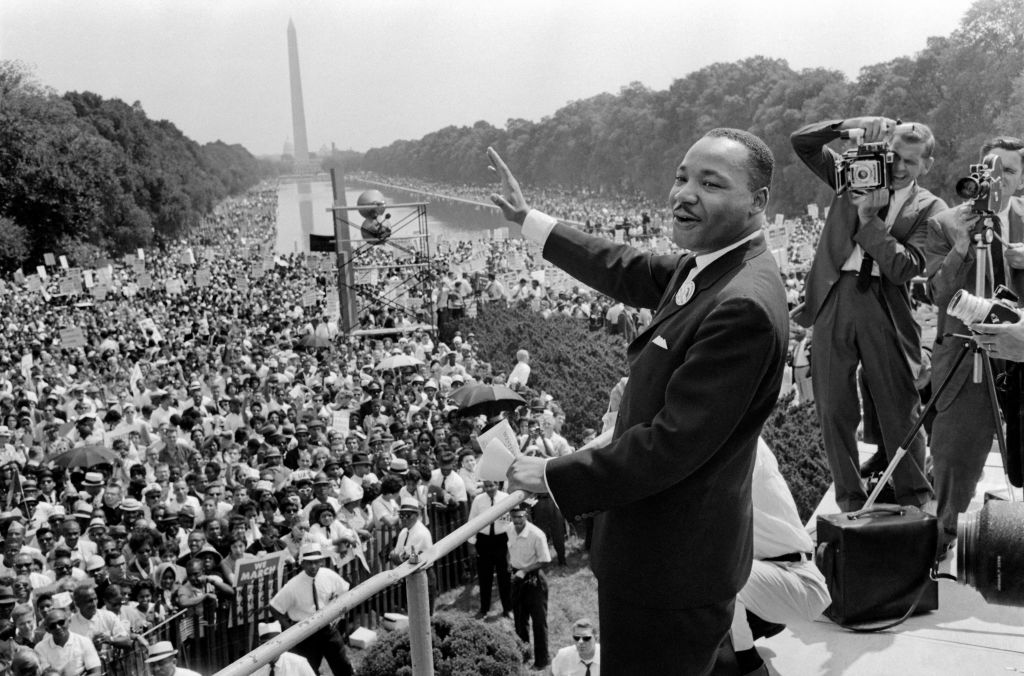
More than 250,000 people gathered at the Lincoln Memorial to advocate for the civil and economic rights of African Americans. This massive event featured Martin Luther King Jr. delivering his famous speech regarding his vision of racial equality. It stood as one of the largest political rallies for human rights in United States history. The momentum generated by the gathering directly facilitated the passage of the Civil Rights Act of 1964.
Occupy Wall Street (2011)
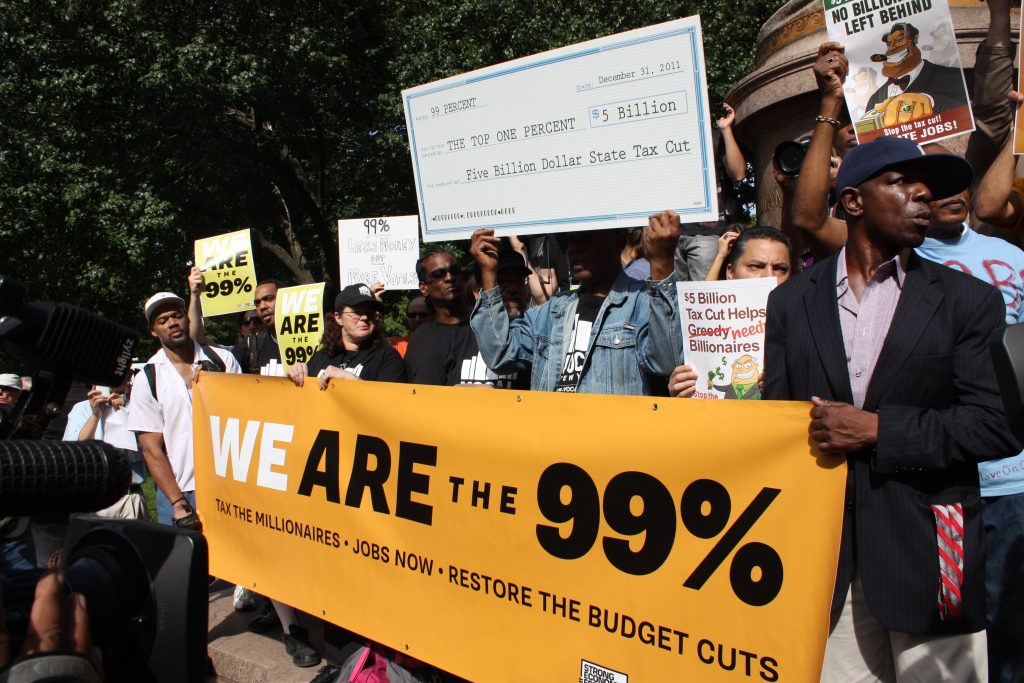
Protesters set up camp in a park in New York City’s financial district to voice opposition against economic inequality and corporate influence in politics. The movement popularized the phrase “we are the 99%” to highlight the wealth gap. Within weeks, similar demonstrations spread to dozens of countries across the globe. This decentralized movement fundamentally altered the public discourse surrounding wealth distribution.
Women’s Suffrage Procession (1913)
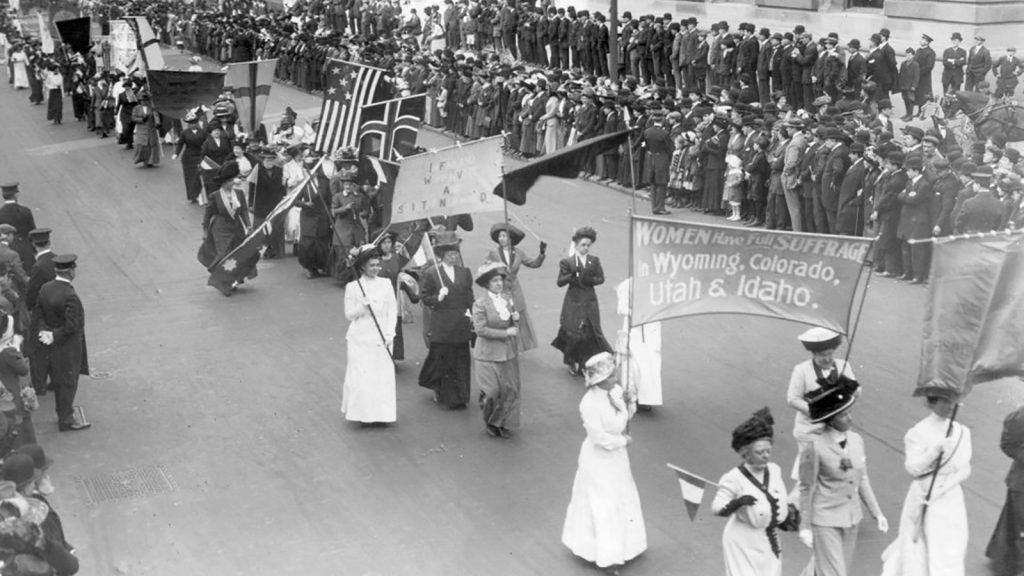
Over five thousand women marched down Pennsylvania Avenue in Washington to demand the right to vote the day before a presidential inauguration. The parade was intentionally organized to maximize media coverage and force political leaders to confront the issue. Onlooking crowds harassed the participants, which ultimately generated widespread public sympathy for the suffragists. This strategic demonstration helped revitalize the constitutional amendment campaign.
Euromaidan Protests (2013)
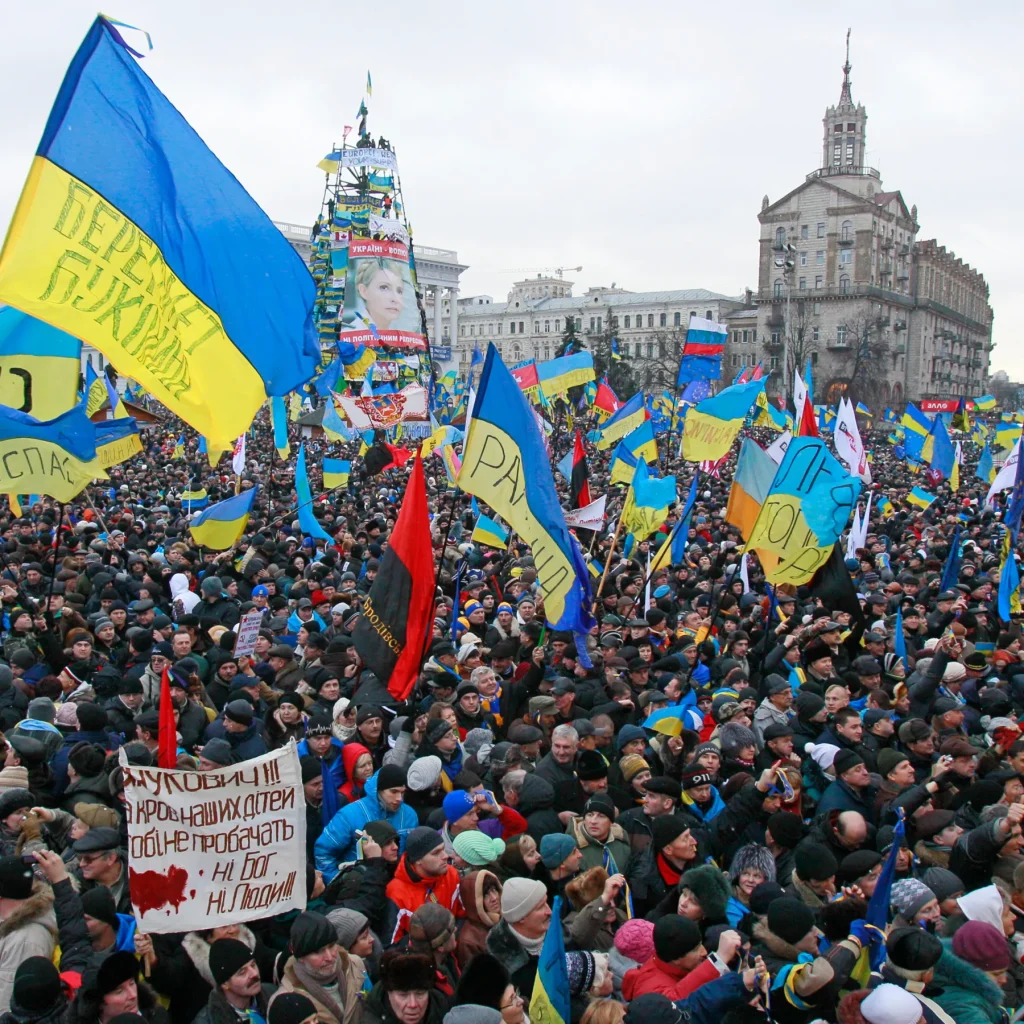
Wave after wave of citizens occupied Kiev’s central square following the government’s decision to suspend an integration agreement with the European Union. Months of sustained freezing encampments and violent clashes culminated in the removal of the country’s president. This geopolitical shift triggered a cascade of historical territorial disputes in Eastern Europe. The central square remains a profound symbol of national sovereignty.
The Orange Revolution (2004)
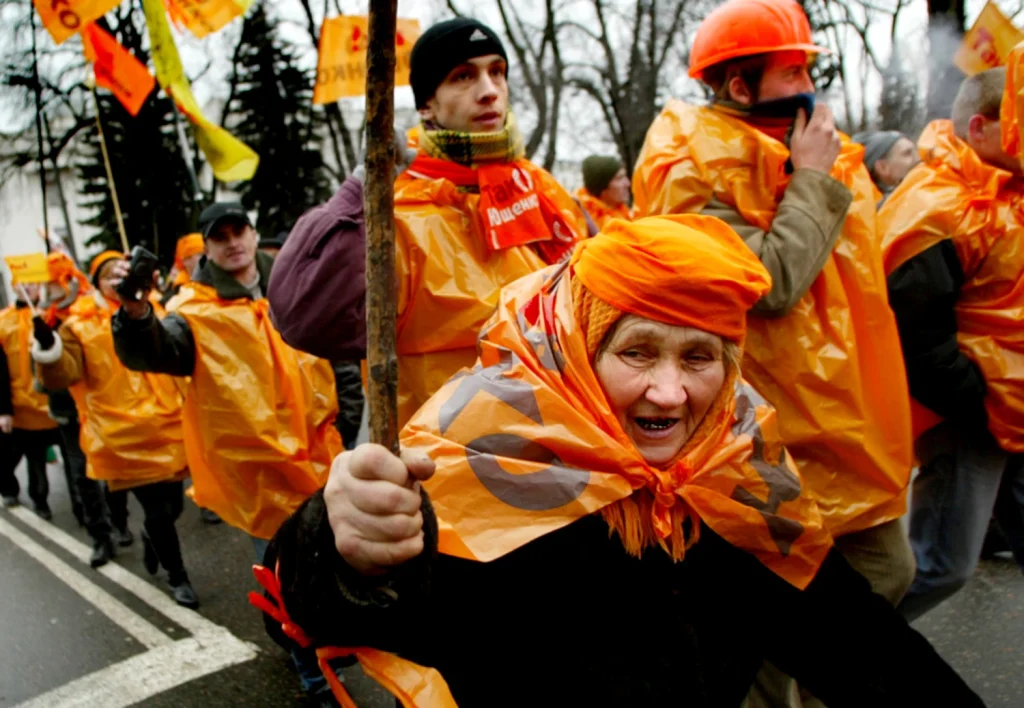
Sustained political protests erupted throughout Ukraine following reports of widespread corruption and voter fraud during a presidential election. Citizens wore bright orange clothing and pitched tents in Kiev during freezing winter conditions to demand a revote. The Supreme Court eventually annulled the initial results and ordered a clean election. This victory established a powerful precedent for civic resistance against electoral manipulation.
The Jasmine Revolution (2010)
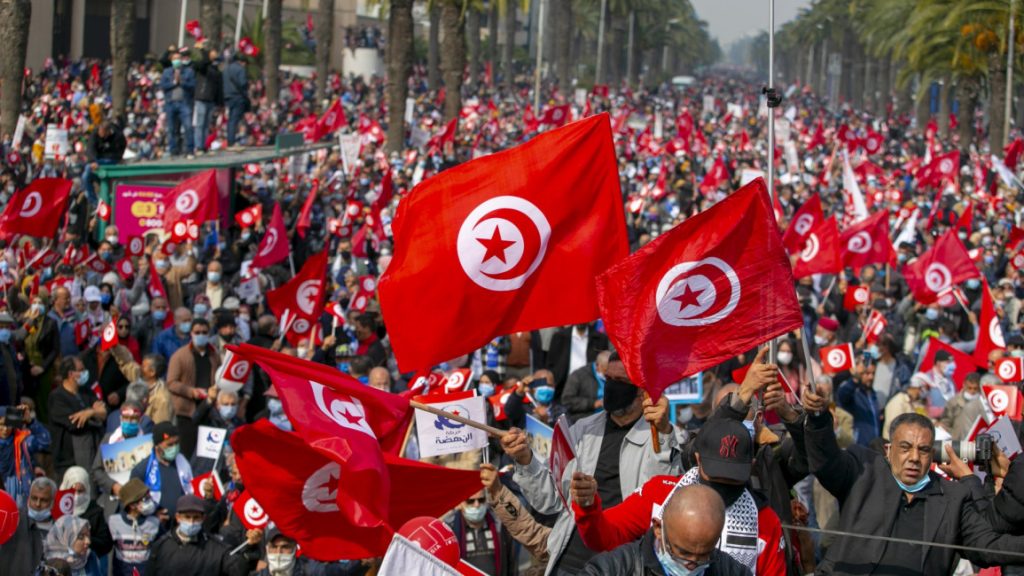
A series of intense street protests in Tunisia led directly to the ousting of a long-standing authoritarian president. The unrest was triggered by the public self-immolation of an impoverished street vendor named Mohamed Bouazizi. This sudden uprising served as the opening chapter of the broader Arab Spring regional movement. It remains a rare example from that wave that resulted in a transition to a democratic constitution.
Egyptian Revolution (2011)
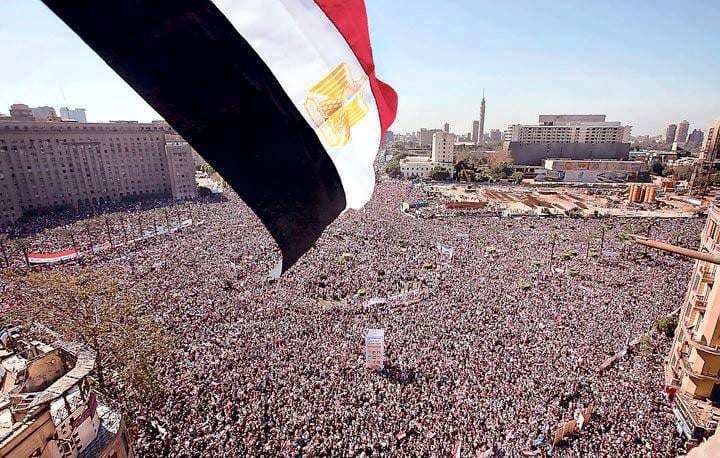
Millions of protesters occupied Tahrir Square in Cairo to demand the resignation of President Hosni Mubarak after decades of authoritarian rule. Activists utilized social media platforms in an unprecedented manner to organize rallies and share real-time updates. The intense eighteen-day uprising successfully forced the president to step down from power. This historic event demonstrated the immense capability of digital tools to coordinate rapid political change.
Black Lives Matter Protests (2020)
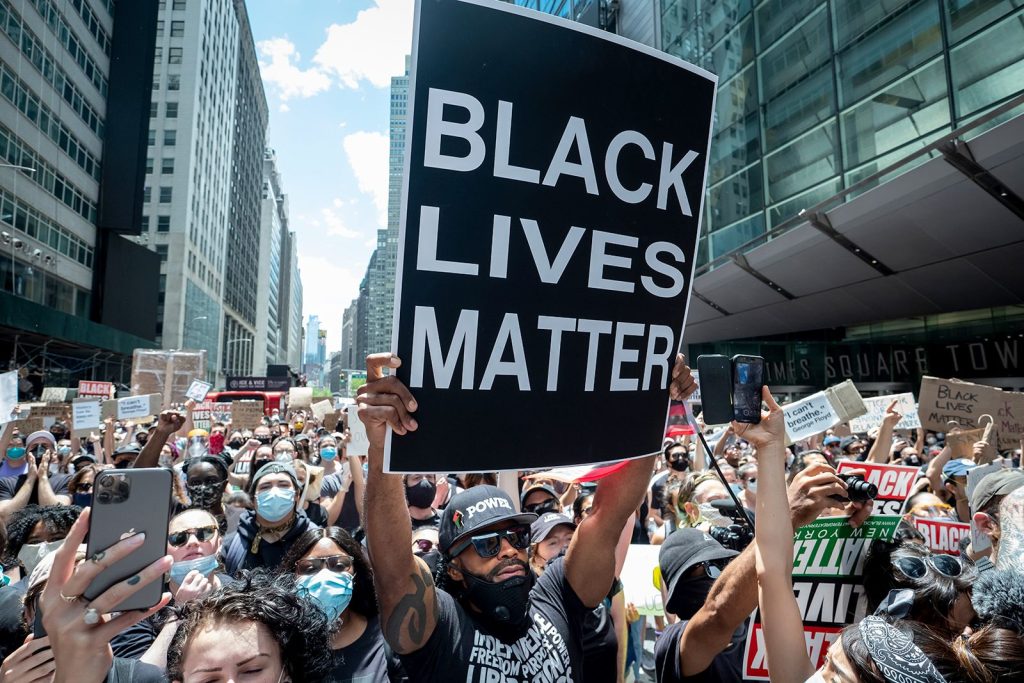
Massive global demonstrations erupted following the recorded death of George Floyd during a police arrest in Minneapolis. An estimated fifteen million to twenty-six million people participated in the United States alone, making it potentially the largest movement in the nation’s history. The protests quickly crossed international borders, sparking conversations about systemic racism in Europe and South America. This widespread mobilization resulted in significant municipal police reforms across numerous cities.
Hong Kong Anti-Extradition Protests (2019)
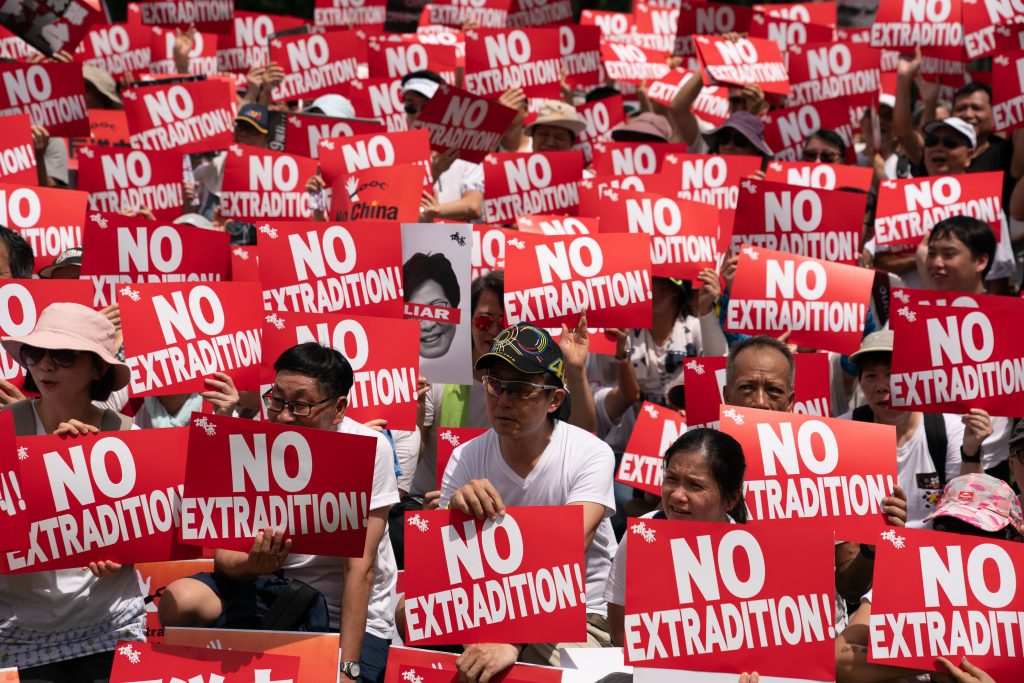
Millions of residents took to the streets to oppose a proposed legislative bill that would allow extradition to mainland China. The demonstrations evolved into a broader movement demanding full democratic reforms and police accountability. Protesters utilized highly sophisticated decentralized tactics to avoid surveillance and coordinate movements. This prolonged unrest led to the implementation of a sweeping national security law.
The Selma to Montgomery Marches (1965)
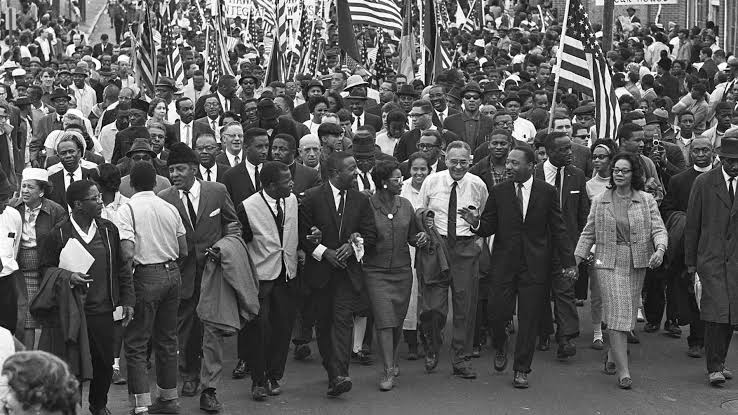
Civil rights activists attempted to march fifty-four miles across Alabama to secure voting rights for African Americans. The first march became known as Bloody Sunday after state troopers brutally attacked peaceful marchers on a bridge. Undeterred, the group successfully completed the journey weeks later under federal military protection. This intense public pressure directly led to the passage of the Voting Rights Act of 1965.
The Seattle WTO Protests (1999)
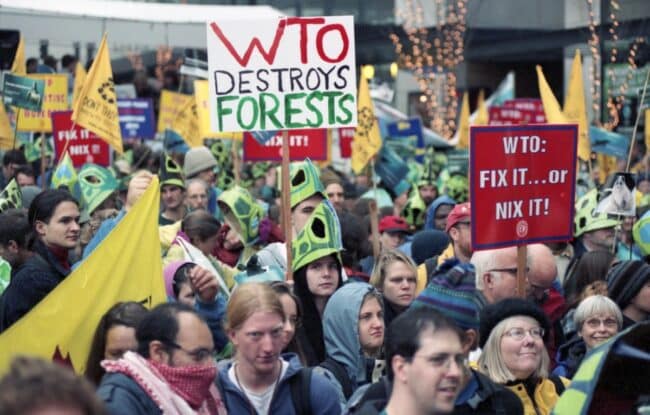
A diverse coalition of environmentalists, labor unions, and anarchists shut down a major World Trade Organization ministerial conference. Protesters utilized highly effective blockades to prevent delegates from reaching the convention center. These unexpected disruptions forced the cancellation of the opening ceremonies and captured worldwide media attention. The event marked a definitive turning point in the public critique of corporate globalization.
Monday Demonstrations in East Germany (1989)
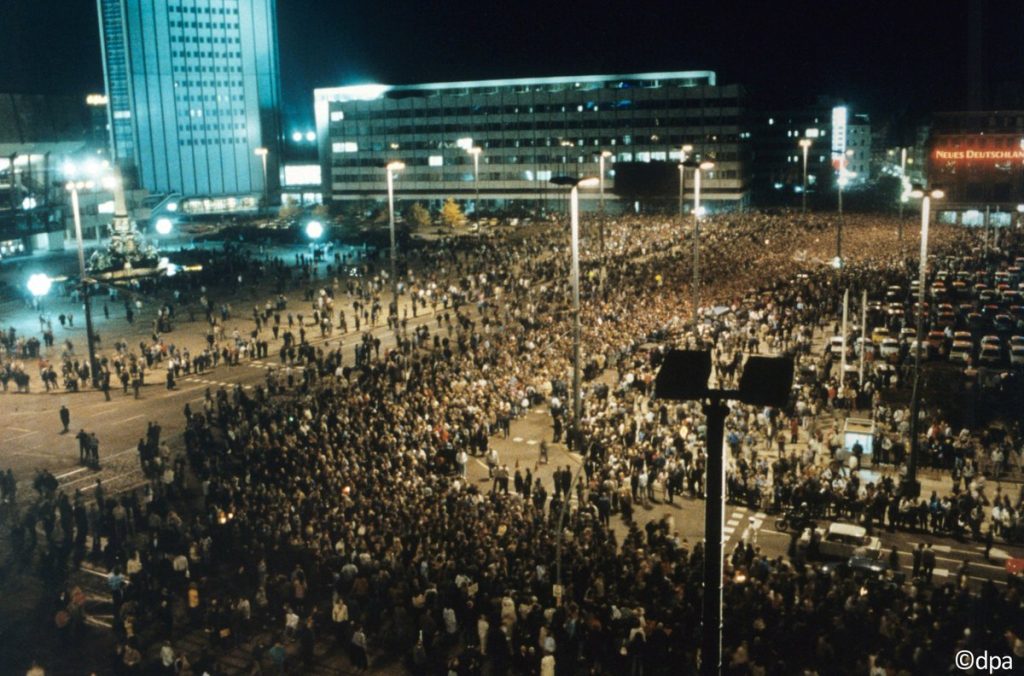
Peaceful citizens in Leipzig began gathering every Monday evening to demand democratic reforms and freedom of travel. The weekly crowds swelled from a few hundred individuals to over three hundred thousand people within two months. These peaceful marches completely paralyzed the state security apparatus without a single shot being fired. This relentless civic pressure culminated directly in the historic opening of the Berlin Wall.
Anti-Apartheid March in Cape Town (1989)
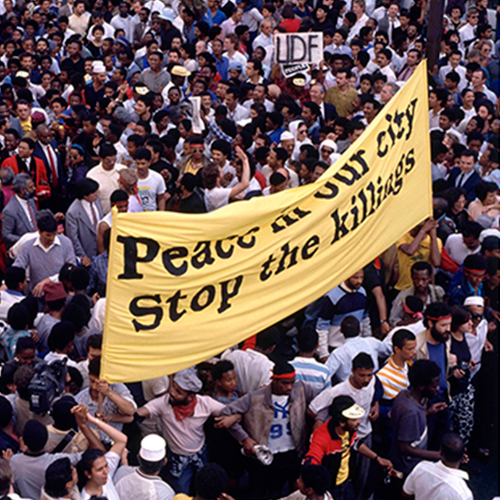
More than thirty thousand citizens defied strict emergency regulations to march against racial segregation in South Africa. Led by prominent religious figures, this massive gathering occurred peacefully despite a heavy police presence. The event signaled a clear breakdown of the government’s ability to enforce apartheid bans on public assembly. This breakthrough paved the way for negotiations that eventually freed Nelson Mandela.
Iranian Hijab Protests (2022)
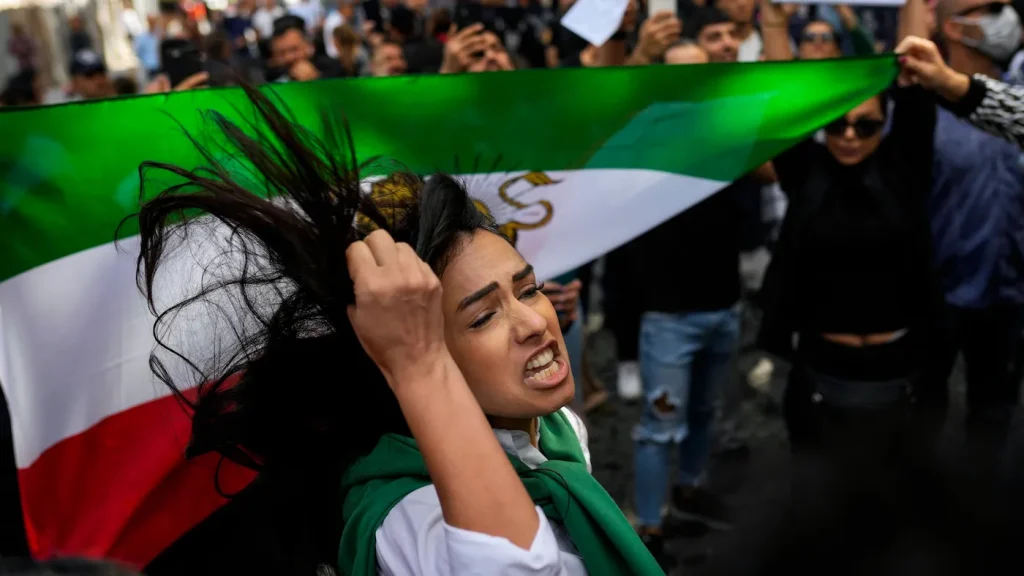
Widespread protests erupted across Iran following the tragic death of Mahsa Amini in the custody of the morality police. Women took the lead by burning their headscarves and cutting their hair in public defiance of the regime. The movement quickly adopted the powerful slogan “Woman, Life, Freedom” as its unifying rally cry. This uprising represented the most significant challenge to the Islamic Republic’s authority in decades.
Global Anti-Iraq War Protests (2003)
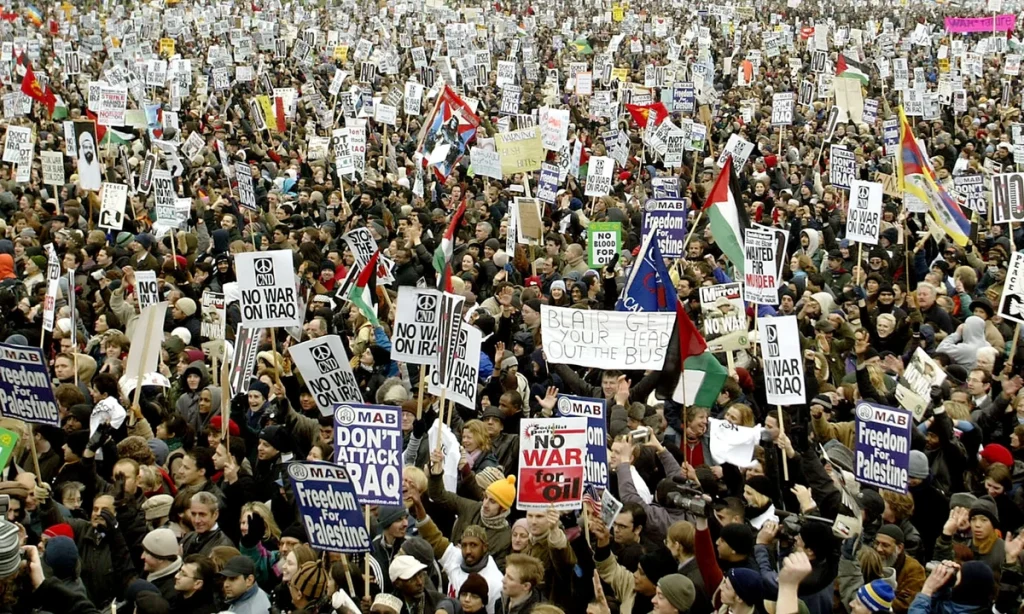
In what is recognized as the largest coordinated protest in human history, over thirty million people across Rome, London, New York, and hundreds of other cities filled the streets to oppose the imminent invasion of Iraq. Rome alone drew a record-shattering three million participants into its ancient plazas. While the historic turnout ultimately failed to halt the impending military invasion, it permanently altered how modern governments calculate the political cost of international conflict. How could a single day of global unity shift the modern geopolitical landscape forever?