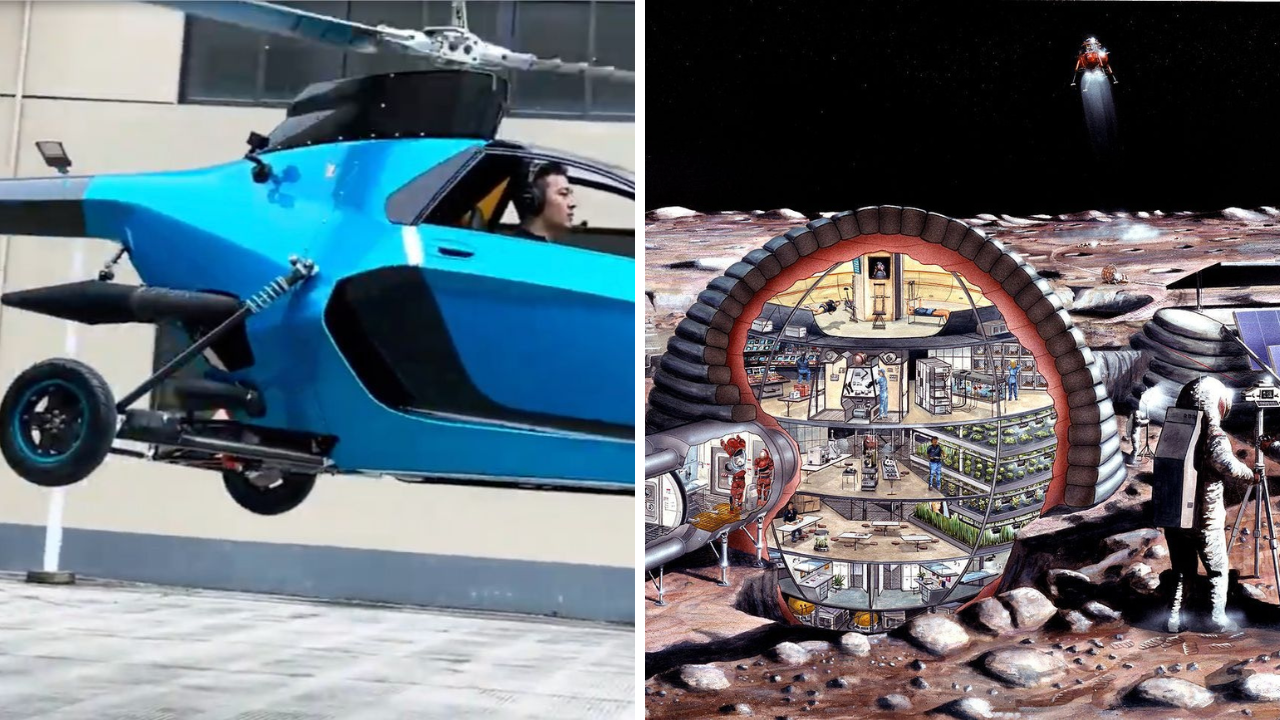
People have been trying to predict the future for centuries. Sometimes those guesses are spot on, but often they miss the mark by a mile. What’s fascinating is how confidently some predictions were made, only to be proven hilariously wrong later on. From wild inventions that never took off to ideas about society that missed reality entirely, these moments show just how tricky it is to see what’s really coming. Here are 30 predictions about the future that were totally off base, reminding us that no one has a crystal ball.
Humanity Would Stop Working and Let Machines Do Everything by 2020
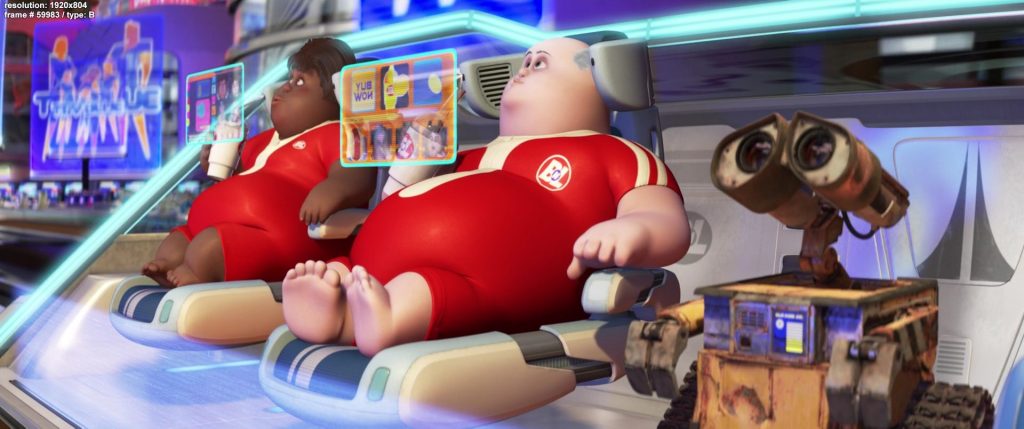
There was a strong belief in the mid-20th century that machines would handle all labor, leaving humans free to relax, create art, and live lives of leisure. Instead, most of us are still juggling jobs, side gigs, and emails at midnight. Turns out, machines made some things easier but also created entirely new types of work to stress about.
Space Colonies Would Be Self-Sustaining by 2020
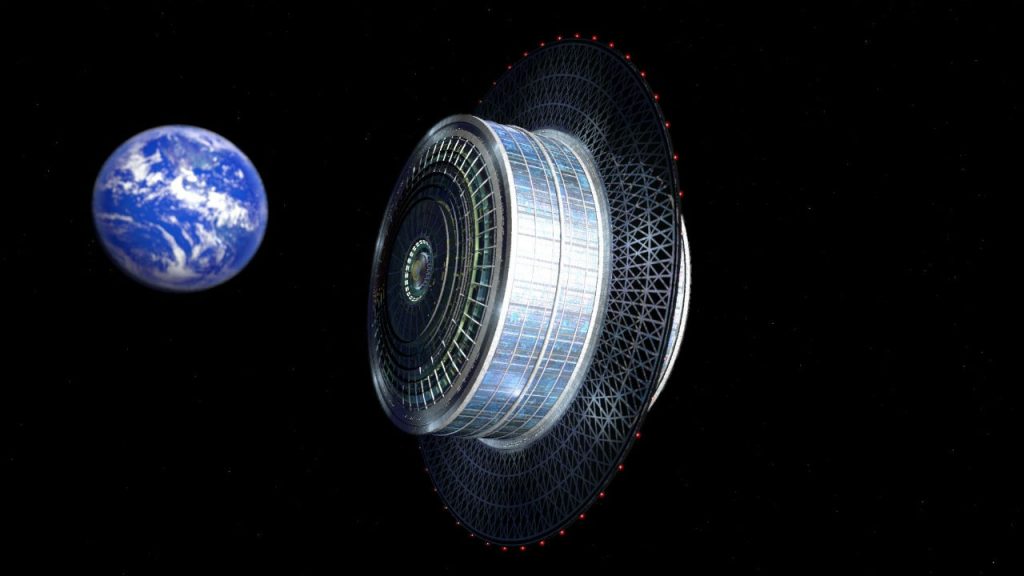
People thought we’d have space stations capable of independent life. Real space habitats still rely on Earth for supplies.
Solar Power Would Replace Fossil Fuels by 1990
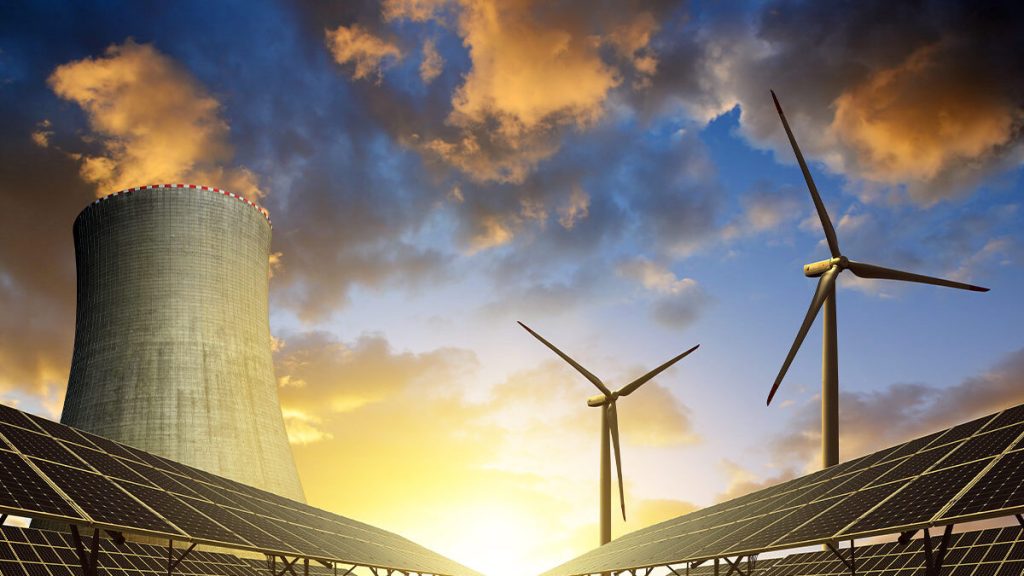
Solar energy was expected to dominate by the late 20th century. It’s grown massively but didn’t replace fossil fuels entirely.
Robots Would Raise Our Children by 2050
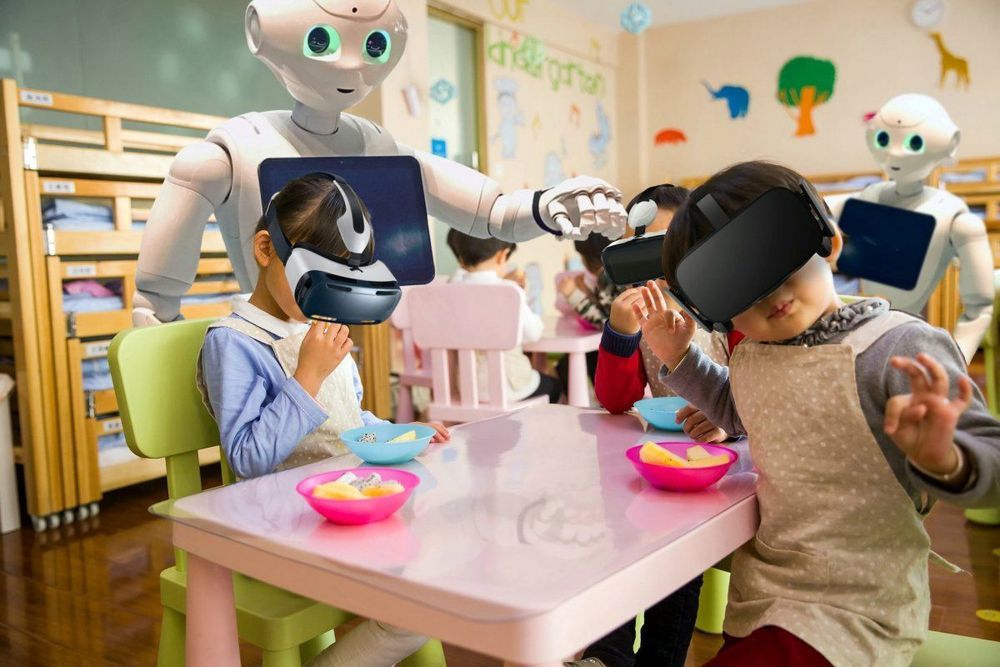
Some imagined robot nannies as the norm. Most parents still prefer human caregivers, and robots don’t replace the emotional connection.
Everyone Would Be Using Virtual Reality for Work and Play by 2000

VR was hyped to take over entertainment and workspaces decades ago. It’s growing now but remains a niche experience.
We’d Have Universal Language Translators by 1990
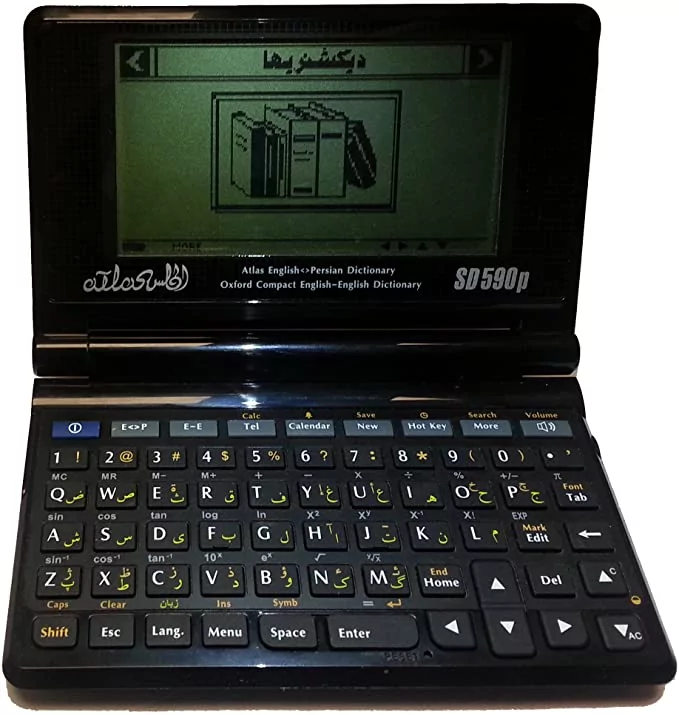
Instant translators in gadgets were a popular prediction. Today’s translation tech is helpful but not flawless or universal.
By 2000, We’d Have Colonized Space with Hotels and Resorts
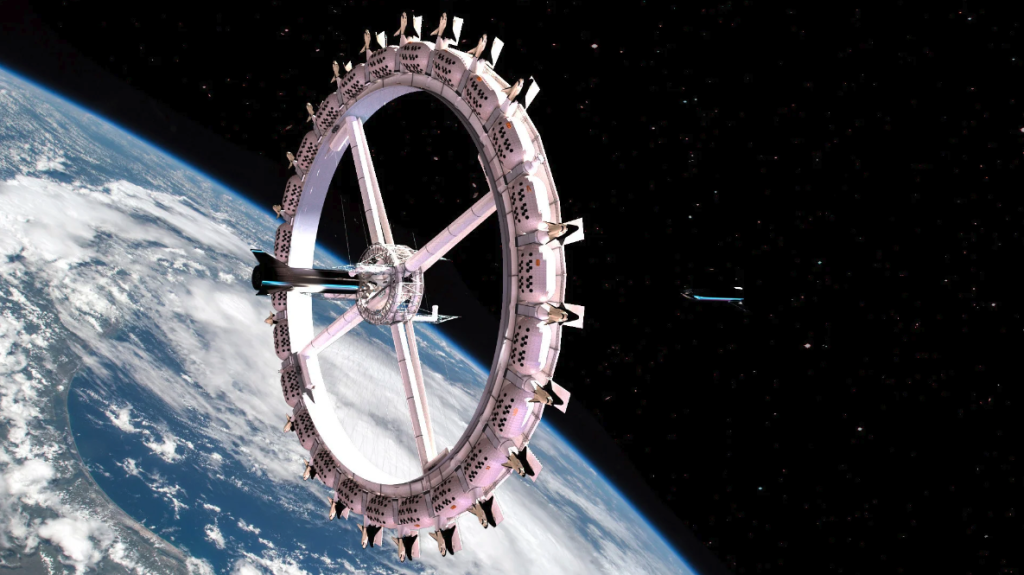
Space tourism was expected to boom early. While companies are starting to explore this now, space hotels are still a distant concept.
The Cold War Would Lead to a Nuclear Apocalypse by 2000
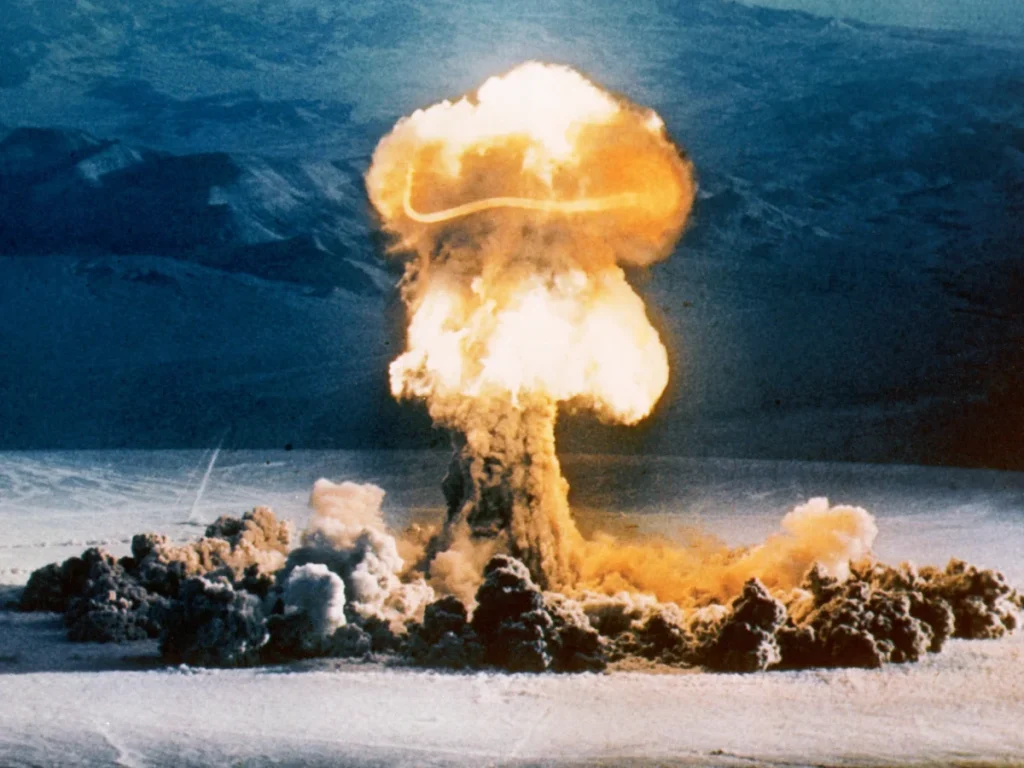
Many feared that a global nuclear war was inevitable. Thankfully, diplomacy and treaties prevented such a disaster, though tensions remain.
We’d Be Living on the Moon by the 21st Century
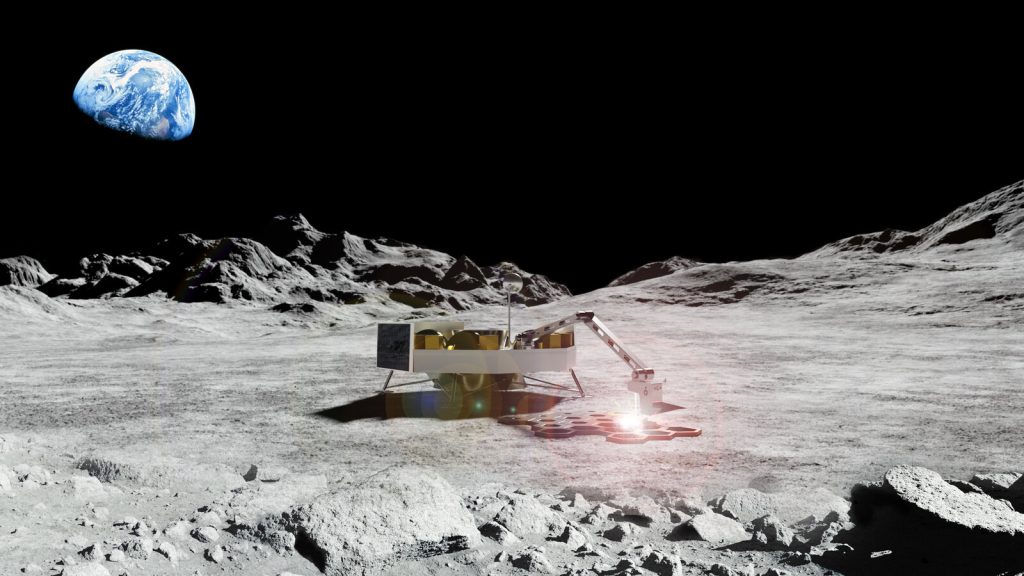
Another moon base prediction that didn’t come true. Space travel remains costly and complex, so we stick to Earth.
The World Would Run Out of Oil by the 1980s
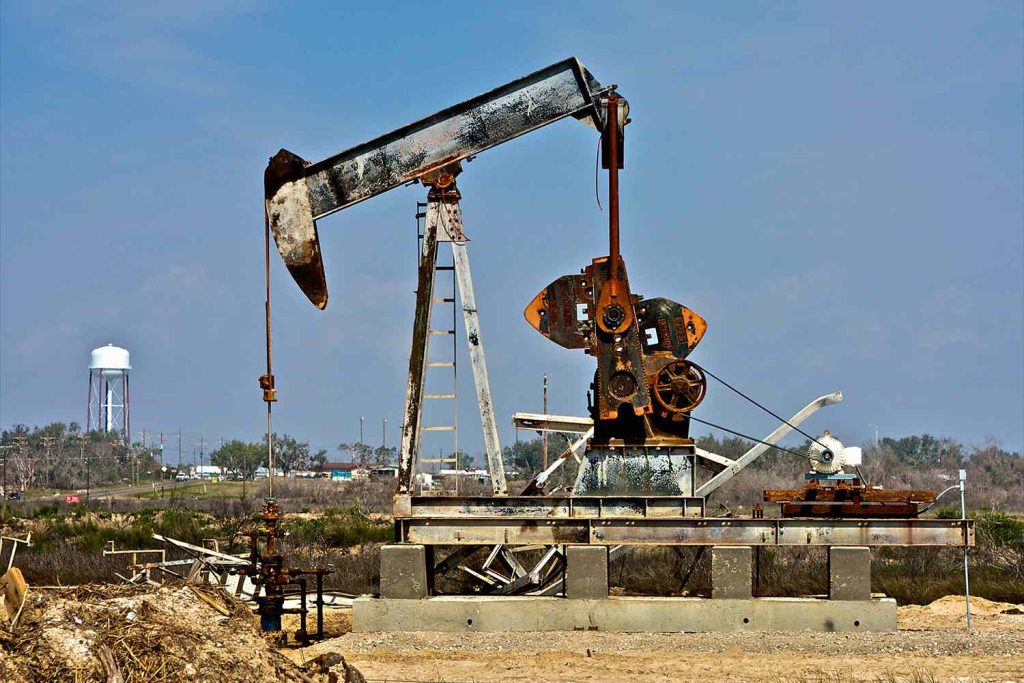
Oil scares predicted that global supplies would dry up decades ago. New extraction methods like fracking have extended oil availability, for better or worse.
We’d Have Self-Driving Cars Everywhere by 2020
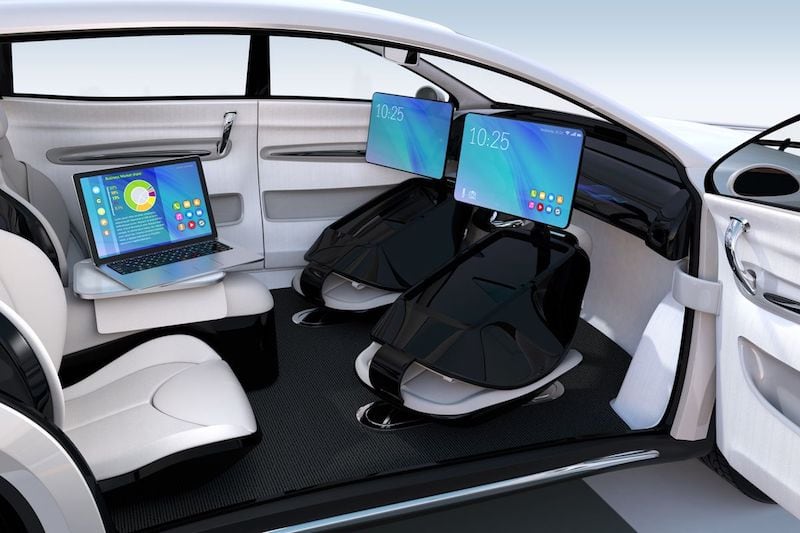
Autonomous cars have made progress, but widespread adoption is delayed due to tech, legal, and ethical challenges.v
Paper Books Would Be Completely Replaced by E-Books by 2010

E-books took off, but paper books didn’t vanish. Many people still love the feel and smell of physical books, keeping them alive.
Humans Would Have Microchips Implanted by 2000
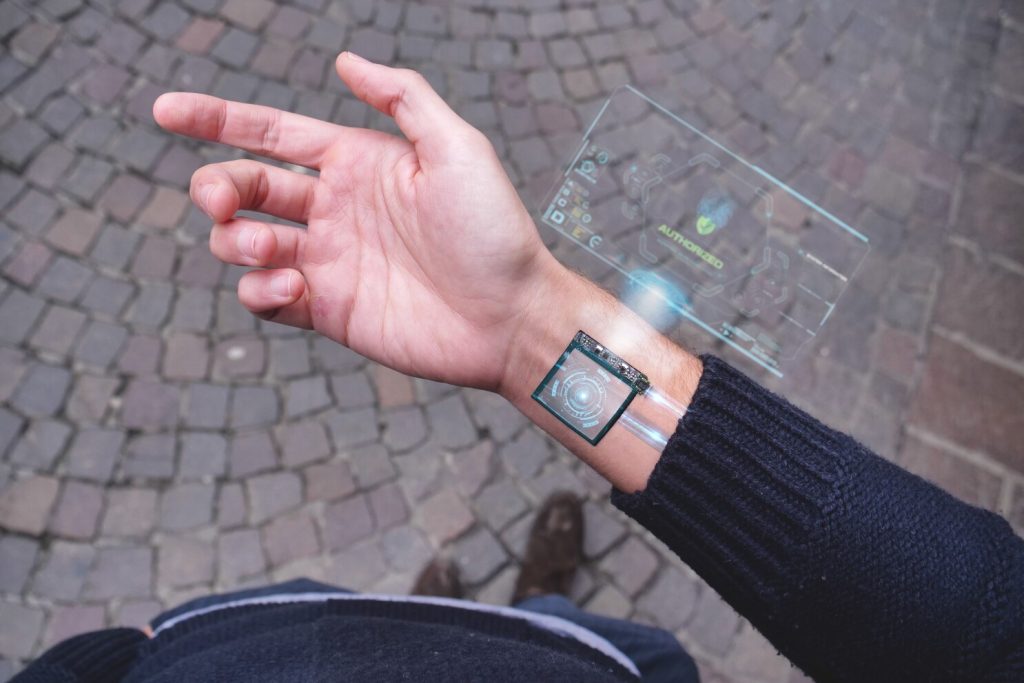
Some predicted everyone would have microchips for ID, payments, or health monitoring. This idea remains controversial and far from universal adoption.
We’d Live Underwater Cities by 2050
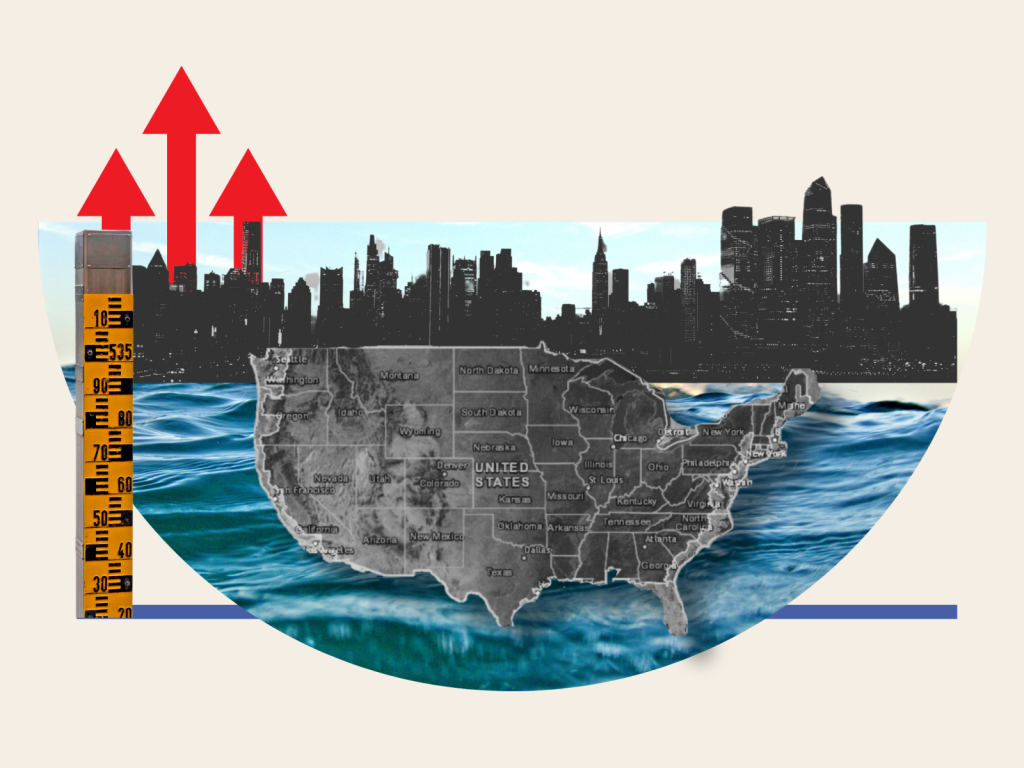
Futurists pictured thriving cities beneath the sea with glass domes and marine life all around. So far, underwater habitats are only for short research stays, not full cities.
Cars Would Run on Water by the 1990s
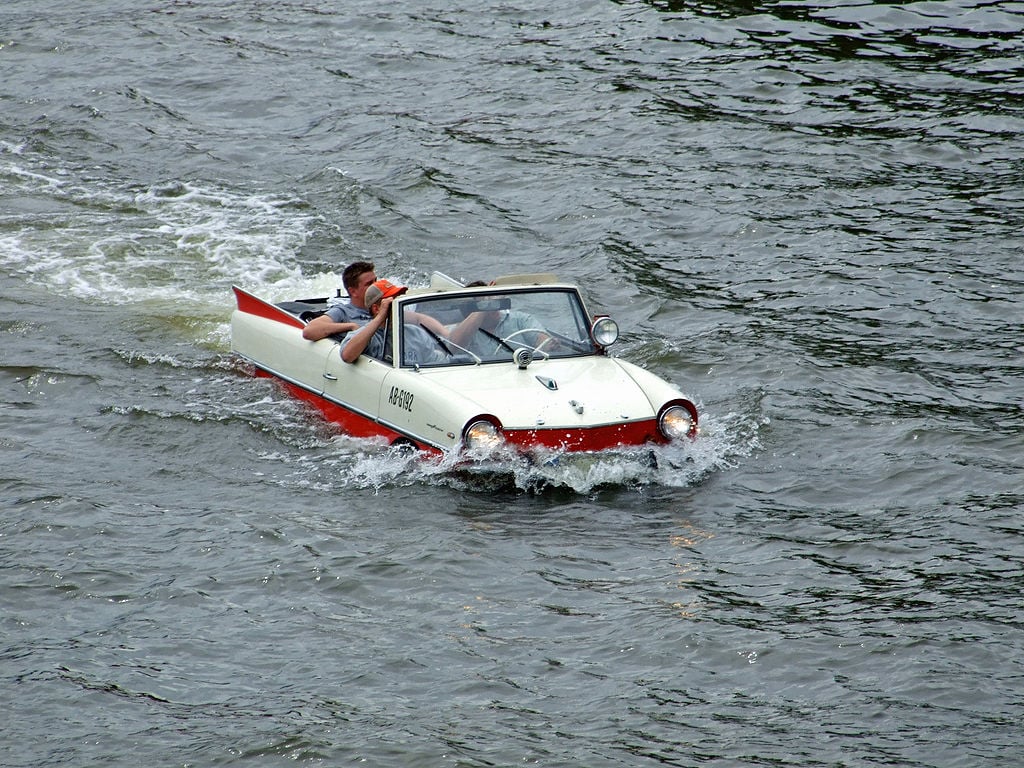
Environmental concerns sparked ideas of water-powered cars replacing gasoline. The science didn’t pan out, and electric vehicles took the lead instead.
We’d Have Robot Waiters Serving Food in Every Restaurant by 2010
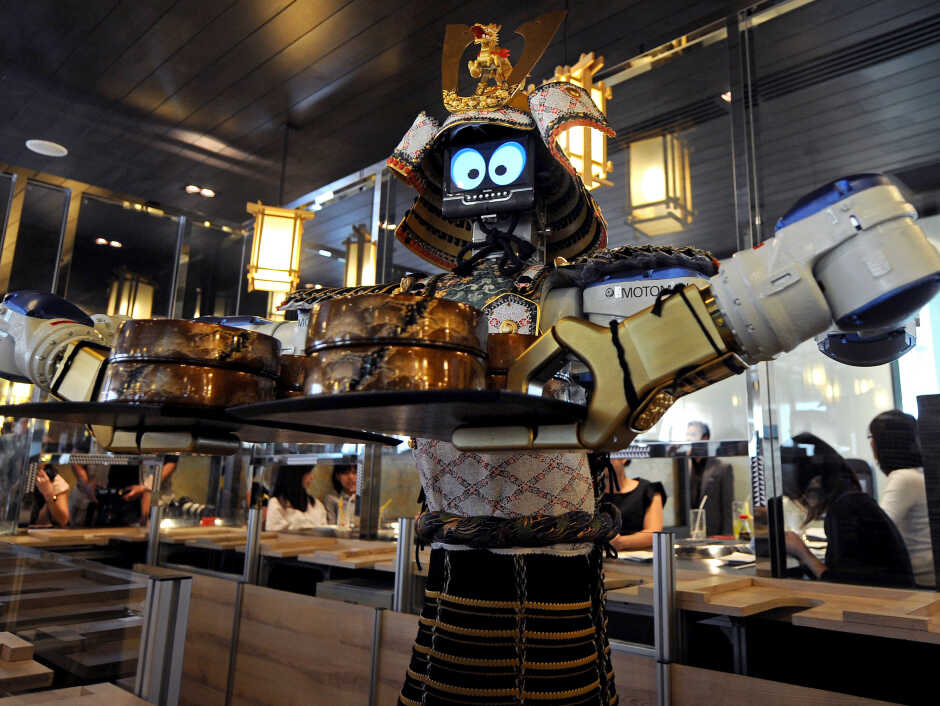
Restaurants were imagined filled with robot waiters. Instead, human servers still dominate, though some places experiment with robots in limited roles.
AI Would Be Smarter Than Humans by 2000

Artificial intelligence was expected to surpass human intelligence by the turn of the millennium. AI has made huge strides but still lacks true understanding and emotions.
We’d Have Flying Cars by 2020 (Again)
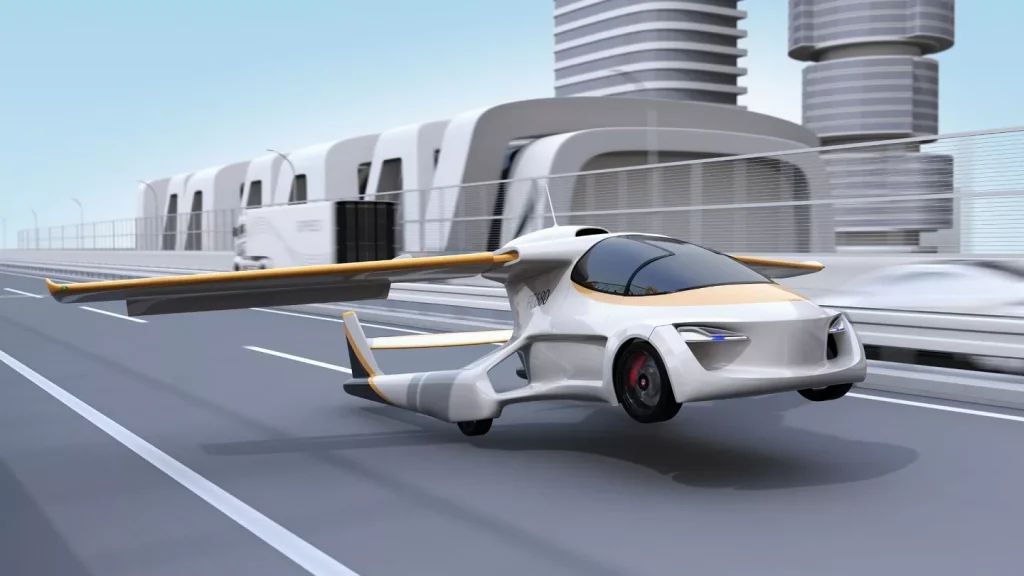
Not one, but multiple times, flying cars were predicted for the 21st century. The dream continues, but real flying cars remain prototypes and concepts.
We’d Have Colonized Mars by the Early 2000s
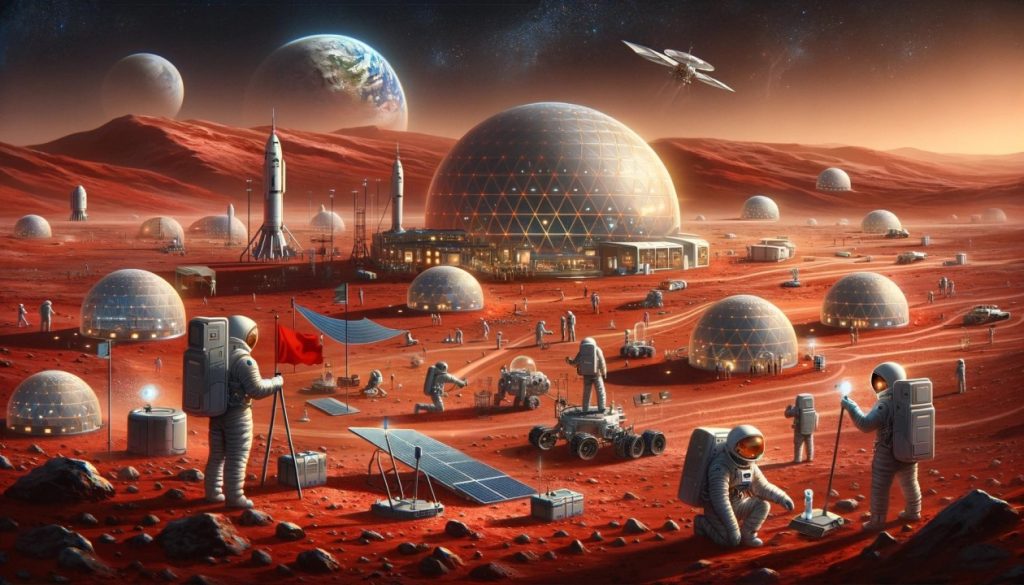
Mars was the next big step after the Moon, or so many thought. The reality of distance, cost, and life support made human Mars missions still a future dream.
Nuclear Energy Would Solve All Our Power Problems by 2000
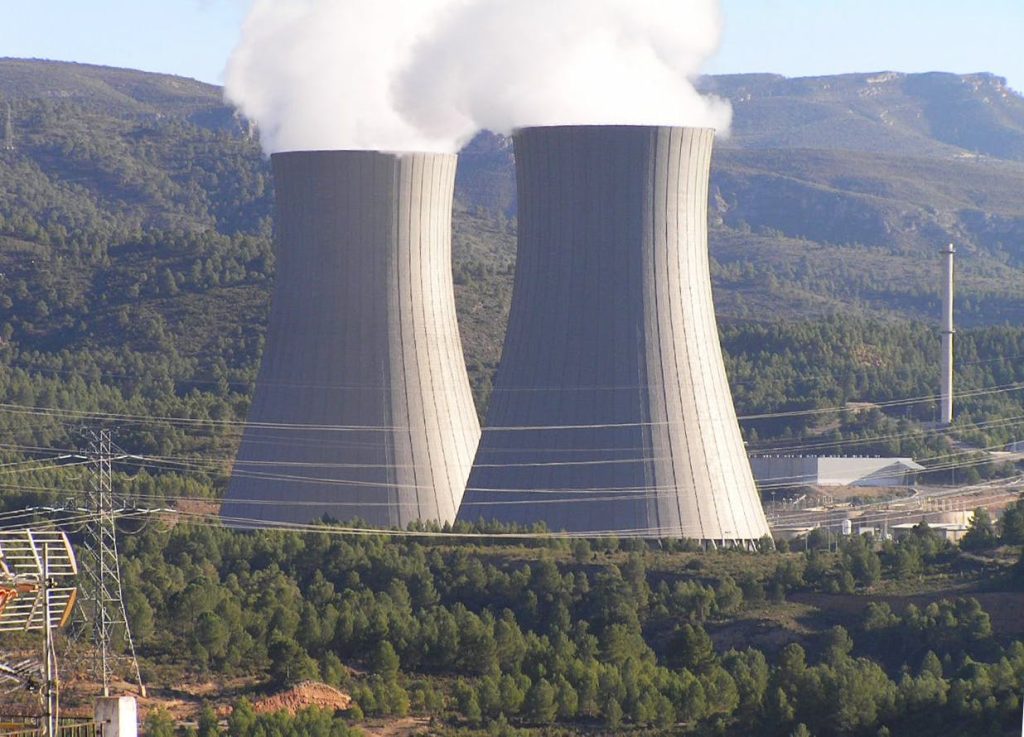
Nuclear energy was seen as the ultimate clean power source. Though it contributes to the grid, fears about safety and waste slowed its growth, and renewable energy took a bigger spotlight.
Video Phones Would Be Common by the 1970s
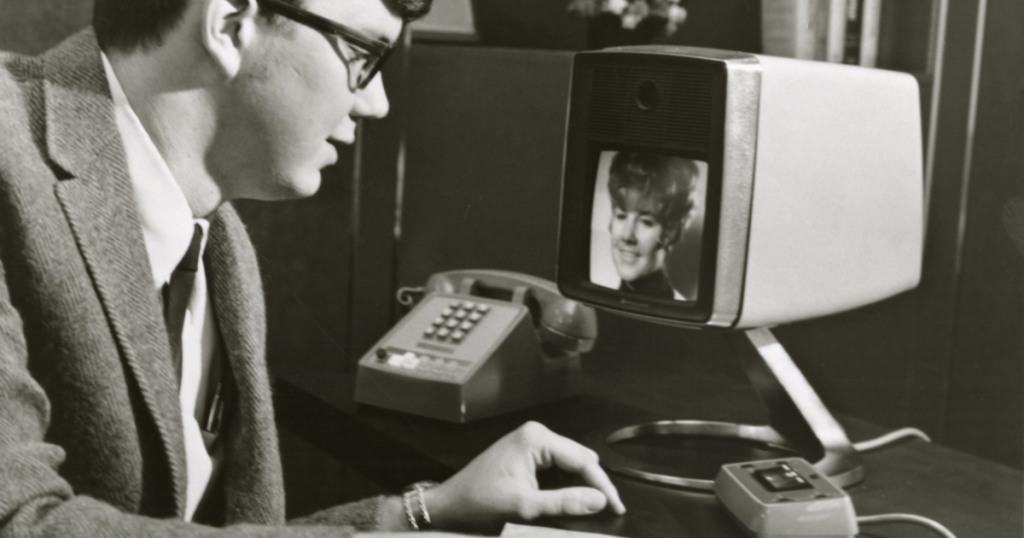
People imagined video calls as a standard feature on phones back in the 1970s. The tech was slow to develop, and video calls only became popular in the 2000s with the rise of smartphones and apps.
We’d All Be Speaking Esperanto by Now

Esperanto was created as a universal language to unite the world. Despite its good intentions, it never gained widespread use and remains a niche language.
Robots Would Take Over Most Jobs by 2020

Some thought robots and AI would replace the majority of human workers within a couple of decades. While automation is growing, many jobs still require human skills and creativity.
The Internet Would Bring World Peace

Early internet enthusiasts believed that connecting people globally would erase conflicts and misunderstandings. Sadly, the internet has also become a place for misinformation, cybercrime, and heated debates.
We’d All Have Jetpacks by the Year 2000

Jetpacks were a favorite “future tech” in movies and magazines. Reality check: jetpacks are expensive, limited, and unsafe, so they never became everyday gear.
Email Would Replace All Postal Mail by 2000
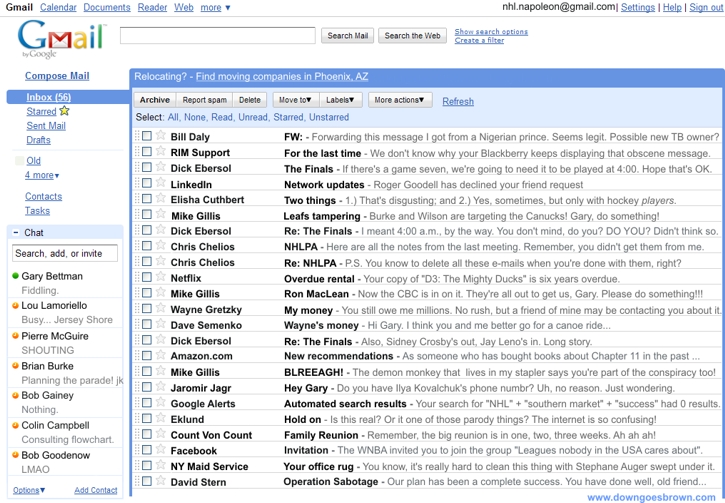
While email is huge, physical mail didn’t disappear. Postcards, packages, and snail mail are still part of life, especially for deliveries and official documents.
Everyone Would Be Using Personal Robots by 2010
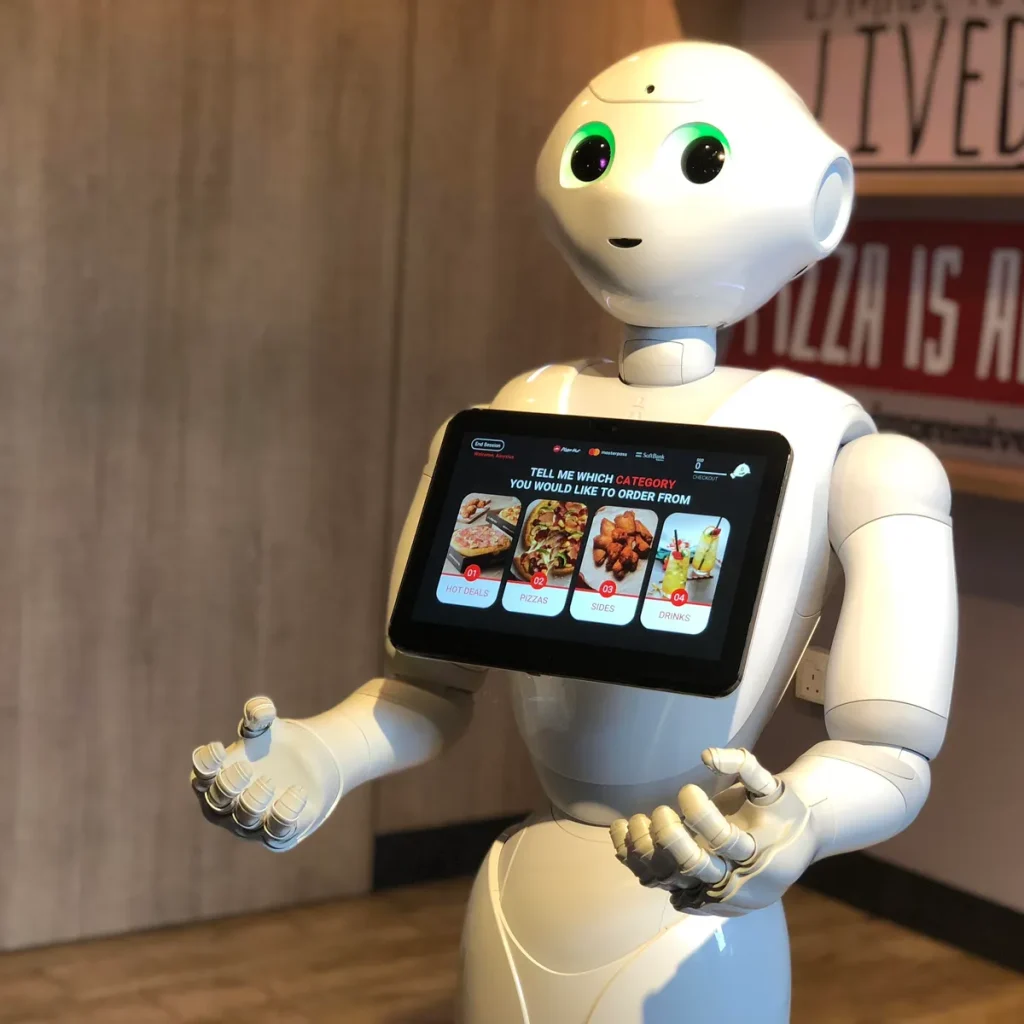
Robot helpers were supposed to become household staples, managing chores and running errands. Though robots exist, they’re mostly industrial or super basic home assistants, far from the helpful companions predicted.
Paper Money Would Be Obsolete by the 1990s

The rise of credit cards and ATMs made people think cash would vanish fast. But paper money stubbornly stuck around and is still widely used worldwide, especially in many developing countries.
We’d Have Colonies on the Moon by the 1980s
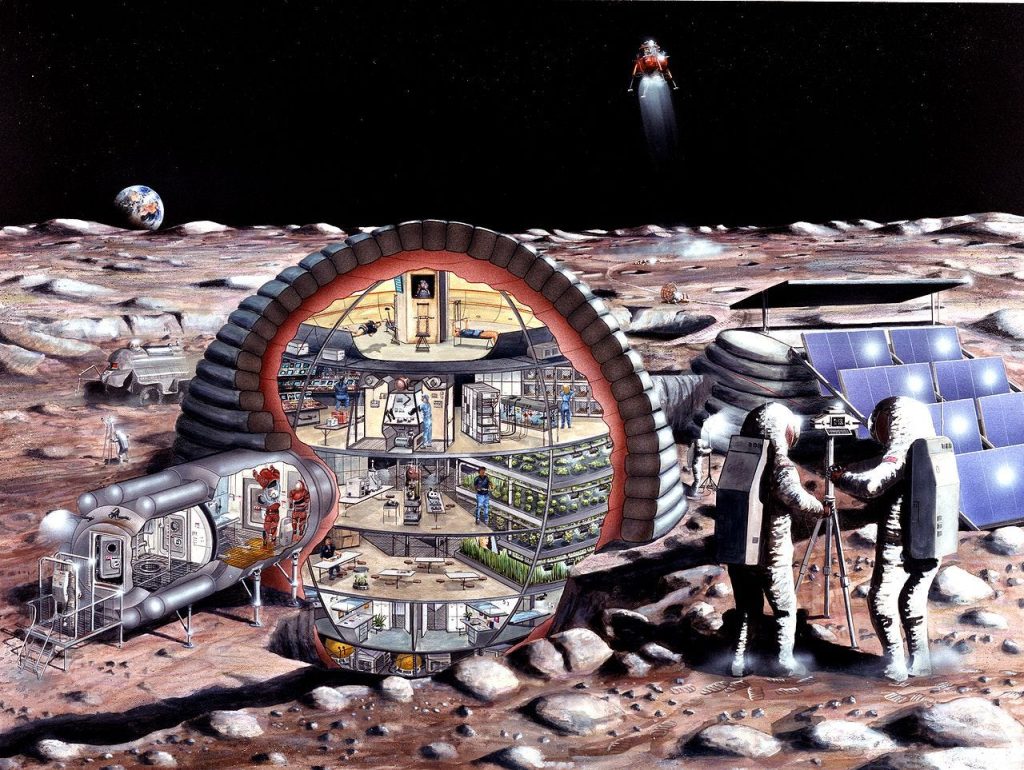
Space exploration dreams were huge during the Apollo era. Some experts boldly claimed humans would have lunar bases by the ’80s. Decades later, we still visit the Moon only with robotic missions, and the idea of living there feels like sci-fi.
The Flying Car Revolution Would Be Here by 2000
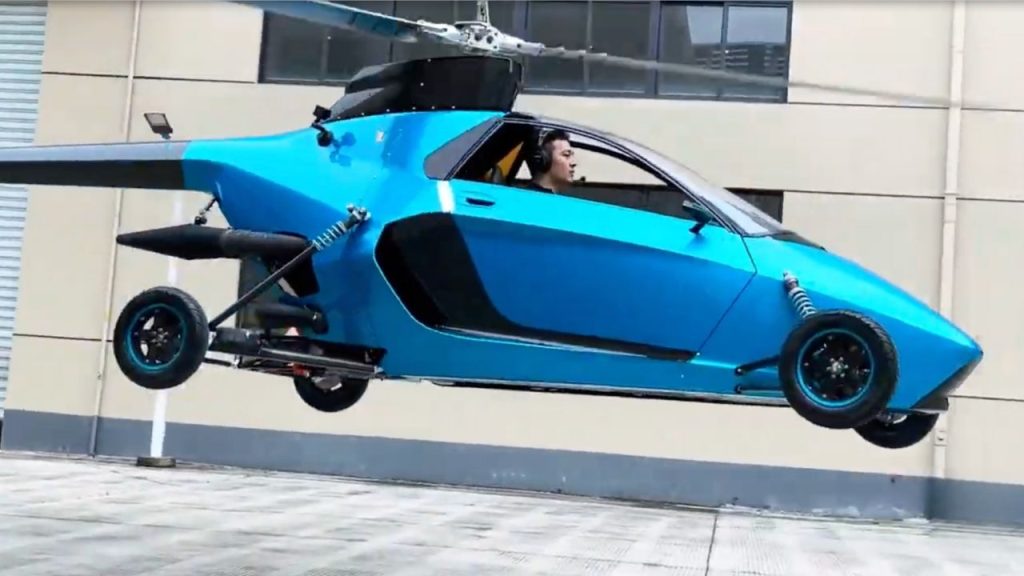
Back in the mid-1900s, people were sure that by the year 2000, flying cars would fill the skies. Instead, we still mostly drive on roads and deal with traffic jams. The tech and safety challenges turned out to be way bigger than expected.