Entire careers can vanish surprisingly quickly. A job that once supported thousands of families can become a historical curiosity within a generation when new technology, cheaper disposable products, automation, or changing consumer habits remove the reason it existed. Some of these professions still survive in specialized corners of the world, so “disappeared” does not always mean literally extinct. But compared with the days when television repair shops, typing pools, video stores, and toll collectors were ordinary parts of everyday life, their decline has been dramatic.
TV Repair Technician

There was once a neighborhood shop you called when the television stopped working, because replacing an expensive set was unthinkable. Modern TVs have become inexpensive and difficult to repair economically, leaving traditional television repair shops increasingly rare.
VCR Repair Technician

During the VHS era, repairing a malfunctioning VCR could be cheaper than replacing a complicated piece of home electronics. Once DVDs, streaming, and inexpensive digital equipment took over, an entire repair specialty disappeared along with the machines themselves.
Video Store Clerk

Friday nights once meant wandering through Blockbuster or a neighborhood rental shop while an employee checked VHS tapes and DVDs in and out. Streaming turned that familiar retail job into one of the most recognizable casualties of the internet age.
Film Projectionist

Traditional projectionists threaded reels, changed over between projectors, monitored focus, and made sure fragile film prints survived every screening. Digital cinema replaced much of that specialized work with automated files and equipment controlled from a central system.
Elevator Operator

For decades, operating an elevator could be a job in itself, with an attendant controlling the car and announcing floors. Automatic elevators made the position unnecessary almost everywhere, although a few luxury buildings and historic locations preserve it for atmosphere.
Telephone Switchboard Operator

Large numbers of operators once physically connected telephone calls by inserting cables into switchboards. Automatic switching and later digital telecommunications transformed one of the most recognizable communications jobs of the 20th century into a historical image.
Directory Assistance Operator

Before search engines and smartphones, people routinely dialed directory assistance to have a human operator find a telephone number. The idea of calling someone simply to look up another person’s number now feels almost impossibly distant.
Typing Pool Worker

Large offices once employed rooms full of professional typists who turned handwritten notes and dictated material into finished documents. Personal computers put keyboards directly on every employee’s desk, largely eliminating typing pools within a remarkably short period.
Shorthand Secretary
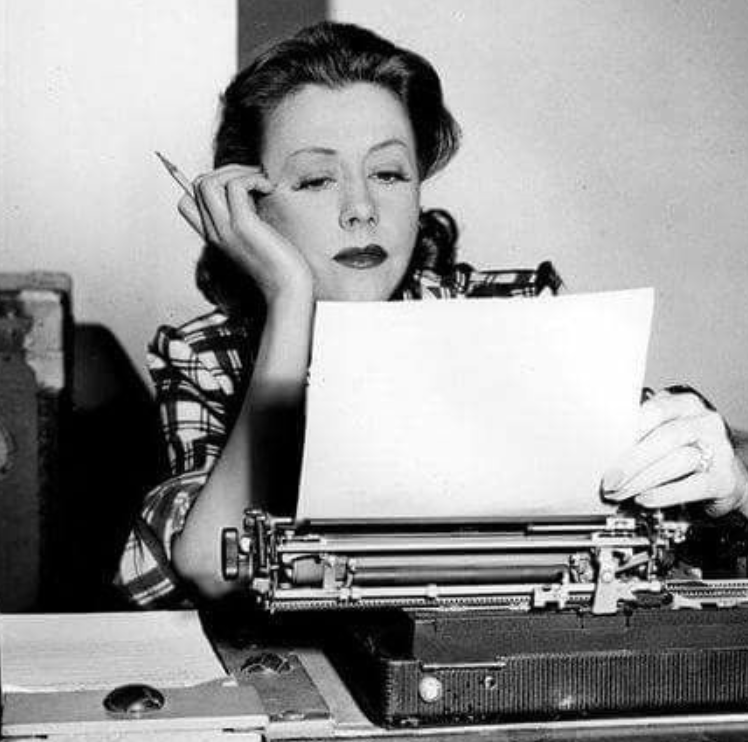
Secretaries were once hired partly for their ability to take rapid dictation in shorthand and later type the material into letters or reports. Email, word processors, voice recording, and transcription software have made that particular combination of skills increasingly uncommon.
Keypunch Operator

Keypunch operators converted information into punched cards that computers could process, making them an important part of early data processing. As terminals and digital storage became standard, both the cards and the profession built around producing them disappeared.
Traditional Data Entry Clerk

Businesses once employed large numbers of workers specifically to convert paper records into digital information. Born-digital documents, automated forms, scanning technology, and increasingly sophisticated software have dramatically reduced the amount of pure manual data entry required.
Medical Transcriptionist

Doctors traditionally dictated notes that trained transcriptionists converted into written medical records. Voice-recognition software and newer systems capable of generating notes directly from consultations have sharply reduced demand for that once-common specialty.
Metal Typesetter

Printing once required workers to arrange physical letters, sometimes individual pieces of metal type, in the correct order and orientation. Phototypesetting and eventually desktop publishing turned centuries of specialized typesetting knowledge into a largely artisanal craft.
Paste-Up Artist

Before digital page-layout software, paste-up artists physically assembled text, photographs, and graphics on boards using tools including rulers, blades, and hot wax. Programs such as PageMaker, QuarkXPress, and eventually InDesign moved the entire process onto computer screens.
Prepress Film Stripper

Despite the unusual job title, printing “strippers” assembled and corrected photographic film used to prepare printing plates. The transition to completely digital prepress workflows removed much of the physical film work that once required dedicated specialists.
Printing Pressman

Commercial printing still exists, but the huge workforce that once produced newspapers, catalogs, directories, forms, and advertising material has contracted dramatically. Digital communication eliminated enormous quantities of everyday printed material that once kept presses running constantly.
Newspaper Carrier

For generations, delivering newspapers was a classic first job for children and teenagers who walked or bicycled through neighborhoods before school. Declining print circulation and consolidated automobile delivery routes have made the traditional neighborhood paperboy increasingly unusual.
Local Newspaper Reporter

Small towns once supported newsrooms where full-time reporters attended council meetings, covered schools, followed court cases, and knew local officials personally. Newspaper closures and shrinking staffs have eliminated many of those positions even in communities whose populations have continued growing.
Toll Booth Collector

Paying a highway toll once meant stopping at a booth and handing cash to a worker who might spend an entire shift making change through a small window. Electronic transponders and license-plate billing have allowed many highways to eliminate staffed toll plazas altogether.
Bank Teller

Bank tellers certainly still exist, but branches that once contained long rows of staffed windows may now operate with only one or two. ATMs, online banking, mobile deposits, and cashless payments have dramatically reduced how often customers need a person behind the counter.
Door-to-Door Encyclopedia Salesman

A complete encyclopedia was an expensive household purchase, and salespeople once demonstrated sets directly inside potential customers’ homes. Cheap digital reference materials and then the internet made selling shelves of general knowledge door-to-door nearly impossible.
Milkman

Millions of households once left empty glass bottles outside so a milkman could replace them with fresh dairy products. Supermarkets, household refrigerators, longer-lasting packaging, and changing shopping habits caused routine residential milk routes to vanish from most communities.
Door-to-Door Insurance Collector

Some insurance companies once sent representatives to customers’ homes every month to personally collect premiums. Automatic payments, bank transfers, websites, and credit cards eliminated much of the need for an employee whose route consisted largely of collecting money.
Phone Book Advertising Salesperson

Businesses once paid significant sums for larger listings and display advertisements in local telephone directories. When consumers stopped reaching for the Yellow Pages and started searching online, an entire advertising market collapsed along with the bulky books.
Jukebox Route Operator

Bars and restaurants once relied on operators who owned jukeboxes, collected their earnings, repaired them, and regularly replaced records or CDs with new music. Internet-connected jukeboxes and streaming removed much of the physical media management that kept those routes profitable.
Video Game Hint-Line Operator

Before walkthrough websites and YouTube, stuck players could call paid telephone numbers and ask employees how to beat a boss or solve a puzzle. Instant access to free guides made paying someone by the minute for gaming advice an exceptionally short-lived profession.
Full-Service Gas Station Attendant

Gas stations once commonly employed attendants who pumped fuel, washed windshields, and sometimes checked oil or tire pressure while customers stayed in their cars. Self-service pumps transformed that experience in much of the world, though attendants remain normal in a few places.
Vacuum Cleaner Repair Technician

When household appliances were expensive and designed to last for decades, repairing a broken vacuum made economic sense. Cheap mass-produced replacements have shrunk the market for dedicated vacuum-repair shops, much like what happened to television repair.
Traditional Cobbler

Cobblers once routinely resoled, repaired, and extended the lives of shoes that represented a meaningful investment. In a world of inexpensive footwear made from materials that can be difficult or pointless to repair, neighborhood shoe-repair shops have become far harder to find.
Movie Poster Painter

Before inexpensive large-format printing became universal, some cinemas employed or commissioned artists to hand-paint enormous advertisements for upcoming movies. Digitally printed posters and displays eliminated most of that commercial work, leaving hand-painted movie advertising as an increasingly rare art form.