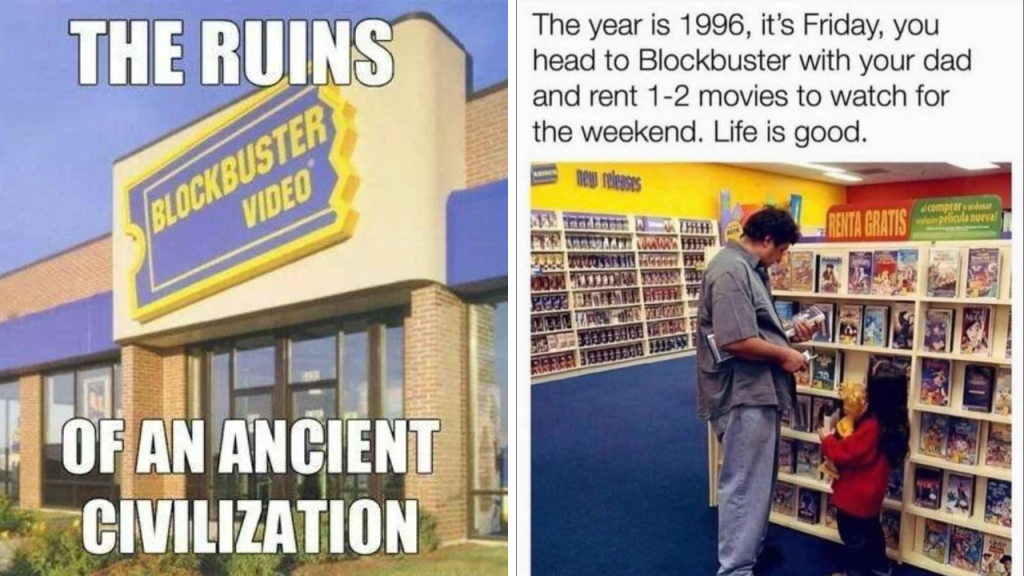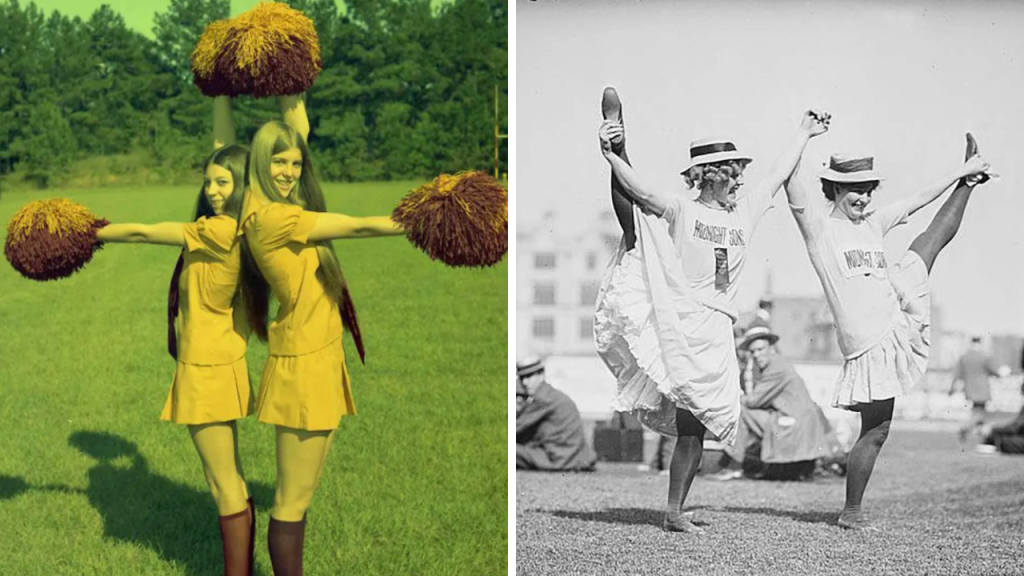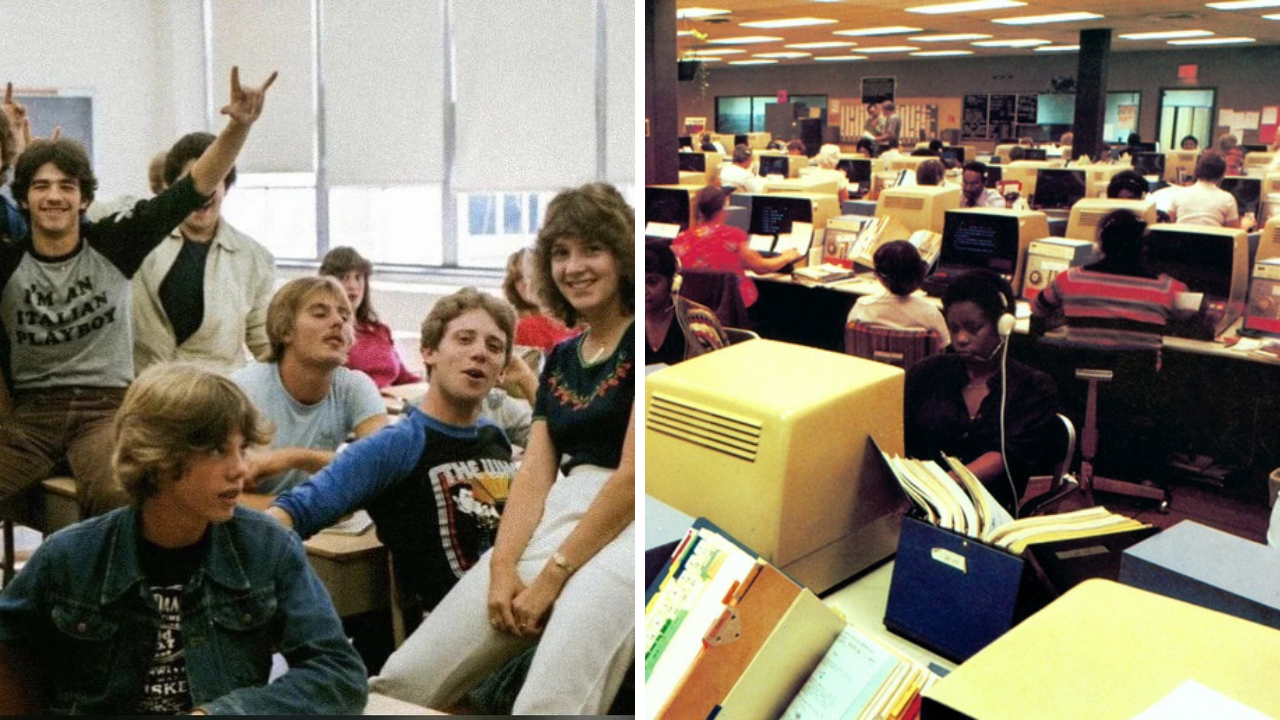
Affordable housing, cheap gas and much more allowed boomers to grow up in a different economic reality entirely. This list breaks down 30 ways life used to be just a little bit easier, whether you’re nodding along or rolling your eyes.
Strong Job Market
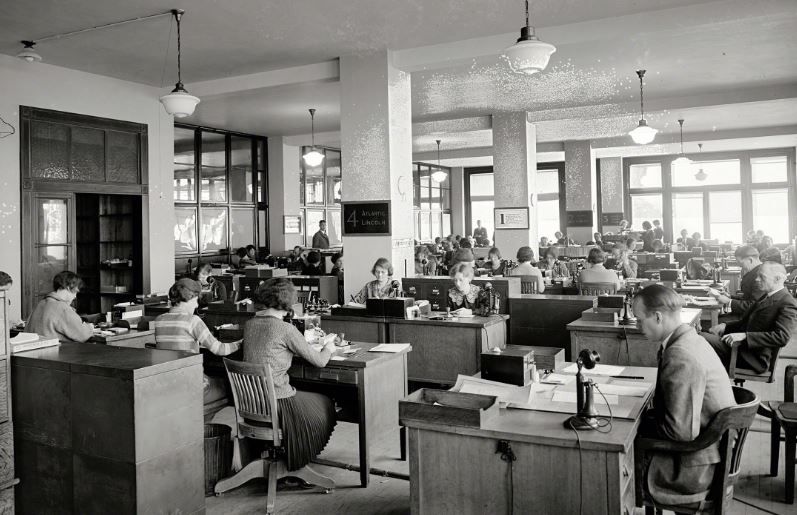
Graduating college practically guaranteed a job back then, and loyalty to one company for decades wasn’t unusual. Nowadays, gig work, contract jobs, and job insecurity dominate many industries.
Social Safety Nets
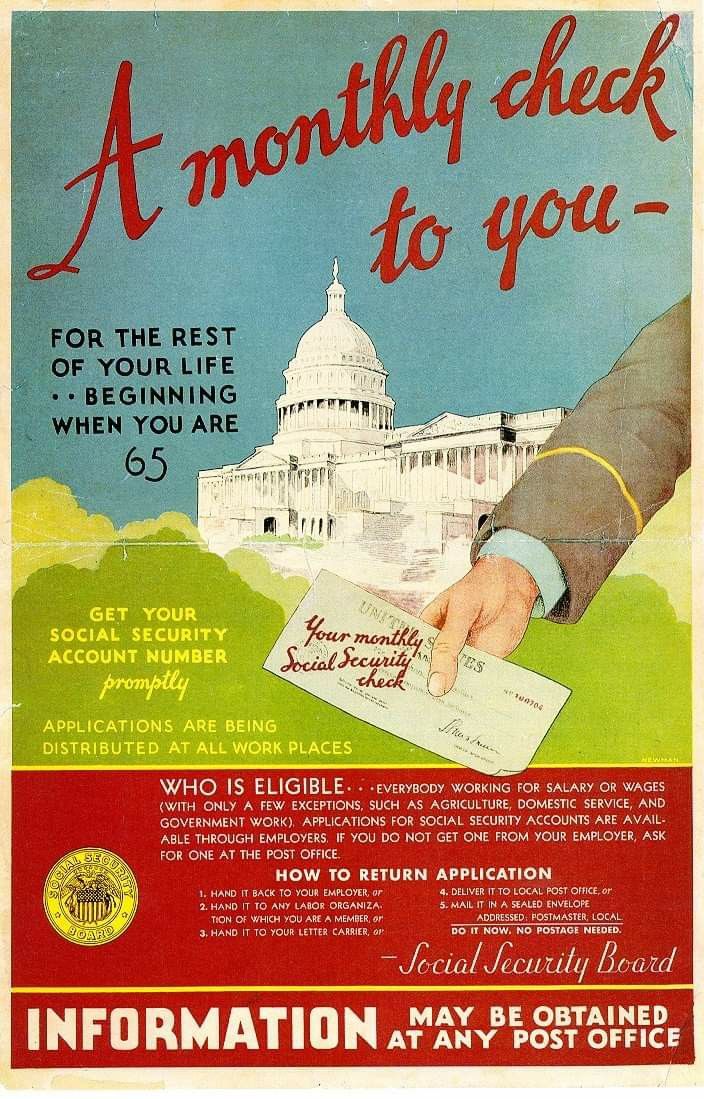
Pensions were common, Social Security felt more stable, and healthcare costs hadn’t yet spiraled the way they have now. The safety net wasn’t perfect, but it was a lot sturdier than what most people have to rely on today.
Access to Higher Education
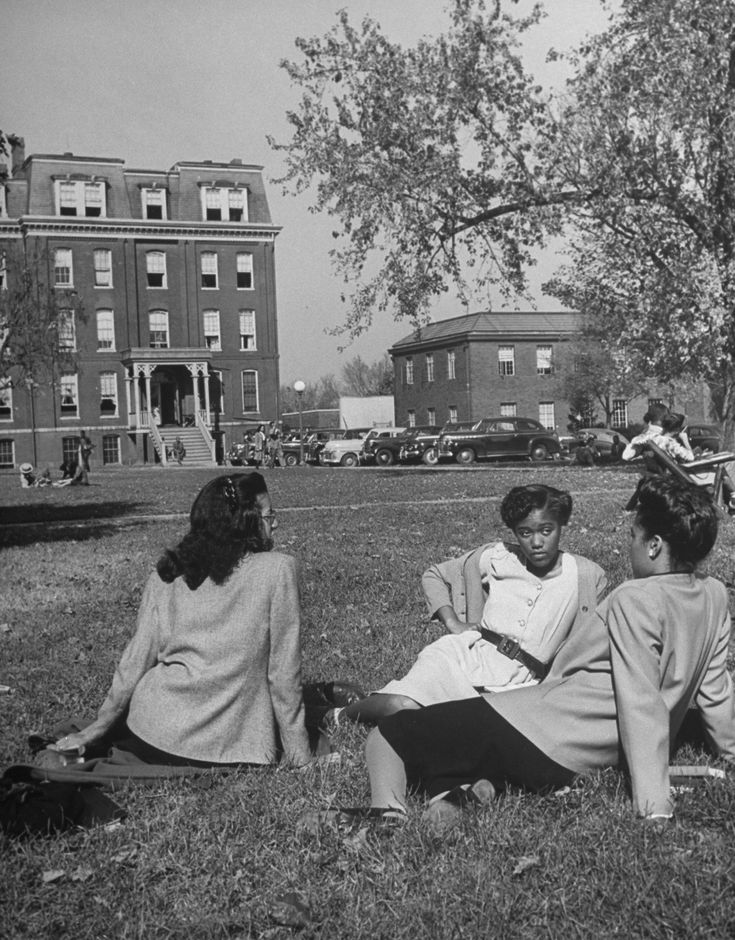
Tuition was low enough that plenty of boomers paid their own way through summer jobs alone, no loans required. A degree felt like a realistic goal instead of a decades-long financial commitment.
Growing Economy
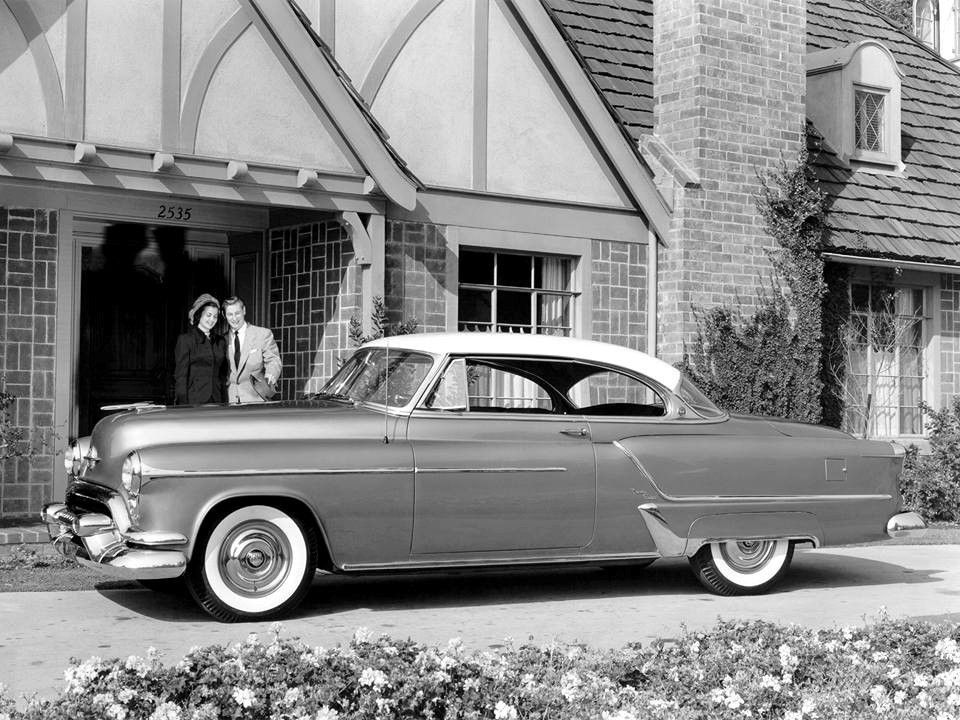
After World War II, wages rose steadily, jobs multiplied, and the overall economy expanded. The current economy is more volatile with slower wage growth.
Less Competition Globally
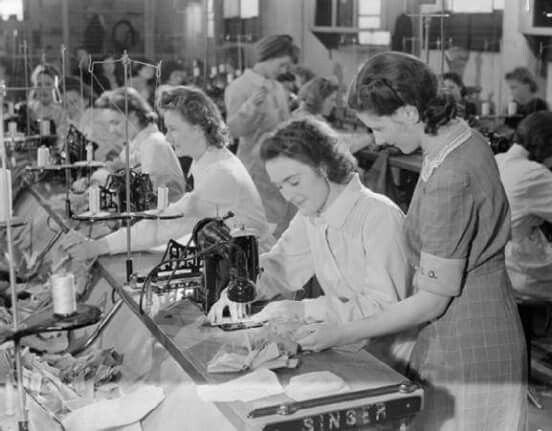
During their prime working years, boomers faced less global competition, with manufacturing and other industries largely domestic. Today’s workers compete with a global workforce, adding pressure to wages and job security.
Lower Cost of Living
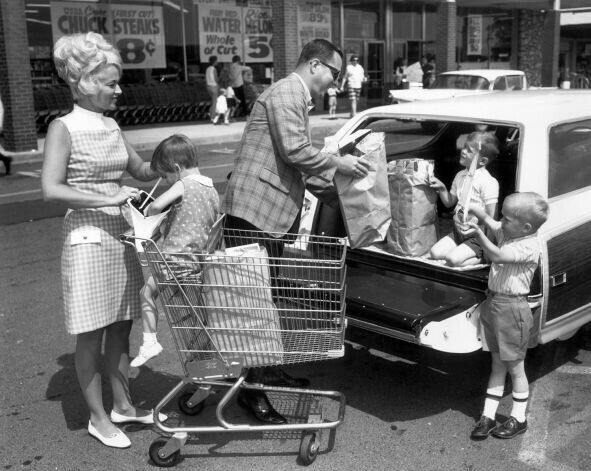
Everyday expenses, from food to transportation, were generally more affordable relative to wages for boomers. Inflation and stagnant wages have made living costs a heavier burden for younger people.
Affordable Housing
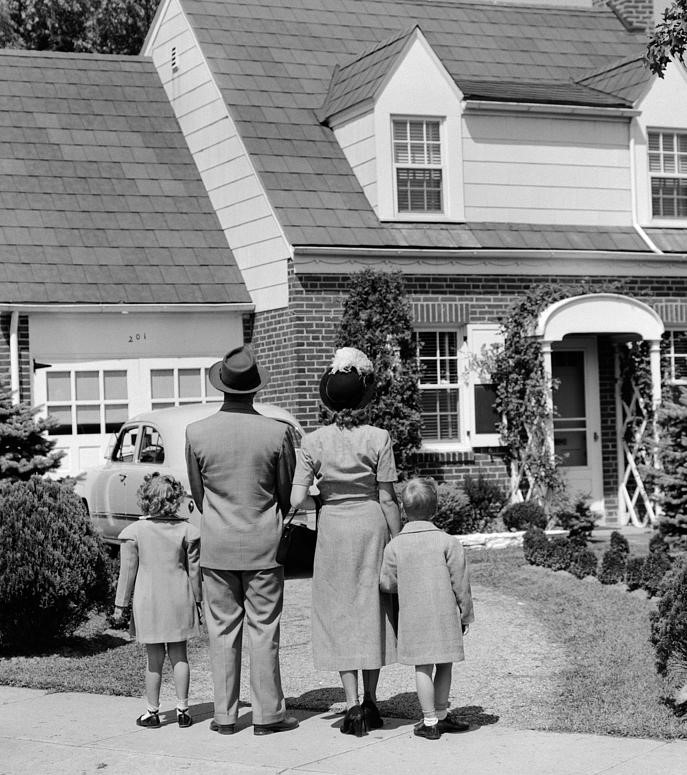
In the boomers’ youth, home prices were much lower relative to income, making it easier to buy a house and build equity. Today’s soaring real estate costs have put homeownership out of reach for many younger people.
Easier Credit Access
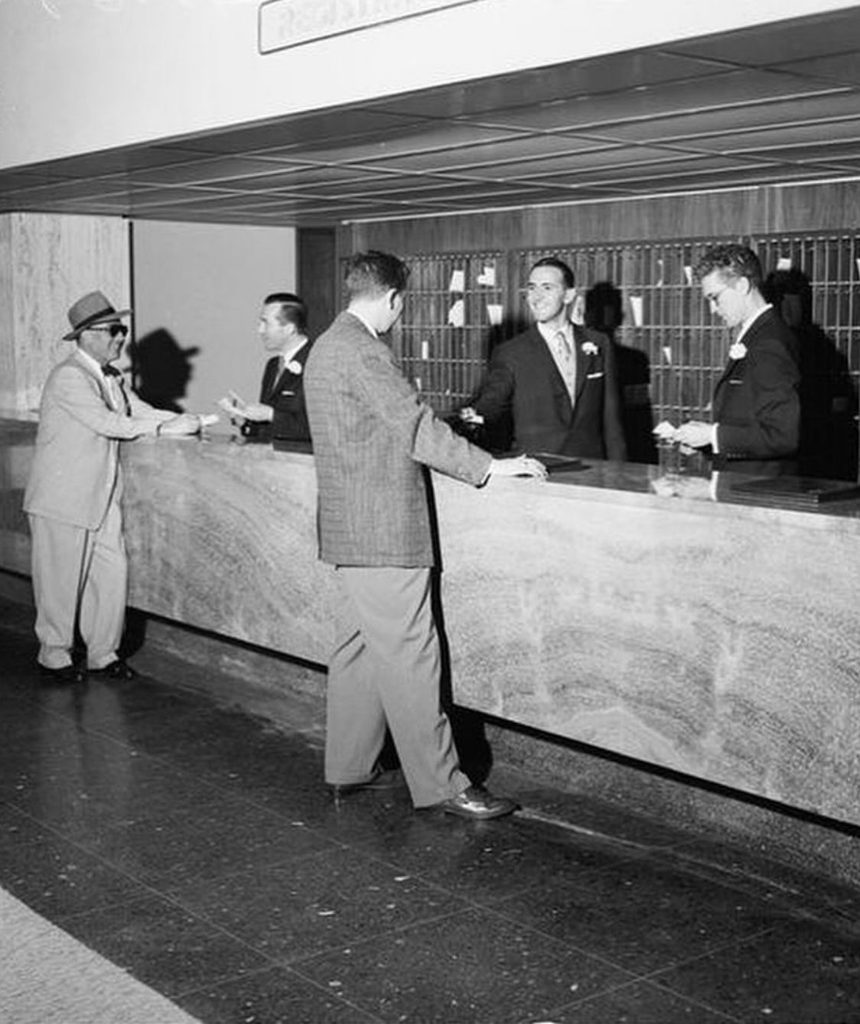
Credit was more accessible and less regulated, allowing boomers to buy homes and cars more easily. This has changed with tighter lending standards and higher interest rates.
More Stable Family Structures
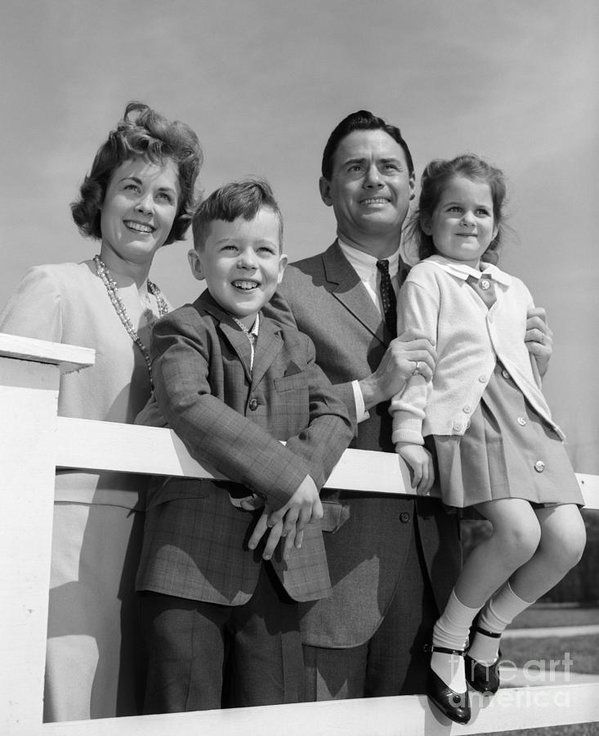
Traditional family structures were more common and socially supported, providing stability and shared financial support. Changing social dynamics have created more diverse but sometimes less economically stable family units today.
Less Student Debt
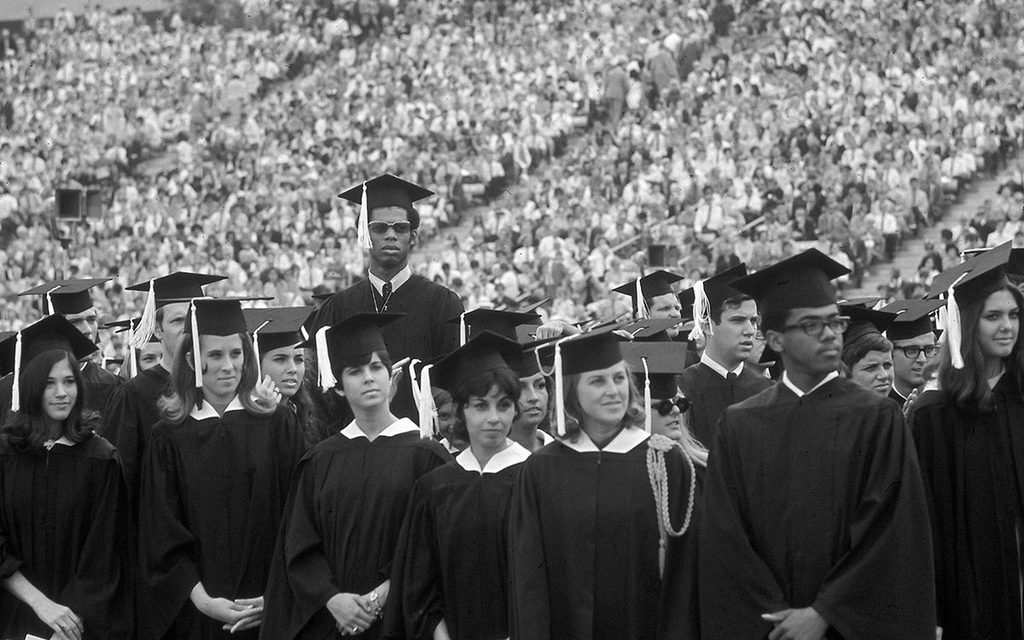
Most boomers graduated college without the crushing debt loads seen today, freeing them to invest in homes and retirement savings earlier.
Affordable Healthcare
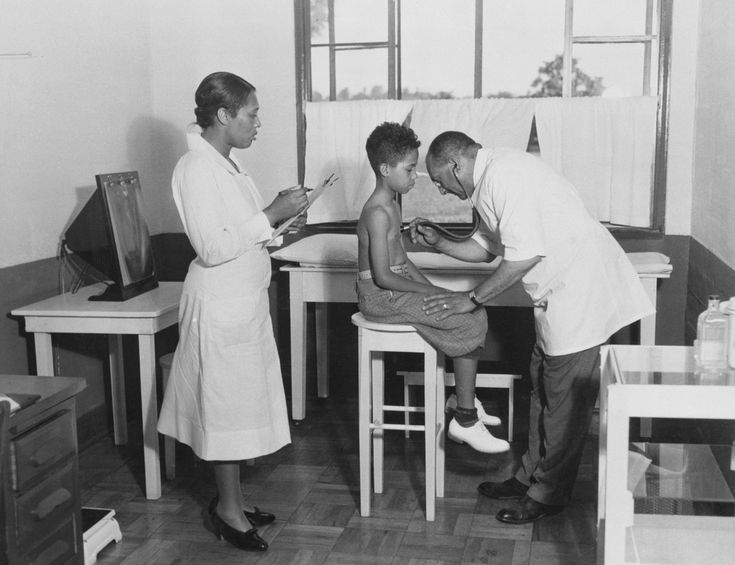
Healthcare costs were relatively low and more predictable for boomers. Now, rising premiums and medical expenses cause significant financial stress.
Higher Union Membership
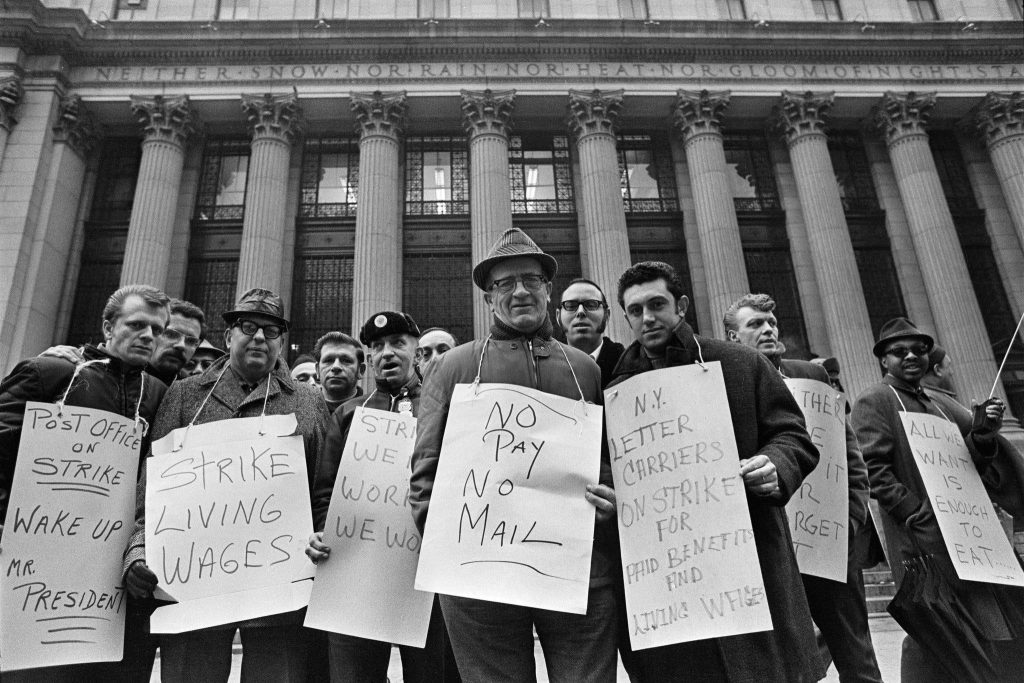
Unions were stronger and helped secure better wages and benefits for boomers. Union membership has declined sharply, reducing bargaining power for workers.
Fewer Technology Distractions
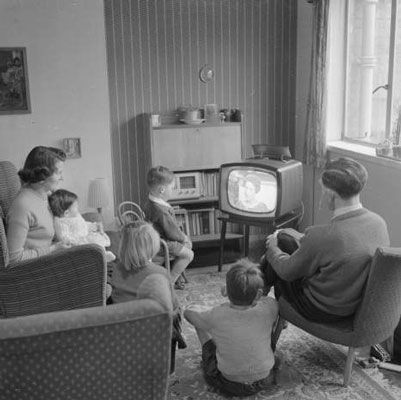
Without smartphones and social media, boomers often experienced less digital distraction, aiding focus and productivity.
Clear Career Paths
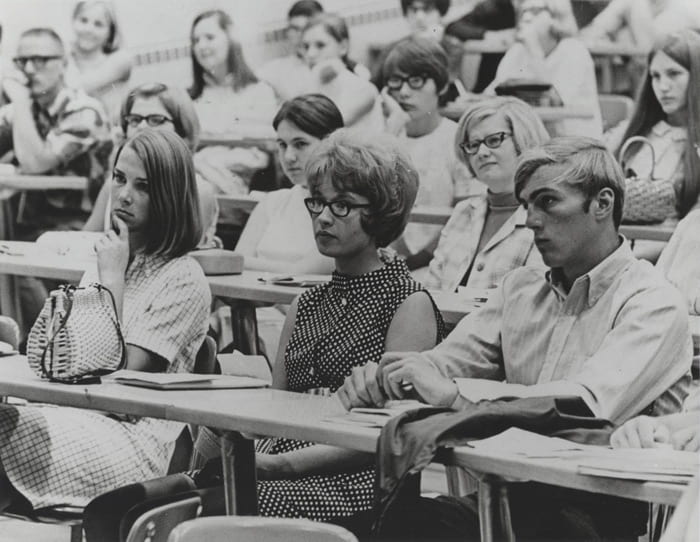
Career advancement often followed clear, linear paths within companies, making progression more predictable for boomers.
More Job Benefits
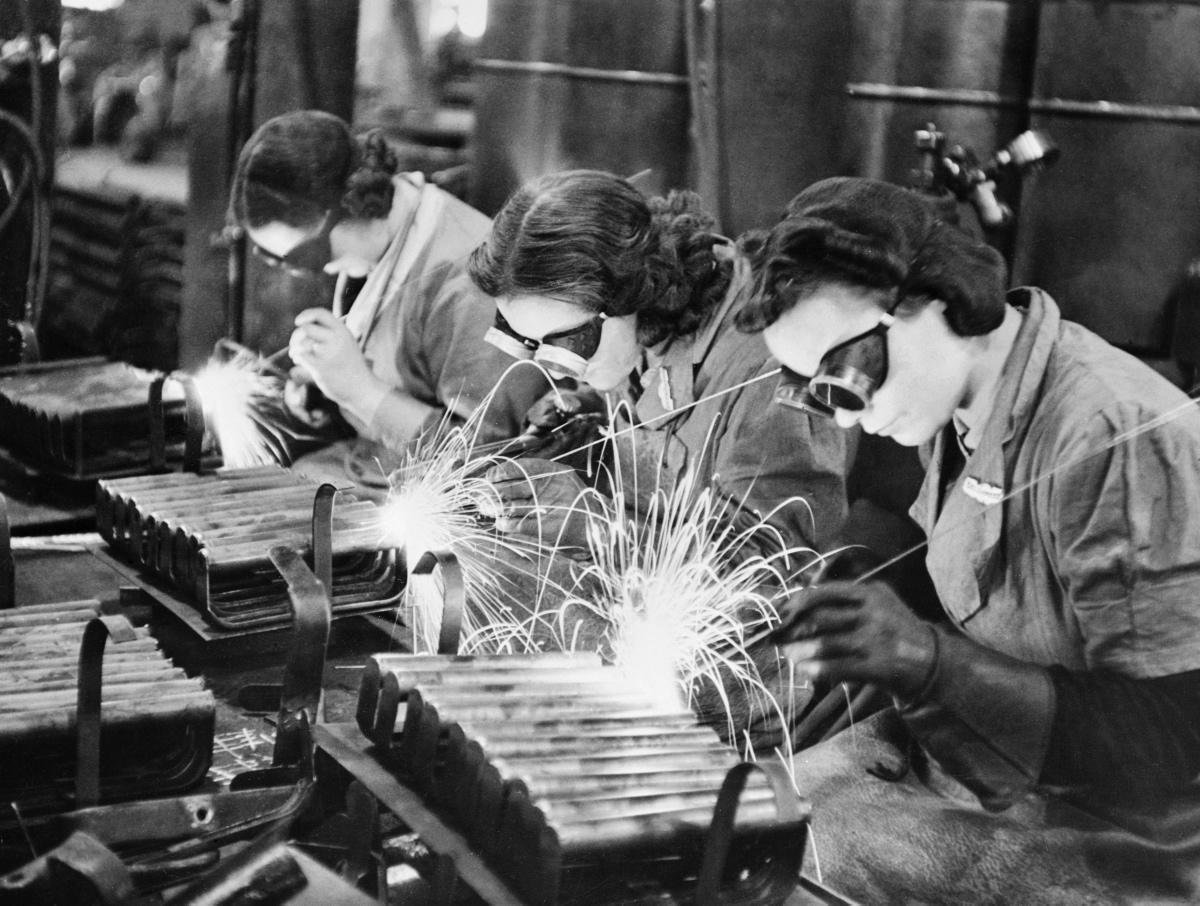
Full-time jobs often came with strong benefits like pensions, healthcare, and paid leave, which are less common today.
Affordable Childcare

Childcare costs were lower or family members often helped with childcare, easing financial pressure on boomer parents.
Lower Taxes on Savings
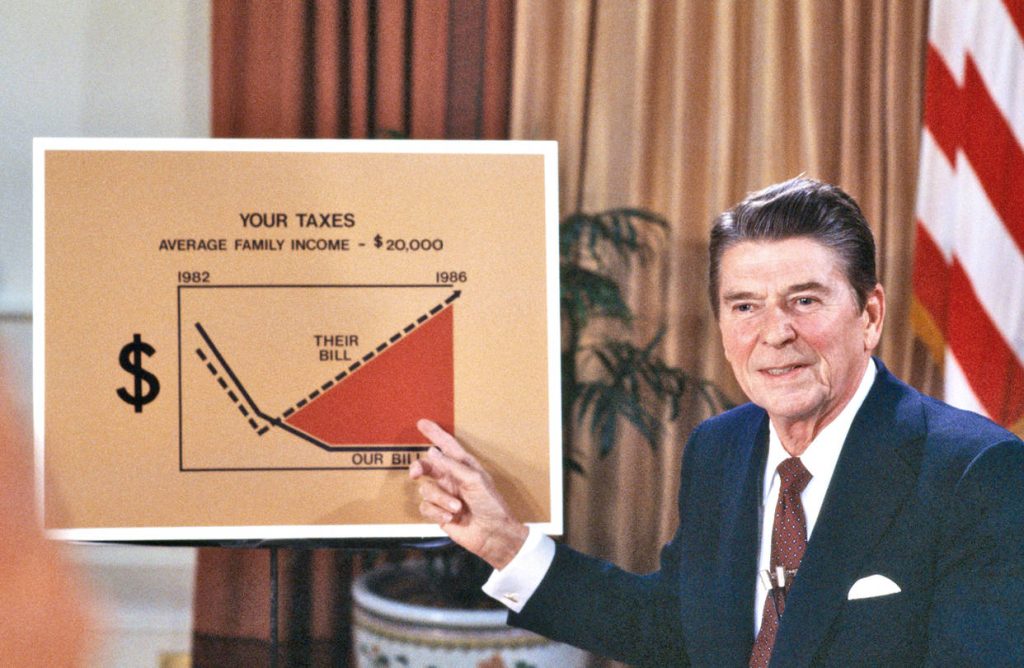
Tax policies in the boomer era often favored savings and investments more than today’s complex tax codes.
Lower Crime Rates (in many areas)
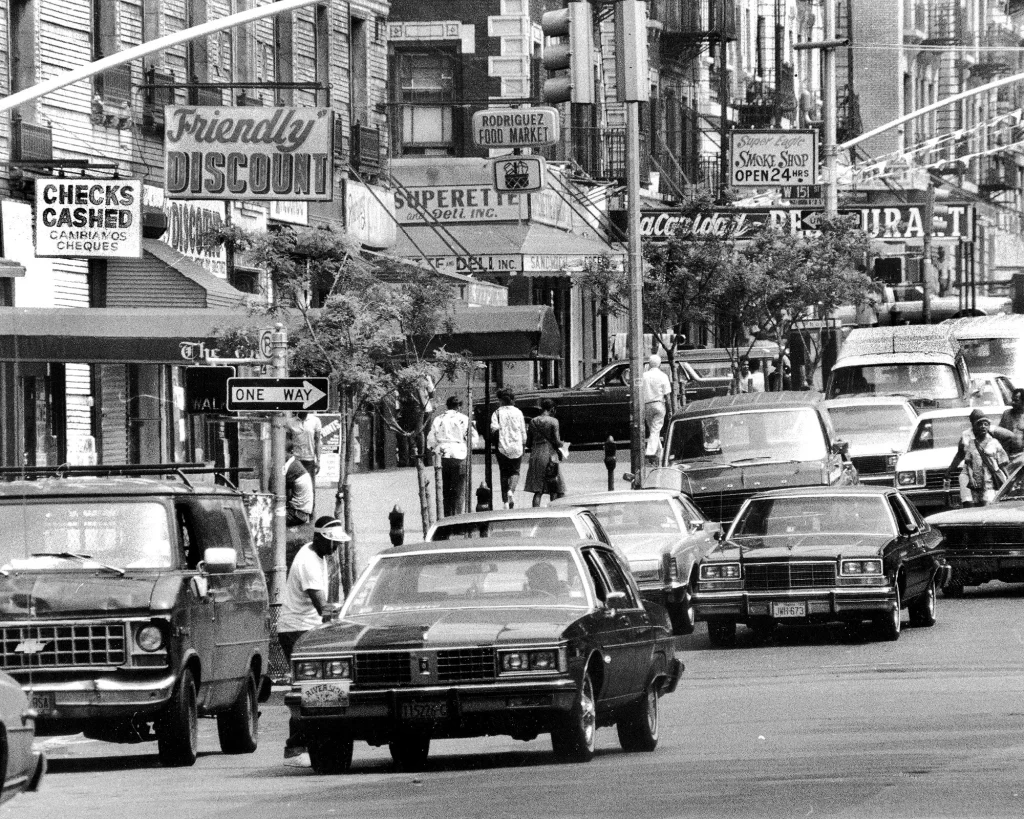
Many boomers grew up in communities with lower crime rates, contributing to a greater sense of safety and stability.
Less Student Loan Competition

With fewer people going to college, boomers faced less competition for academic and job opportunities post-graduation.
Easier Access to Good Jobs Without a Degree
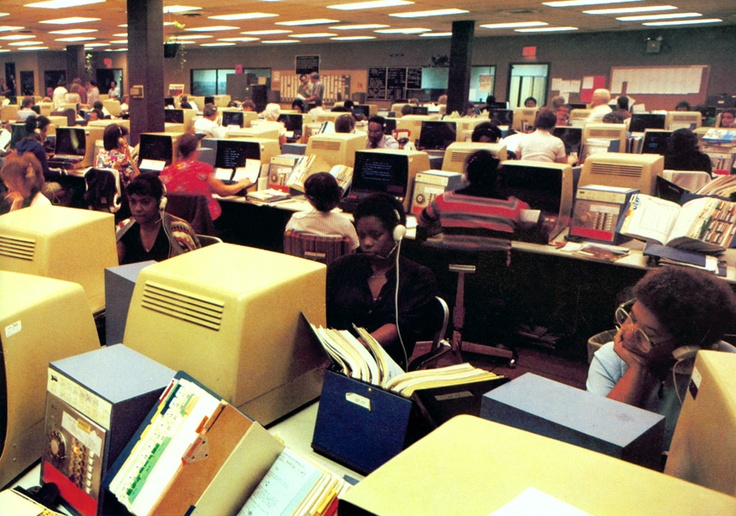
High school graduates could often find stable, well-paying jobs without a college degree, which is far less common today.
Affordable Utilities and Energy
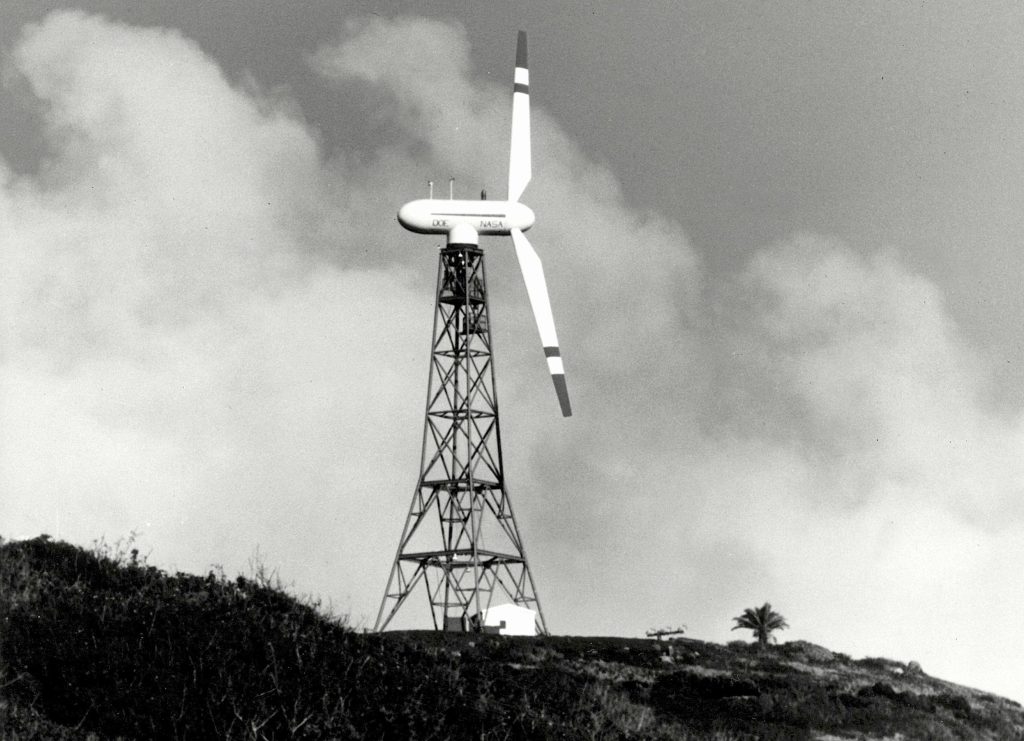
Energy costs were lower, making heating, electricity, and transportation more affordable for boomers.
Less Economic Inequality

The wealth gap was narrower during the boomer years, allowing for more economic mobility and shared prosperity.
More Manufacturing Jobs
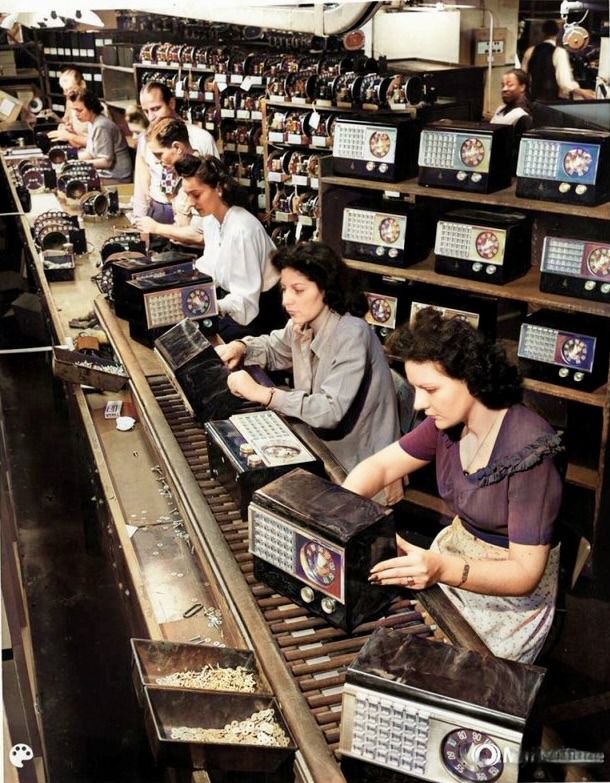
A stronger manufacturing sector provided abundant employment opportunities that paid well without needing advanced degrees.
Public Infrastructure Investment
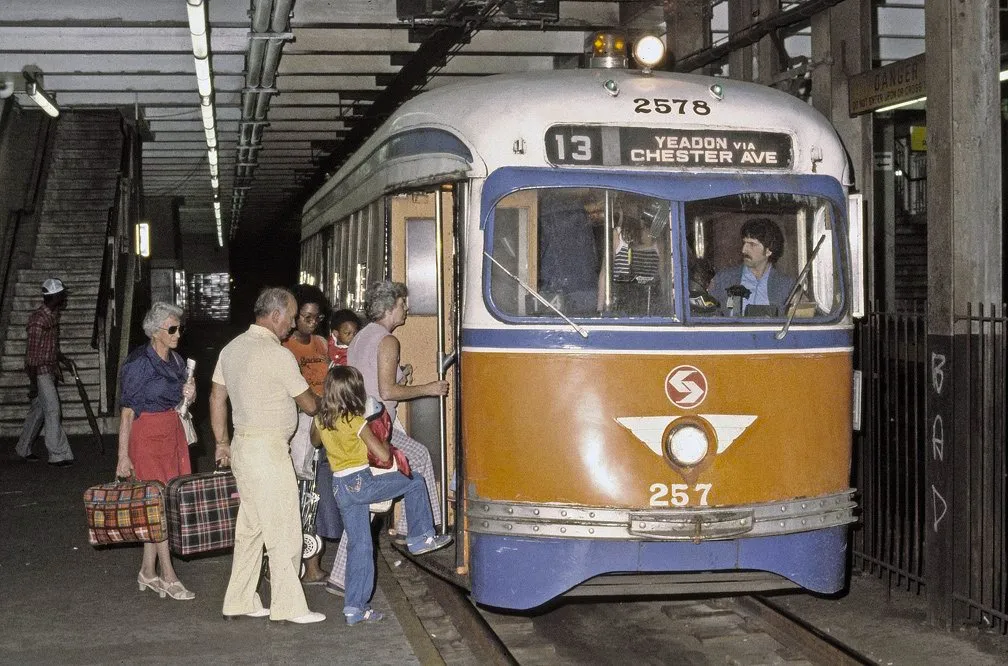
Investment in highways, public schools, and urban development was higher, improving overall quality of life for boomers.
More Predictable Retirement

Boomers could often count on defined-benefit pensions and Social Security, unlike today’s generation facing uncertain retirement funding.
Affordable Entertainment

Movies, concerts, and other entertainment were cheaper, making social and leisure activities more accessible.
Less Student Pressure
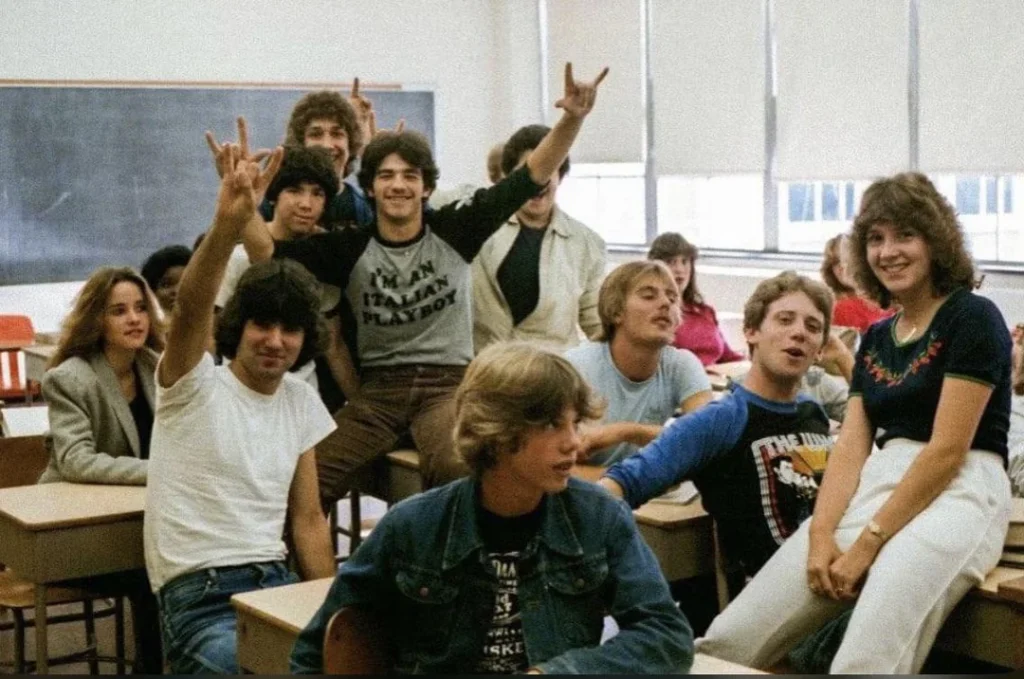
Academic and extracurricular competition was less intense, reducing stress and allowing a more balanced development.
Stronger Community Bonds

Neighborhoods and local communities were more tightly knit, providing social support and safety nets.
Less Environmental Concern

Fewer environmental regulations and concerns made some industries cheaper to operate, impacting job availability positively.
Lower Cost of Transportation
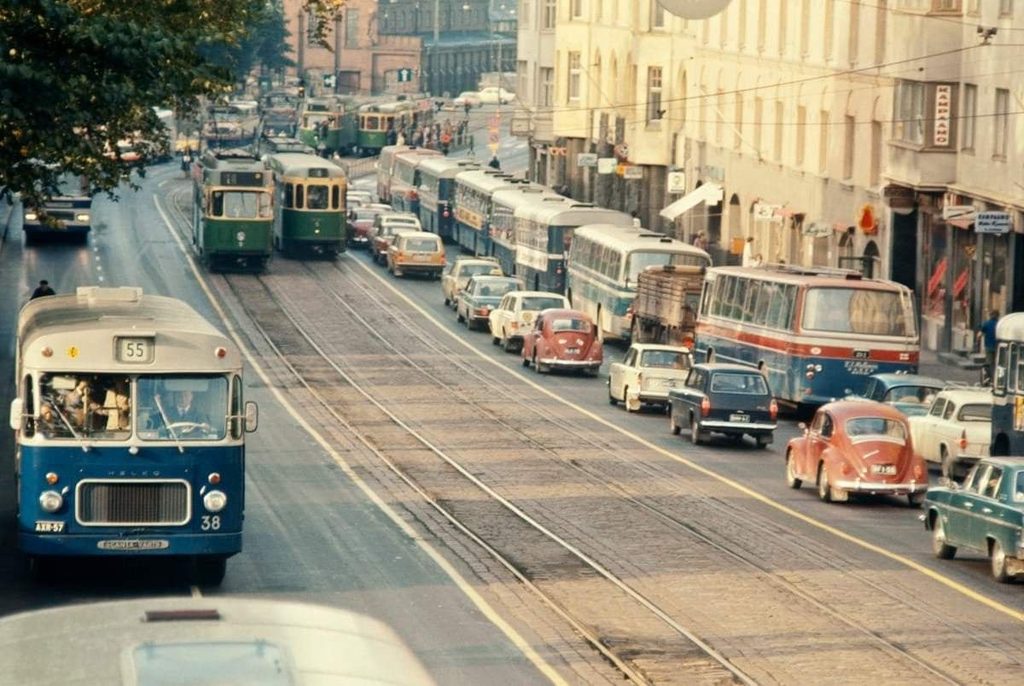
Gasoline was affordable, and car ownership was easier to maintain, enabling boomers greater mobility at a lower cost.