Gen Z’s relationship with faith is changing the conversation. Multiple reports in 2025 point to a slowdown in religious decline and, in some cases, renewed interest among young people. From the search for belonging after the pandemic to countercultural identity and digital-first outreach, several factors are shaping this revival. These reasons may not apply to every individual, but together they help explain a broader generational shift.
Stabilization Of The ‘Nones’ Plateau
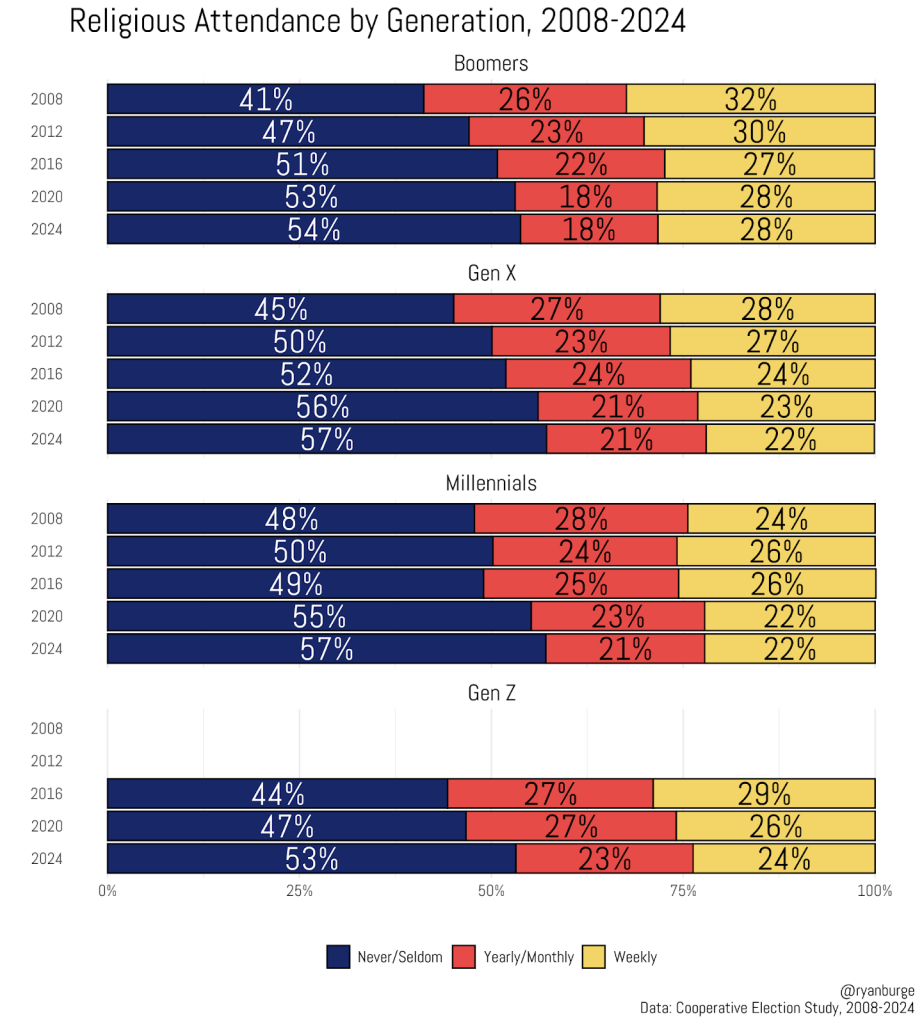
Analysts note the decades‑long rise of religious ‘nones’ has slowed, with Gen Z a key reason the trend has plateaued. Northeastern coverage highlights that the share of Americans unaffiliated with a church has stopped growing partly thanks to Zoomers.
Post‑Pandemic Search For Community
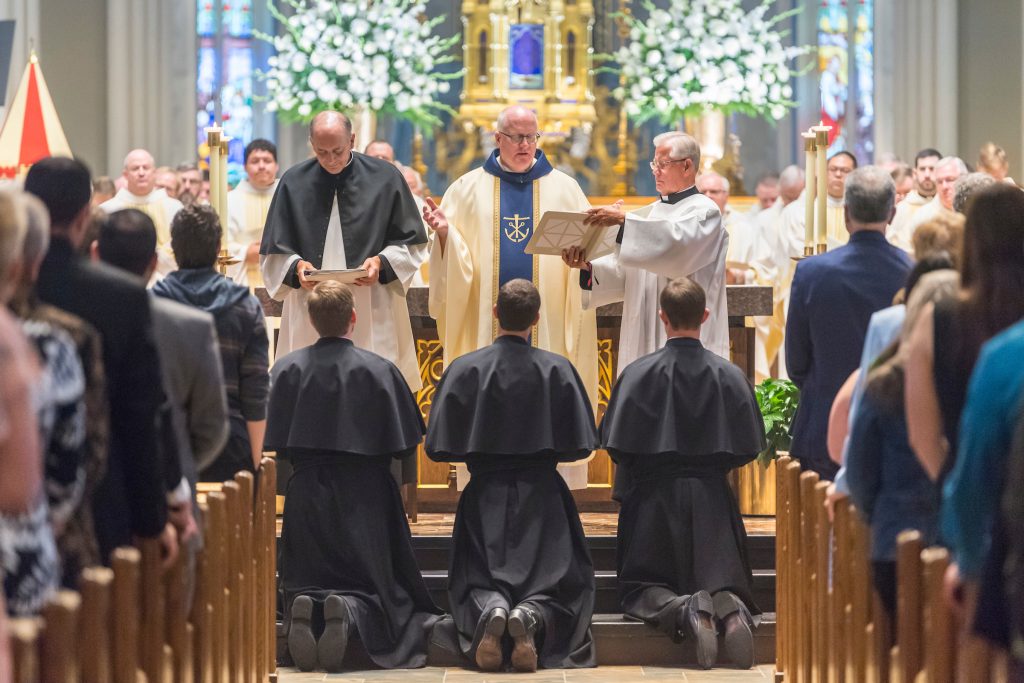
Young adults rethought priorities after lockdowns. Reporting points to religion as a ready‑made social network that addresses isolation with weekly gatherings, small groups, and shared rituals.
Loneliness Crisis And Belonging

Journalists describe faith communities as offering companionship, mentorship, and purpose during a widely reported loneliness crisis among young adults, especially men.
Countercultural Appeal
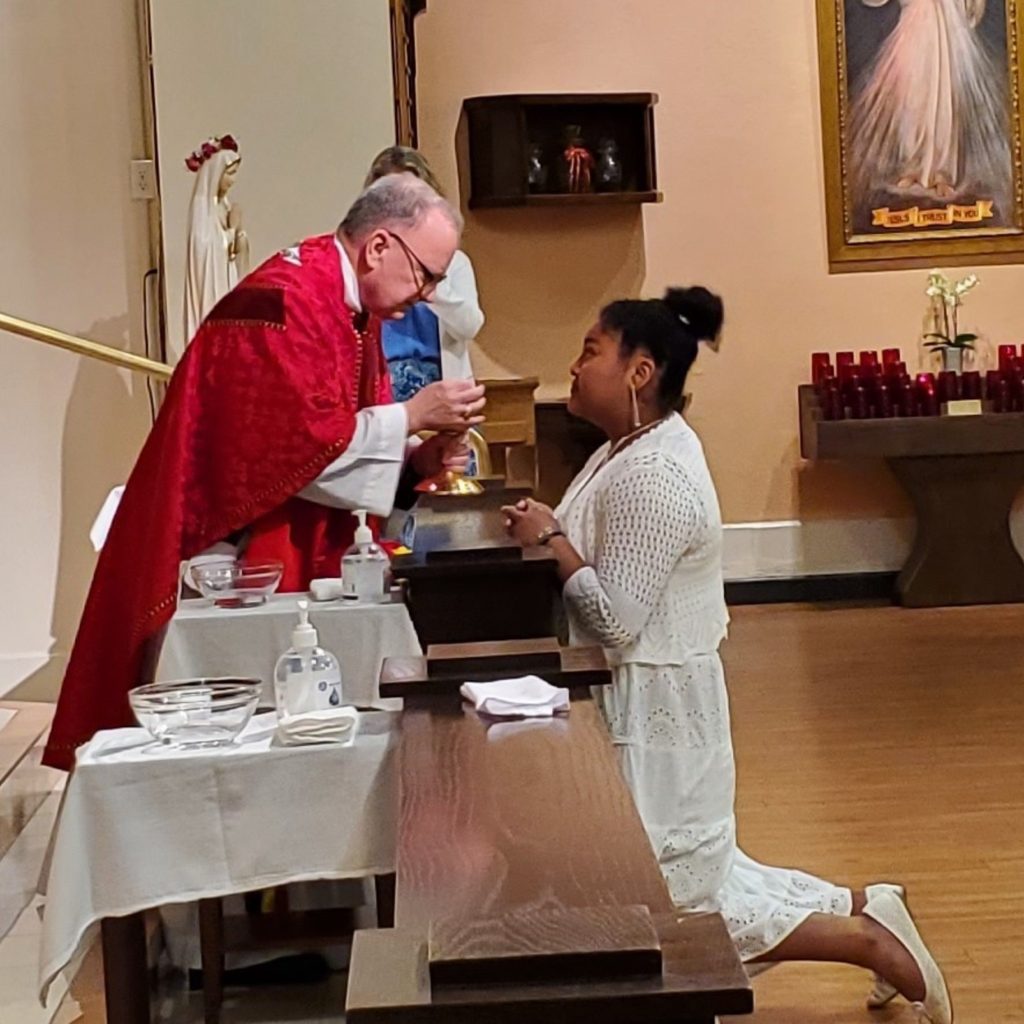
Some Zoomers treat religious commitment as a form of rebellion against mainstream secular norms. The draw includes clarity, structure, and a distinctive identity.
Male‑Female Split In Affiliation

Several reports describe a gender gap: young men are more likely to move toward churchgoing than young women, who often cite institutional inequities as turn‑offs. The split reshapes youth ministry and outreach.
Political Realignment

Commentators connect a subset of Gen Z’s renewed church interest to broader ideological shifts, with some young men drifting rightward and finding community in conservative congregations.
Campus‑Based Revivals And Events

High‑profile campus revivals and worship nights kept the idea of Gen Z faith in headlines, creating curiosity and low‑barrier entry points for newcomers.
Reframing Religion As Personal Growth

Some Gen Zers describe faith less as inherited tradition and more as a toolkit for self‑improvement, purpose, and mental‑health resilience.
Digital‑First On‑Ramps
Livestreams, podcasts, and short‑form video lower the threshold for first contact. Many newcomers sample sermons and Q&As online before ever visiting a sanctuary.
Influencers And Parachurch Creators

Creators explain doctrine, discuss dating and ethics, and model daily practices. This makes faith feel contemporary and accessible on the platforms Gen Z already uses.
Aesthetic And Ritual Appeal
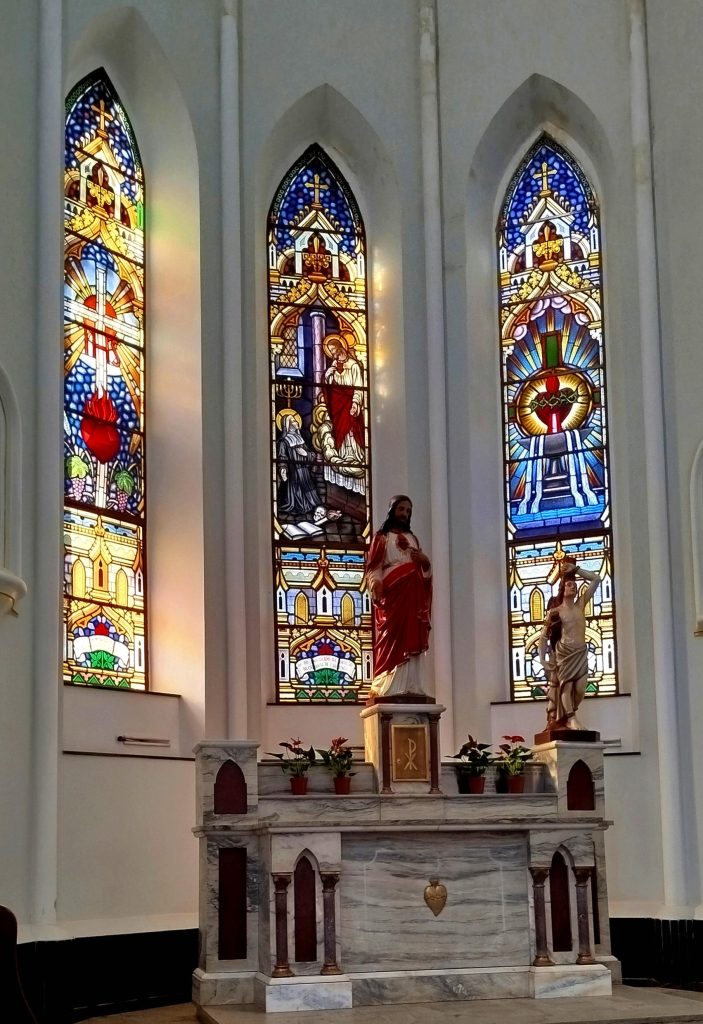
Interest in liturgy, icons, and tradition across Catholic, Orthodox, and high‑church Protestant settings, offers a tactile counterpoint to digital life.
Search For Meaning Amid Uncertainty

Economic stress, wars, and cultural churn push some toward big‑picture answers. Religious frames offer narratives about suffering, hope, and moral order.
Small‑Group Friendship Structures

Church small groups, youth nights, and campus fellowships provide predictable, low‑cost social time. Regular meetups help new friendships stick.
Apologetics In The Algorithm
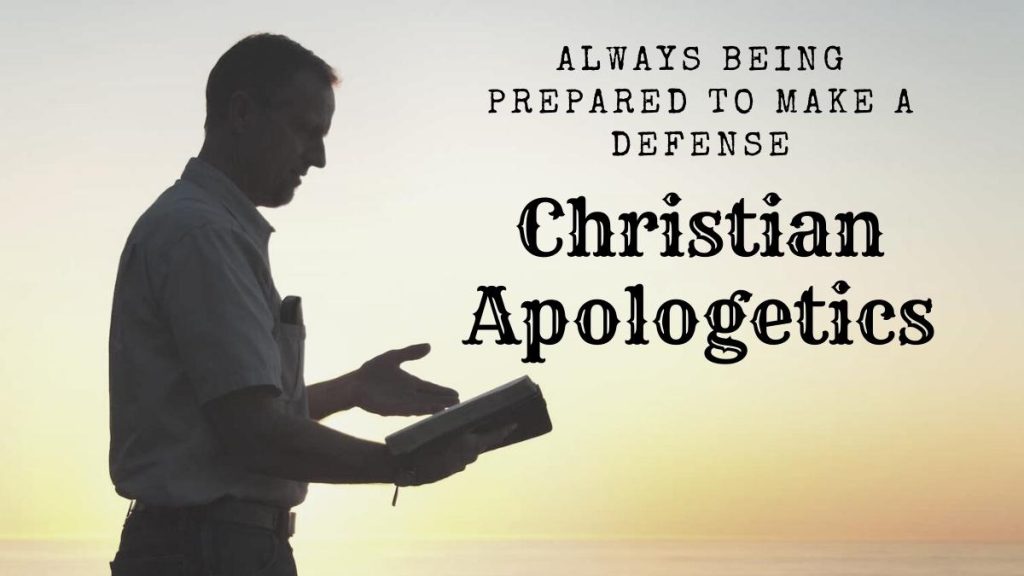
Searchable explainers and debate clips meet skeptical questions on science, sexuality, and politics. The algorithm surfaces entry‑level answers at scale.
Service And Volunteering Channels
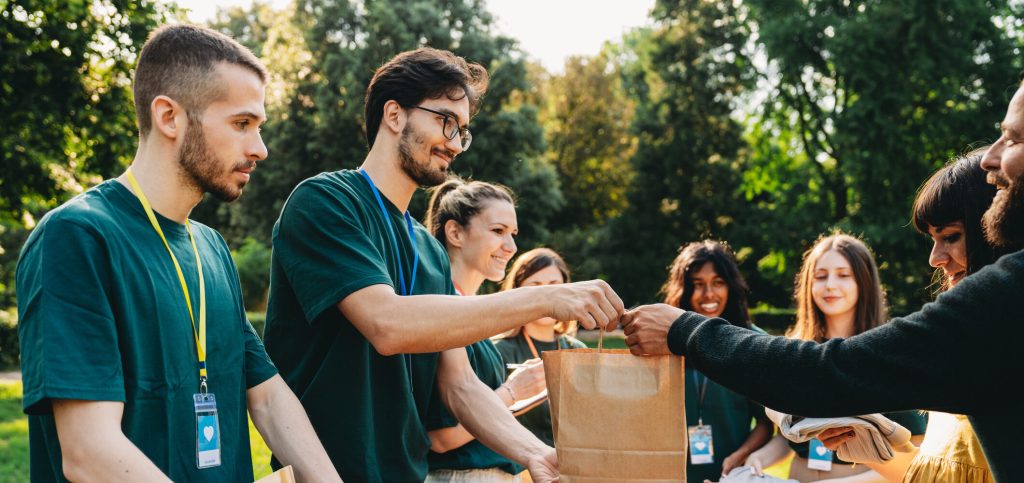
Food banks, tutoring, and city clean‑ups give immediate ways to belong while helping others. Hands‑on service can precede doctrinal commitments.
Mentorship And Intergenerational Ties

Older members provide career advice, childcare help, and life coaching. Practical support often precedes formal affiliation.
Hybrid Worship Convenience

Online options let students and service workers participate despite irregular schedules. Hybrid rhythms keep involvement alive through moves and life changes.
Immigrant And Diaspora Communities
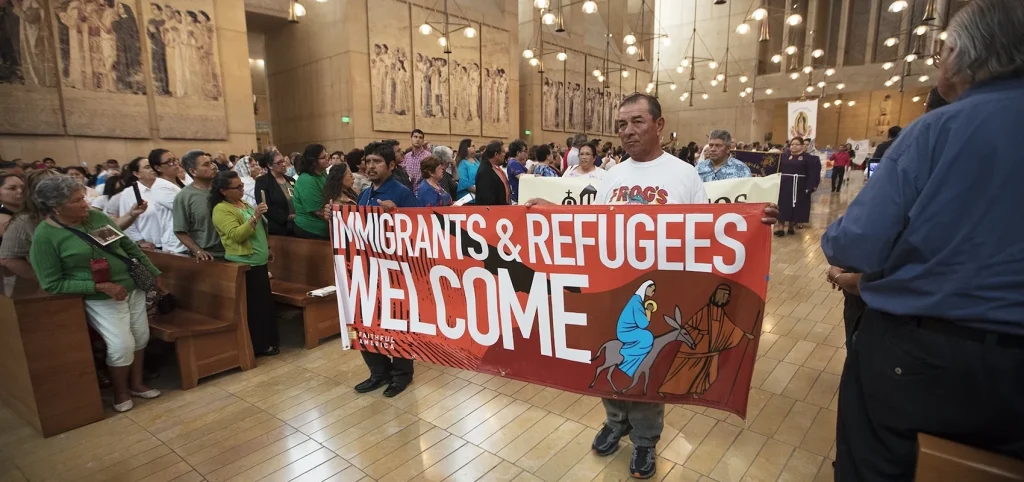
Growing immigrant congregations offer cultural continuity, language circles, and support networks that attract peers and classmates.
Relationship And Dating Norms

Faith communities formalize expectations around sex, commitment, and family formation. Some young adults seek these guardrails as stabilizers.
Moral Clarity In Culture Wars

Clear stances, agree or disagree, can be magnetic in an ambiguous media environment. For some, conviction signals authenticity.
Charismatic Music And Production
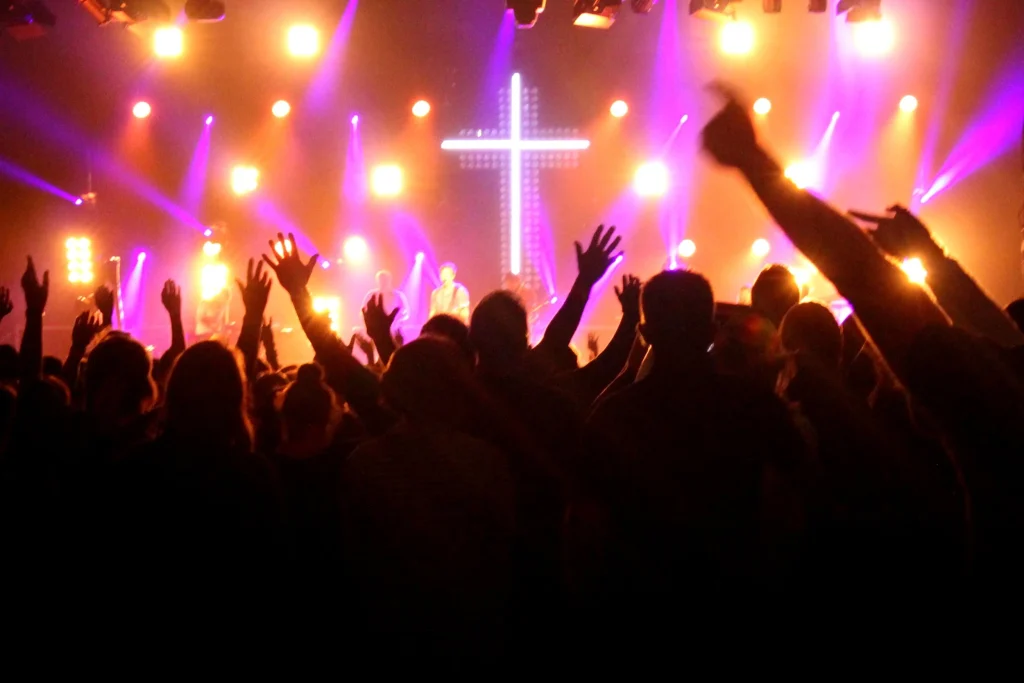
Modern worship music, concerts, and conferences create high‑energy on‑ramps that feel familiar to festival‑going Gen Z.
Rebrand: ‘Spiritual, Then Religious’

Several observers note that many Zoomers start with a broad spiritual identity and later explore specific traditions, reversing older sequences.
Localism And Church Plants
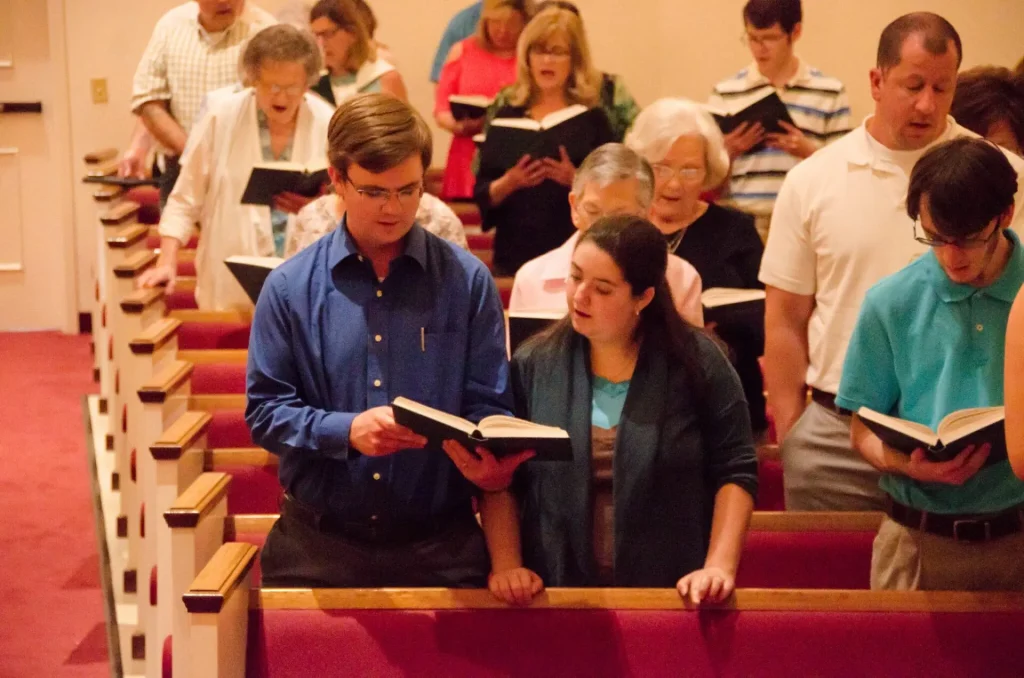
Smaller congregations and new church plants promise authenticity and tight‑knit belonging, in contrast to faceless institutions.
Rejection Of Pure Individualism
Young adults voice fatigue with hyper‑individualism. Covenantal language, mutual obligations, shared rhythms, offers an alternative.
Narratives Of Personal Transformation

Testimony culture, from TikTok clips to podcasts, showcases turnaround stories that resonate with peers’ struggles.
Media Spotlight On The Trend
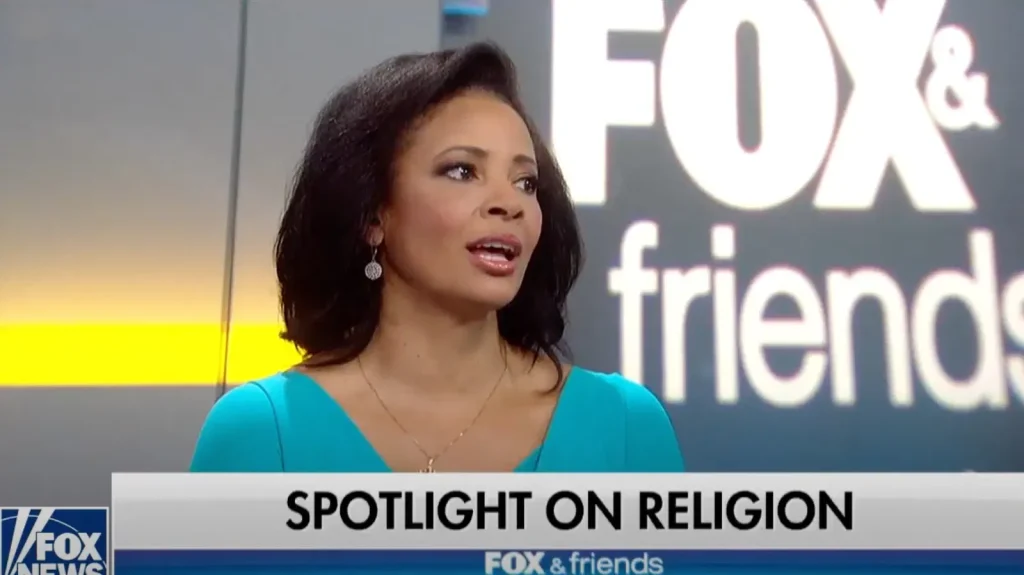
National outlets covering the shift make it more visible and socially legible, prompting more curiosity and visits.
Data Curiosity: Are We Really Different?

Pieces parsing survey, lines leveling off vs. reversal, spark self‑identification and debate among young readers.
Low‑Cost Community In A High‑Cost Era
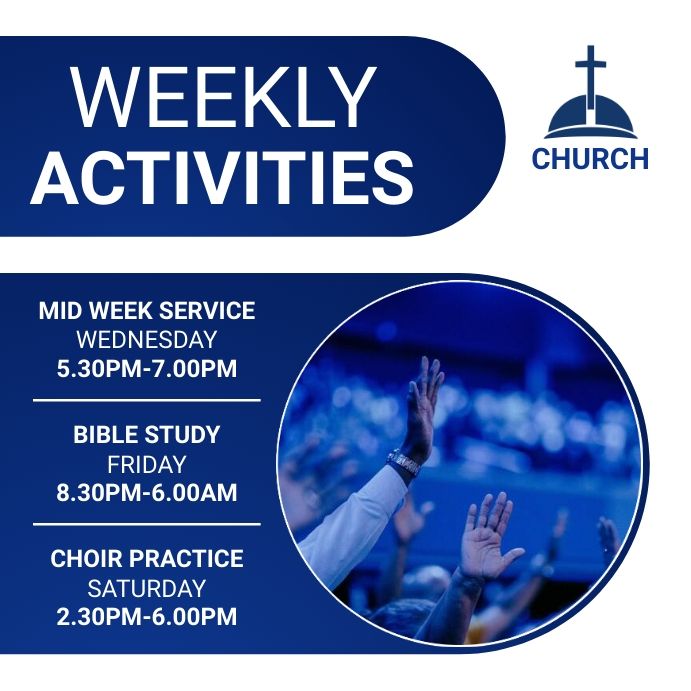
Free weekly events, potlucks, and game nights provide budget‑friendly social life when money is tight.
Values‑Aligned Volunteering For Resumes

Service hours and leadership roles in campus ministries translate into experience lines for scholarships and jobs.
Return To Family Traditions

Some re‑embrace childhood faith during college or early careers, especially around holidays, weddings, and life crises.