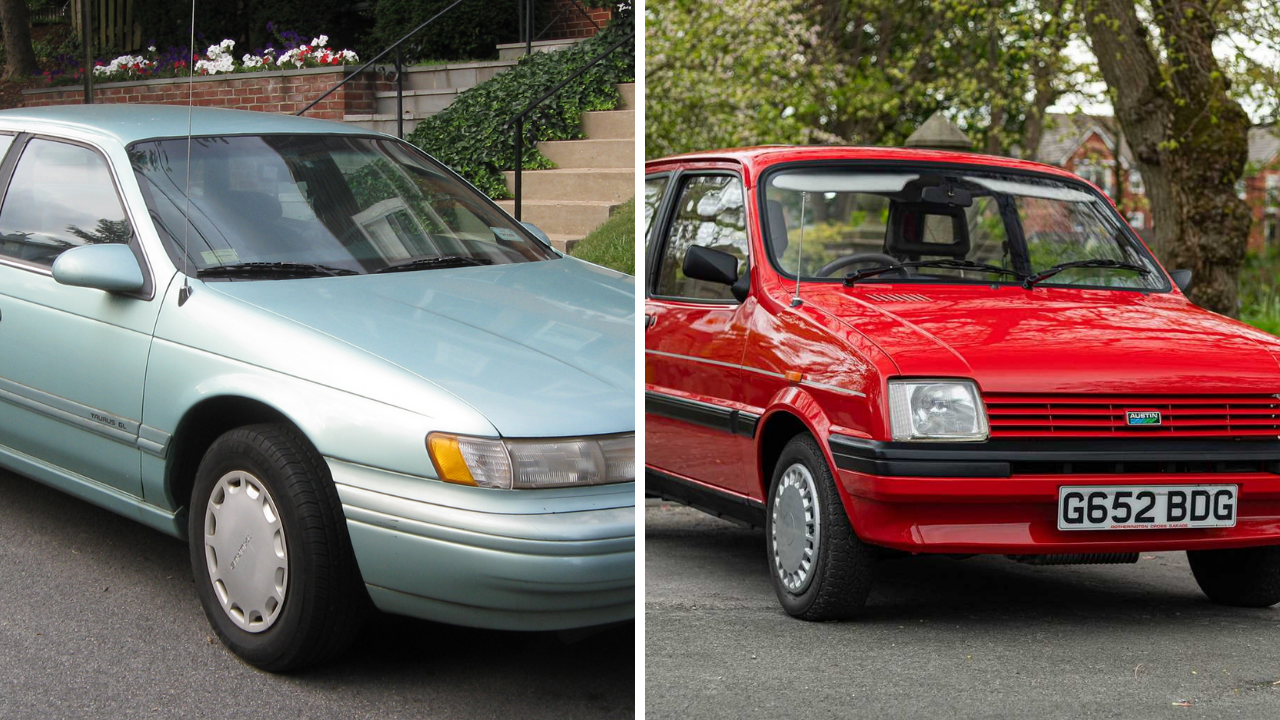
Purchasing a car is a major decision, and although new cars might seem like the best option, used and old cars provide a lot of benefits that are sometimes disregarded. Here are 30 reasons why buying a used automobile could be the better choice, from dependability to cost savings.
1. Lower Purchase Price
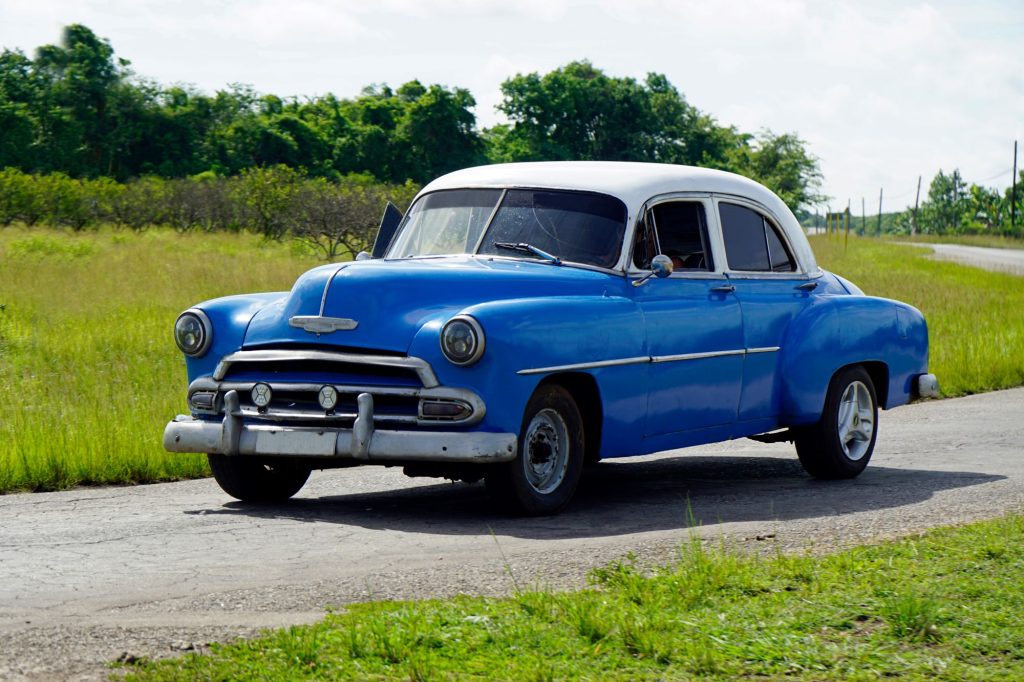
Because used automobiles are so much less expensive than new ones, you can buy a better model for the same money. This implies that driving a top-notch car won’t break the cash.
2. Slower Depreciation
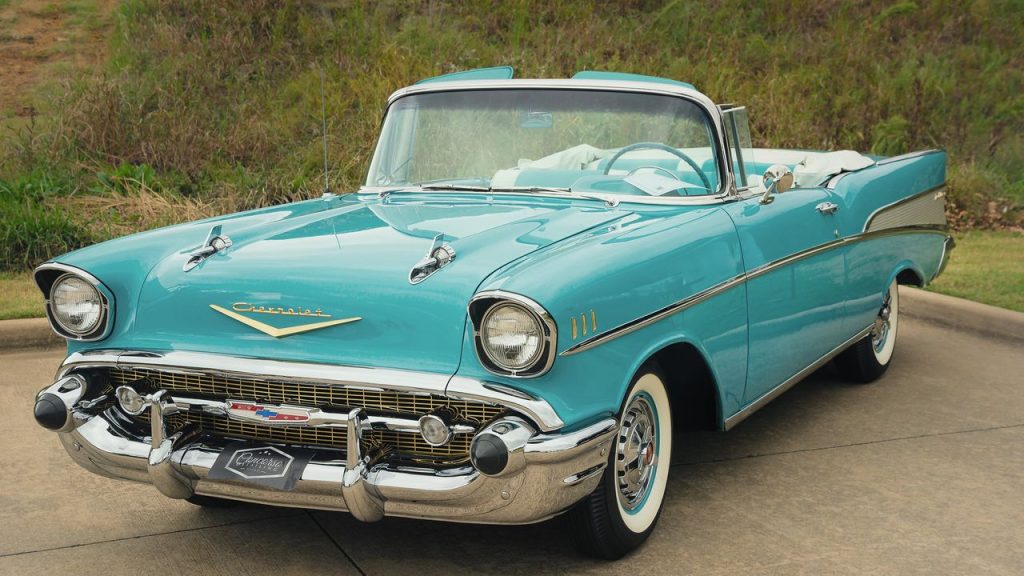
As soon as a new car leaves the dealership, its value drops, sometimes by as much as 20–30% in the first year. Since used cars have already seen the majority of their depreciation, their value holds steady over time.
3. Lower Insurance Costs
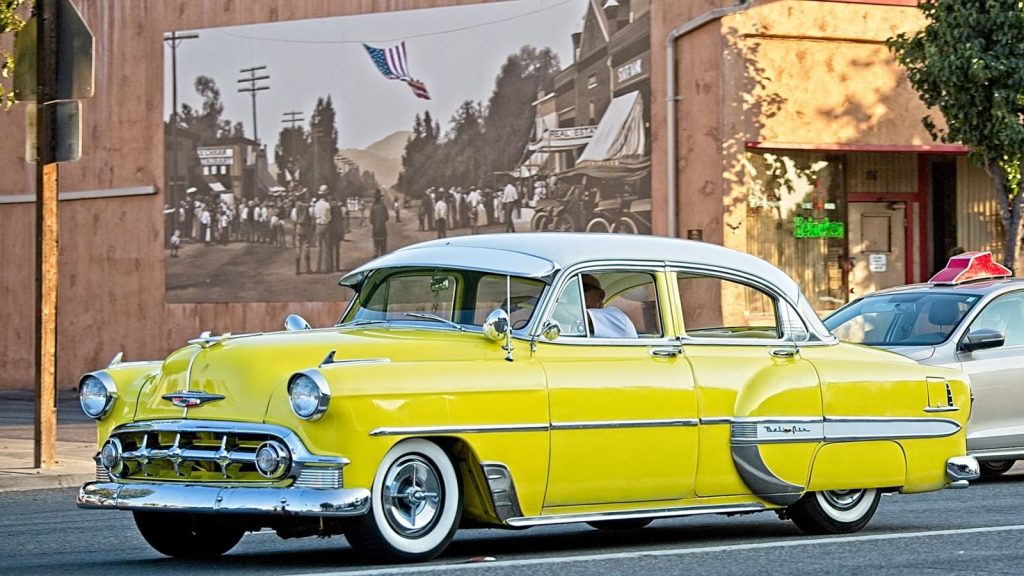
Because secondhand cars have a lesser market value, insurance rates are usually lower for them. Long-term insurance payment savings can be substantial as a result.
4. Reduced Registration Fees
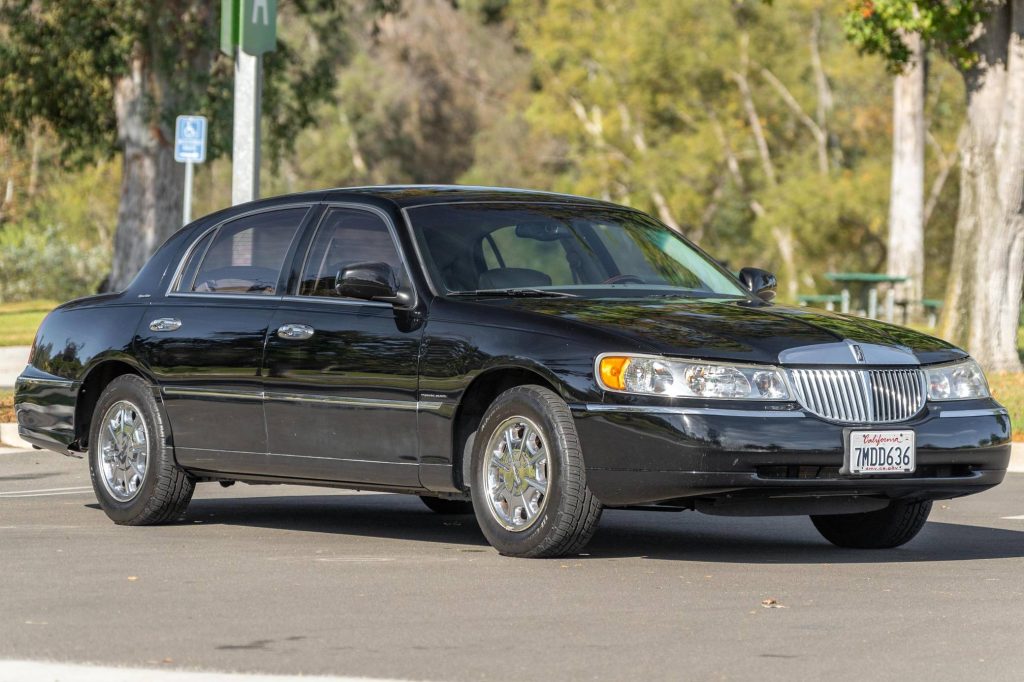
The age and value of the car determine the registration charge in various jurisdictions. You can save money every year by purchasing a used car, which frequently has significantly reduced registration fees.
5. No Hidden Dealer Fees
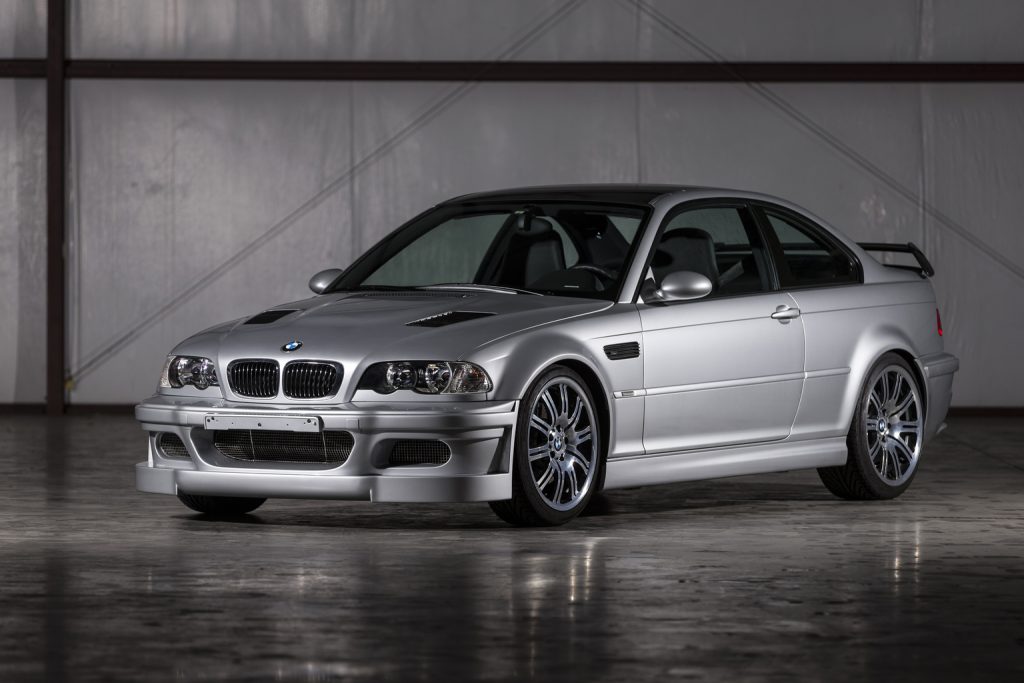
Additional dealership fees, like delivery and advertising costs, are frequently associated with new autos. These additional expenses are typically avoided by used cars, making them more affordable.
6. More Affordable Financing Options
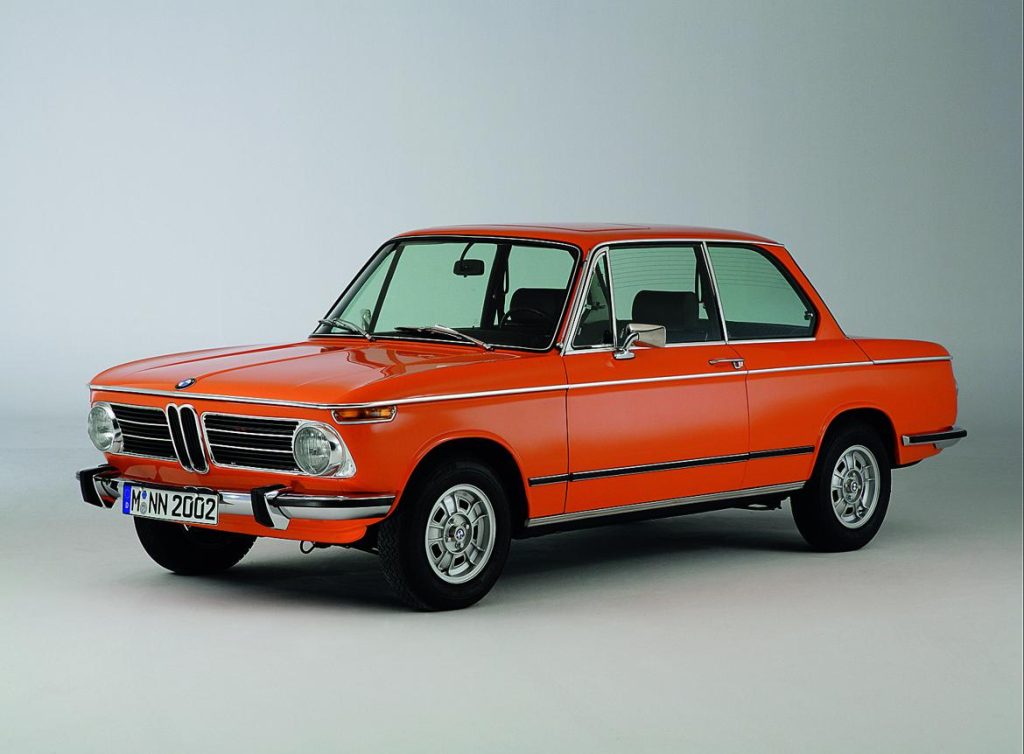
Used car loans are typically less, resulting in reduced monthly installments. Additionally, a lot of lenders provide affordable interest rates for used cars.
7. Certified Pre-Owned Programs
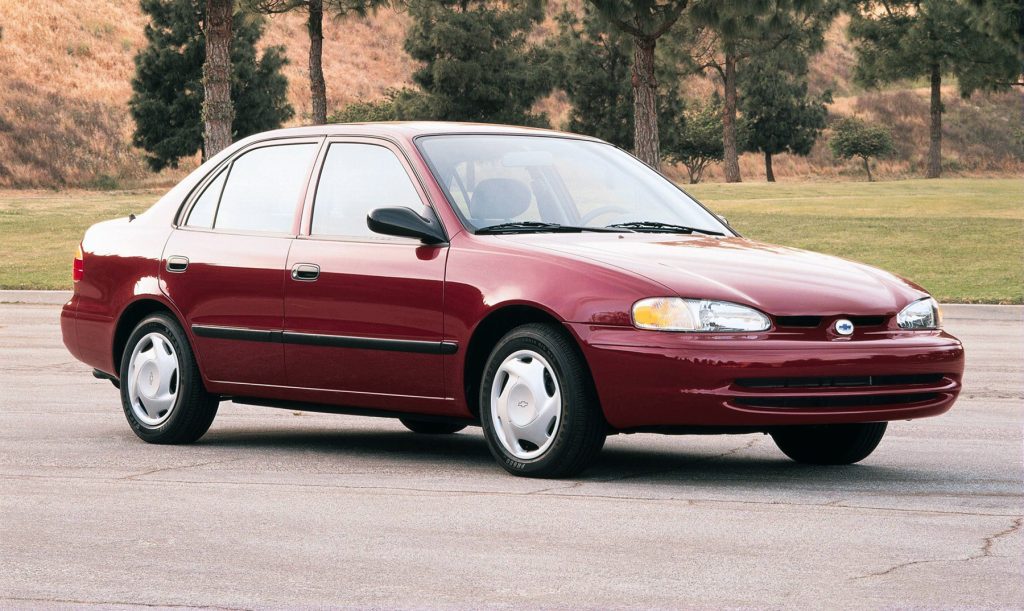
Numerous secondhand automobiles have certification programs supported by the manufacturer, guaranteeing that they are in top condition. You can feel more at ease knowing that these programs frequently include warranties and inspections.
8. Proven Reliability
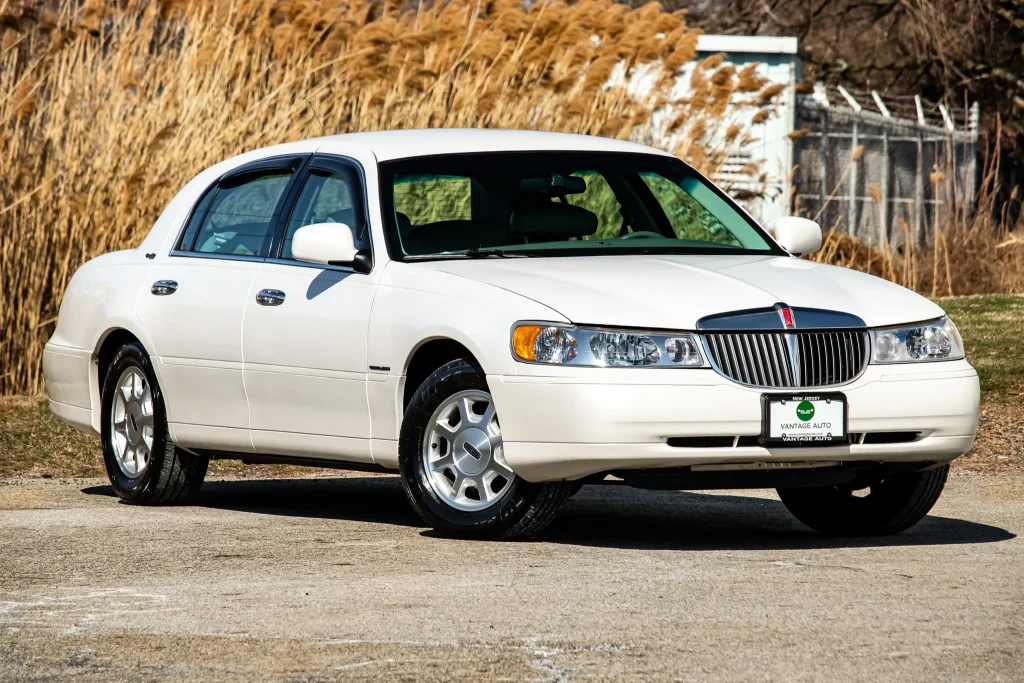
Older models are shown to be reliable and have a track record. This enables you to look into and select a vehicle with a strong track record of reliability.
9. Easier DIY Repairs
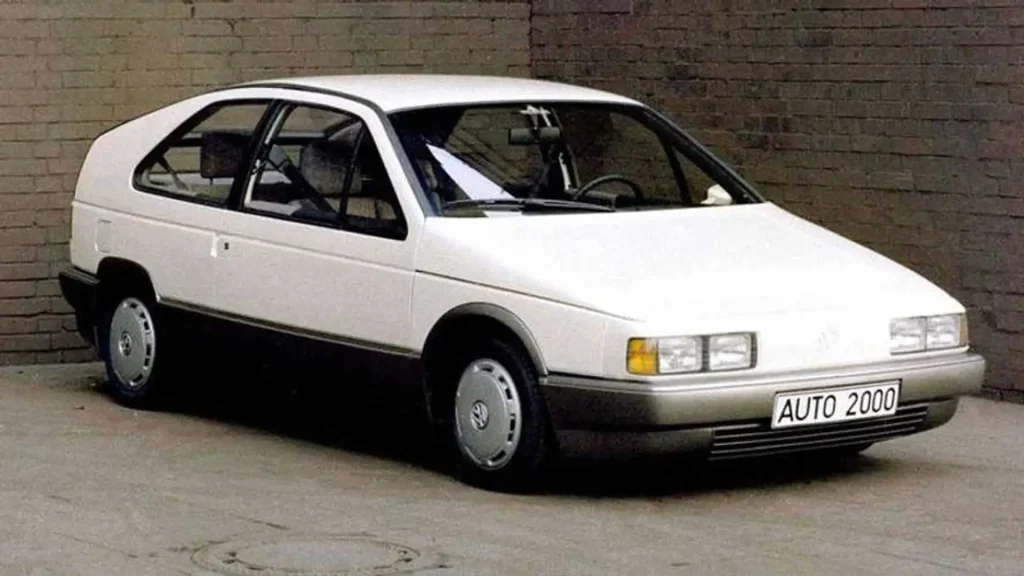
Due to their frequently simpler designs, used cars are easier to fix on your own. Low maintenance expenses can be achieved with easily available parts and online courses.
10. Lower Repair Costs
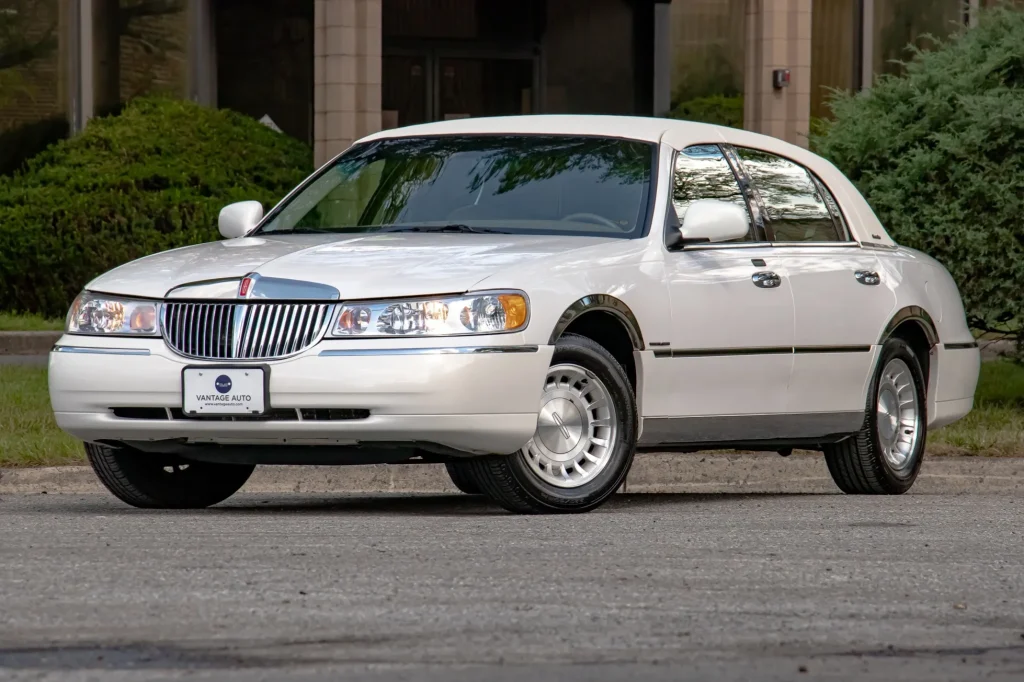
Replacement components for old cars are typically less expensive because they have been driven for a longer period of time. Additionally, because mechanics are more accustomed to older models, labor expenses are decreased.
11. More Room for Negotiation
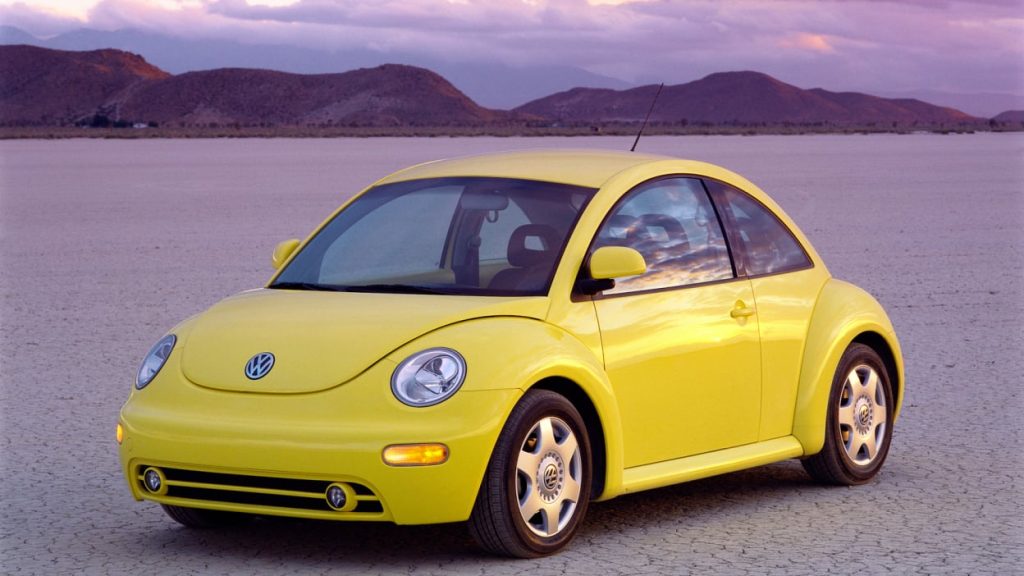
Negotiating the price is more flexible when purchasing a used car. In contrast to new automobile dealerships that have set prices, private sellers and dealerships are frequently willing to reduce their asking price.
12. No Need for Costly Add-Ons
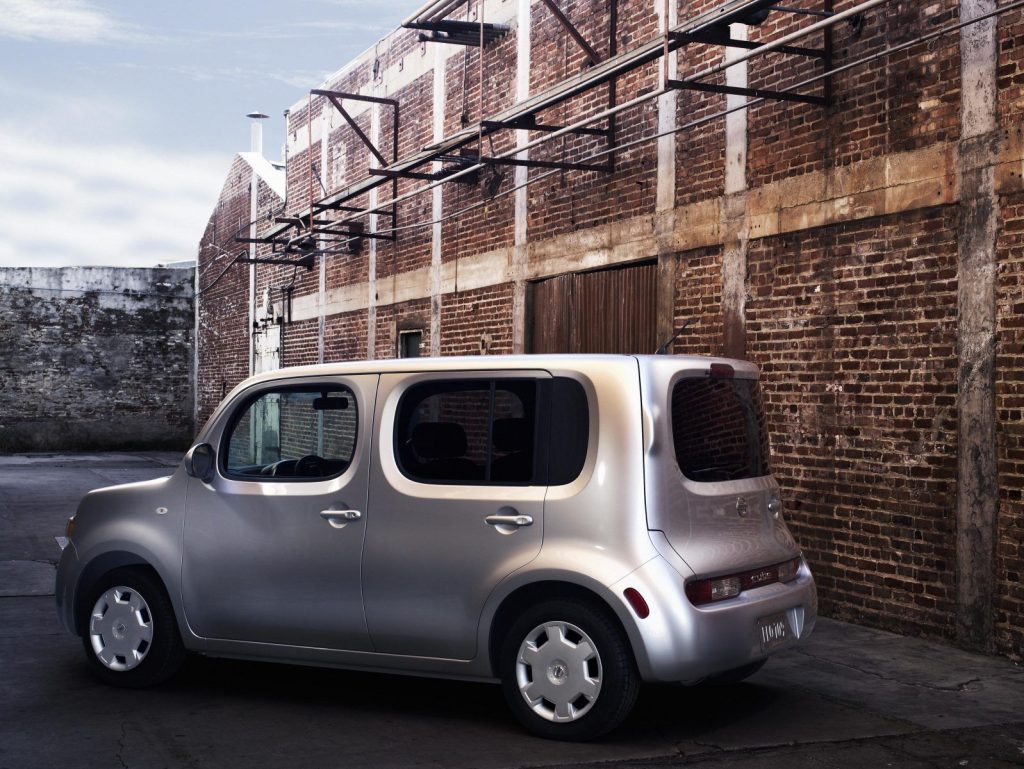
Unnecessary enhancements are frequently included with new autos, raising the cost. You can select a used automobile model that already has the characteristics you require without having to pay more.
13. No Worries About Recalls
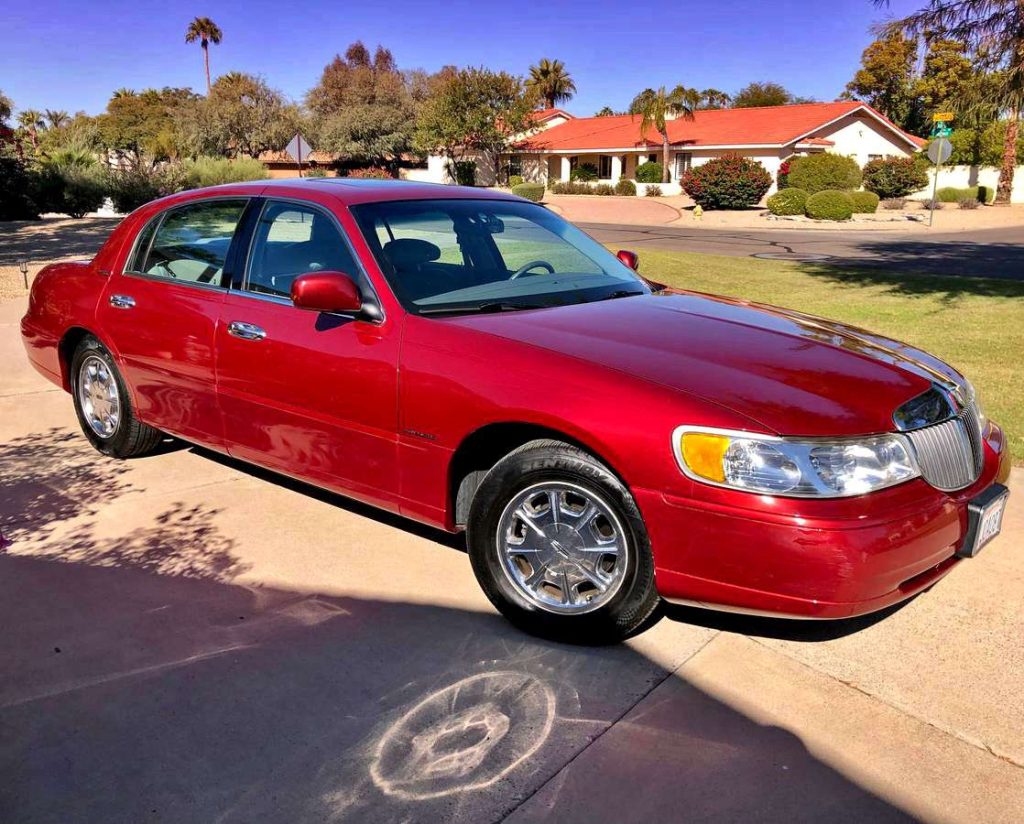
Any recalls are already well-documented and handled because older models have been on the market for a longer period of time. By doing this, you avoid the inconvenience of unannounced safety recalls, which frequently affect new models.
14. Classic Models Have Character
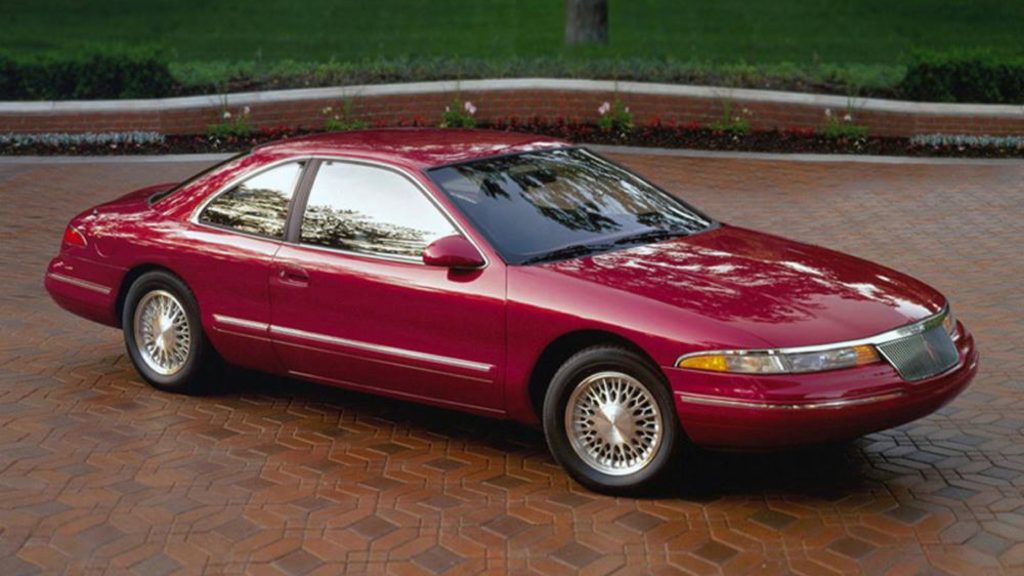
Modern automobiles lack the distinctive style and charm of many earlier models. Used automobiles frequently have more personality, whether it’s through a strong engine or a vintage appearance.
15. Lower Annual Tax Costs
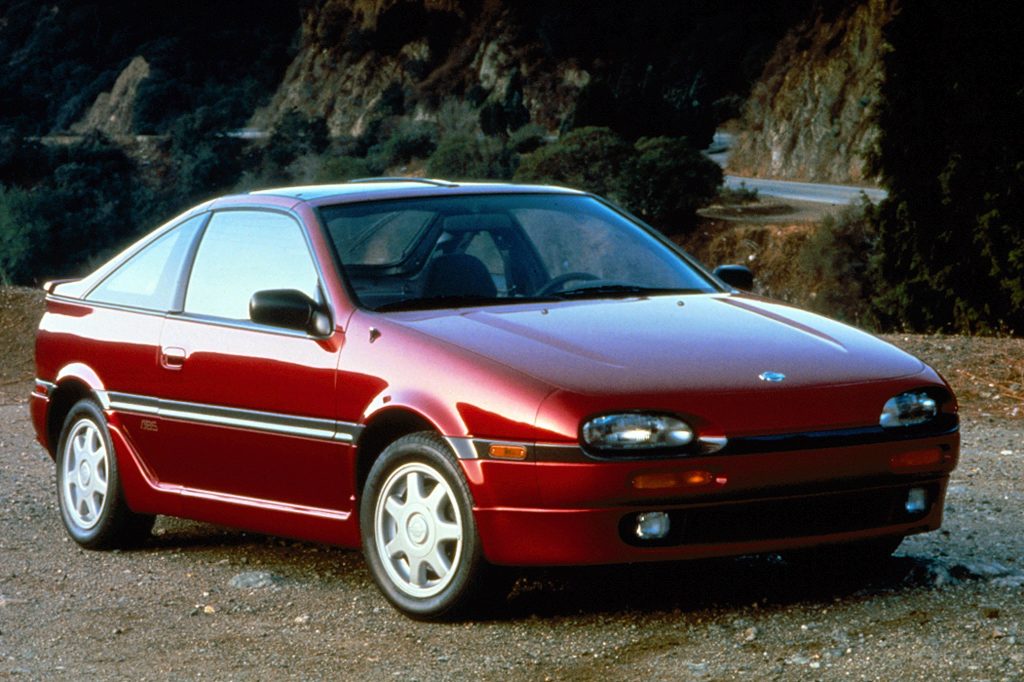
Car taxes in many countries are based on the age and market value of the vehicle. You’ll probably spend far less in annual vehicle taxes if you buy a used automobile.
16. Real-World Performance Reviews
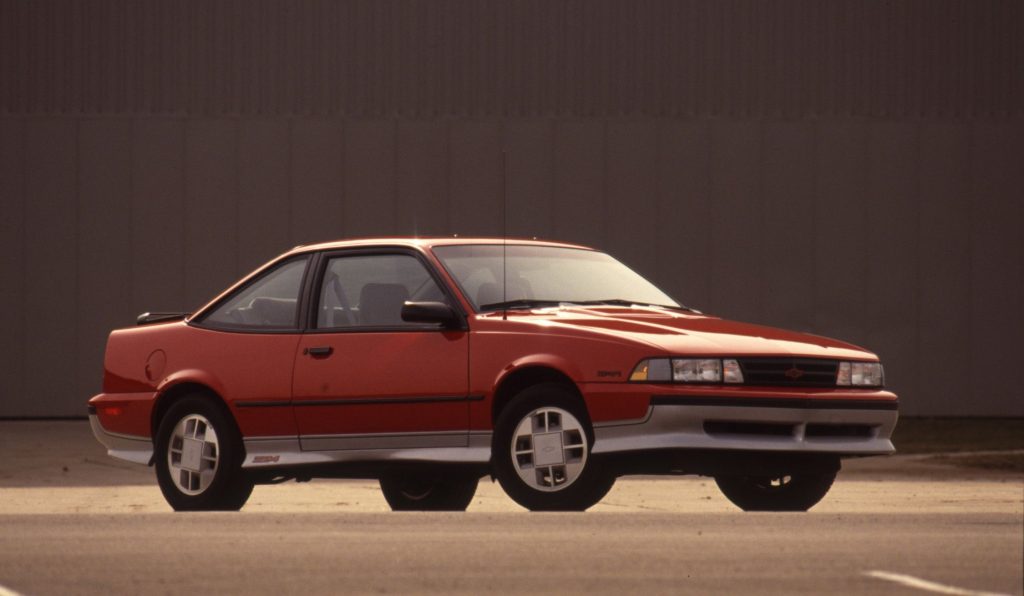
Used cars have been tested over time by thousands of owners, unlike new cars, which have little real-world data. This facilitates investigating possible problems before purchasing.
17. No Initial Wear and Tear Worries
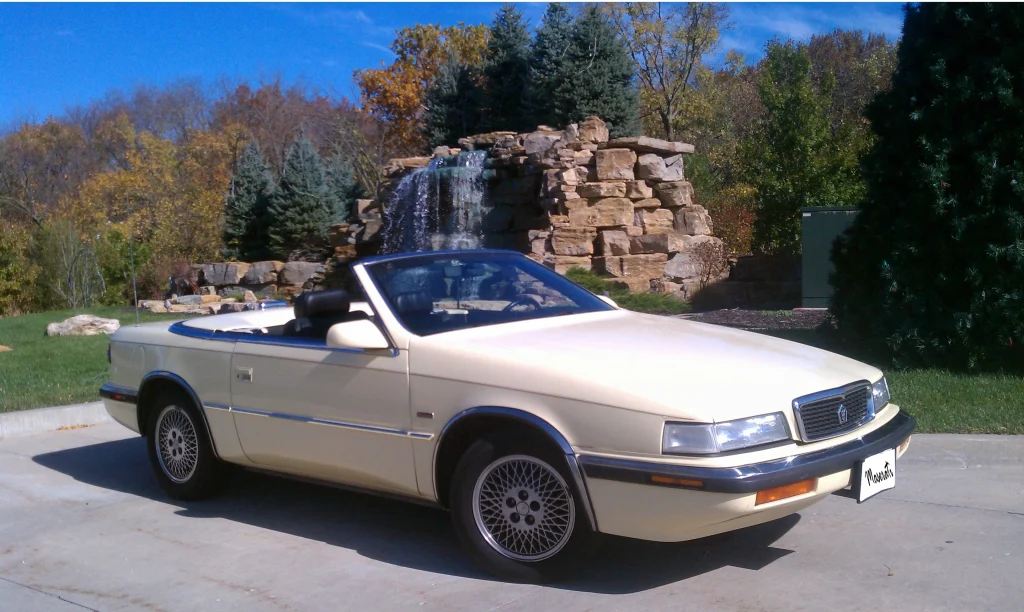
New cars lose value quickly due to tiny dings and scrapes. Since a used car already has some blemishes, you won’t have to worry about every tiny flaw.
18. More Environmentally Friendly
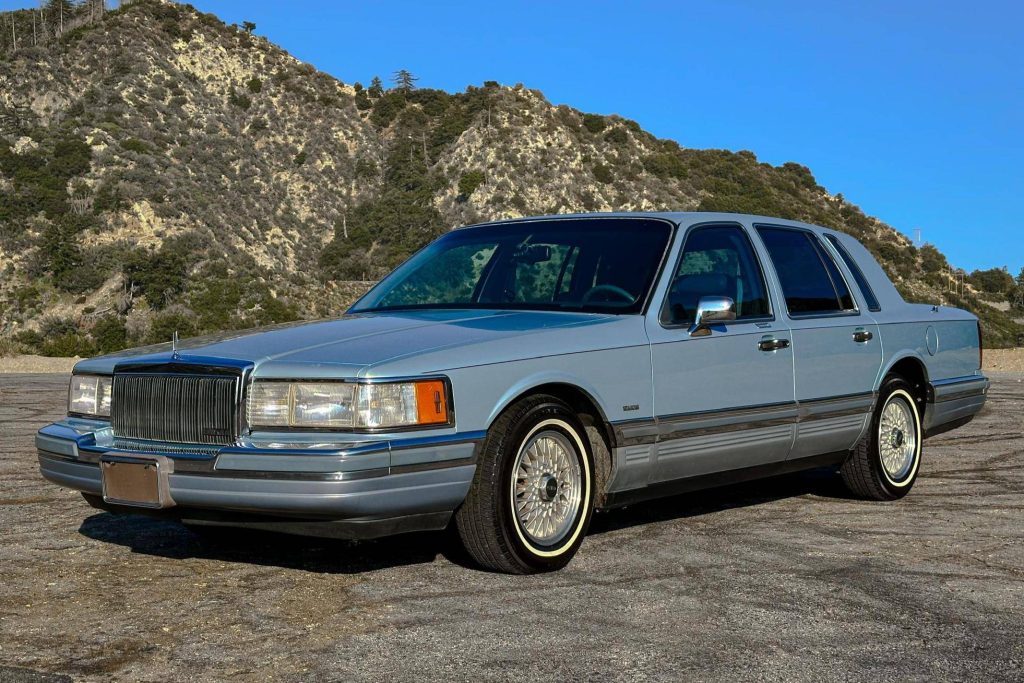
A new car takes a lot of raw materials and energy to manufacture. You can lessen your carbon impact and the demand for new production by purchasing a used car.
19. Simpler Technology
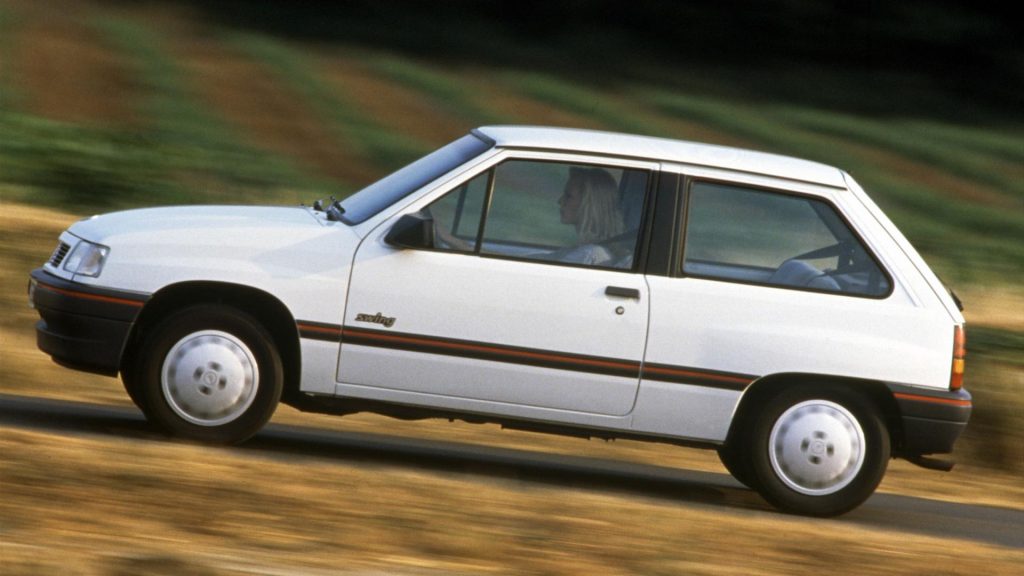
The overabundance of computerized features in modern cars might be costly to fix. Simpler systems in older vehicles are easier to maintain and less expensive.
20. Better for Short-Term Ownership
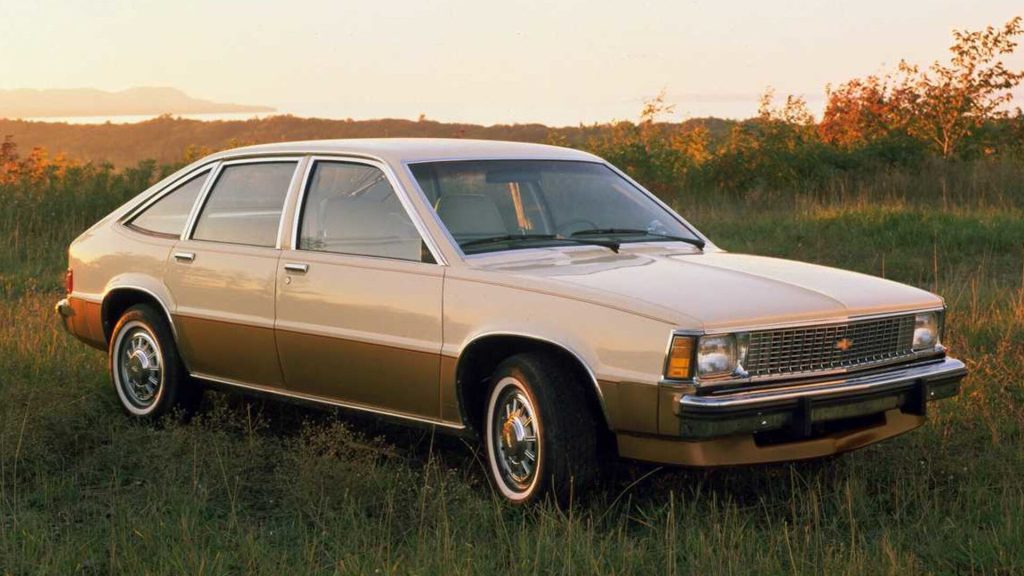
A secondhand car is more cost-effective if you only need it for a few years. Without suffering a significant depreciation impact, you can resell it for a comparable price.
21. Greater Variety of Models
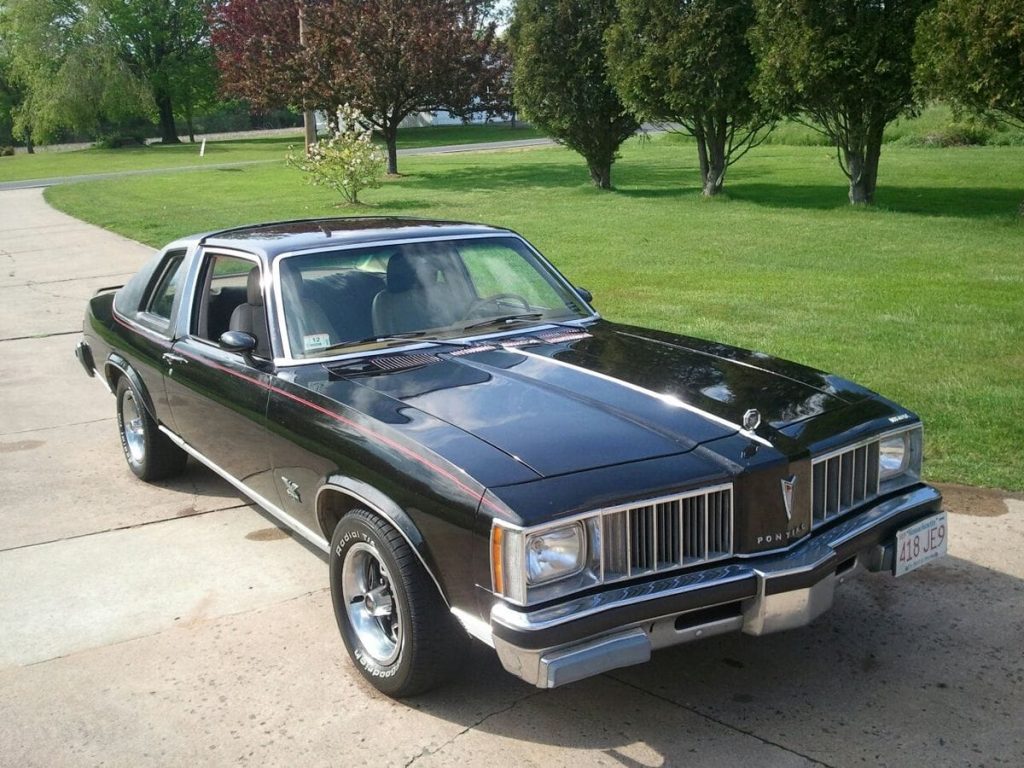
You have more alternatives when you purchase secondhand because you can choose from models from various years. This gives you the freedom to select the precise features, design, and functionality that you want.
22. You Can Avoid First-Year Problems
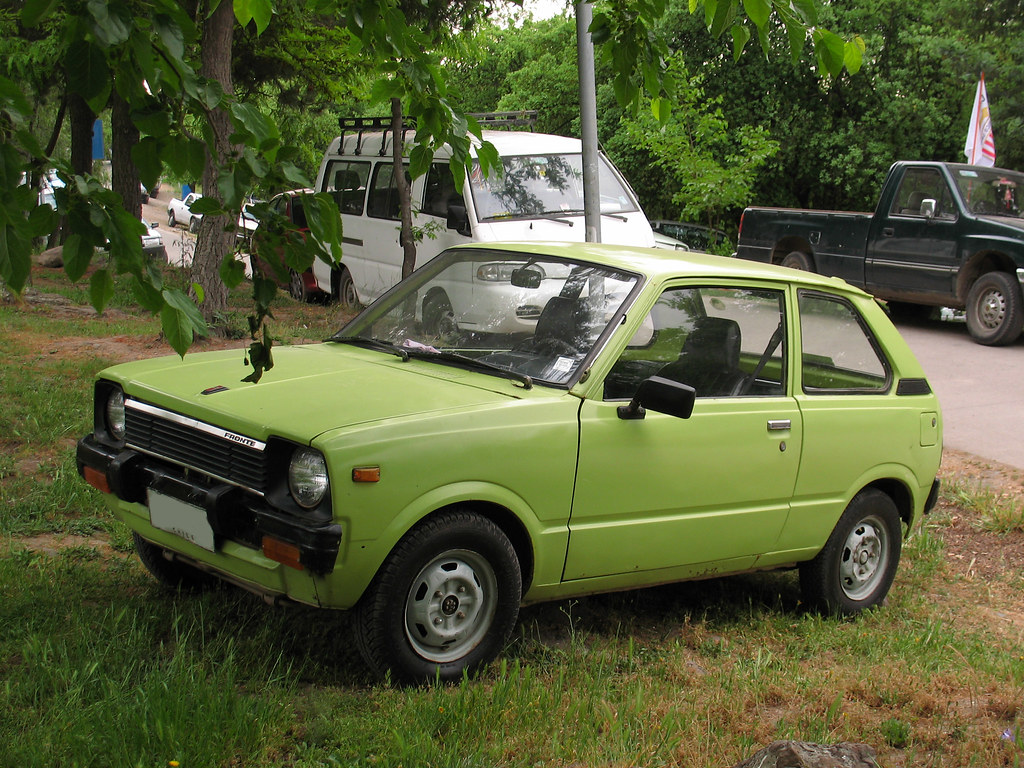
Unexpected problems with new autos can occasionally surface only after several months of use. There is less chance of surprises because a used car has already been put through real-world testing.
23. No Stress About Leasing Contracts
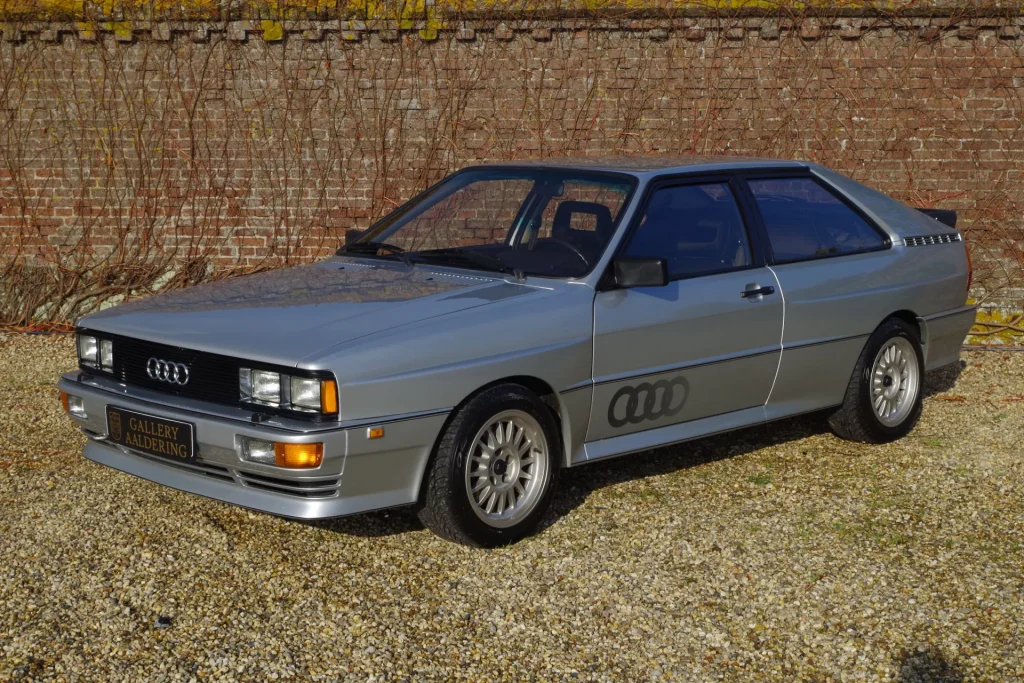
Purchasing a secondhand car eliminates the need for intricate leasing contracts that include wear-and-tear costs and mileage restrictions. You possess everything without any limitations.
24. Easier to Modify and Customize
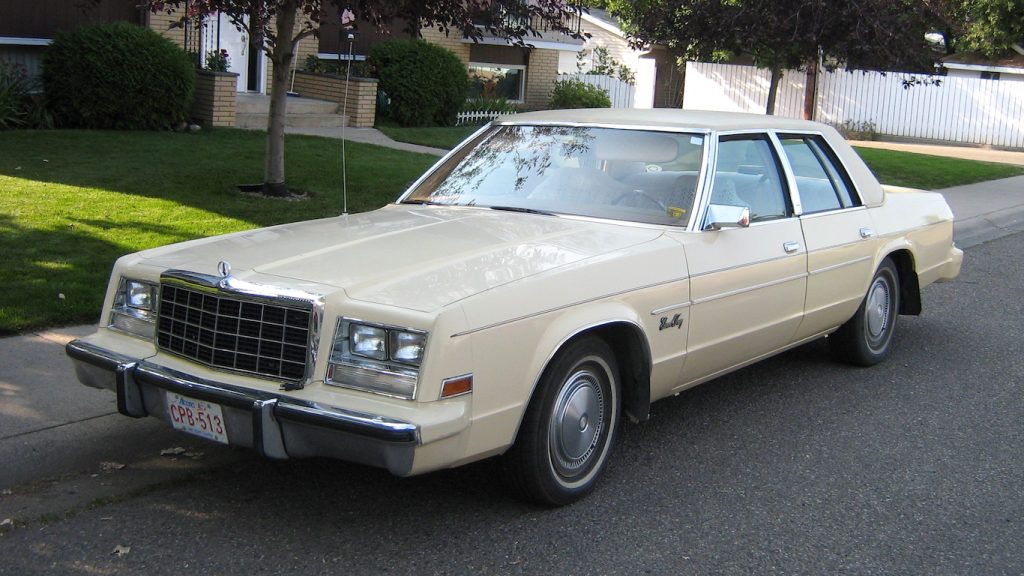
Because they can make modifications to secondhand automobiles without risking voiding their warranties, many automotive enthusiasts choose them. Additionally, aftermarket parts are easier to find and more reasonably priced.
25. Less Pressure to Keep It Perfect
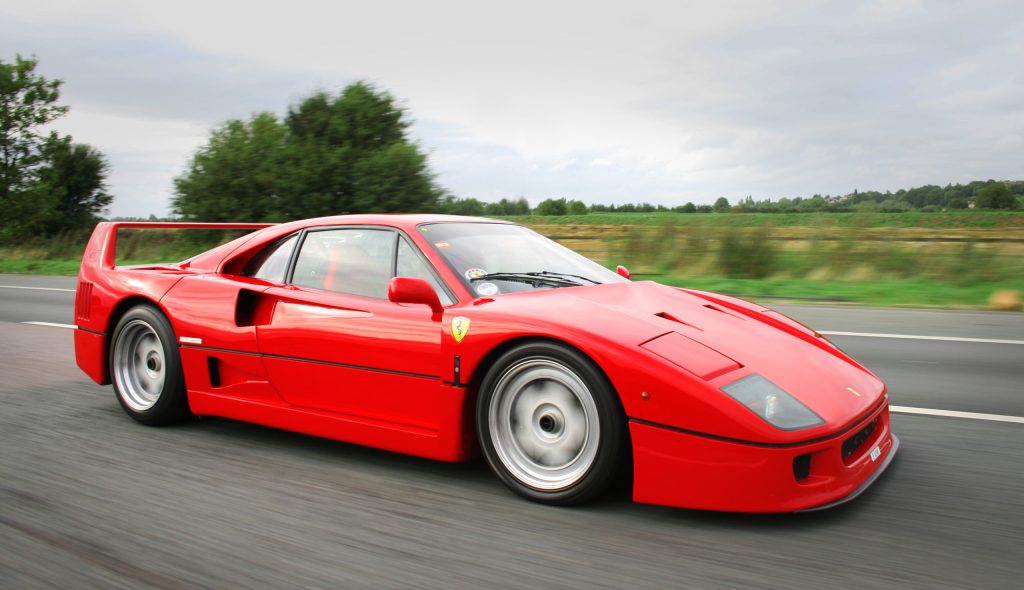
Every ding and scrape can seem like a catastrophe when you own a new car. You won’t feel under as much pressure to keep used cars in showroom shape because they already have some minor flaws.
26. Higher Resale Value Retention
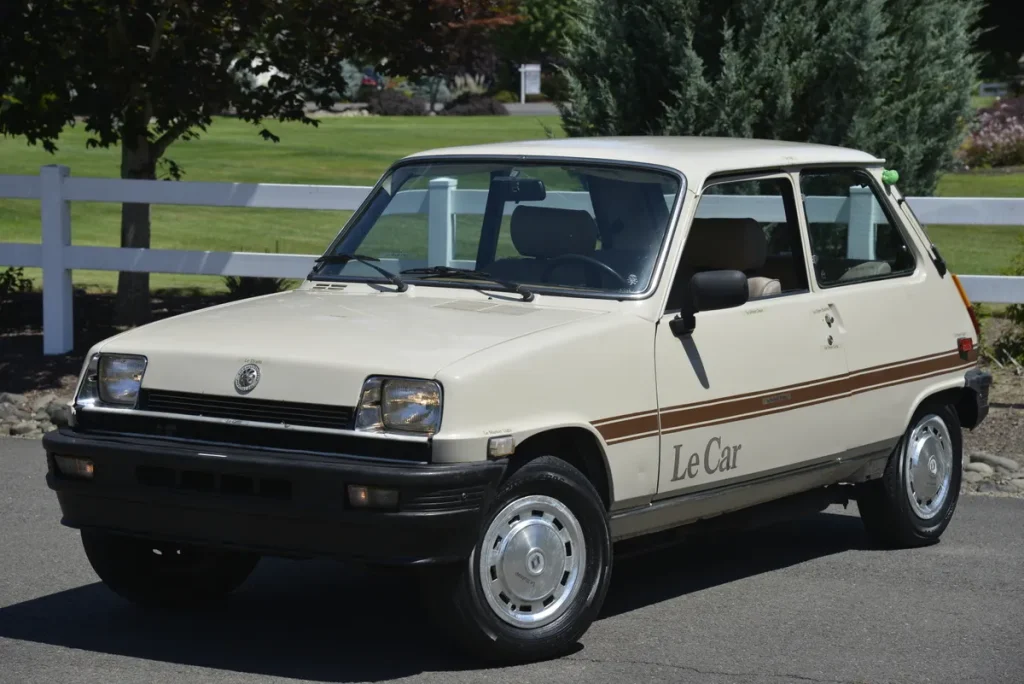
Used automobiles retain their worth better because the majority of depreciation occurs in the first few years. Frequently, you may sell them for nearly what you purchased, which lessens your loss.
27. Availability of Independent Reviews
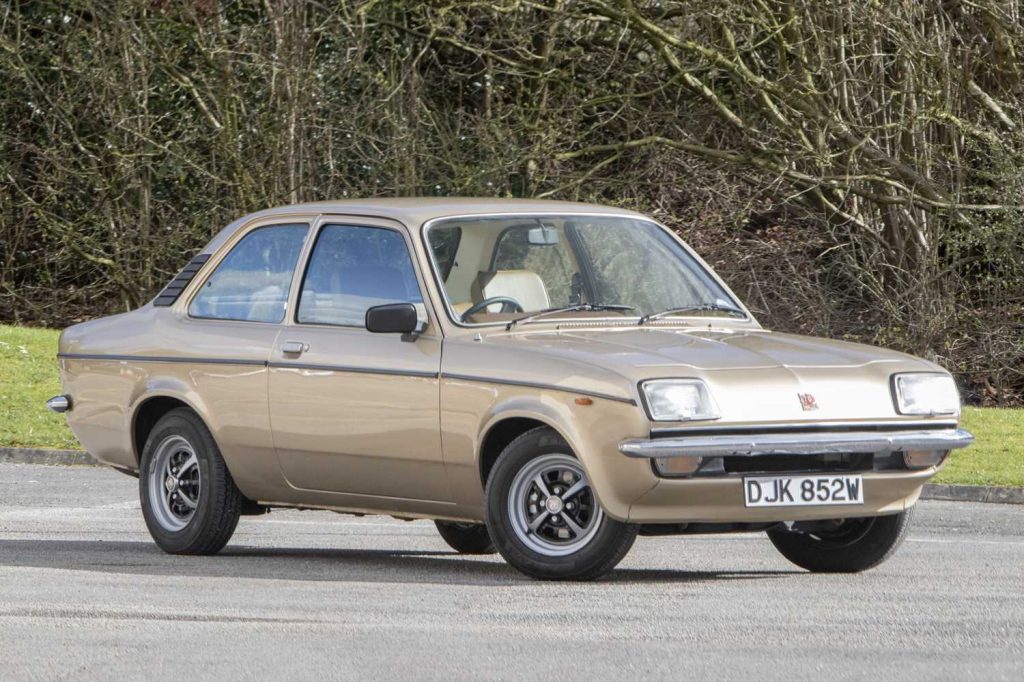
Thousands of drivers and automotive specialists have examined used automobiles. This makes it simpler to locate objective, truthful reviews prior to making a buy.
28. Avoiding Unnecessary Luxury Costs
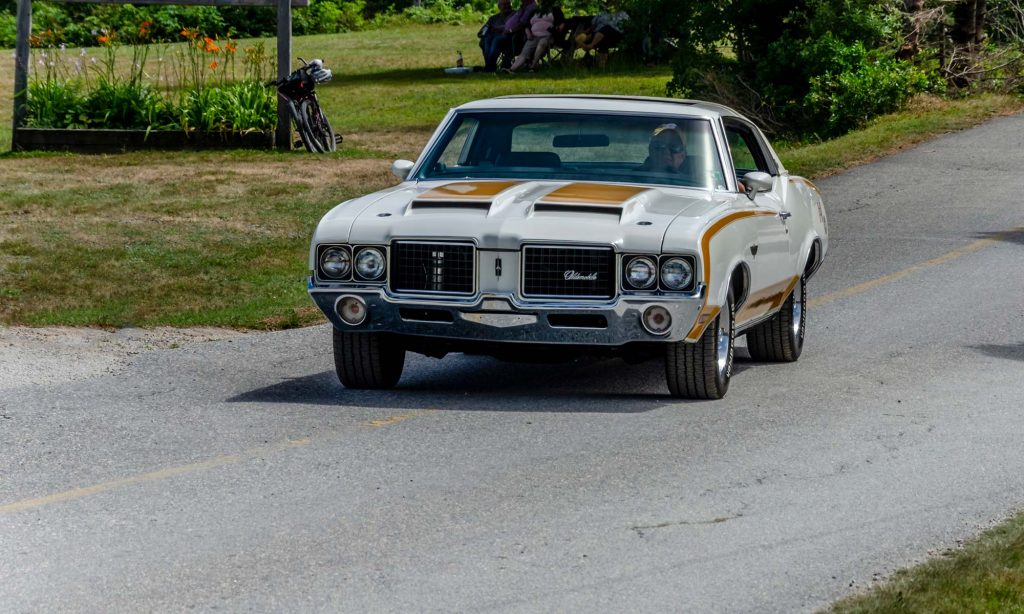
Smart technology and digital dashboards are examples of costly, superfluous amenities that are frequently included in new cars. Buying a used car allows you to choose functional needs over luxuries.
29. More Durable Older Models
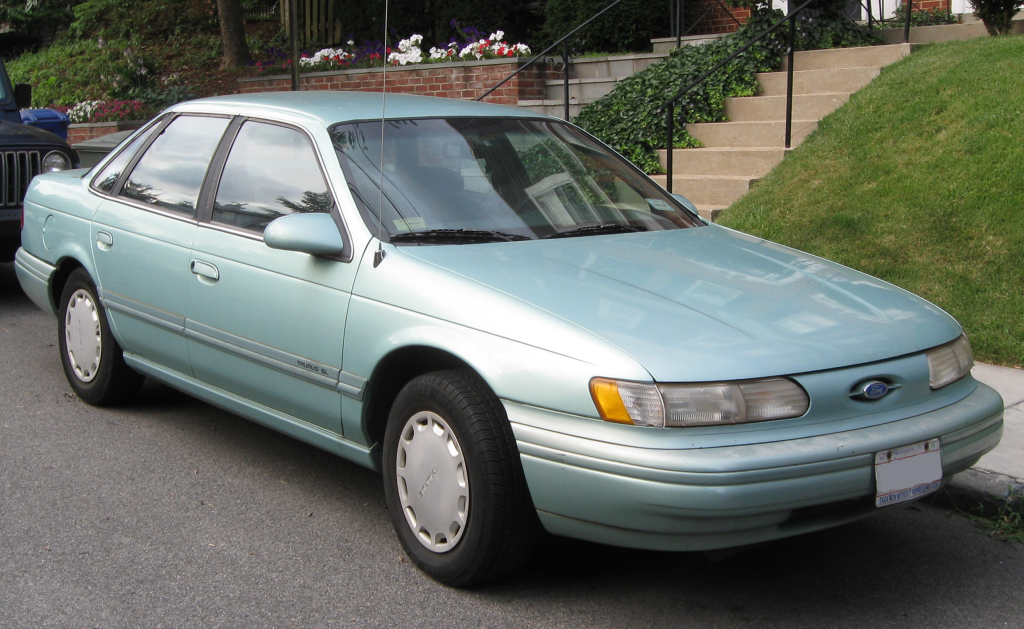
Compared to contemporary lightweight designs, certain older cars were constructed with longevity in mind, utilizing stronger components. With the right maintenance, several older models have been shown to last hundreds of thousands of miles.
30. Peace of Mind When Parking
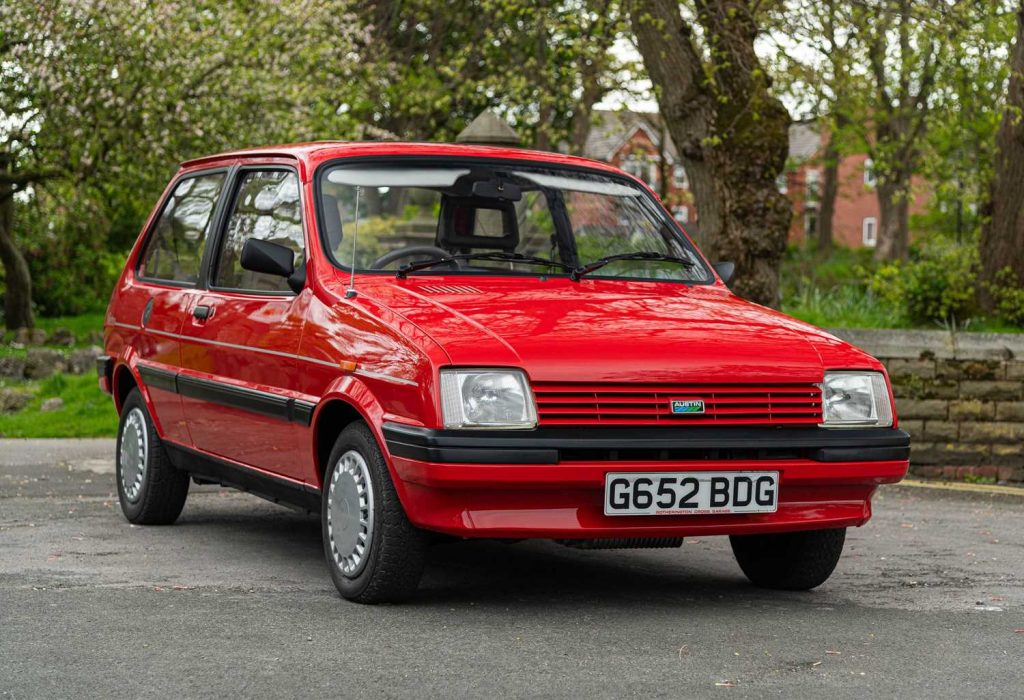
Buying a used automobile reduces your risk of theft, vandalism, and parking lot damage. Minor damage won’t feel as expensive or stressful because it’s not brand new.