Hollywood loves a remake, but not every update earns applause. In the rush to turn animated favorites and cult classics into live-action spectacles, many films stumbled, raising the question of whether they needed to exist at all. The live-action remake trend has produced its share of disappointments. Sometimes the magic gets lost in translation, other times the new version simply adds little to what made the original special.
“Yogi Bear” (2010)
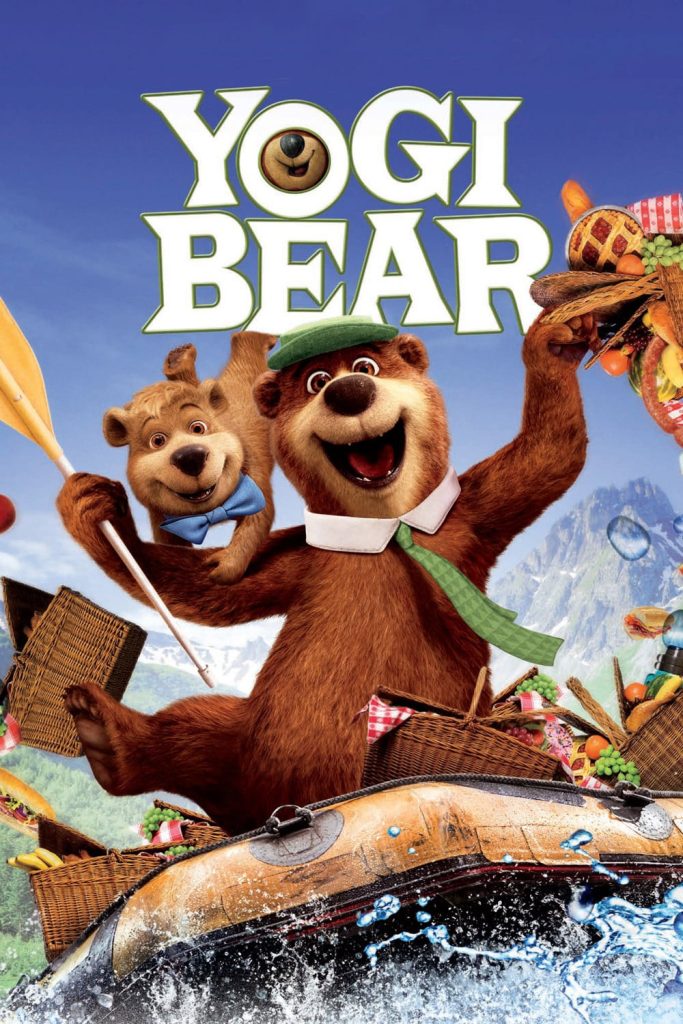
A CG bear and a live-action Jellystone could not recapture Hanna-Barbera’s elastic charm, leaning on easy slapstick. Families showed up, critics mostly shrugged.
“Total Recall” (2012)
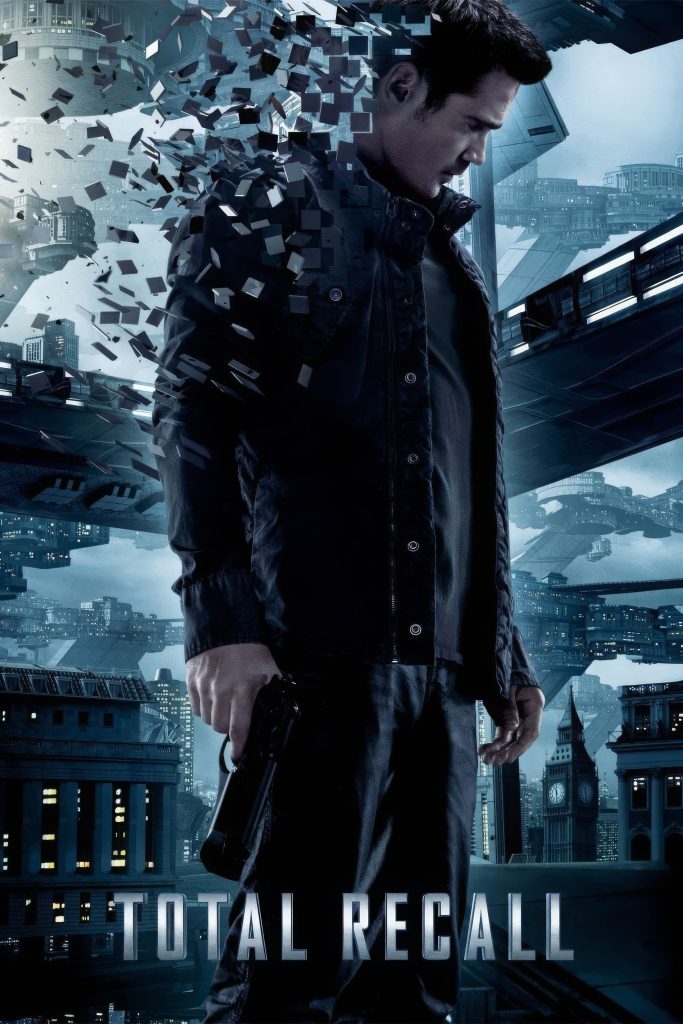
Slick design and action could not compensate for a flatter, humor-free remake that invited constant comparison to Verhoeven’s cult original. The result was mixed reviews and middling word of mouth.
“Peter Pan & Wendy” (2023)
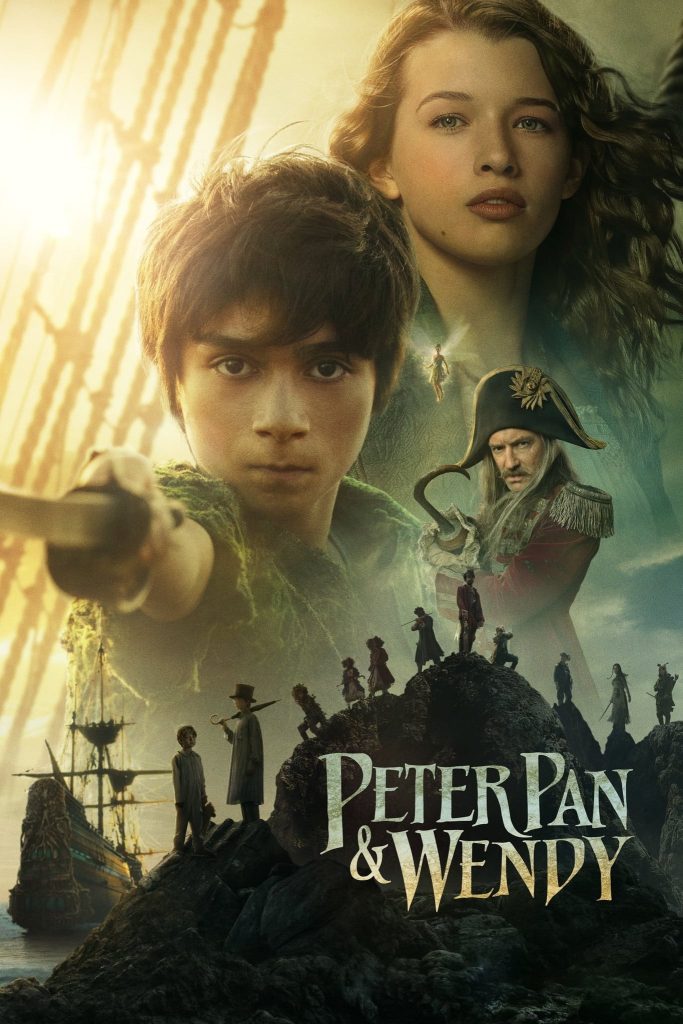
This Disney+ take tried to modernize Neverland while sticking close to template, earning only muted enthusiasm. It landed as competent rather than compelling.
“Mr. Magoo” (1997)
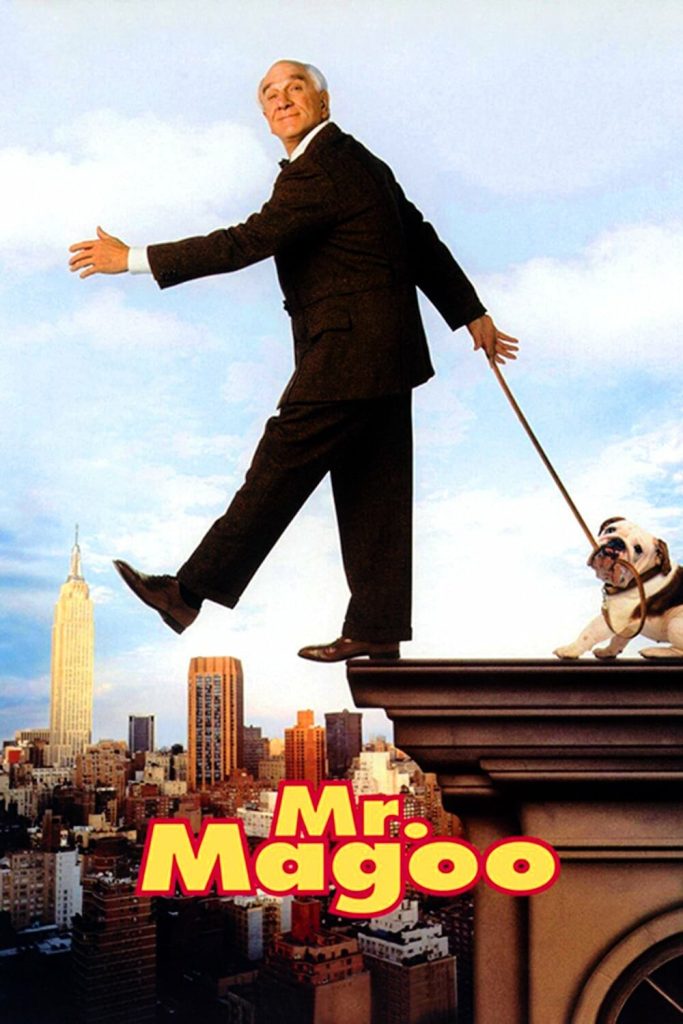
Leslie Nielsen’s farce never found the toon’s sweet spot, oscillating between kiddie gags and grown-up spoof. Critics largely panned it.
“The Little Mermaid” (2023)
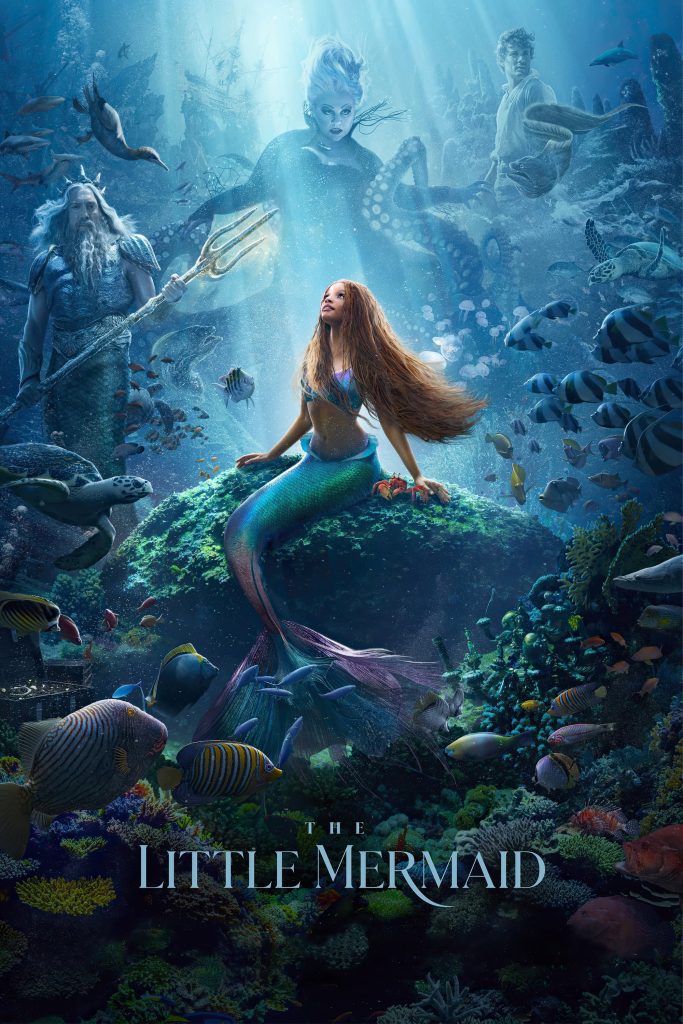
A robust box office did not end debates about whether scene-for-scene recreations add enough that is new. The discussion eclipsed the film’s stronger elements.
“RoboCop” (2014)
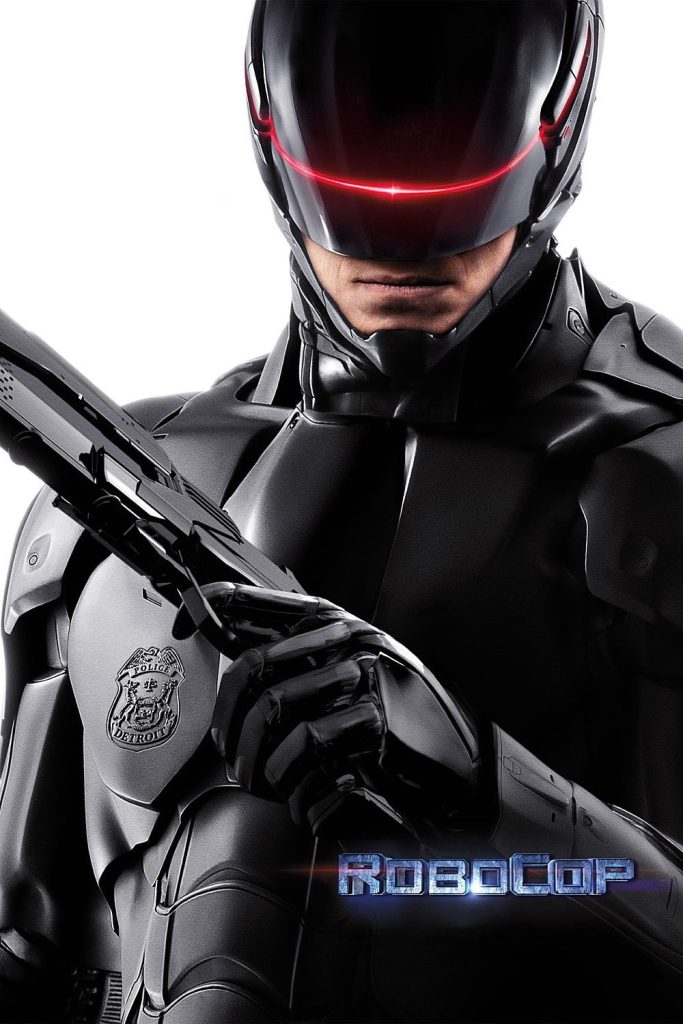
Polished and earnest, yet the satire was sanded down; many missed the bite of 1987’s original. Reception landed squarely in “mixed.”
“The Adventures of Rocky & Bullwinkle” (2000)
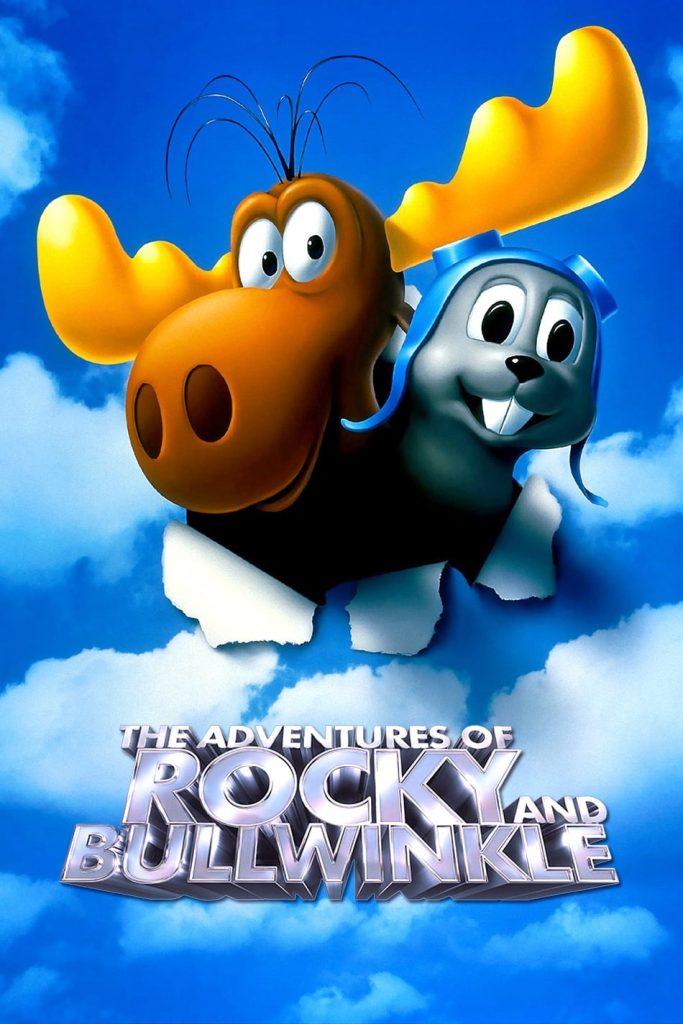
ILM’s CG duo met a script that pleased neither nostalgia-seekers nor kids, and the box office reflected that.
“Mulan” (2020)

The film swapped songs and a dragon for a grounded war epic while weathering controversy over production choices and locations. Its “why remake it” question never quite went away.
“Woody Woodpecker” (2017)
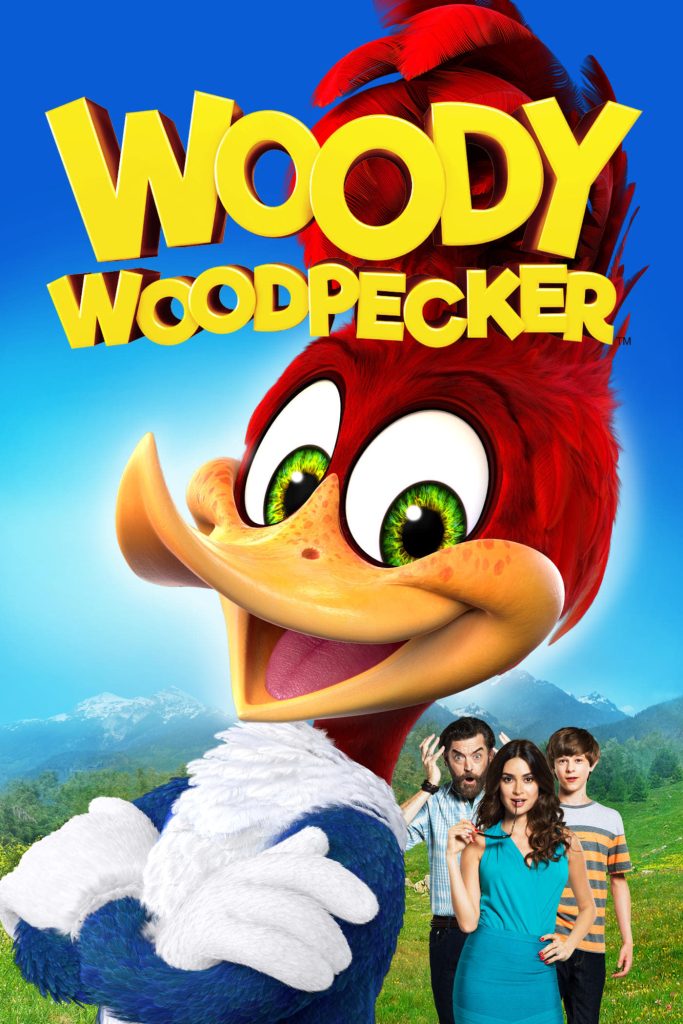
A hyperactive bird met broad pratfalls and thin plotting; reviews were largely negative and the U.S. release was muted.
“Ben-Hur” (2016)
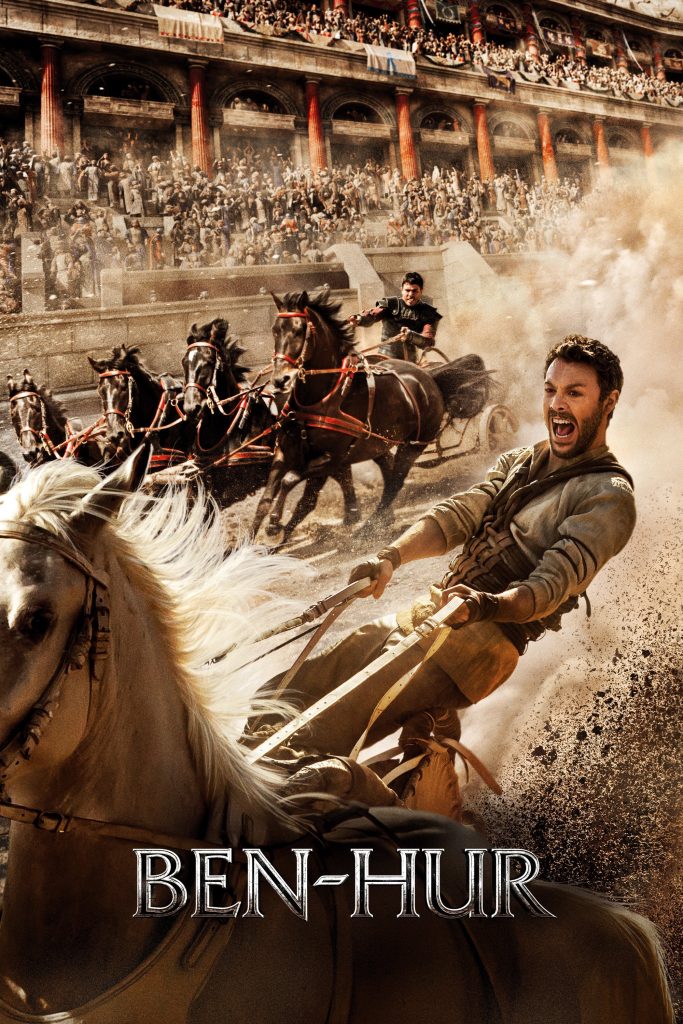
An earnest redo of an untouchable epic that became one of the year’s notable flops, undercut by weak demand for a new chariot ride.
“Death Note” (2017)
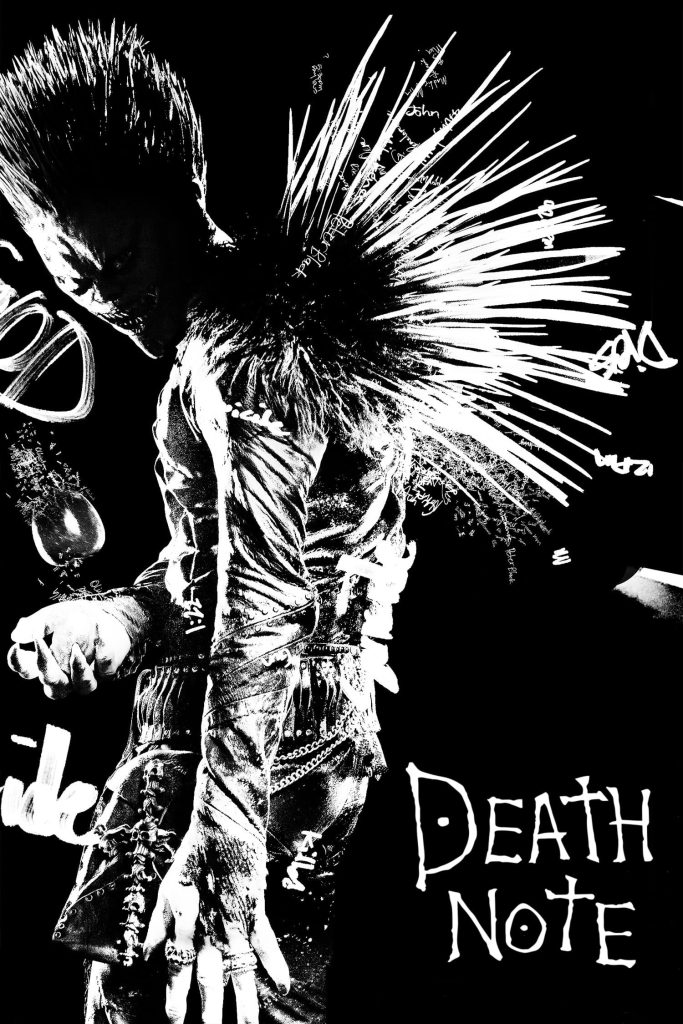
Compressing a dense saga into 100 minutes proved tricky; style outweighed substance, and backlash over adaptation choices was loud.
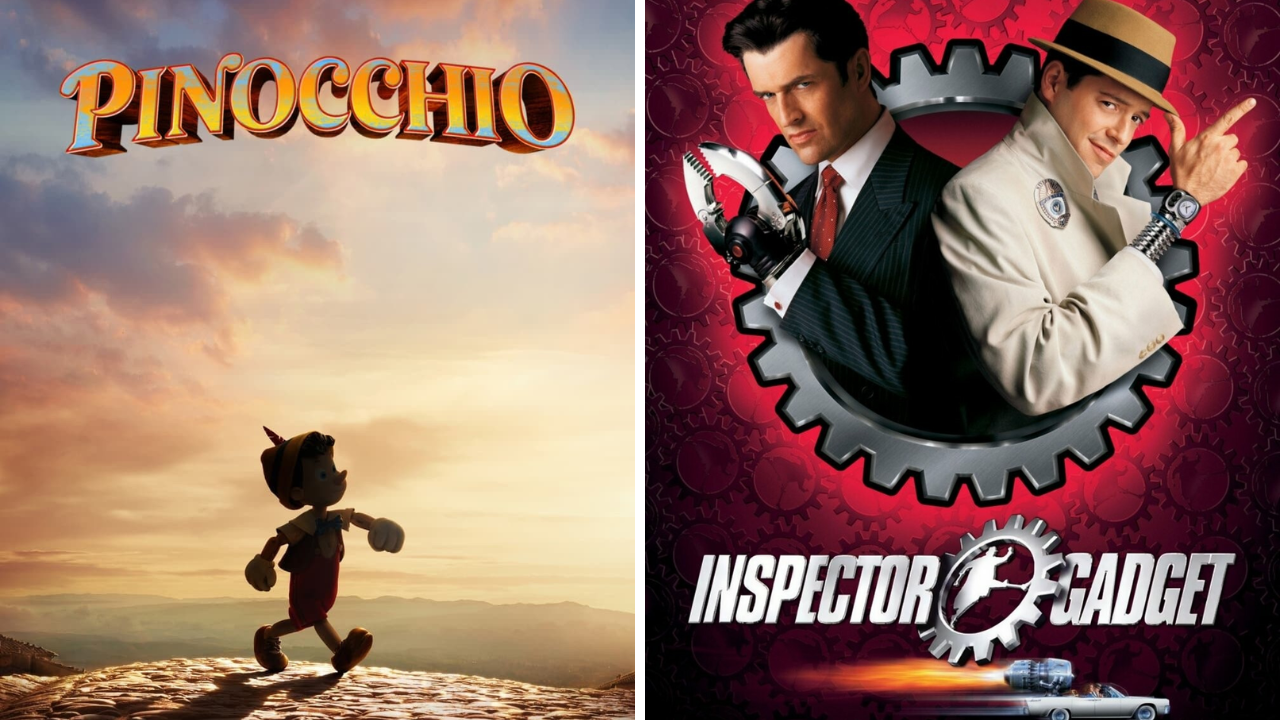
“Inspector Gadget” (1999)
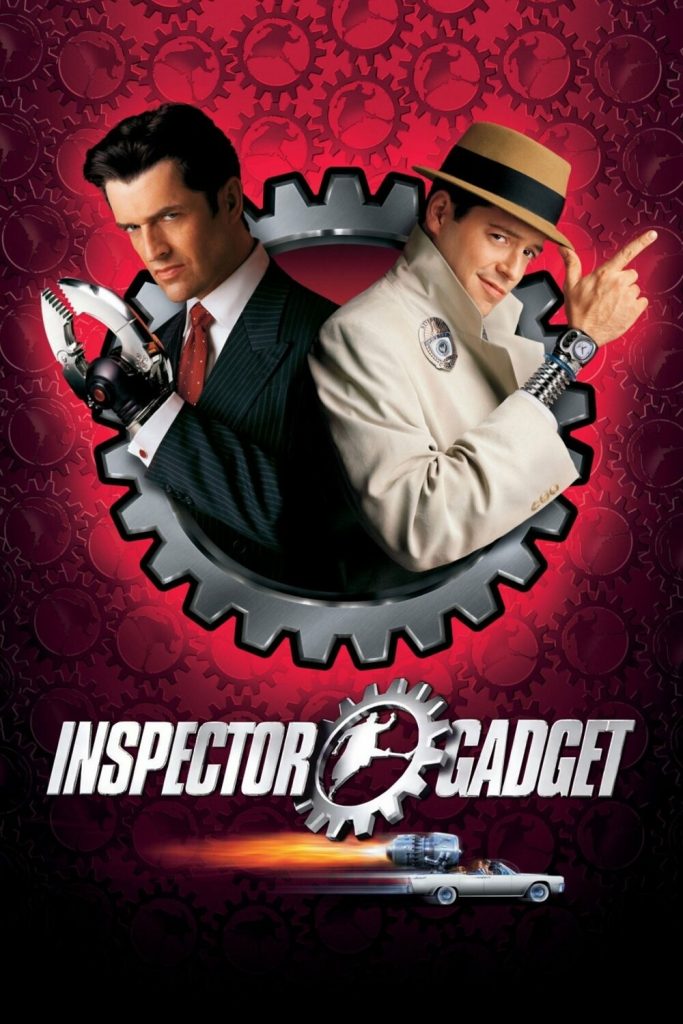
Lots of gizmos, little spark; even fans of the cartoon found this mission more mechanical than magical.
“Clash of the Titans” (2010)
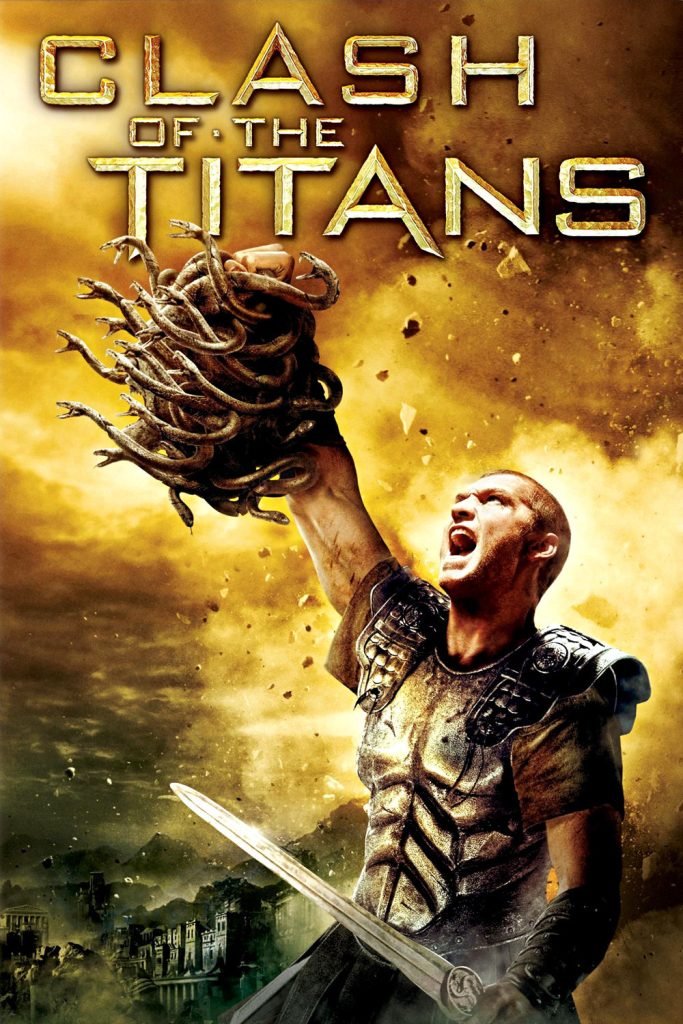
The sloppy 3D conversion and awkward script faced heavy criticism, even though the monster action and mythological elements had appeal.
“Lady and the Tramp” (2019)
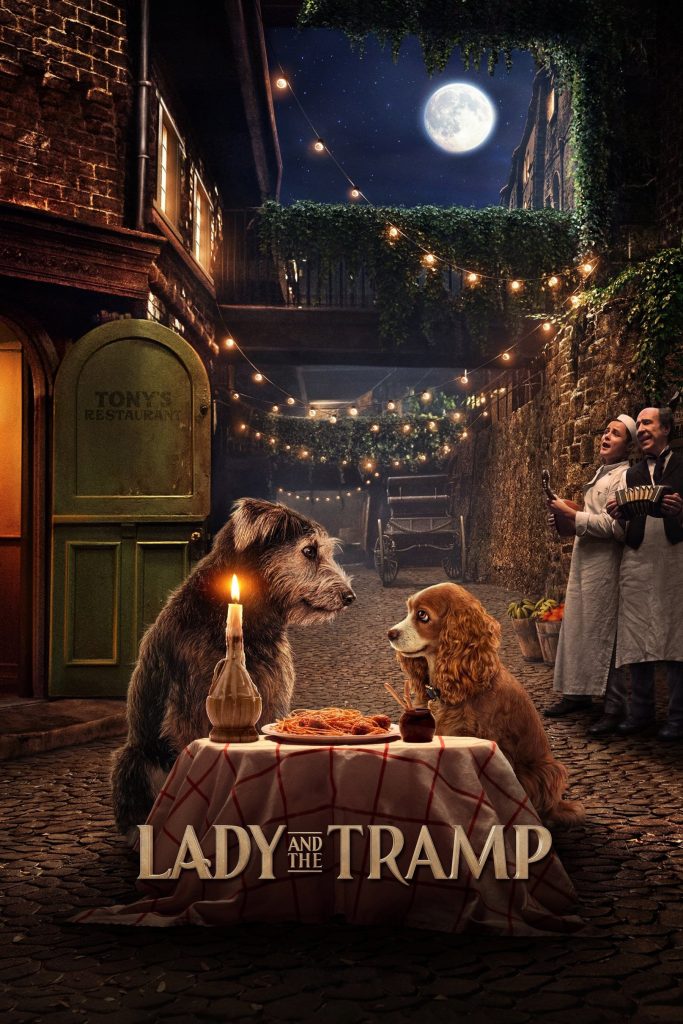
Real dogs are adorable, yet the streaming remake rarely justifies itself beyond nostalgia. The consensus was a polite nod, not a standing ovation.
“Snow White” (2025)
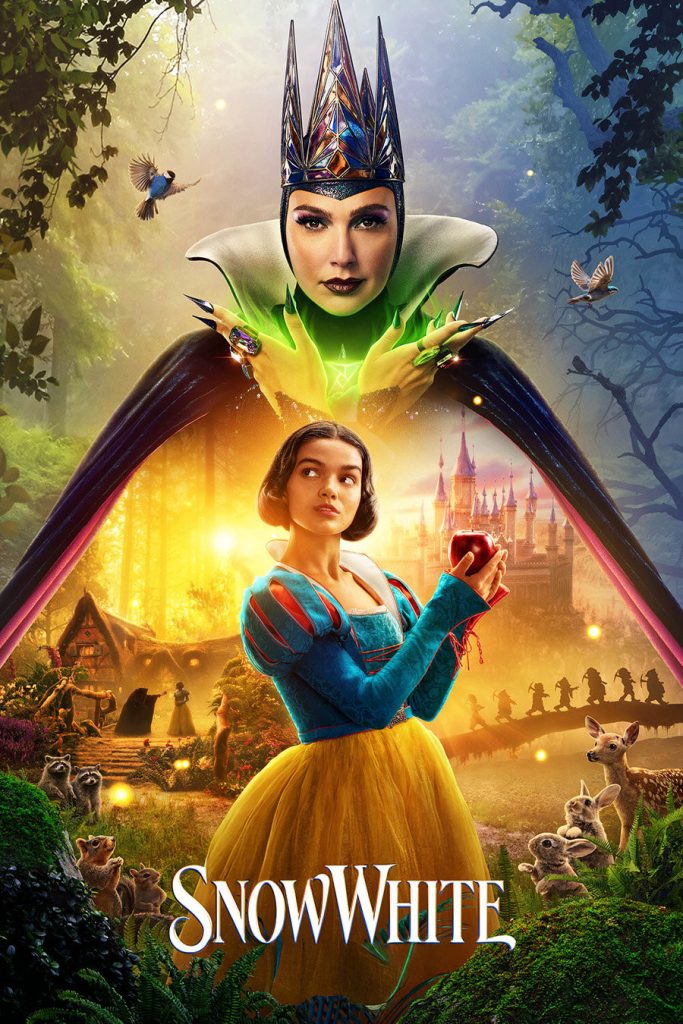
High cost and a soft opening reignited the “do we need this” conversation around Disney redos. Curiosity outpaced enthusiasm in early box office headlines.
“Poltergeist” (2015)
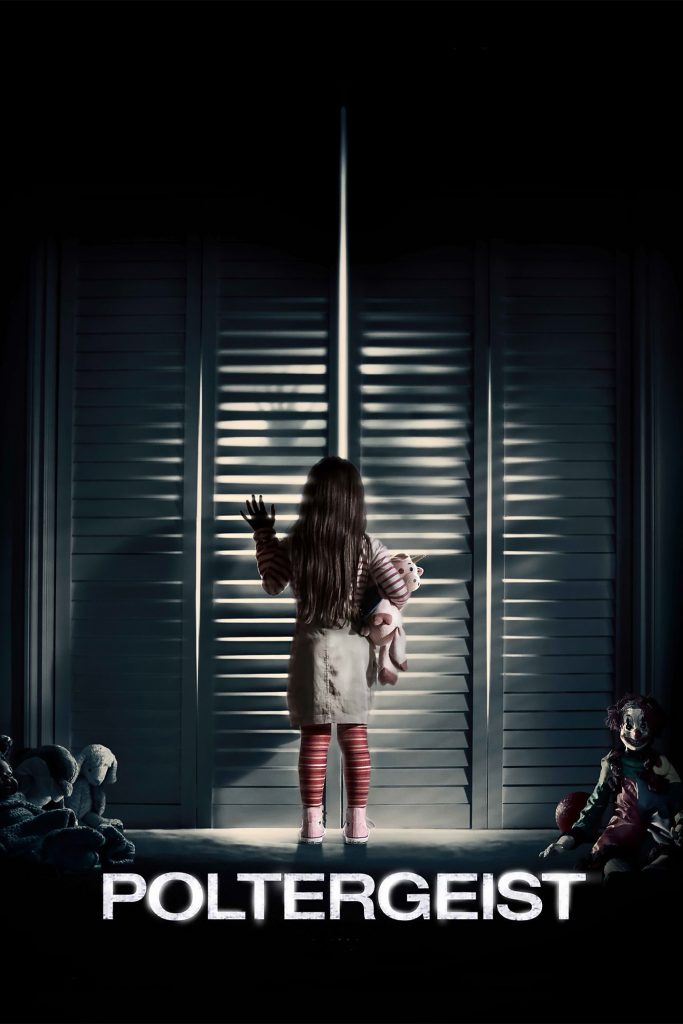
Jump-scare polish could not shake the sense of déjà vu; critics often recommended revisiting Tobe Hooper’s original instead.
“Garfield: The Movie” (2004)
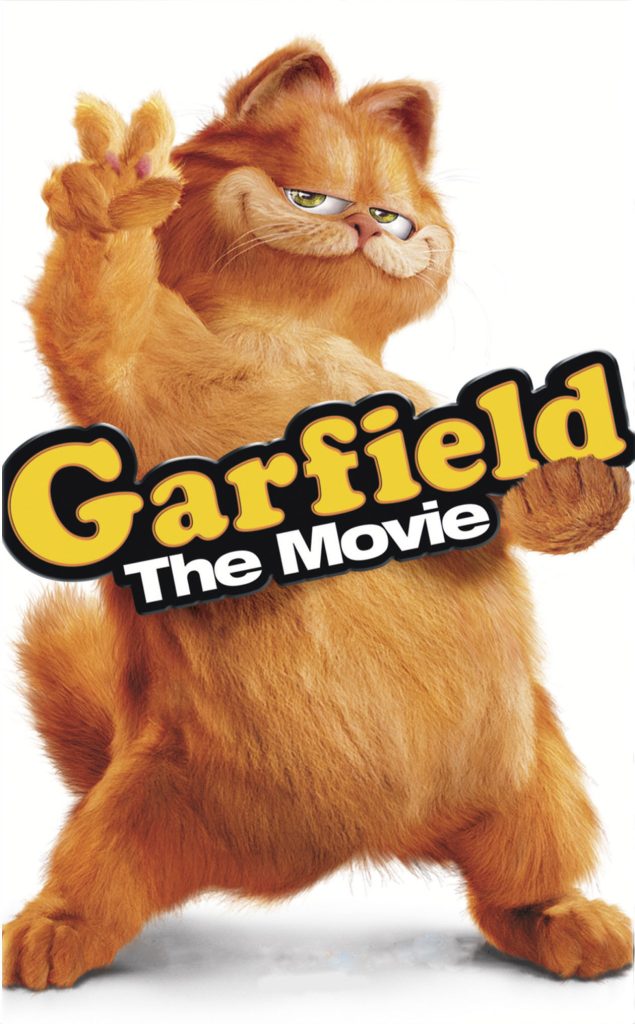
Bill Murray’s drawl could not stop reviews from calling this a thin, kid-targeted cash-in, though it sold plenty of tickets.
“Dragonball Evolution” (2009)
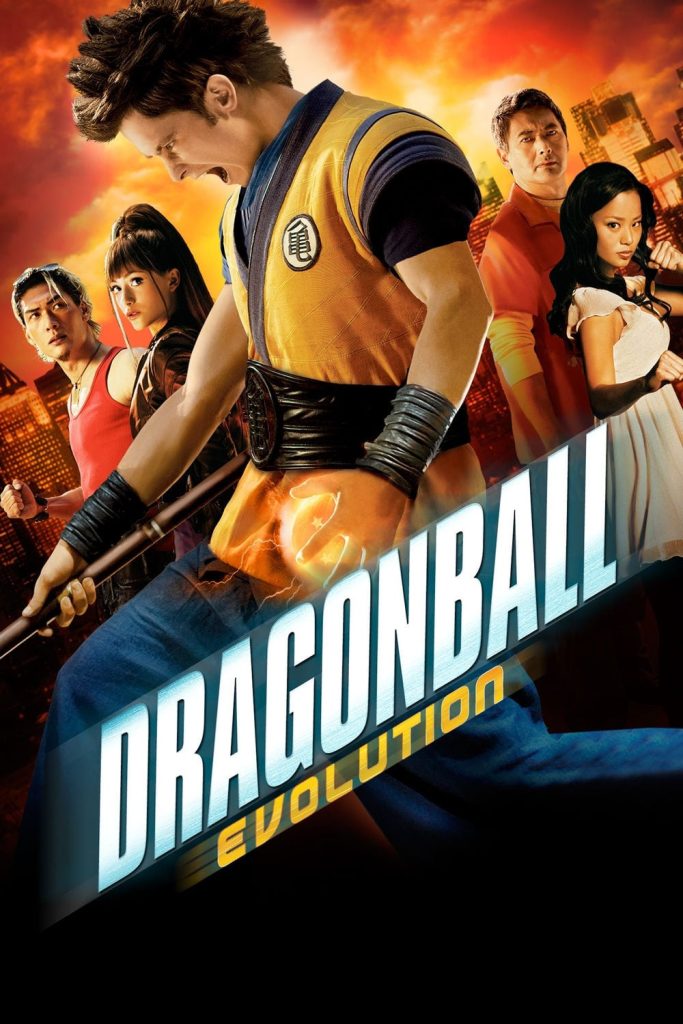
A radically streamlined story and TV-grade feel left anime fans disappointed and newcomers confused; the film struggled domestically.
“Oldboy” (2013)
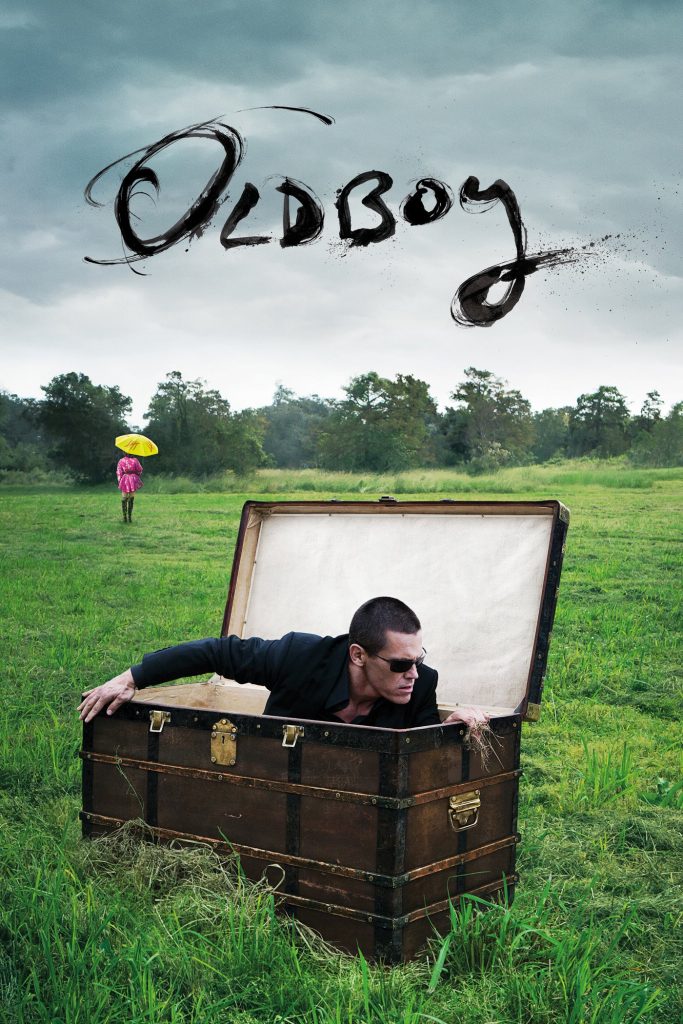
Spike Lee’s retelling followed the blueprint without the original’s fever-dream audacity, landing as competent but unnecessary.
“The Lion King” (2019)
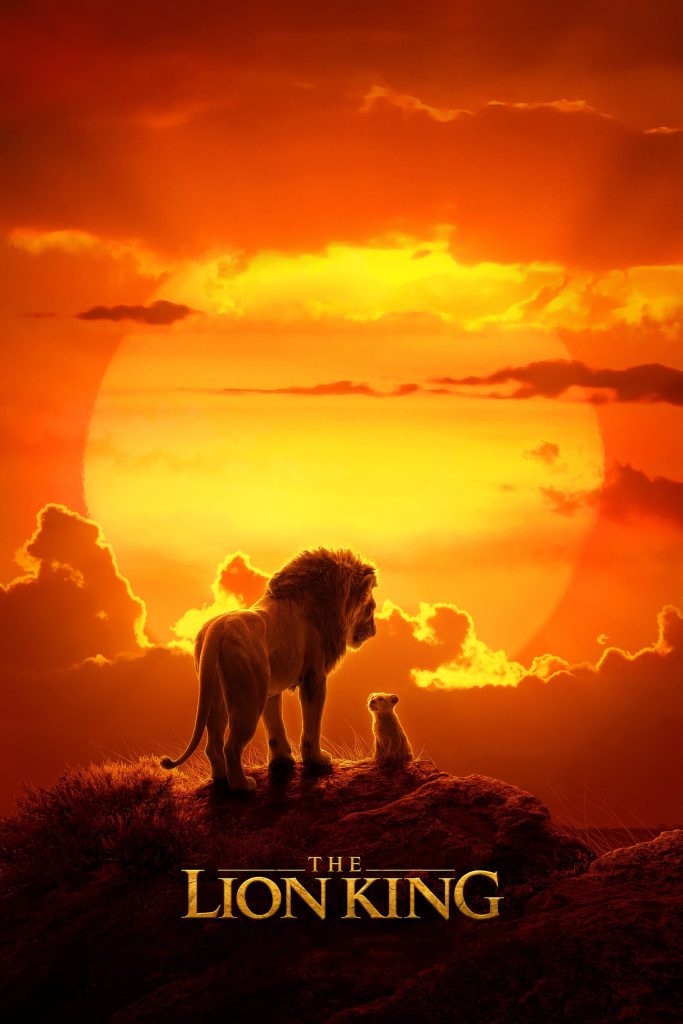
Photoreal animals wowed, yet many viewers felt the heart and spontaneity of the 1994 animation went missing in translation.
“Dumbo” (2019)
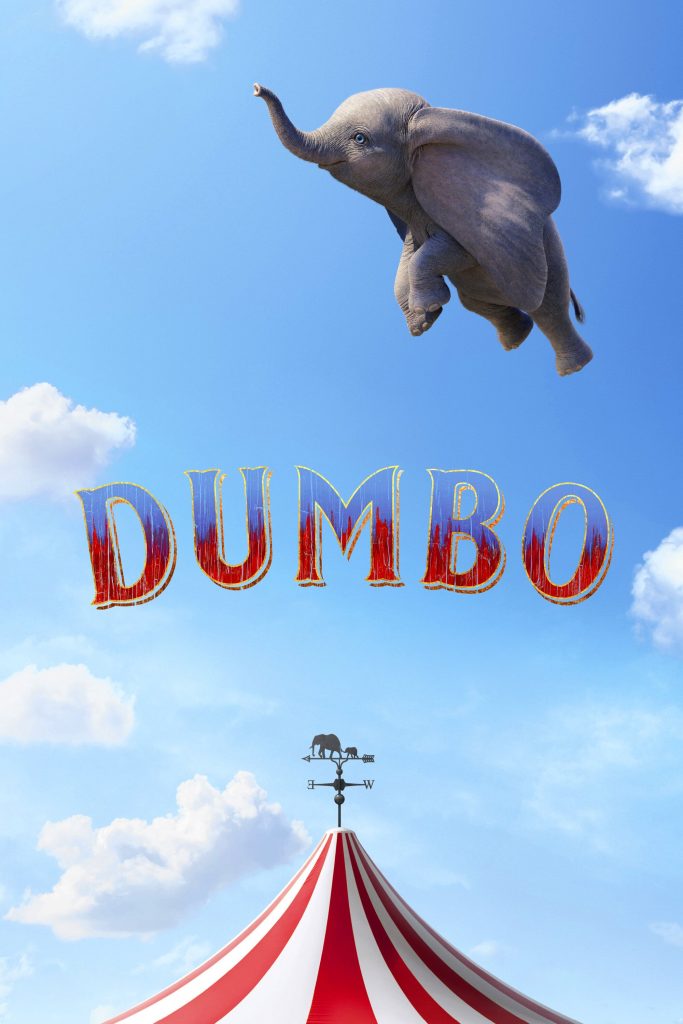
Tim Burton’s big-eared fable spread its wings but could not lift beyond mixed reviews and underperformance relative to cost.
“The Wicker Man” (2006)
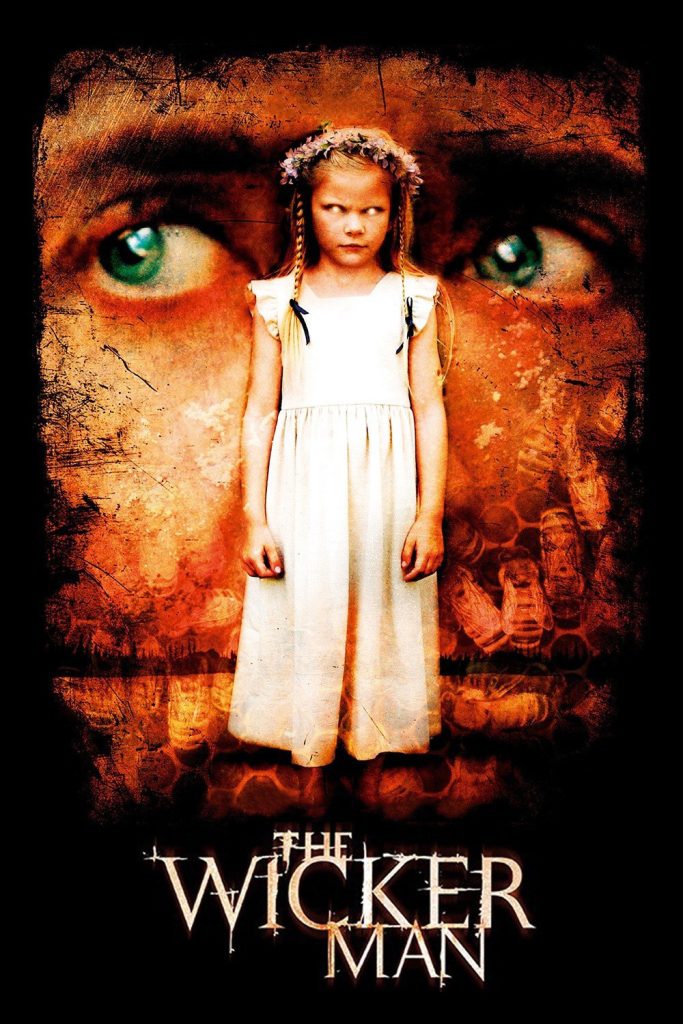
Cage’s bee-meme camp lives on, but the film earned an infamous “F” CinemaScore and became a cautionary tale about remaking cult classics.
“Garfield: A Tail of Two Kitties” (2006)
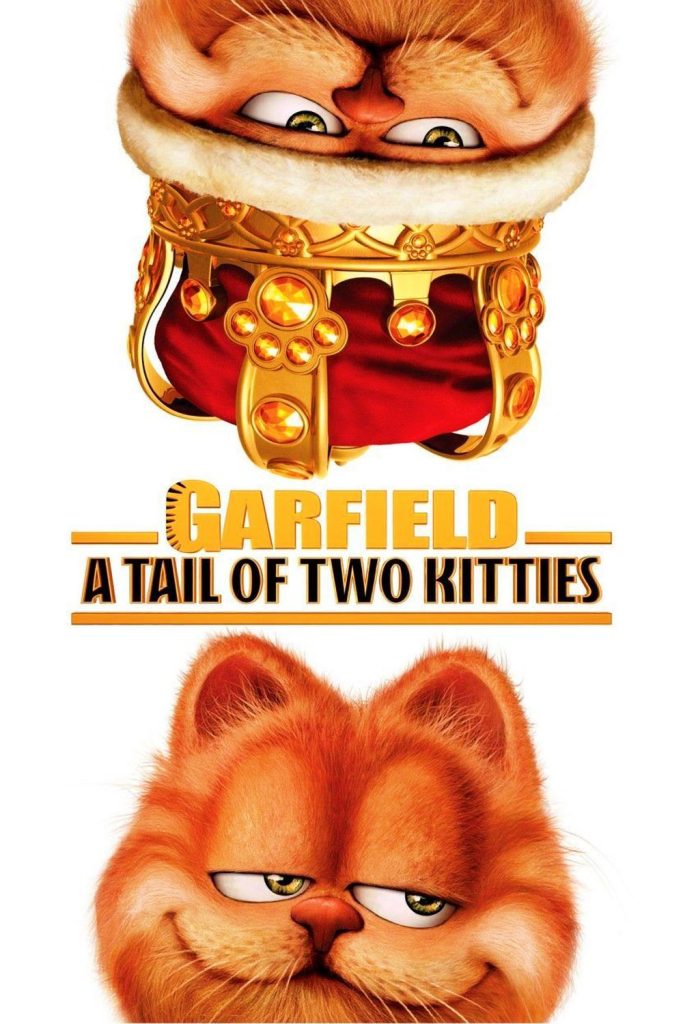
A royal swap gag could not freshen the formula, and critics were even cooler the second time around.
“Pinocchio” (2022)
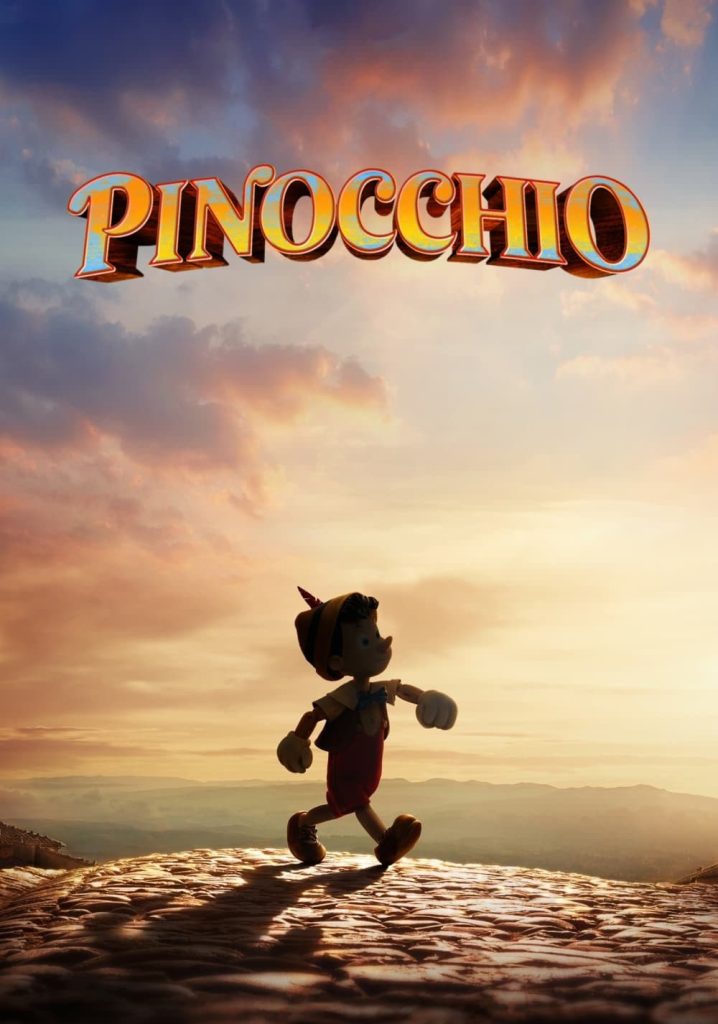
Tom Hanks and Zemeckis brought craft to Disney+, but many questioned the remake’s purpose; it even snagged a Razzie for Worst Remake.
“A Nightmare on Elm Street” (2010)
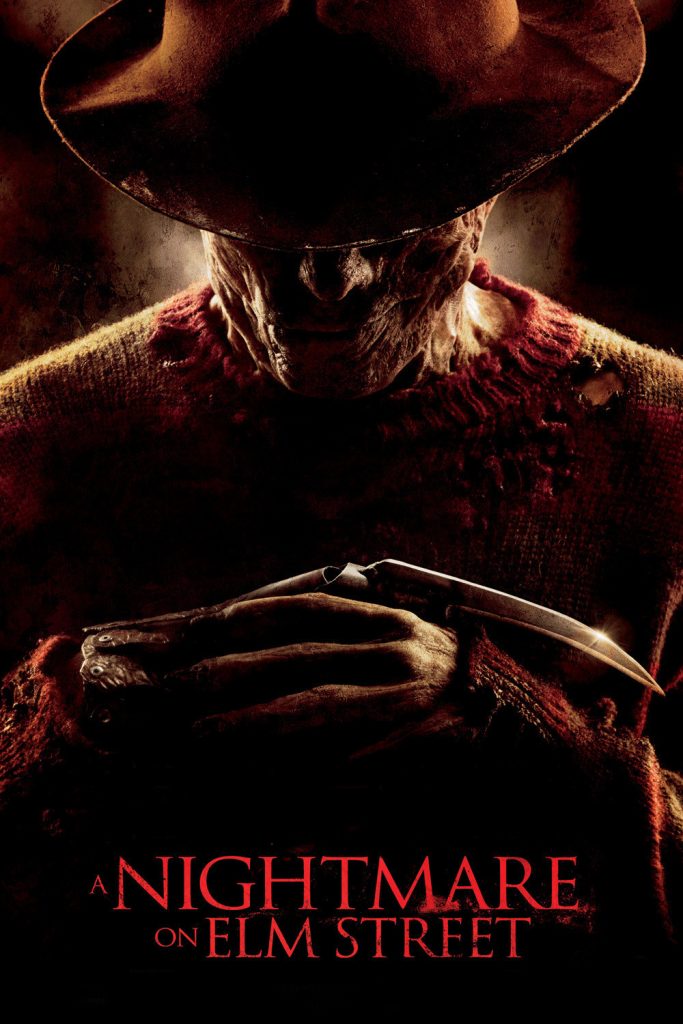
Jackie Earle Haley gave Freddy fresh menace, yet the redo felt corporate and safe to many, undercutting the nightmare.
“Point Break” (2015)
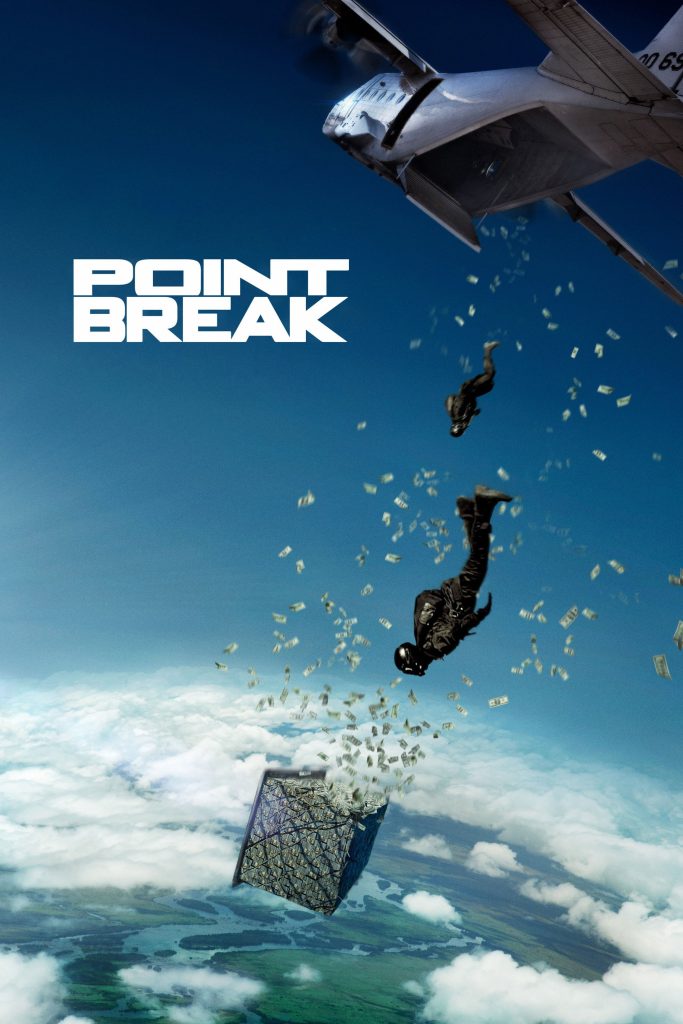
Extreme sports set pieces replaced surf-soul character, and audiences mostly shrugged. The remake never found its own wave.
“Ghost in the Shell” (2017)
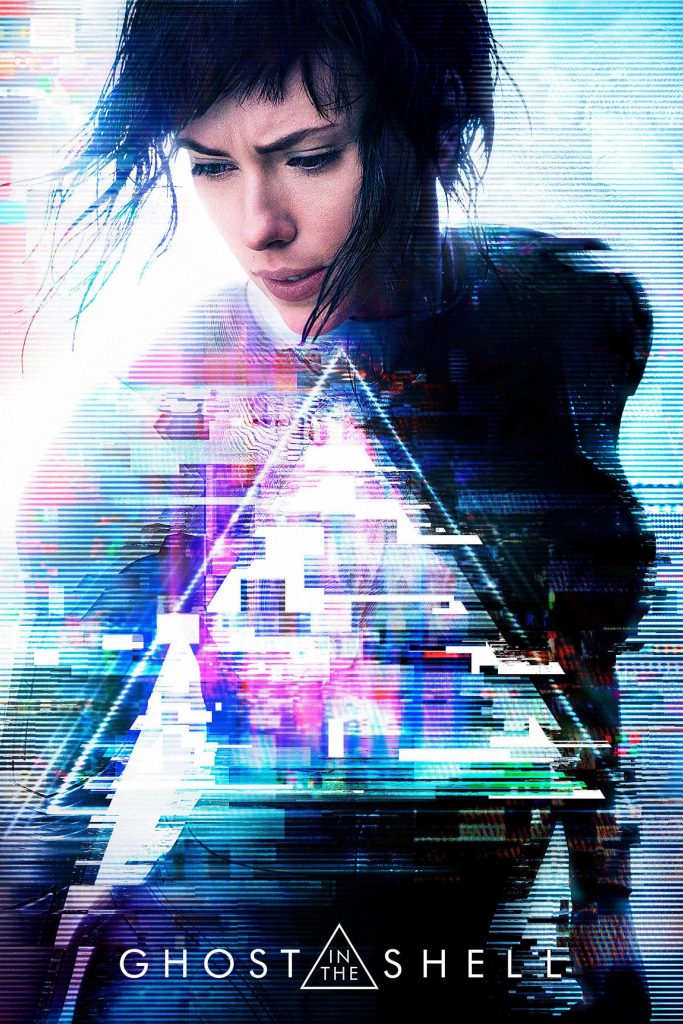
Gorgeous worldbuilding could not outpace controversy over casting and a story that dulled the manga’s edge. Box office and reviews were lukewarm.
“Lilo & Stitch” (2025)
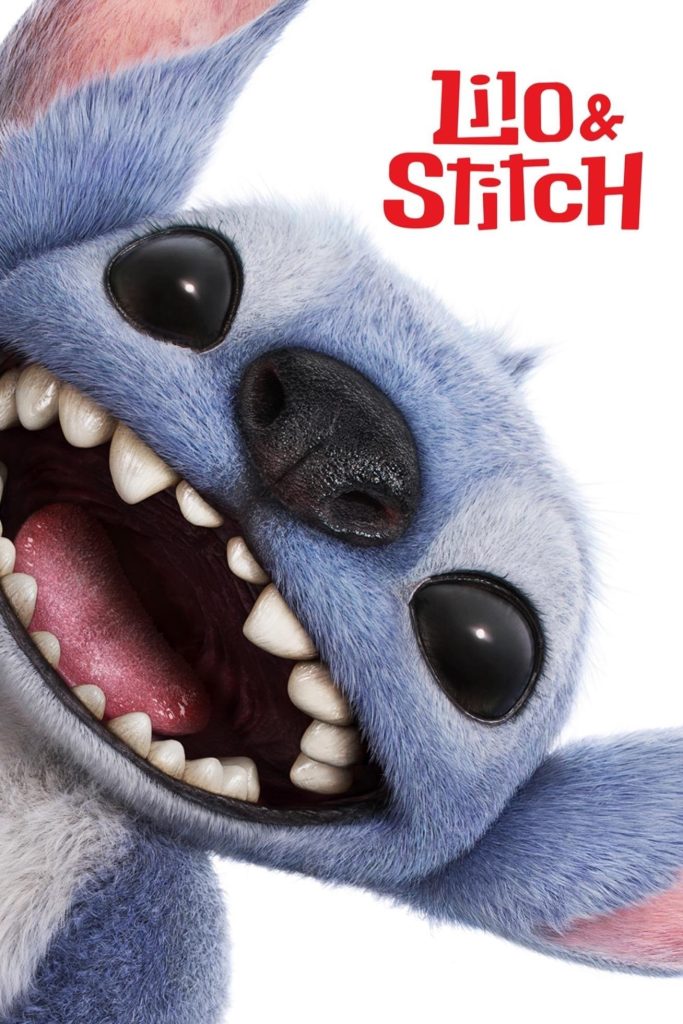
Critics called the remake sweet but unnecessary and overstuffed, praising performances while questioning the bloat.
“The Last Airbender” (2010)
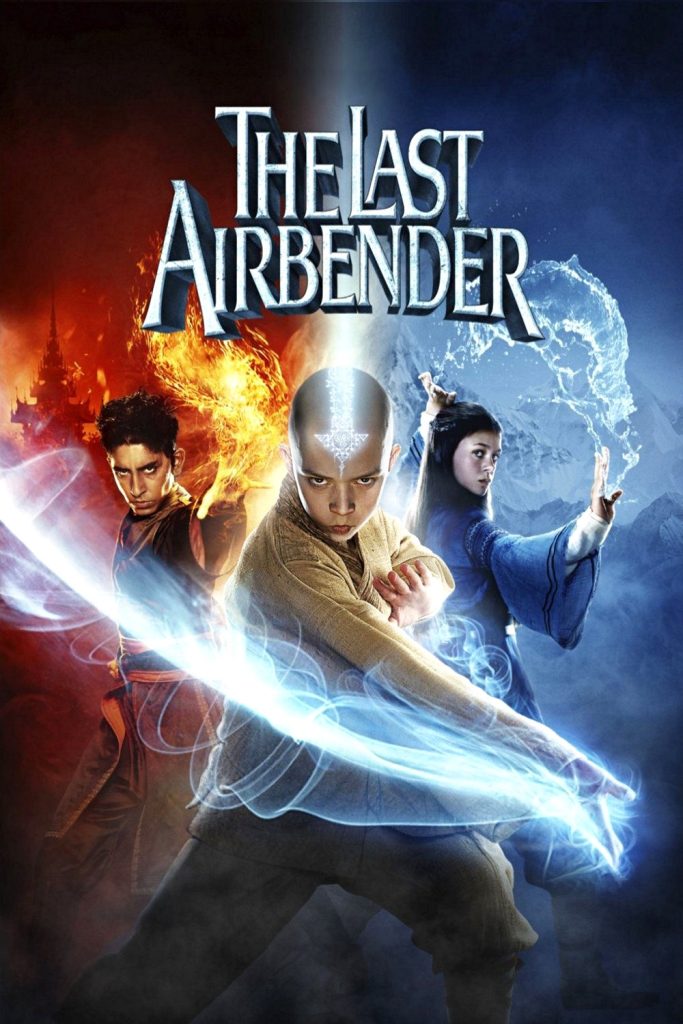
A beloved animated series became a stiff, effects-heavy fantasy with wooden dialogue and chaotic pacing; fans still cite it as a textbook misfire.
“Psycho” (1998)
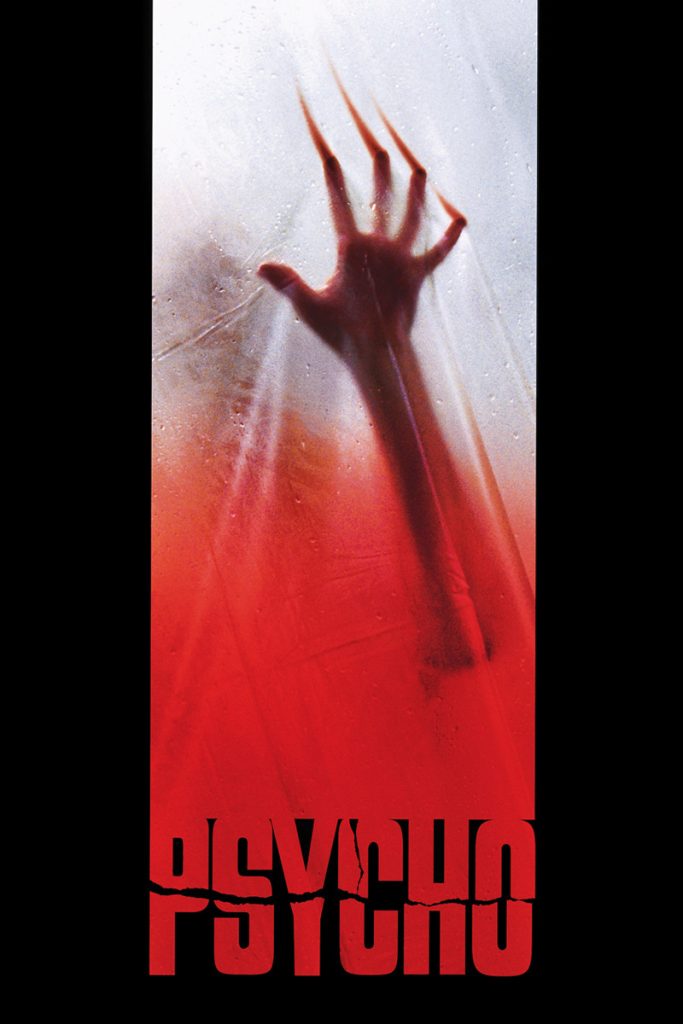
A shot-for-shot experiment that dared audiences to ask “why,” it drew scorn and Razzie wins for missing the original’s nerve. If any remake embodies “nobody asked for this,” it is this one.