Today’s home feels safe thanks to safety standards, warning labels, and whole departments devoted to consumer protection. Step back a century or two, and you’ll find everyday objects that could maim, poison, or quietly shave years off your life. From glowing clock faces laced with radium to wallpaper dripping with arsenic, danger once hid in plain sight. The real kicker is that many of these products were marketed as modern miracles, beloved for their convenience. Let’s open that dusty attic trunk and examine 30 once-common household items that were downright dangerous.
Asbestos Insulation
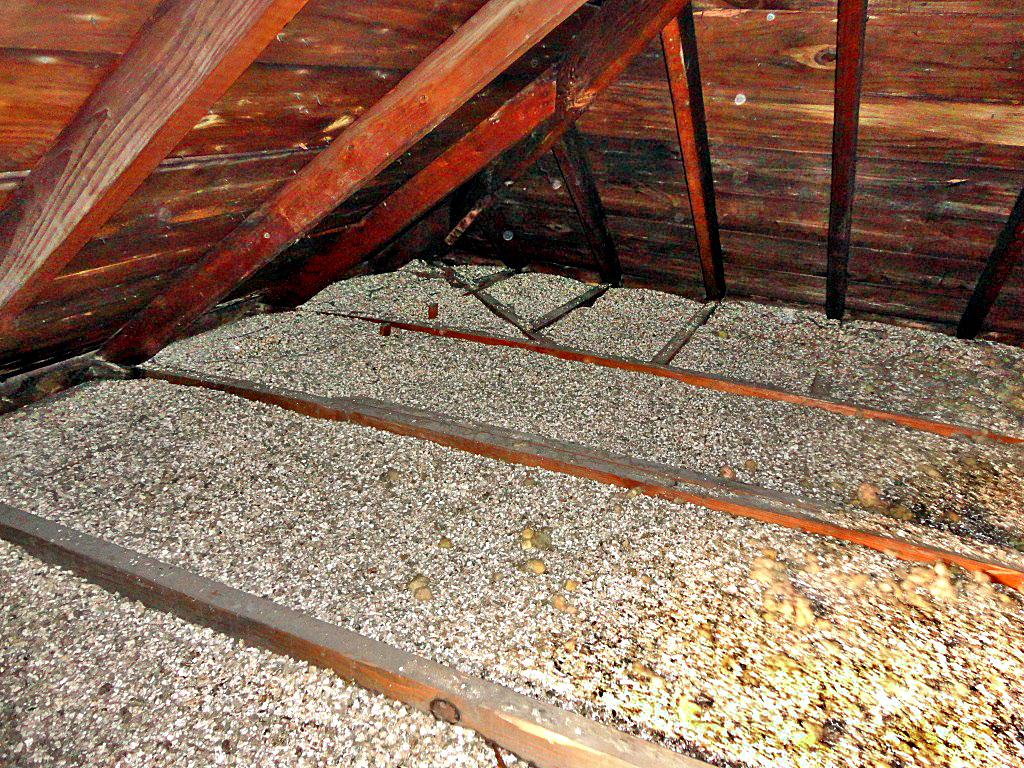
For much of the 20th century, asbestos was hailed as a miracle material. It insulated homes and resisted fire, but its microscopic fibers, once airborne, could lodge deep in the lungs. It took decades for mesothelioma and lung cancer cases to expose the real toll. Today, asbestos abatement is a dangerous and tightly controlled process for a reason.
Arsenic Wallpaper
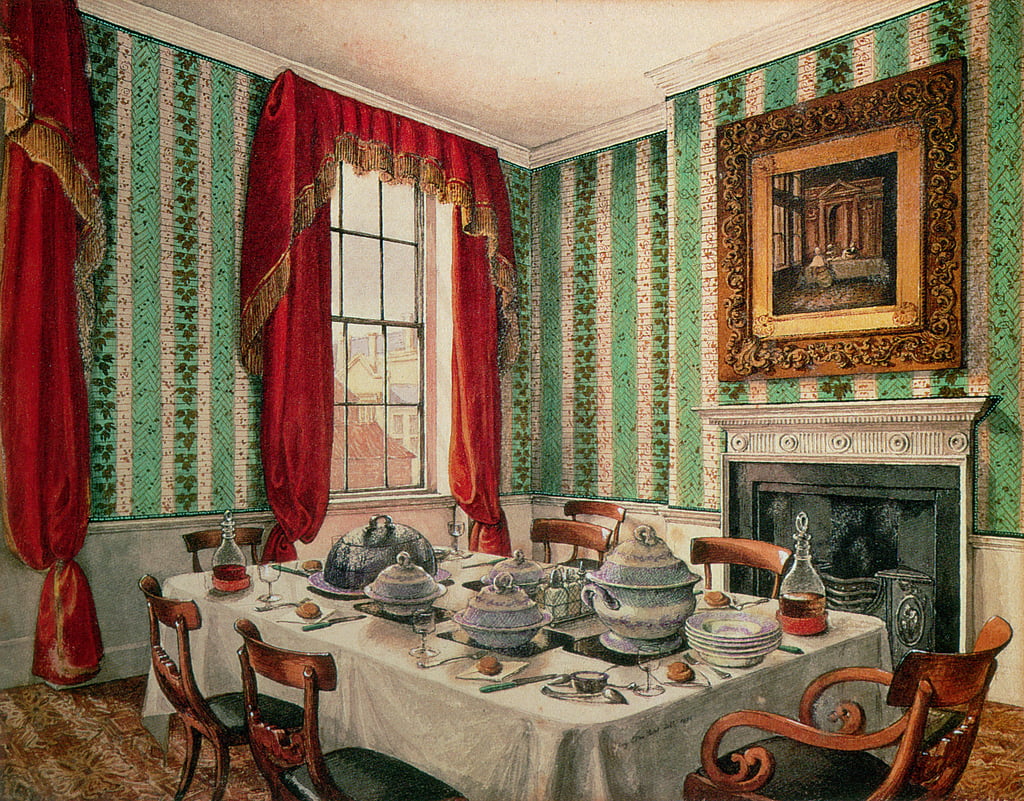
In the Victorian era, people adored vibrant green wallpaper, thanks to arsenic. Yes, actual poison infused the pigments. In warm or damp conditions, it could emit toxic gases or dust, leading to chronic illness or death. The scariest part? No one suspected their fancy parlor décor could be making them sick.
Mercury Thermometers
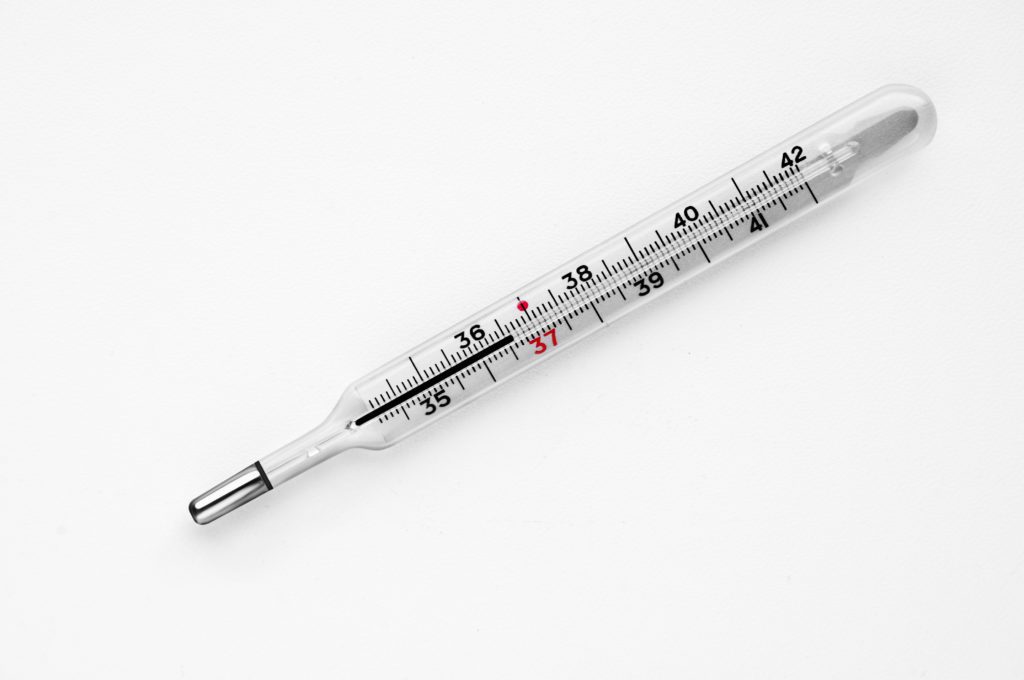
Classic glass thermometers were once a bathroom staple. But inside that slim tube? Liquid mercury, a neurotoxin. If it broke, the shimmering silver beads were mesmerizing but hazardous, especially if inhaled. Most people had no idea they were cleaning up poison with a paper towel.
Gas-Powered Irons
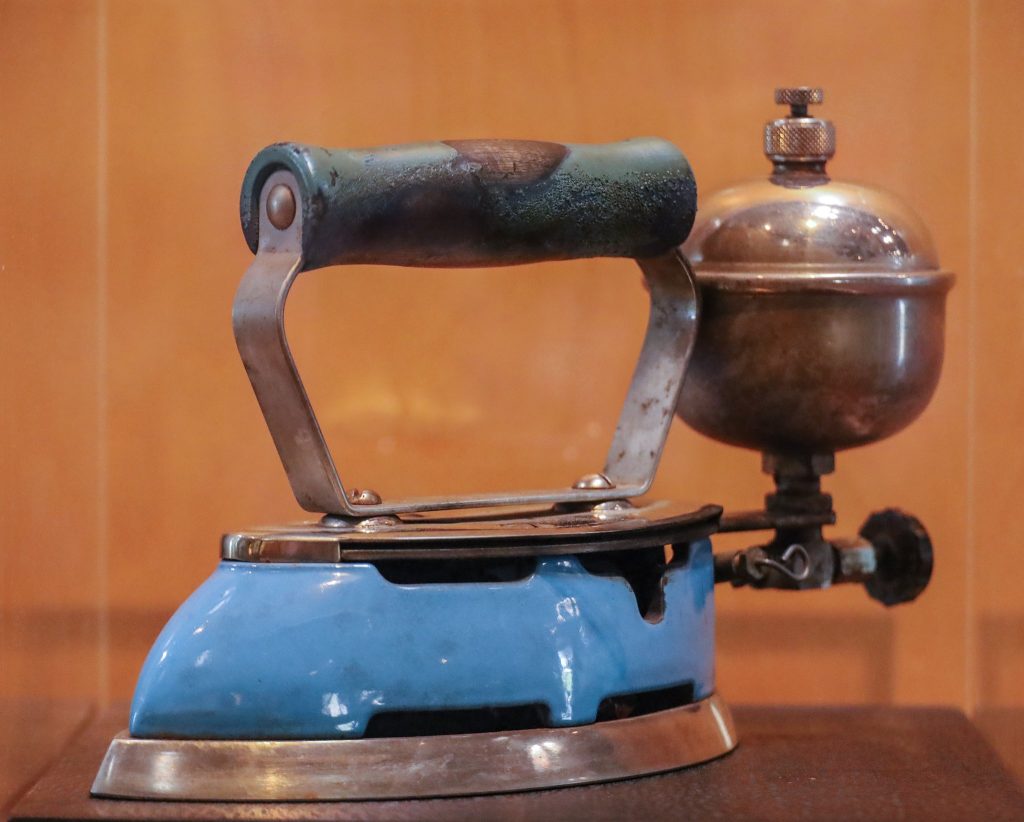
Before electricity was widespread, irons were heated with gas flames. That meant open fire on your laundry table. If the connection leaked or the flame flared up, burns or worse were likely. Imagine doing chores while playing a quiet game of “avoid the explosion.”
Baby Walkers
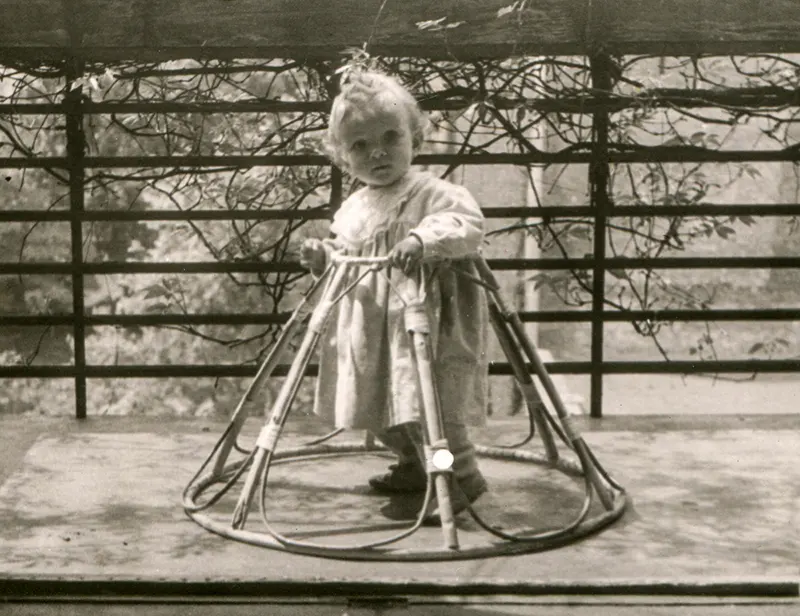
Older baby walkers had wheels, no brakes, and zero safety regulations. They often rolled straight down stairs or into heaters and stoves. Instead of promoting safe walking, they turned infants into fast-moving crash test dummies. Eventually, hospitals saw enough injuries to push for change.
Crib Bumpers
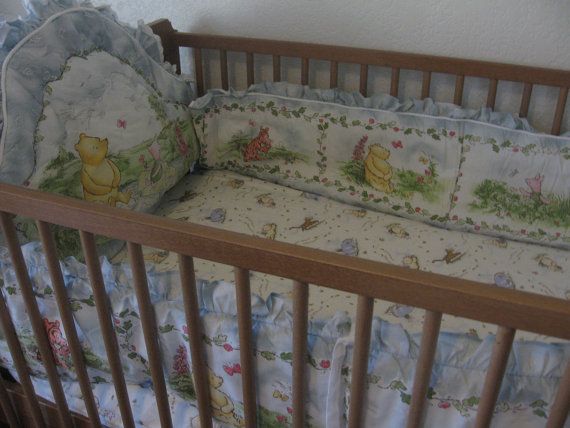
Soft, padded crib bumpers were supposed to protect babies from bumps. In reality, they posed a suffocation risk. As awareness of infant safety grew, these “protective” accessories turned out to be anything but. They’re now banned in several places for good reason.
Refrigerators with Latches
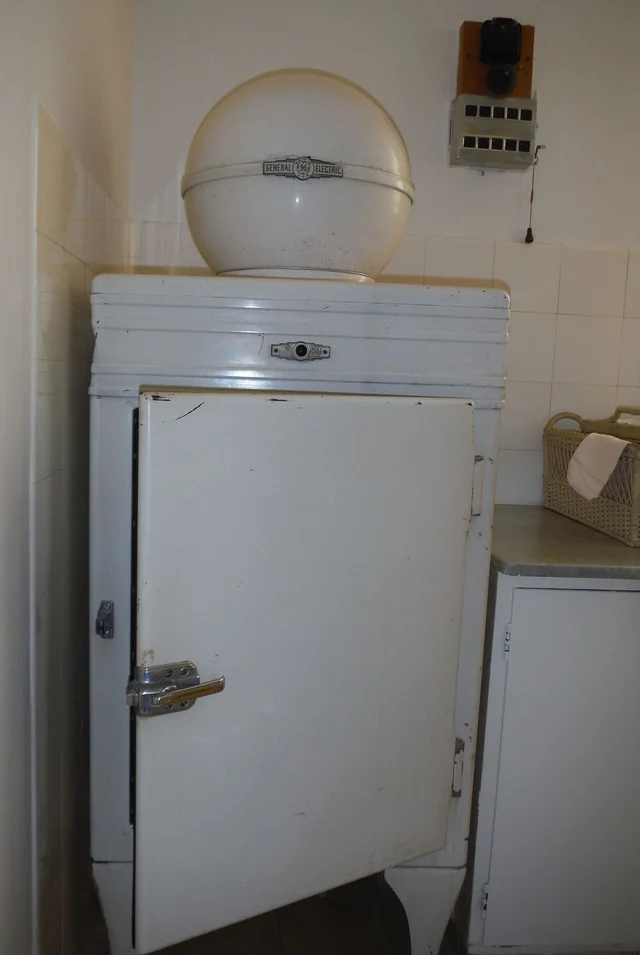
Old fridges had heavy-duty latches that sealed shut like a vault. While that kept food cold, it also meant trapped children couldn’t get out if they crawled inside while playing. This risk led to numerous suffocation deaths. Modern fridges now use magnetic seals, much safer, same chill.
Carbon Tetrachloride Cleaners
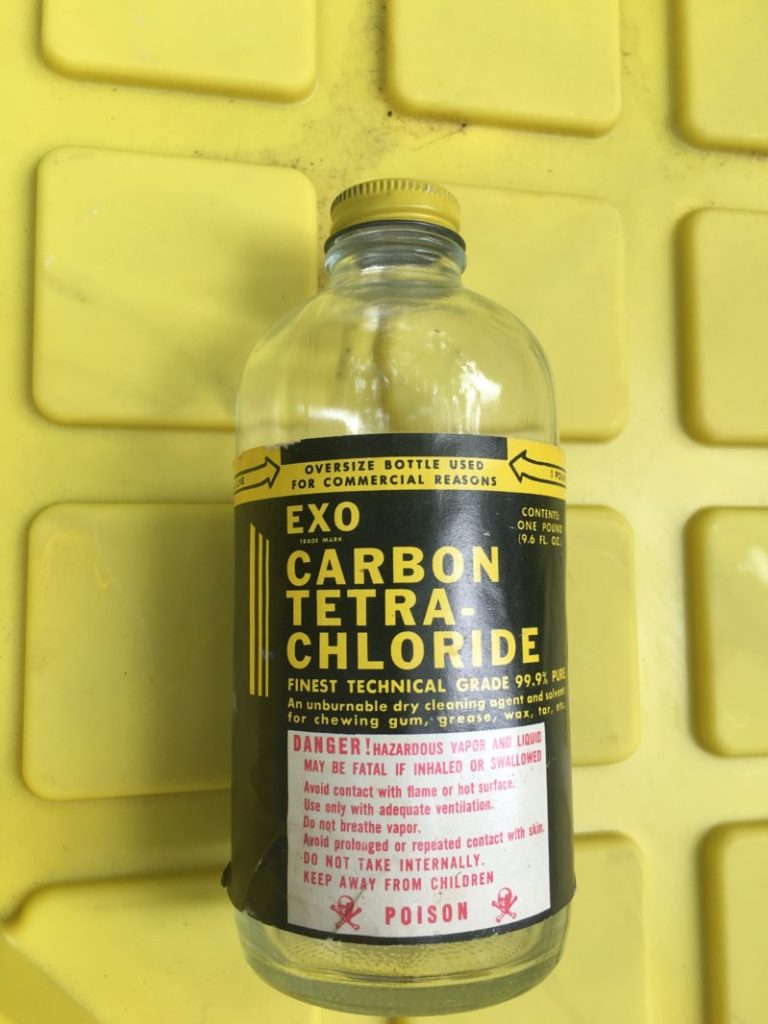
Once a popular cleaning solvent, carbon tetrachloride was found in spot removers and fire extinguishers. It had a strong chemical smell, but what you couldn’t smell was its toxicity. Exposure could damage the liver, kidneys, and nervous system. It was eventually banned from household products.
Toilet Seat Covers Made of Wood or Fabric
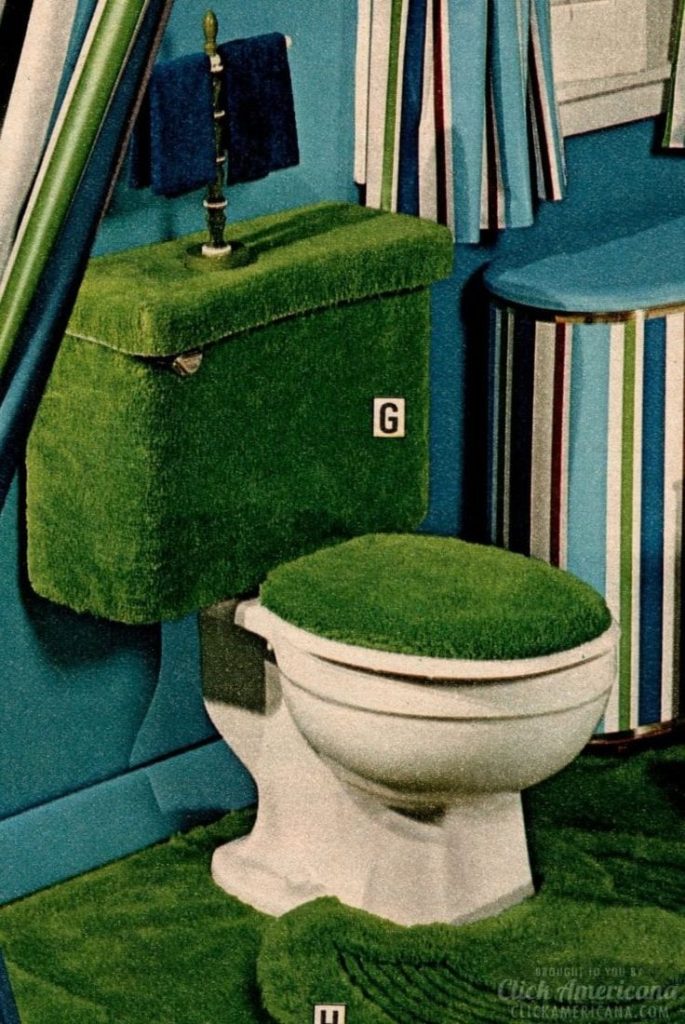
Believe it or not, upholstered or wooden toilet seats were once a thing. Cozy? Maybe. Sanitary? Not at all. These materials were breeding grounds for bacteria and impossible to clean properly. Let’s just say the switch to plastic was a hygiene game-changer.
Open Flame Gas Lamps
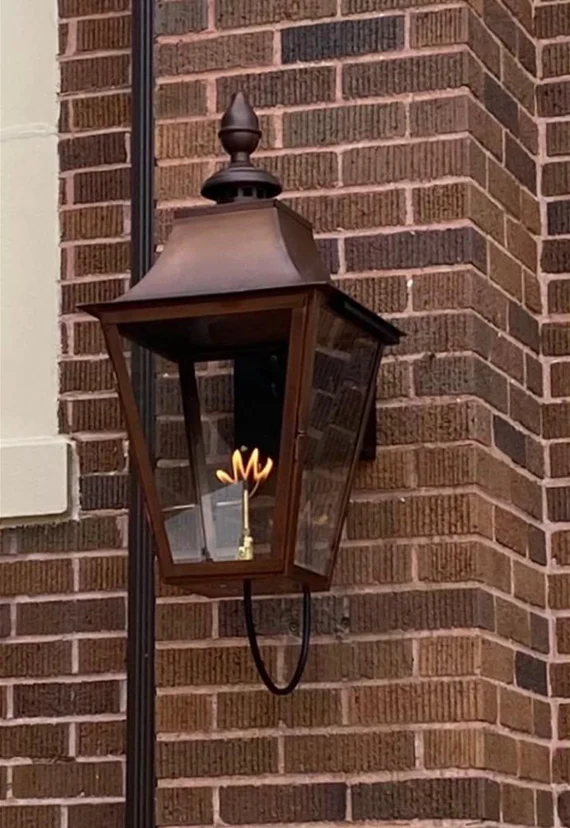
Before electric bulbs, people lit their homes with gas lamps—literal fire fixtures mounted on walls. Besides the obvious fire hazard, they could leak carbon monoxide or even explode. One knocked-over lamp could torch an entire house in minutes.
Blowtorches in the Kitchen
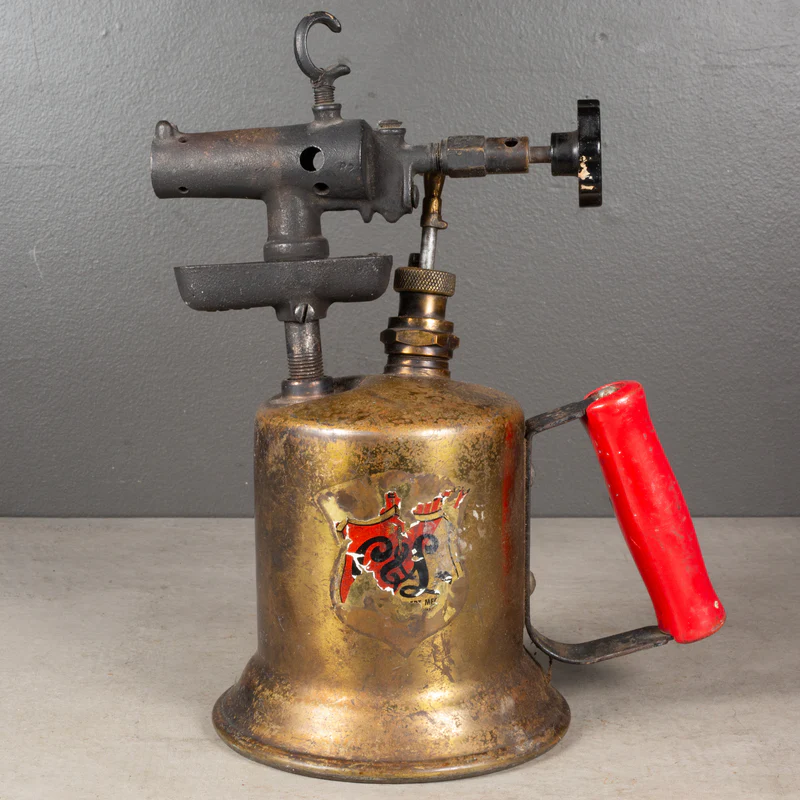
Kitchens of the past had small handheld blowtorches for browning or caramelizing. Yes, actual fire tools next to your tea towels. One false move or faulty valve, and dinner prep became a disaster. Now we use electric gadgets for that crispy finish, and it’s a lot less terrifying.
Flammable Christmas Trees
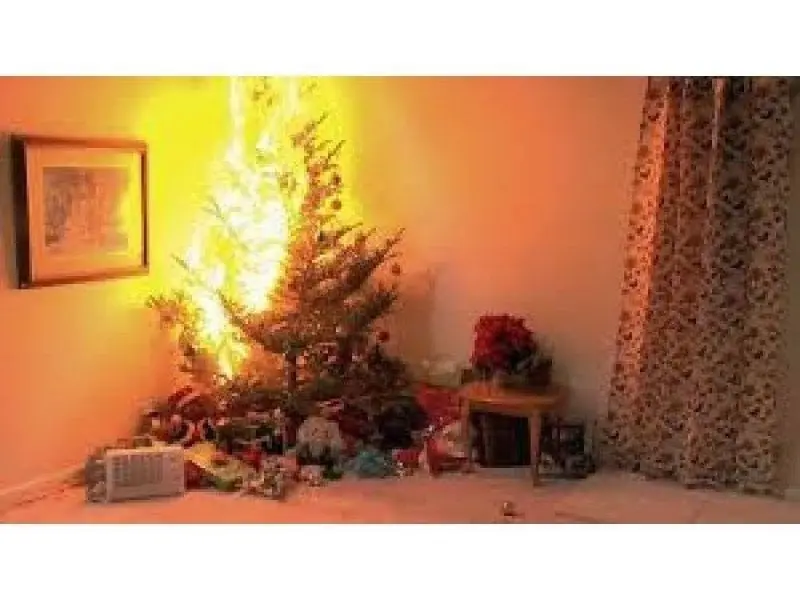
Real pine trees plus hot bulbs and tinsel? A flaming combo. Before LED lights and flame-retardant sprays, Christmas trees regularly caught fire. Families unknowingly lit their holidays, and sometimes their living rooms, on fire. Festive, yes. Fire hazard? Definitely.
Kerosene Heaters
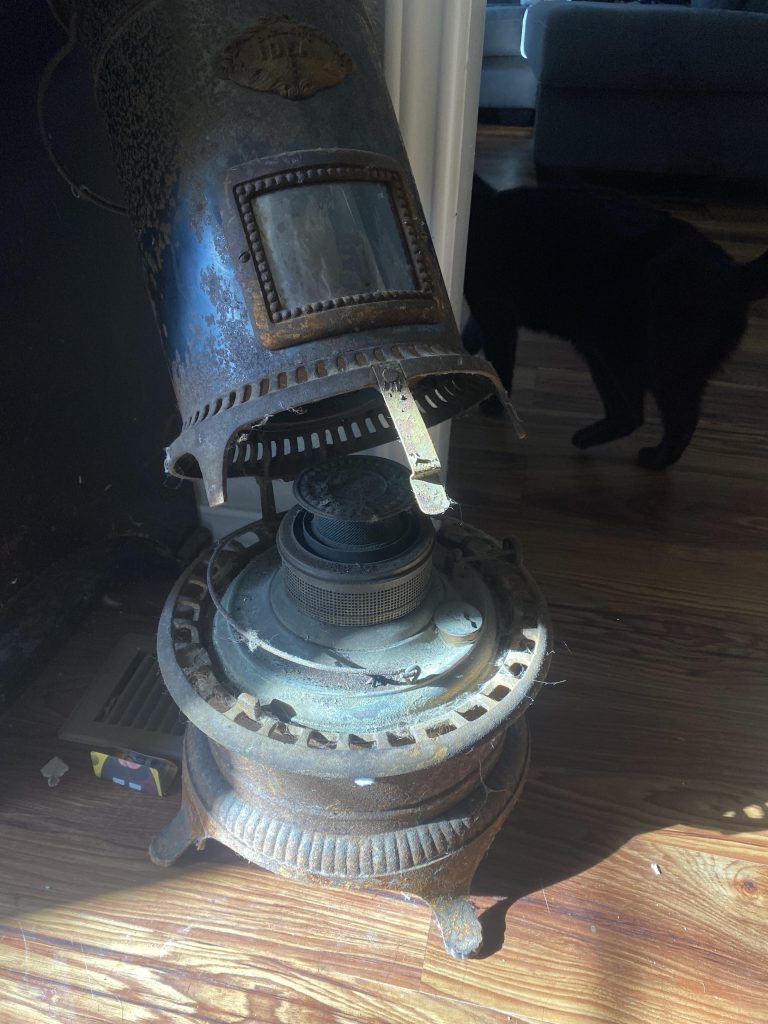
These portable heaters were cheap and effective, but they came with a risk of carbon monoxide poisoning. Without proper ventilation, they quietly filled rooms with deadly gas. They also posed a huge fire risk if knocked over. Cozy warmth wasn’t always worth the gamble.
Electric Blankets Without Auto Shut-Off
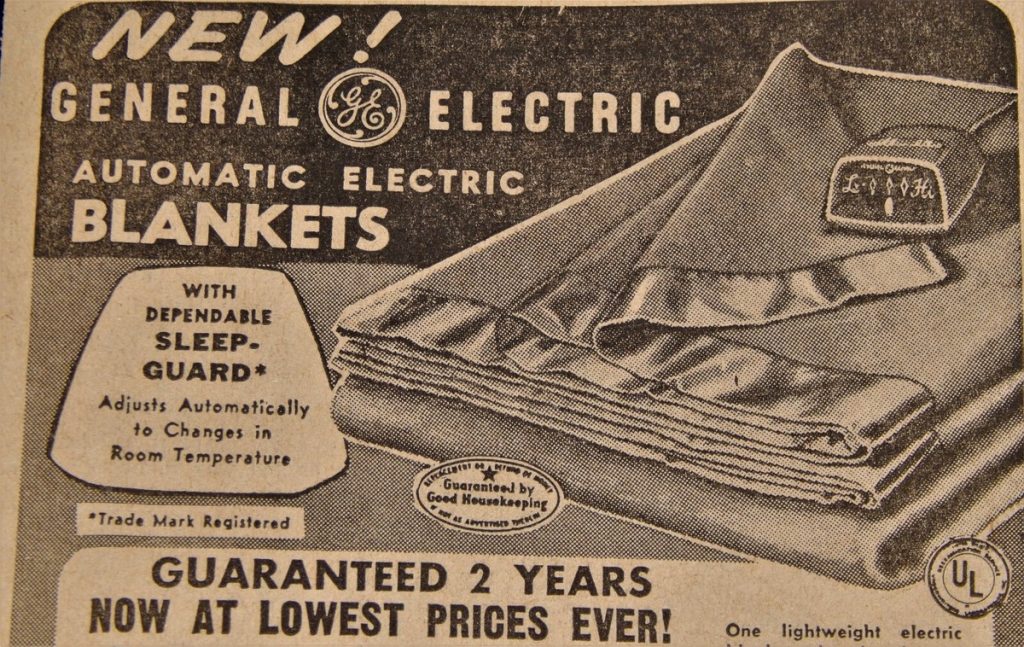
The early versions of electric blankets had no sensors or timers. If you forgot to turn one off or fell asleep with it on high, it could overheat or even catch fire. Modern blankets have come a long way, those old ones were literally too hot to handle.cc
Lye-Based Drain Cleaners
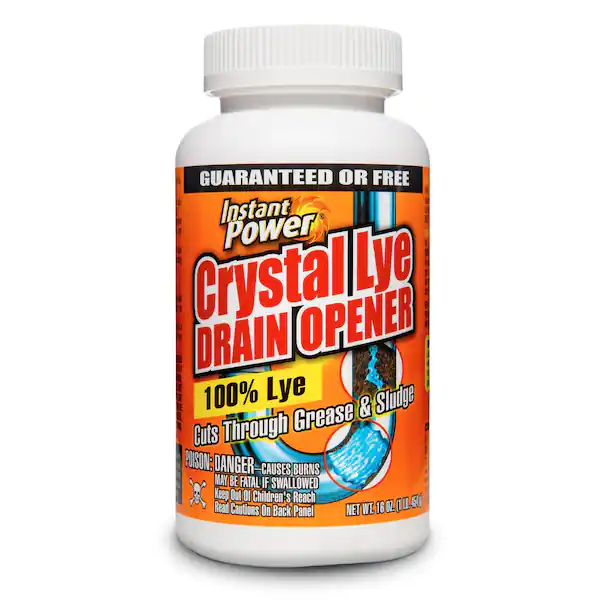
Back in the day, unclogging a drain meant pouring pure lye down it. This caustic chemical could burn skin, blind eyes, and corrode pipes. No safety gloves? No problem, until someone lost a finger. Safer alternatives eventually replaced this kitchen cabinet nightmare.
Unvented Gas Stoves
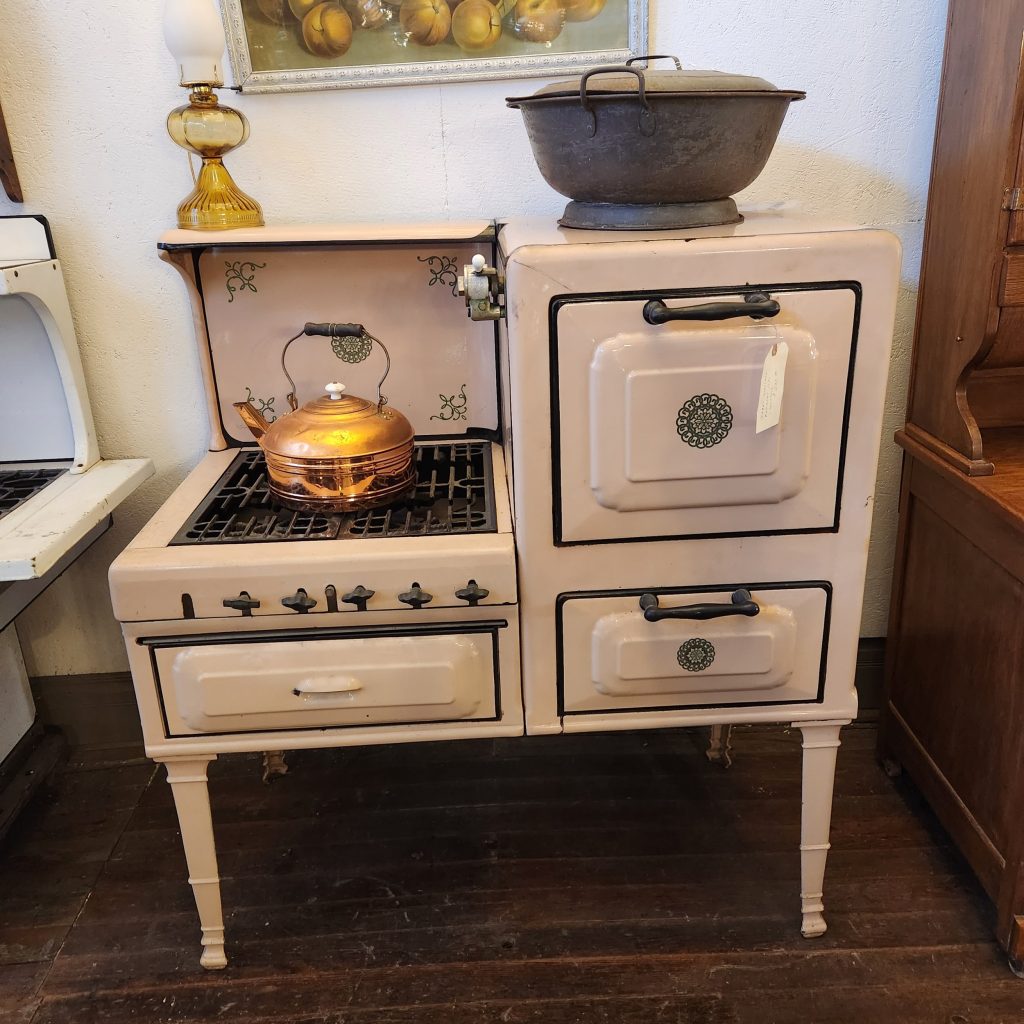
Vintage gas stoves without proper ventilation slowly filled kitchens with carbon monoxide. The symptoms of poisoning often looked like flu, so many didn’t know what was happening. It’s one of those silent threats that got worse over time. Vent hoods became a non-negotiable upgrade.
Hair Dryers with Exposed Coils
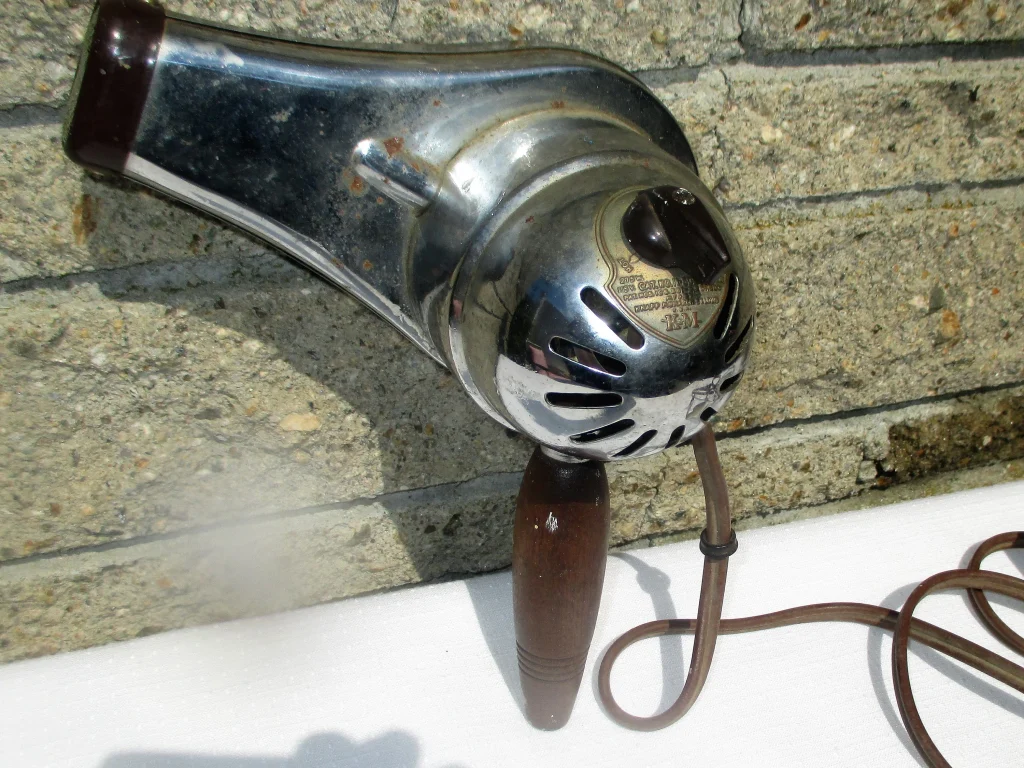
Older hair dryers didn’t just dry your hair, they could shock or even electrocute you if used near water. With metal parts and minimal insulation, they weren’t bathroom-friendly. Yet people used them daily, sometimes next to full sinks or tubs.
Wall-Mounted Folding Beds
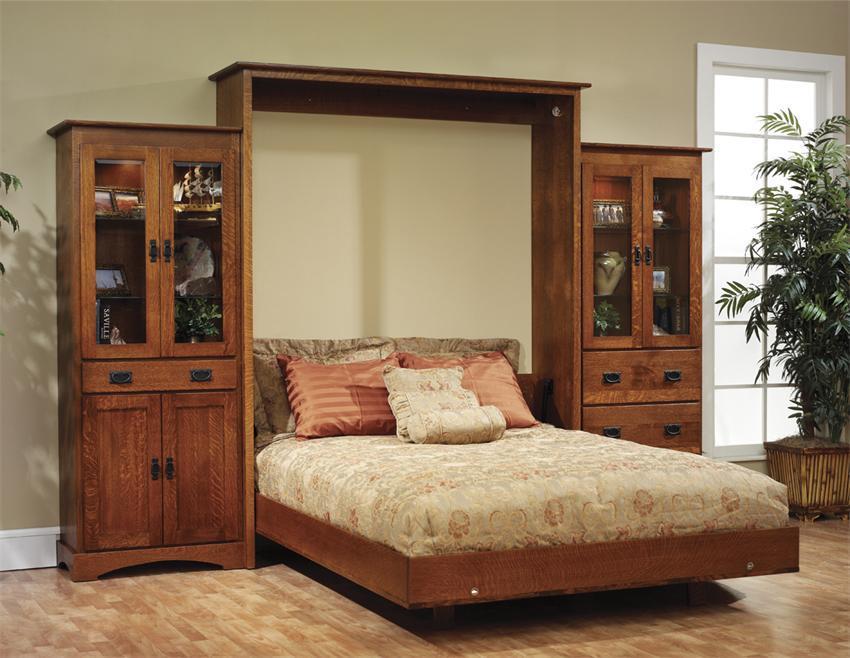
Murphy beds were space-saving marvels… with a dark side. Poorly secured models could fold up unexpectedly, trapping someone inside. There are even reports of fatal accidents. Today’s versions are much safer, but vintage ones could be furniture and foe in one.
Pressure Cookers with Faulty Seals
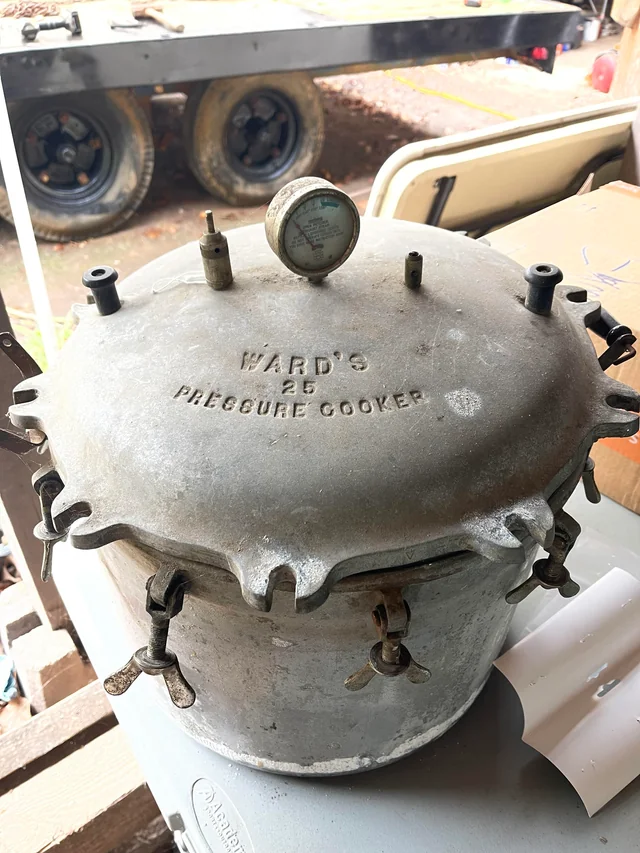
Early pressure cookers were basically kitchen time bombs. If the seal failed or the pressure valve stuck, they could explode and send boiling food flying. Recipe success came with a side of risk. Manufacturers eventually made them safer, but old models still lurk in some kitchens.
Laundry Wringer Machines
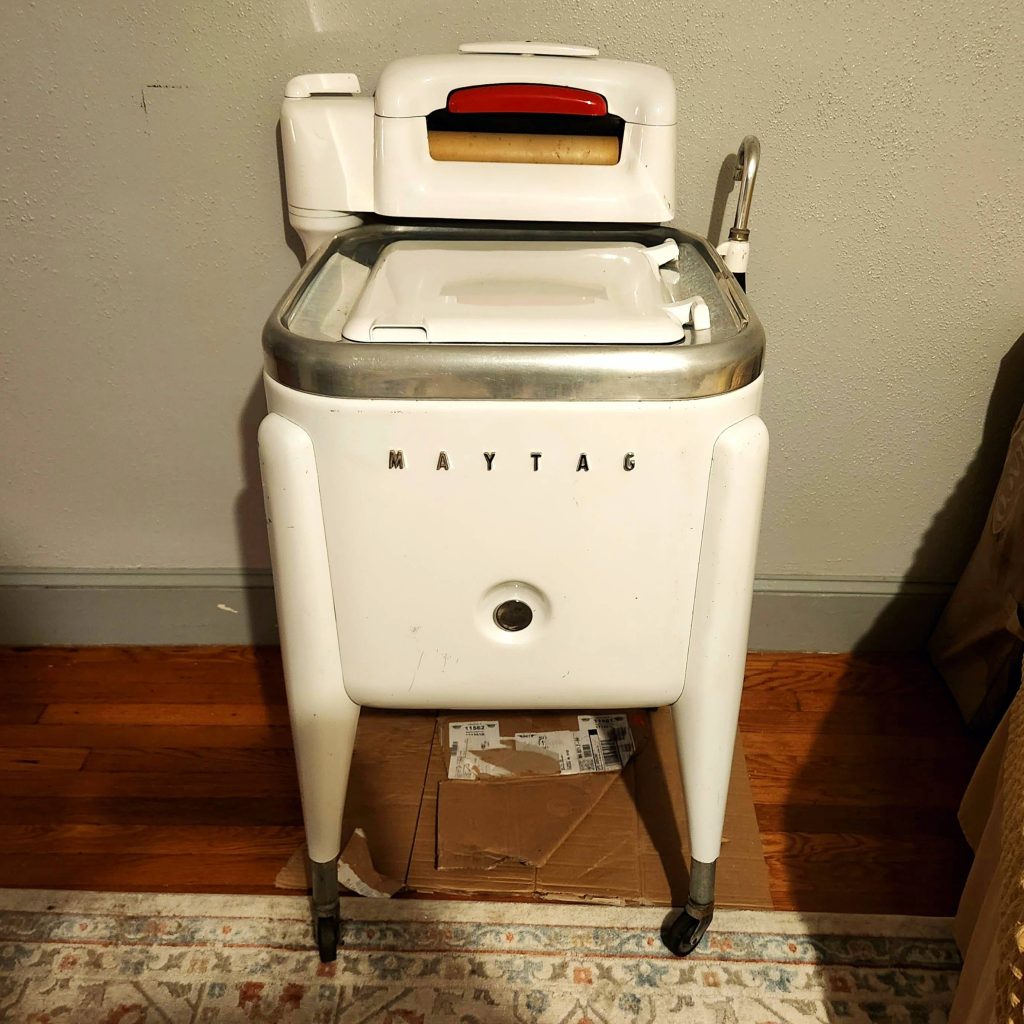
Before spin cycles, clothes went through wringers, two rollers that squeezed out water. Catch your hand or hair in one, and it wouldn’t stop. Injuries were so common that children were often warned to keep far away. The washing machine revolution was also a safety upgrade.
Home Tanning Lamps
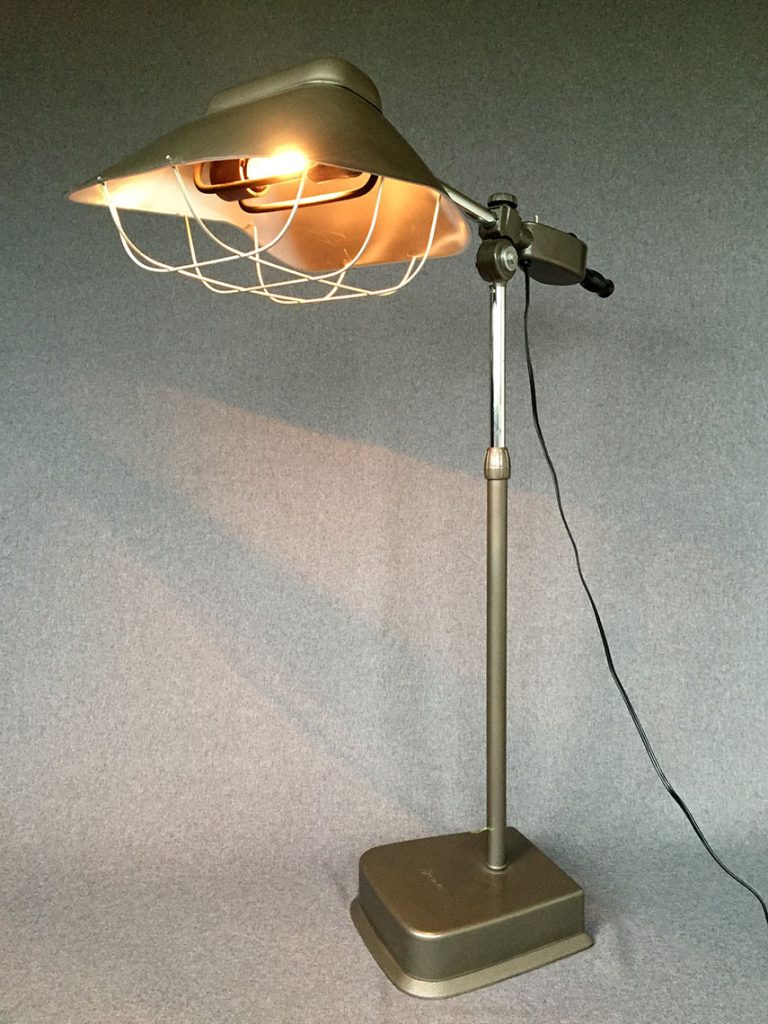
These UV lamps were marketed for health and beauty, giving you that “sun-kissed glow” indoors. The radiation dose, however, was dangerously high. People burned themselves or exposed their eyes without protection. Skin cancer risks? Sky high.
Window Screens Without Child Locks

Older windows had no safety stops. Kids leaning or climbing on sills could easily fall out. This led to a rise in “defenestration injuries,” especially in high-rise apartments. Modern locks and window guards now save countless lives.
Cigarette Ashtrays in Every Room
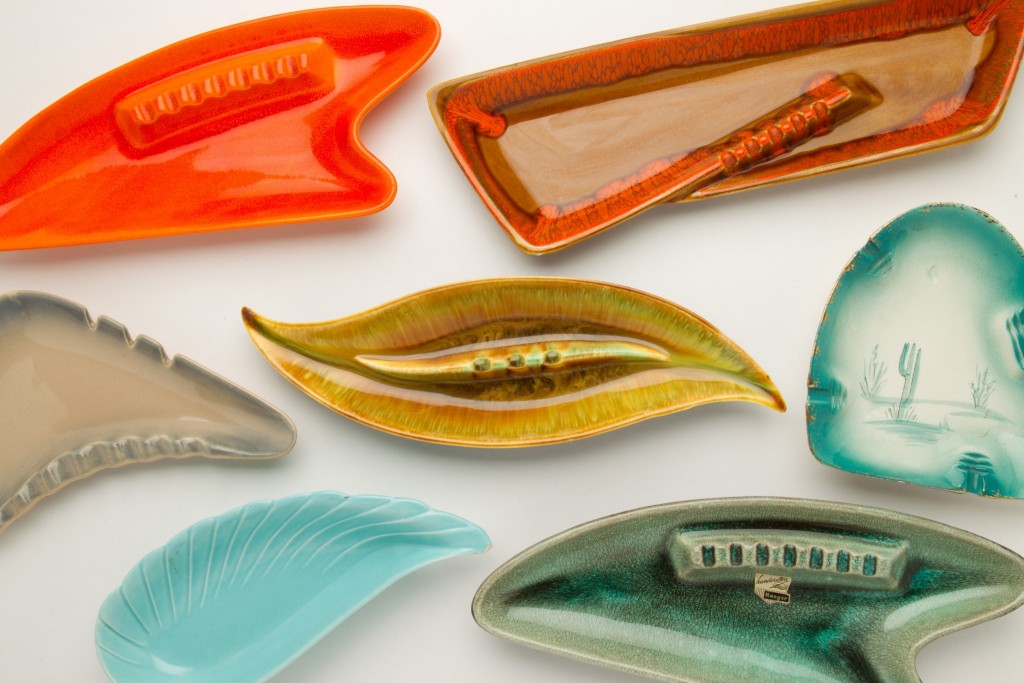
For decades, smoking indoors was the norm, and ashtrays were as common as light switches. But with kids, curtains, and flammable furniture around, this casual setup led to thousands of fires. Not to mention secondhand smoke damage over time.
Water Heaters Without Temperature Control
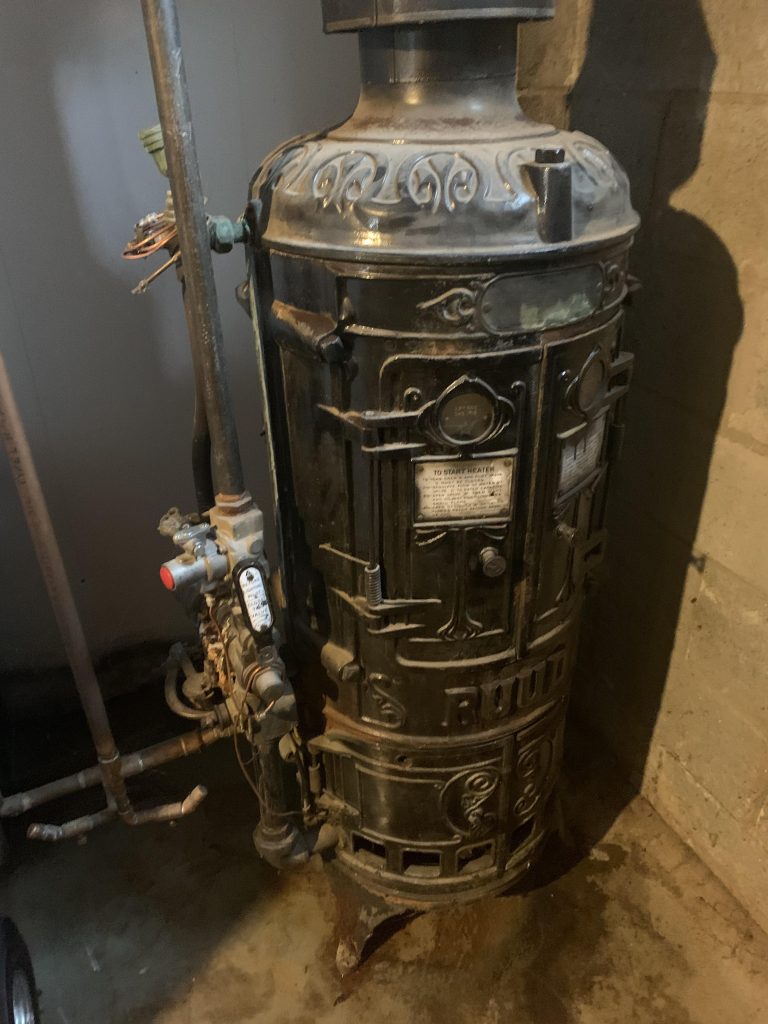
Before thermostats were standard, water heaters often ran extremely hot. It wasn’t unusual for people to be scalded in the shower, especially children. Installing anti-scald valves became one of the most important changes in plumbing history.
Plastic Toys Containing Phthalates
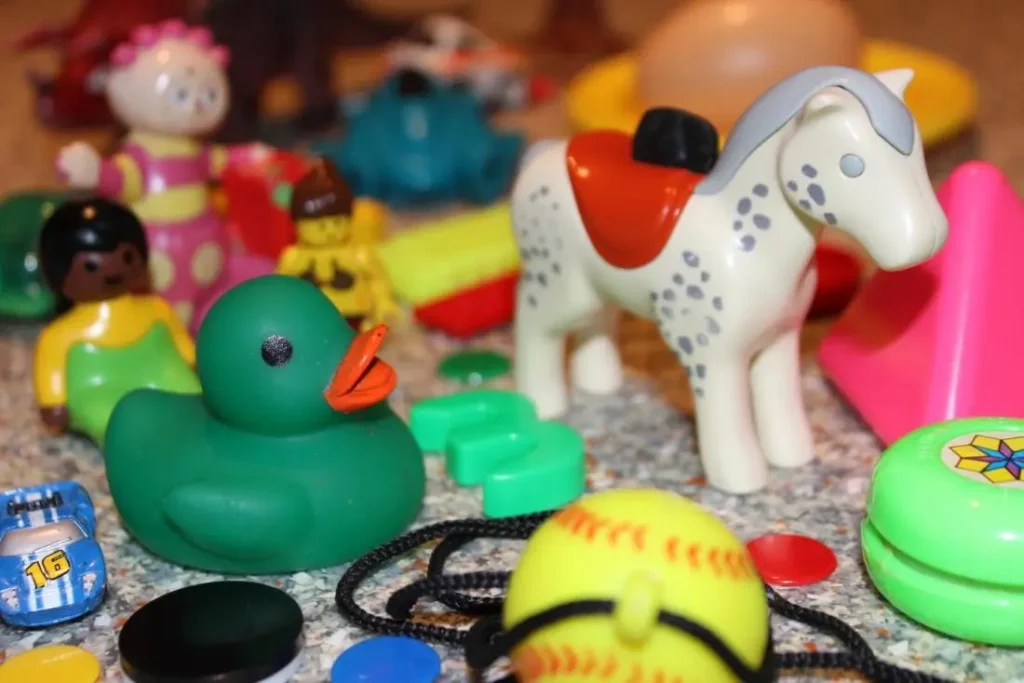
Older plastic toys, especially from the 70s and 80s, often contained phthalates, chemicals linked to developmental issues. They made plastics flexible but came at a cost to kids’ health. Many were mouth-sized and full of toxins. Eventually, regulations caught up.
Electrical Cords with Cloth Insulation
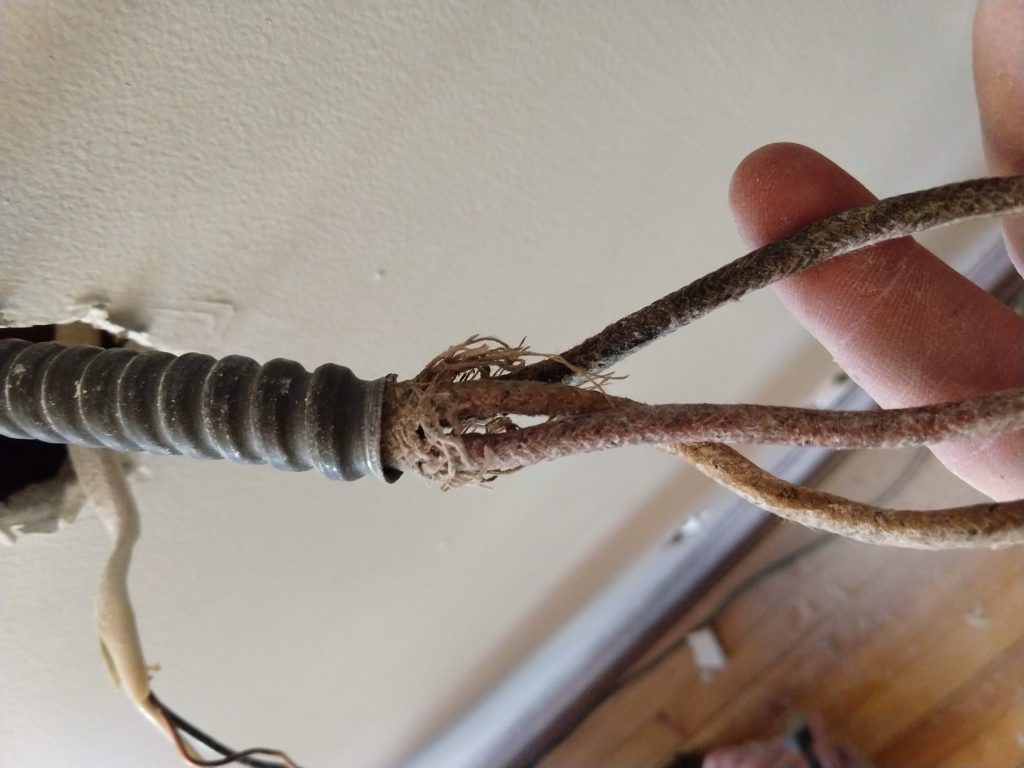
These cords were wrapped in fabric instead of plastic. They frayed easily and could ignite from the inside. If you ever find one in a vintage lamp, it’s best to replace it immediately. They’ve caused more fires than anyone will ever know.
Glass Thermos Bottles That Shattered
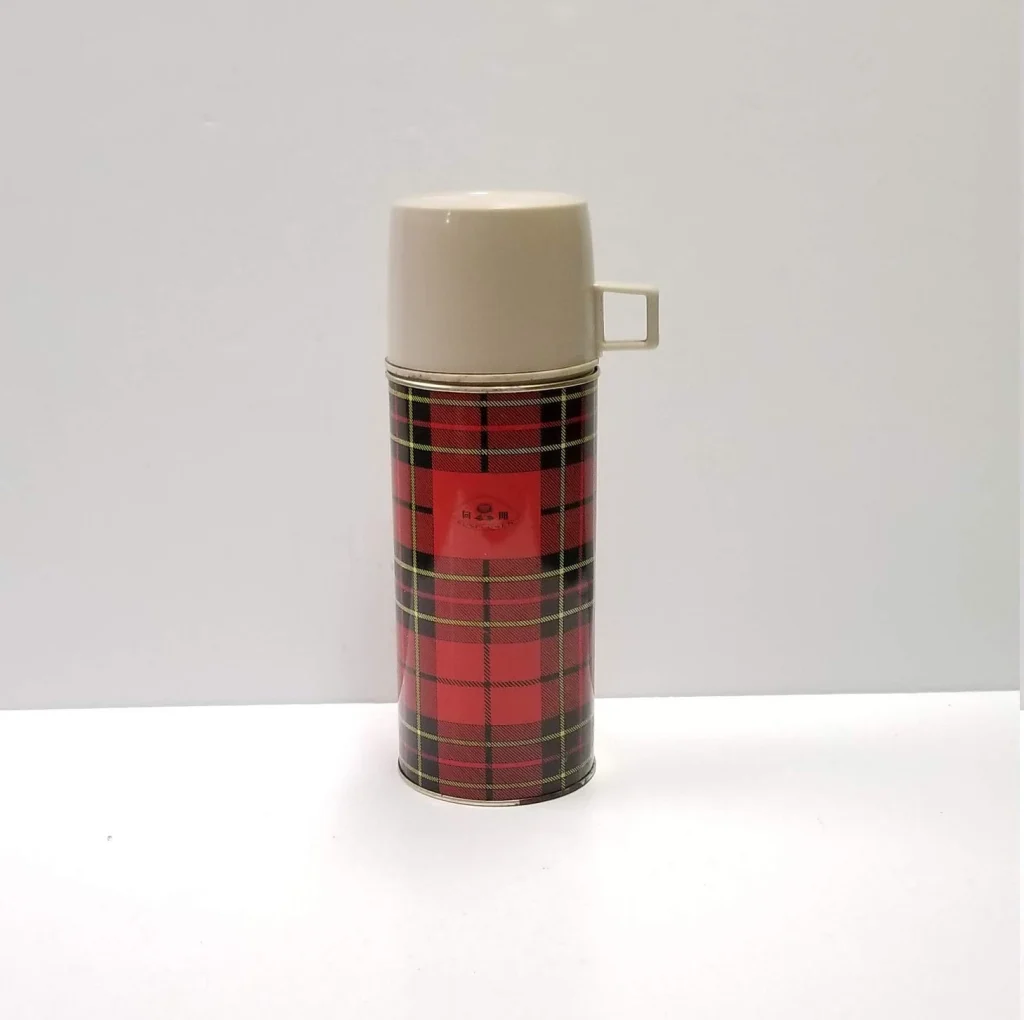
Old-school thermoses used fragile glass liners inside the outer shell. Drop it once, and the liner shatters, sometimes without you realizing. The next sip might come with a chunk of glass. Safe hydration wasn’t always so safe.
Aluminum Cookware
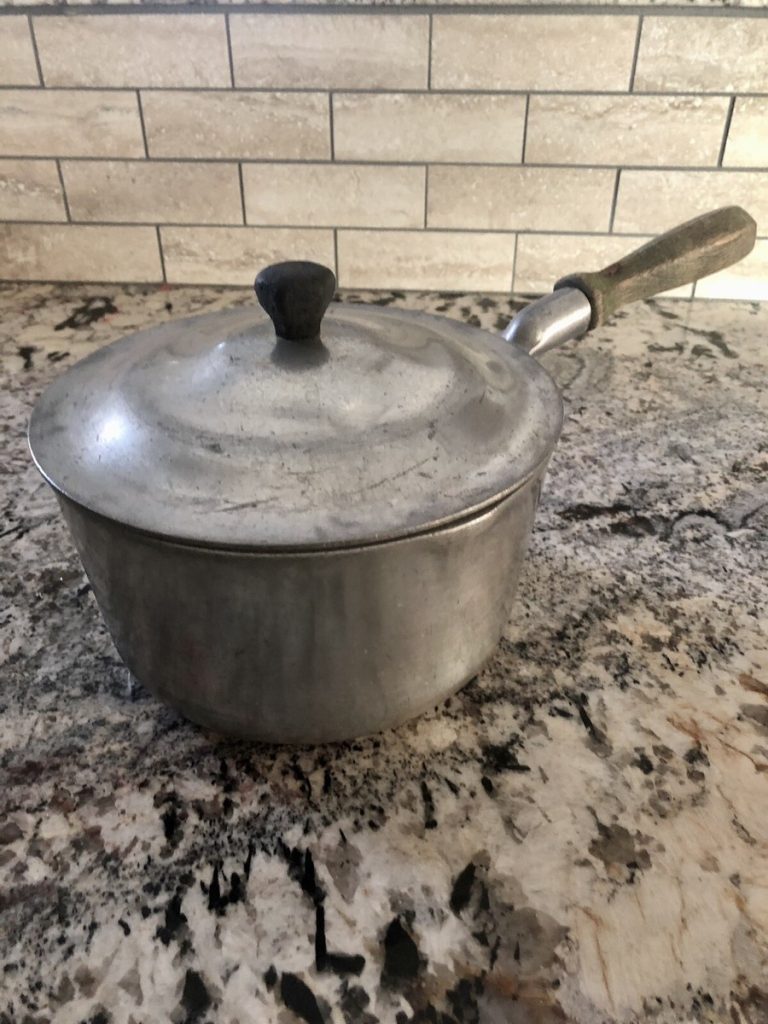
In the mid-20th century, aluminum was the go-to material for pots and pans. But over time, concerns grew about its link to Alzheimer’s and other health risks. While not definitively proven, the fear led many to swap it out. Cookware, like science, evolves.
Lead-Based Paint
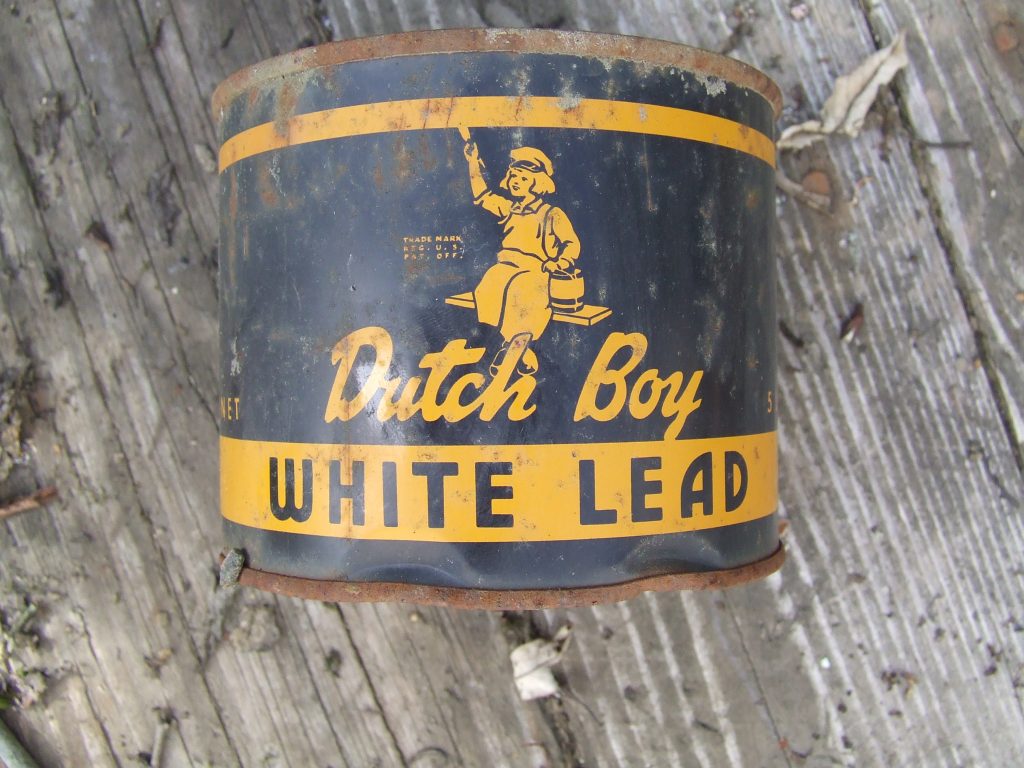
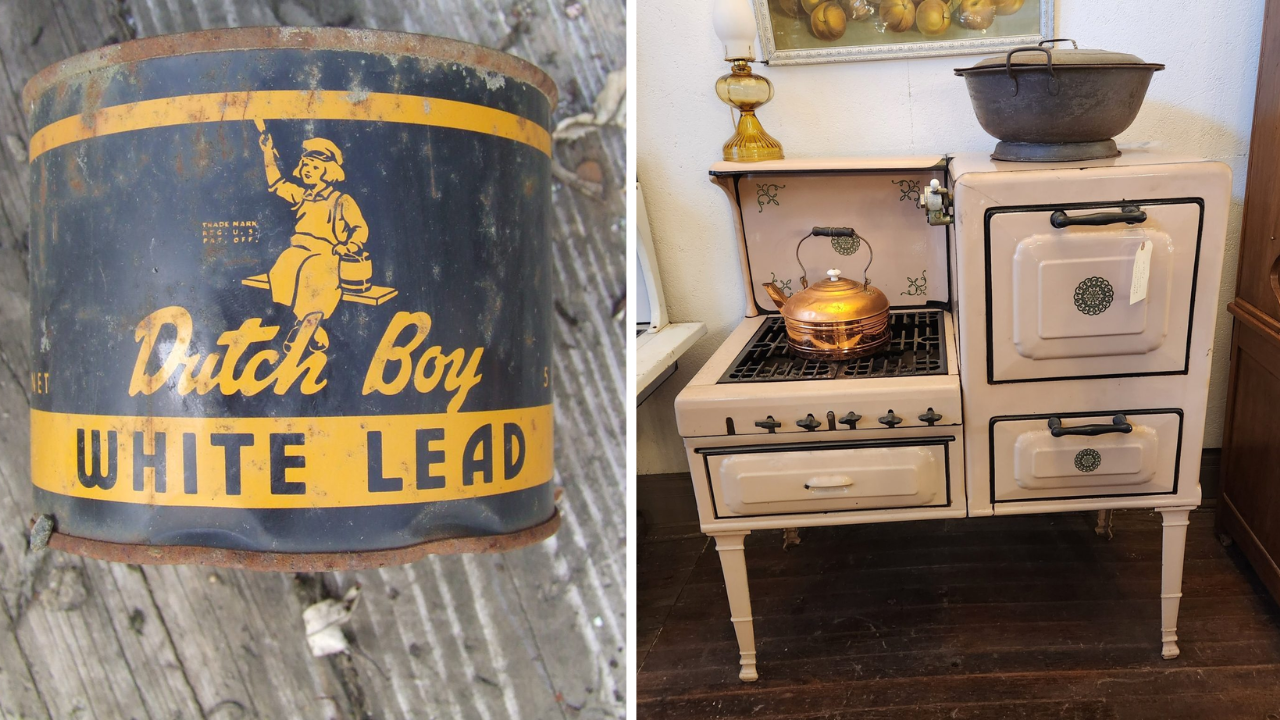
Until the late 1970s, lead paint was everywhere, found on walls, cribs, and toys. It made colors bright and durable, but also toxic, especially to children. Flaking paint created dust that was easily inhaled or ingested. The long-term effects ranged from cognitive issues to permanent organ damage.
Radium Clock Dials
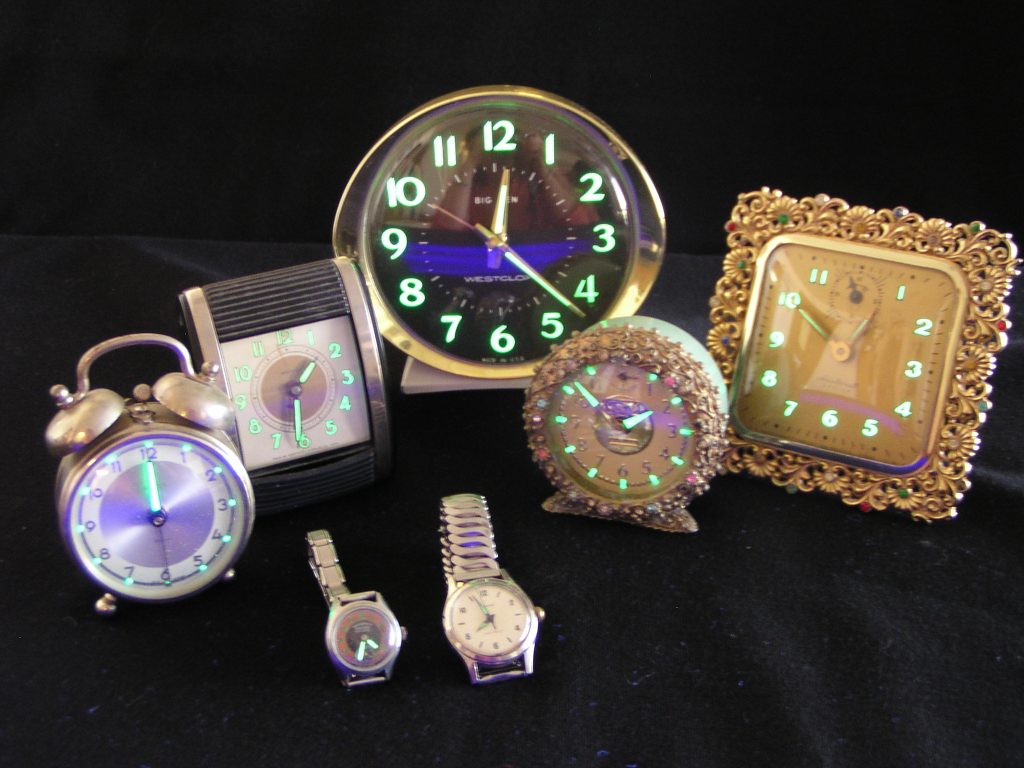
The glow-in-the-dark numbers on old clocks weren’t just handy, they were radioactive. Workers, often young women, painted them by hand and sometimes licked the brushes to make fine points. Many suffered serious illnesses years later, including cancer. The danger wasn’t just at the factory, people had these clocks in their homes, unaware they were slowly irradiating their bedrooms.