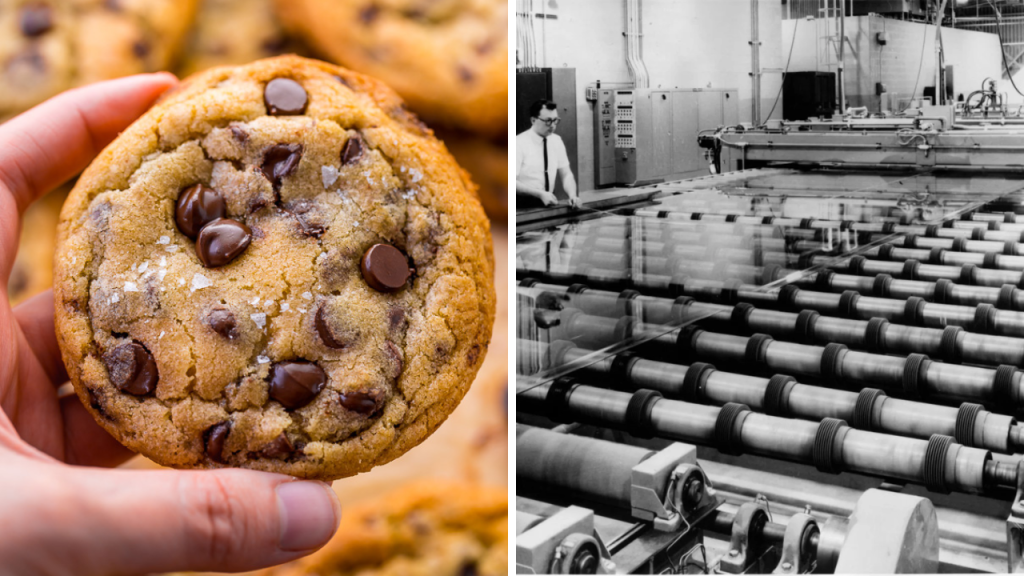
Science can be tricky sometimes, especially when things are being tested or discovered. Sometimes you set out to experiment on one thing, and end up with a brand new, completely unrelated discovery. From ice cream cones to penicillin, learn about all these scientific breakthroughs that happened by mistake, but changed science forever.
Penicillin
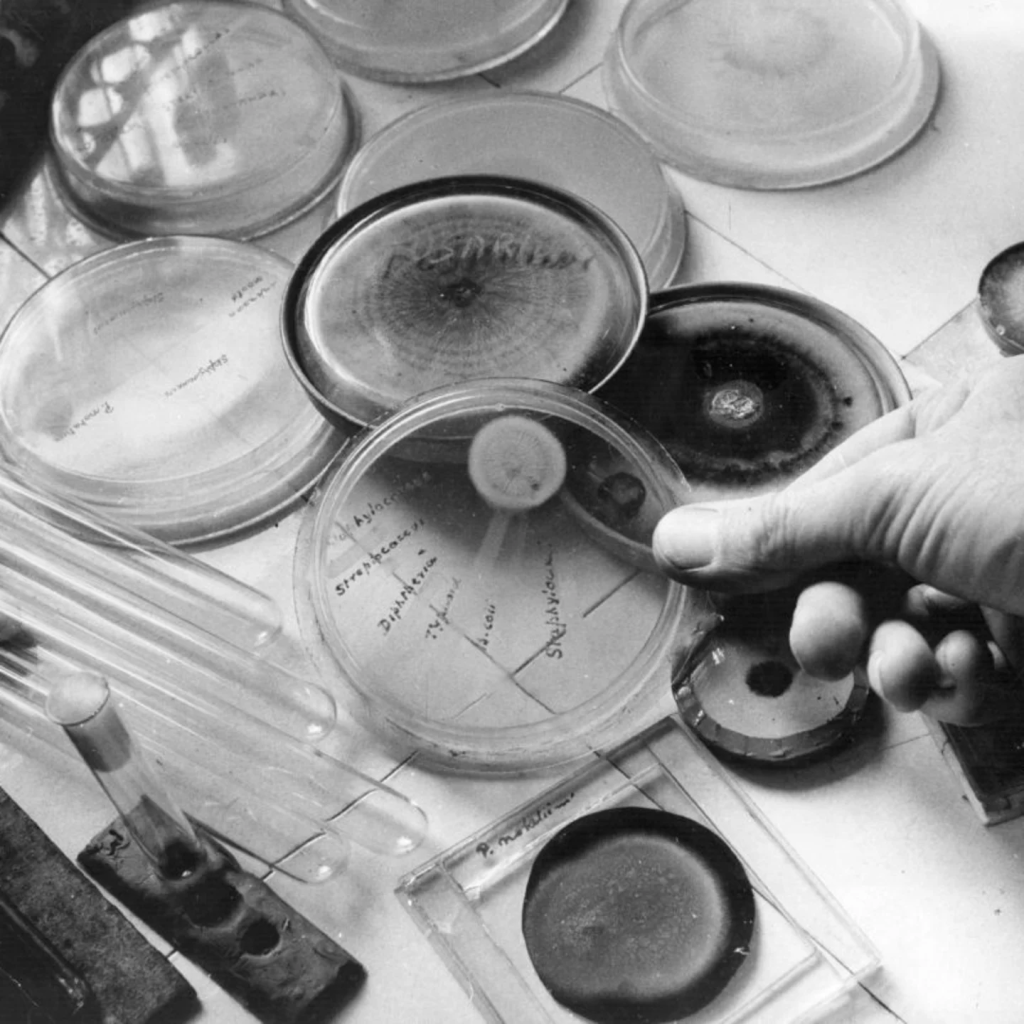
In 1928, Alexander Fleming discovered that a Petri dish of Staphylococcus (staph bacteria) had been contaminated by a greenish-colored mold, and encircling the mold was a halo of inhibited bacterial growth. After taking a sample and testing it, he discovered that the mold was a member of the Penicillium genus, later used for treating infections.
Microwave Oven
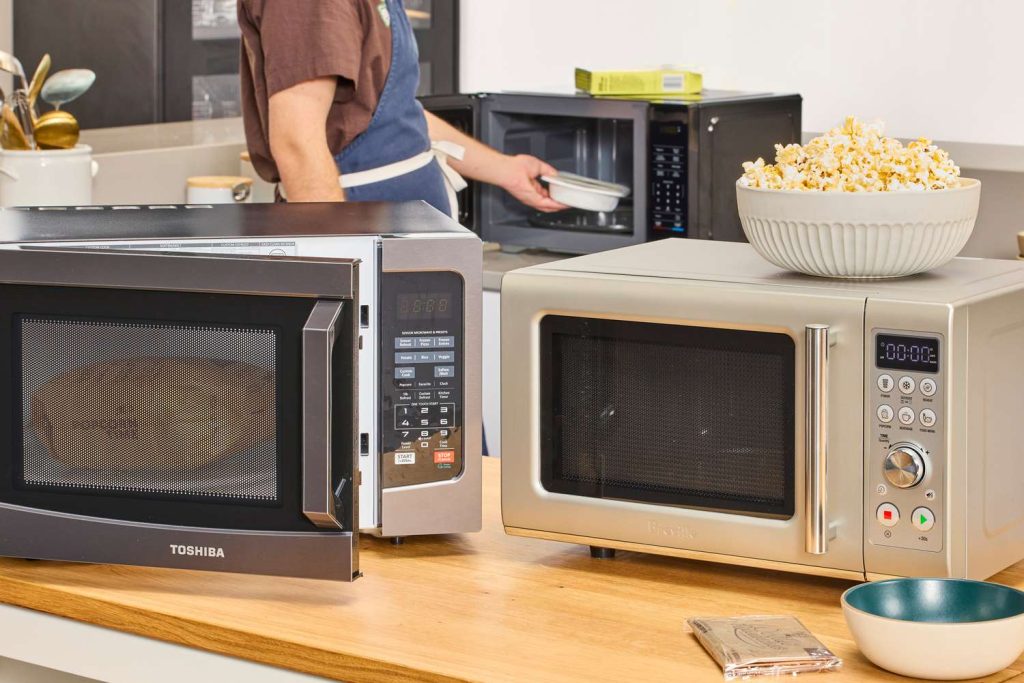
Percy Spencer, an American engineer, was making radar equipment for the Raytheon company when he noticed the chocolate bar he had in his pocket had melted. He thought it was due to the microwaves emitted by the magnetron. To test his theory, he performed a test with corn kernels. When they popped, he confirmed it. After a few years, he had created the first microwave oven.
Teflon
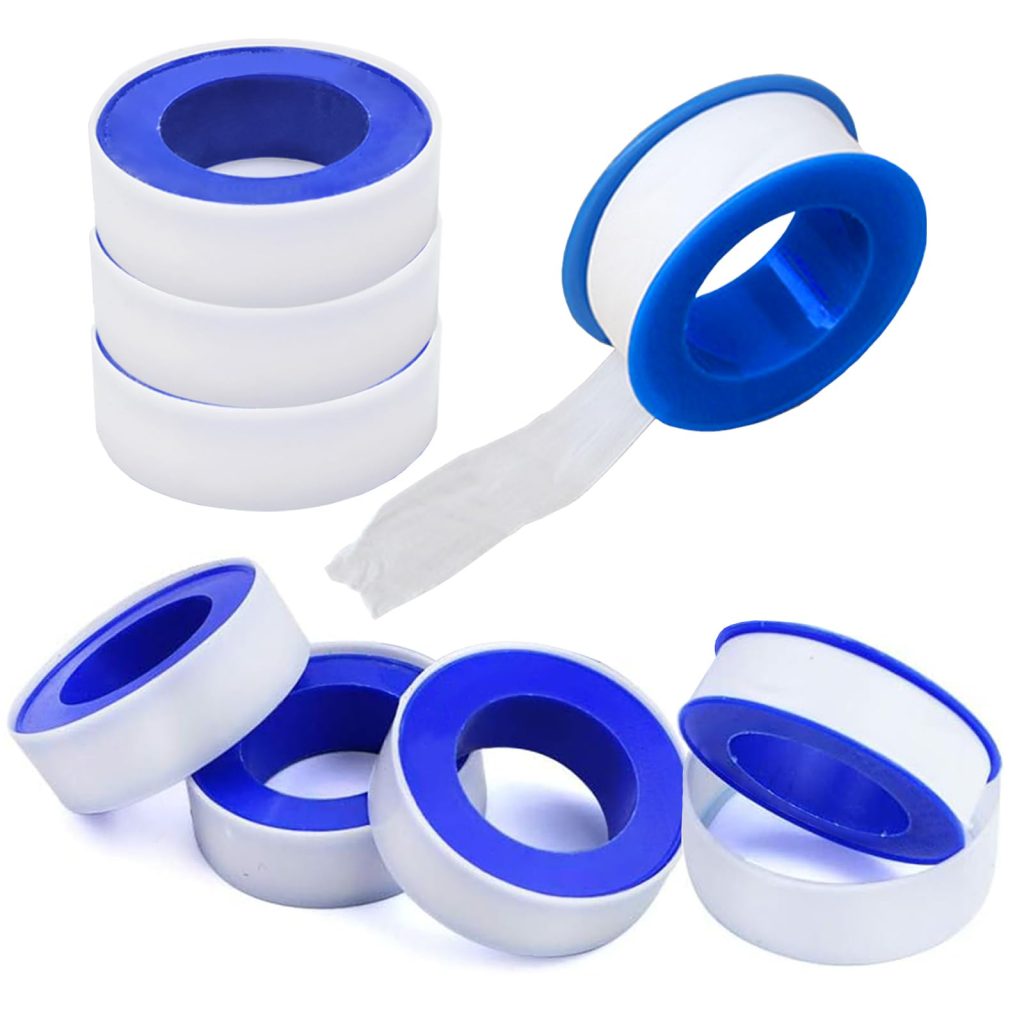
Polytetrafluoroethylene (PTFE), or Teflon, was discovered by accident in 1938 by chemist Roy Plunkett. While working on a refrigerant, he found that a canister of gas had unexpectedly turned into a waxy, non-stick substance. DuPont recognized its potential and began mass production of a new type of tape. In 1954, French engineer Marc Grégoire’s wife suggested using it to coat cookware, which led to PTFE being used in non-stick pans.
Silly Putty
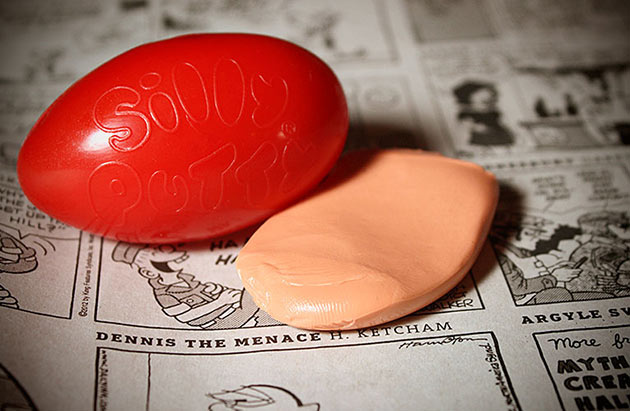
During WWII, rubber was rationed across the USA after Japan invaded most of the rubber-producing countries. The goal was to find a suitable replacement, a synthetic rubber that could be produced in the U.S. without the need for overseas imports, which eventually led to the invention of Silly Putty.
Dynamite
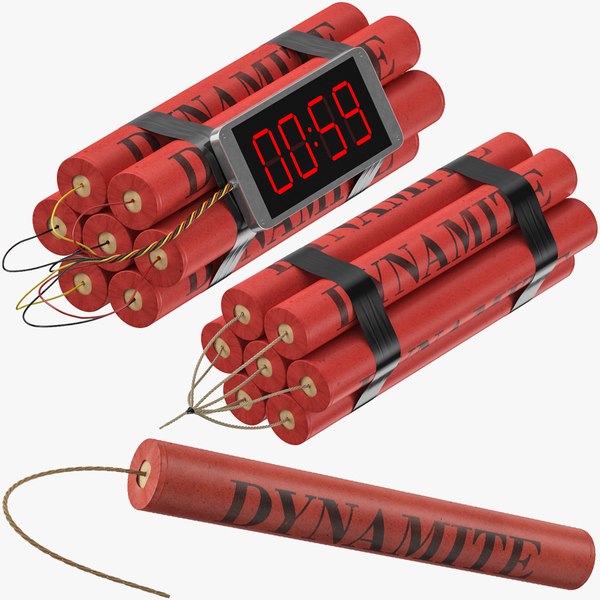
Nitroglycerin was a commonly used explosive, but it was unstable and prone to spontaneous explosions. Alfred Nobel was working with the substance one day and accidentally dropped a vial to the floor and smashed. It didn’t explode due to the contact with a pile of sawdust that helped stabilize it. After perfecting the mixture, dynamite was discovered.
LSD
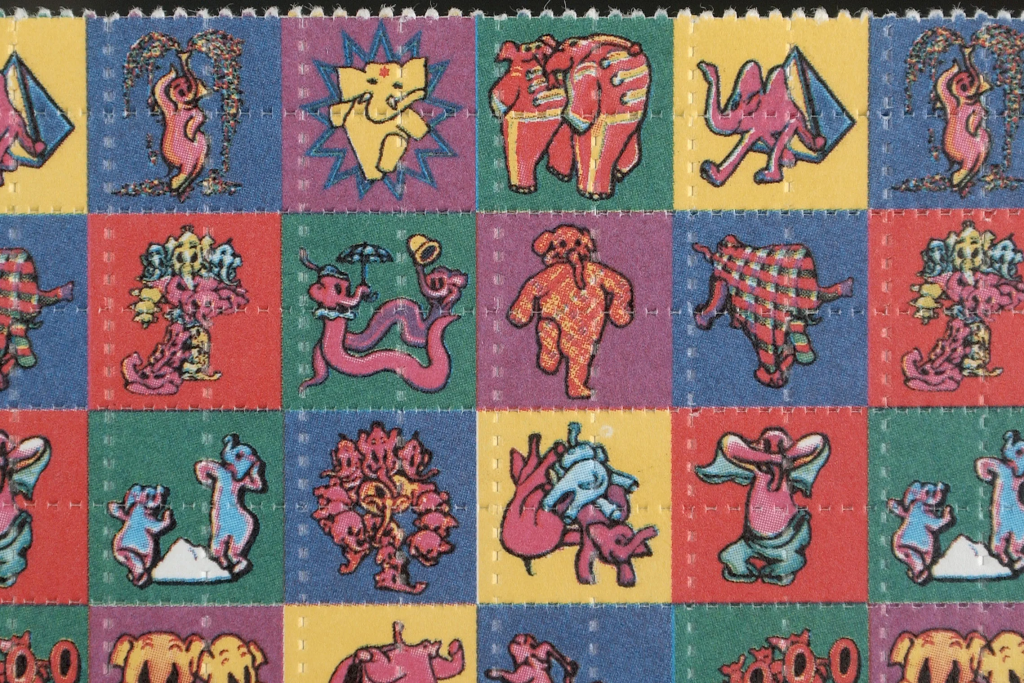
Albert Hofmann was attempting to synthesize a chemical that could stimulate the respiratory system. When tested on animals, it did nothing but excite them. After some years, he tried again, and when his fingers accidentally absorbed the chemicals, he started feeling dizzy and restless. He tried again a few days later, and his colleague had to take him home due to the hallucinations it had caused.
Post-Its
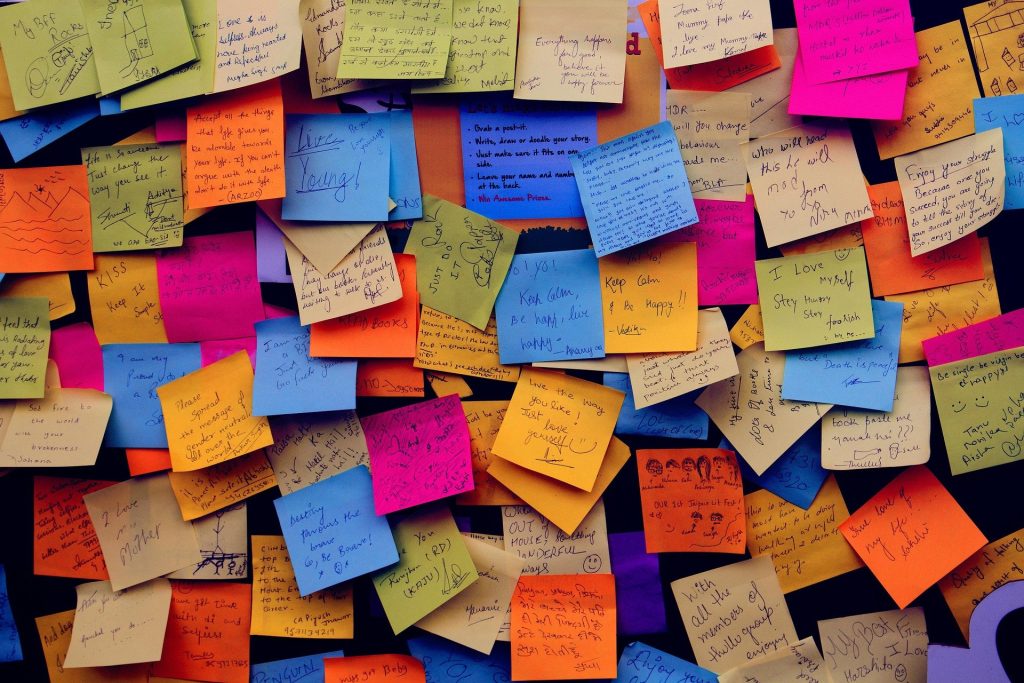
In 1968, Dr. Spencer Silver was attempting to create a super-strong adhesive, and he ended up creating a super-weak one. It could only be used to temporarily stick things together. Five years later, a colleague thought it would be a good idea to use it to stick bookmarks into the pages of his hymnbook. After a few tries, Post-Its were created.
Cornflakes
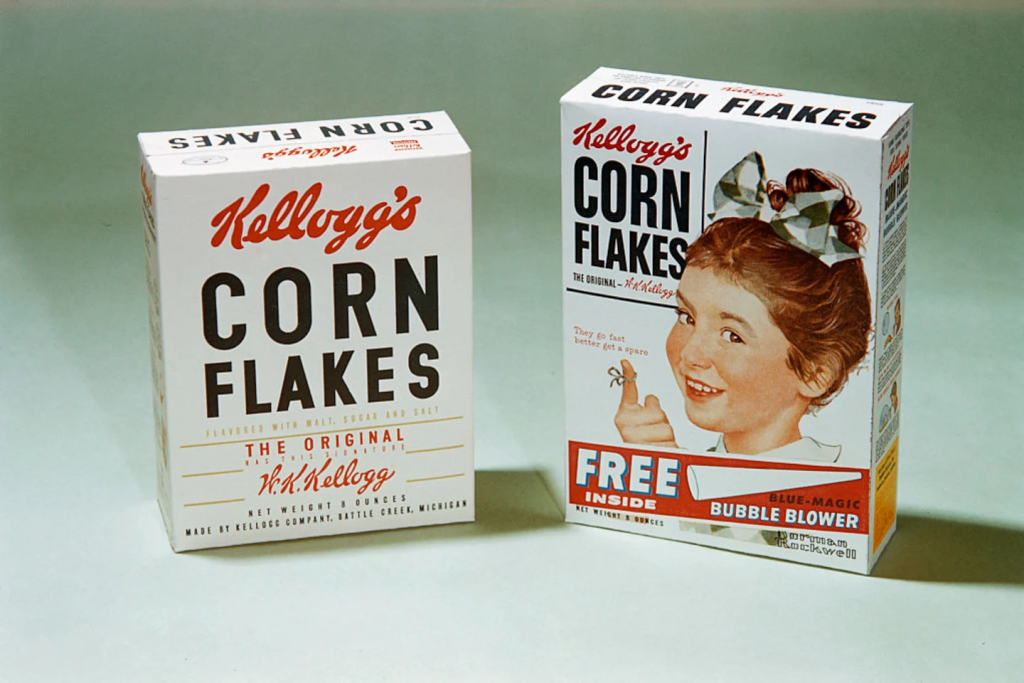
The Kellogg brothers used to research nutrition and the impact of diet on their patients. In 1894, while trying to make dough from boiling wheat, one of the brothers left the mush to dry for too long. When they tried to roll it out, it broke into dozens of individual flakes. He was curious about how they tasted, so he baked them in the oven and created a cereal called Granose
Popsicles
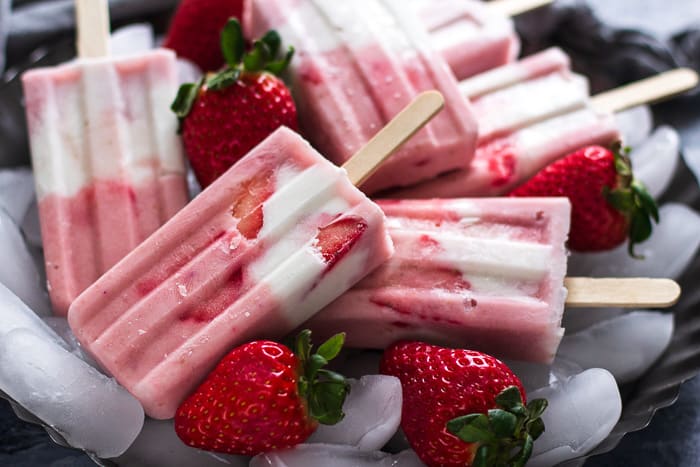
These were reportedly invented by 11-year-old Frank Epperson in 1905 when he accidentally left a container of powdered soda and water with its mixing stick inside on his porch overnight. That night was so cold that popsicles were born.
Saccharin
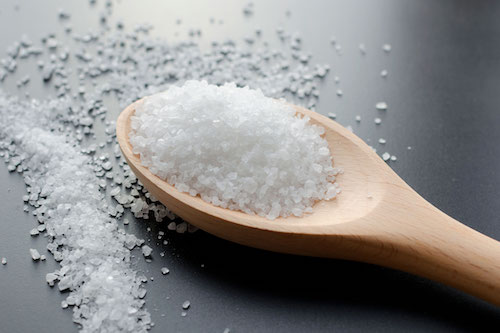
Around 1979, Constantin Fahlberg discovered while eating dinner that the food he picked up with his fingers tasted sweeter than usual. He traced the chemicals he had been working with and found out that ortho-sulfobenzoic acid could work as a sweetener. He quickly set up a business mass-producing it under the name saccharin.
Potato Chips
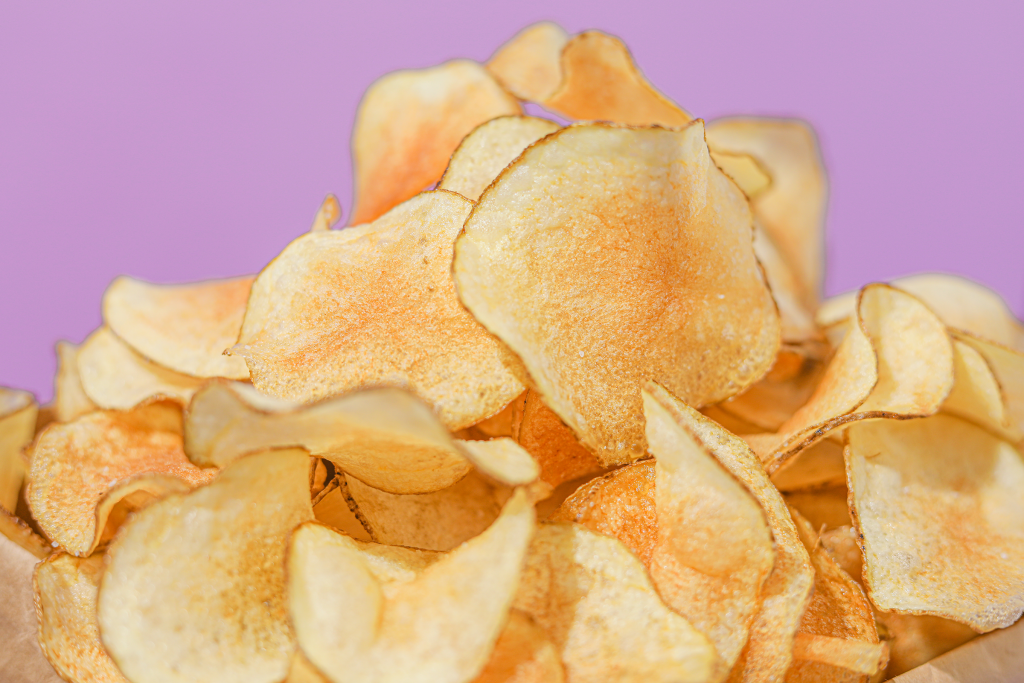
George Crum, a chef at the Moon Lake Lodge in Saratoga Springs, served French fries to a customer who kept complaining about them being too thick. After two tries, he was trying to irritate the customer by making fries so thin that they couldn’t be eaten with a fork. The customer loved them, and that’s how we got America’s beloved snack of choice.
Safety Glass
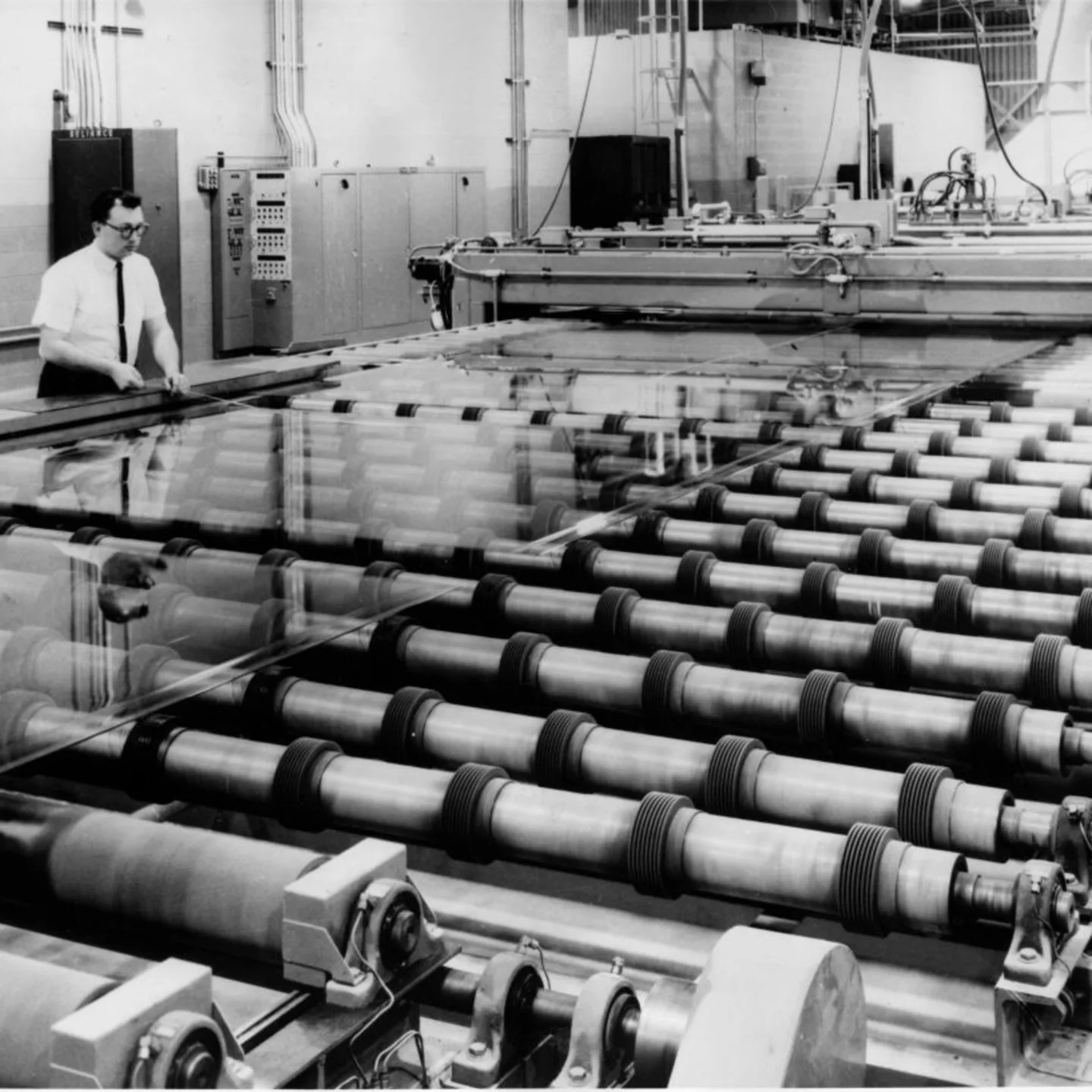
Édouard Bénédictus knocked a glass beaker off a high shelf in his laboratory. He found out the glass had cracked but didn’t break, which surprised him. His assistant told him it was because it contained cellulose nitrate that left a film on the inside of the class. And this is how safety glass was invented.
Slinky Toy
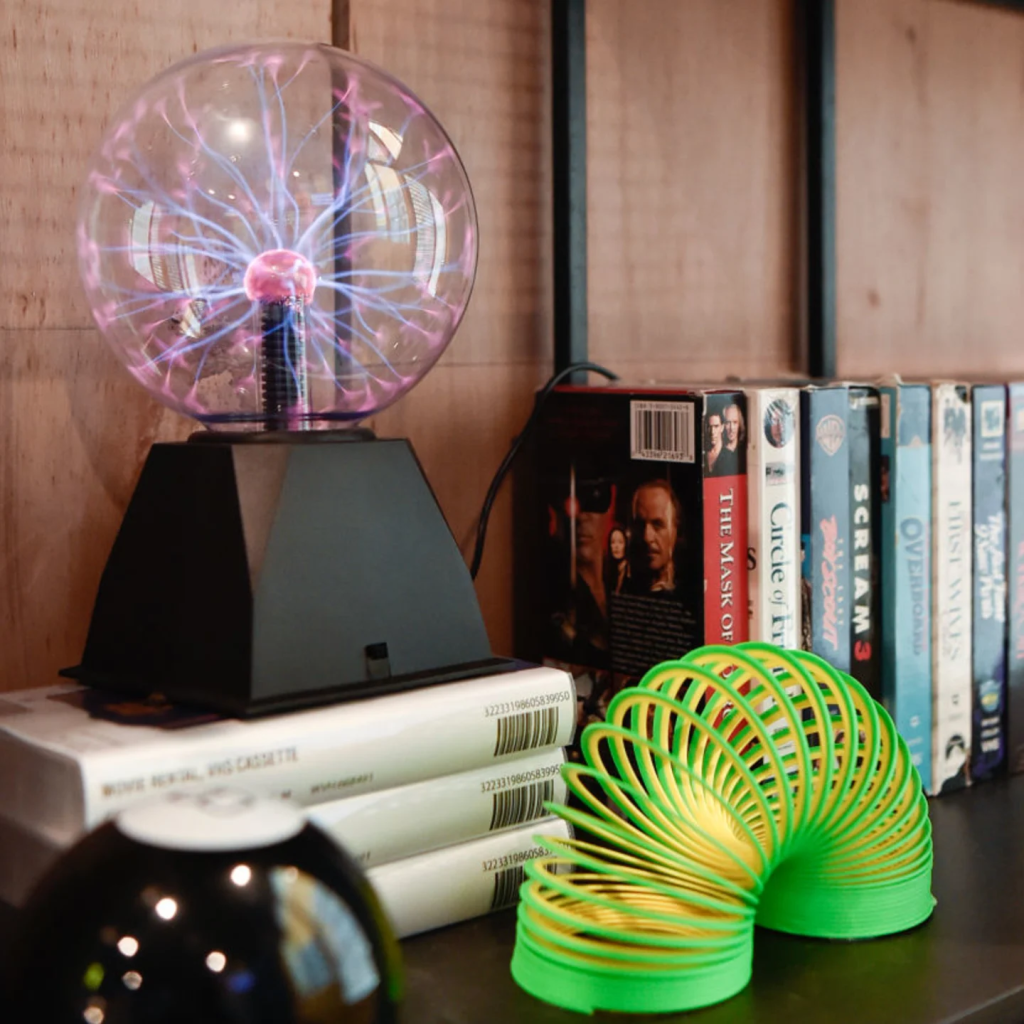
In 1943, the Slinky was invented by naval engineer Richard James while working on springs to stabilize ship instruments. One day, he knocked a metal coil off a shelf, and it “walked” down a stack of books and onto the floor. James realized it could be a great toy, and after two years of development, the first batch of 400 Slinky toys sold out in just 90 minutes.
Smoke Detectors
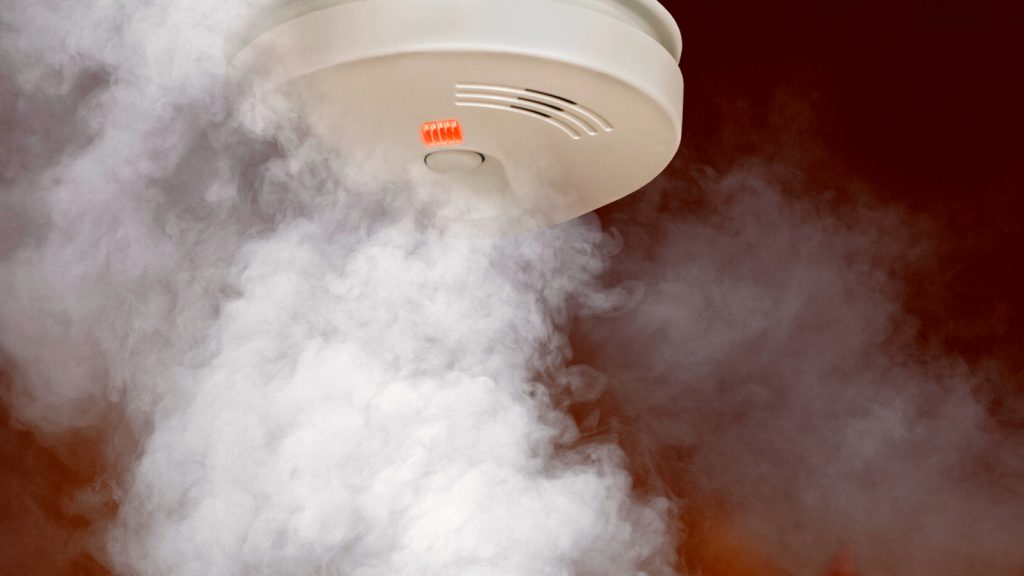
Walter Jaeger was trying to create something that could detect poison gas in the 1930s. While he was testing it, instead of alerting him of the presence of gas, his detector ended up picking up the smoke from his cigarette.
Tea Bags
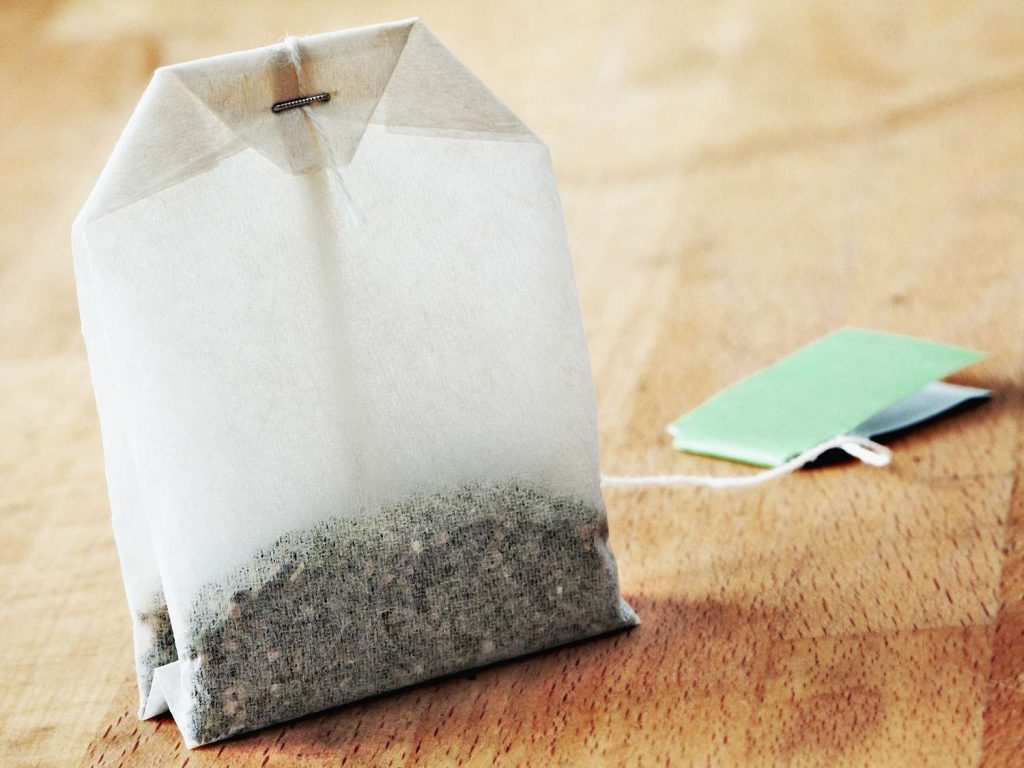
Thomas Sullivan, a tea merchant, traveled to Europe packing tea samples in silk bags. When arriving, recipients put the silk bags in boiling water by mistake, discovering a simpler way to infuse tea.
X-Rays
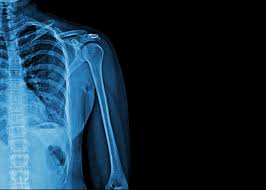
Wilhelm Conrad Röntget noticed that, when exposed to high electrical discharge, cathode rays produce a light that can pass through several materials. He tested these powerful rays’ limits and, while placing different objects in front of the electrical discharge tube, he noticed that when placing a small lead disc, two shadows appeared, one from the disc and the other from the bones in his hand.
Pacemaker
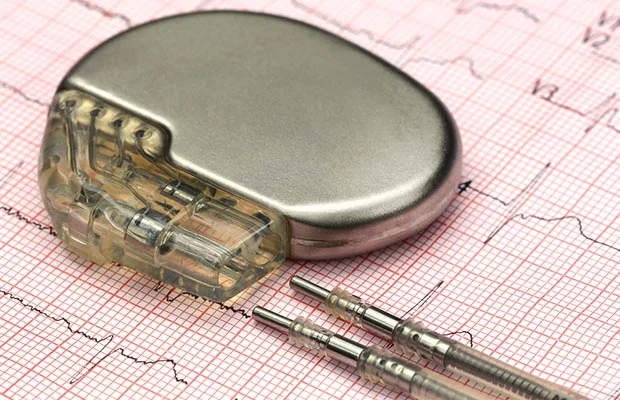
In 1960, Wilson Greatbatch made a mistake while building an oscillator to measure tachycardia. He added a resistance of one kilohm instead of ten and made the electrical circuit produce a rhythm just like a beating heart.
Mauveine
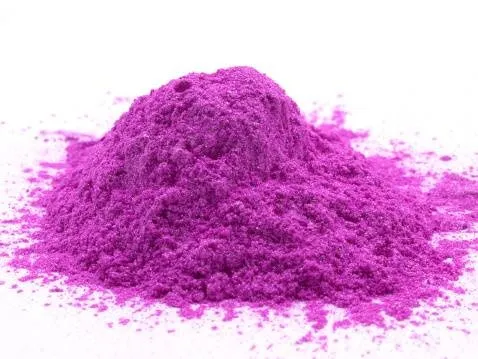
In 1856, William Henry Perkin, who was 18 at that time, was looking for a synthetic substitute for quinine. He mixed aniline with a few chemical compounds, hoping he had found an alternative, but it ended up being a failure. He obtained a dark purple precipitate soluble in water and alcohol. After dipping a piece of silk in it, he discovered the first synthetic dye, mauveine.
Velcro
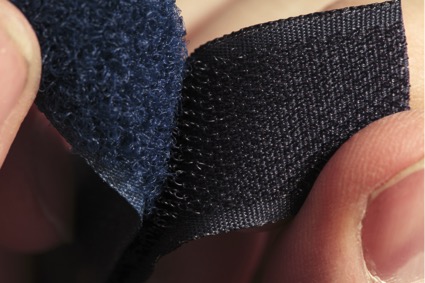
George De Mestral discovered Velcro while taking his dog on a walk. He noticed that cockleburs were sticking to his clothing and the dog’s fur. When he got home, he examined them under the microscope and saw the small hooks that allow them to easily attach to fur and fabric. After testing different materials, he determined that Nylon was the best one, and that is how Velcro was invented.
Vaseline
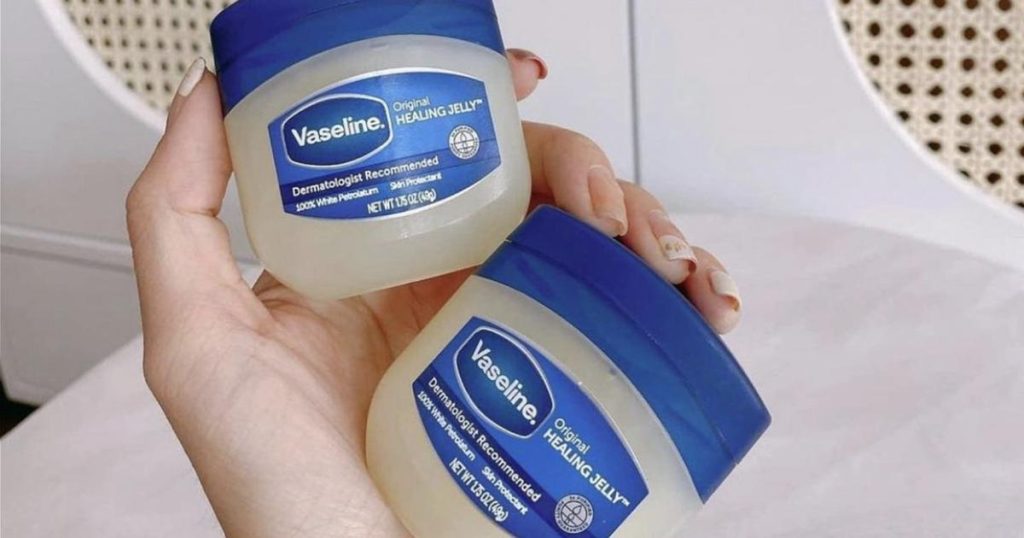
Robert Chesebrough was initially on the hunt for oil when he discovered petroleum jelly, and he was so happy about that discovery that he started using it for all kinds of purposes – he even started eating a spoonful every day.
Anesthesia
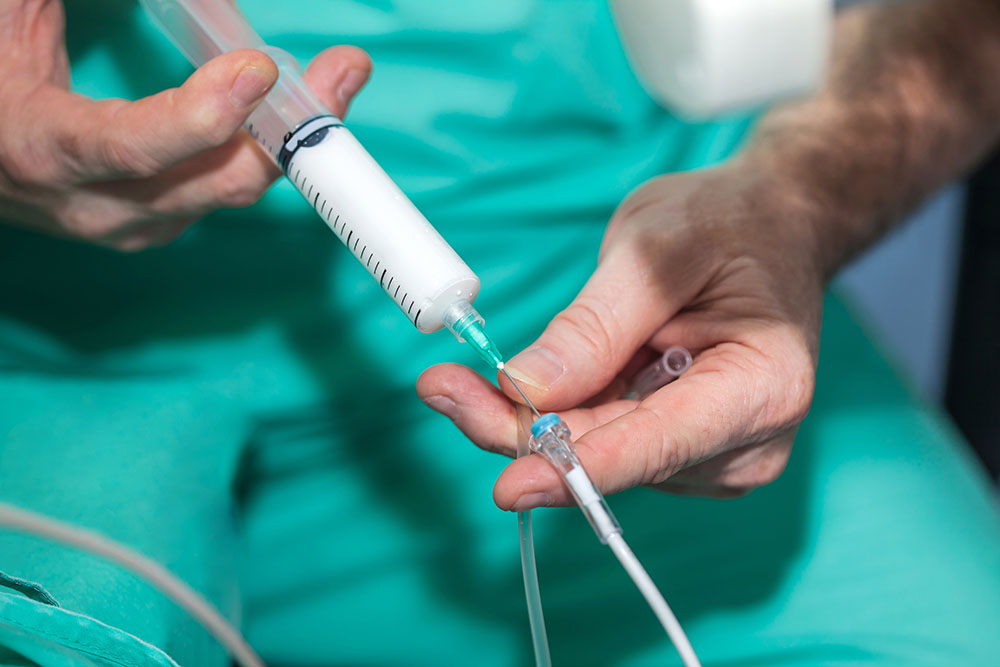
In the 1800s, Crawford Long, William Morton, Charles Jackson, and Horace Wells discovered that breathing in ether or nitrous oxide could suppress pain. At first, this method was used for recreation and entertainment, but later, Morton and Jackson adopted the use of anesthesia for dental purposes while Long administered it for minor surgeries.
Chocolate Chip Cookies
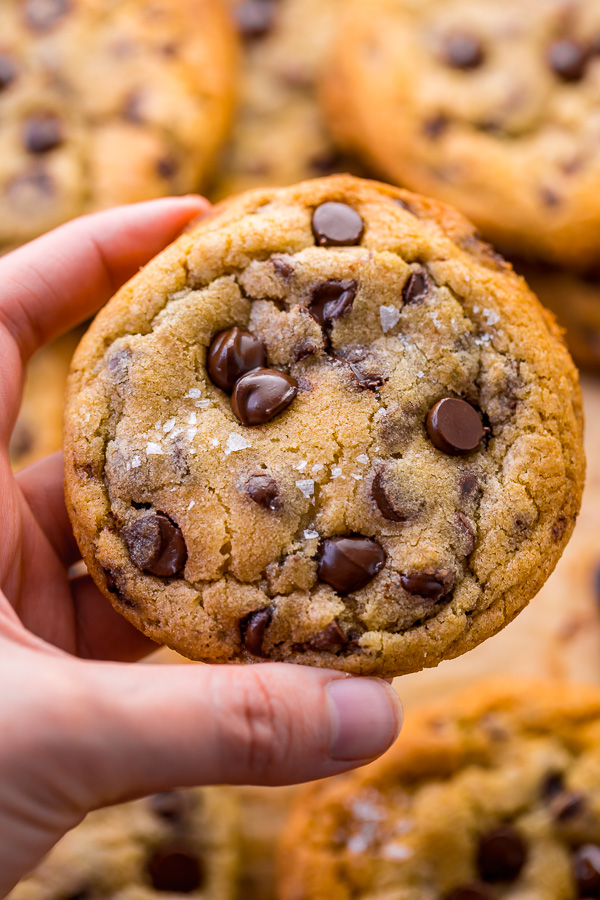
Ruth Graves Wakefield and her husband, Kenneth, ran the Toll House Inn in Massachusetts. She was in charge of preparing the food for all the guests. One day, when she was baking some cookies, she ran out of baker’s chocolate. Ruth decided to chop some pieces of Nestle’s semi-sweet chocolate, expecting the chips to melt. When they didn’t, this brought one of the most famous cookies worldwide to life.
Insulin
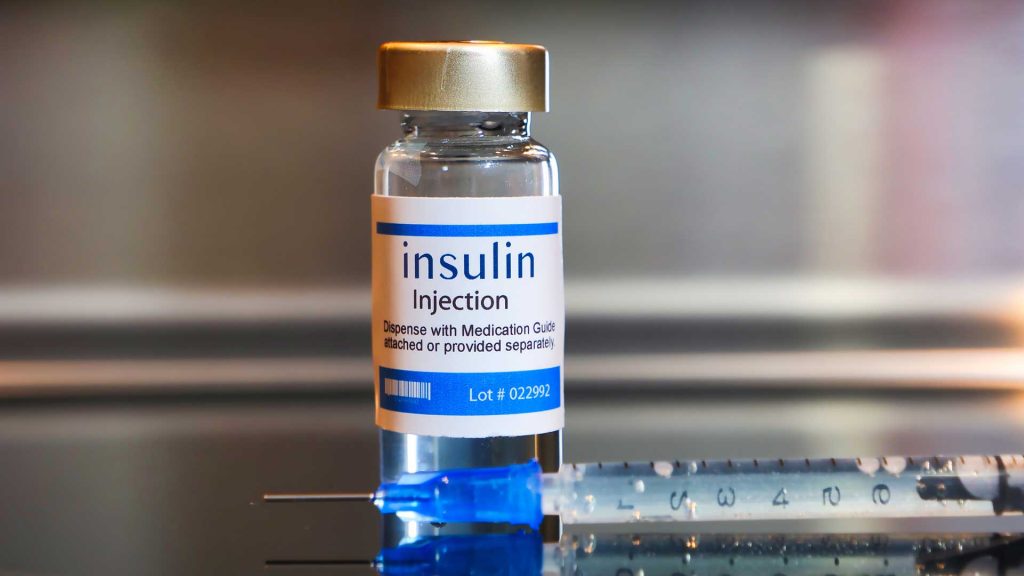
In the 1880s, two doctors were researching the role of the pancreas in digestion. When they removed it from a dog, they noticed that flies were gathering around the dog’s urine. They tested it and found higher sugar levels than normal, realizing they had given the dog diabetes by taking the organ that produces insulin.
Play-Doh
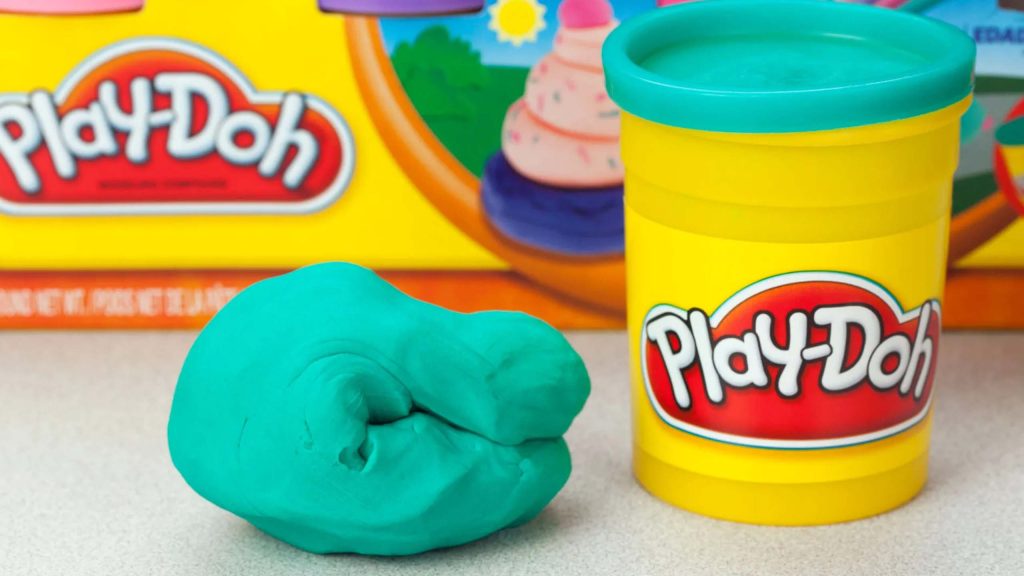
When the use of charcoal and wood for heating almost ceased, the products people used to remove soot from walls became obsolete. Kutol believed these were essential to business, so the company rebranded these non-toxic stain removers into a new toy for children.
Super Glue
Harry Coover first attempted to use the substance to create plastic gut sights during WWII, but it became a problem because it stuck to everything. After a few years, he experimented with it again, trying to develop heat-resistant jet airplanes’ canopies, and got frustrated due to its stickiness. That was when he realised it was a glue that didn’t need any heat or pressure to bond two items together permanently.
Ice Cream Cone
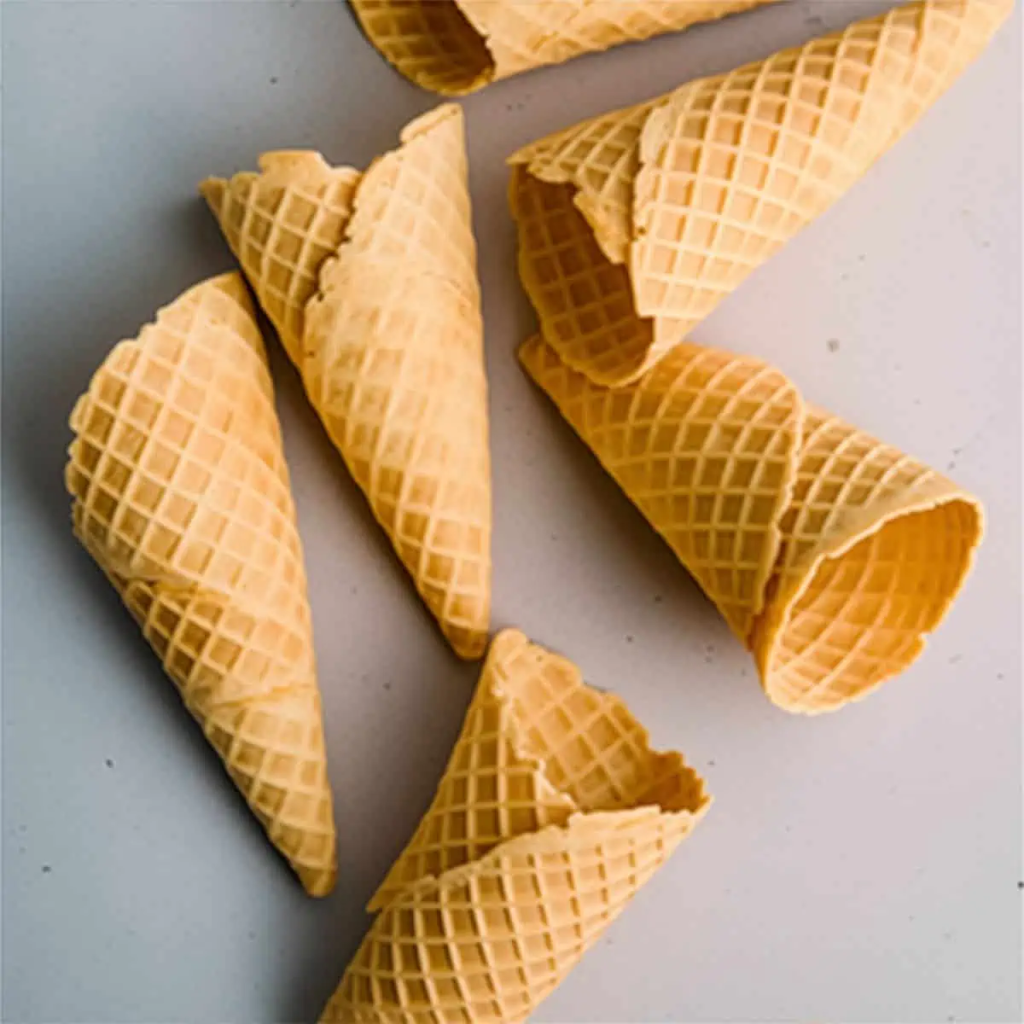
During the 1904 World’s Fair in St. Louis, ice cream vendor Arnold Fornachou had run out of paper cups to serve ice cream due to the high demand on a hot day. Next to him, Ernes Hamwi wasn’t selling enough of his waffle-like pastry called “zalabia”, so he gave some to Arnold, originating what we know today as the ice cream cone.
Radioactivity
In 1896, French physicist Henri Becquerel made a surprising discovery when he accidentally found radioactivity. He was trying to study the relationship between x-rays and phosphorescence by exposing photographic plates with uranium salts in sunlight. But it was cloudy, so he left the uranium in a drawer on top of the plates. Later, he noticed the plates had developed images, even though no light had been used. The uranium had exposed them on its own. Becquerel’s student, Marie Curie, later named this “radioactivity.” In 1903, Becquerel shared the Nobel Prize in Physics with Pierre and Marie Curie for their work on this discovery.
Strikeable Match
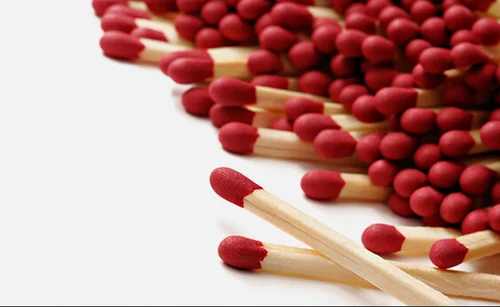
English pharmacist John Walker accidentally got a lump in his mixture of antimony sulfide and potassium chlorate on the end of his mixing stick. But when he tried to scratch it off, it burst into flames.
Gunpowder
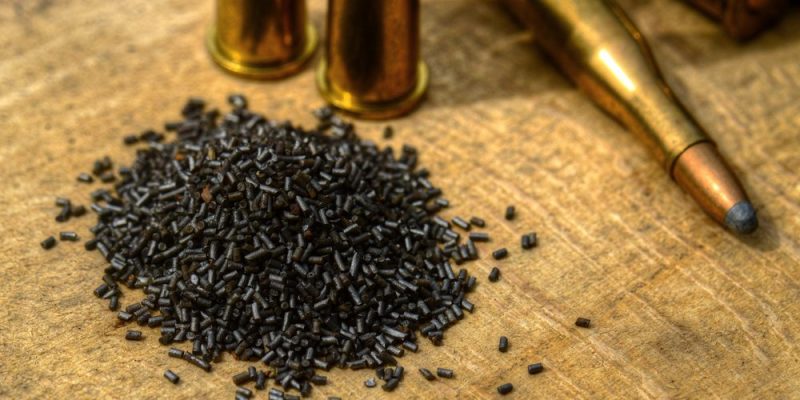
During the 9th century, Chinese alchemists were trying to find an elixir for eternal life and ended up developing gunpowder.