Space exploration has been a voyage filled with both successes and tragedies, from ground-breaking accomplishments to disastrous failures. Here, we will transport you to the crucial events that shaped humanity’s exploration of space.
1. ISS Expedition 36: Water Leak in Astronaut’s Suit
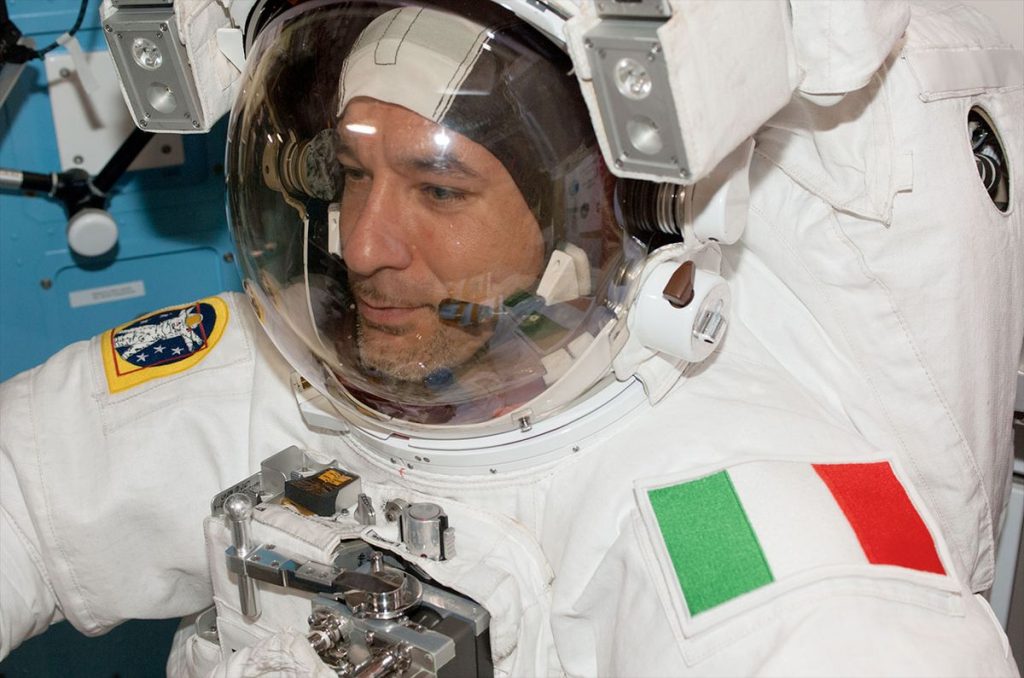
On July 16, 2013, Italian astronaut Luca Parmitano was unable to hear or speak during a spacewalk after his helmet suddenly filled with liquid from a leaky coolant system. Parmitano returned safely, albeit in need of a towel, but the spacewalk was cut short after more than an hour, making it the second shortest in ISS history.
2. Explorer 1, The First U.S. Satellite
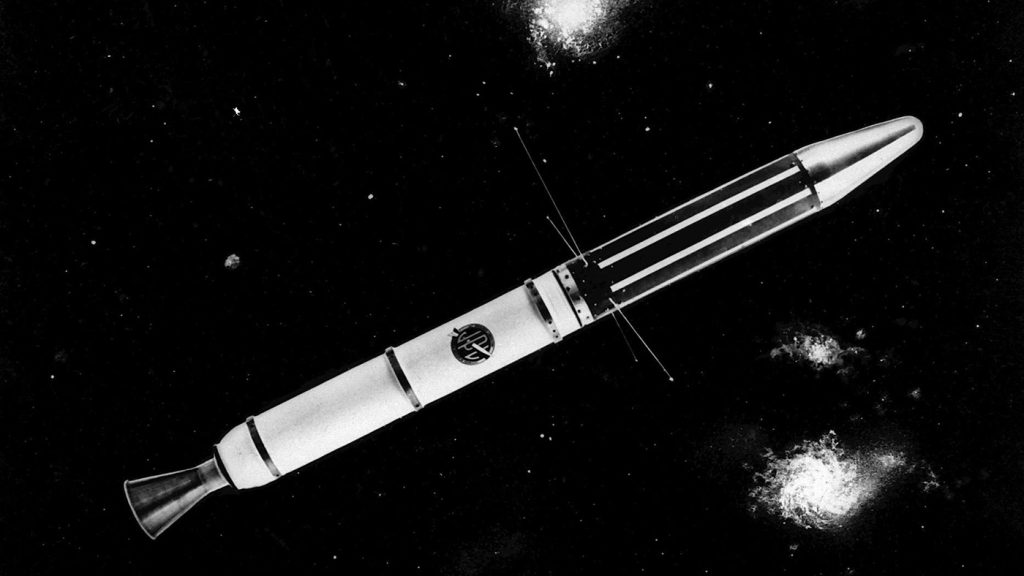
The United States entered the Space Age on January 31, 1958, with the launch of Explorer 1, the country’s first satellite. A significant turning point in space research was reached when the Van Allen radiation belts were discovered thanks to the scientific instruments it carried.
3. STS-51-L: Space Shuttle Challenger Disaster
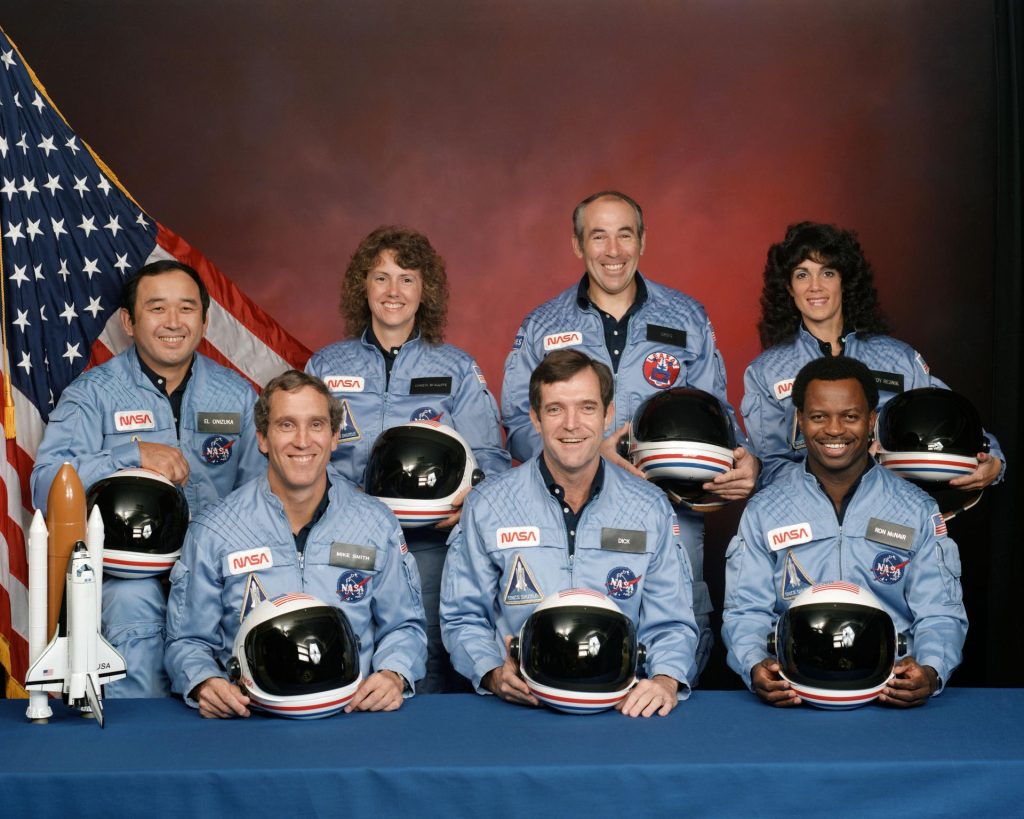
Due to a malfunction in its right solid rocket booster, the Space Shuttle Challenger‘s disastrous STS-51-L mission tragically exploded 73 seconds after liftoff on January 28, 1986. All seven crew members perished in the accident, including Christa McAuliffe, the first civilian instructor in space, and it resulted in significant changes to NASA’s safety procedures.
4. Hubble Space Telescope, The Universe Unveiled
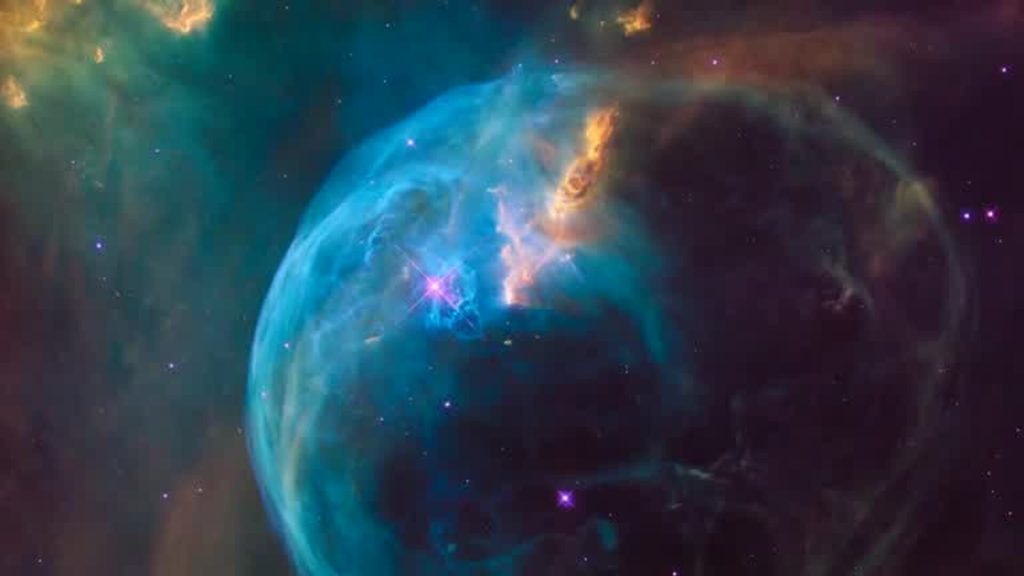
Launched on April 24, 1990, the Hubble Space Telescope transformed astronomy by taking amazing pictures of nebulae, galaxies, and other celestial objects in space. From the presence of exoplanets and black holes to the rate at which space is expanding, its discoveries have expanded our knowledge of the cosmos.
5. Apollo 12: Lightning Strikes and a Head Scrape
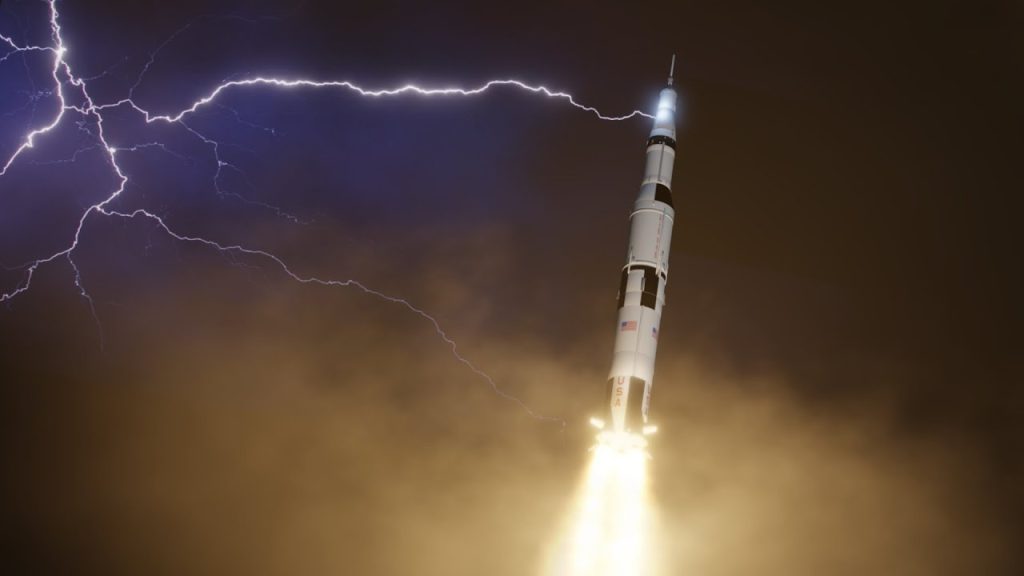
Despite being hit by lightning twice soon after takeoff, Apollo 12, which was launched on November 14, 1969, managed to complete its journey to the Moon. The crew set up scientific instruments and collected samples during two lunar EVAs, despite the rough start and astronaut Alan Bean’s slight head injury.
6. Soyuz 1: Parachute Failure
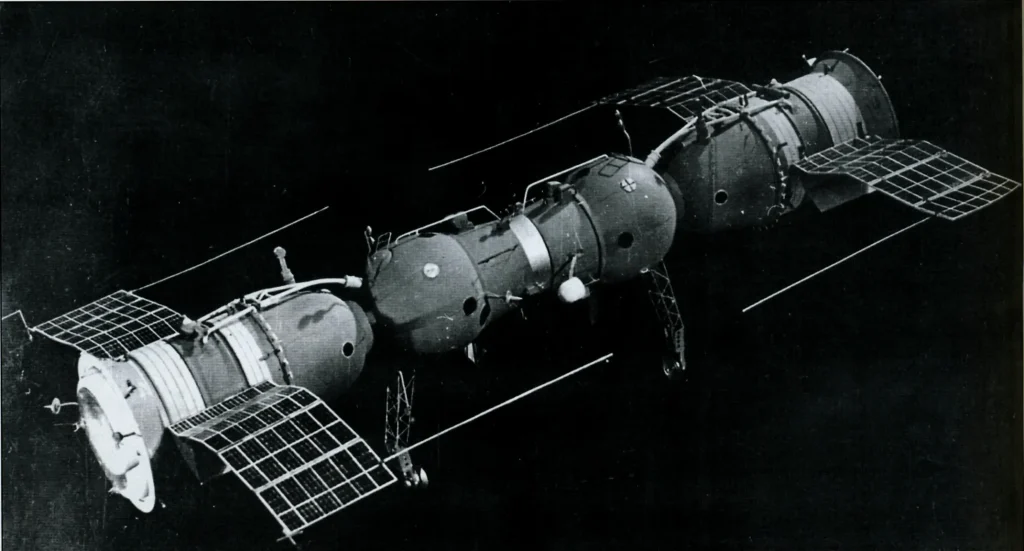
The Soviet space mission Soyuz 1, which was launched on April 23, 1967, ended tragically when the capsule crashed during return due to a parachute failure. The only crew member, cosmonaut Vladimir Komarov, became the first person to pass away in space, exposing serious problems with the Soyuz program’s architecture.
7. The Juno Spacecraft, A Trip To Jupiter
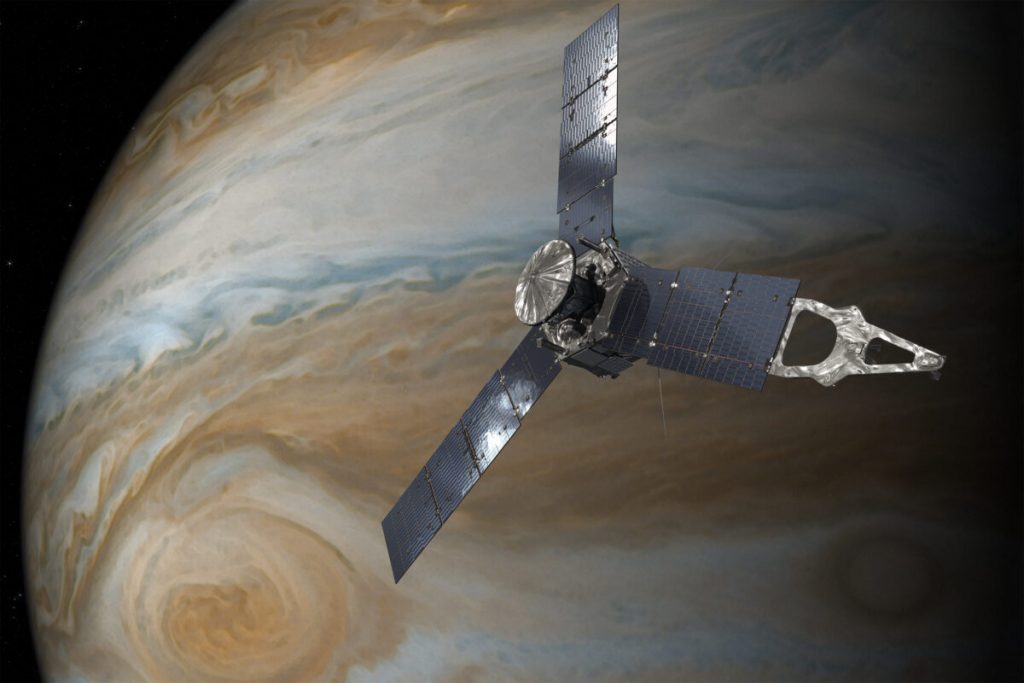
NASA launched the Juno spacecraft on August 5, 2011, and on July 4, 2016, it entered Jupiter’s orbit to conduct research on the planet’s deep interior, magnetic field, and atmosphere. Scientists now have a clearer understanding of how gas giants form because of the mission’s ground-breaking discoveries about Jupiter’s structure, auroras, and powerful storms.
8. Mir-18: Exercise Equipment To The Eye
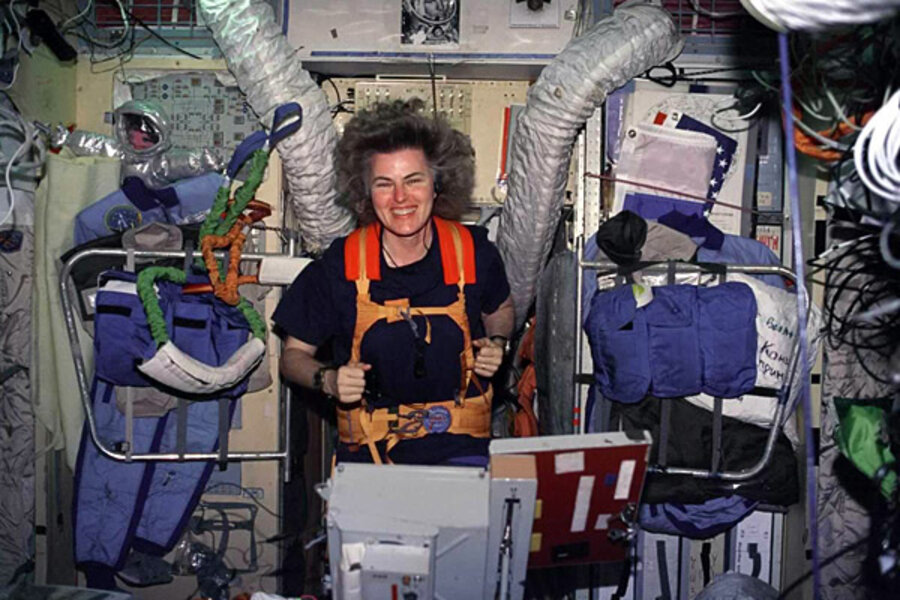
During a 1995 mission to the Mir space station, astronaut Norman Thagard was struck in the eye when an elastic exercise strap snapped off his foot. Though he experienced pain and light sensitivity, steroid eye drops helped him recover, allowing him to continue his mission.
9. Apollo 13, Brilliance at Mission Control
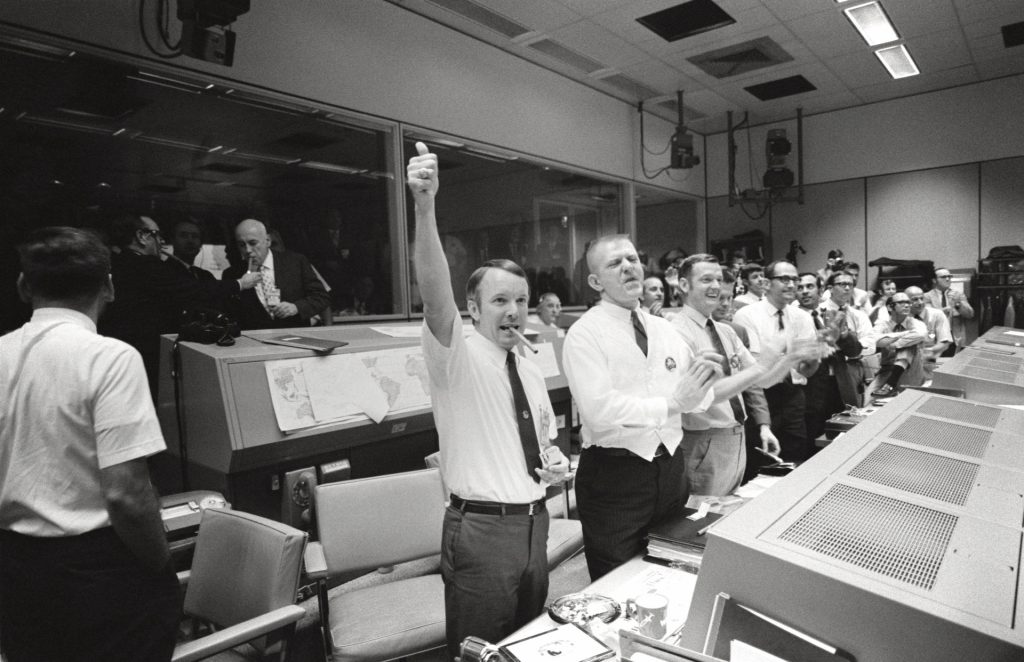
NASA had to cancel its scheduled Moon landing after Apollo 13, which was launched on April 11, 1970, experienced a major oxygen tank explosion. A near catastrophe was transformed into a renowned example of problem-solving under duress when Mission Control and the crew collaborated to safely return the astronauts to Earth.
10. STS-107: Space Shuttle Columbia Disaster
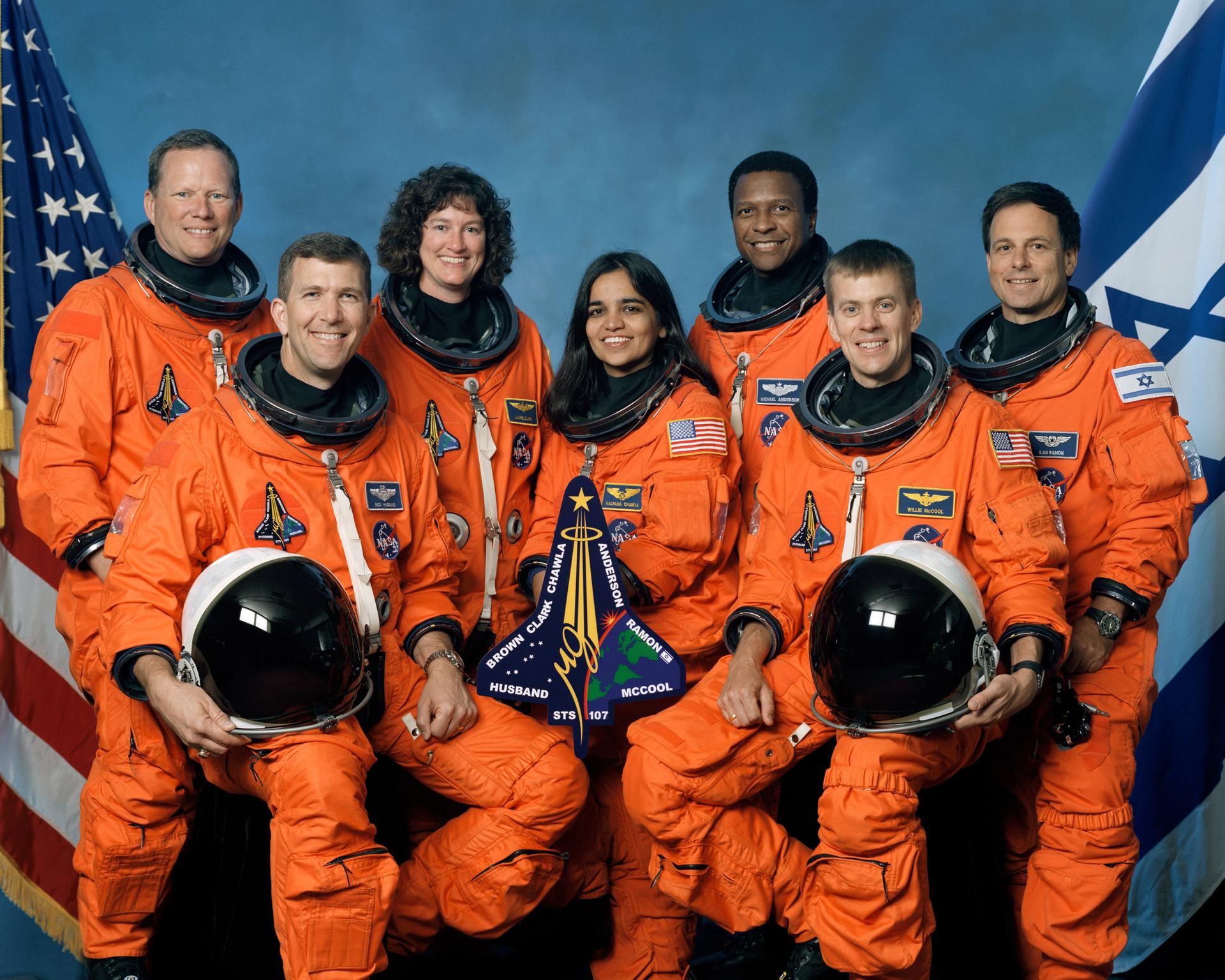
The Space Shuttle Columbia‘s last mission, STS-107, ended tragically on February 1, 2003, when the shuttle broke apart during its descent into Earth’s atmosphere. All seven crew members perished in the accident, which also caused the shuttle program to be halted for safety and inquiry purposes.
11. The Apollo 8 Mission, A Lunar Christmas Eve
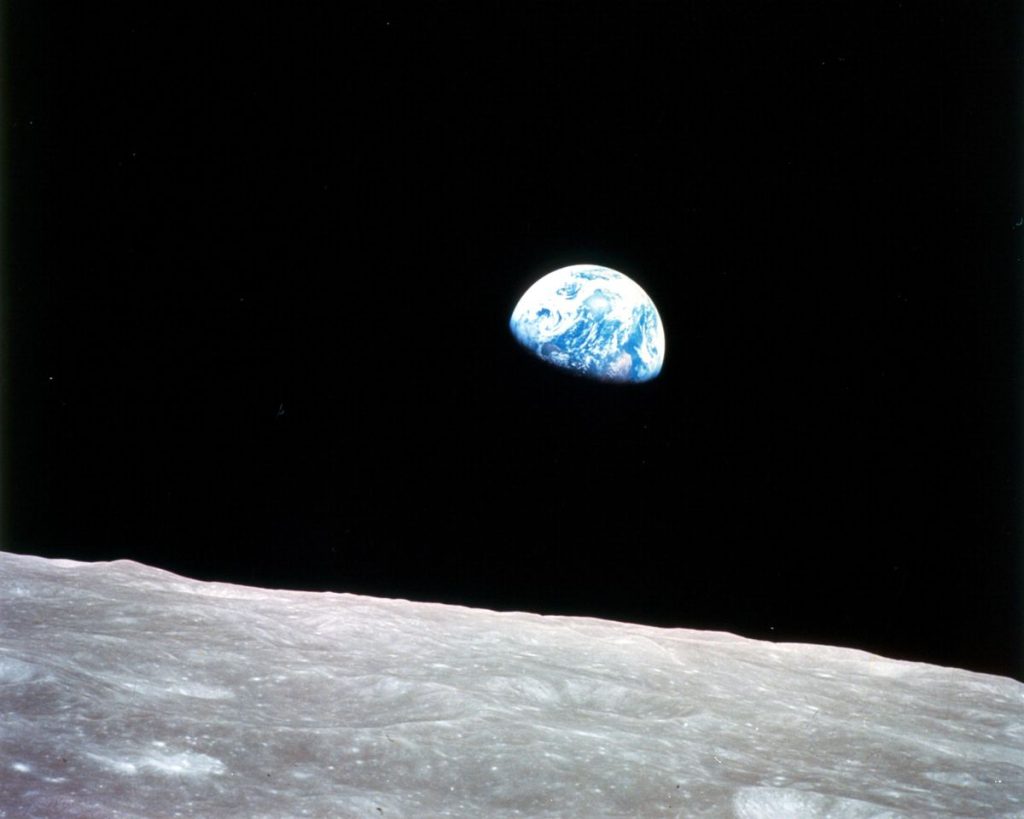
The first crewed spacecraft to orbit the Moon was the Apollo 8 mission, which was launched on December 21, 1968. A momentous and moving moment in space exploration occurred on Christmas Eve when astronauts Frank Borman, James Lovell, and William Anders read passages from the Book of Genesis and took famous pictures of Earth from orbit.
12. Apollo-Soyuz Test Project: Poisonous Gas Leak
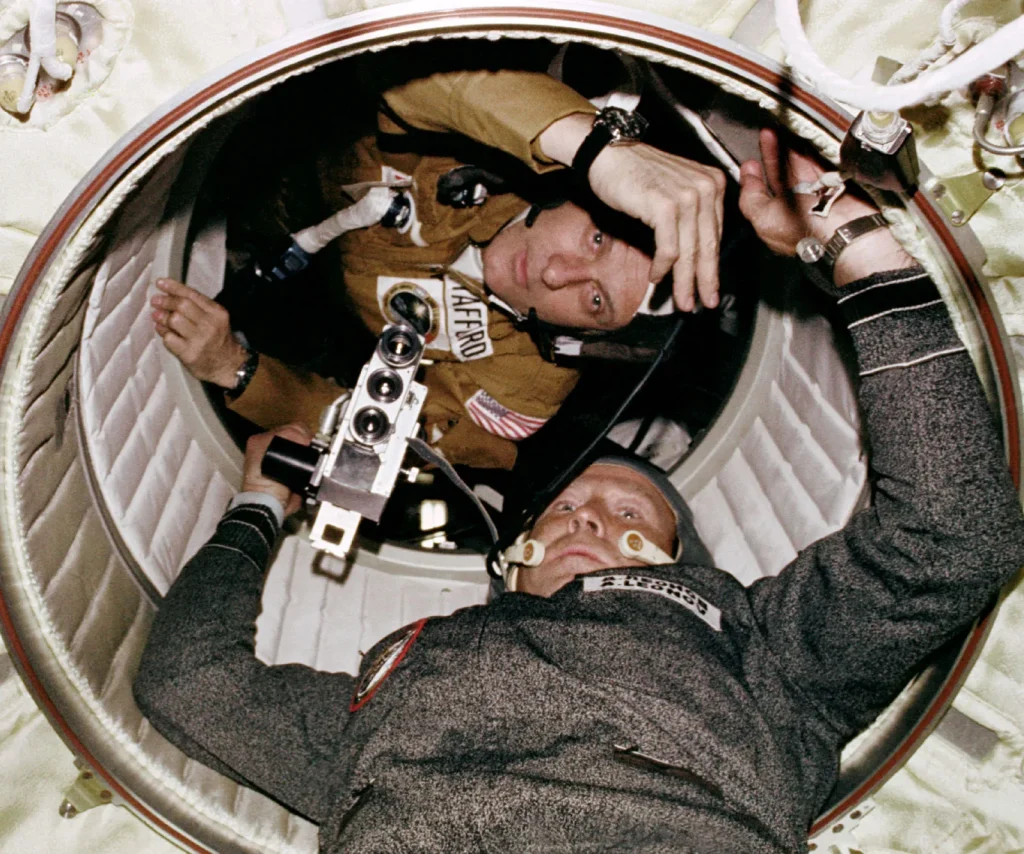
The first multinational crewed space mission was the Apollo-Soyuz Test Project, in which Soviet and American astronauts docked their spacecraft in orbit in July 1972. A tiny hazardous gas leak in the Soviet Soyuz spacecraft happened during the flight, but it was promptly contained, enabling the crew to carry on their historic collaboration without any more problems.
13. Freedom 7, The First American In Space
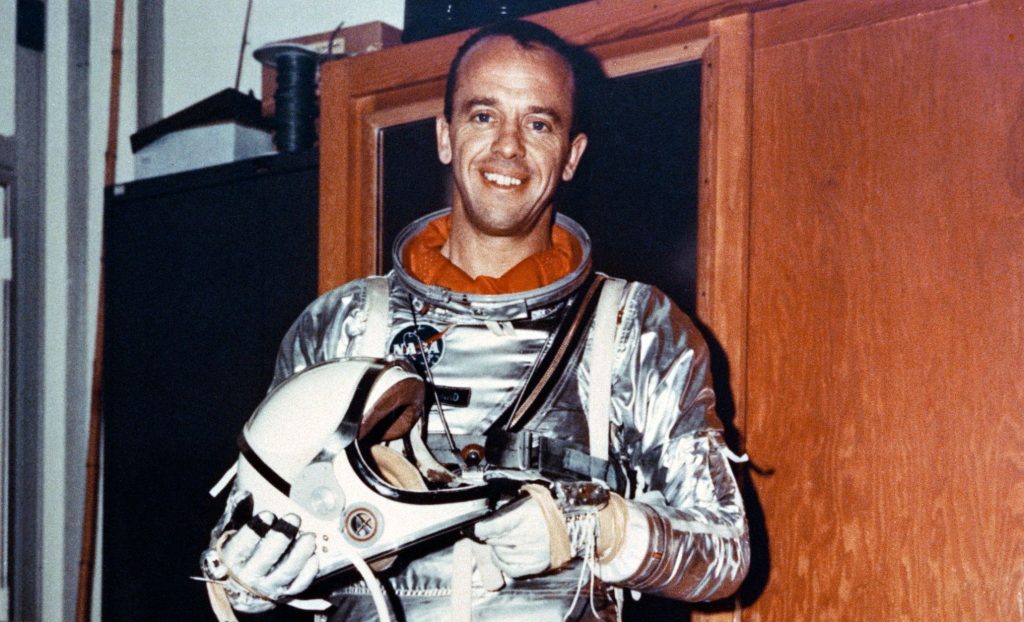
Alan Shepard was the first American to travel into space when Freedom 7, which was launched on May 5, 1961, brought him there. Despite only lasting 15 minutes, the suborbital flight was a major turning point in the Space Race and opened the door for subsequent crewed space flights.
14. Imperial Spacecraft Destroyed On Mars
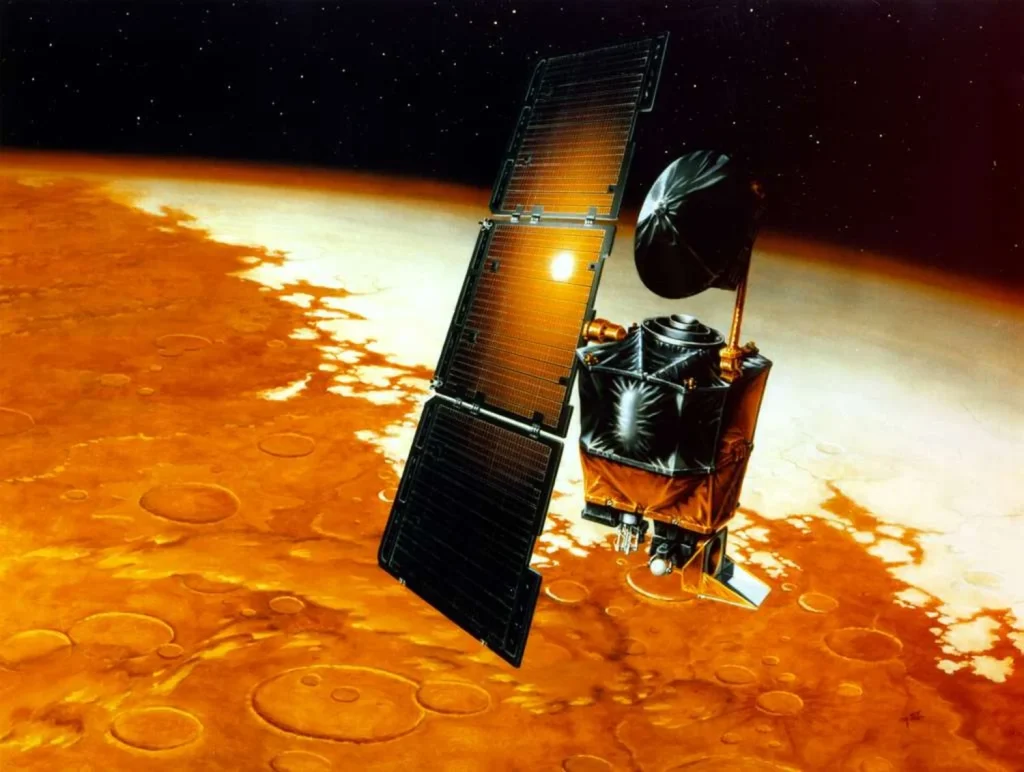
When Lockheed Martin issued commands in imperial units while NASA’s mission team utilized metric units, the spacecraft disintegrated as it entered Mars’ atmosphere, resulting in the 1999 loss of the Mars Climate Orbiter. The risks of irregular unit conversions in space missions were brought to light by this expensive error, which cost $300 million. This error almost happened again with NASA and ESA’s SOHO solar observatory.
15. Apollo 11, A Walk On The Moon
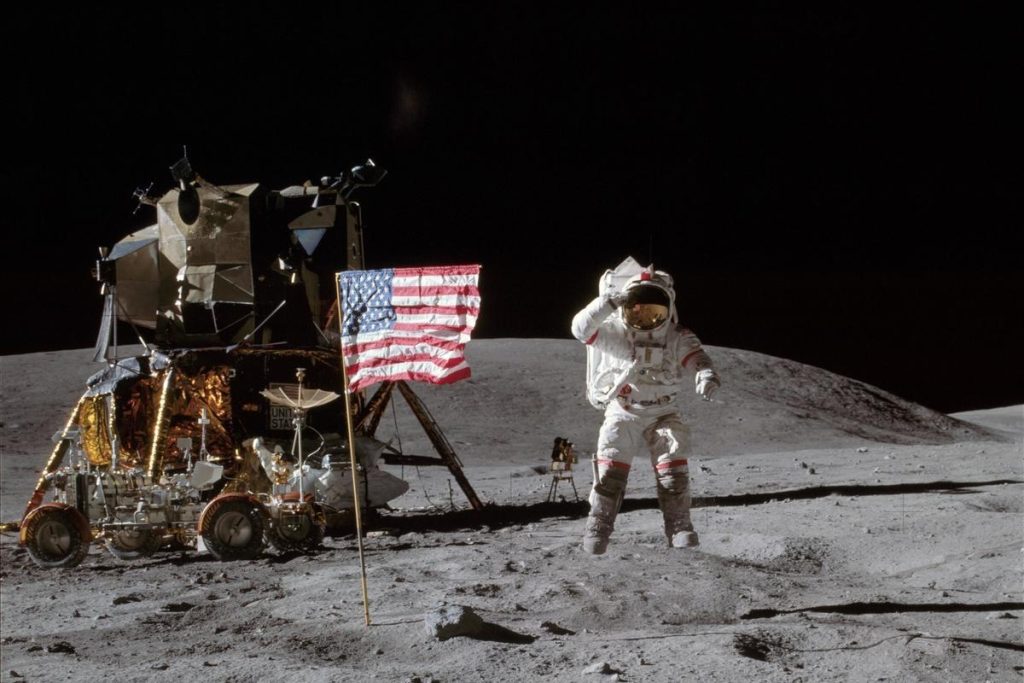
NASA’s Apollo program was established when President John F. Kennedy declared the goal of landing on the moon, just 20 days after Alan Shepard’s orbital mission. Neil Armstrong’s famous words, “One small step for [a] man, one giant leap for mankind,” were heard by 530 million people on July 20, 1969, when Apollo 11 made the historic lunar landing after overcoming the tragedy of Apollo 1 and completing nine more missions.
16. Dropping A Satellite On The Floor
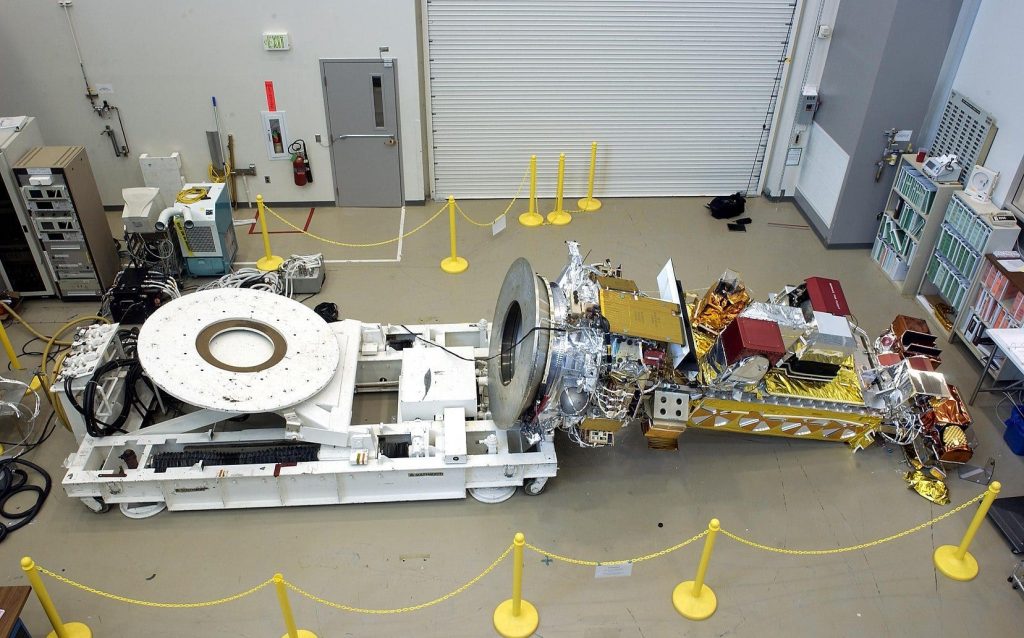
When Lockheed Martin employees dropped NASA’s NOAA-N’ Earth monitoring satellite during a test in 2003, they seriously damaged it. The next team neglected to check for the correct bolts before transferring the spacecraft, and a technician removed 24 bolts without recording it. This resulted in a $135 million repair cost, of which $30 million was paid by Lockheed Martin and the rest by the US government.
17. The Cassini-Huygens Project
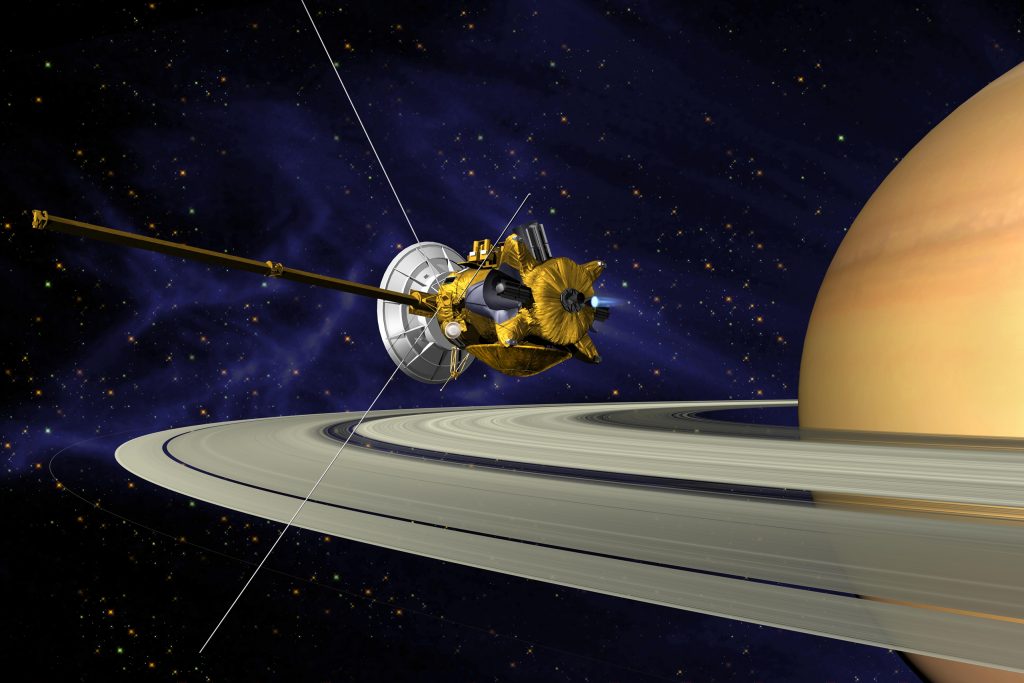
In order to investigate Saturn and its moons, NASA, the European Space Agency (ESA), and the Italian Space Agency (ASI) launched the Cassini-Huygens mission in 1997. The Huygens probe made a successful landing on Titan, Saturn’s largest moon, in 2005, and the Cassini spacecraft orbited the planet in 2004 and provided ground-breaking information about the planet, its rings, and its moons.
18. A Hard Landing For Genesis
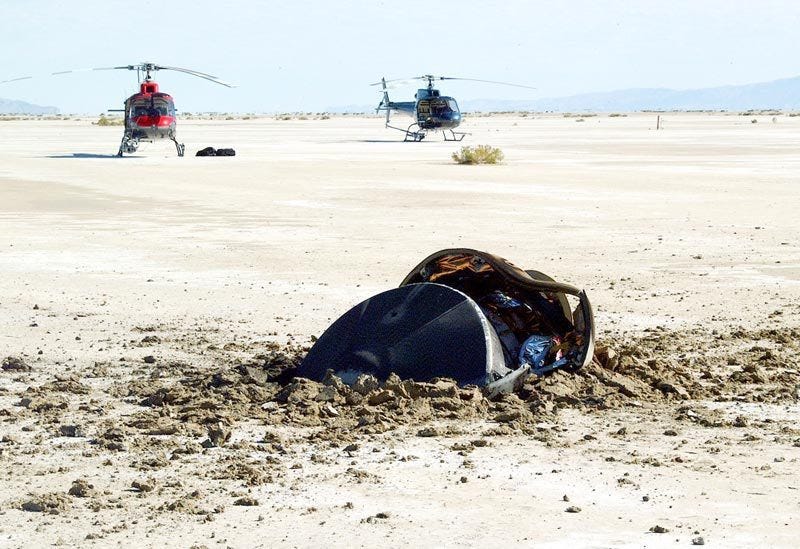
Launched in 2001 to gather samples of the solar wind, NASA’s Genesis spacecraft collected data satisfactorily until its parachute failed to deploy, causing it to crash in the Utah desert in 2004. Although some intact samples were recovered, the mission’s main goals were ultimately achieved, albeit with less scientific output than anticipated. The accident was caused by Lockheed Martin’s improperly placed accelerometers, which resulted in damaged and tainted samples.
19. Viking 1
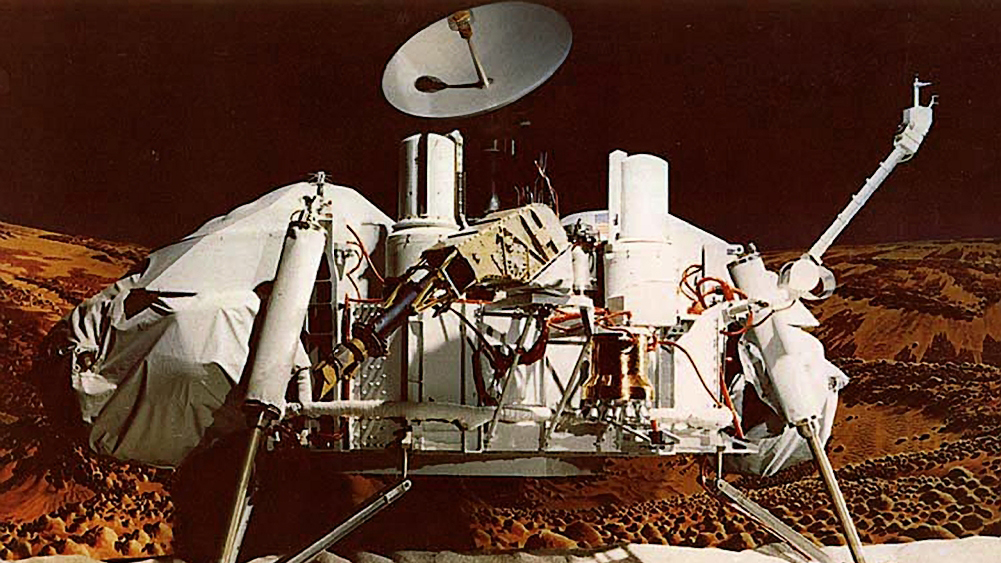
Launched on August 20, 1975, and landing on the Martian surface on July 20, 1976, Viking 1 was NASA’s first successful spacecraft to land on Mars. It provided vital information that shaped our knowledge of Mars’ geology, atmosphere, and potential for life by performing in-depth surface investigation and capturing the first high-resolution photos of the planet.
20. Pioneer 10
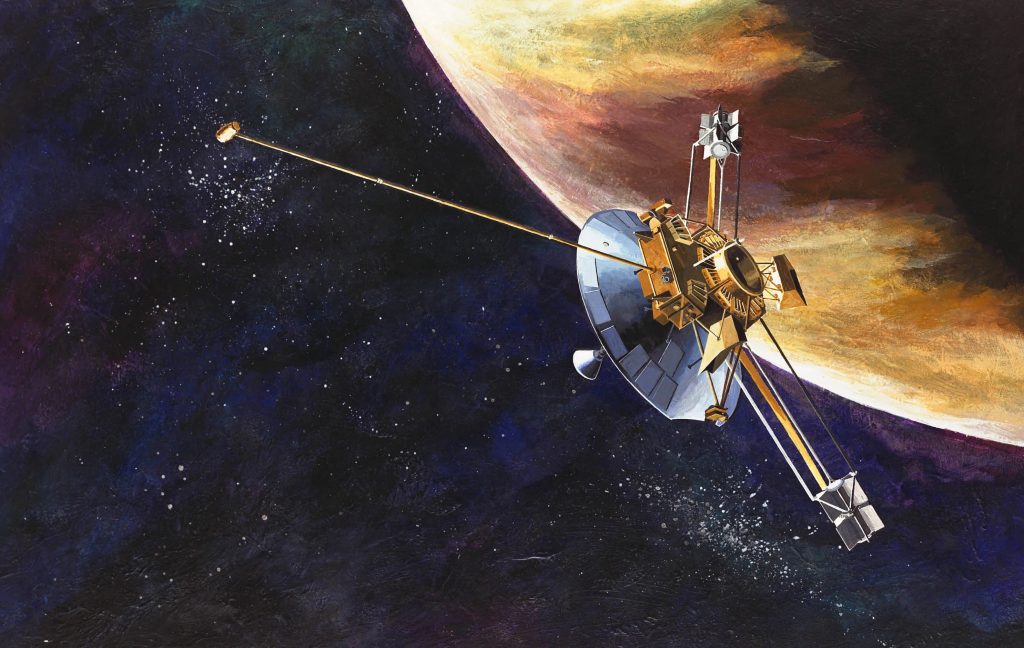
Pioneer 10, which NASA launched on March 2, 1972, was the first spacecraft to reach Jupiter and go beyond the asteroid belt. It provided important information about the planet’s magnetic field and atmosphere. It is currently moving through interstellar space and was the first man-made object to depart the solar system, sending signals back to Earth until 2003.
21. Deep Space 2
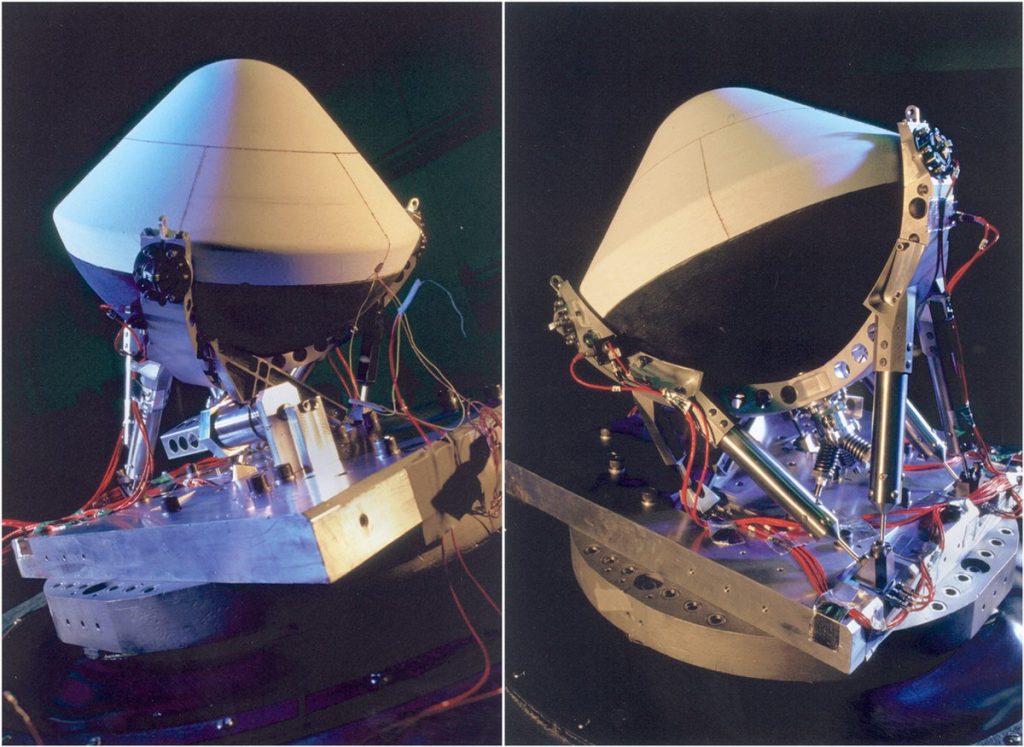
NASA launched two micro-probes called Deep Space 2 as part of the Mars Polar Lander mission in 1998. Although the probes, which were intended to pierce the Martian surface and examine dirt and ice, were unable to contact Earth after landing on the planet, the mission yielded important insights for further research.
22. Voyager 1
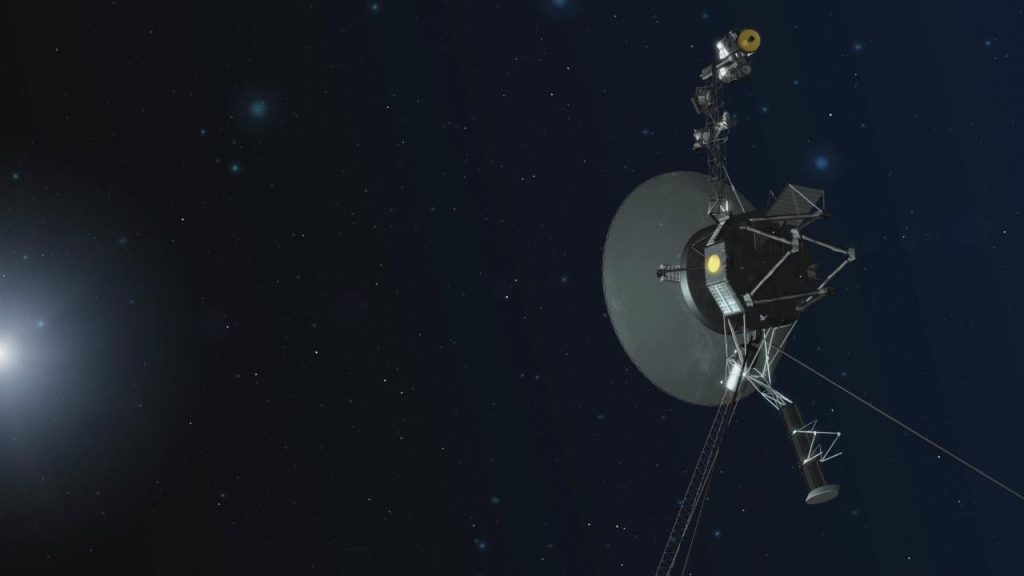
Voyager 1 was launched on September 5, 1977, and after escaping the Sun’s magnetic field, it became the first spacecraft built by humans to enter interstellar space in 2012. It keeps returning useful information on the interstellar medium and outer regions of the solar system, giving us a better understanding of space outside the influence of our Sun.
23. Spirit & Opportunity
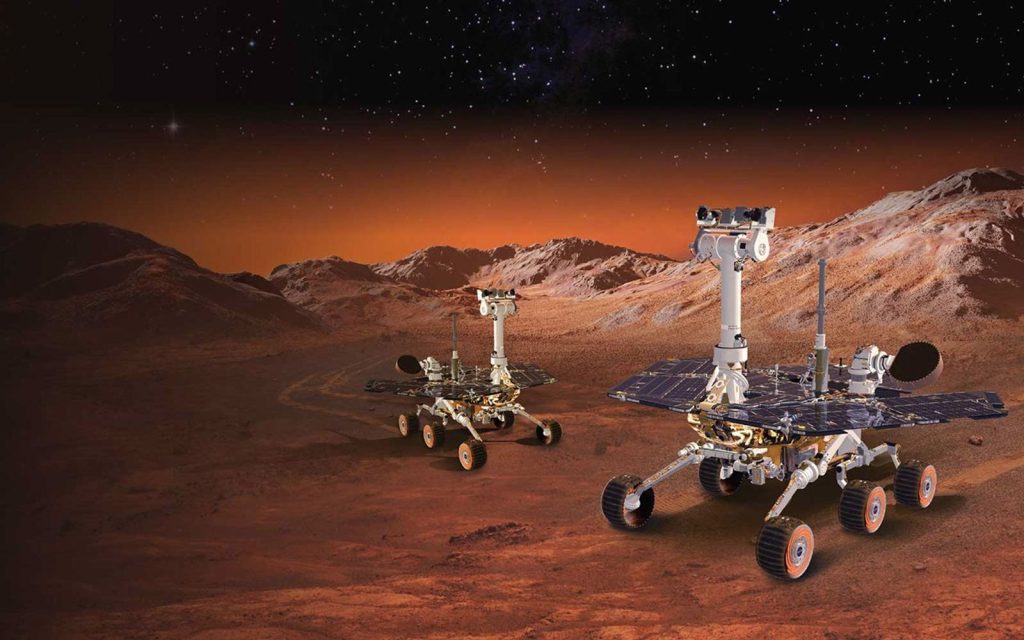
NASA began the Mars Exploration Rover program in 2003, which included the twin rovers Spirit and Opportunity. While Opportunity, which landed three weeks later, vastly above expectations by working for nearly 15 years and giving priceless data about the Martian surface, historical water activity, and geological history, Spirit landed in January 2004 and operated for more than six years.
24. John Glenn
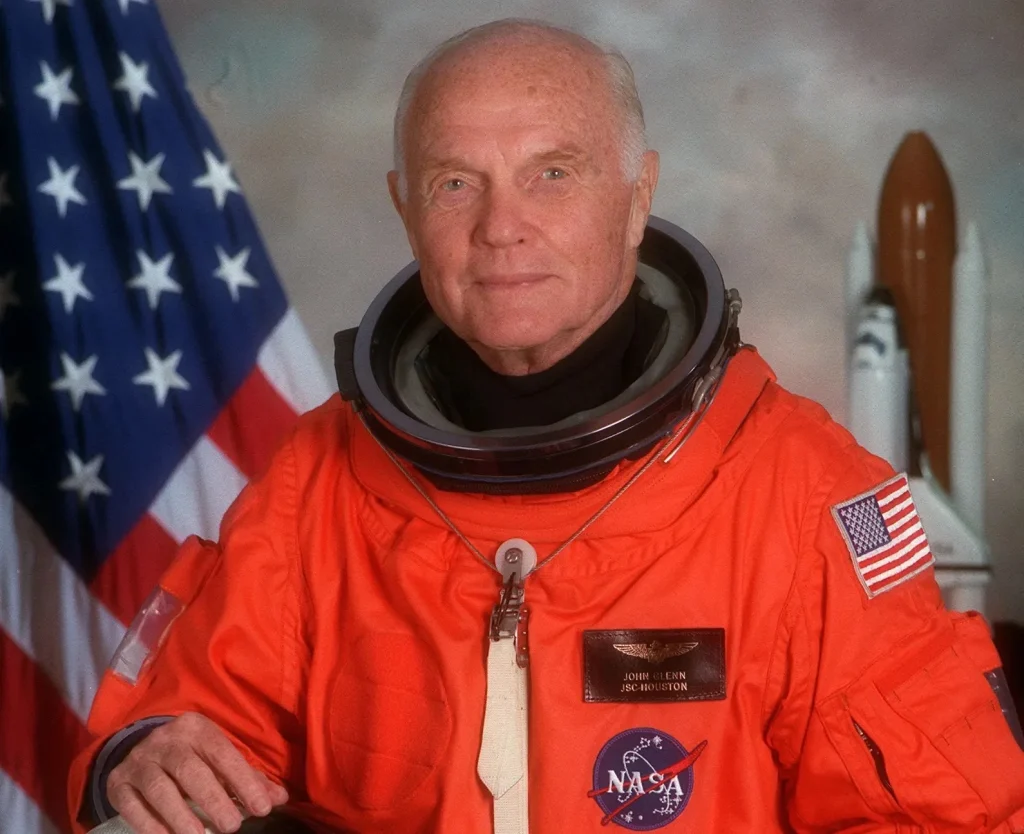
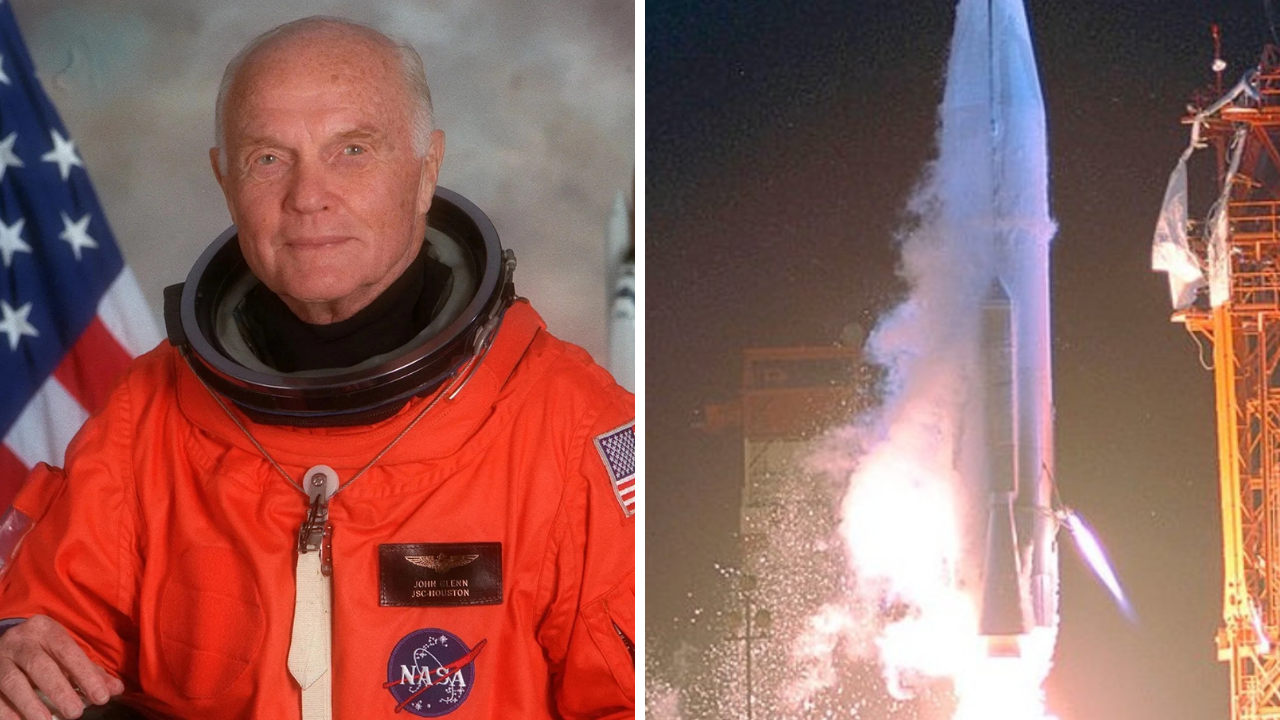
John Glenn was an American senator, astronaut, and military pilot. On February 20, 1962, aboard Friendship 7 as part of NASA’s Mercury program, he became the first American to orbit the Earth. In 1998, at the age of 77, he became the oldest person to fly in space on the Space Shuttle Discovery, making important contributions to public service and space exploration.
25. Euclid Spacecraft
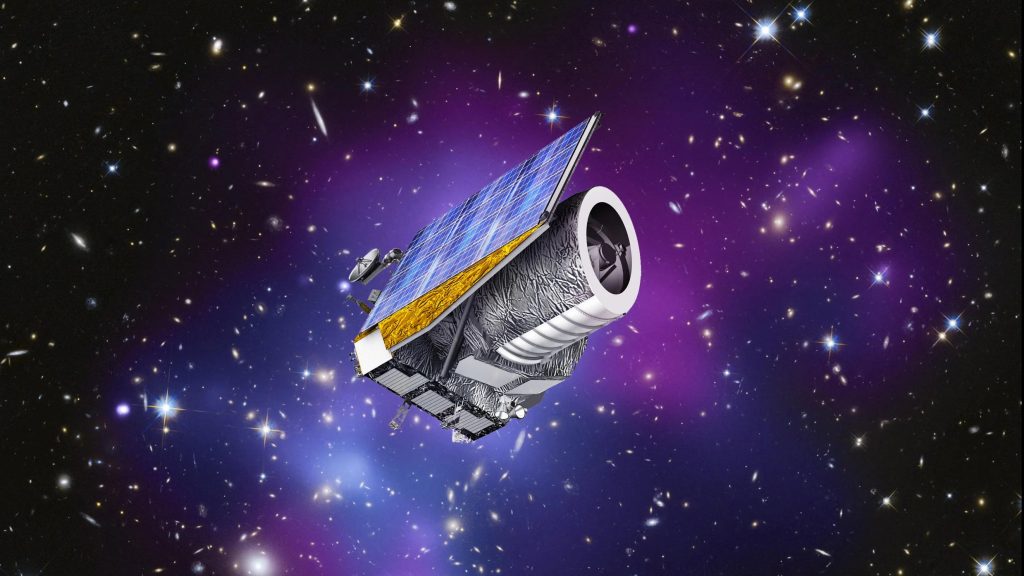
The European Space Agency (ESA) launched the Euclid spacecraft on July 1, 2023, with the goal of investigating the dark energy and dark matter of the cosmos. Euclid seeks to assist scientists in comprehending the expansion of the cosmos and the impact of dark energy on its structure and growth by charting the geometry of the dark universe.
26. Phobos 1 Goes Haywire
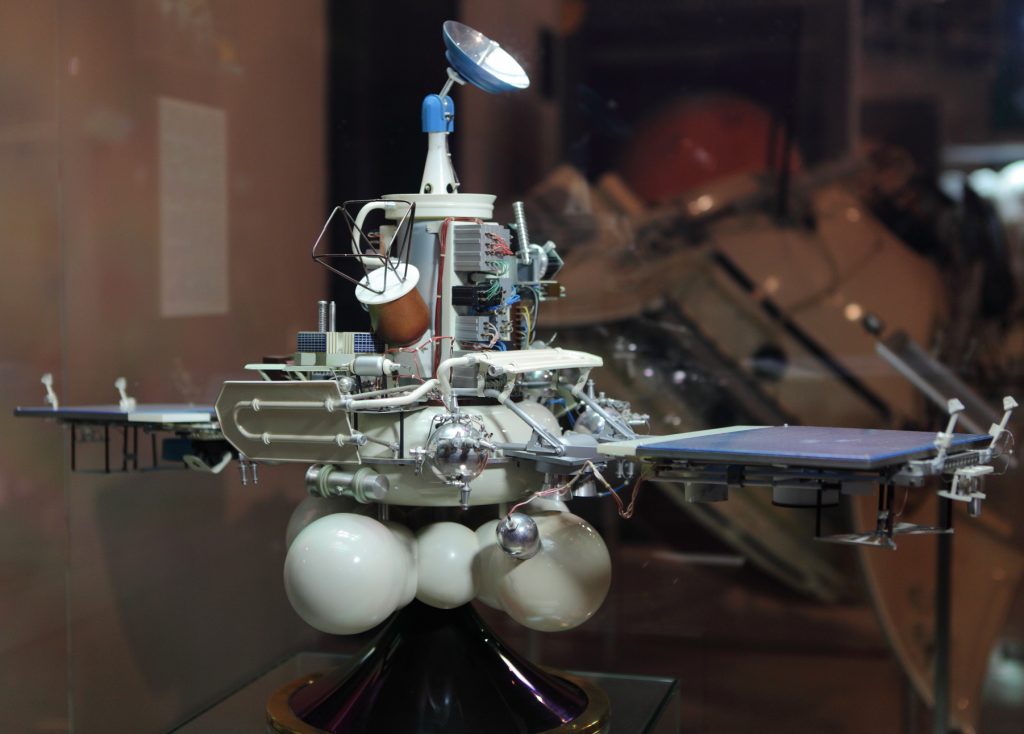
In 1988, the Soviet Union launched the Phobos 1 spacecraft to investigate Mars and its moon Phobos. The mission failed before it could accomplish its planned duties because of a software glitch that caused the spacecraft to go berserk shortly after launch, losing contact with Earth and drifting off course.
27. Mariner 1 Blows Up
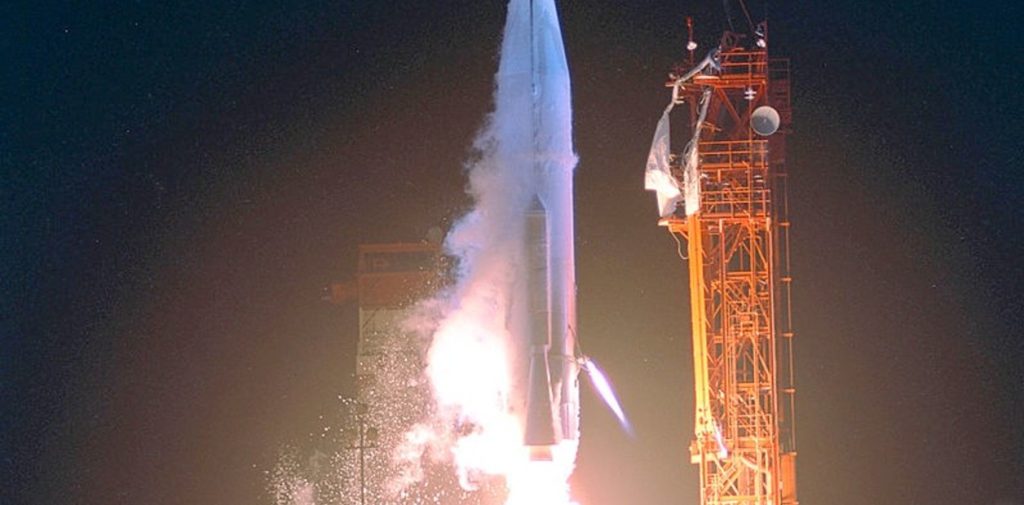
A small programming error, a missing hyphen in the code, caused the navigation system to fail, resulting in the loss of NASA’s Mariner 1 spacecraft on July 22, 1962, just minutes after launch. Although $80 million was lost when the rocket was destroyed to keep it from falling in populated areas, the mistake was fixed for Mariner 2, which soon afterward made the first successful flyby of Venus.
28. Space Shuttle
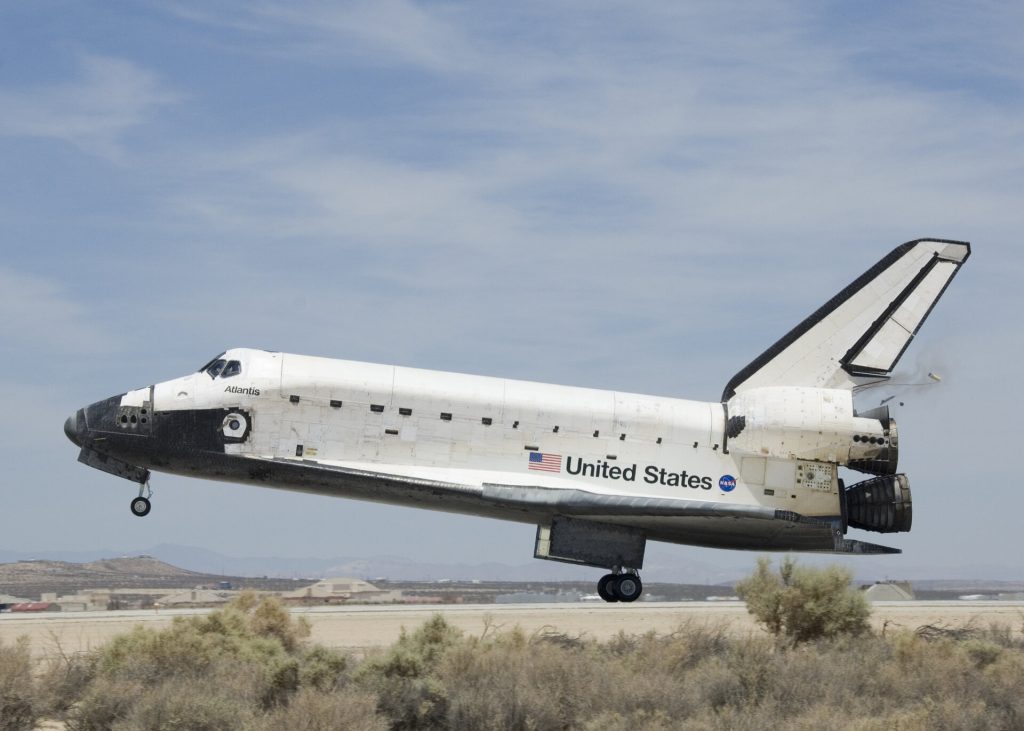
The Space Shuttle is a retired, partially reusable low Earth orbital spacecraft system operated from 1981 to 2011 by the U.S. National Aeronautics and Space Administration as part of the Space Shuttle program.
29. Spitzer Space Telescope
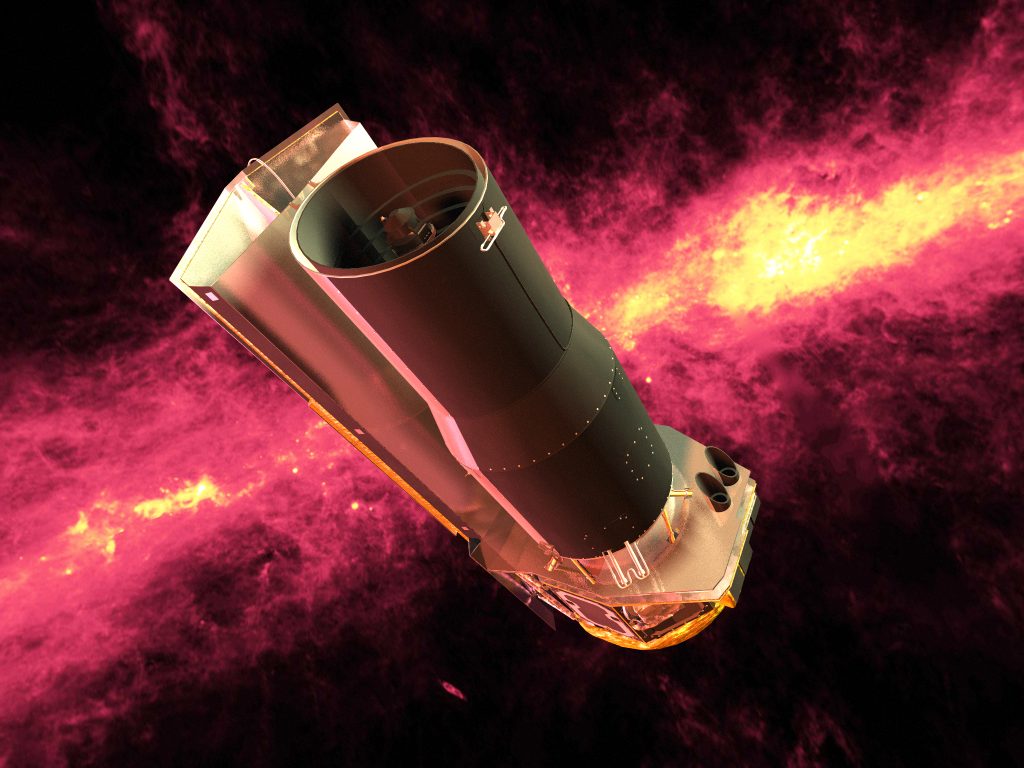
The Spitzer Space Telescope, formerly the Space Infrared Telescope Facility, was an infrared space telescope launched in 2003, that was deactivated when operations ended on 30 January 2020. Spitzer was the third space telescope dedicated to infrared astronomy, following IRAS and ISO.
30. The Wilkinson Microwave Anisotropy Probe
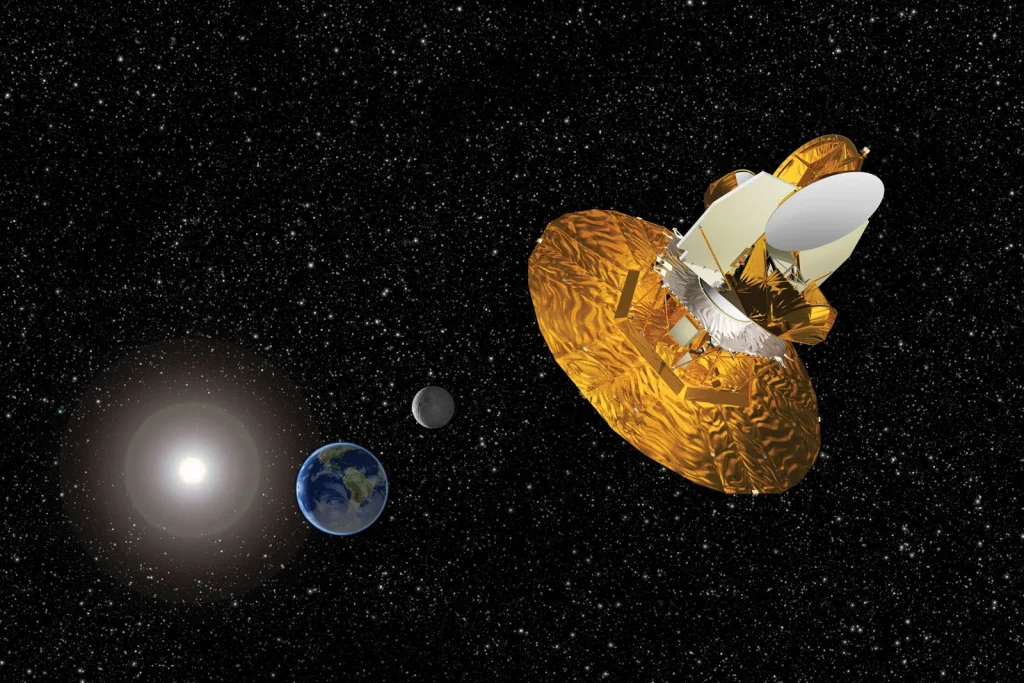
Although it may not be as well-known, the Wilkinson Microwave Anisotropy Probe (WMAP), which was deployed in 2001, analyzes the temperature of the radiation left over from the Big Bang with previously unheard-of accuracy. The spacecraft has signaled a breakthrough in cosmological ideas on the nature and genesis of the cosmos by charting out the variations in the so-called cosmic microwave background radiation. Among other discoveries, the WMAP data provided a far more accurate estimate of the universe’s age.