The world’s top museums hold countless priceless artifacts, but not all of them were obtained ethically. From ancient treasures to sacred cultural items, here are 30 stolen artifacts that continue to spark fierce debates and international battles over rightful ownership.
1. The Elgin Marbles
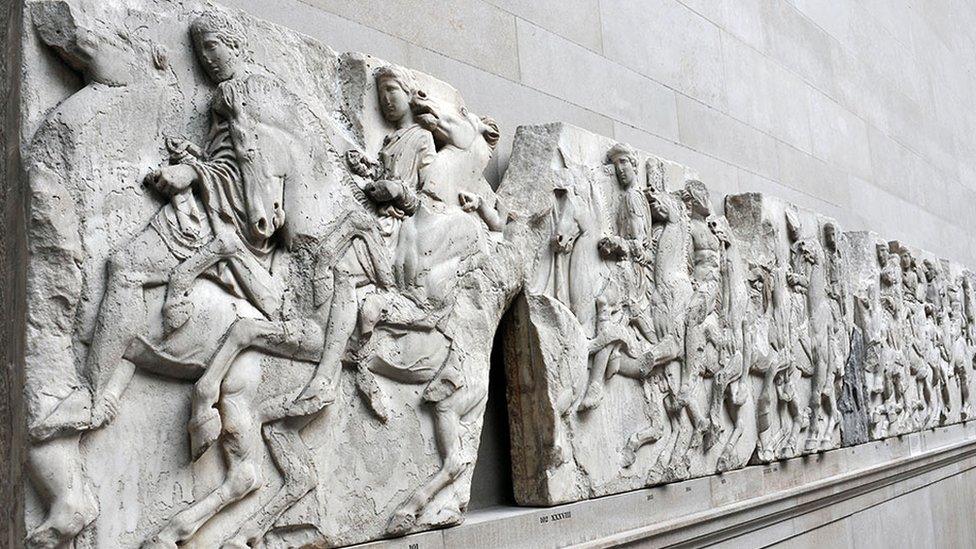
These ancient Greek sculptures were removed from the Parthenon in the early 1800s by Lord Elgin and sold to the British Museum. Greece has long demanded their return, but the UK maintains they were legally acquired.
2. The Rosetta Stone
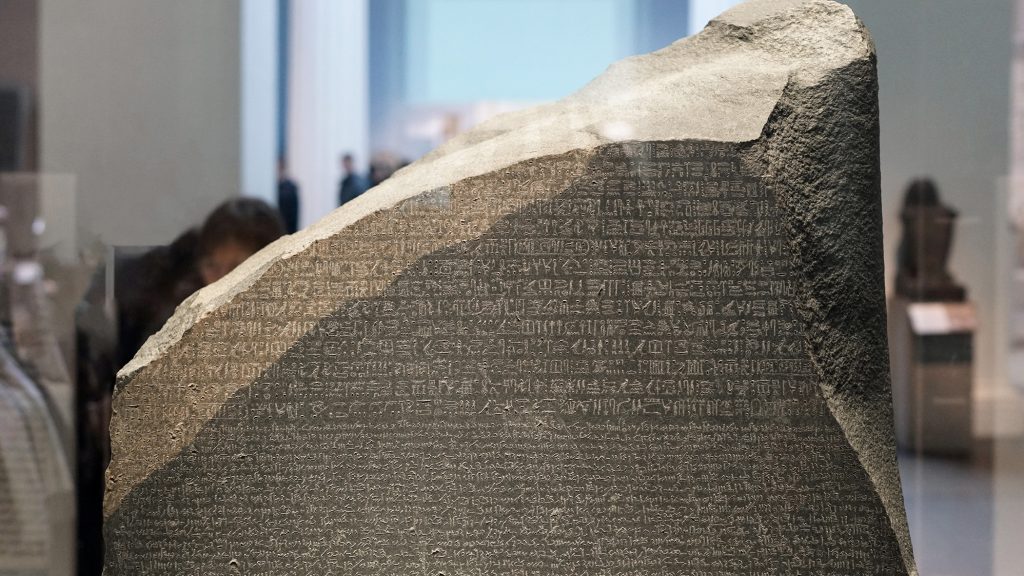
The key to understanding Egyptian hieroglyphs, the Rosetta Stone was seized by British forces from the French in 1801. Egypt has repeatedly requested its return from the British Museum.
3. The Benin Bronzes
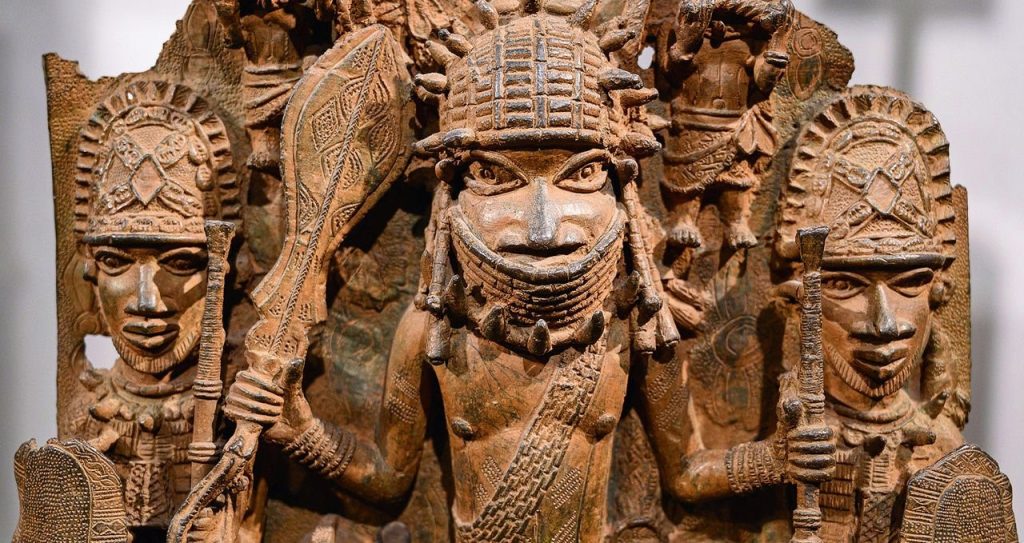
Stolen by British troops during the 1897 raid on the Kingdom of Benin (now Nigeria), these intricate bronze plaques are scattered across European and American institutions. Nigeria has launched an aggressive campaign for repatriation.
4. The Bust of Nefertiti
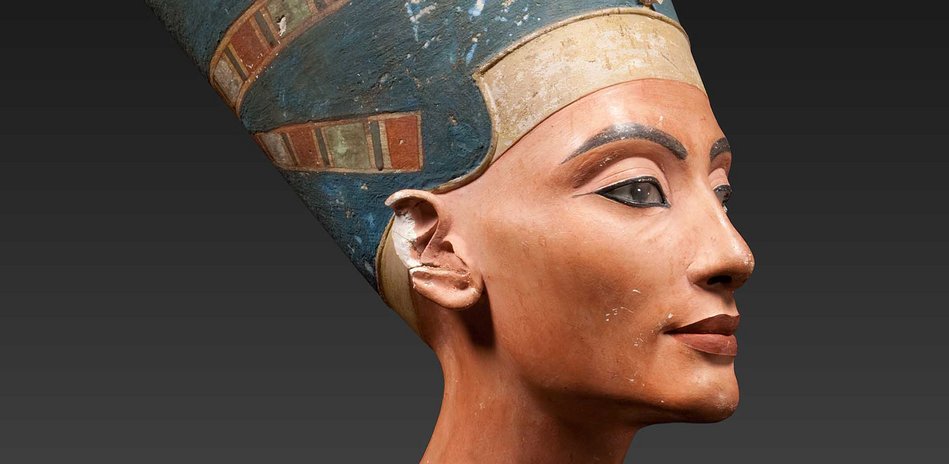
One of the most iconic sculptures of ancient Egypt, this bust is housed in Berlin’s Neues Museum. Egypt contends it was smuggled out under deceptive circumstances.
5. The Easter Island Moai
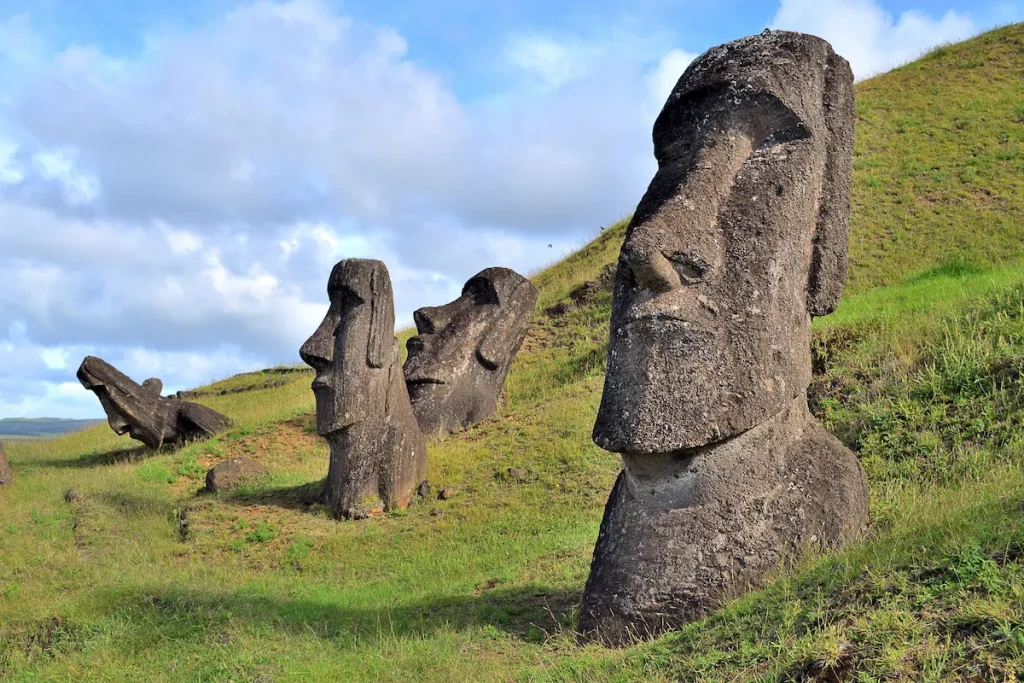
One of Easter Island’s sacred stone statues was taken by a British crew in 1868 and now sits in the British Museum. The Rapa Nui people have made emotional appeals for its return.
6. The Koh-i-Noor Diamond
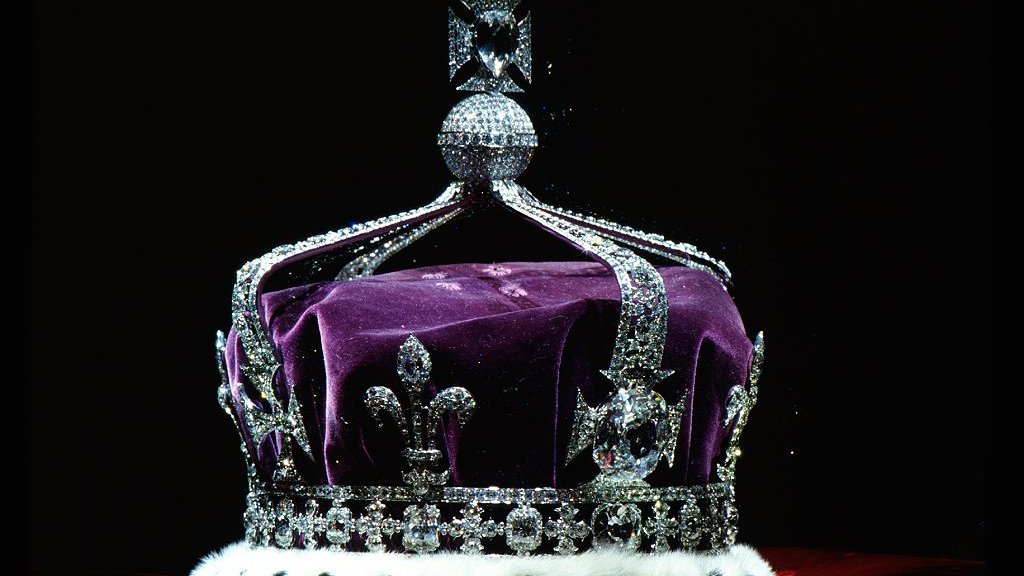
This famous gem, now part of the British Crown Jewels, was taken from India during colonial rule. Both India and Pakistan have claimed rightful ownership.
7. The Sphinx of Taharqo
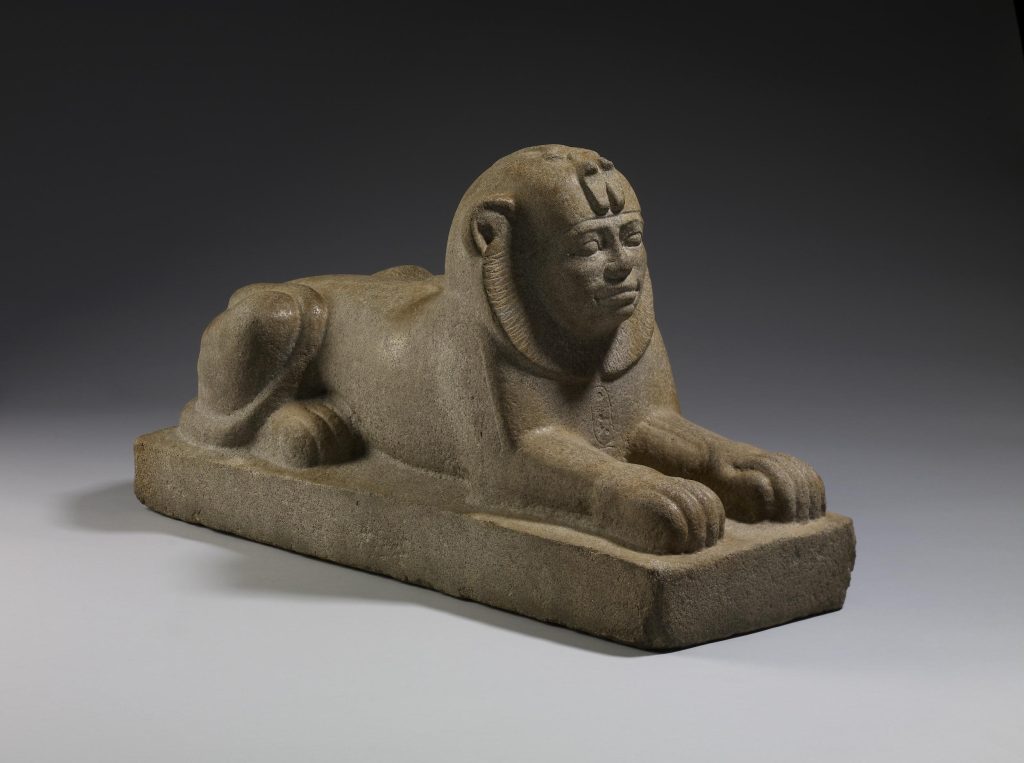
This large granite statue of a Nubian pharaoh is held by the British Museum. Sudan has been pressing for its repatriation as a symbol of African heritage.
8. The Gweagal Shield
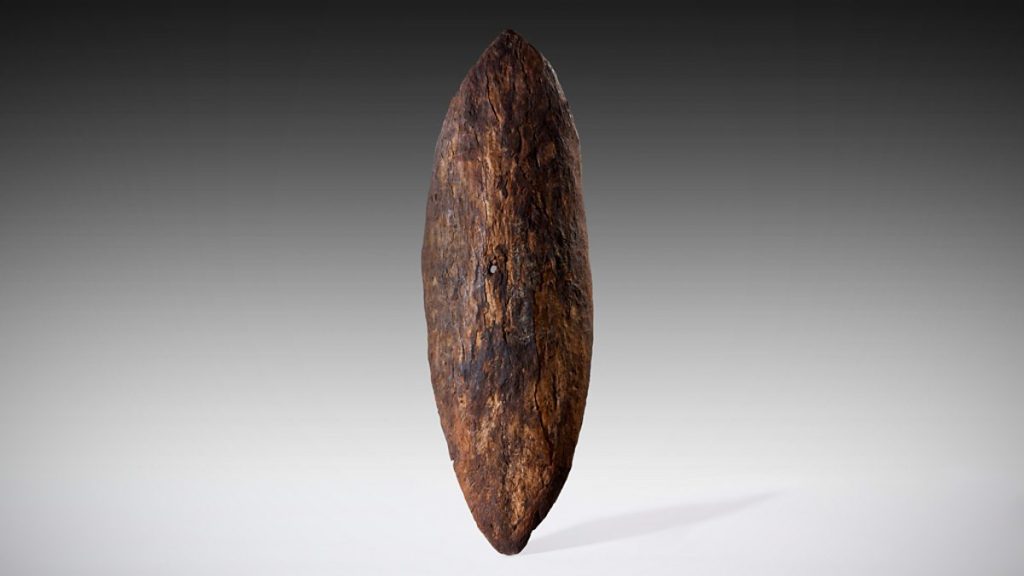
An Aboriginal Australian shield taken during Captain Cook’s landing is held at the British Museum. Indigenous leaders say it’s a symbol of resistance and should be returned to Australia.
9. The Oba’s Coral Beads
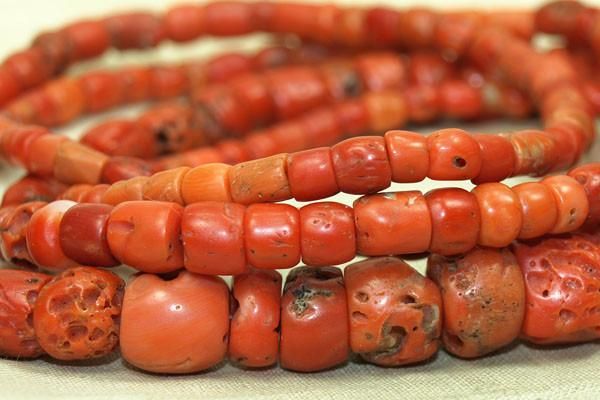
These ceremonial regalia were taken along with the Benin Bronzes and are kept in Western collections. Nigeria wants them returned to the royal family.
10. The Ziwiyeh Treasure
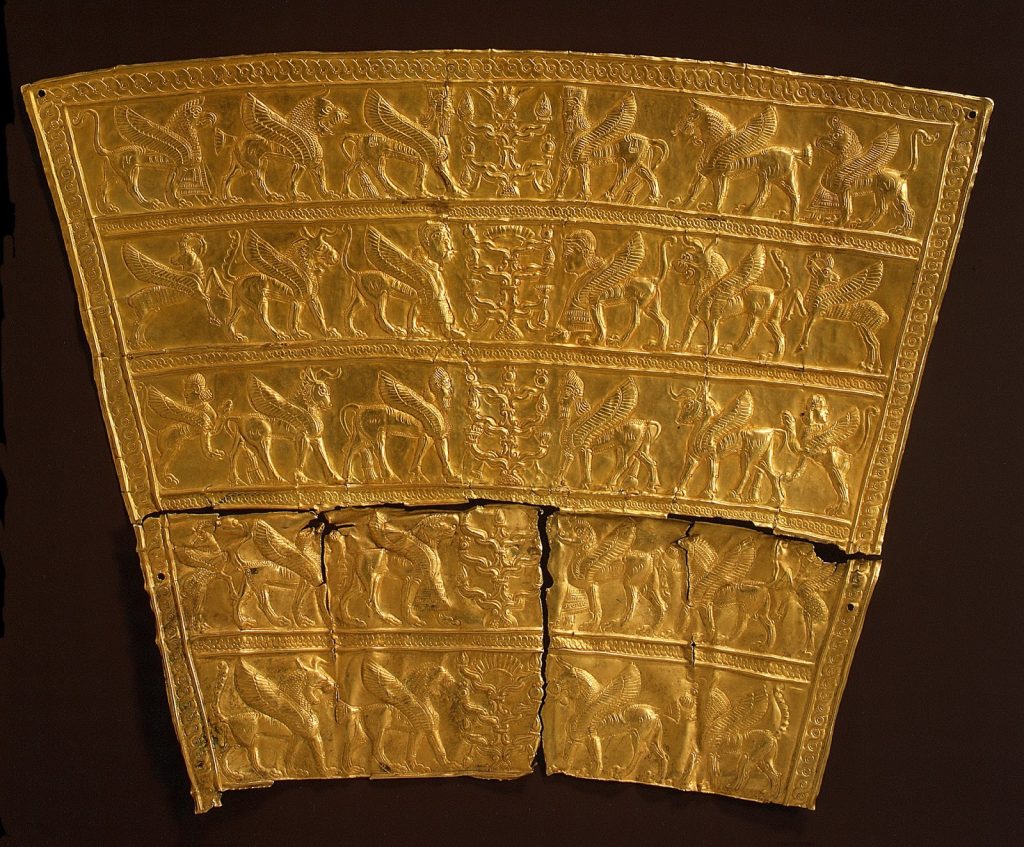
This collection of ancient Iranian artifacts has surfaced in several Western museums. Iran claims the items were looted and exported illegally.
11. The Pergamon Altar
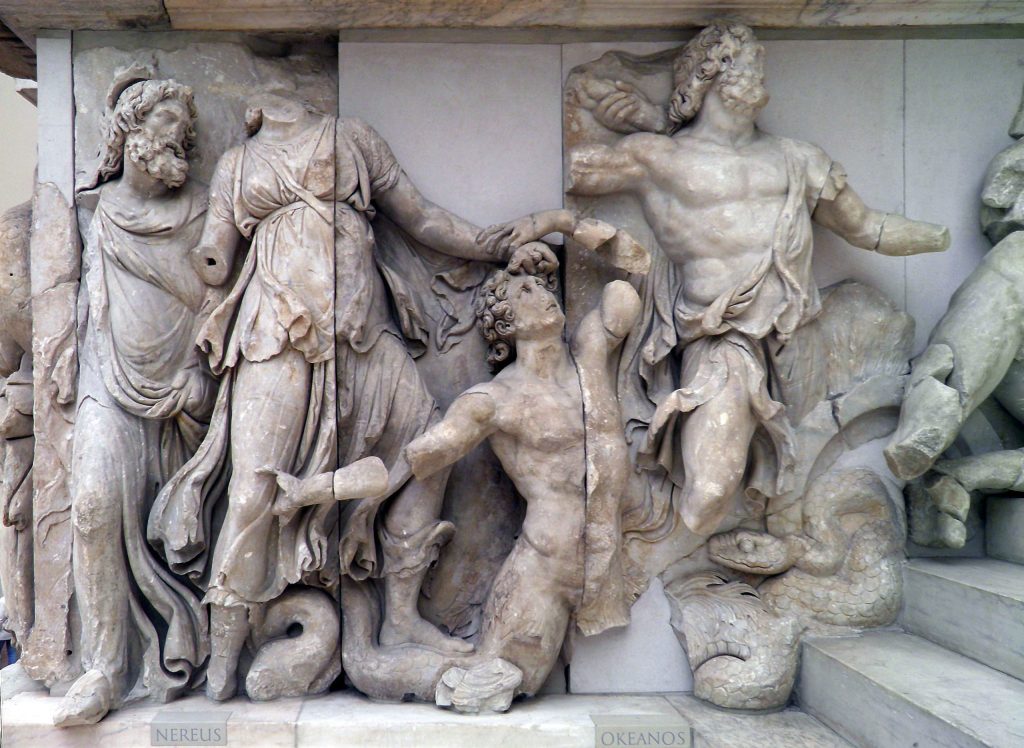
An enormous Greek altar housed in Berlin’s Pergamon Museum, it was removed from Turkey during the Ottoman era. Turkey continues to seek its return.
12. The Dendera Zodiac
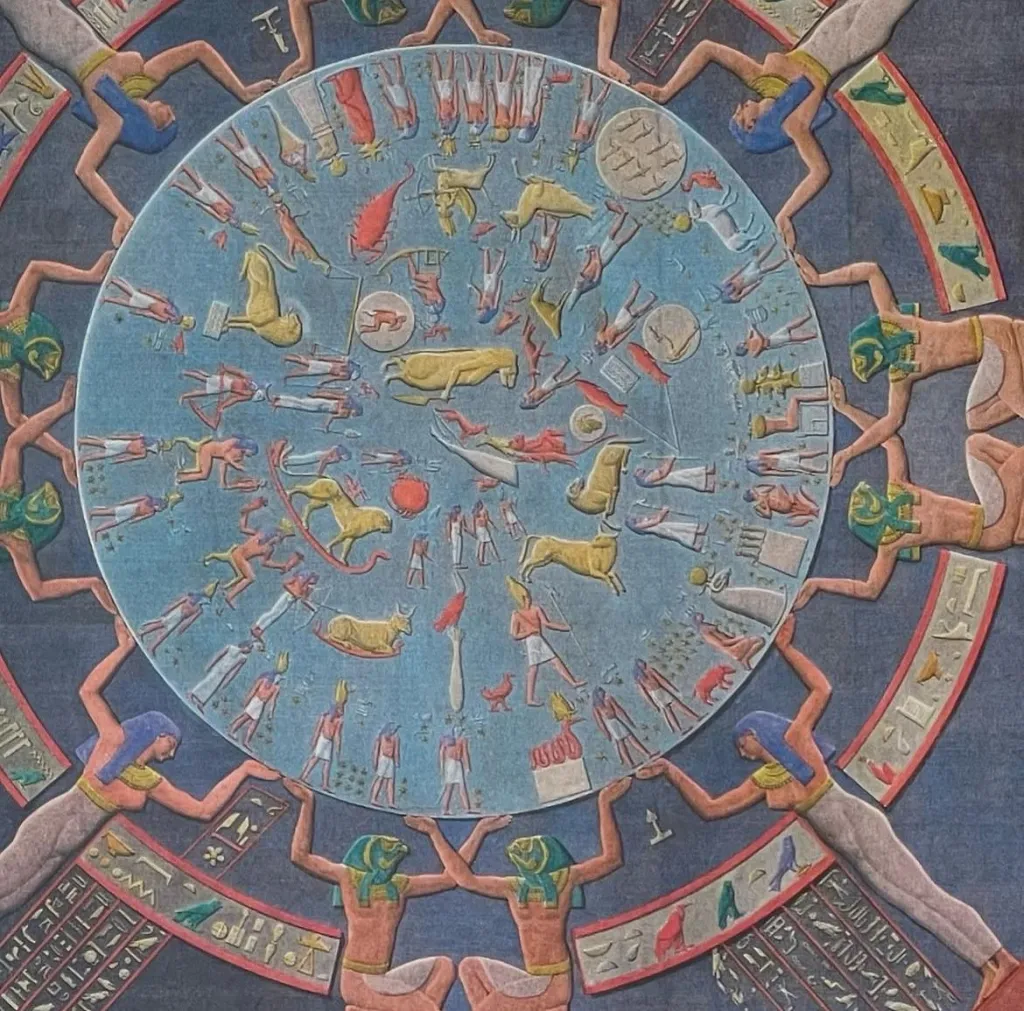
This ancient Egyptian star map was taken to France in the 19th century and now resides in the Louvre. Egypt argues it was looted from the Temple of Hathor.
13. The Lewis Chessmen
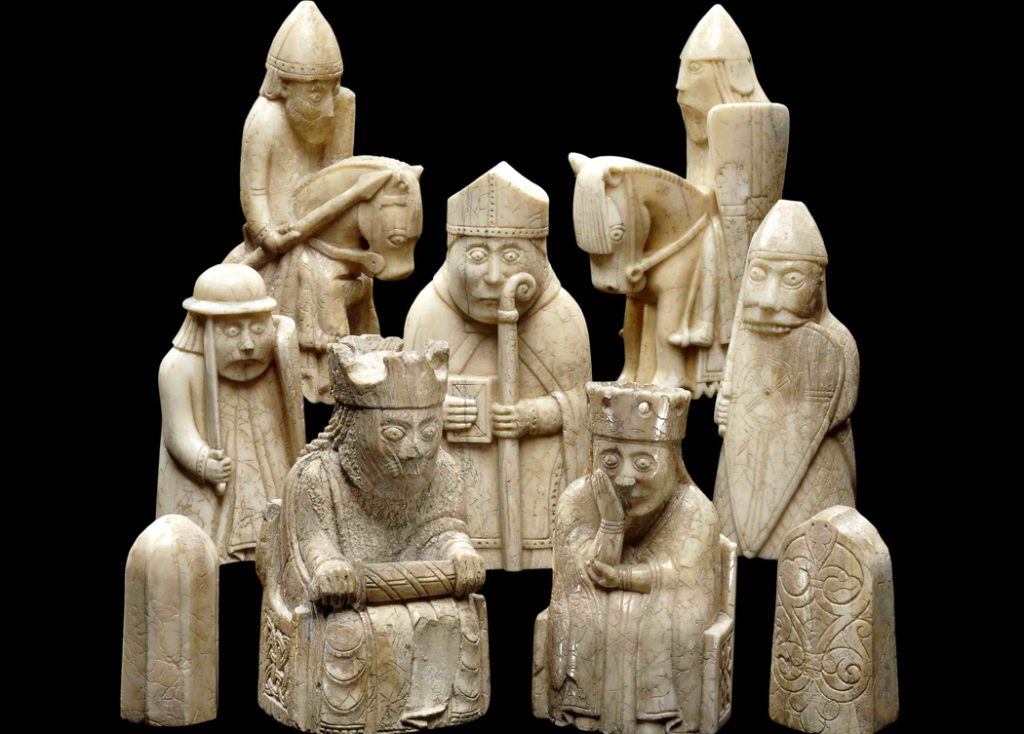
Discovered in Scotland but believed to be of Norse origin, these medieval chess pieces are split between museums in London and Edinburgh. Iceland has also expressed interest in their repatriation.
14. The Ethiopian Tabots
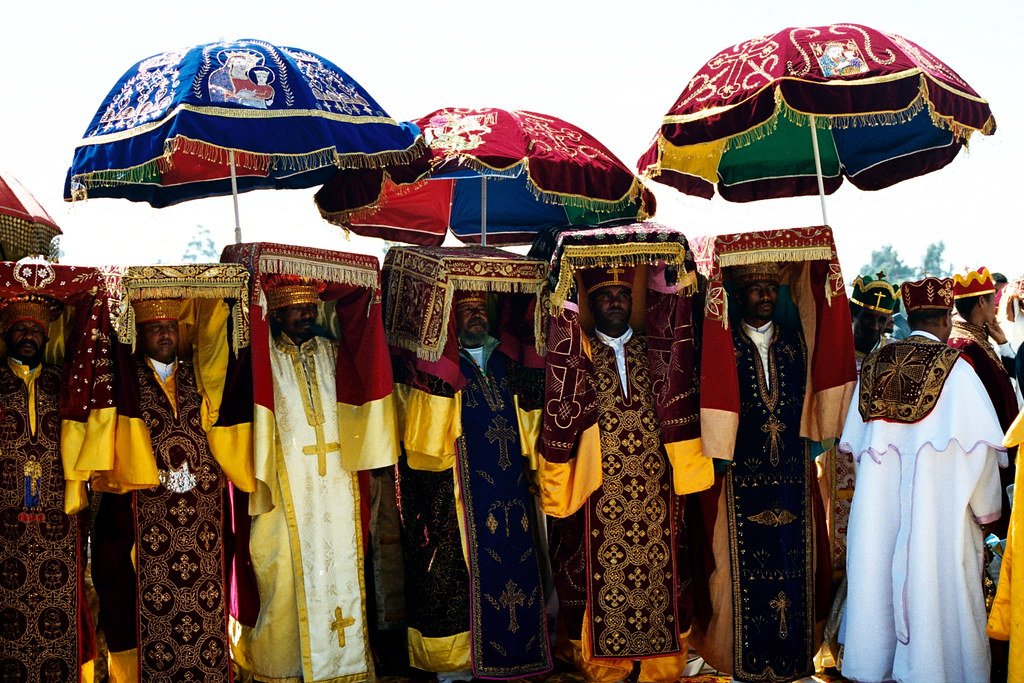
Sacred Christian relics looted by British soldiers in the 19th century are kept hidden in storage at the British Museum. Ethiopia has demanded their return for decades.
15. The Maqdala Manuscripts
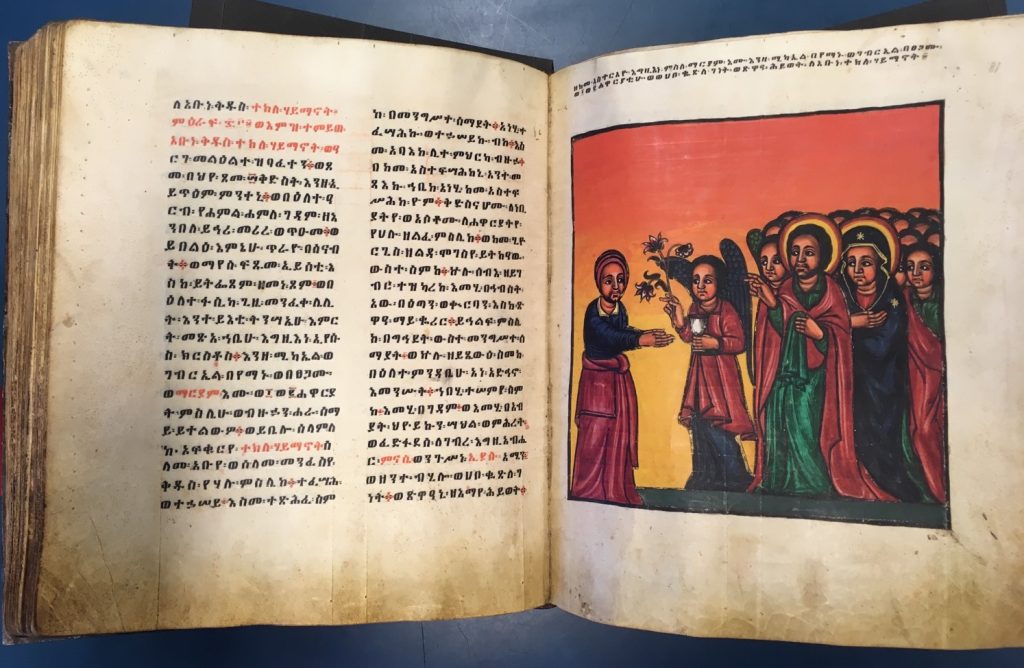
These Ethiopian texts were taken during the 1868 British expedition to Maqdala. They remain in various British institutions, despite repeated calls for their return.
16. The Lydian Hoard
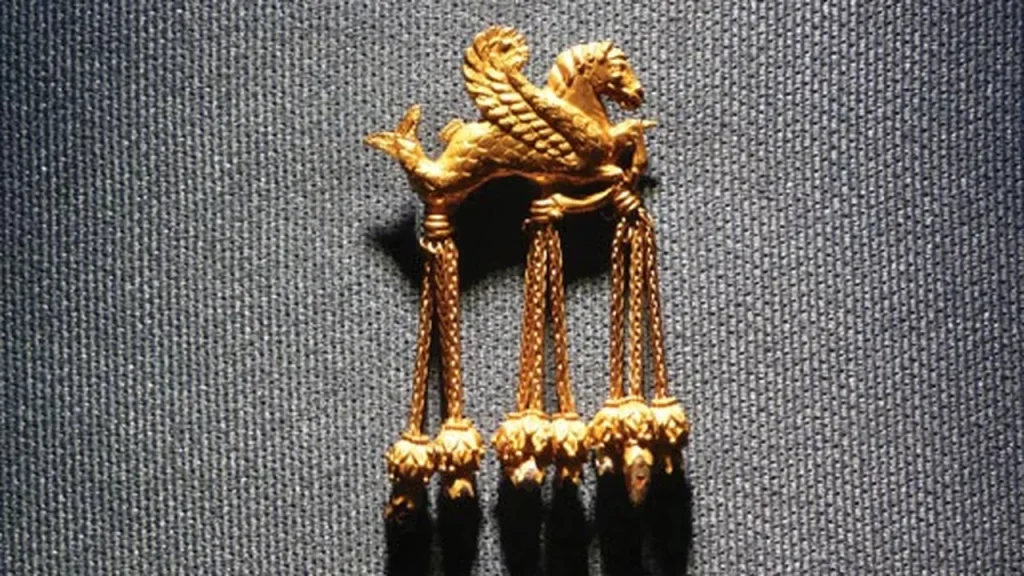
A collection of ancient Anatolian artifacts smuggled out of Turkey in the 1960s ended up in New York’s Metropolitan Museum. Turkey successfully sued for their repatriation, but not all items have been returned.
17. Bayeux Tapestry
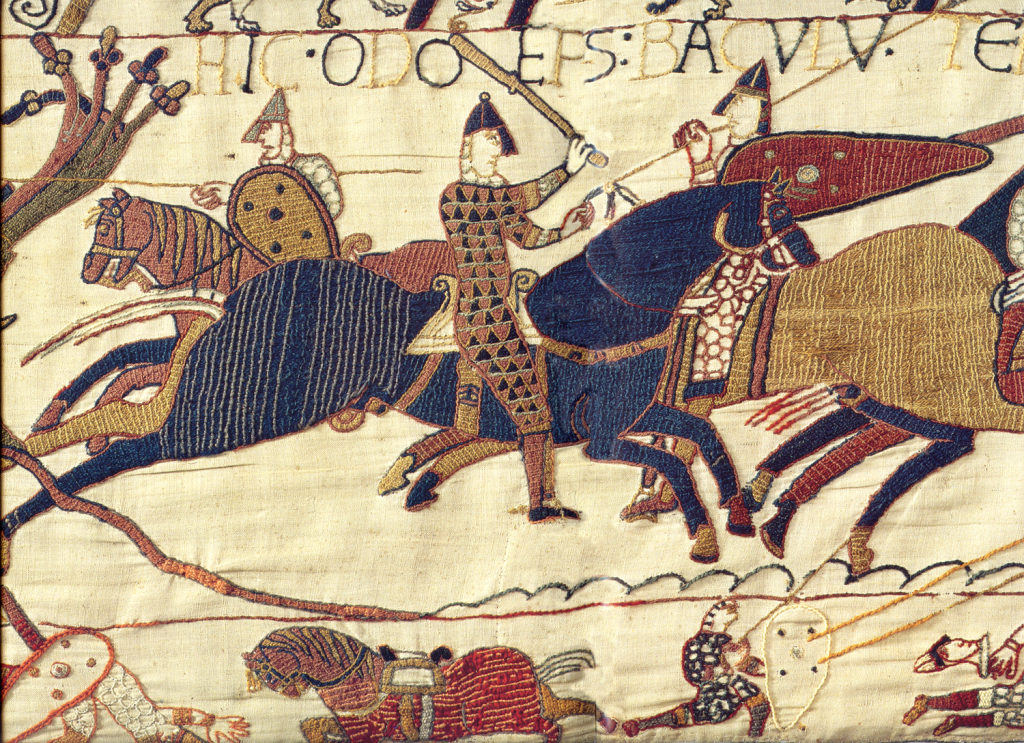
Some Bayeux tapestry pieces stolen by the Nazis will be returned to France. The section was hidden for decades after being sent to Heinrich Himmler during the Second World War
18. The Oxus Treasure
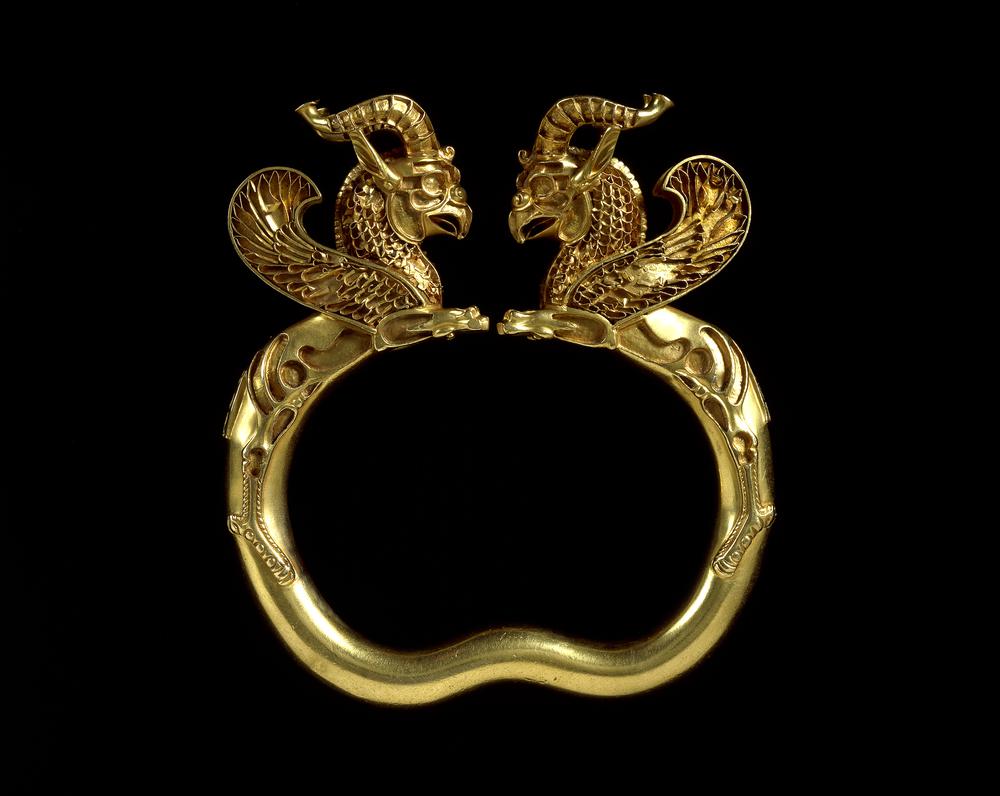
A vast collection of Persian gold artifacts, now in the British Museum, was allegedly smuggled from Central Asia. Iran and Tajikistan have both staked claims to it.
19. The Sarpedon Krater
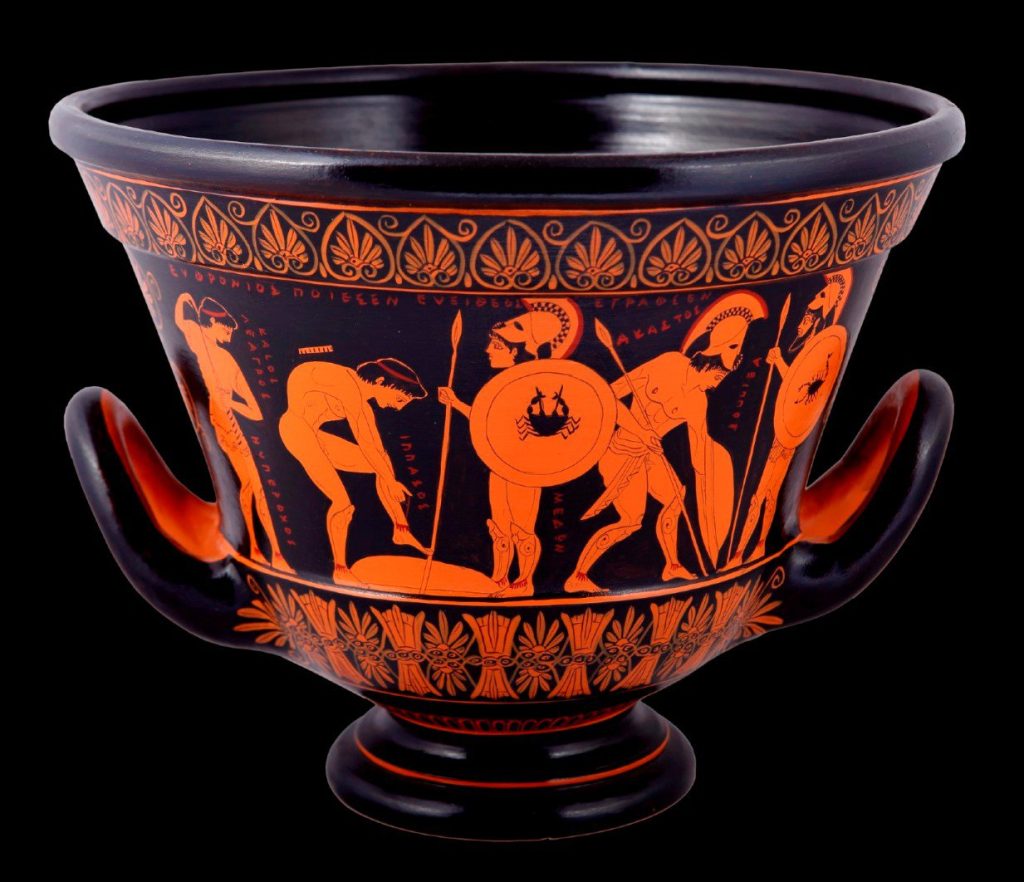
This stunning Greek vase was looted from an Italian tomb and later acquired by New York’s Metropolitan Museum. It was returned to Italy in 2008 after extensive legal pressure.
20. The Kanak Sacred Totems
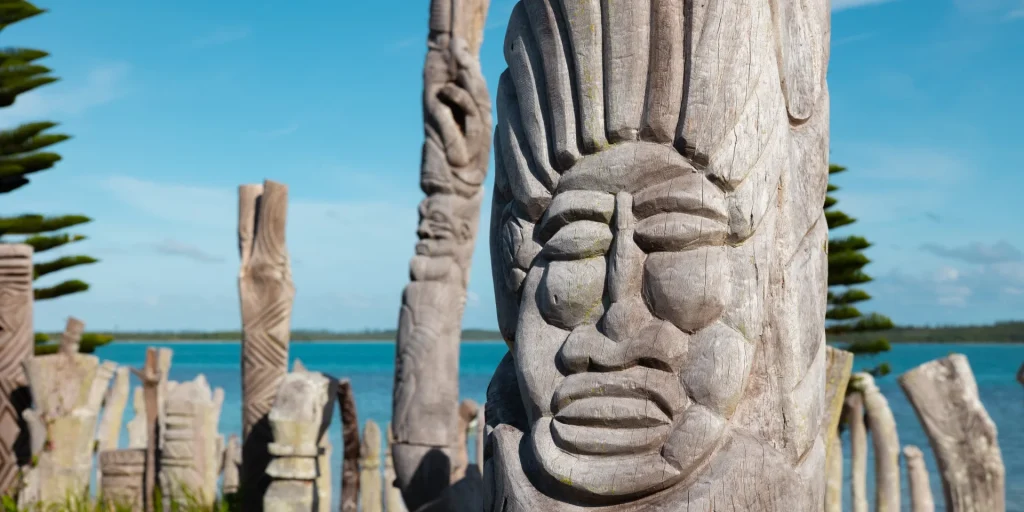
Traditional carvings from New Caledonia were taken by missionaries and are displayed in French museums. Indigenous groups are demanding their repatriation.
21. The Bamiyan Buddhas Fragments
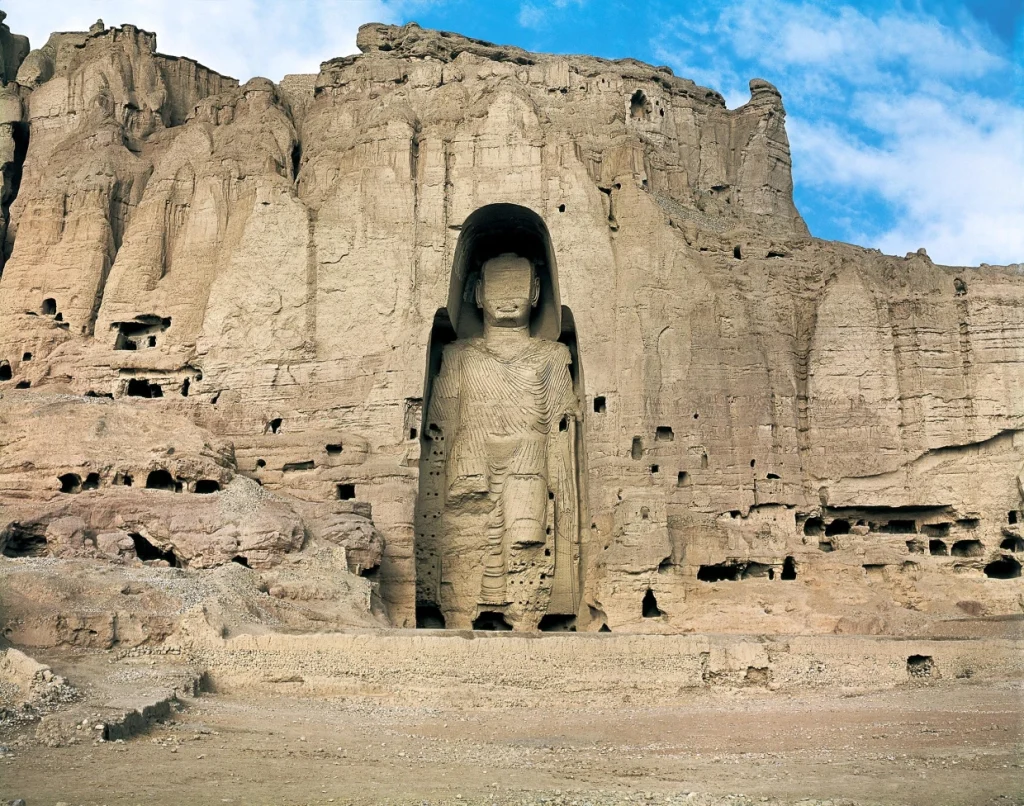
After the Taliban destroyed the statues in 2001, fragments ended up in international hands. Afghanistan wants all surviving pieces returned for preservation.
22. The Hopi Katsina Dolls
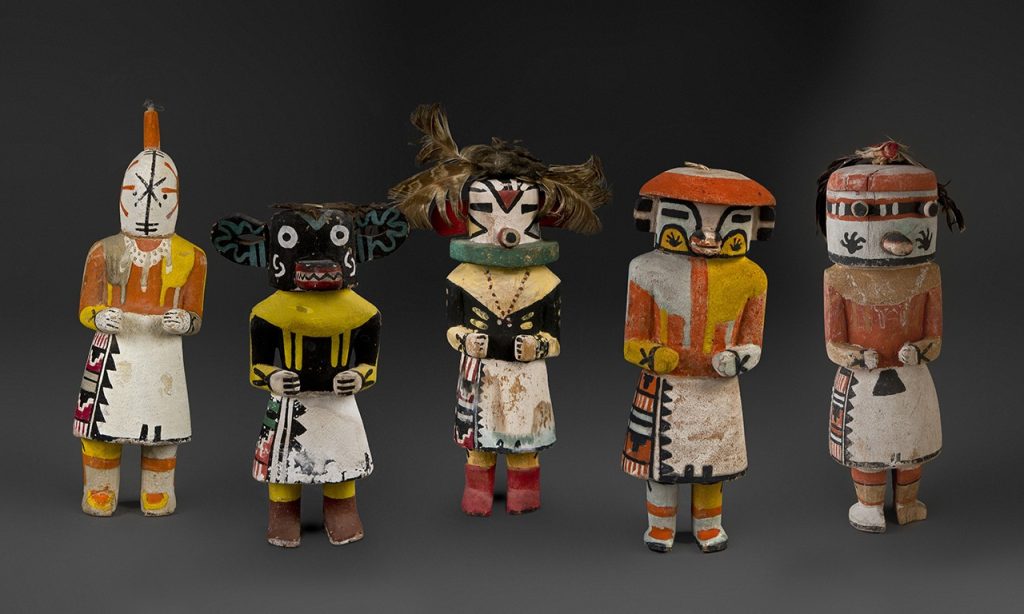
Sacred ceremonial objects of the Hopi Nation have appeared in auctions in Paris. The tribe views their sale as deeply offensive and continues to fight for their return.
23. The Khmer Statues
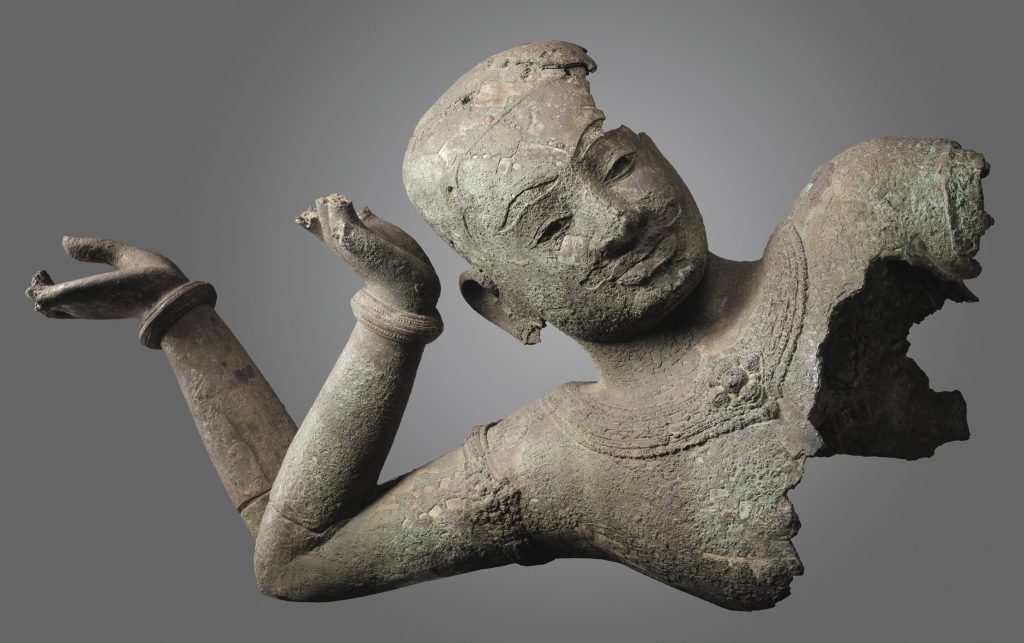
Looted during Cambodia’s civil war, these statues ended up in museums and private collections worldwide. Cambodia has launched major efforts to recover them.
24. The Moctezuma Headdress
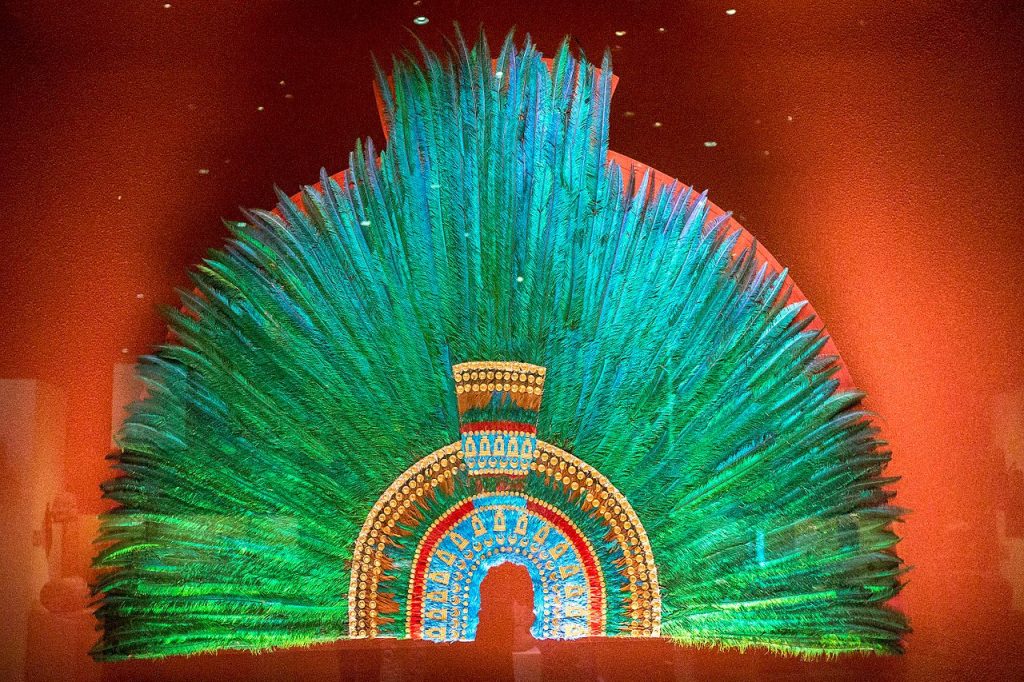
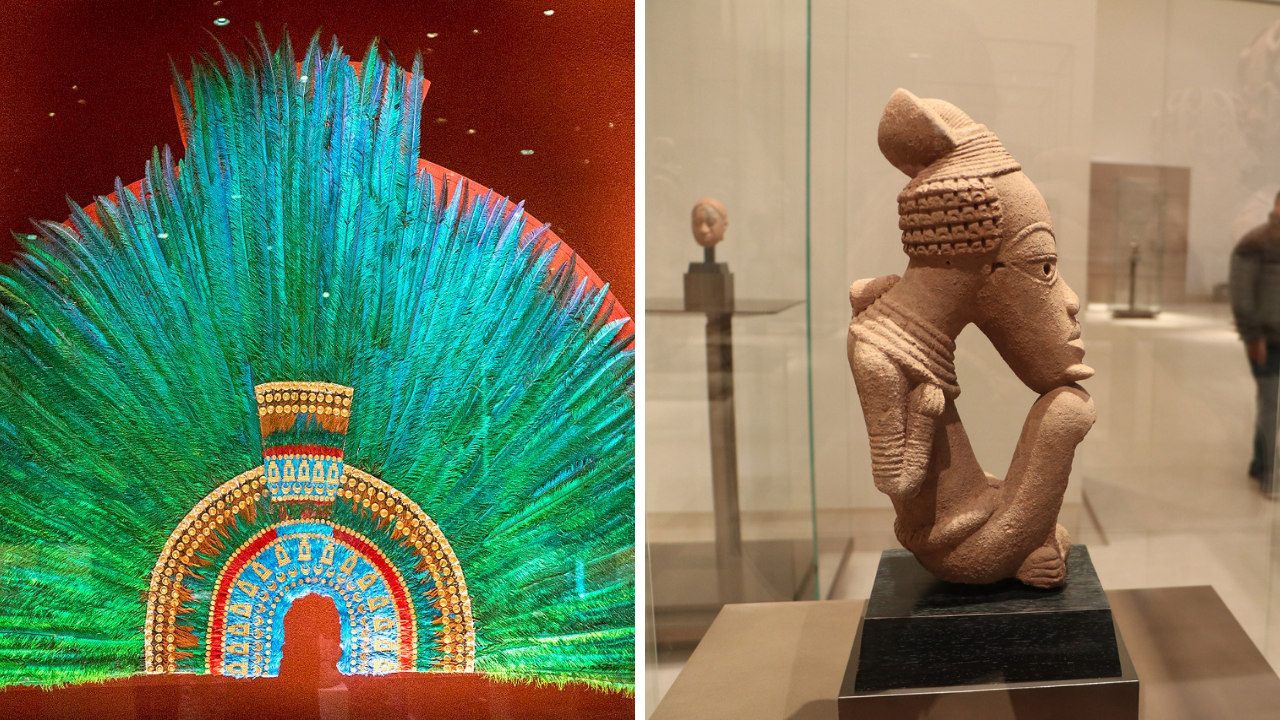
Believed to have belonged to the Aztec emperor, this feathered crown is held by Austria’s Weltmuseum. Mexico has long sought its return.
25. The Axum Obelisk
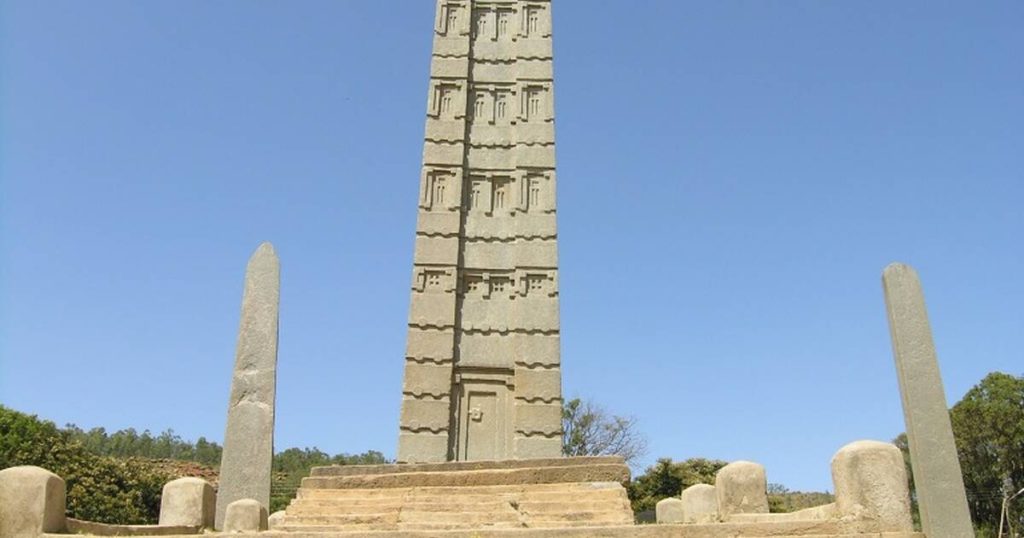
This Ethiopian monument was taken by Italy during Mussolini’s regime and installed in Rome. After years of negotiation, it was returned in 2005, but other artifacts from the same expedition remain in Europe.
26. The Shiva Nataraja Statue
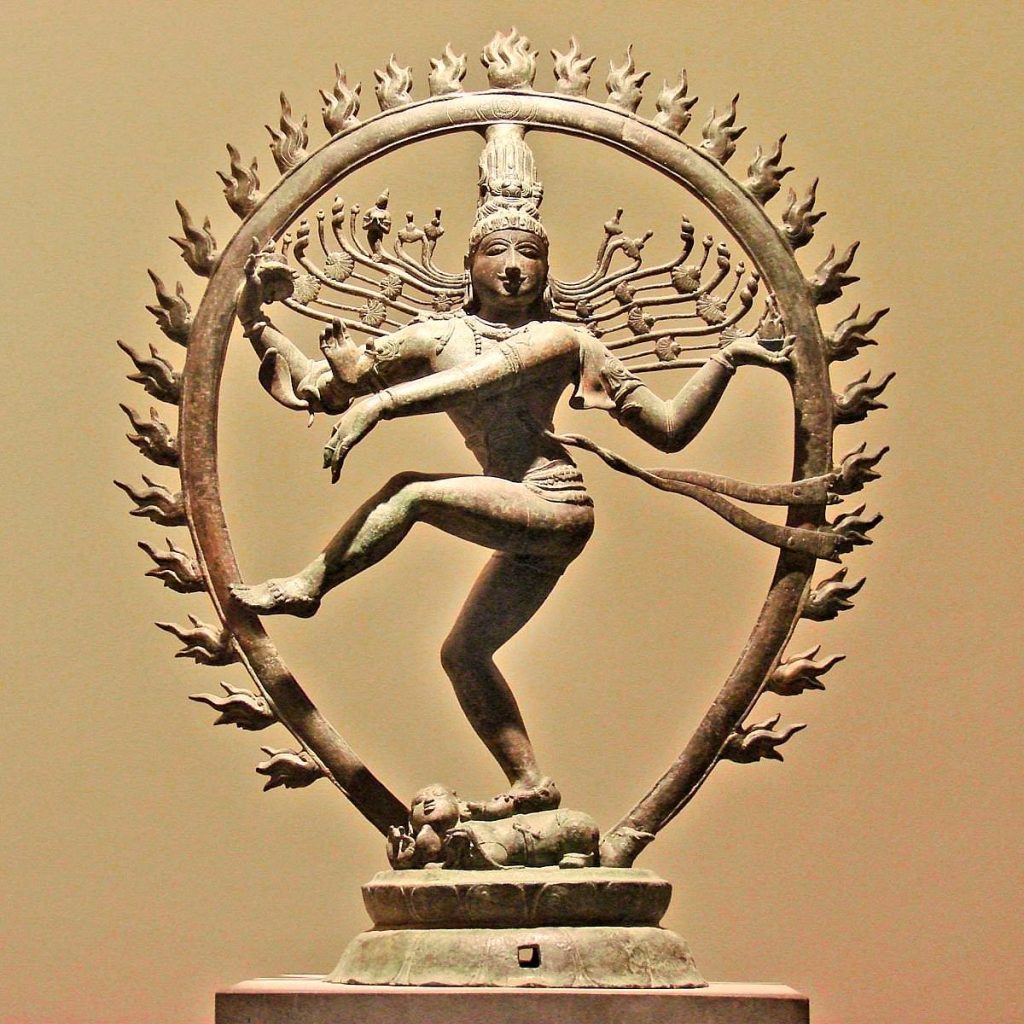
This bronze Hindu statue was smuggled out of India and sold to museums in the West. After a long legal battle, it was returned, but many similar pieces remain abroad.
27. The Nok Terracottas
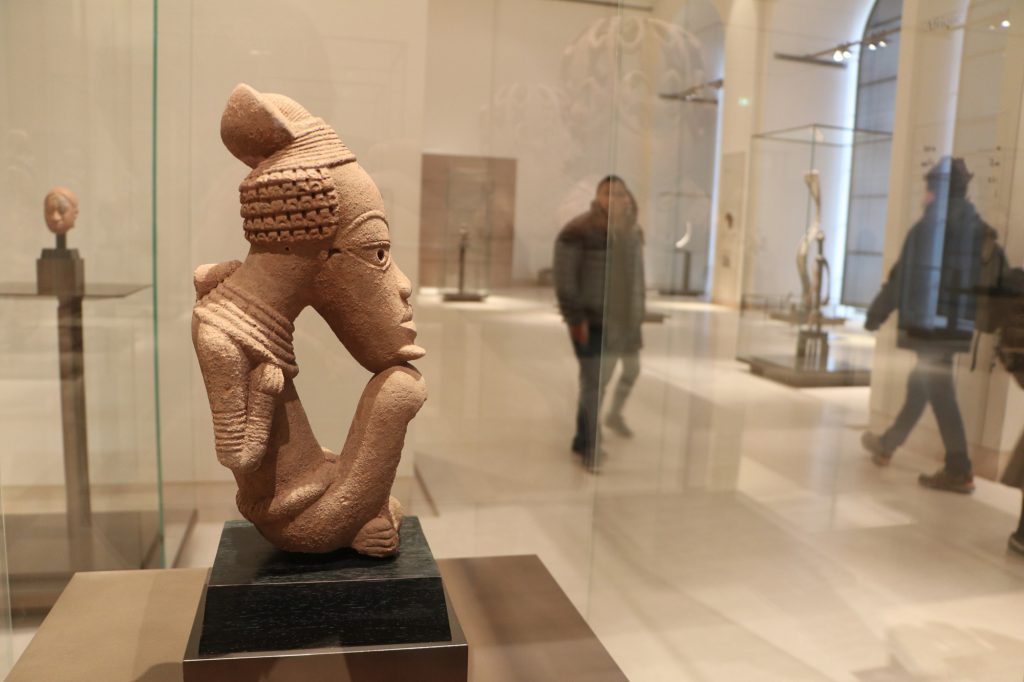
These ancient Nigerian sculptures were trafficked to European and American institutions. Nigeria has requested their return under cultural heritage agreements.
28. The Royal Game of Ur
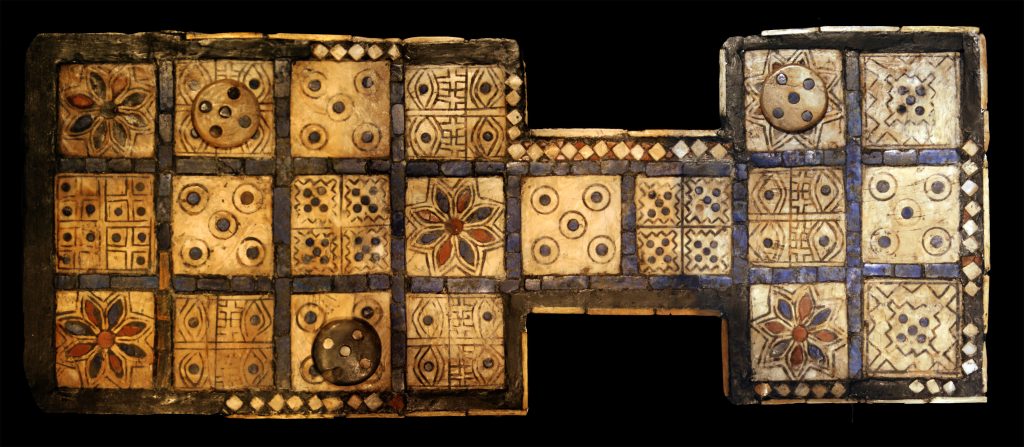
This ancient Mesopotamian board game is currently housed in the British Museum. Iraq has expressed interest in reclaiming it as part of its national history.
29. The Amarna Tablets
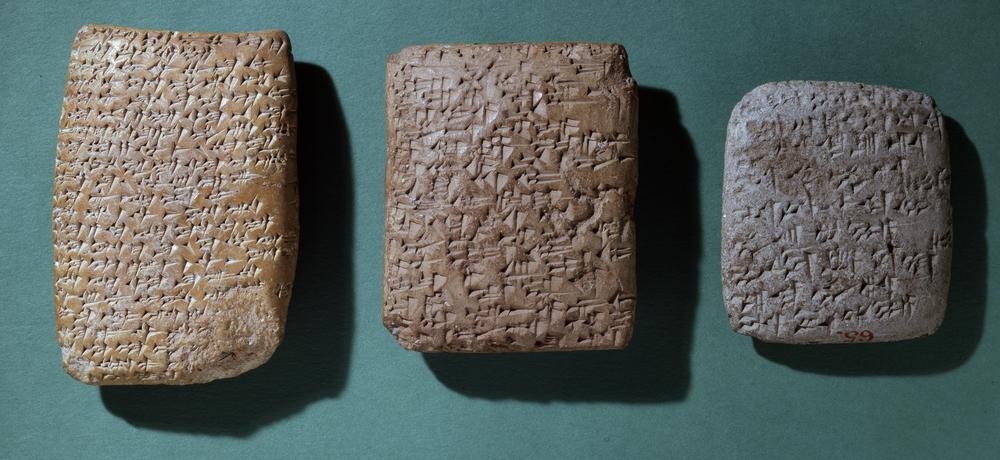
These diplomatic clay tablets from ancient Egypt were discovered in the 19th century and dispersed to museums worldwide. Egypt has asked for their consolidation and repatriation.
30. The Dead Sea Scrolls Fragments
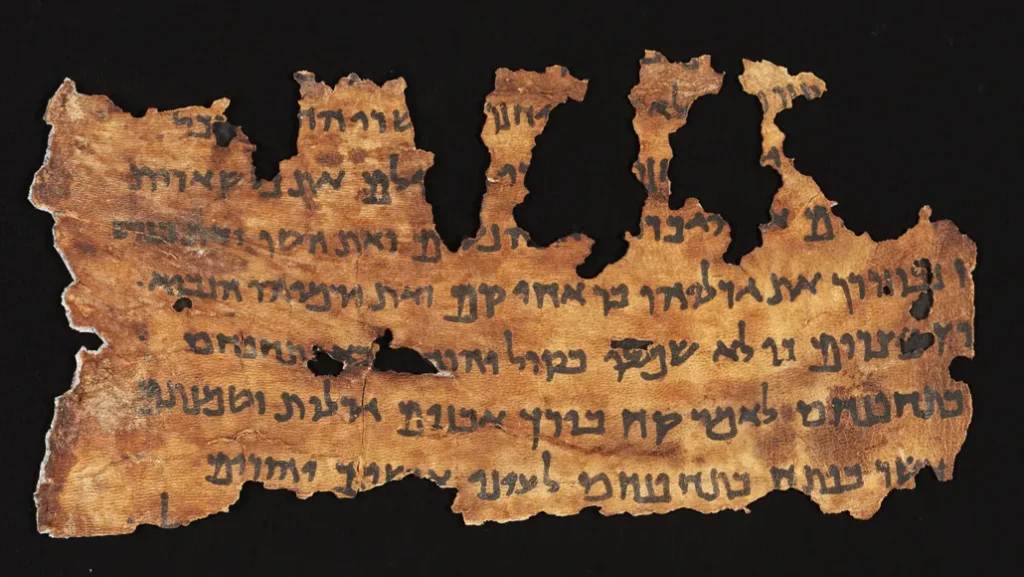
Pieces of the biblical scrolls have surfaced in museums and private collections under disputed provenance. Israel, Jordan, and the Palestinian authorities have all made claims to ownership.