The Vietnam War wasn’t just a chapter in a textbook. It was a brutal, confusing, and politically charged conflict that left deep scars on both Vietnam and the United States. While many people know the basics, like the protests or the fall of Saigon, there’s a lot more to the story than what usually gets covered. These 30 facts range from heartbreaking to downright bizarre. Whether you’re a history buff or just curious, you’re about to learn something new.
The war lasted longer than you think
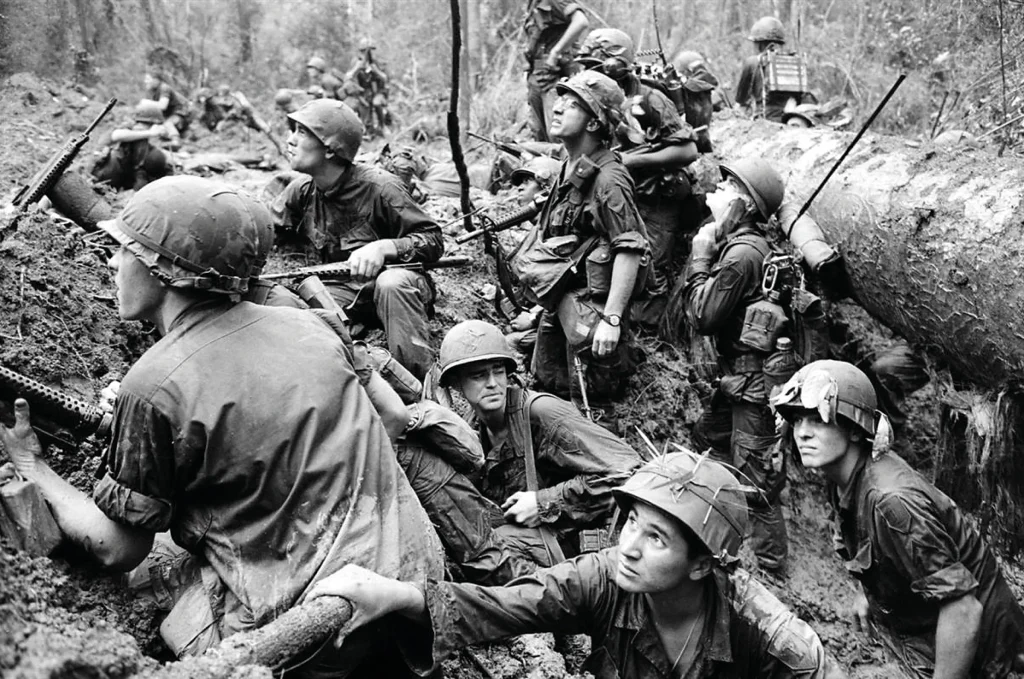
Most people peg the Vietnam War as a product of the 1960s, but it actually dragged on for two decades. It officially started in 1955 and ended in 1975. That’s 20 years of conflict, making it the second-longest war in US history after Afghanistan. A whole generation was shaped by it.
Over 2 million Vietnamese civilians died
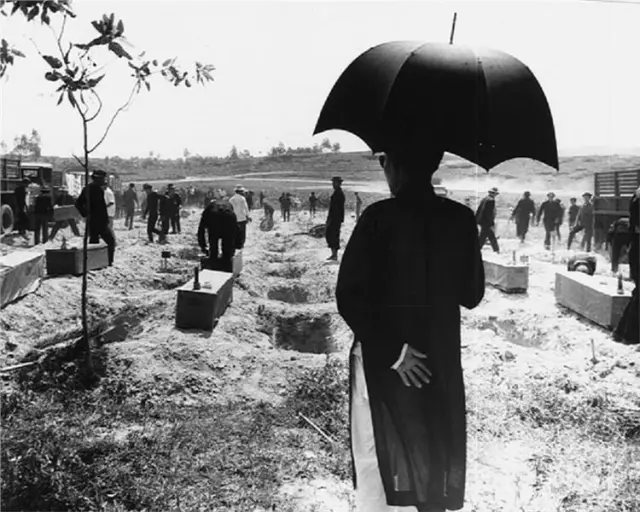
Civilians bore the brunt of the violence, often caught in the crossfire or targeted in bombings. The death toll for Vietnamese civilians is estimated to be more than 2 million. Some villages were wiped out completely. The trauma still lingers today.
The US dropped more bombs on Vietnam than in all of WWII
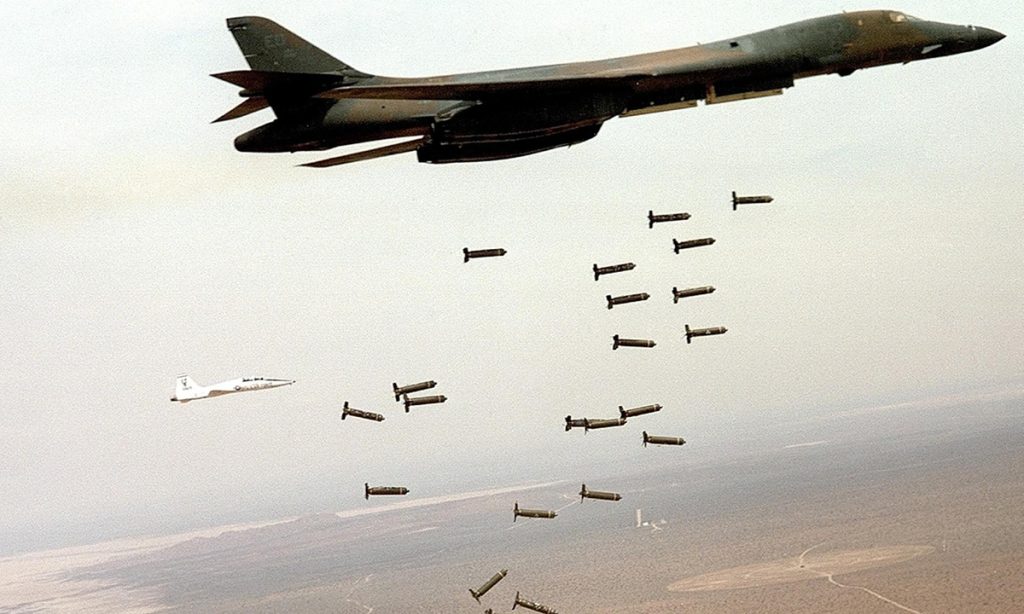
This fact sounds made up, but it’s real. The US dropped around 7 million tons of bombs on Vietnam, Laos, and Cambodia combined. That’s more than double what was used during World War II. Entire landscapes were reshaped by the bombing.
The average age of US soldiers was just 19
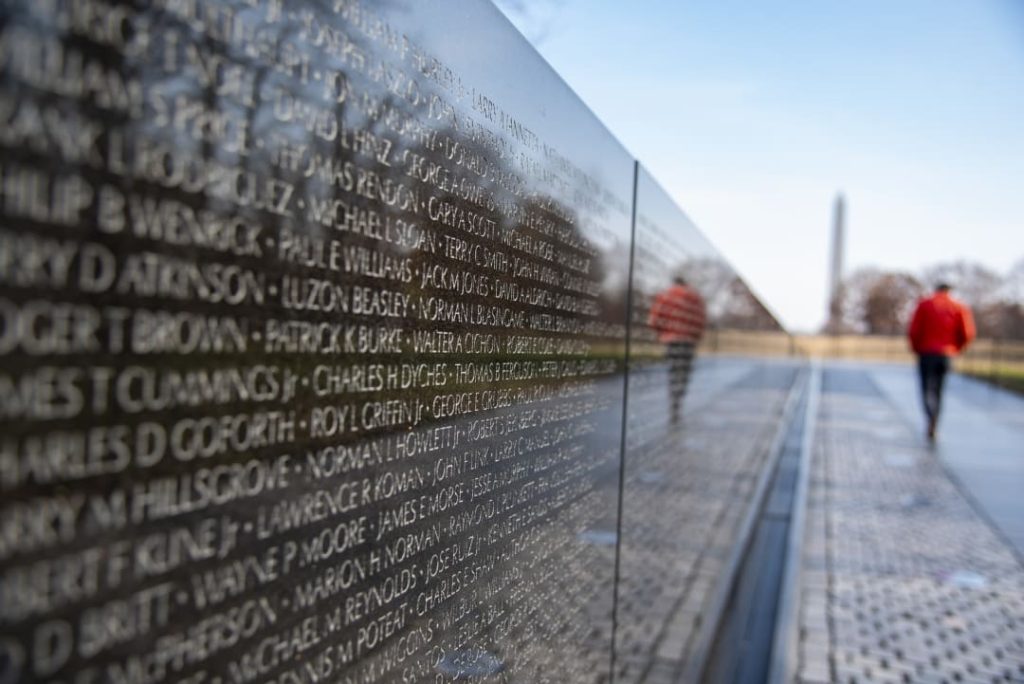
Think about that for a second. Teenagers were being drafted and shipped off to fight a war thousands of miles away. Many of them couldn’t legally drink but were expected to kill or die. It was one of the youngest fighting forces in American history.
Agent Orange caused devastation for decades
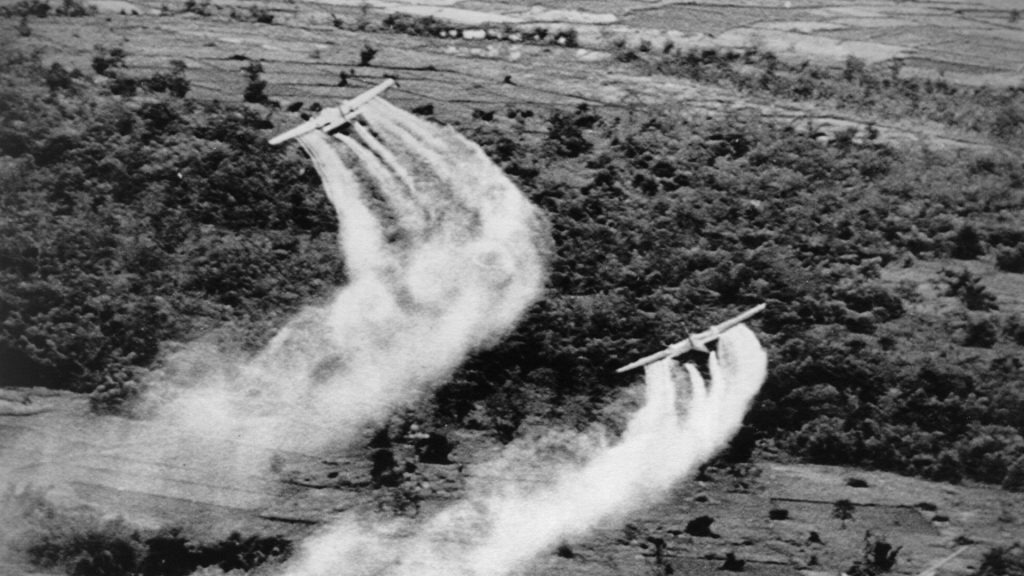
Agent Orange was a herbicide used by the US to strip away jungle cover. It didn’t just kill plants—it caused birth defects, cancers, and lasting environmental damage. Many Vietnamese people and US veterans are still affected today. It’s one of the darkest legacies of the war.
The Ho Chi Minh Trail was basically a ghost road
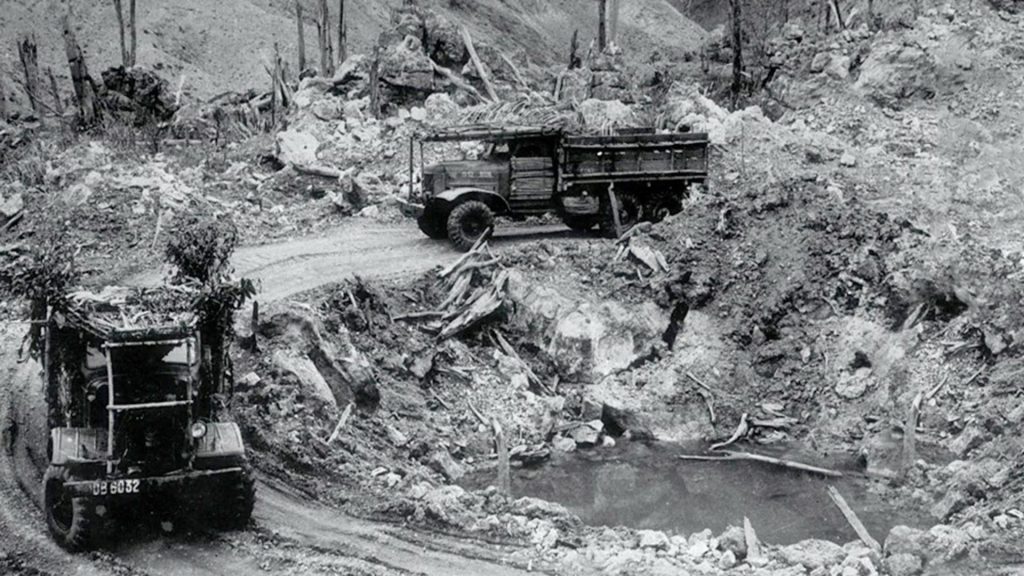
Despite being constantly bombed, the North Vietnamese managed to keep this supply route open using camouflage, underground bunkers, and even bicycles. The trail stretched over thousands of miles through neighboring countries. It was like a logistical magic trick. And it worked.
Draft dodging was a national crisis
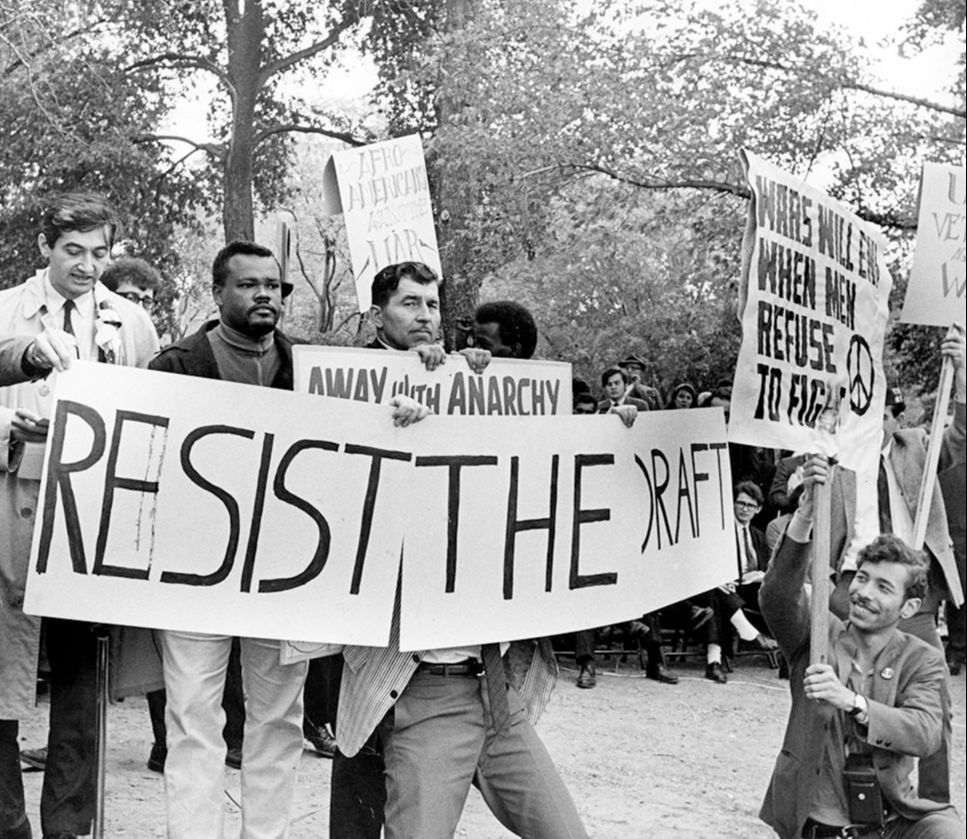
As opposition to the war grew, so did efforts to avoid the draft. Some fled to Canada, others pretended to be mentally ill, and a few even self-injured to get out of service. Over 100,000 Americans left the country. It tore families and communities apart.
Vietnam had two wars going on at once
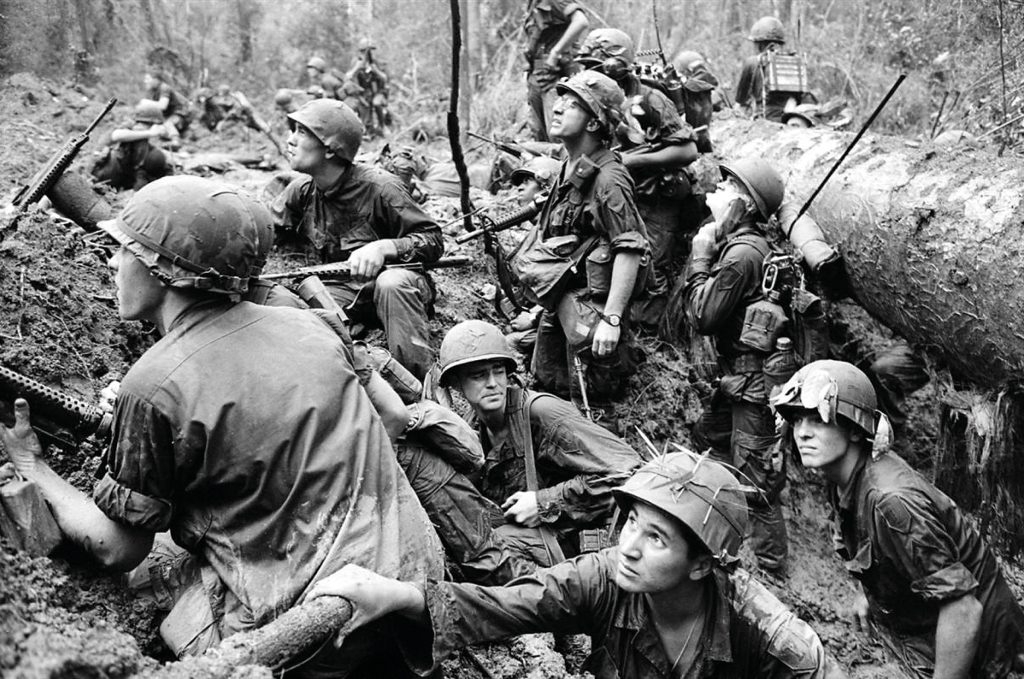
While North and South Vietnam fought each other, both sides also battled internal conflicts. There were local guerrilla movements, purges, and power struggles happening beneath the larger war. It wasn’t just the US versus Communism; it was chaos.
The My Lai Massacre shocked the world
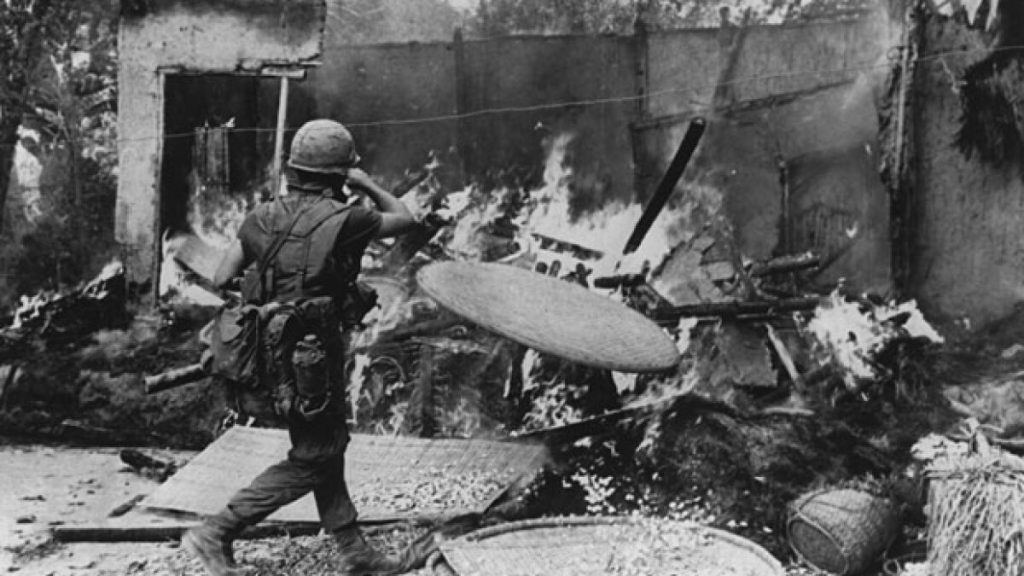
In 1968, American soldiers killed hundreds of unarmed Vietnamese civilians in the village of My Lai. The victims included women, children, and the elderly. When the truth came out, it sparked global outrage and shifted public opinion sharply against the war. Only one soldier was convicted.
Helicopters were everywhere
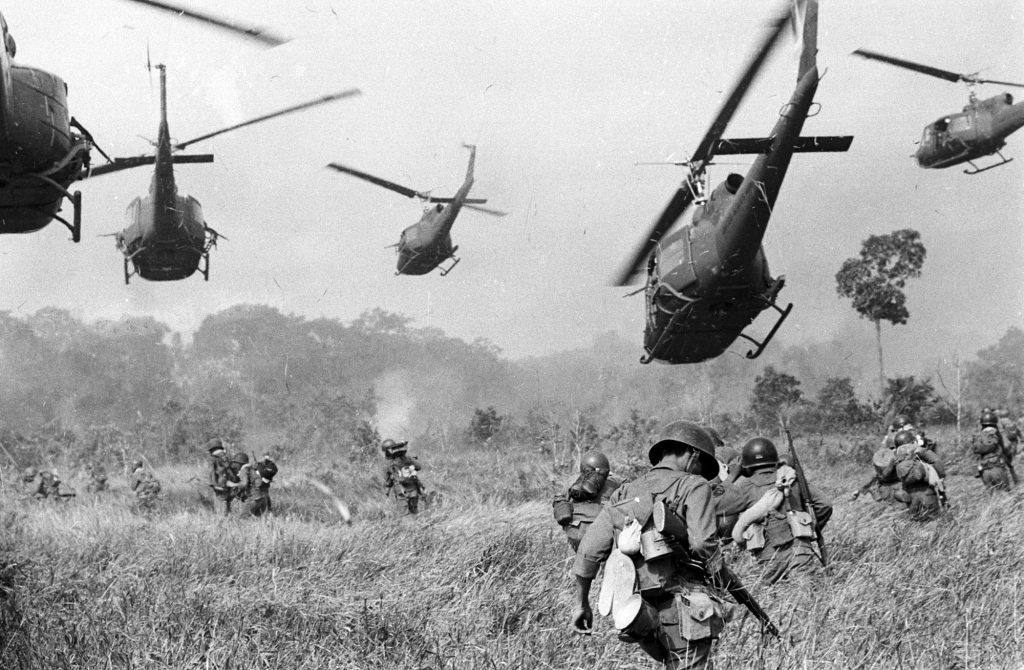
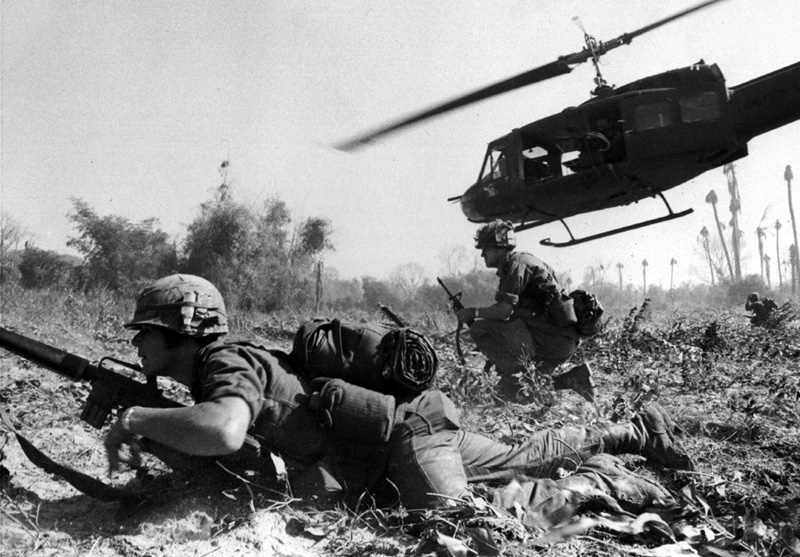
If there’s a sound that defines the Vietnam War, it’s the thump-thump of helicopter blades. Over 12,000 helicopters were used during the war. They transported troops, evacuated the wounded, and sometimes acted as flying gunships. The war was practically fought from the sky.
Vietnam War was televised like never before
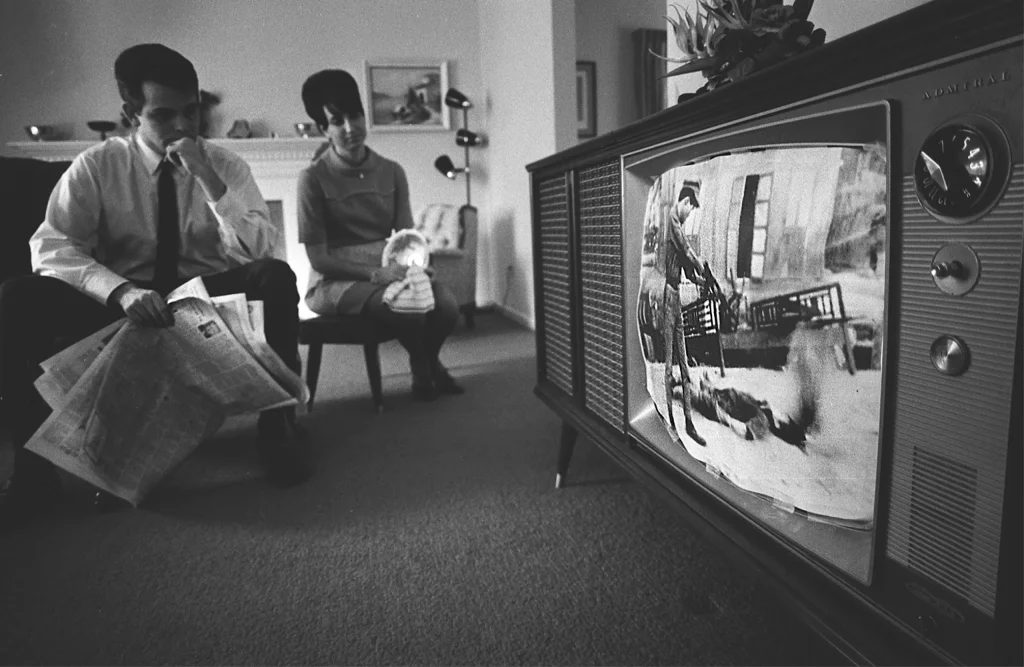
For the first time, people could watch the horrors of war from their living rooms. News crews had nearly unrestricted access, and footage of burning villages and body bags became nightly viewing. This played a huge role in the rise of anti-war sentiment in the US. It was brutal, raw, and unfiltered.
Over 300,000 Vietnamese children were left orphaned
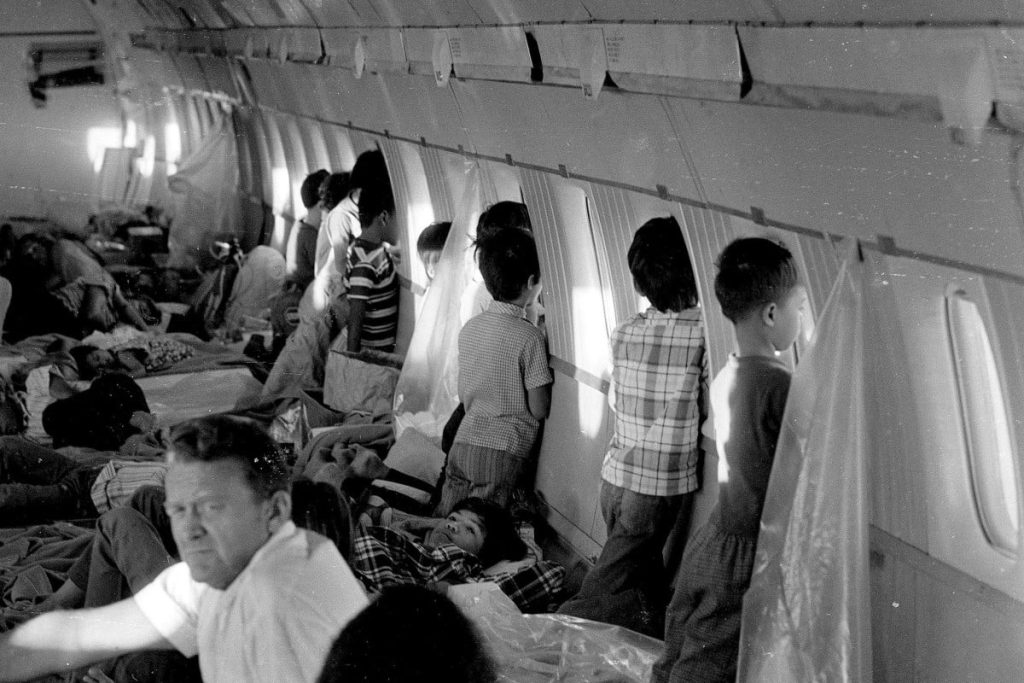
Entire communities were torn apart, and the result was a heartbreaking number of orphans. Many lived in poverty or were taken to orphanages, both in Vietnam and abroad. Some were adopted by American families. Others never found their biological roots again.
Music became a form of protest
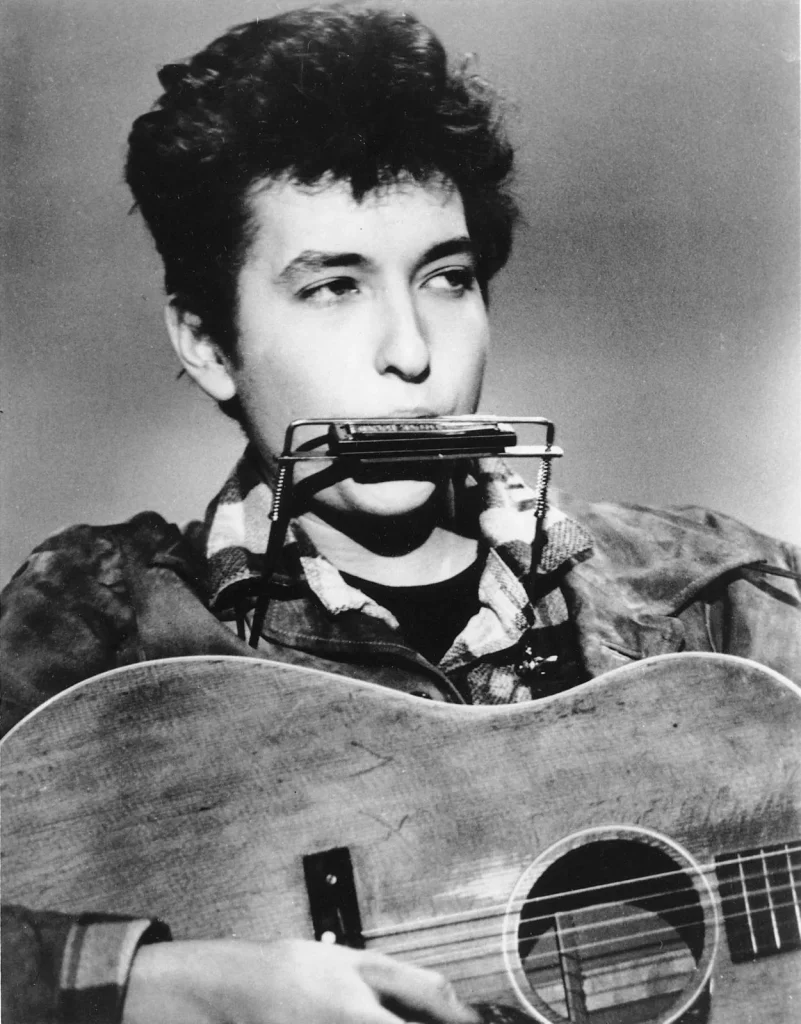
Artists like Bob Dylan, Joan Baez, and Creedence Clearwater Revival turned their music into weapons of resistance. Songs like “Fortunate Son” and “Give Peace a Chance” became anthems of the anti-war movement. Even soldiers in Vietnam listened to them. The soundtrack of the war was often one of defiance.
The North Vietnamese dug an underground city
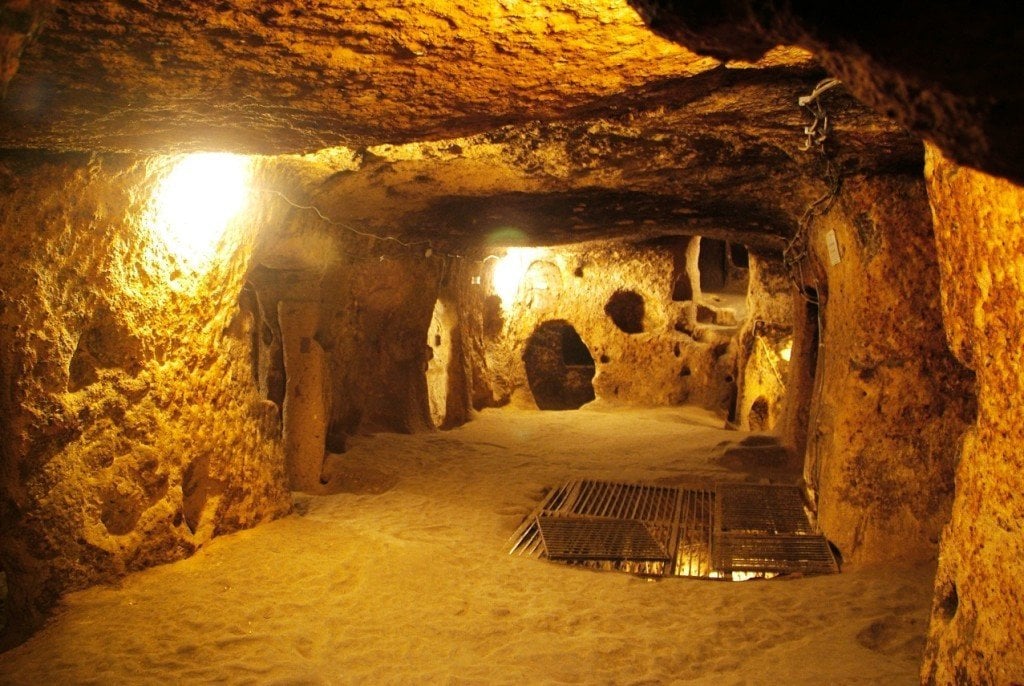
Under Cu Chi, they built a sprawling network of tunnels that housed entire communities. These tunnels had kitchens, hospitals, and even classrooms. US troops often couldn’t find them. Some are now open to tourists.
PTSD skyrocketed after the war
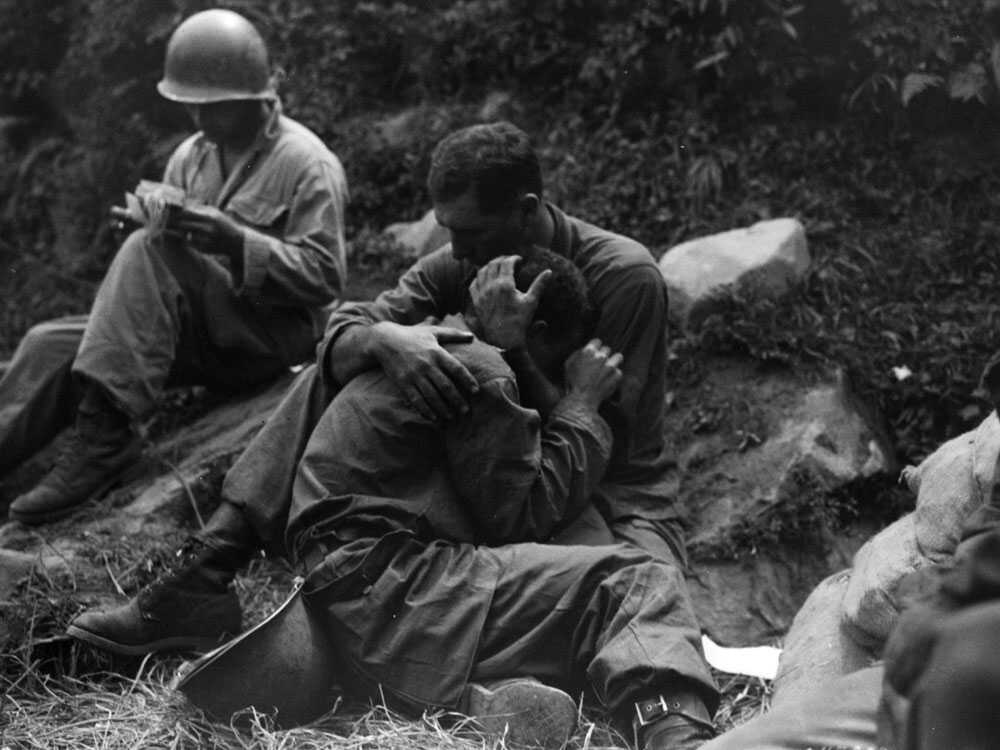
Thousands of veterans came home with invisible wounds. PTSD wasn’t even officially recognized at the time, so many suffered in silence. Drug addiction, homelessness, and suicide rates among Vietnam vets were devastating. It took years for the US to begin to properly support them.
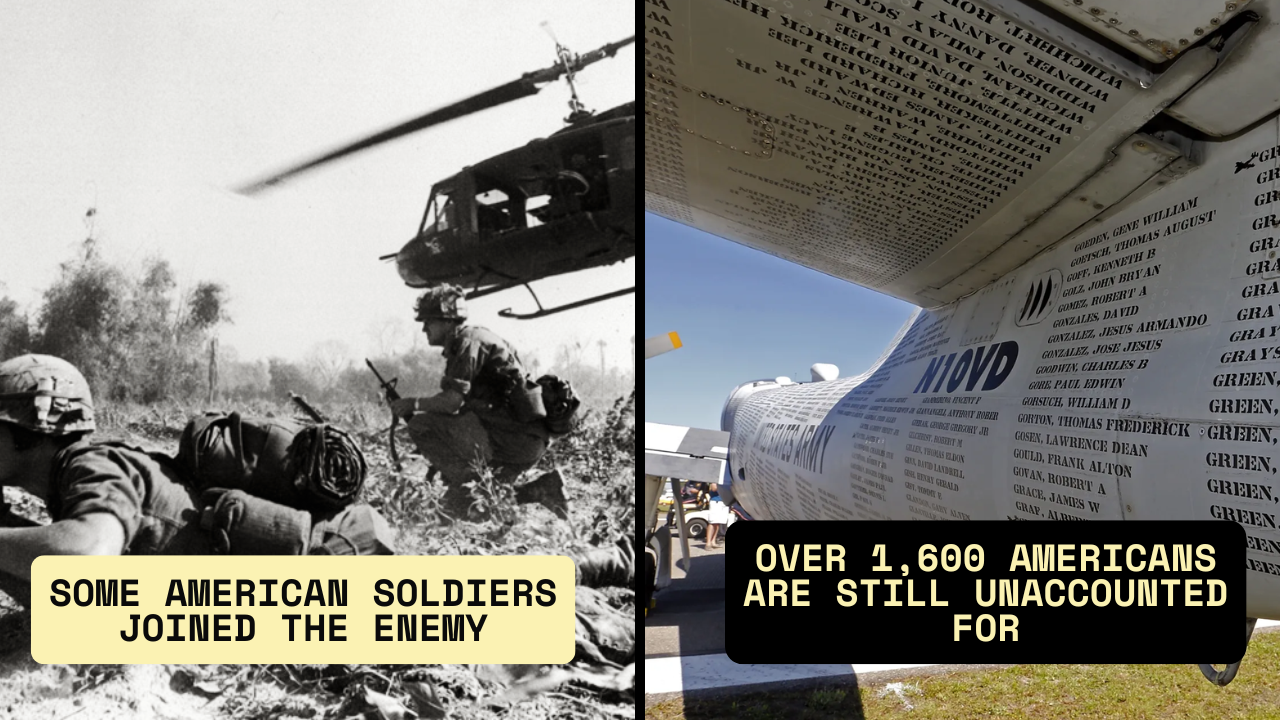
Some American soldiers joined the enemy
It sounds like something out of a spy movie, but it’s true. A handful of American POWs defected and chose to stay in Vietnam after being captured. Some even appeared in propaganda films. Their stories are complex and controversial.
The war sparked the largest student protest in US history
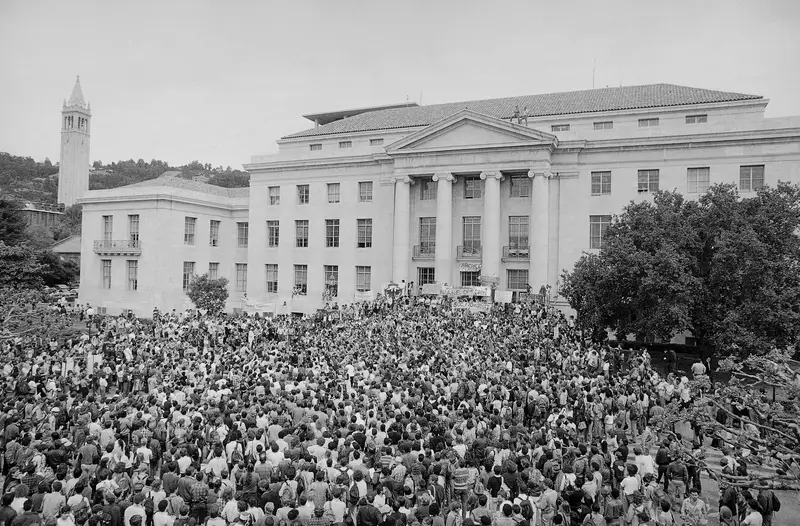
On May 4, 1970, students at Kent State University protested the war, and four of them were shot dead by the National Guard. This tragedy made headlines around the world. It’s still one of the most chilling moments in American protest history. The campus has a memorial to this day.
Women played key roles on all sides
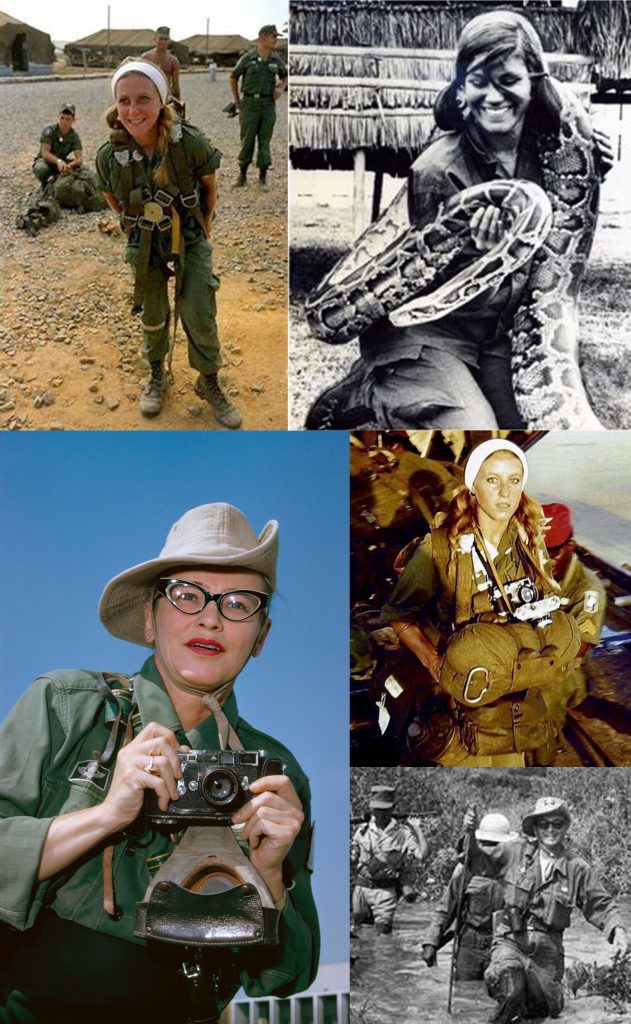
From North Vietnamese fighters to American nurses, women were crucial to the war effort. Some served in combat, while others risked their lives treating the wounded or gathering intelligence. Their stories often go untold. But they were there, and they mattered.
Some POWs used secret codes in letters home
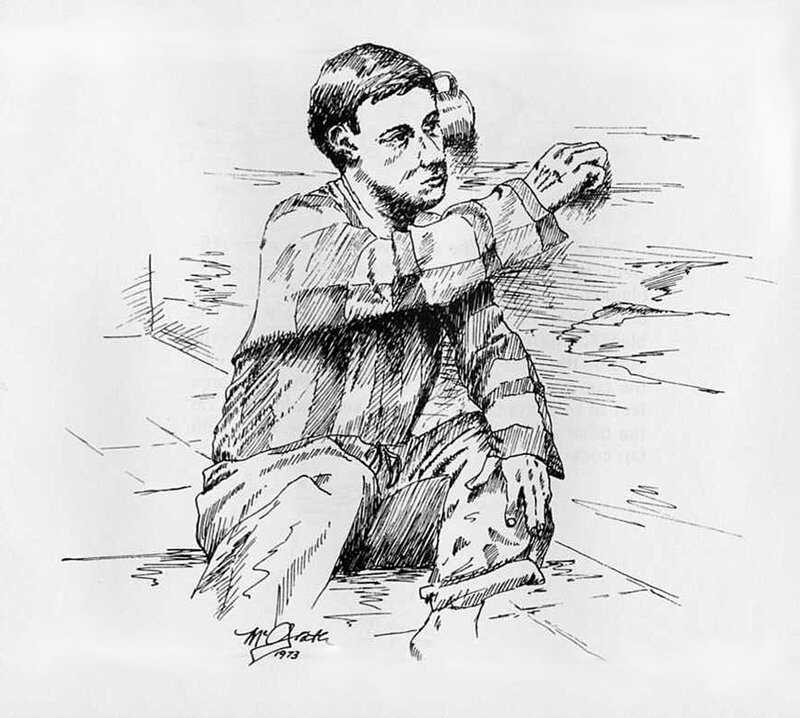
To communicate under the radar, captured American soldiers would use hidden messages in seemingly innocent letters. They’d capitalize certain letters or subtly include information about their location. Families and intelligence agencies worked together to decode them. It was risky but brilliant.
War dogs saved thousands of lives
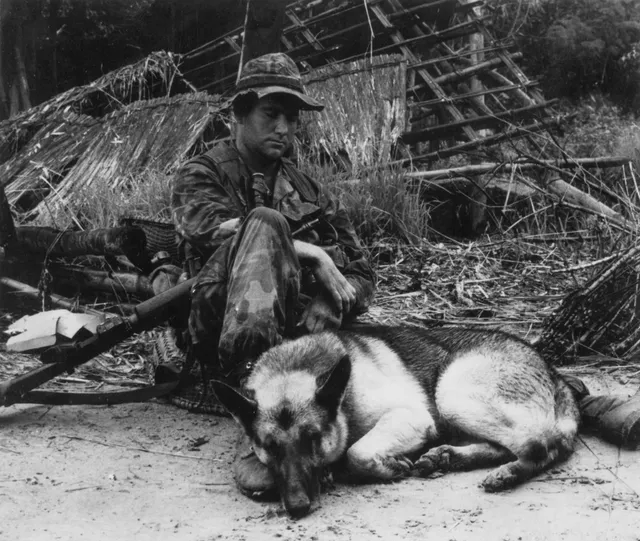
Canines were trained to sniff out traps, detect enemies, and even parachute into jungles. Many handlers considered them fellow soldiers. Tragically, most of these dogs were left behind after the war. Their service went largely unrecognized for years.
The fall of Saigon was broadcast live
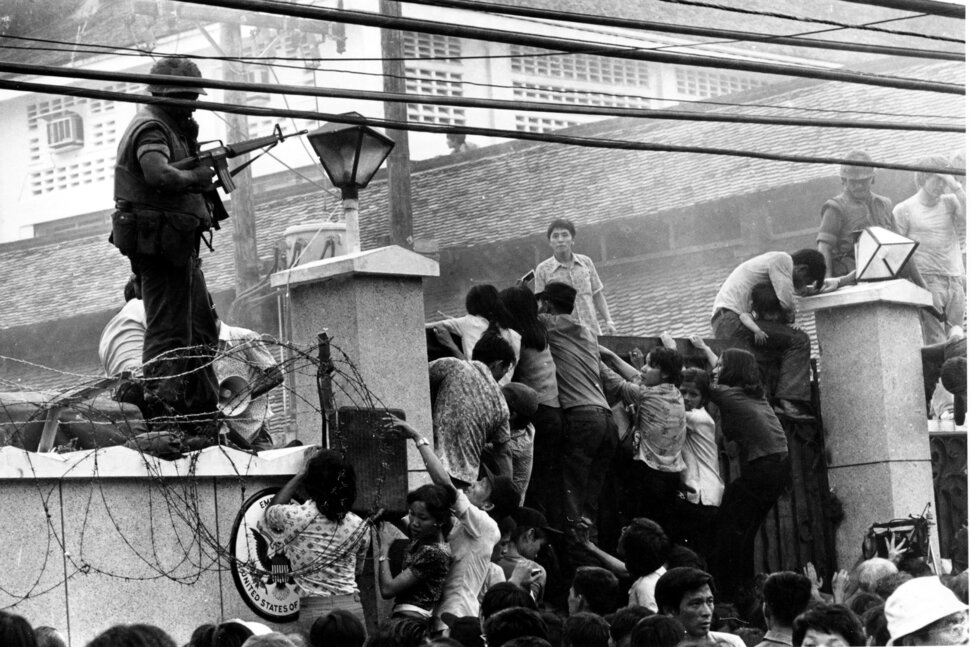
When Saigon fell on April 30, 1975, cameras captured everything. The iconic image of a helicopter evacuating people from a rooftop wasn’t even the US embassy, it was a CIA building. But the chaos was real. It marked the dramatic, painful end of the war.
Napalm left lasting scars
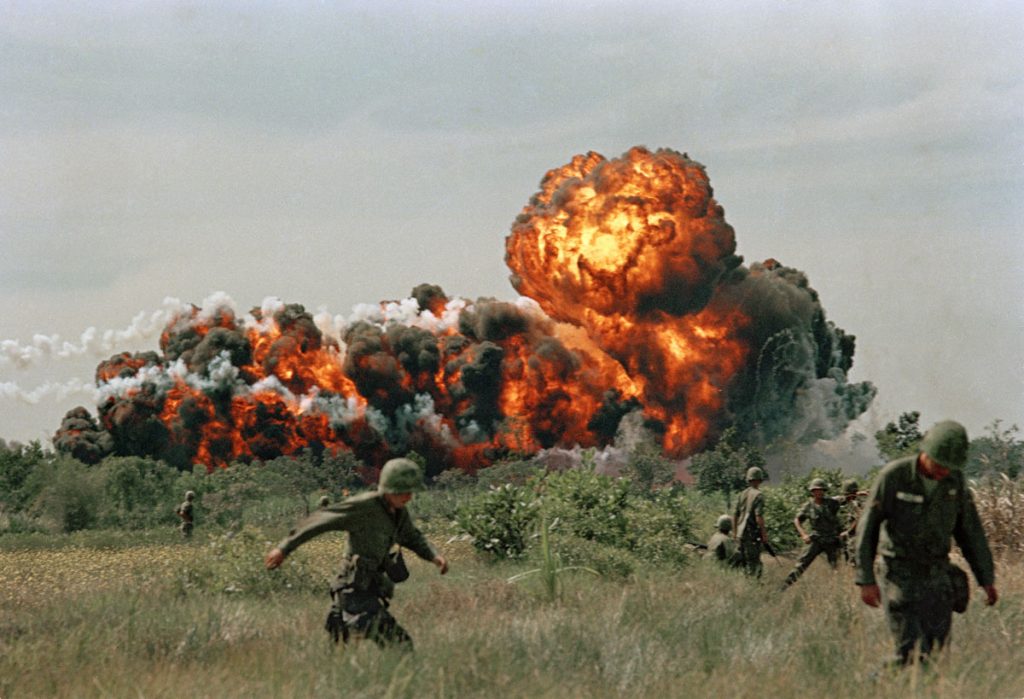
Napalm bombs didn’t just kill, they maimed. The fire would stick to skin and continue to burn, often leaving survivors with horrific injuries. One famous photo of a burned Vietnamese girl running naked down the road shocked the world. That girl, Kim Phuc, later became a peace activist.
The US used psychic spies during the war
Yep, really. The CIA dabbled in “remote viewing,” trying to use people who claimed to psychically locate enemy positions. It was part of a broader Cold War obsession with mind control and psychic warfare. Spoiler: it didn’t work.
The war deeply divided American families
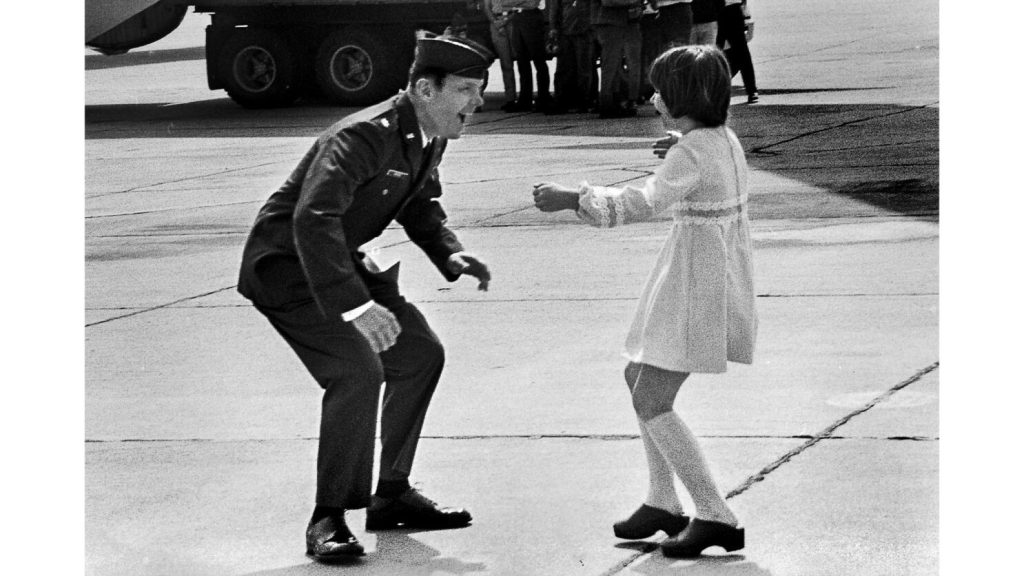
It wasn’t just the government or campuses in turmoil. Families fought at the dinner table over whether the war was justified. Some parents supported it; their children protested it. It tore generations apart in real time.
Buddhist monks protested by self-immolating
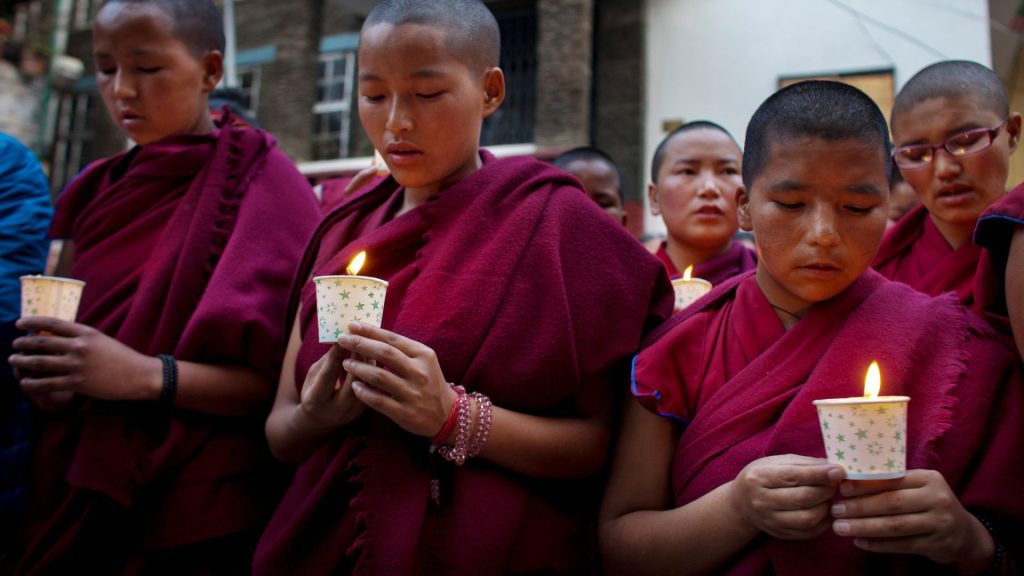
In South Vietnam, monks opposed the regime’s religious oppression and the war. Some set themselves on fire in public as a form of protest. These acts were not only horrifying but impossible to ignore. One such image made it to the cover of Time.
Over 1,600 Americans are still unaccounted for
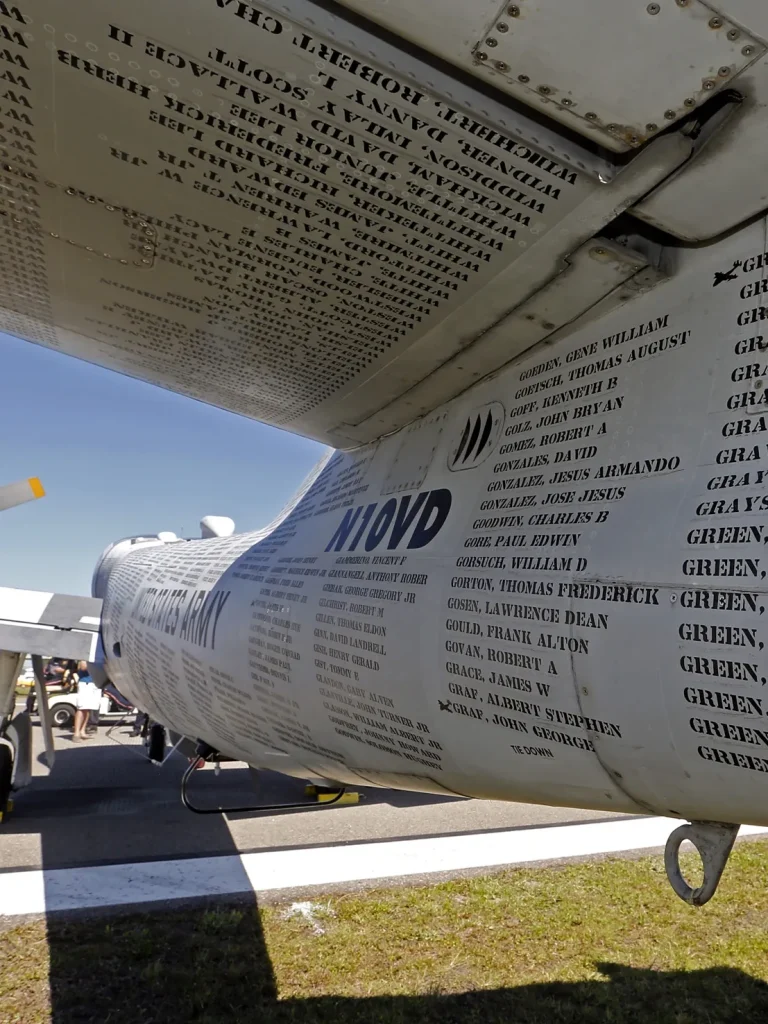
Decades later, the US continues to search for the remains of missing service members. The “MIA” status isn’t just symbolic; some families are still waiting for closure. Recovery missions still happen, even in 2025. It’s an open wound for many.
The Pentagon Papers changed everything
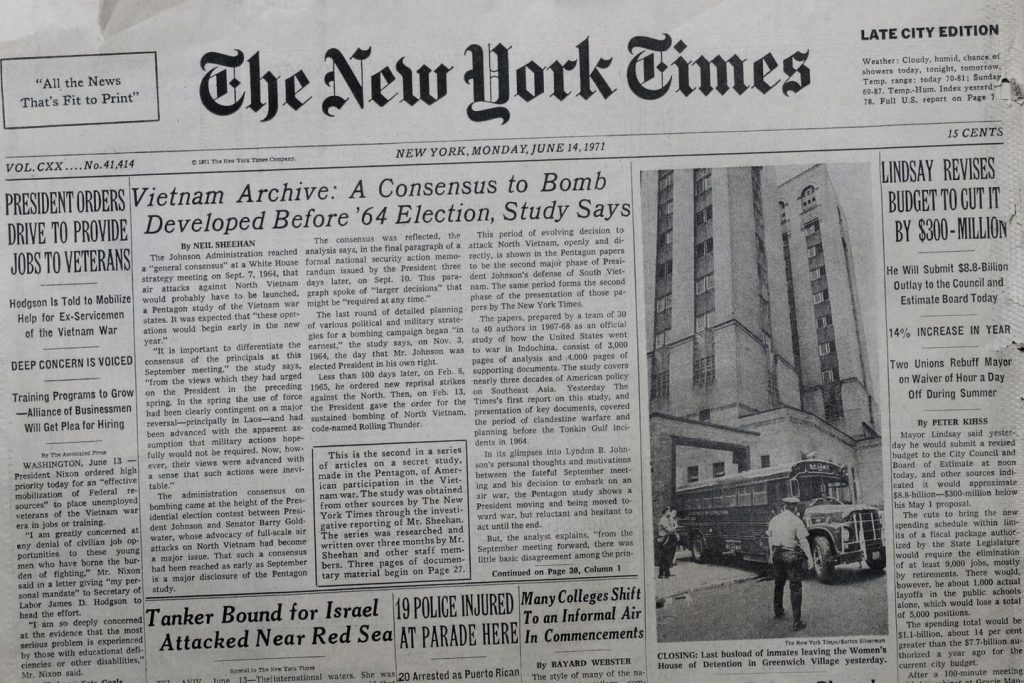
In 1971, a massive leak of classified documents exposed that US officials had lied about the progress of the war. The public found out that leaders had known the war was unwinnable for years. The trust between citizens and the government took a massive hit. The media had a field day.
Hollywood took a while to catch up
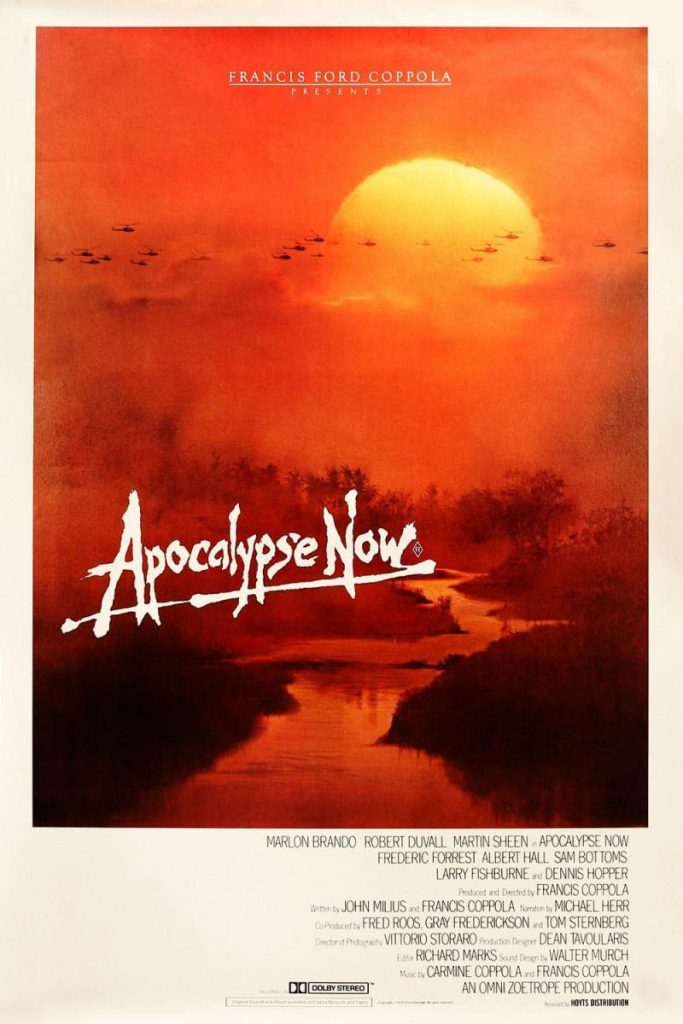
It wasn’t until the late ’70s and ’80s that major Vietnam War films started hitting the screen. Movies like Apocalypse Now, Platoon, and Full Metal Jacket didn’t shy away from the horrors. These films helped shape the cultural memory of the war. Some were made by veterans themselves.
North Vietnamese soldiers used sandals made from tires
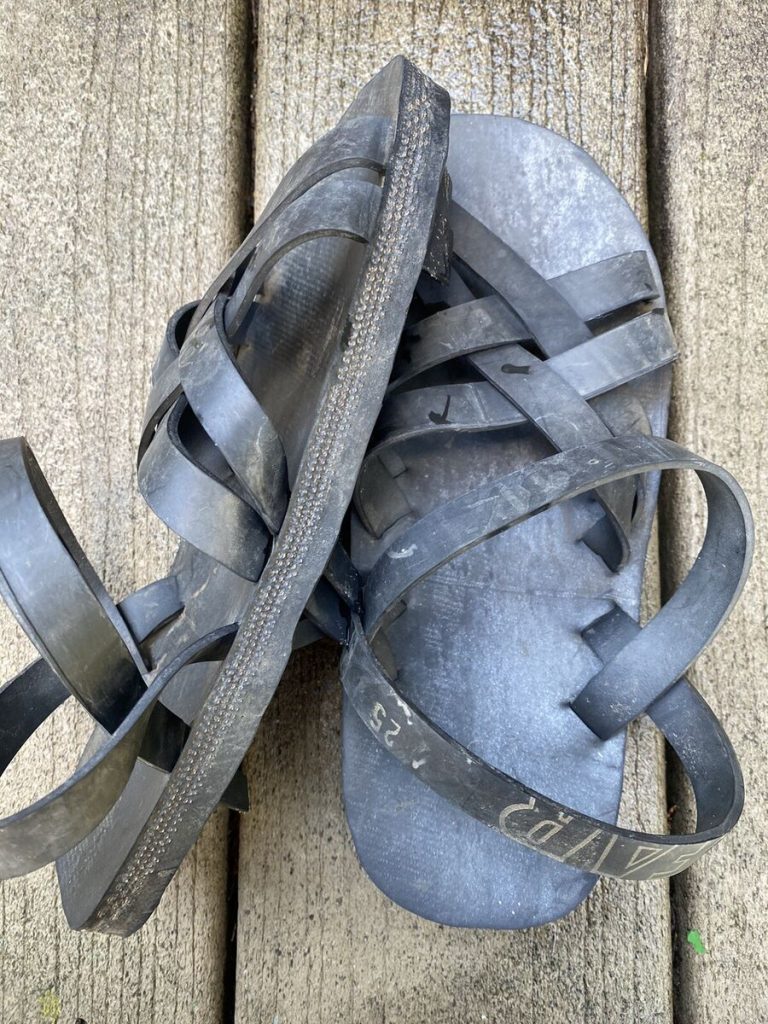
Simple but effective. These “Ho Chi Minh sandals” were cheap, durable, and perfect for jungle terrain. Soldiers could make them by hand. Some of these rugged sandals are now displayed in museums.
The Vietnam War still shapes US foreign policy today
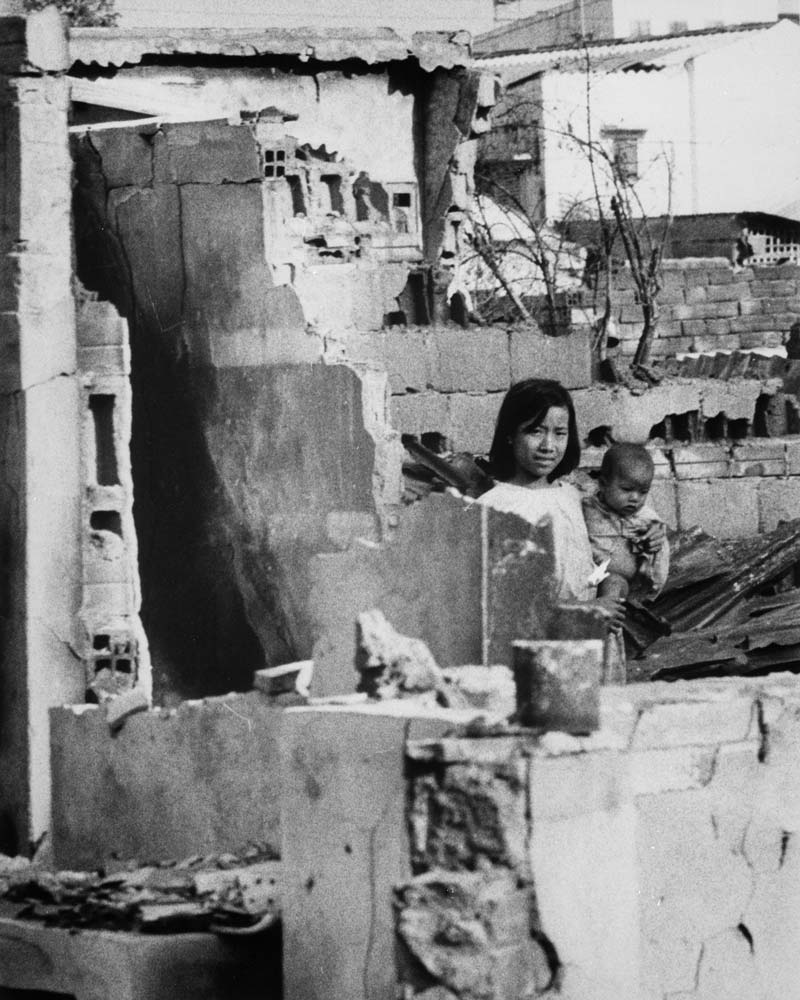
The fear of getting stuck in “another Vietnam” has haunted American leaders ever since. It’s referred to in decisions about intervention, military strategy, and even public communication. The phrase “quagmire” became shorthand for an unwinnable war. In many ways, we’re still trying to learn from it.