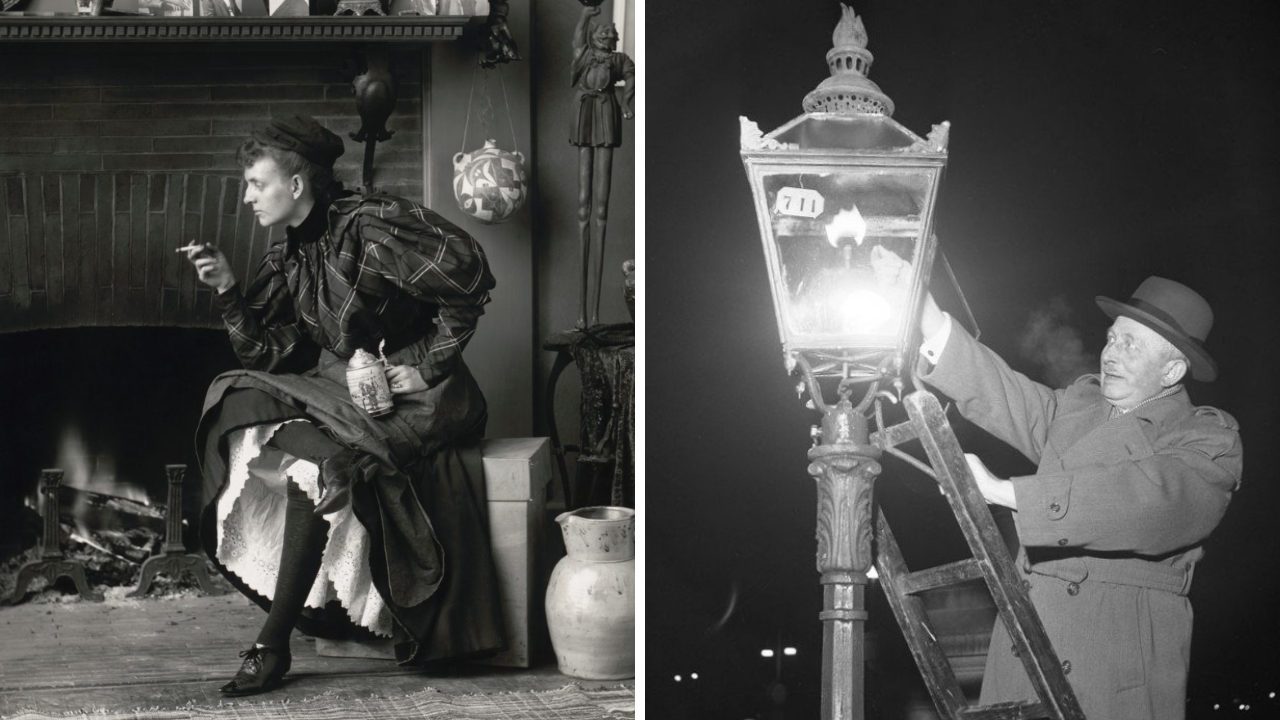
The Edwardian era is often remembered as a golden age of garden parties and sun-drenched afternoons, but the reality for those living through it was far more peculiar. From the bizarre items found in the average pantry to the dangerous fashion trends of the time, daily existence involved many risks and oddities that would shock a modern observer. This article explores 30 fascinating and strange facts about how people navigated life at the turn of the century.
The Rigid Protocol Of Calling Cards
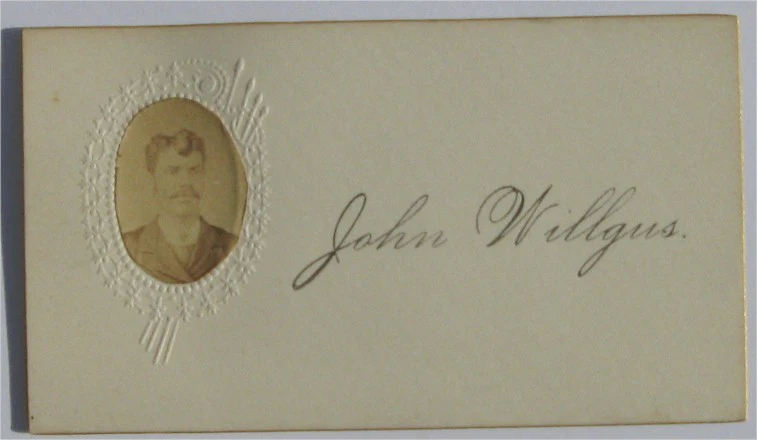
Social interactions in this period were heavily regulated by the use of small paper cards. Visiting a neighbor required leaving a card to indicate your presence, and specific rules dictated how many cards were left for each member of the household. Failure to follow these complex etiquette rules could result in being completely shunned by high society.
Adulterated Milk With Borax
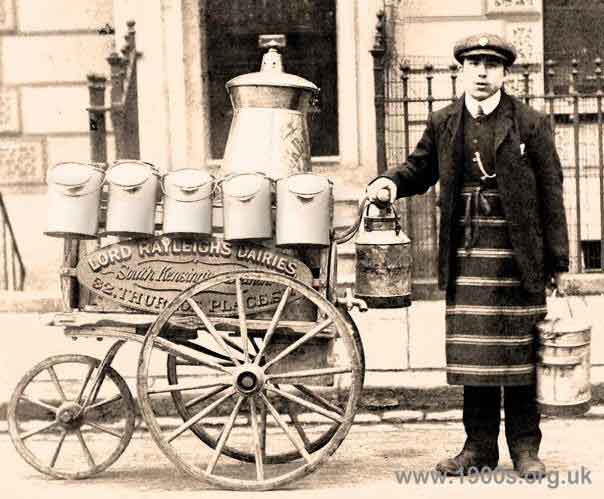
Before widespread refrigeration, vendors sometimes added borax to milk to keep it looking fresh for longer. This chemical masked the smell of spoilage but did nothing to stop the growth of dangerous bacteria. Many children became ill or died from consuming these adulterated dairy products.
Large Hatpins Used For Self Defense
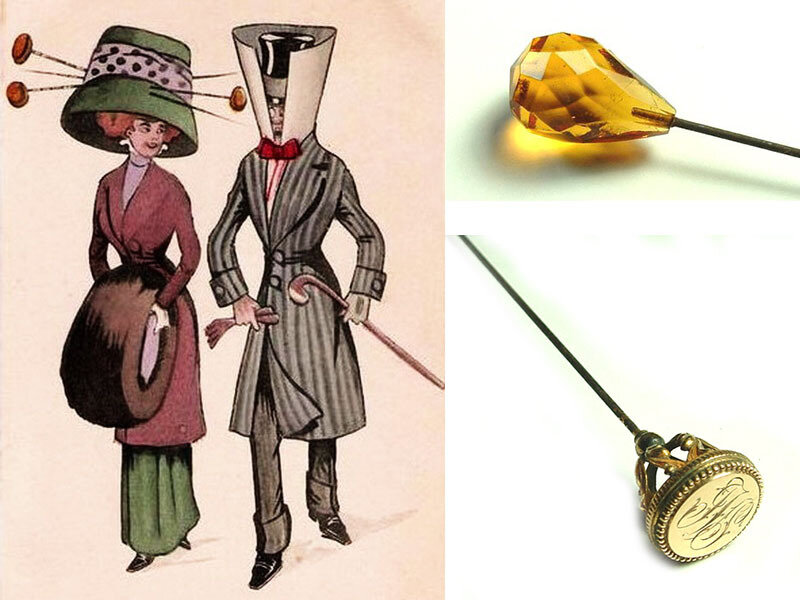
As hats grew larger and more elaborate, women used massive hatpins to secure them to their hair. These sharp tools, sometimes nearly a foot long, were frequently used as improvised weapons for protection against street harassers. The potential danger was so significant that some cities eventually passed laws to limit their length.
The Invention Of The S-Bend Corset
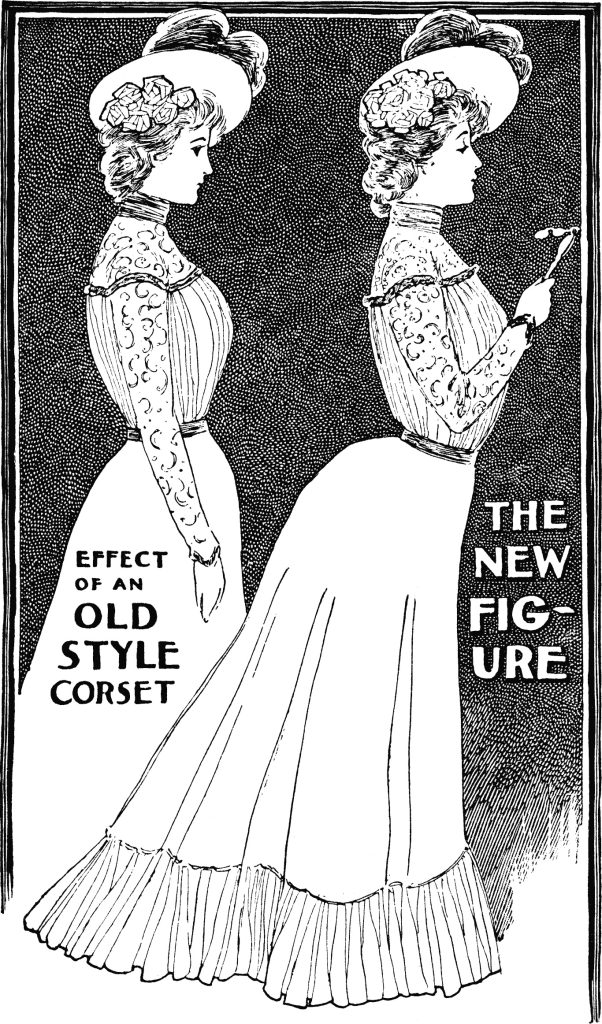
The fashion of the day favored a silhouette known as the S-bend or pigeon breast, achieved through a specific type of corset. These garments pushed the hips back and the chest forward, creating an unnatural and often painful posture. While it was considered the height of style, it caused significant health issues for many women.
Bathing Machines For Seaside Modesty
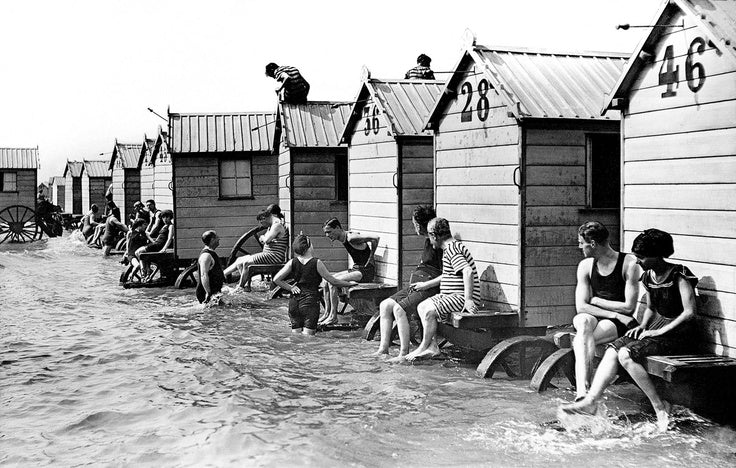
During seaside holidays, modesty was a primary concern for bathers. People used wooden huts on wheels, known as bathing machines, to change into their swimwear and be rolled directly into the ocean. This allowed them to enter the water without being seen in their swimming costumes by others on the beach.
The Pervasive Smell Of Horse Manure
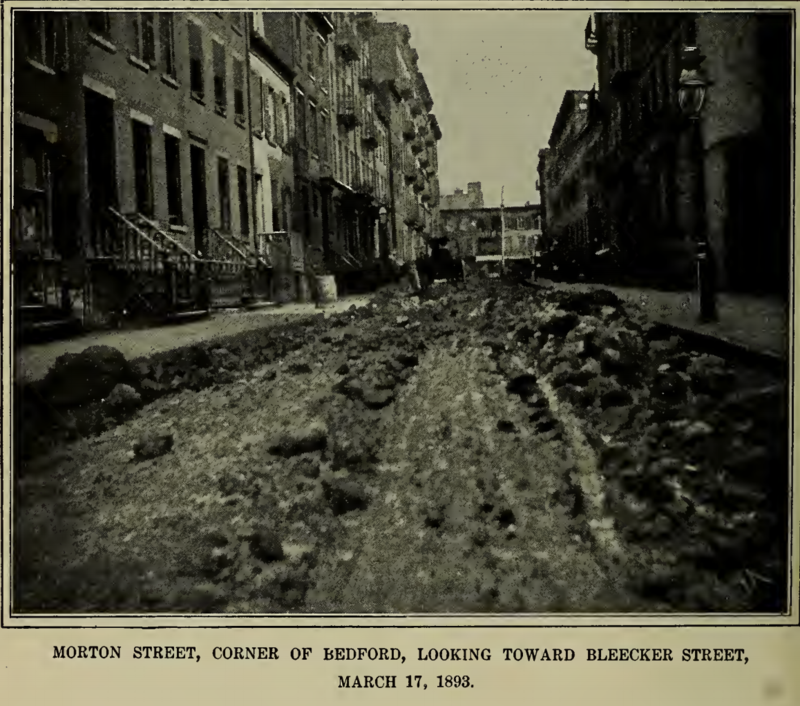
Cities were filled with thousands of horses used for transportation, leading to a massive accumulation of manure on the streets. During dry weather, this waste turned into a fine, irritating dust that people inhaled as they walked. In rainy conditions, it transformed into a thick, foul smelling sludge that covered shoes and skirts.
The Danger Of Celluloid Toys
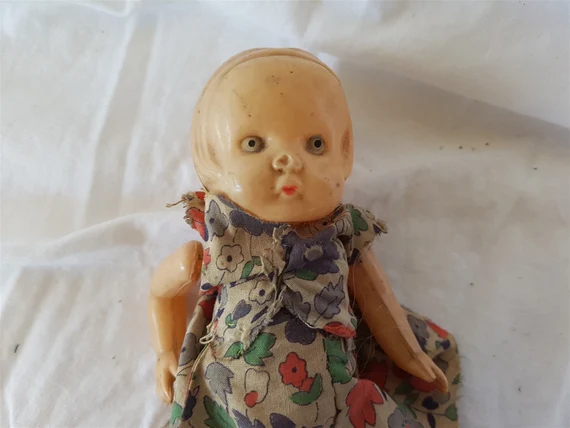
Many children’s toys were made from celluloid, an early type of plastic that was highly flammable. Dolls and ornaments could easily catch fire if they were placed too close to a candle or a fireplace. This led to frequent and tragic household accidents involving young children.
The Liberating Impact Of Bicycles
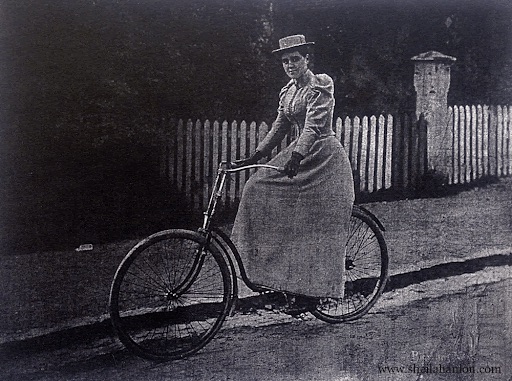
The popularity of cycling during this era changed how people, particularly women, dressed and traveled. It encouraged the adoption of more practical clothing, such as bloomers, which replaced heavy, restrictive skirts. This newfound mobility provided a sense of independence that challenged traditional gender roles.
Shared Water In Weekly Baths
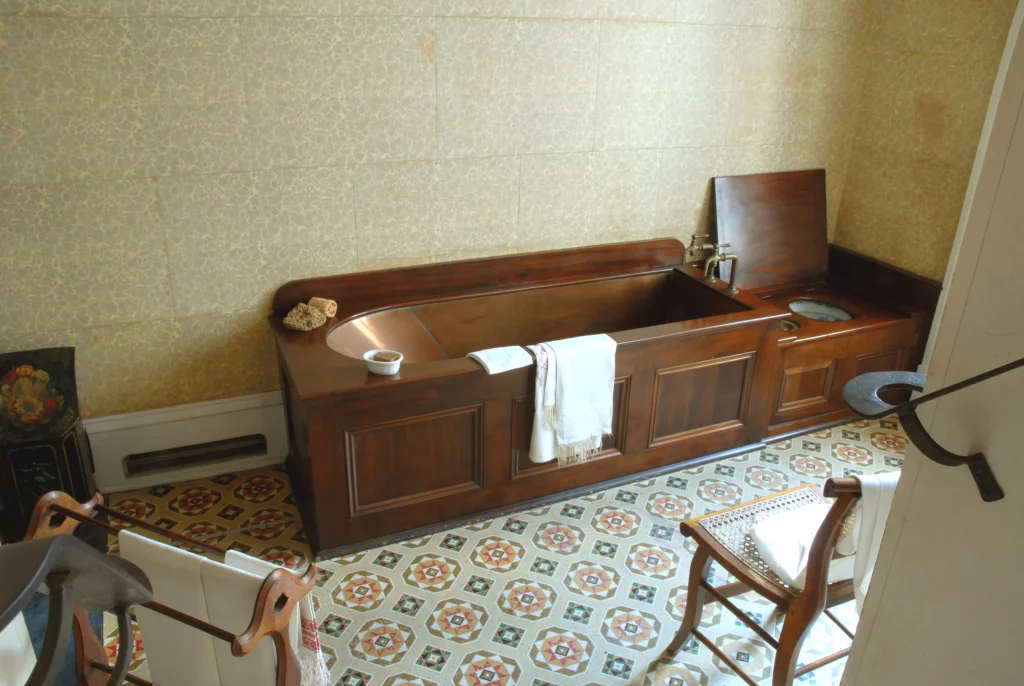
Full-body bathing was typically a weekly occurrence for many households, often taking place on Saturday nights. Because heating water was a laborious task, multiple family members often used the same tub of water. The head of the household would bathe first, with children and servants using the increasingly dirty water afterward.
Hazardous Patent Medicines
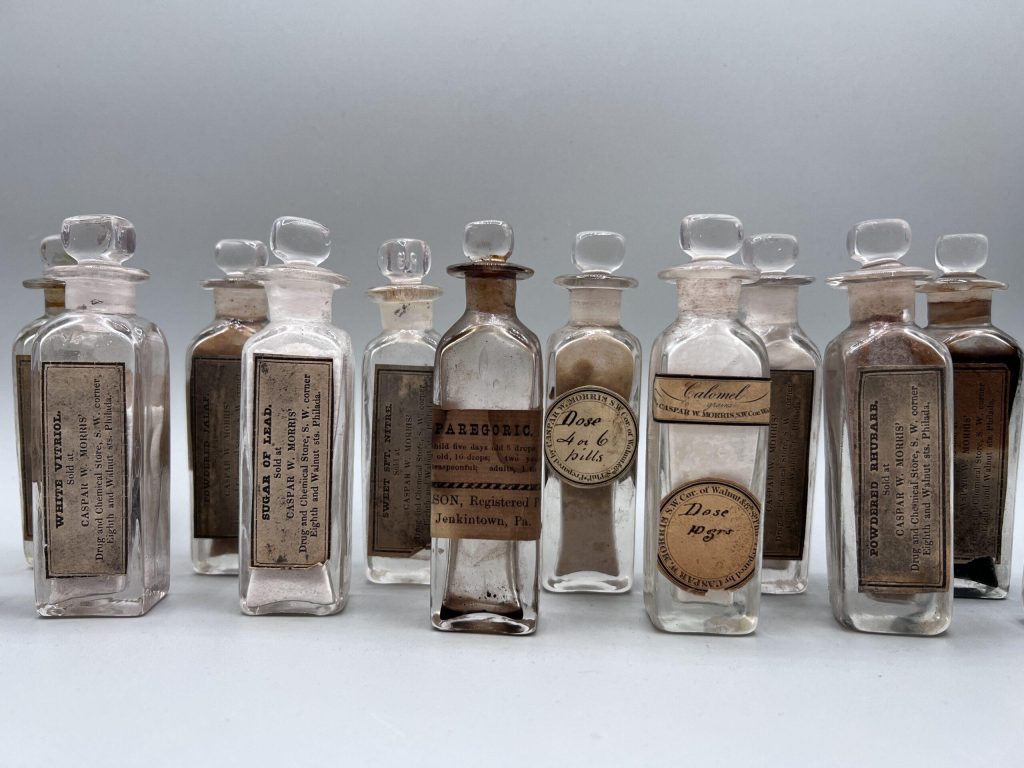
Pharmacies sold a variety of tonics and cures that contained powerful narcotics like cocaine and opium. These substances were marketed as treatments for everything from toothaches to coughs and were often given to children. Without government regulation, consumers were frequently unaware of the addictive nature of these products.
Deadly Fire Risks In The Home
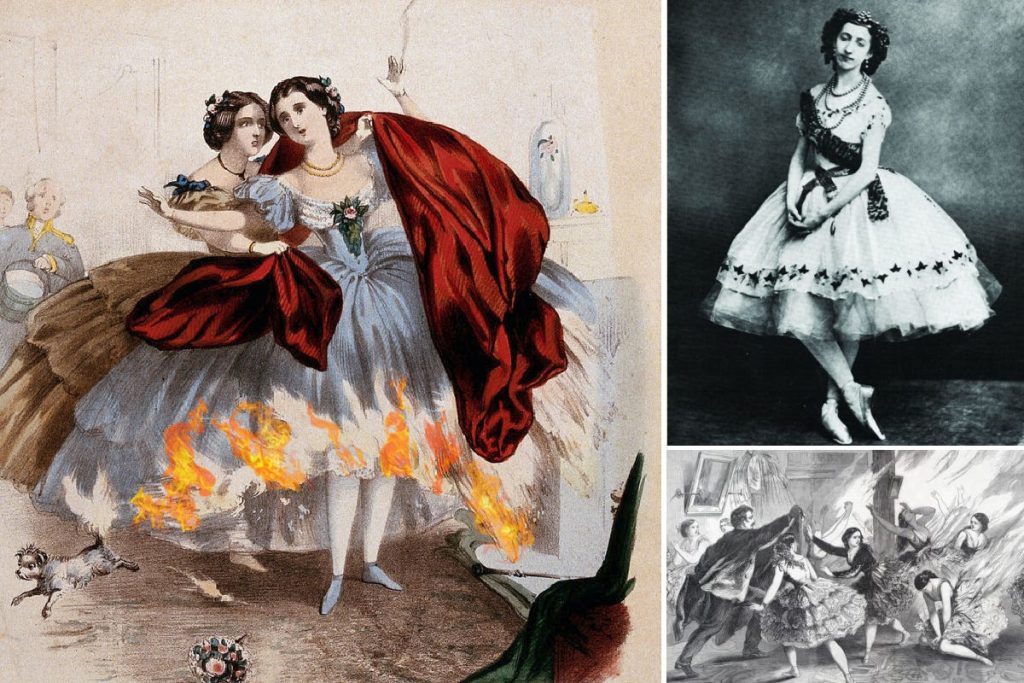
The combination of open fireplaces and long, flowing skirts made the home a dangerous place for women. A single spark could ignite the fabric, and the layers of petticoats often made it difficult to extinguish the flames. This resulted in a high number of fatal burn accidents within domestic settings.
Formal Attire For Private Dinners
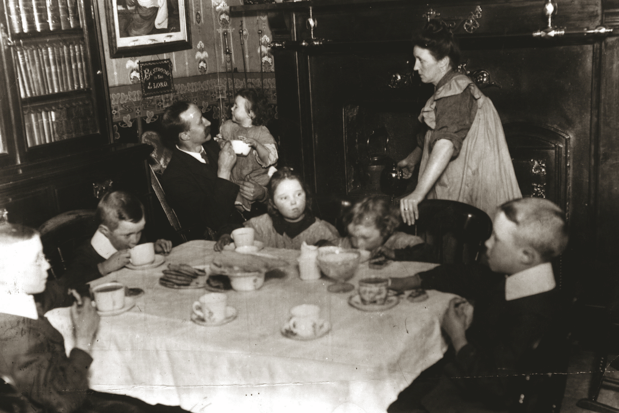
Even when they were not expecting guests, upper-class families were expected to dress in full formal attire for dinner. This meant men wore tailcoats and women wore evening gowns just to eat with their own family members. Maintaining these appearances was seen as an essential part of maintaining one’s social status.
Bread Mixed With Alum And Chalk
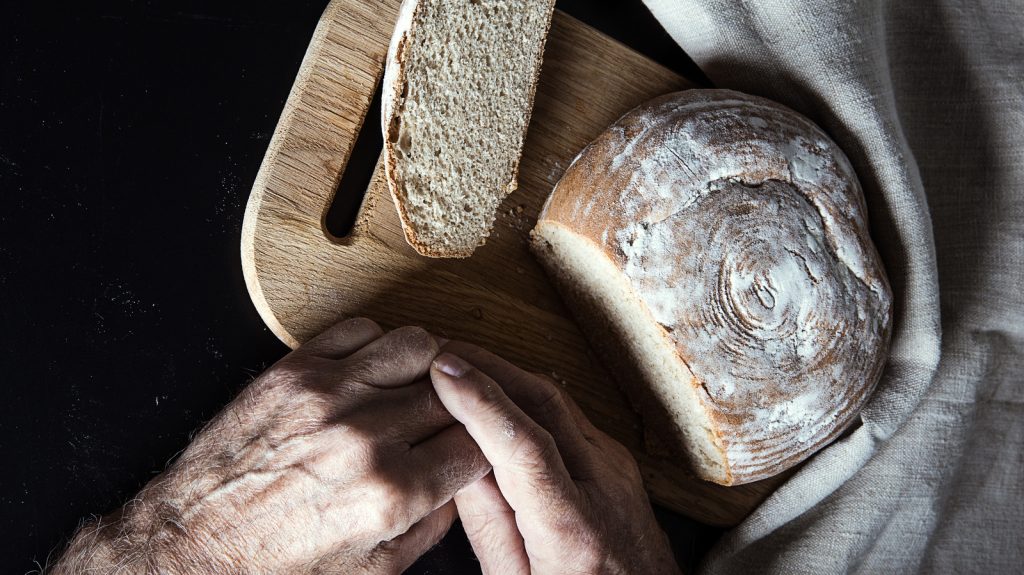
Bakers sometimes added substances like alum or chalk to flour to make bread appear whiter and more appealing. These additives were cheaper than high-quality flour and allowed for higher profits, though they were harmful when ingested. This practice was a common example of the lack of food safety standards at the time.
The Grueling Prison Treadmills
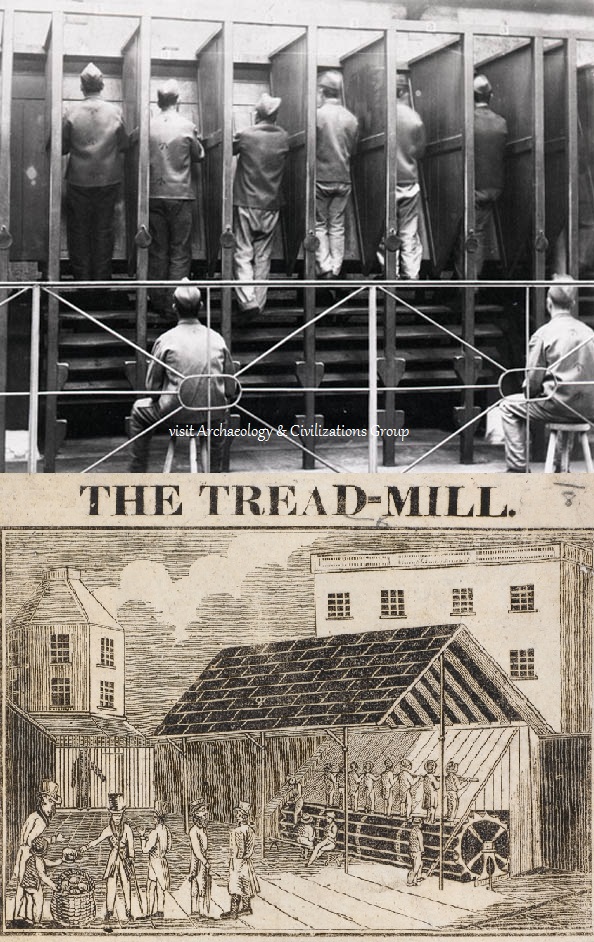
In some prisons, inmates were forced to walk on massive wooden treadmills for hours as a form of hard labor. While some of these wheels were used to grind grain, others served no purpose other than to exhaust the prisoners. It was a physically punishing experience designed to deter future criminal behavior.
Industrial Pea Souper Smog
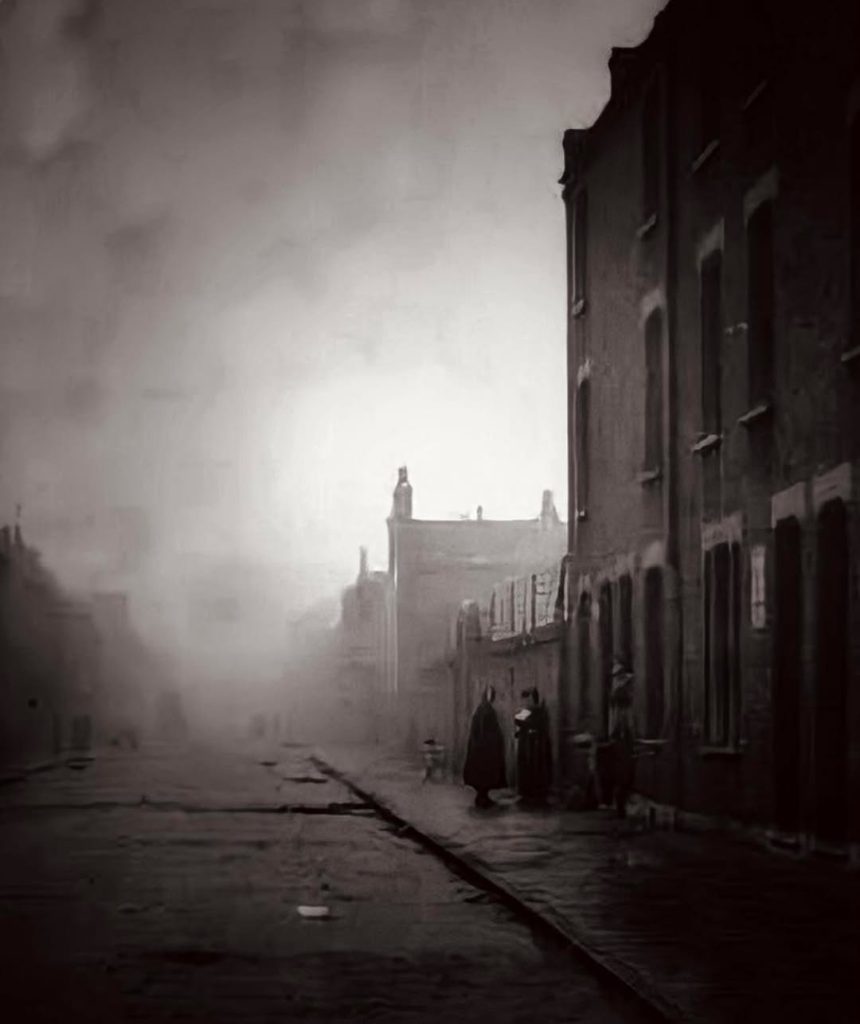
Heavy coal use in homes and factories created a thick, yellowish fog known as a pea souper. This smog was so dense that it could reduce visibility to nearly zero, making it impossible to see across a street. The pollution had a devastating effect on public health, causing widespread respiratory issues.
Professional Rat Catchers
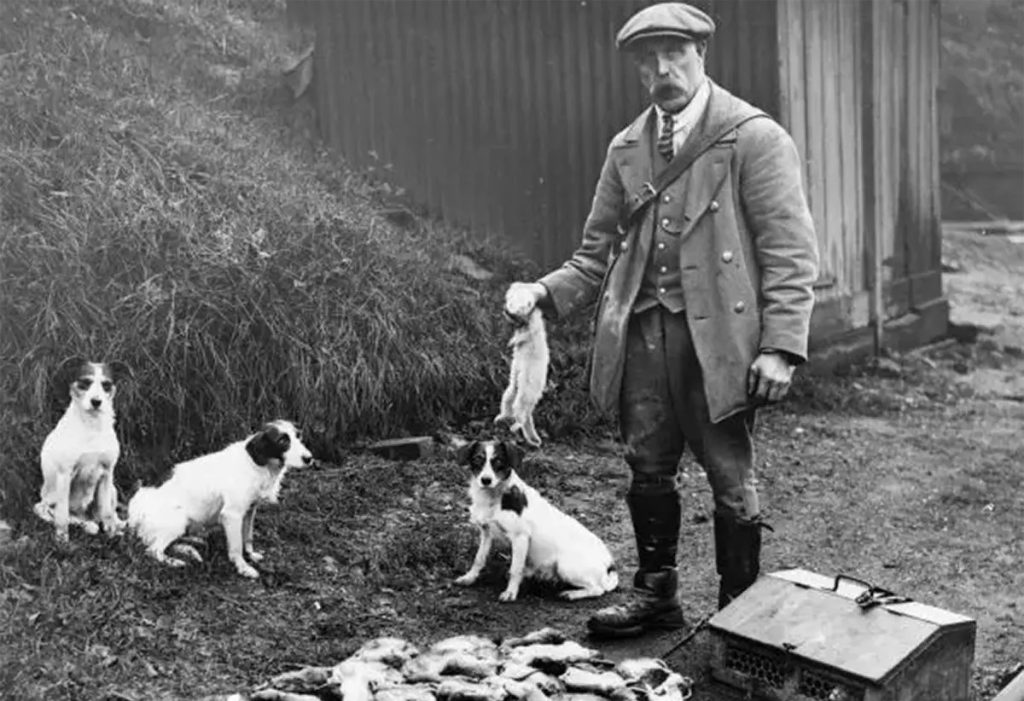
Rats were a major problem in crowded cities, leading to the rise of professional rat catchers who cleared infestations. These individuals often used specially trained terriers or ferrets to hunt the rodents in basements and sewers. It was a vital but hazardous job, as workers were constantly exposed to various diseases.
Scavenging For Trash In The Mud
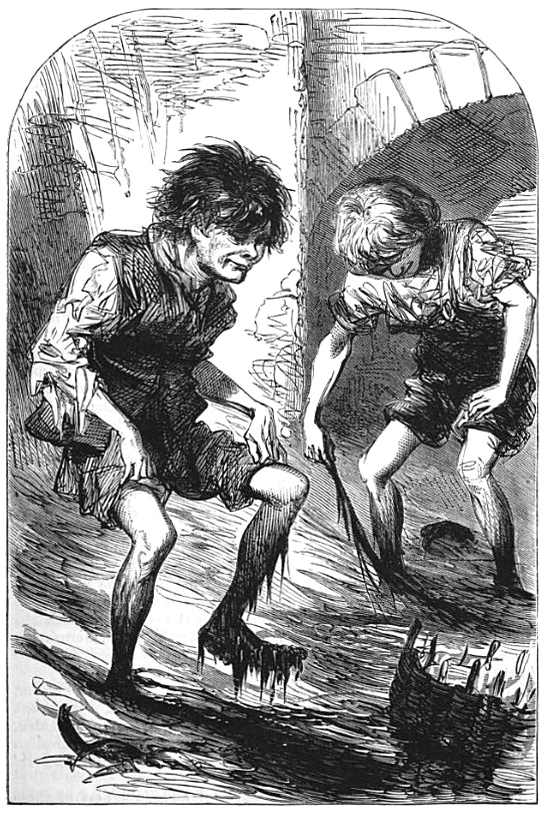
Poor individuals, often children, made a living by scavenging the banks of the River Thames at low tide for valuable scraps. Known as mudlarks, they searched for coal, old rope, or metal that could be sold to dealers. This dangerous work required wading through filthy water and sharp debris for very little pay.
The Practice Of Wearing Hair Jewelry
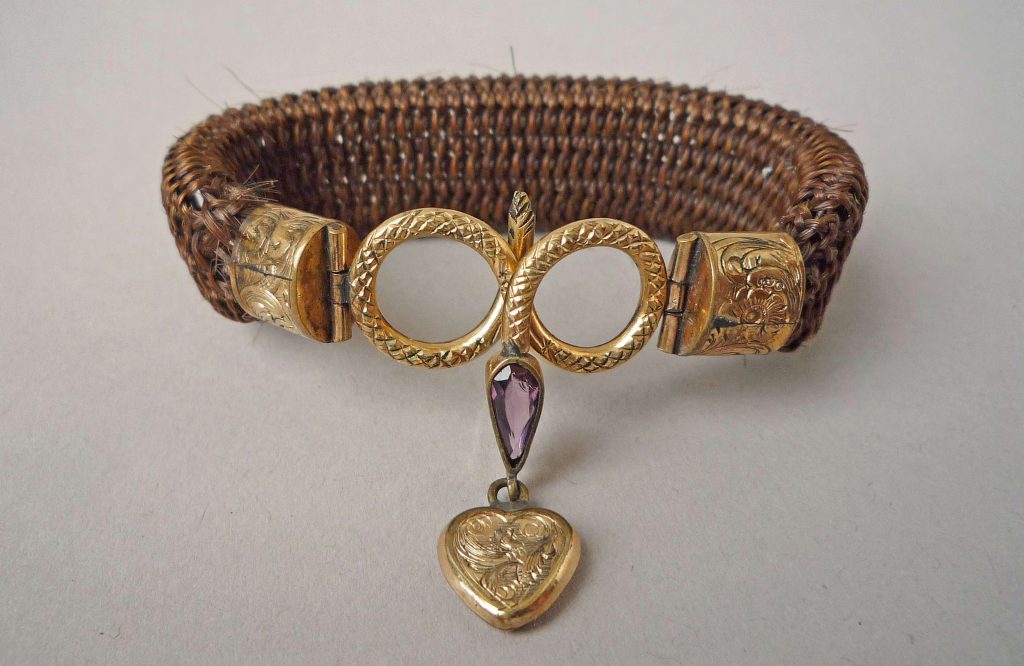
Mourning rituals were very elaborate, and it was common to create jewelry using the hair of a deceased loved one. Intricate bracelets, brooches, and rings were woven from hair to serve as a tangible keepsake. This practice allowed the grieving to keep a physical part of the departed close to them.
Detachable Stiff Collars
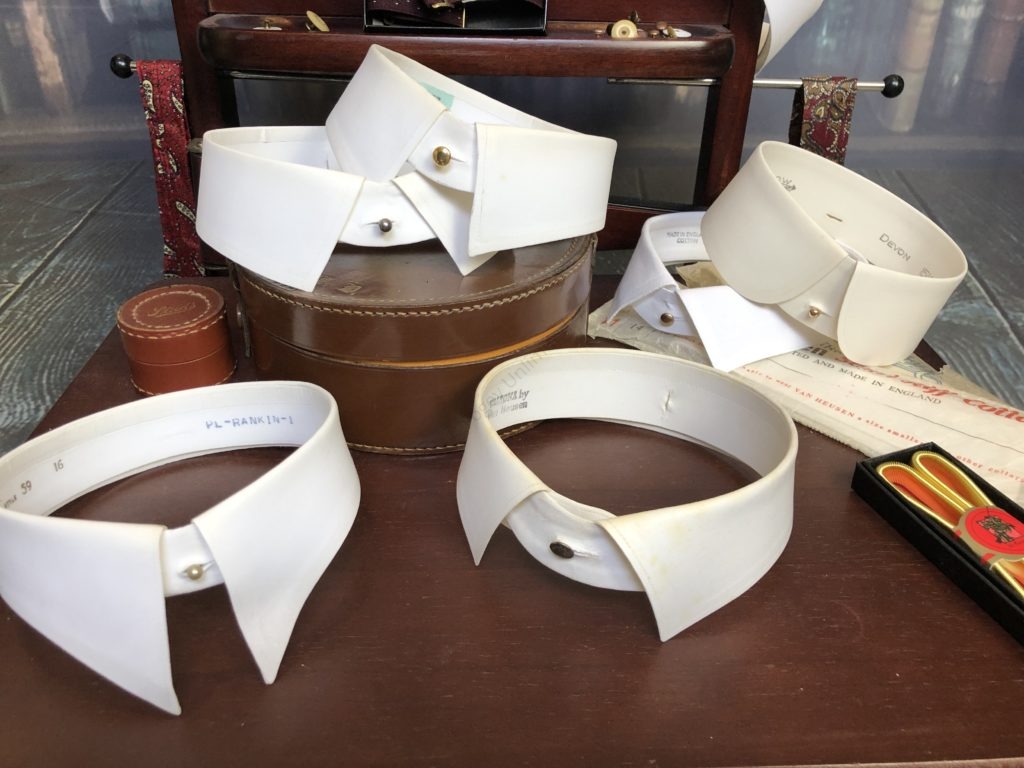
Men often wore shirts with detachable collars that were heavily starched until they were as rigid as cardboard. These collars were secured with metal studs and were notoriously uncomfortable to wear for long periods. If worn too tightly, they could potentially restrict blood flow, leading to fainting or even more serious health risks.
Manual Waste Collection By Nightmen
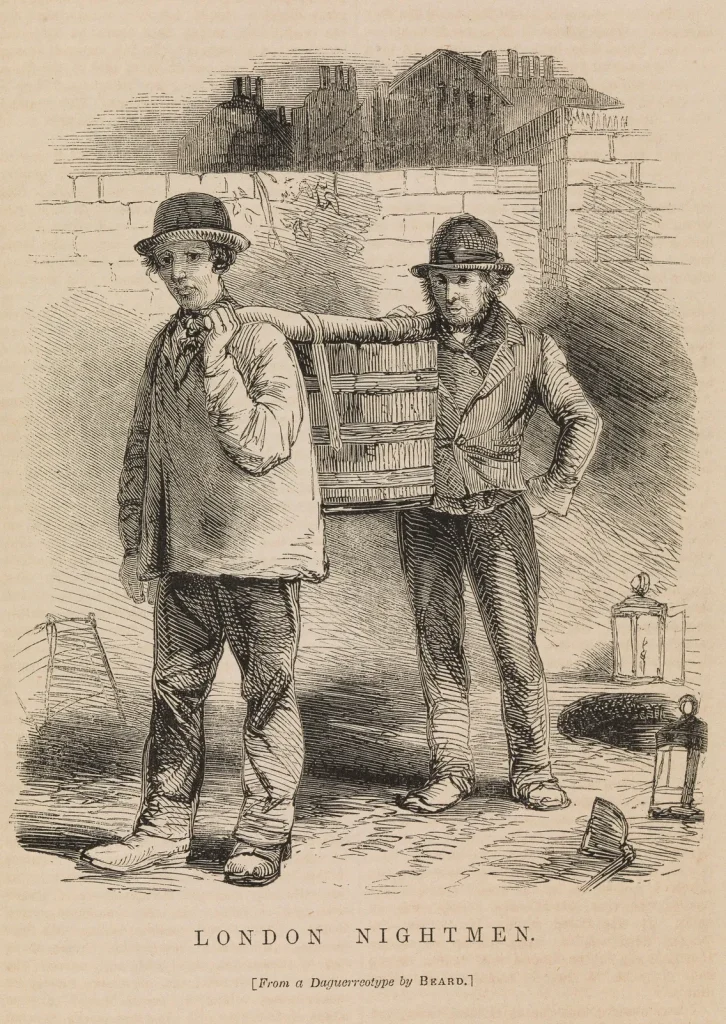
Before modern sewer systems were fully implemented in every neighborhood, human waste had to be collected manually. Workers known as nightmen would arrive under the cover of darkness to empty cesspools and privies by hand. This unpleasant task was necessary to prevent the spread of diseases like cholera in urban areas.
The Tragic Condition Of Phossy Jaw
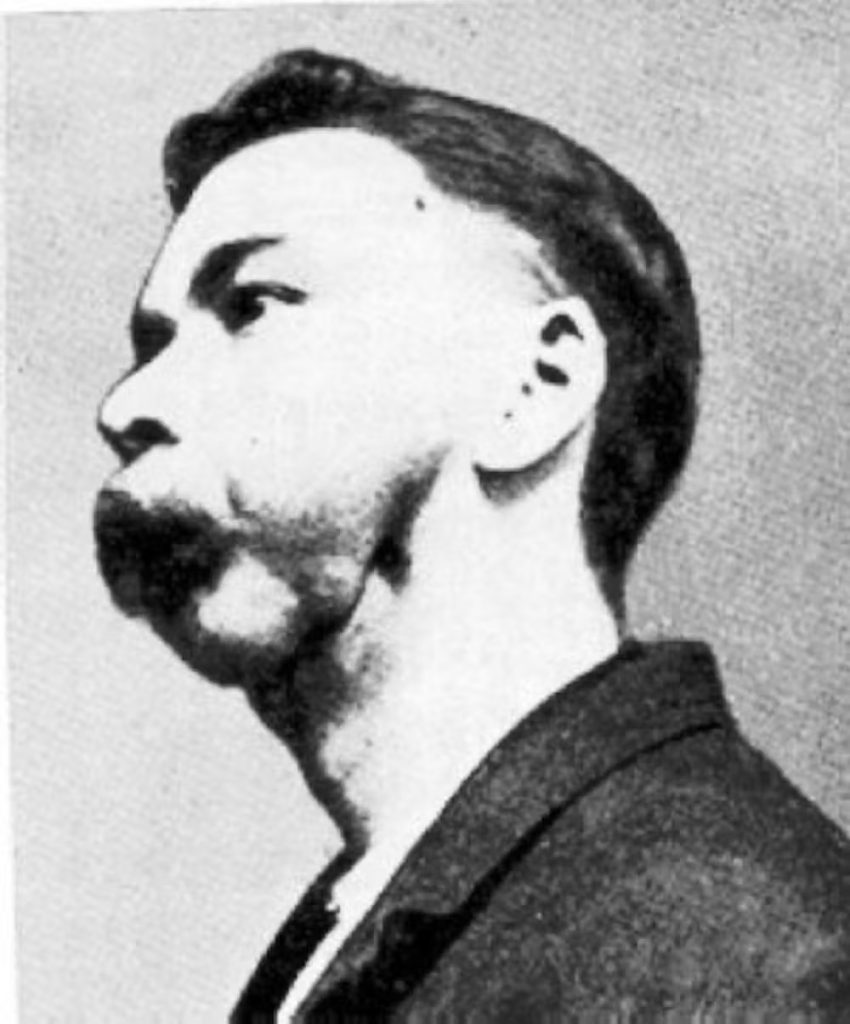
Workers in matchstick factories were exposed to white phosphorus, which caused a horrific bone disease known as phossy jaw. The condition led to the decay of the jawbone and severe facial disfigurement. It was not until safety regulations and alternate materials were introduced that this industrial hazard was eliminated.
Strict Rules For Mourning Clothing
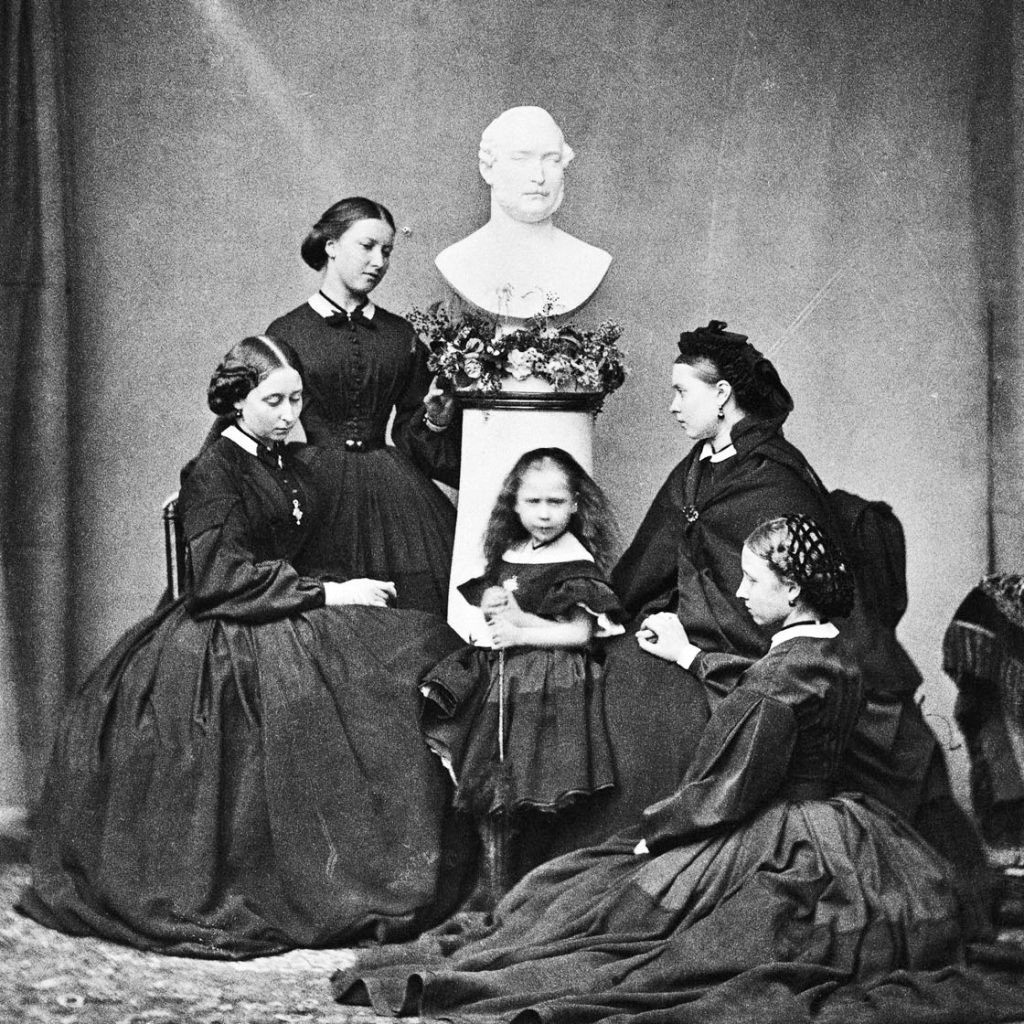
The rules regarding mourning attire were incredibly specific and could last for several years. Widows were expected to wear heavy black crepe and veils during the initial period of deep mourning. Over time, they could transition into half mourning, which allowed for colors like grey, mauve, or lilac.
The Shift From Gas To Electricity
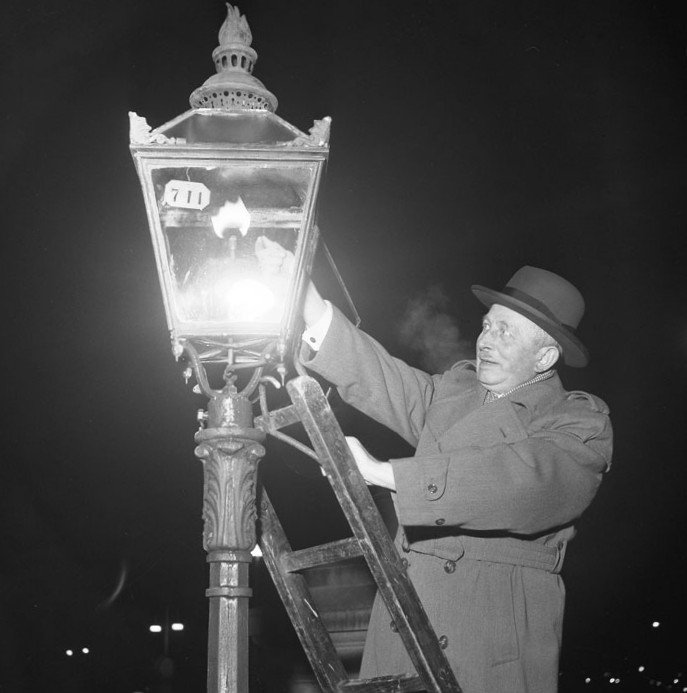
This period marked a transition where homes were switching from gas lighting to the new technology of electricity. Many people were initially terrified of electric light bulbs, fearing they might explode or cause fires. During the transition, some homes featured both types of lighting as a safety precaution against power failures.
Lead Based Face Powders
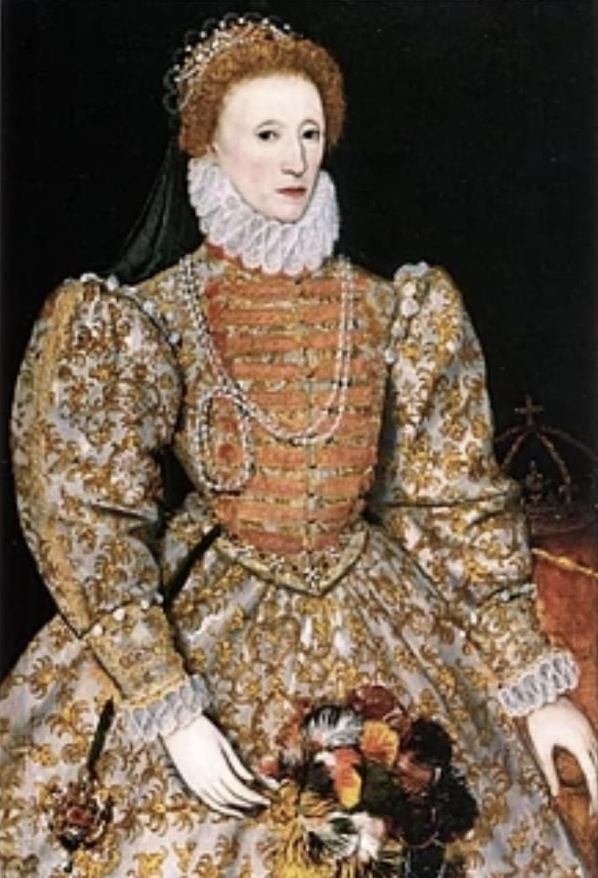
A pale complexion was a sign of high status, leading many women to use face powders that contained lead. While these products successfully lightened the skin, they also caused lead poisoning over time. Symptoms included skin damage, neurological issues, and even organ failure in extreme cases.
The Massive Scale Of Domestic Service
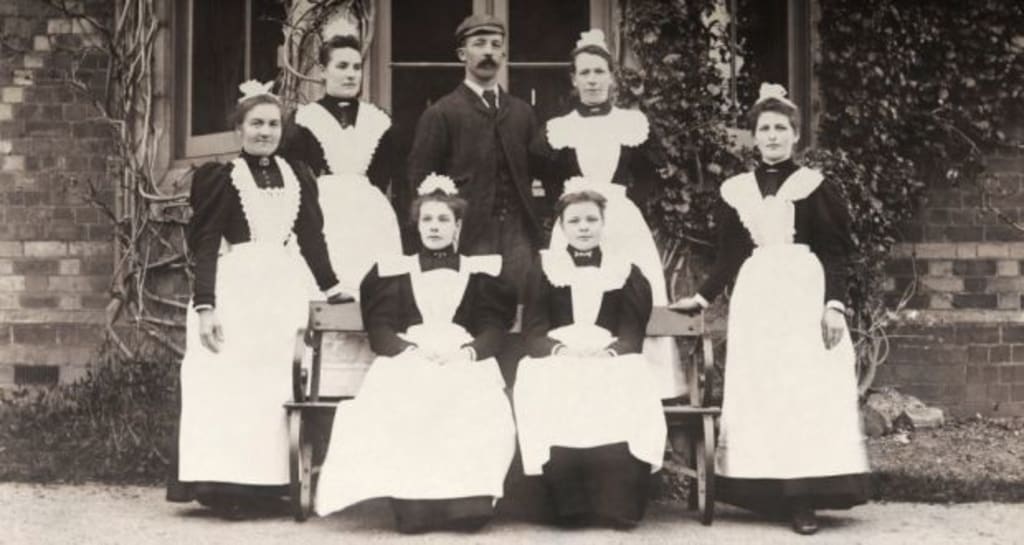
Domestic service was the largest employer in the country, with over 1.5 million people working as servants. Even modest middle-class households often employed at least one general maid to handle the heavy cleaning and cooking. The strict hierarchy between different levels of servants mirrored the class structure of the wider society.
Noisy Commercial Street Cries
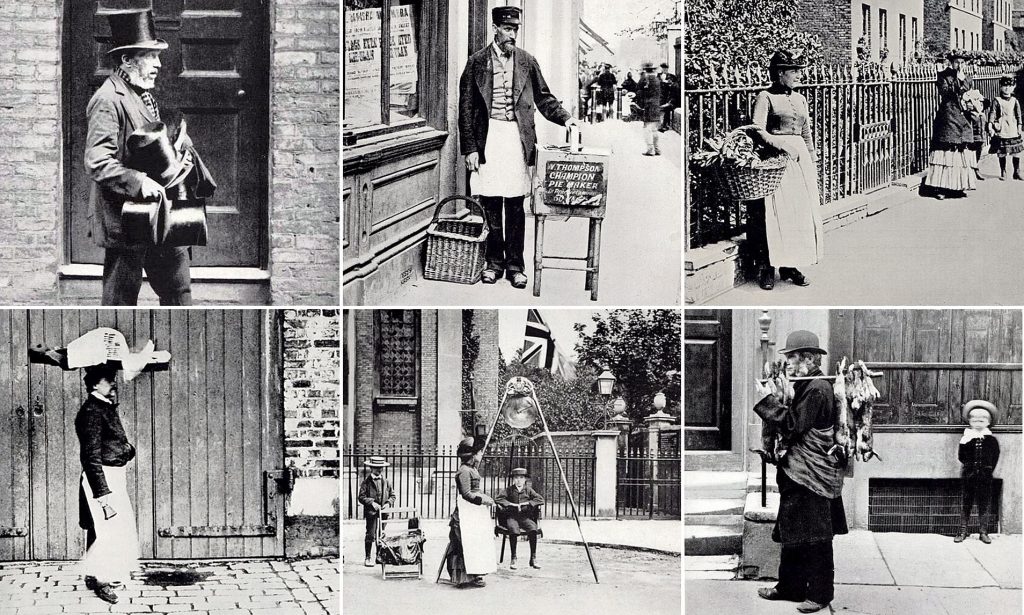
Street vendors used loud, melodic shouts or songs, known as street cries, to advertise their wares to passersby. Each trade, from fishmongers to lavender sellers, had its own unique call that identified what they were selling. This created a constant and distinctive soundscape in busy urban areas before the age of digital advertising.
Arsenic In The Wallpaper
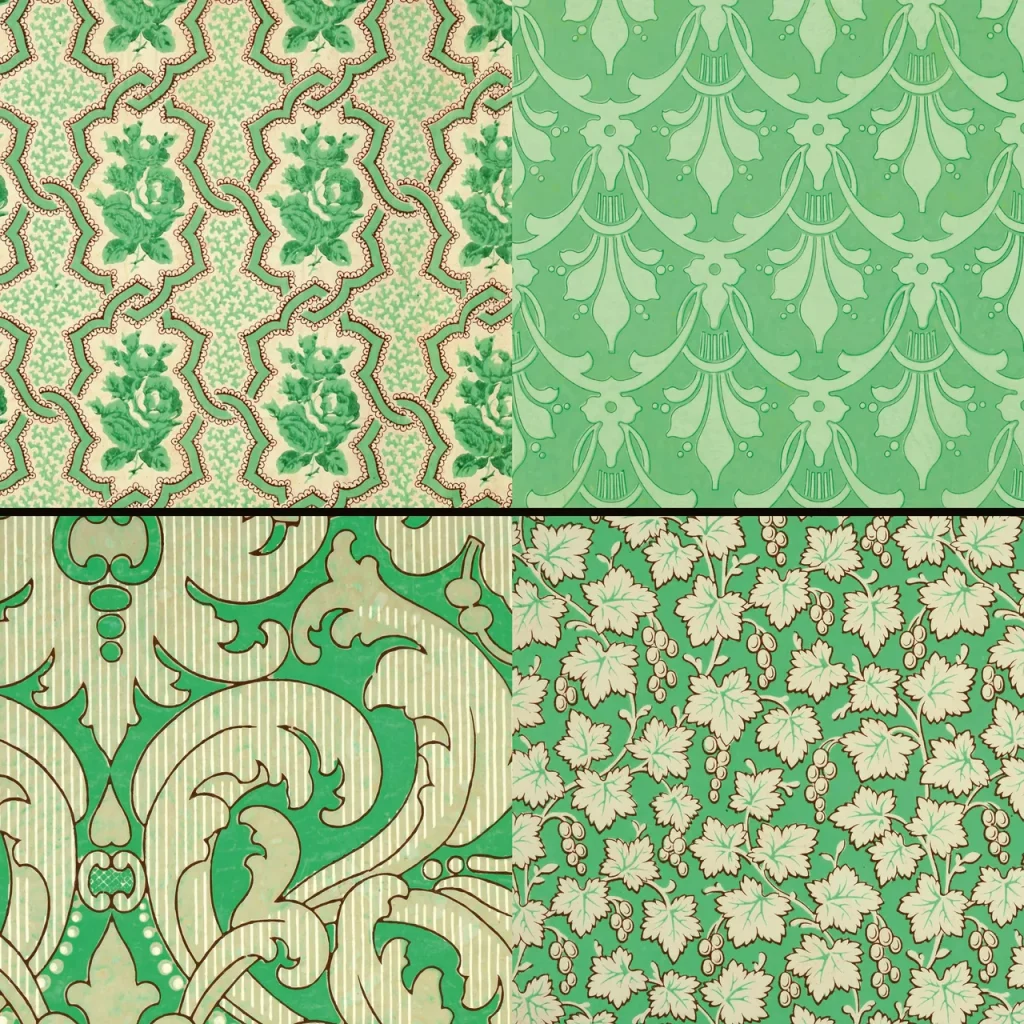
Vibrant green wallpapers were highly fashionable, but they were often colored using pigments containing arsenic. When walls became damp, the paper could release toxic fumes into the room, leading to mysterious illnesses among the residents. This danger was particularly high in poorly ventilated homes where families spent most of their time.
The Social Evolution Of The New Woman
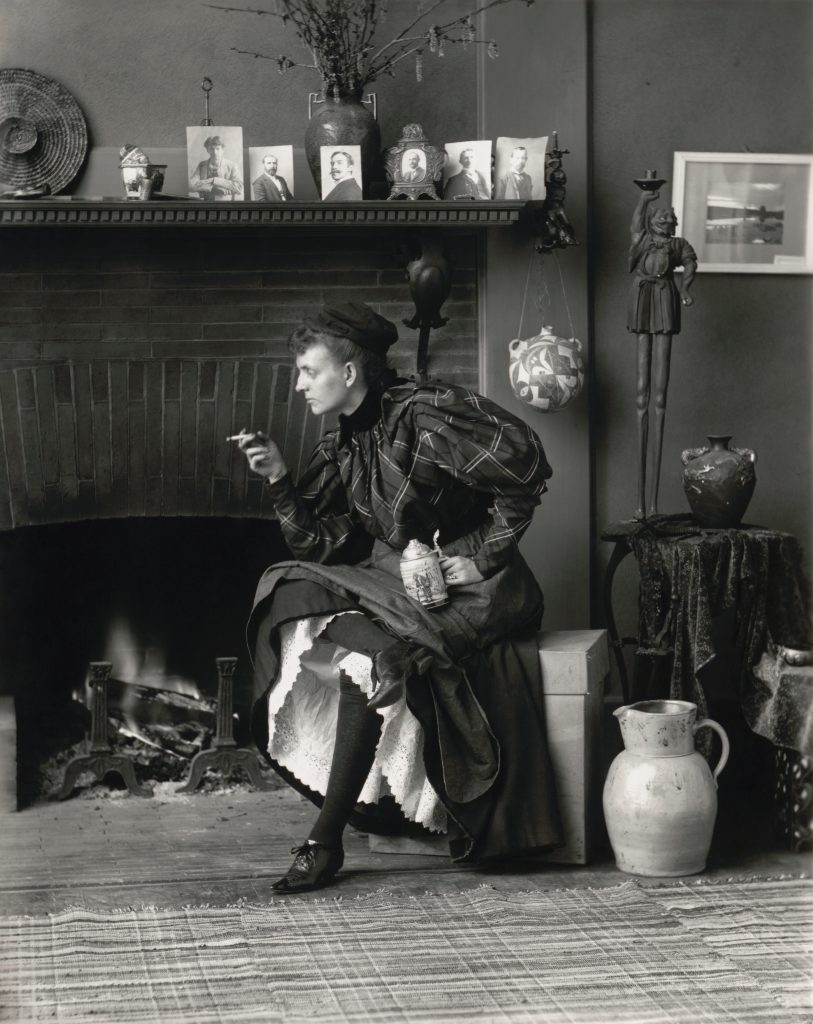
The concept of the New Woman emerged as women began to demand higher education and the right to vote. This social shift was reflected in a more active lifestyle and a rejection of the traditional, passive feminine ideal. This movement laid the groundwork for the significant political changes that would follow in the later 20th century.
The Distance Between Parents And Children
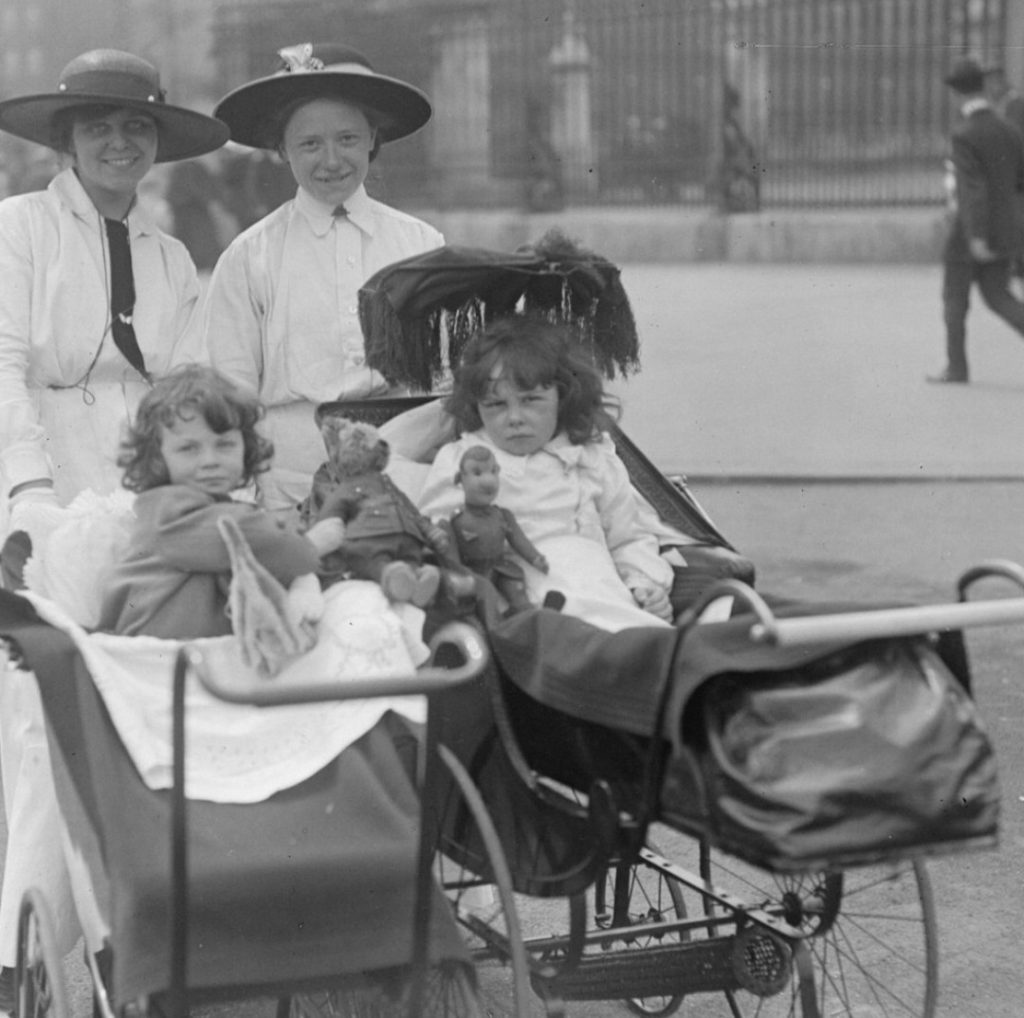
In wealthy households, children were often raised by nannies and governesses with very little daily interaction with their parents. They were typically only brought to see their mother and father for a brief period in the evening, dressed in their finest clothes. This separation was considered the proper way to instill discipline and social boundaries from a young age.
Post Mortem Portraits Of The Deceased
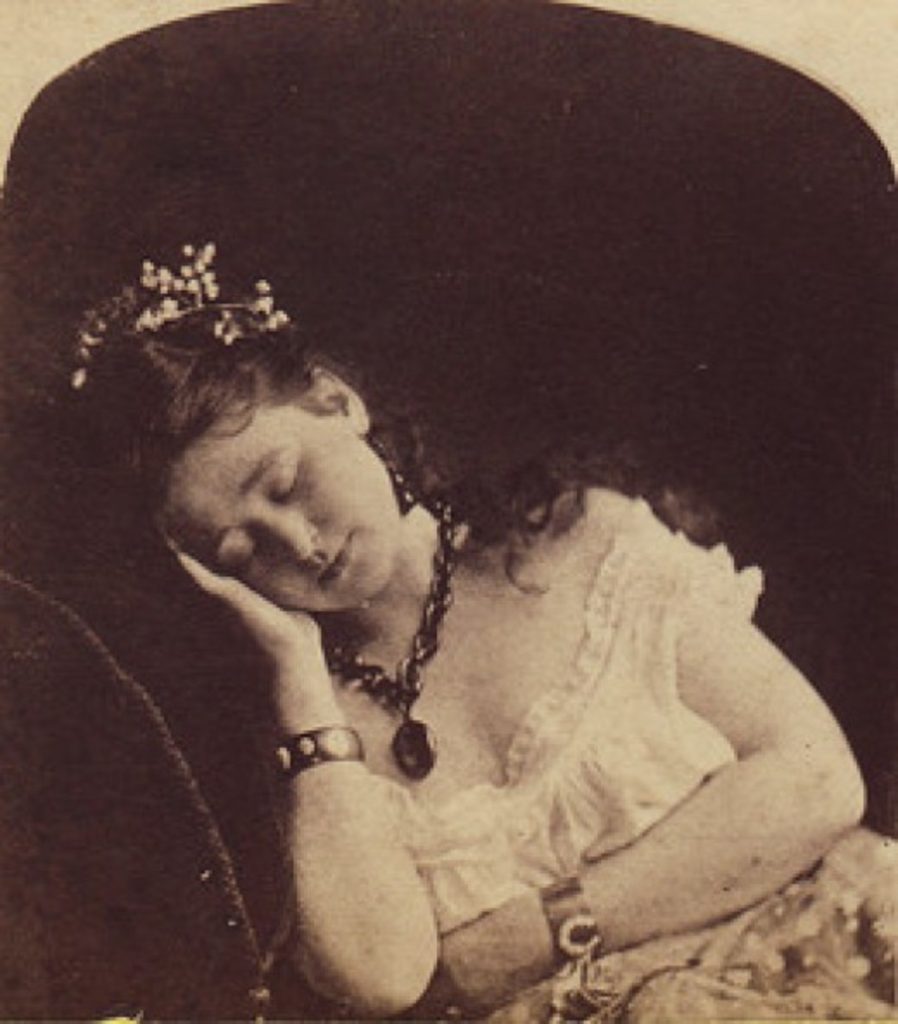
It was a common practice to commission photographs of family members shortly after they had passed away. These portraits served as a final memento for grieving relatives in an age where photography was still relatively expensive and rare. The deceased were sometimes posed to look as though they were merely sleeping or still alive to create a more comforting image.