Technology is advancing at lightning speed, and many things we rely on today may soon be relics of the past. From physical media to everyday tools, here are 30 things likely to disappear within the next decade.
1. Passwords
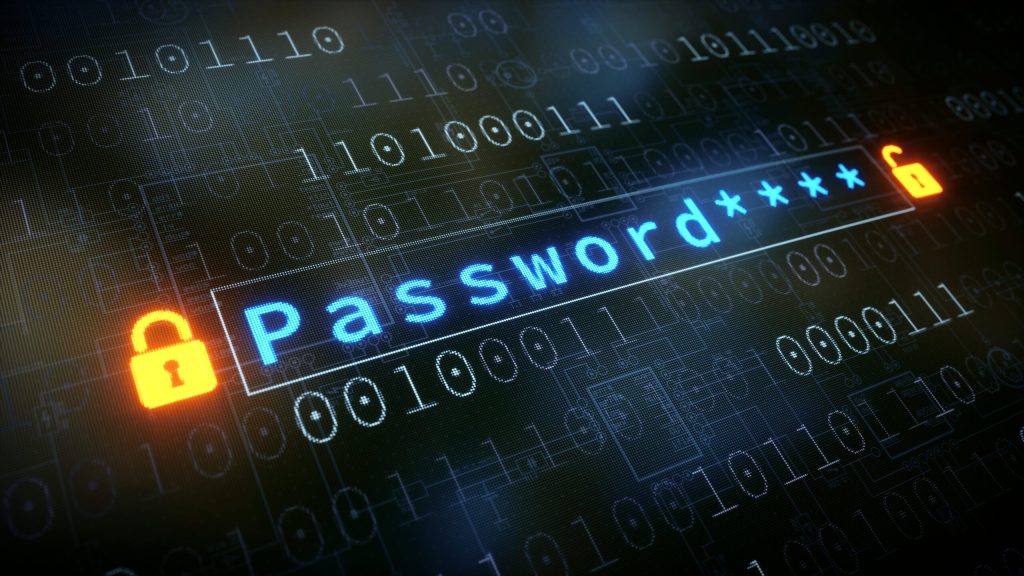
Biometric security like facial recognition and fingerprints are quickly replacing traditional passwords. They’re safer, faster, and harder to forget.
2. Cash

Digital wallets and contactless payments are pushing physical cash toward extinction. Many countries are already moving toward cashless economies.
3. Keys
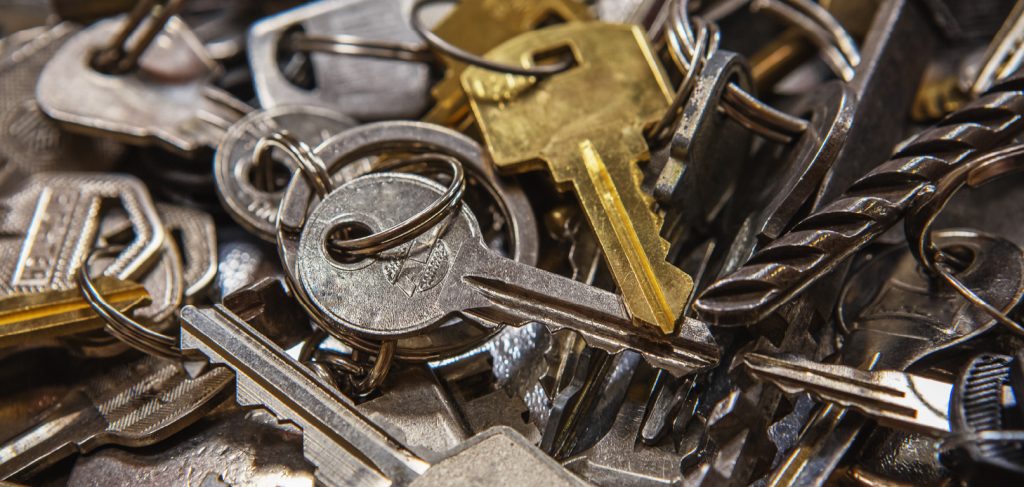
Smart locks and digital access systems are making traditional keys outdated. Soon, your phone or fingerprint will be all you need.
4. Landline Phones
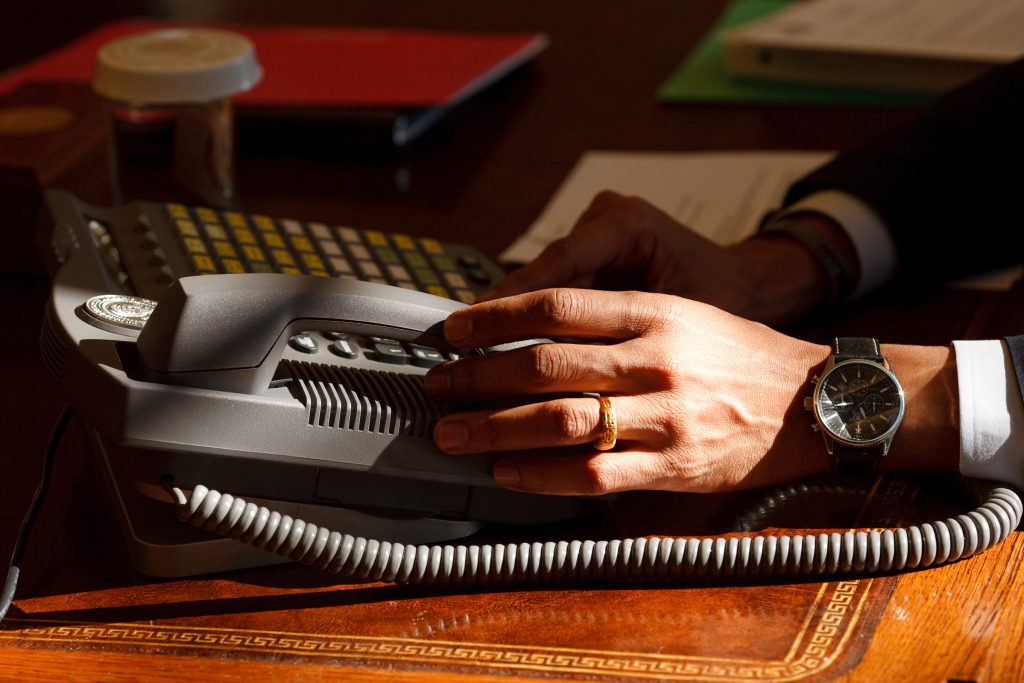
With smartphones everywhere, landlines are fading fast. Most younger generations have never even used one.
5. Physical Credit Cards
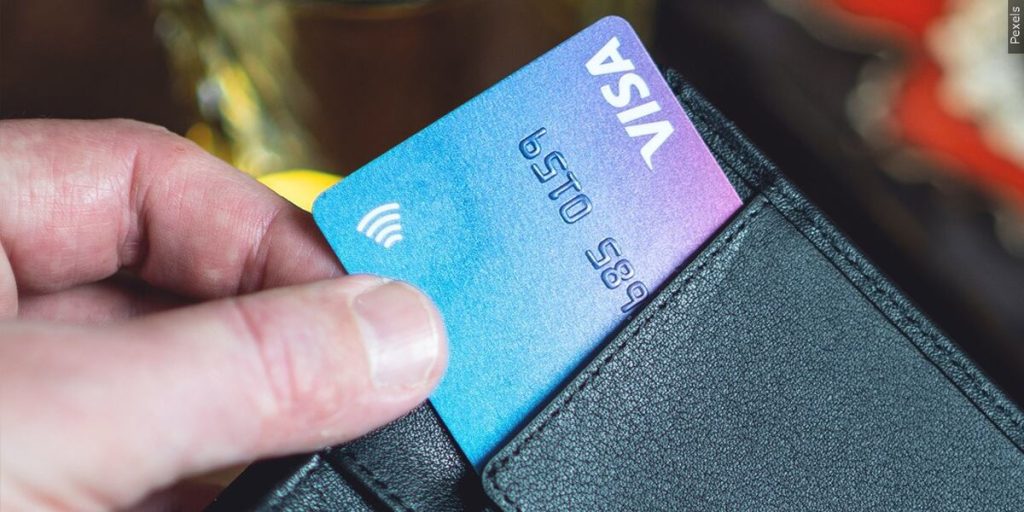
Mobile payments like Apple Pay and Google Wallet are replacing plastic. Digital cards offer more convenience and better security.
6. Cable TV

Streaming services have already taken over, and cable TV is quickly losing ground. Viewers now demand on-demand content, not rigid schedules.
7. USB Flash Drives
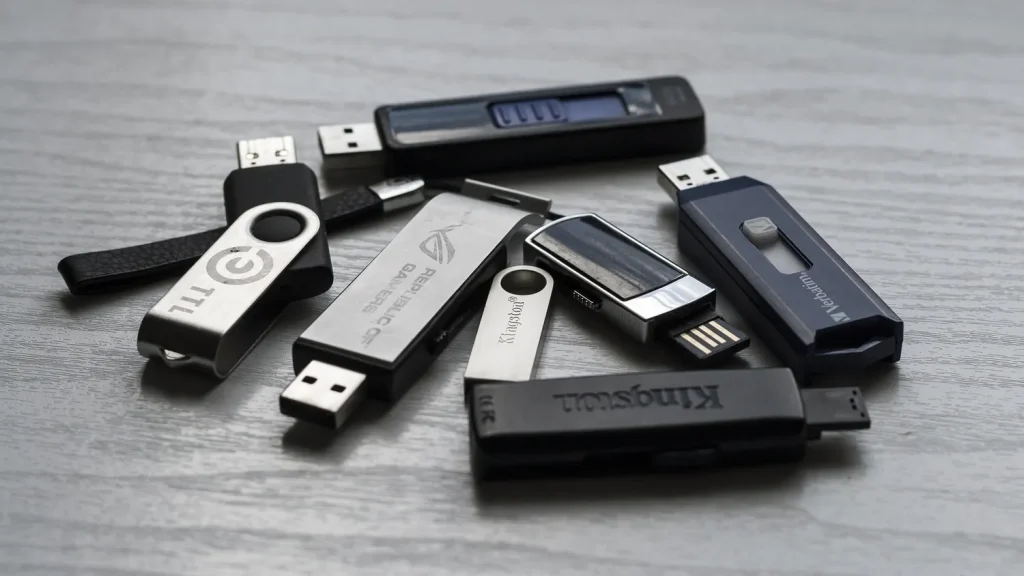
With cloud storage becoming the norm, USB sticks are falling out of favor. They’re slower, less secure, and easier to lose.
8. Gas-Powered Cars
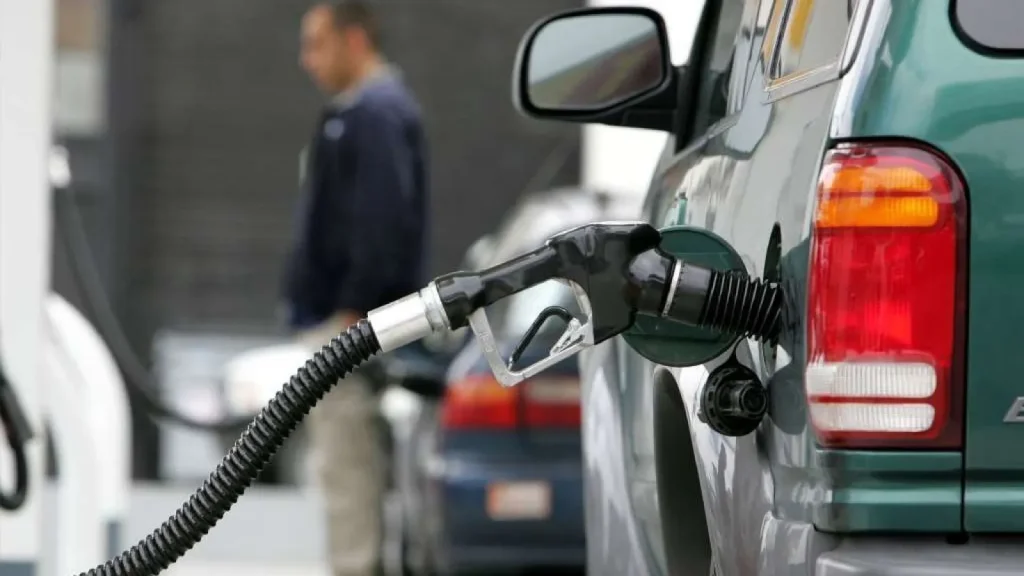
As electric vehicles gain popularity and government support, gas-powered cars are nearing their end. Charging stations are replacing gas pumps.
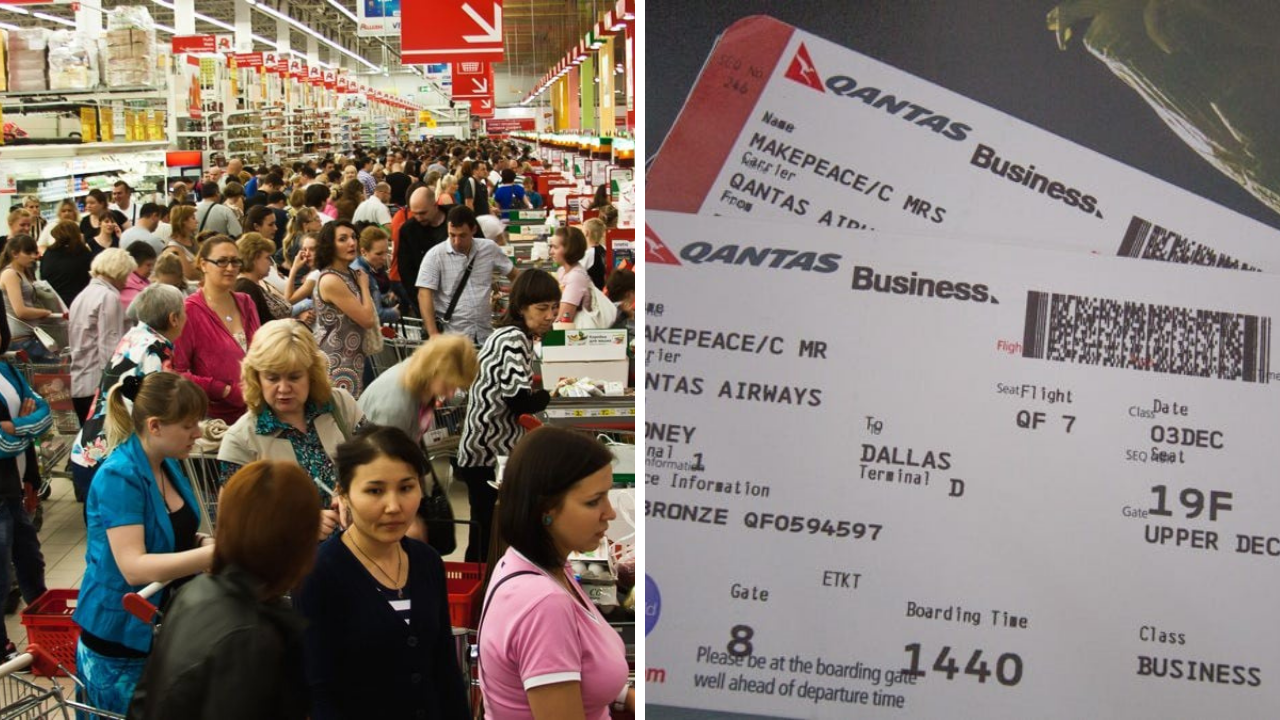
9. Physical Boarding Passes
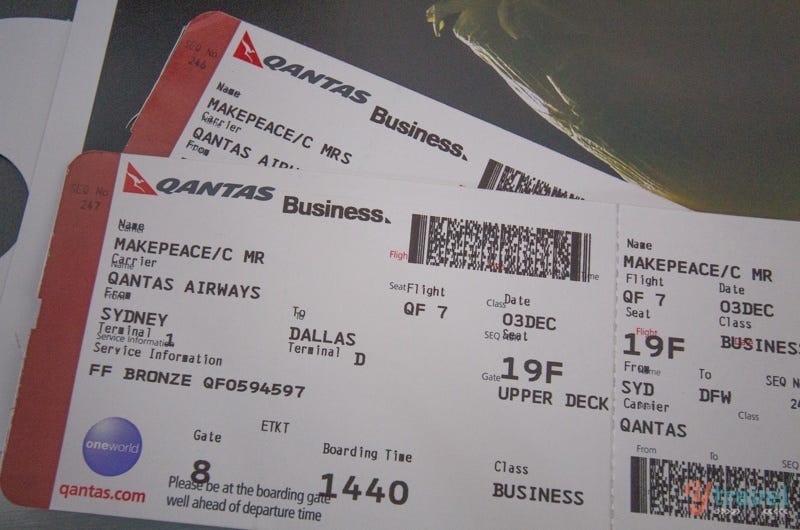
Digital boarding passes on smartphones and wearables are now the standard. Paper versions will soon vanish completely.
10. Printed Receipts
Many stores now offer digital receipts via email or app. They’re better for the planet and easier to keep track of.
11. CD and DVD Players
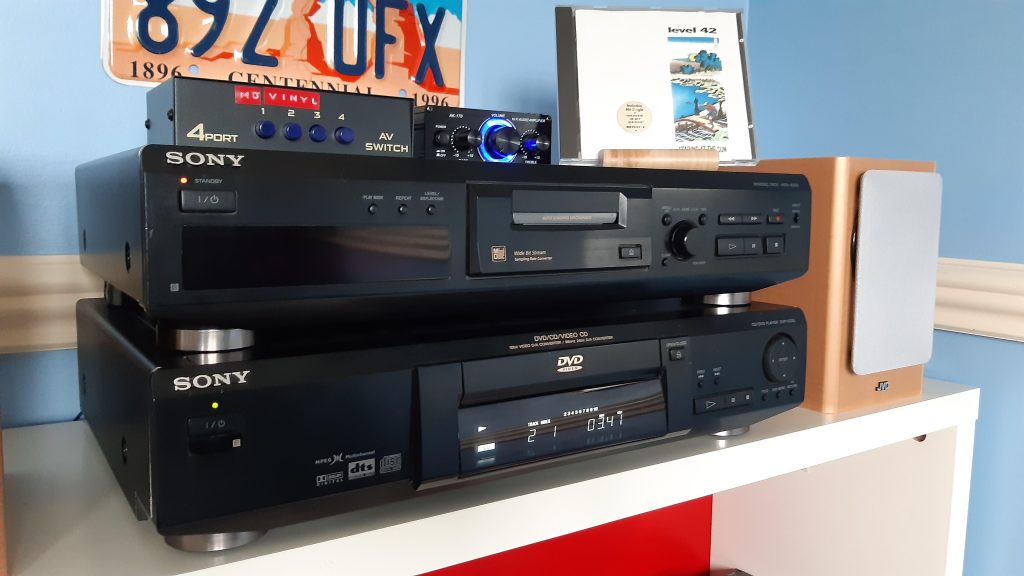
Streaming has killed the need for physical discs. Most new laptops and cars don’t even come with disc drives anymore.
12. Alarm Clocks
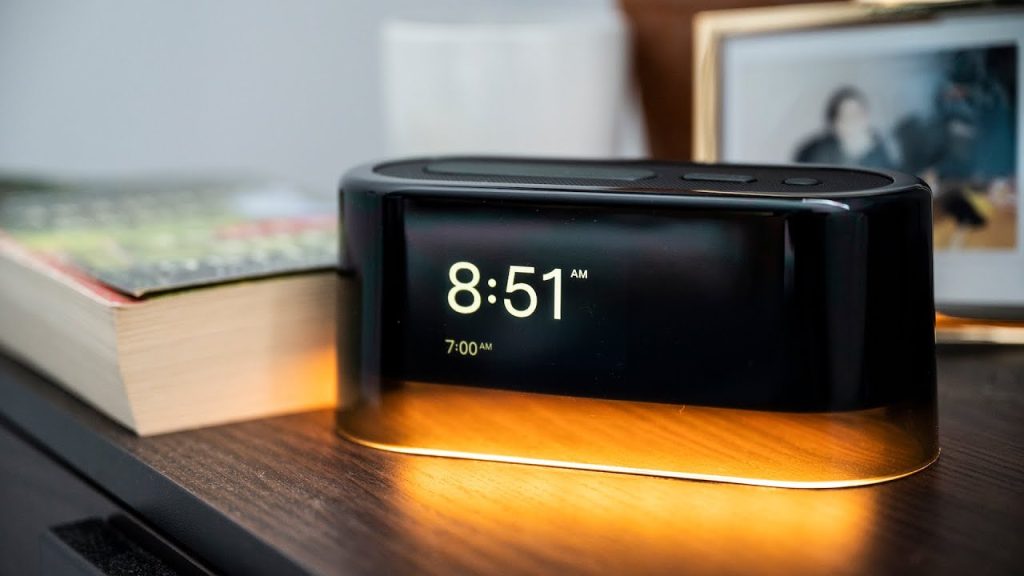
Smartphones and smart speakers have replaced traditional alarm clocks. Most people now wake up to personalized ringtones or voice assistants.
13. Checkbooks
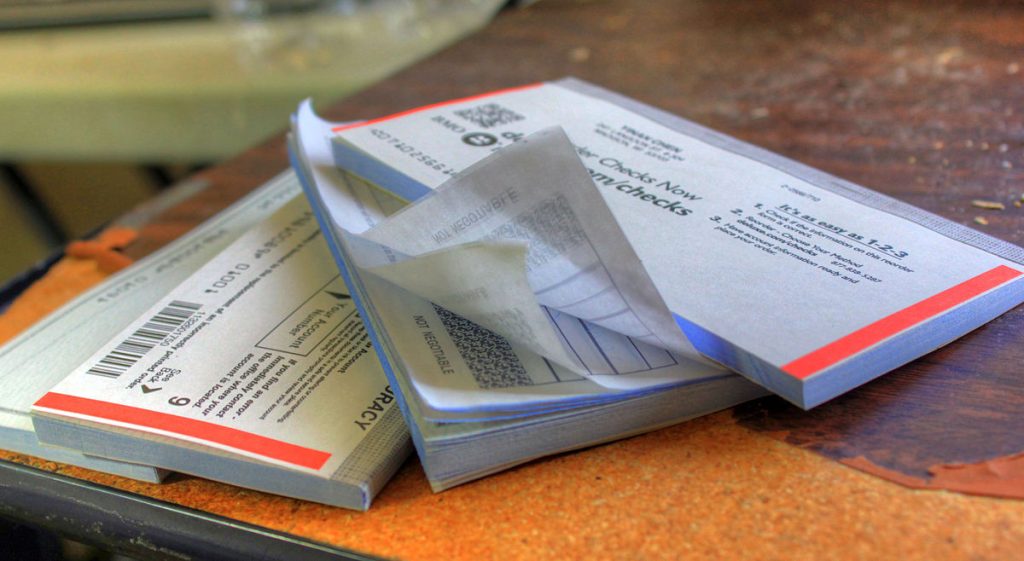
Digital banking and online payments have nearly eliminated the need for paper checks. They’re slow, inconvenient, and rarely accepted.
14. Fax Machines
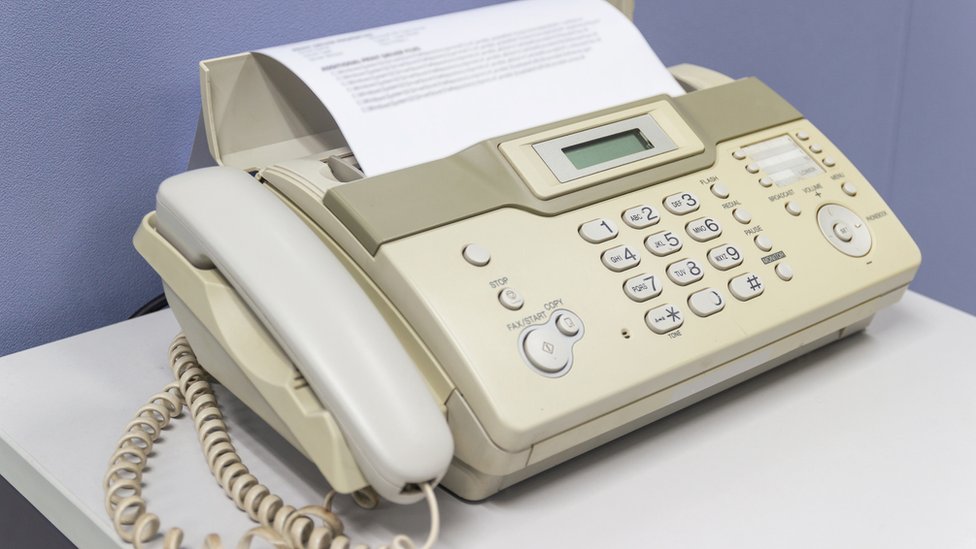
Email and digital signatures have replaced faxing in most industries. Fax machines are now symbols of outdated office tech.
15. Traditional Cameras
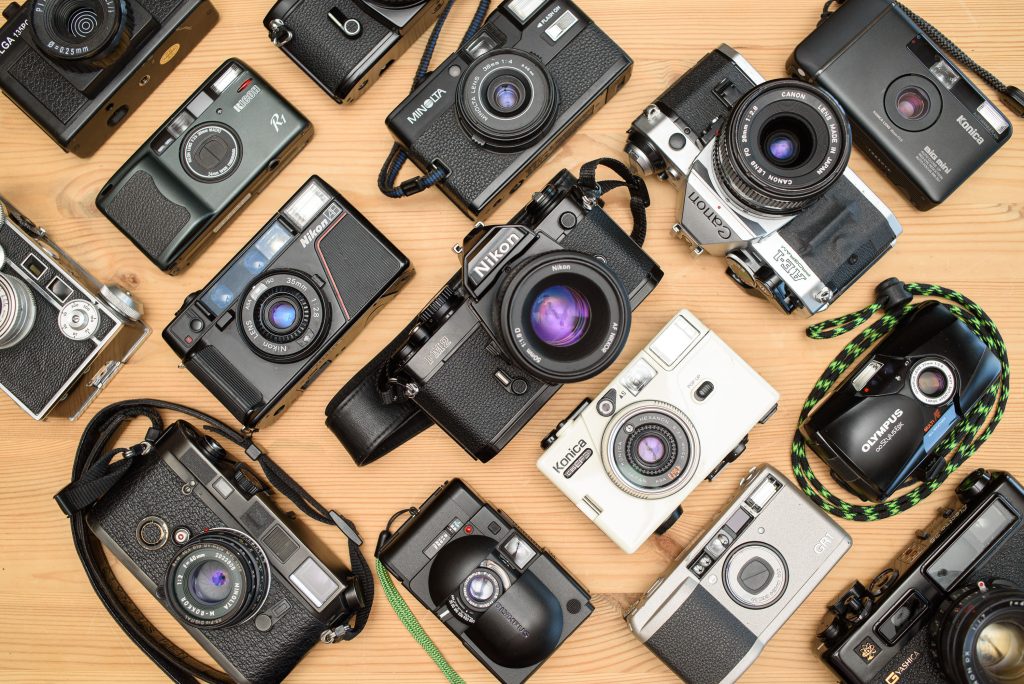
Smartphone cameras are now powerful enough for almost every user. Only professionals still rely on dedicated cameras.
16. Remote Controls
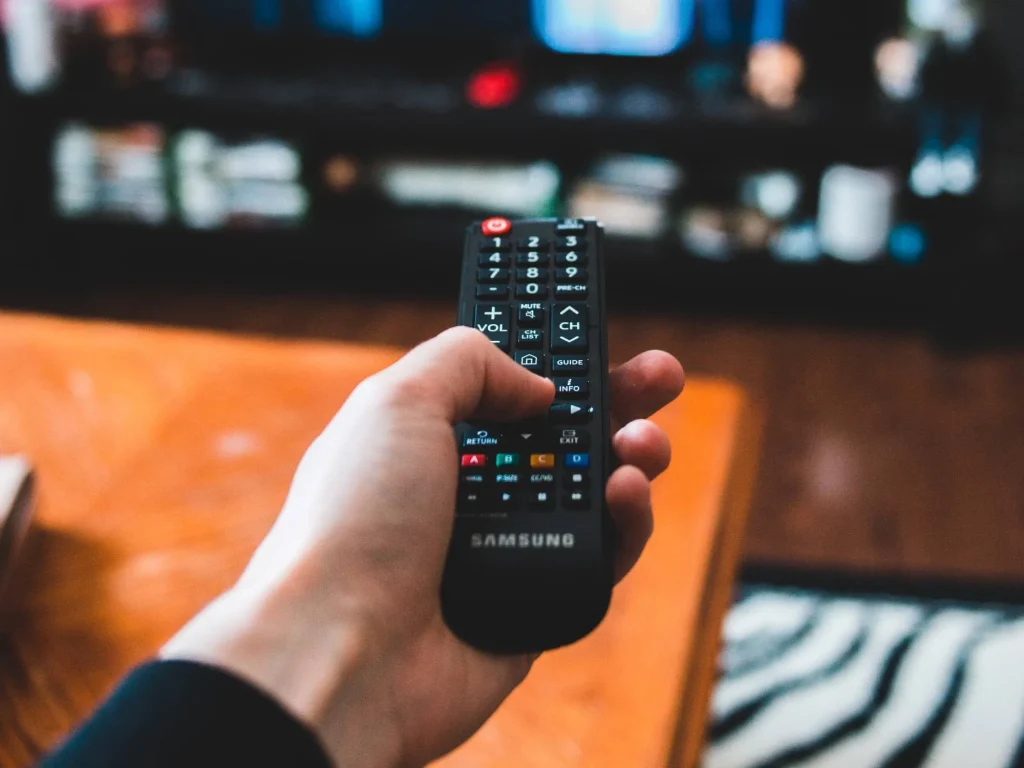
Voice commands and smart home apps are replacing physical remotes. Universal control is now just a tap or shout away.
17. Incandescent Light Bulbs
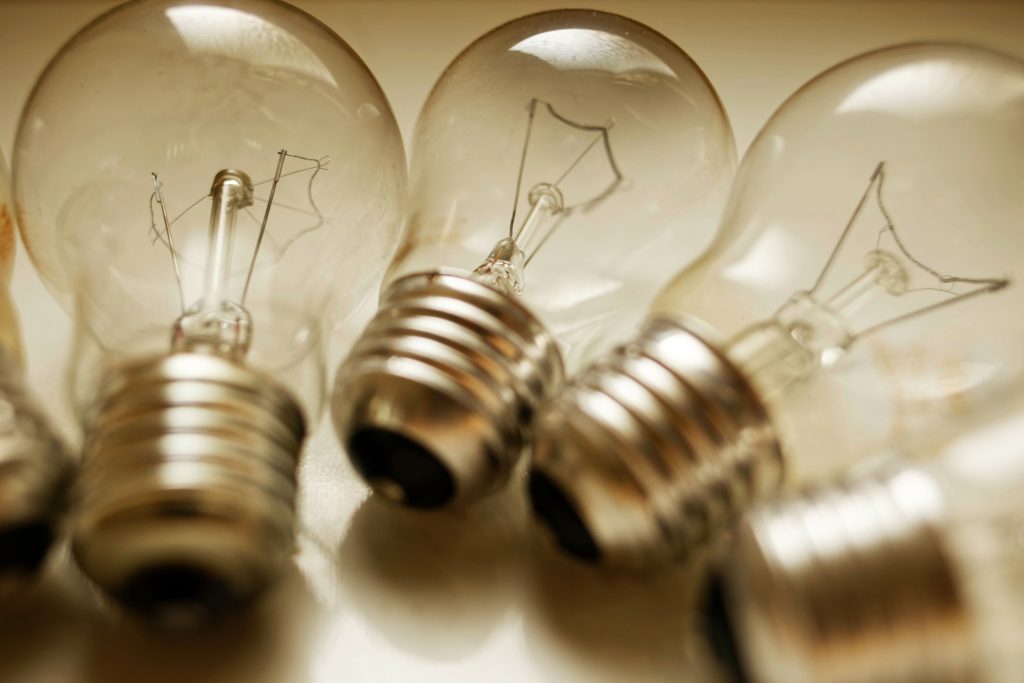
Energy-efficient LEDs and smart lighting systems are making old bulbs obsolete. They’re cheaper in the long run and environmentally friendly.
18. Paper Maps

GPS apps have made paper maps a thing of the past. They’re rarely used outside of nostalgia or emergencies.
19. Standalone GPS Devices
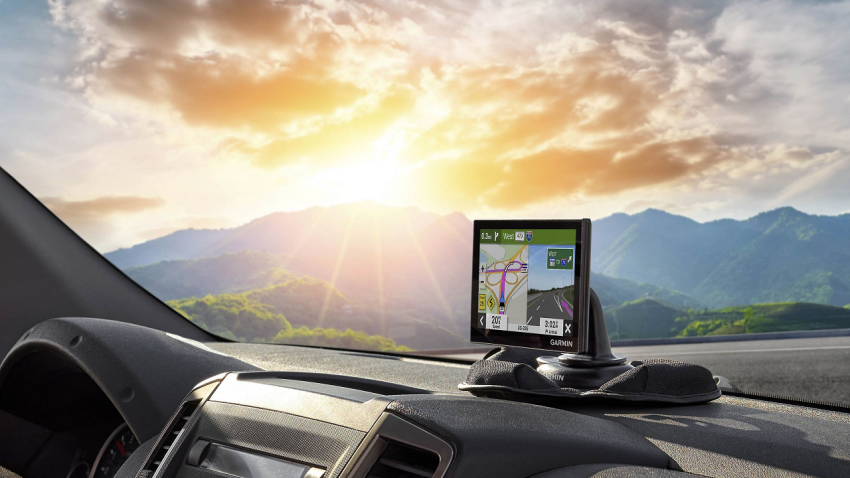
Smartphones do it better, faster, and for free. Most people have already ditched their dashboard GPS units.
20. Physical Newspapers
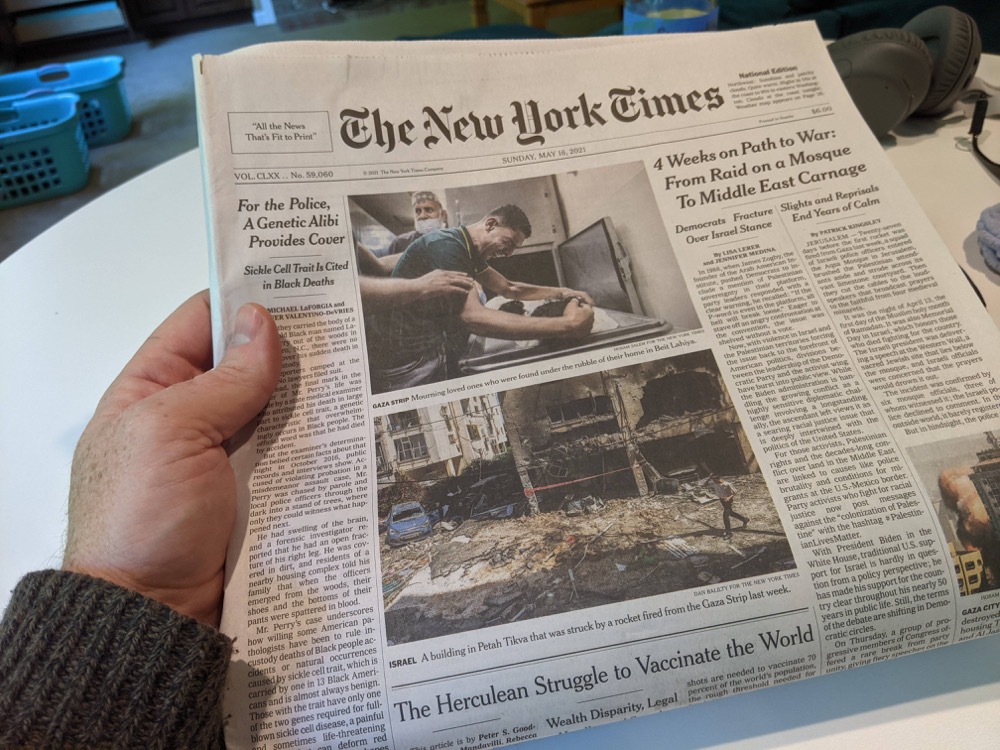
Online news updates in real time, while print media struggles to keep up. Most major outlets are going fully digital.
21. Manual Transmissions
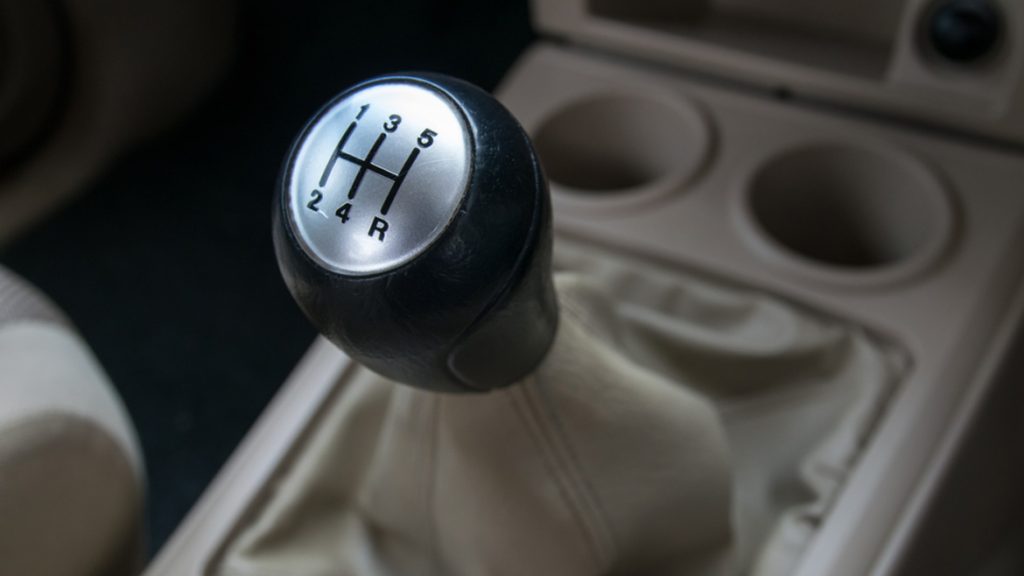
Automatic and electric cars are making manual gear shifts rare. Many new drivers never even learn to use them.
22. DVDs and Blu-rays
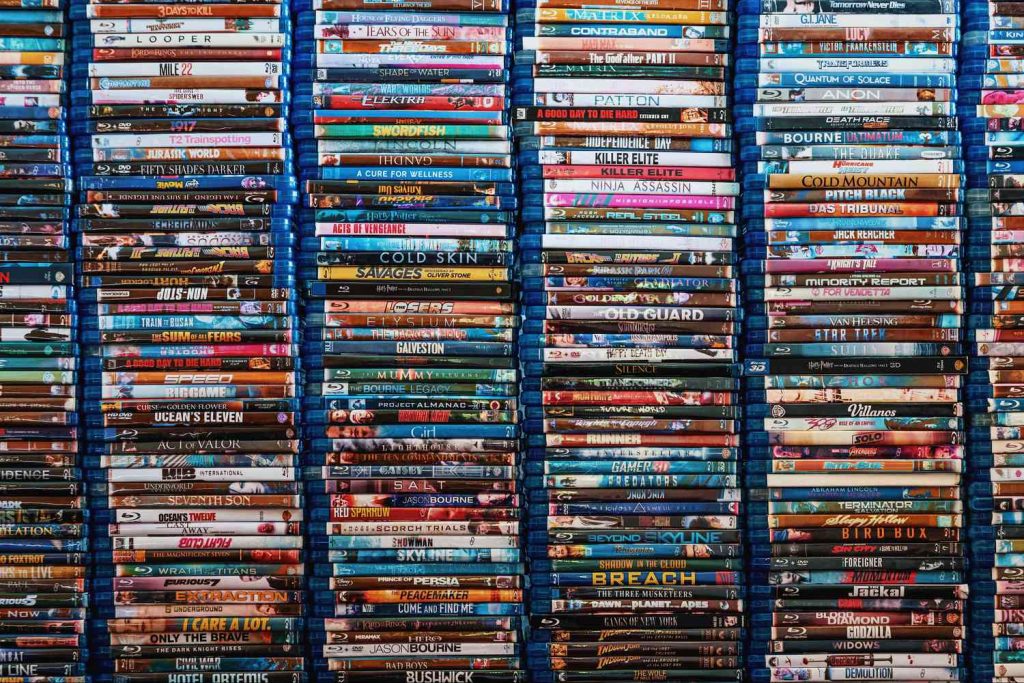
Even collectors are turning to digital libraries and streaming. Physical discs are losing their place on the shelf.
23. Home Printers
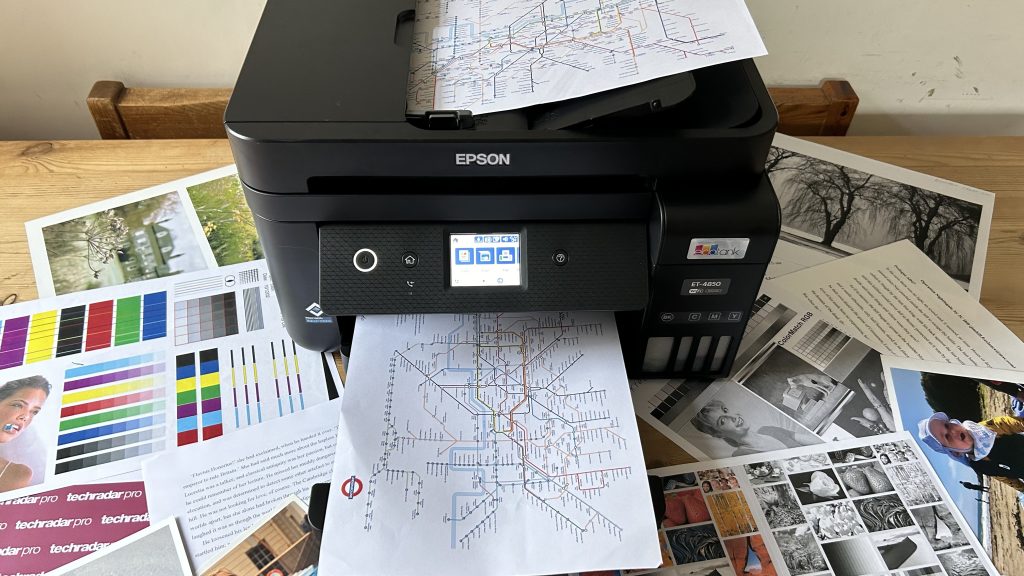
With paperless billing, digital signatures, and cloud sharing, most people rarely print anymore. Home printers are becoming unnecessary clutter.
24. Payphones
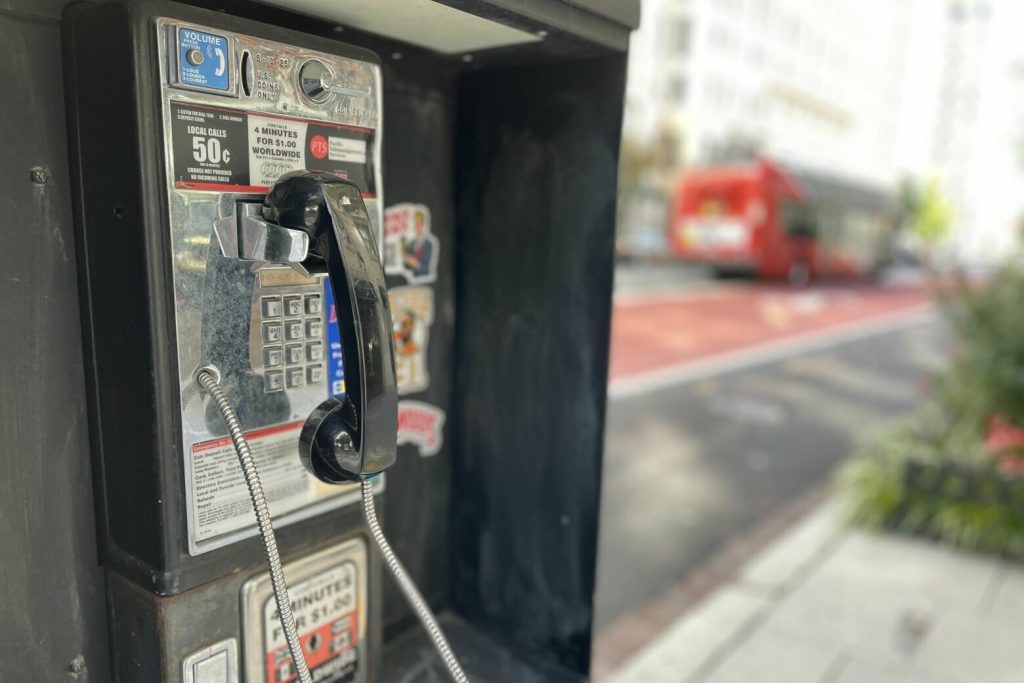
These relics are already hard to find. With cell phones in every pocket, payphones will be gone for good.
25. Calculators
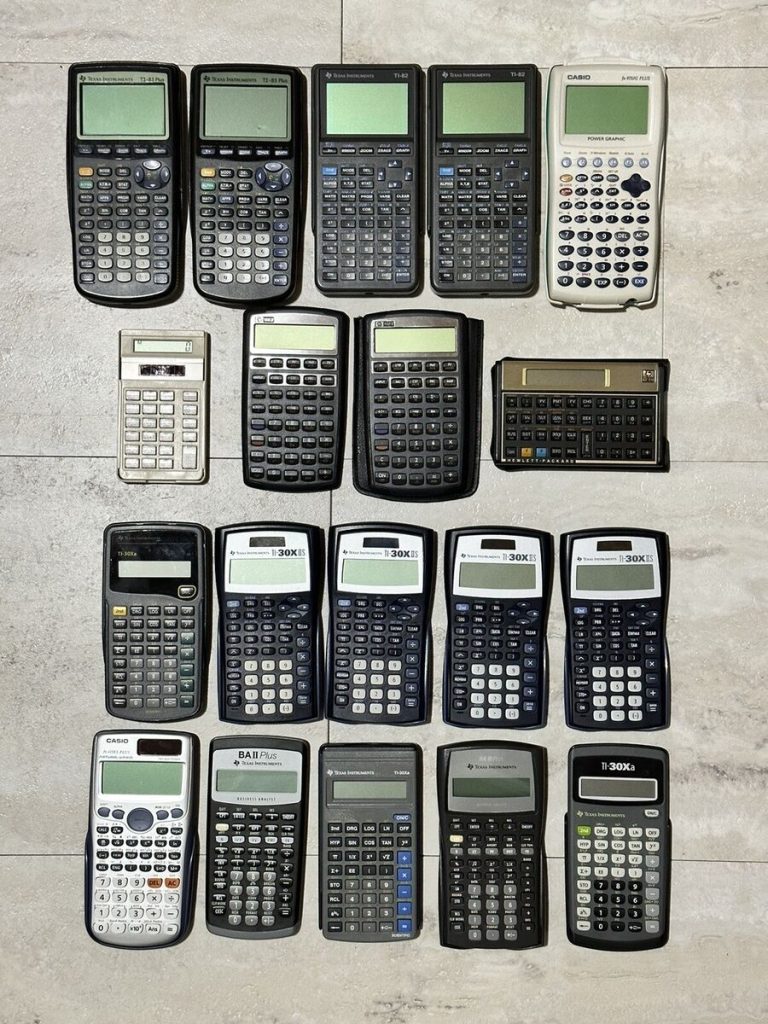
Smartphones have built-in scientific calculators that do much more. Students and professionals no longer carry separate devices.
26. Password Managers
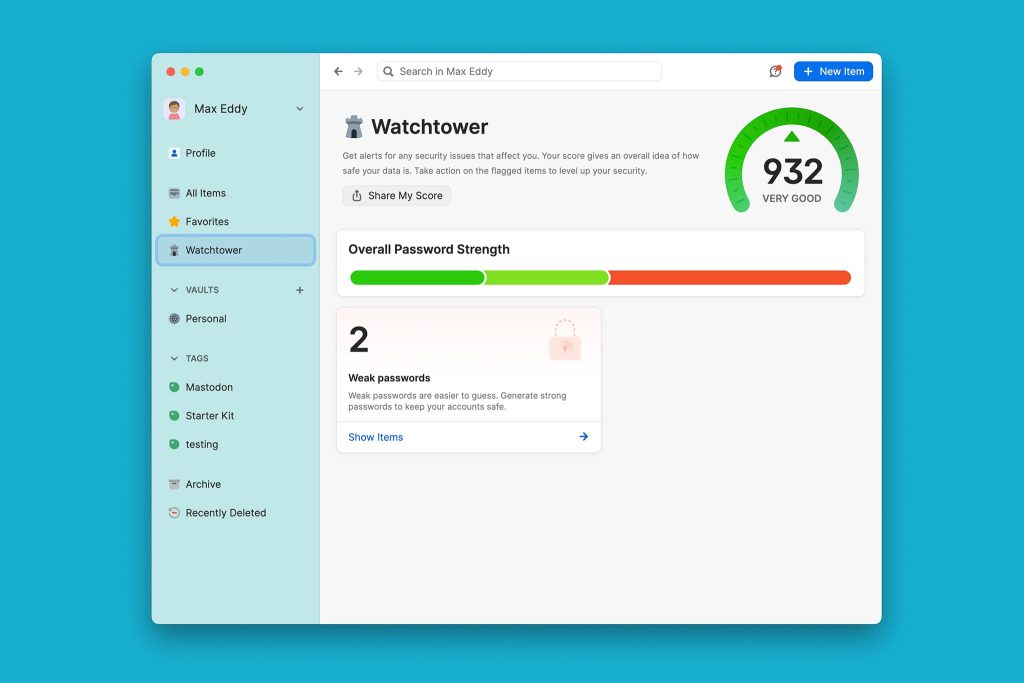
As biometric ID and passkeys take over, even password management tools could become unnecessary. The future is password-free.
27. External Hard Drives
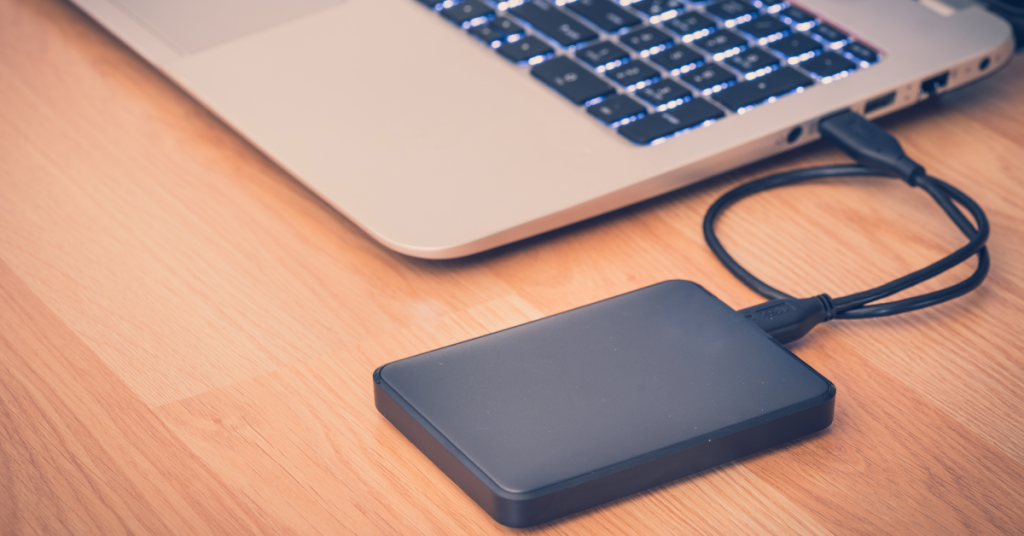
Cloud storage offers more flexibility and accessibility. Physical drives are limited, vulnerable, and increasingly outdated.
28. Manual Parking Meters
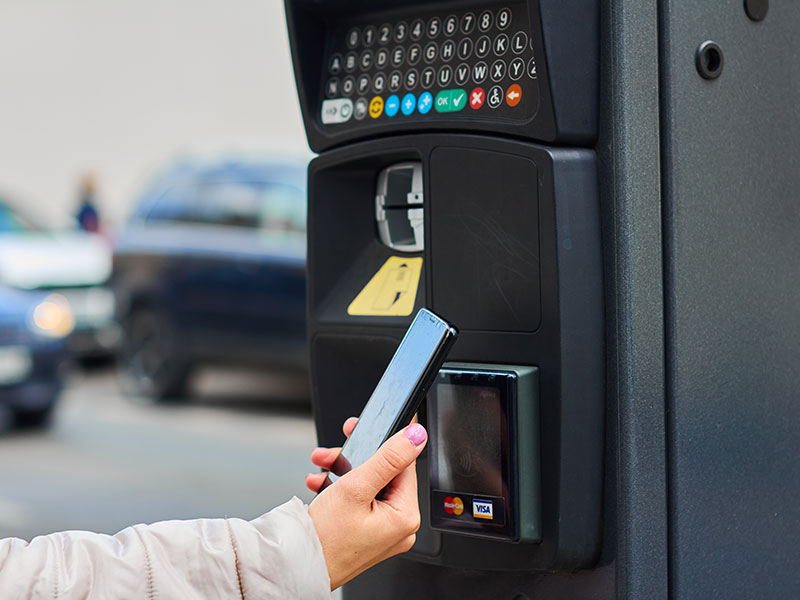
Digital apps and card readers are replacing coin-operated meters. Soon, you’ll pay for parking with your phone everywhere.
29. Printed Tickets
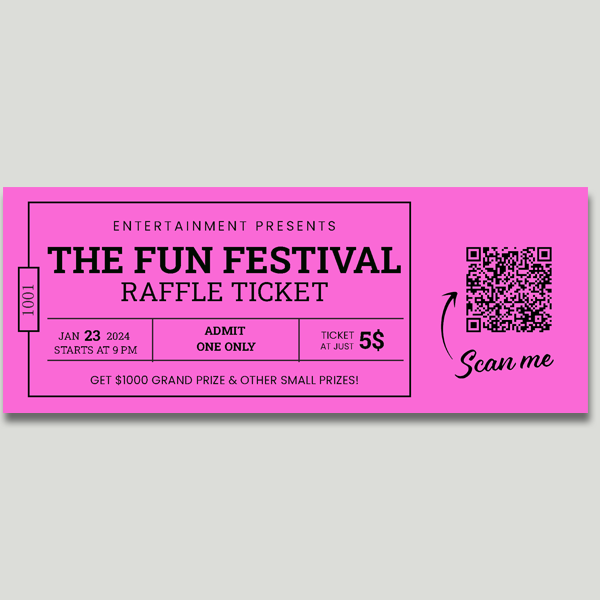
Concerts, events, and even public transit now rely on scannable digital passes. Printed tickets will be phased out completely.
30. Retail Checkout Lines

Self-checkout and automated payment systems are streamlining the shopping experience. Human cashiers and long lines may soon be history.