
The 1980s get a lot of credit for their music, movies, and fashion, but the nostalgia for that decade runs deeper than aesthetics. Something about the way everyday life was organized, the way people interacted, spent money, and consumed entertainment, held up better than most people realized at the time. Compared to today, several of those habits and systems look less like dated relics and more like things we genuinely lost. Here are 30 things the 80s did better than we do now.
Action Movies
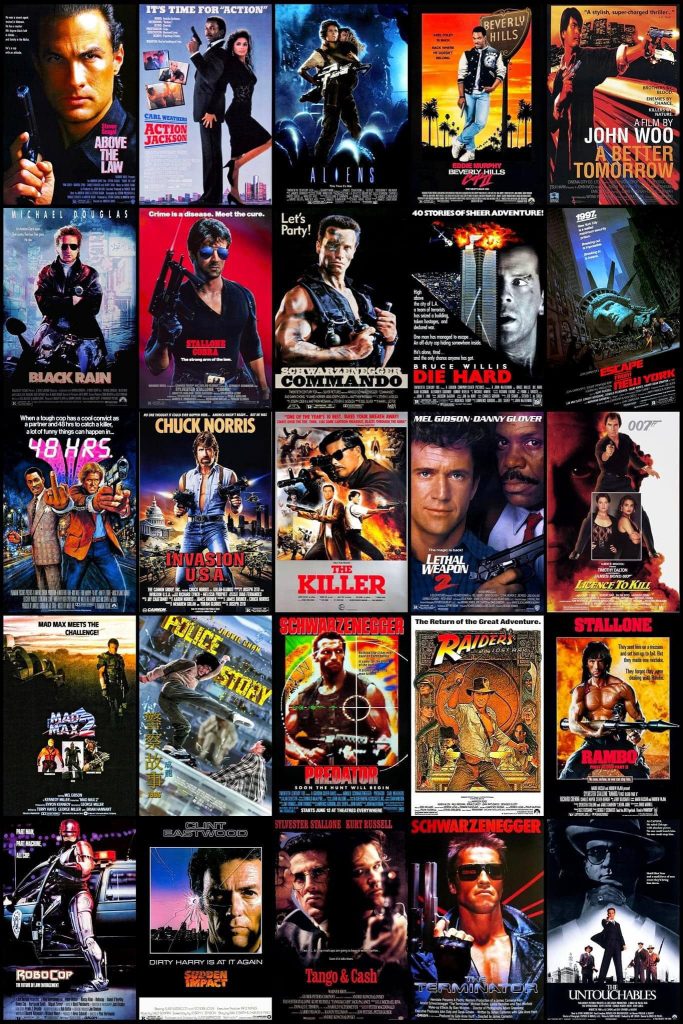
Practical stunts, real locations, and actors who looked like they had actually been in a fight defined 80s action cinema. Films like “Die Hard,” “The Terminator,” and “Raiders of the Lost Ark” created a template that studios have been trying to replicate with CGI ever since, with diminishing returns. The physicality on screen felt earned in a way that digital effects rarely do.
Saturday Morning Cartoons
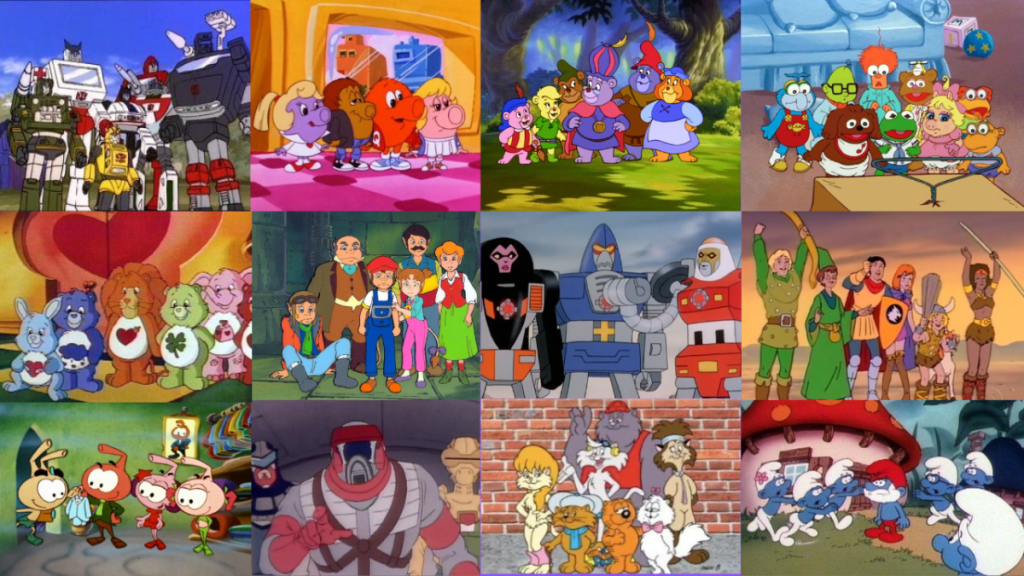
Waking up early on a Saturday had a specific purpose, and it required no algorithm to curate. Kids organized their weekend mornings around a broadcast schedule, which created a shared cultural experience that streaming libraries have never quite replaced. The limitation of scarcity made the shows feel like events.
Mixtapes
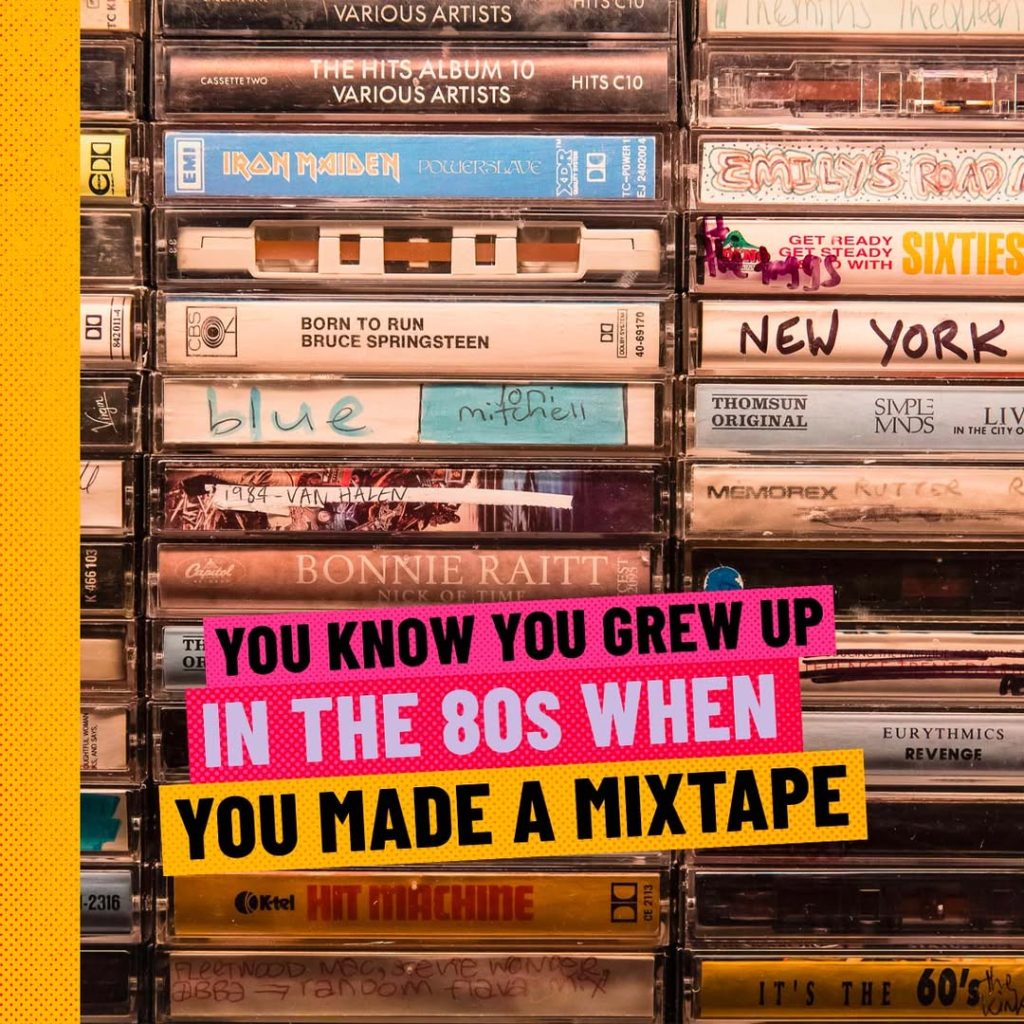
Making a mixtape required sitting beside a radio or stereo for hours, timing the record button, and editing by hand. The effort made the gesture mean something, because the person receiving it knew exactly how long it took. A Spotify playlist takes ninety seconds and communicates approximately nothing by comparison.
Blockbuster Nights
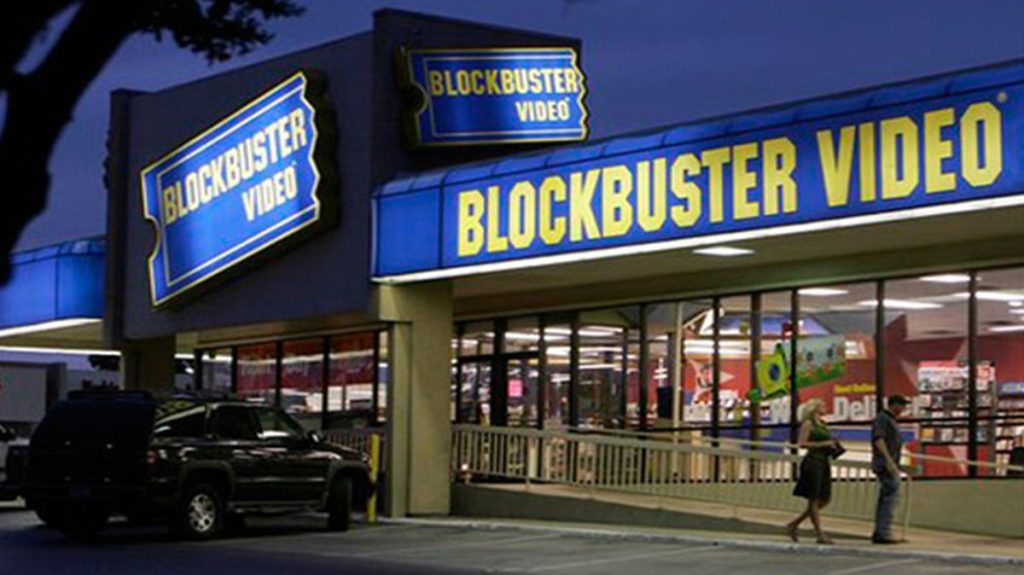
Friday night at the video rental store was a social event with stakes: if the new release was already gone, you had to negotiate with whoever you came with and settle on something else. That act of choosing together, under constraint, produced better movie nights than infinite streaming queues tend to. The late fee was the only thing anyone genuinely hated.
Pop Music Hooks
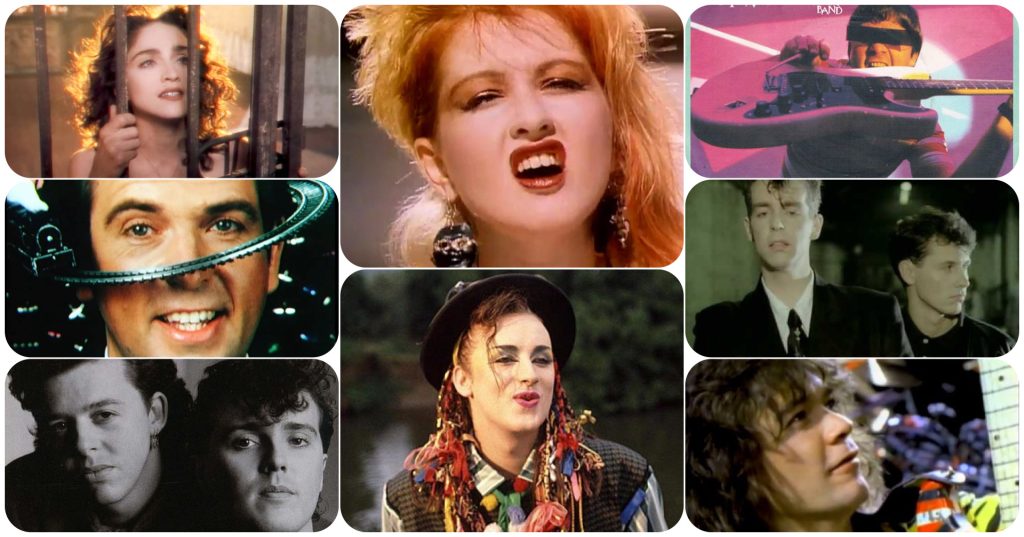
A 2010 survey across Europe found the 80s was the most popular decade for music, preferred by nearly a third of respondents. The synthesizer-driven hooks, power ballads, and melodic structures of that era have proven more durable than almost any subsequent trend. Kate Bush’s “Running Up That Hill” reached number one in the UK charts in 2022, nearly four decades after its release.
Neighbourhood Independence for Kids
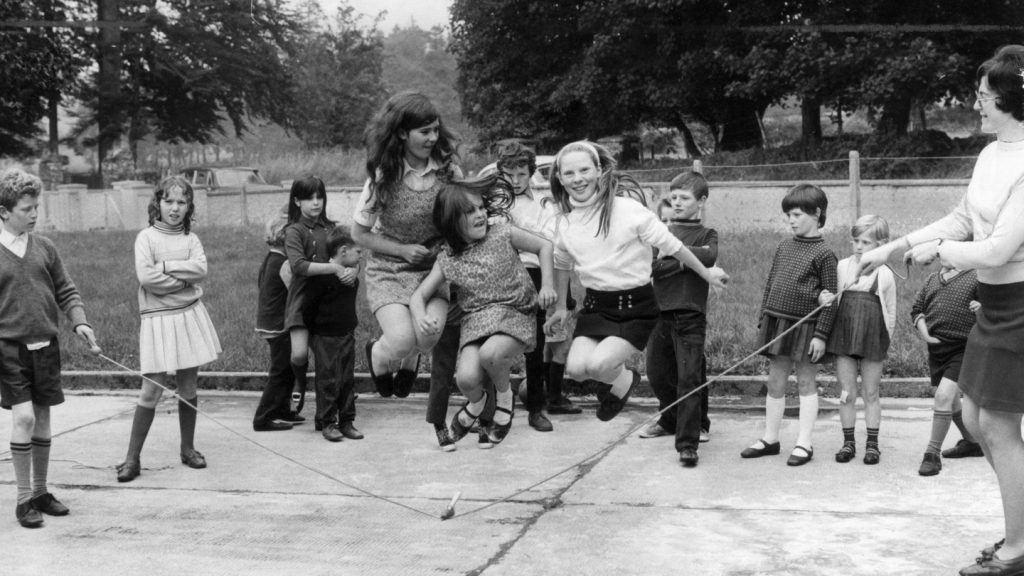
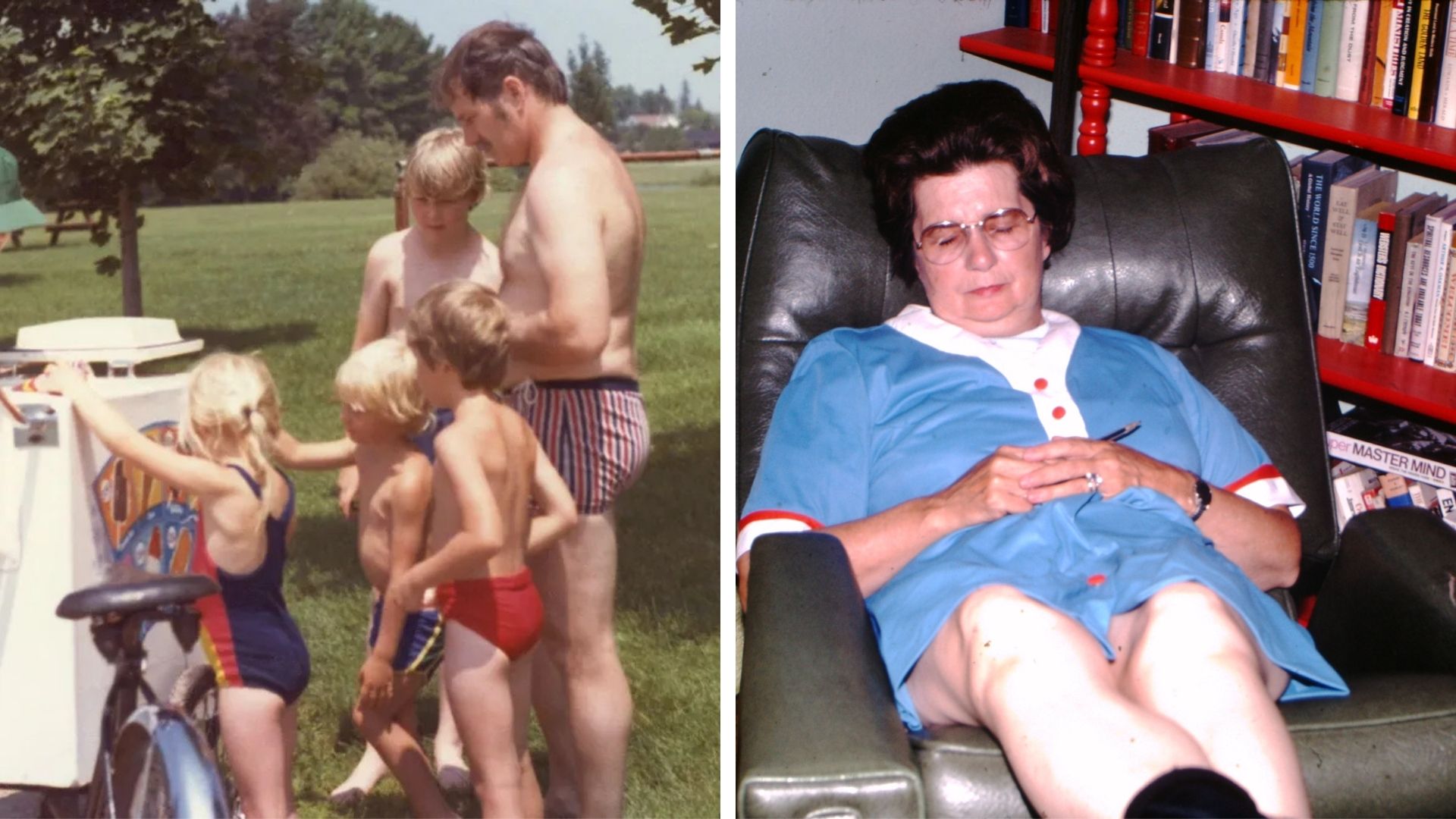
Children in the 80s left the house after breakfast and came back for dinner, with no GPS, no check-ins, and no parental supervision in between. That level of freedom produced a generation of kids who learned to navigate conflict, boredom, and risk without adult intervention. The cultural shift away from that model is well documented, and the consequences are still being worked out.
Shopping Malls
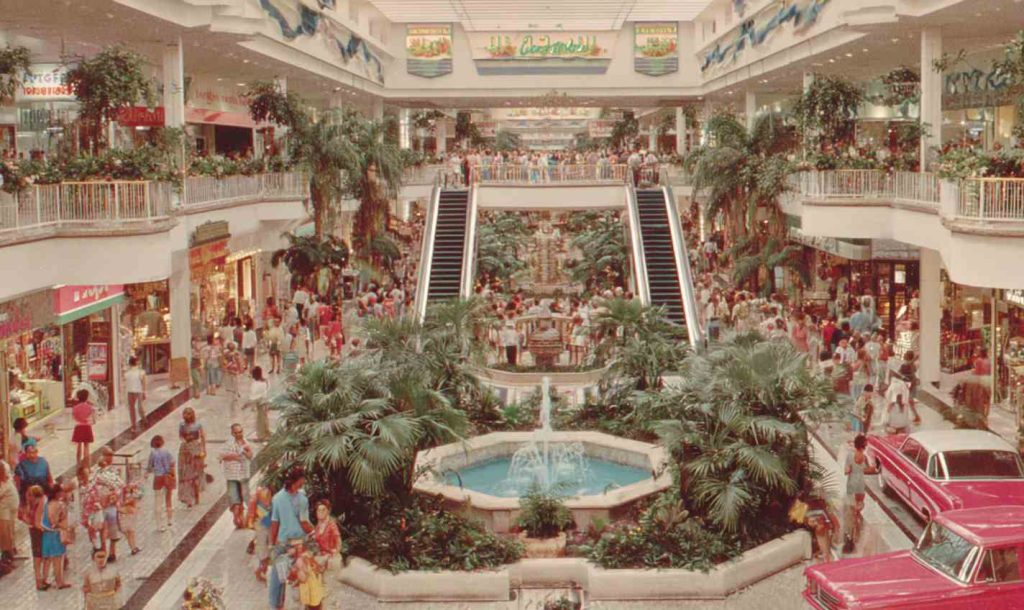
At their peak in the 1980s, malls functioned as genuine public squares where people of different ages and backgrounds moved through shared space without a specific transactional purpose. Teenagers had somewhere to go that was not school and not home, which served a social function that has largely disappeared. The decline of the mall correlates closely with the rise of social isolation among adolescents.
Movie Sequels
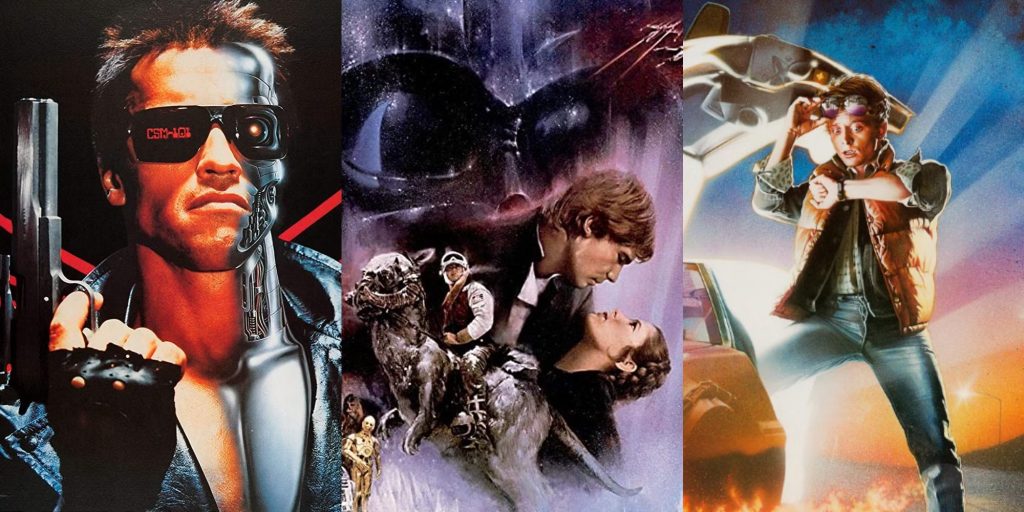
The 80s produced sequels that expanded their universes rather than simply repeating them. “The Empire Strikes Back,” “Aliens,” and “Back to the Future Part II” all took the original premise somewhere genuinely new. Today’s franchise sequels tend to protect the brand more carefully, which often produces safer and less interesting films.
Telephone Conversations
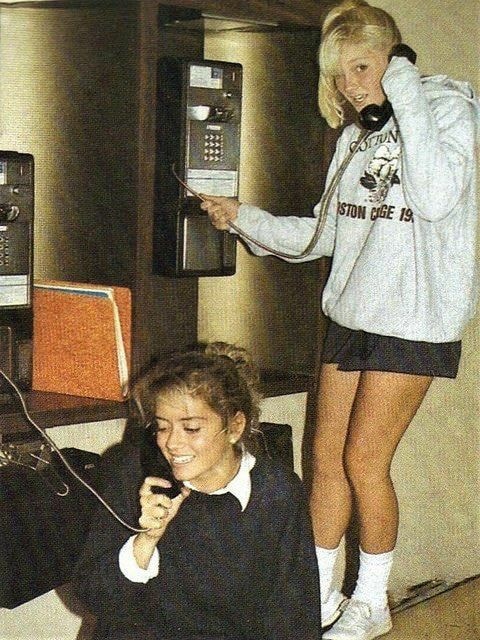
Before call waiting, voicemail, and mobile phones, a phone call required both people to be present and committed to the conversation at the same time. That shared investment produced a different quality of communication than text threads, where responses can be delayed, edited, and abandoned without consequence. The friction was the feature.
Concert Experiences
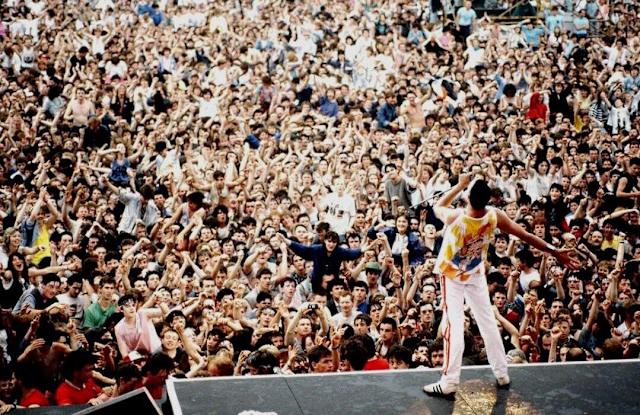
Nobody at an 80s concert was watching the show through a four-inch screen. The experience existed entirely in the room, and memory was the only recording device most people had access to. Ticket prices were also a fraction of what they are today, and the absence of dynamic pricing meant that attending a major show did not require a financial plan.
Practical Special Effects
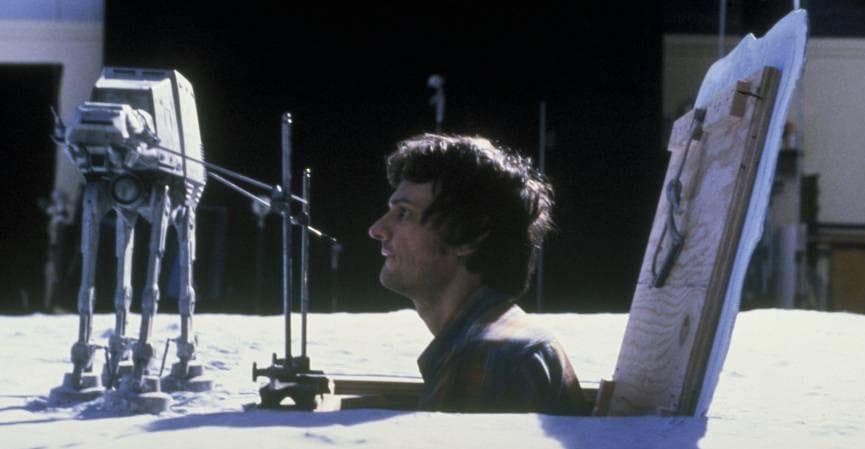
The monsters, explosions, and creature effects of 80s cinema were built by hand, filmed in camera, and lit to interact with real environments. The result holds up on screen in ways that CGI from the 2000s often does not, precisely because physical objects cast real shadows. Effects houses like Rick Baker’s and Rob Bottin’s work during this period remain industry benchmarks.
Toy Design
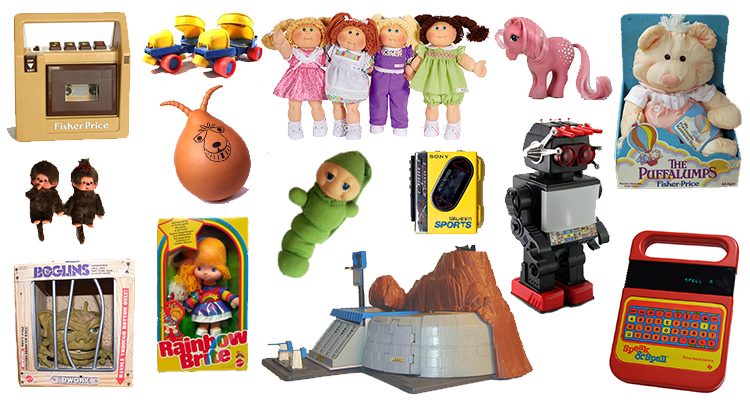
G.I. Joe, Transformers, He-Man, and the original Star Wars toy line were all produced during the 80s, and their designs remain collectible and culturally relevant decades later. The toys were built to be played with roughly and still survive, which is not something that can be said for the screen-dependent toys that have replaced them. The physical imagination required to use them was part of the value.
Pizza Restaurants
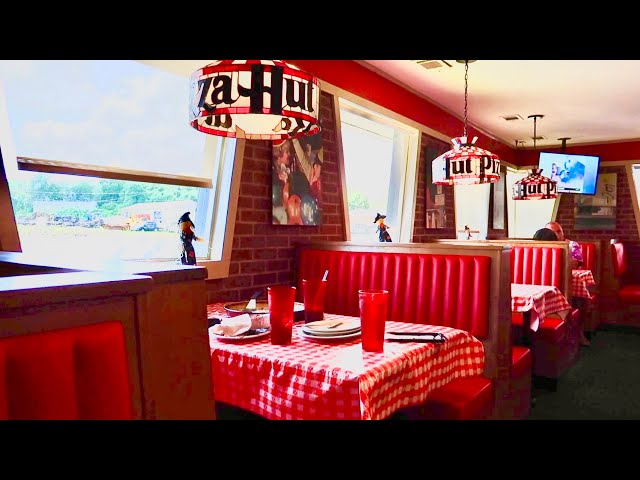
Pizza Hut in the 1980s was a sit-down family restaurant with red-checked tablecloths, dim lighting, and a salad bar, not a delivery warehouse attached to a parking lot. The dine-in experience made pizza feel like an occasion, and the physical environment was designed around lingering rather than throughput. Most of those locations have since been converted or closed.
Music Videos
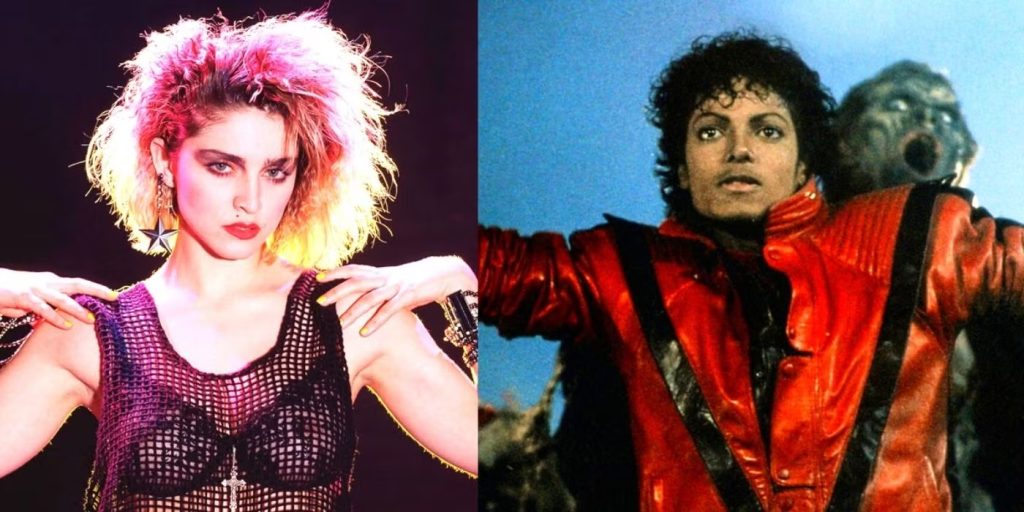
MTV launched in 1981 and immediately changed how music was consumed, marketed, and understood. The music video as an art form reached its creative peak during the 80s, with directors treating three-minute clips as genuine short films with budgets and concepts to match. The format has since fragmented across platforms and lost much of its cultural weight in the process.
Board Games as Social Events
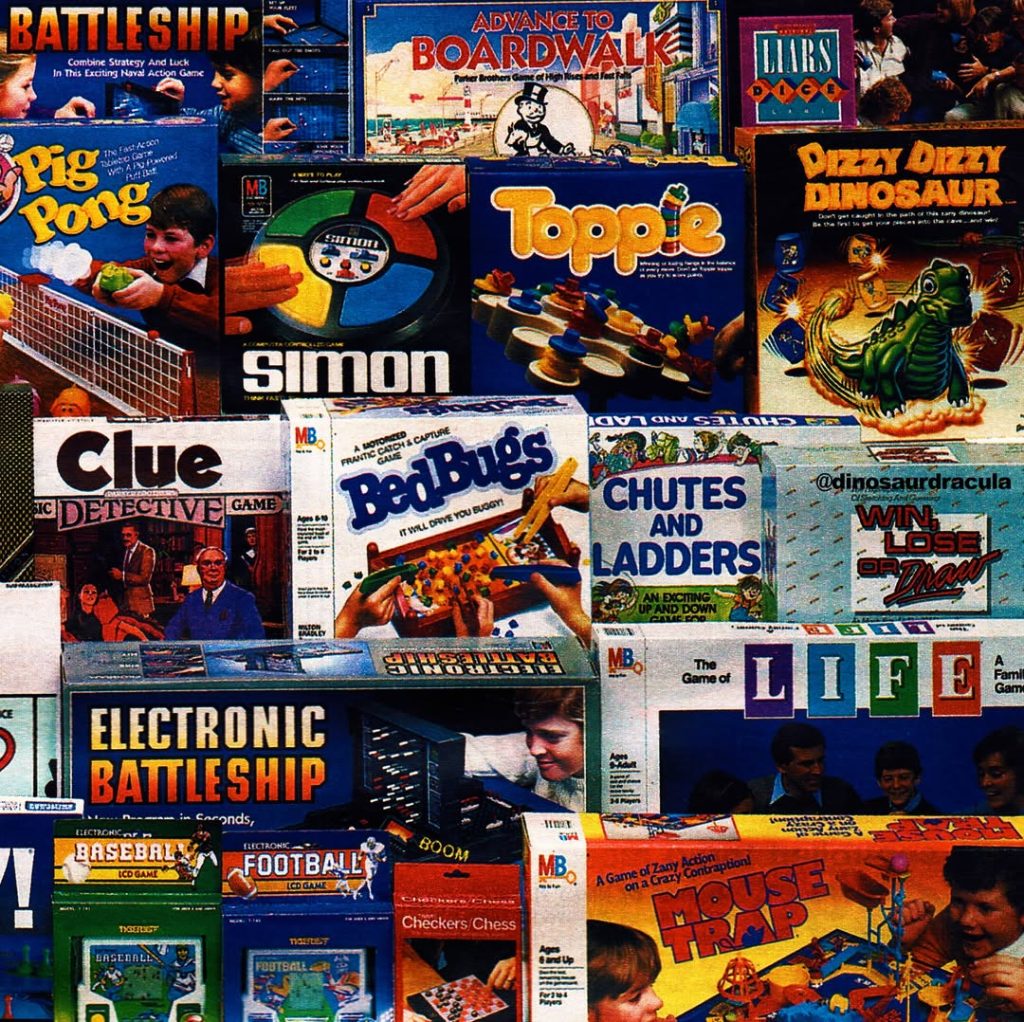
Before online multiplayer, the only way to play a game with other people was to be in the same room. Board games in the 80s were a default social option for families and friend groups who had run out of other things to do together. The forced proximity and face-to-face competition produced a different kind of social bonding than any digital game can replicate.
Getting Lost and Finding Your Way Back
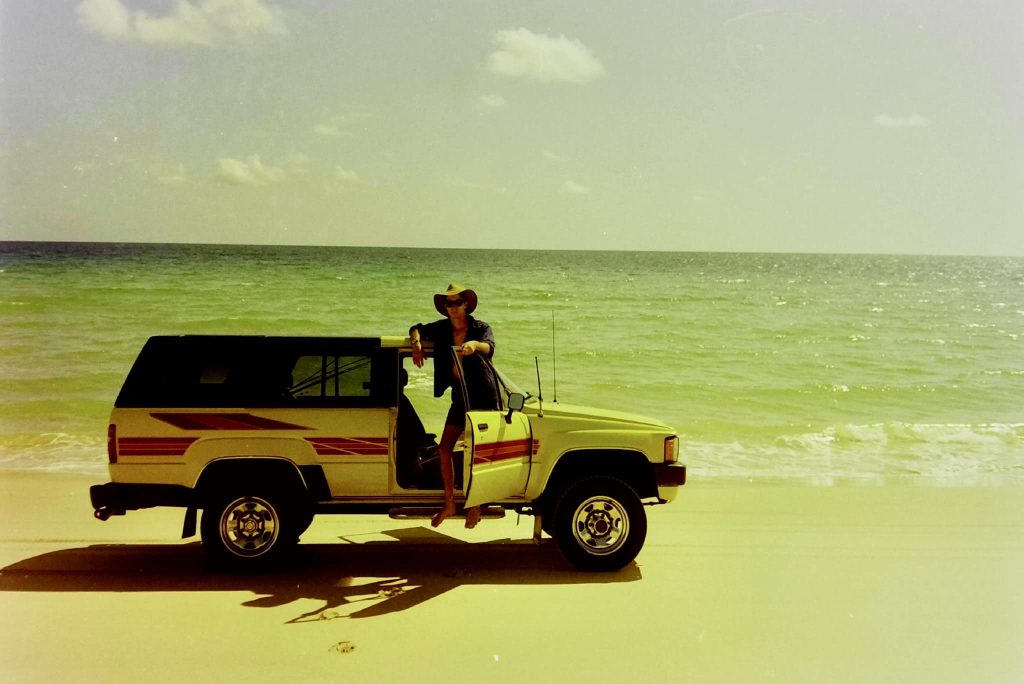
Without GPS, getting lost in a car or on foot required problem-solving, asking strangers for directions, and developing a genuine mental map of unfamiliar territory. That process built spatial awareness and a comfort with uncertainty that turn-by-turn navigation has made largely unnecessary. Studies on spatial reasoning suggest the skill atrophies without regular use.
Opening Credits in Films

The opening credit sequences of 80s films were often as carefully designed as the films themselves, setting tone, pace, and visual identity before the story began. “Ferris Bueller’s Day Off,” “Beverly Hills Cop,” and “Ghostbusters” all used their title sequences to prime the audience in ways that cold-open culture has largely abandoned. The credits were part of the experience, not an obstacle to skip.
Neighborhood Barbecues
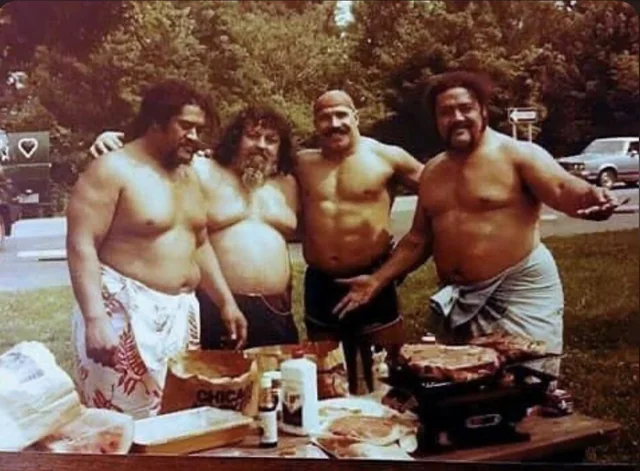
Knowing your neighbours well enough to spontaneously invite them over was more common in the 80s than it is today, and the physical layout of suburban neighbourhoods at the time supported it. Back yards opened onto each other, and the street itself functioned as a shared social space in ways that gated communities and remote work have progressively eroded. Social isolation statistics have risen steadily in the decades since.
Gym Fashion
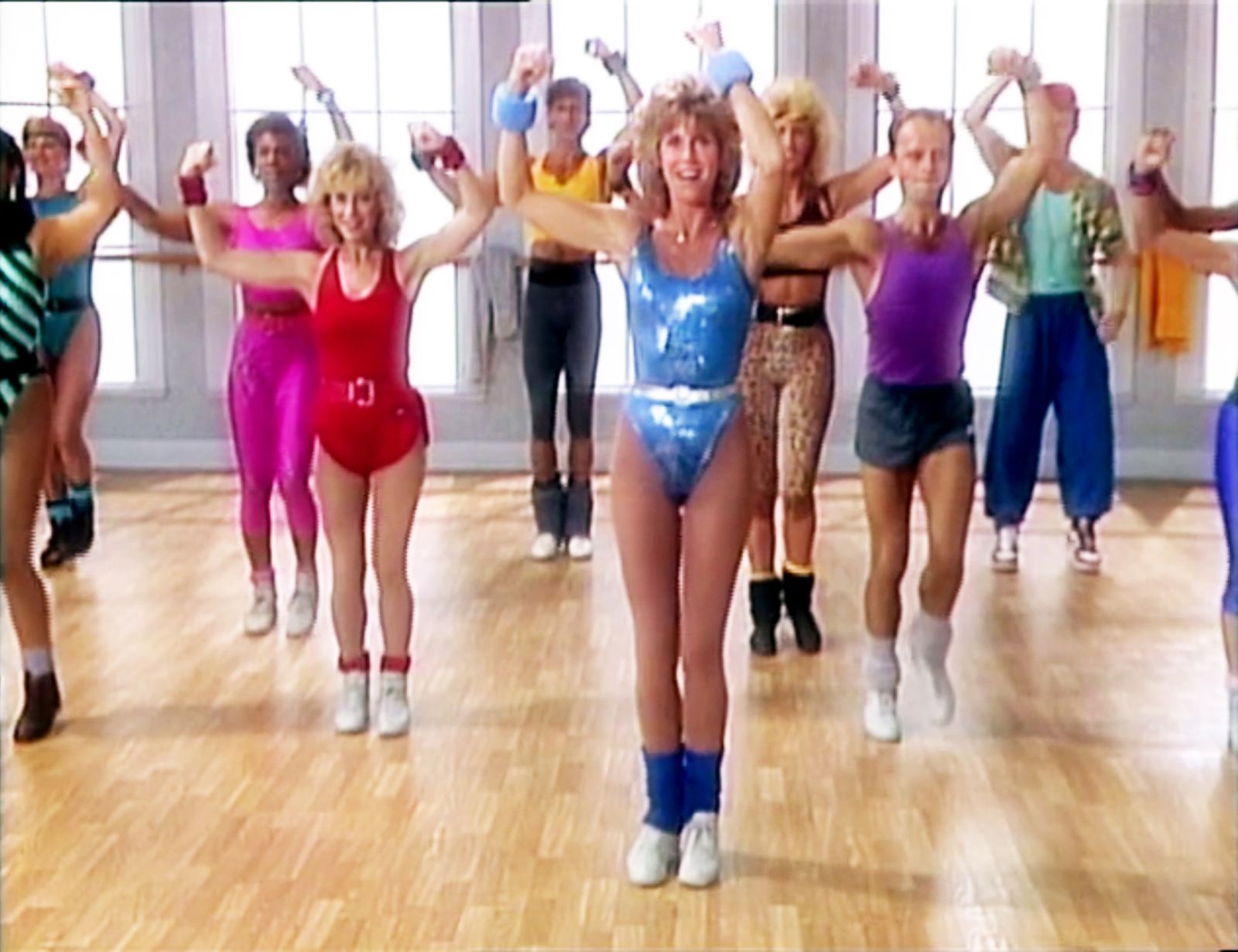
Jane Fonda’s 1982 exercise video and the aerobics boom that followed made working out visually expressive in a way that today’s gym culture, with its uniform neutral tones and performance fabrics, largely is not. Neon leotards, legwarmers, and sweatbands were absurd and entirely committed at the same time. The aesthetic communicated enthusiasm rather than optimization.
Paying for Things Once

Software, music, movies, and games in the 80s were products you bought once and owned permanently. The subscription model had not yet been invented as a consumer expectation, which meant that spending money on entertainment felt like an investment rather than a recurring fee that auto-renews until you remember to cancel it. Ownership was the default.
Reading the Liner Notes
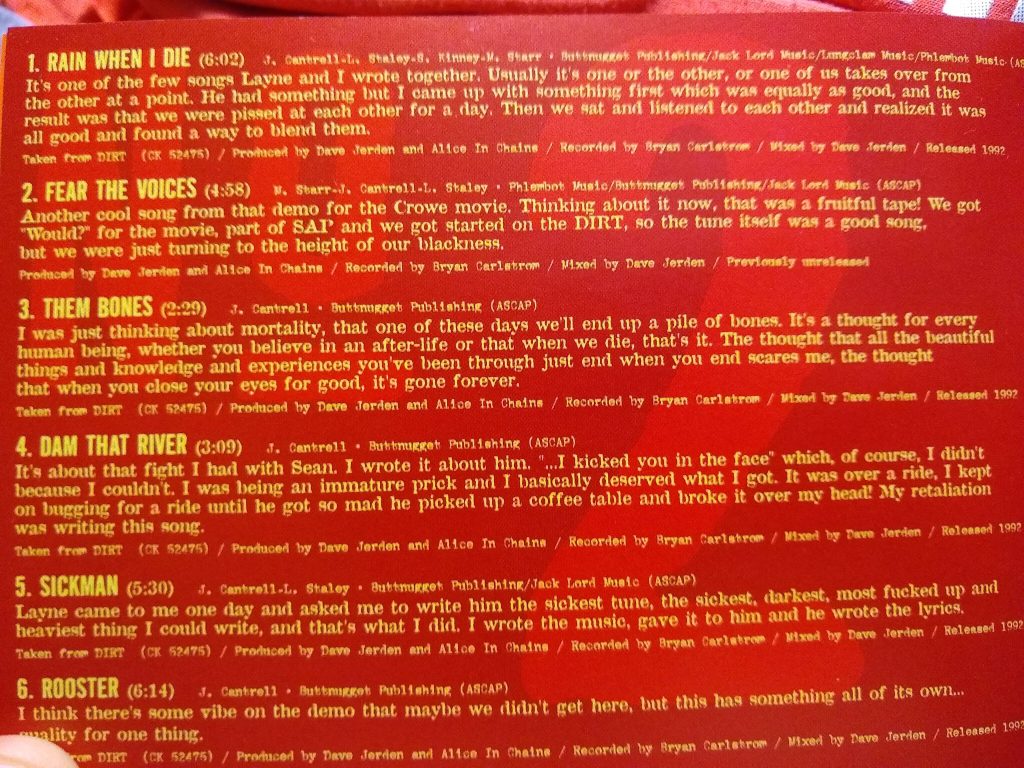
Buying an album on vinyl or cassette came with physical packaging that rewarded attention: lyrics, credits, production notes, and artwork designed to be held and examined. That relationship between listener and album created a depth of engagement with music that a thumbnail on a streaming app does not encourage. The format shaped how seriously people took the music inside it.
Boredom
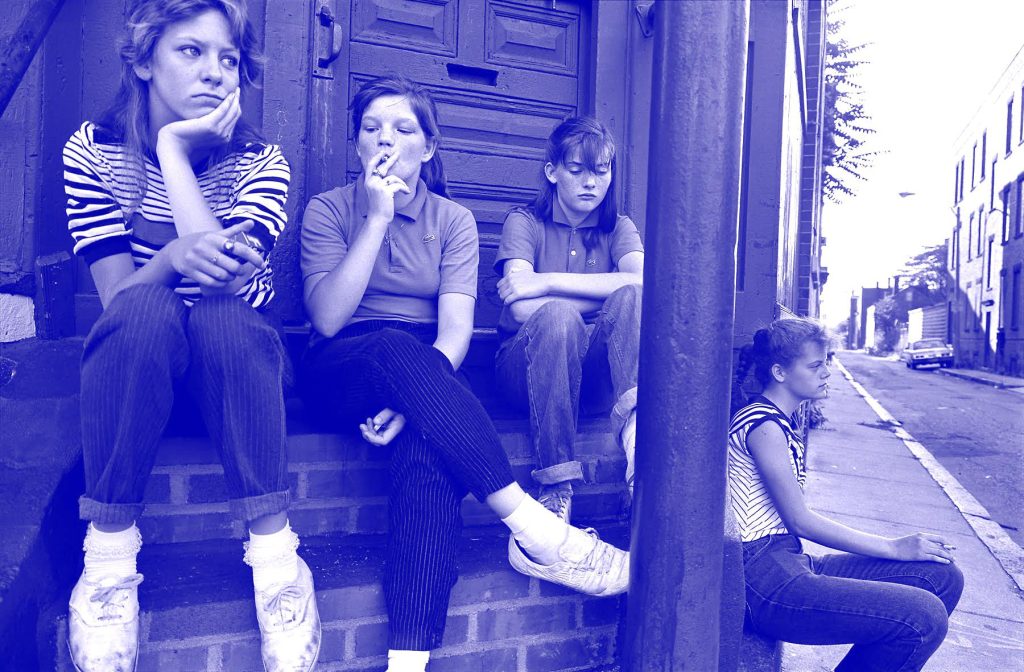
Before smartphones made every idle moment fillable, boredom was an unavoidable part of daily life, and most people found ways to move through it creatively. Psychologists now connect the near-total elimination of unstructured downtime to declines in creativity and self-regulation, particularly in younger people. The 80s did not cure boredom; they just had not yet invented the thing that prevents it.
Handwritten Letters
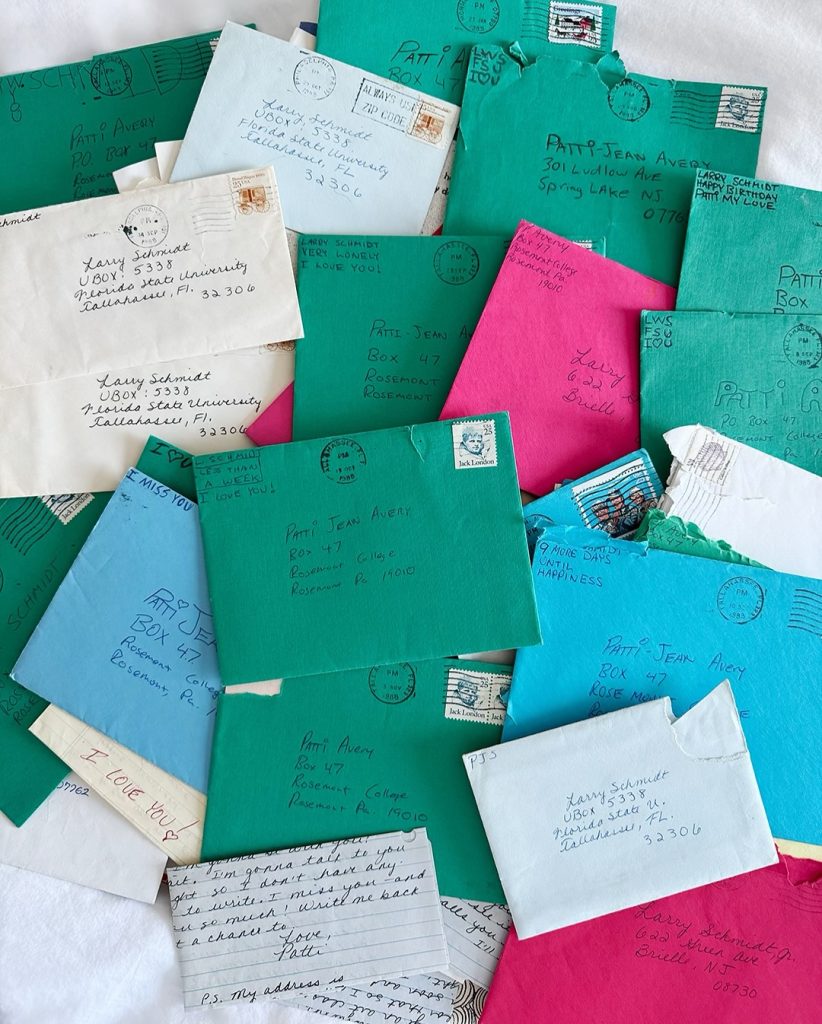
Writing a letter required composing thoughts in full before committing them to paper, with no delete key and no ability to unsend. The slowness of postal delivery also meant that correspondence unfolded over weeks rather than seconds, which gave relationships a different texture and gave people time to think before responding. Pen pal culture during this era connected people across countries in ways that felt genuinely significant.
Sports Rivalries
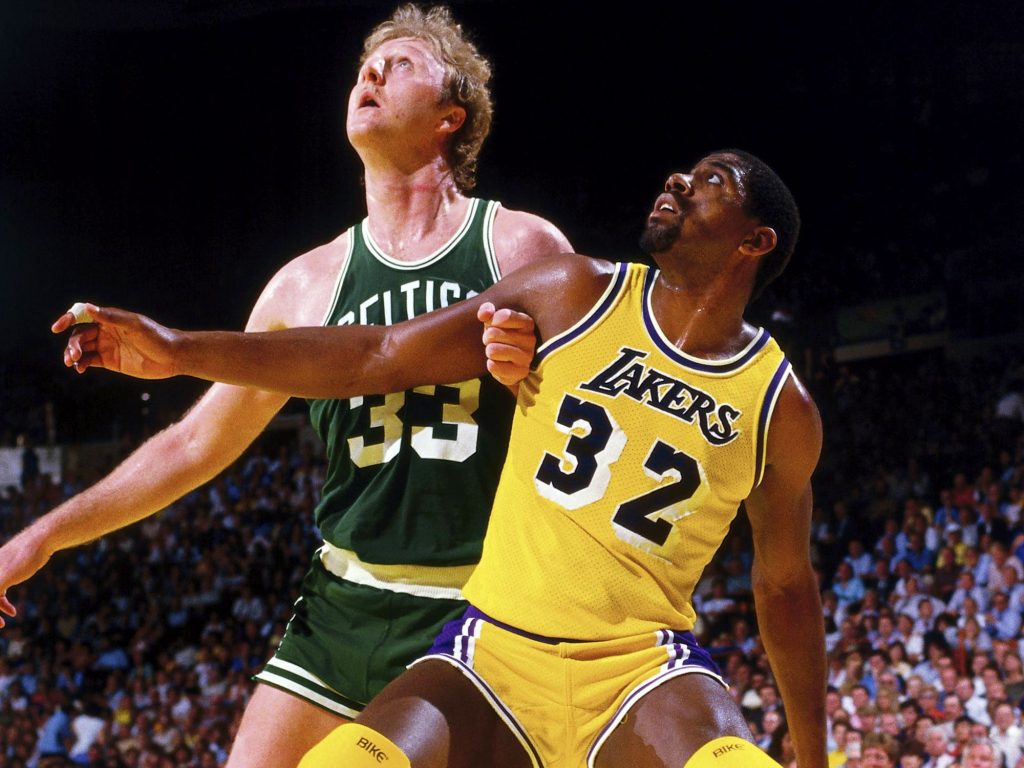
The Lakers vs. Celtics rivalry of the 1980s, Bird vs. Magic, is widely considered the greatest era of NBA basketball, not for the statistics but for the genuine animosity and the narrative weight it carried over multiple seasons. Players stayed with teams long enough to build real histories, and fans had decades of context. Free agency, salary caps, and player movement have made that kind of slow-burning rivalry structurally harder to build today.
Keeping Work at Work
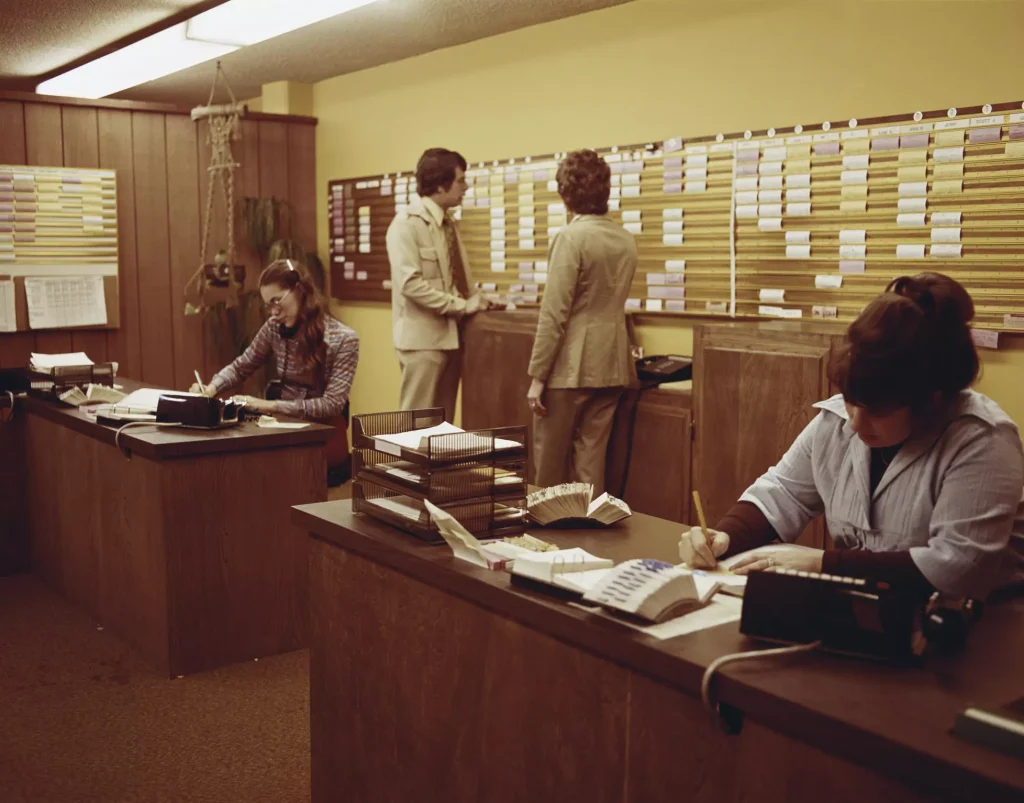
Without email, mobile phones, or Slack, leaving the office in the 80s meant the workday was genuinely over. Employers had no reliable mechanism for reaching employees outside of business hours, which created a hard boundary between professional and personal time that most workers today no longer experience. The erosion of that boundary has been gradual enough that many people no longer notice it is gone.
Coming-of-Age Films
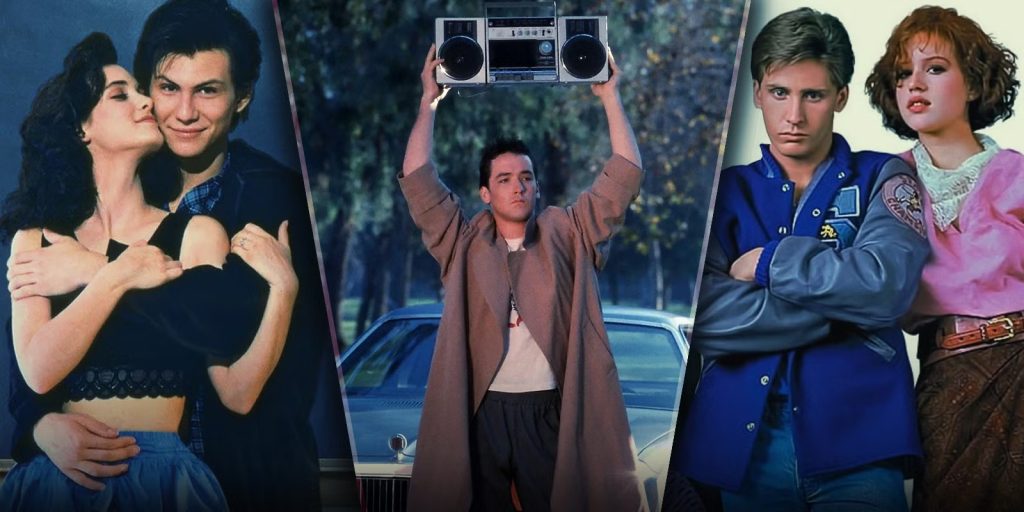
John Hughes essentially invented the modern coming-of-age film during the 80s, and films like “The Breakfast Club,” “Sixteen Candles,” and “Ferris Bueller’s Day Off” treated teenagers as fully realized people with complex interior lives rather than demographic targets. The genre has produced very few films since that match that combination of commercial appeal and genuine emotional intelligence. Hughes made it look easy, and the decades since have demonstrated that it was not.
Dressing Up to Fly
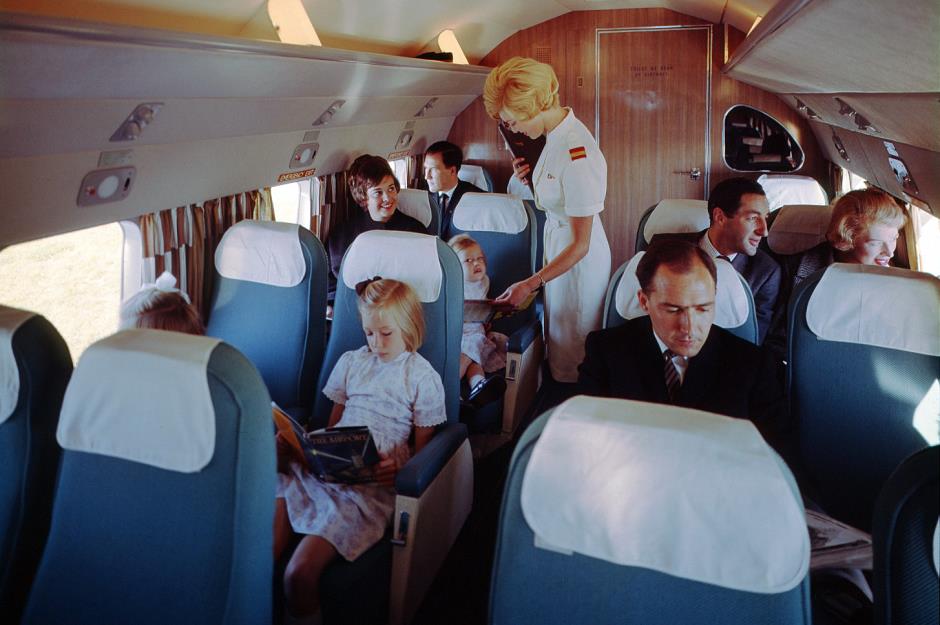
Air travel in the 80s still carried enough cultural weight that passengers dressed for it, arrived with time to spare, and treated the airport as part of the journey rather than an obstacle before it. Legroom, meal service, and basic comfort were standard across most ticket classes. The progressive commodification of flying has removed most of those features while adding a premium tier that charges to restore them.
Arcades
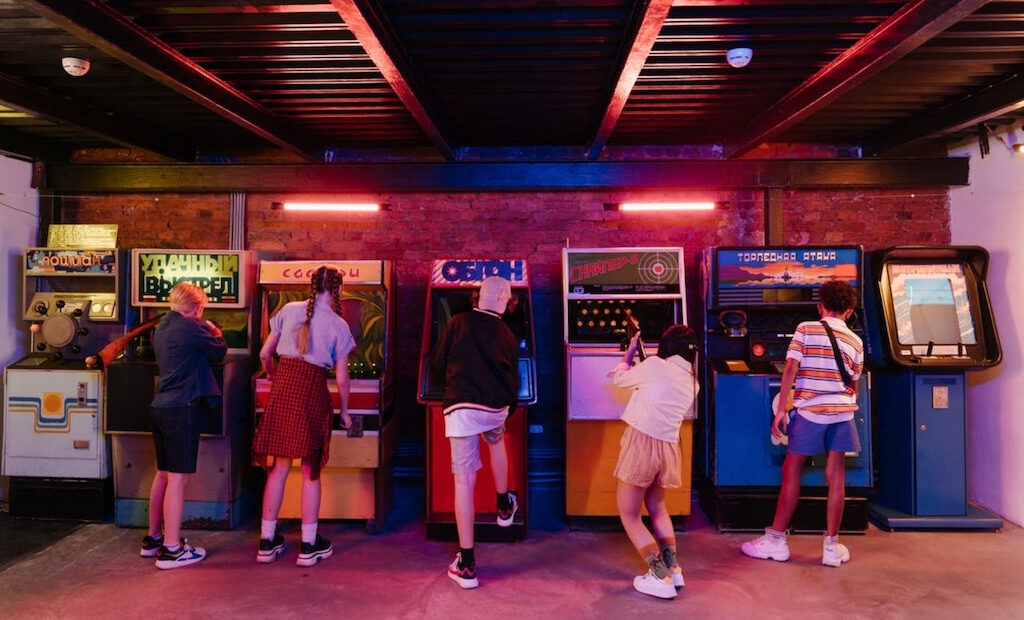
The arcade was a physical space where competitive gaming happened in public, in front of strangers, with a crowd watching the best players and waiting for their turn. That format created a social hierarchy built on skill that was immediately visible and instantly contested by anyone willing to put in a quarter. Online leaderboards replicate the competition but lose everything that made the room itself feel electric.
Sunscreen-Free Summers
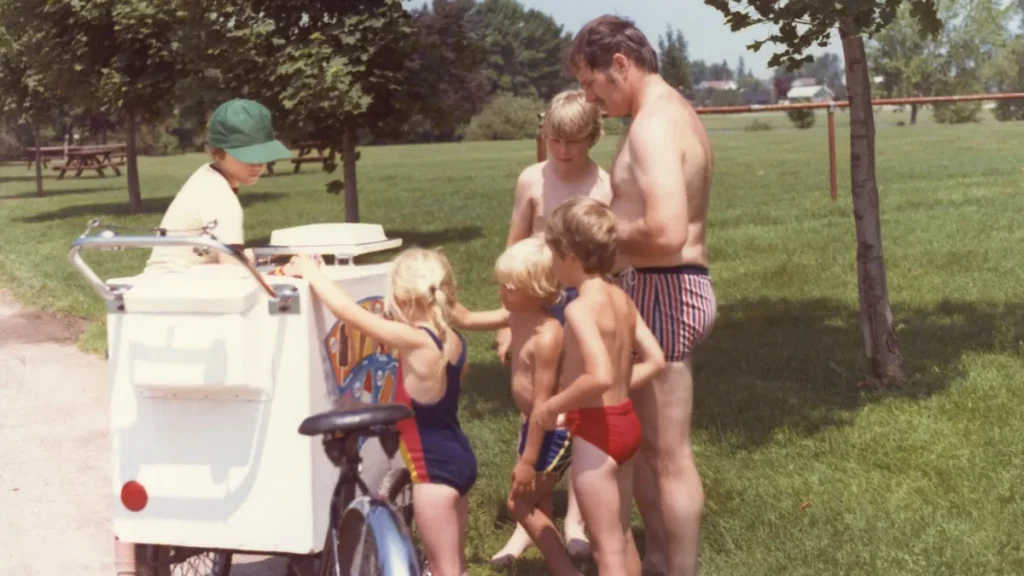
80s summers meant being outside from morning to dark, getting genuinely dirty, and coming home with scraped knees and sunburned shoulders that nobody particularly fretted over. The summer as a genuinely unstructured season for children has been progressively replaced by scheduled enrichment programs, indoor screen time, and parental anxiety about unsupervised outdoor activity. The physical freedom of that era is one of the most consistently cited things people who grew up then say they miss.
Not Knowing What Everyone Was Doing All the Time

In the 80s, you did not know what your ex was having for lunch, what your coworker did on vacation, or whether your acquaintances approved of your choices, because none of that information was being broadcast. The gaps between people’s lives were filled with imagination and assumption rather than curated updates, and relationships existed without a real-time performance layer running underneath them. Social media did not just change communication; it changed how people understand themselves relative to everyone else, and not in ways that have made most people happier.







