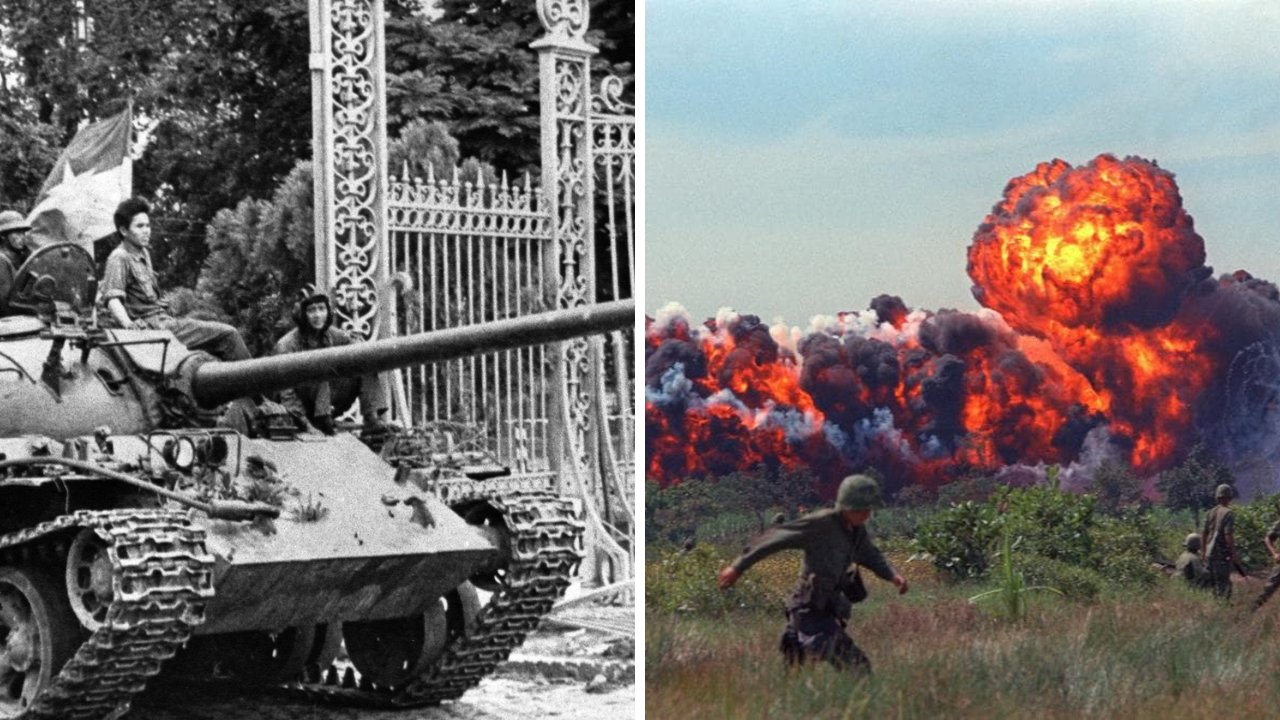
If your knowledge of the Vietnam War comes from a high school history book, you’re probably missing most of the story. What got taught was often sanitized, oversimplified, or straight-up misleading. Behind the headlines and textbook timelines were chaotic politics, brutal tactics, and moral gray areas nobody really wanted to talk about. This war shaped a generation, scarred two countries, and changed how people viewed their own governments forever. Here are 30 things about the Vietnam War they didn’t exactly advertise.
Vietnam Wasn’t Just One War
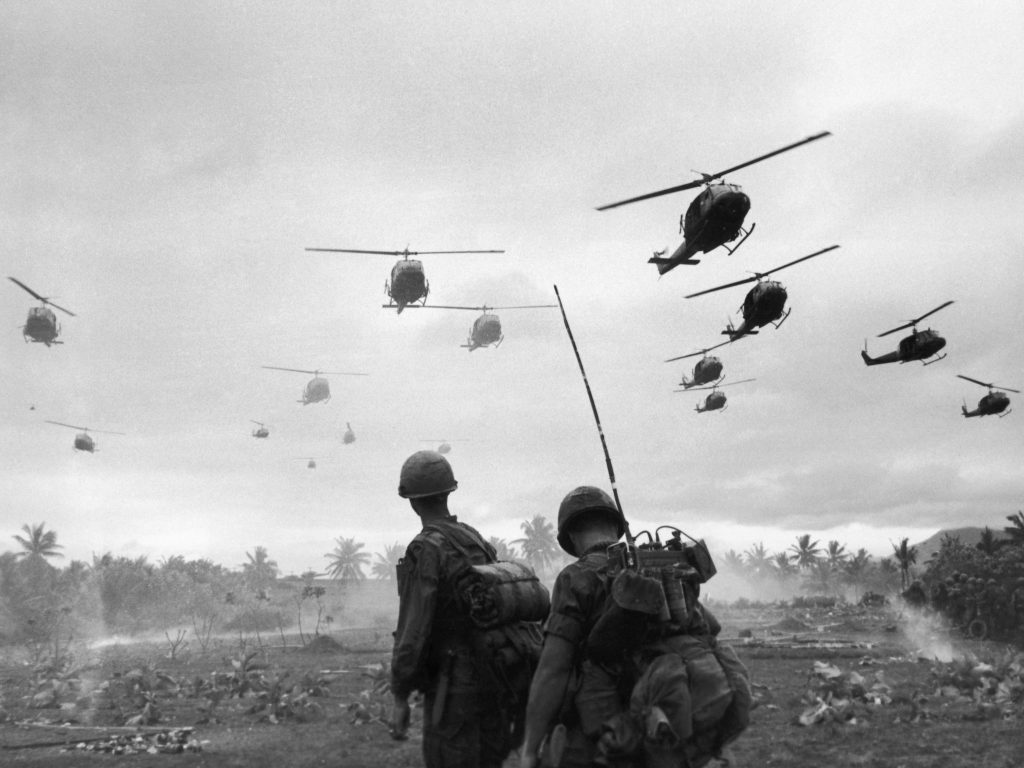
What we call the Vietnam War was actually a long series of conflicts. It started with the First Indochina War between the Vietnamese and the French in the 1940s and 50s. The U.S. just jumped in partway through a much older fight. The Vietnamese saw it as part of their centuries-long struggle for independence.
The U.S. Never Formally Declared War
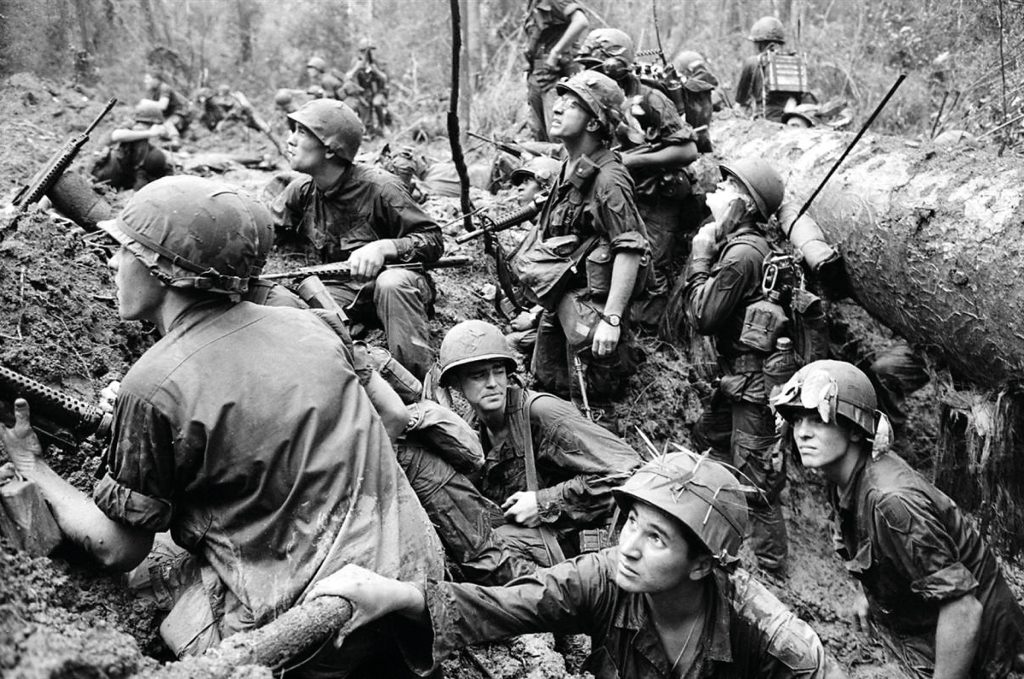
Congress never officially declared war on Vietnam. Instead, the U.S. used something called the Gulf of Tonkin Resolution to escalate military involvement. This technicality allowed presidents to bypass a lot of scrutiny. It blurred the lines between war and “conflict” in ways that still affect policy today.
Draft Dodging Wasn’t Always a Rich-Kid Thing
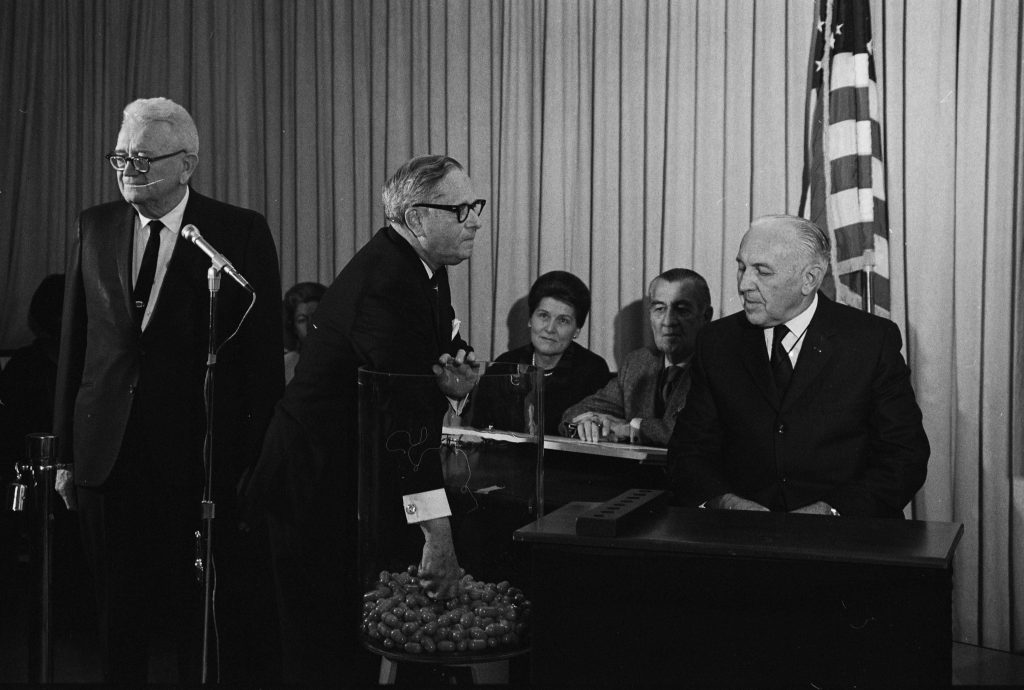
Sure, some wealthy kids got deferments, but many dodged the draft out of desperation or principle. Some fled to Canada, others went underground. It wasn’t just about privilege, it was about survival and protest. For many, going to war felt like walking into a meat grinder.
More Bombs Were Dropped on Vietnam Than in WWII
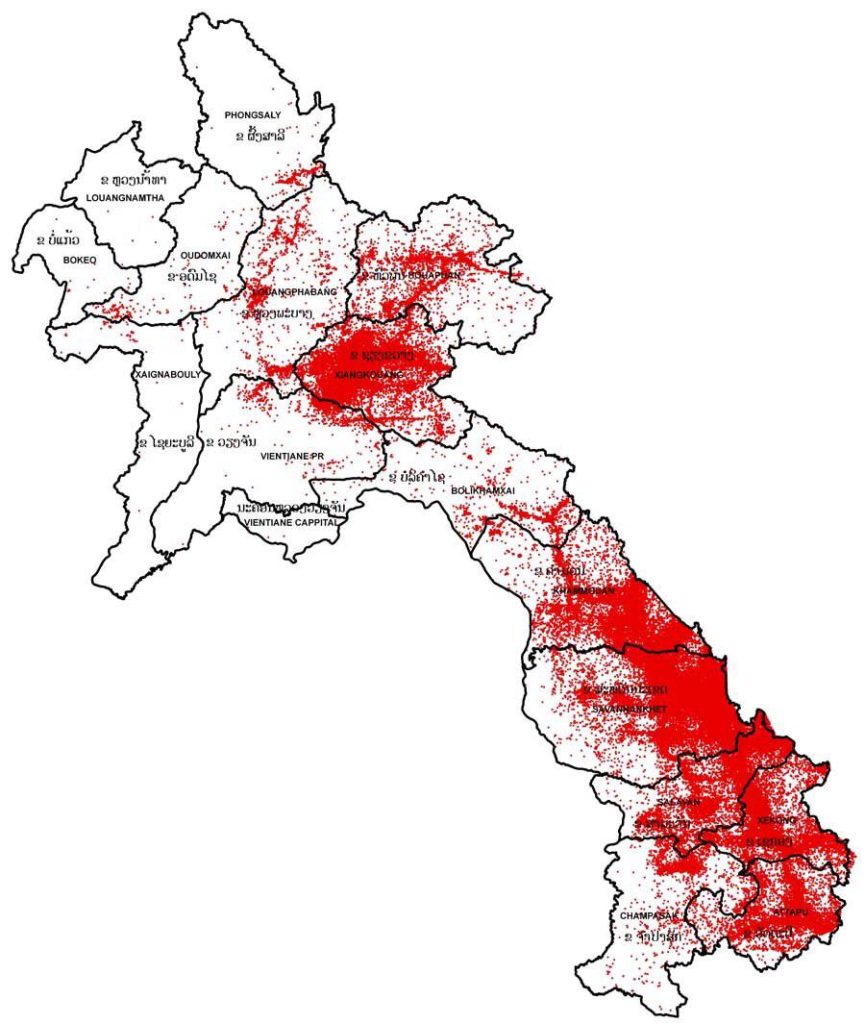
This stat is so extreme it feels fake, but it’s real. The U.S. dropped over 7 million tons of bombs in Southeast Asia, more than all sides in WWII combined. Laos and Cambodia were also hit hard, even though they weren’t officially in the war. Many of those bombs are still buried and dangerous today.
Vietnam Had a Huge Anti-War Movement Too
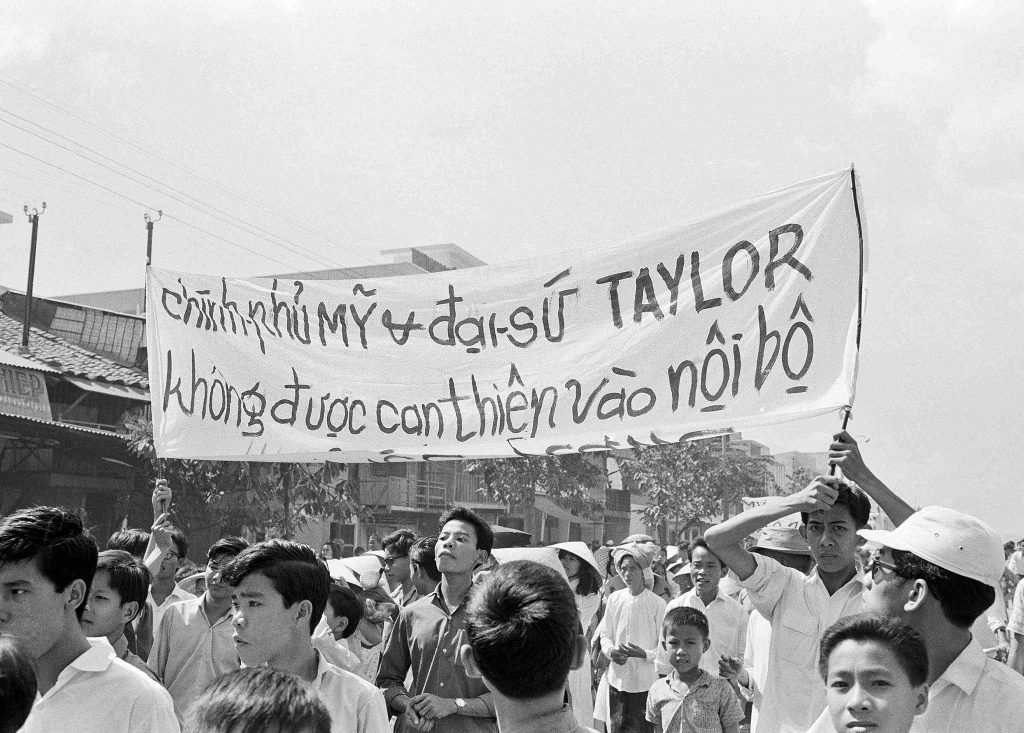
While Americans protested the war at home, many Vietnamese people, especially in the South, also opposed the violence. Civilians were caught between two brutal regimes. Not everyone wanted to pick a side. Survival often meant staying silent.
The War Was Televised and That Changed Everything
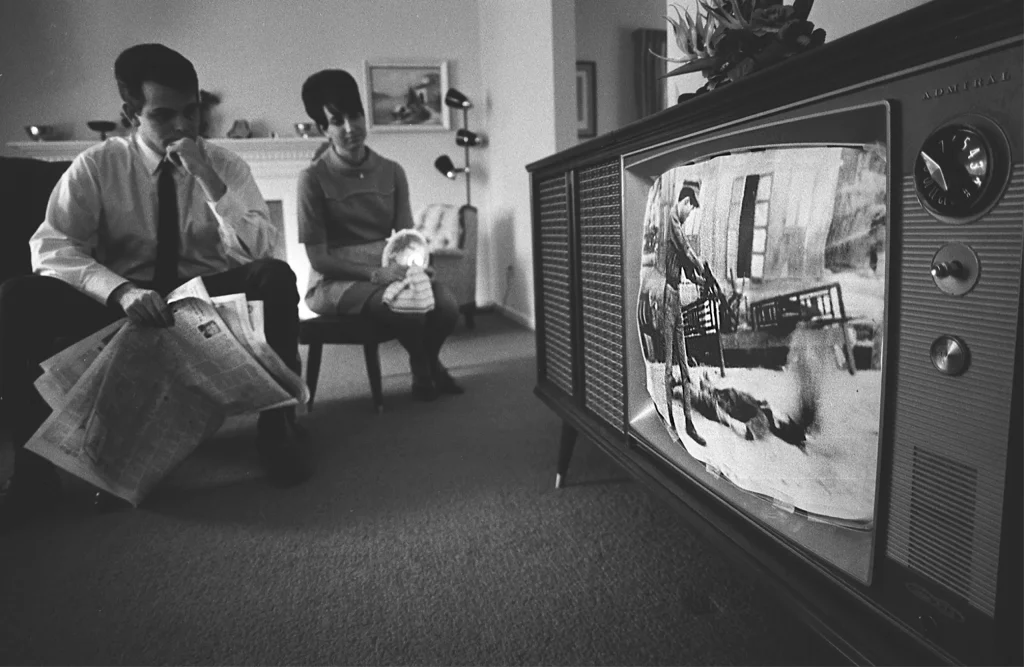
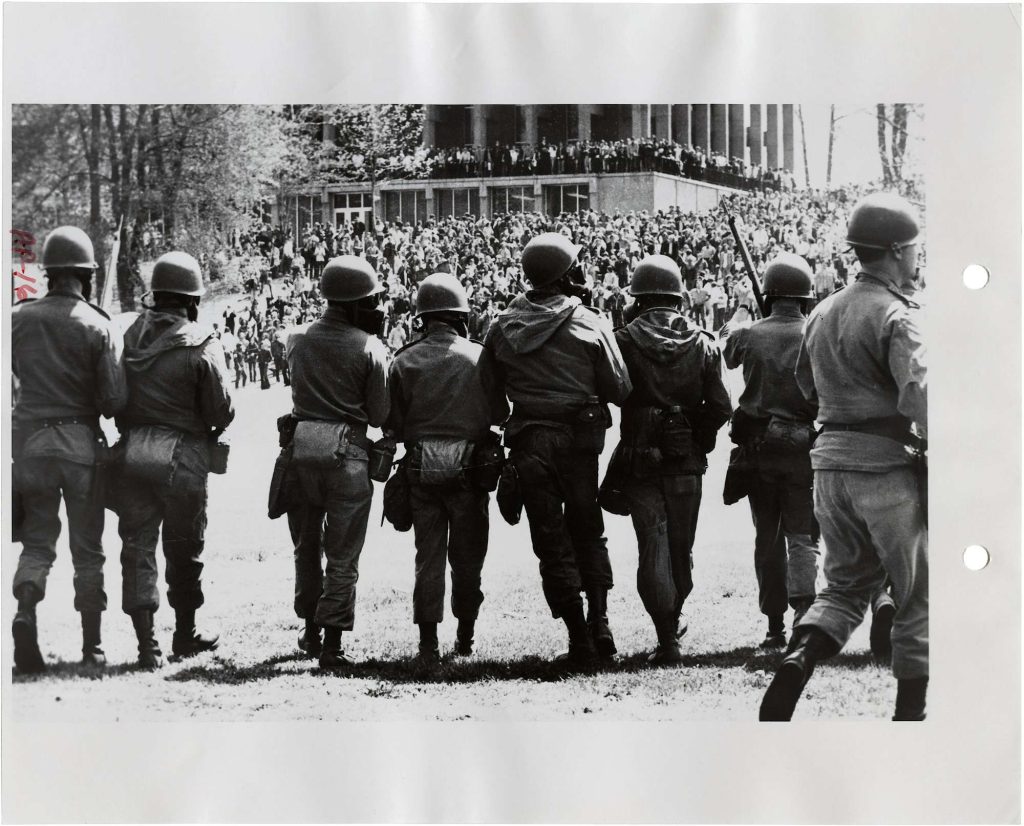
This was the first time people saw real war footage on their nightly news. Bloody images, burned villages, and crying soldiers were beamed into American homes. It turned public opinion fast. The government couldn’t control the narrative anymore.
The U.S. Used Chemical Weapons on a Massive Scale
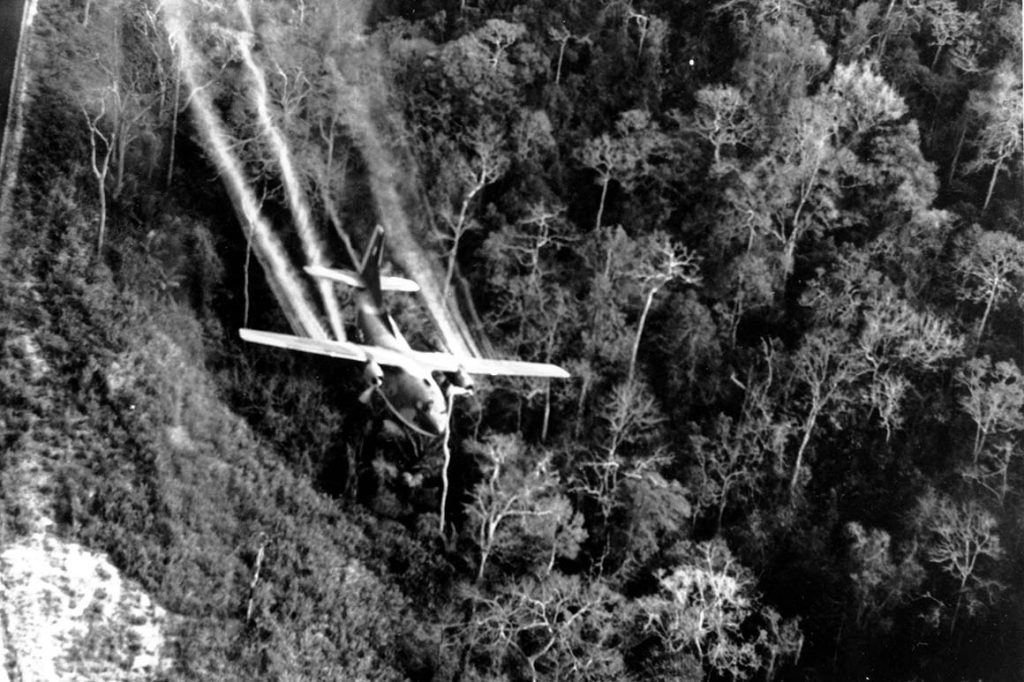
Agent Orange wasn’t some minor tactic. It was a widespread defoliant program that poisoned forests and people. Millions of Vietnamese still suffer health effects from exposure. American veterans got sick, too, but it took decades for the government to acknowledge it.
Women Played Major Roles on Both Sides
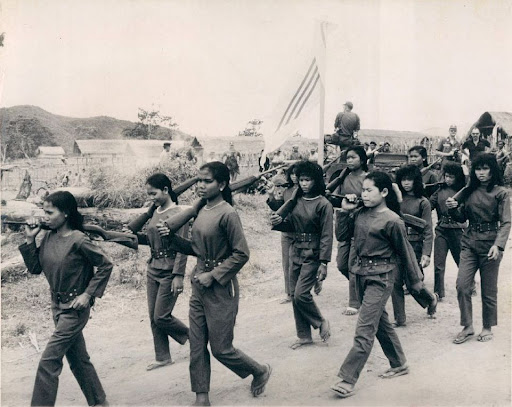
Women weren’t just nurses. In Vietnam, many women were soldiers, spies, and leaders in the Viet Cong. Some led guerrilla units and others transported weapons through the jungle. They were essential to the resistance, and rarely talked about.
The Draft Targeted Black and Poor Communities
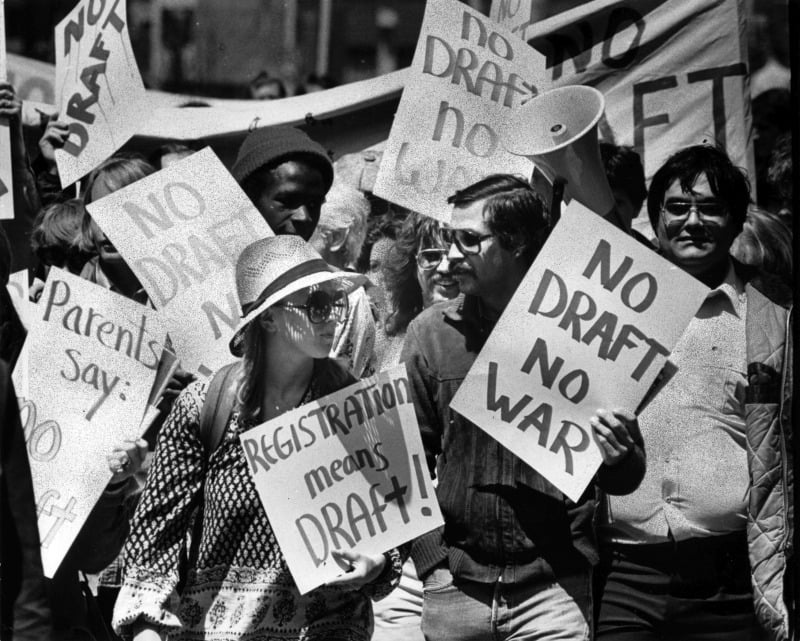
Black Americans were drafted at disproportionately high rates. Many couldn’t afford college deferments or legal help. Civil rights leaders called it a “working man’s war.” It deepened the racial divides already tearing the country apart.
Many Soldiers Came Home and Were Hated
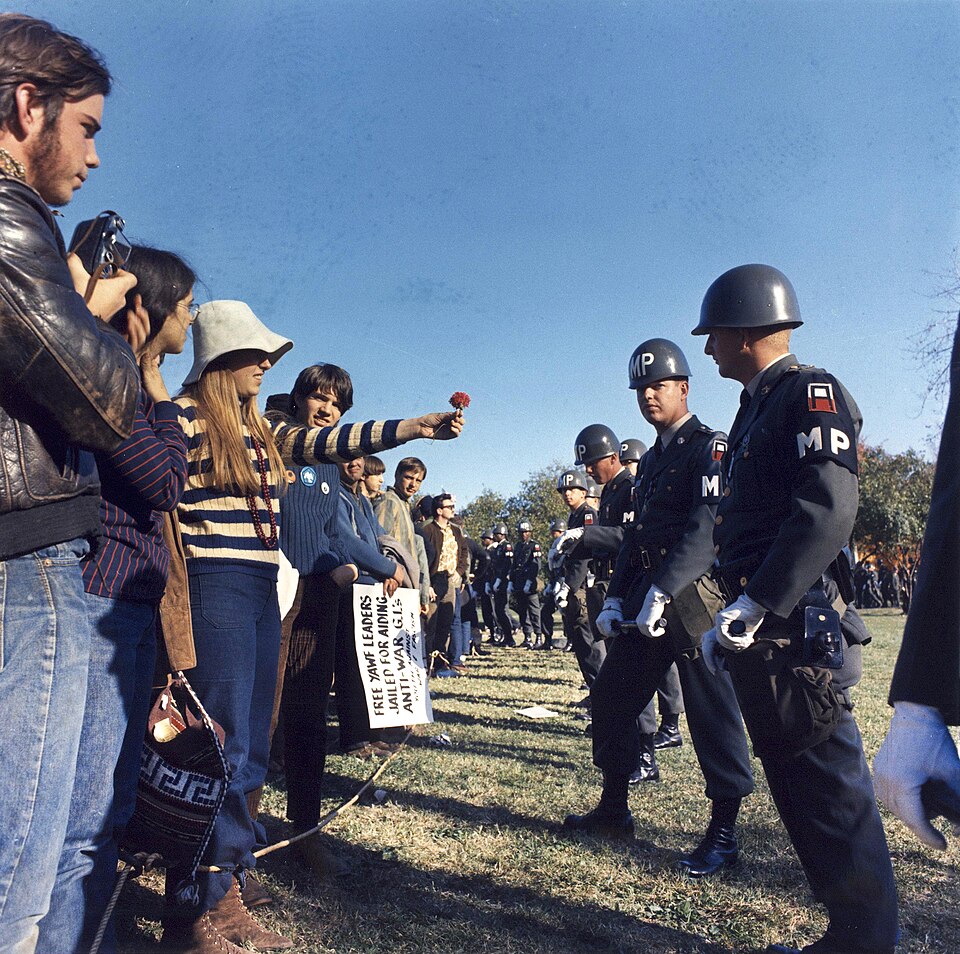
Unlike WWII vets who were greeted as heroes, Vietnam vets were often met with silence or hostility. Some were spit on. Others hid their service to avoid confrontation. The shame and trauma haunted many for decades.
The CIA Ran Secret Operations in Laos and Cambodia
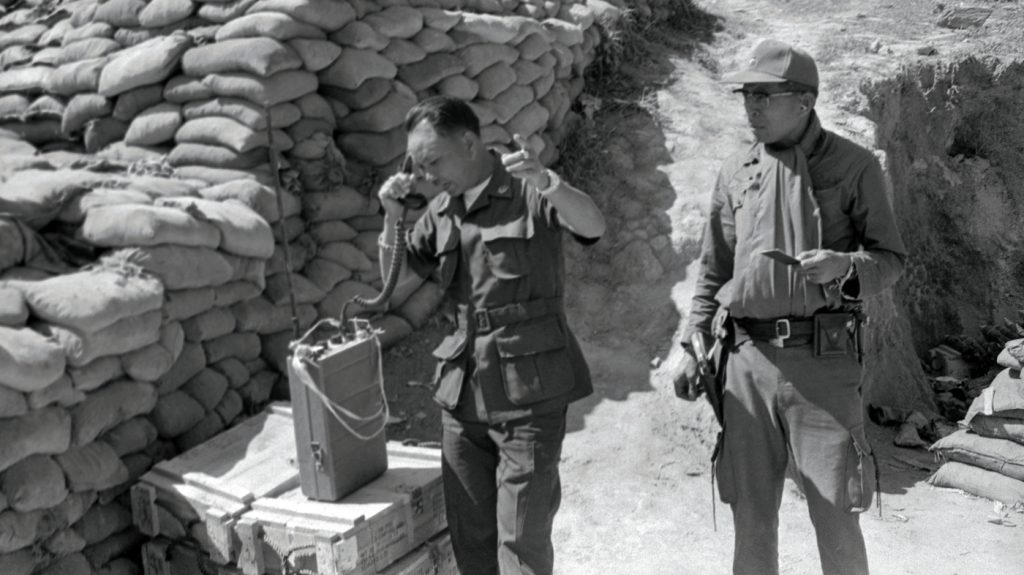
The U.S. wasn’t just fighting in Vietnam. It secretly bombed and funded operations in neighboring countries, trying to cut off enemy supply lines. These missions weren’t even acknowledged at the time. Millions of civilians were affected, and some countries are still recovering.
U.S. Soldiers Often Didn’t Know What They Were Fighting For
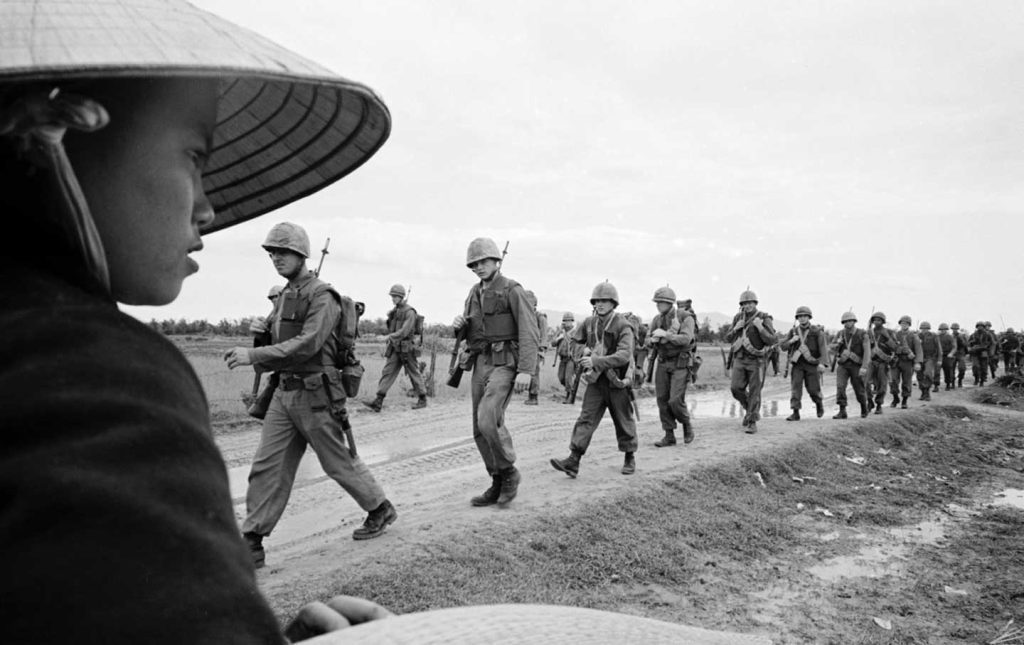
Morale was notoriously low. Many troops had no idea who the enemy really was or what the end goal looked like. They were just told to survive each day. Confusion and frustration led to mental breakdowns, and sometimes worse.
Vietnamese Civilians Were Often Treated as Enemies
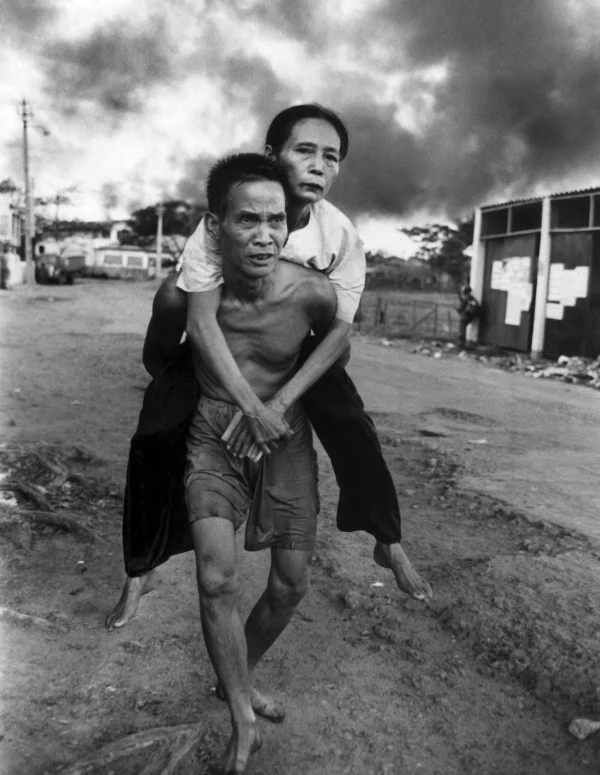
Entire villages were suspected of harboring Viet Cong. That meant mass arrests, torture, or worse. Innocent people were caught in the crossfire constantly. It blurred the moral line between soldier and occupier.
The War Sparked a Music Revolution
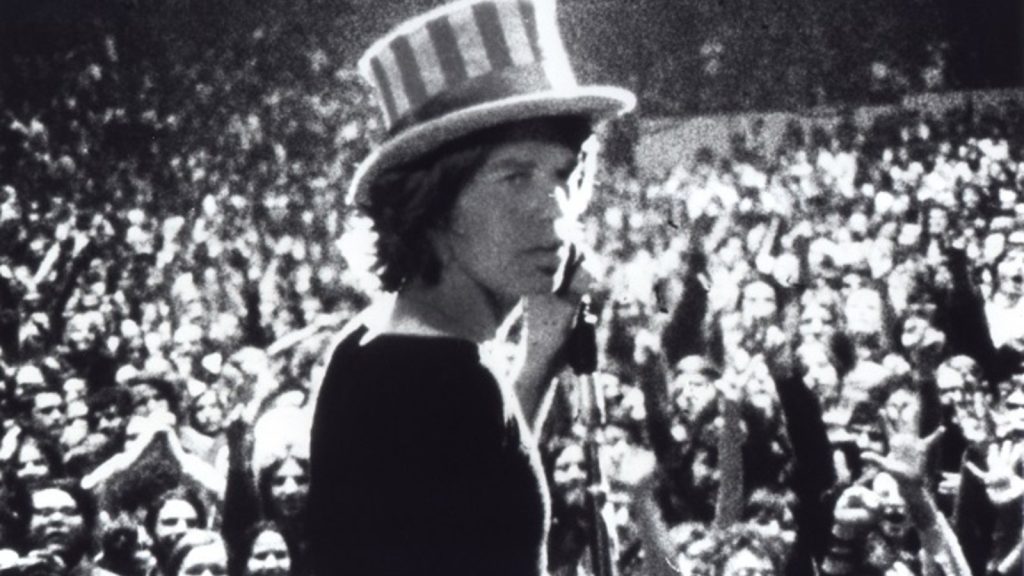
The Vietnam War wasn’t just political, it influenced pop culture big time. Protest songs became a major part of the anti-war movement. Artists like Bob Dylan, Joan Baez, and Creedence Clearwater Revival turned rage into anthems. The soundtrack of the war is still powerful today.
Soldiers Often Turned on Their Own Officers
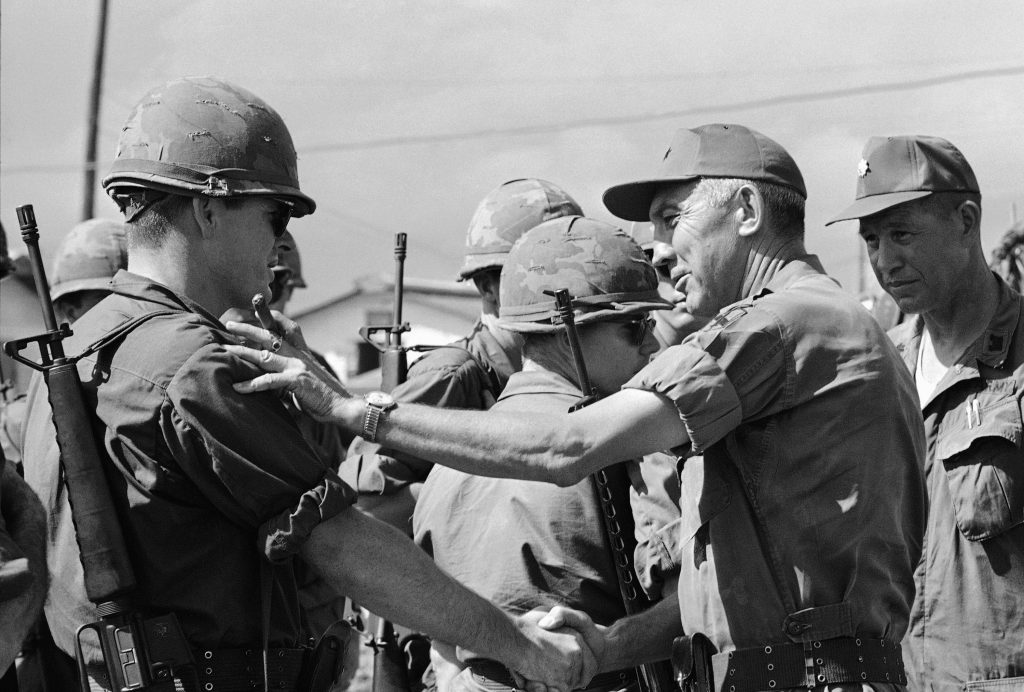
There were over 800 known cases of “fragging,” where U.S. soldiers attacked or killed their commanding officers with grenades or sabotage. It was a terrifying sign of how bad things had gotten. Discipline was collapsing from the inside.
The North Vietnamese Were Masters of Tunnel Warfare
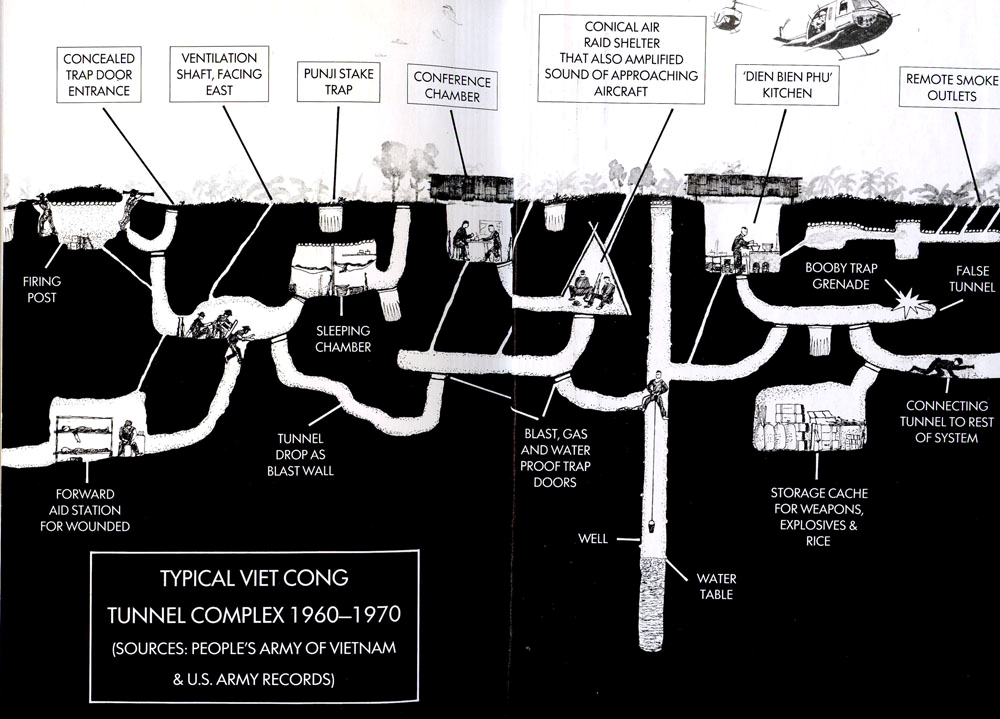
The Viet Cong built intricate tunnels stretching hundreds of miles. They used them to hide, move weapons, and launch surprise attacks. U.S. troops called it “fighting ghosts.” Even advanced technology couldn’t defeat a network that ran beneath the jungle.
Napalm Was Used on Civilians
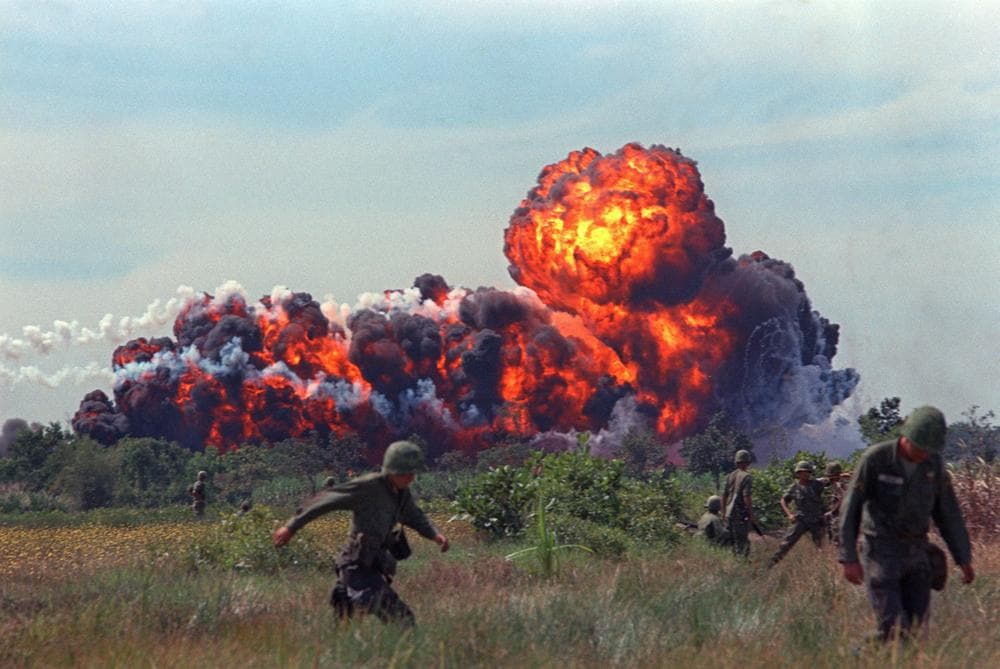
The U.S. didn’t just target military outposts with napalm. Villages were burned to the ground. Children were among the victims, as seen in the iconic photo of the “napalm girl,” Phan Thi Kim Phuc. That image turned global opinion against the war fast.
American Support Dwindled Long Before the War Ended
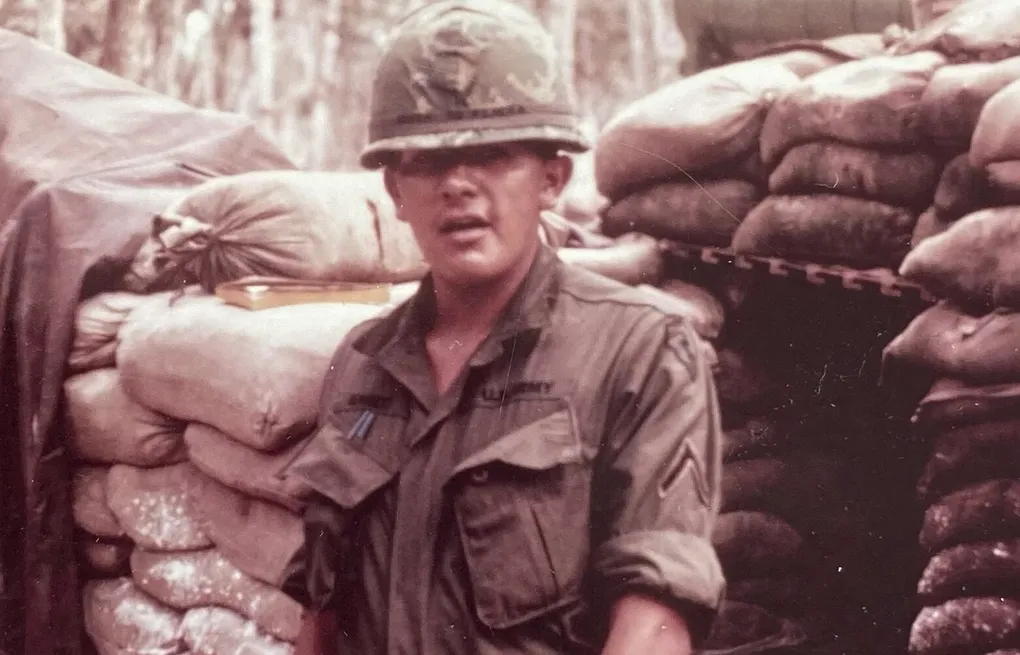
By the early 1970s, most Americans had stopped believing the war was winnable. Protests grew larger. Politicians started backpedaling. Yet the fighting continued for years after public faith had collapsed.
Vietnam Was Reunified Shortly After the U.S. Left
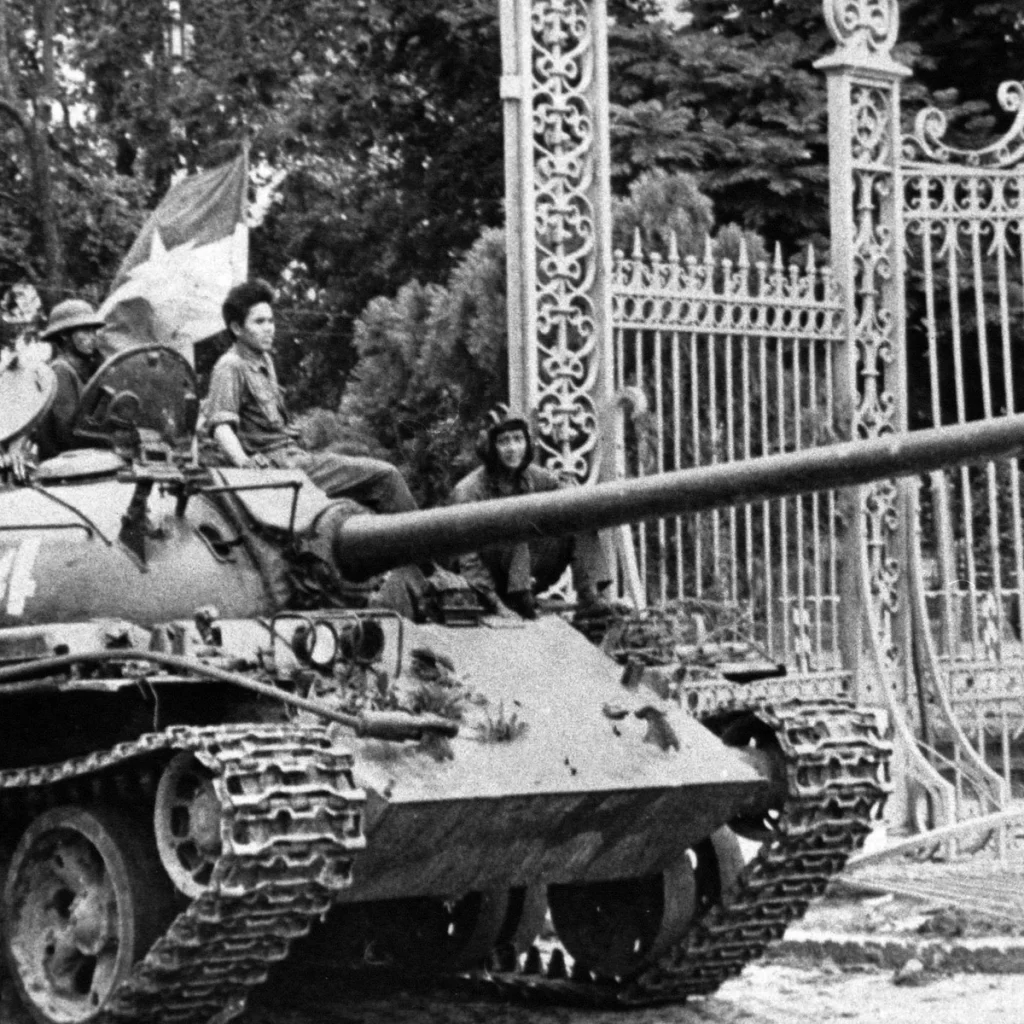
Despite all the years, money, and lives spent trying to prevent it, Vietnam became a unified communist state in 1975. The South fell almost immediately after U.S. troops left. It was a brutal and quiet end to a very loud war.
Veterans Weren’t Given Mental Health Support
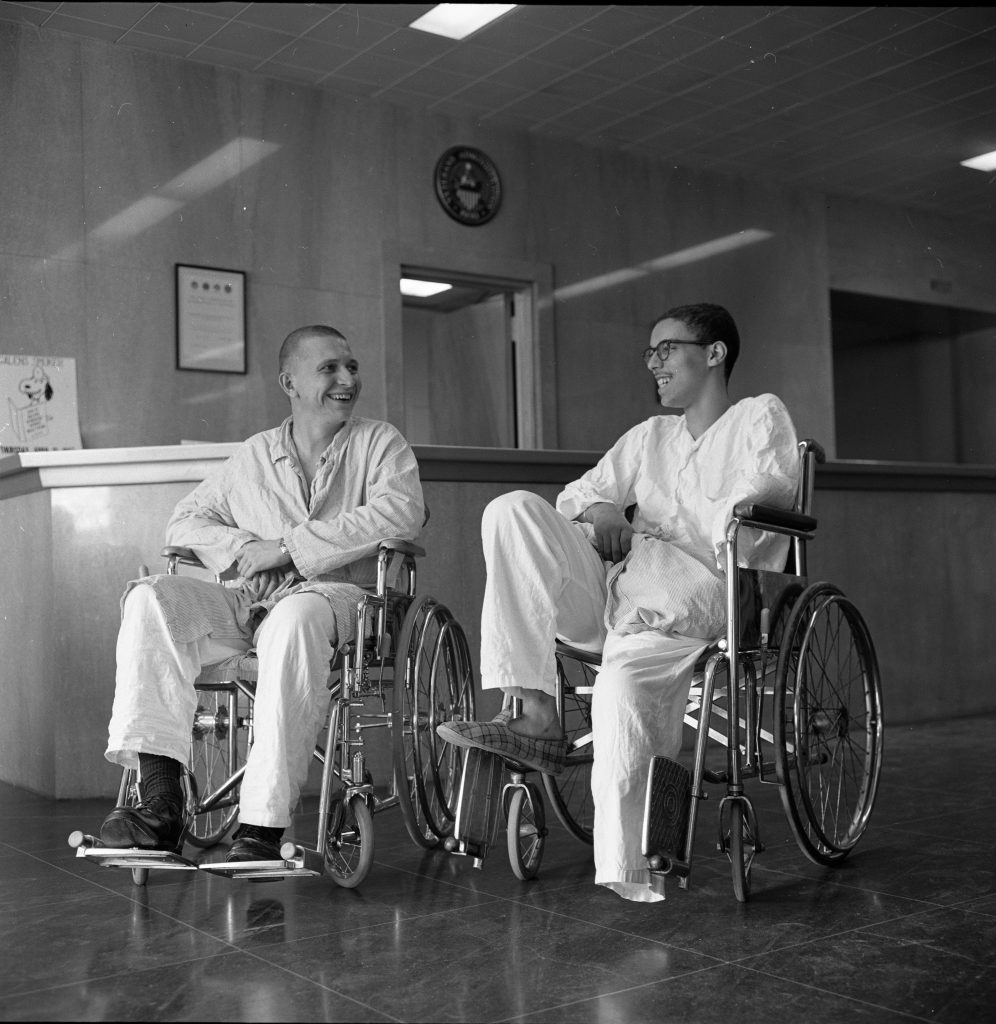
PTSD wasn’t well understood in the 70s. Many veterans came home shattered, and the system wasn’t ready to help them. They were left to deal with trauma alone. Suicide rates and homelessness skyrocketed among vets.
The War Changed How Americans Trusted Their Government
Vietnam left a deep scar in U.S. politics. People started questioning everything, especially during the Watergate era. Trust in leaders never fully recovered. The war proved that governments could lie and still ask for loyalty.
U.S. Allies Were Reluctant to Get Involved
Few countries joined the fight. Australia, South Korea, and a couple others sent troops, but most NATO allies stayed out. The war didn’t have global support. That isolation made it harder to justify back home.
The My Lai Massacre Wasn’t an Isolated Incident
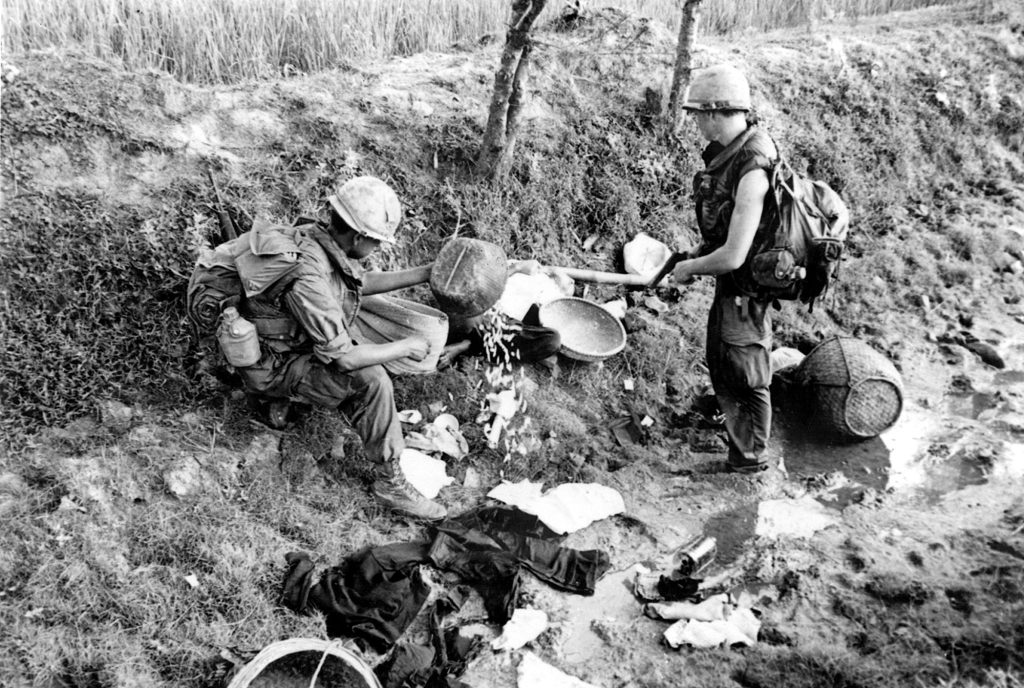
At My Lai, U.S. troops murdered over 500 unarmed civilians. And while it shocked the world, it wasn’t the only atrocity. Similar events happened elsewhere but were covered up or ignored. My Lai was just the one that got caught.
The War Created a Huge Refugee Crisis
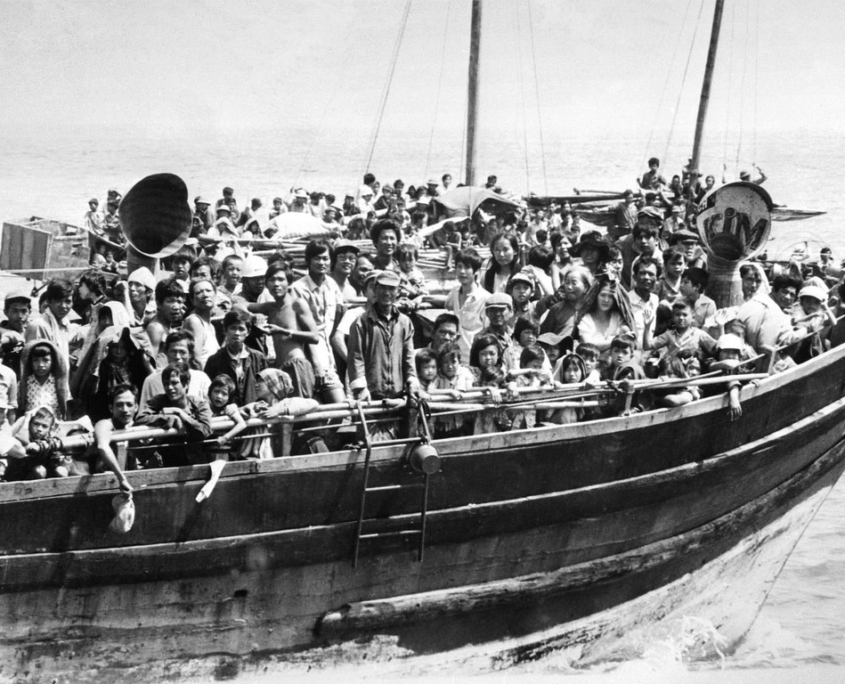
After the fall of Saigon, millions of South Vietnamese fled the country. Many risked their lives on overcrowded boats. Some made it to the U.S. and faced a whole new set of challenges. The “boat people” crisis shaped refugee policy for years.
The Domino Theory Was Deeply Flawed
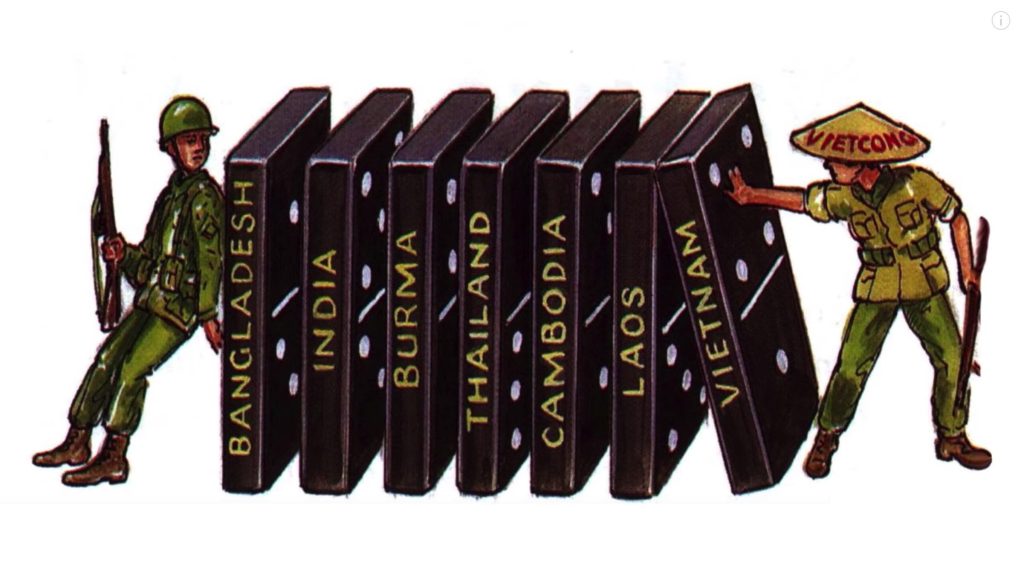
The U.S. believed if Vietnam fell to communism, all of Southeast Asia would follow. That didn’t really happen. The theory was used to justify endless war, but history proved it was more fear than fact.
Some American Troops Sympathized With the Vietnamese
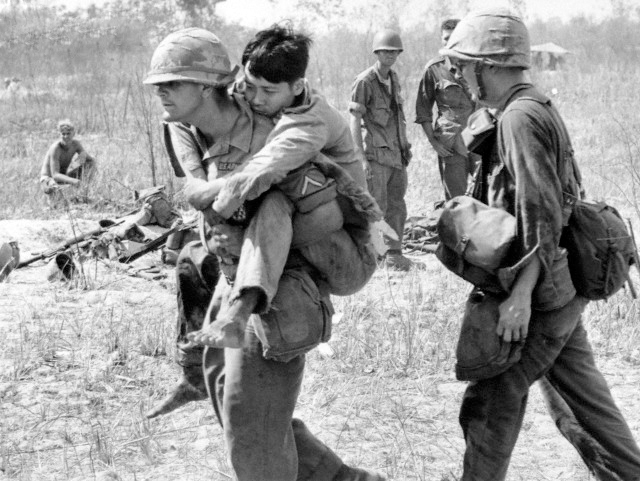
Not every soldier saw the Vietnamese as enemies. Some formed bonds with locals. Others questioned the war while still fighting it. There were moments of humanity amid the chaos.
Vietnam Became a Tourist Destination Years Later
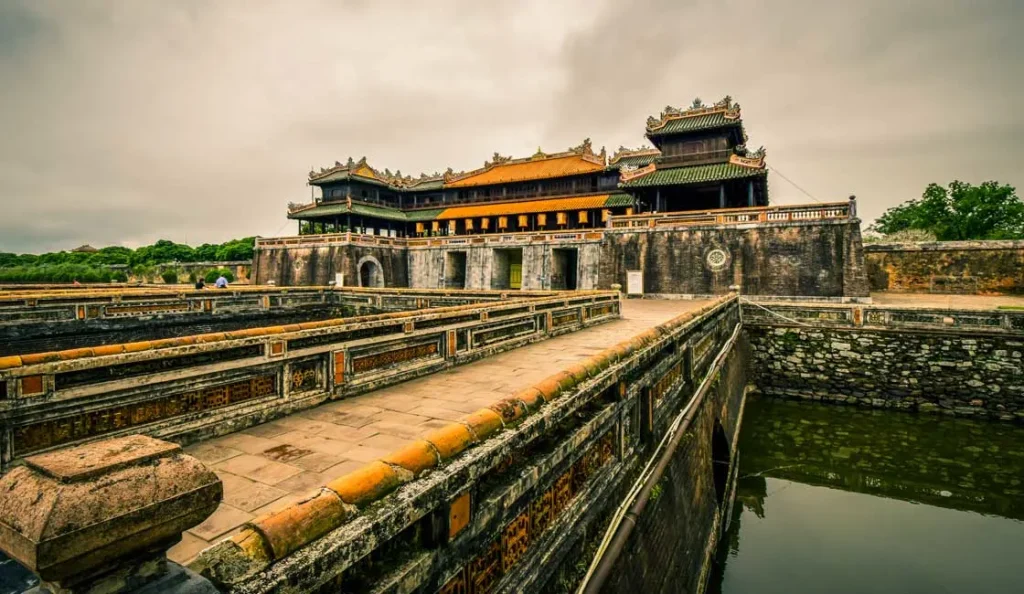
Today, the country that was once a warzone now welcomes visitors from around the world—including from the U.S. Cities like Hanoi and Ho Chi Minh are thriving. War relics sit alongside modern shops and coffee houses.
Some Americans Still Think the U.S. Could Have Won
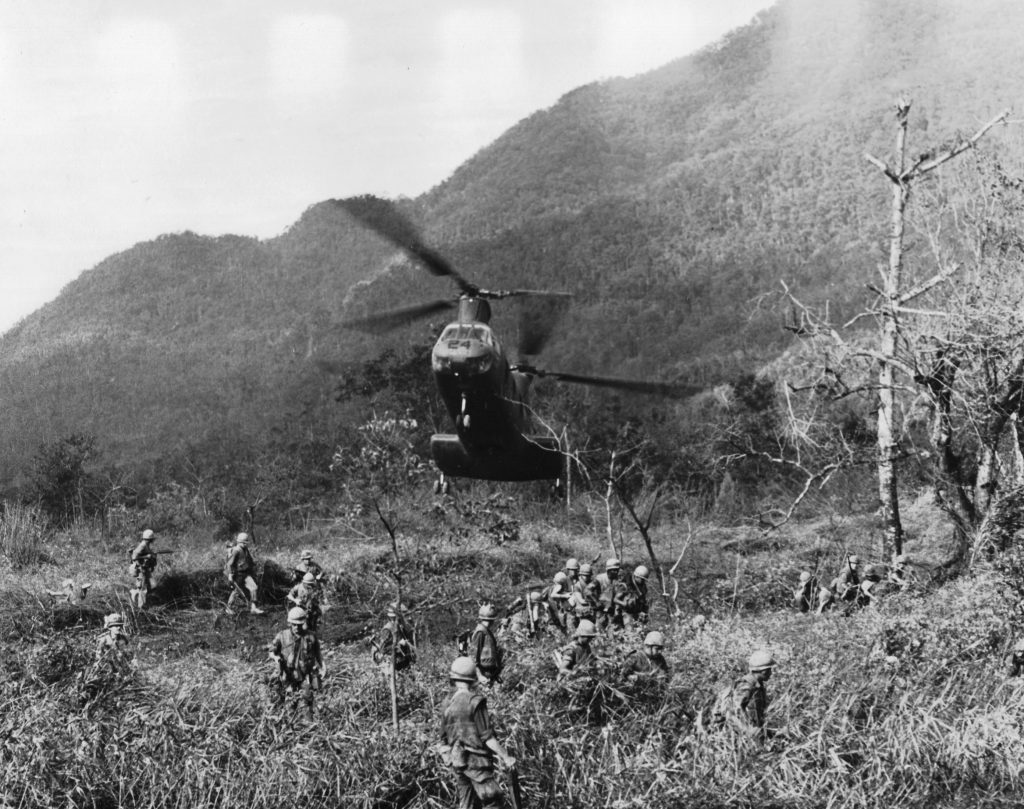
Despite all evidence, there’s a lingering belief that the war was “lost at home.” Some veterans and historians argue that public protest, not battlefield failure, caused defeat. It’s a controversial take that still sparks debate.
The War Inspired a Wave of Films and Books
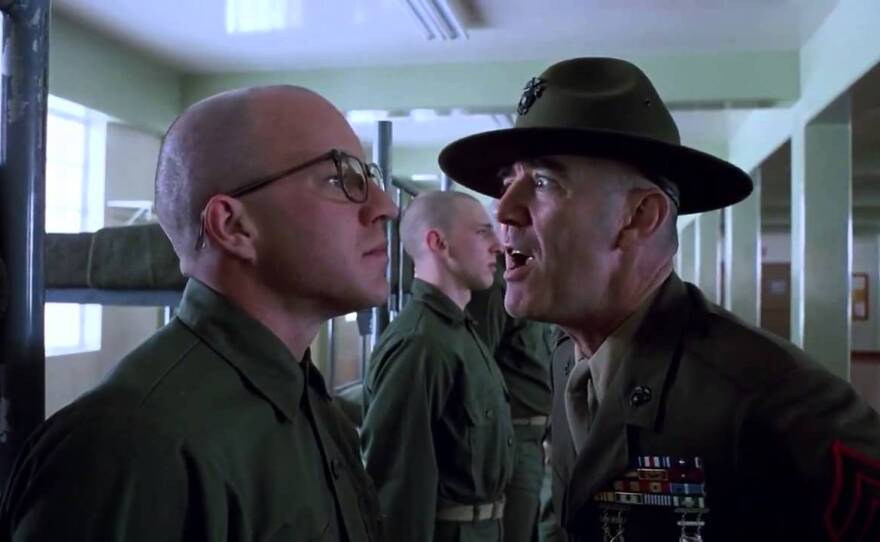
Hollywood latched onto the Vietnam War hard. Films like Apocalypse Now, Platoon, and Full Metal Jacket painted grim, surreal portraits of combat. They shaped how future generations understood the war—sometimes more than history books did.
It Took Decades for the U.S. and Vietnam to Reconcile
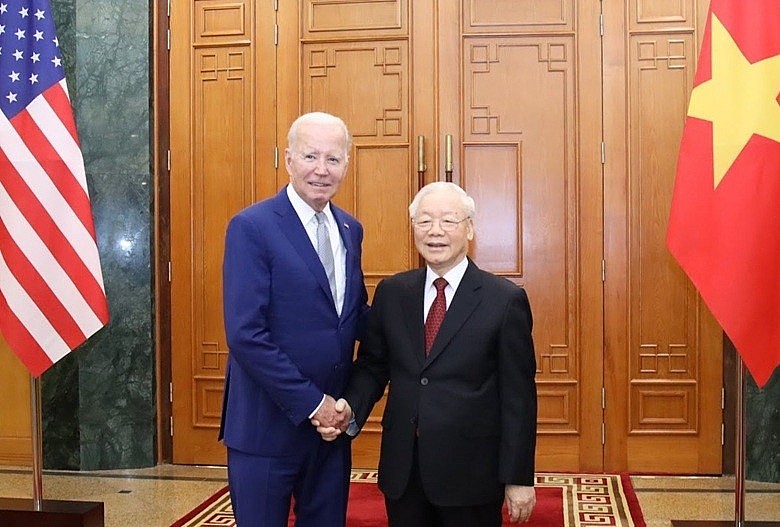
The U.S. didn’t normalize relations with Vietnam until 1995. For 20 years after the war, bitterness and silence dominated. It took generations, diplomacy, and trade to begin rebuilding that bridge.