Before screens put a camera, map, music player, and phone in one pocket, everyday tasks involved their own distinct objects. These 30 familiar pieces of the past show how much ordinary routines have changed.
Rotary telephones

Making a call once meant placing a finger in each number’s slot and turning the dial all the way around. The dial sprang back between digits, sending pulses through the phone line. One wrong number meant starting the whole sequence again.
Payphones

A public phone was part of planning a day away from home. A caller needed coins, a number to dial, and often a paper directory nearby. Mobile phones made that little booth on the corner far less familiar.
Typewriters

Every key on a typewriter moved a metal typebar toward the paper. The sharp clatter and bell at the end of a line were part of offices, schools, and home desks for generations. A typo needed correction fluid, tape, or a completely fresh page.
Floppy disks

Floppy disks carried schoolwork, programs, and games long before cloud storage. The 5.25-inch versions bent easily, while later 3.5-inch disks came in sturdier plastic shells. Their outline lives on as the familiar save symbol in many apps.
Pagers

A pager could alert someone with a number or a brief message, but it could not complete the conversation. After the beep, the owner had to locate a telephone and call back. That pause between receiving a message and replying now feels almost foreign.
Cassette Walkmans

Sony introduced the first Walkman, the TPS-L2, in 1979. It let listeners take cassette tapes and lightweight headphones on a walk, a bus ride, or a family trip. Rewinding, fast-forwarding, and changing sides came with the experience.
VHS cassettes

VHS made it possible to record television shows and bring movies home in a rectangular cassette. Viewers inserted the tape, waited for the VCR to find its place, and adjusted tracking when the picture looked rough. Returning a rental often came with a reminder to rewind first.
Rolodex files

Before digital contact lists, a Rolodex held names, addresses, and phone numbers on rotating cards. Its alphabet tabs made it a desk-sized address book for offices and homes. Updating a number meant crossing it out or writing a new card by hand.
Library card catalogs

Library visitors once searched wooden drawers filled with cards arranged by author, title, and subject. Each card pointed readers toward a call number and a shelf location. Online catalogs replaced the ritual of sliding out a drawer and flipping through rows of typed cards.
Telephone directories

A printed telephone directory listed local households and businesses in alphabetical order. Finding a number required knowing a name, then scanning columns of tiny type. These thick books arrived regularly at homes before online search became routine.
Slide projectors
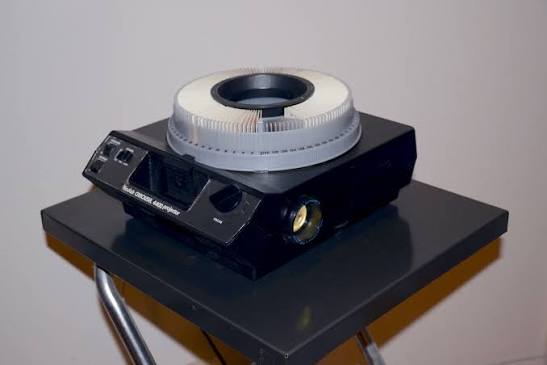
A slide projector turned small transparencies into large images on a wall or screen. Families and classrooms loaded the slides in order, dimmed the lights, and clicked through them one by one. A digital photo album needs none of that equipment or patience.
Transistor radios

The transistor made radios smaller and more portable than the bulky sets that used vacuum tubes. A battery-powered radio could sit on a kitchen counter, travel to the beach, or follow a ballgame from the car. Its tuning dial rewarded a patient hand searching for a clear station.
35mm film cameras

With a 35mm camera, each photo used a frame of film that had to be developed before anyone could see it. Film rolls limited the number of shots, so a birthday or vacation picture received more thought than a quick tap on a screen. The wait for prints was built into the process.
Answering machines

An answering machine sat beside the phone and recorded messages when nobody picked up. Many models used a small cassette, so listening to a message involved pressing play and sometimes rewinding. Hearing a caller’s voice in the kitchen was a very different ritual from reading a notification.
Eight-track cartridges

Eight-track cartridges brought continuous music into many cars during the late 1960s and 1970s. Instead of turning a tape over, the player shifted through programs within the cartridge. Their bulky shape and audible program changes make them a curious predecessor to the playlist.
Fax machines
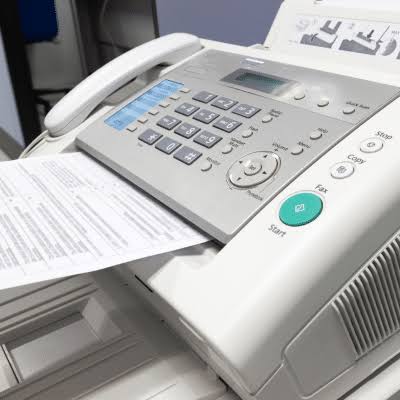
A fax machine sent a document over a telephone line and printed a copy at the other end. For offices, it could feel remarkably fast when a signed page was needed across town or across the country. Email attachments eventually made its paper feed and busy signal less common.
Microfilm readers
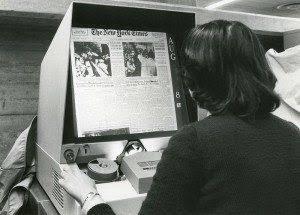
Libraries stored old newspapers, magazines, and records on tightly wound microfilm. A reader enlarged the tiny images onto a screen, where visitors could scan through a reel for an article or notice. Digital archives have made that humming machine far less familiar.
PalmPilots

PalmPilots kept calendars, addresses, notes, and simple lists in a pocket-sized device. Users wrote with a stylus in a special handwriting system rather than tapping a full keyboard. They helped define the personal digital assistant era before smartphones combined those tools with phone service.
Fold-out road maps
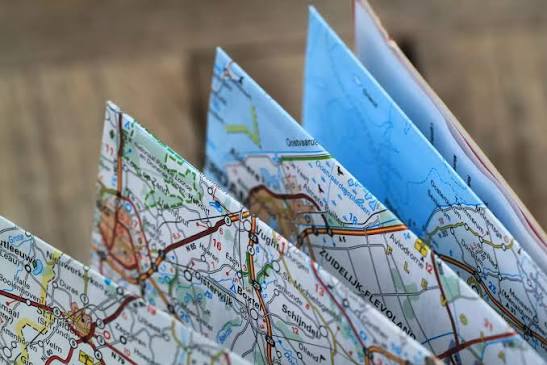
A paper road map demanded space, a careful fold, and a sense of direction. Drivers traced routes by hand and watched for the next town, highway, or exit rather than listening for turn-by-turn instructions. Folding the map back into its original shape could be its own small challenge.
Wired game joysticks

Early home games often used a joystick attached to the console by a cable. Players sat close enough to keep the wire from pulling loose and learned how far they could lean before the controller reached its limit. Wireless controllers changed that physical setup completely.
Dial-up modems

Connecting to the early internet meant a modem dialing through a phone line and making its unmistakable series of tones. The connection was slow by modern standards, and a call on the same line could interrupt it. That trade-off is hard to picture for anyone raised with constant broadband access.
45 RPM record adapters

Many 45 RPM singles needed a small adapter to fit securely on a standard turntable spindle. The little plastic or metal piece centered the record so it could play properly. Even with vinyl back in some homes, this tiny accessory is easy to overlook.
Television test cards

When a broadcast was off the air, a television could display a test card instead of a program. The pattern helped technicians check picture quality and gave viewers a sign that regular programming had not started yet. A streaming menu has no equivalent to waiting in front of one of these.
Manual car windows

Opening a car window once meant turning a crank mounted in the door. The window rose or lowered only as quickly as a passenger could work the handle. Power windows made that small piece of car hardware easy to forget.
Overhead projectors

An overhead projector turned writing on a transparent sheet into a large classroom display. Teachers could point at a diagram, add notes with a marker, and move to the next sheet by hand. Projectors connected to laptops have replaced most of those rolling machines.
Compact discs

Compact discs gave music fans a shiny, portable format that resisted the hiss of analog recordings. Collections filled shelves, car cases, and tall storage towers. Streaming eventually removed the need to carry the music itself from room to room.
TV Guide magazines
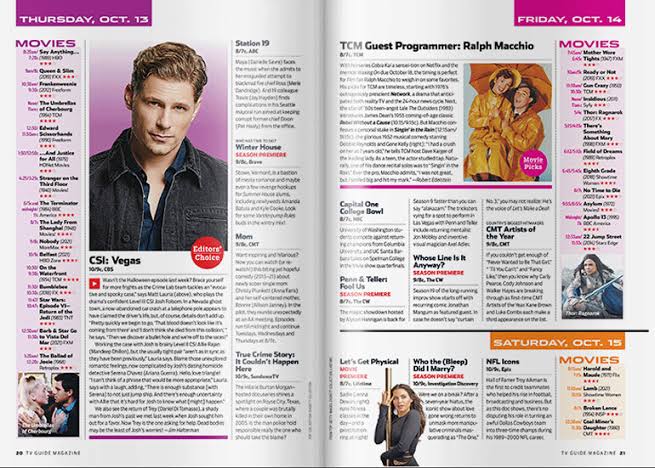
A TV Guide listed programs by channel and time, so households could plan around a favorite show. The small magazine also carried features, photos, and special listings. On-demand viewing changed the idea that a program had to be watched at one particular hour.
Printed encyclopedias
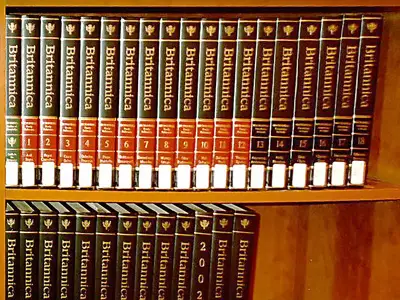
A complete encyclopedia set occupied a shelf and offered answers arranged from A to Z. Families often bought one volume at a time, then reached for the set when homework raised a question. Its pages made research slower, though browsing could lead to facts nobody set out to find.
Cassette tapes

A compact cassette held music on magnetic tape inside a small plastic shell. People recorded songs from the radio, made mixtapes for friends, and sometimes used a pencil to wind loose tape back into place. Its two sides and mechanical buttons made listening a hands-on routine.
Boomboxes

Boomboxes brought radio and recorded music into parks, bedrooms, and street corners. Their large speakers, radio tuners, and cassette decks made them a visible part of everyday music culture. A tiny wireless speaker can play more music today, yet it lacks the unmistakable presence of a full-size boombox.