In the grand theater of history, power has often fallen into the hands of those who had barely learned to walk. While the crown brought absolute authority, it also turned nurseries into political battlegrounds where young sovereigns were manipulated by ambitious regents and rival factions. Some of these young rulers grew up to forge enduring empires, while others succumbed to the immense pressure of their inherited titles. Exploring these 30 remarkable cases reveals how the destiny of entire nations was decided by children who took the crown.
Tutankhamun
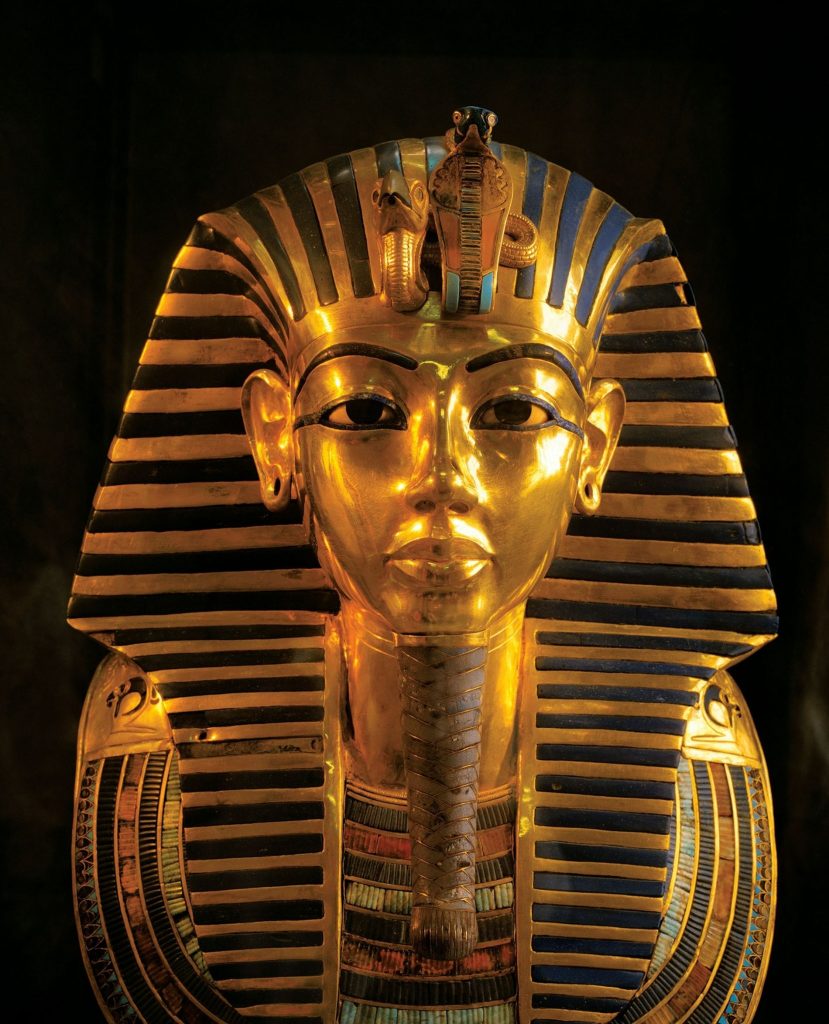
Ascending the Egyptian throne at just nine years old, this pharaoh remains the ancient world’s most famous child ruler. He ruled during a turbulent period of religious restoration following his father’s controversial monotheistic experiments. A sudden, mysterious leg fracture likely contributed to his untimely demise before his twentieth birthday.
Puyi
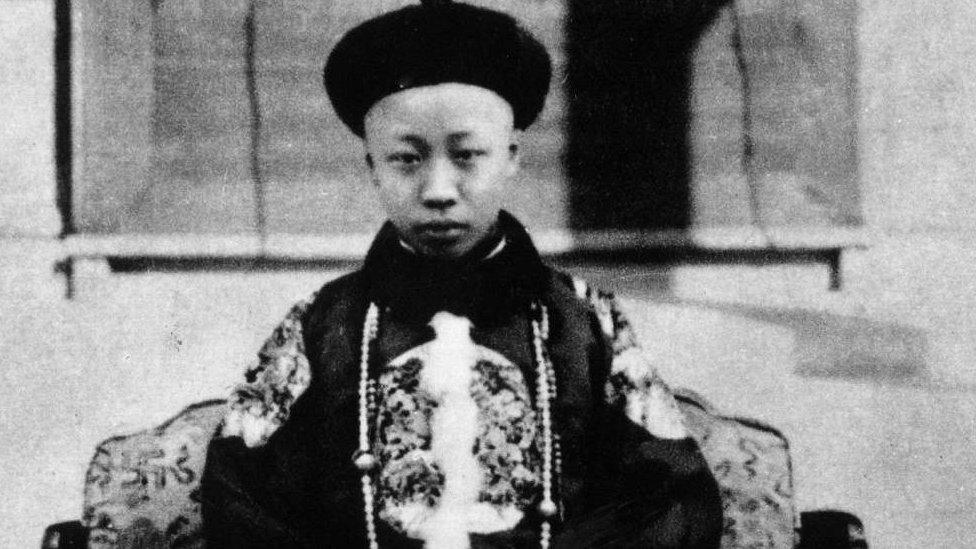
The Qing Dynasty came to a dramatic end shortly after a two-year-old toddler was placed on the Dragon Throne in Beijing. He spent his earliest years completely isolated within the walls of the Forbidden City, treated as a living god by royal eunuchs. This bizarre upbringing prepared him poorly for his eventual deposition and later life as a regular gardener under the communist regime.
Louis XIV
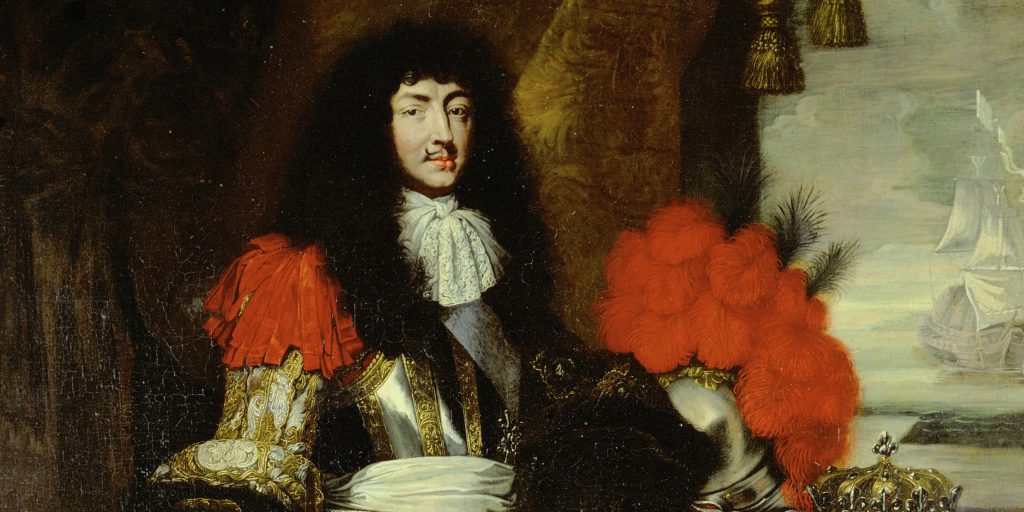
France witnessed the dawn of its longest-reigning monarch when a four-year-old boy inherited the crown in 1643. Because of his extreme youth, his mother acted as regent alongside the powerful Cardinal Mazarin to steer the country through intense civil unrest. He eventually centralized all French political authority around his own person, creating the absolute model of the Sun King.
Mary, Queen of Scots
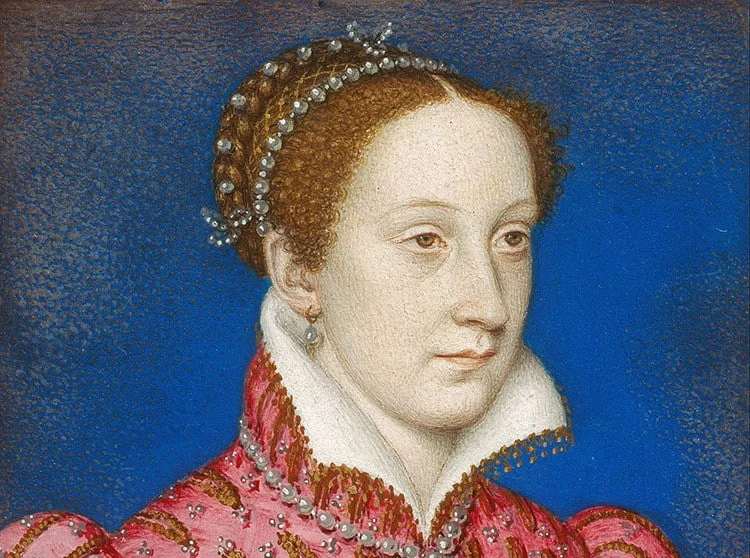
Merely six days after her birth, a tiny infant became the official ruler of Scotland following her father’s death at the Battle of Solway Moss. Her entire childhood became a diplomatic chess match between Scottish nobles and French royalty seeking to secure her hand in marriage. This turbulent start set the stage for a dramatic life filled with plots, executions, and imprisonment.
Henry VI
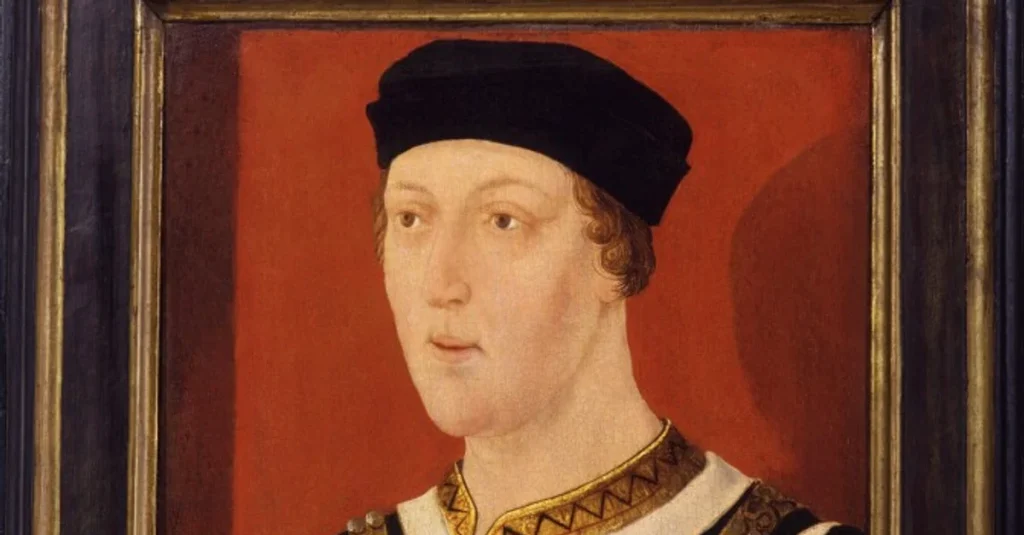
The unique distinction of inheriting two separate crowns as an infant belongs to this English monarch. At just nine months old, he became King of England, and mere months later, he was proclaimed King of France. His inability to manage the competing factions of his court directly triggered the bloody conflict known as the Wars of the Roses.
Ivan IV
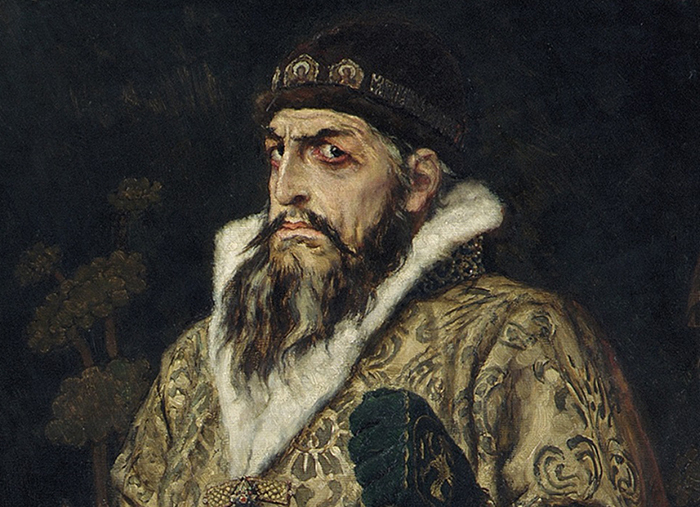
Long before earning his terrifying moniker, a three-year-old boy took control of the Grand Principality of Moscow. Powerful boyar families constantly fought for influence over the young prince, subjecting him to years of neglect and psychological trauma. These hostile childhood experiences fueled the deep paranoia that defined his adult reign.
Isabella II
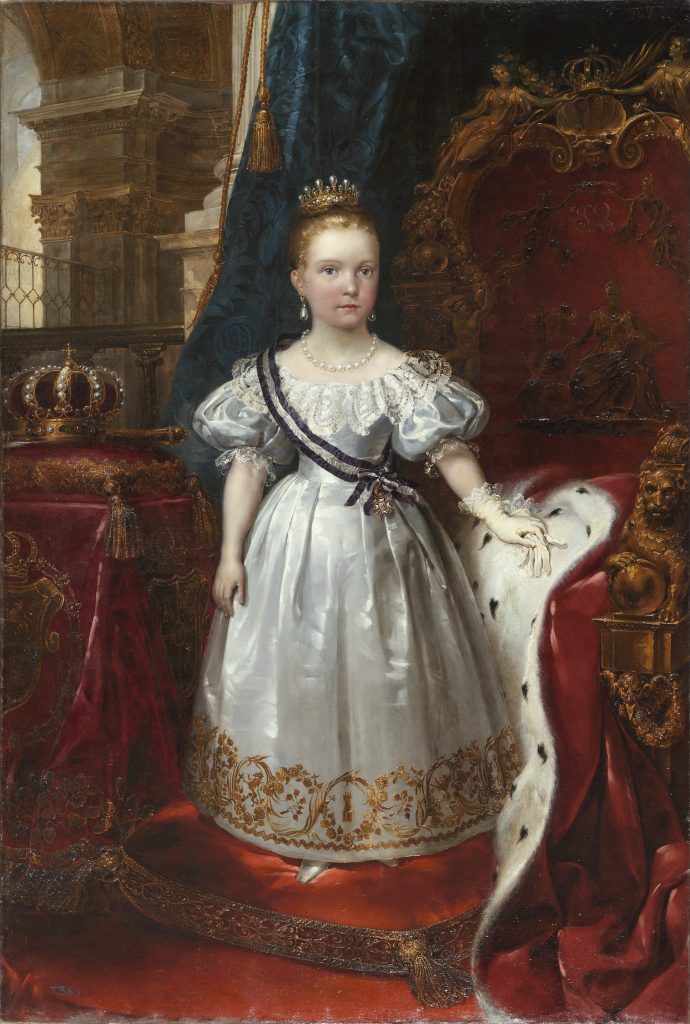
Spain plunged into immediate civil war when a three-year-old girl inherited the throne from her father, Ferdinand VII. Her succession violated traditional Salic laws, prompting her uncle to launch a series of brutal military campaigns to seize power. She managed to retain her crown for decades despite constant political instability and court intrigue.
Edward VI
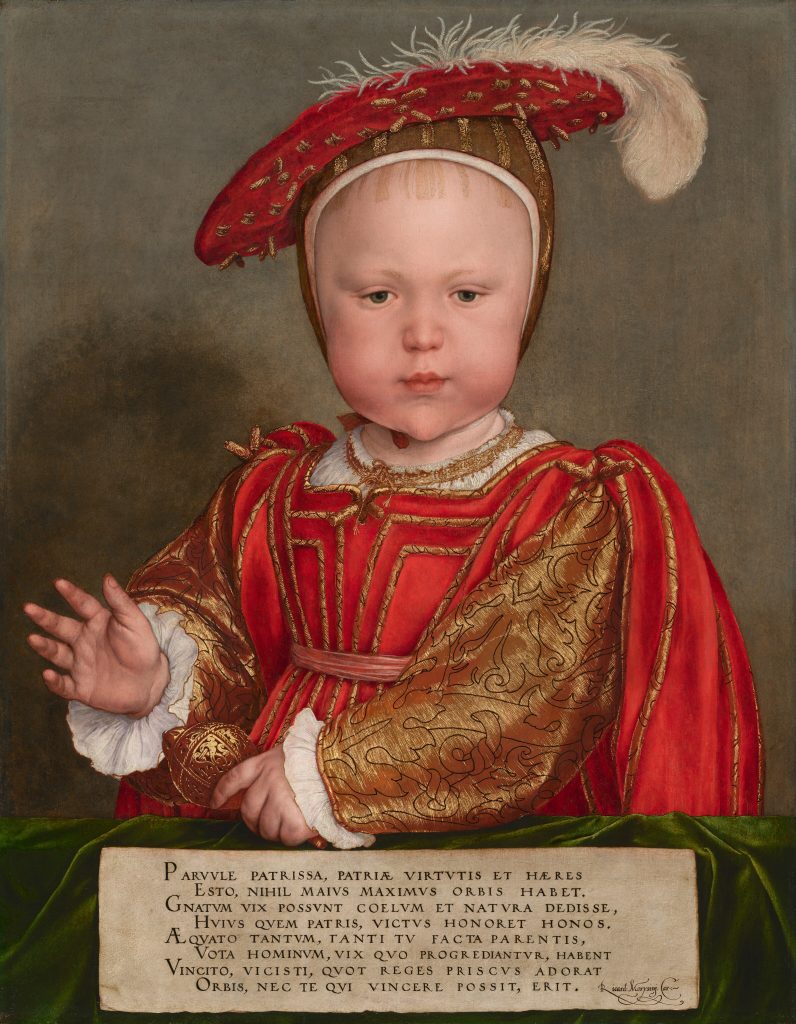
Succeeding his notorious father Henry VIII, a studious nine-year-old boy became England’s first Protestant-raised sovereign. His short reign saw significant religious transformations, including the institutionalization of the Book of Common Prayer. A severe bout of tuberculosis cut his ambitious life short at age fifteen.
Elagabalus
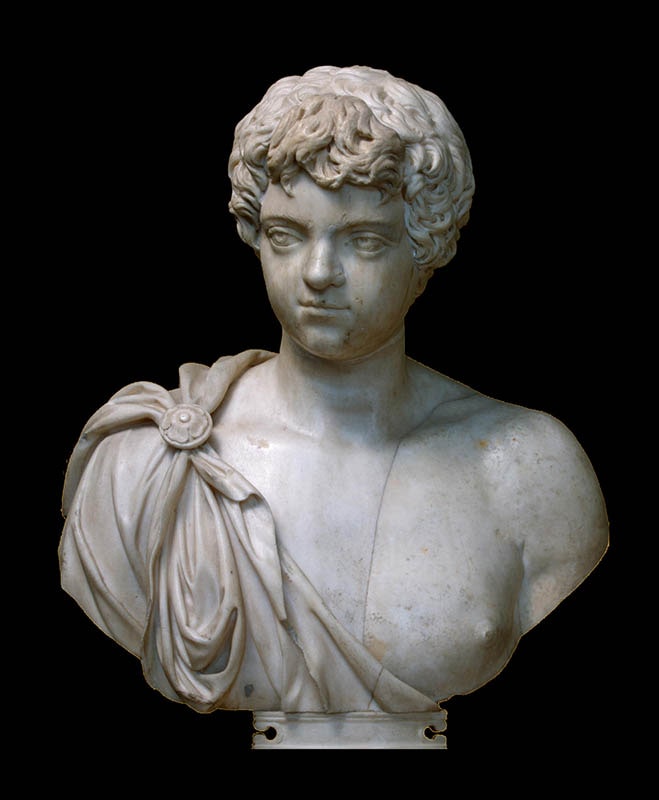
Rome experienced unprecedented cultural shock when a fourteen-year-old Syrian youth assumed the imperial purple. He immediately replaced traditional Roman deities with his own sun god, forcing the conservative senate to participate in foreign religious ceremonies. His eccentric behavior and controversial marriages led to his swift assassination by the Praetorian Guard.
Christian IV
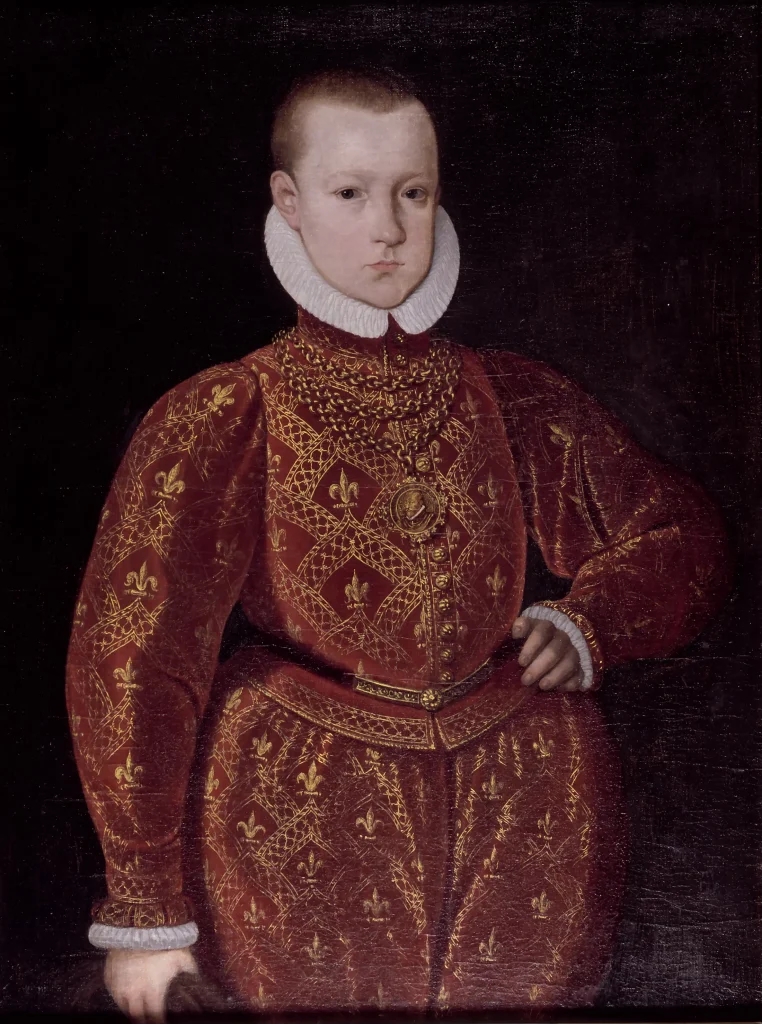
Denmark reaped the benefits of long stability after an eleven-year-old boy inherited the crown in 1588. A regency council managed state affairs for several years until he was deemed mature enough to take full command. He transformed Copenhagen into a grand Renaissance capital through ambitious architectural projects.
Sobhuza II

The longest verifiable reign in recorded history began when a four-month-old infant was chosen as the king of Swaziland. His grandmother stepped in to lead as regent during his long minority, protecting the kingdom’s autonomy from colonial pressures. He eventually ruled for eighty-two years until his death.
Gordian III
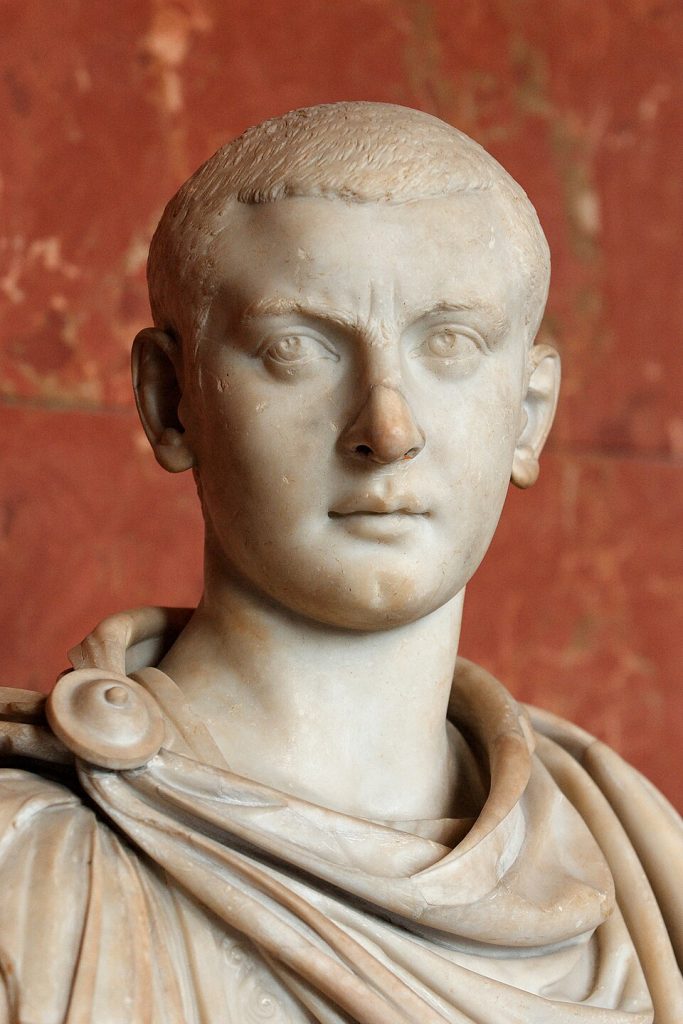
Similar to Elagabalus, another Roman teenager found himself steering a collapsing empire at just thirteen years old. His ascension occurred during the chaotic Year of the Six Emperors, a period of immense military anarchy. He died under mysterious circumstances during a military campaign against the Sasanian Empire.
James V
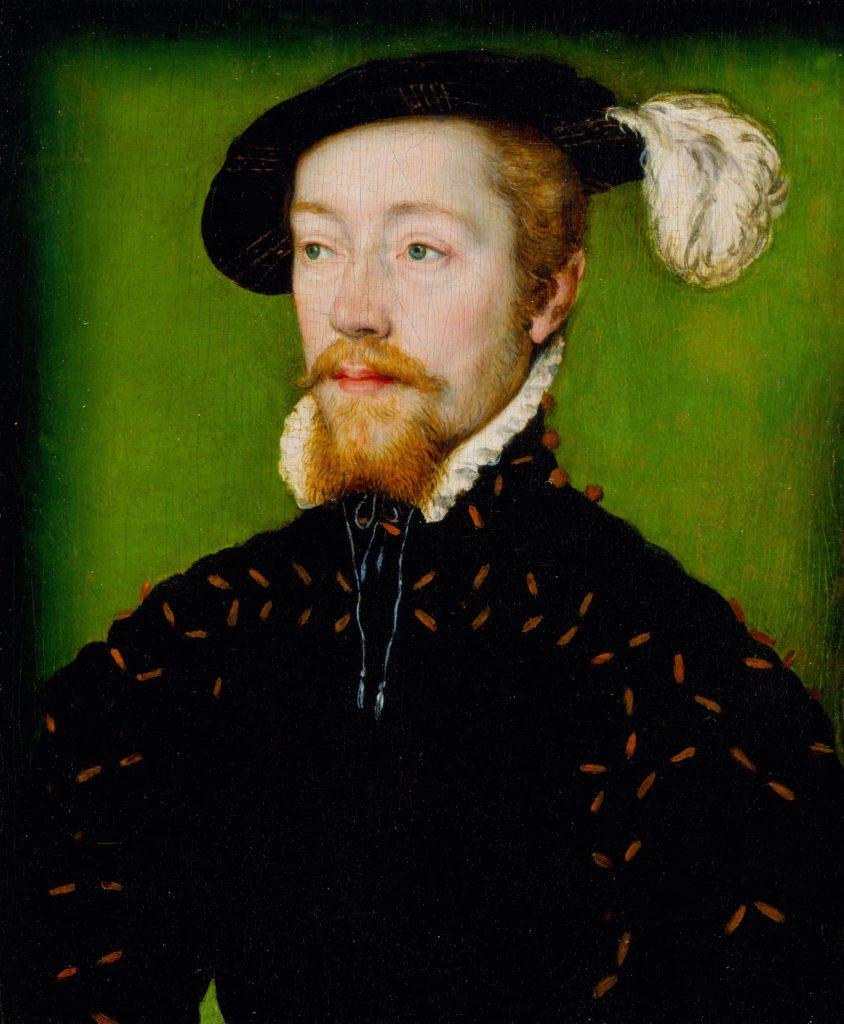
Keeping with the tragic traditions of his royal house, this Scottish prince inherited the throne at just seventeen months old. His mother, Margaret Tudor, fought bitterly with local regents for control over the child’s upbringing and political alliance. He spent his adult years trying to curb the power of the very nobles who controlled his youth.
Louis XV
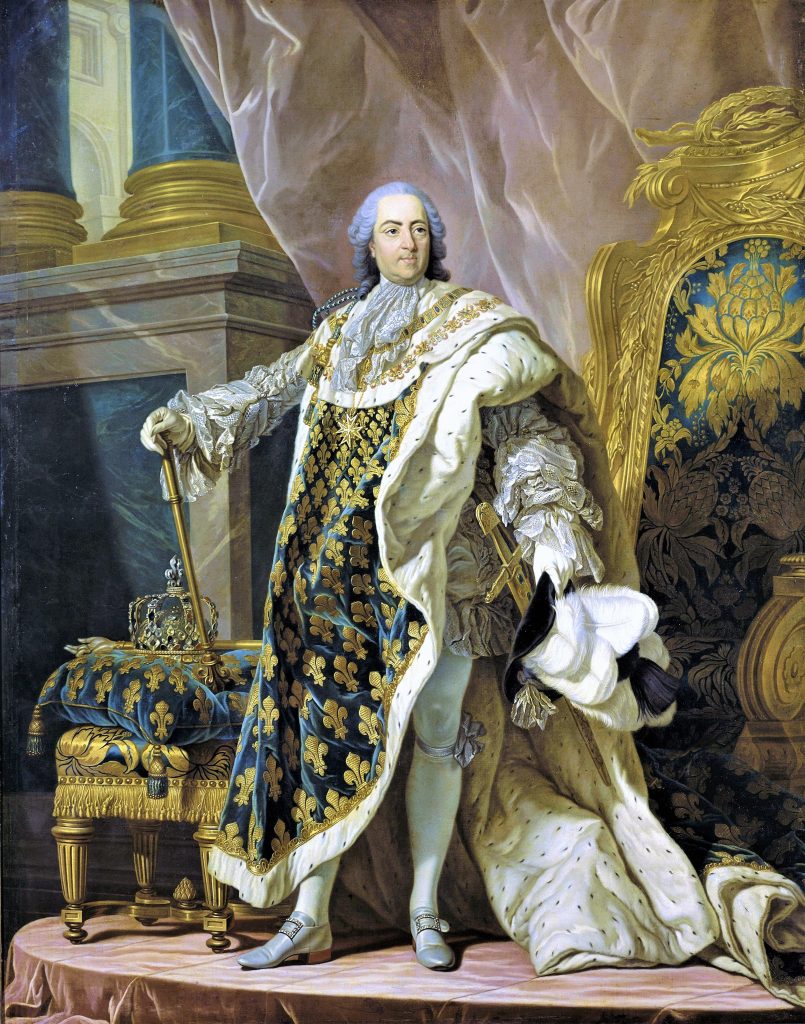
Following in the footsteps of his great-grandfather Louis XIV, this five-year-old boy became the absolute ruler of France. He inherited a nation deeply exhausted by decades of aggressive military expansion and financial debt. His reign planted the ideological seeds of discontent that culminated in the French Revolution.
Christina of Sweden
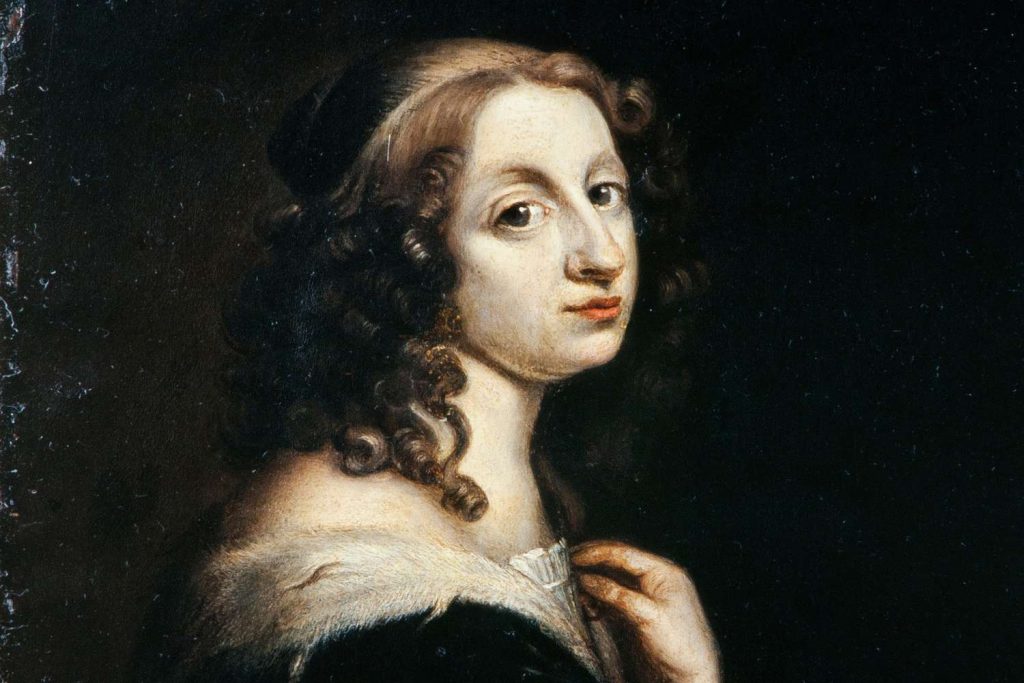
Sweden welcomed an unconventional sovereign when a six-year-old girl succeeded her father, Gustavus Adolphus, after his death on the battlefield. She received an education identical to that of a male prince, mastering multiple languages and political philosophy. She shocked the entire European continent by abdicating her throne to convert to Catholicism.
Alfonso XIII
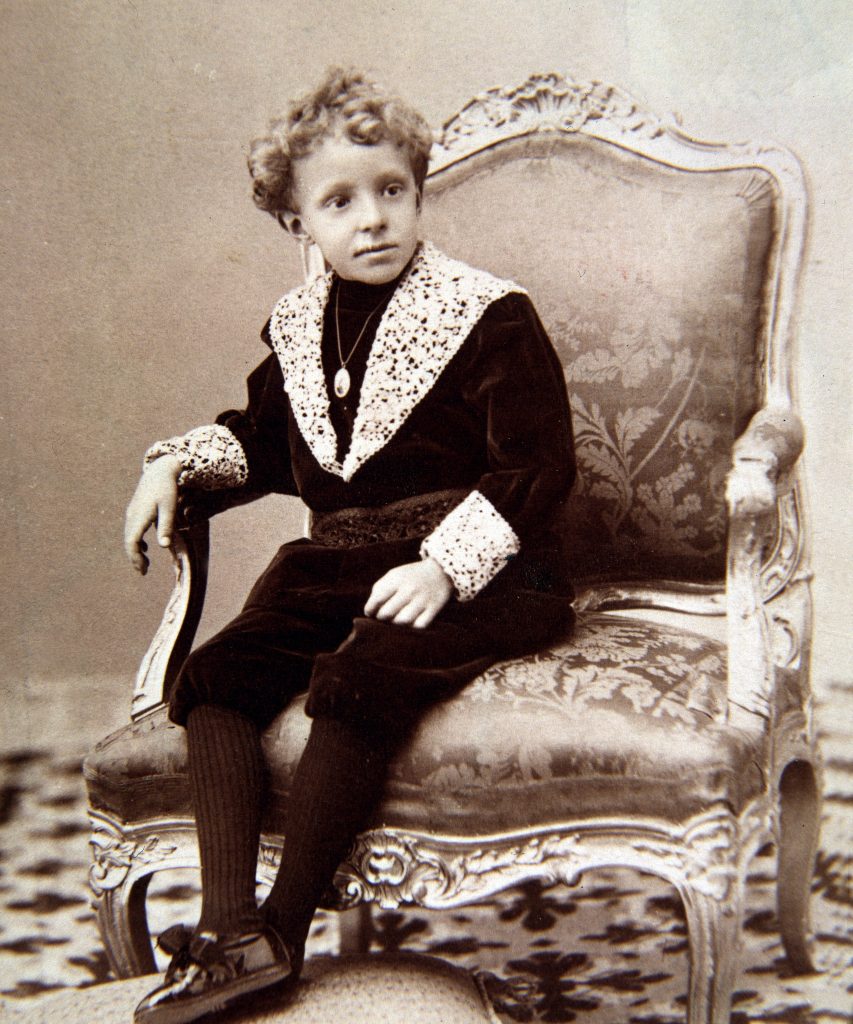
An unprecedented situation occurred in Spain when a baby was born already holding the official title of king. His father passed away months prior to his birth, leaving his mother to serve as regent until his sixteenth birthday. His eventual adult reign saw the collapse of the Spanish monarchy and the rise of a republic.
Kangxi
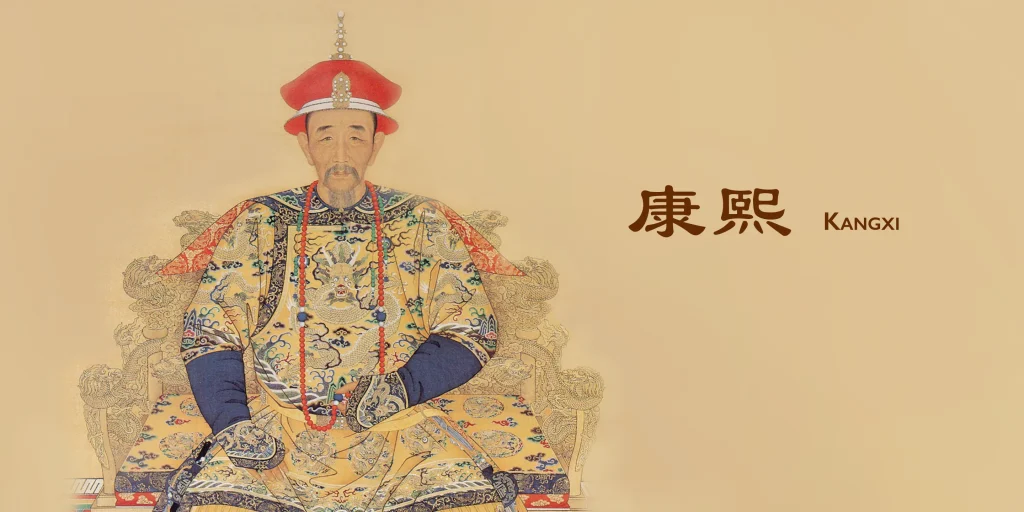
One of China’s greatest emperors began his legendary sixty-one-year journey at the tender age of seven. He quickly outmaneuvered his manipulative regents to assume direct personal rule as a teenager. His administrative reforms and military conquests stabilized the Qing Dynasty for over a century.
Guangxu
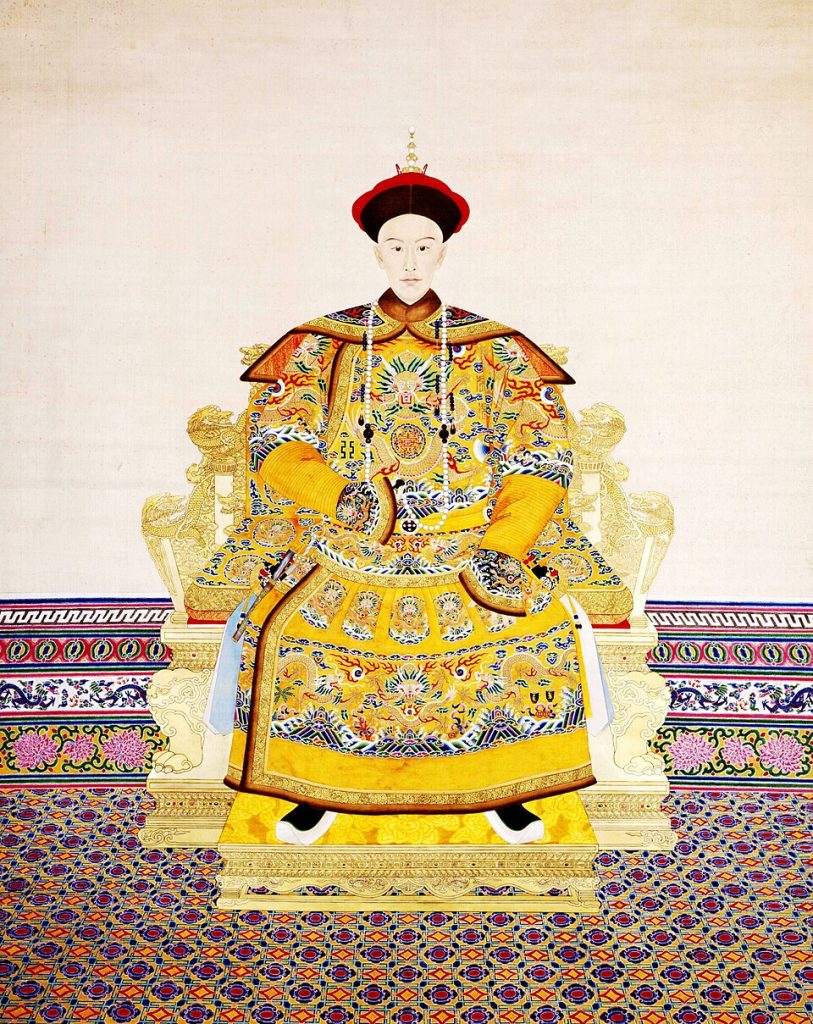
Decades after Kangxi’s glorious era, another child emperor faced a vastly different reality within the same Beijing palace walls. At three years old, he was selected by his ruthless aunt, Empress Dowager Cixi, to serve as a puppet ruler. His later attempts to modernize the empire resulted in a swift coup that placed him under permanent house arrest.
Oyo of Toro
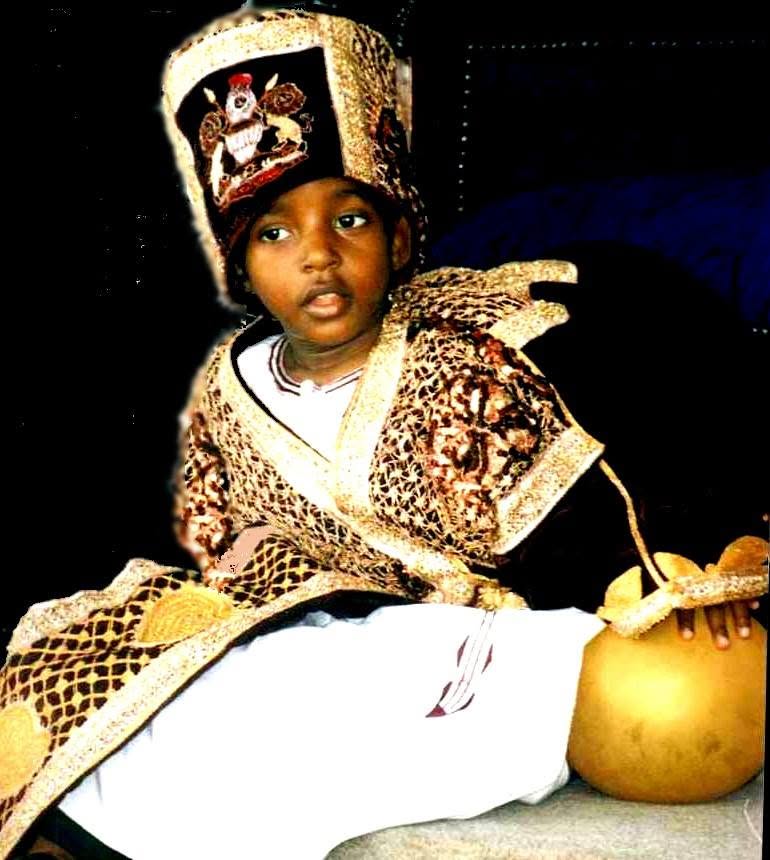
Uganda witnessed modern history when a three-year-old toddler was crowned as the cultural leader of the Toro Kingdom. A team of regents overseen by regional authorities managed his education and royal duties until he reached maturity. He holds a unique place in modern records as one of the youngest reigning monarchs.
Richard II
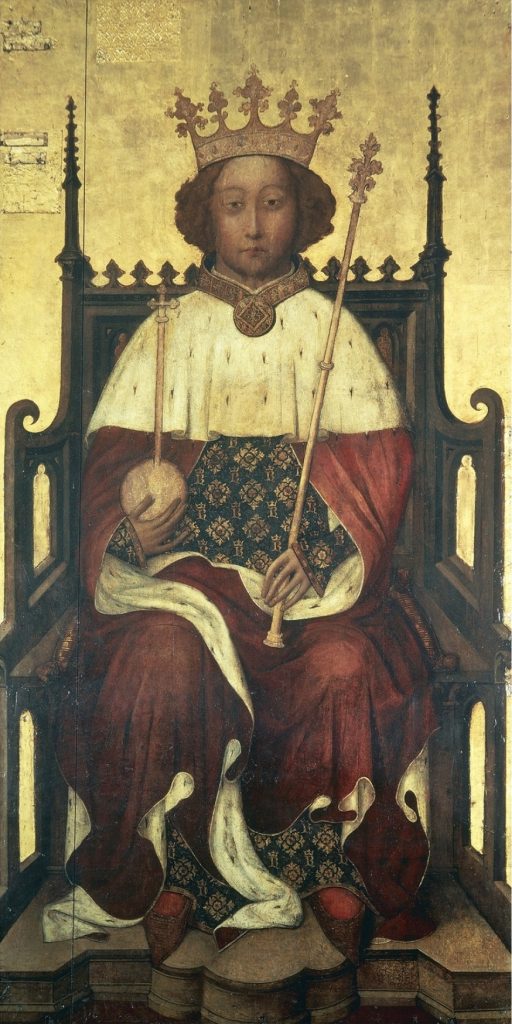
England’s complex feudal system placed a ten-year-old boy on the throne following the death of his grandfather, Edward III. He faced a massive peasant uprising led by Wat Tyler before he even reached his teenage years. His later tyrannical style led directly to his deposition by his ambitious cousin, Henry IV.
Simeon II
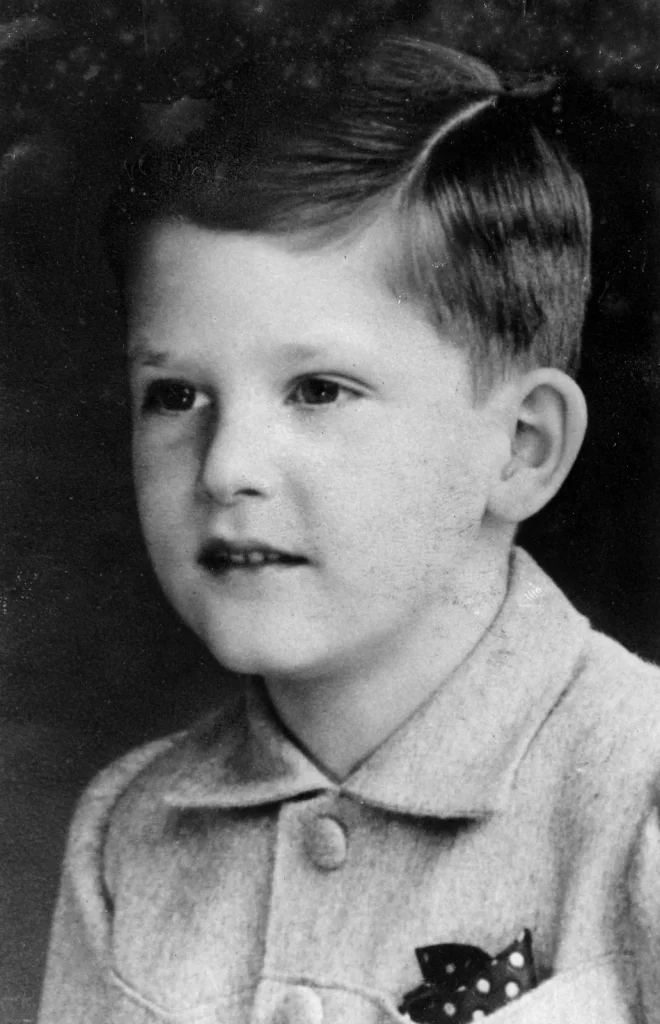
Bulgaria’s political landscape shattered during World War II when a six-year-old boy inherited the crown in 1943. His father died suddenly under mysterious circumstances following a tense meeting with Adolf Hitler. Decades after being exiled by communists, he returned to his homeland and was democratically elected as prime minister.
Michael I of Romania

A constitutional crisis allowed a five-year-old boy to become King of Romania instead of his own father. The elder prince had previously renounced his rights to the throne to pursue a scandalous love affair abroad. The young king was later forced to abdicate at gunpoint by Soviet-backed politicians.
Peter II of Russia

The tragic legacy of the Romanov dynasty caught up with an eleven-year-old boy who inherited the Russian Empire. Powerful court factions constantly moved him around to isolate him from rival advisors. He died of smallpox on the very day scheduled for his royal wedding.
Baldwin IV
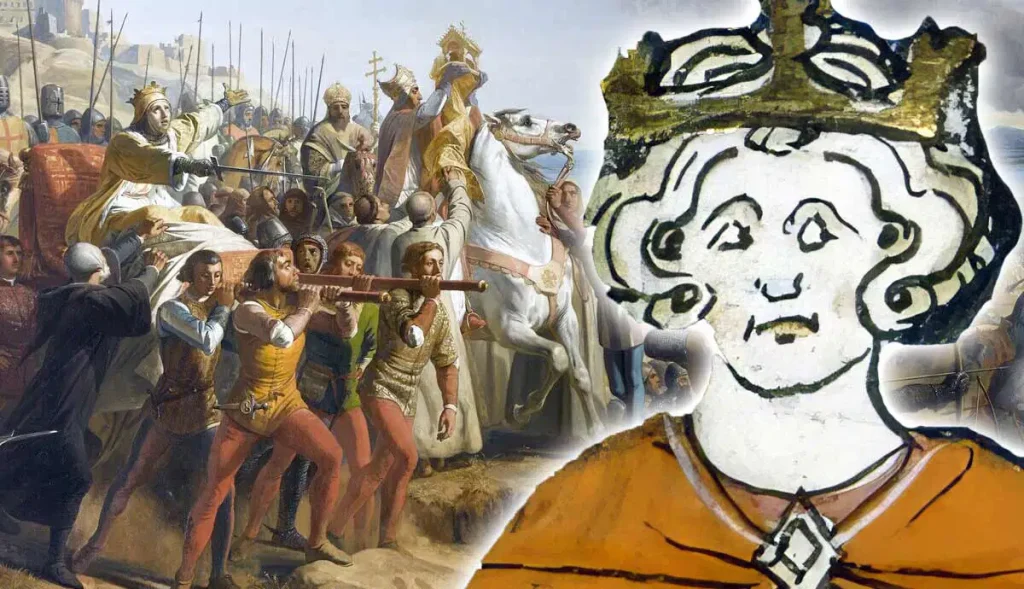
The Kingdom of Jerusalem faced an existential threat when a thirteen-year-old boy inherited a crown burdened by leprosy. Despite his severe physical limitations, he proved to be a remarkably brilliant military strategist against Saladin’s forces. His life story inspired numerous modern historical adaptations, including major cinematic features.
Henry IV
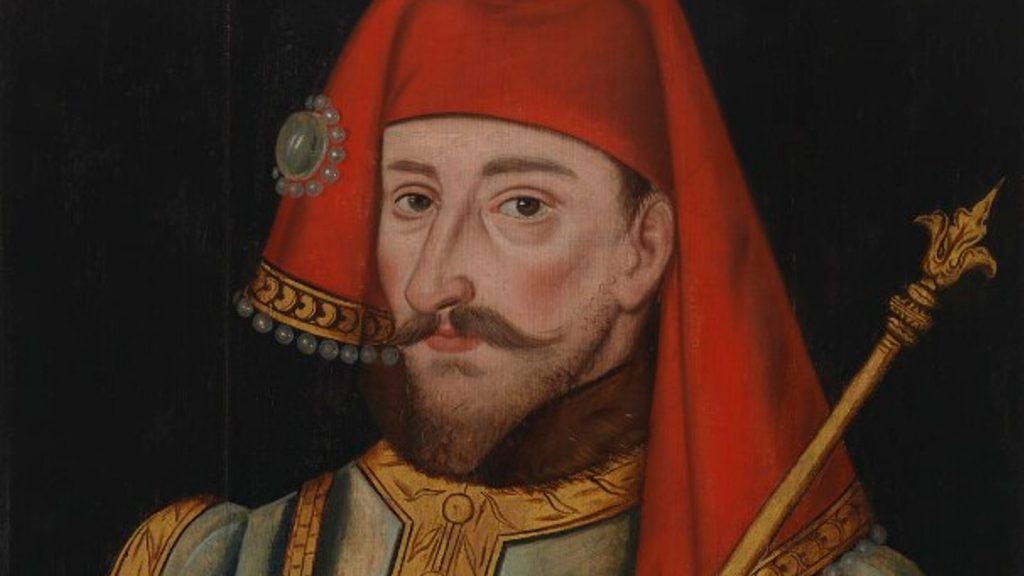
The Holy Roman Empire descended into chaos after a six-year-old child was chosen to lead the German states. His youth allowed ambitious bishops to kidnap him in an effort to control the imperial administration. His adult life was defined by a bitter struggle against the Pope, leading to his famous penance at Canossa.
Ptolemy XIII
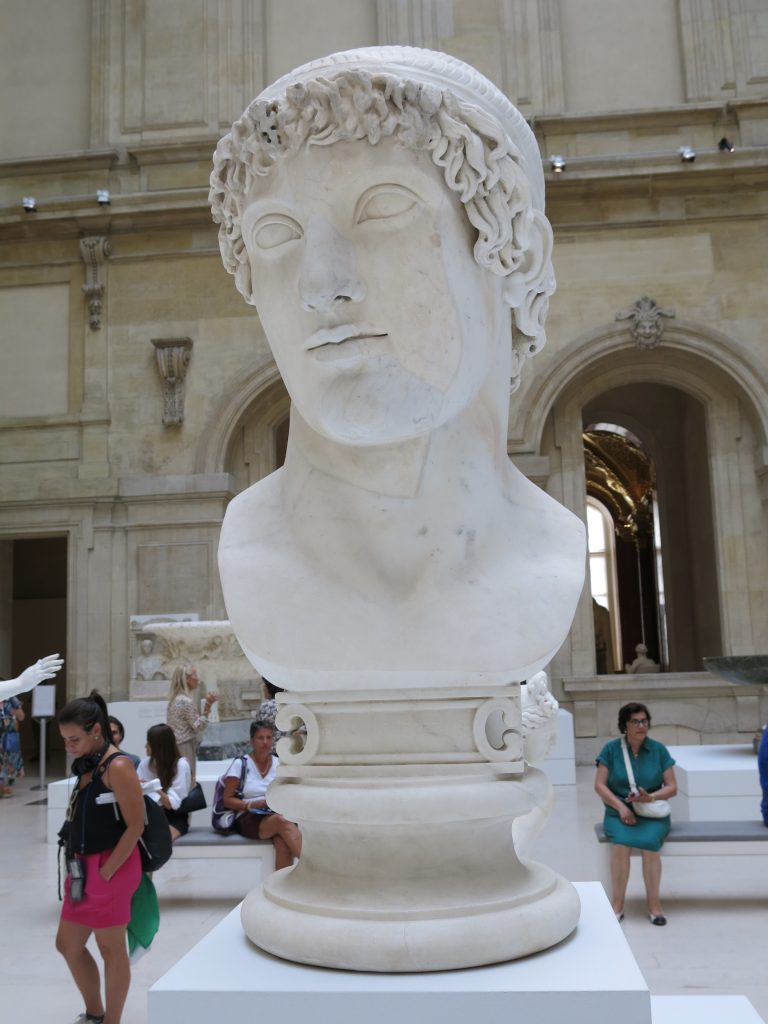
Ancient Egypt’s final dynasty relied on a twelve-year-old boy to share the throne with his famous older sister, Cleopatra. Royal advisors easily manipulated the young king into launching a civil war against his sibling. He ultimately drowned in the Nile River while fleeing Roman legions led by Julius Caesar.
John I of France
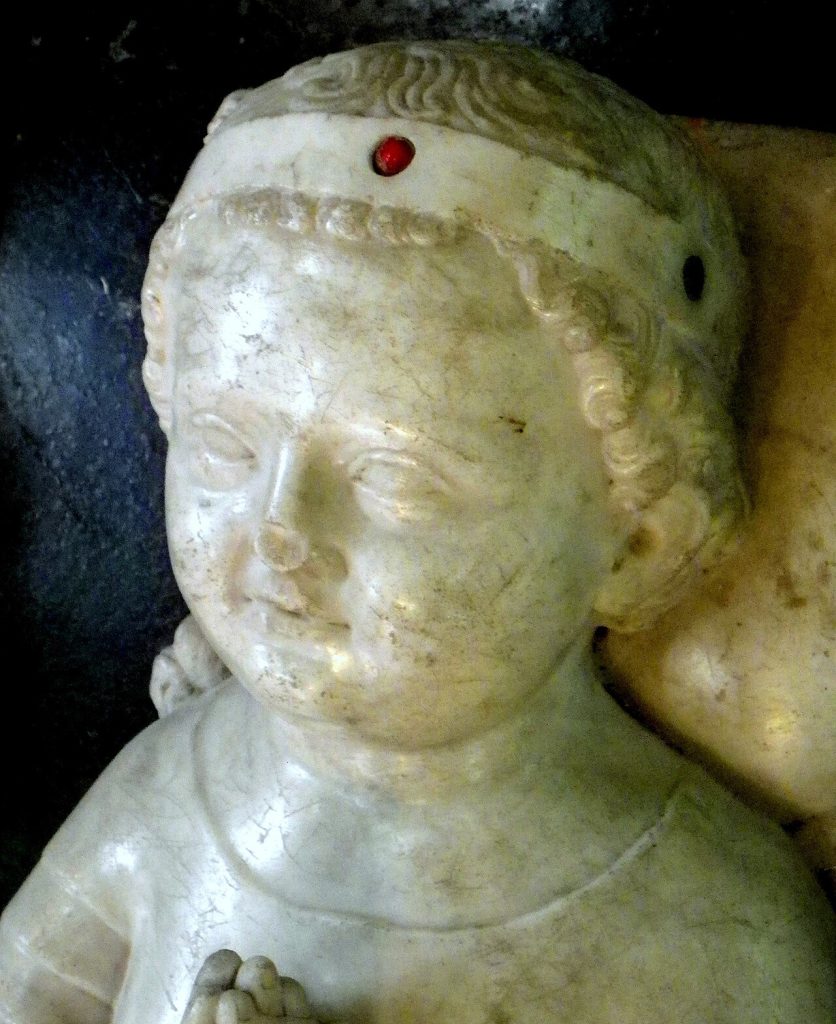
The shortest reign in French history belongs to an infant who was king from the exact moment of his birth. He lived for only five days before passing away under highly suspicious circumstances. His sudden death allowed his ambitious uncle to seize the crown, altering the succession laws forever.
Charles IX of France
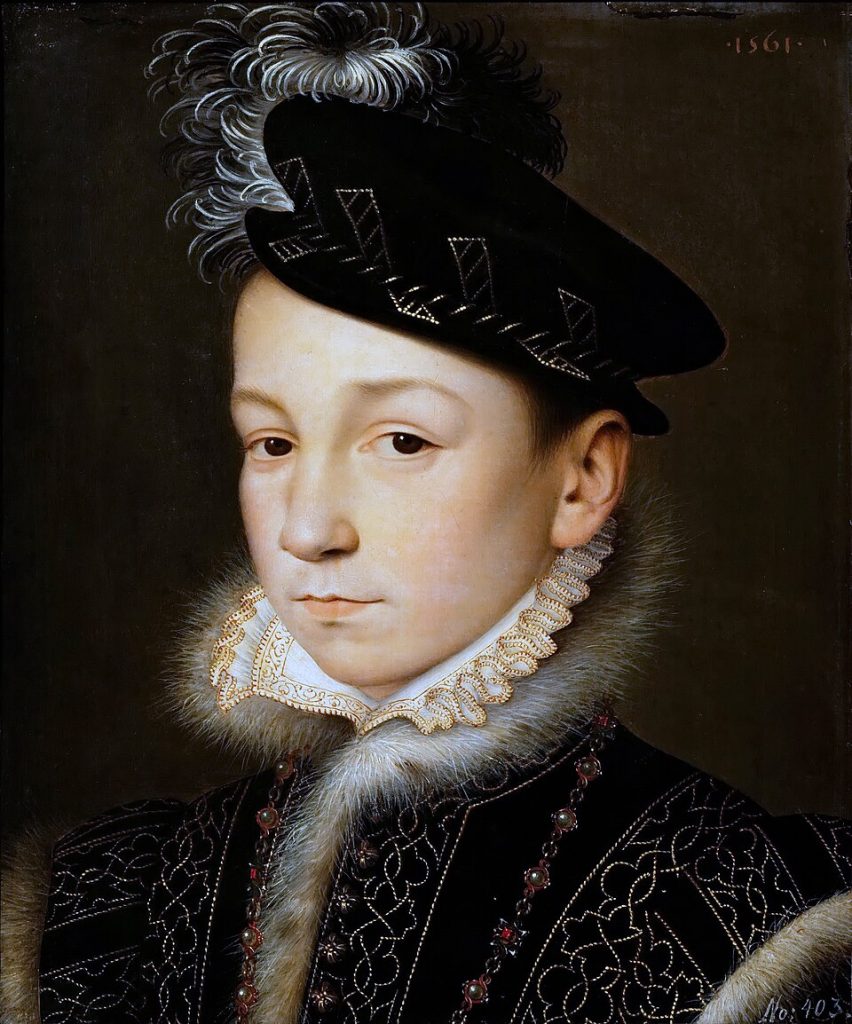
Religious violence consumed France when a ten-year-old boy inherited a fractured kingdom in 1560. His mother, Catherine de’ Medici, dominated his administration and orchestrated major political alliances. His name remains permanently tied to the horrific St. Bartholomew’s Day massacre.
Peter II of Yugoslavia
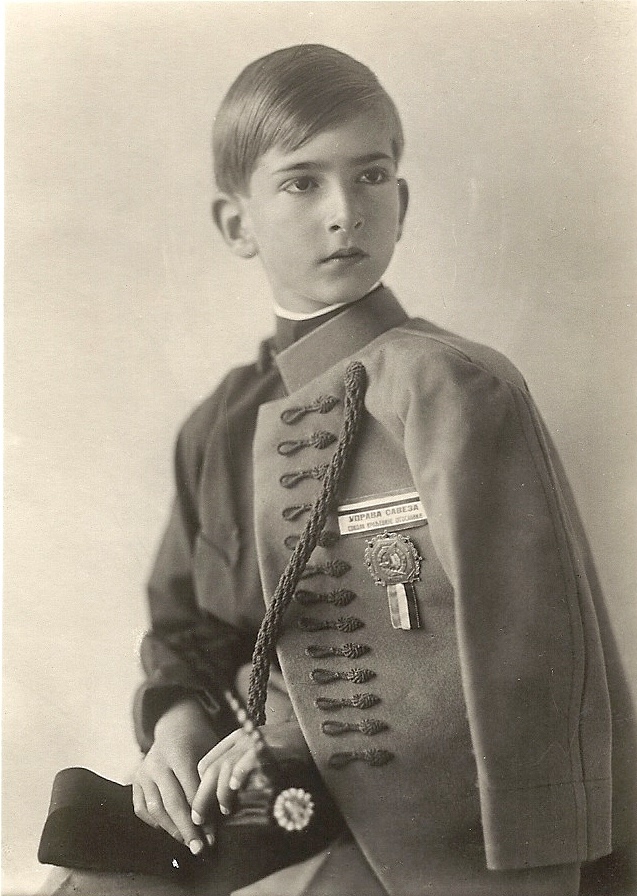
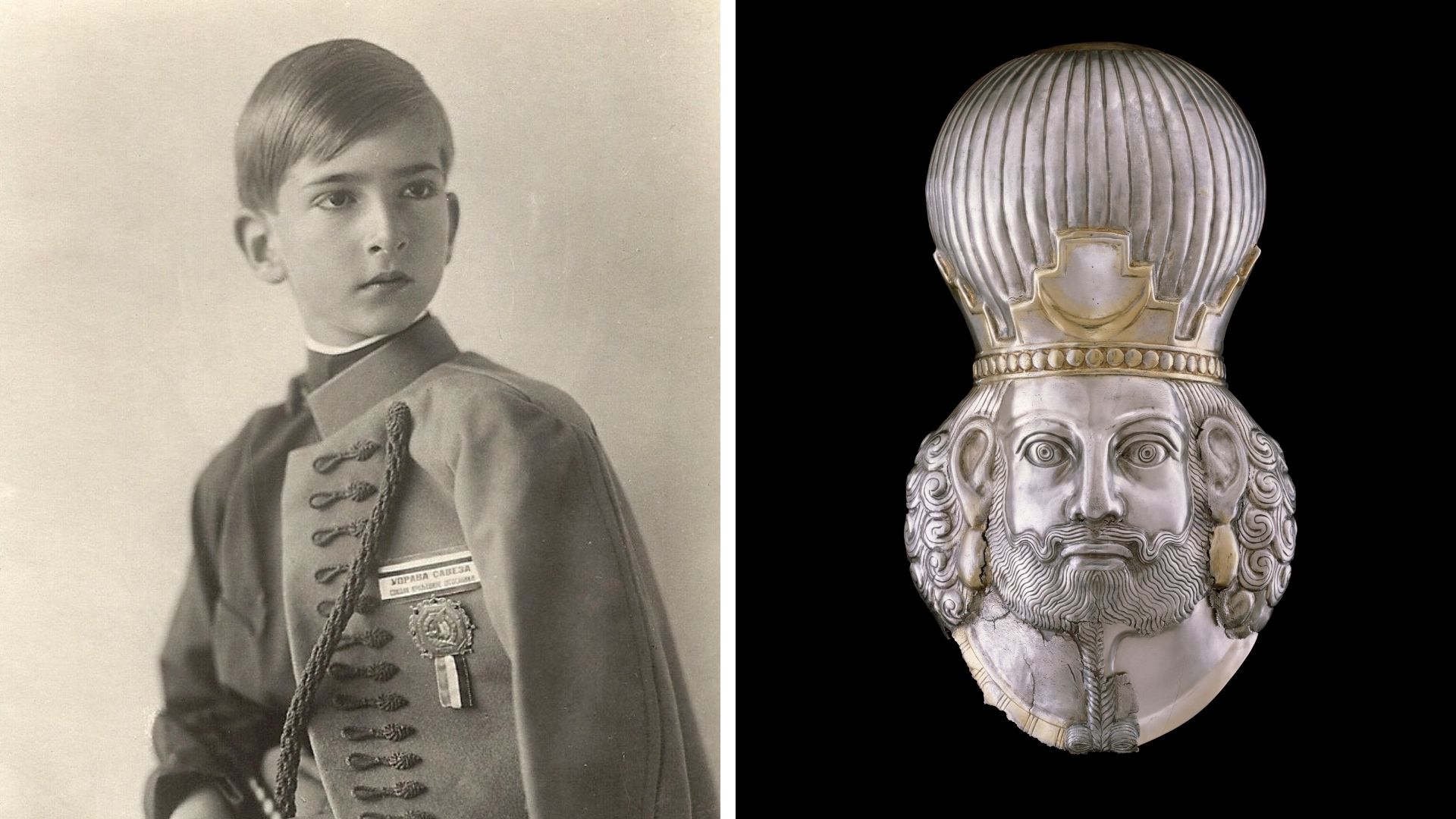
Assassination catapulted an eleven-year-old schoolboy onto the throne of Yugoslavia after his father was killed in Marseilles. A regency council led by his cousin attempted to navigate the rising threat of Nazi Germany. He fled into permanent exile when Axis forces invaded his country in 1941.
Shapur II
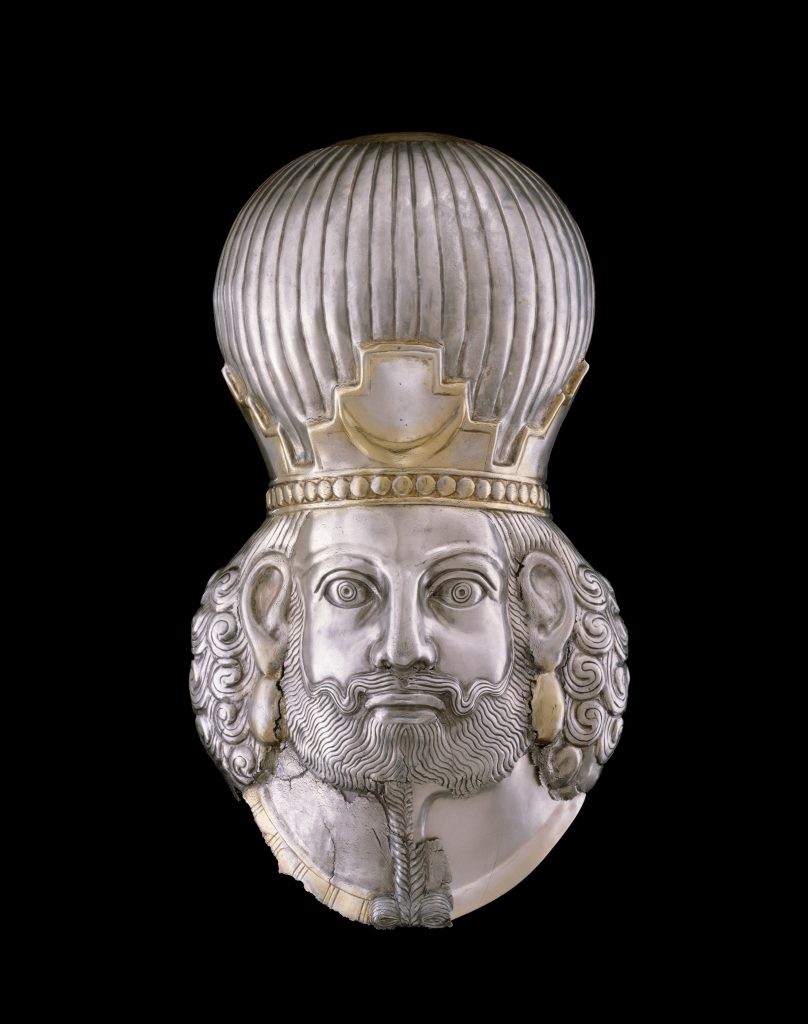
Legends from the Sasanian Empire claim that this unborn child was officially crowned king by placing the royal diadem directly onto his mother’s pregnant belly. Whether this unique prenatal coronation actually occurred, he grew up to become one of Persia’s longest-reigning and most militarily aggressive sovereigns. His seventy-year reign completely altered the geopolitical map of the ancient Near East.