Some shows don’t fade out slowly, they just stop, right when they’re getting good. You get pulled into the story, start to care about the characters, and then suddenly there’s no next episode waiting. Sometimes it’s ratings, sometimes it’s money, and sometimes it’s just bad timing behind the scenes. Either way, it leaves that unfinished feeling that never really goes away. These are the shows that didn’t get the time they needed, even though they clearly had more to give.

A space western about a scrappy crew trying to survive on the edges of the galaxy, it barely got a fair shot. Episodes aired out of order, the tone confused execs, and it was pulled before most people even knew it existed. The audience showed up later, just not in time to save it.
Freaks and Geeks

This show portrayed high school in a way that felt real instead of polished. It focused on kids who didn’t quite fit in, which made it quieter than typical teen shows. It struggled with ratings and ended after one season despite strong reviews.
Archive 81

This series built a slow, unsettling mystery that pulled viewers in over time. It even reached the top of streaming charts shortly after release. It was still canceled because the long-term numbers did not justify continuing it.
Pushing Daisies

This show told the story of a man who could bring people back to life with a single touch. It stood out because of its visual style and unusual tone. It lost momentum after the writers’ strike and was not renewed.
The Society

This series followed a group of teens forced to rebuild society after everyone else disappeared. It had been renewed for another season, but was later canceled due to COVID-related production costs.
Santa Clarita Diet

This show mixed suburban life with a strange twist when the main character became a zombie. It ran for multiple seasons and built a consistent audience. It was canceled as production costs increased.
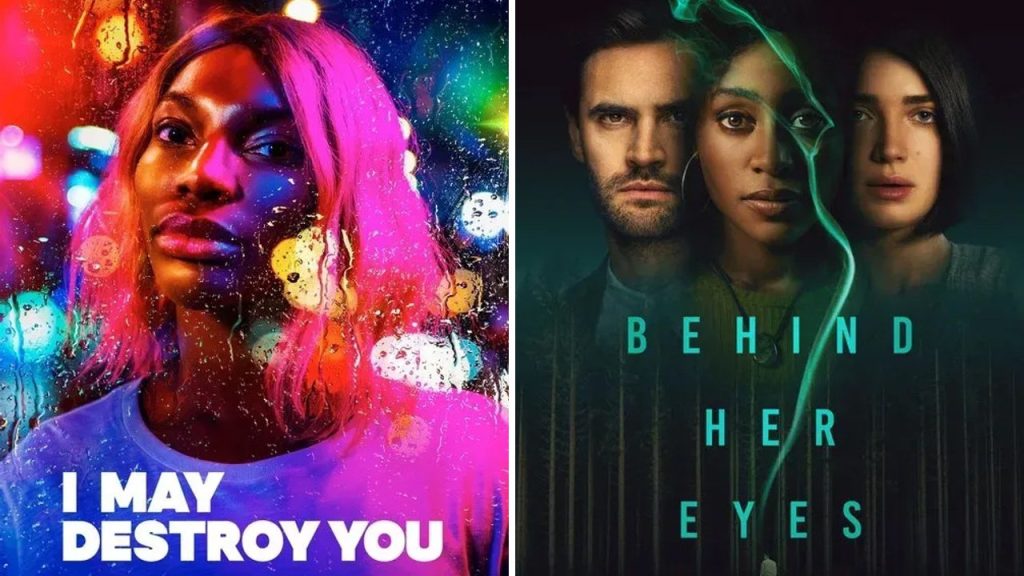
The OA

This show told a layered story that required patience from viewers. It built a dedicated fanbase that wanted to see where it would go. It was canceled because it was expensive and difficult to maintain broad viewership.
Bunheads

This show followed a dancer adjusting to a small-town life she didn’t expect. It had sharp writing and a very clear voice. Viewership never quite matched the quality, so it faded out after one season.
Lovecraft Country

This show blended horror, history, and fantasy into something ambitious. It jumped between styles in a way that kept it unpredictable. That same ambition made it expensive and hard to sustain long term.
My So-Called Life

This show focused on teenage life without exaggerating it. It paid attention to small moments that other shows usually skipped. It never reached a large audience while airing, even though people later recognized what it did well.
GLOW

This show followed women building a wrestling promotion while navigating their own lives. It had already been renewed and was in production. Filming became too complicated during COVID, and the project was ultimately dropped.
Julie and the Phantoms

This show combined music with a story about connection and loss. It left multiple storylines open at the end of its first season, but didn't reach enough viewers to justify continuing the story.
FlashForward

This show started with a strong premise where everyone saw their future at the same time. Early interest was high, but it struggled to keep that attention. As ratings dropped week to week, it lost its place on the schedule.
Sense8

This show followed eight people across the world who were mentally connected. It required filming in multiple countries, which made it unusually expensive. The scale of production became too difficult to maintain.
Veronica Mars

This show followed a teenage investigator solving cases in her town. It built a strong, loyal fanbase over time, but that loyalty didn’t translate into enough viewers during its original run.
The Wilds

This show focused on a group of teens stranded and forced to survive together. It layered character backstories with present-day tension. Rising costs and uneven engagement made it harder to justify continuing.
Jericho

Set in a town dealing with the aftermath of a nuclear event, this show built a loyal following. Fans even pushed for it to come back after it ended. The audience size still remained too small to support it long term.
Red Band Society

Life inside a hospital became the backdrop for a group of teens figuring things out together. The show leaned heavily into emotional moments and character connections rather than big plot twists. That approach never pulled in enough consistent viewers to keep it going.
Carnivàle

A traveling carnival during the Great Depression set the stage for a story filled with symbolism and long-term planning. It was the kind of show that needed multiple seasons to fully make sense. The cost of producing something that detailed eventually became too much to justify.
Terriers

Two private investigators anchored a story that cared more about character than action. Critics paid attention to how well it was written, even early on. The audience never really showed up in the same way, which made continuing it difficult.
Profit

At the center of this story was a corporate climber willing to do whatever it took to win. The tone leaned darker than most shows at the time, which made it stand out immediately. That same edge led to backlash from viewers and affiliates, which quickly shut it down.
Enlisted

Three brothers navigating military life together kept the focus on relationships instead of action. The tone leaned more toward grounded comedy than traditional war stories. It never reached enough people to stick around.
Rubicon

A slow conspiracy unfolded piece by piece rather than rushing toward answers. It relied on subtle details and patience from viewers. Behind-the-scenes changes and low viewership made it hard to keep going.
John Doe

A man who knew everything except his own identity gave this show its central mystery. Each episode added small pieces without fully explaining the bigger picture. Interest dropped before those answers could ever come together.
Kyle XY

A teenager with no memory and unusual abilities sat at the center of this story. The mystery grew more complex as the show went on. Viewership declined toward the end, and the story stopped before reaching a full resolution.
The Unusuals

This take on a police unit focused more on personality than procedure. The characters were distinct enough to carry the show on their own, but the audience didn't connect with them.
On Becoming a God in Central Florida

A woman getting pulled into a pyramid scheme drove this story forward. The show already had a complicated path just getting to air. When priorities shifted during the pandemic, it quietly stopped moving forward.
Wonderfalls

A woman being guided by talking objects is not exactly an easy concept to sell. The show leaned into that weirdness instead of trying to smooth it out. Without much promotion, it barely had a chance to find viewers before it disappeared.
Moonlight

A vampire working as a private investigator gave this show its hook. It built a loyal fanbase that wanted more of the story. Despite that support, the numbers never reached what the network needed.
The Event

A conspiracy tied to a missing person drove this story forward. It relied heavily on twists and multiple timelines. Viewers struggled to keep up, and interest declined as a result.