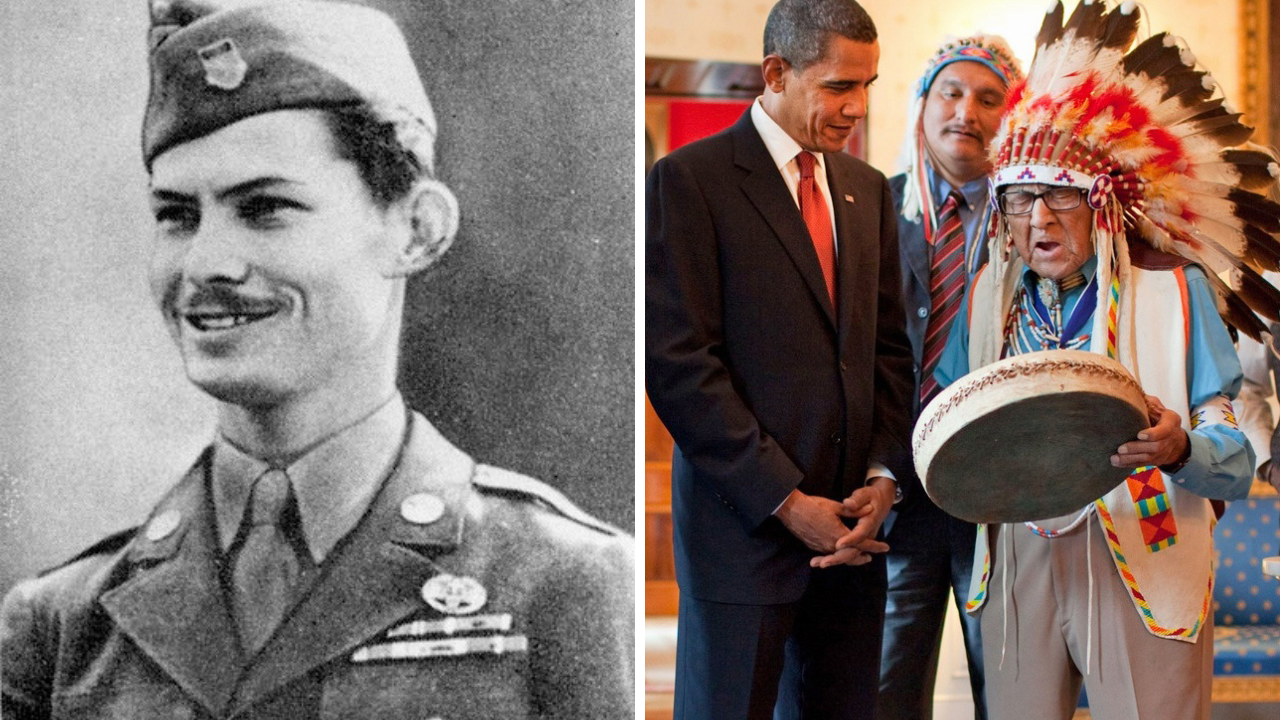
Not every hero ends up in the history books. For every famous general or decorated soldier, there are dozens of brave souls whose stories have quietly faded into the background. Some risked everything to save their comrades, others challenged entire systems just by doing what was right. These 30 individuals fought in wars across different times and places, and even if their names don’t ring a bell, their courage deserves a spotlight. Get ready to meet the war heroes you didn’t know you were missing.
Simo Häyhä (Finland)
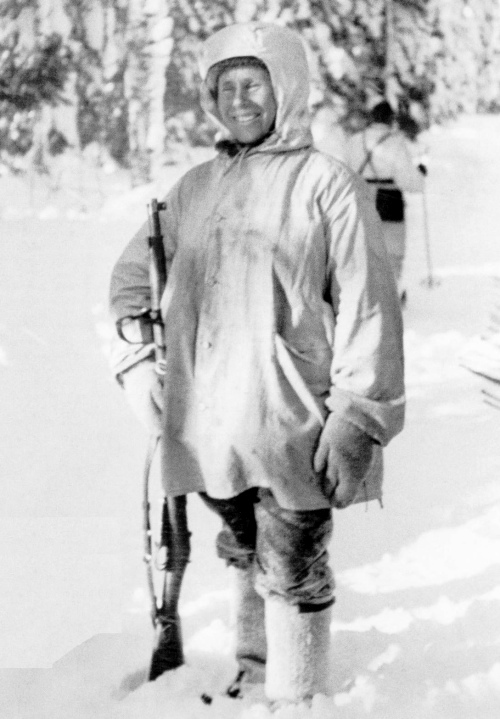
They called him “The White Death” and for good reason. A Finnish sniper during the Winter War against the Soviet Union, Simo reportedly had over 500 confirmed kills. He worked alone in freezing temperatures, often hiding in snowbanks for hours. Somehow, he did all this with iron sights, no scope.
Noor Inayat Khan (United Kingdom)
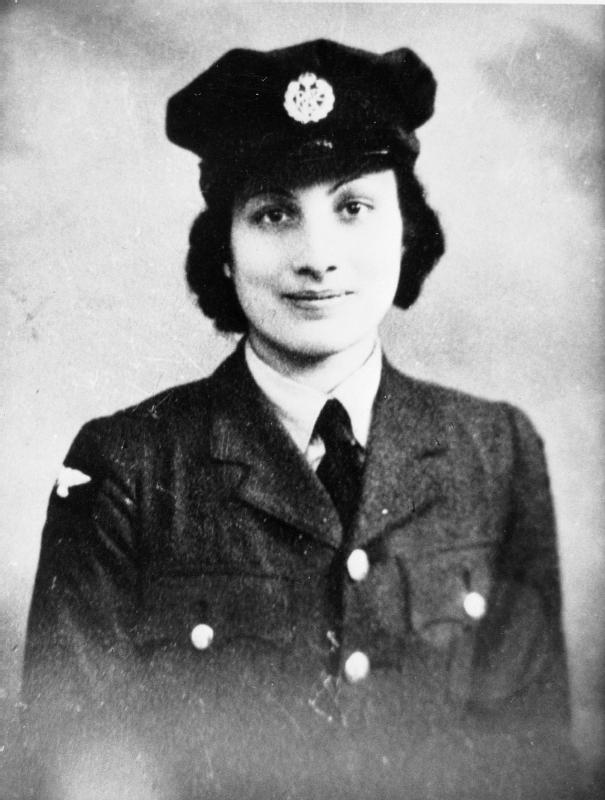
She was a princess, a poet, and a spy. A descendant of Indian royalty, Noor served in the Special Operations Executive during WWII, transmitting vital information from occupied France. Captured by the Nazis, she never revealed a thing, not even under torture. Her final word was “Liberté.”
Nancy Wake (New Zealand/Australia)
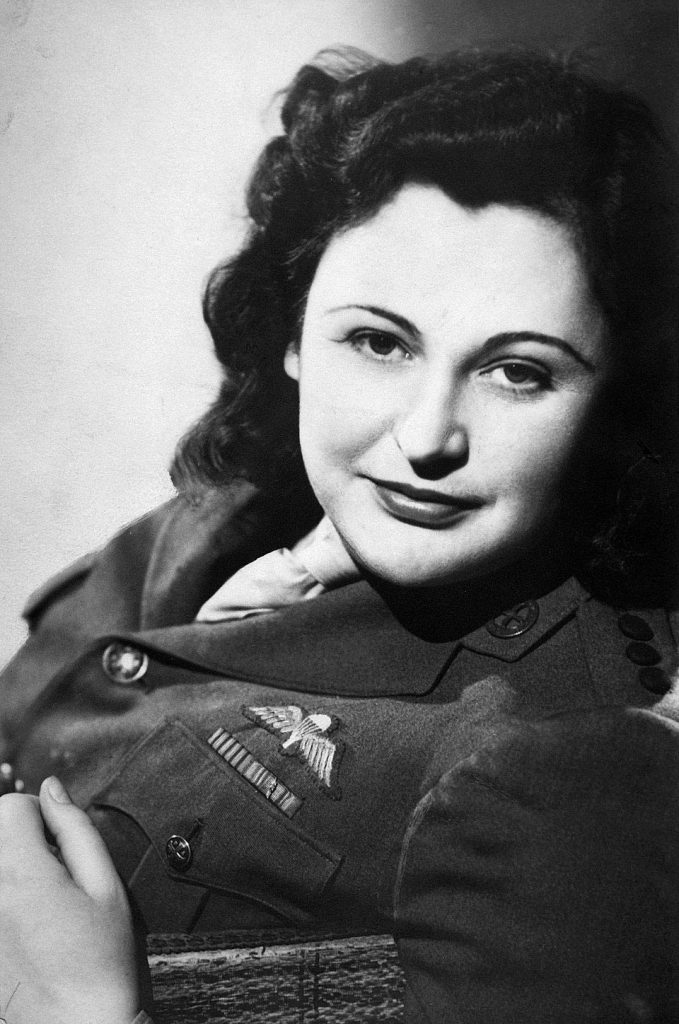
Nicknamed the “White Mouse” by the Gestapo, Nancy was one of the most decorated women of WWII. She smuggled weapons, led resistance groups, and once killed a Nazi with her bare hands. She drank, swore, and laughed in the face of danger. Her only regret? Not killing more Nazis.
Ben Salomon (United States)
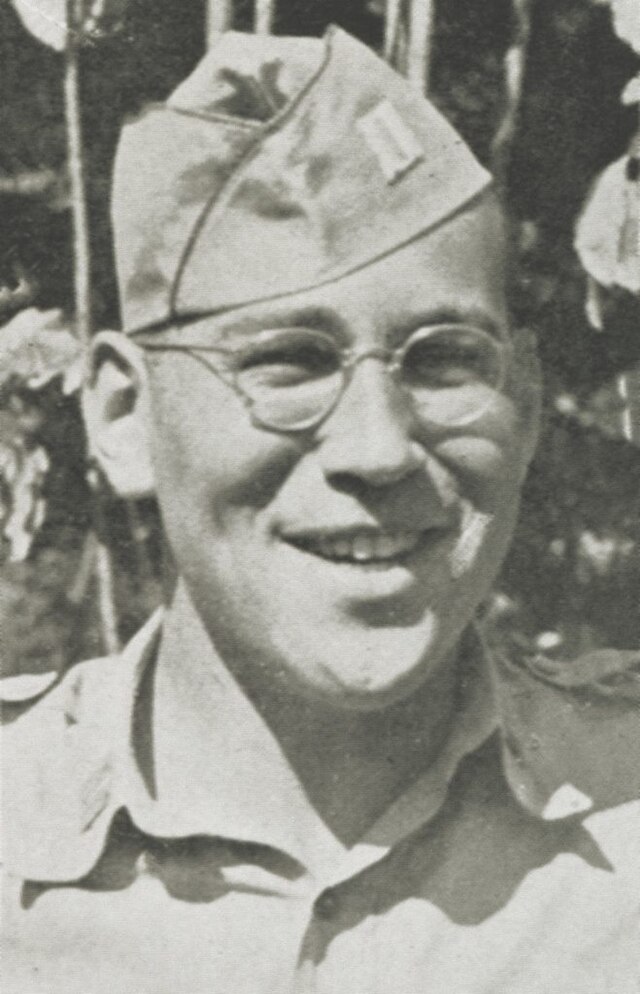
He was a dentist. At Saipan, when Japanese troops overran his medical tent, he picked up a machine gun and covered the retreat of wounded soldiers. When they found his body, it was slumped over the gun, with 98 enemy soldiers dead around him.
Albert Jacka (Australia)
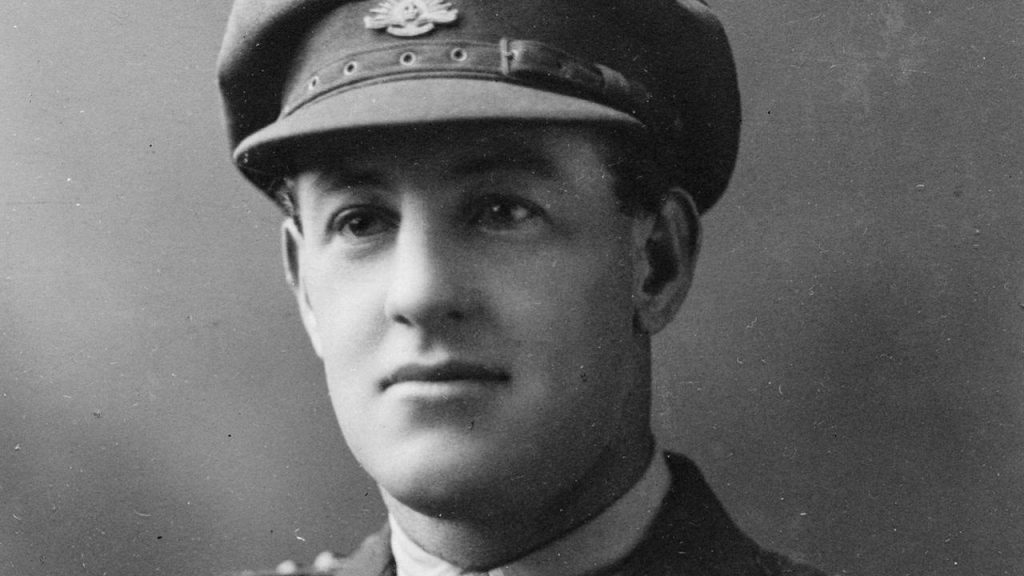
The first Australian to win the Victoria Cross in WWI, Jacka was practically a one-man army. During one battle, he was shot several times but kept charging enemy trenches. After the war, he became a mayor and refused to let veterans go homeless on his watch.
Havildar Lachhiman Gurung (Nepal)
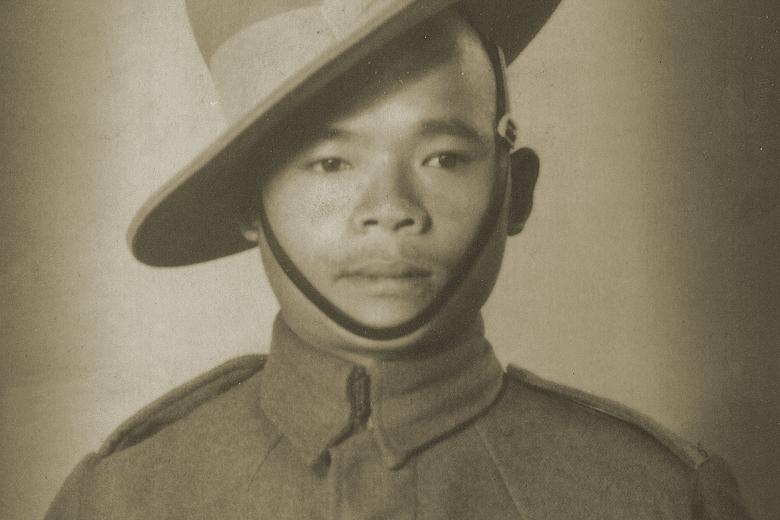
Fighting for the British Indian Army in WWII, Gurung lost his hand to a grenade—but kept firing with his other. When 200 Japanese troops tried to overrun his post, he stood his ground alone. He killed over 30 men and held out for four hours, severely injured, shouting “Come fight a Gurkha!”
Monica Beltran (United States)
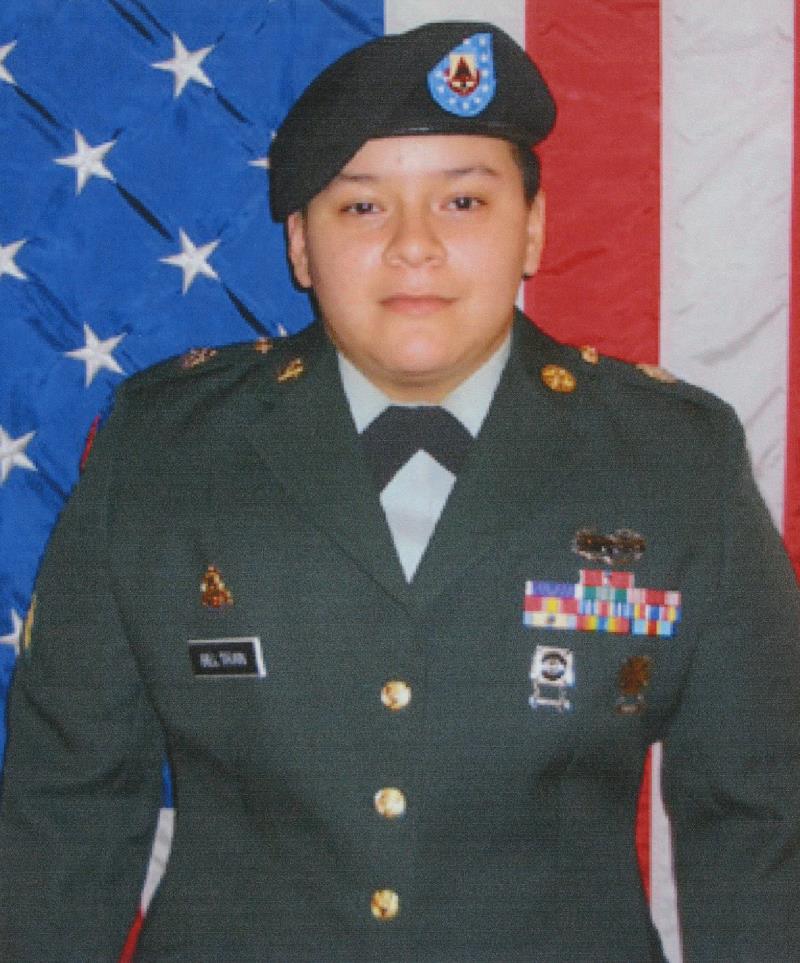
Just 19 and serving in the Virginia National Guard, Monica was ambushed in Iraq. Her convoy was under heavy attack, and she refused to back down. Even after being shot in the arm, she kept firing to protect others. Her bravery earned her the Bronze Star.
Fazl Ahmad Khan (India)
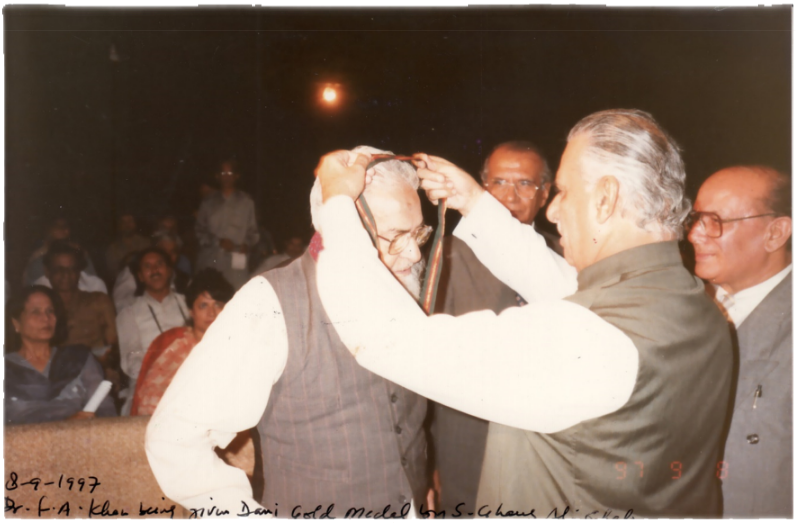
Khan was a doctor in the British Indian Army during WWI, treating wounded soldiers under fire. He was offered medals and titles, but what he valued most was dignity. He later advocated for better medical care for rural Indian communities, saying real heroism was saving lives, not taking them.
Leo Major (Canada)
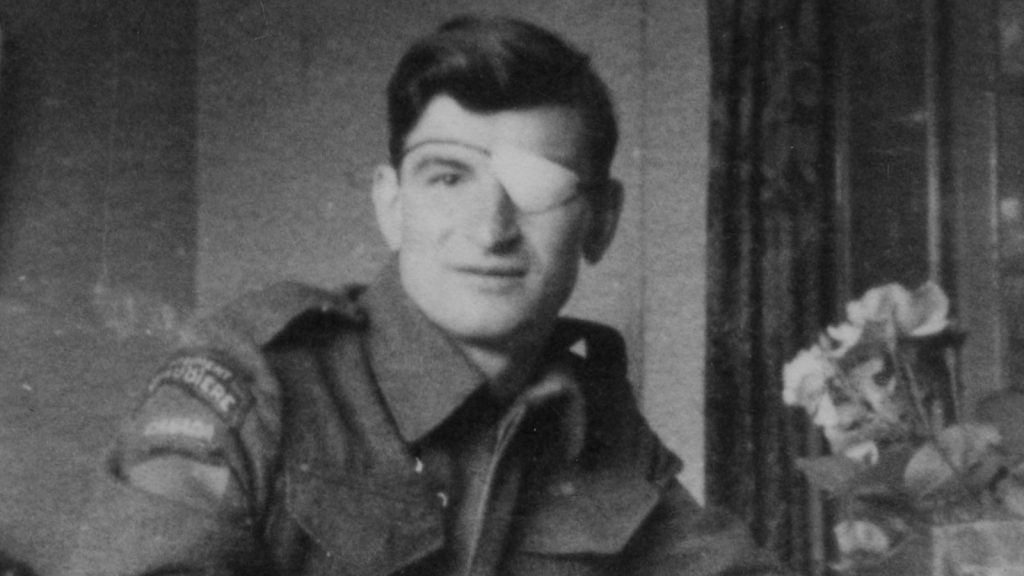
This guy liberated an entire town in the Netherlands, by himself. Under cover of night, he created so much chaos the German garrison thought they were being invaded by a full force and surrendered. He did it all with one eye, having lost the other in an earlier battle.
Chiyoko Shimakura (Japan)
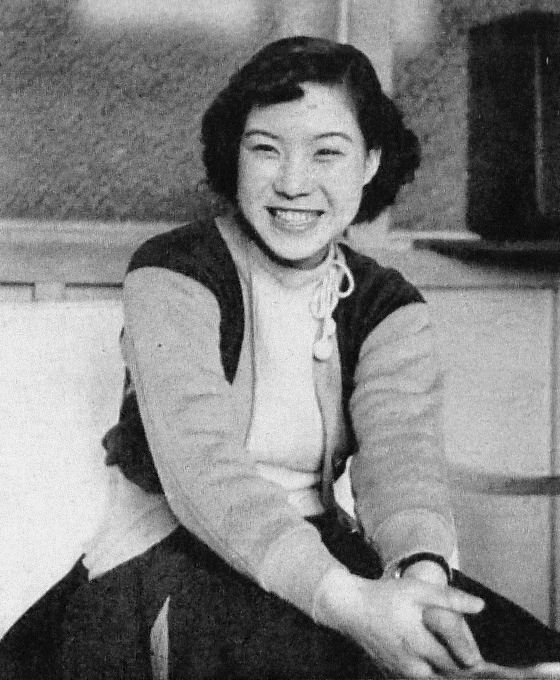
While not a soldier, Chiyoko smuggled food and medicine to Japanese POWs and civilians during and after WWII. At great personal risk, she disguised herself as a factory worker and used underground tunnels to reach people in need. She saved dozens of lives, all without firing a shot.
Marcelino Serna (United States/Mexico)
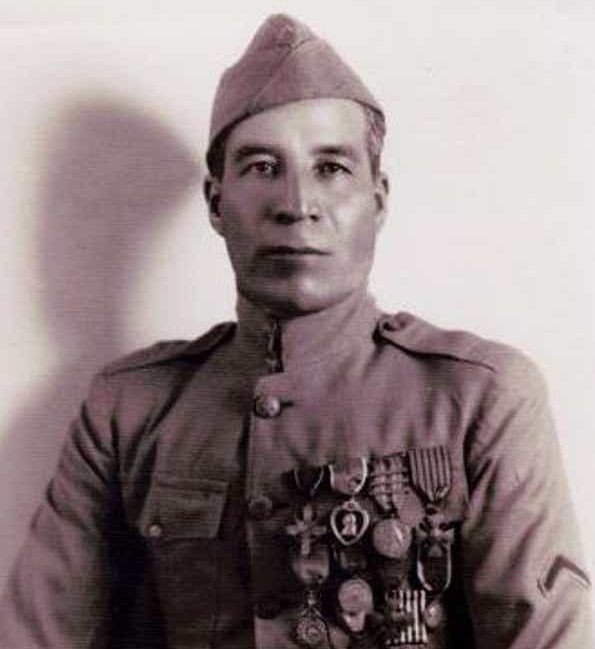
He wasn’t even a U.S. citizen when he fought in WWI. As a Mexican immigrant, Serna captured 24 German soldiers alone after they killed his entire unit. He was offered a promotion but declined, saying he didn’t want to lead white soldiers. America forgot him, but Texas didn’t.
Krystyna Skarbek (Poland/UK)
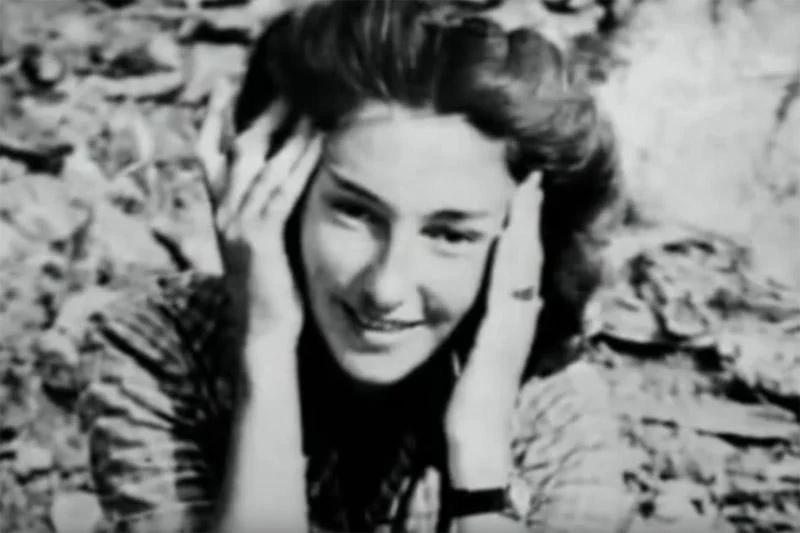
Skarbek worked as a British spy during WWII, using her charm and cunning to outwit the Nazis. She once faked appendicitis to escape capture and helped free several prisoners from execution. Ian Fleming later admitted she inspired one of his earliest Bond girls, but she was so much more.
John Basilone (United States)
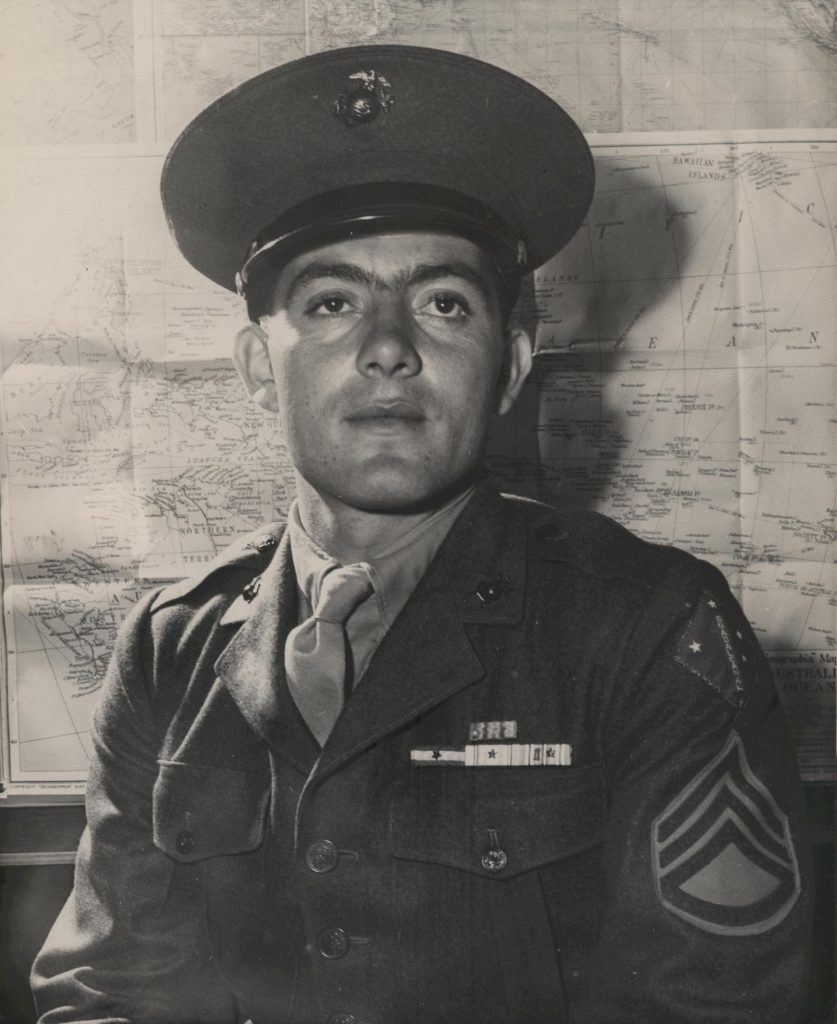
A Marine with superhuman grit, Basilone held off a massive Japanese force at Guadalcanal with just a machine gun, almost entirely alone. He ran through enemy fire to restock ammo and never let the line break. He died a hero on Iwo Jima, refusing to stay behind with safer assignments.
Roza Shanina (Soviet Union)
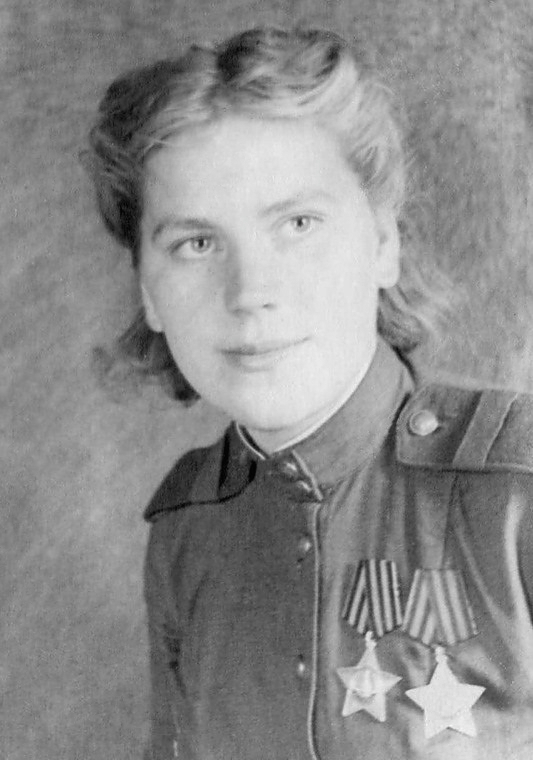
Roza became a sniper at just 19 and took part in some of the most brutal Eastern Front battles in WWII. She kept a diary that shows both her talent and her heartbreak. Roza was killed in battle while shielding a wounded commander.
Richard Bong (United States)
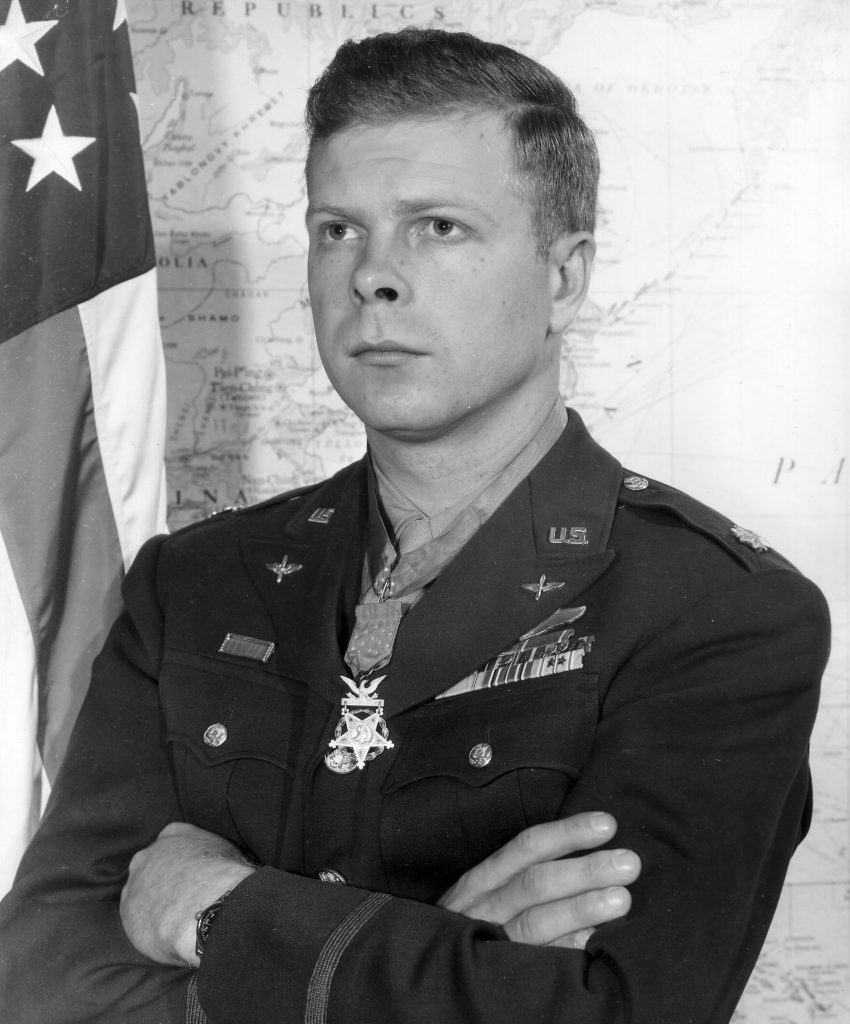
The top American ace of WWII, Bong, shot down 40 enemy planes but stayed humble. He once looped his fighter plane under a bridge as a dare, and got married the next day. He died test-flying a new jet at just 24.
Mariya Oktyabrskaya (Soviet Union)
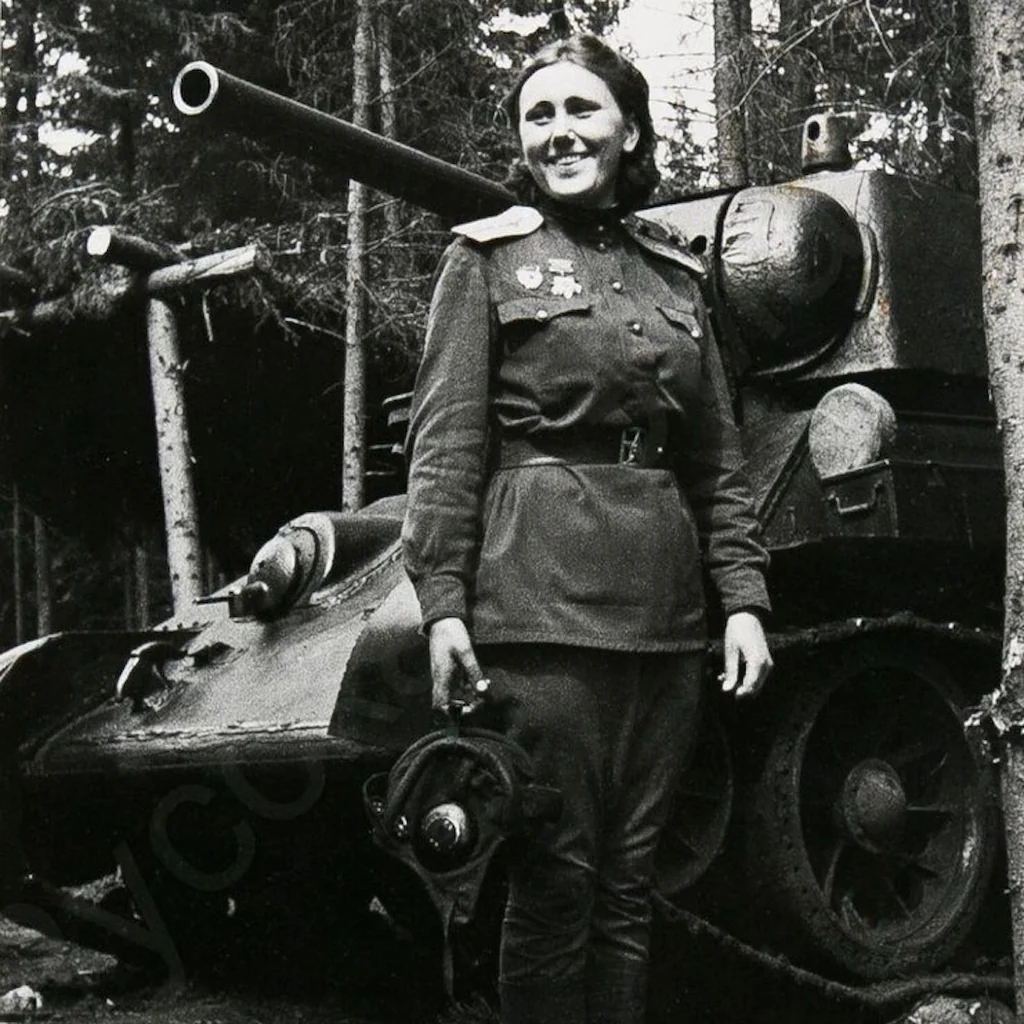
After her husband was killed in WWII, Mariya sold everything she owned to buy a tank, and then asked the army to let her drive it. She got her wish and went on to crush enemy positions while naming her tank “Fighting Girlfriend.” She died in battle, fearless to the end.
William Harvey Carney (United States)
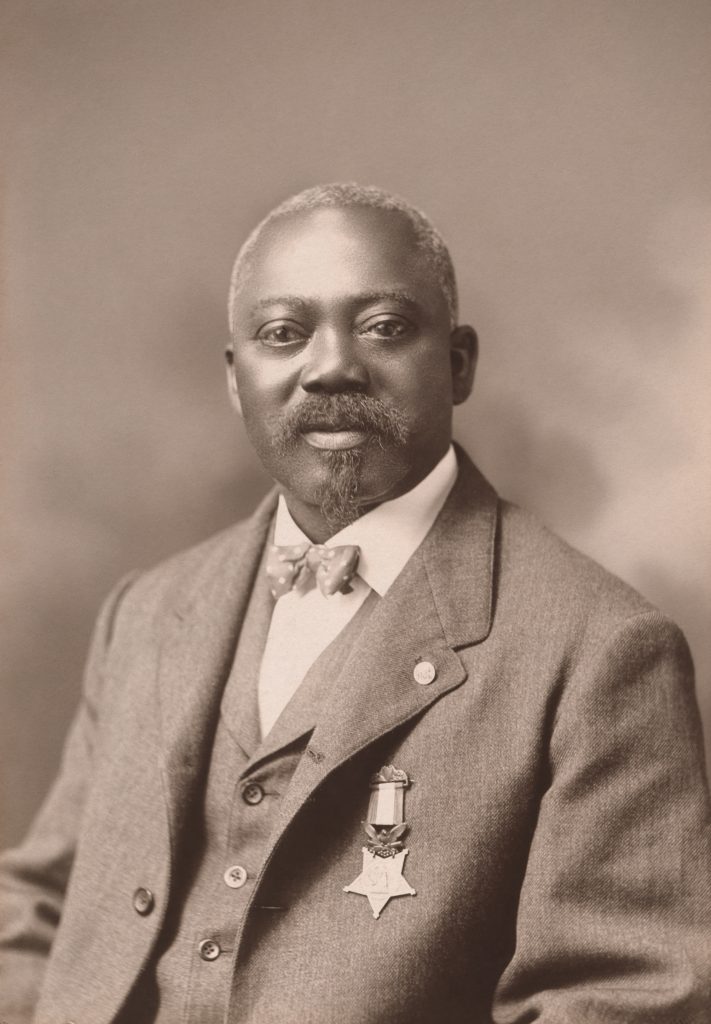
Born into slavery, Carney fought for the Union during the American Civil War. In the brutal assault on Fort Wagner, he carried the U.S. flag through gunfire after the original bearer fell. Even while wounded, he refused to let it touch the ground. His actions earned him the first Medal of Honor given to an African American.
Simone Segouin (France)
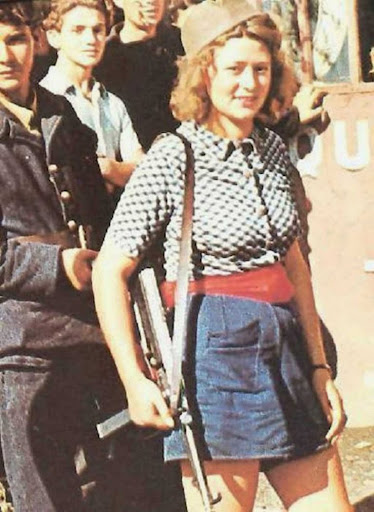
Only 18 when she joined the French Resistance, Simone helped sabotage German supply lines and participated in armed attacks. Her bravery made her a symbol of youthful defiance. After the war, she worked as a pediatric nurse, her wartime exploits mostly unknown outside France.
Roy Benavidez (United States)
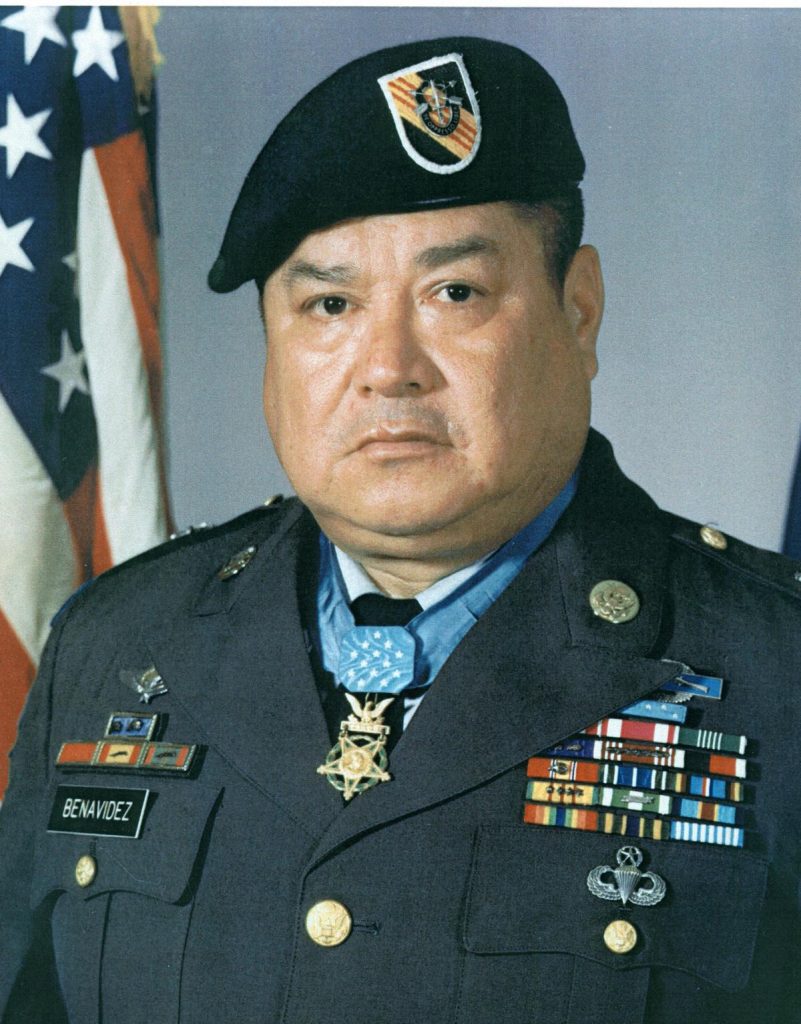
A Green Beret medic in Vietnam, Benavidez jumped from a helicopter into a firefight to rescue a surrounded team. Over the next six hours, he was shot, stabbed with a bayonet, and clubbed, but still got every man out. When medics thought he was dead, he spat in their face to prove otherwise.
Ivan Castro (United States)
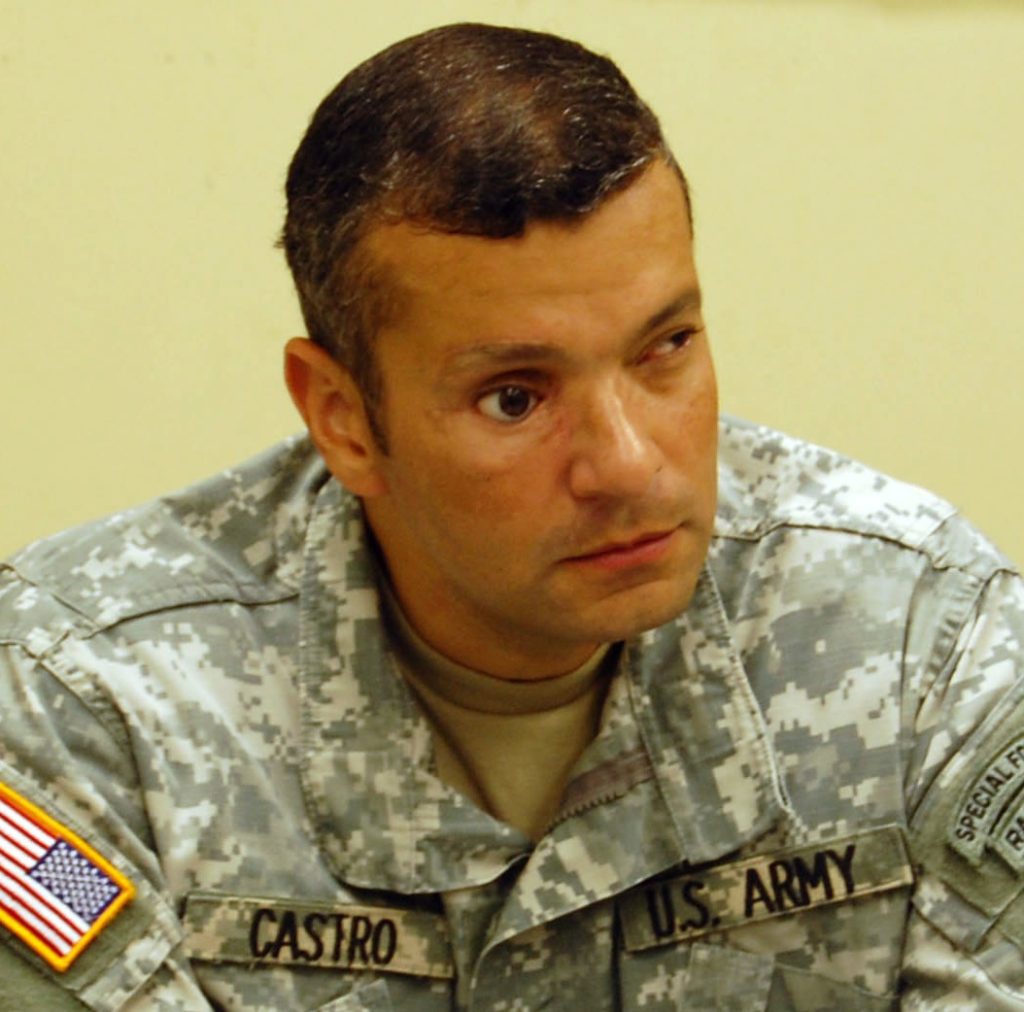
A special forces soldier who lost his eyesight in Iraq, Castro refused to quit the Army. He trained himself to run marathons blind and took command of an elite unit, the first blind officer in the Green Berets. His story is one of resilience and redefining what a hero looks like.
Teo Bălan (Romania)
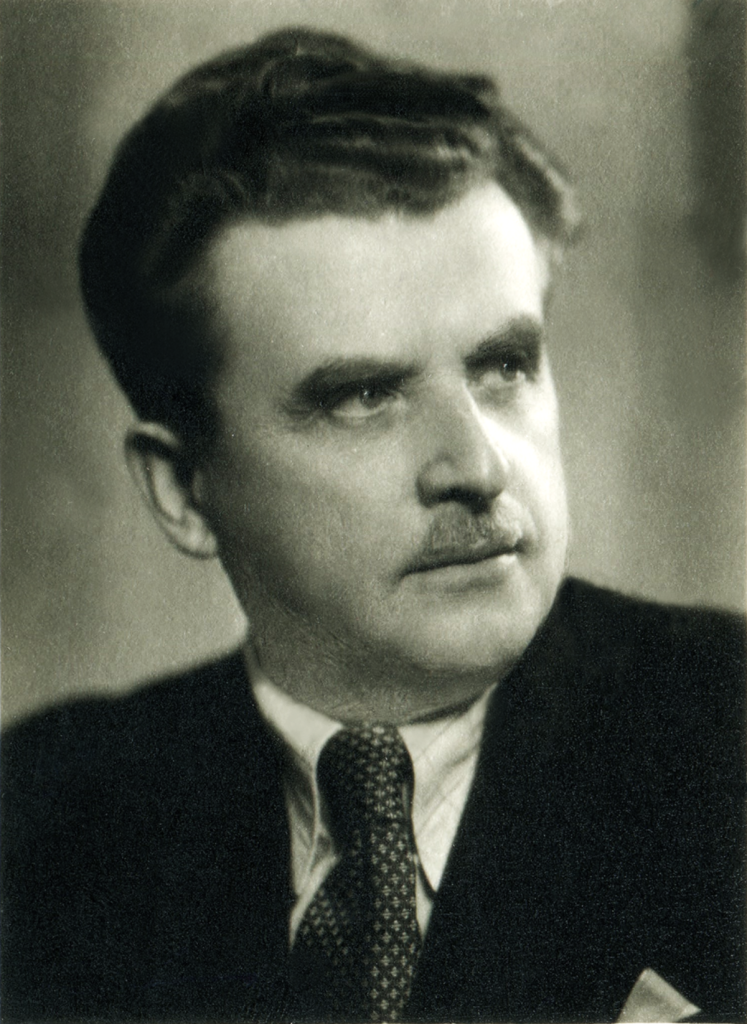
During WWII, Bălan was a field medic who stayed behind enemy lines to treat both Axis and Allied wounded. He used codes carved into tree bark to communicate safe zones. After the war, he became a rural doctor and refused any official awards, saying his patients were his only legacy.
Minnie Vautrin (United States)
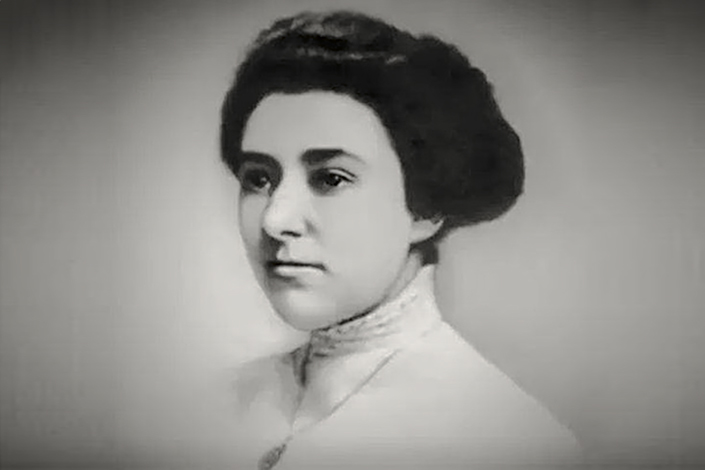
An American teacher in Nanjing, China, Minnie stayed behind when the Japanese invaded in 1937. While the Nanjing Massacre unfolded around her, she sheltered over 10,000 women and girls in her school. She stood between soldiers and their victims, unarmed and unwavering. Few in America knew what she did until long after her death.
Tommy Prince (Canada)
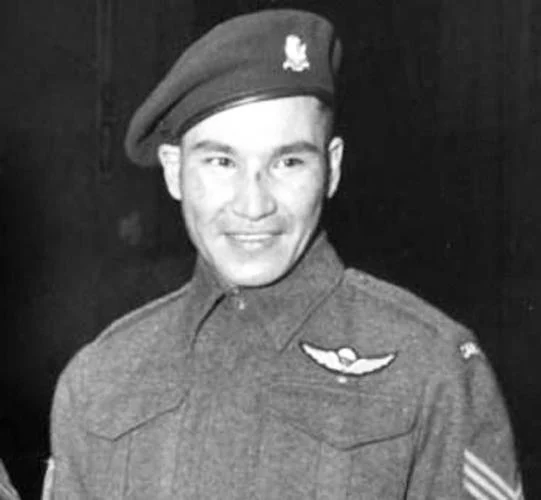
An Indigenous warrior from the Ojibwe Nation, Prince served in WWII and Korea. He was a master scout who once fixed a broken communications wire while pretending to tie his shoe, right under enemy noses. Despite his medals, he returned home to poverty and discrimination, a tragic reminder of how Canada treated its Native heroes.
Andrée de Jongh (Belgium)
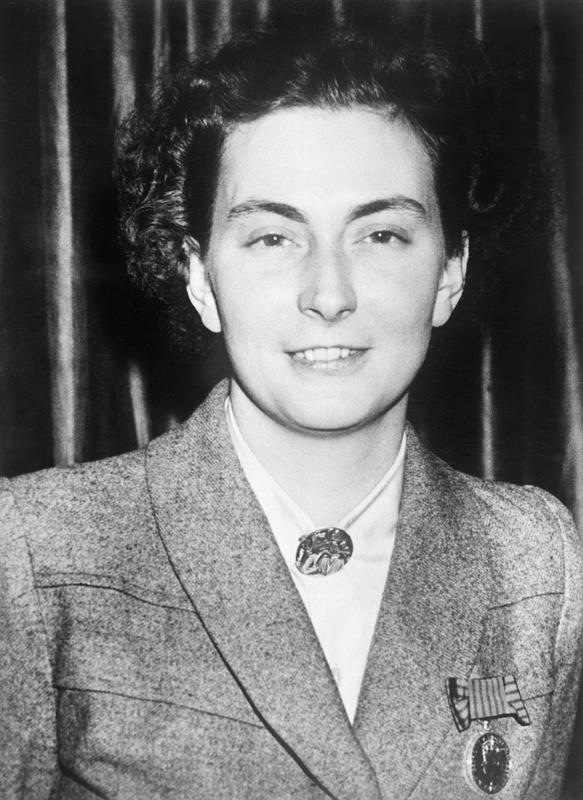
A young Belgian woman with nerves of steel, Andrée created the Comet Line—a resistance network that helped Allied airmen escape Nazi-occupied Europe. She personally escorted over 100 of them across mountains into Spain. The Nazis arrested her, but she never gave up a single name.
Charles N. DeGlopper (United States)
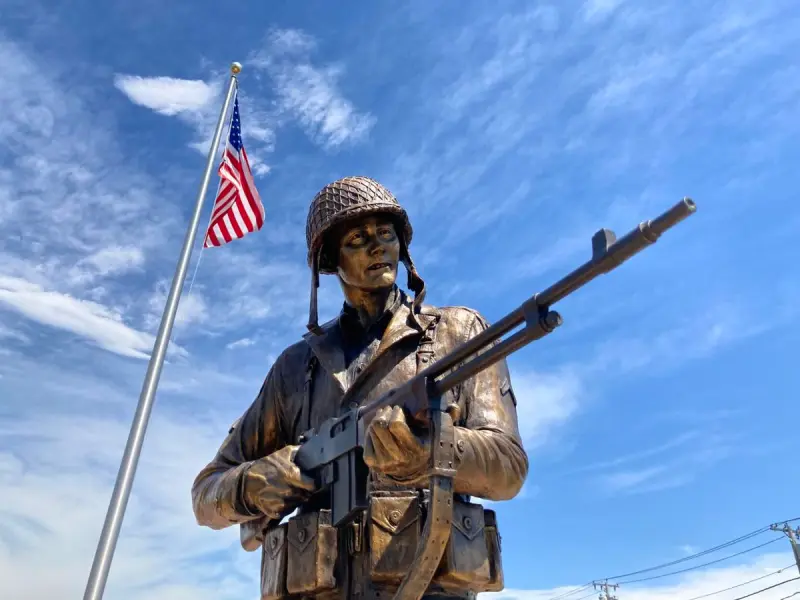
During the Normandy invasion, DeGlopper was pinned down with his platoon. Rather than hide, he stepped into the open and started firing to distract the enemy. He was hit multiple times but kept shooting so his men could escape. He died standing, still pulling the trigger.
Tetsuzo Iwamoto (Japan)
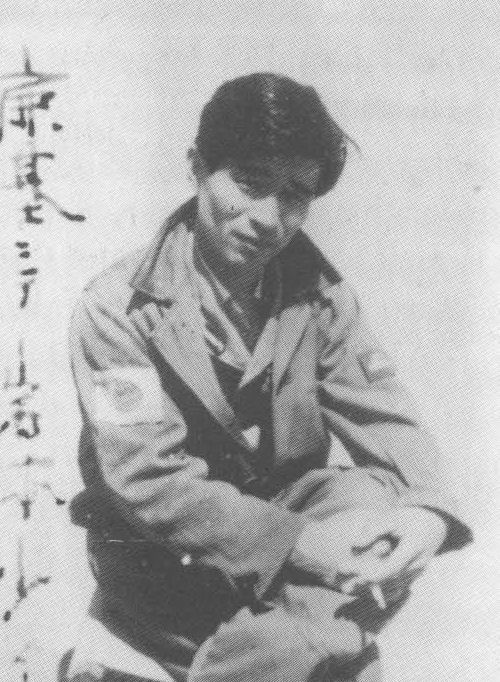
A fighter pilot during WWII, Iwamoto flew over 80 missions and scored more than 80 aerial victories. But what made him different was his sense of honor, he often risked himself to protect younger pilots and refused to chase easy kills. He kept a detailed diary that shows just how conflicted he felt about the war.
Witold Pilecki (Poland)
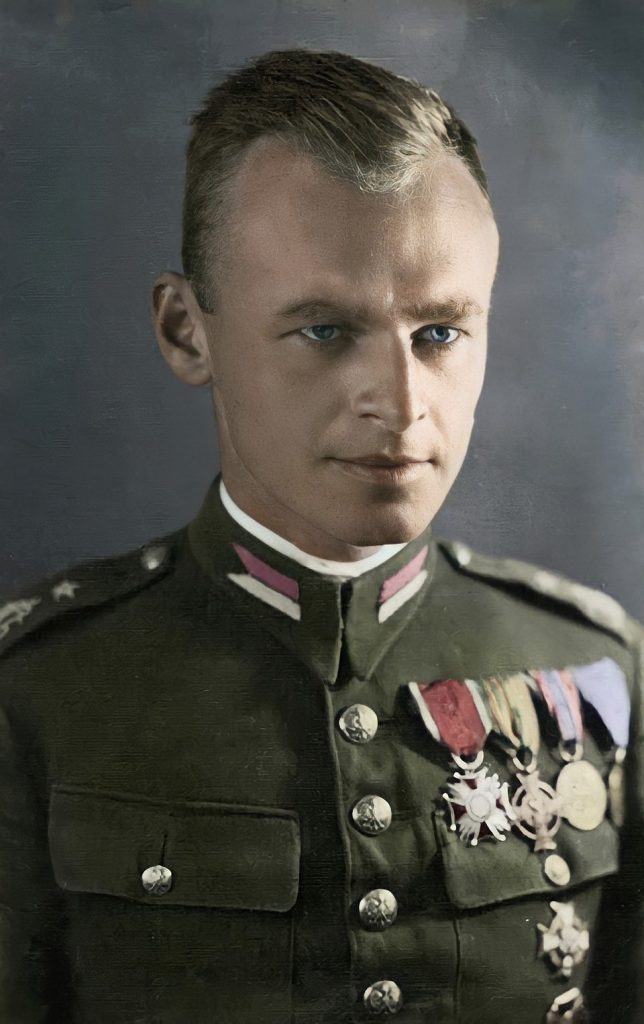
He volunteered to enter Auschwitz. Yes, volunteered. Witold’s goal was to report on the horrors inside and organize resistance. He spent nearly three years imprisoned, sneaking out notes on scraps of paper. His escape is the stuff of movies, but few outside Poland know his name.
Lyudmila Pavlichenko (Soviet Union)
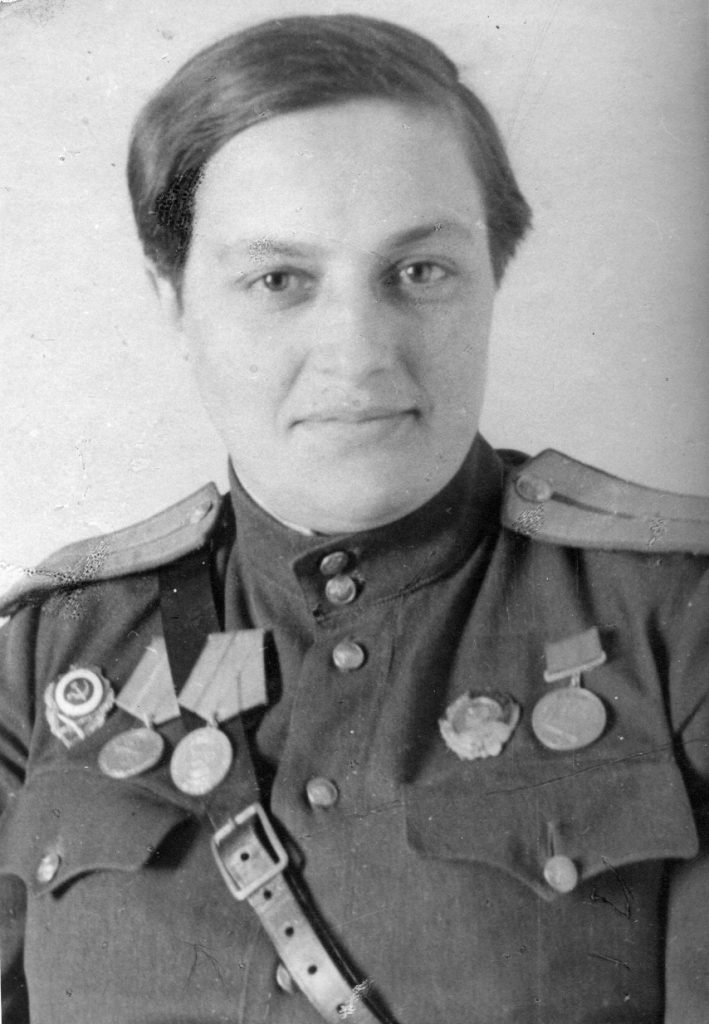
They told her war wasn’t a place for a woman. She responded with 309 confirmed sniper kills during WWII, becoming the most successful female sniper in history. When she visited the U.S., Eleanor Roosevelt invited her to the White House. Lyudmila wasn’t interested in small talk, she just wanted people to understand what the war really looked like.
Joseph Medicine Crow (United States)
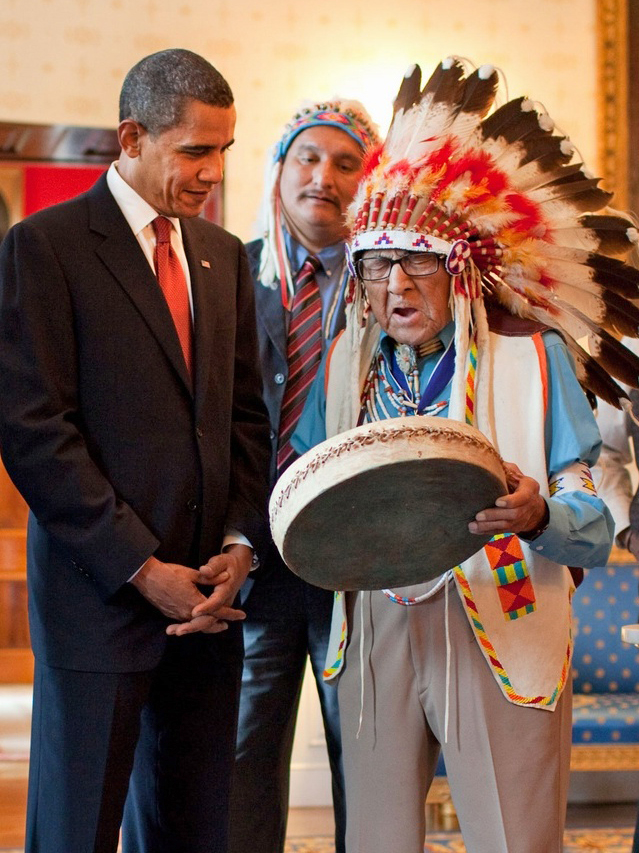
A Native American who became a WWII scout, and completed the traditional war deeds of a Crow warrior. He stole enemy horses, disarmed a German soldier, and led successful raids, all while wearing face paint under his uniform. After the war, he became a historian and speaker, bringing attention to Indigenous contributions to U.S. military history.
Desmond Doss (United States)
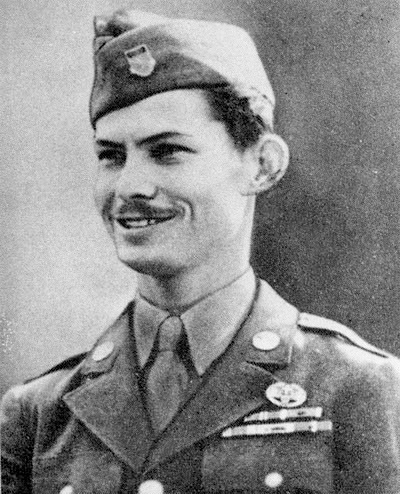
This medic refused to carry a weapon and still ran straight into hell. At the Battle of Okinawa, Doss saved 75 men single-handedly, lowering them down a cliff under heavy fire. He patched wounds with whatever he could find, sometimes crawling on his belly to avoid being seen. He was the first conscientious objector to receive the Medal of Honor.