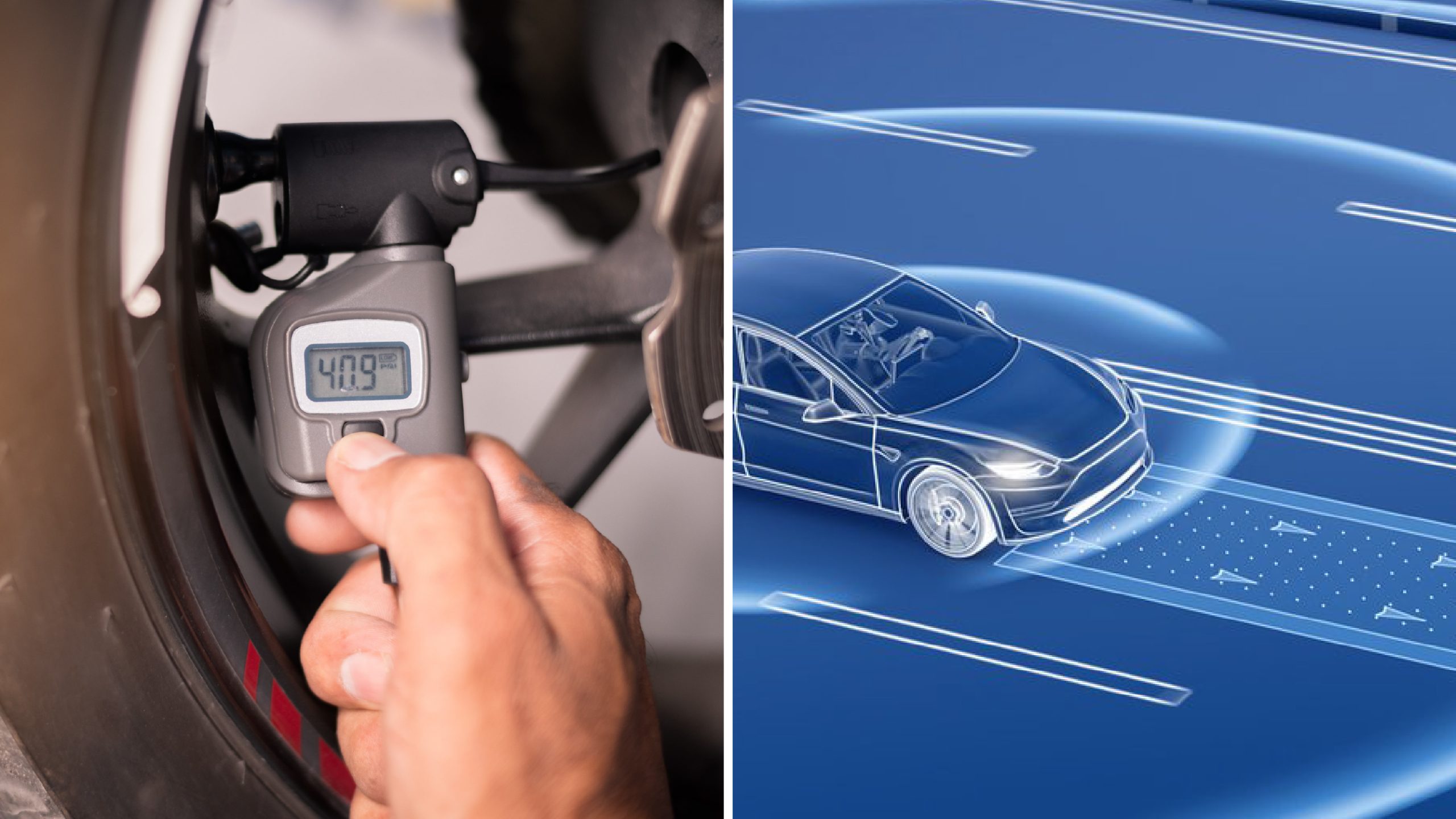
Vehicle safety has never stood still. Early cars offered little protection beyond a horn and hope, while modern vehicles quietly run layers of software and hardware that watch for trouble before drivers even see it. In this look at 30 milestones, we trace how engineering, regulation, and electronics reshaped what happens before, during, and after a crash. Taken together, these developments show how much safer the average car has become, even as speeds, traffic, and technology all increased.
Backup Camera Requirement (2018)
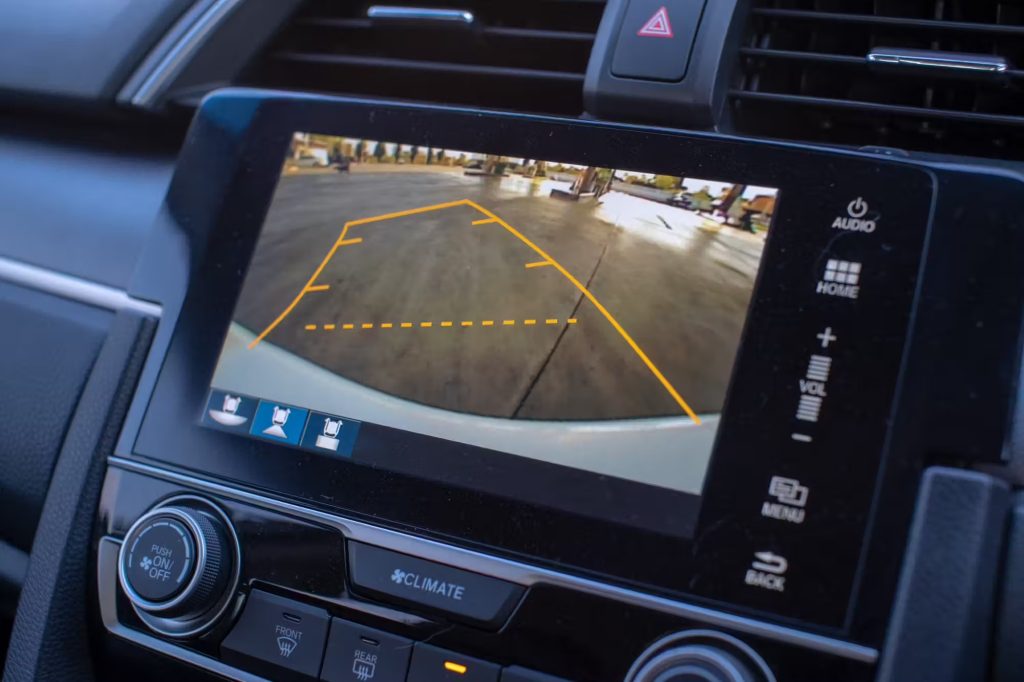
Rearview video systems went from a convenience option to a legal requirement when new light vehicles in the United States were required to include backup cameras starting in May 2018. The wider rear view helps drivers spot objects and people directly behind the car and approaching from the sides. It directly targets backover crashes that once relied only on mirrors and guesswork.
Double-Pivot Steering (1893)

Karl Benz’s 1893 patent for double-pivot steering gave early drivers better control than the rigid front axles borrowed from wagons. It is often cited as one of the first specific design choices aimed at safety rather than just motion. More predictable steering helped reduce the chance of losing control on the rough roads of the era.
Model T Mass Production (1908)
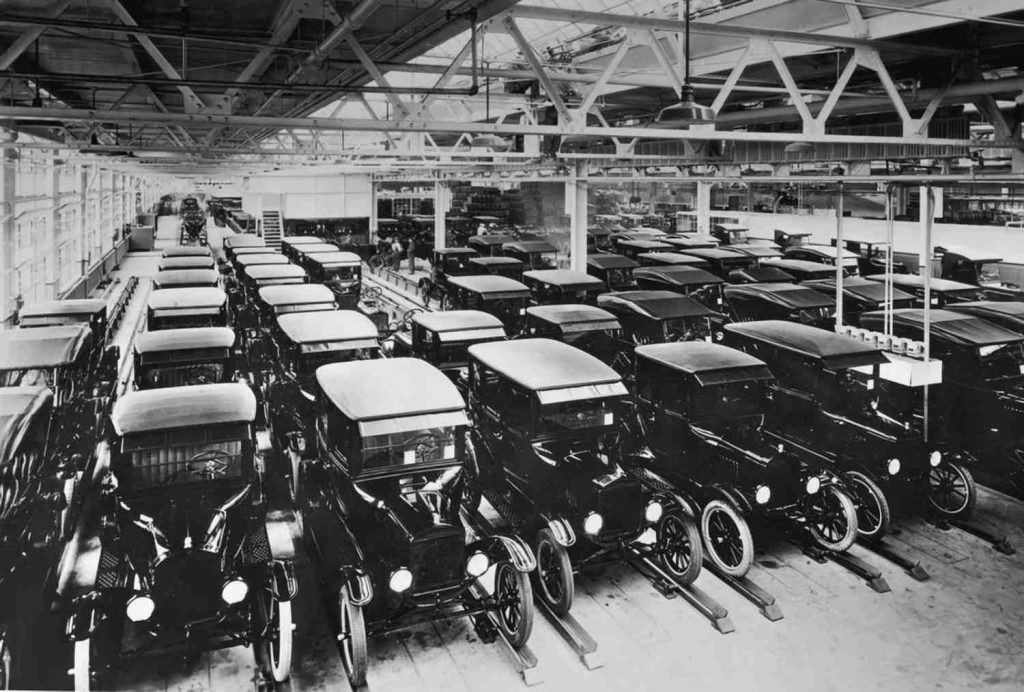
When Ford’s Model T entered mass production in 1908, it did more than lower prices. Standardized layouts and components made it easier to refine controls, visibility, and structural design in consistent ways over time. That consistency laid the groundwork for safety improvements to reach millions of drivers instead of a handful of custom buyers.
Electric Starter (1912)
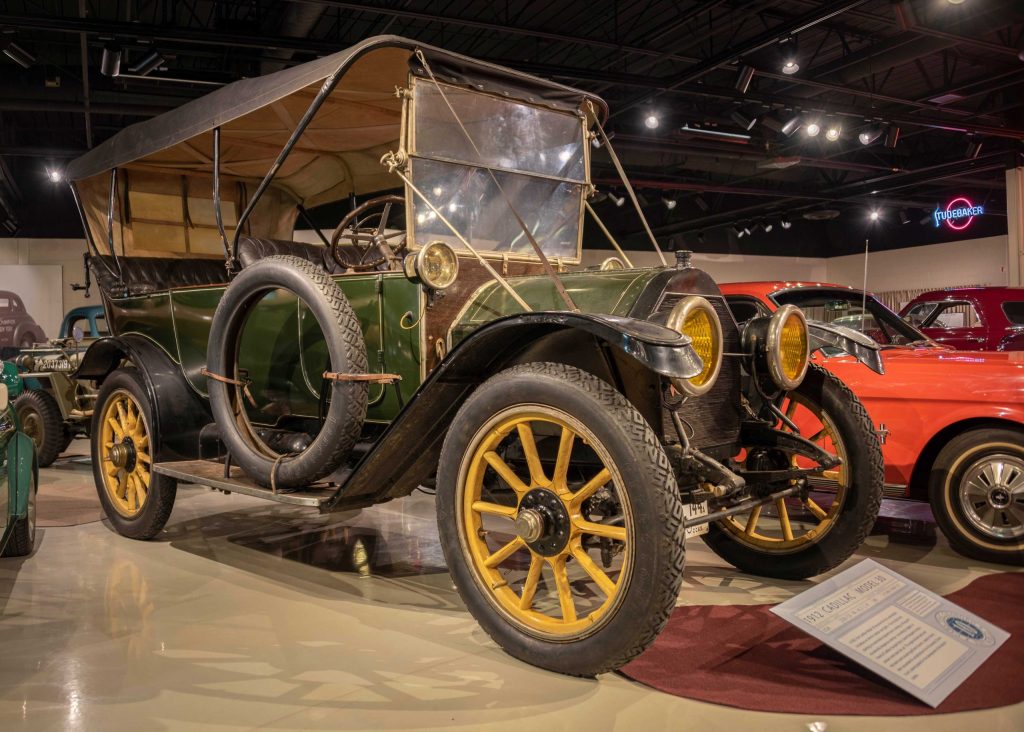
The 1912 introduction of the electric starter replaced hand cranks that could kick back and injure drivers. Suddenly, starting a car no longer required strength or risk near spinning metal. It is a reminder that some of the earliest safety gains came from making the most basic tasks less hazardous.
Turn Signal Indicator (1939)
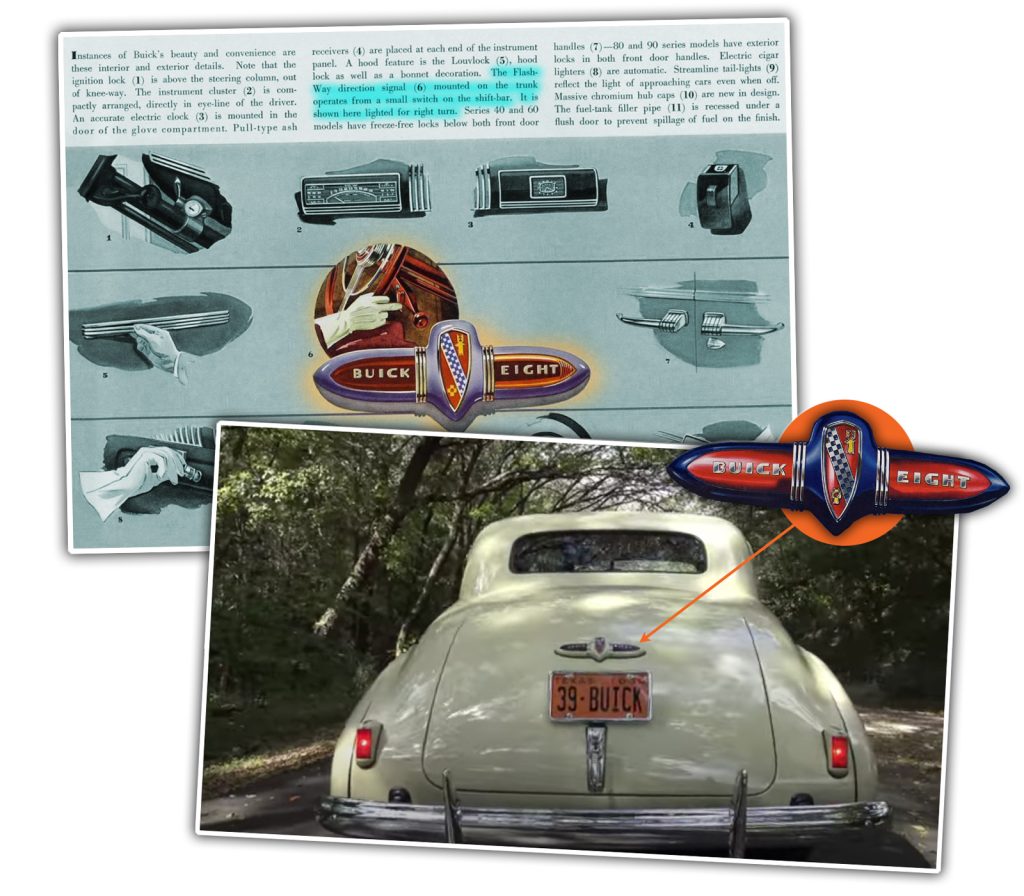
Buick’s factory-installed turn signals in 1939 gave drivers a standardized way to announce lane changes and turns. Before that, hand signals and ad hoc gestures created confusion, especially at night or in bad weather. Turn indicators quickly became an essential language of the road.
Front Windshield And Mirrors (1930s–1950s)
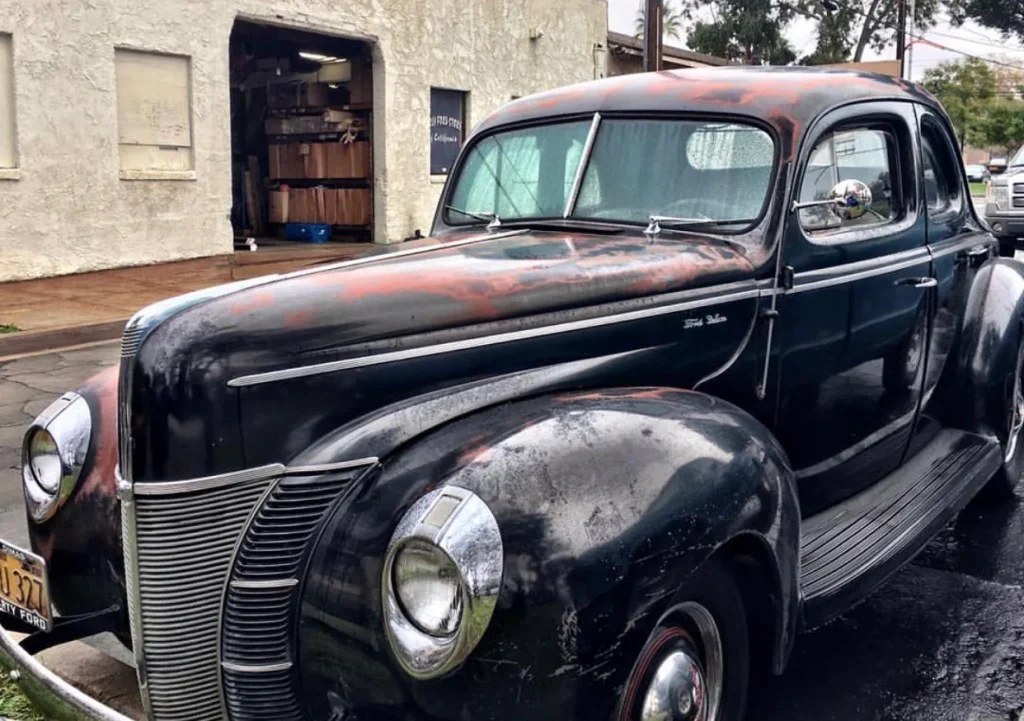
As cars sped up and roads grew busier, windshields, rearview mirrors, and later side mirrors became regular equipment. They turned open-air carriages into enclosed cabins with a basic 360-degree view. That visibility foundation still underpins newer technologies like cameras and radar.
Speedometer And Instrument Cluster (1930s–1950s)

The spread of speedometers and clearer instrument clusters turned speed and engine status into information rather than guesswork. Drivers could match their speed to conditions and spot trouble, such as overheating, before it led to a breakdown or crash. Even in today’s digital dashboards, the basic idea is unchanged.
Post-War Power Steering (Post-War Era)
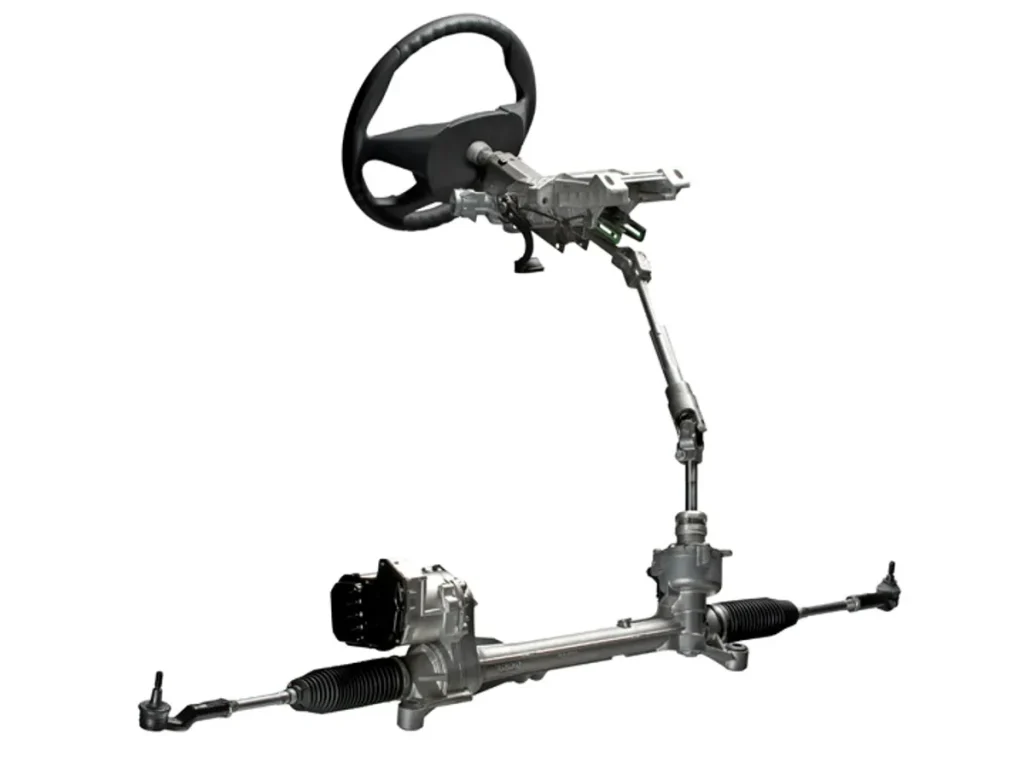
In the post–World War II boom, power steering joined automatic transmissions as a key improvement in control and comfort. Lighter steering effort helped reduce mistakes during parking, sharp turns, and emergency maneuvers. By making cars easier to handle for more people, it added a quiet safety benefit to everyday driving.
Seat Belt Adoption (1960s–1970s)
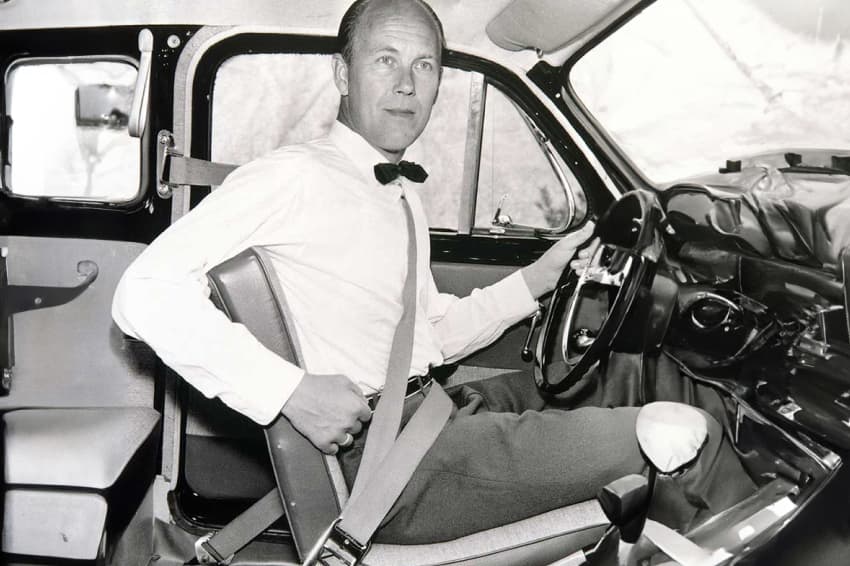
From the 1960s onward, seat belts moved from optional hardware to a central focus of safety campaigns and regulation. Laws and standards pushed automakers to install belts and later nudged drivers to actually wear them. Over time, belts became the single most important line of protection in a crash.
Crumple Zone Design (1960s–1970s)
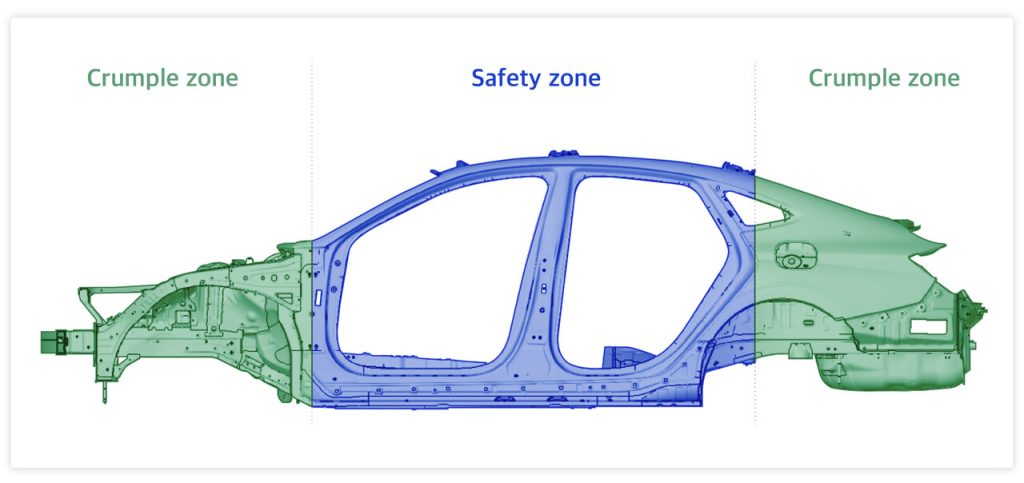
The same period saw engineers embrace crumple zones, shaping front and rear body structures to deform in a controlled way. Instead of transmitting crash forces straight into the cabin, these zones soaked up energy like a buffer. It shifted the body shell from being just styling to being an active safety device.
Federal Safety Regulations (1960s–1970s)

Growing concern about road deaths led governments and agencies to formalize safety standards and crash test programs. In the United States, NHTSA’s role in setting and enforcing regulations pushed manufacturers to prioritize crashworthiness and restraint systems. Safety stopped being invisible and became something that had to be measured and proven.
First Passenger Airbag (1973)
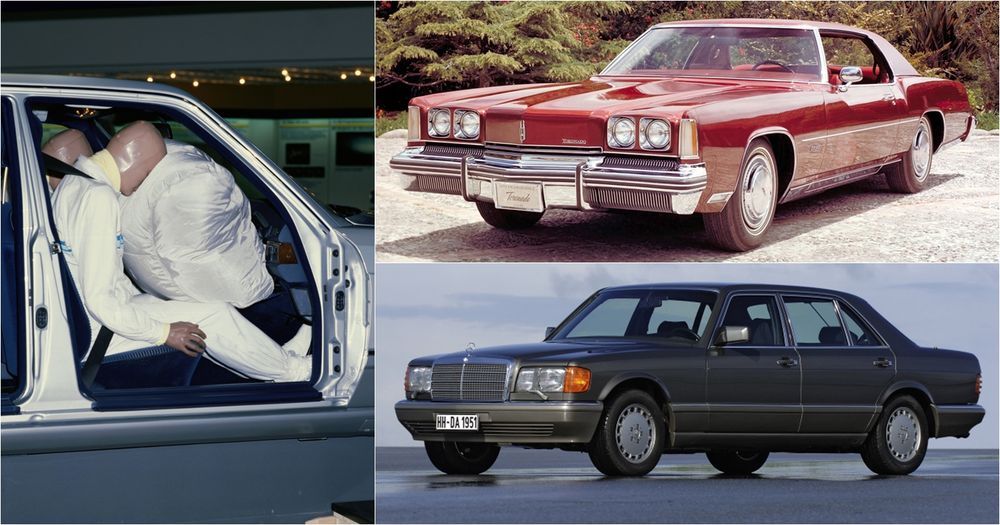
Oldsmobile’s 1973 Toronado offered one of the earliest passenger airbags as an option. The system was crude compared with modern designs, but it showed that inflatable restraints could work alongside seat belts. It was the starting point for a technology that would later become nearly universal.
Dual Frontal Airbags Requirement (1998)

Two decades after that first experiment, the United States required all passenger vehicles to have dual frontal airbags starting in 1998. The move turned what had been a premium selling point into baseline protection. Combined with belts, these airbags have sharply reduced the risk of fatal head and chest injuries in frontal crashes.
Frontal Airbags Widespread (1987)
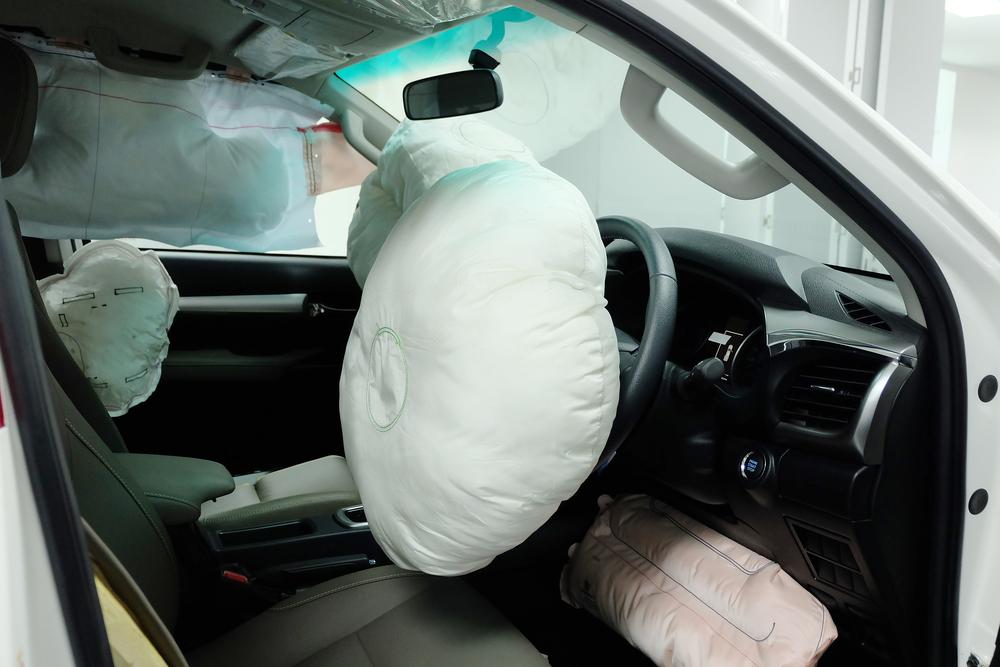
By 1987, frontal airbags had been widely adopted, and NHTSA credits them with saving tens of thousands of lives. Over time they were reengineered to deploy more safely, especially for smaller occupants. The result is a restraint that can protect more people in more crash scenarios than early versions.
Side And Curtain Airbags (Modern Era)
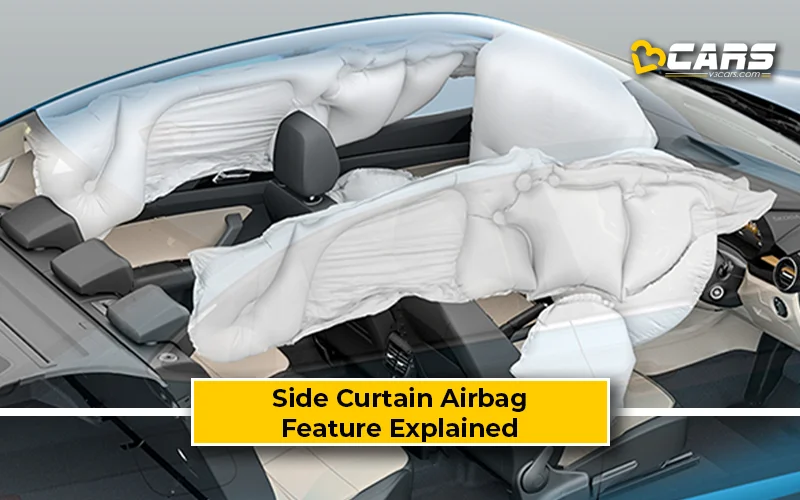
After frontal airbags proved their value, manufacturers began adding side and curtain airbags to guard against lateral impacts and rollovers. These cushions help protect heads and torsos when vehicles are struck from the side, where there is less space to absorb energy. Many models now include them as standard or popular options.
Anti-Lock Braking System (ABS) (1980s–1990s)
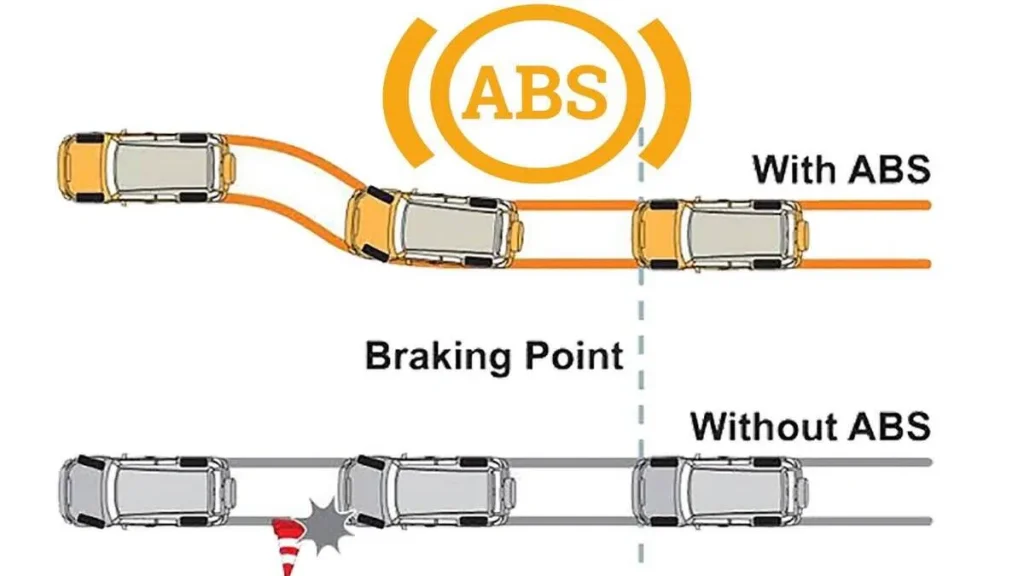
In the 1980s and 1990s, anti-lock braking systems spread from high-end models to mainstream cars. ABS helps prevent wheels from locking during hard braking, improving steering control on slippery roads. It turned many potential skids into controlled stops that drivers could steer through.
Electronic Stability Control (ESC) (2011 Requirement)
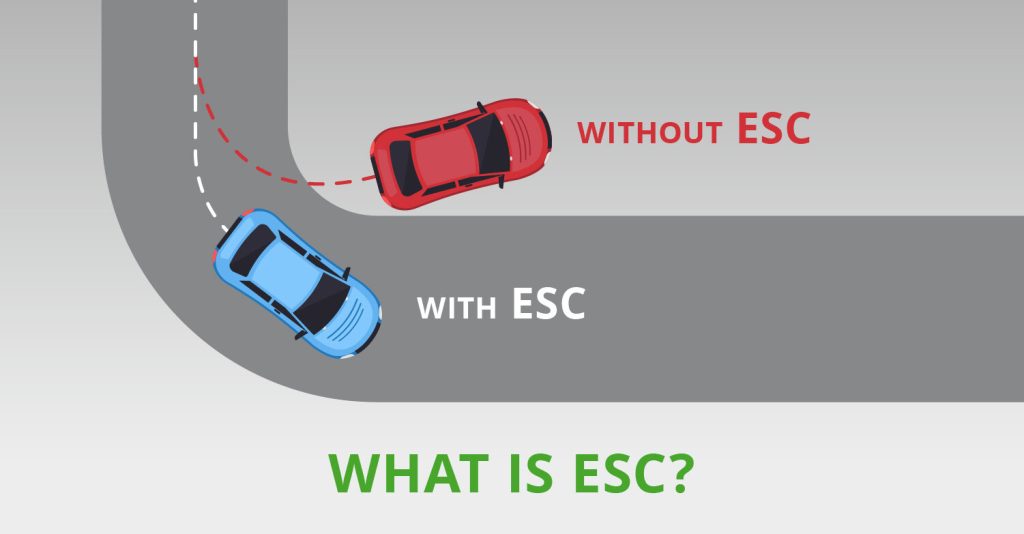
Electronic stability control built on ABS by using sensors and targeted braking to prevent spin-outs and plow-outs. NHTSA required ESC on all new passenger vehicles sold in the United States starting in 2011. The system quietly corrects many small errors before they become single-vehicle rollovers or loss-of-control crashes.
Tire Pressure Sensors (Modern Era)
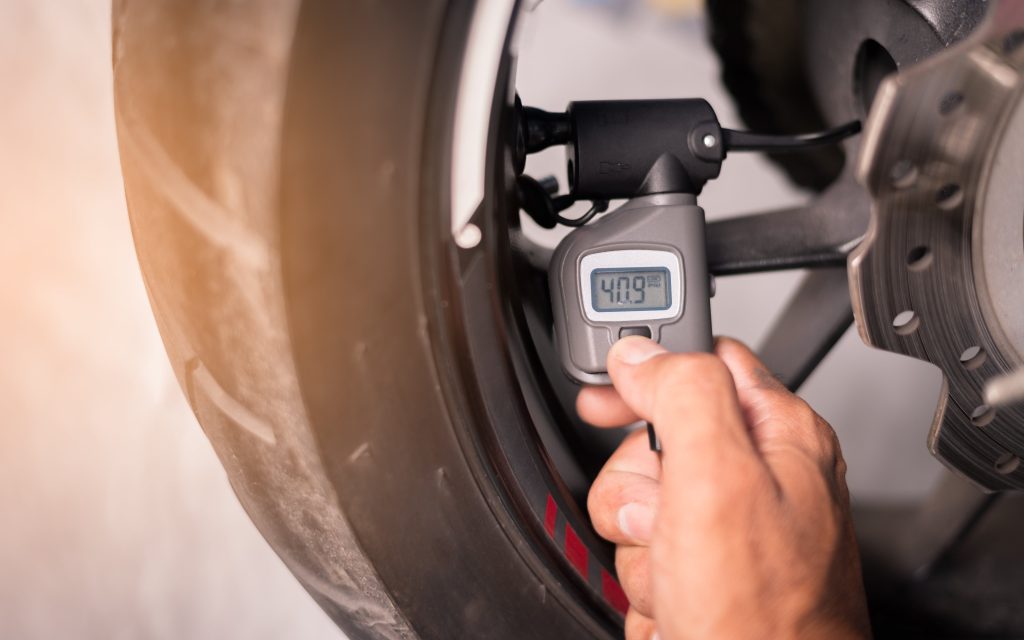
Modern cars often include tire pressure sensors that trigger warning lights when a tire is significantly underinflated. Underinflation can increase blowout risk and lengthen stopping distances, so a simple alert can prevent dangerous situations. It is a small electronic addition that supports one of the most basic safety needs, healthy tires.
Blind Spot Warning Systems (Modern Era)
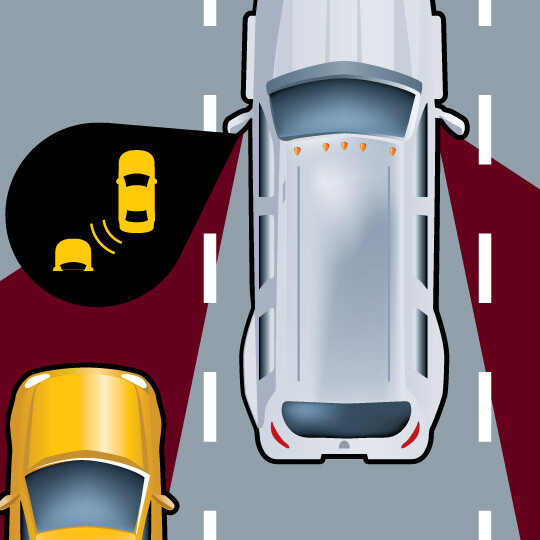
Blind spot warning systems use cameras or sensors to monitor lanes beside the car and alert drivers when another vehicle is hiding there. The goal is to prevent side-swipe crashes that happen during lane changes when mirrors are not enough. Many new models now offer this tech as standard or popular optional equipment.
Lane-Change Assist (Modern Era)
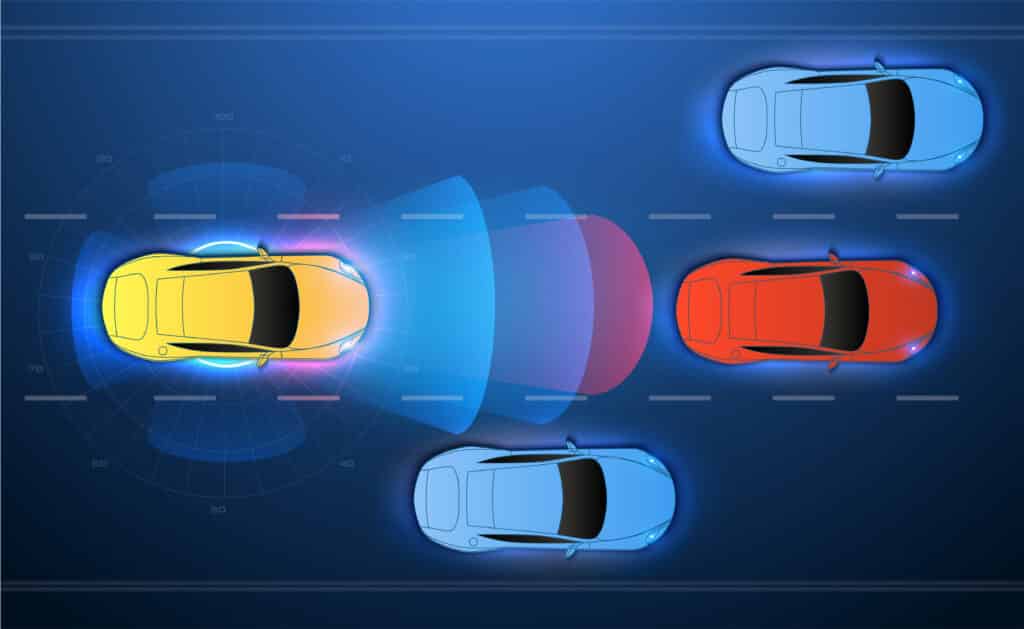
Lane-change assist builds on blind spot monitoring by giving stronger visual, audio, or steering cues when a proposed lane change looks unsafe. By combining sensor data with driver inputs, it can nudge people away from risky moves. On crowded highways, it functions like a second set of eyes and a gentle co-pilot.
Forward Collision Warning (21st Century)
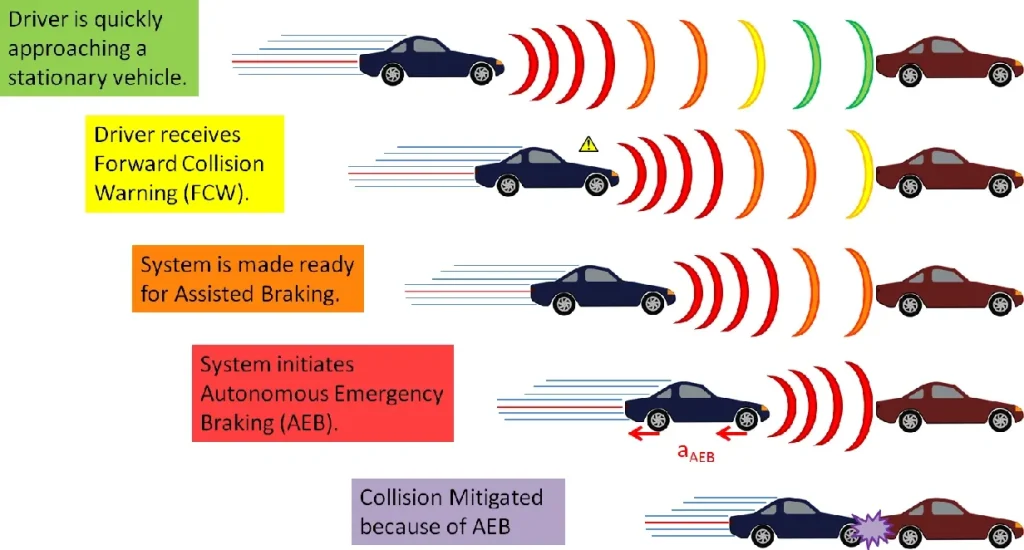
Forward collision warning systems scan the road ahead with radar or cameras and sound alerts if a crash seems likely. NHTSA highlights FCW as one of several Level 1 and Level 2 driver assistance technologies emerging in recent years. Those extra seconds of warning can be the difference between a near-miss and a serious impact.
Automatic Emergency Braking (AEB) (21st Century)
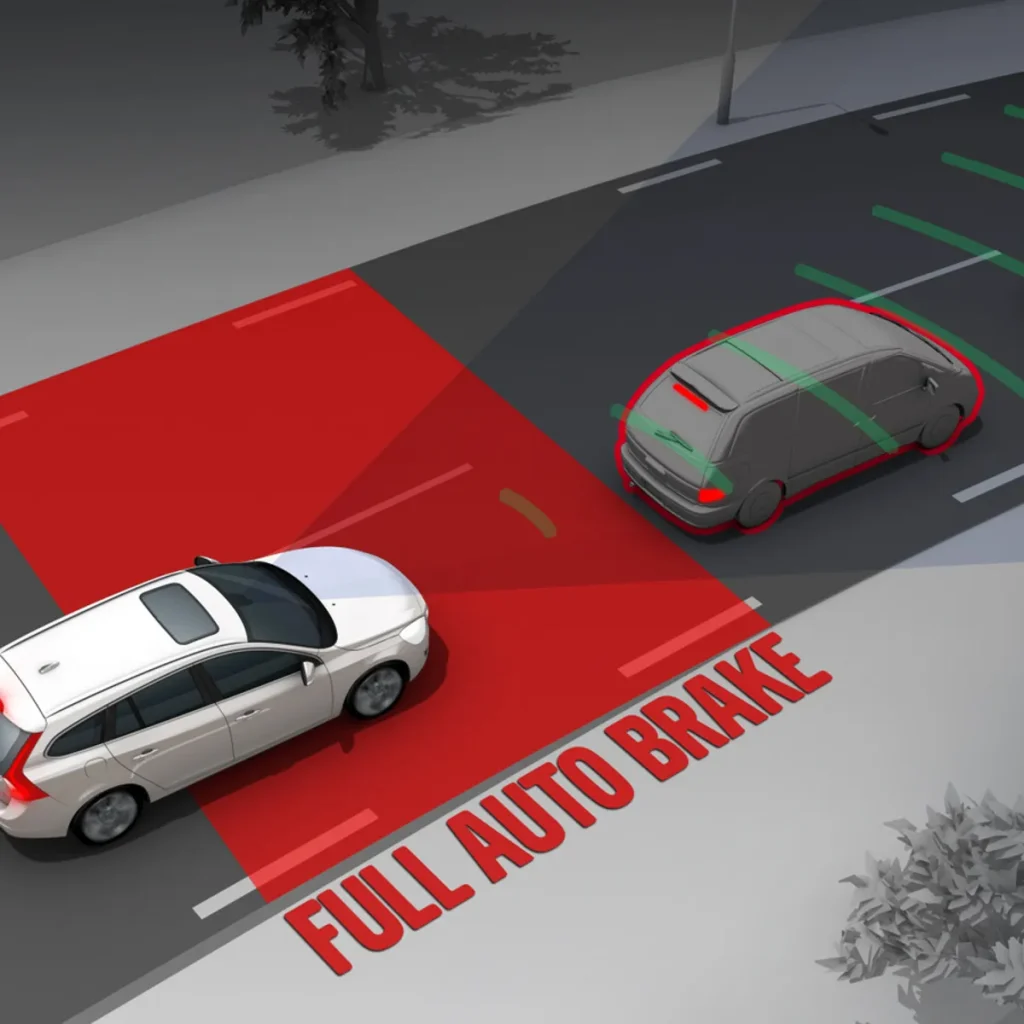
Automatic emergency braking takes collision warnings a step further by applying the brakes when drivers do not react quickly enough. It can prevent some crashes entirely and soften the impact of others. As part of the ADAS family, AEB is increasingly being treated as a must-have rather than a luxury.
Lane Departure Warning (21st Century)
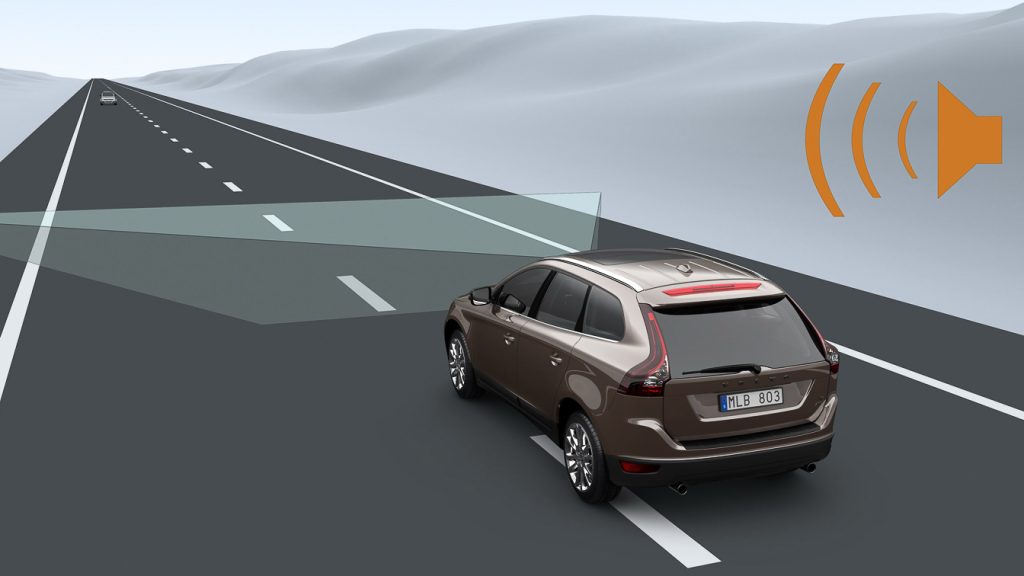
Lane departure warning systems track road markings and alert drivers if the vehicle drifts out of its lane without signaling. They are designed to catch the subtle weaving that comes with fatigue, distraction, or inattention. On long trips, the feature acts as a safeguard against the slow creep toward the shoulder or center line.
Adaptive Cruise Control (ACC) (21st Century)
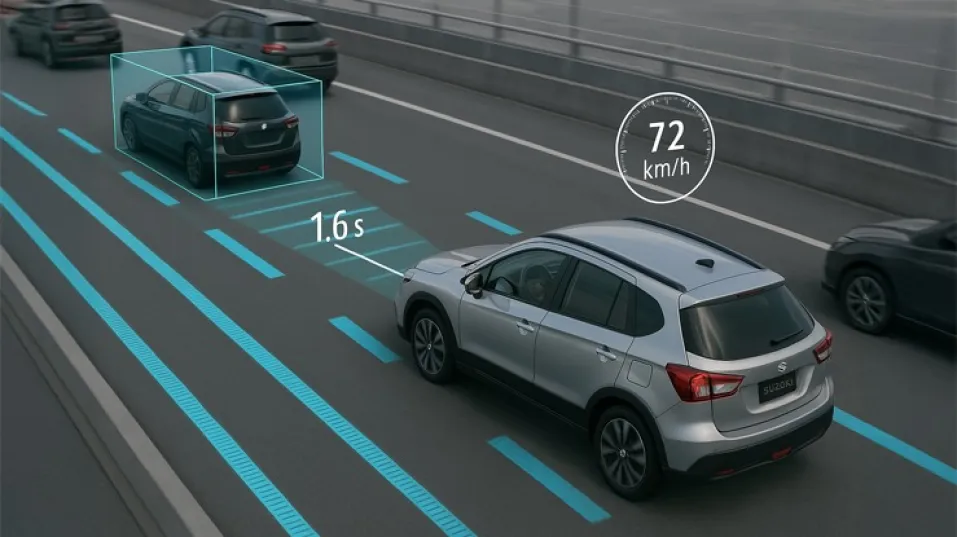
Adaptive cruise control uses sensors to maintain a set following distance, automatically slowing or speeding up with traffic. It reduces the need for constant pedal work on busy highways and discourages tailgating. As a bridge between traditional cruise control and more advanced automation, it has become a flagship comfort and safety feature.
Advanced Driver Assistance Systems (ADAS) (21st Century)
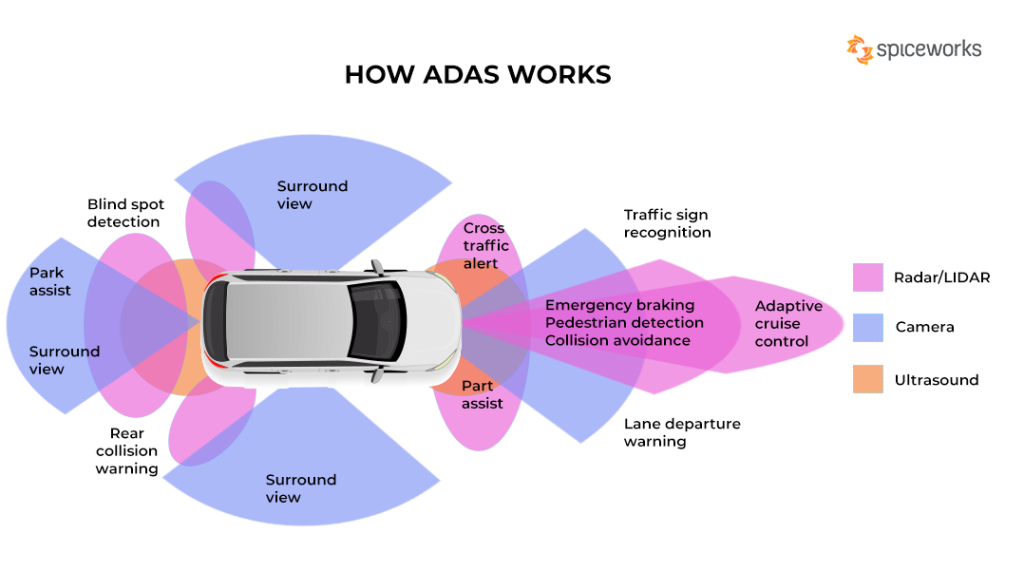
ADAS brings together features like AEB, lane-keeping assist, and ACC into coordinated suites. These systems are becoming standard in many new vehicles and significantly reduce crash risk. They represent a shift from passive protection after a crash to active help in avoiding one altogether.
Infotainment Screens And Distraction (21st Century)
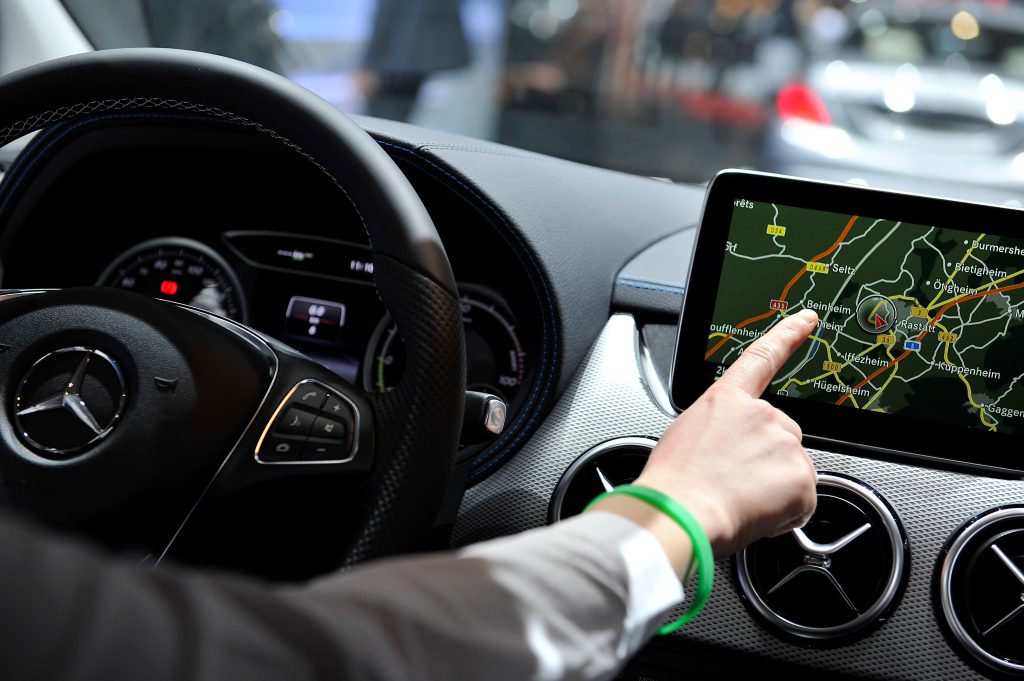
Large infotainment screens, voice controls, and connectivity have made cabins feel like rolling smartphones. These systems can distract drivers, particularly older ones, even when marketed as hands-free. It is a reminder that not every technological advance is automatically a safety improvement.
Distracted Driving Laws (21st Century)
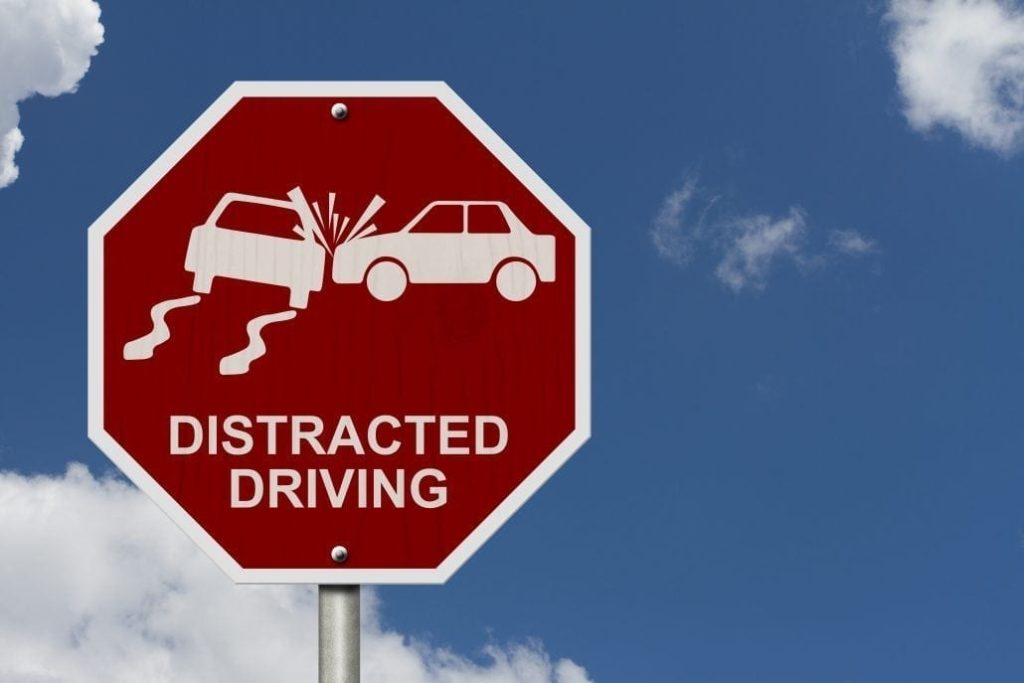
As in-car tech ballooned, states responded with laws and campaigns targeting texting, handheld phone use, and other distractions. These legal frameworks keep evolving to match device-heavy driving habits. Policy has had to chase technology to keep risk in check.
NCAP 5-Star Safety Ratings (1993 Expansion)
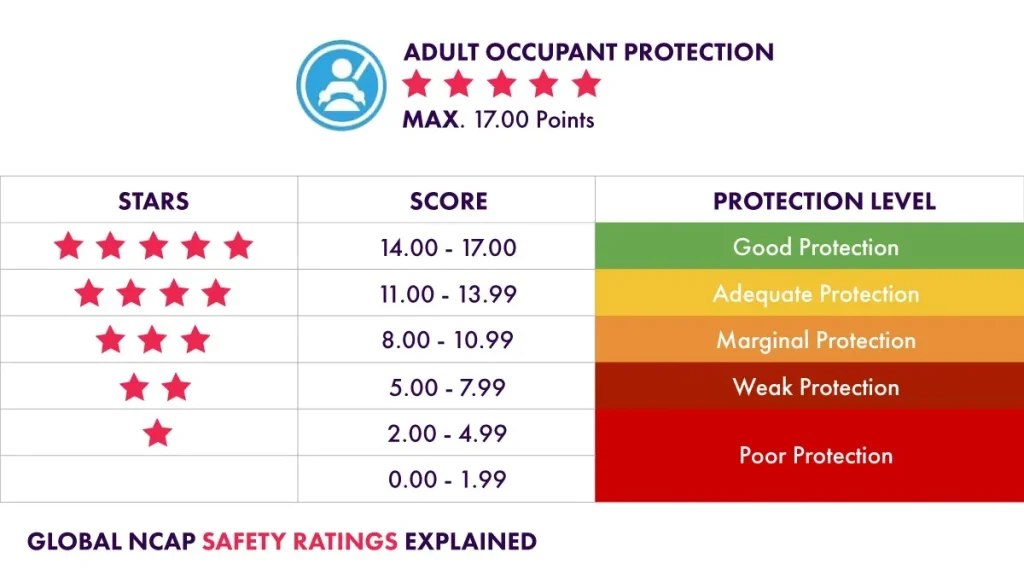
NHTSA’s New Car Assessment Program expanded in 1993 to include the now-familiar 5-Star Safety Ratings. By publicly scoring crash protection and rollover risk, NCAP nudged automakers to compete on safety as visibly as they do on styling or horsepower. For shoppers, the stars turned complex test data into an easy comparison tool.
Lives Saved By Modern Vehicle Design (1960–2012)
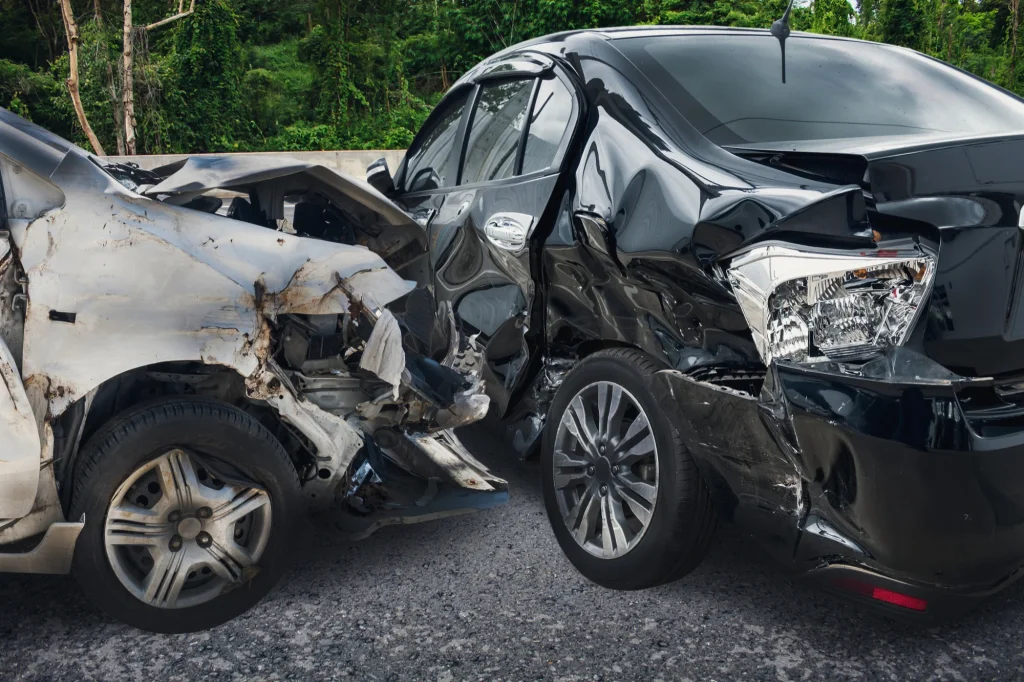
According to NHTSA, improved vehicle safety technologies raised the annual number of lives saved from 115 in 1960 to 27,621 in 2012, with more than 600,000 lives saved cumulatively over that period. Those figures capture the combined effect of belts, airbags, stronger structures, and electronics rather than any single device. It is a statistical snapshot of how decades of engineering show up in real-world outcomes.
Autonomous And Self-Driving Vehicles (Future)
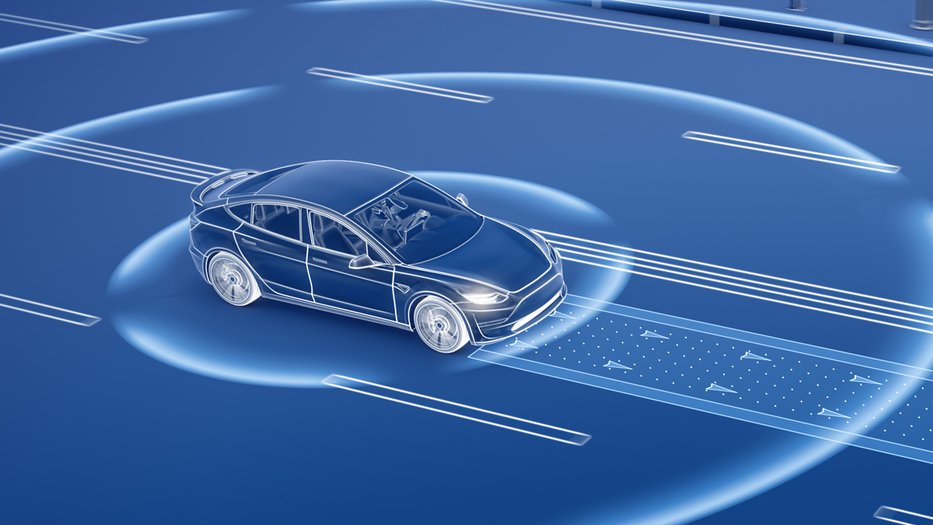
The next frontier is autonomous or self-driving vehicles, which aim to remove more of the driving task from human hands. Automakers and tech companies are racing to develop fully autonomous cars, while regulators are already framing the conversation in terms of automated driving systems and future safety gains. The big question is how far this technology can go in reducing crashes rooted in human error.