China is a land of remarkable contrasts, where ancient traditions meet surreal modern oddities. For example, did you know that in China, brides can hire professional bridesmaids for their weddings? These 30 bizarre and fascinating phenomena reveal how deeply culture, history, and rapid development shape everyday life in unexpected ways.
1. Ghost Cities
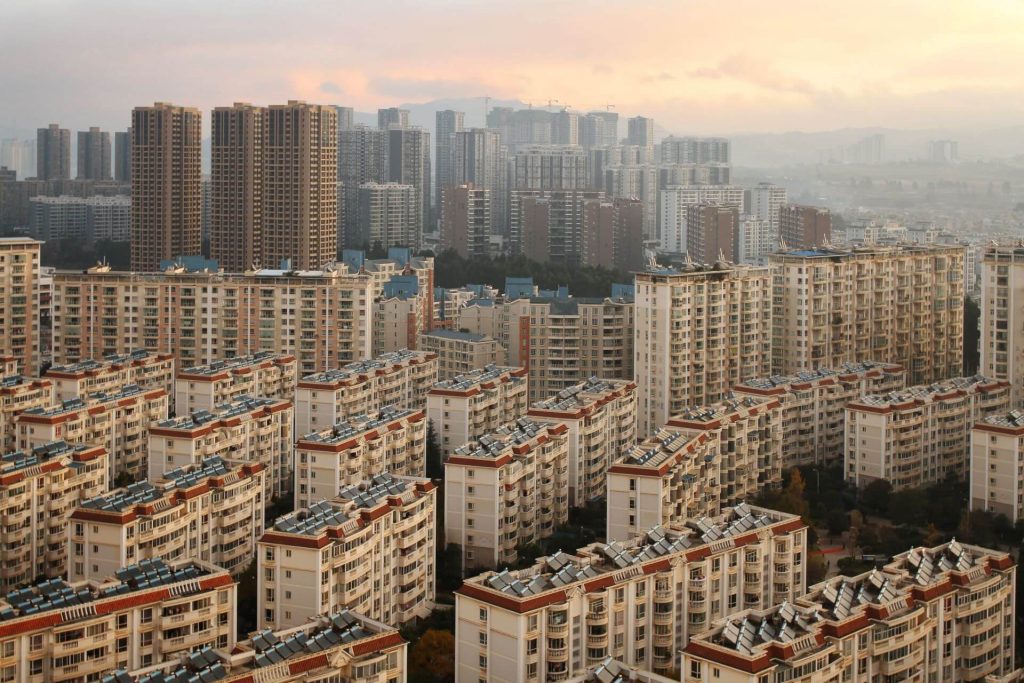
Brand‑new urban developments across China remain eerily empty, with millions of vacant homes. They resemble futuristic wastelands rather than thriving communities.
2. Watermelon Museum
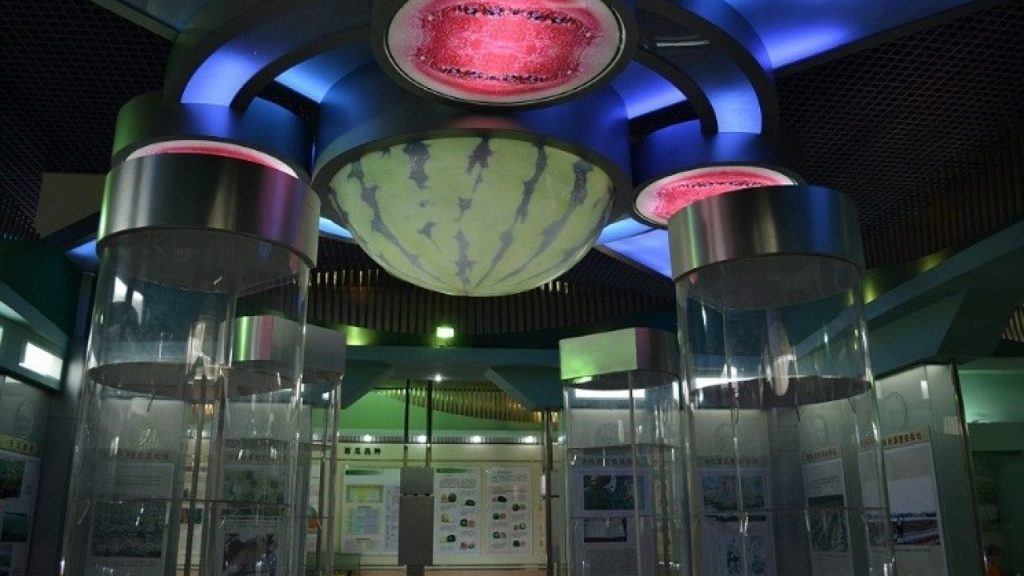
In Beijing, you can visit a museum dedicated solely to watermelons. It’s a quirky attraction that baffles and amuses visitors alike.
3. Police Geese
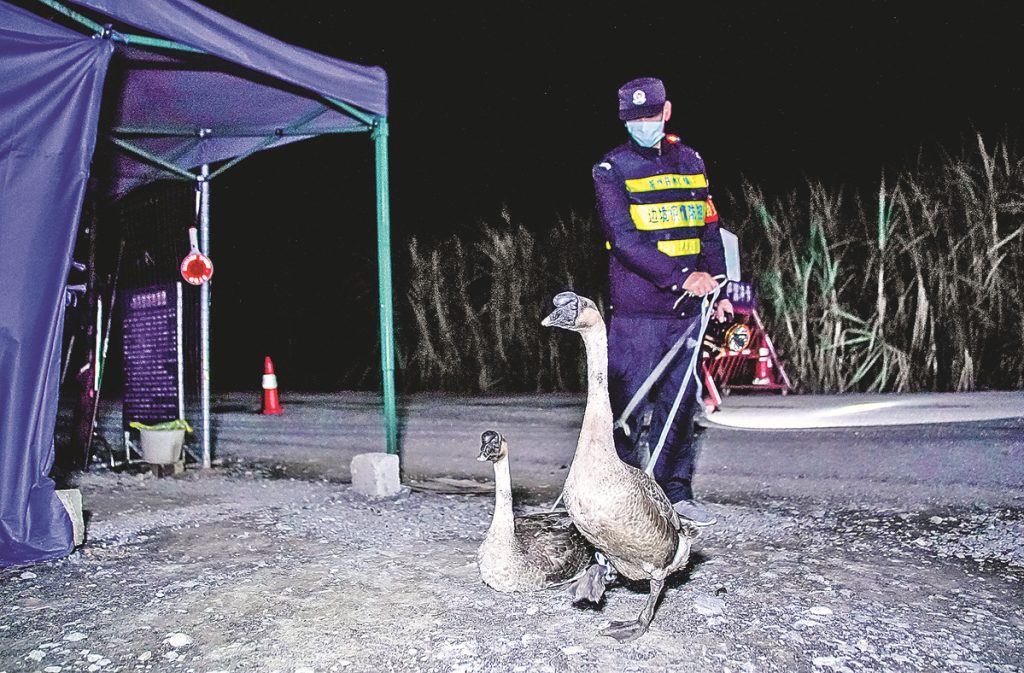
In some regions, geese are employed as security animals instead of dogs. Their loud honks and aggression make them surprisingly effective guards.
4. Overcrowded Water Parks

On any summer day, Chinese water parks overflow with crowds so dense movement is almost impossible. It’s like a wild, wet urban festival on steroids.
5. Sky‑high Skywalks
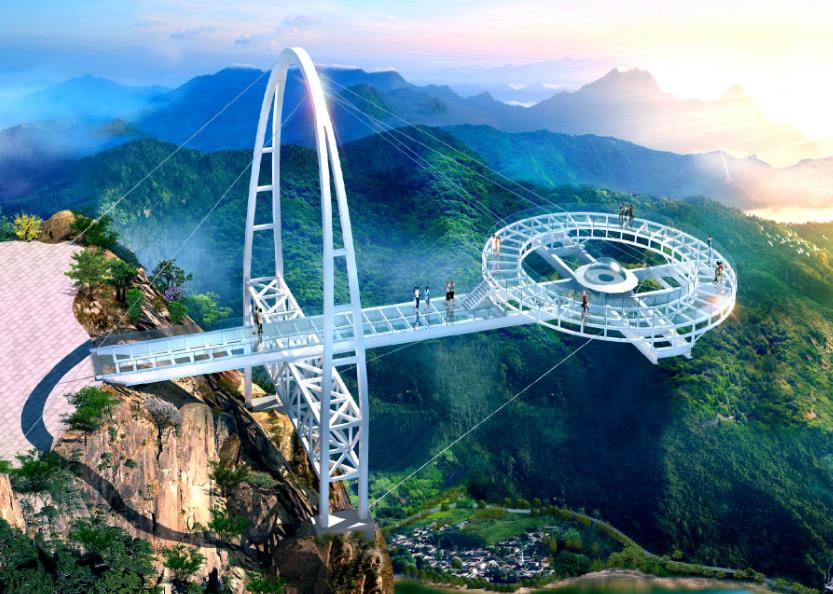
Some tourist attractions include terrifying glass‑bottom skywalks built on cliffs thousands of feet above the ground. They combine breathtaking beauty with vertigo‑inducing fear.
6. Tourism Law Created To Tell Chinese Tourists To “Behave”
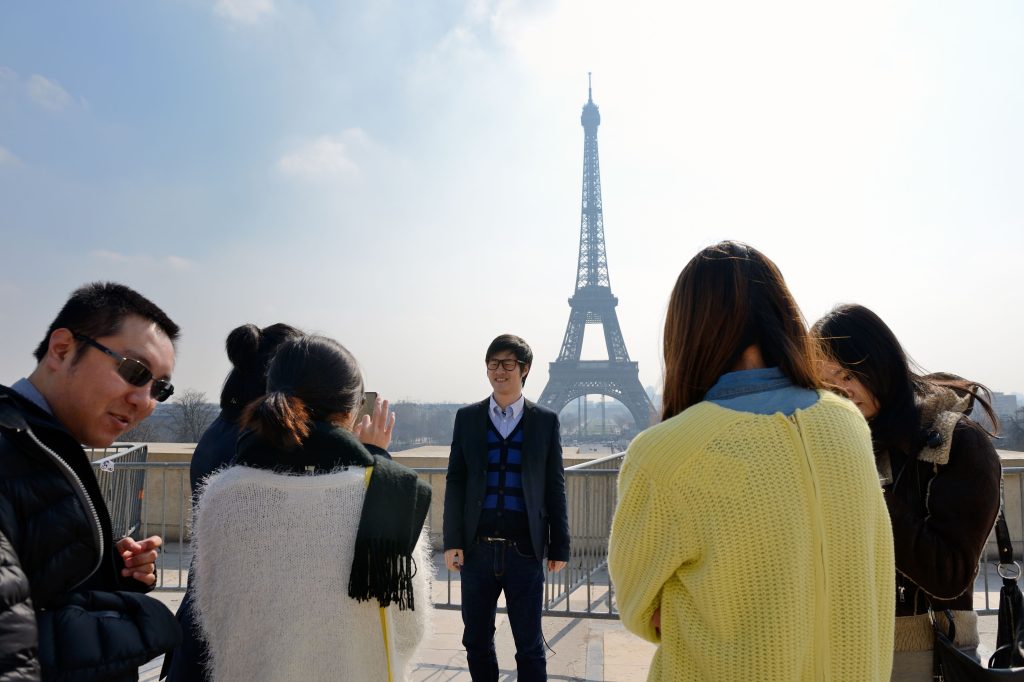
A tourism law was indeed created in China, but instead of simply telling tourists to “behave,” it includes specific guidelines for respectful and civilized behavior both within China and abroad.
7. Dragon‑shaped Escalators
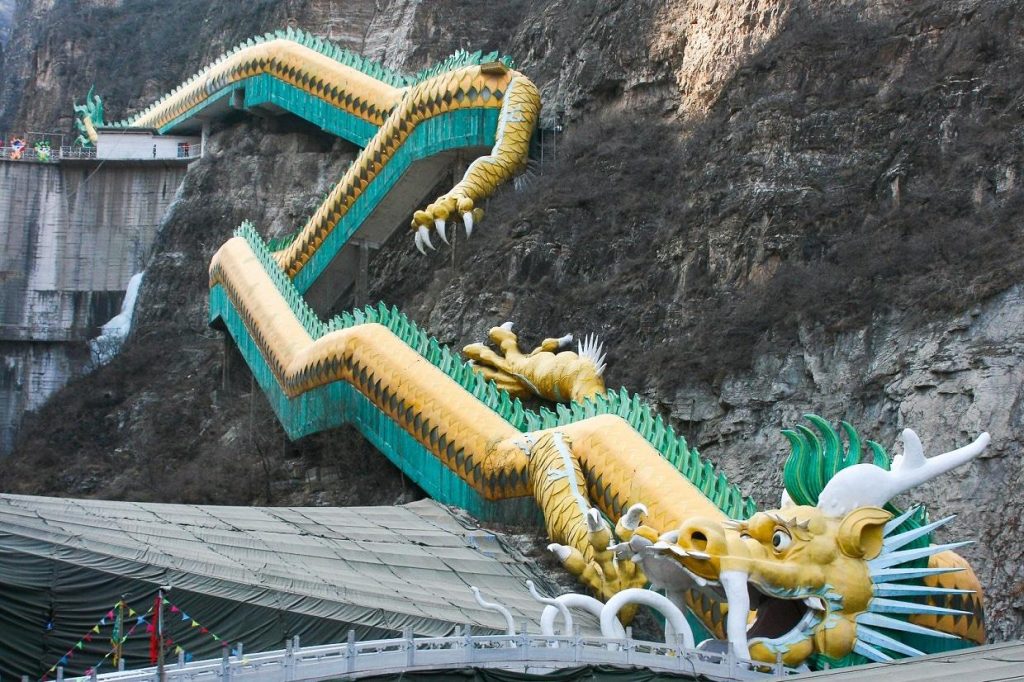
A public escalator outside Beijing looks like a massive dragon winding skyward toward a dam. Locals call it the Dragon Escalator for its whimsical design.
8. Giant Mall Ferris Wheel

Shanghai’s Joy City Mall houses an indoor Ferris wheel, towering over its shopping atrium. Shopping centers in China often blend retail with absurd architectural experiences.
9. Phallic Danxia Mountains
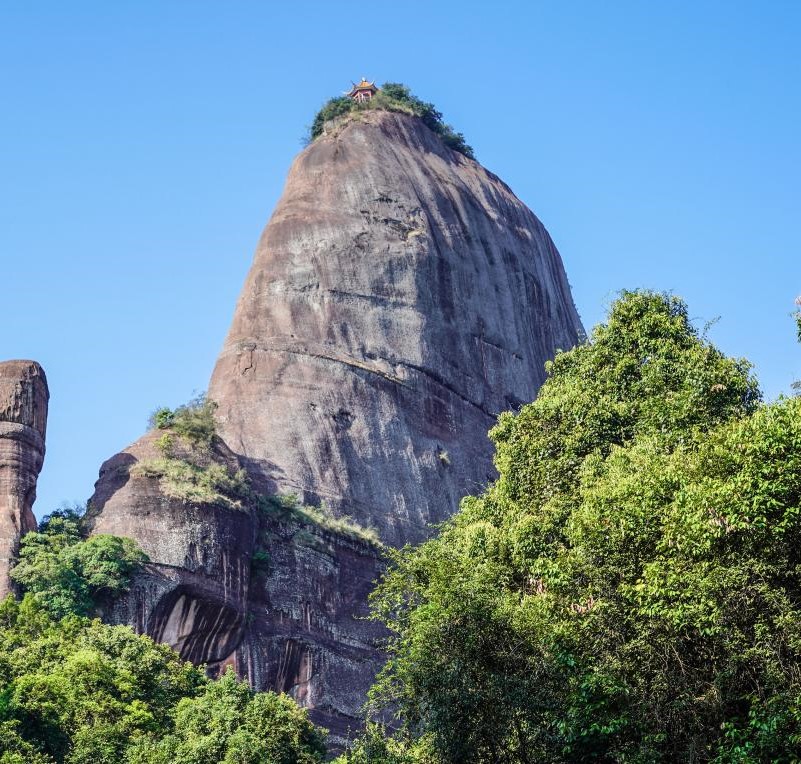
Rock formations in Guangdong resemble human anatomy and even a sleeping maiden. The region is both bizarre and geologically amazing.
10. Entire Apple Stores Get Counterfeited

As Chinese cities develop across the country fake stores have become increasingly prevalent. Arguably the most famous fake store was the fake Apple store in Kunming, southern China.
11. Public Pajamas
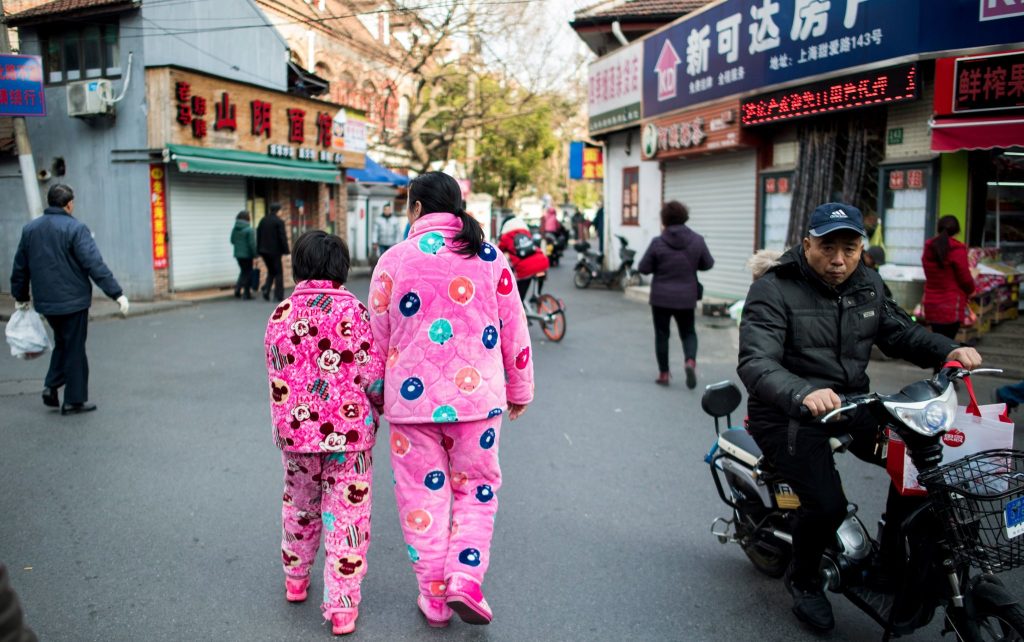
It’s common for people to run errands or rest outdoors wearing pajamas in China. Sleepwear in public is normal in many neighborhoods.
12. Outdoor Exercise Art
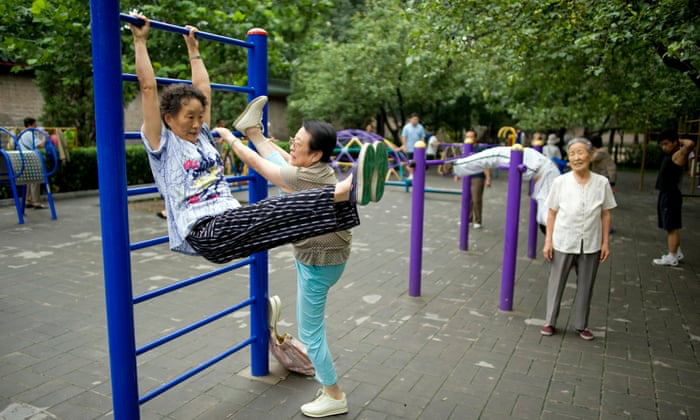
City parks are dotted with brightly colored, whimsical exercise machines that look more like playground art than fitness gear. Seniors often use them for morning routines.
13. Spitting in Public
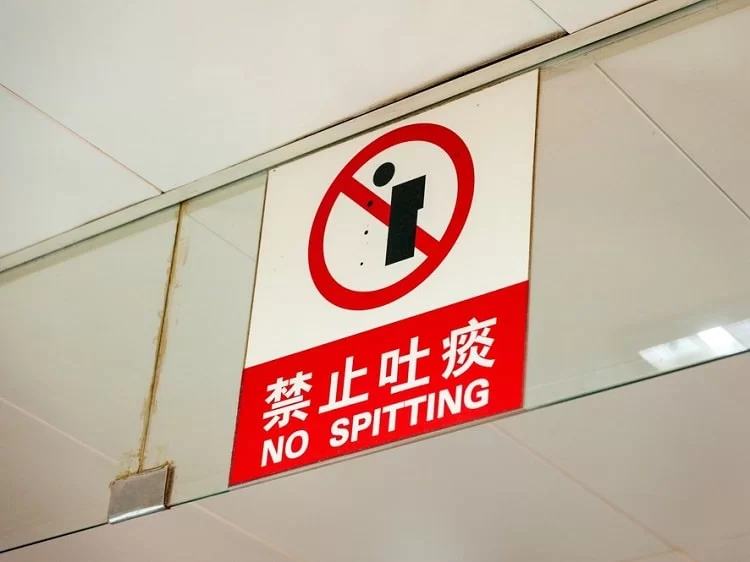
Spitting openly in streets, parks, or public vehicles is still observed in parts of China, despite hygiene campaigns. It can be shocking for visitors.
14. Recycling Carts
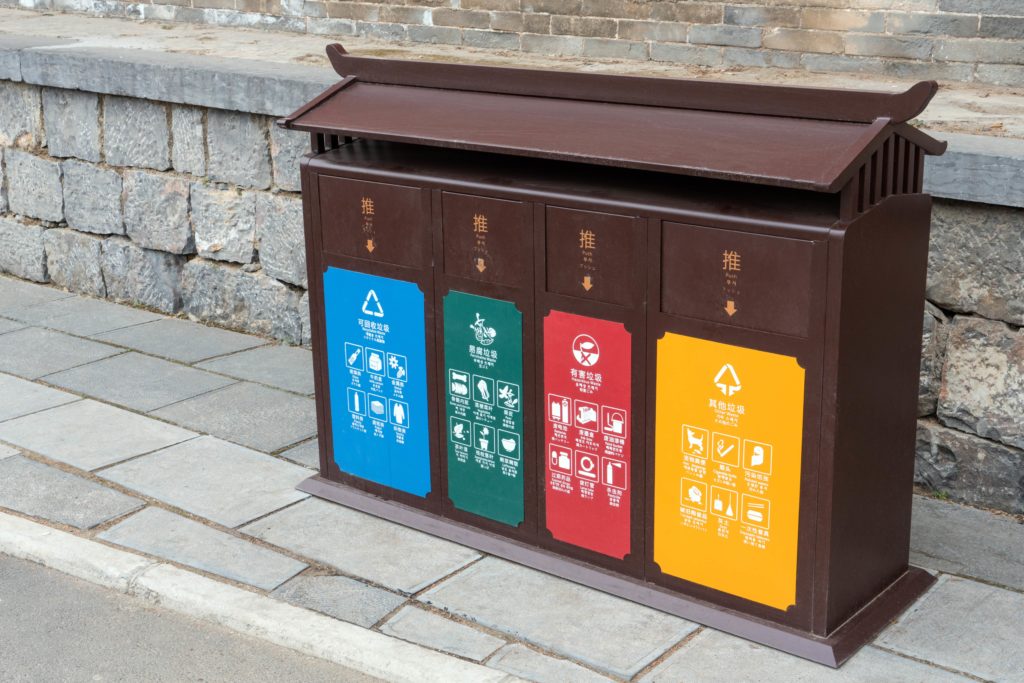
Rickety three-wheeled carts piled high with recyclables weave through traffic daily. It’s a makeshift industry in motion, gathering scraps from every corner.
15. Teabucks Cafés

Chinese Teabucks shops mimic Starbucks but sell tea and snacks instead of coffee. They blend international branding with local tastes.
16. Vending Machine Crabs
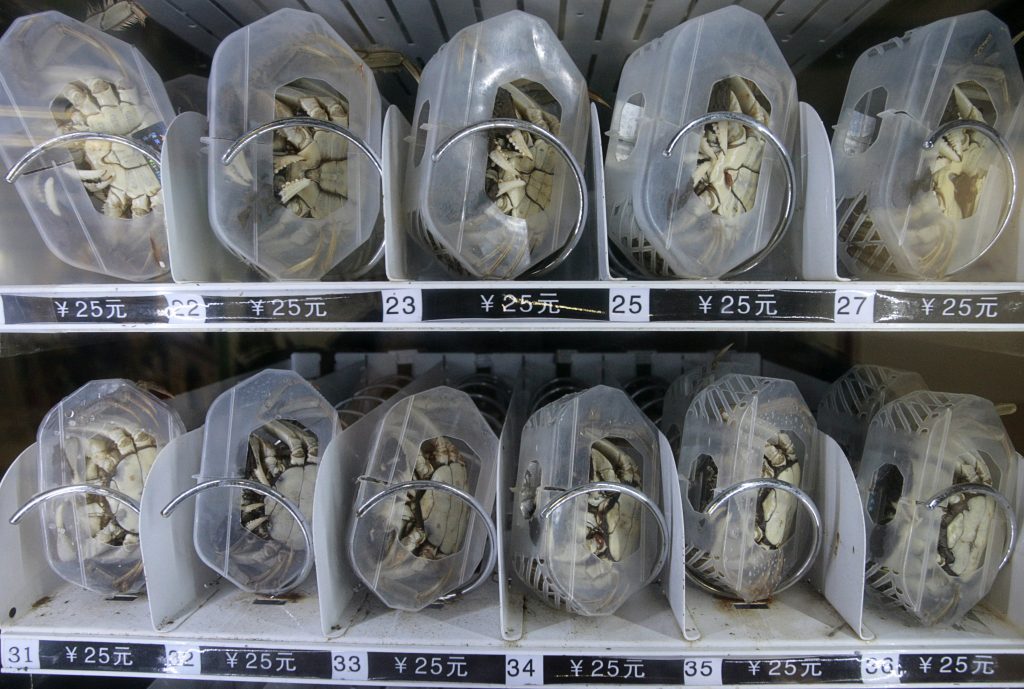
Some cities have vending machines dispensing live crabs chilled at 5 °C. Buyers must kill them immediately, a cruel twist on fast food.
17. Nets on Buildings

Safety nets around high-rise balconies prevent tragedies in stressful urban areas. They’re a physical reminder of the pressures many workers face at their workplaces.
18. Ghost Marriages
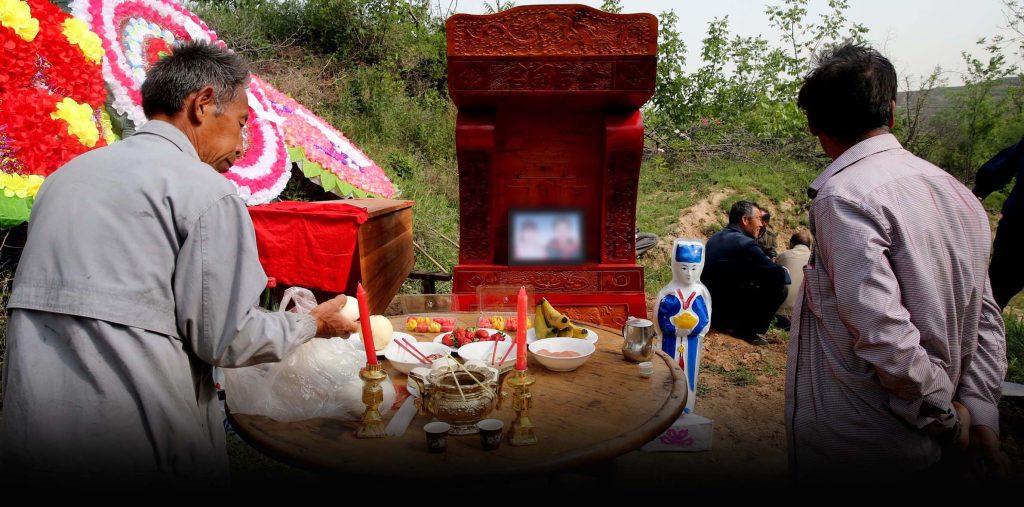
In rare cases, families arrange marriages between living people and deceased relatives. Rituals involve ghostly unions meant to honor tradition or heal familial loss.
19. Cockroach Farms
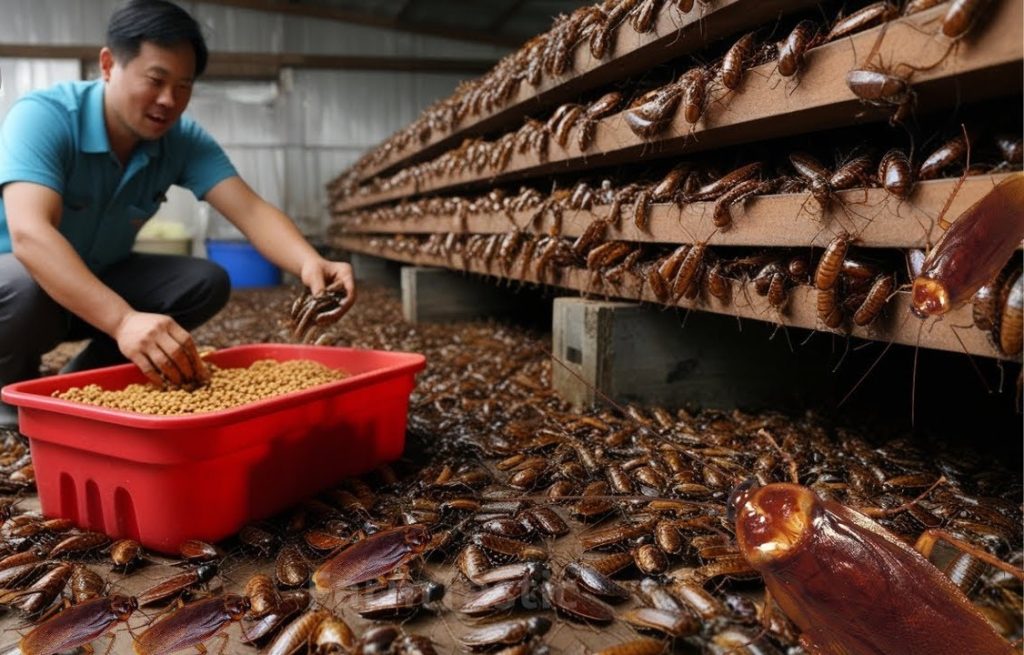
Cockroaches are farmed on a large scale for medicine; they’re believed to have medicinal properties. Entire insect ranches supply traditional remedies.
20. Nail Houses
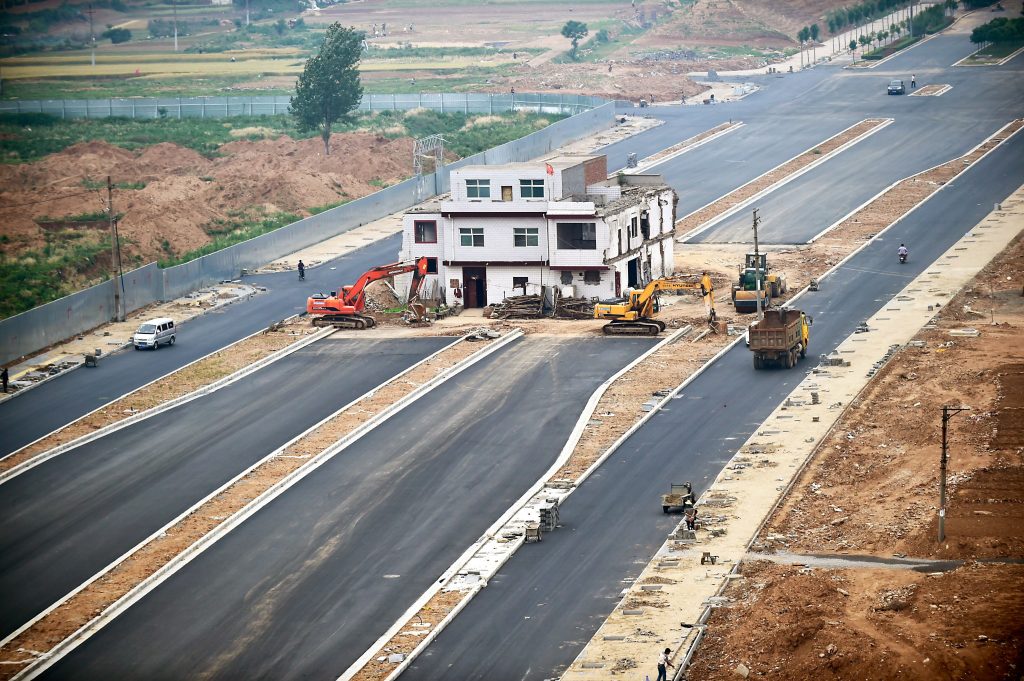
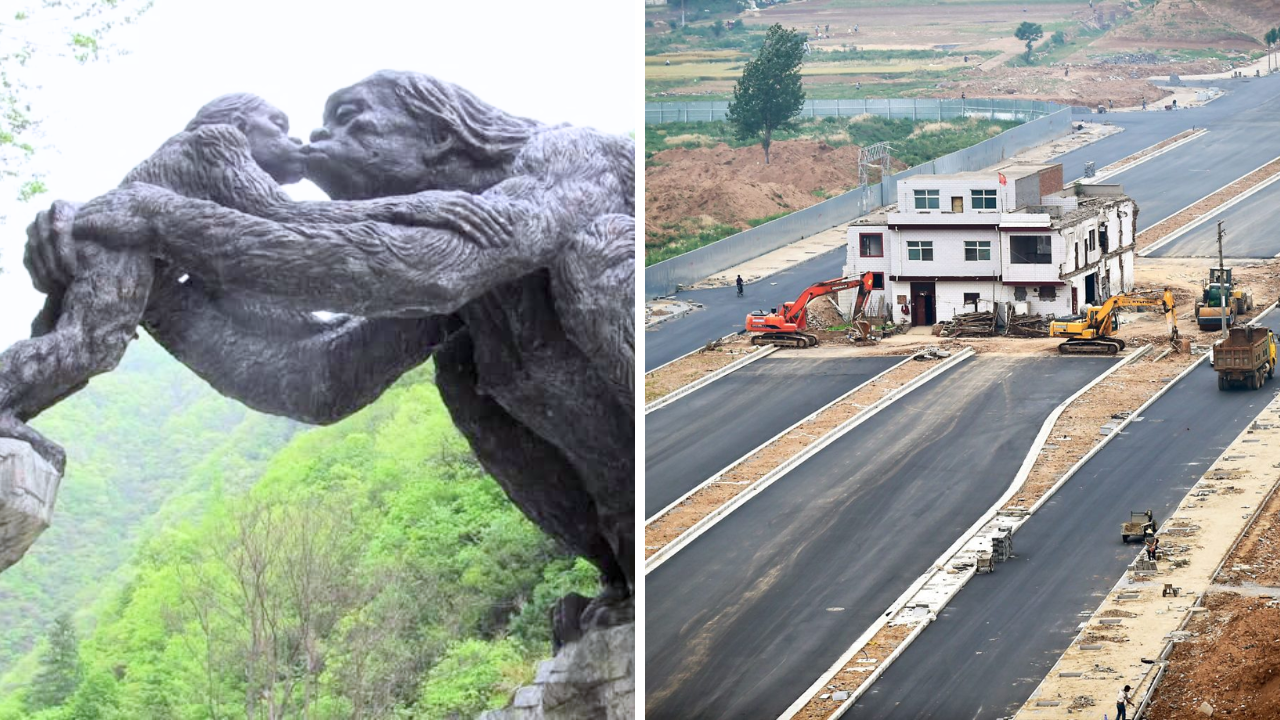
Some occupants refuse eviction during urban redevelopment, leaving lone houses wedged amid demolished buildings. These “nail houses” stand defiant amid construction chaos.
21. Cave Dwelling Millions
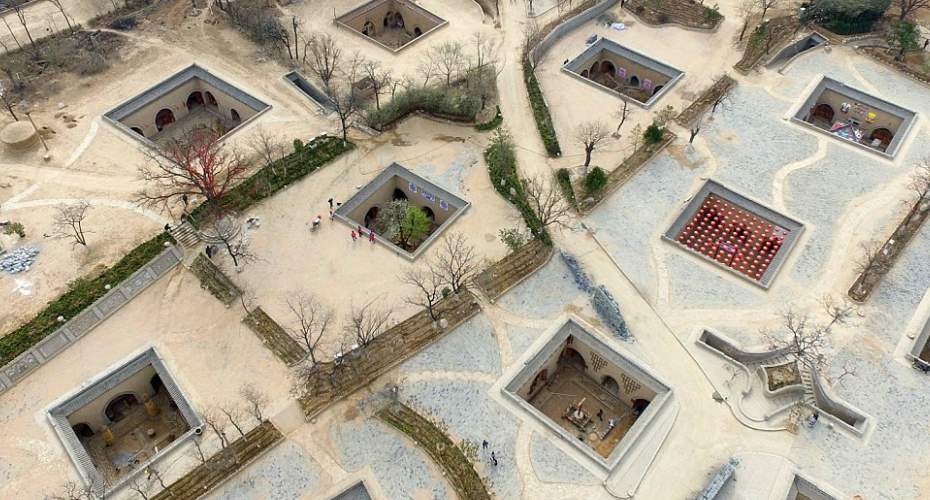
An estimated 30 million people still live in traditional cave homes (yaodongs) carved into hillsides on the Loess Plateau. These dwellings offer natural insulation and simple living.
22. Traffic Jam Hell
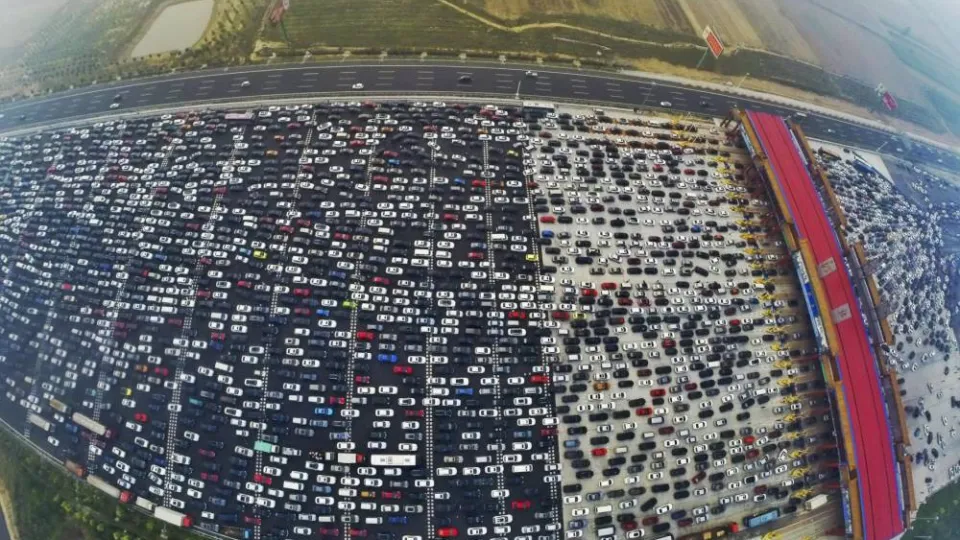
China recorded a traffic jam over 60 miles long that lasted 12 days in 2010. Drivers sometimes endure gridlock that feels endless.
23. Appointed Children
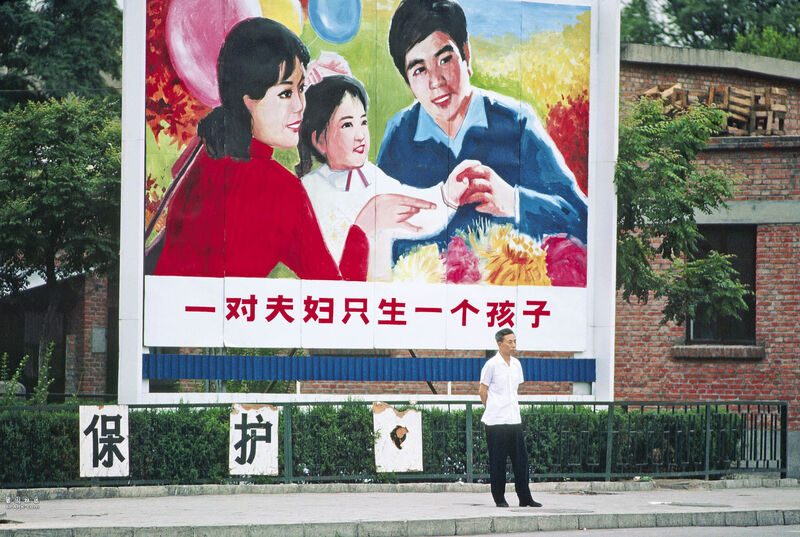
Until recently, parents needed government permission under the one-child policy to have children. The system shaped family planning in unprecedented ways.
24. People Build Houses On Top of Apartment Buildings
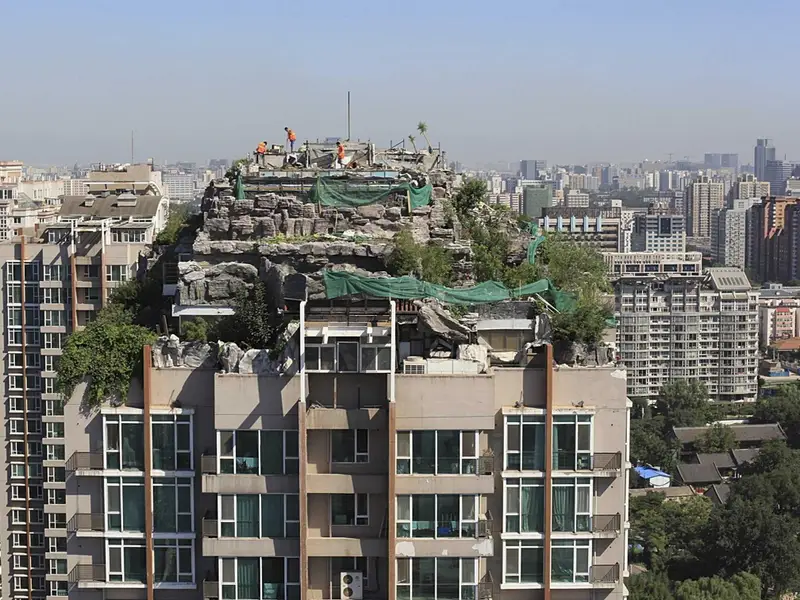
Land is at a premium in China, especially in big cities. And the wealthy have taken to building elaborate homes on top of apartment buildings in China. While some of these are sanctioned, many like the mountain villa were not, and the owner was asked to tear it down.
25. Replica Architecture
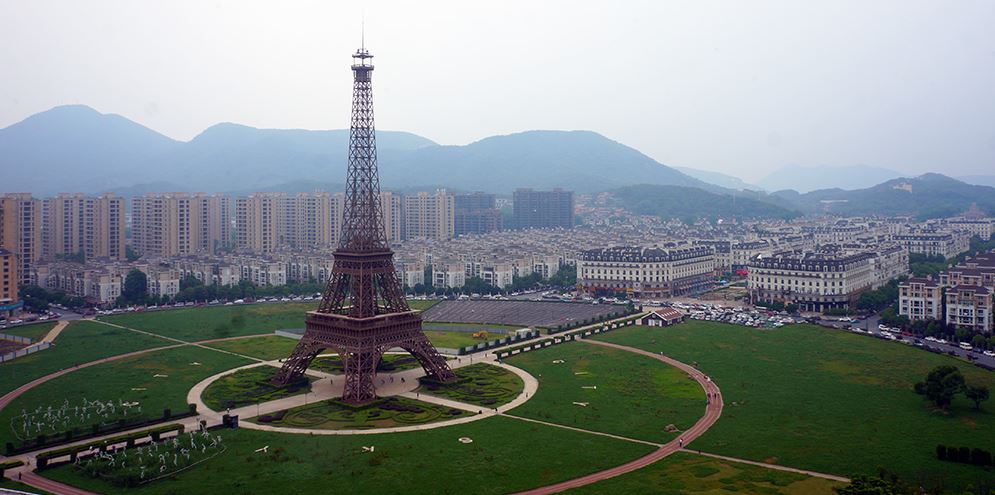
Entire towns replicate famous international landmarks. Venice canals, London’s Thames Town, and more. This “duplitecture” phenomenon highlights China’s architectural inventiveness.
26. Porcelain Palace
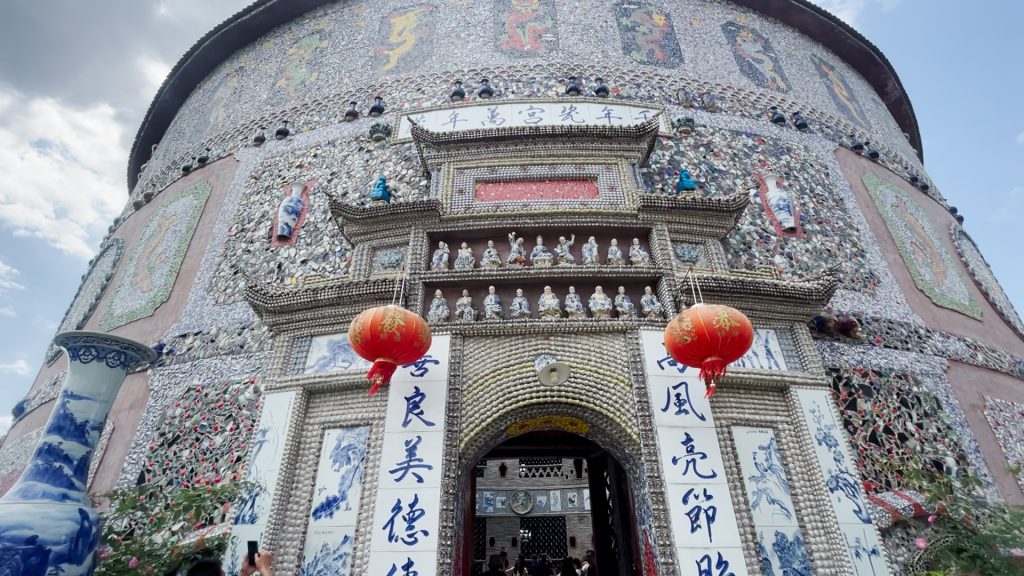
In Chongqing’s Foreigners’ Street lies the world’s largest toilet complex, with over 1,000 stalls. The themed architecture once mirrored Gaudi and ancient Egypt.
27. Couples Divorce to Avoid Property Taxes
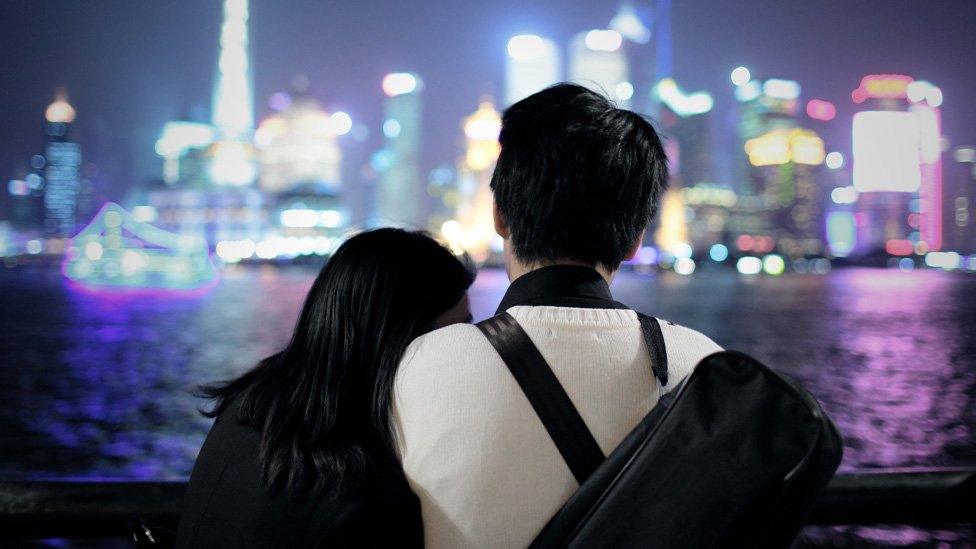
The Chinese government announced a 20 percent tax on profits from home sales. But couples with more than one home have been getting divorced, taking one property each, and then selling one of the homes tax free, to take advantage of loopholes.
28. Rent‑A‑Foreigner
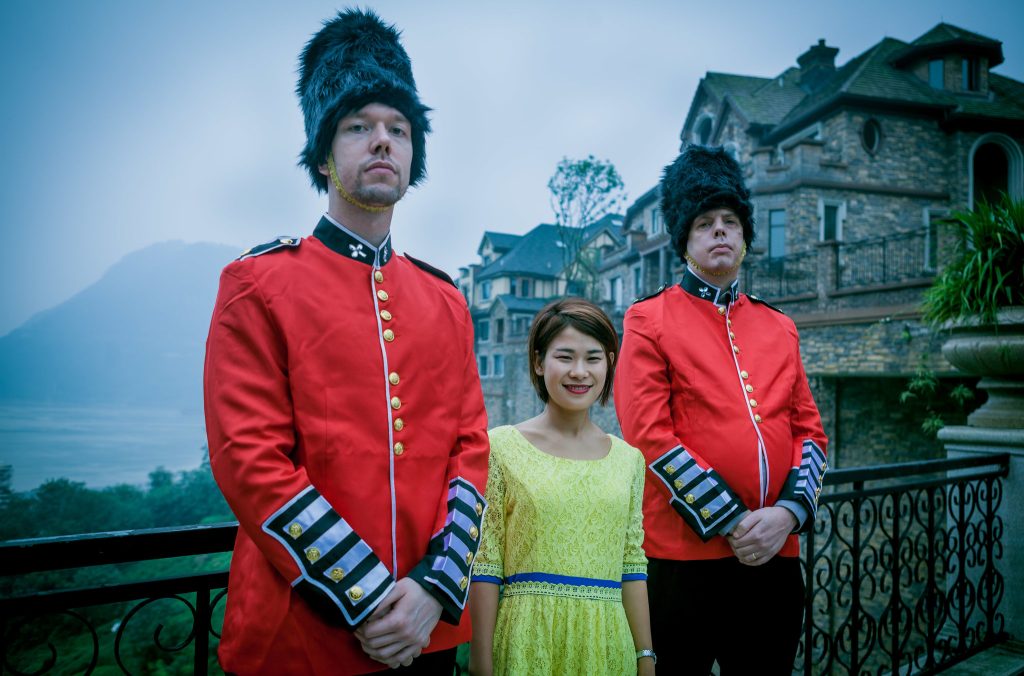
Foreigners can be hired to attend events or act as prestigious props for businesses wanting international flair. These “rent‑a‑foreigner” services are surprisingly mainstream.
29. Yeren Bigfoot Legend
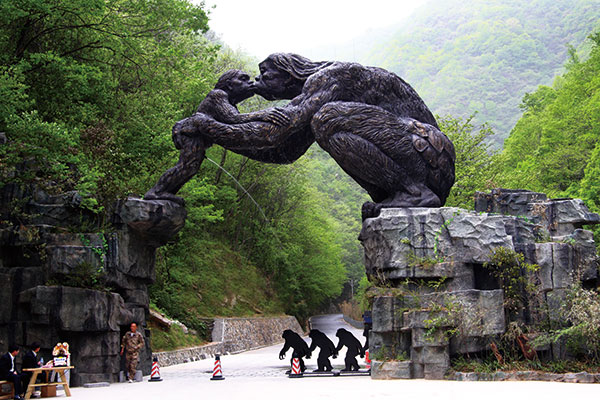
The Chinese equivalent of Bigfoot, the yeren, is said to inhabit remote forests and caves. Despite folklore and expeditions, no concrete evidence substantiates its existence.
30. Foo Dogs Totems
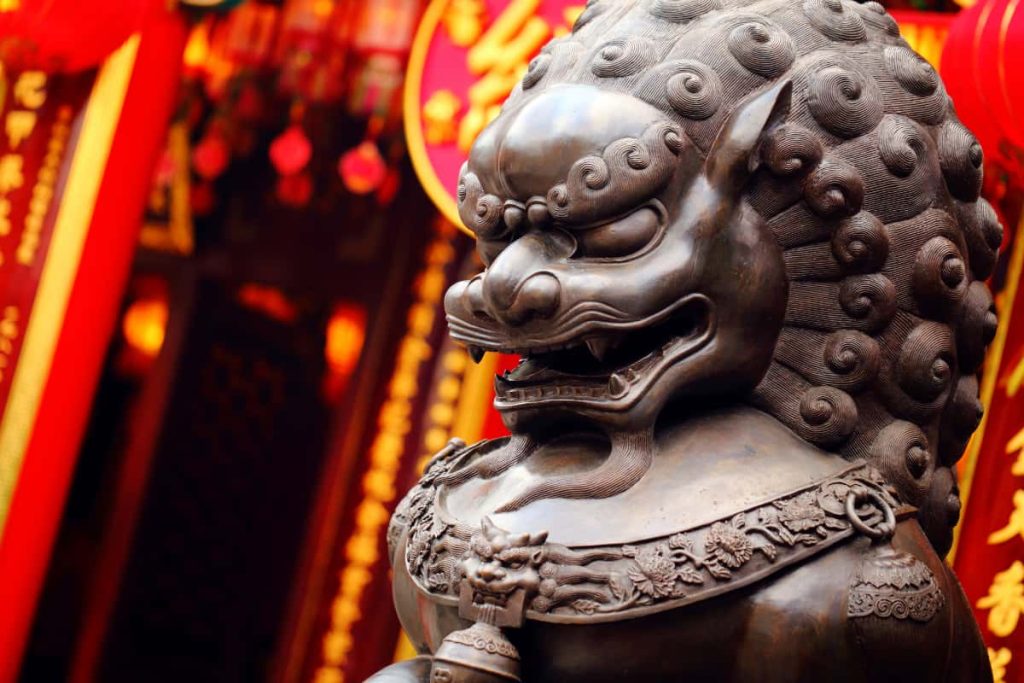
In the Leizhou Peninsula, villages are flanked by carved stone dogs (actually, stylized lions) believed to bring fertility and protection. They are traditionally placed in pairs at the entrances of buildings and homes.