History is full of moments so strange they sound fake, but they actually happened. From emperors wrestling in tournaments to sailors flinging potatoes at enemy subs, the past is packed with crazy, unbelievable stories that make you do a double take. Here are 30 history facts that sound made up.
Limping Fad
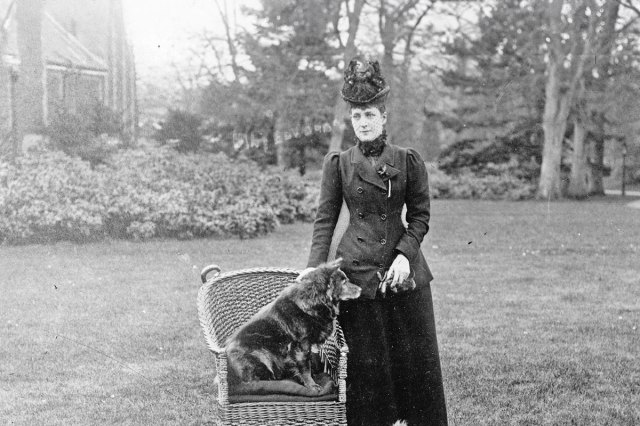
Alexandra, Princess of Wales, had a limp from an illness, and high-society girls copied it so hard that shops literally started selling mismatched-heel shoes just to help them fake her walk.
Bicycle Face
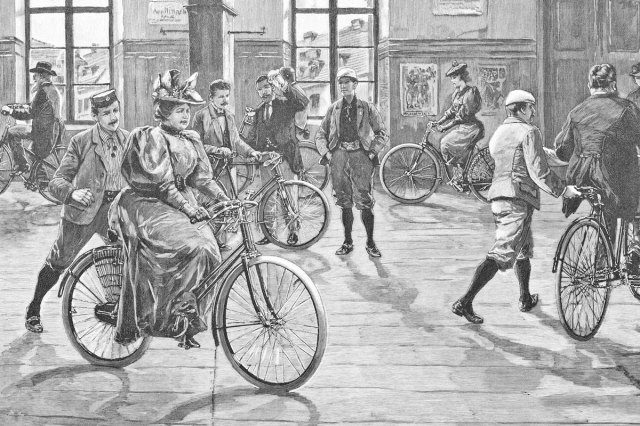
When bikes blew up in the 1880s, people freaked out so much they invented “bicycle face,” claiming riders looked flushed and tense. Once bikes felt normal, the panic shifted to cars instead.
Guinness Book Of Records
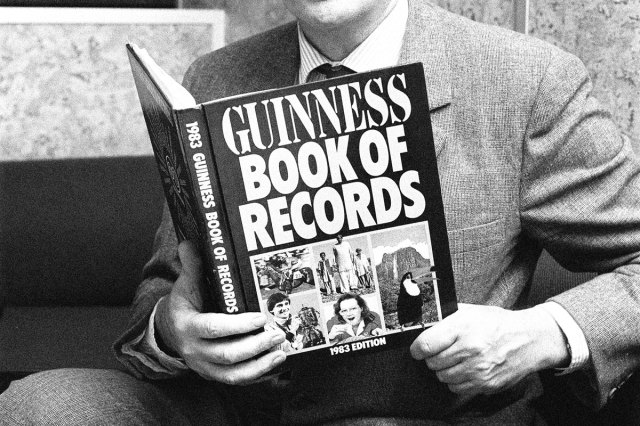
Back in 1954, a Guinness exec wanted a book to settle bar arguments, so he made one. It dropped in 1955 as a promo and blew up, selling over a million copies fast.
The First “OMG”
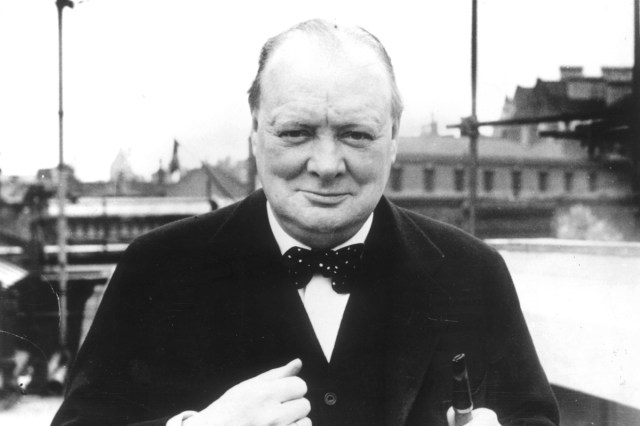
OMG wasn’t born online. A British admiral used it in a 1917 letter to Winston Churchill, joking about a new knighthood. It didn’t blow up publicly until the internet era.
Campaign Budget On Booze
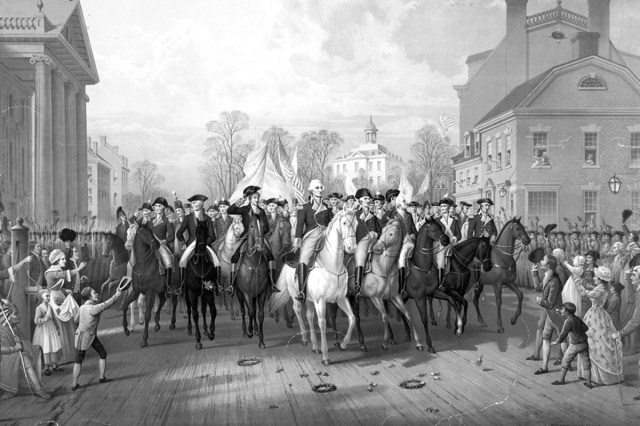
Early American elections were basically catered parties. Politicians bribed voters with food and booze, and Washington once blew his whole budget on enough alcohol to give nearly a half-gallon to each voter.
Special Teacups For Mustaches

Victorian guys used so much mustache wax that it melted into their tea, so someone invented a special cup with a little ceramic shelf to keep their mustaches safe while drinking.
No Knitting
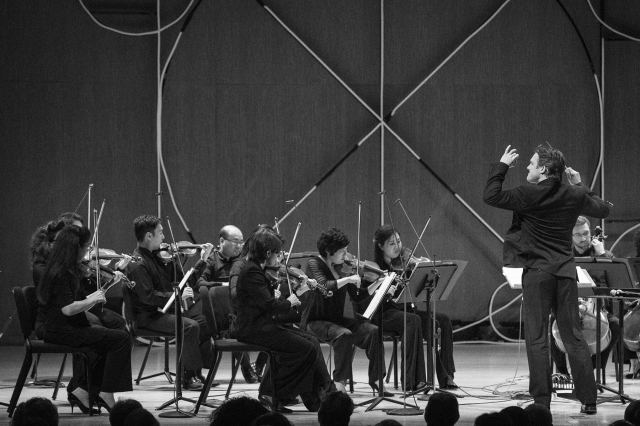
In 1915, people were knitting so much that the New York Philharmonic had to ask them to stop. The constant needle-clacking in Carnegie Hall was driving everyone, including musicians, insane.
Hobby: Cats
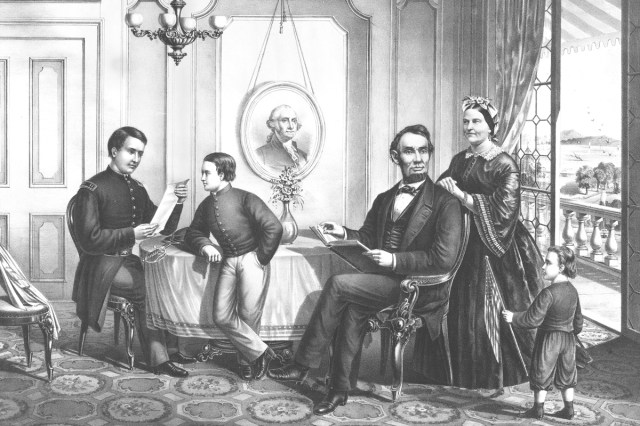
Lincoln adored his cats, Tabby and Dixie, to the point everyone around him noticed. When someone asked Mary Todd what his hobbies were, she didn’t hesitate. She just said, “Cats.”
Phobia Of Beans

Pythagoras wasn’t just a math icon; he was weirdly obsessed with banning fava beans. He hated them so much he told his followers to avoid the things entirely, like they were cursed.
US Coin Eagle
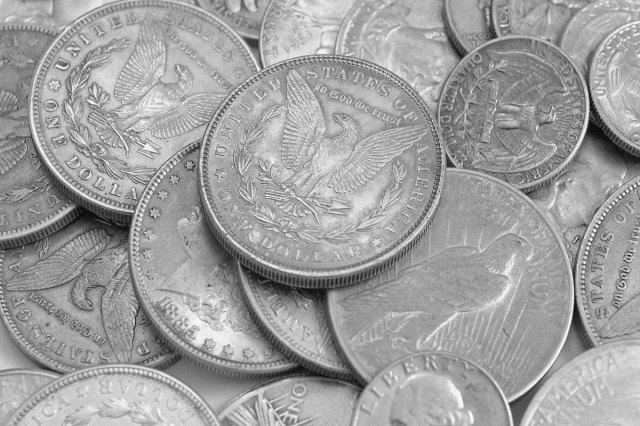
In the 1830s, an eagle literally lived at the U.S. Mint, became their unofficial mascot, and was named Peter. Historians think the silver dollar’s eagle design was based on him.
413 Beds
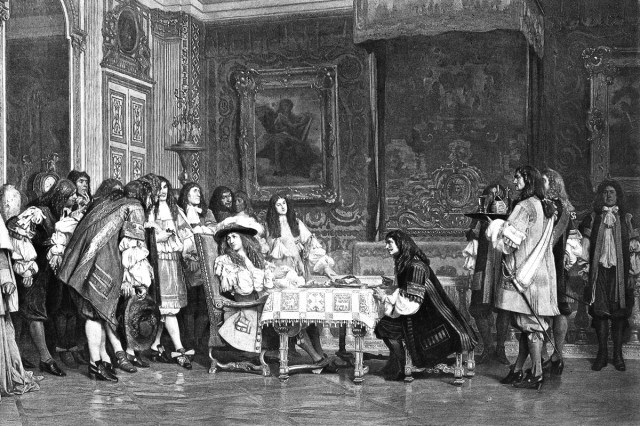
Louis XIV took luxury to wild levels. He owned over 400 beds, using them as status symbols and even for official meetings, casually stretched out on fancy linens while handling royal business.
Potato Attack
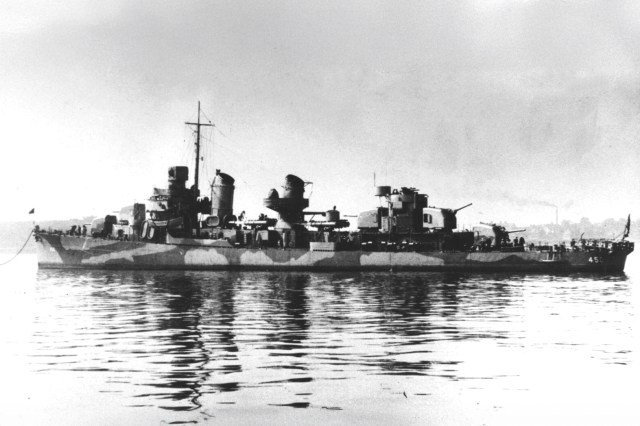
In 1943, sailors on the USS O’Bannon got so close to a Japanese sub that they started chucking whatever they had on hand at it, including literal potatoes from storage.
Mustaches Are A Right
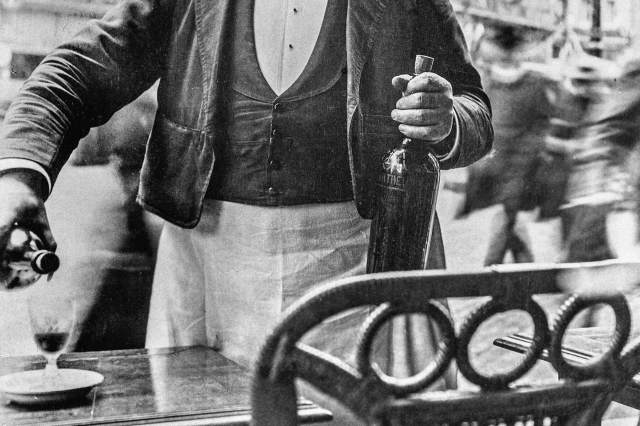
In 1907, French waiters went on strike not just for better pay but for the right to have mustaches. After 16 days, they got fairer wages and finally kept their facial hair.
Forgotten Toothbrush
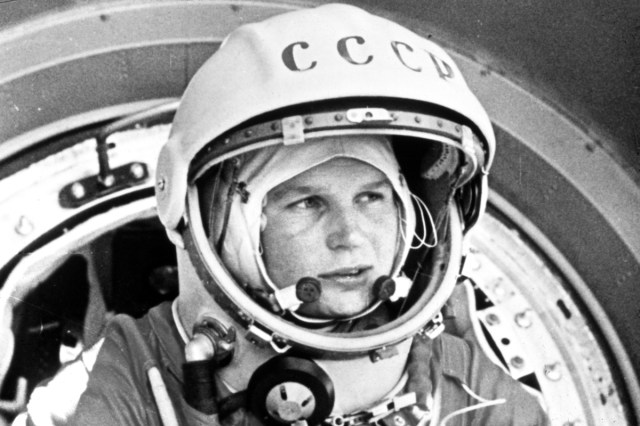
Valentina Tereshkova, the first woman in space, spent three days in orbit without a toothbrush because mission control forgot to pack one. She had bigger things to worry about, apparently.
Napoleon vs Rabbits
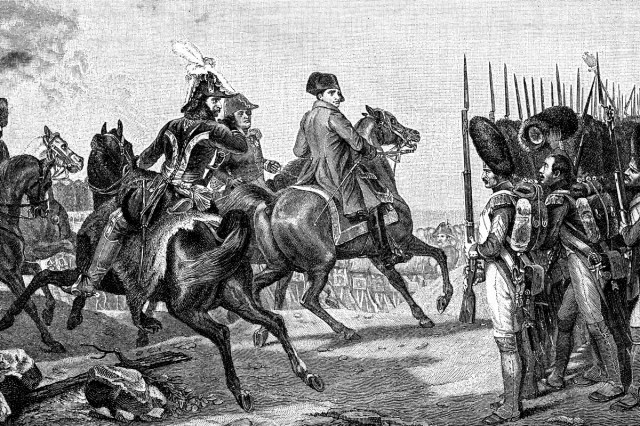
In 1807, Napoleon’s victory rabbit hunt backfired when the bunnies didn’t flee but swarmed him instead. What started as a joke turned into chaos, overwhelming even Europe’s top military minds.
Richard Nixon’s Last Meal
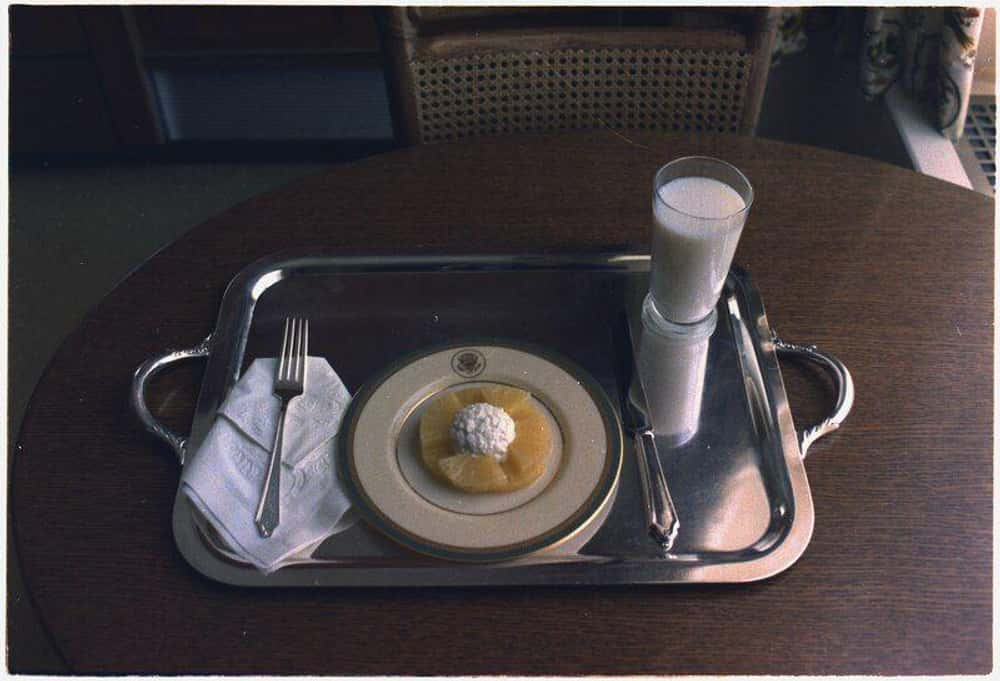
On August 8, 1974, Nixon had pineapple, cottage cheese, and milk—famously called his “last meal”, before resigning. Actually, his true final breakfast the next day was corned beef hash and eggs.
First Karaoke

Shigeichi Negishi invented the first karaoke-like machine, the “Sparko Box,” in the 60s to make himself sound better. By the 70s, karaoke was popping up in bars, with the first official system in 1975.
Henry VIII VS King Francis I
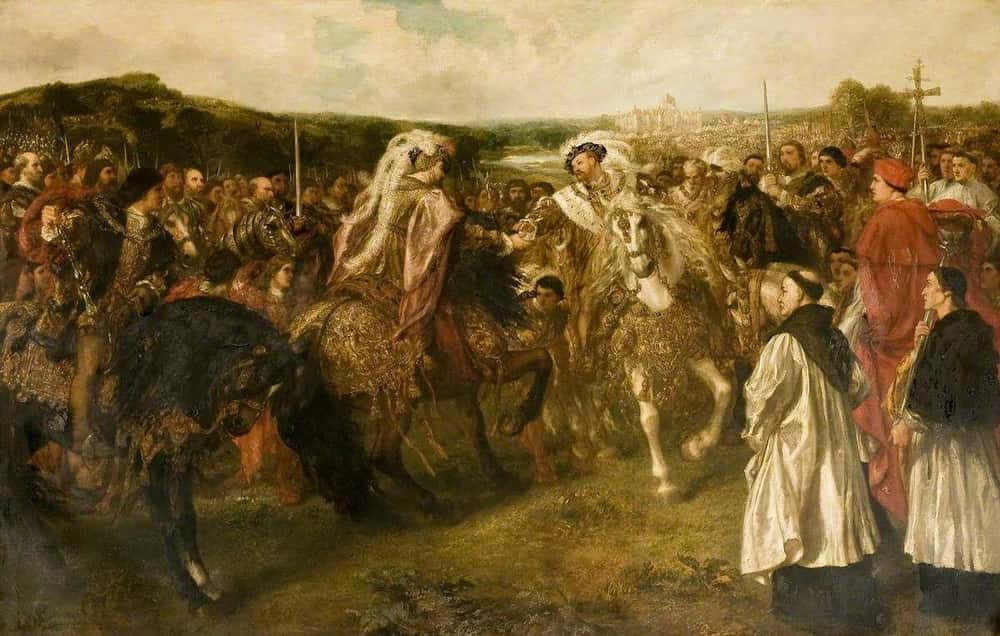
In 1520, Henry VIII and Francis I faced off at the extravagant Field of Cloth of Gold. Henry got tossed in a wrestling match but laughed it off, they still had dinner together, though war came two years later.
Missile Mail
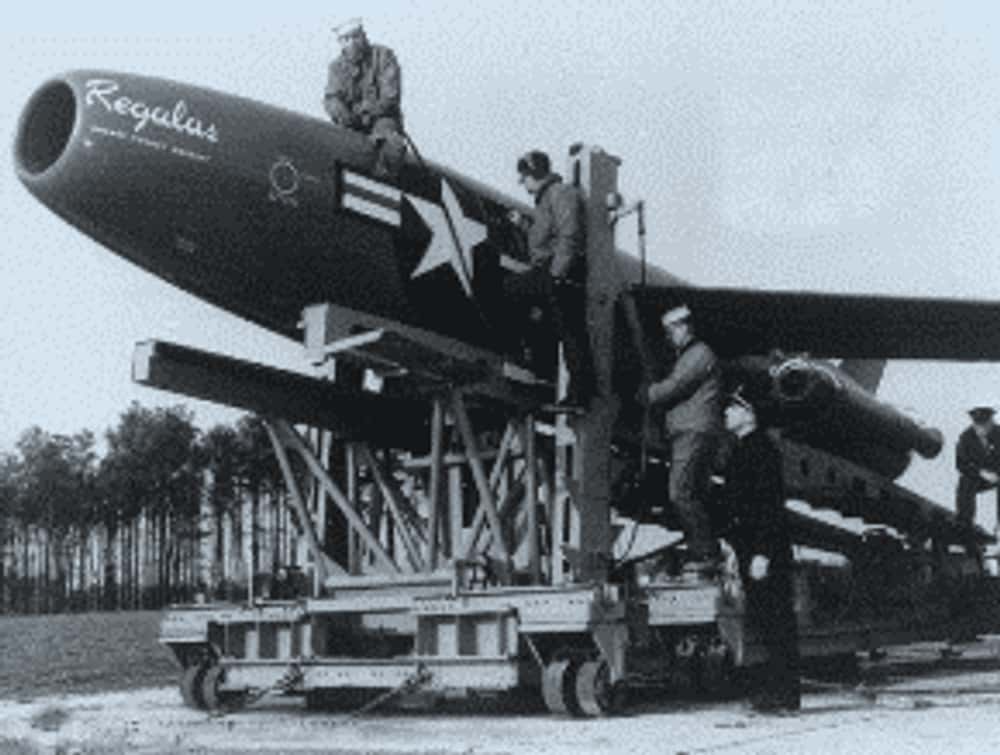
Rocket mail was tested for decades, from Germany to the US. In 1959, a submarine-launched missile delivered 3,000 letters in 22 minutes, but the idea was too costly and never caught on.
The Cold War
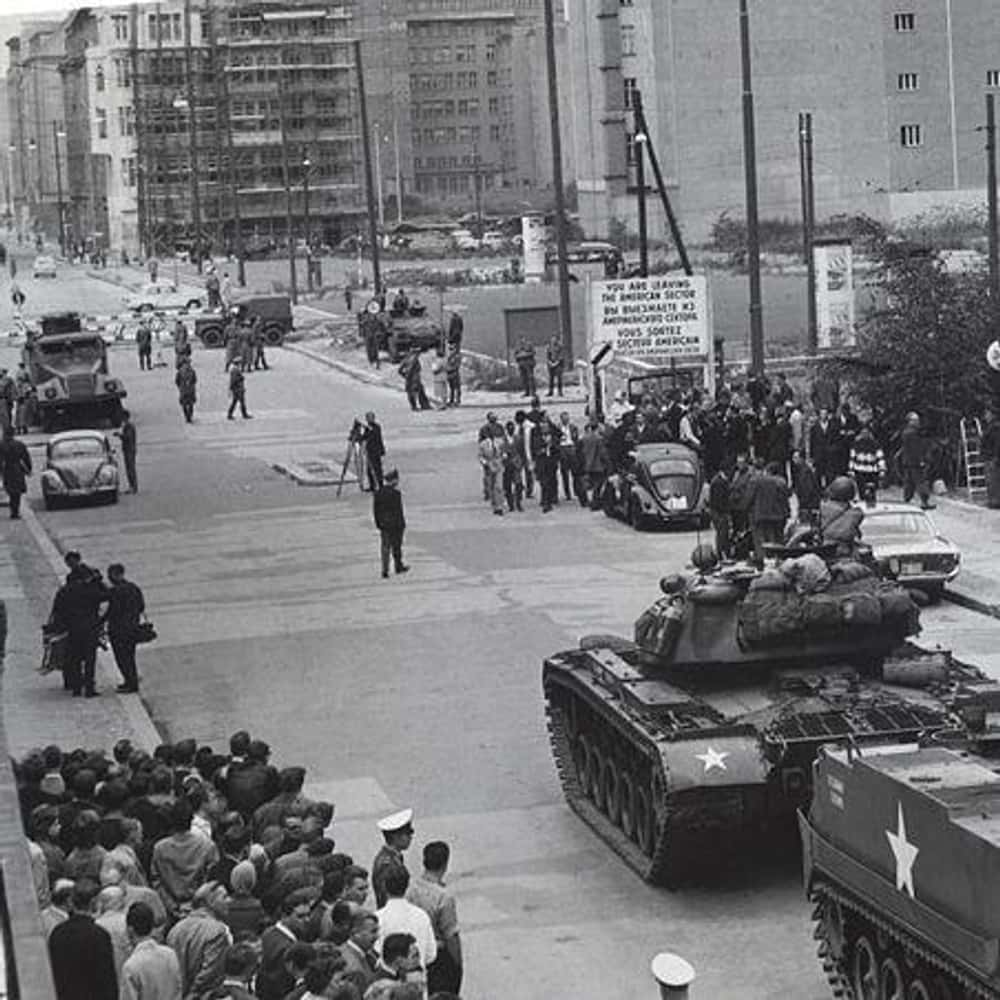
The CIA’s 1953 manual, written by magician John Mulholland, taught spies sneaky tricks, even using shoelaces to secretly signal each other, with knots and patterns conveying pre-agreed messages undetected.
Longest Year Ever
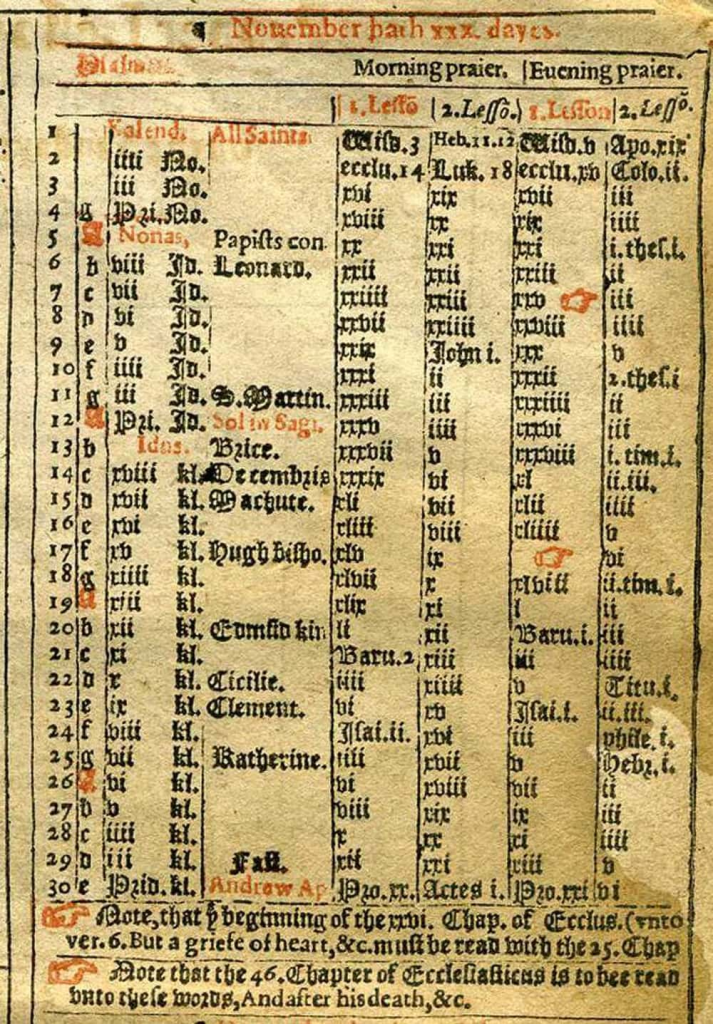
In 46 BCE, Julius Caesar overhauled Rome’s messy calendar, adding extra months to sync with the solar year. The “Year of Confusion” had 15 months, but afterward, Rome finally had a calendar closer to today’s.
Kushim

Around 3000 BCE, a Sumerian named Kushim, who tracked barley for beer, became the first recorded human name. His exact meaning is unclear, but he’s basically history’s earliest accountant.
Rolls Royce Dentist
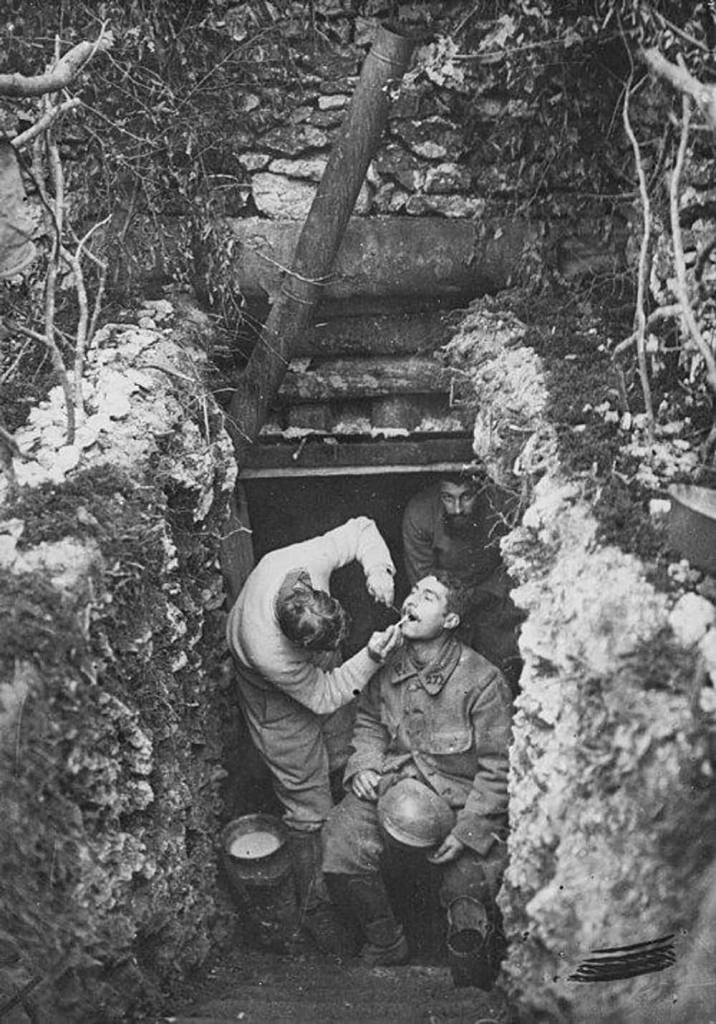
Before WWI, French dentist Charles Valadier turned his Rolls Royce into a mobile dental office, treating British officers and using his charm to kickstart military plastic surgery efforts.
Hashtag
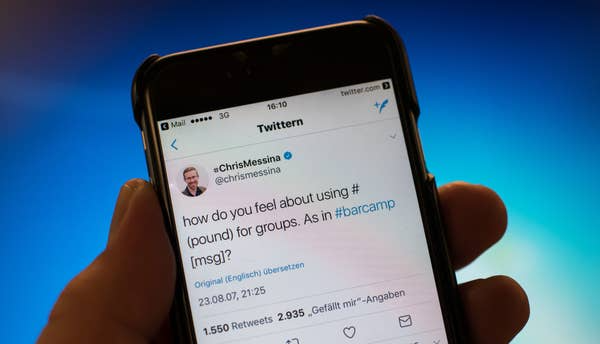
Chris Messina invented hashtags to organize tweets, pitching them to Twitter before they caught on. By 2009, hashtags became clickable, spreading across social media. He left Twitter in 2023 over Musk’s blue-check chaos.
TRL
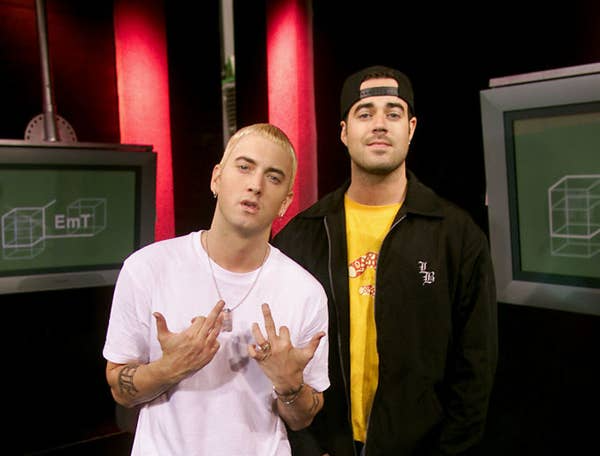
TRL started as a simple experiment during MTV’s slump—just Carson, a camera crew, and a director. No audience or Times Square crowd was planned; it was meant as an afternoon countdown show for kids.
7 Eleven

7-Eleven began in the 1920s as a Dallas ice and grocery store. By 1946, it was named for its long hours, 7 a.m. to 11 p.m., making it a pioneer in convenience shopping.
Kurt Russel
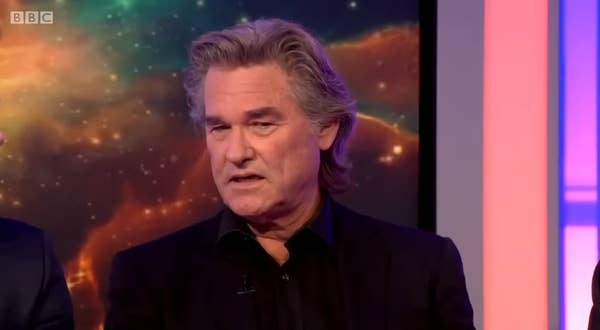
In 1997, thousands saw the Phoenix Lights, including Kurt Russell, who reported them while flying with his son. They forgot about it until years later when a TV show jogged his memory.
Joan Crawford
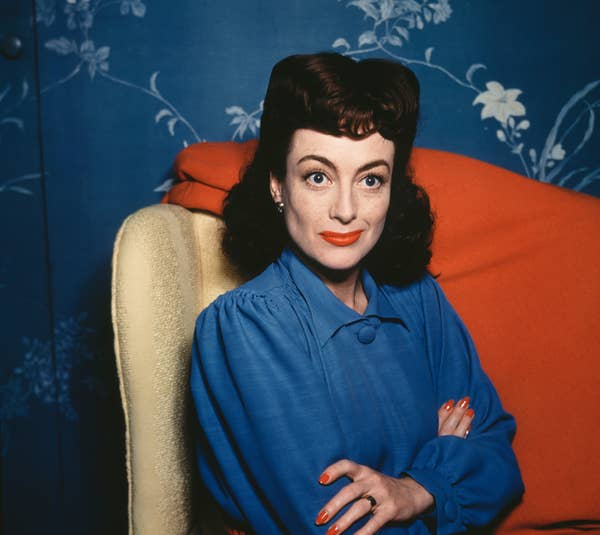
Joan Crawford was born Lucille LeSueur, but MGM ran a contest to rename her. “Joan Crawford” won, though she hated it, thought “Joan” was boring and “Crawford” sounded like crawfish.
I Love Lucy
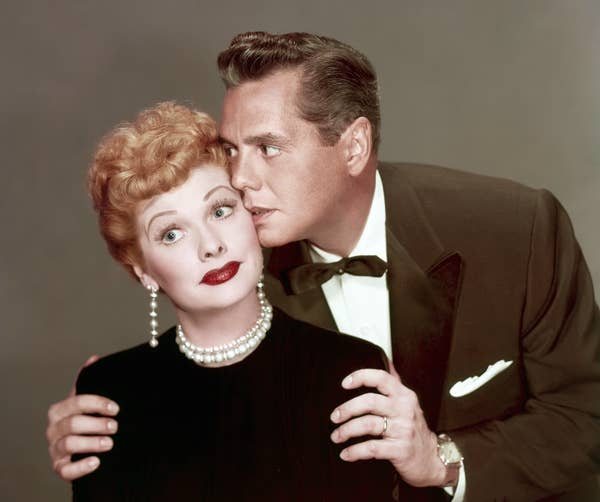
In the late 40s, Lucille Ball and Desi Arnaz married struggling careers. Ball insisted he star with her in a TV version of her radio show, leading to I Love Lucy in 1951, a huge hit, though their marriage later ended.
Empress Of Ireland
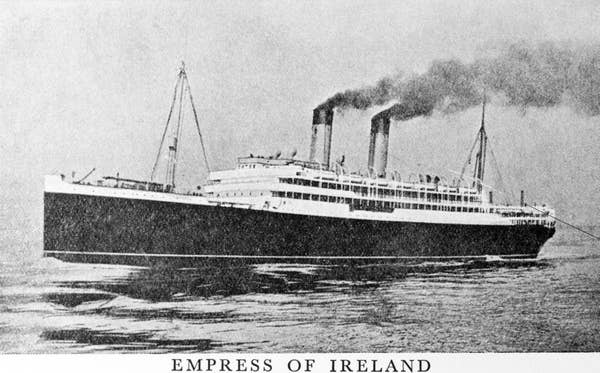
In 1914, the Empress of Ireland sank in the St. Lawrence River after colliding with a Norwegian ship, killing over 1,000 in just 14 minutes. It’s one of Canada’s deadliest maritime disasters.