Technology pushes the boundaries of what’s possible, but not every invention becomes the next smartphone or electric car. From bizarre gadgets to overly ambitious designs, here are 30 weird technologies that flopped spectacularly, despite their creative, and sometimes downright strange, intentions.
1. Google Glass
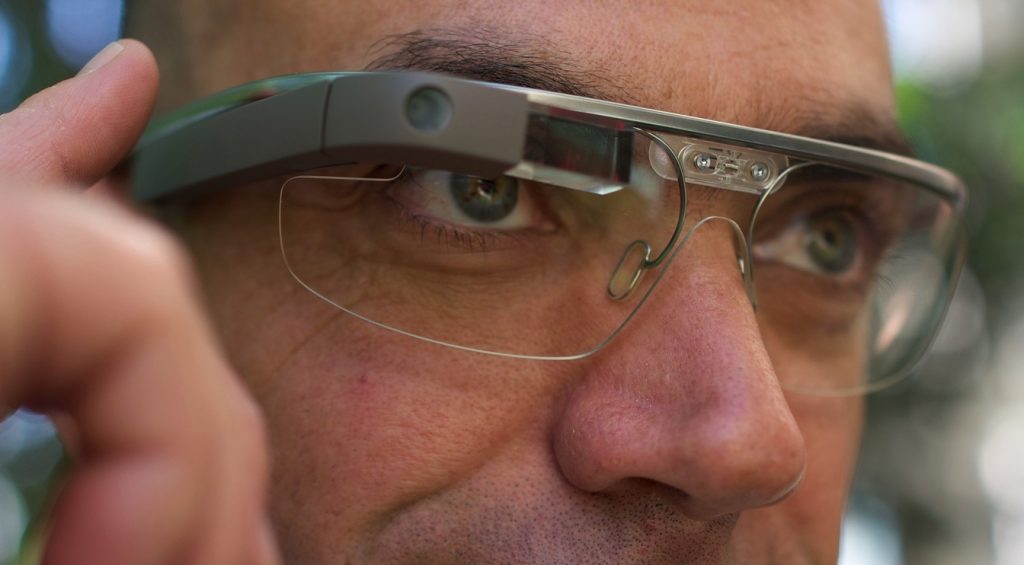
Smart glasses with a heads-up display, Google Glass promised to bring augmented reality to everyday life. Instead, it creeped people out and raised major privacy concerns, leading to a swift public rejection.
2. Segway
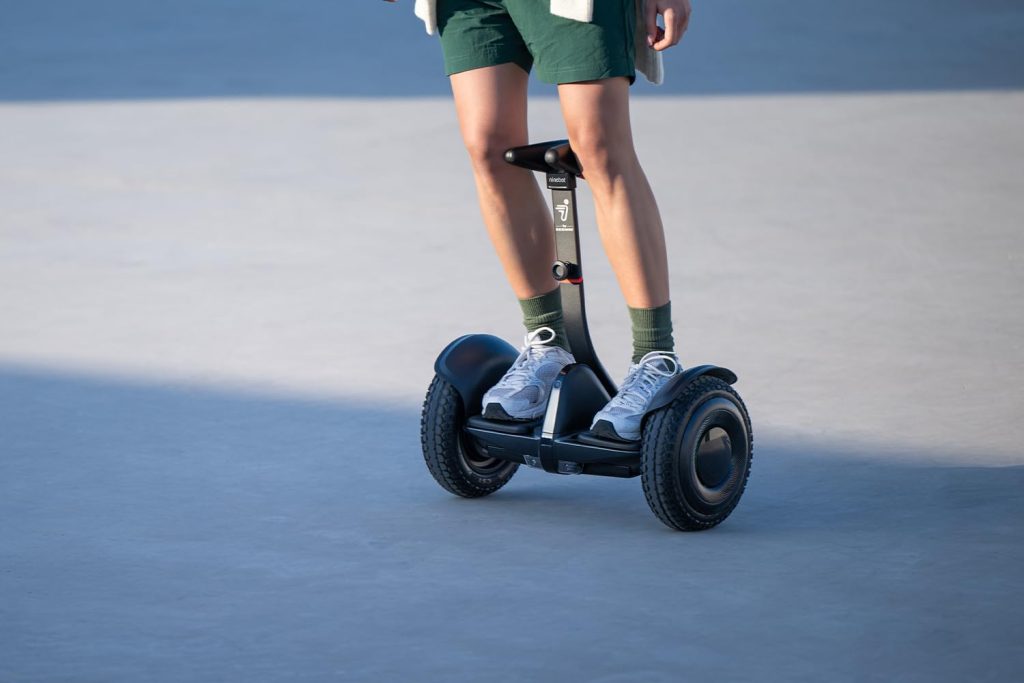
Hyped as the future of personal transportation, the Segway was expected to revolutionize how we move. Its high cost and impracticality left it relegated to mall cops and tour groups.
3. Apple Newton
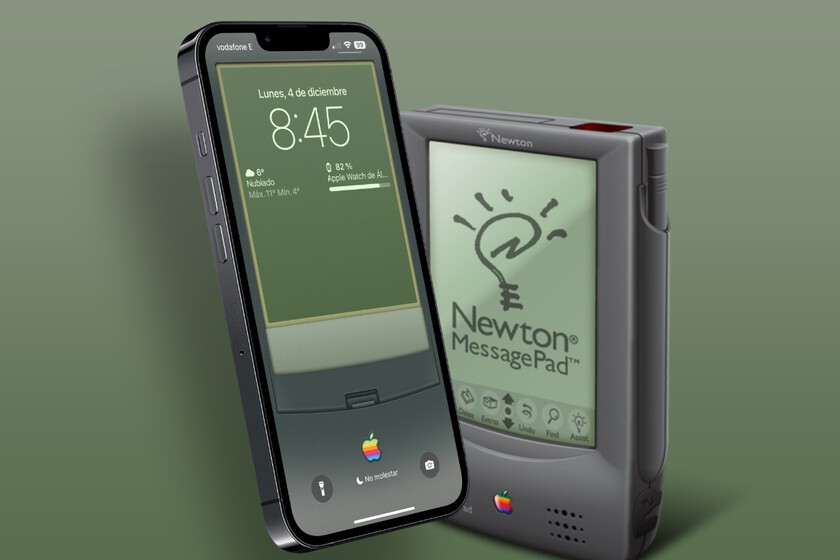
Released in 1993, this early personal digital assistant could take handwritten notes and store contacts. Unfortunately, its handwriting recognition was so bad it became a punchline.
4. Juicero
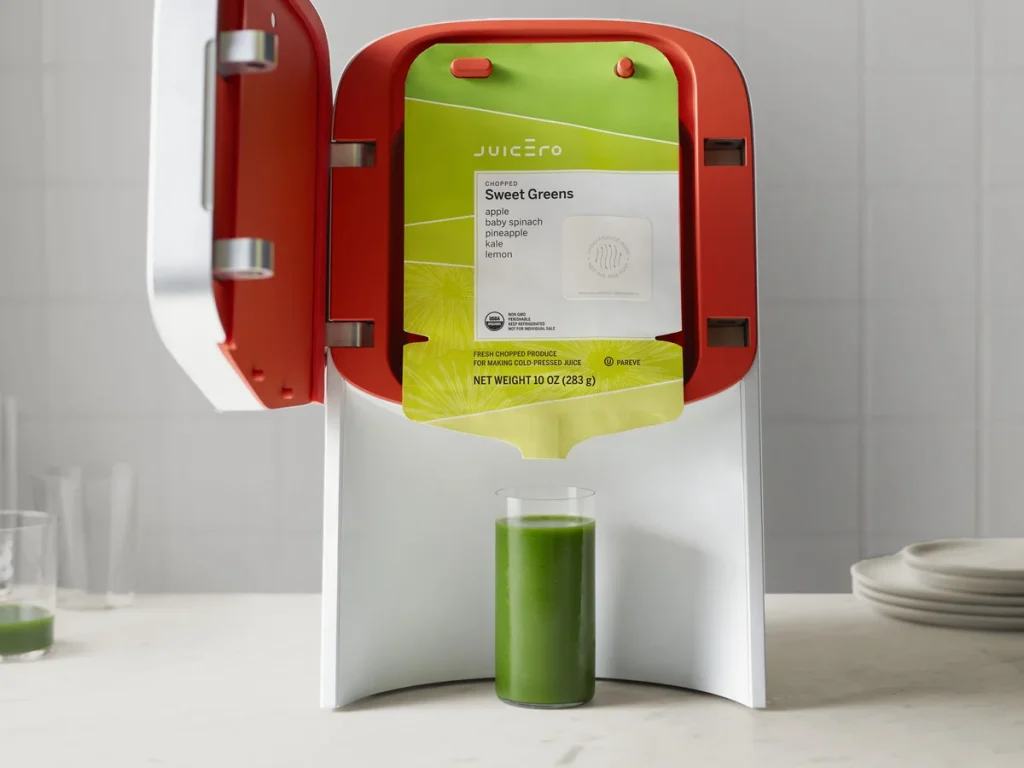
A $400 Wi-Fi-enabled juice press that required proprietary juice packs, Juicero was roasted when people discovered they could squeeze the packs by hand. It was a symbol of Silicon Valley excess.
5. CueCat
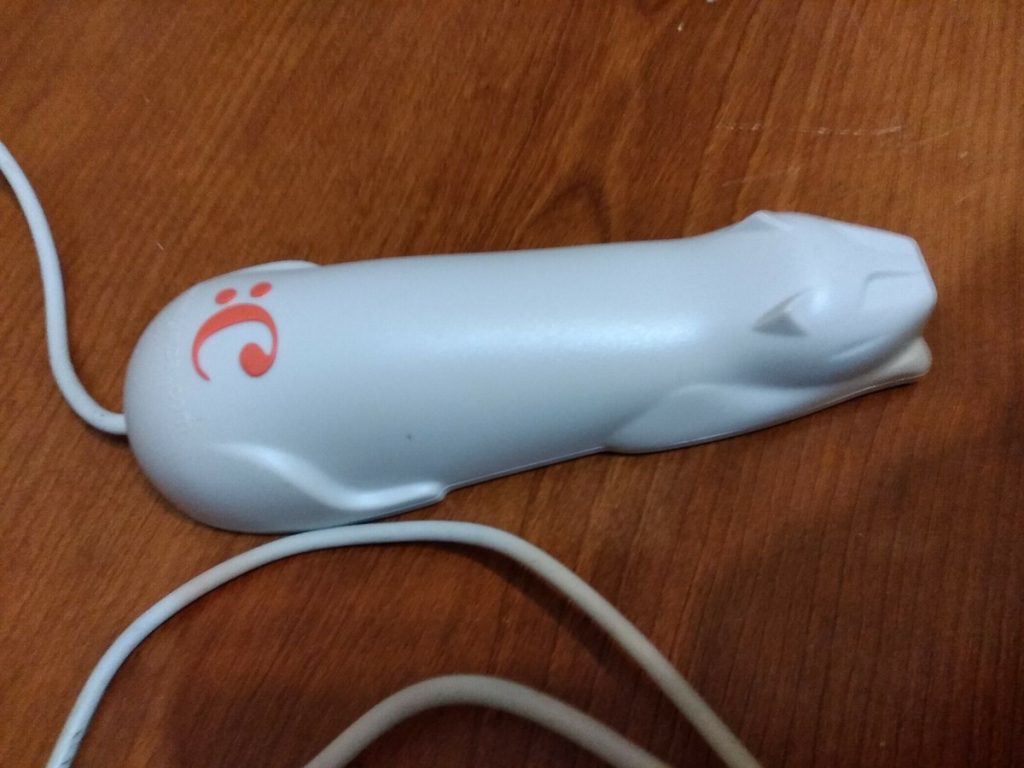
This barcode scanner for your home computer was meant to connect printed media with the internet. Consumers found it useless, and it quietly vanished.
6. Sony Rolly
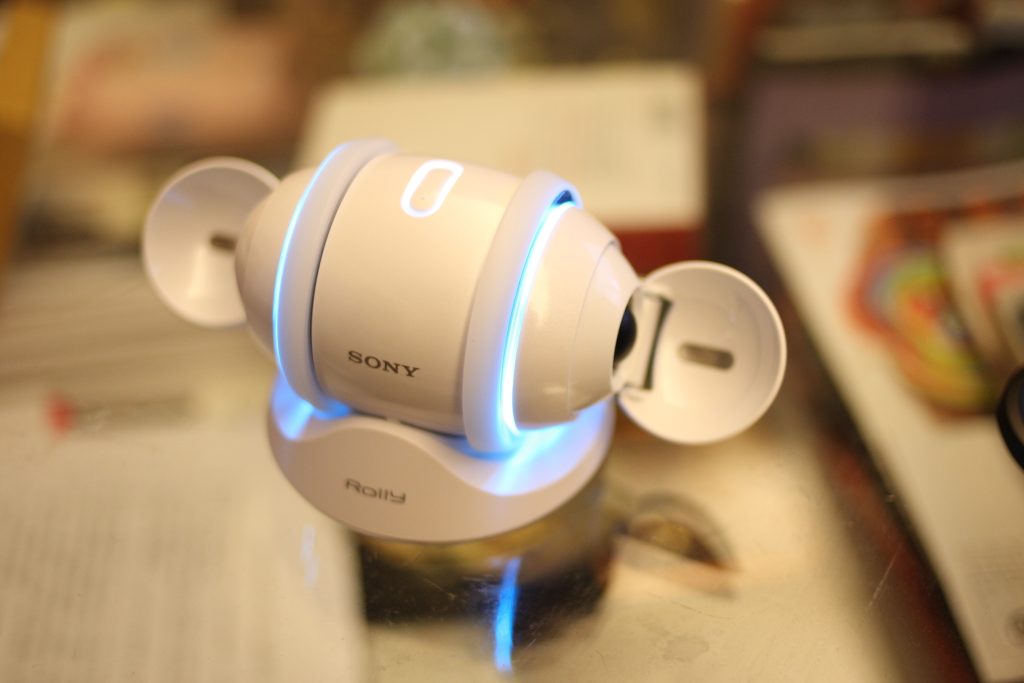
A dancing music player shaped like an egg, the Sony Rolly could roll and spin to the beat of your music. It was quirky and fun, but too expensive and niche to catch on.
7. Microsoft Zune
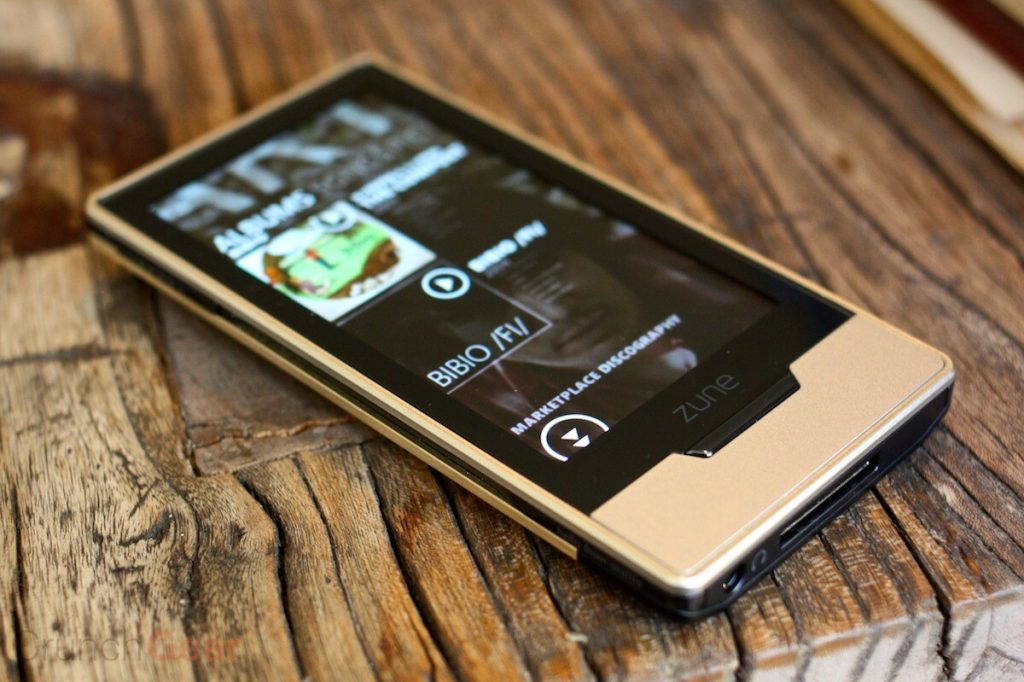
Microsoft’s answer to the iPod came too late and lacked the cultural cachet of Apple’s ecosystem. Despite decent hardware, it never built a fanbase.
8. HD DVD
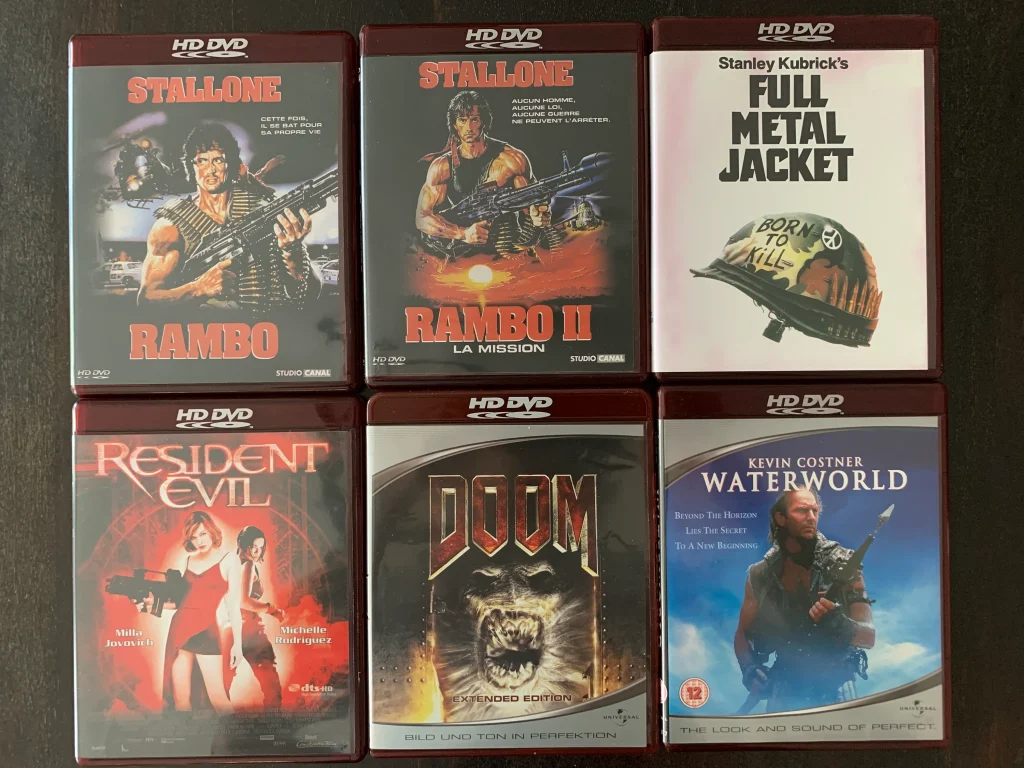
Backed by Toshiba, HD DVD was in a format war with Blu-ray. Blu-ray won, and HD DVD disappeared almost overnight.
9. Betamax
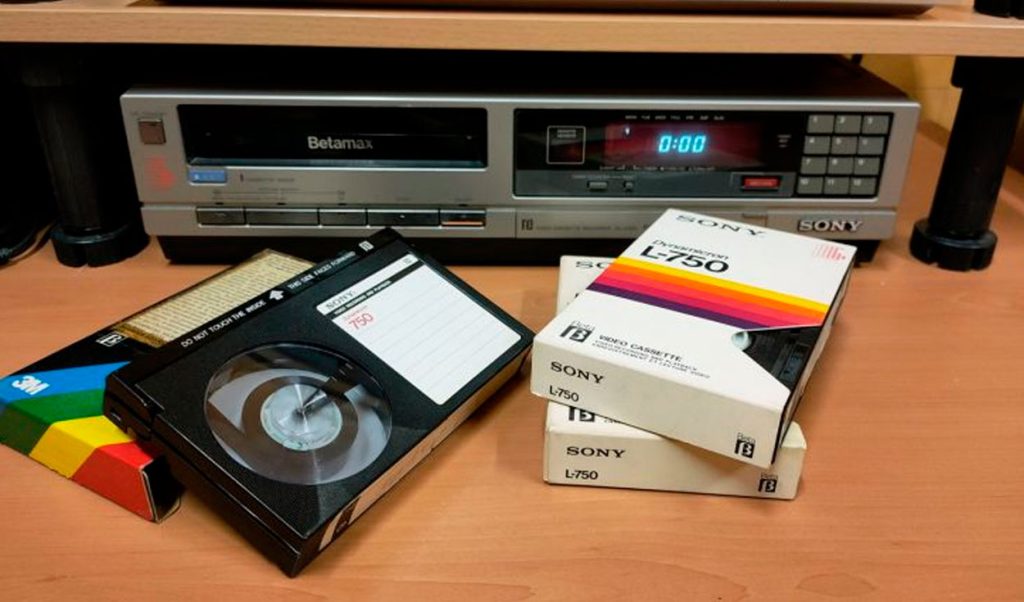
Sony’s video format had better quality than VHS, but VHS had better marketing and more recording time. The result? Betamax became a forgotten relic.
10. Nintendo Virtual Boy
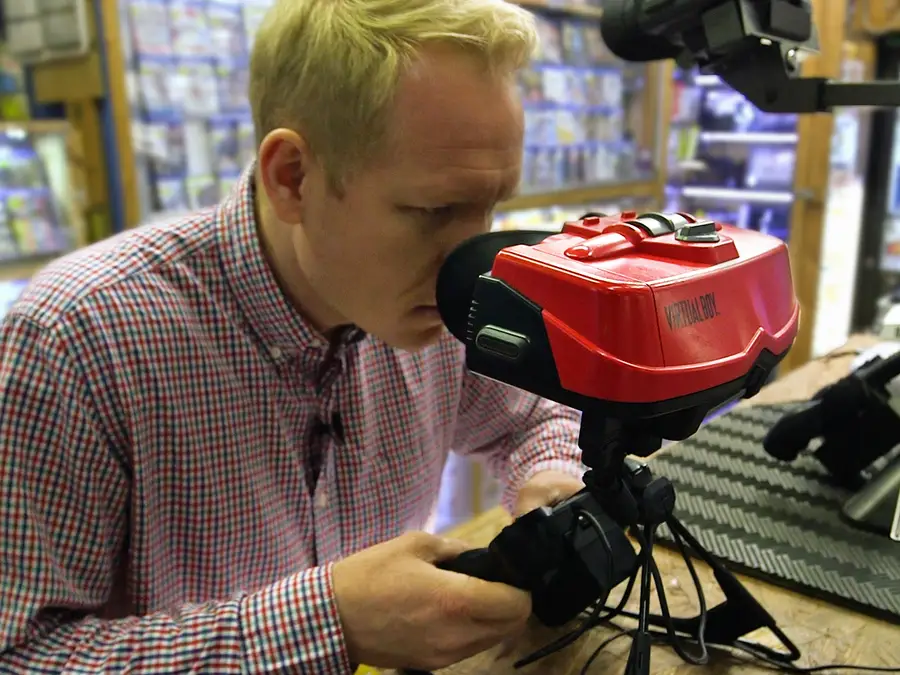
An early attempt at virtual reality gaming in the 1990s, the Virtual Boy gave players headaches and eye strain. It was discontinued within a year.
11. LaserDisc
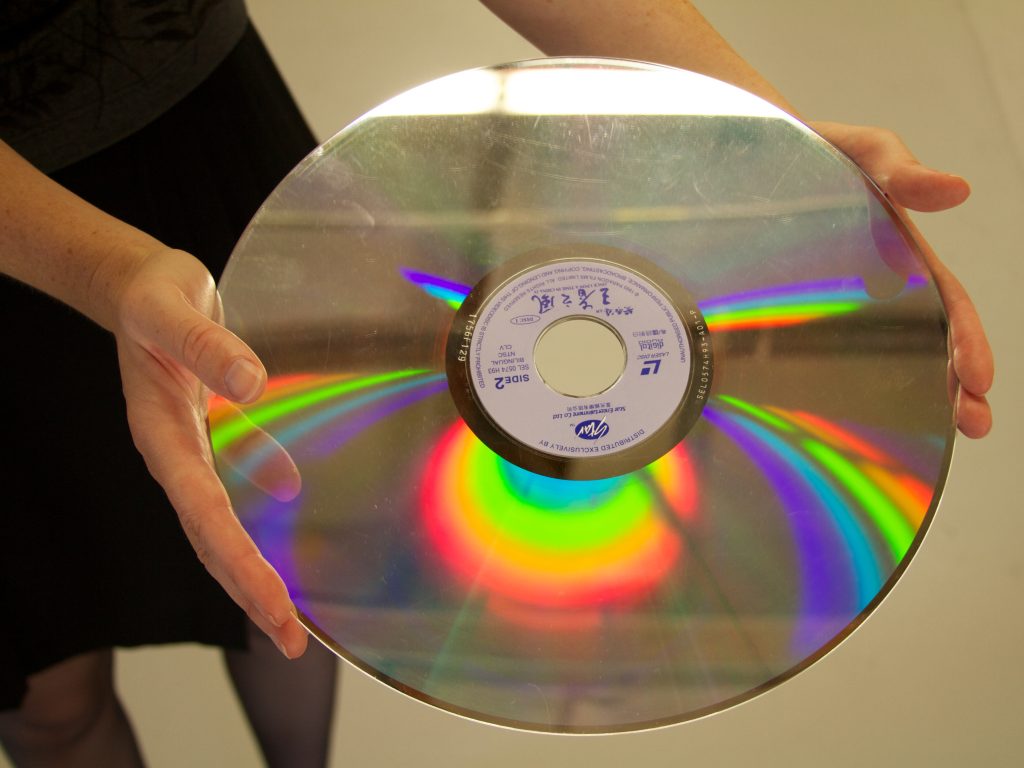
Offering high-quality video before DVDs, LaserDiscs were massive, expensive, and hard to store. Most consumers skipped straight from VHS to DVD.
12. Smart Refrigerators
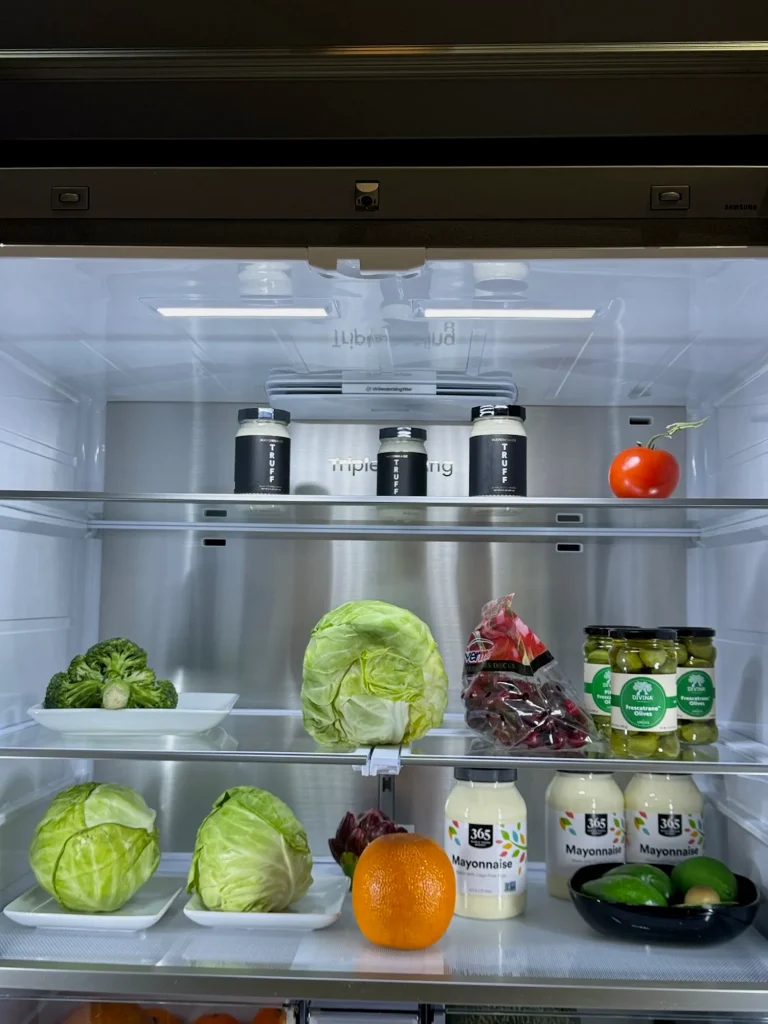
These internet-connected fridges could tweet and display calendars. But few people needed, or wanted, a touchscreen on their fridge.
13. Facebook Phone (HTC First)
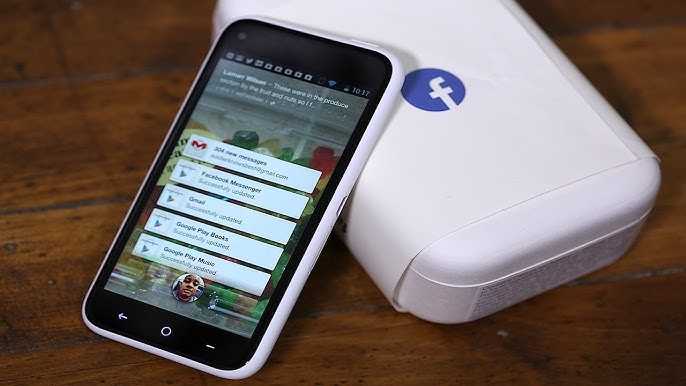
Facebook tried to launch a smartphone centered around its app. No one wanted their entire phone to be Facebook-centric.
14. Internet TV Boxes (WebTV)
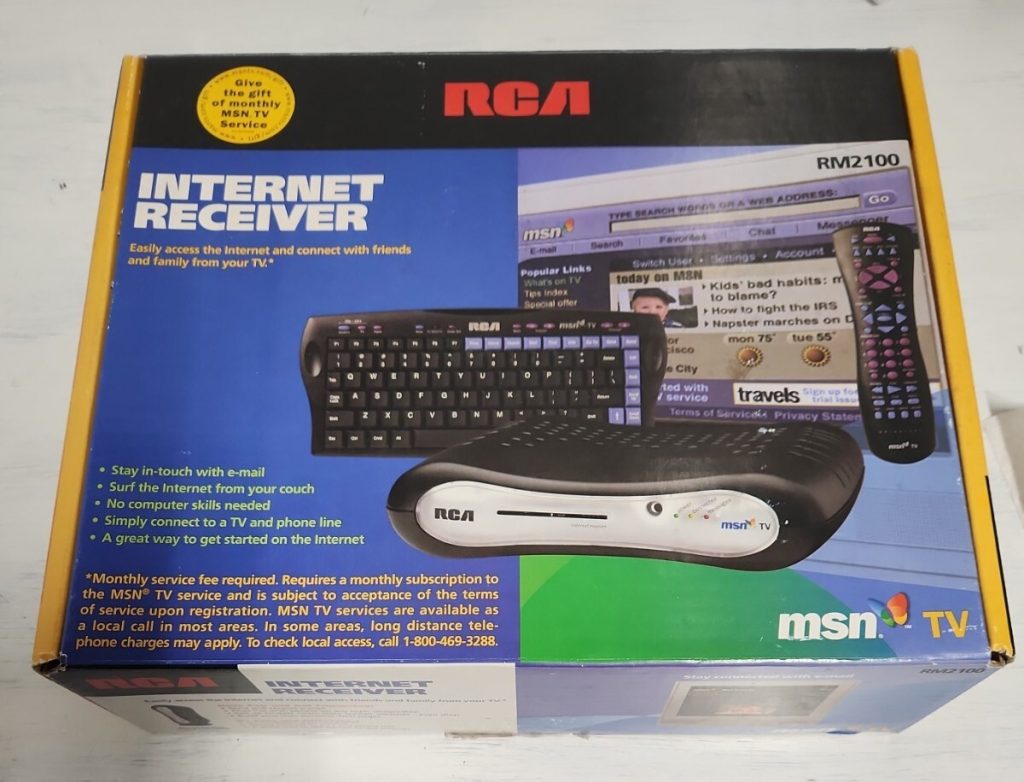
Before smart TVs, WebTV tried to bring the internet to your living room in the late ’90s. It was clunky, slow, and just didn’t compare to a real computer.
15. Sinclair C5
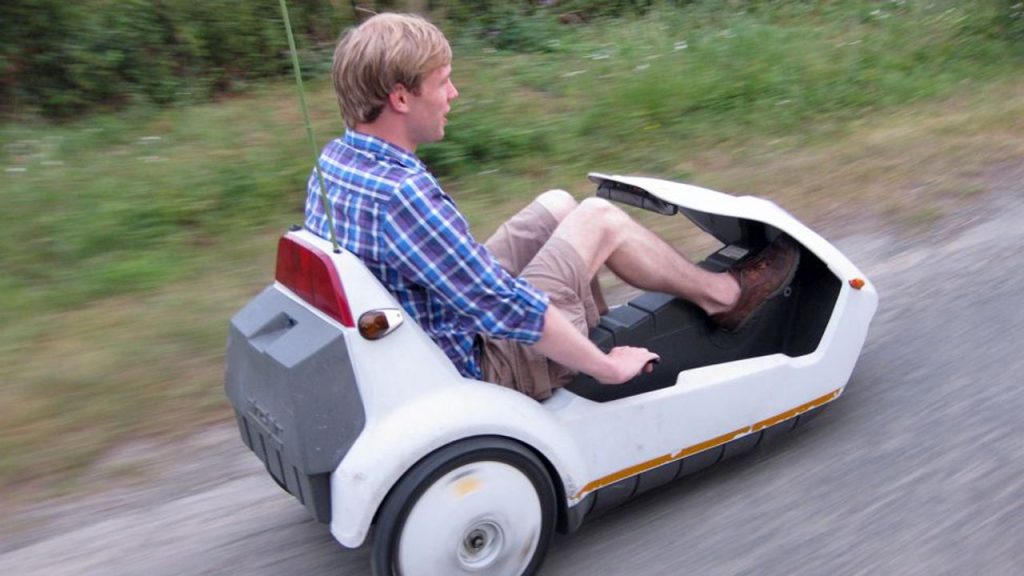
This tiny electric tricycle was supposed to be a new way to commute. It looked like a toy and was unsafe in traffic, dooming it from the start.
16. Clippy (Microsoft Office Assistant)
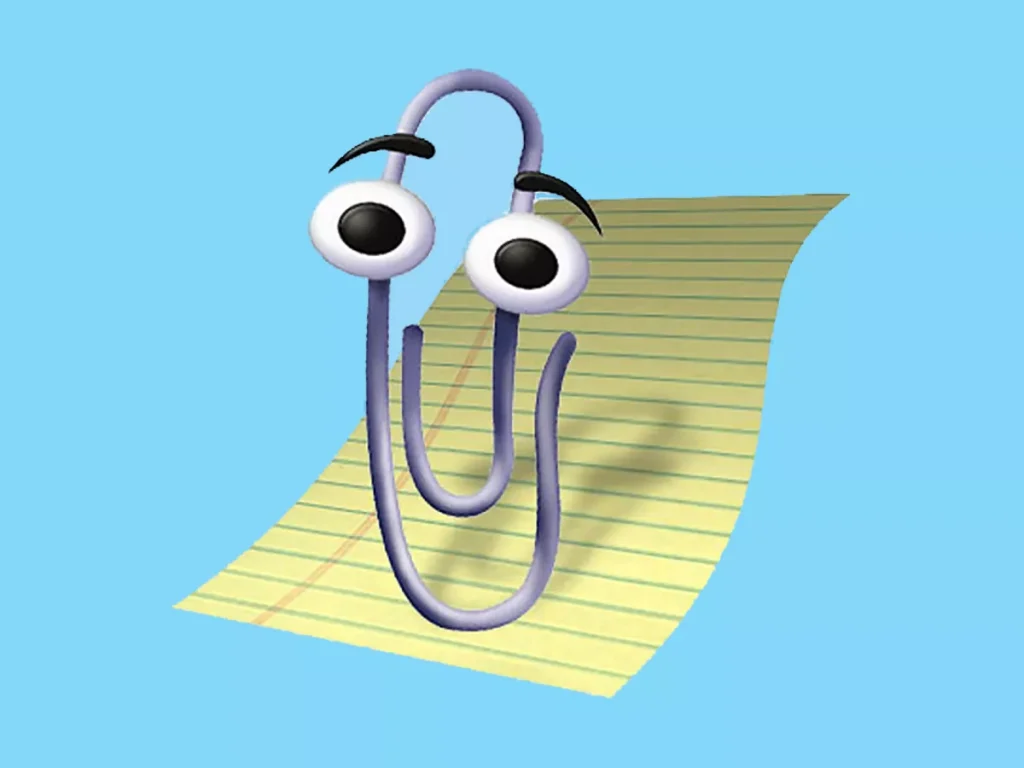
Meant to be a helpful guide in Office software, Clippy quickly became an annoying distraction. Microsoft eventually retired him after widespread mockery.
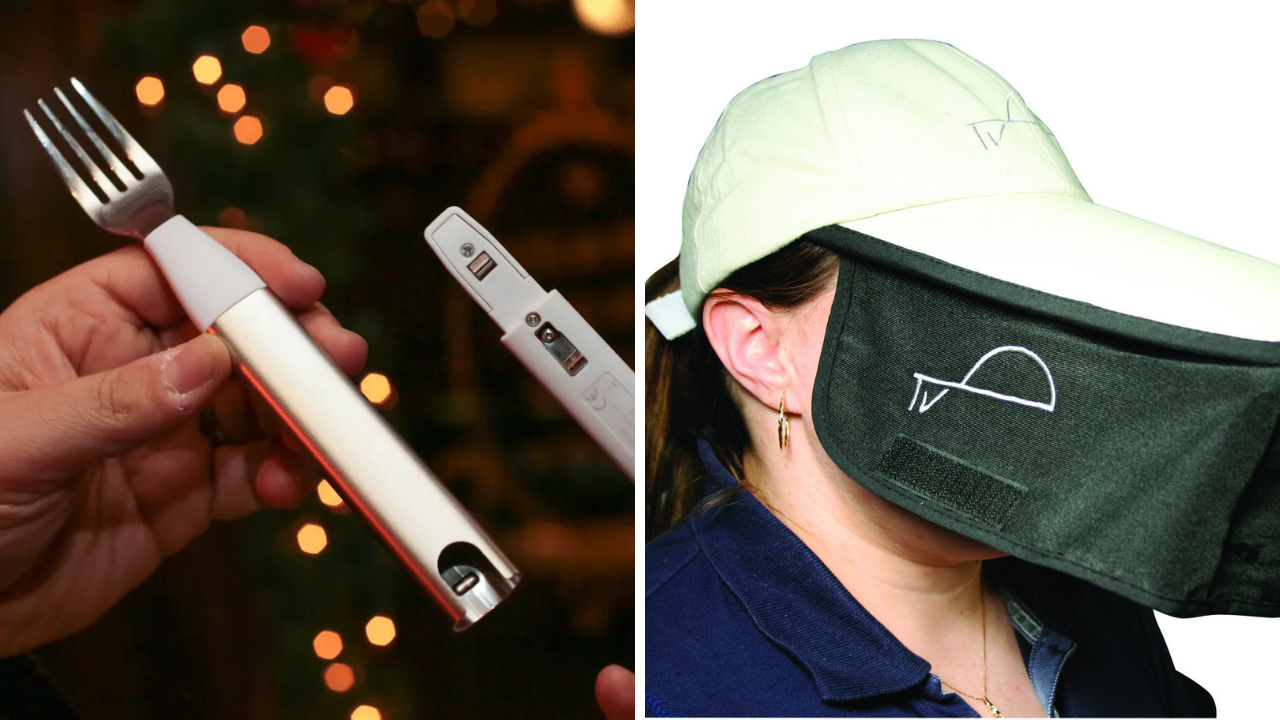
17. TV Hat
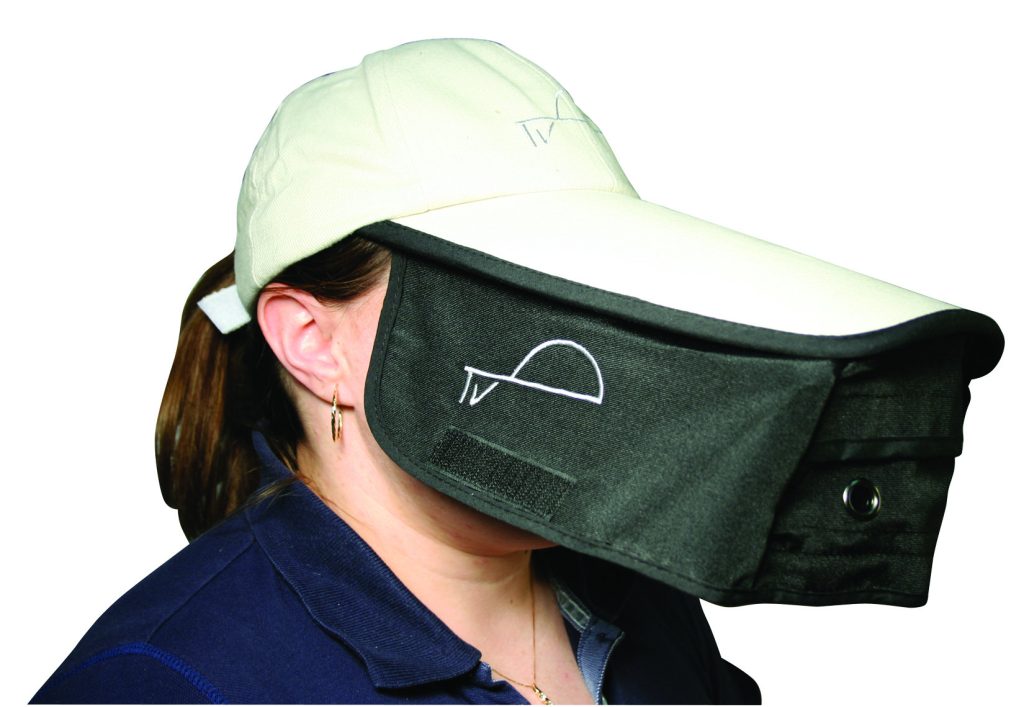
A bizarre wearable designed to give you a private movie experience using your smartphone. You’d look ridiculous wearing it in public, unsurprisingly, no one did.
18. iSmell
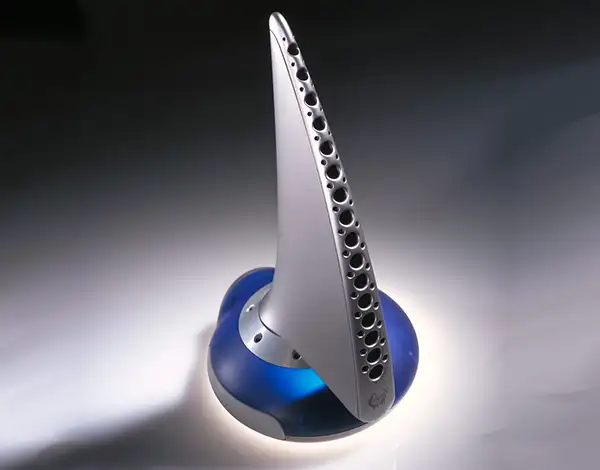
This device aimed to let you “smell” websites and emails by releasing scents. It never made it to market, partly because no one asked for it.
19. Digital Picture Frames with Email
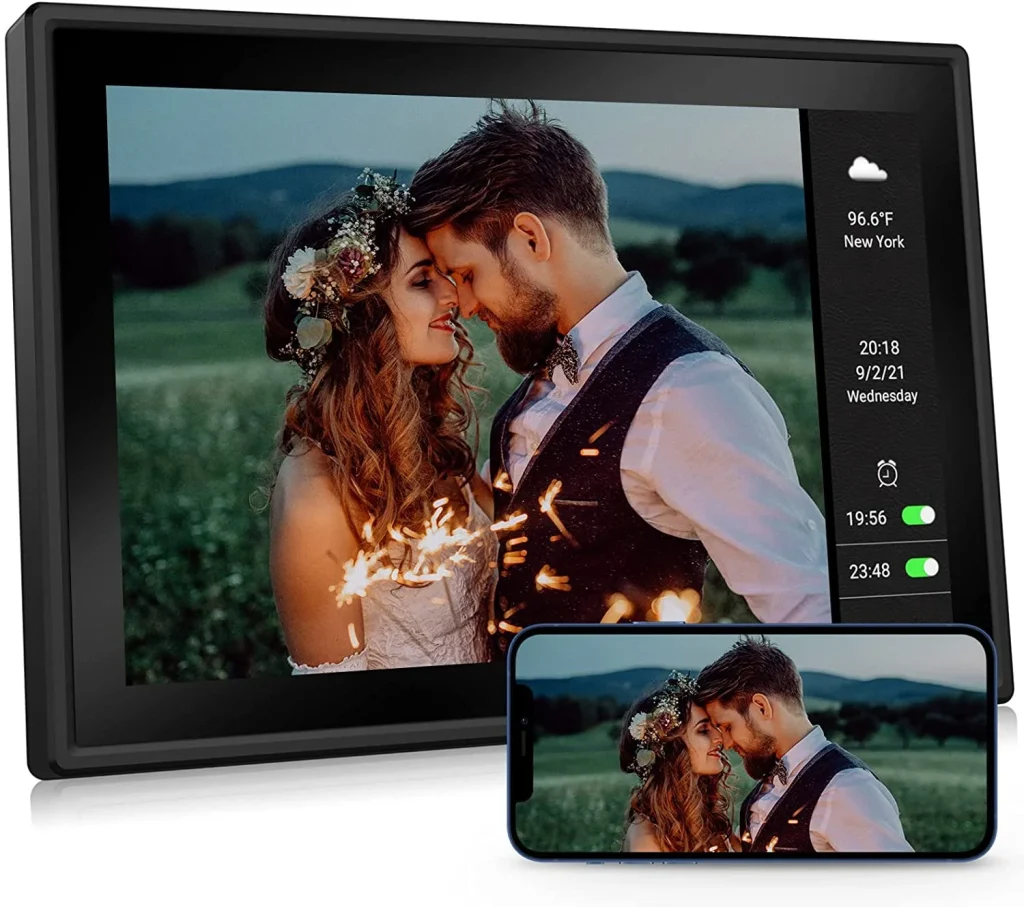
These were meant to receive emailed photos from loved ones. They were buggy, expensive, and quickly replaced by tablets and smartphones.
20. Smart Rings

They promised fitness tracking and notifications on your finger. But with tiny screens and poor battery life, most users just stuck with smartwatches.
21. Twitter Peek
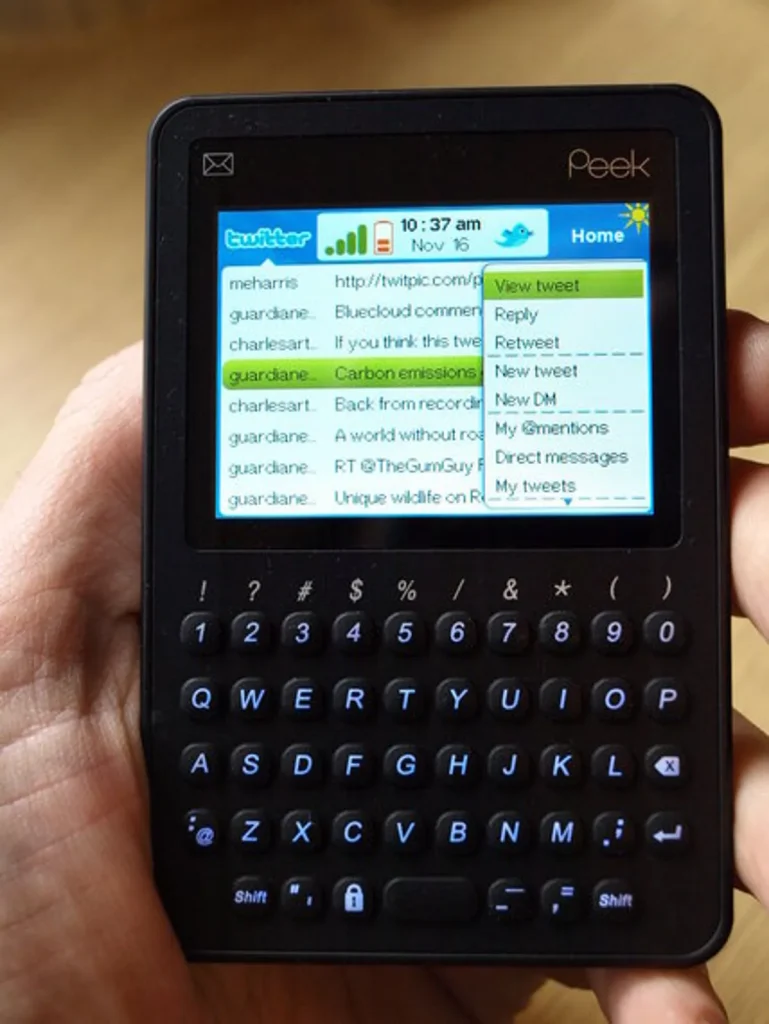
A gadget that did nothing but send and receive tweets. It flopped because smartphones already did that (and so much more).
22. 3D TVs
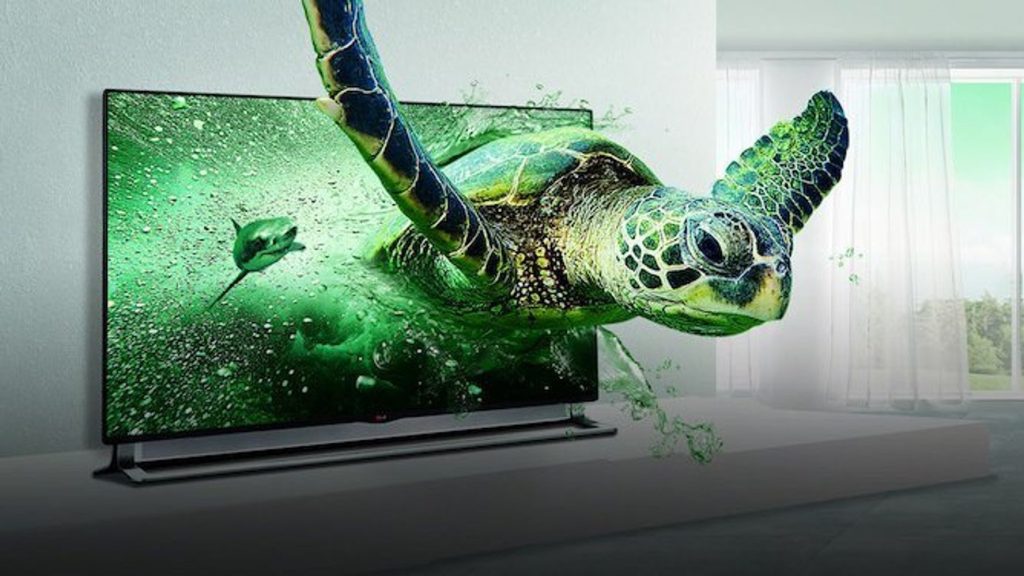
Touted as the next big thing, 3D TVs required special glasses and delivered a mediocre experience. Most people never bought in.
23. PonoPlayer
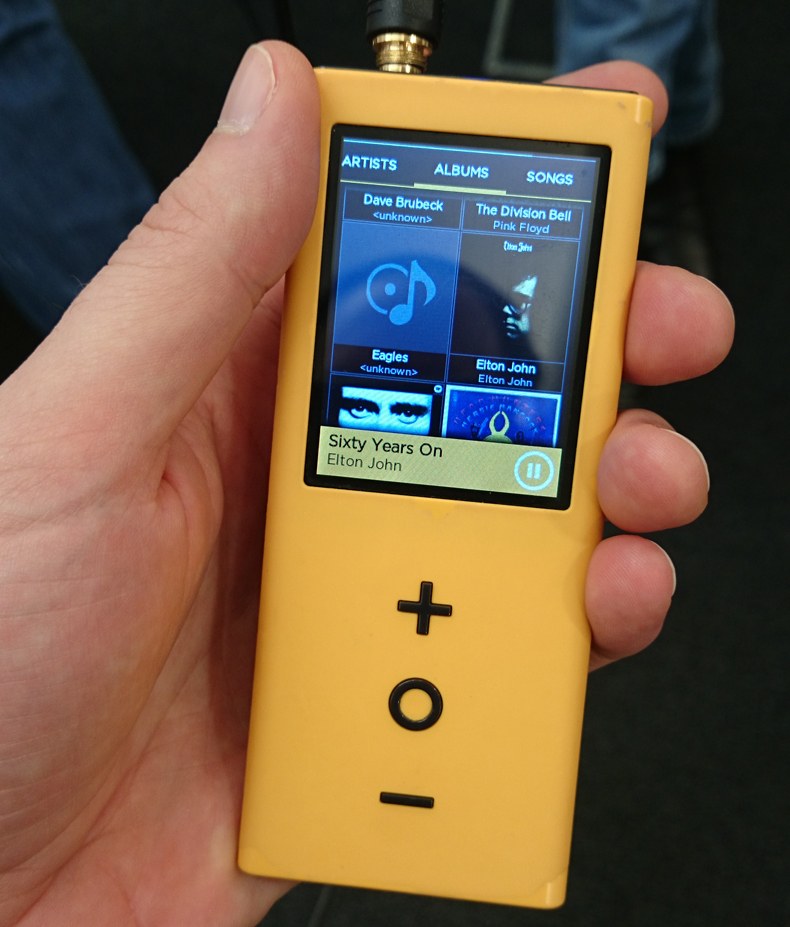
Musician Neil Young created this high-res music player to improve digital audio quality. Audiophiles liked it, but the general public didn’t care enough to switch.
24. Hoverboards (Self-Balancing Scooters)
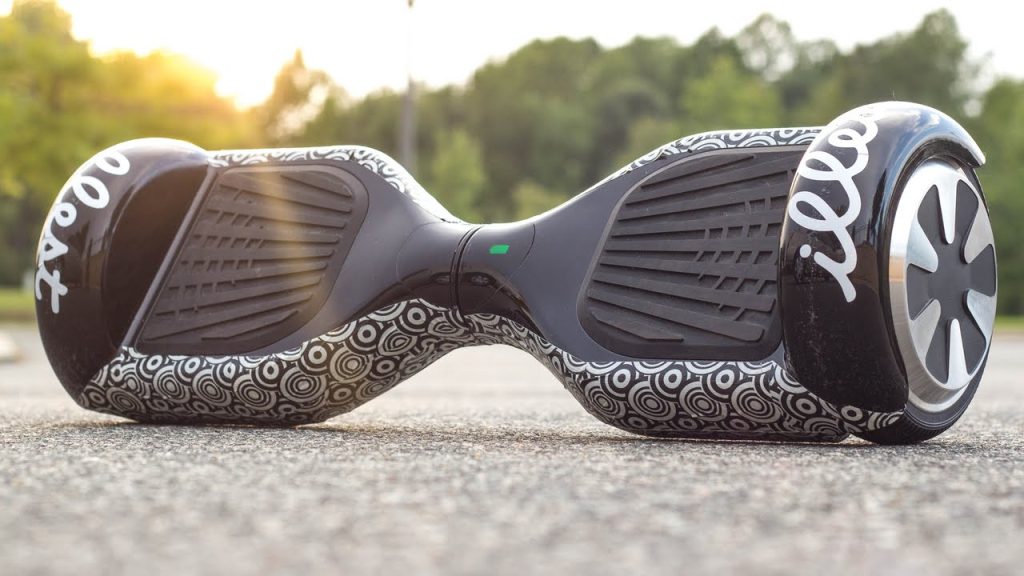
Despite the name, they didn’t hover, and several models caught fire. Their brief popularity was quickly extinguished by safety issues.
25. Smart Forks
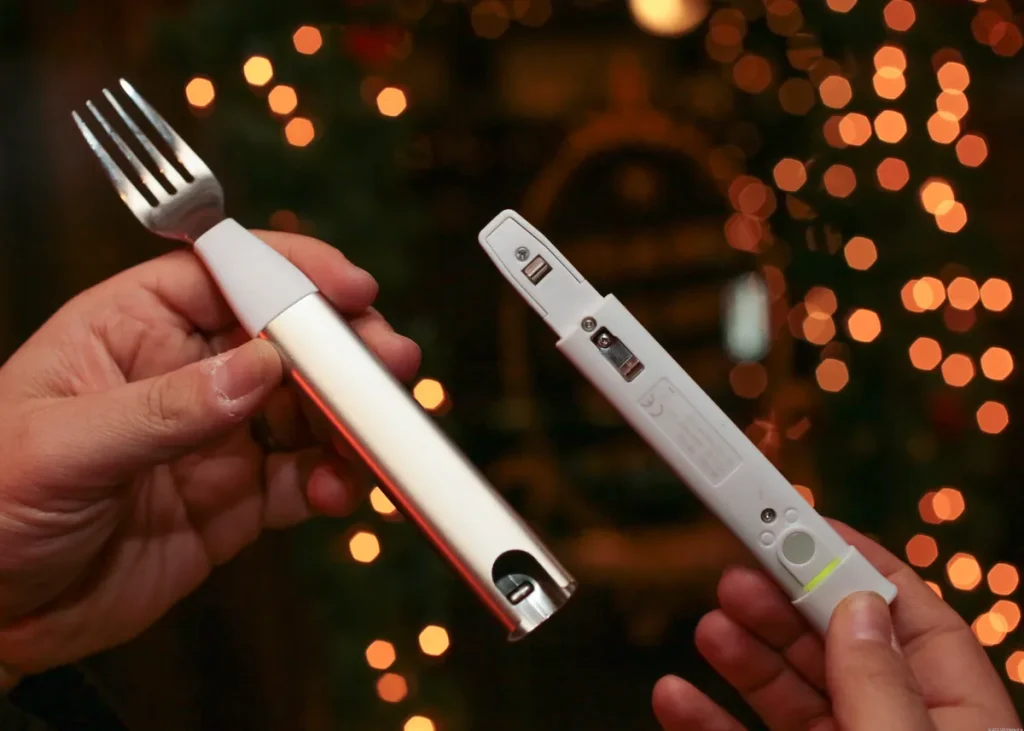
Designed to help you eat slower by vibrating when you ate too quickly. The concept was more annoying than helpful and didn’t gain traction.
26. Blackberry PlayBook
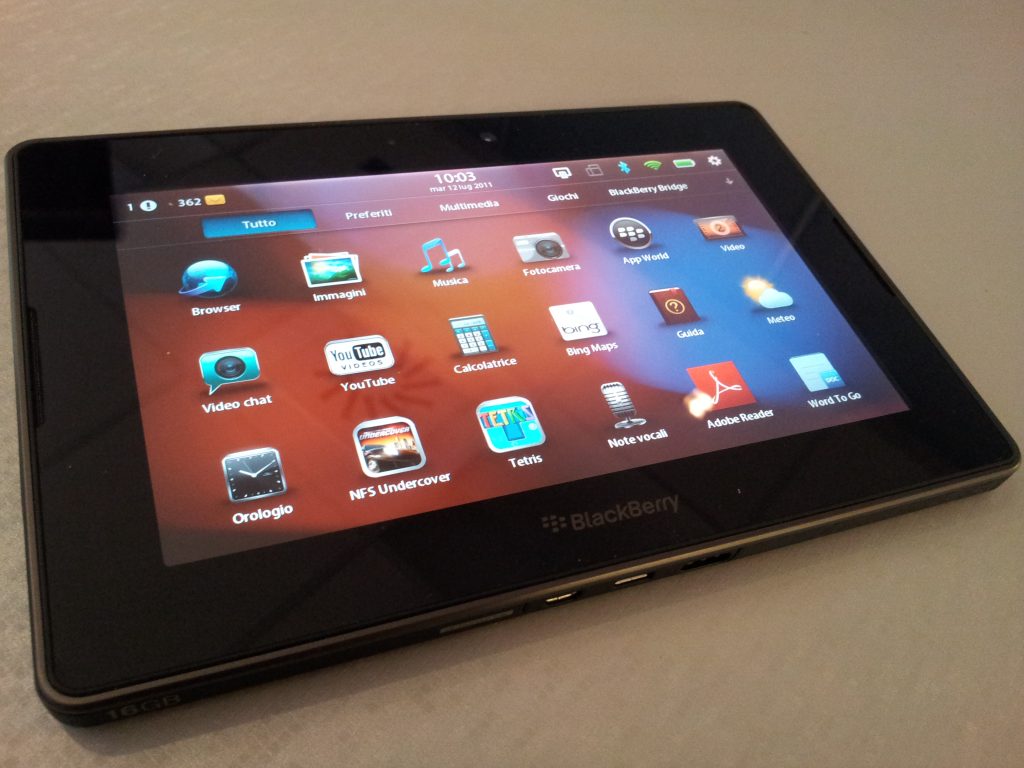
RIM tried to jump into the tablet market with the PlayBook, but it launched without a native email app. By the time they fixed it, it was too late.
27. LG DoublePlay
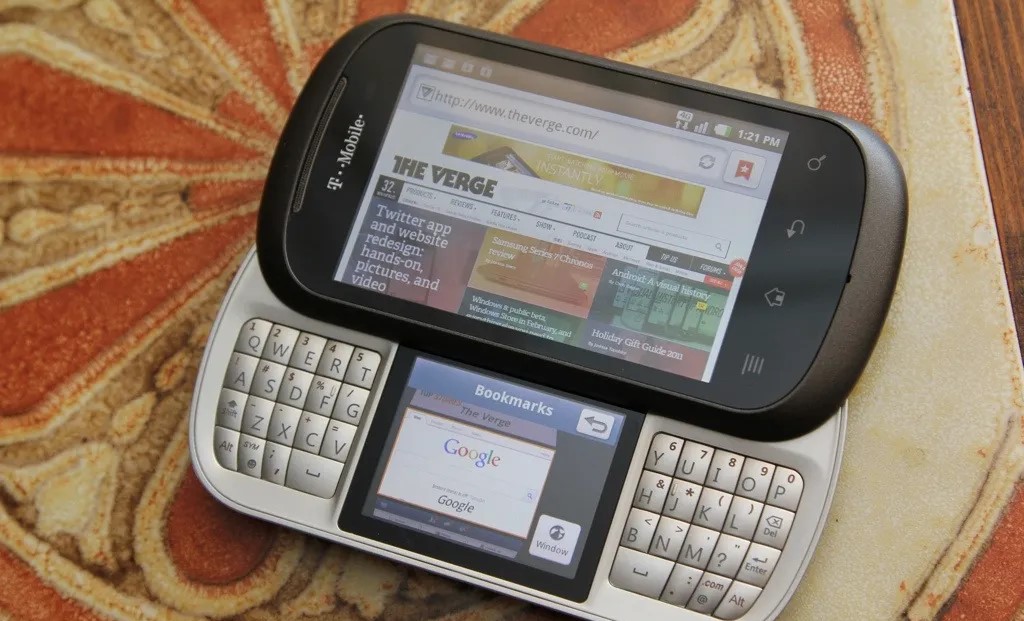
A smartphone with two screens and a split keyboard, it was a bold but confusing design. Users didn’t know what to do with the second screen.
28. Nokia N-Gage
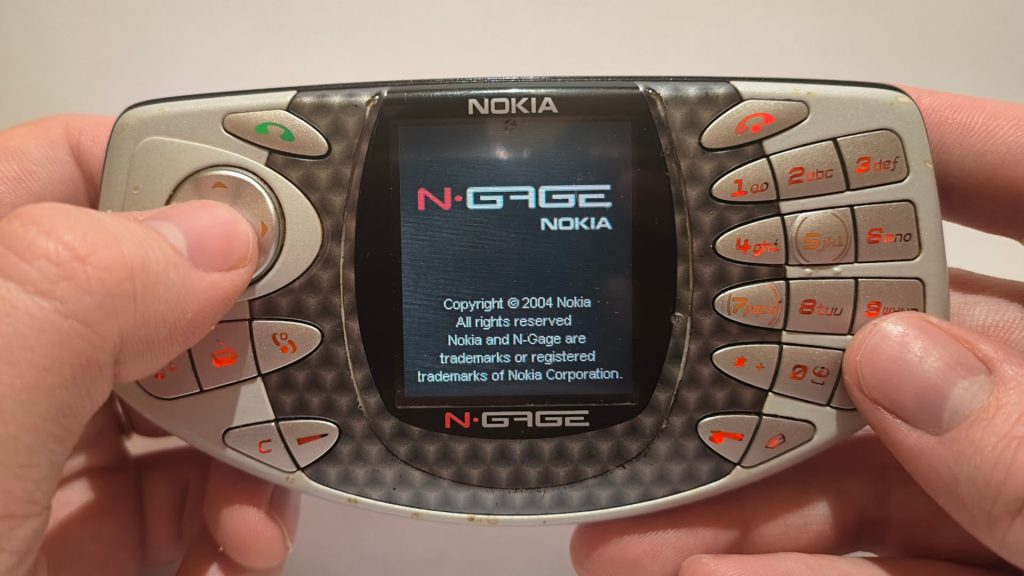
This gaming phone hybrid tried to take on Game Boy and flip phones at once. Its weird shape and awkward controls sealed its fate.
29. IBM PCjr
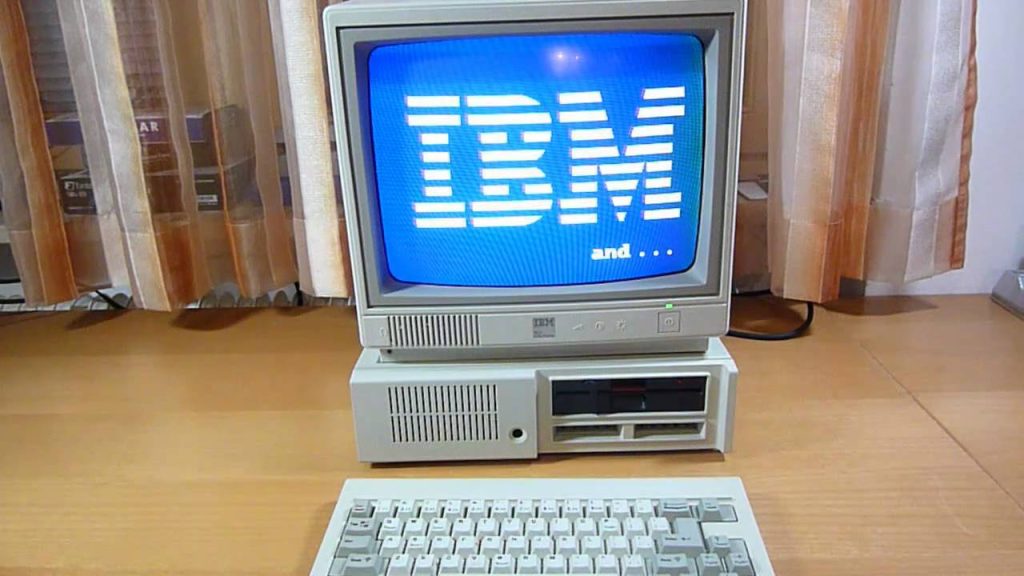
Designed as a home version of IBM’s PC, it was incompatible with many programs and had a terrible keyboard. Consumers stayed away.
30. The Air Umbrella
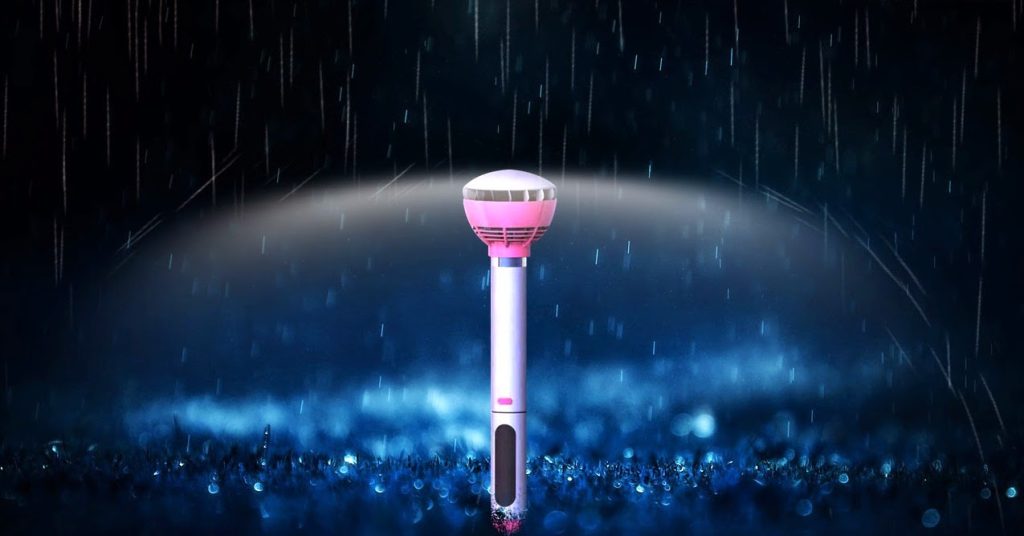
A futuristic concept that used a column of air to blow raindrops away instead of a canopy. It didn’t work well and left people soggy and puzzled.