History is full of happy accidents: lab slips, kitchen mishaps, and chance observations that reshaped daily life. In this article of 30 cases, you will find inventions born from mistakes or serendipity, from household staples to breakthroughs in medicine. Consider this a tour of the moments when curiosity turned surprise into innovation.
Penicillin
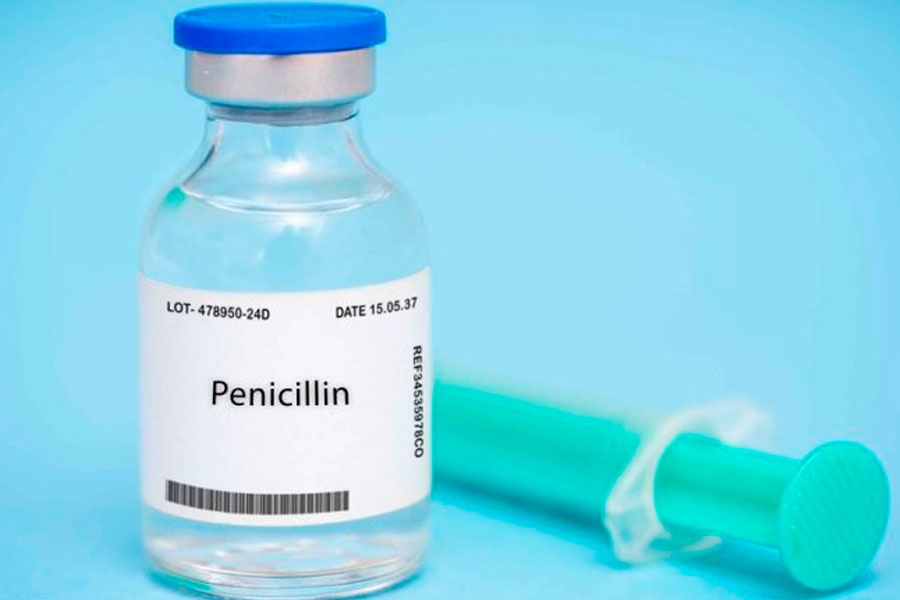
In 1928, Alexander Fleming noticed a mold contaminating a petri dish that killed nearby bacteria. The observation led to the first widely used antibiotic. Penicillin transformed medicine and infection control.
Microwave Oven
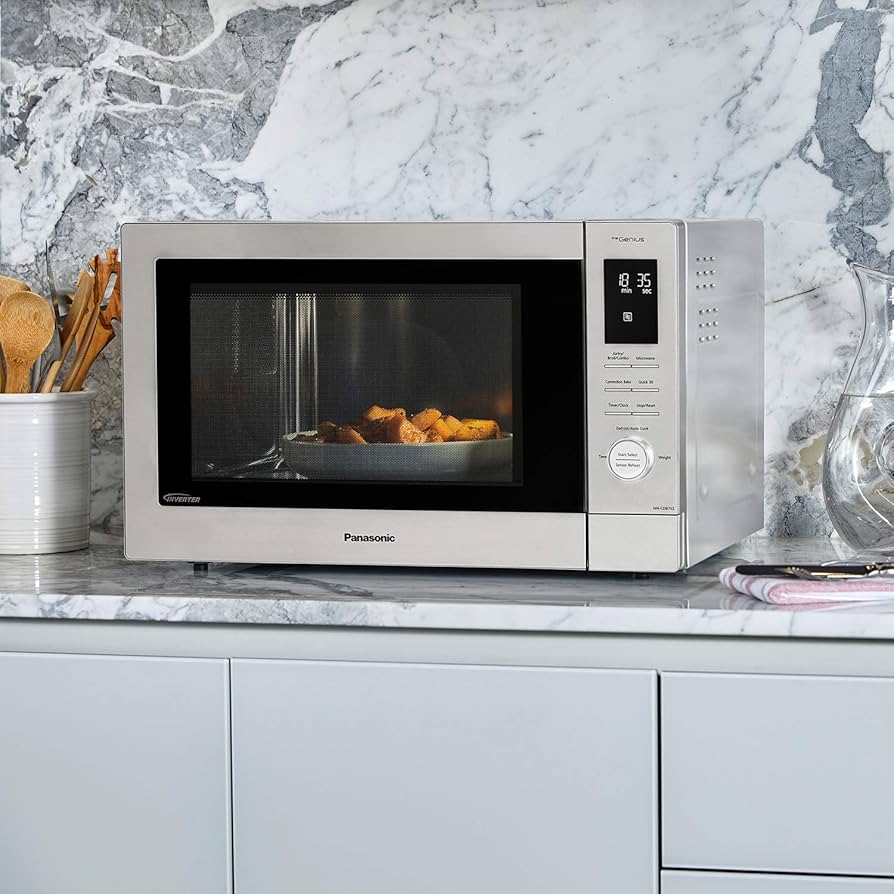
Engineer Percy Spencer found a candy bar melted in his pocket while working near a magnetron in the 1940s. He experimented with popcorn and eggs, then built the first microwave cooker. It turned radar tech into a kitchen standard.
Post-it Notes
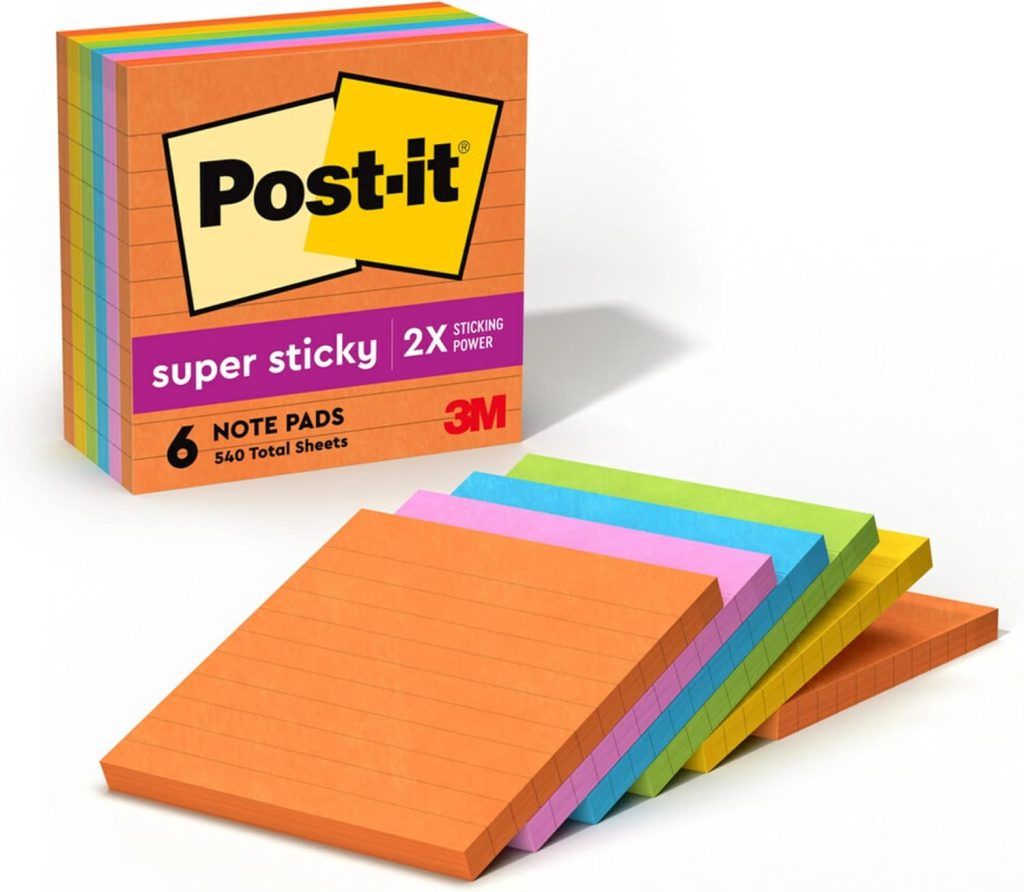
Chemist Spencer Silver developed a weak, pressure-sensitive adhesive by accident. Art Fry later used it to anchor bookmarks, inspiring removable sticky notes. The combo became a global office staple.
Pacemaker
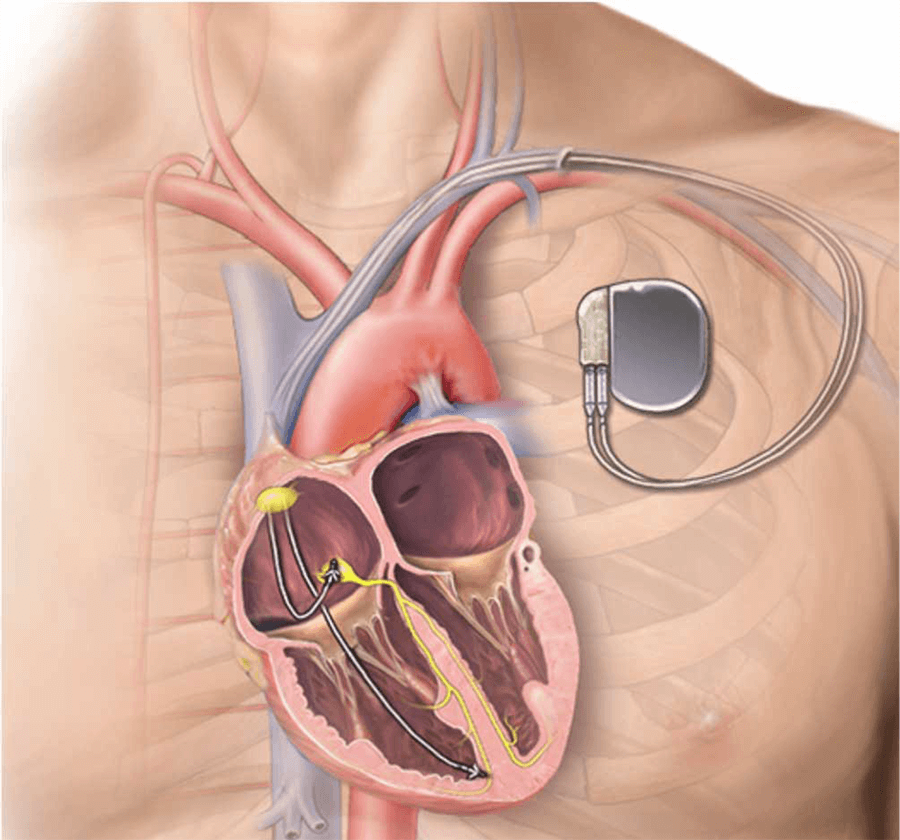
Engineer Wilson Greatbatch accidentally installed the wrong resistor in a circuit and heard a rhythmic pulse. That mistake inspired an implantable pacemaker design. Refinements made life-saving heart therapy possible.
Teflon (PTFE)
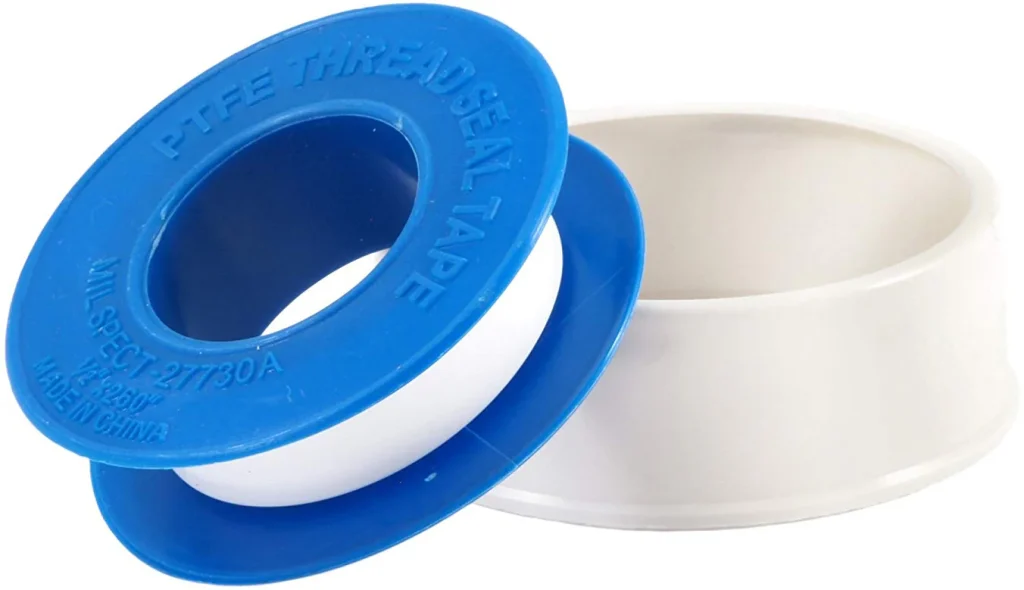
In 1938, Roy Plunkett opened a cylinder expecting refrigerant gas and found a slick, solid polymer. The low-friction material resisted heat and chemicals. It later coated nonstick pans and lined industrial equipment.
X-Rays
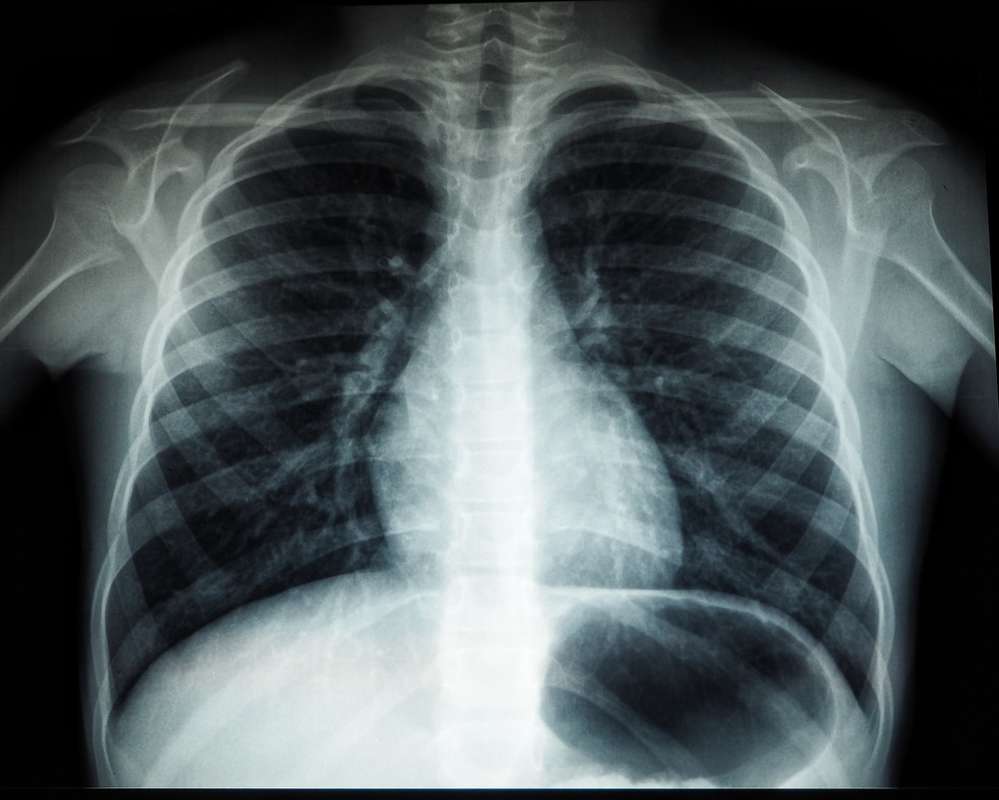
In 1895, Wilhelm Röntgen noticed a fluorescent screen glowing during cathode-ray experiments. He realized a new kind of radiation could image bones and metal. Medical diagnostics changed almost overnight.
Safety Glass
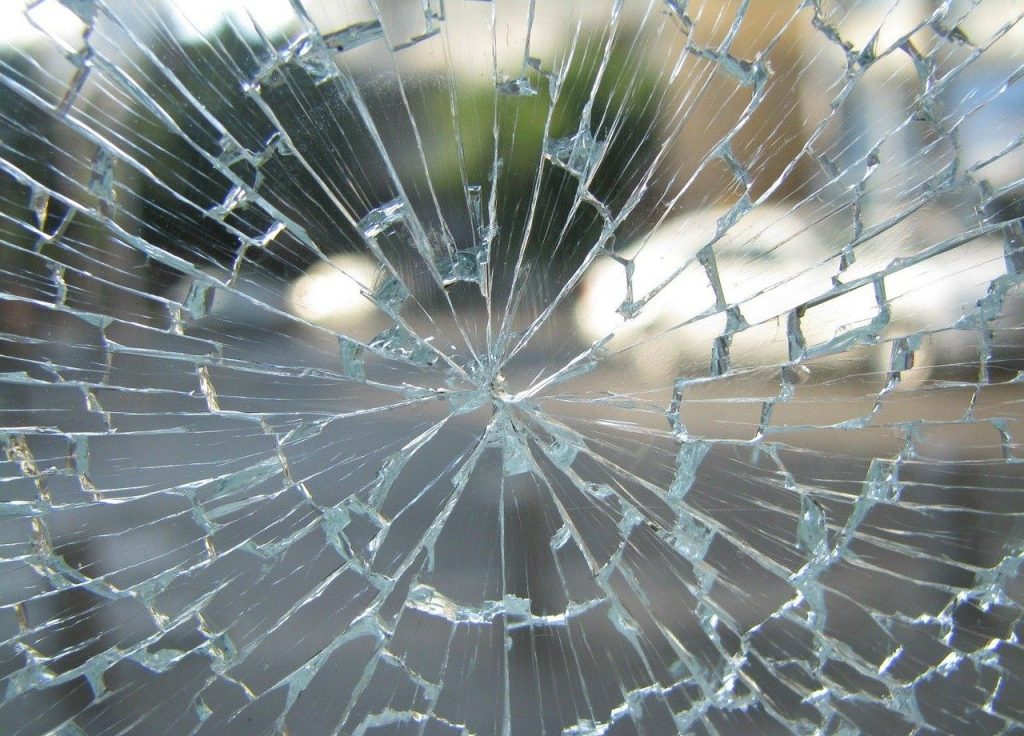
After dropping a coated flask, Édouard Bénédictus saw the glass crack but not shatter in 1903. A plastic layer held shards together. Laminated safety glass became standard in cars and buildings.
Vulcanized Rubber
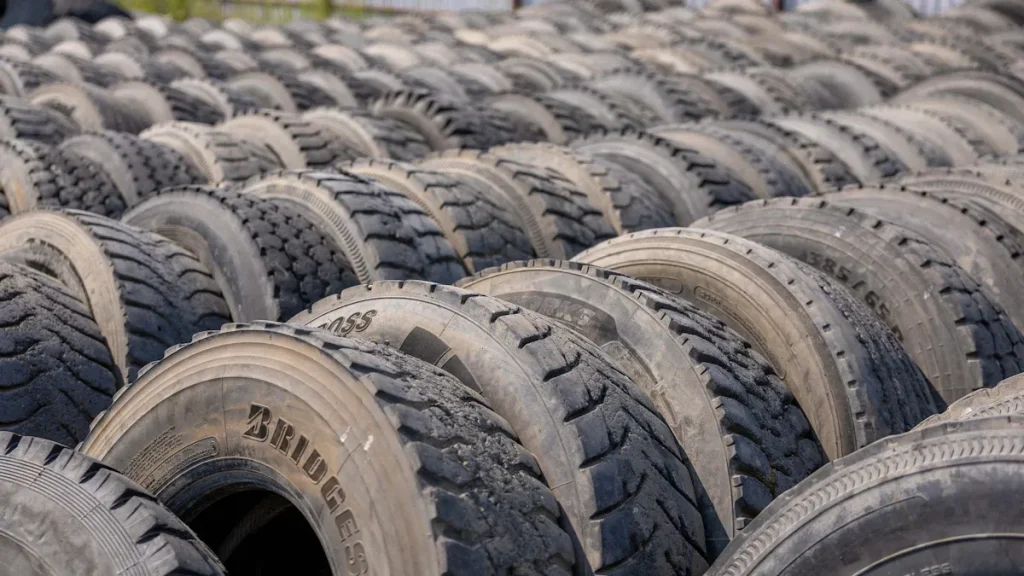
Charles Goodyear spilled a sulfur-rubber mix onto a hot surface in the 1830s. The result was tougher and more temperature resistant. Vulcanization made rubber practical for tires and seals.
Play-Doh
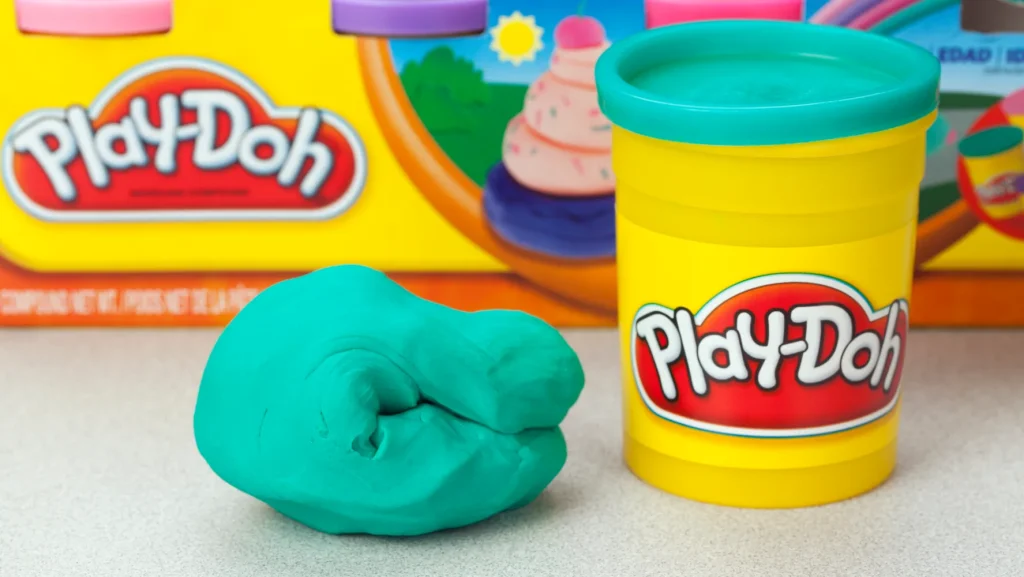
A wallpaper-cleaning compound found new life when families used it as a modeling clay. A scent and color change turned it into a toy. Classrooms and homes adopted it worldwide.
Super Glue
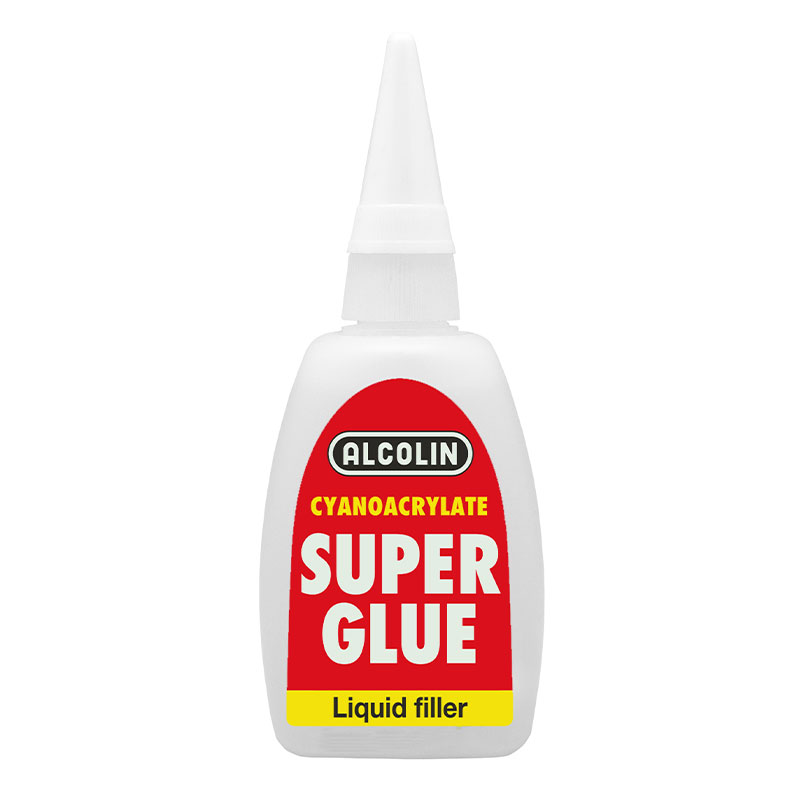
Cyanoacrylate was rejected for optics because it stuck to everything. Chemist Harry Coover later recognized it as a powerful instant adhesive. It became a quick-fix tool for industry and households.
Corn Flakes
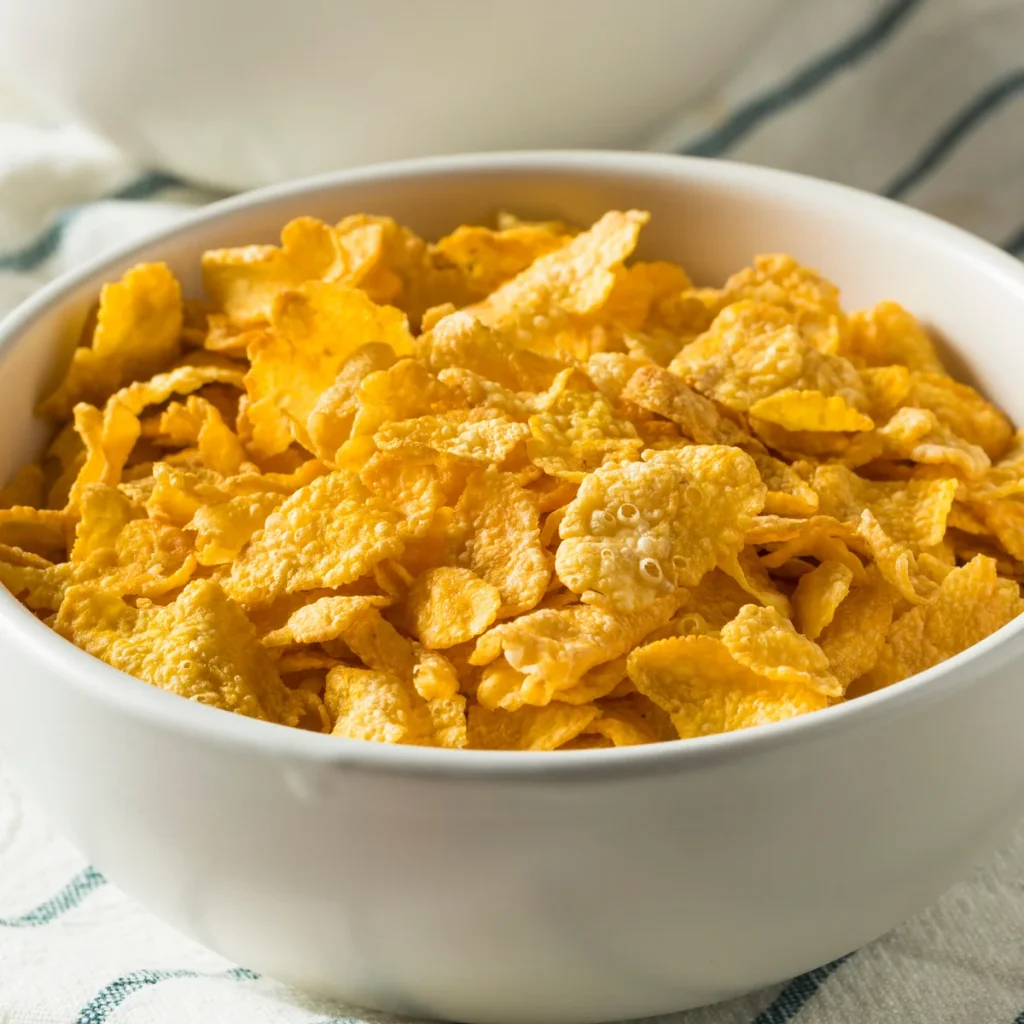
The Kellogg brothers left cooked wheat to sit and it flaked when rolled. A switch to corn produced a crisp new cereal. Breakfast habits were never the same.
Popsicles
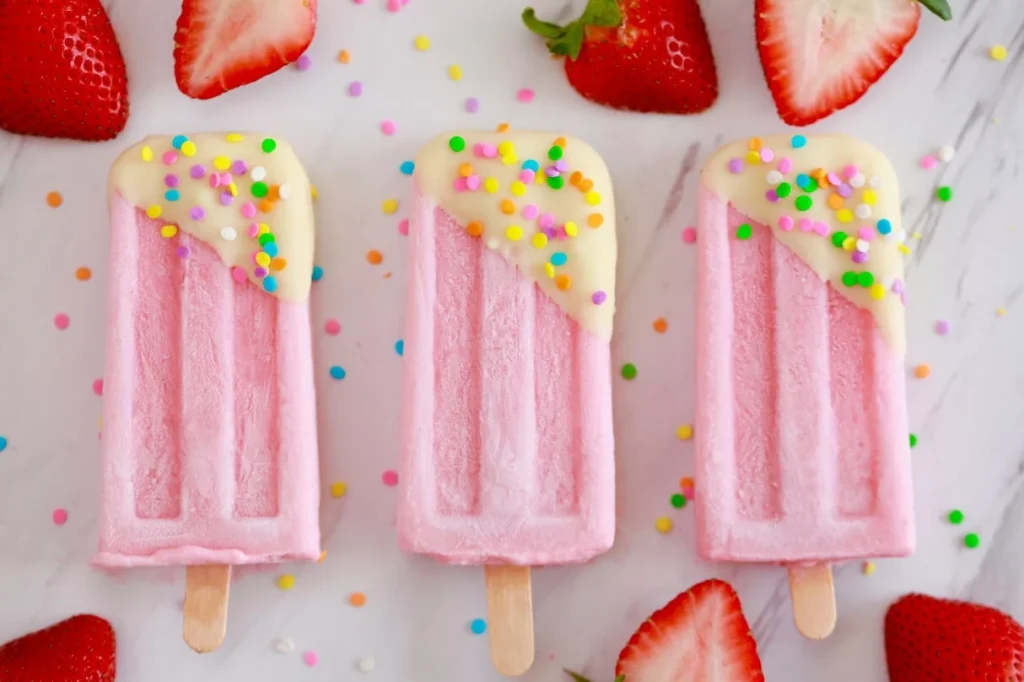
In 1905, Frank Epperson left a flavored drink with a stirring stick outside overnight. It froze and became a frozen treat on a stick. He later patented the idea and popularized it.
Coca-Cola
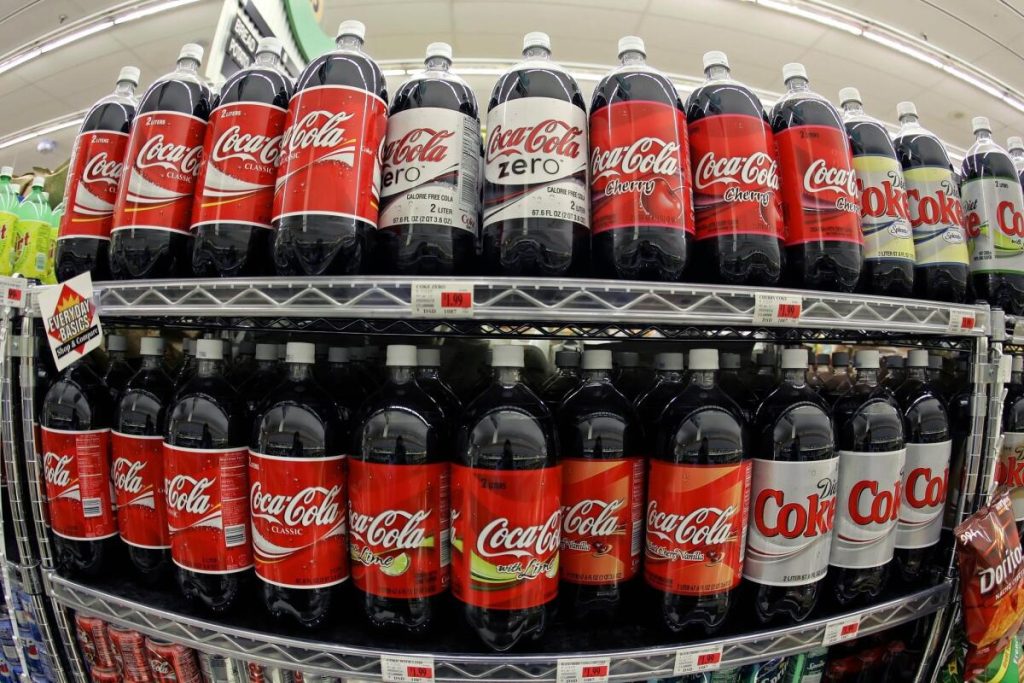
John Pemberton mixed a medicinal syrup that, when combined with carbonated water, became a popular soft drink. The tonic origins faded as the soda took off. Branding and bottling did the rest.
Slinky
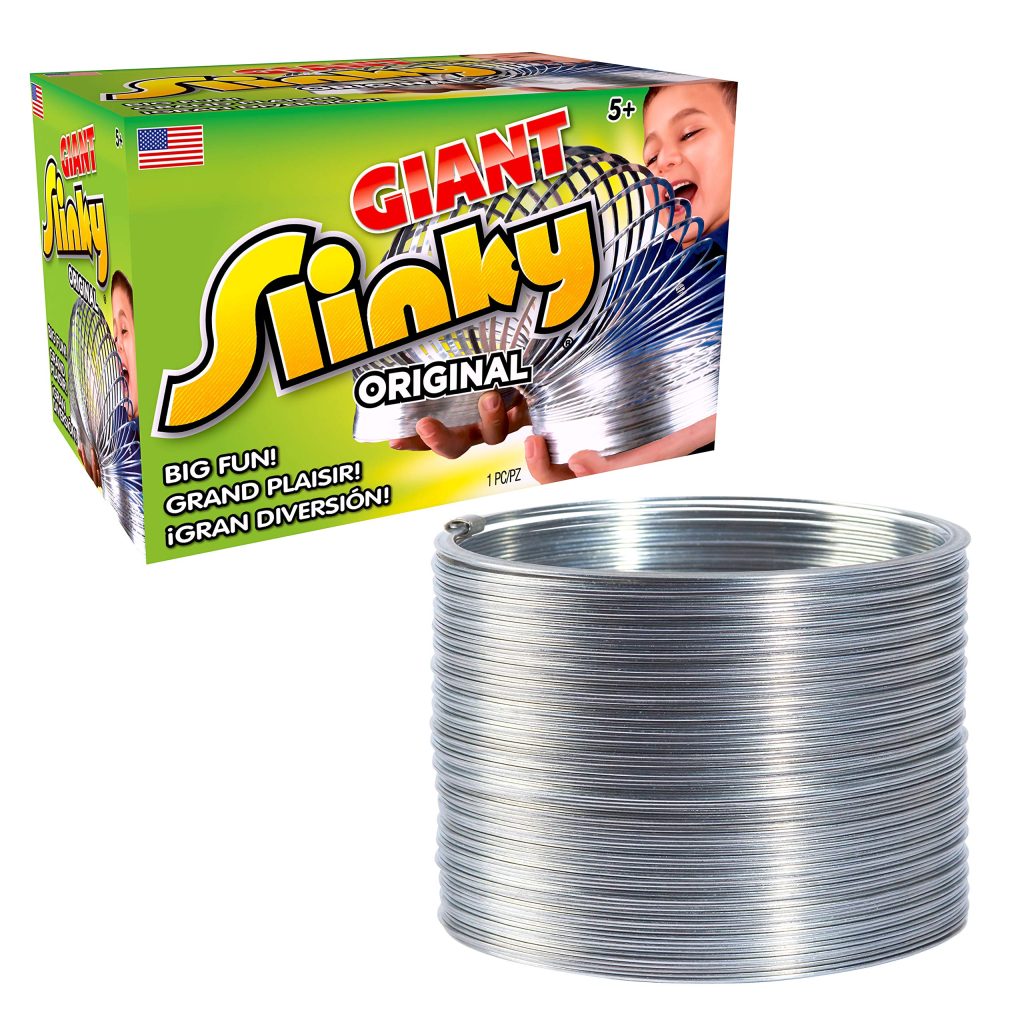
A naval engineer dropped a tension spring and watched it walk down steps. The accidental spectacle became a toy phenomenon. Simple physics met simple fun.
Saccharin
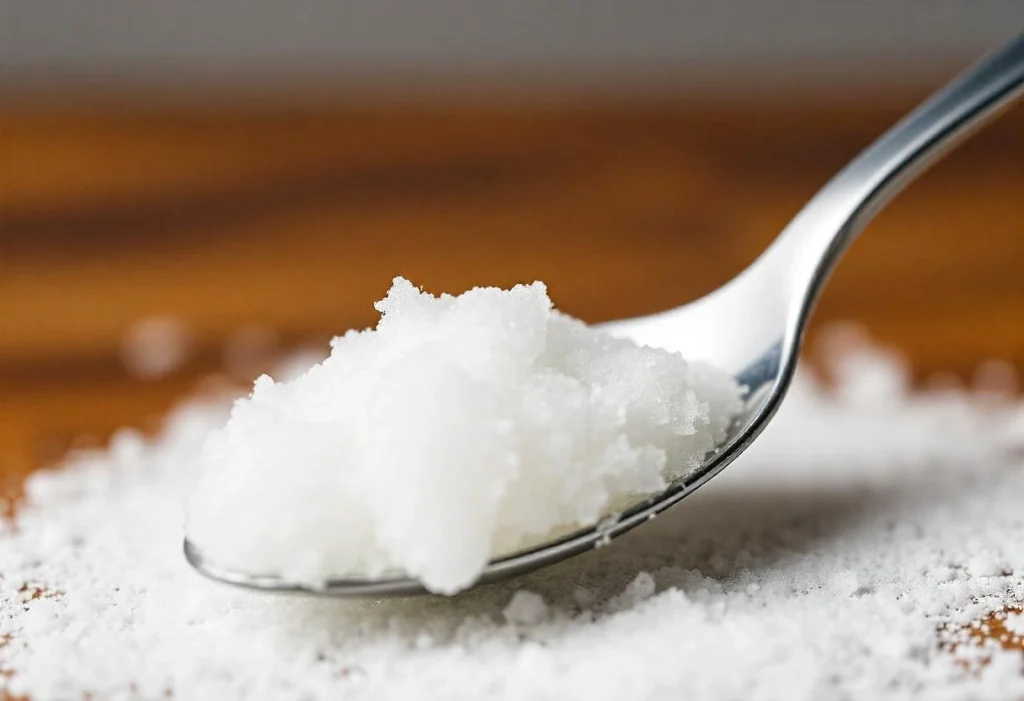
In 1879, Constantin Fahlberg noticed a sweet residue on his hands after lab work. The compound turned out to be a calorie-free sweetener. It opened the door to sugar substitutes.
Aspartame
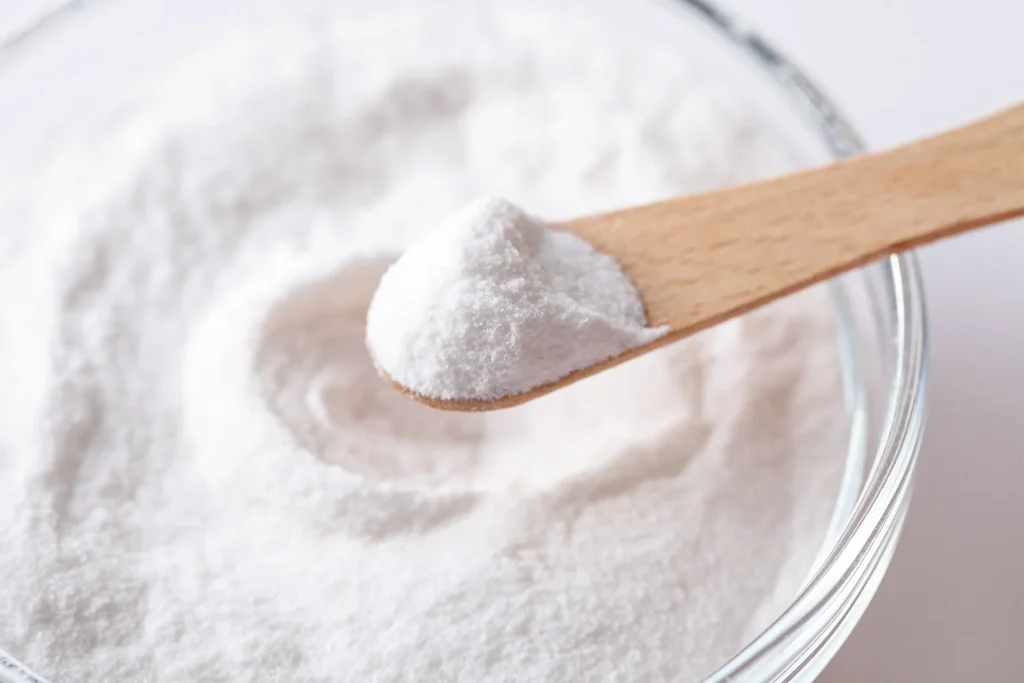
In 1965, James Schlatter accidentally tasted a substance he was synthesizing and found it sweet. The dipeptide became a widely used low-calorie sweetener. Quality controls later standardized production.
Stainless Steel

Harry Brearley observed that a chromium-rich steel resisted rust while testing alloys in 1913. The corrosion resistance came from a protective oxide layer. Cutlery and chemical equipment quickly adopted it.
Safety Matches (Friction Matches)
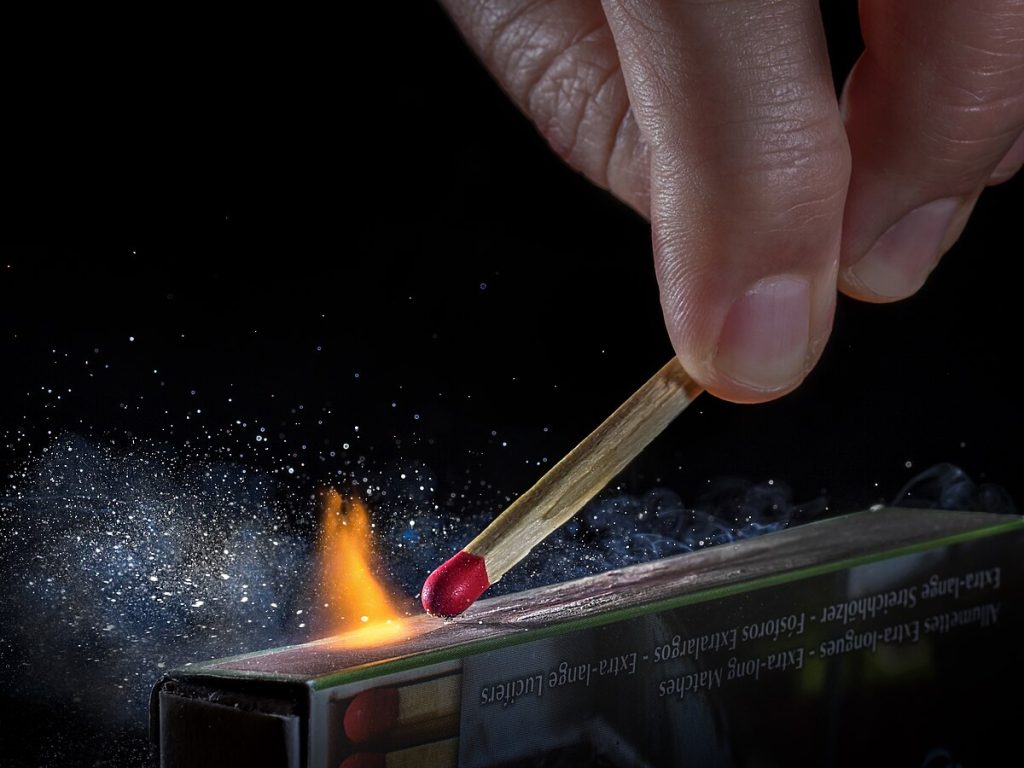
Safer match chemistry emerged after observations with red phosphorus and oxidizers reduced dangerous flare-ups. Refined formulations limited accidental ignition. They replaced earlier, less stable designs.
Inkjet Printing
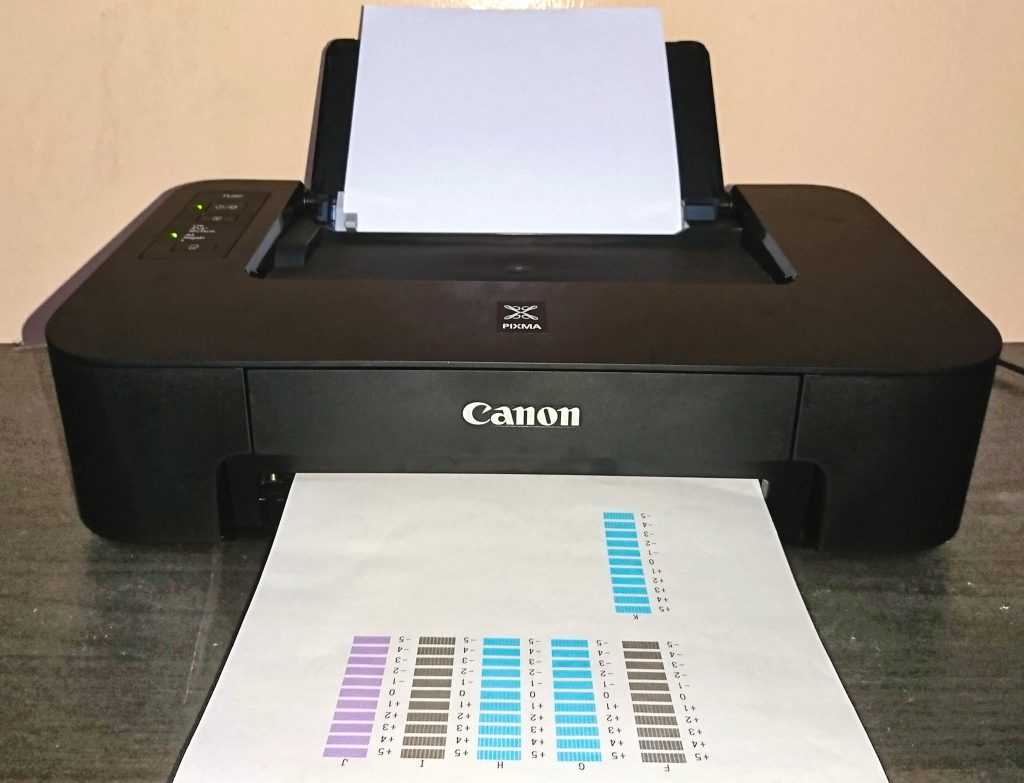
Engineers noticed heated ink could form uniform droplets from a nozzle. The effect inspired thermal and piezoelectric drop-on-demand systems. Desktop printers brought the method home.
Silly Putty
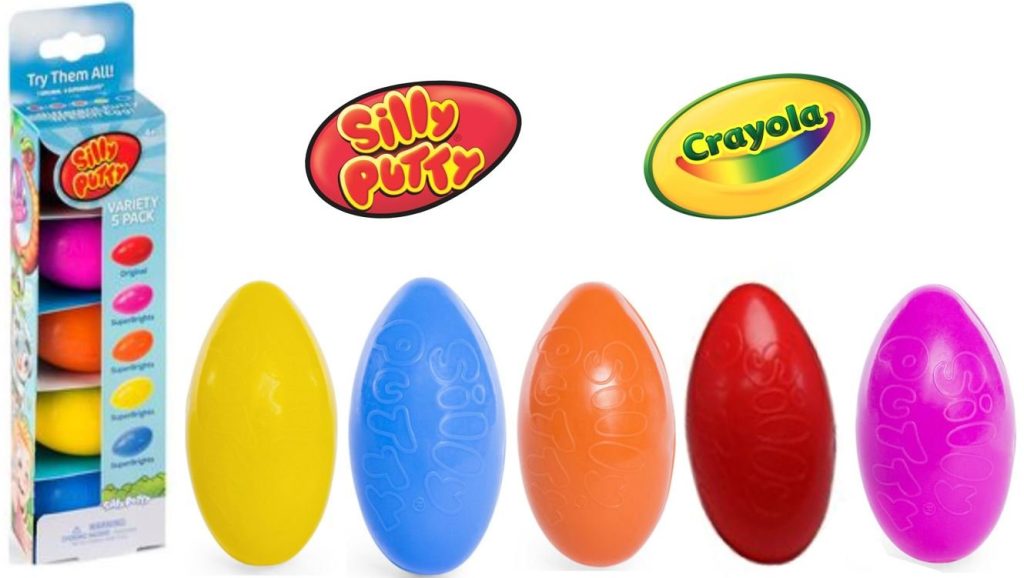
Experiments to create synthetic rubber yielded a bouncy, stretchy compound instead. It failed as tire material but succeeded as a toy. It even lifts ink from newsprint.
Bubble Wrap
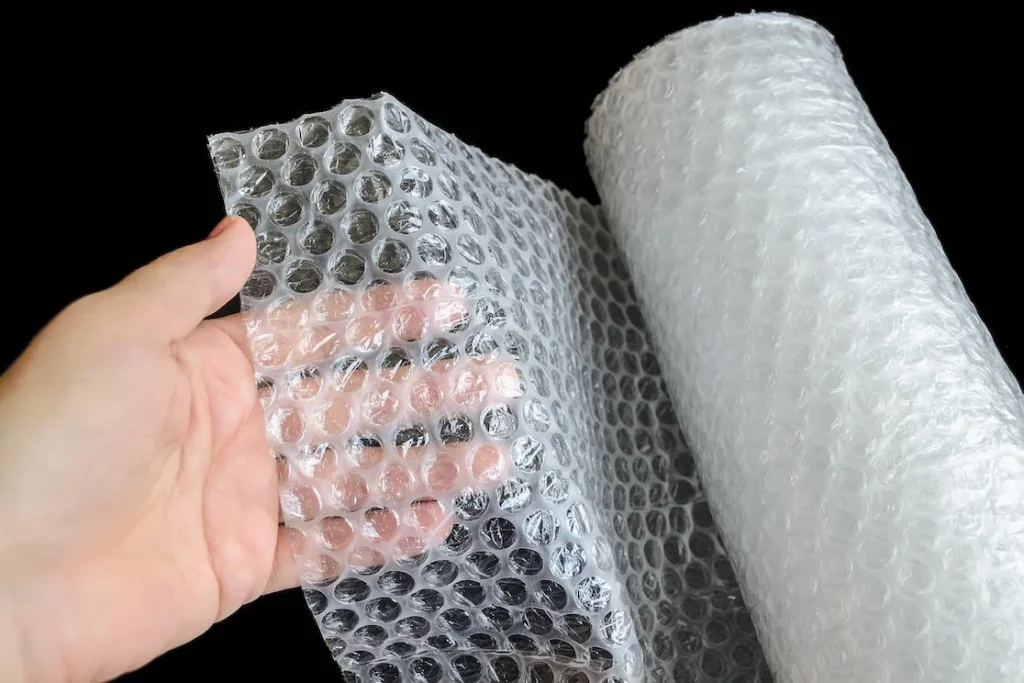
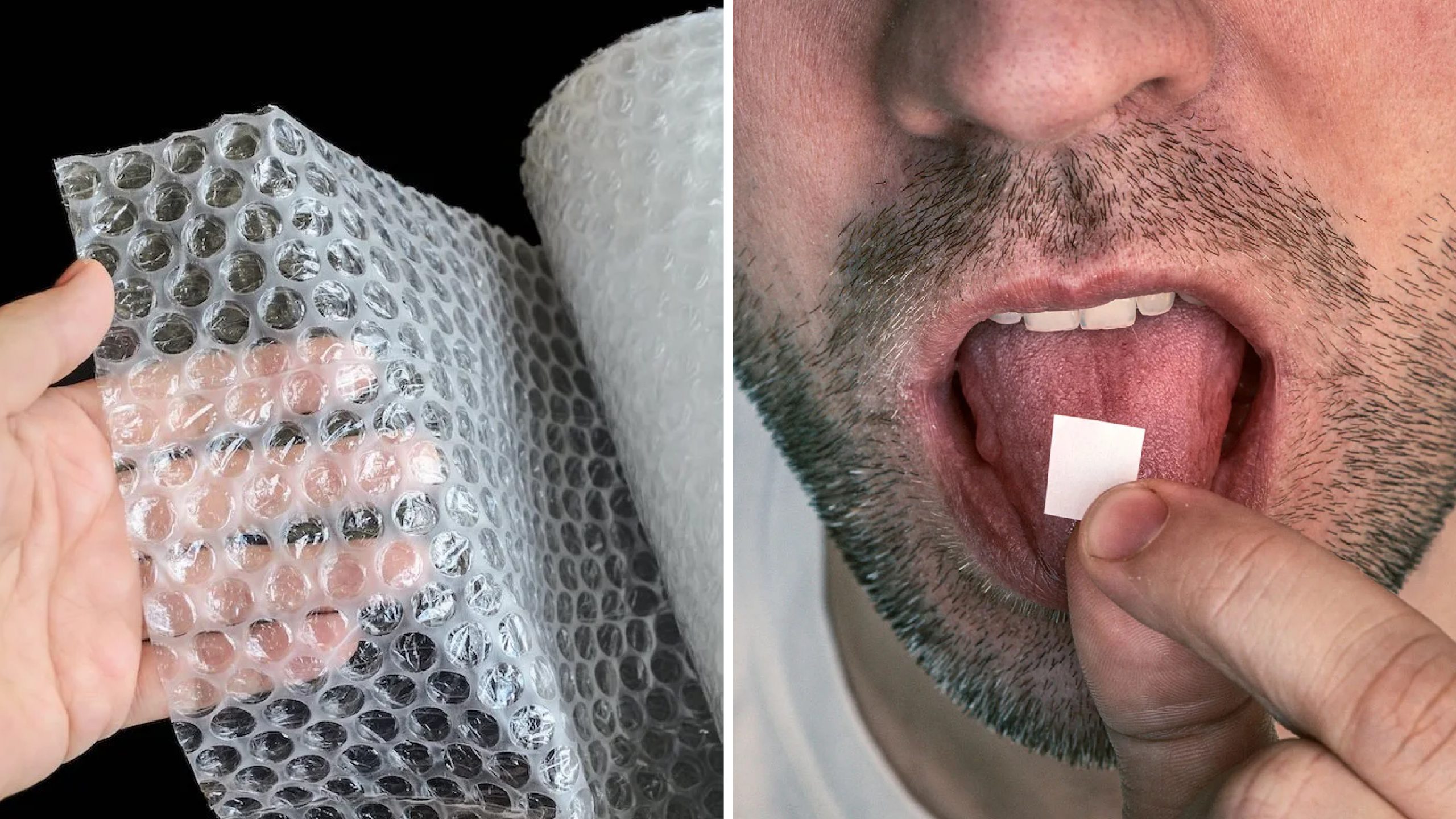
Two engineers tried to make textured wallpaper and instead created sealed air pockets between plastic sheets. The material proved perfect for cushioning. It became a shipping essential.
Matches That Strike Anywhere
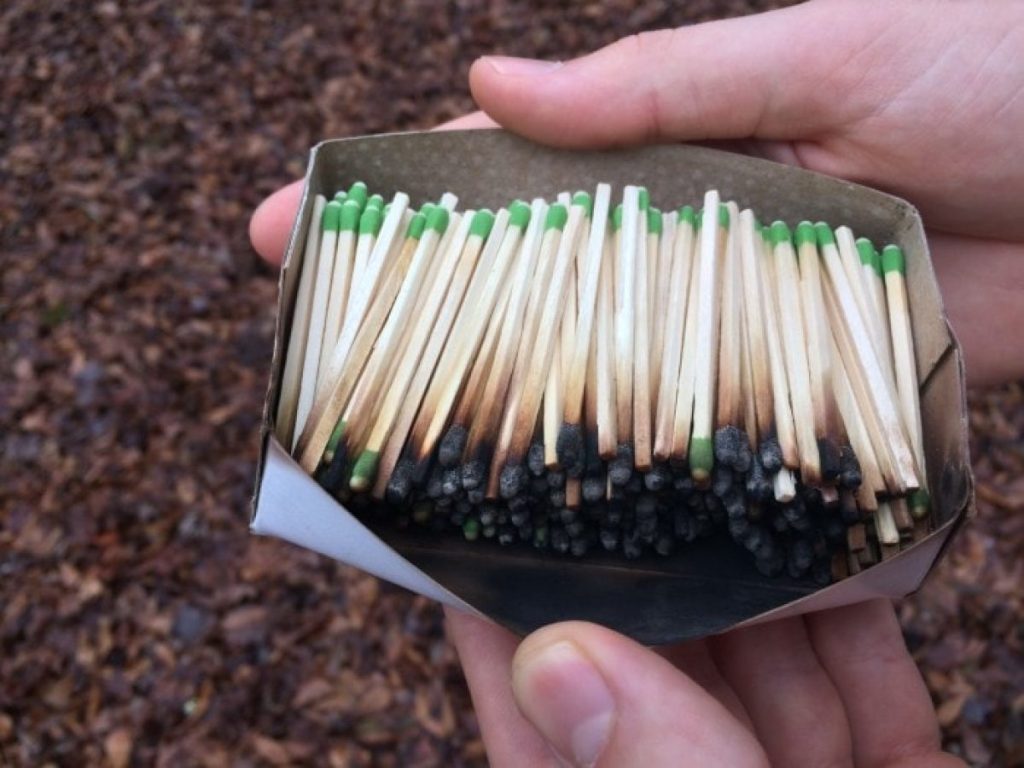
Early 19th-century trials with chemical mixes produced heads that would ignite on various rough surfaces. Convenience improved, though safety concerns remained. Later standards refined composition and packaging.
Color Mauveine (Aniline Purple)
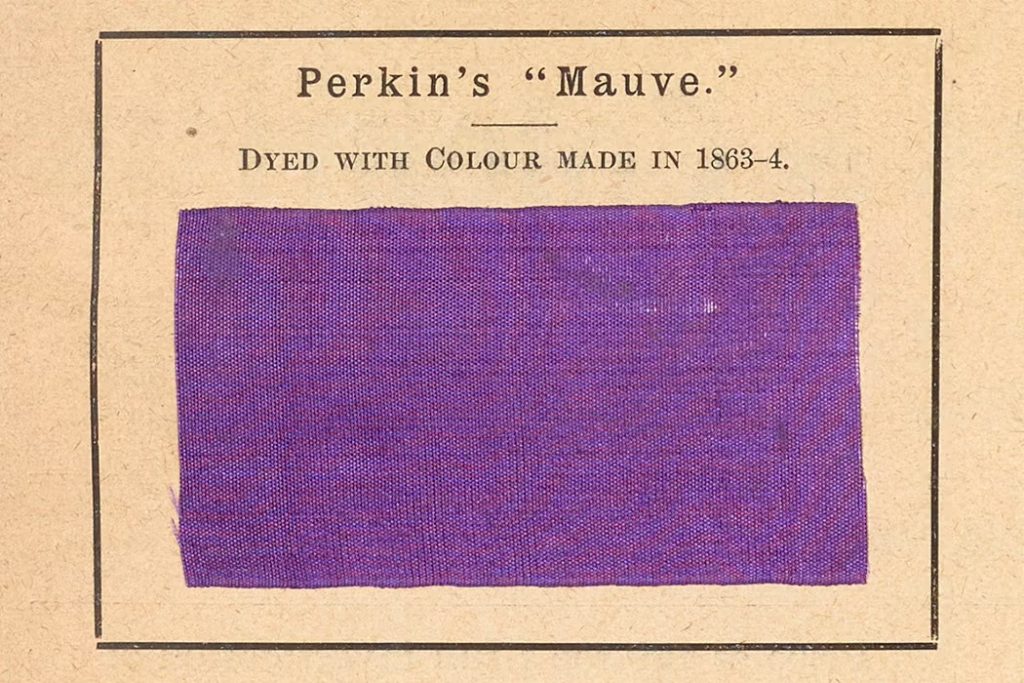
In 1856, William Perkin failed to synthesize quinine and stumbled on a brilliant purple dye. Mauveine launched the synthetic dye industry. Fashion quickly embraced the new color.
Pyrotechnic Flares

Repurposed pyrotechnic mixes intended for light and color found maritime and signaling use. Refined burn rates and formulations improved visibility. Packaging made them safer in the field.
Modern Chewing Gum
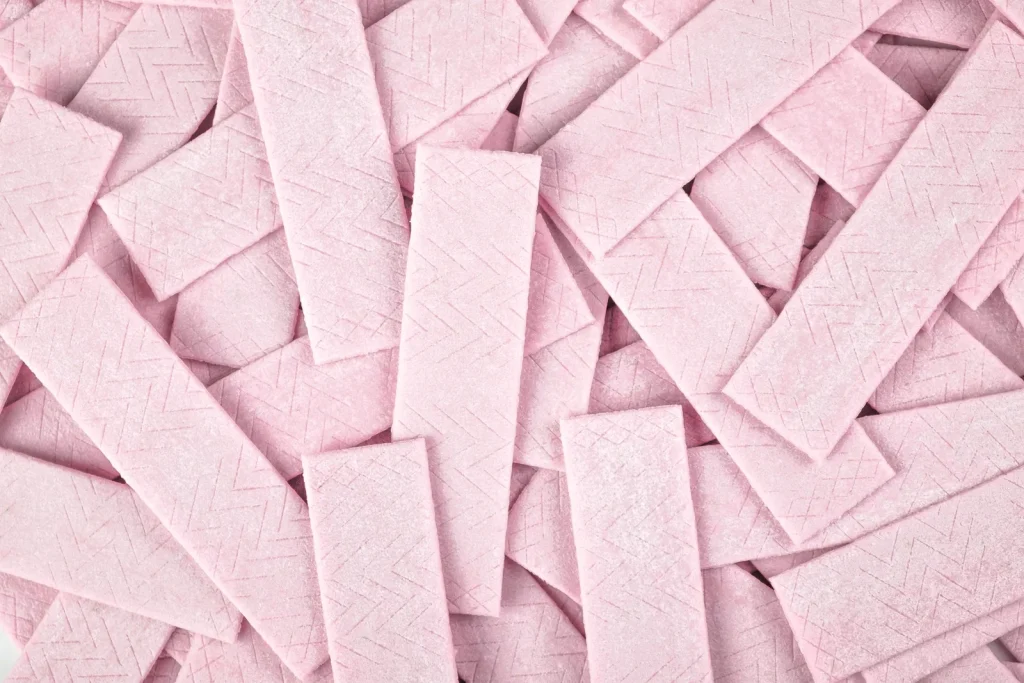
Efforts to process natural latexes led to chewable bases with better texture and stability. Flavorings and wrappers turned it into a mass product. Formulas evolved with food regulations.
Scotchgard
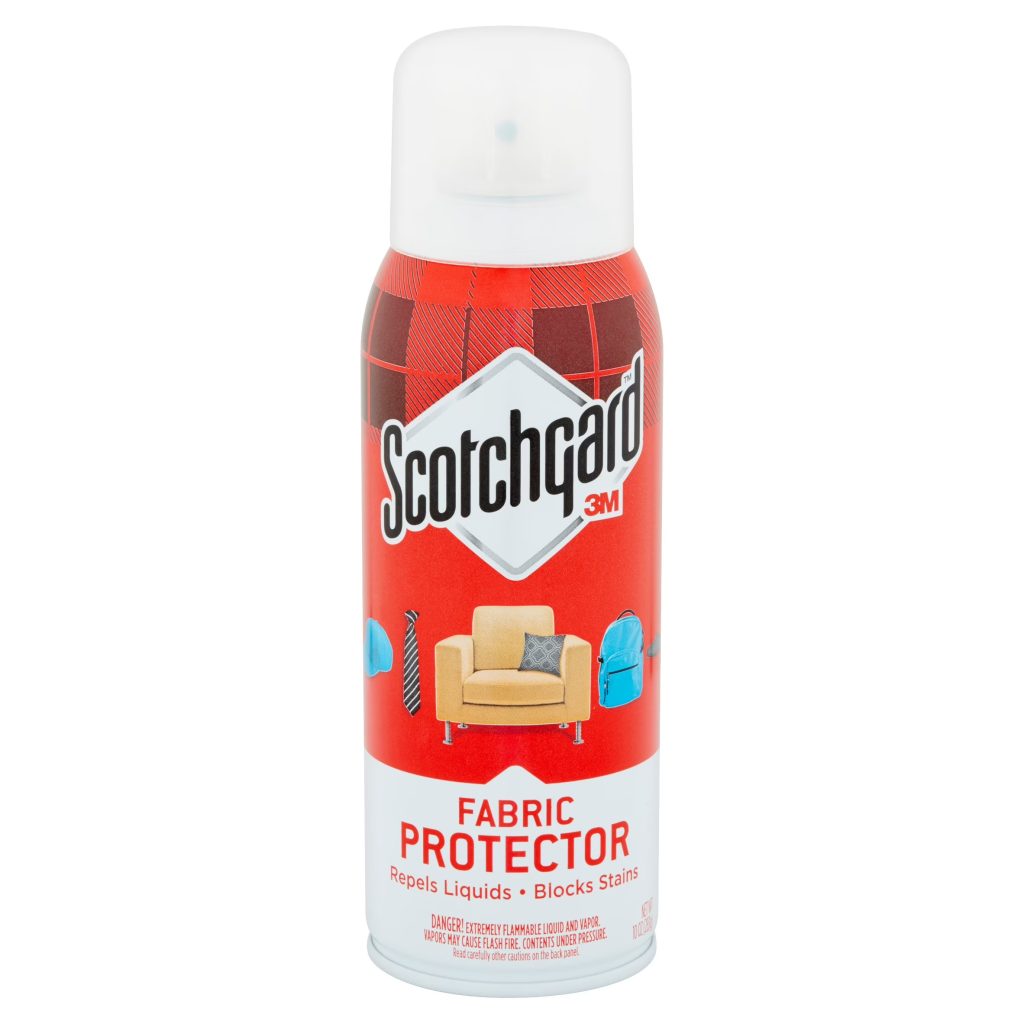
3M chemist Patsy Sherman accidentally spilled a fluorochemical on a lab assistant’s shoe, which resisted stains. The discovery led to a family of stain-repellent treatments. It became a mainstay for fabrics and carpets.
Viagra (Sildenafil)
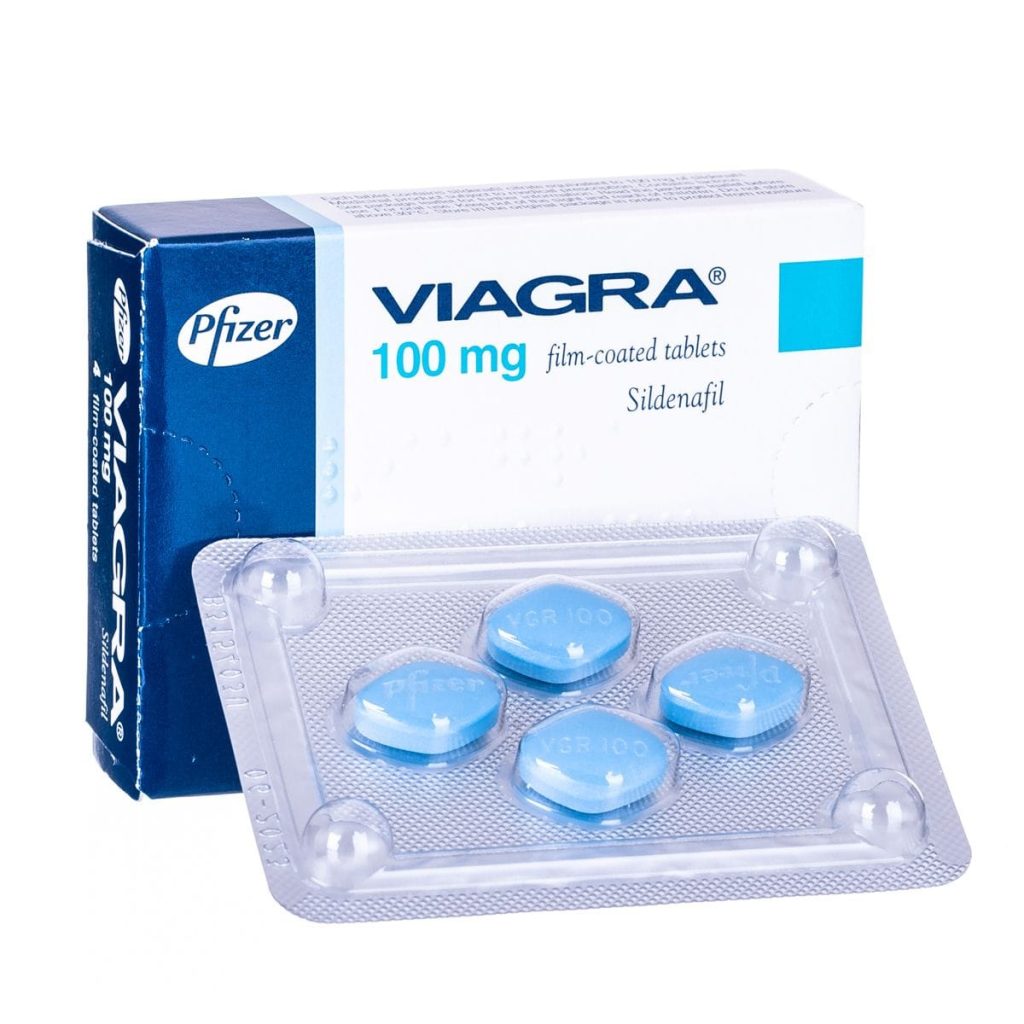
Clinical trials for angina revealed an unexpected side effect: improved erectile function. Researchers pivoted the drug’s purpose, and it became a blockbuster therapy. It also has uses for certain cardiovascular conditions.
Chocolate Chip Cookies
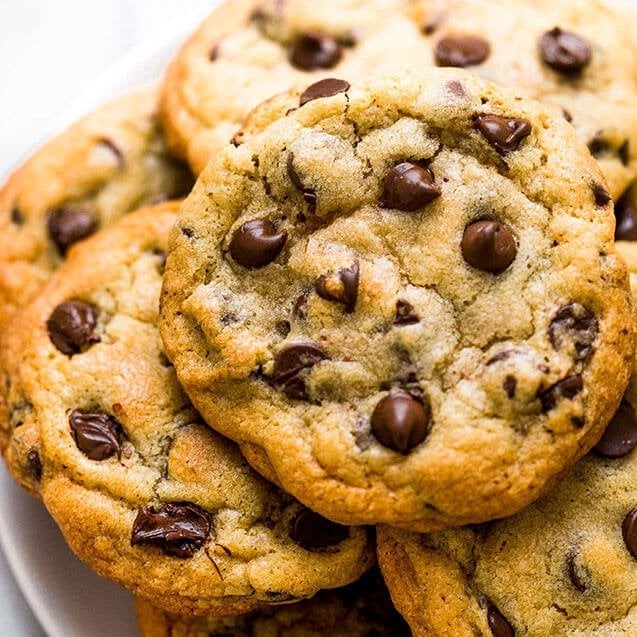
Ruth Wakefield added chopped chocolate to dough expecting it to melt, yielding chunks instead. The result became the classic Toll House cookie. Some details are debated, but the origin story is widely cited.
Potato Chips
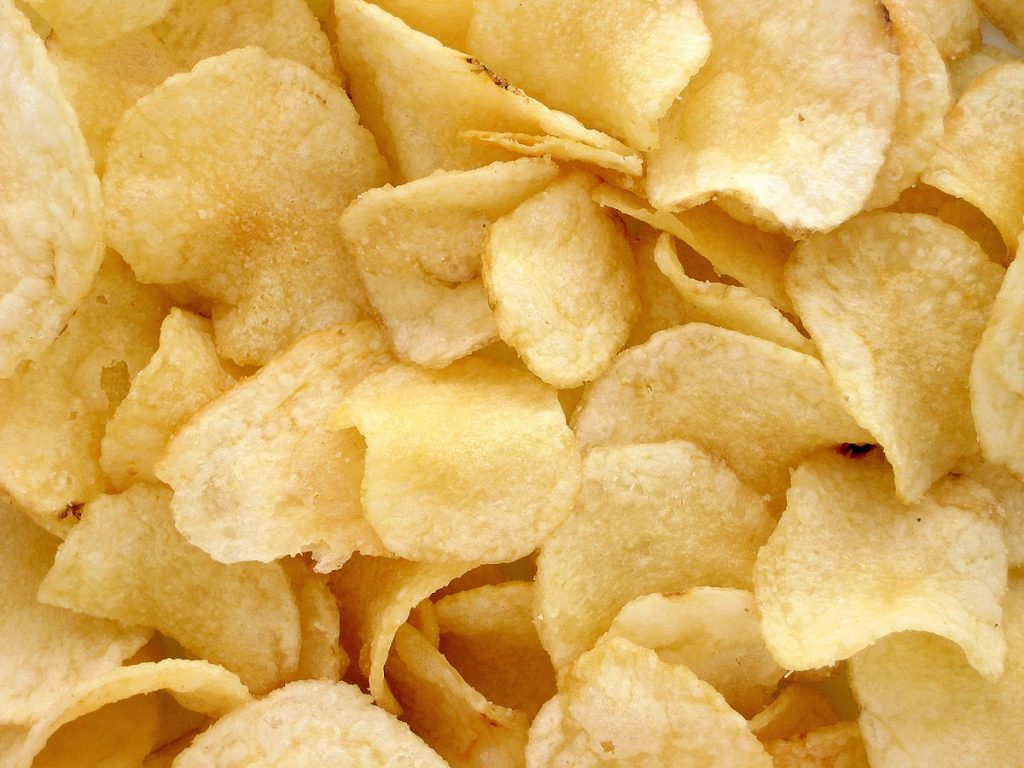
A chef reportedly sliced potatoes ultra thin to appease a fussy diner, discovering a crisp new snack. The story is popular though some historians question elements of it. Either way, the chip became a global staple.
LSD
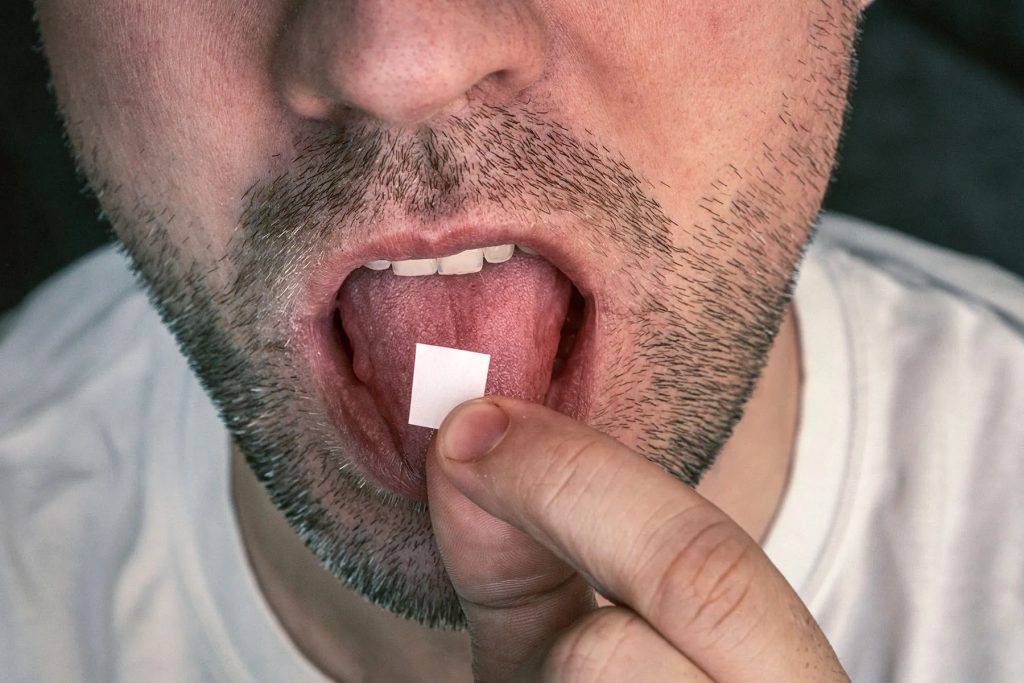
In 1943, Albert Hofmann accidentally absorbed a small amount of lysergic acid diethylamide while working. He documented unusual psychoactive effects shortly after. Its later cultural and medical history is complex and controversial.