Facial hair is a time capsule: it tracks shifts in work, culture, and technology as neatly as any suit. From clean-shaven modernists to hipster beards and fades, each era left a signature. Here are 30 defining looks (three per decade) from the 1920s through the 2020s
1920s – Clean-Shaven Modernist
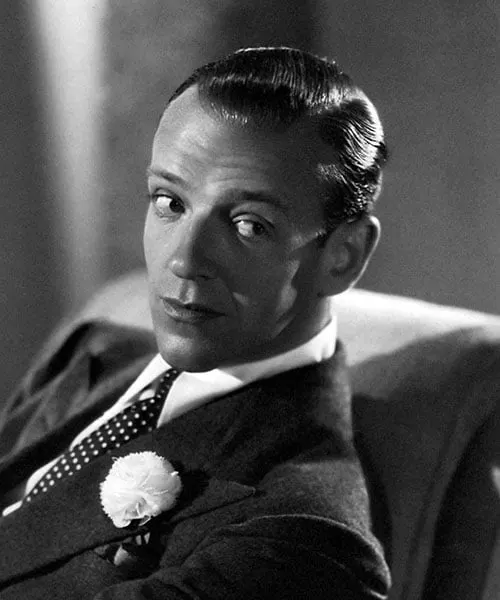
Fresh from World War I, many men favored a smooth face associated with modern life and hygiene. In fast-growing cities, the razor became part of a streamlined, white-collar look.
1920s – Poirot-Style Mustache
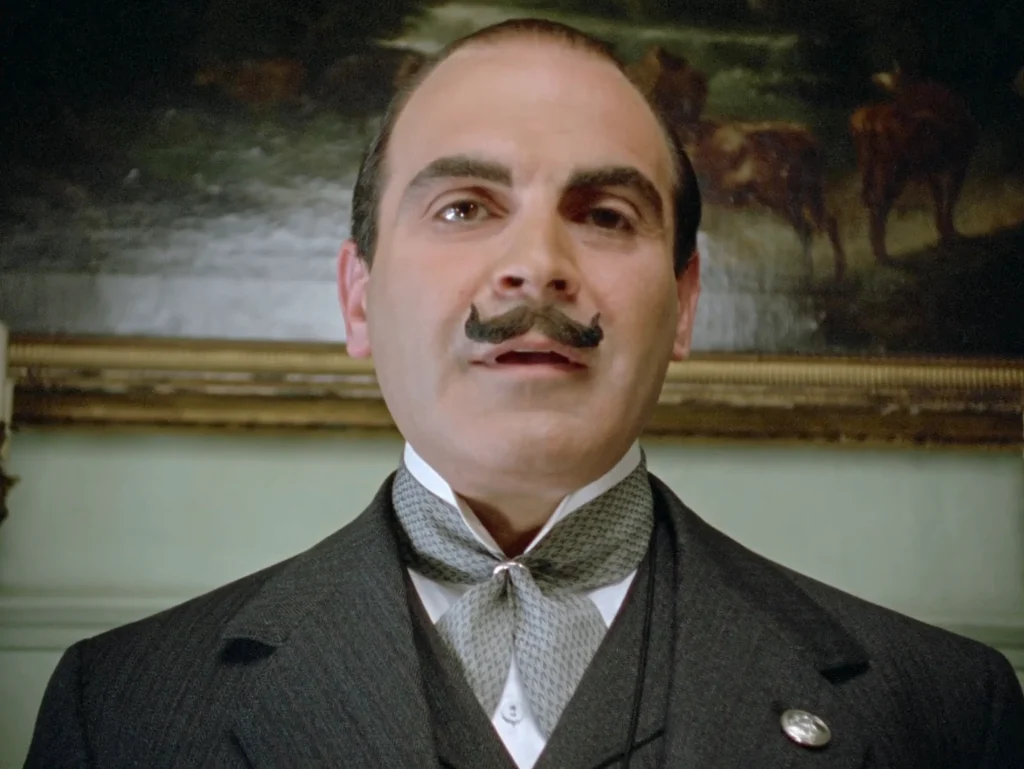
Neatly groomed, symmetrical whiskers read as cultured and continental. Popular fiction and film helped make the tidy mustache feel suave rather than old-fashioned.
1920s – Toothbrush Mustache
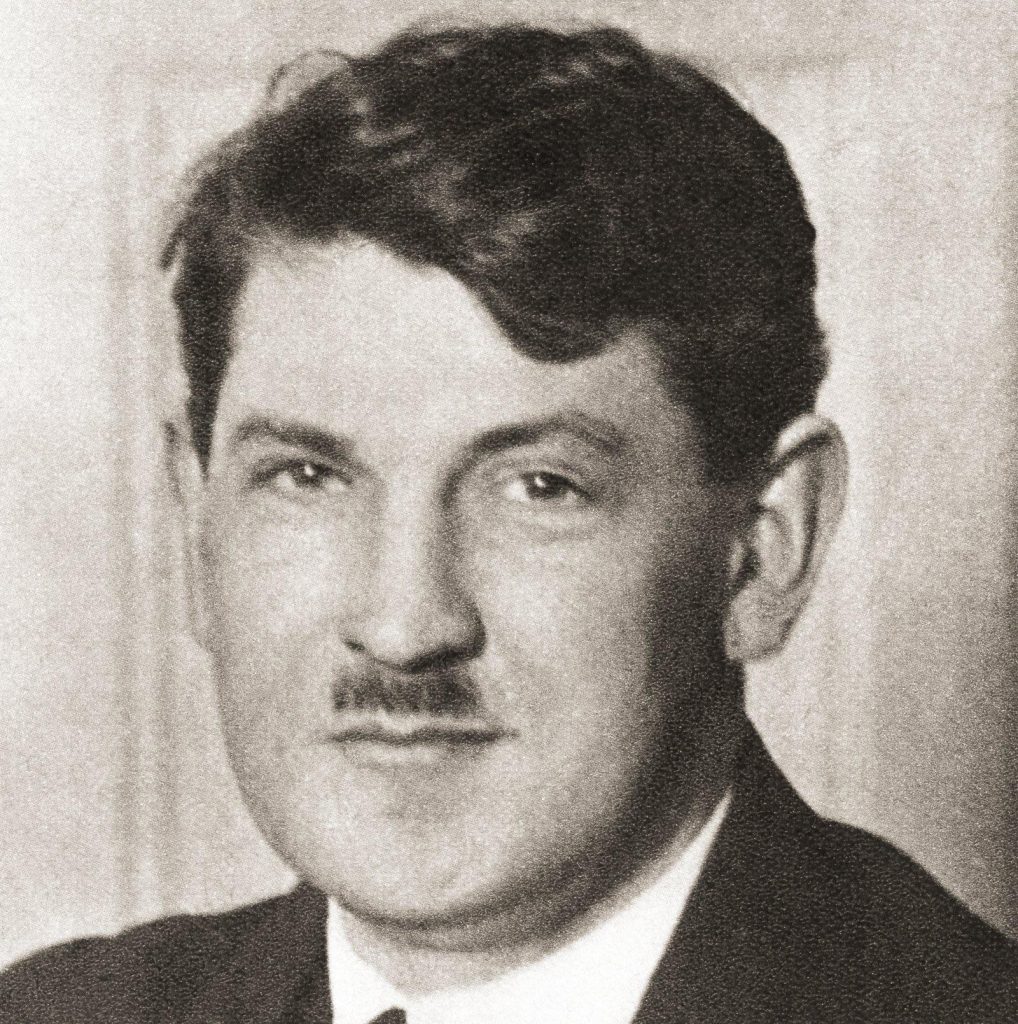
A small square under the nose appeared on entertainers like Chaplin before the style turned toxic. After World War II, its political baggage ended mainstream appeal.
1930s – Clean-Shaven Leading Man
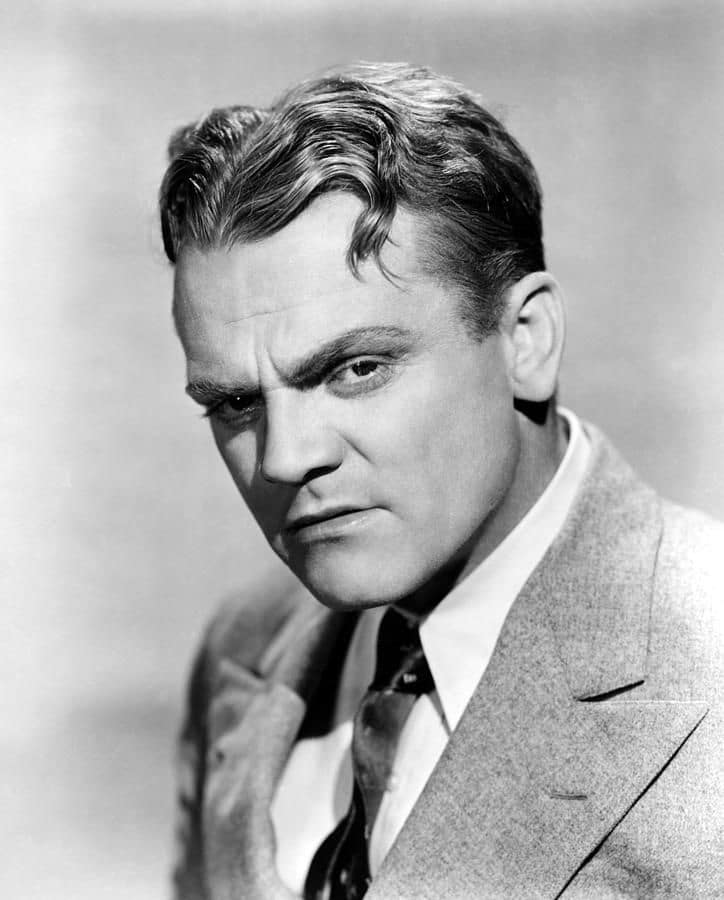
Early sound cinema prized a youthful, camera-ready face, and audiences copied what they saw. Slick hair and bare cheeks became a polished package.
1930s – Toothbrush Mustache (Peak And Decline)
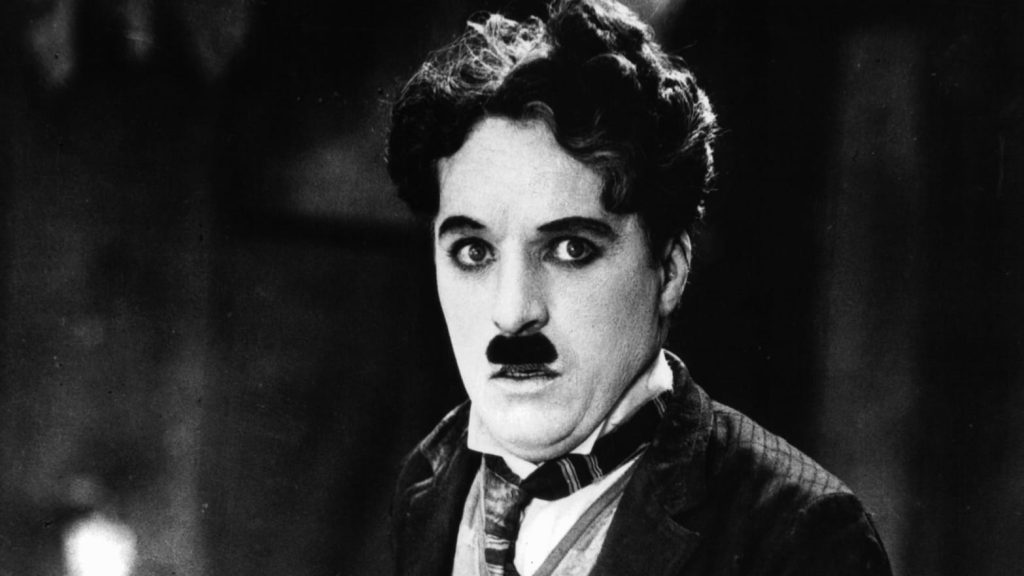
The look lingered into the decade, especially in parts of Europe. By the late ’30s, it was already fading for cultural and political reasons.
1930s – Thin-Line Mustache
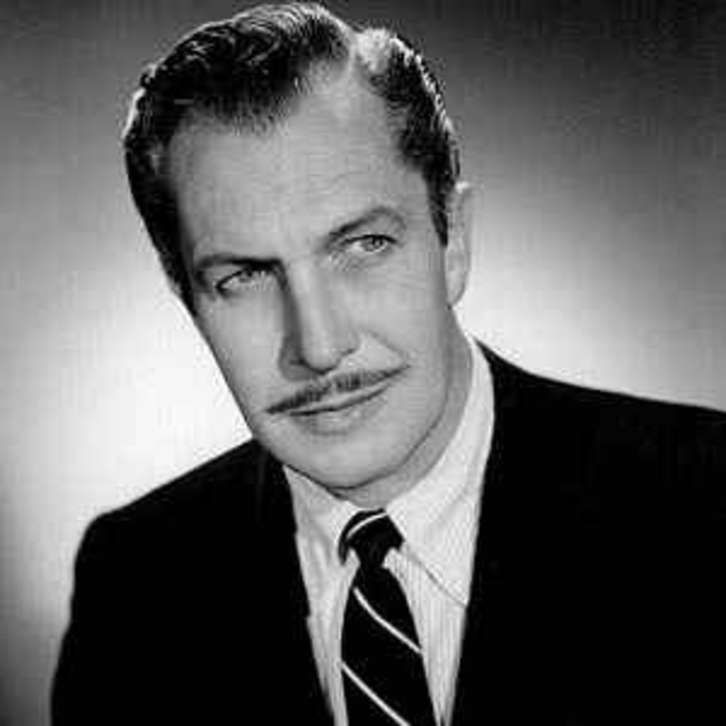
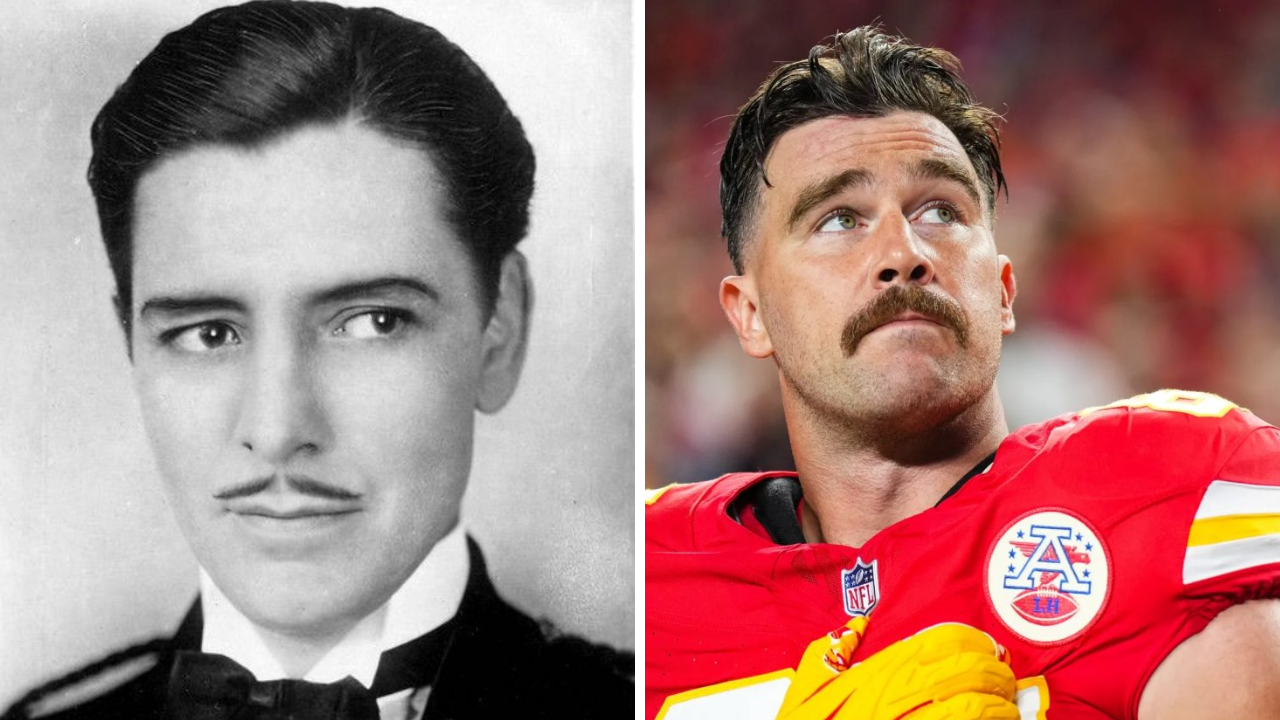
An ultra-narrow line above the lip signaled elegance and control. It anticipated the fully “penciled” styles to come.
1940s – Pencil Mustache
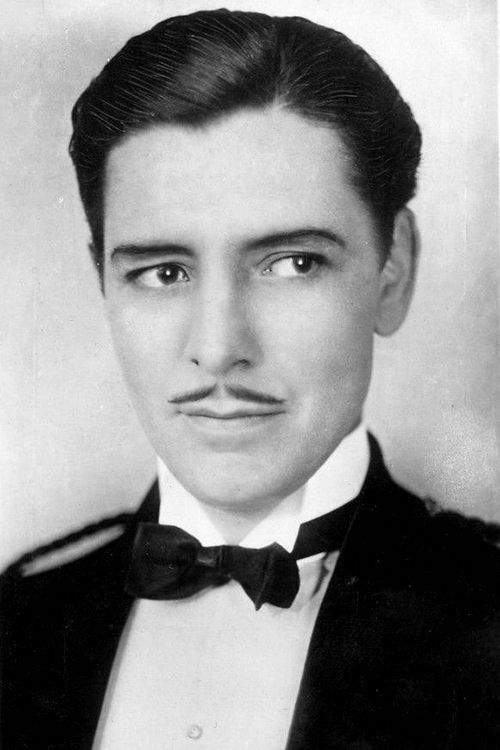
A precise, lip-hugging line projected urbane restraint during wartime and after. Screen idols helped cement it as mid-century refinement.
1940s – Clean-Shaven G.I.
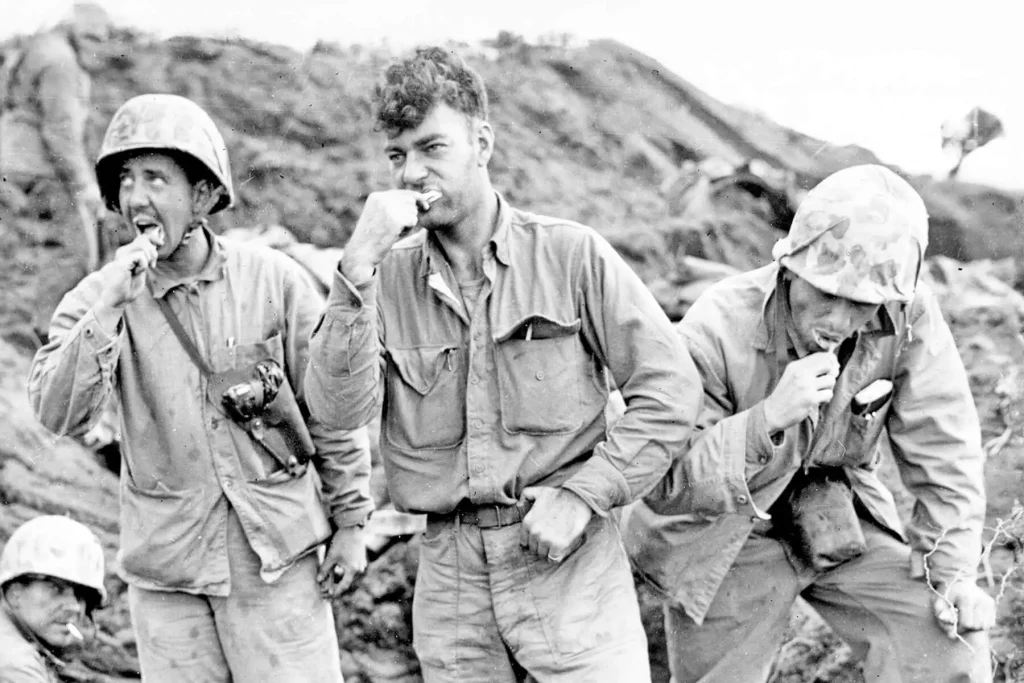
Military codes and daily discipline kept most faces bare. The soldier’s look reinforced a clean-cut ideal back home.
1940s – Officer’s Mustache Tradition
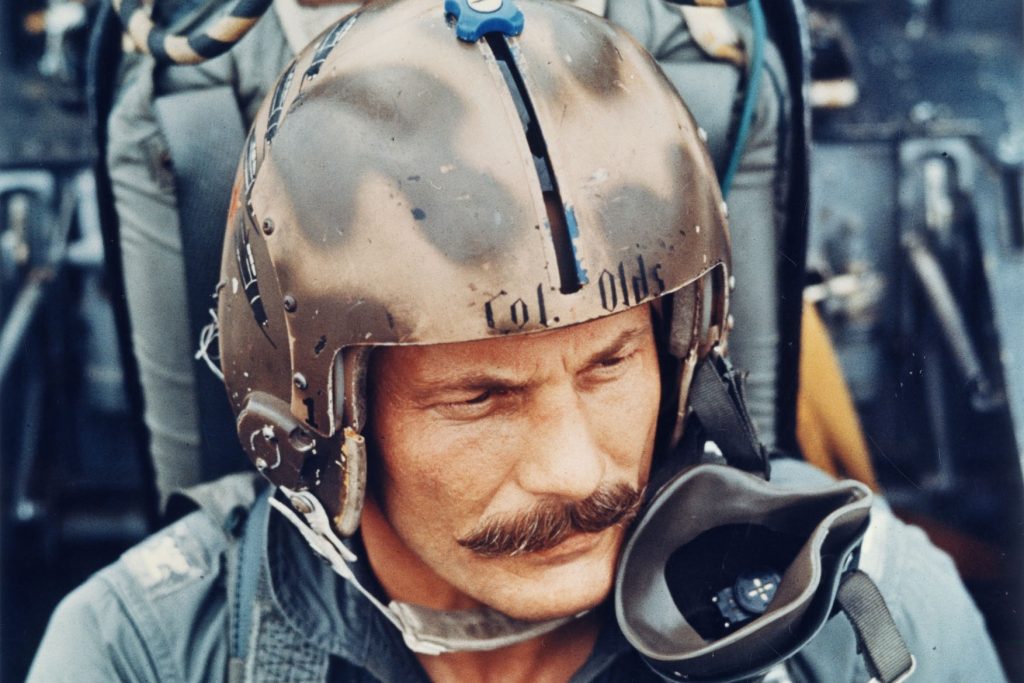
Pilots and officers sometimes wore carefully trimmed moustaches within regulations. The image fed a lasting aviation-style mystique.
1950s – Corporate Clean Shave
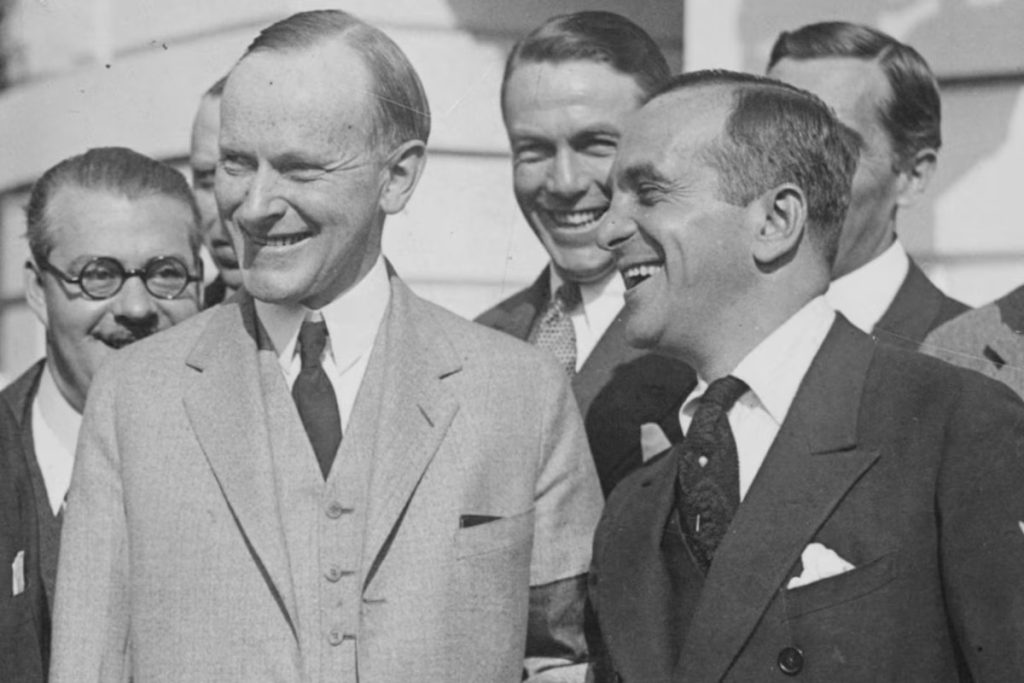
Conformity and office life rewarded a razor-smooth presentation. Facial hair retreated to bohemian corners and niche scenes.
1950s – Rockabilly Sideburns
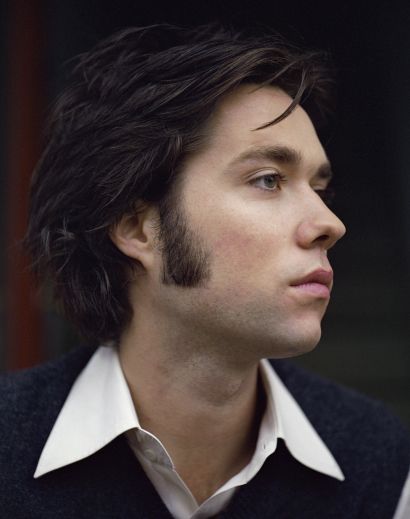
Long sideburns migrated from subculture to mainstream with rock ’n’ roll. Musicians turned them into shorthand for rebellious cool.
1950s – Beatnik Goatee
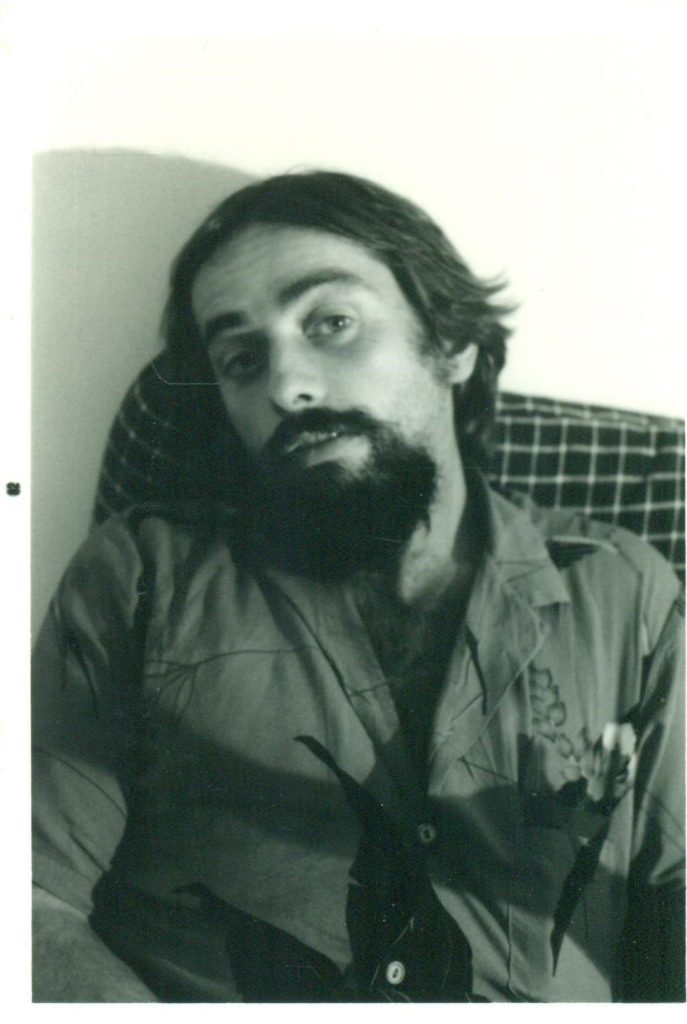
Small, neat goatees marked out jazz clubs and coffeehouse creatives. It read artistic, anti-square, and deliberately off the corporate grid.
1960s – Beatle Mustache
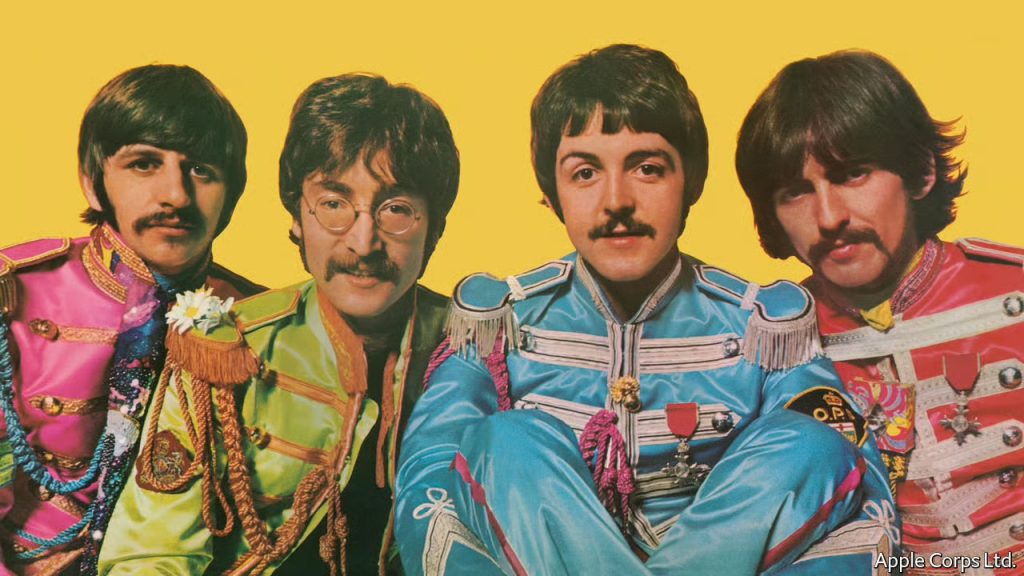
When the Beatles embraced mustaches, everyday fans followed. Pop culture made facial hair newly acceptable again.
1960s – Counterculture Short Beard
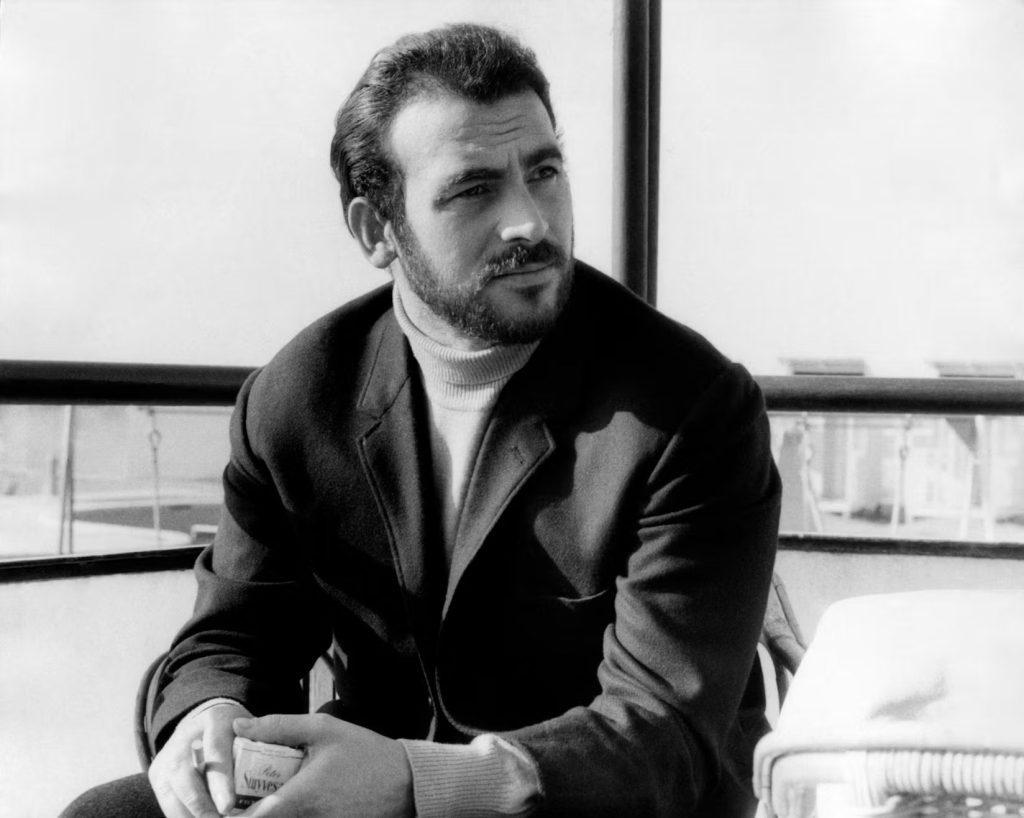
Students and activists popularized compact, intentional beards. The look balanced tidy edges with anti-establishment vibes.
1960s – Big Sideburns
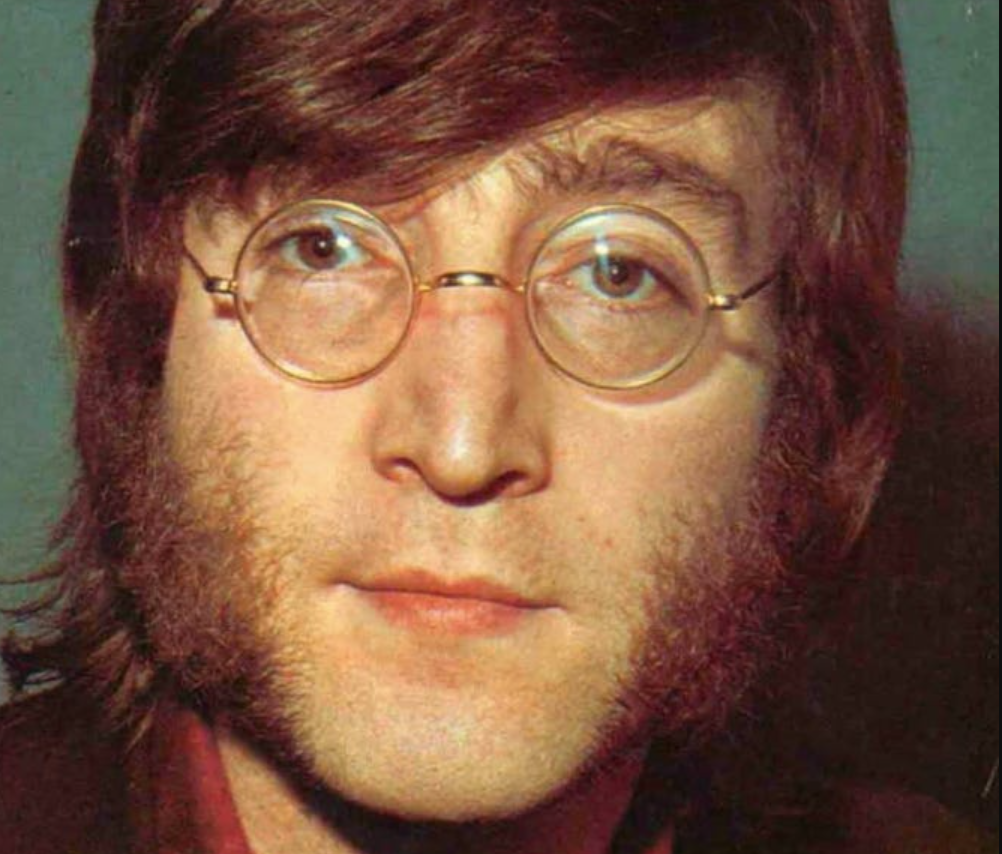
As hair lengthened, sideburns grew thick and low. They bridged long styles up top with clean cheeks.
1970s – Full Hippie Beard
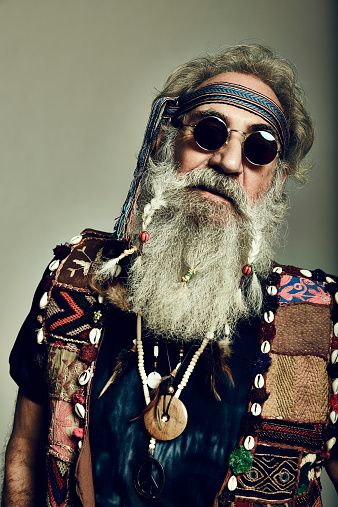
Back-to-nature ideals brought fuller, freer growth. It pushed against the clipped neatness of earlier decades.
1970s – Chevron Mustache
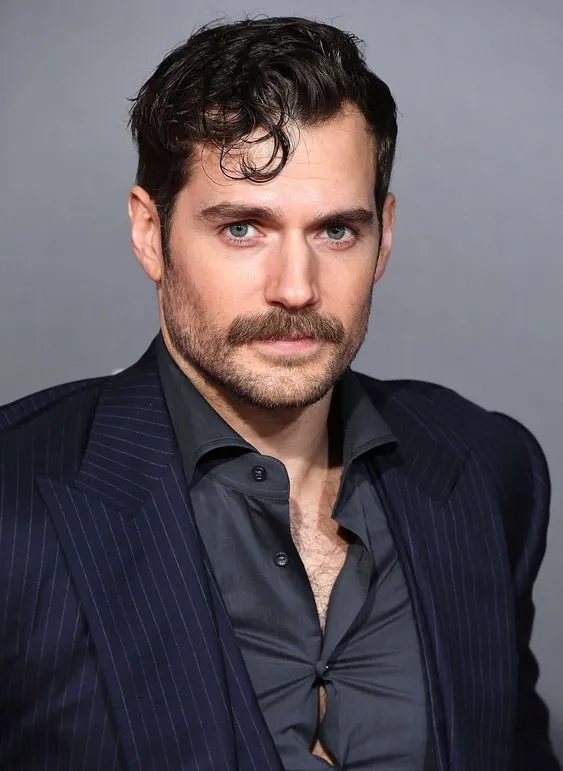
A bold, lip-covering bar announced confidence. Sports and pop culture made the chevron a staple.
1970s – Mutton Chops
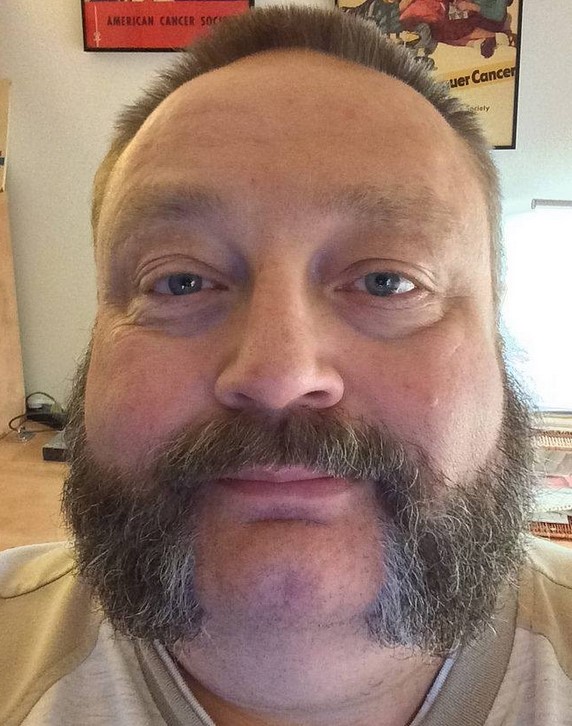
Jaw-filling burns flared again, sometimes meeting a mustache. What started niche became a widely seen statement.
1980s – Designer Stubble
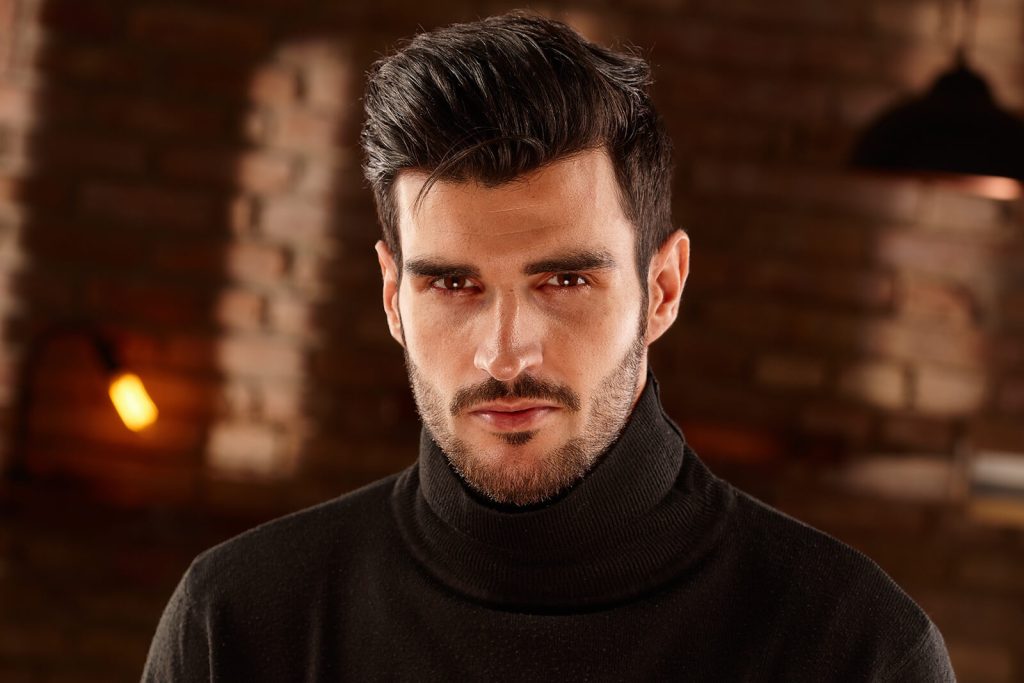
Television glamorized a curated five-o’clock shadow. Stubble shifted from sloppy to stylish accessory.
1980s – Magnum Chevron Mustache
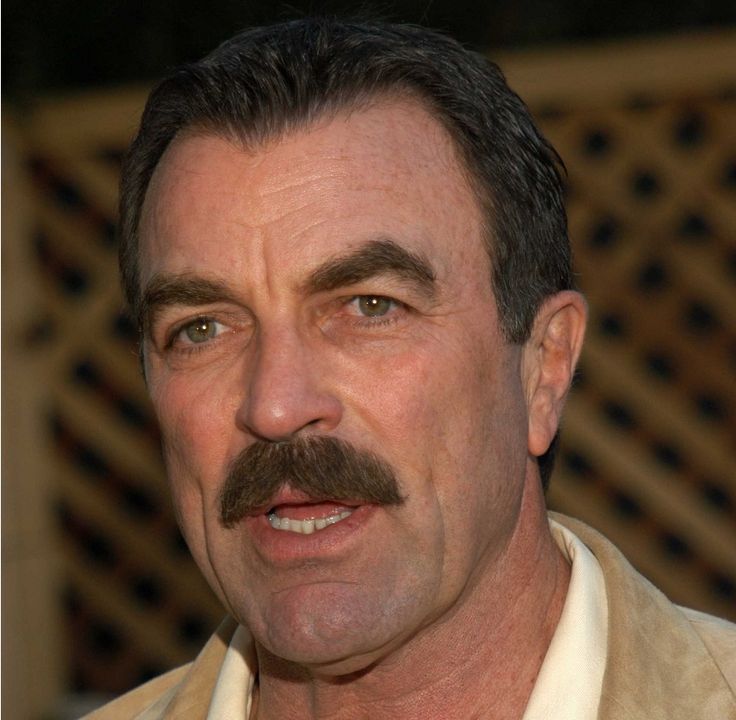
Thick, clean, and unmistakable, it became a TV icon.
1980s – Clean-Shaven Yuppie
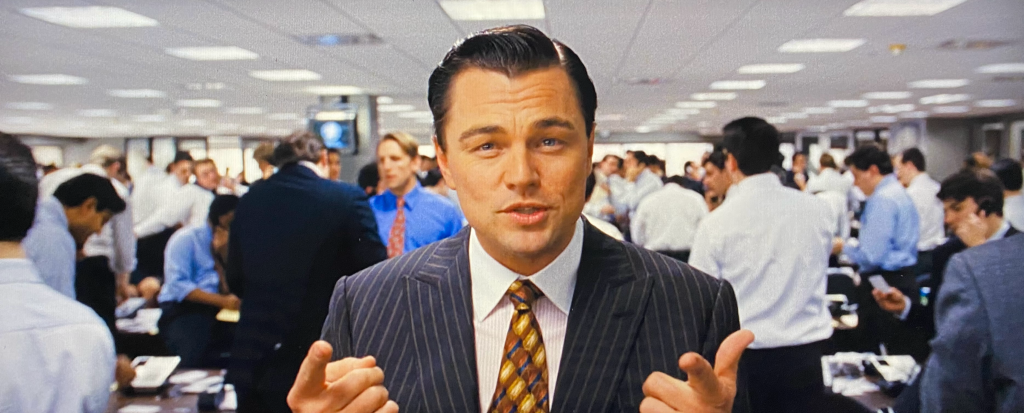
In boardrooms, smooth skin still signaled professionalism. Beards and stubble lived more in nightlife than in finance.
1990s – Goatee
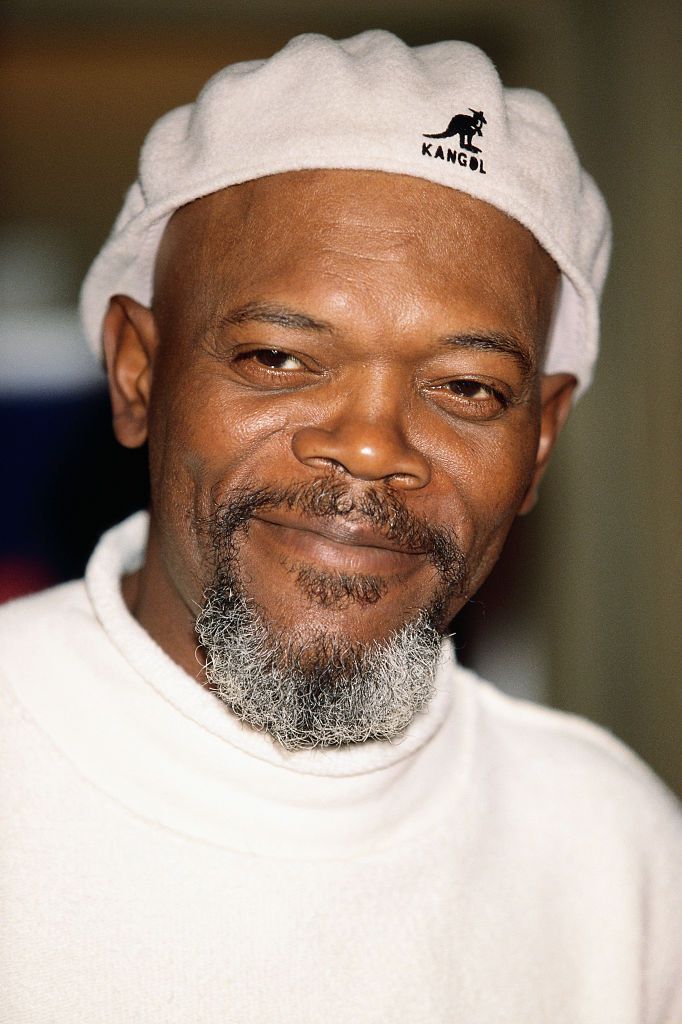
A mouth-and-chin frame suited many face shapes and scenes. From actors to athletes, it became the decade’s default.
1990s – Soul Patch
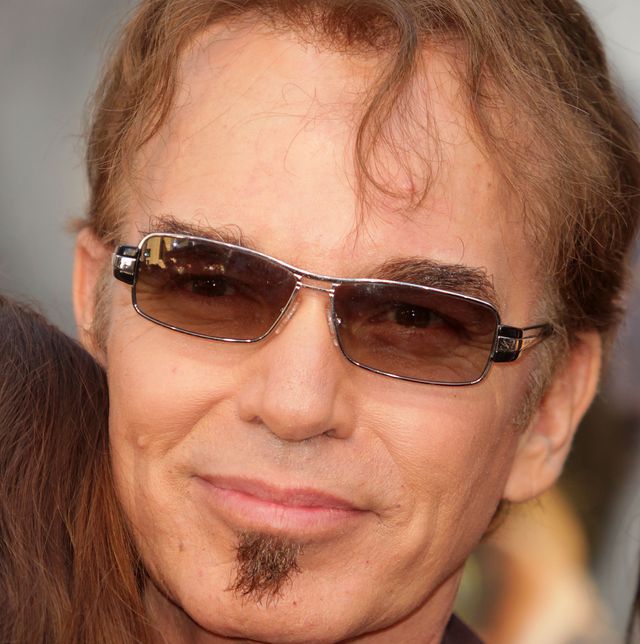
A small tuft under the lip went from jazz heritage to mainstream. It worked solo or paired with other light growth.
1990s – Chinstrap Beard

A precise line along the jaw showcased clipper control. Sharp edges, clean cheeks. The outline was the point.
2000s – Metrosexual Clean Shave
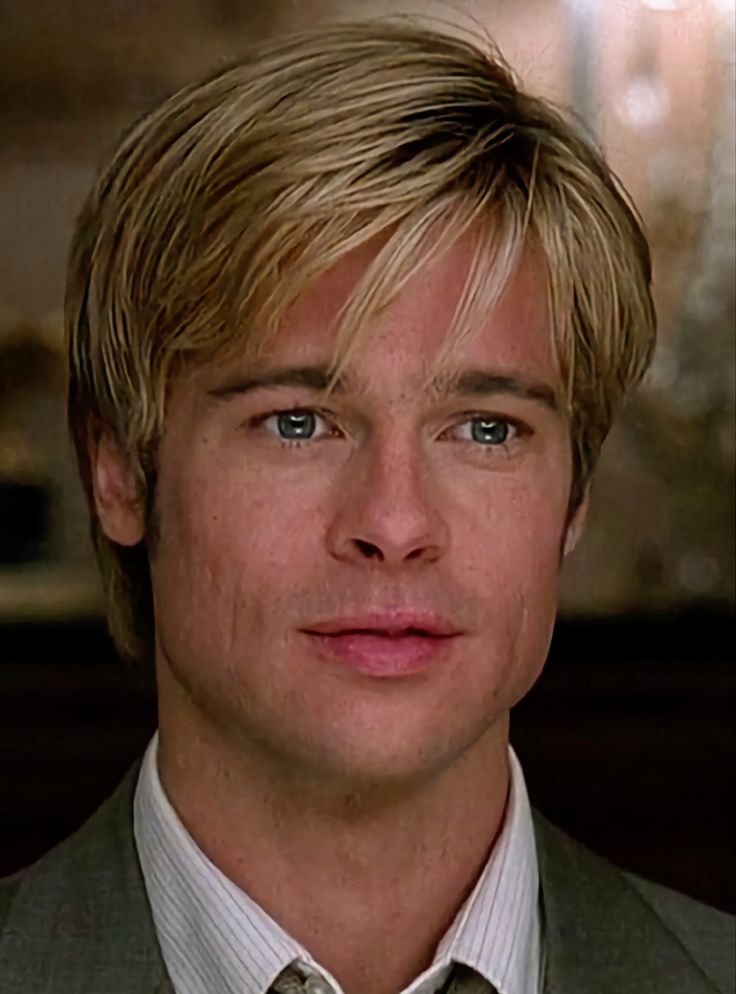
Glossy grooming and skincare revived the close shave. Stubble was acceptable, but many chased a high-sheen finish.
2000s – Soul Patch And Goatee Combo
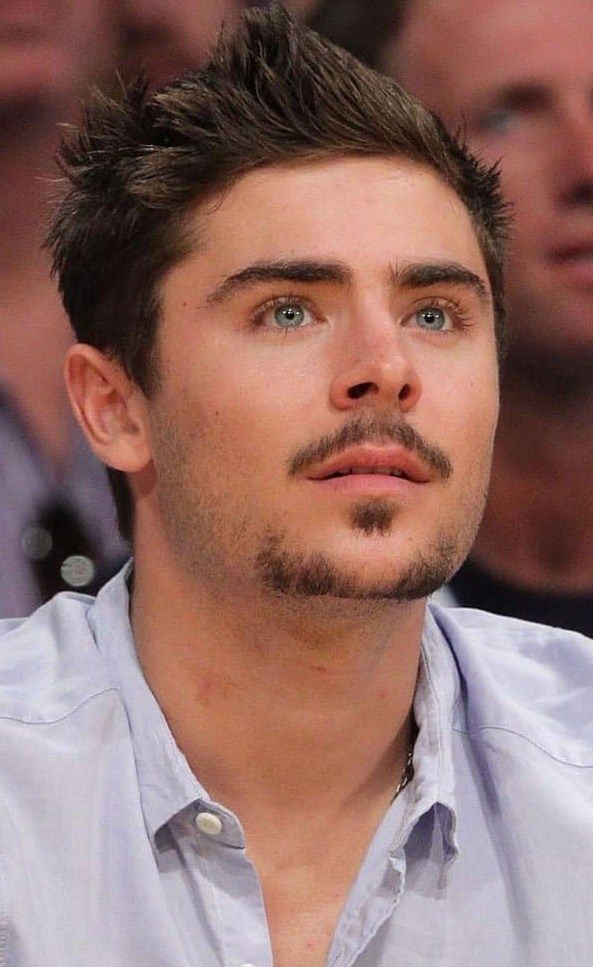
Club and alt-rock aesthetics mixed the patch with a tight goatee. Compact, low-maintenance, and camera-friendly.
2000s – Sculpted Chinstrap
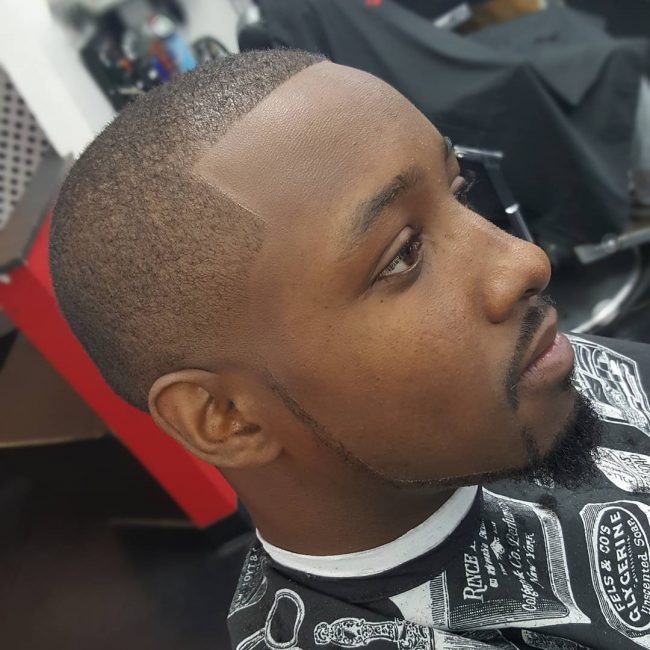
Barbers treated beard edges like hair architecture. Fades and razor lines met at the jaw with graphic clarity.
2010s – Full Hipster Beard
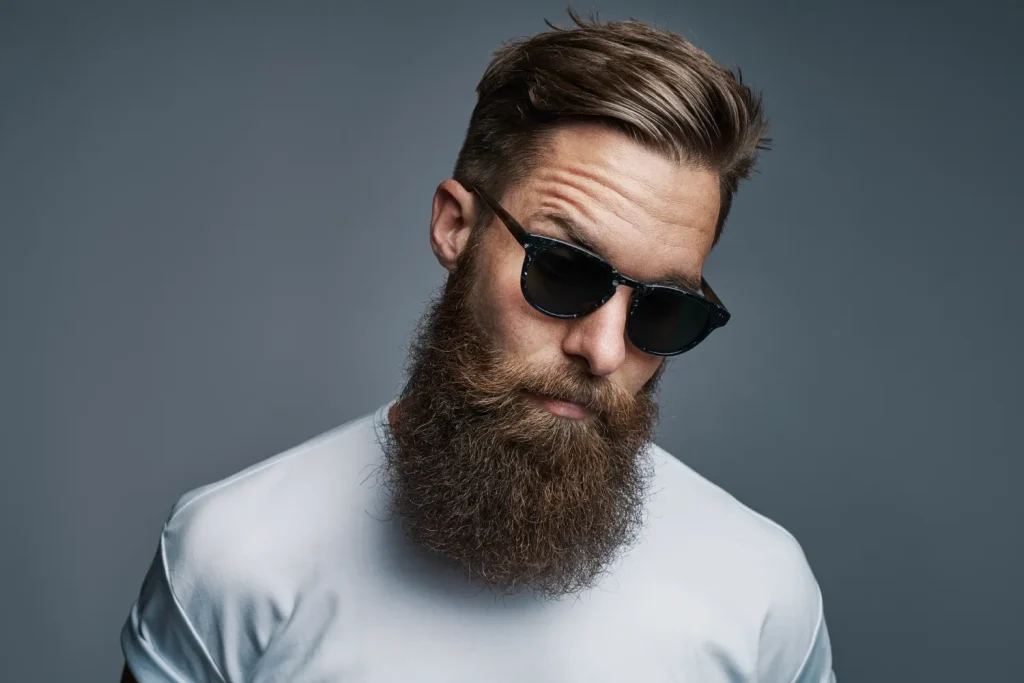
Long, well-oiled beards surged with craft culture, then hit “peak beard” fatigue. Care routines and barbershop culture grew alongside.
2010s – Beardstache

A heavy moustache rides above stubble or a short beard, letting the lip lead. It offers contrast without full coverage.
2010s – Faded Beard
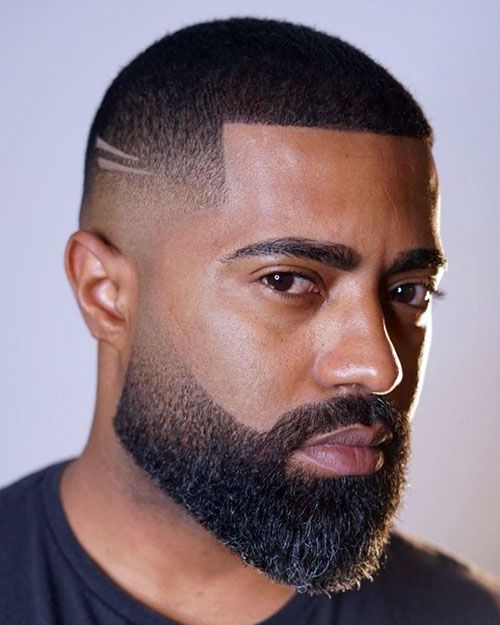
Haircut fades merged into facial hair with smooth gradients. The blend became a new default in modern shops.
2020s – Faded Short-Boxed Beard
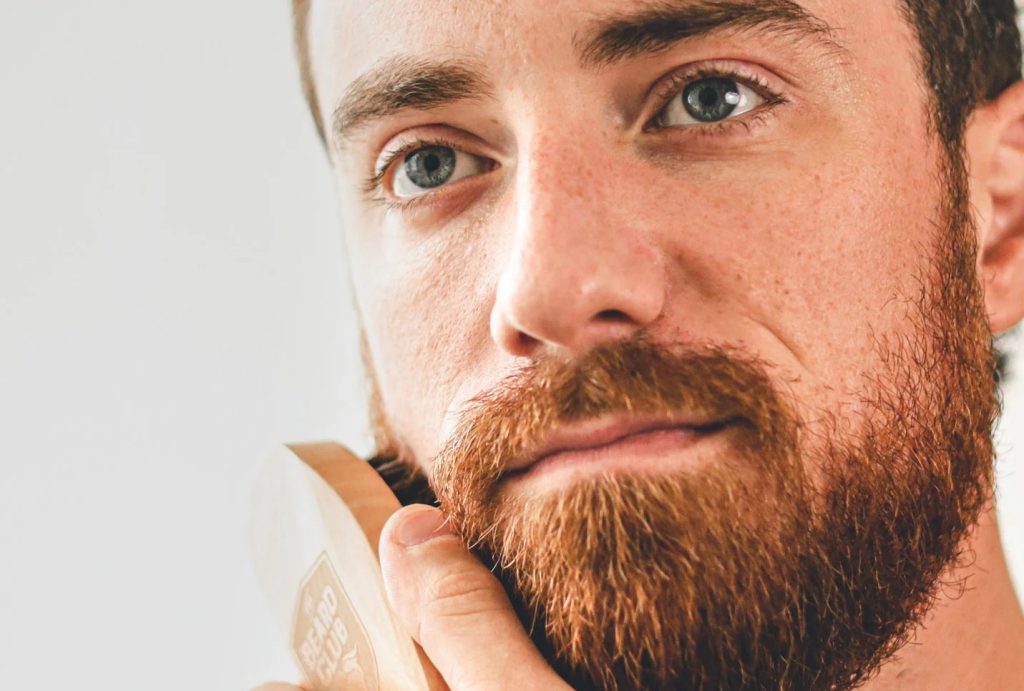
Barbers taper the beard into a skin or low fade and carve sharp cheek lines, so it reads clean on camera. Square the jaw; do weekly line-ups.
2020s – Mustache Revival
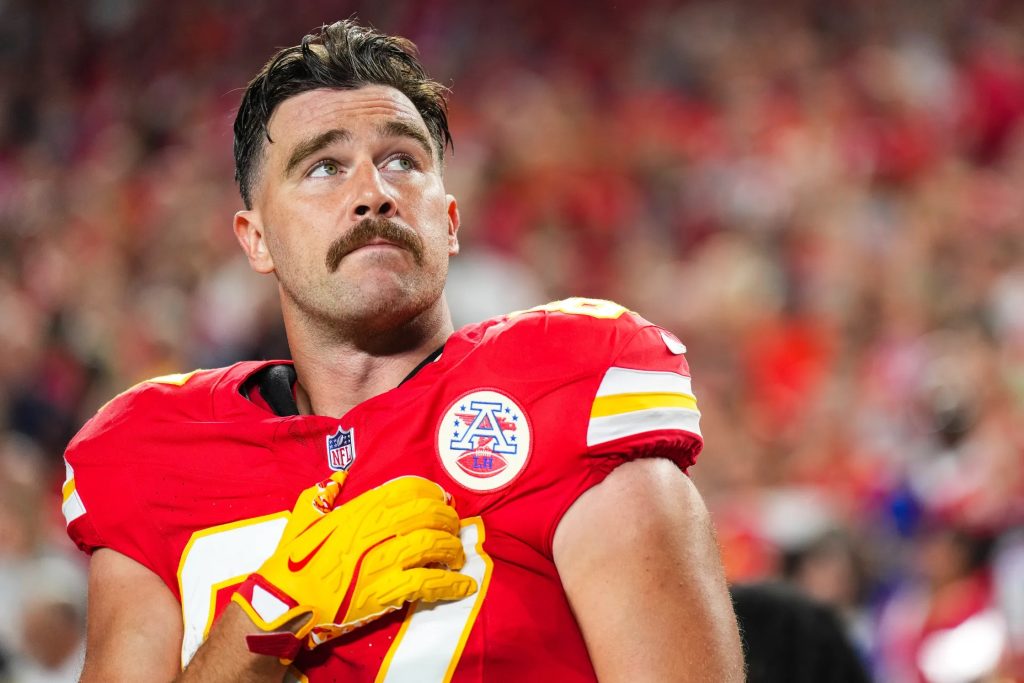
The standalone ’stache returned across fashion, sports, and TikTok. Shave the cheeks, train subtle ends with a dab of wax.
2020s – Anchor Goatee
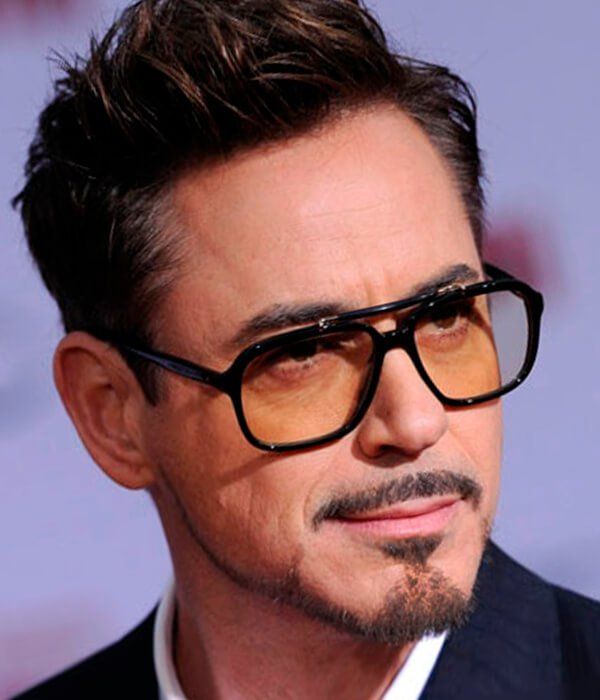
A detached mustache pairs with a pointed goatee and clean cheeks, putting all the focus around the mouth. Shape the anchor with crisp lines and shave the sides every few days for contrast.