History is full of names that feel as solid as dates on a timeline, yet the evidence behind some of those figures is surprisingly thin. In this article we look at 30 historical figures whose existence has been questioned by modern scholars, from folk heroes and political legends to religious and corporate icons. In many cases the stories only appear centuries after the time they were supposed to live, or they clearly mix folklore with selective facts. These debates do not erase the cultural impact of these figures, but they do show how easily legend can stand in for history.
Sybil Ludington
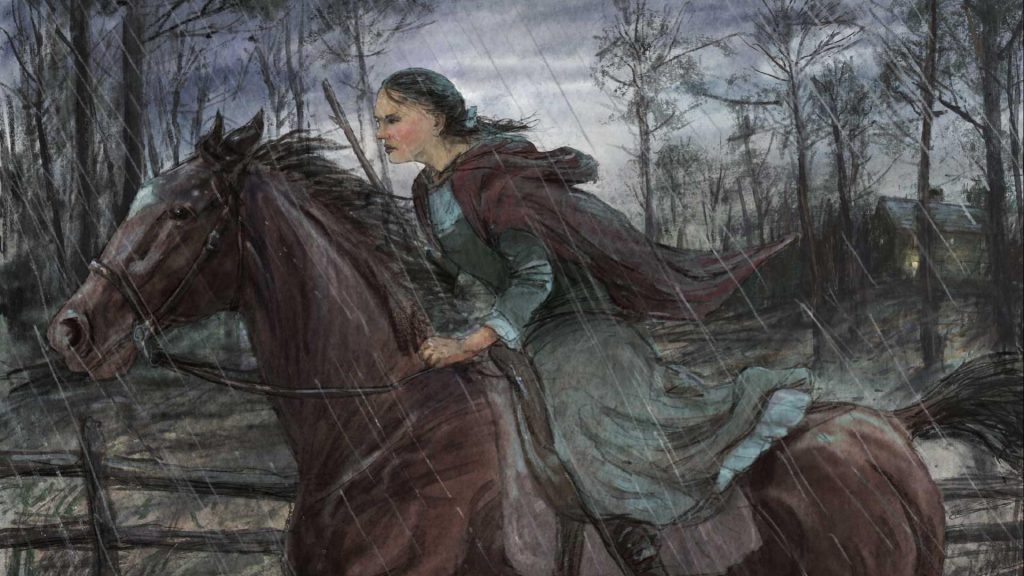
Sybil Ludington is often described as the “female Paul Revere,” said to have ridden through the night in 1777 to warn American patriots about a British raid. However, accounts of her ride do not appear in contemporary wartime records and only surface in family stories from the late 19th century. Because of this late and limited evidence, many historians treat her as a patriotic legend rather than a firmly documented historical figure.
Betty Crocker
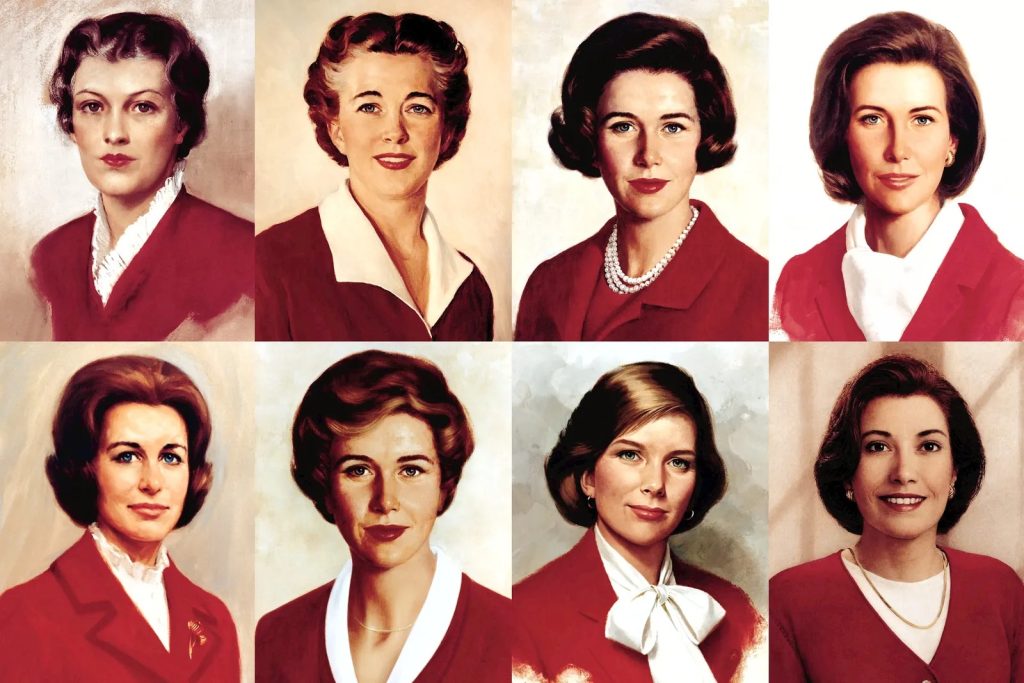
For much of the 20th century, Betty Crocker appeared on cookbooks, radio programs, and television as if she were a friendly home-baking expert. In reality she was invented in the 1920s by a milling company as a customer service persona, then refined through advertising and changing portraits over the decades. The character became so convincing that many people assumed she was a real woman behind the recipes.
Mulan
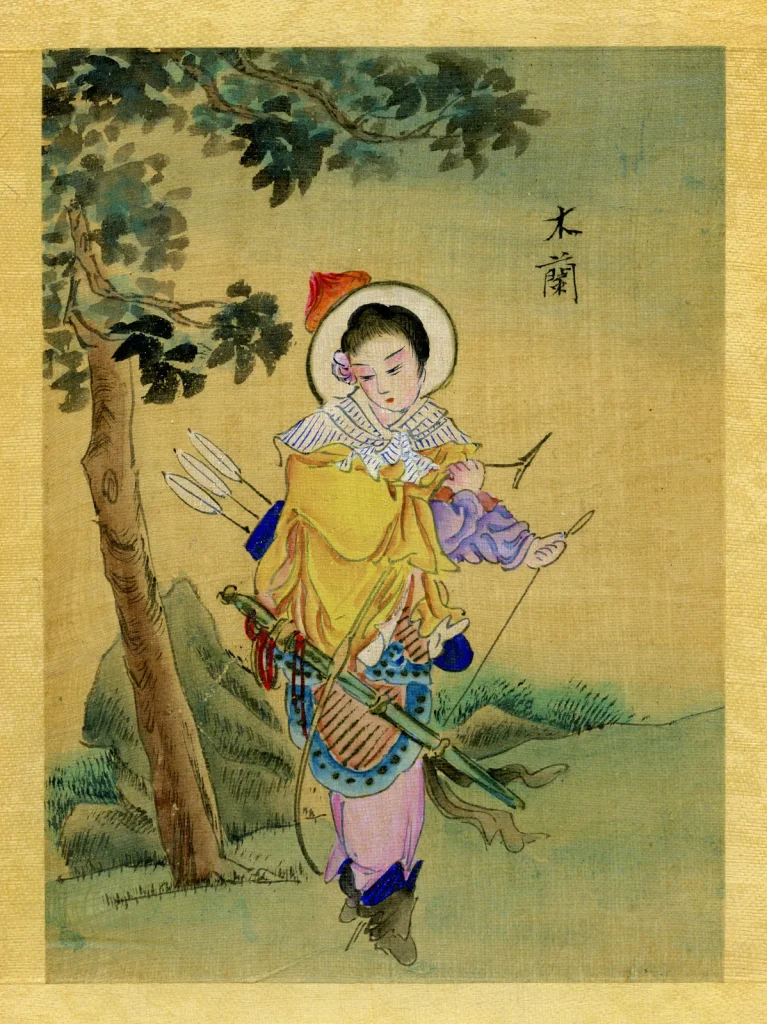
The story of Hua Mulan tells of a young woman who disguised herself as a man to take her father’s place in the army, a tale preserved in the “Ballad of Mulan.” The poem is set in an early Chinese dynasty but survives only in copies made many centuries later, and it offers few concrete details that can be checked against records. Many scholars now see Mulan as a literary creation or composite symbol of women’s bravery rather than a single identifiable soldier.
John Henry
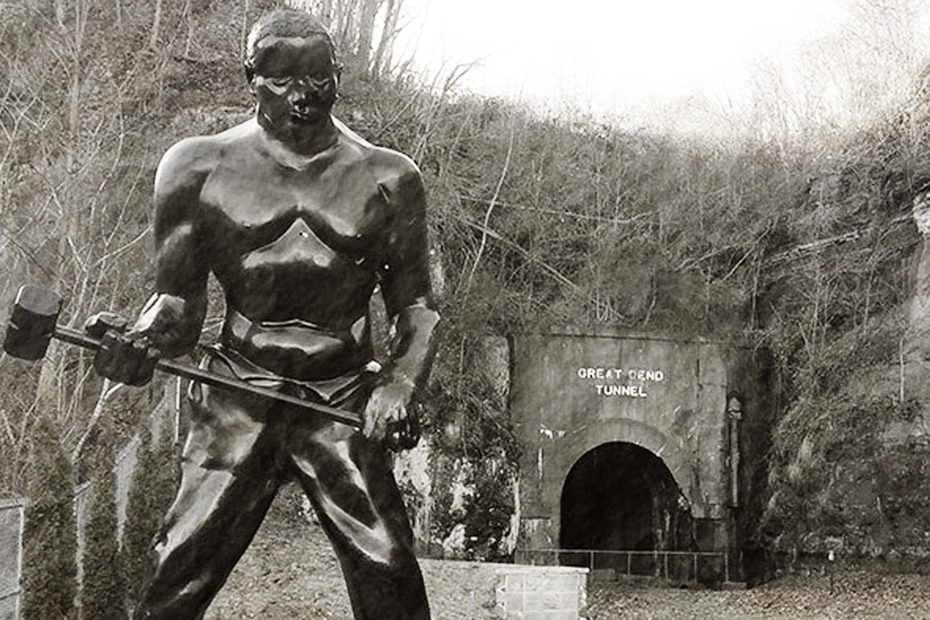
American folk songs describe John Henry as a steel driver who raced a steam drill and won, only to die from exhaustion with his hammer in hand. Historians have searched for real workers who might have inspired the legend, but the evidence is fragmentary and inconsistent. The broad consensus is that the heroic race itself is mythic, shaped by ballads about labor, technology, and human endurance more than verifiable biography.
Pope Joan
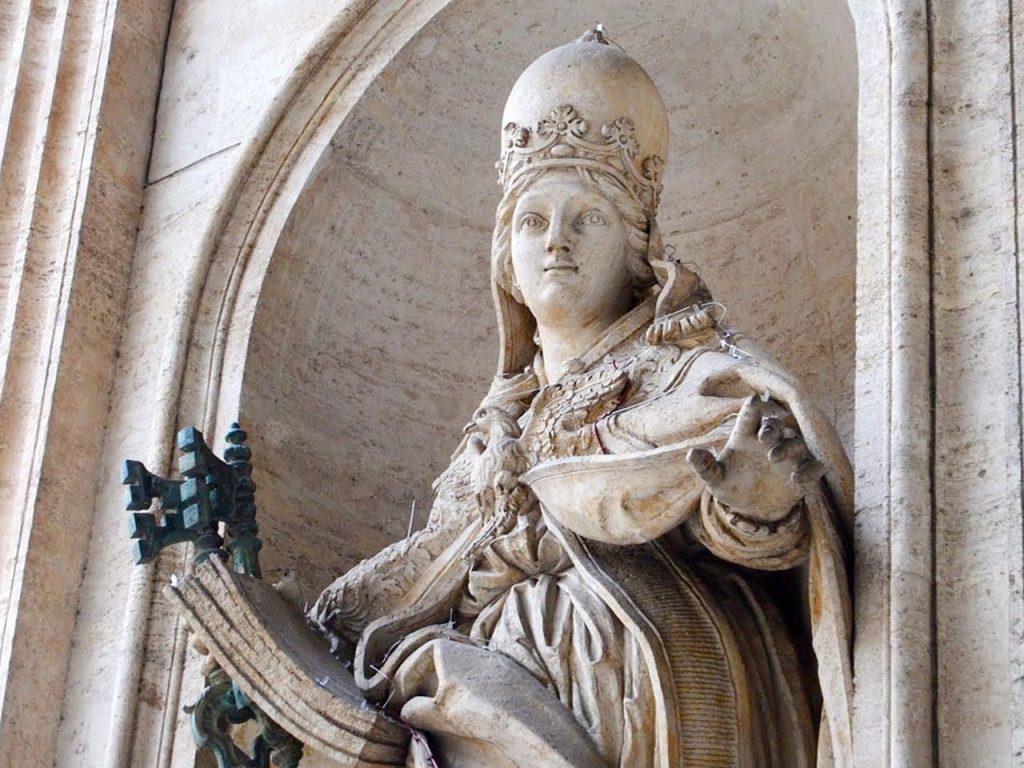
According to medieval legend, Pope Joan was a woman who disguised herself as a man and briefly ruled the Catholic Church in the 9th century. Her story appears in chronicles written several hundred years after the events they describe and is absent from earlier papal records and official lists. Most modern historians treat the tale as satirical fiction or moral allegory rather than evidence that such a pope actually reigned.
Rosie the Riveter

Rosie the Riveter, with her rolled-up sleeves and “We Can Do It!” slogan, has become a symbol of American women’s industrial work during World War II. The character was based on posters and advertising campaigns that drew on photographs of several real workers, but there was no single Rosie who matched the legend. She now stands as a composite figure representing millions of women rather than a specific documented individual.
Paul Bunyan

Paul Bunyan is the giant North American lumberjack said to have created lakes with his footsteps and felled forests with his blue ox, Babe. Researchers trace his stories to early 20th-century logging camp tales and company pamphlets that blended regional folklore with promotional exaggeration. While some real loggers may have inspired details, the towering hero himself is generally regarded as fictional.
Carolyn Keene

For generations, the name Carolyn Keene appeared on the covers of the “Nancy Drew” mysteries, giving the impression of a single, prolific author. In reality it was a house pseudonym created by a publishing syndicate, with multiple ghostwriters producing the books. The best documented of these writers is Mildred Wirt Benson, who wrote many of the early titles but never received full public credit at the time.
Tokyo Rose
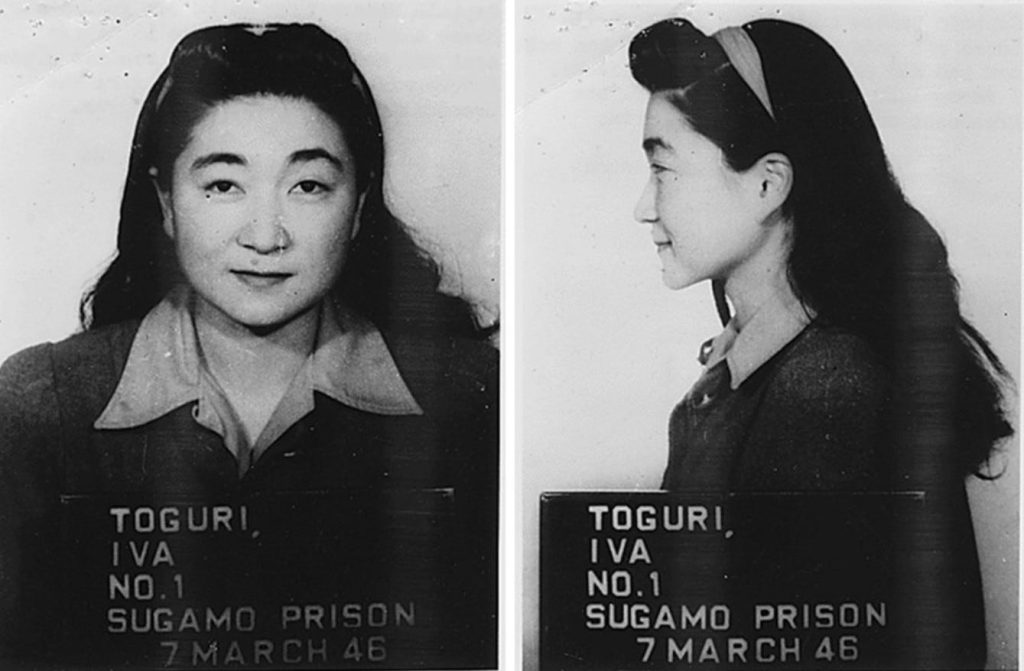
“Tokyo Rose” was the nickname Allied troops in the Pacific used for female English speaking radio broadcasters they believed were trying to harm morale during World War II. The label lumped together several different women working in Japanese propaganda, rather than referring to one identifiable person. Later legal cases against specific broadcasters highlighted how vague and composite the legend had been.
Aunt Jemima

Aunt Jemima began as a character in 19th century minstrel shows and was later adopted as a trademark for pancake mix and syrup. The smiling figure on packaging suggested a real cook or spokesperson, but she was entirely a marketing invention that drew on racial stereotypes. Because there is no singular historical woman behind the image, the brand has been widely reassessed and eventually retired.
Ann Taylor

Ann Taylor sounds like the name of a boutique founder or fashion designer, but the clothing retailer was created in the 1950s by businessman Richard Liebeskind. He chose the name because it suggested New England heritage and tailored womenswear, not because it referred to a real person. Customers often assume there was once an Ann behind the brand, yet she only exists on store signs and labels.
Uncle Ben
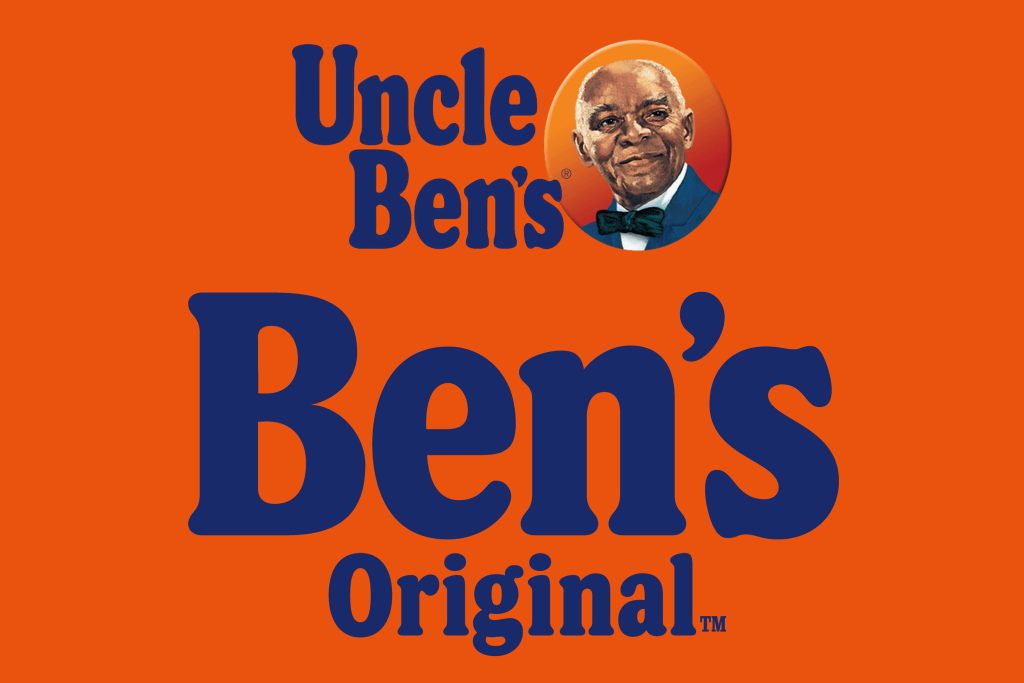
For decades, Uncle Ben’s rice packaging featured the face of an older Black man presented as the brand’s namesake. Company stories about a skilled Texas rice grower named Ben have never been backed by clear historical documentation, and the image used on boxes came from a different man. As with other food mascots, the character functions more as advertising icon than proven individual.
William Tell
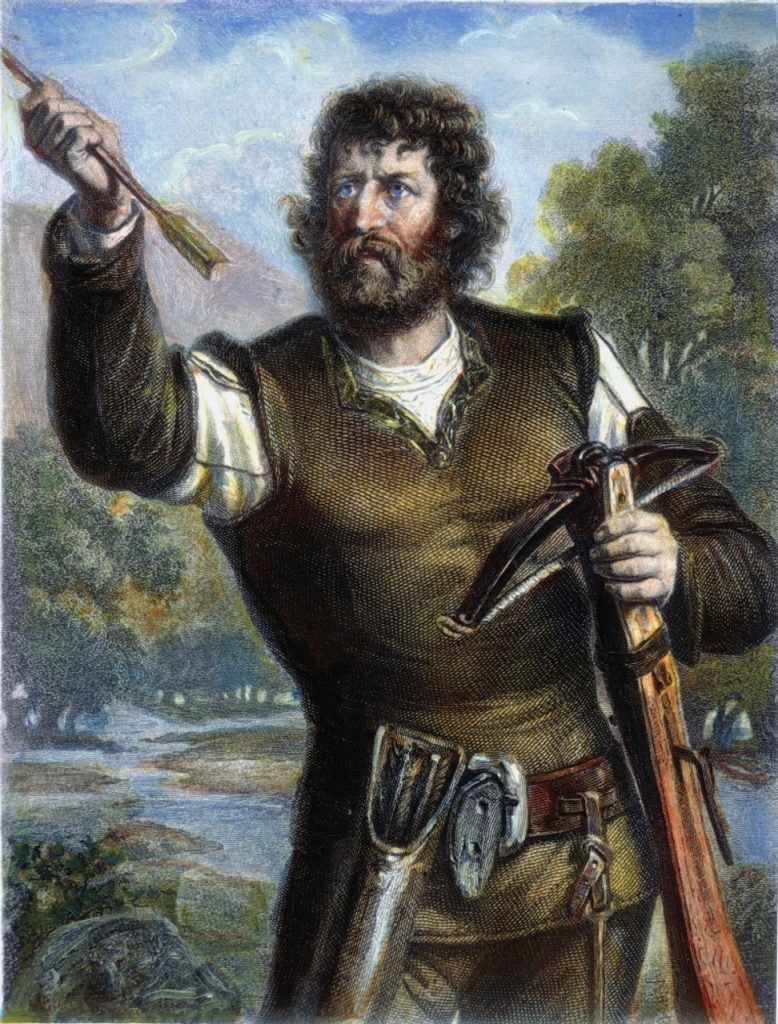
Swiss tradition celebrates William Tell as the marksman who shot an apple from his son’s head and helped spark a revolt against foreign rule. Yet written versions of his story appear centuries after the period in which he supposedly lived, and no contemporary records confirm his dramatic act of defiance. Many historians now see him as a national founding myth that symbolically expresses ideas of independence.
Robin Hood
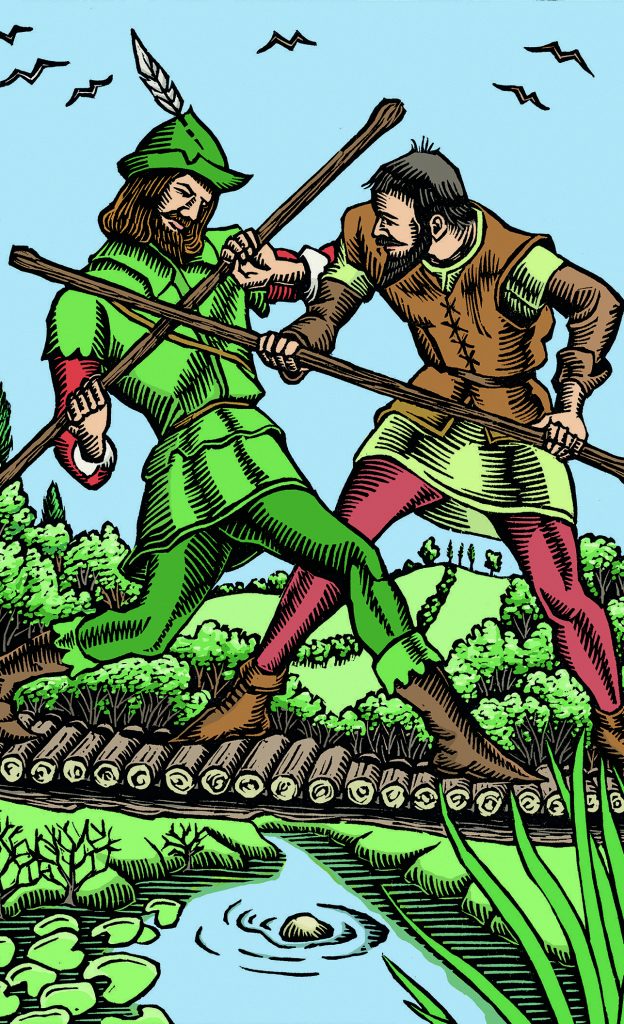
Stories of Robin Hood describe an outlaw in medieval England who robbed from the rich to give to the poor and fought corrupt officials near Sherwood Forest. The earliest ballads mentioning a Robin Hood date from centuries after the time of Richard the Lionheart, and the name itself was fairly common. Scholars suspect the legend blends tales about several real bandits with popular fantasies about resistance and social justice.
Jack the Ripper
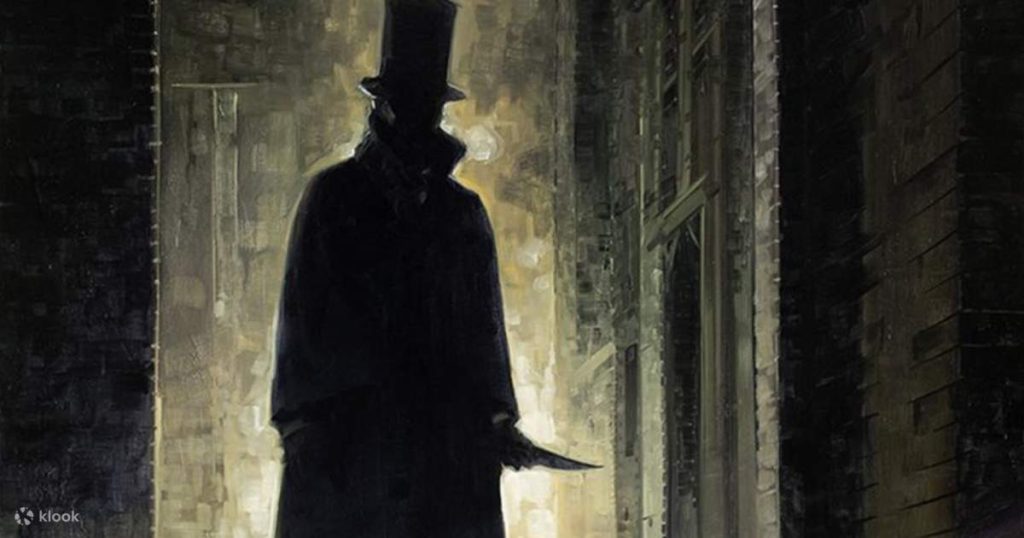
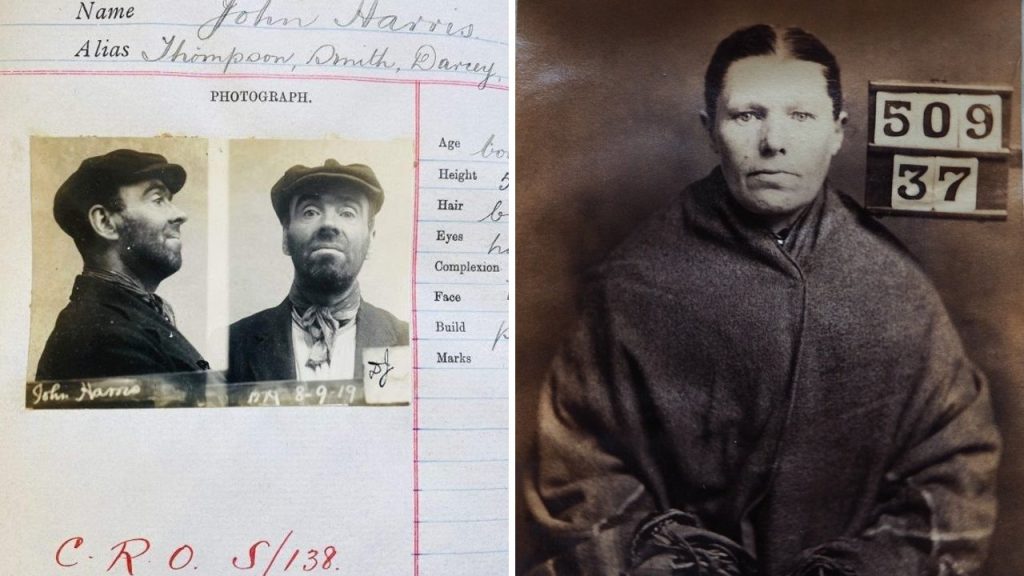
Jack the Ripper is the name given to an unidentified killer linked to a series of murders in London’s Whitechapel district in 1888. While the crimes themselves are real, the Ripper persona depends heavily on sensational newspaper stories and unsigned letters that may not all come from the same source. Some researchers argue that multiple offenders were later merged into a single, almost fictional figure of urban horror.
King Solomon
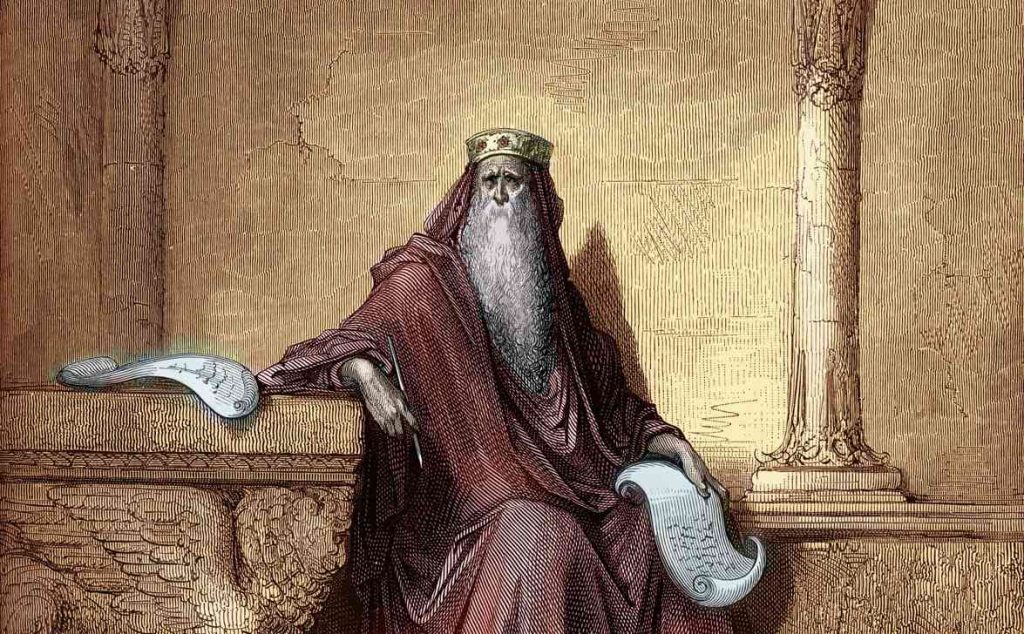
King Solomon is known from religious texts as a wise and wealthy ruler of a united Israel who built a grand temple in Jerusalem. Archaeological work in the region has not produced clear evidence for a kingdom of the size and power described in those narratives, and non-biblical references are sparse. Many historians think the stories exaggerate or idealize a much smaller historical ruler, or blend several leaders into one larger than life king.
Moses
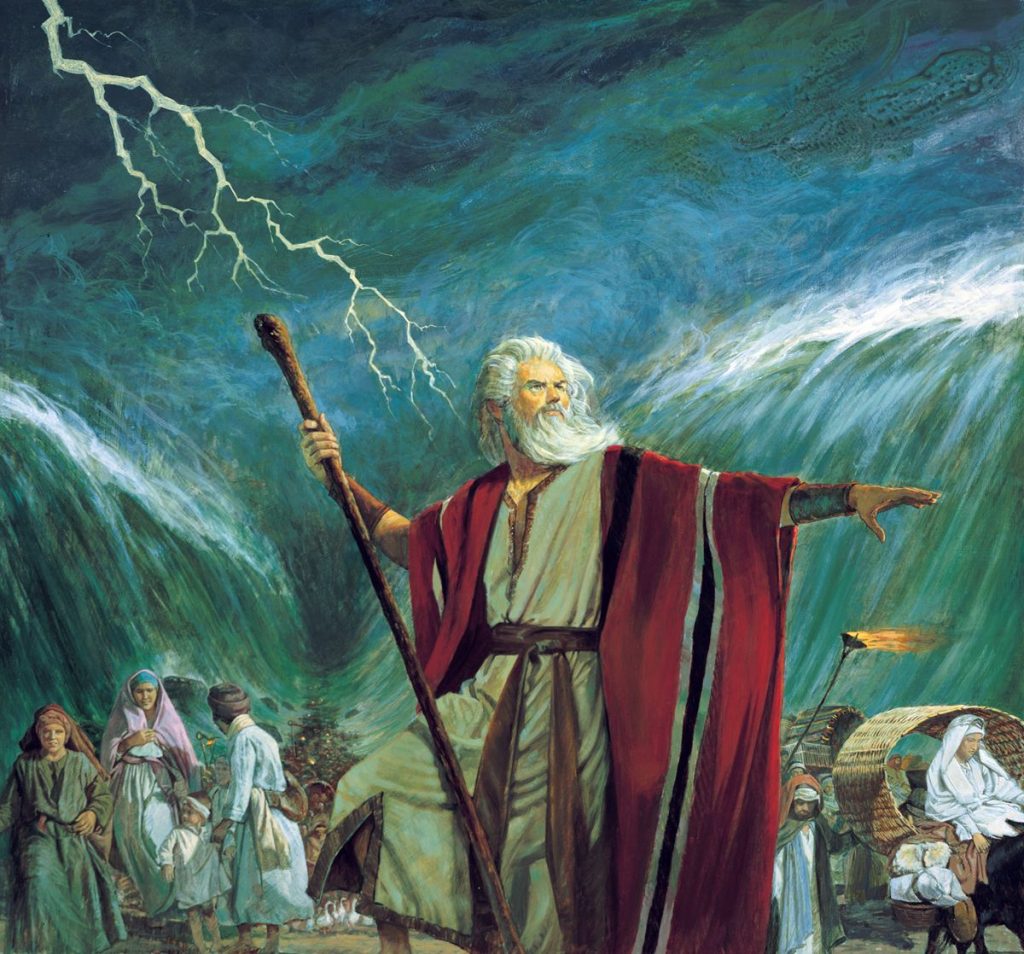
Moses is a central figure in Judaism, Christianity, and Islam, traditionally described as leading the Exodus from Egypt and receiving a divine law. Outside those sacred texts, historians have found little contemporaneous evidence for a large migration event or a single leader matching the full scriptural portrait. Some scholars suggest the stories preserve memories of smaller movements and older myths that were later woven into one powerful narrative about liberation.
Confucius
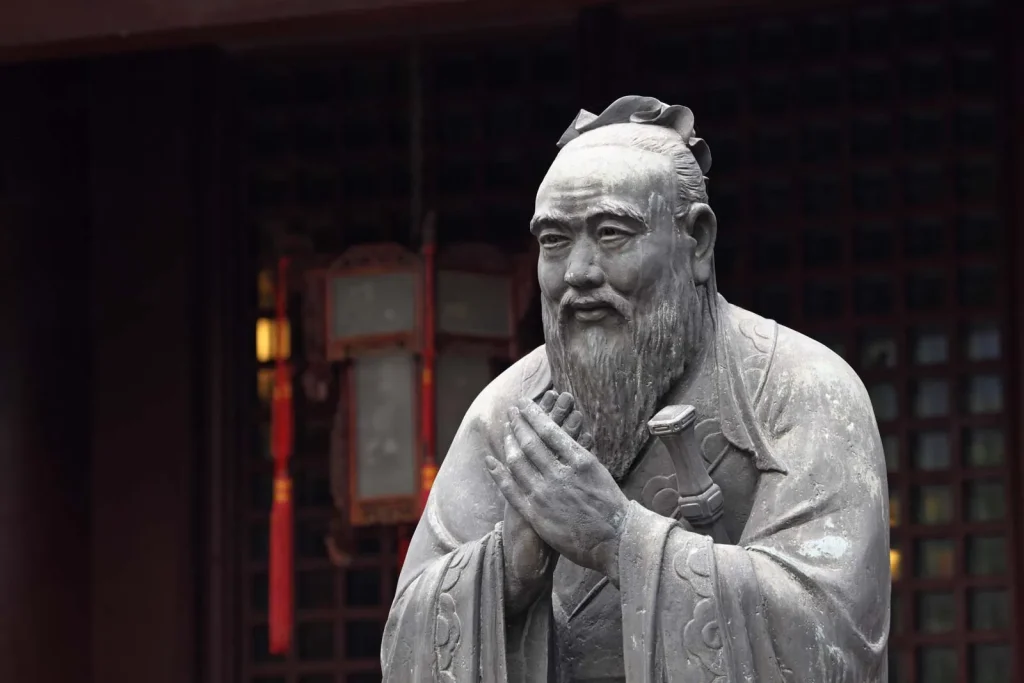
Confucius is credited with shaping Chinese ethical and political thought for centuries, yet almost everything known about him comes from texts written long after his lifetime. The Analects and related works appear to collect sayings from multiple authors and later editors, making it hard to separate a single historical teacher from the tradition built around his name. A man called Kongzi likely lived, but the exact details of his life and words remain debated.
Laozi
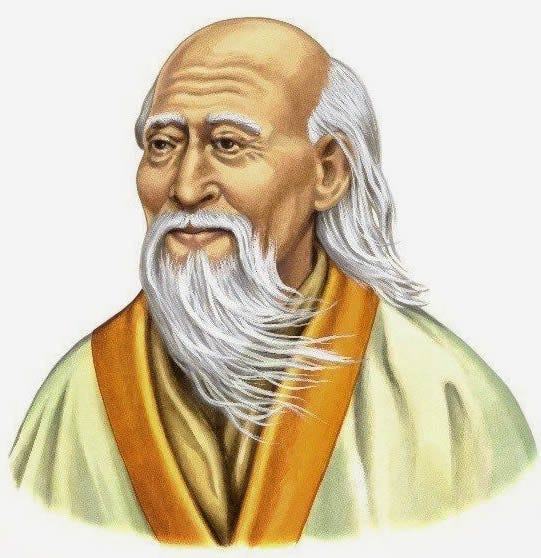
Laozi, often identified as the author of the “Tao Te Ching,” is traditionally portrayed as an older contemporary of Confucius who withdrew from society. Early references to him are centuries later than the era in which he supposedly lived, and the core text attributed to him seems to contain layers added at different times. Many specialists think Laozi represents a collective title for early Daoist thinkers rather than a single, fully documented individual.
Socrates
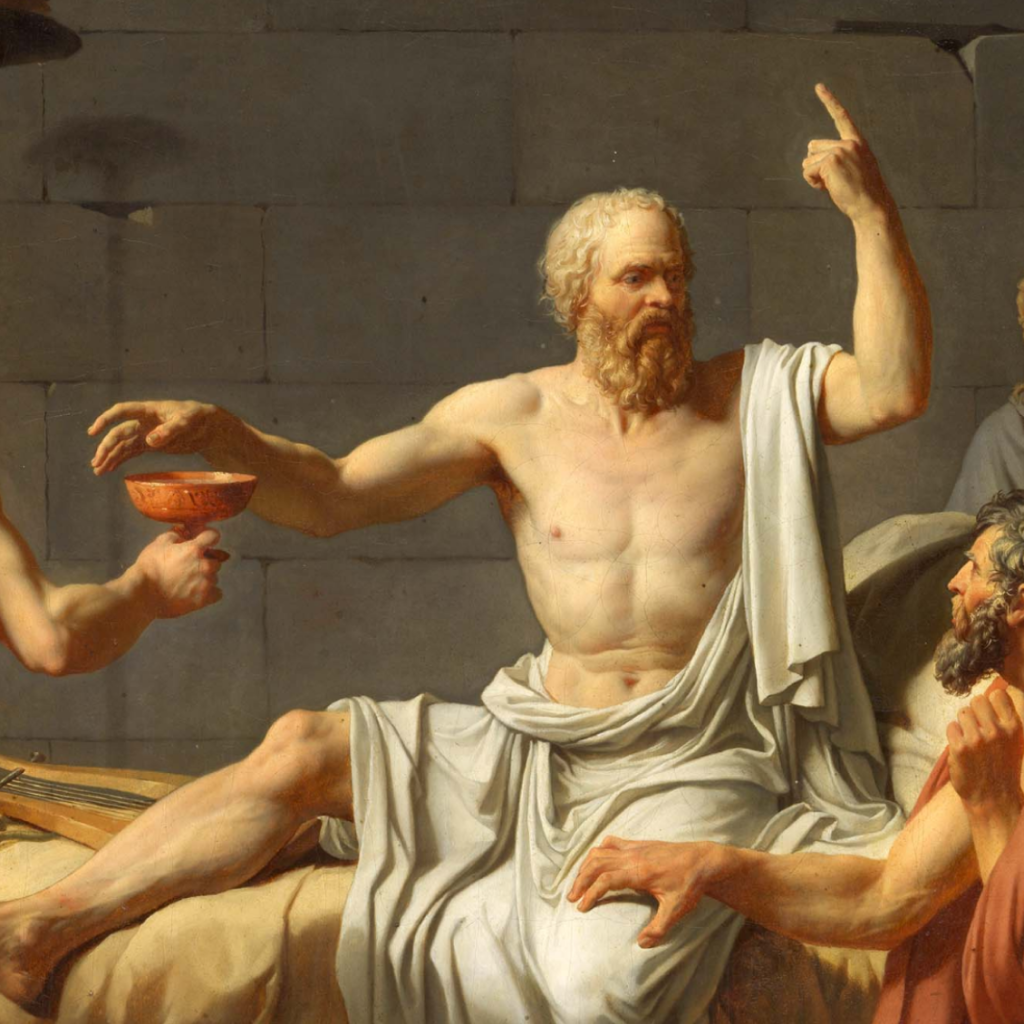
Socrates is one of the most famous philosophers in Western history, yet he left no writings of his own. Our picture of him comes entirely from students and contemporaries such as Plato, Xenophon, and Aristophanes, who used him in very different ways. This has led some scholars to argue that the “Socrates” we know is partly a literary construction, making it difficult to be sure how closely he matches any real Athenian teacher.
Pythagoras
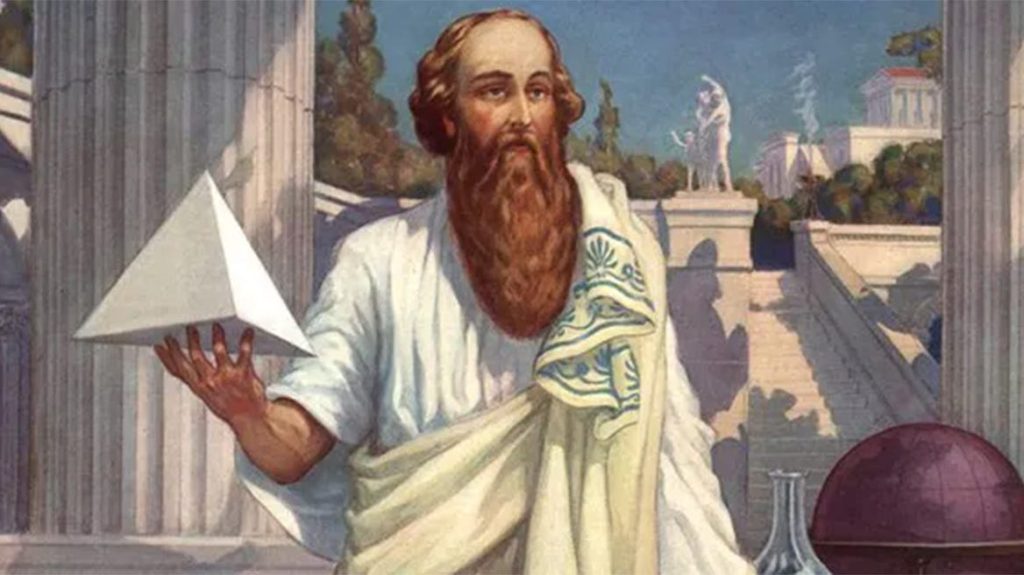
Pythagoras is closely associated with the right triangle theorem taught in school and with a religious like philosophical community in southern Italy. However, the surviving accounts of him were written long after his death by admirers who mixed mathematics with miracle stories and moral lessons. As a result, historians struggle to separate a possible historical mathematician from the mythic sage described in later texts.
Sun Tzu
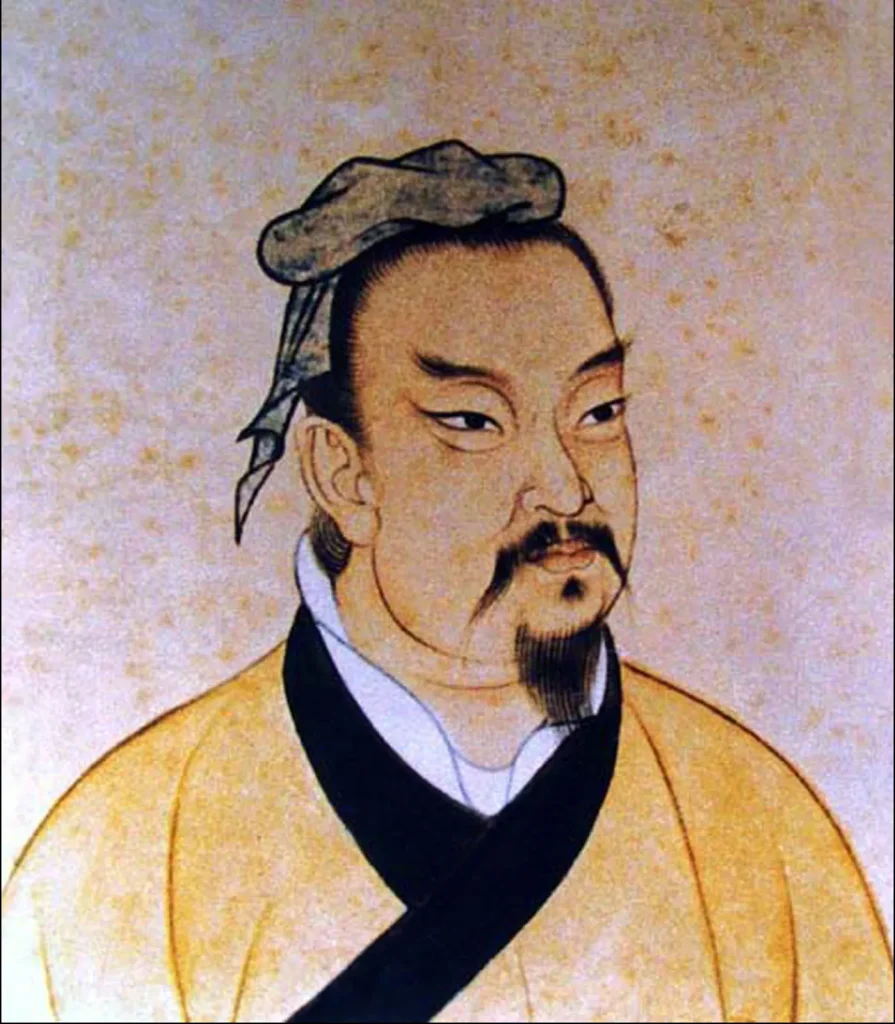
Sun Tzu is named as the author of “The Art of War,” a classic Chinese treatise on strategy that has influenced military and business thinking worldwide. Yet doubts about his existence have circulated for centuries, because references to him are relatively late and the text appears to gather material from different periods. Many researchers believe Sun Tzu may be a convenient label for a school of strategic thought rather than a fully documented general.
Homer
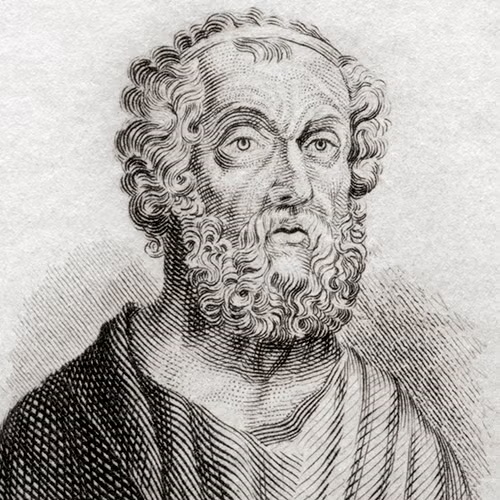
Tradition credits Homer with composing “The Iliad” and “The Odyssey,” two epic poems that anchor ancient Greek literature. The problem is that no reliable biographical information about him survives, and linguistic studies suggest the poems were shaped over a long oral tradition before being written down. Some classicists argue that “Homer” might be a name given to that tradition, not a single poet whose life we can precisely reconstruct.
Helen of Troy
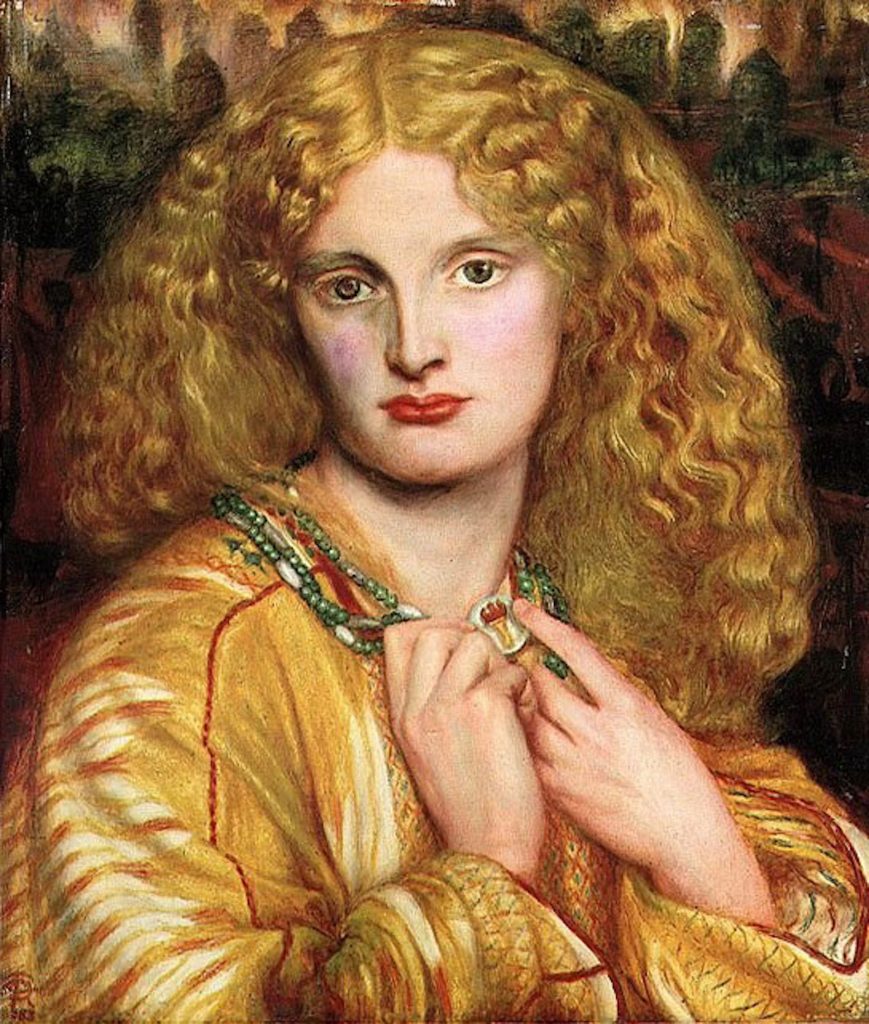
Helen of Troy is described in Greek epic as the most beautiful woman in the world, whose abduction helped trigger the Trojan War. Archaeology shows that a city identified with Troy did exist and was destroyed more than once, but there is no independent evidence for Helen herself. Scholars generally treat her as a mythic character built around themes of desire, power, and conflict rather than a traceable historical queen.
Gilgamesh
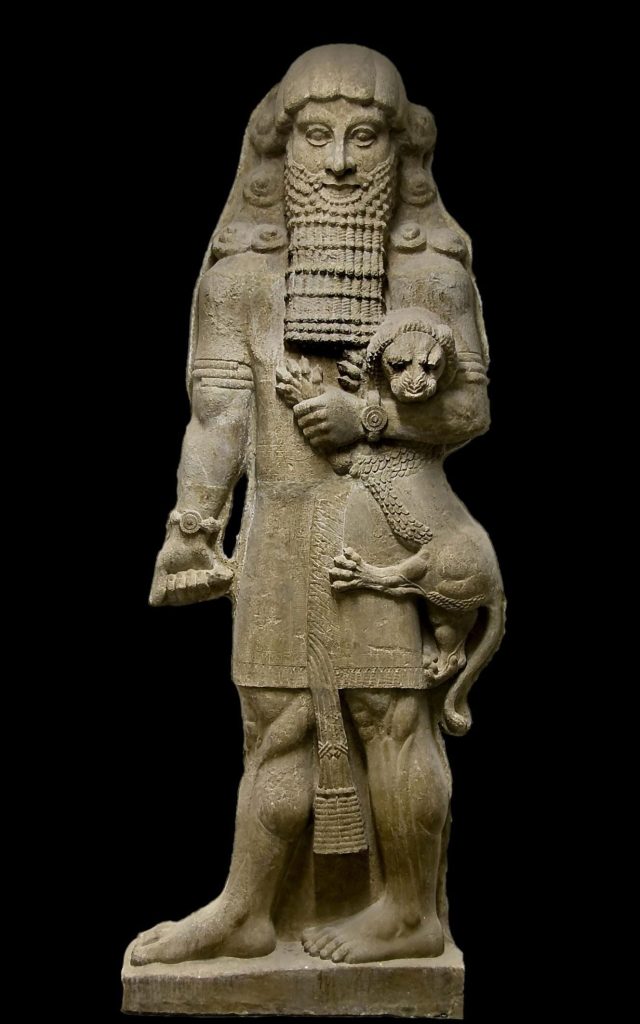
Gilgamesh appears in ancient Mesopotamian epics as a king of Uruk who battles monsters and seeks immortality after the death of his friend Enkidu. Some early king lists mention a ruler with a similar name, but the literary tales clearly enlarge his deeds to superhuman scale. Because the surviving evidence mixes sparse administrative references with mythic narratives, his exact historical reality remains uncertain.
Romulus and Remus
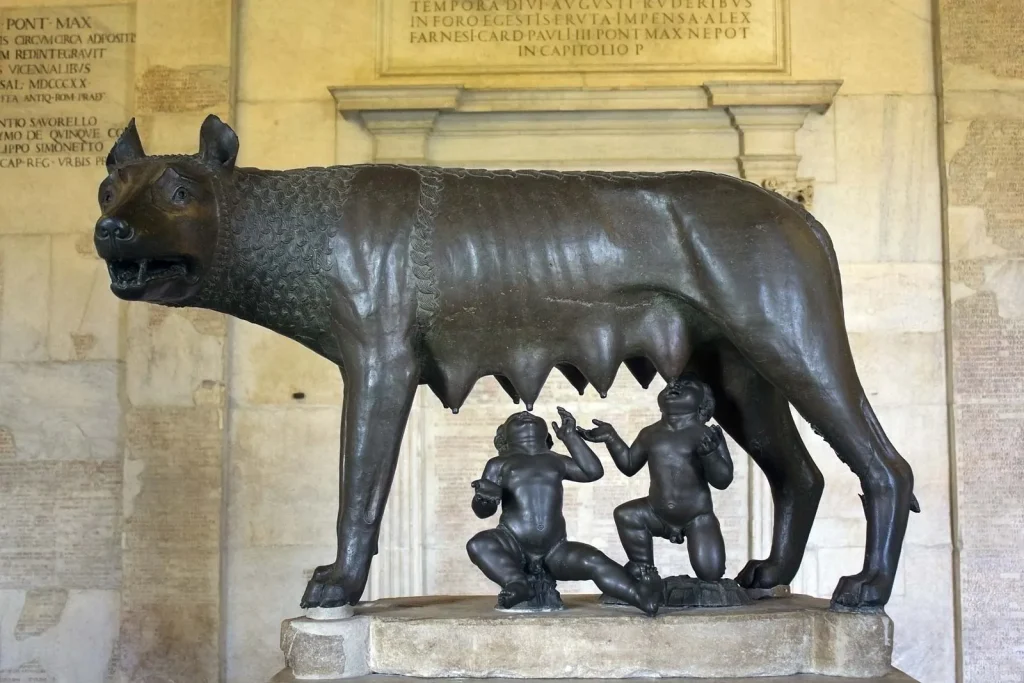
Roman legend says that the twins Romulus and Remus were abandoned as infants, suckled by a she wolf, and later founded the city of Rome after a violent quarrel. Their story is first recorded centuries after Rome was established, and it resembles other ancient myths about heroic founders. Archaeologists and historians therefore interpret the twins as symbolic ancestors created to explain the city’s origins, not as securely documented individuals.
Merlin
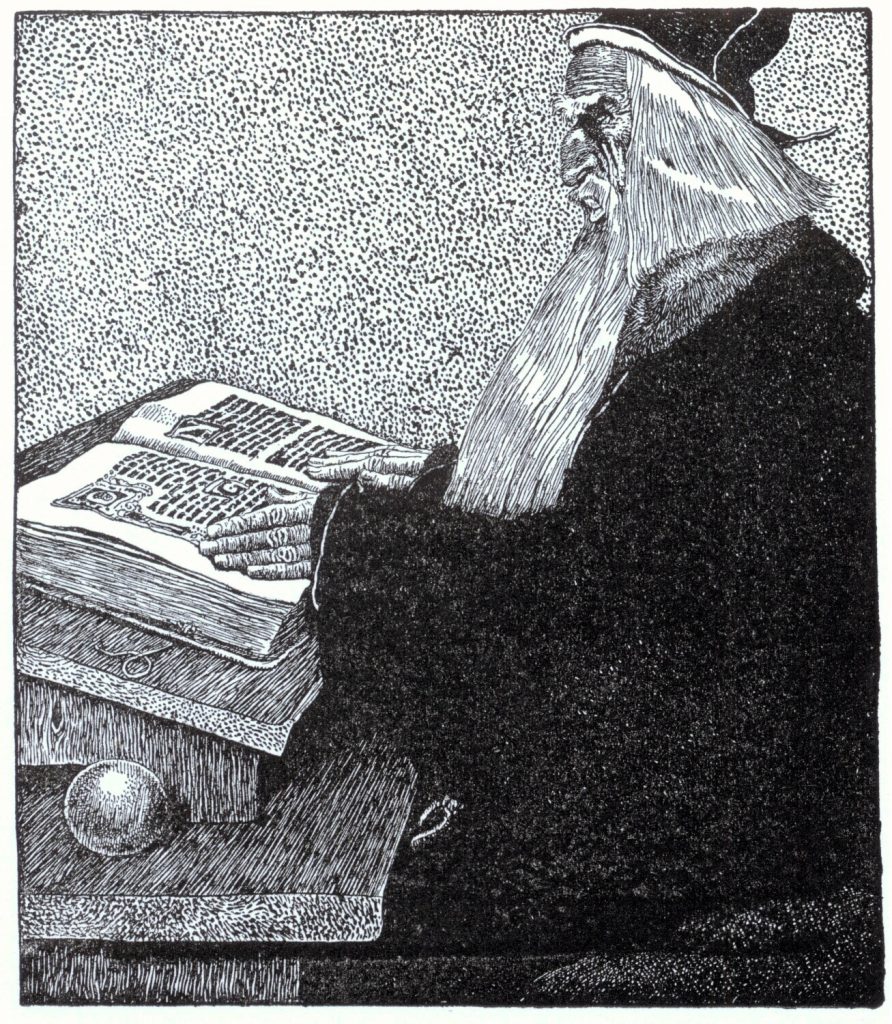
Merlin is the enigmatic magician and adviser who appears in Arthurian stories, guiding the king and orchestrating key events with prophetic insight. His character seems to blend older Celtic legends, Christian motifs, and the invention of medieval authors, especially in the works of Geoffrey of Monmouth and later romances. With no independent historical evidence for such a court wizard, scholars view Merlin as a literary construction layered over possible fragments of earlier folk figures.
Saint Christopher
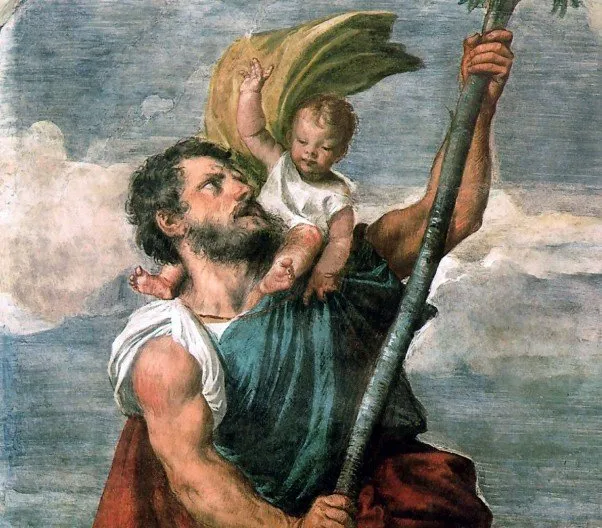
Saint Christopher is revered in Christian tradition as the patron saint of travelers, famously depicted carrying the Christ child across a river. Stories about him vary widely by region and appear relatively late, suggesting that they grew from symbolism rather than eyewitness accounts of a particular martyr. Because of the thin historical record, the Catholic Church removed his feast day from the universal liturgical calendar in the 20th century, while still allowing local devotion.
Manco Capac
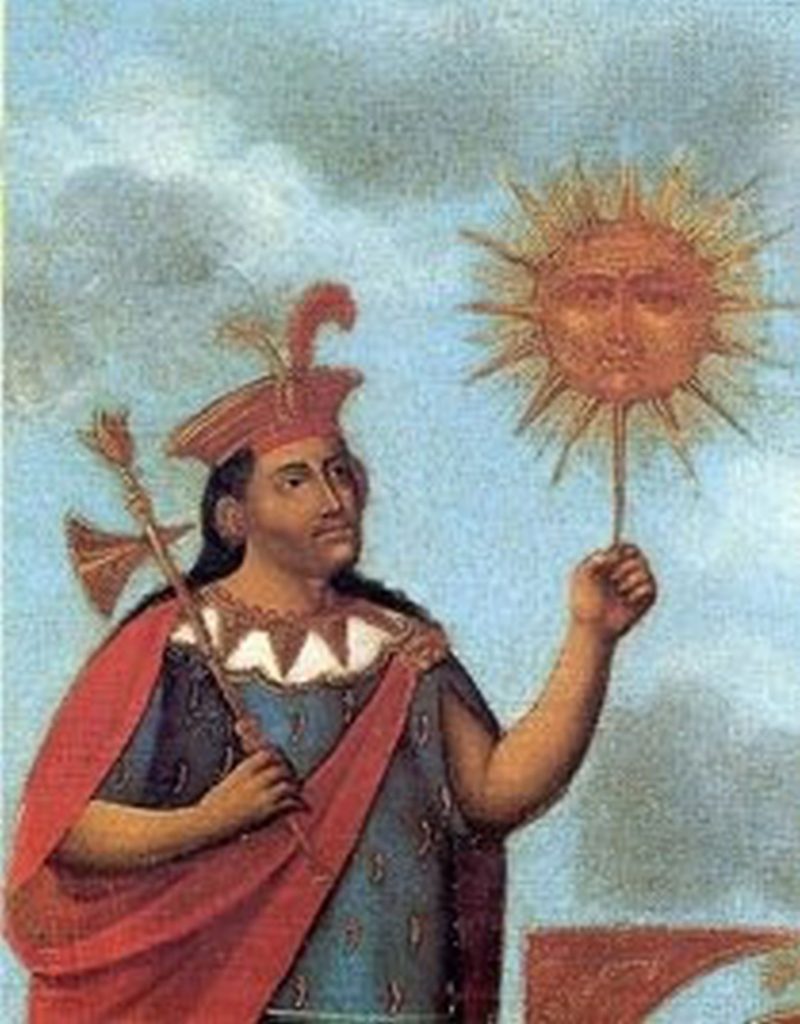
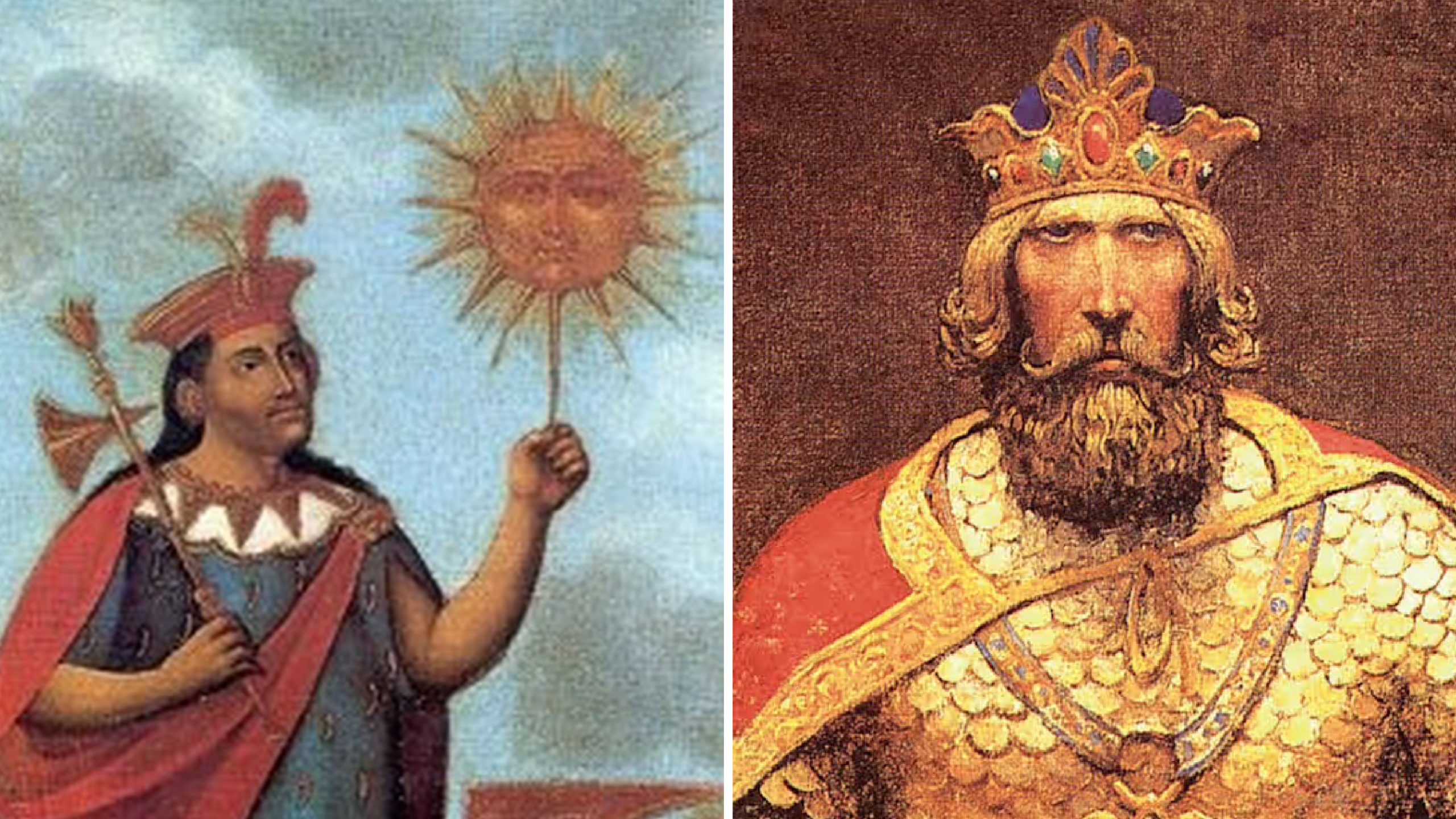
In Inca tradition, Manco Capac is described as a culture hero who emerged from Lake Titicaca with his sister wife to teach people agriculture and establish Cusco. The earliest written accounts of his life were created by Spanish chroniclers after the conquest, drawing on oral stories already shaped by myth and politics. With little archaeological or documentary evidence for a single founder matching the legend, many historians see him as a mythical ancestor of the royal dynasty.
King Arthur
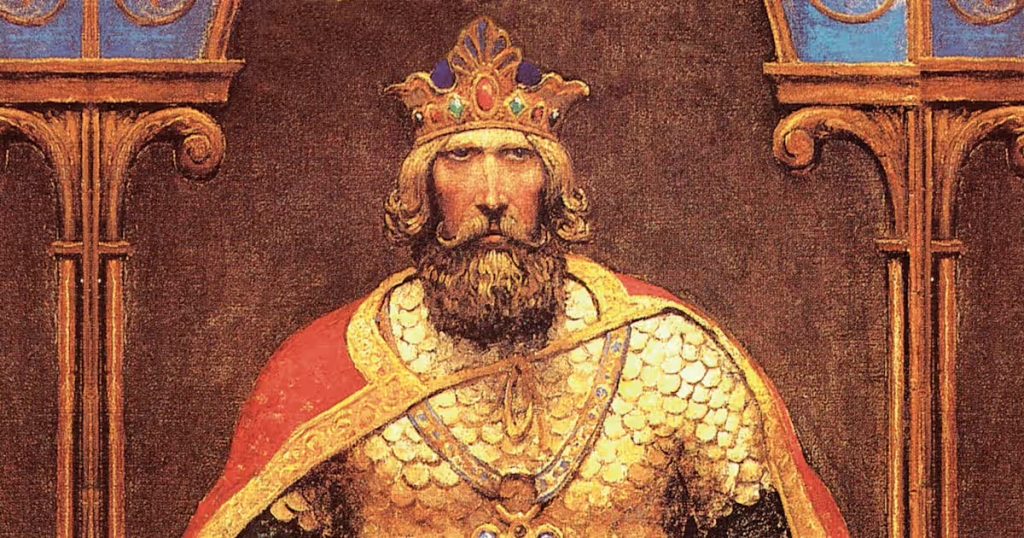
King Arthur is perhaps the most famous legendary ruler of Britain, associated with Camelot, the Knights of the Round Table, and the sword in the stone. Yet he does not appear in the earliest surviving histories of the post Roman period, and later sources mix poetry, folklore, and romantic fiction written centuries after his supposed lifetime. Scholars still debate whether a real war leader lies behind the stories, but as far as the evidence goes, Arthur remains more powerful as myth than as provable historical king.