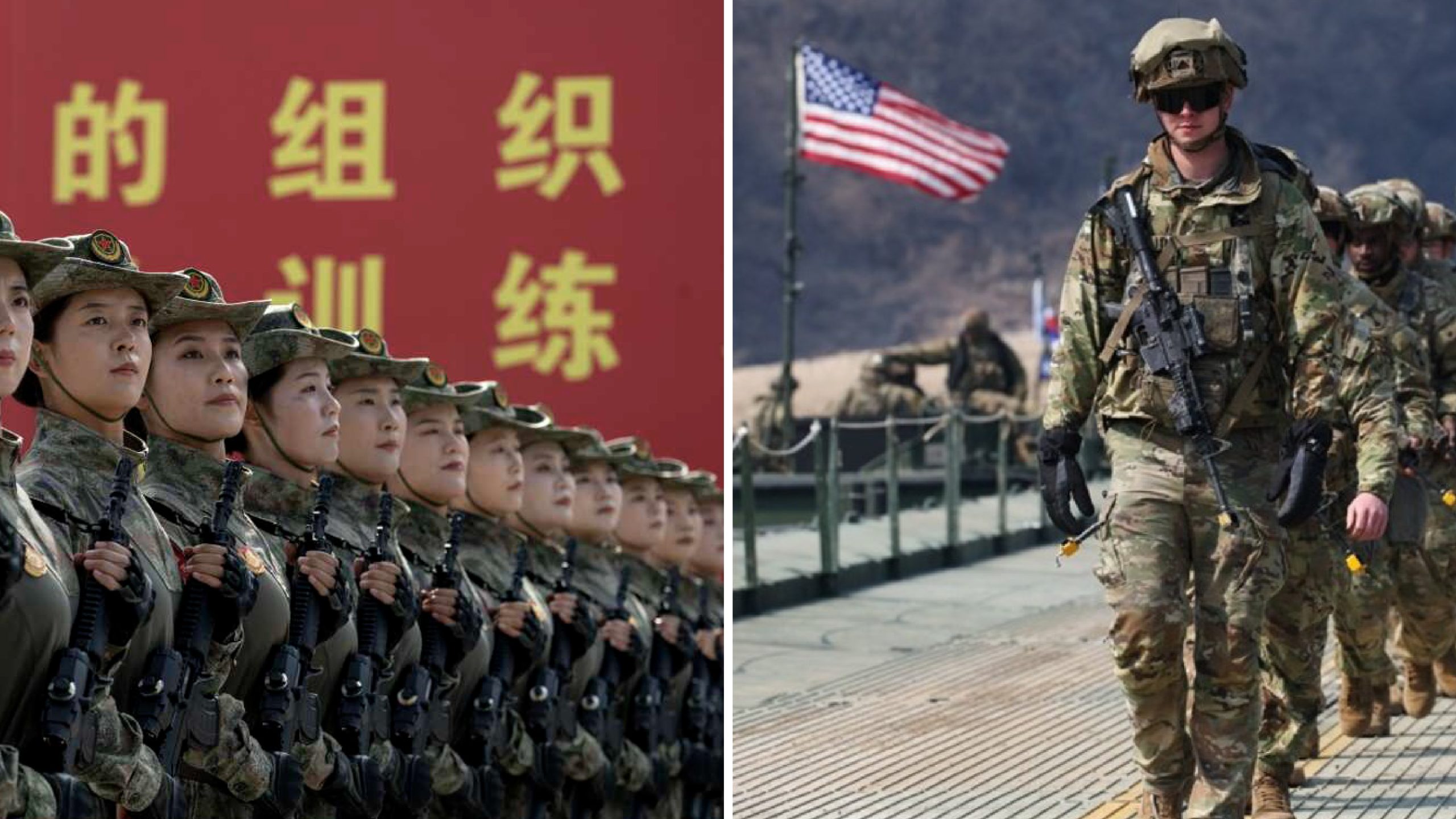
This list ranks 15 of the world’s largest standing armies by their estimated number of active-duty personnel in 2025, from the smallest of the major powers to the absolute largest. Headcount does not equate to capability, but it highlights where large-scale manpower remains a defining feature of national defense.
Thailand – 360,850
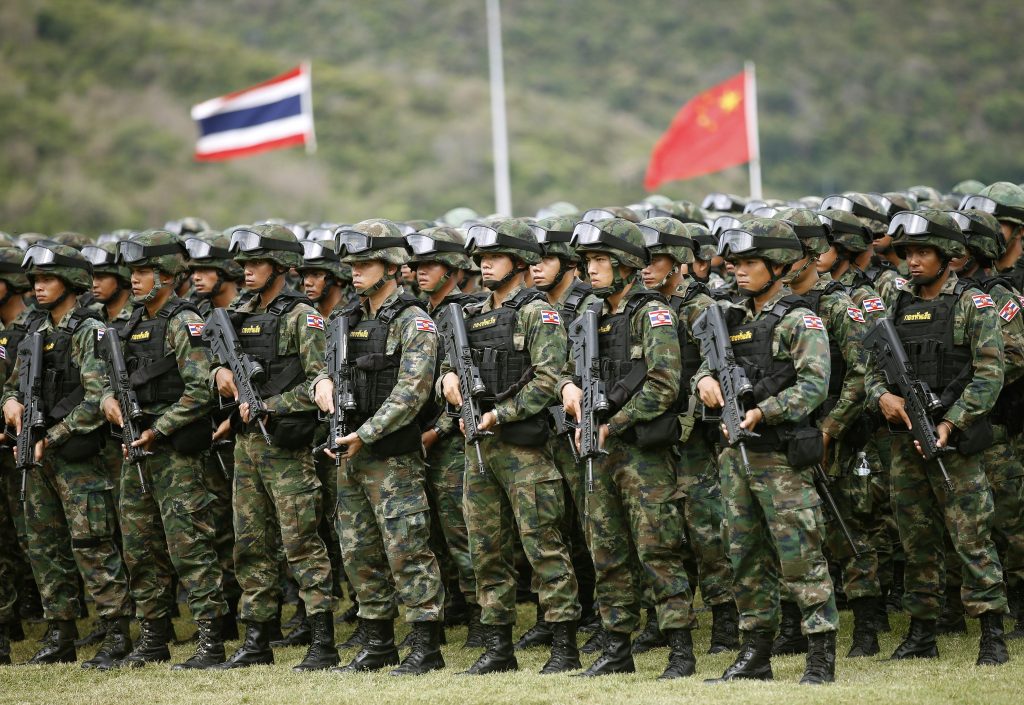
Thailand maintains a sizeable conscript-based army focused on border security and disaster relief. Equipment ranges from legacy systems to incremental upgrades. Regional exercises and modernization programs strengthen interoperability. The force serves both defense and civil-support roles.
Brazil – 374,500
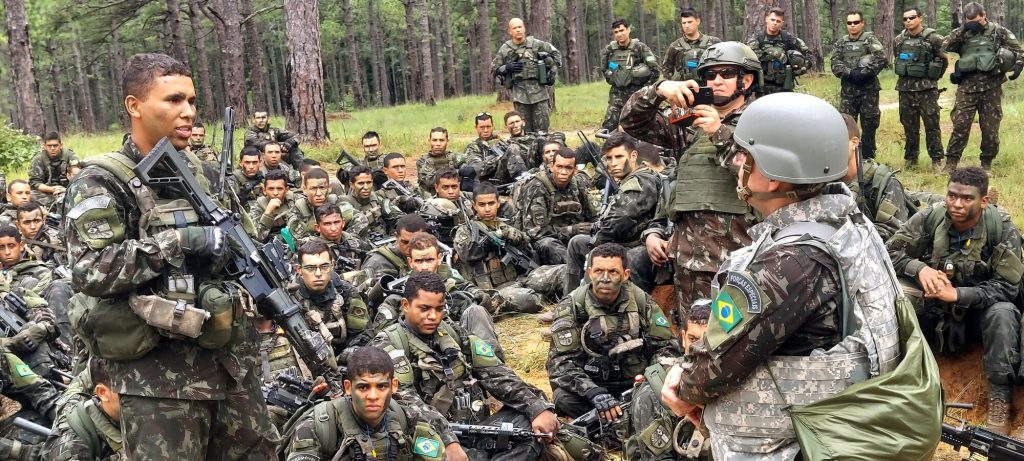
Brazil’s active-duty military includes one of the largest armies in the Americas. It performs missions ranging from border control to Amazon defense. Domestic industry contributes to armored vehicle and aerospace programs. Budget cycles influence modernization and readiness levels.
Indonesia – 404,500
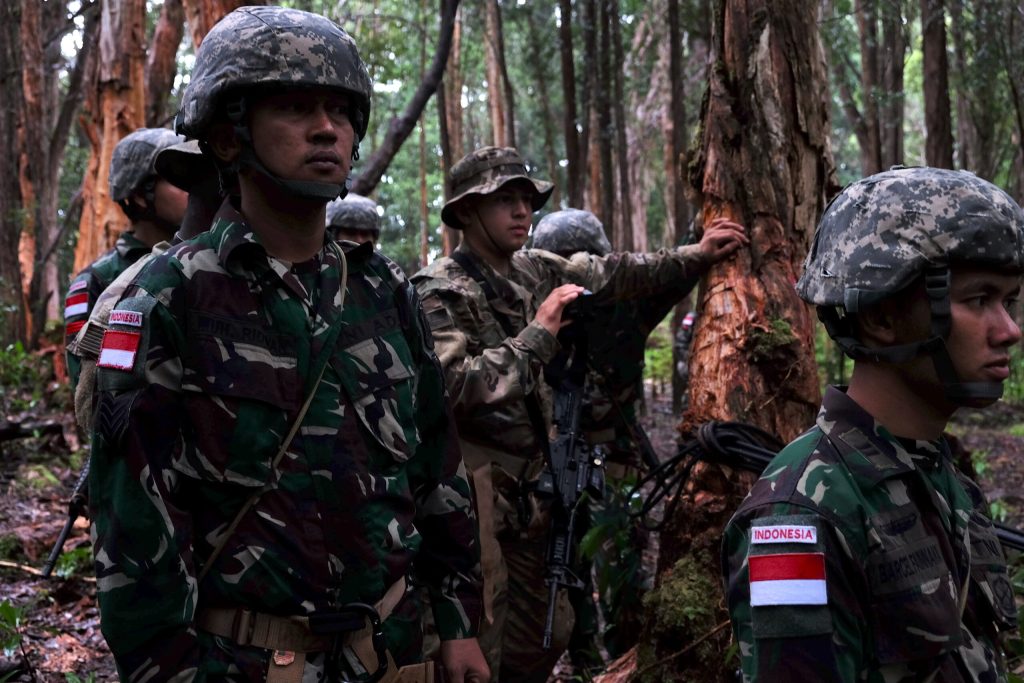
Indonesia’s armed forces secure a vast archipelago through territorial commands. Modernization focuses on transport, surveillance, and air defense. Disaster response and internal security remain core tasks. Logistics across thousands of islands make it one of the most dispersed forces globally.
Egypt – 438,500
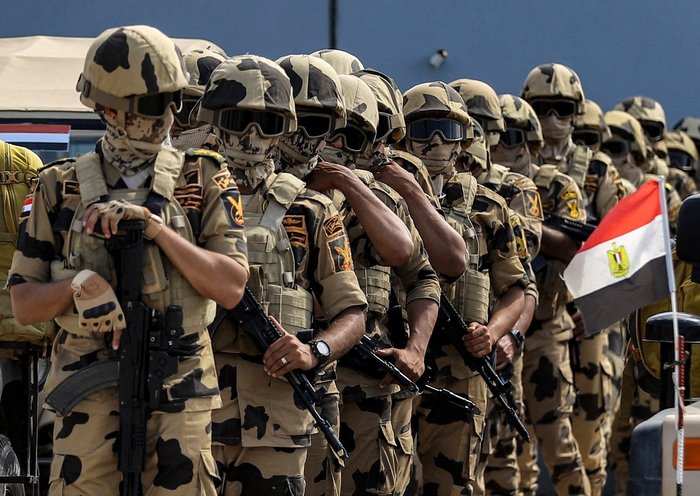
Egypt maintains one of Africa’s largest militaries, emphasizing border security and counterterrorism. Equipment mixes U.S., European, and domestic systems. Joint drills with Arab and Western allies enhance readiness. The country invests steadily in modern armor and air assets.
Vietnam – 470,000
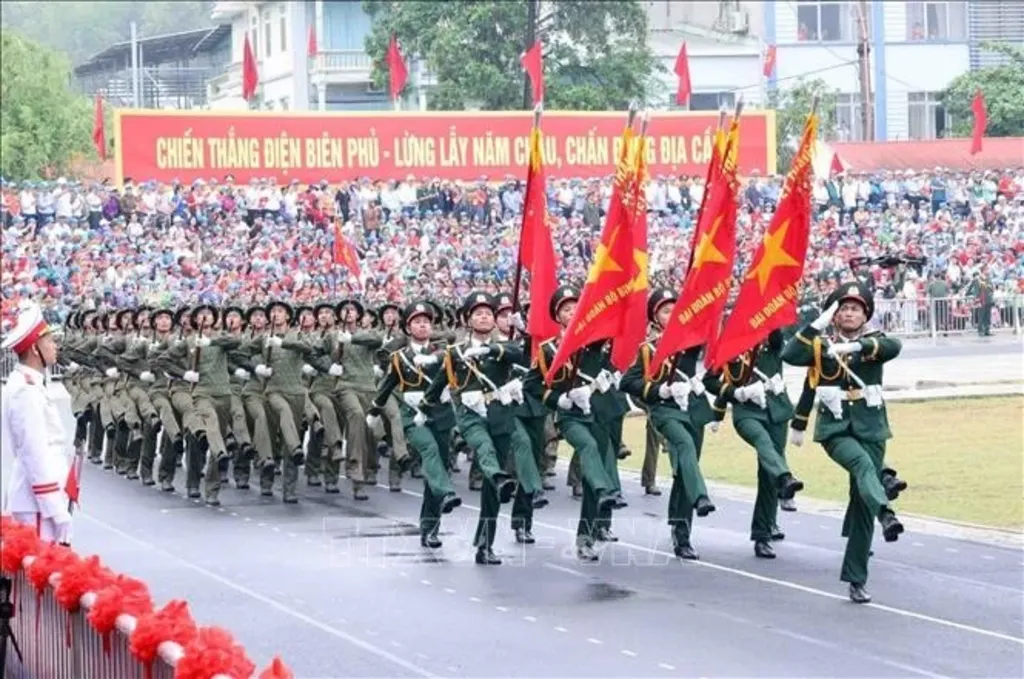
Vietnam combines a sizable professional army with millions of reservists. Strategy blends coastal defense with modernization of air and naval systems. Strong defense industries and international partnerships expand capability. Historic experience shapes a defensive doctrine rooted in resilience.
South Korea – 500,000
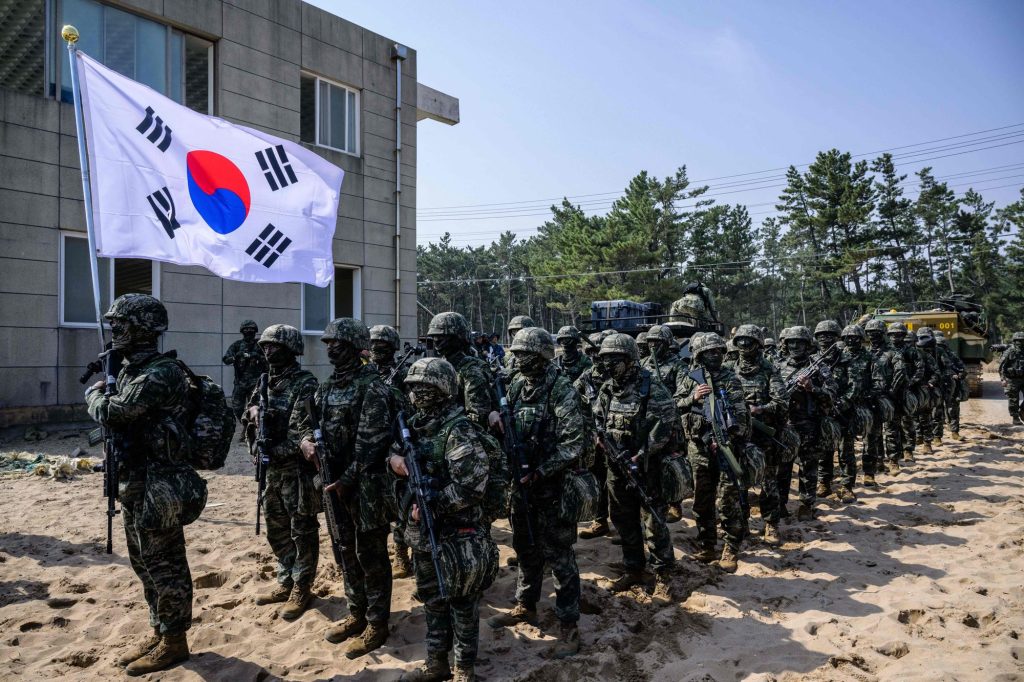
South Korea’s military relies on mandatory service and advanced domestic weapons production. Defense planning centers on rapid response to northern threats and joint operations with U.S. forces. Regular training and technology upgrades sustain combat readiness. Civil-defense reserves add depth.
Ethiopia – 510,000
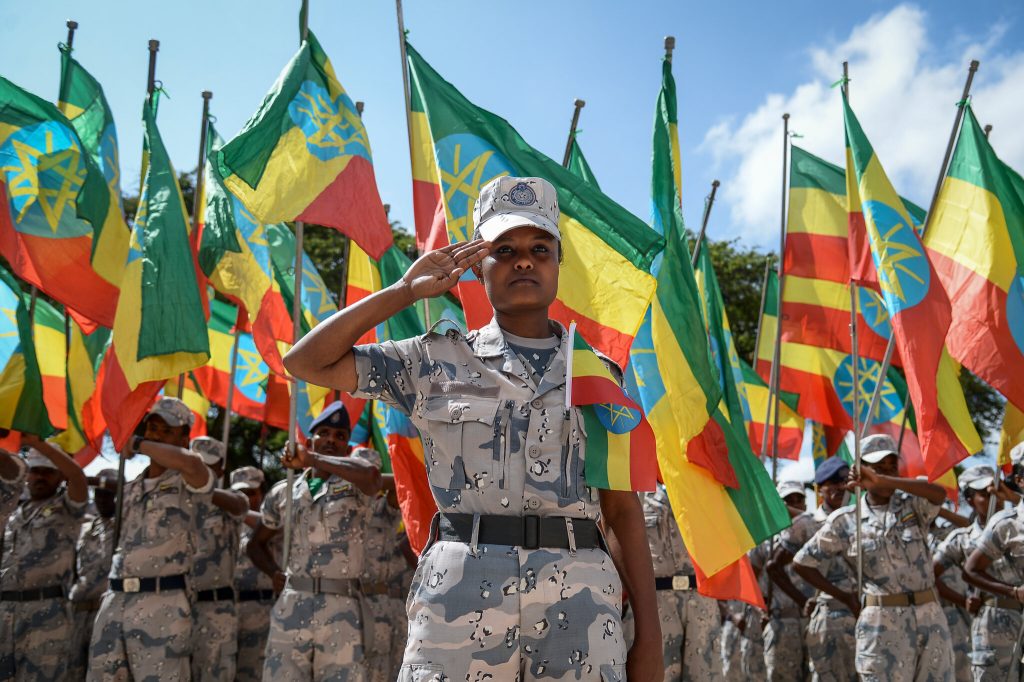
Ethiopia maintains Africa’s second-largest standing force. The army focuses on internal security and regional stability. Modernization targets mobility, communication, and logistics. Recent reorganizations follow conflict-driven demobilizations and expansions.
Iran – 610,000
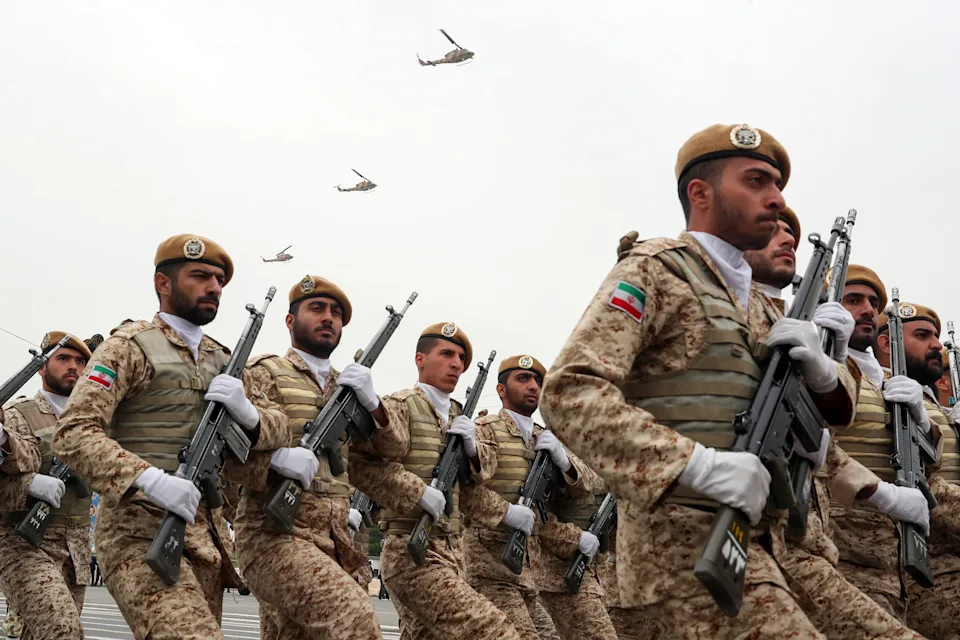
Iran’s combined regular army and IRGC emphasize air defense, missile development, and drone warfare. The strategy favors asymmetric deterrence over conventional parity. Domestic production supports key systems under sanctions. Regional influence and proxy forces extend its reach.
Pakistan – 654,000
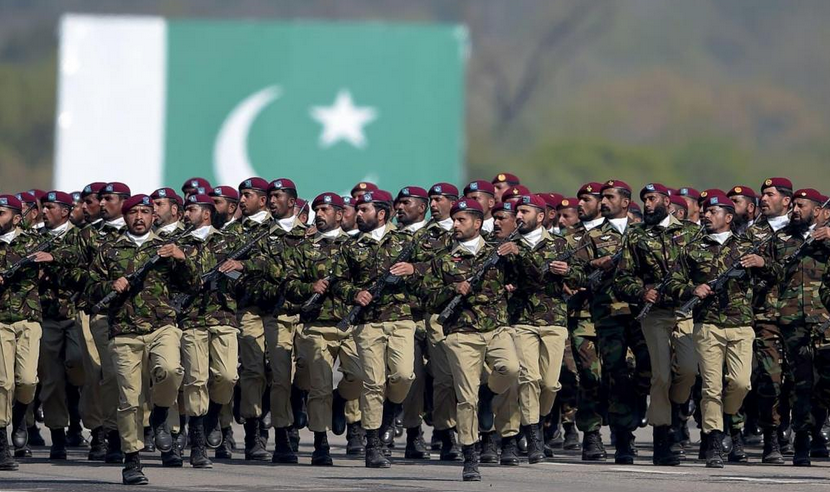
Pakistan fields one of the largest forces in South Asia with extensive combat experience. The military balances deterrence with counterinsurgency and border defense. Collaboration with China supports modernization in armor and aviation. It is also a leading contributor to UN peacekeeping missions.
Ukraine – 730,000
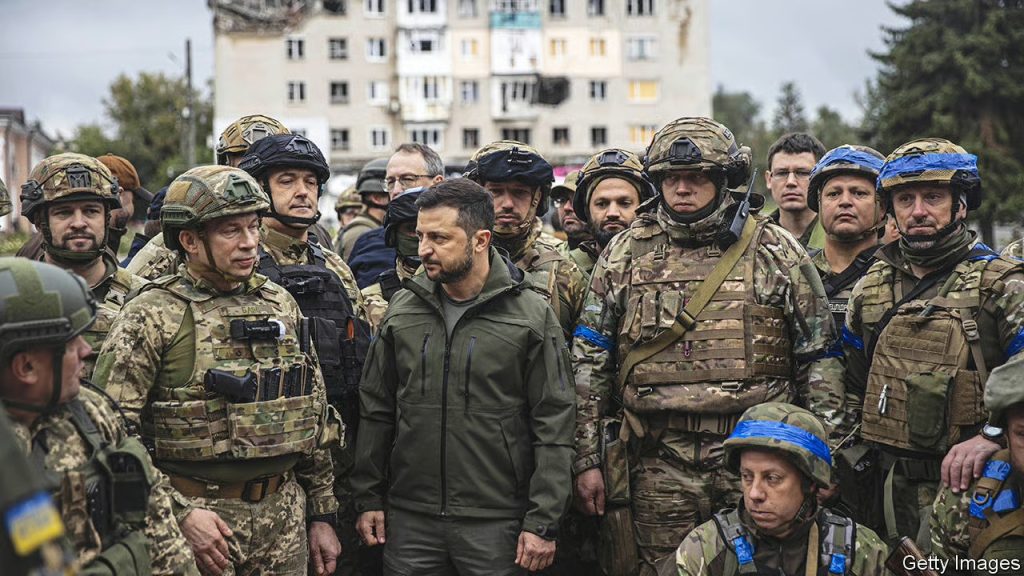
Ukraine’s wartime mobilization dramatically increased its active personnel. Western training, precision artillery, and drones define current operations. Logistics remain under strain, but morale and adaptability stay high. Its scale now rivals traditional great powers despite wartime pressures
Russia – 1,150,000
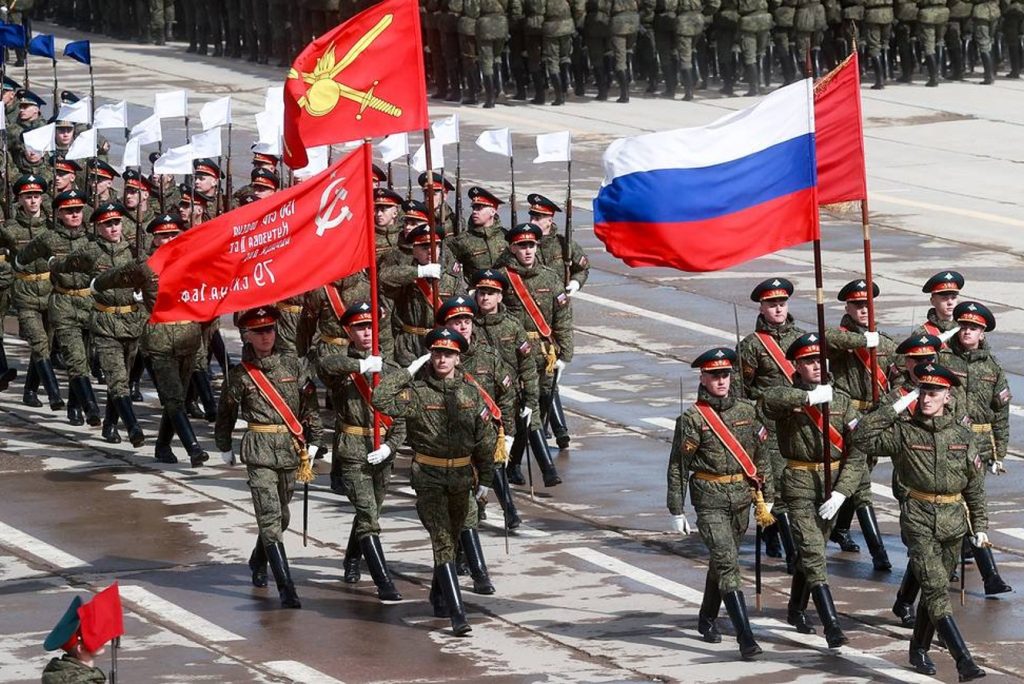
Russia’s active forces remain among the world’s largest, integrating ground, air, and strategic missile branches. Wartime mobilization has tested logistics and supply chains. Modernization continues with mixed success amid sanctions. Conscription and contract service form its manpower base.
North Korea – 1,280,000
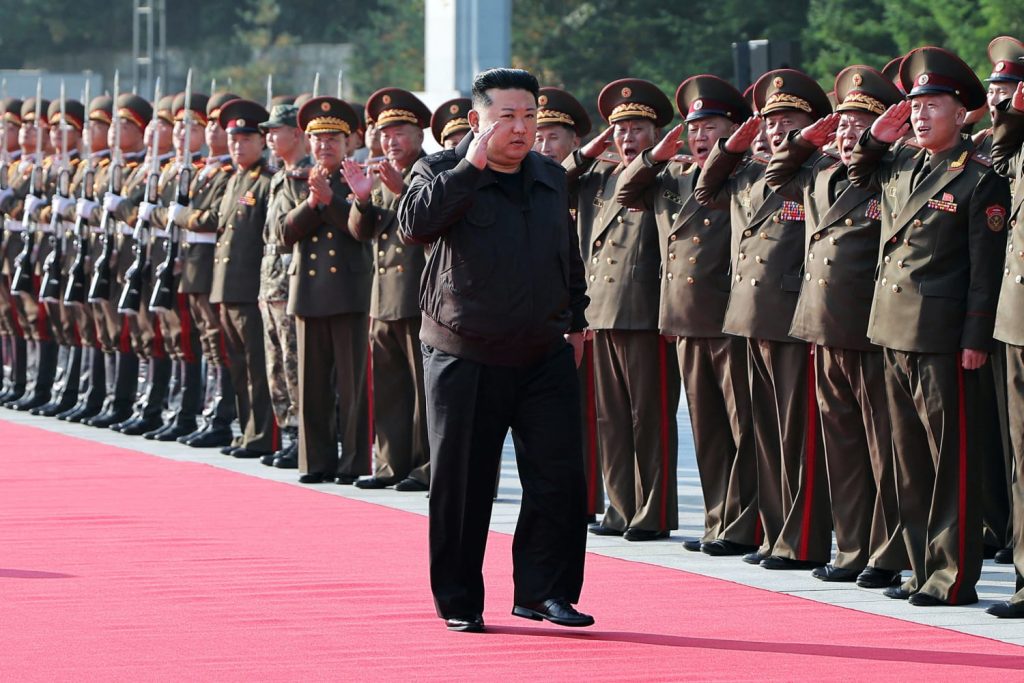
North Korea sustains one of the largest armies relative to population. Mandatory service ensures steady recruitment. Emphasis lies on artillery, air defense, and ballistic missile forces. Resource limits are offset by mass and rigid command structure.
United States – 1,330,000
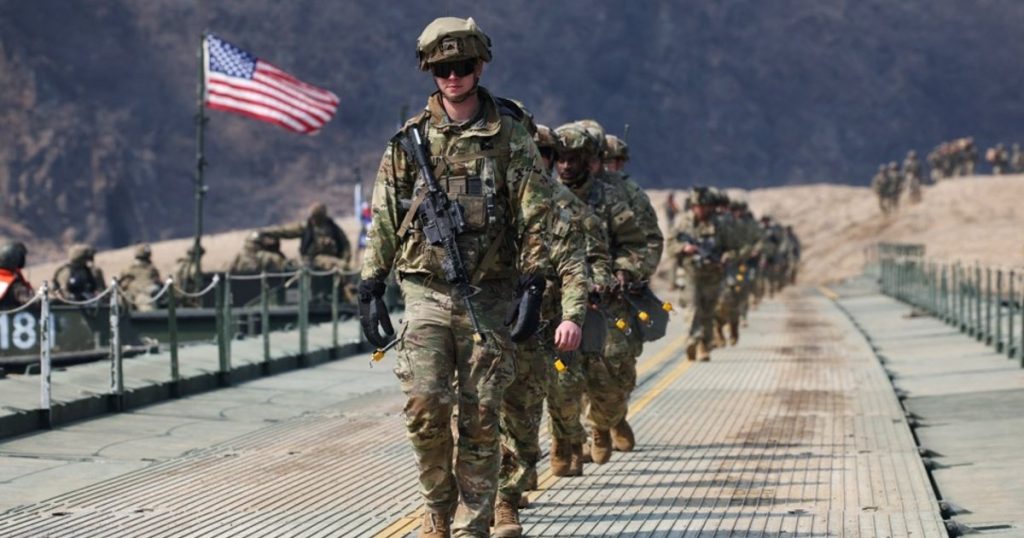
The U.S. military’s global deployment and advanced technology offset smaller manpower compared to Asia’s giants. It maintains readiness through training, logistics, and modernization programs. The force prioritizes global reach and rapid deployment. Budget and innovation ensure continued qualitative superiority.
India – 1,470,000
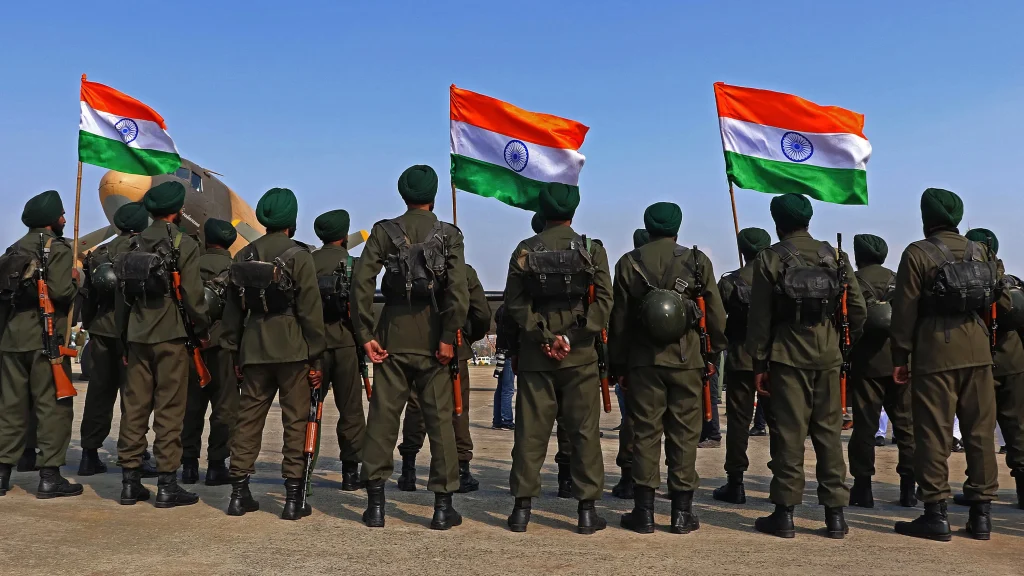
India commands one of the world’s largest standing armies, with extensive reserve components. Border disputes and high-altitude terrain shape constant readiness. Indigenous defense manufacturing is expanding under modernization drives. The army also plays major roles in UN peacekeeping and disaster response.
China – 2,000,000
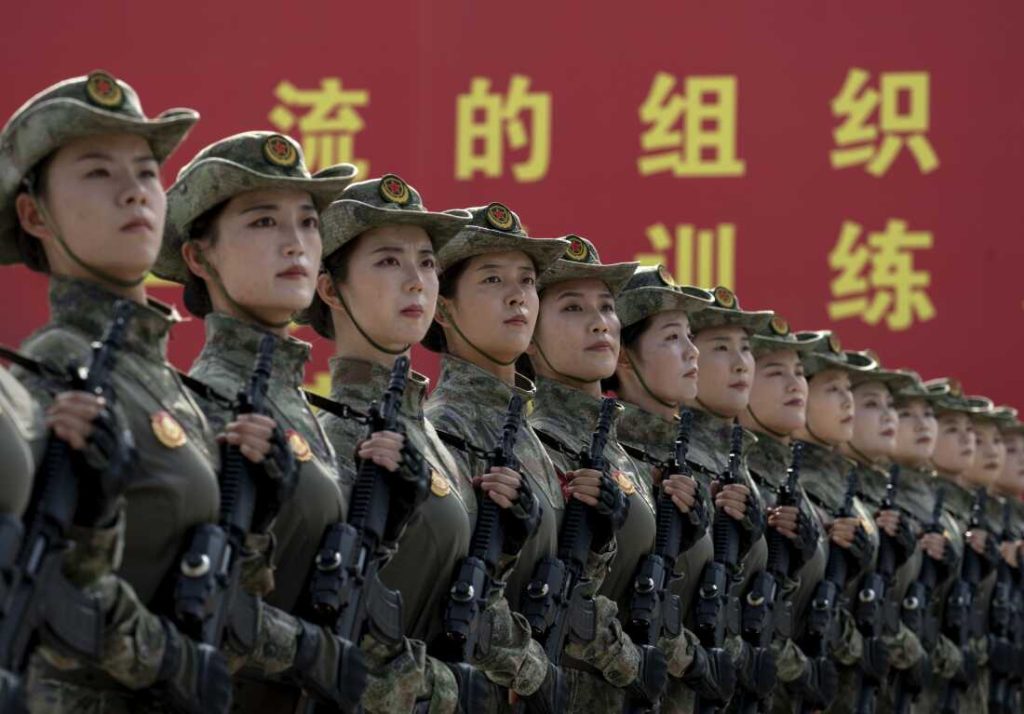
China’s People’s Liberation Army tops the global list in active-duty personnel. Comprehensive modernization covers every domain: land, sea, air, cyber, and space. Recruitment blends conscription with professional career paths. Investments in AI and hypersonic systems underscore ambitions for global parity.