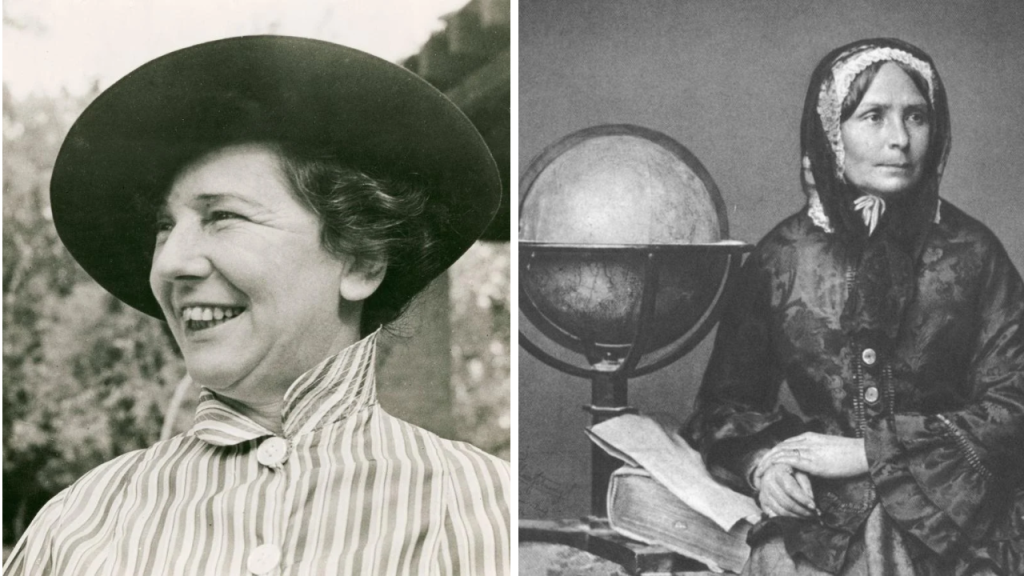
Fame often comes with big offers, but not every star says yes. These actors, singers and athletes walked away from serious money because they believed it was the right thing to do.
Josephine Baker

The international star refused to perform for segregated crowds in the United States. She also fought for civil rights and spoke at the 1963 March on Washington.
Lena Horne

While entertaining troops during World War II, Horne refused to perform for segregated crowds. After leaving the USO in 1945, she paid for her own tours of military camps.
Sandy Koufax

The Dodgers ace refused to endorse alcohol or anything else he felt would send the wrong message to the kids who idolized him.
The Beatles

During their 1964 U.S. tour, the Beatles refused to play the Gator Bowl in Jacksonville, Florida, unless Black and white fans could sit together. The band also canceled its reservations at a whites-only hotel.
Doris Day

Day turned down the role of Mrs. Robinson in “The Graduate,” which went to Anne Bancroft. In her memoirs, she wrote that she found the script “vulgar and offensive.”
Muhammad Ali

In 1967, Ali refused to be drafted because of his religious beliefs and his opposition to the Vietnam War. He lost his championship belts and did not fight for nearly four years at the peak of his career.
Neil Young

Young’s 1988 song “This Note’s for You” took aim at rock stars who signed big corporate sponsorship deals for their tours. In it, he sang that he wasn’t singing for Pepsi or Coke.
Dolly Parton

When Elvis wanted to record “I Will Always Love You,” his manager asked Parton for half the publishing rights. She said no and kept her rights. Nearly two decades later, Whitney Houston turned the song into a giant hit.
Tom Waits

Waits refuses to let companies use his songs in ads and believes artists who take that money hurt their work. He even sued Frito-Lay over a sound-alike Doritos commercial and won.
Paul Newman

Newman co-founded Newman’s Own in 1982 and gave away every dollar of after-tax profit to charity instead of keeping it for himself.
Bob Barker

In 1987, the longtime host asked the Miss USA pageant to stop giving away fur prizes. When producers refused, he stepped down as host.
Bill Watterson

The creator of “Calvin and Hobbes” refused to license his characters for mugs, T-shirts and toys, believing merchandise would cheapen his comic strip. He walked away from a fortune.
Robin Williams

Williams at first turned down the Genie role in “Aladdin” because he did not want Disney profiting from merchandise based on his voice. When the studio broke an agreement about using the Genie in ads, he refused to return for the first sequel.
Pearl Jam

Determined to keep ticket prices low for fans, the band fought Ticketmaster’s service charges and even canceled its 1994 summer tour in protest.
Keanu Reeves

Reeves agreed to a pay cut of several million dollars on “The Devil’s Advocate” so the studio could afford to hire Al Pacino.
Dave Chappelle

Comedy Central’s parent company offered Chappelle a $55 million deal to continue “Chappelle’s Show,” but he walked away during production of the third season.
Taylor Swift

In 2014, Swift pulled her music from free streaming platforms like Spotify to stand up for the value of artists’ work. A year later, her open letter pushed Apple Music to pay artists during free trials.