Elevating prose requires looking beyond standard vocabulary choices and embracing the hidden corners of the English language. Choosing the exact right term completely transforms mundane sentences into memorable observations. These 30 distinct, beautifully precise concepts designed to replace vague descriptions with remarkable accuracy. Exploring these unusual definitions reveals how historical contexts, scientific terms, and deep human emotions have shaped specialized terminology over centuries.
Petrichor

Geologists Isabel Joy Bear and Richard Thomas coined this term in 1964 to describe the distinct, earthy aroma that accompanies the first rain after a long period of dry weather. The scent itself stems from an organic compound called geosmin, which is released by soil-dwelling bacteria. Human noses are incredibly sensitive to this compound, detecting it at concentrations of just a few parts per trillion.
Apricity

Winter landscapes often feel bleak, but this specific noun captures the rare delight of feeling the sun’s warmth on a freezing day. It stems from the Latin word “apricari,” which translates directly to basking in the sun.
Defenestration

Striking a balance between historical gravity and bizarre specificity, this noun describes the act of throwing someone out of a window. The term gained major prominence during the Defenestrations of Prague, political events that famously helped spark the Thirty Years’ War in Europe. Modern political satirists still employ the term to describe the abrupt removal of an official from power.
Ultracrepidarian
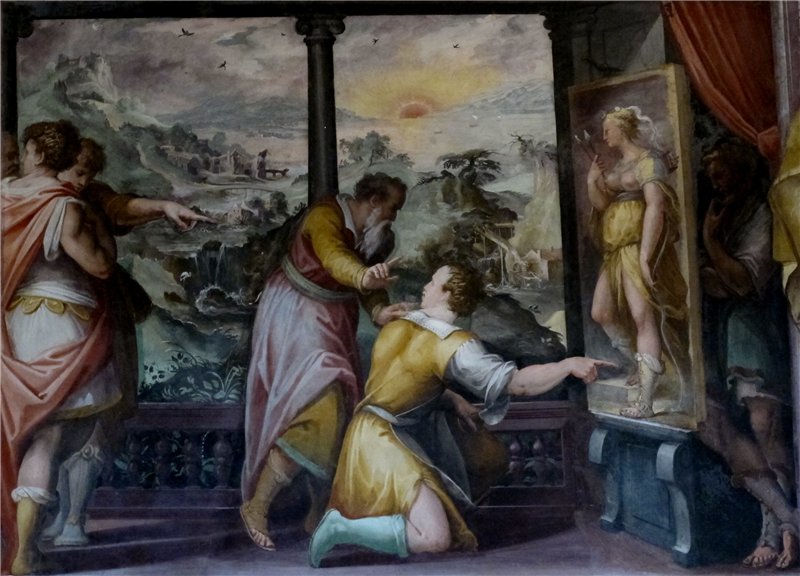
Everyone recognizes the frustration of dealing with a person who expresses opinions on subjects far beyond their actual knowledge. Artist Apelles originally inspired the concept when he told a shoemaker who criticized his painting of a boot to stick to his craft. The English essayist William Hazlitt later formalized the term in a scathing public letter in 1819. This creates a helpful label for internet commentators who lecture experts on their own specialties.
Glabella
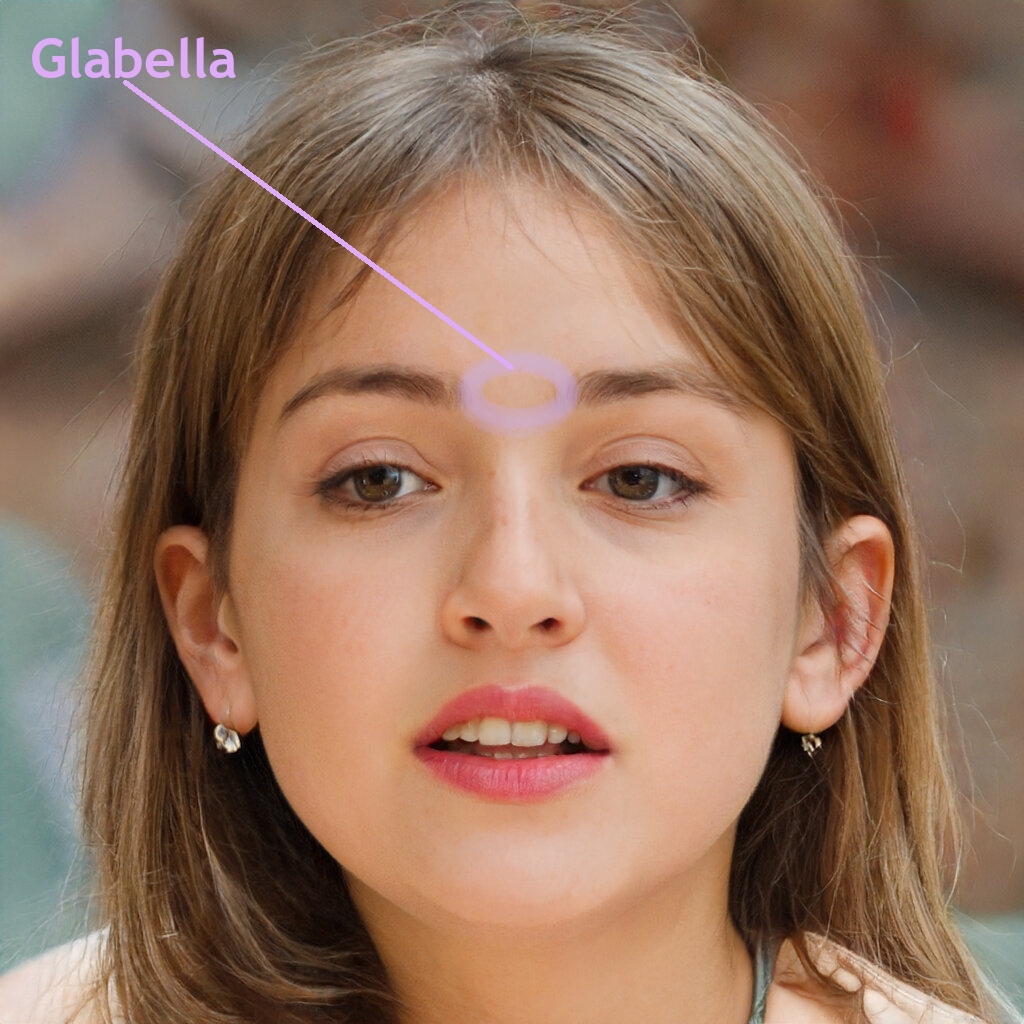
Medical terminology frequently provides unexpected precision for everyday anatomy, including the smooth patch of skin located directly between your eyebrows. This area serves as an important clinical landmark for testing reflexes and assessing dehydration levels in patients.
Aglet
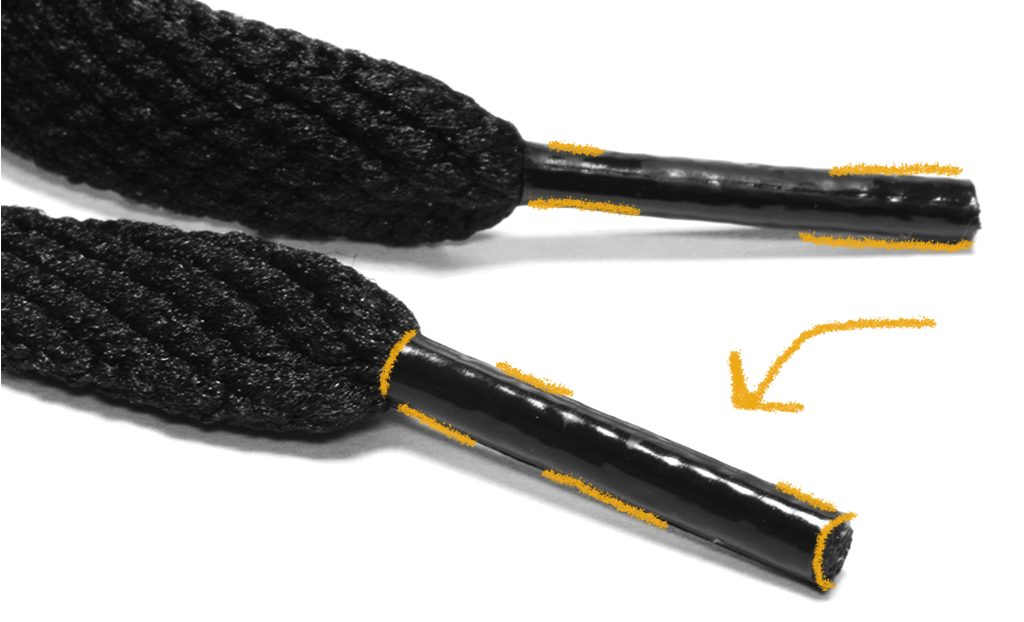
Small details in manufacturing often go unnamed by consumers, yet the plastic or metal sheath at the end of a shoelace possesses its own distinct identity. These tiny components prevent the fibers from unravelling while facilitating smooth passage through the eyelets of a shoe. Historically, wealthy individuals commissioned custom versions crafted from silver, gold, or fine glass.
Griffonage
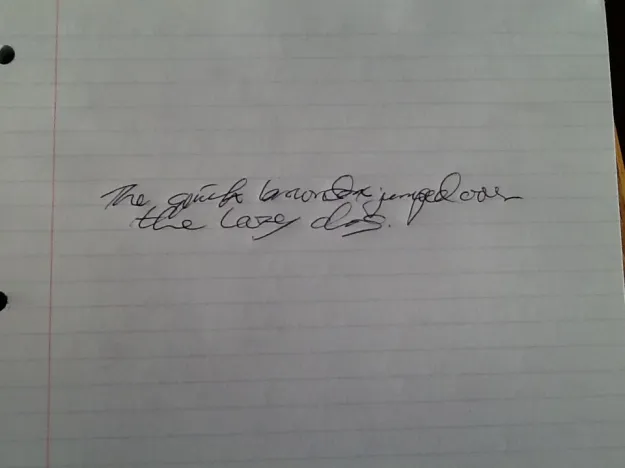
Shorthand notes and rushed signatures frequently degenerate into entirely illegible handwriting, a phenomenon perfectly captured by this French-derived noun. Medical professionals famously struggle with this tendency due to the sheer volume of documentation required during long shifts. The word provides a sophisticated alternative to terms like scribbling or scrawling. It elevates standard character descriptions in mystery novels.
Nudiustertian

English vocabulary historically possessed a dedicated word for the day before yesterday, eliminating the need for awkward multi-word phrases. Though it fell out of fashion during the nineteenth century, it retains a distinct rhythmic appeal for writers seeking archaic flair. Linguists trace its roots back to a combination of Latin words meaning “now is the third day.”
Overmorrow

Looking ahead into the immediate future becomes more efficient when utilizing this specific term for the day after tomorrow. While Germanic languages like German and Dutch still maintain active versions of this word, the English counterpart gradually vanished from conversational speech.
Pogonotrophy

Grooming habits vary wildly across cultures, but the specific act of cultivating, growing, or maintaining a beard has its own formal designation. This term combines the Greek words for beard and nourishment to create a dignified description of facial hair care. Competitive beard growing championships worldwide showcase the absolute peak of this dedication.
Clinomania

An overwhelming, almost obsessive desire to remain in bed despite the demands of the day characterizes this psychological concept. It differs from ordinary tiredness by manifesting as a profound emotional attachment to the comfort of blankets and pillows. Psychologists note that it often peaks during dark winter months when natural sunlight decreases. This condition remains highly relatable during rainy Monday mornings.
Kakorrhaphiophobia
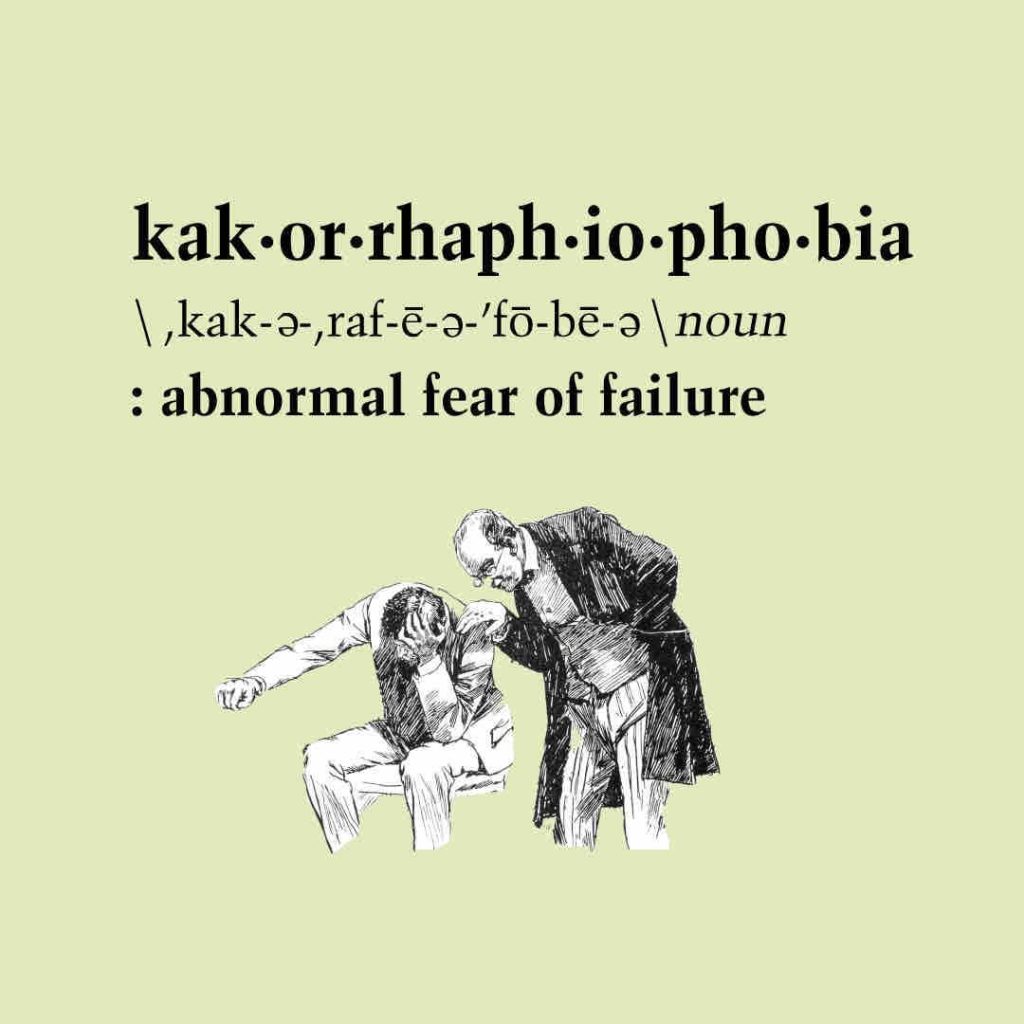
Overcoming the intense, abnormal fear of failure or defeat can paralyze creative individuals before they even begin a project. The sheer length and complexity of the word mirror the daunting nature of the phobia itself.
Sonder
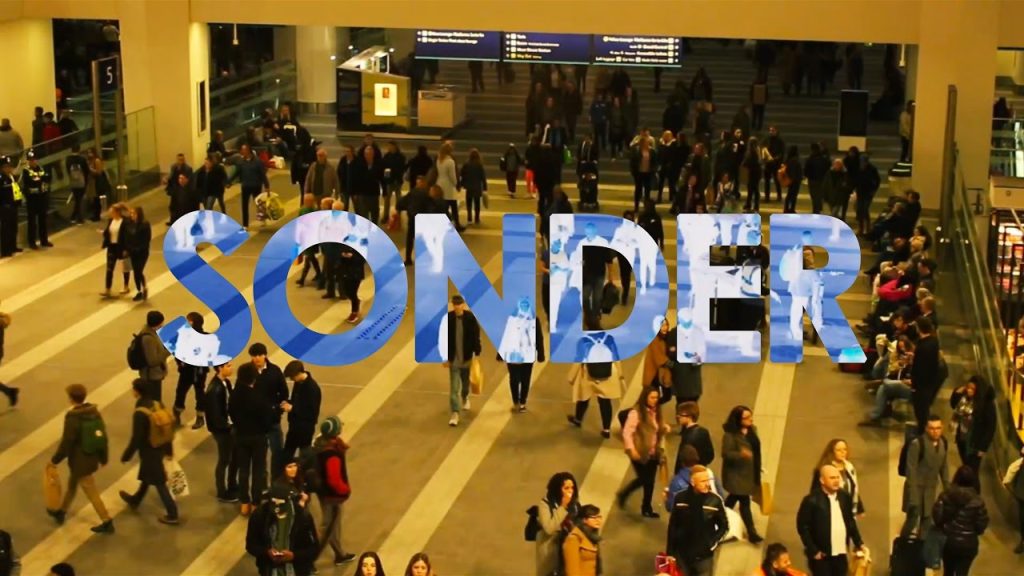
Walking through a crowded train station often triggers the profound realization that every passing stranger possesses a life as complex and vivid as your own. John Koenig invented this word for “The Dictionary of Obscure Sorrows” to fill a significant gap in the English language. It quickly migrated into mainstream internet culture due to its universal emotional resonance.
Vellichor

Stepping into a secondhand bookstore introduces a wave of wistful nostalgia driven by the collective history of hundreds of old volumes. This noun describes that specific atmosphere, blending the physical scent of decaying paper with the knowledge of past readers. Collectors often spend decades chasing this exact sensation in hidden alleyway shops. It serves as an evocative tool for descriptive essays.
Limerence

Psychologist Dorothy Tennov coined this term in 1979 to define the state of involuntary, intense infatuation with another person. Unlike genuine romance or deep affection, it involves an obsessive need for reciprocity and constant intrusive thoughts about the individual.
Accismus
Coquettish behavior often relies on a feigned refusal of something that a person actually desires with great intensity. This rhetorical strategy appears constantly in classical literature, where characters reject crowns or status only to accept them later under pressure. Recognizing this tactic allows analysts to dissect hidden motives in political speeches and corporate negotiations.
Phosphenes
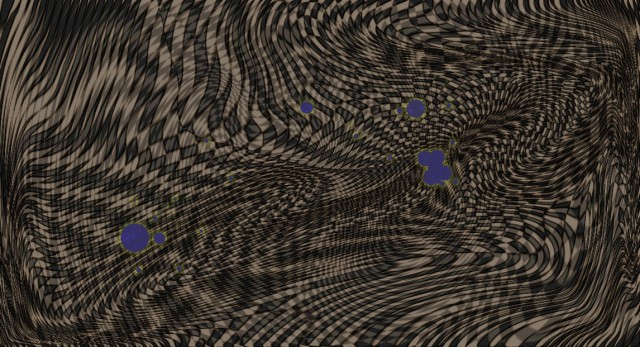
Pressing your palms firmly against closed eyelids induces a vibrant display of swirling colors and geometric pattern designs without any actual light source. These visual sensations result from mechanical stimulation of the ganglion cells within the retina. Astronauts working in deep space frequently report seeing these flashes due to cosmic radiation exposure. This phenomenon proves that human eyes generate imagery even in total darkness.
Dysania
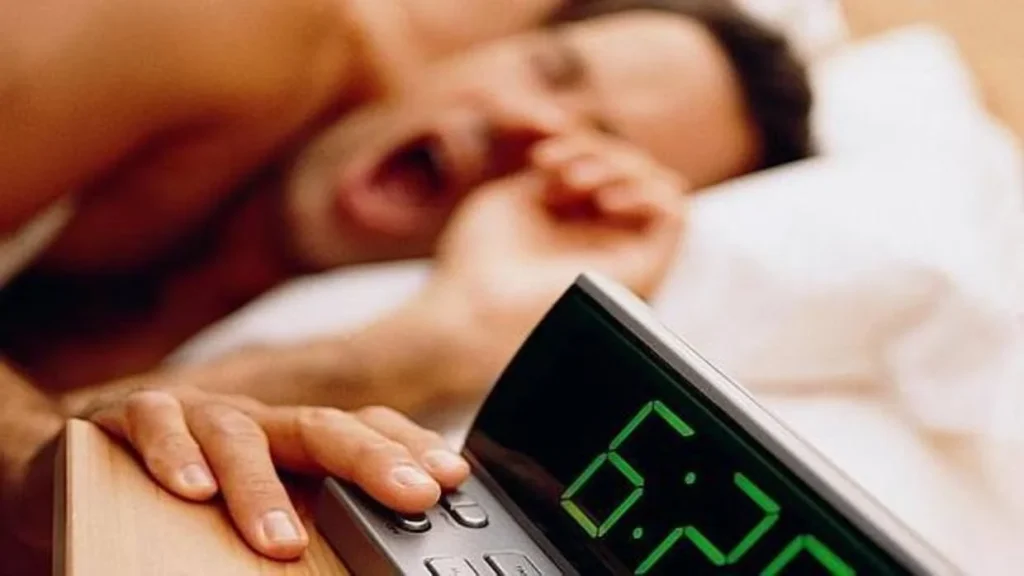
Waking up in the morning occasionally brings a severe, agonizing inability to pull oneself out of bed. While closely related to tiredness, this condition represents a deeper psychological struggle to face the external world.
Collywobbles

Anticipation before a major public speech often induces a fluttering, uncomfortable sensation in the stomach. The word likely originated as a humorous transformation of the medical term for cholera or colic. Using it injects a touch of lighthearted, Victorian charm into descriptions of nervous anxiety.
Monachopsis

Attending a formal gathering or a bustling party can sometimes provoke a subtle, persistent feeling of being completely out of place. This emotional state occurs even when surrounded by close friends or familiar peers. It highlights the complex nature of human social anxiety in modern environments. Sociologists track this feeling to study urbanization trends.
Jouska
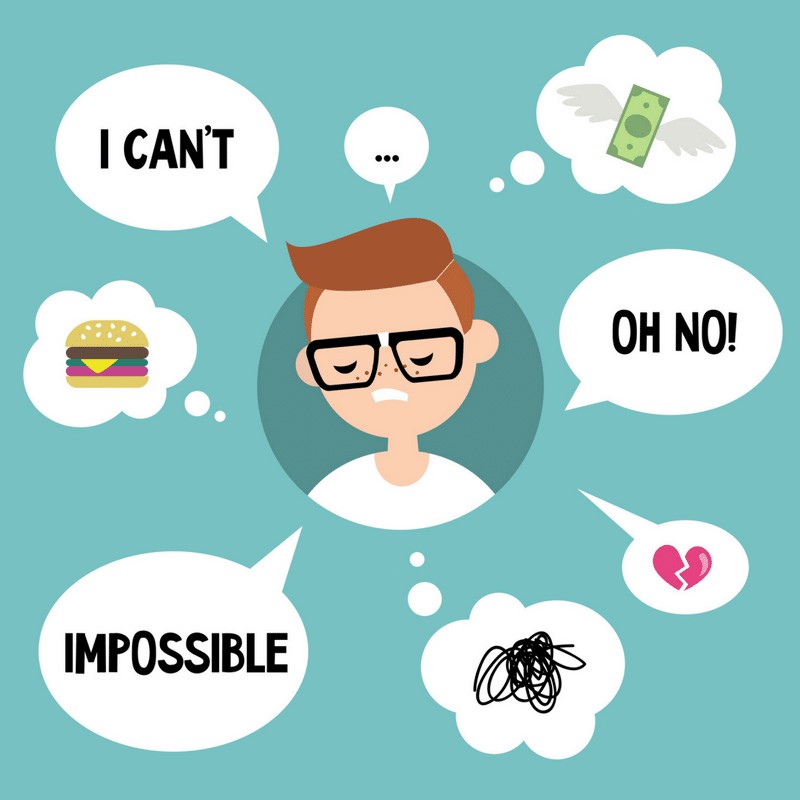
Minds frequently engage in hypothetical conversations that individuals compulsively play out on loop inside their heads. Whether practicing a future argument or replaying a past confrontation, this internal dialogue serves as a psychological coping mechanism.
Onism

Realizing that you are trapped in just one physical body that can only experience a tiny fraction of the world at any given time creates a specific type of existential frustration. As global travel options expand, this awareness of missed opportunities becomes increasingly pronounced among younger generations. The word perfectly encapsulates the trade-off of choosing one life path over another.
Crapulence

Excessive consumption of heavy food or vintage wine often culminates in a profound physical sickness the following morning. This noun dates back to the Latin word “crapula,” which specifically meant intoxication or its painful aftermath. It offers a much more elegant linguistic choice than simply describing someone as terribly hungover. This word provides an elegant upgrade for historical fiction descriptions.
Peristeronic
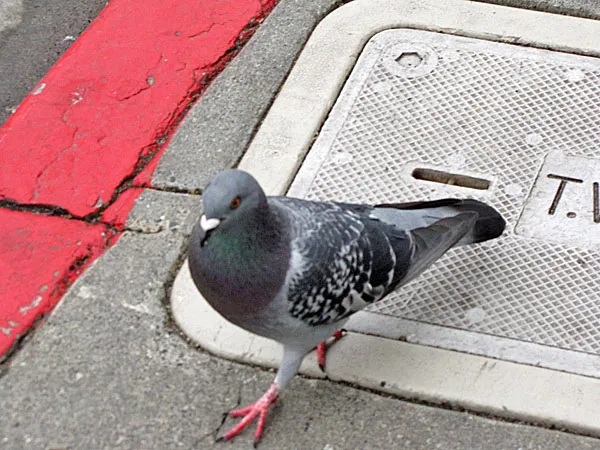
Urban landscapes are heavily populated by birds, yet few people know there is an adjective that specifically means suggestive of or relating to pigeons. This hyper-specific word derives from ancient Greek roots and is typically used to describe behaviors, nesting habits, or grey-blue color palettes.
Scripturient
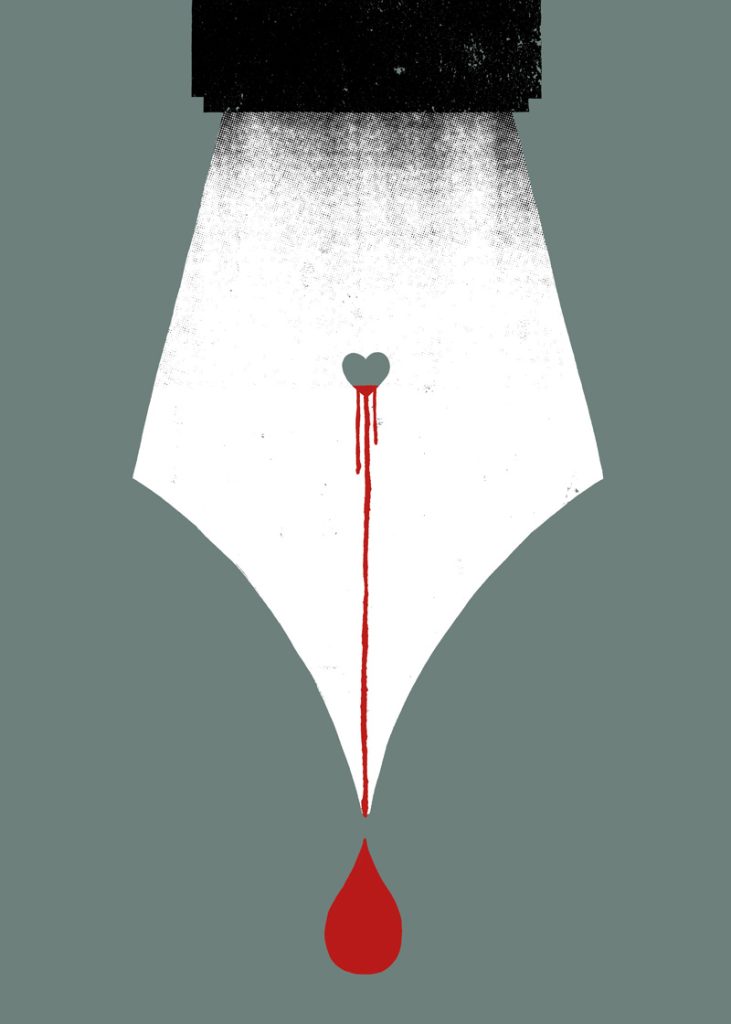
Sitting before a blank page sometimes triggers an overwhelming, almost compulsive desire to write. This adjective targets the specific creative itch where ideas demand immediate physical transcription onto paper or a digital screen. Many prolific novelists throughout history credited this exact sensation for their massive career outputs.
Charette

Architectural projects and intense design deadlines often require a final, collaborative burst of high-energy planning activity. The term originated in nineteenth-century Paris, where art students used carts to collect final drawings before a strict deadline. Today, urban planners and corporate teams regularly hold these sessions to solve complex logistical challenges. This format ensures rapid development under pressure.
Qualtagh

Folklore from the Isle of Man dictates that the very first person you encounter upon stepping outside your home on a significant holiday carries immense symbolic weight. Depending on their hair color or physical appearance, traditional beliefs state they could bring good fortune or deep misfortune for the rest of the year.
Interfenestration

Classical architecture relies heavily on the precise spacing between windows along the outer facade of a grand building. This specialized noun allows designers to discuss structural balance and light distribution without using clumsy descriptions. Mastering these proportional rules remains a key component of traditional engineering restoration projects.
Horripilation

Listening to an orchestra or experiencing a sudden cold breeze can trigger the involuntary erection of the tiny hairs on your skin. This physiological response is commonly known as goosebumps, but the medical term describes the exact muscular contraction of the arrector pili muscles. Evolutionarily, this reaction served to make ancestors look larger to potential predators. Scientists continue to map this reaction against intense emotional triggers.
Lethologica
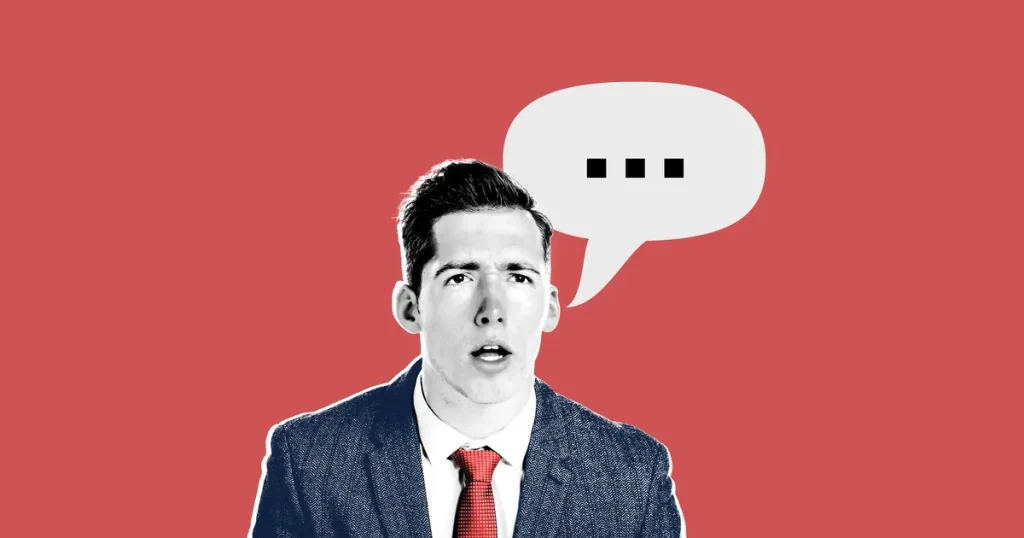
Few mental frustrations match the agonizing psychological phenomenon where a perfectly common word remains completely stuck on the tip of the tongue. This specific cognitive glitch occurs when the brain temporarily fails to retrieve the phonological code for a familiar concept. Psychologists have found that trying too hard to remember can actually prolong the block by reinforcing the wrong neural pathways.