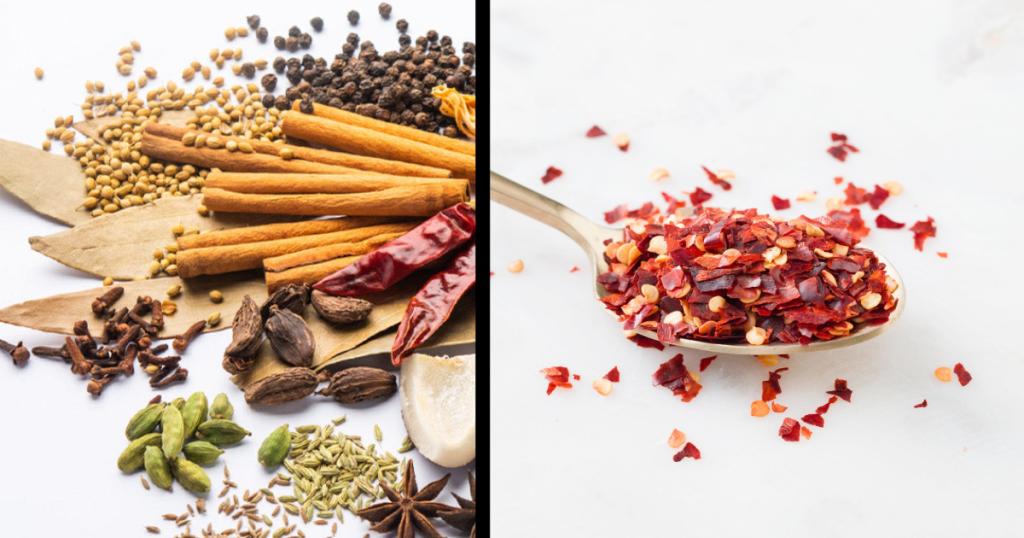
Spices, we know ’em, we love ’em, they make everything, well, taste. But we all have that one spice that sits silently in the corner, gathering dust, just waiting for the day that we will notice it. We, of course, are terrified of the spice, and give it a wide birth like a spider in the bathroom. But only because we have no idea what it does, and now we are going to face our fears together and make some delicious food.
Basil
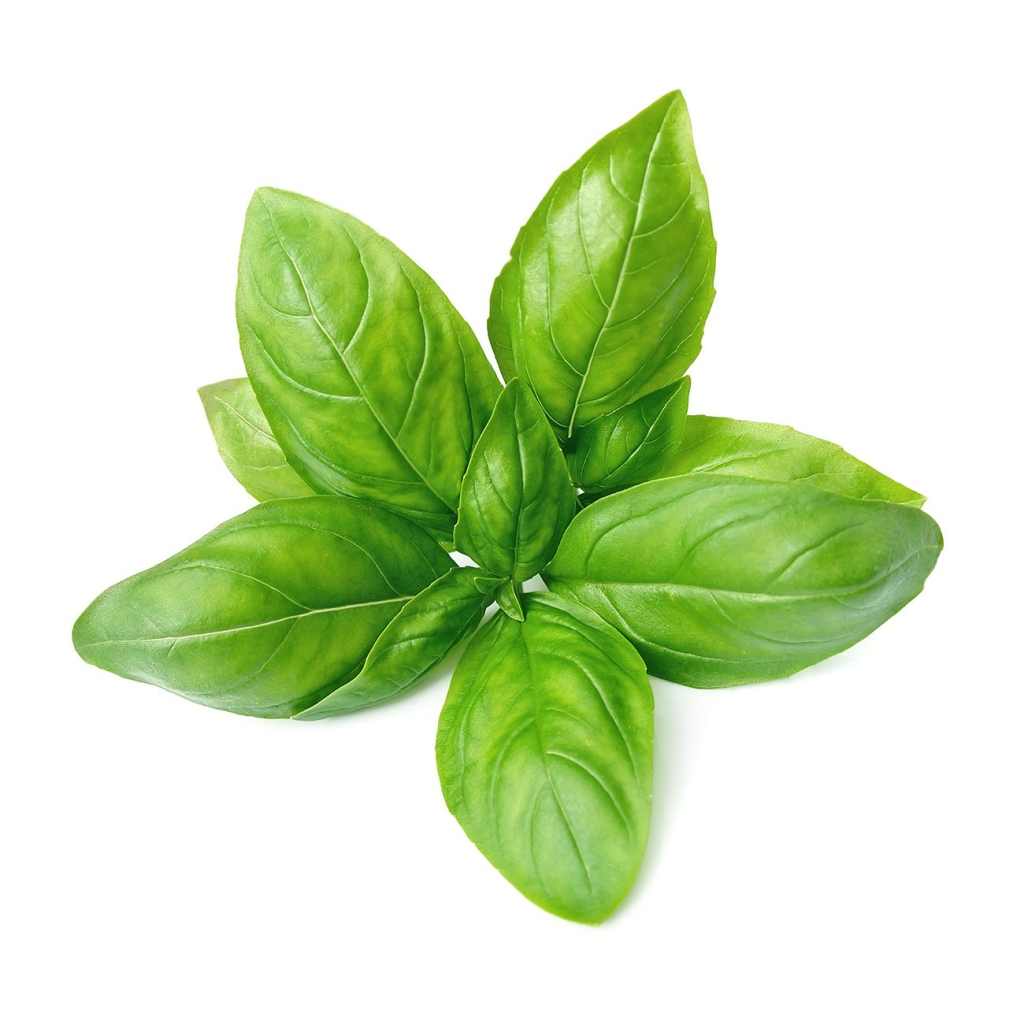
Basil is your bud, always remember that. Whether it’s adding leaves to a salad, sprinkling it on top of any Italian or Mediterranean dish, placing it carefully on a pizza, or even as putting it in a cocktail, you cannot go wrong with your bud Basil.
Oregano
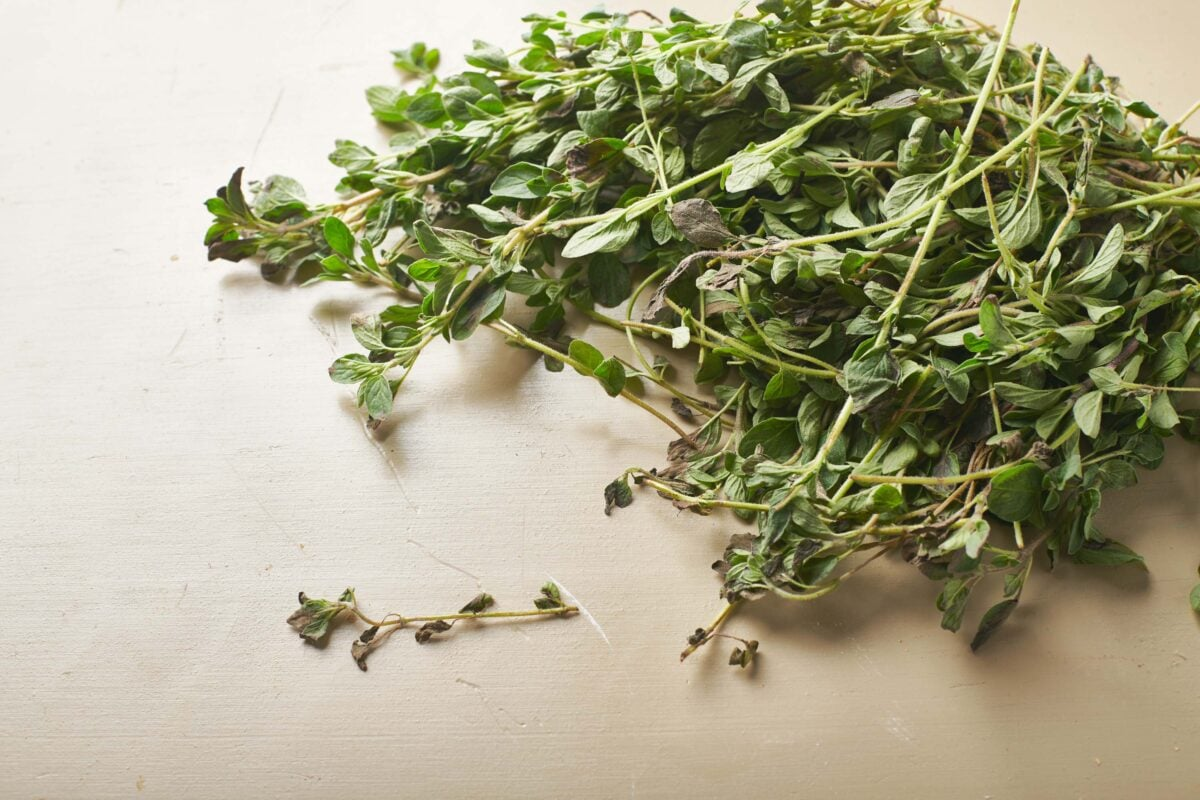
Wherever Basil goes, along comes Oregano. Another favorite of the Mediterranean palette, it goes great with basil and adds a herbaceous aroma to whatever it is partnered with. If you like the taste of the old country, then do not go skimping on the Oregano.
Dill
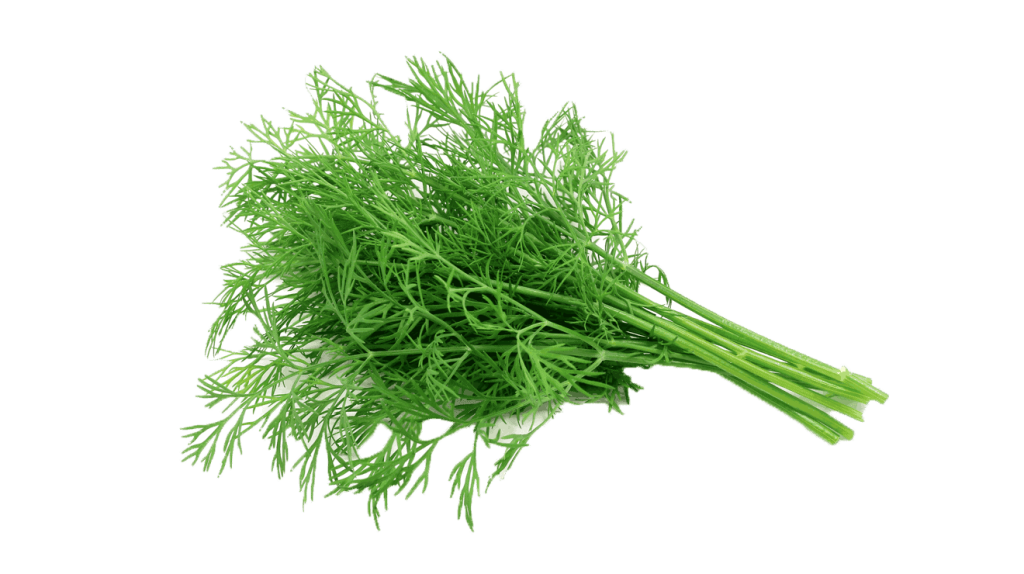
A herbaceous, yet pungent herb, Dill is one of those must haves when you are in the mood for fish (especially raw) and to be added to yogurts and white cheeses. The best way to think of dill is in a Salmon and Cream Cheese bagel, but we might be biased.
Cumin
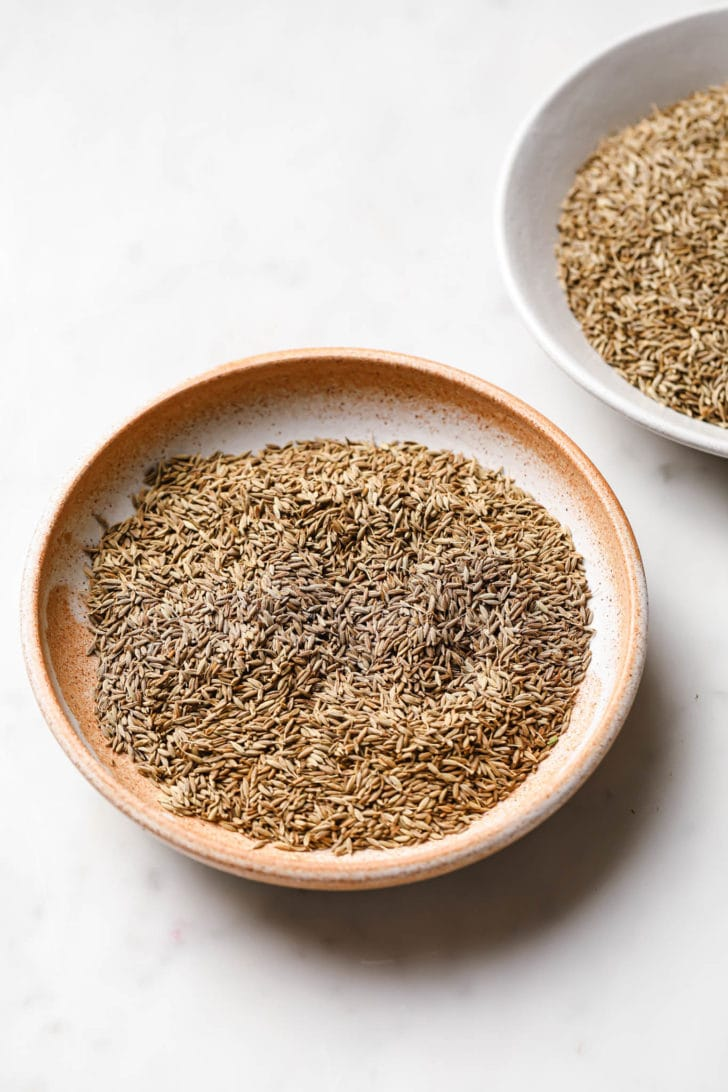
Cumin has its roots in kitchens as far east as India and as far west as Italy, it is truly a spice that as conquered almost every kitchen it has crossed. Best used in small quantities for its strong flavor, cumin adds an earthiness to dishes, enhancing their richness.
Chili powder
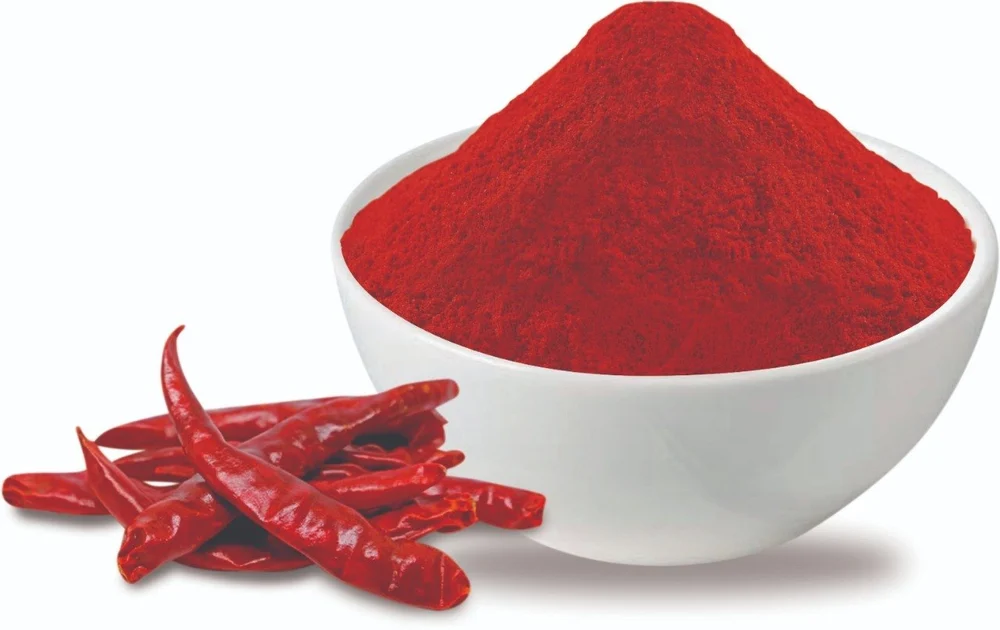
This is actually a spice blend sourced from Mexico, designed to fill you with the flavors of the famous Mexican dish Chili con Carne. It is made up of chili, paprika, oregano coriander and cumin. If you like your food to be hot and flavorful, it pretty much has everything that you are looking for. Just remember that more flavor = more spice.
Peppercorns
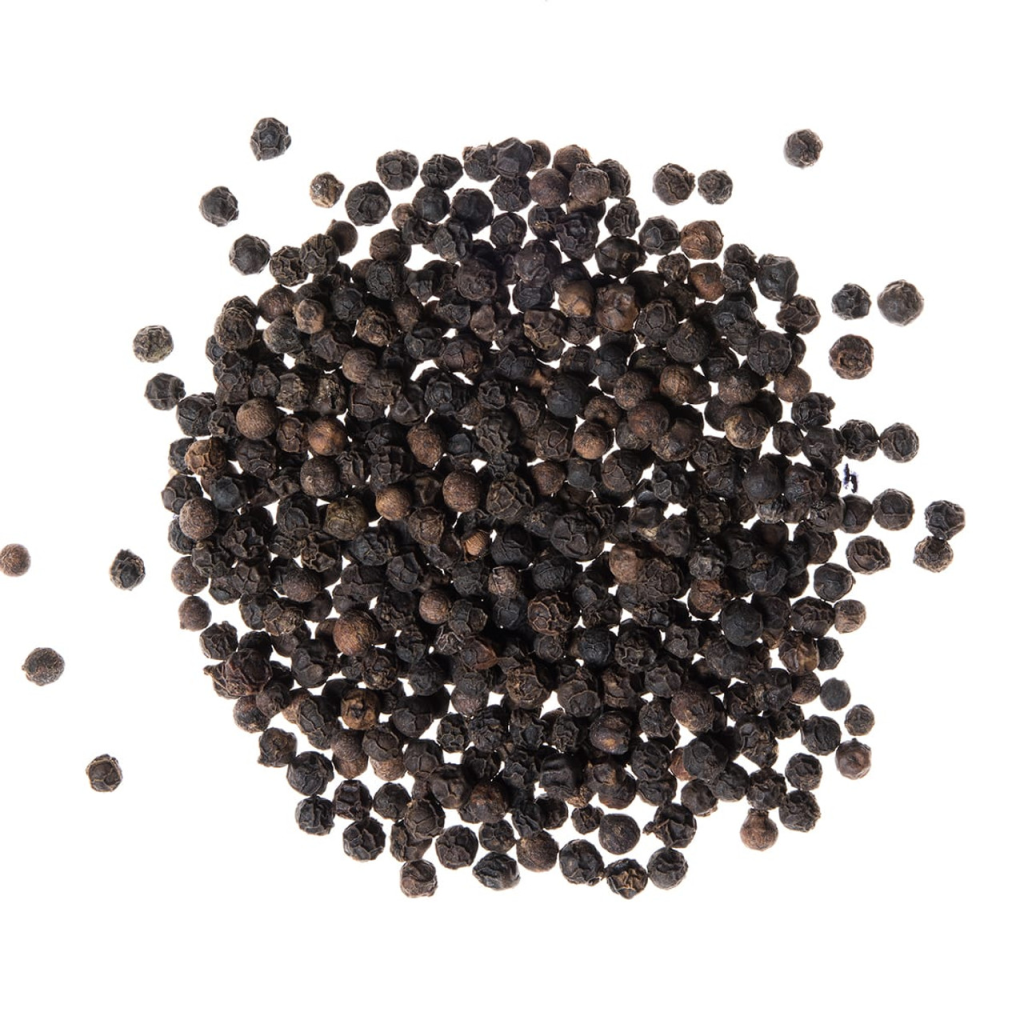
If you are a fan of a little heat, then the peppercorn is for you. Particularly good when cracked fresh with European style meals such as pasta, Niçoise salad, schnitzel, as it adds this fiery freshness, relieving some of the richness.
Thyme
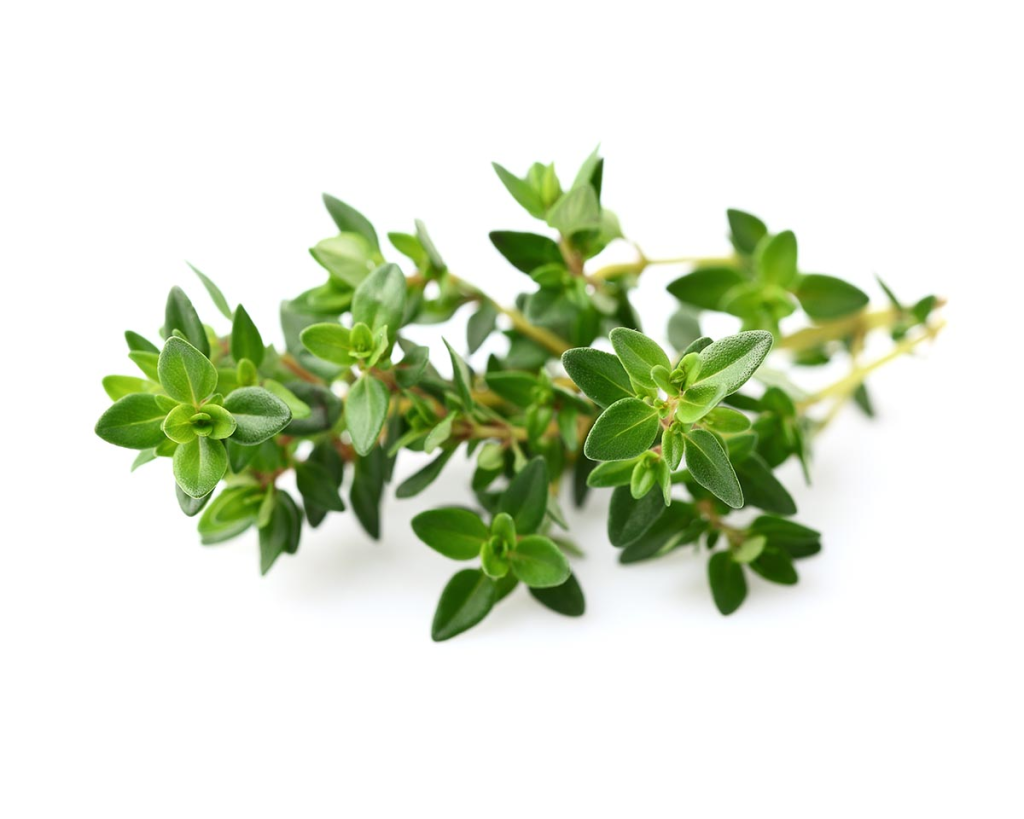
Thyme is a must-have if you are big on cooking meat. From European style roasts, to Caribbean spice mixes for barbecuing, thyme is one of the major flavor components that will elevate your meat game.
Tarragon
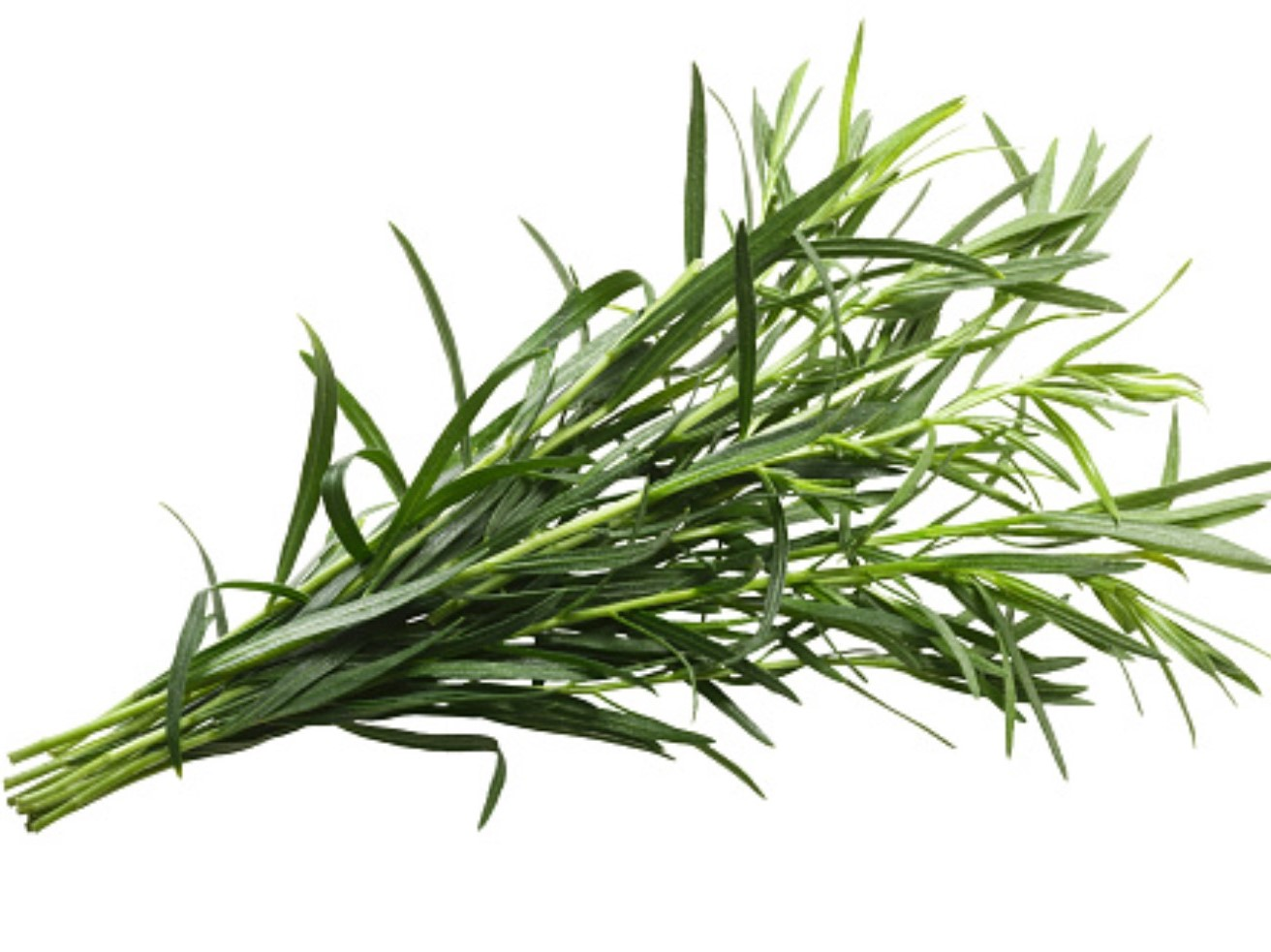
You might have seen Tarragon hanging around the fancy herb section of the grocery store, but it’s not all that fancy. Similar in use to Dill, Tarragon is used a lot in French cuisine and gives a fresh and herby licorice taste which goes great with fish.
Rosemary
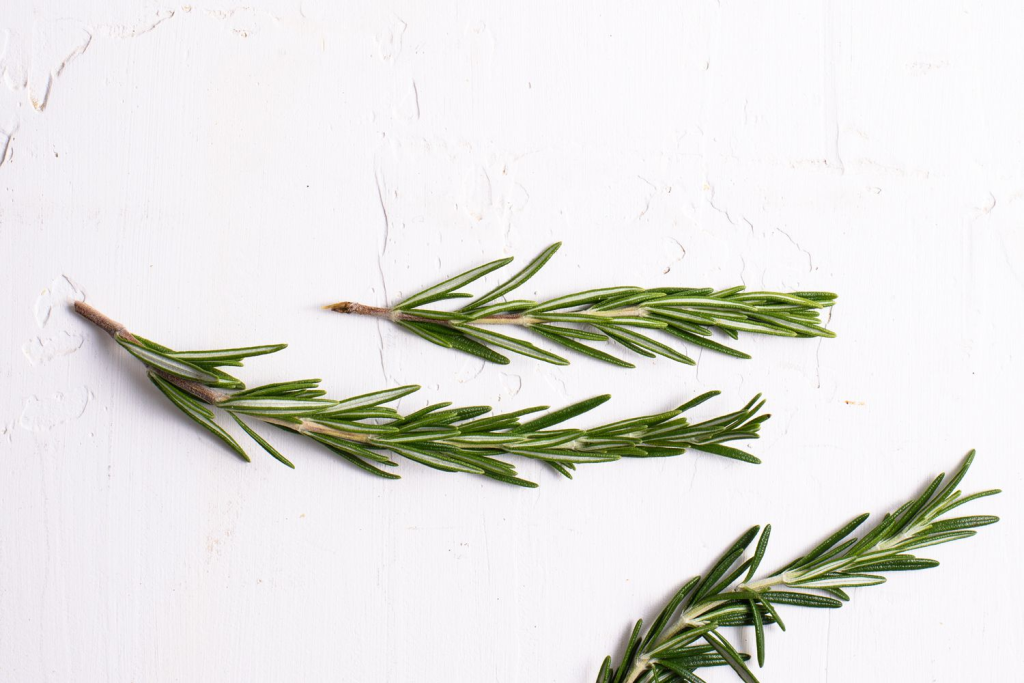
If you want your life to feel like Christmas, used Rosemary. Seriously, added to roasts of literally any kind this tough herb holds out in the oven or barbecue and adds a smokey, flowery, refined touch to whatever it is you are making that will instantly send you back to your fondest Christmas memories.
Garlic powder
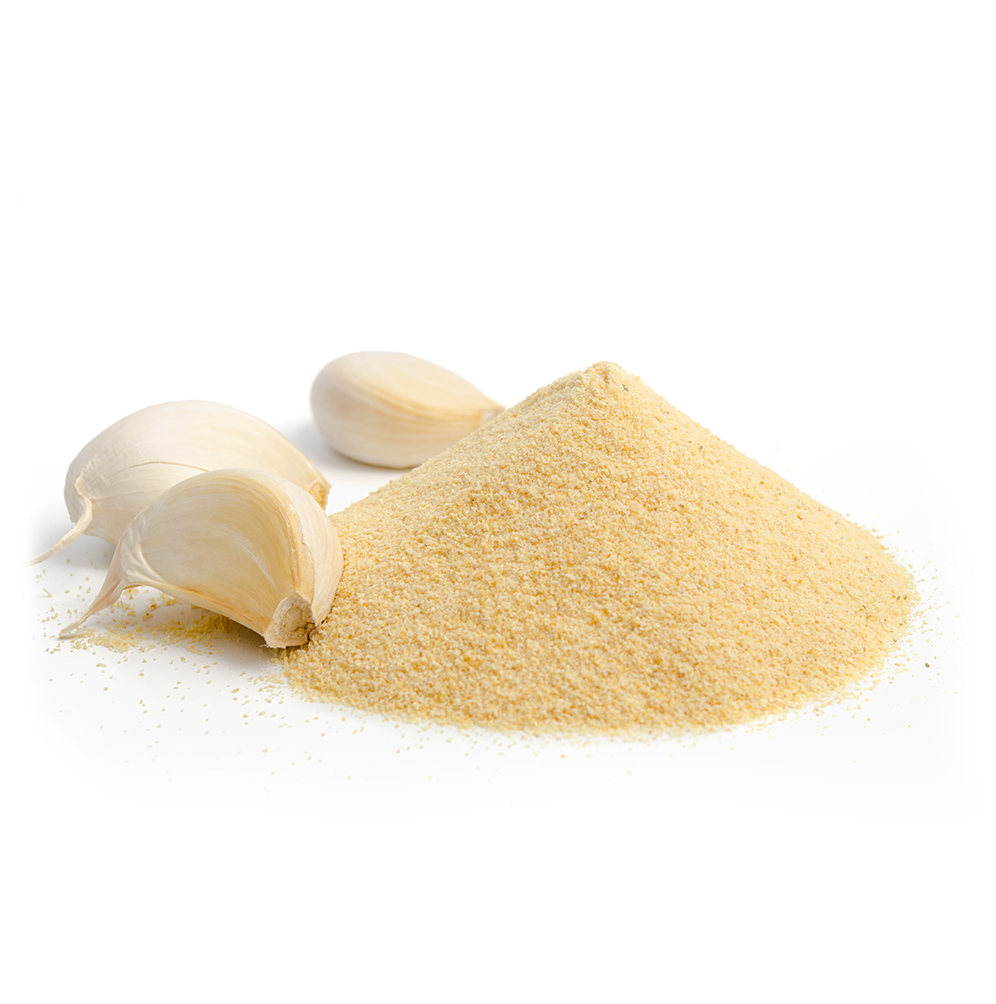
For those too lazy to use real garlic, meet your best friend. Garlic powder is actually really useful when creating sauces, however be careful with how much you use, it is a strong spice. Also, it is not the same as Garlic Salt, that is garlic powder with added salt.
Onion powder
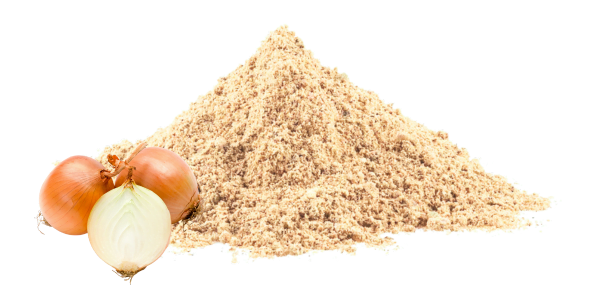
Do you hate touching at, looking at, and handling onions? Then say hello to Onion Powder, a flavorful alternative to onions, which much like garlic powder can be very useful when creating sauces. Also like garlic powder, there is Onion Salt which is not the same as onion powder.
Curry
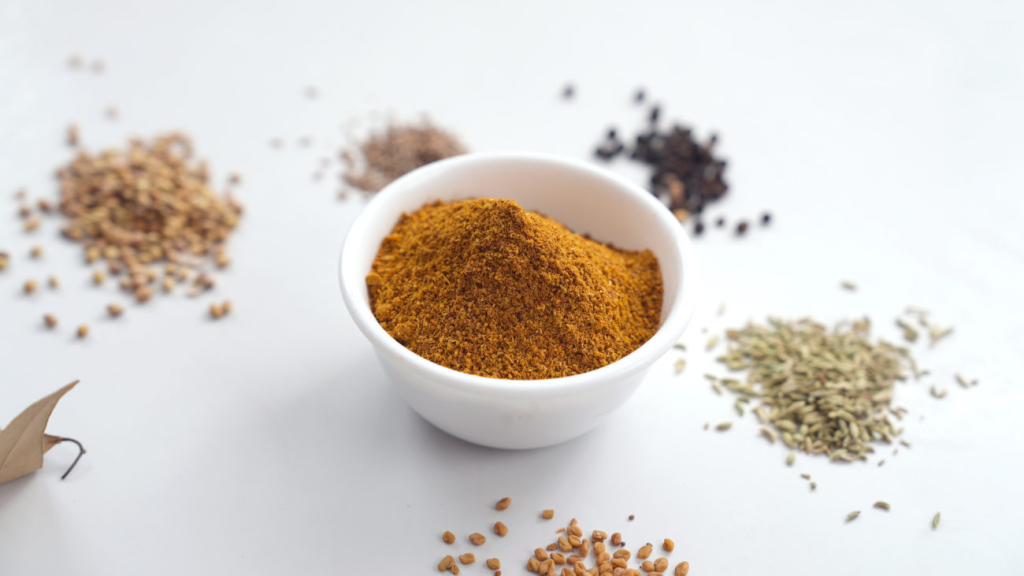
While not a spice in itself, curry powder is the perfect base for any south Asian dish, as it contains a combination of over 20 spices sourced from the area. Different brands vary in ingredients and spice levels, so be aware.
Coriander
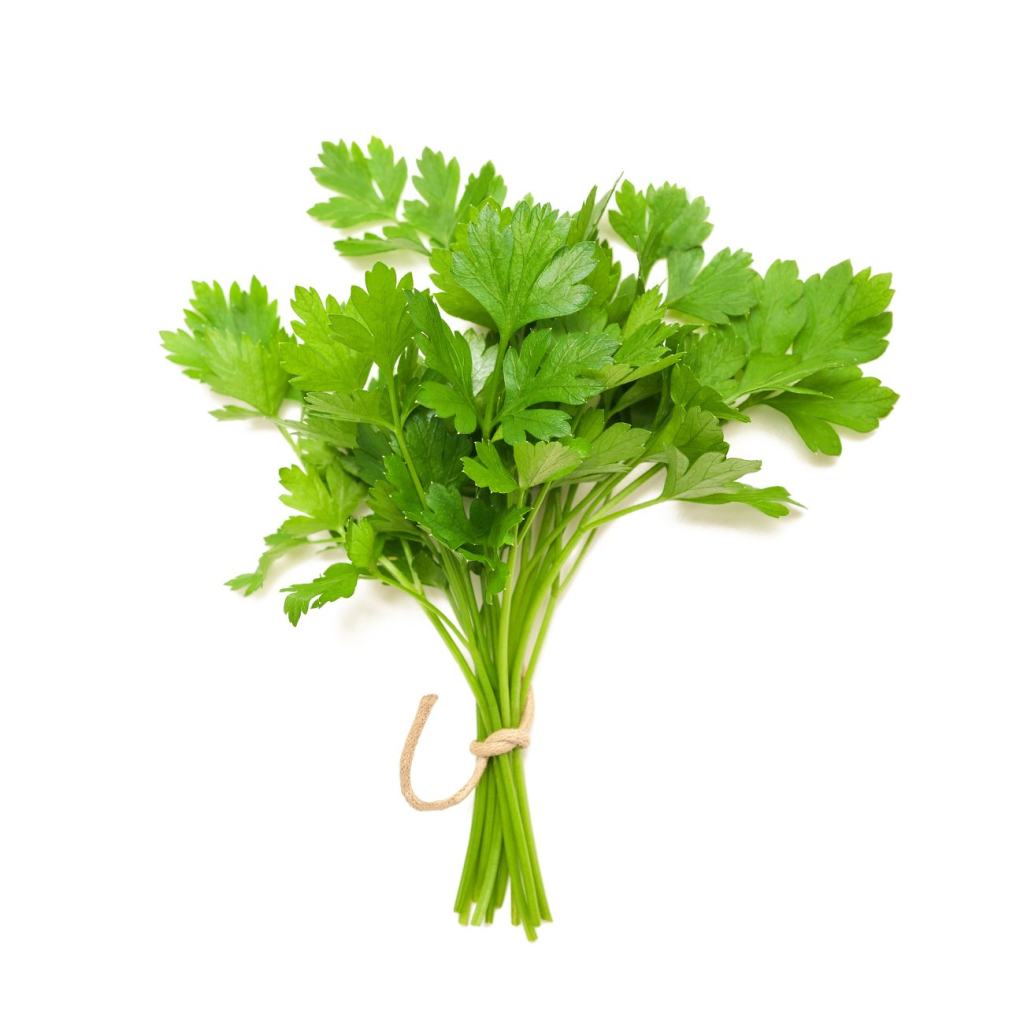
One of the most common herbs out there, Coriander is guaranteed to add a burst of freshness and light earthiness to any meal. Best served fresh as a garnish for your favorite tacos, curries, salads, and dips.
Paprika
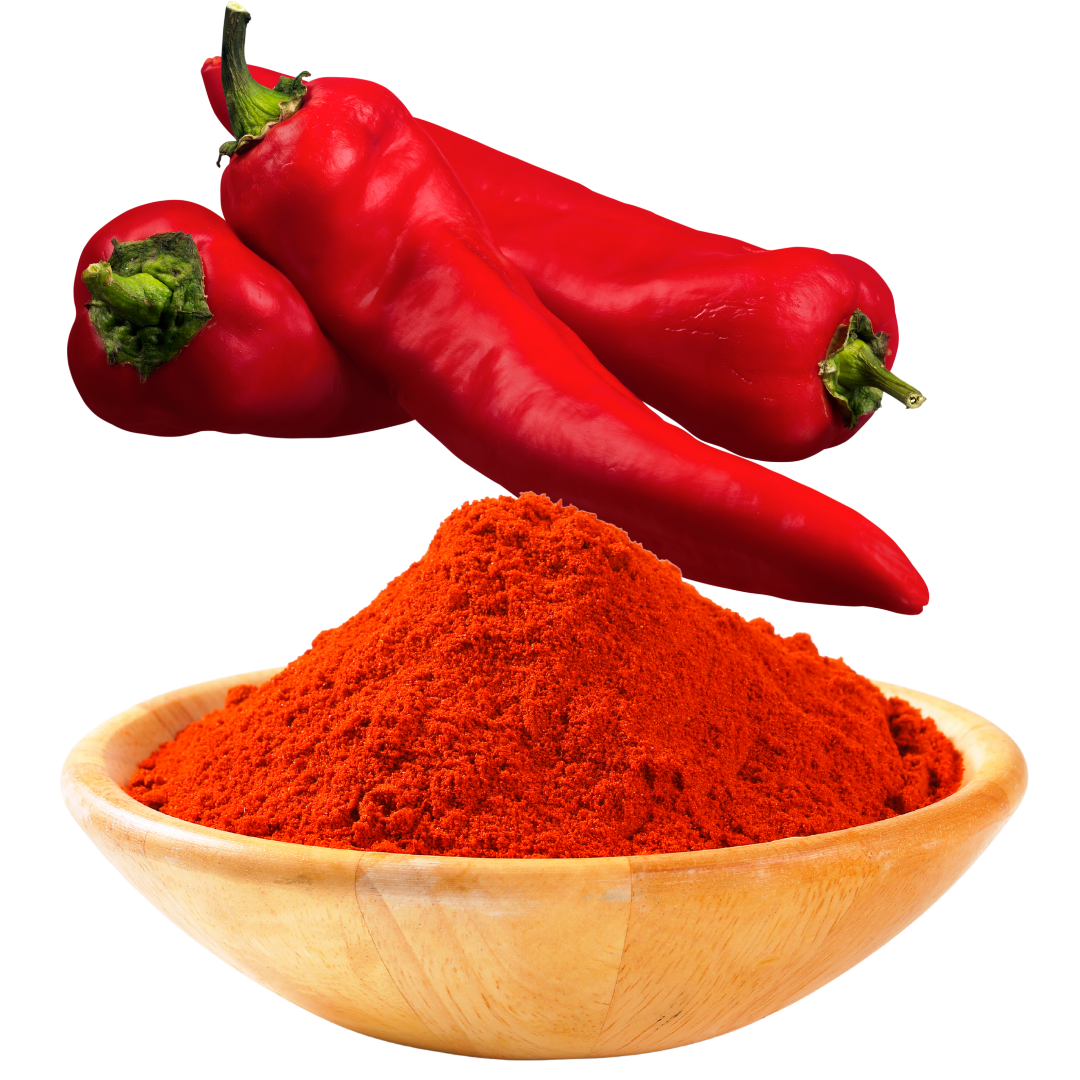
While paprika is just the dried and ground version of a pepper, what it does for food is much more than that. It is a critical component in flavoring and coloring lots of your favorite stews and soups, adding depth and tang to whatever it is added to. Additionally, as a dry rub ingredient for meat, fish or veg it is delicious. Keep in mind that there are hot variants of paprika that can pack a punch.
Cinnamon
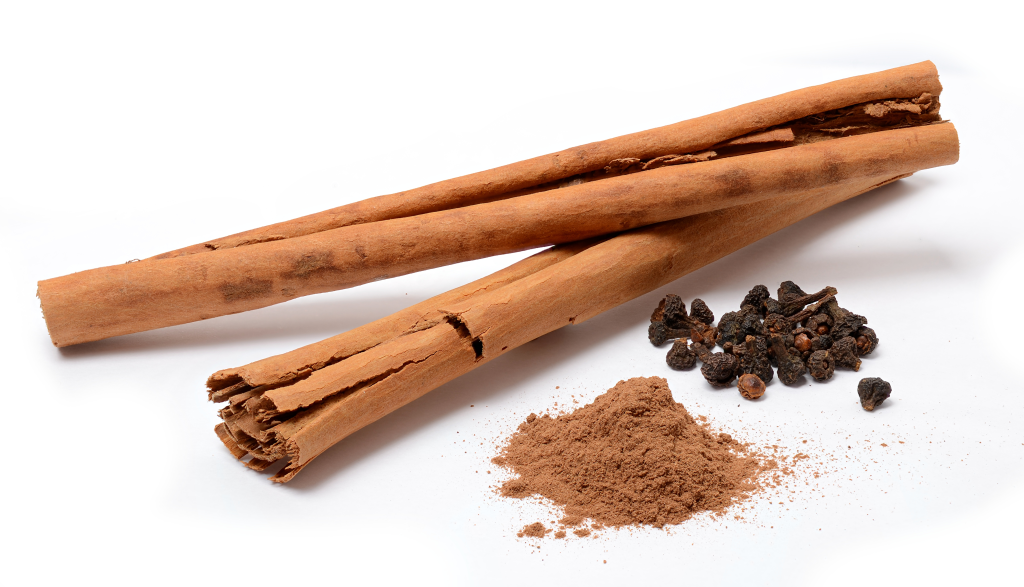
It might be the bark of a tree, but that does not mean you have to be barking mad to use it. Cinnamon is used in tons of desserts, including the famous cinnamon roll. But it is also used in a lot of Asian kitchens as a fragrant addition to spicy stews and curries.
Cayenne pepper
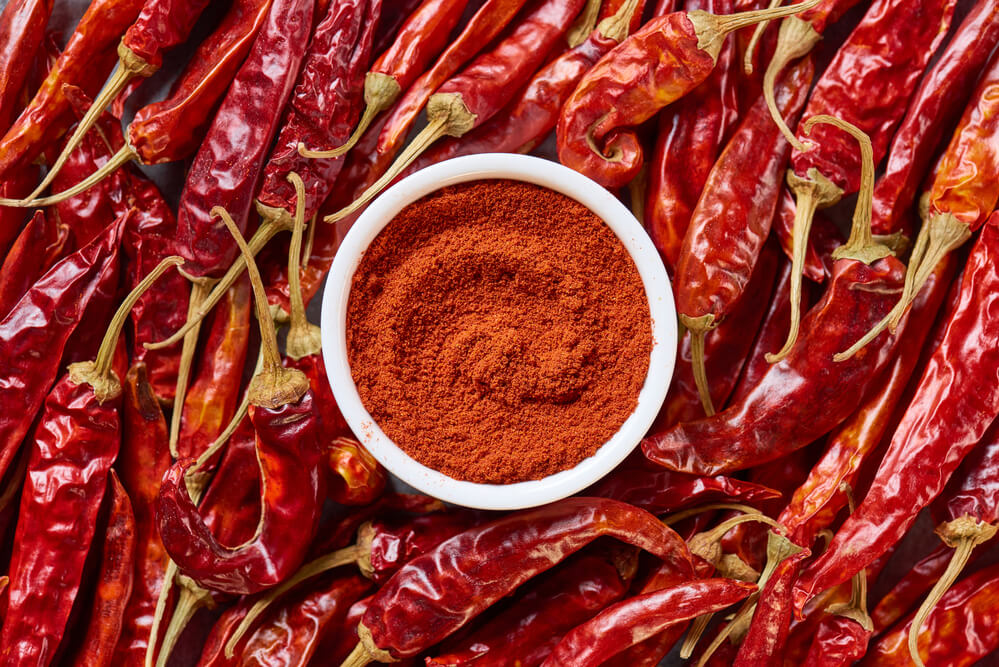
A smokey, aromatic and not too spicy chili powder that goes great with Latin American, Indian and Cajun cuisine. And without even knowing, you have likely enjoyed this on tacos and even at your favorite barbecue joint.
Allspice
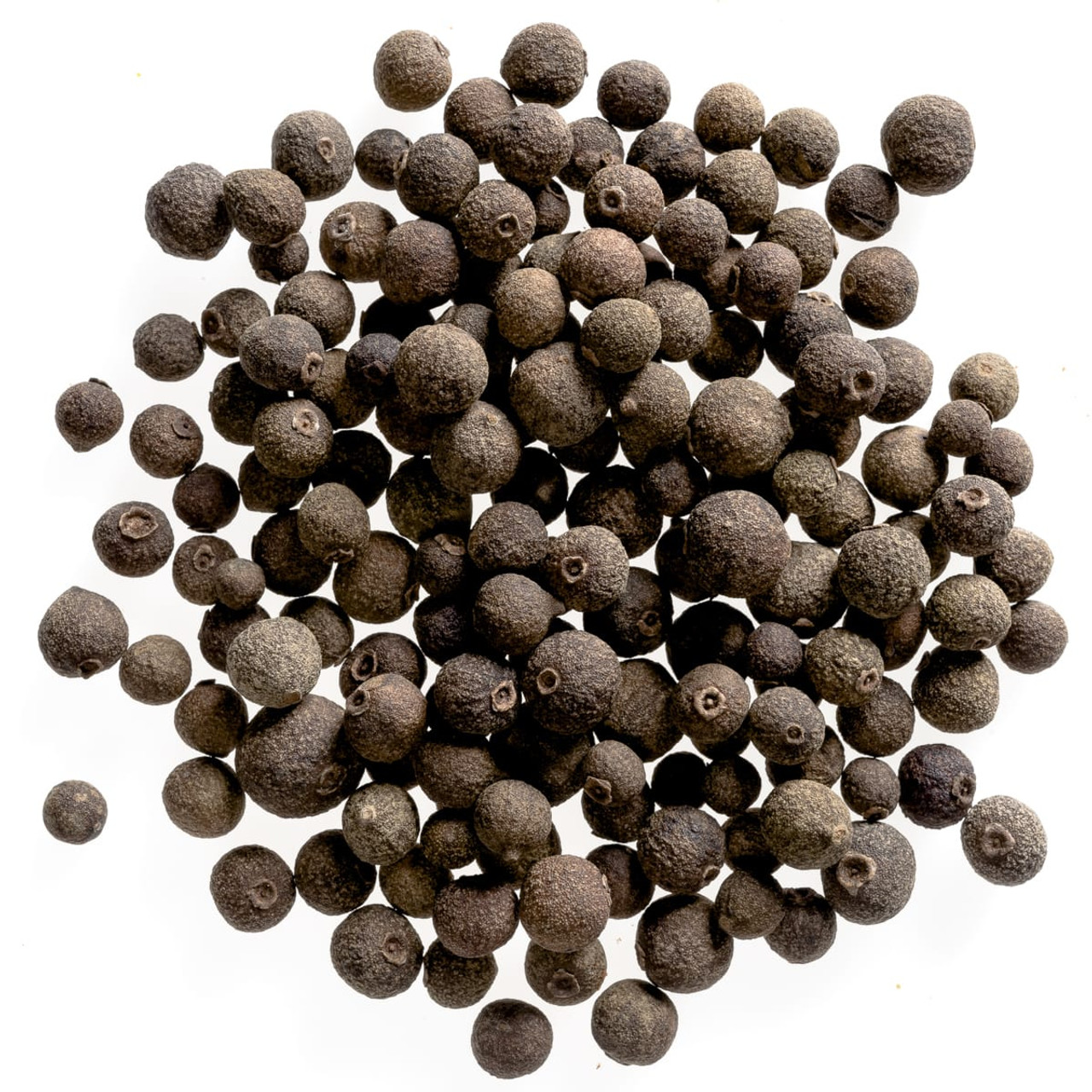
Allspice is a dried berry that has tones of cloves, cinnamon and nutmeg to it, and is used in stews and marinades to infuse its powerful flavor into them. Tread lightly on this one, a little goes a long way.
Bay Leaf
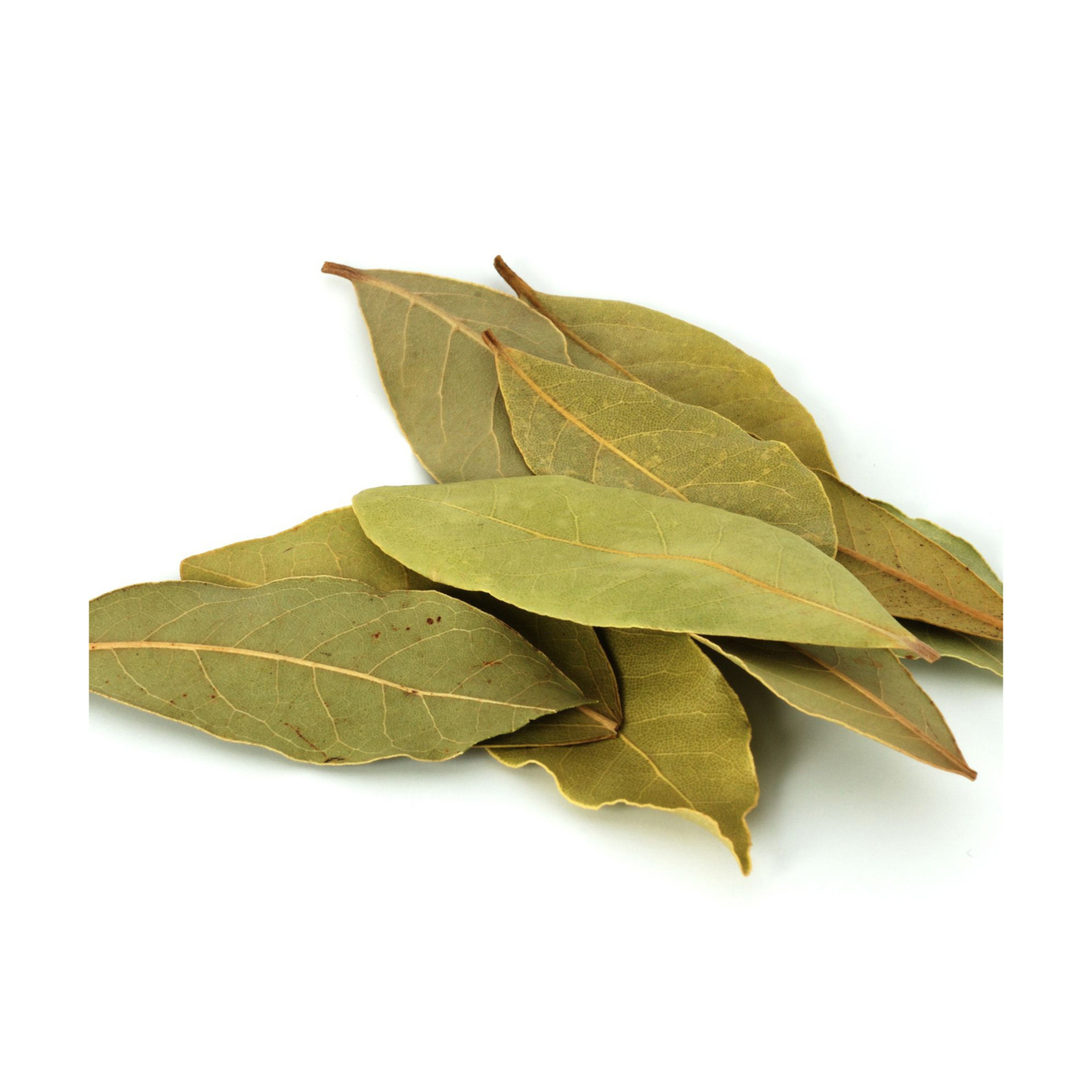
Native to the Mediterranean, the bay leaf comes from a tree and is a wonderful earthy and aromatic addition to soups, stews and sauces. Though, keep in mind that it is not edible and needs to be removed before consuming.
Chilli Flakes
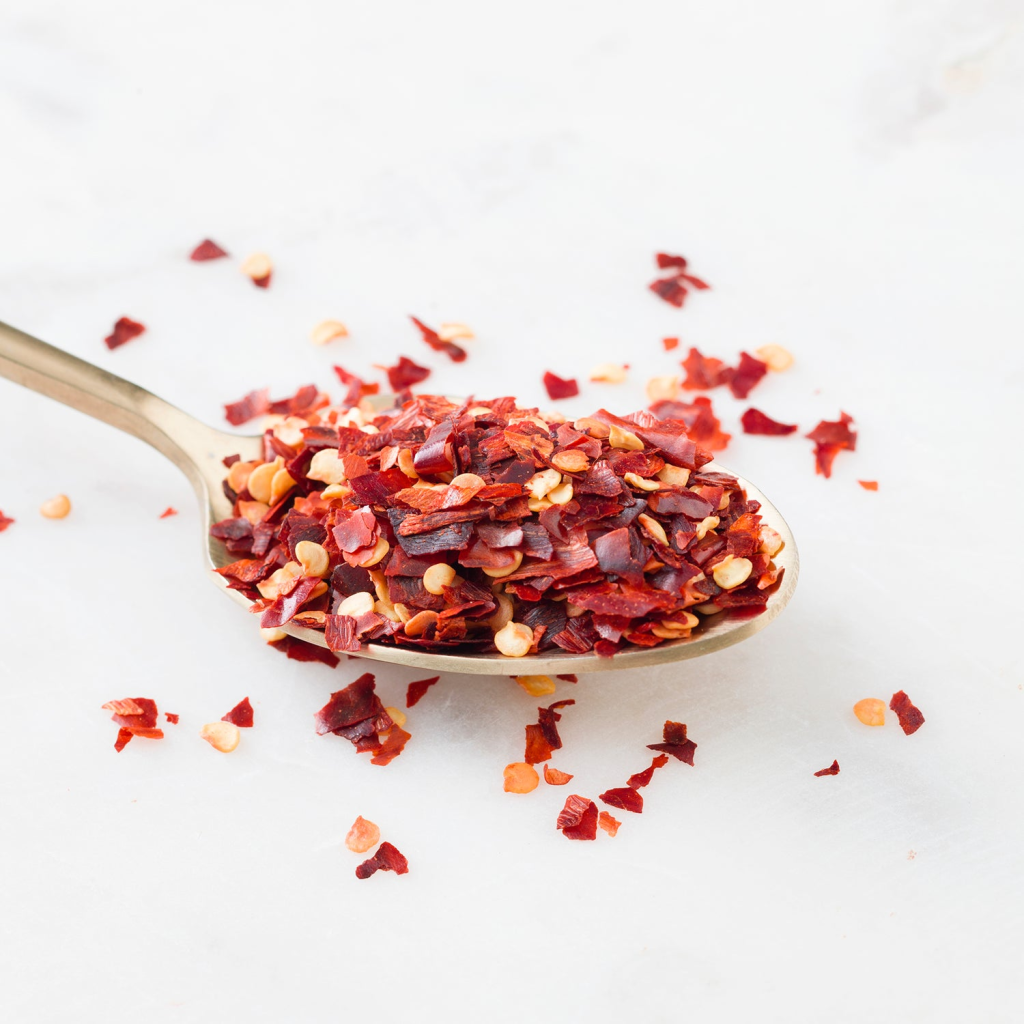
If you want a simple way to add some heat to your favorite savory treat, then look no further. Chili flakes might not be the most aromatic option for a spicy kick, but they sure do provide on the promise of a spicy kick.
Gourmet Salts
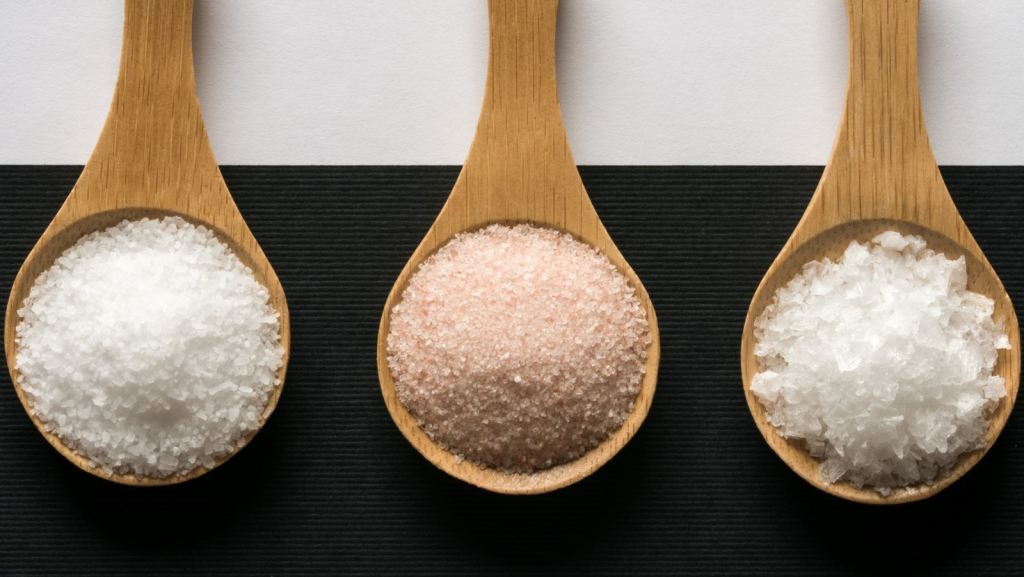
Salt, it is not only white. Sea salt is indeed the most common salt that we use. However, there are tens of different salts out there, each with their own unique mineral and flavor profile. For example, Indian Black Salt which has a black/pink color to it and tastes like eggs due to its high sulfur content.
Turmeric
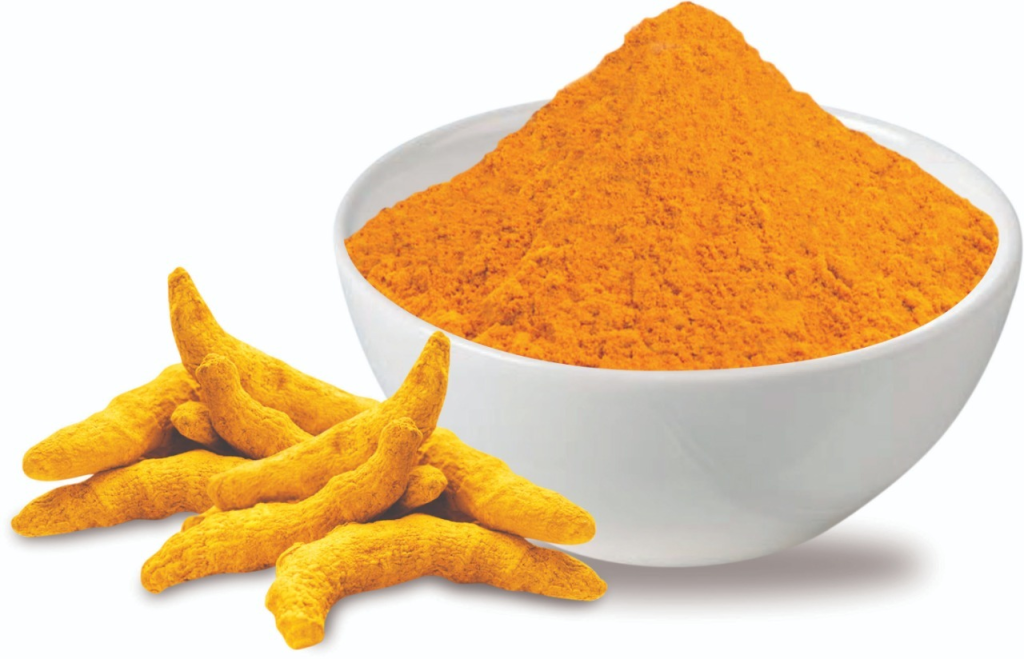
The superfood that will turn anything it touches yellow, turmeric. Packed with tons of health benefits, it is also a flavorful (albeit bitter in large quantities), and color giving spice that is great for curries, stews, soups and much more. If you are brave, buy the fresh root and juice it.
Green Cardamom
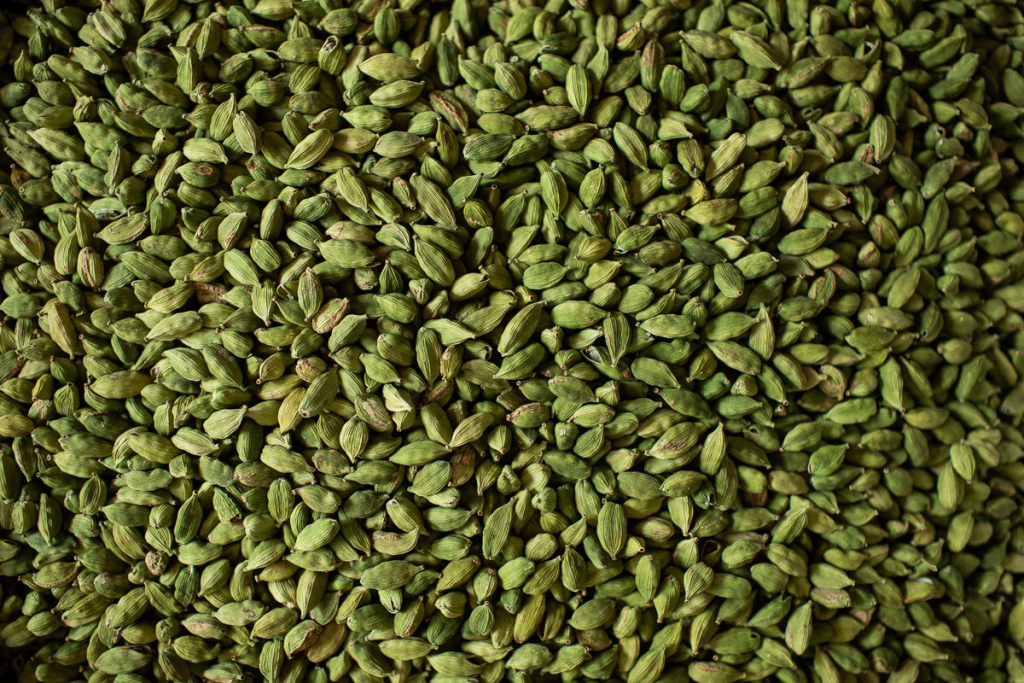
Sharing a freshness in taste to eucalyptus trees you might be familiar with smelling, green cardamom can be found in kitchens from India to Greece and is used in curries, stews and even coffee.
Coriander Seeds
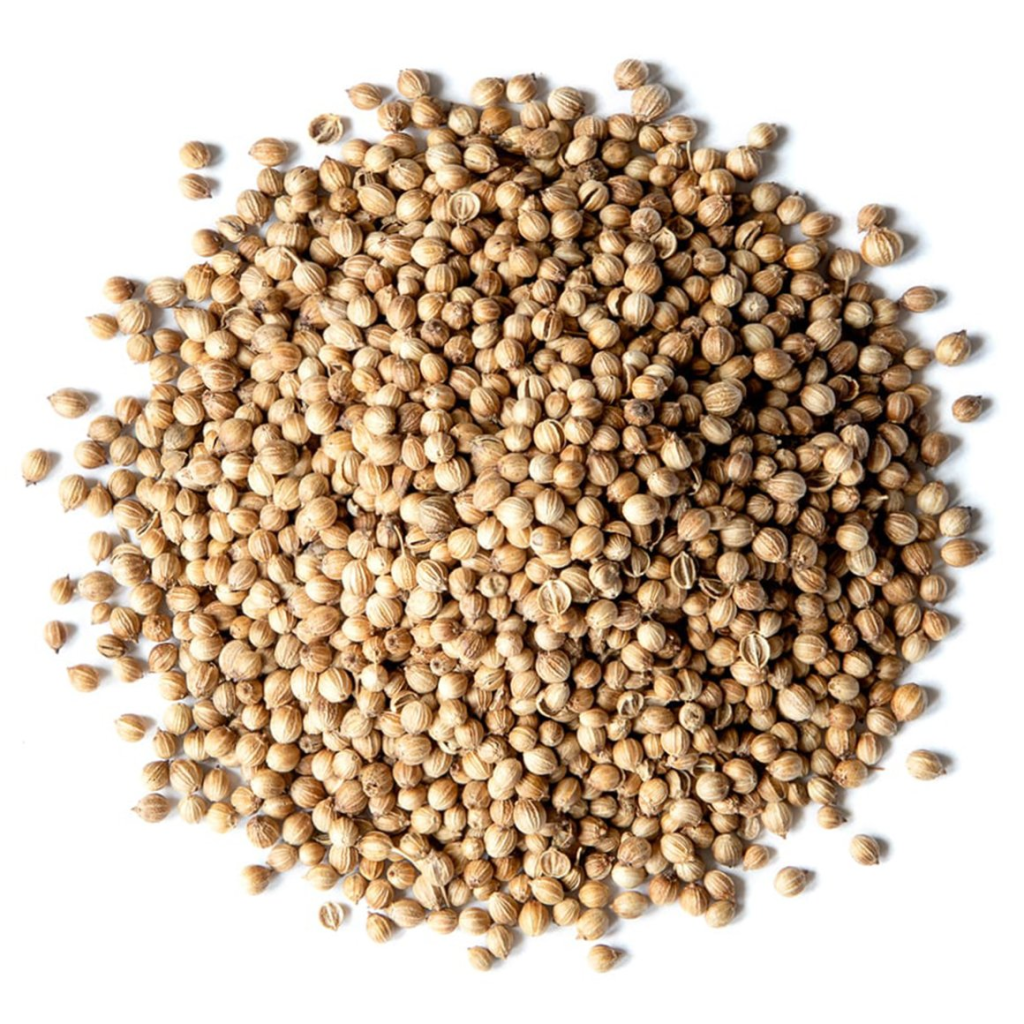
Unlike the herb mentioned earlier, coriander seeds (and when ground up, coriander powder) has a citrusy aroma with notes of herbs and earthiness. It is mainly used in south Asian cooking but is found occasionally across the middle eastern kitchen.
Garam Masala
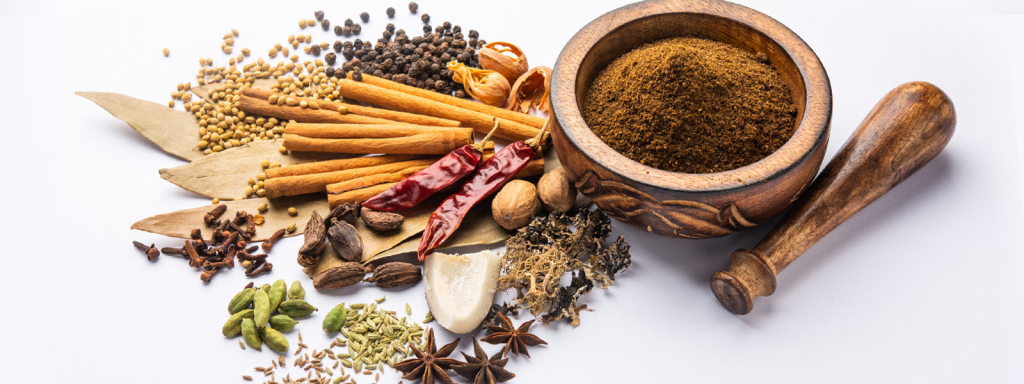
Indian food lovers will likely be familiar with garam masala, as it is a staple of many dishes of the subcontinent. Made up of a combination of dried spices including pepper, cinnamon, nutmeg, cardamom, cumin, coriander, tej patta, pepper, and more, it is added to onions why frying. Allowing for the dry herbs to breath and soak into the onion.
Ginger
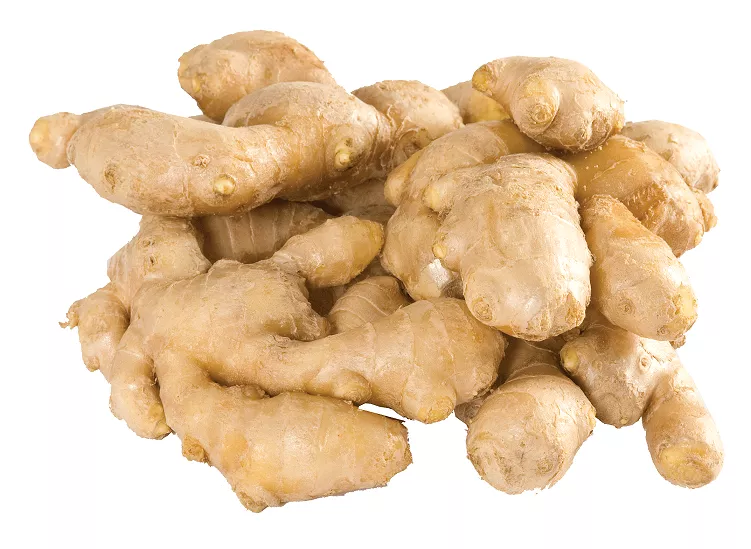
An essential spice for any kind of Asian cuisine, but also an essential spice for our health. Ginger can be used in everything from soups, curries, stews, stir-fry, fried rice, and even tea. Treat it like garlic in terms of how strong it is and enjoy a refreshing, zingy flavor that nourishes the soul and body.