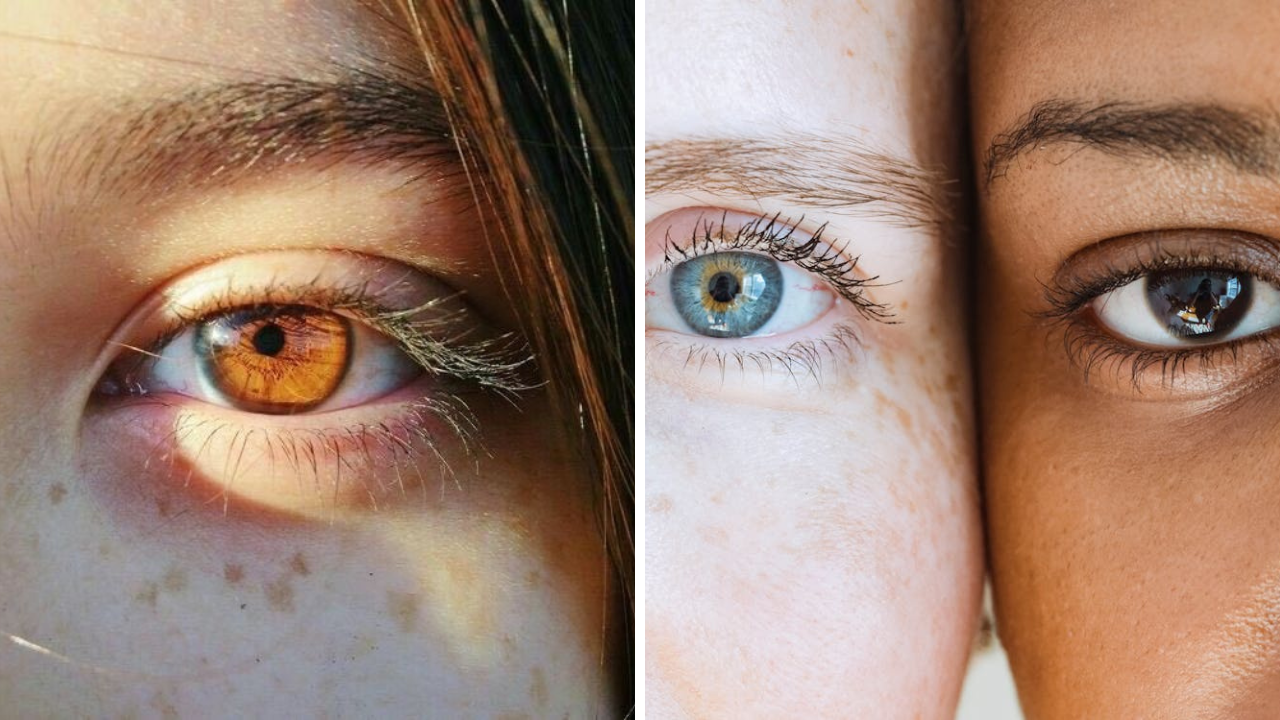
Brown eyes might be the most common eye color in the world, but that doesn’t make them any less special. From their unique ability to change shades in different light to the science behind why they appear so rich and deep, brown eyes have a lot of hidden secrets. Whether you have them yourself or just admire them, here are 24 cool facts that prove brown eyes are far from ordinary.
Most Common Eye Color
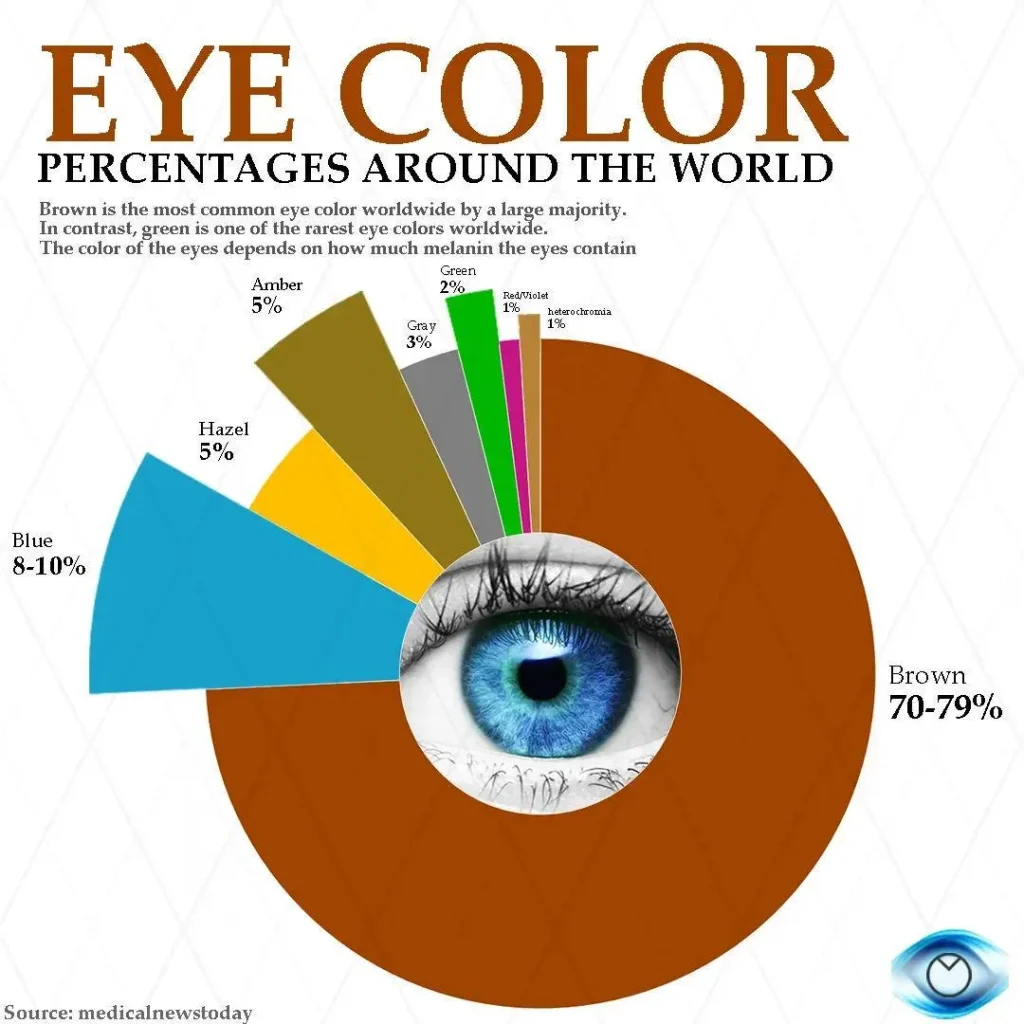
Brown eyes dominate the world, with roughly 70 – 80% of people globally having them.
Melanin Matters
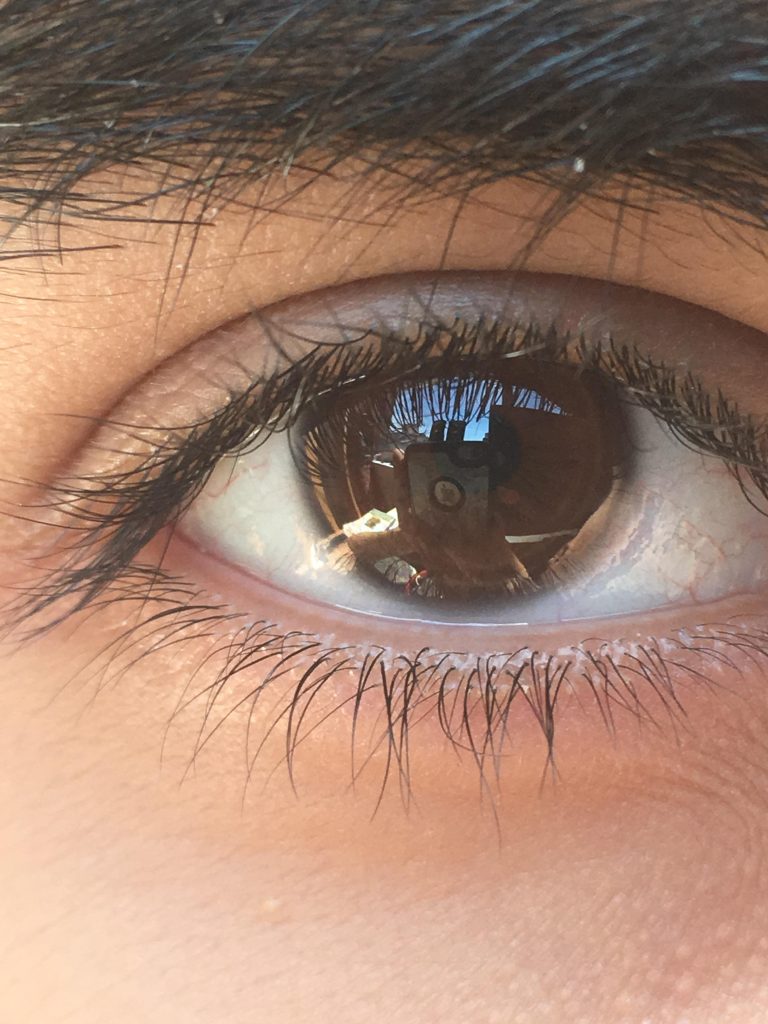
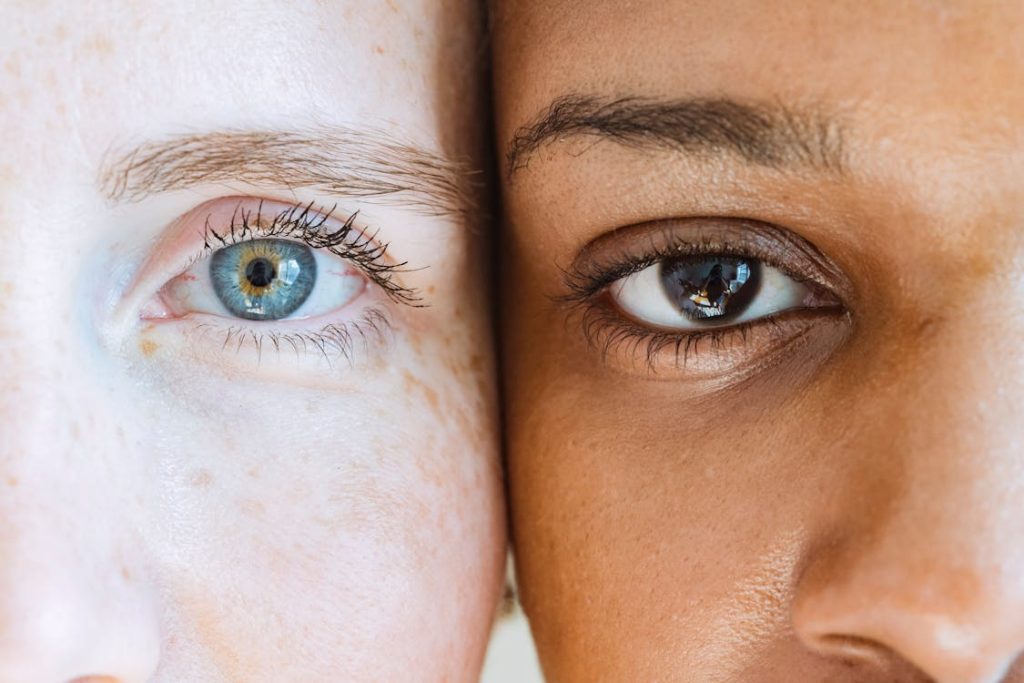
The color comes from melanin in the iris; the more melanin, the darker the eye.
Cataract Risk
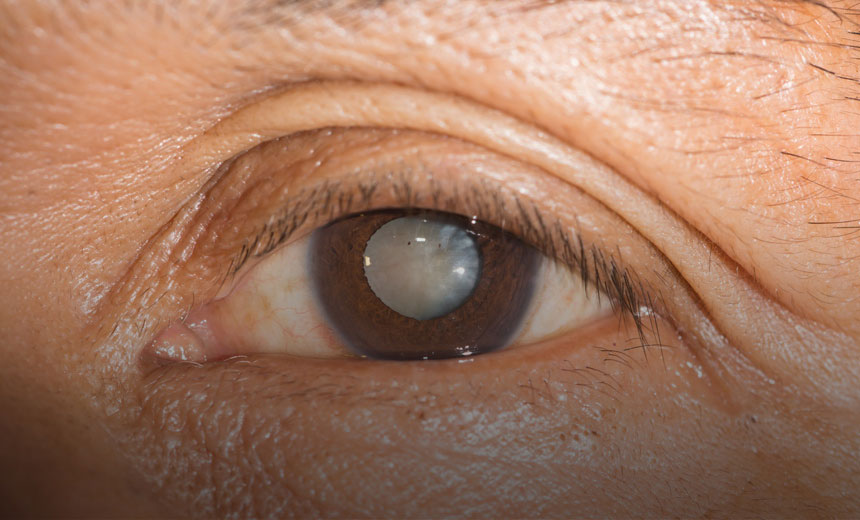
Interestingly, brown-eyed individuals are slightly more prone to cataracts due to higher melanin levels.
Trustworthy Perception
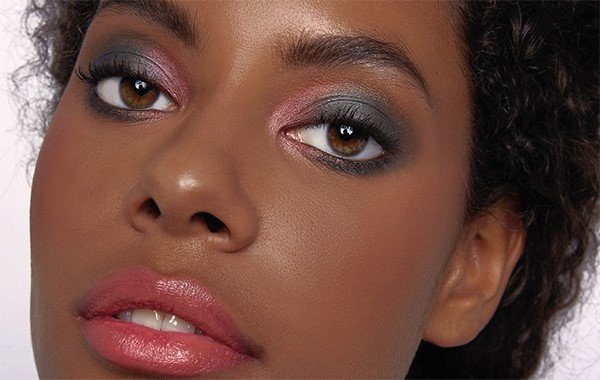
Studies suggest people with brown eyes are often perceived as more trustworthy, though science hasn’t confirmed personality links.
Chromosome 15 Genes
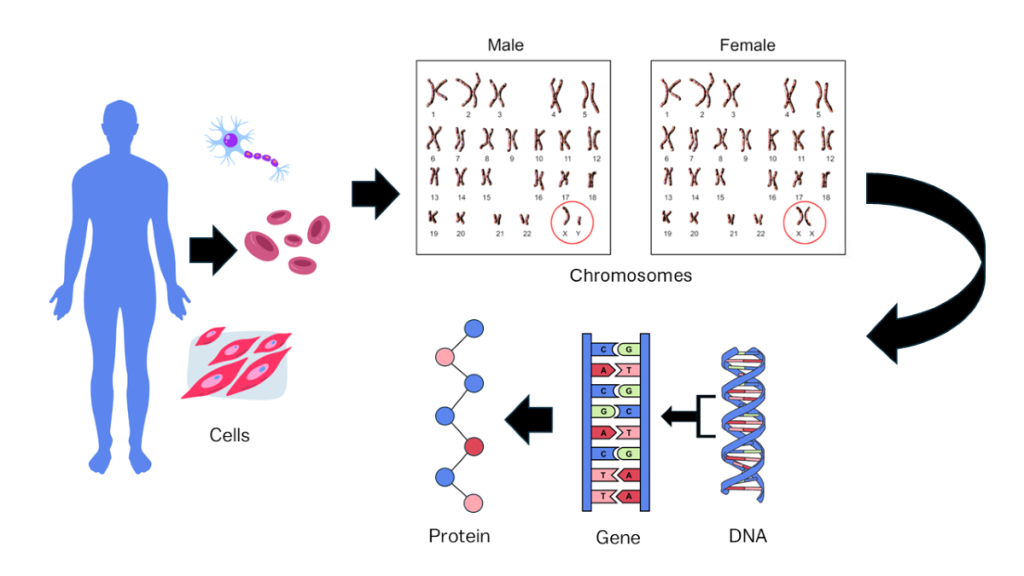
OCA2 and HERC2 genes on chromosome 15 play a major role in determining brown eye color by controlling melanin production.
Age Changes Eye Color
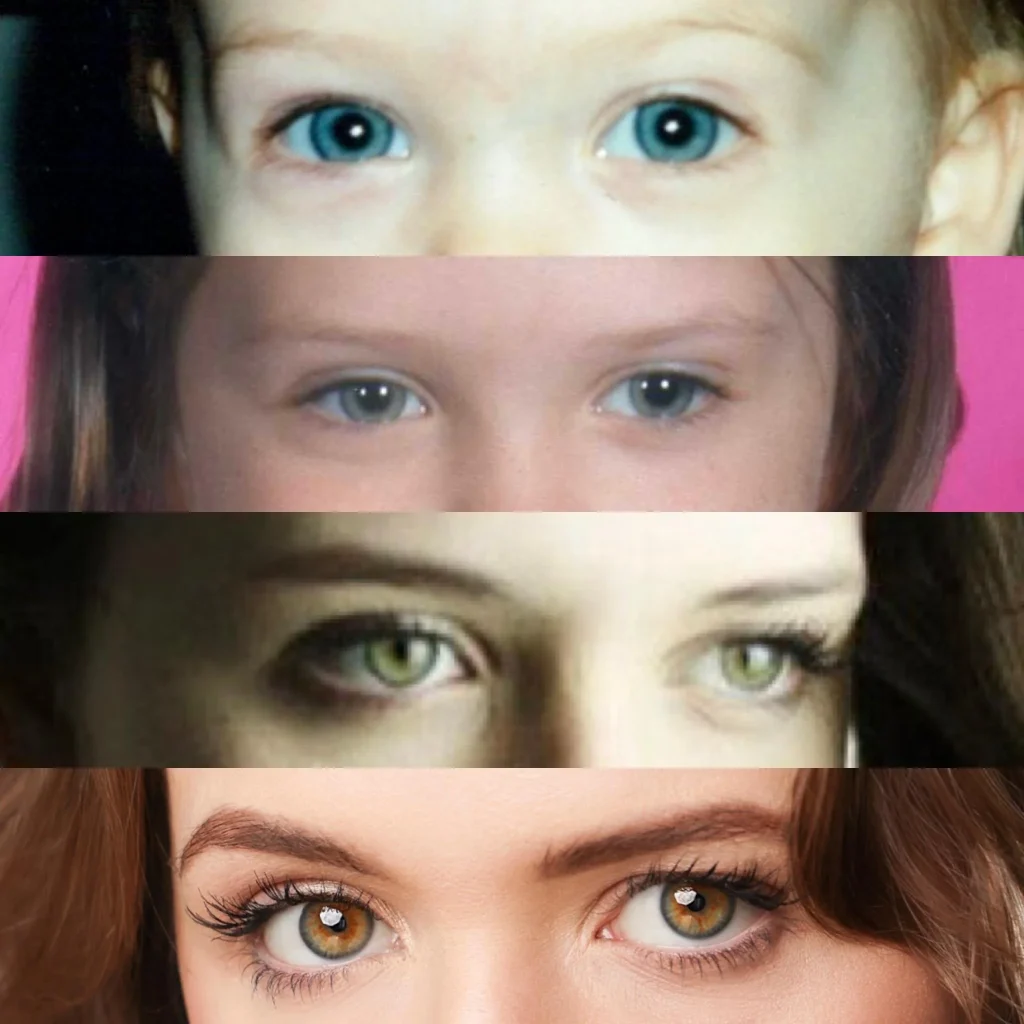
Many babies are born with blue or gray eyes that darken to brown as melanin develops in the iris.
Multiple Shades in One Iris
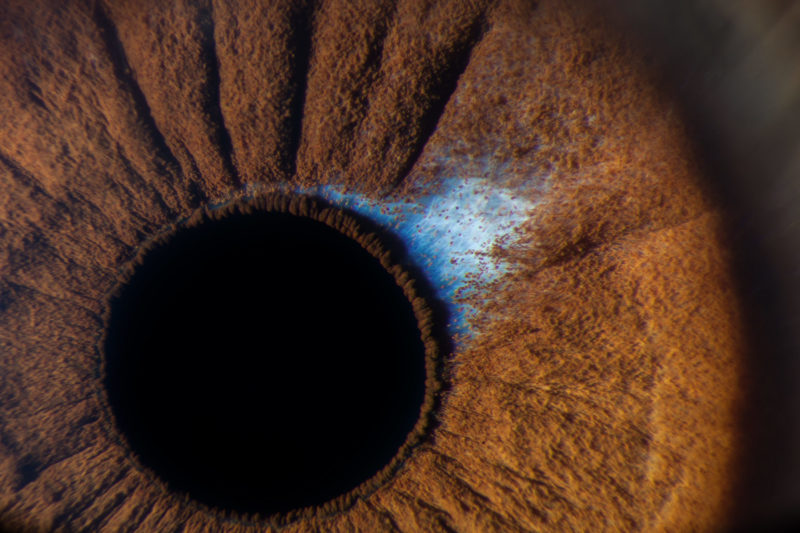
Some brown eyes can have golden, reddish, or honey undertones, giving them a dynamic appearance.
Lighting Changes Appearance
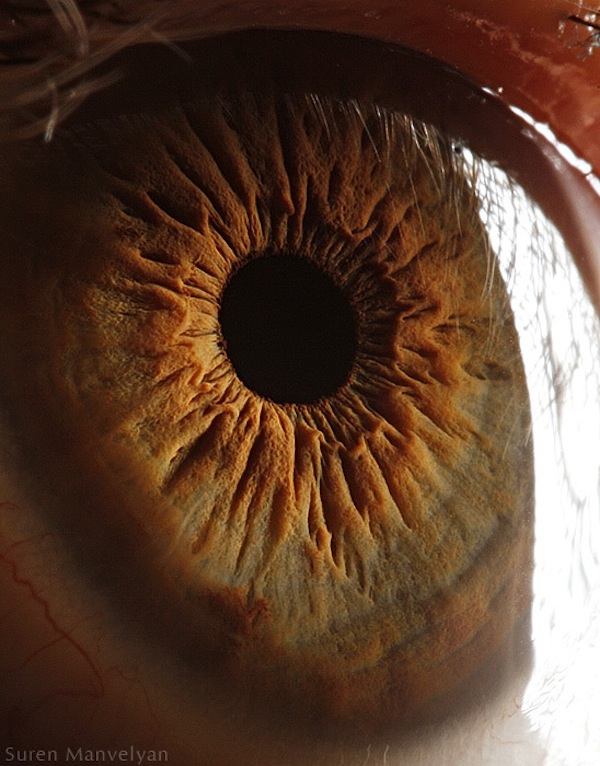
Brown eyes may look lighter or darker depending on the light, clothing, or even emotions.
Historical Prevalence
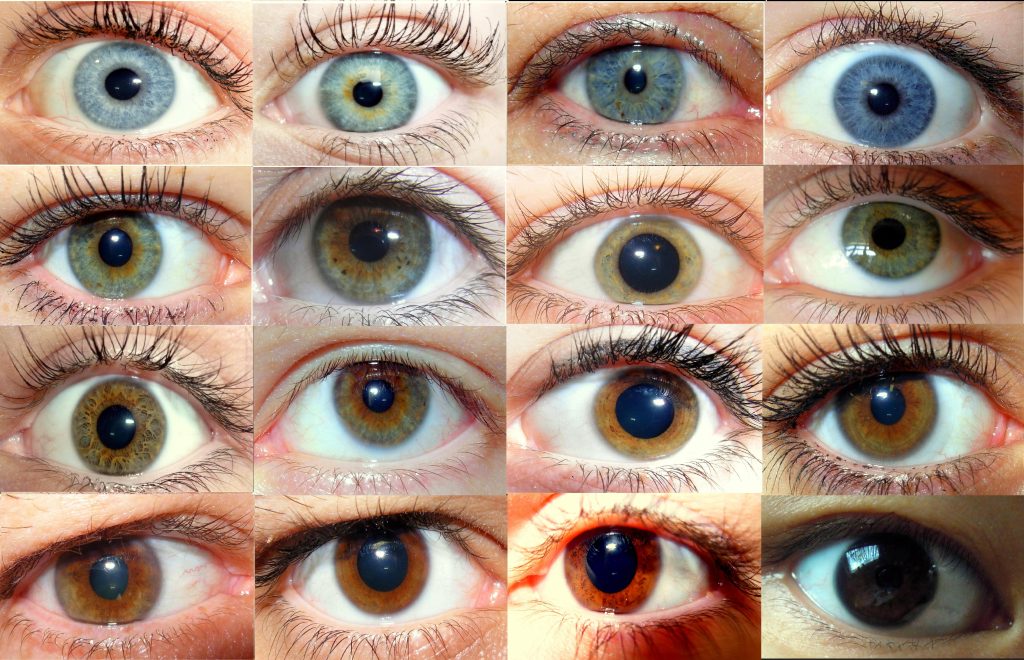
All humans originally had brown eyes. Lighter eye colors appeared only after genetic mutations reduced melanin production.
Regional Variations

Nearly everyone in Africa, East Asia, and India has brown eyes, while Northern Europe has fewer brown-eyed individuals.
Chestnut and Russet

Medium brown eyes often appear as warm chestnut or cool russet, with subtle differences in tone.
Honey and Cognac
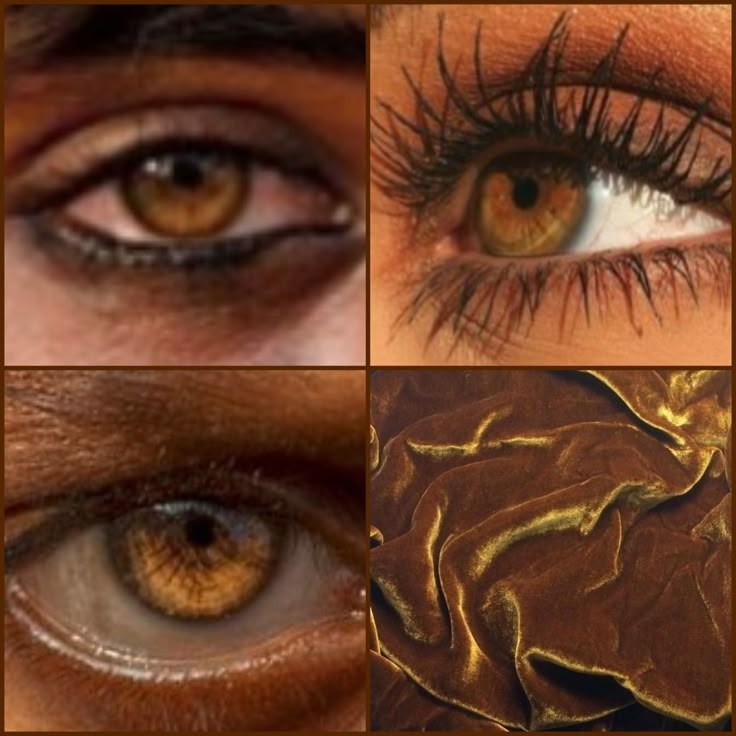
Light brown eyes can range from golden honey to reddish cognac shades.
Chocolate and Black-Brown
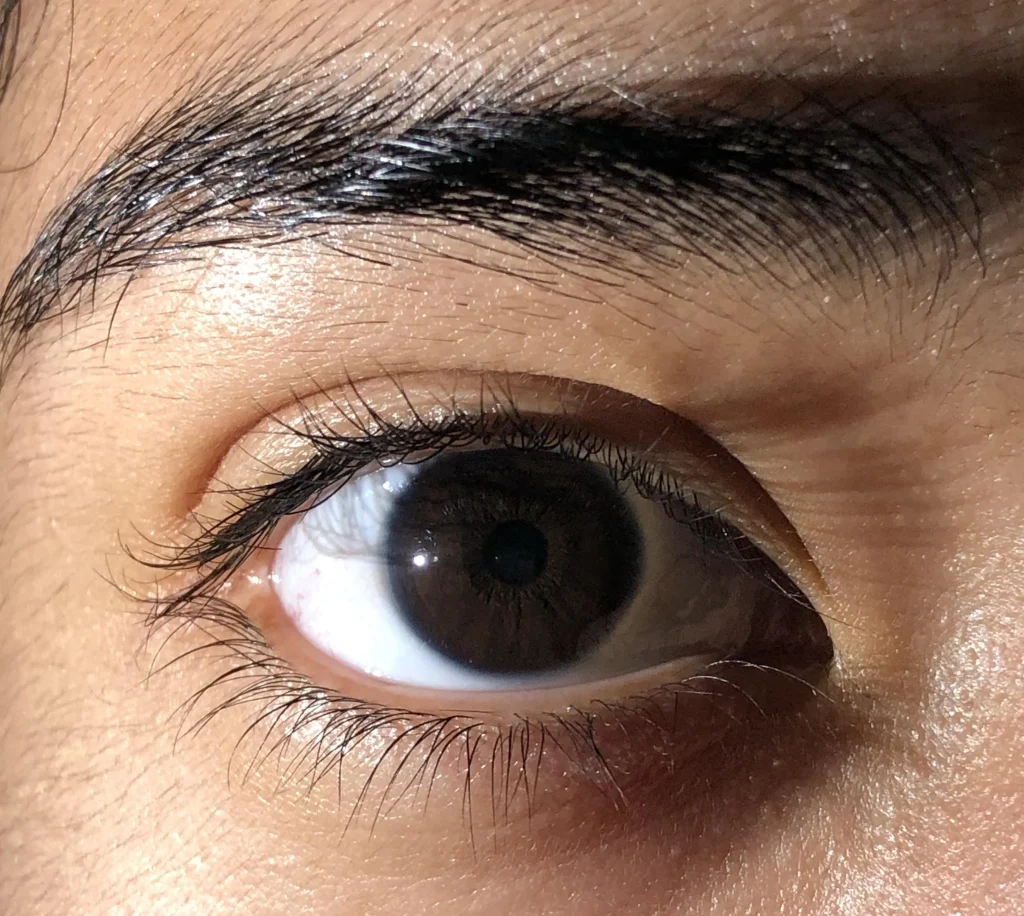
Dark brown eyes may appear almost black or rich chocolate depending on pigment density.
Genetic Complexity

Eye color isn’t controlled by a single gene. Multiple genes interact, meaning two brown-eyed parents could occasionally have a blue-eyed child.
Influence of Sunlight
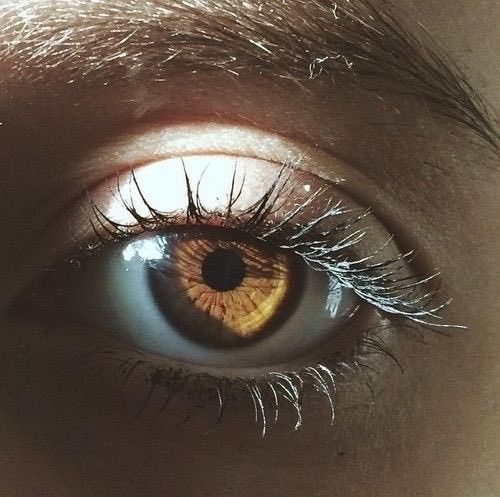
Regions with high sun exposure often have darker brown eyes due to evolutionary adaptation.
Health Advantages
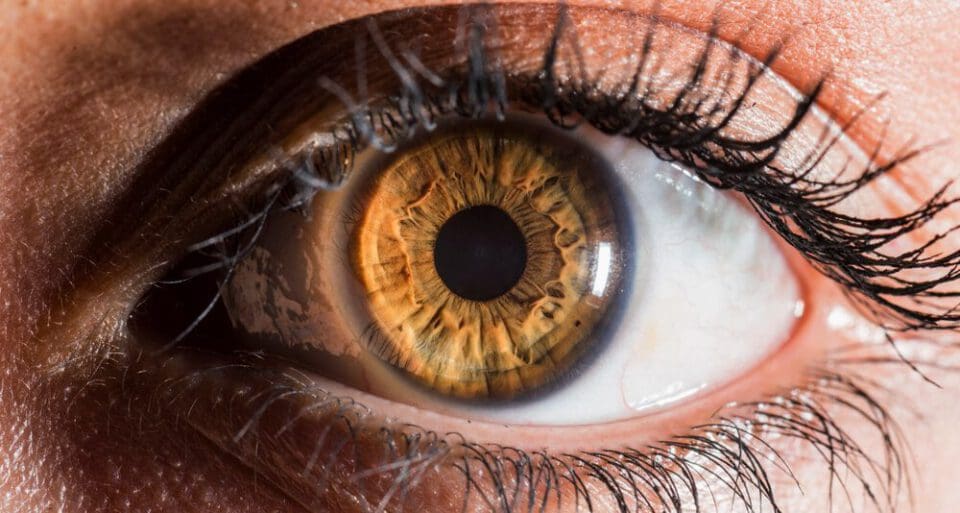
Brown-eyed people may have slightly lower susceptibility to sunlight-related eye disorders.
Color and Personality Myths
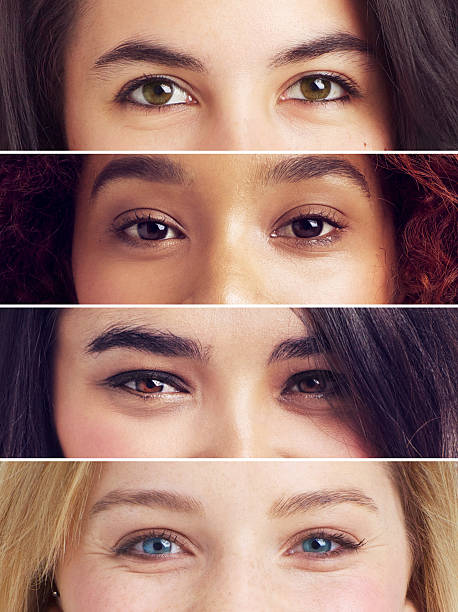
Despite stereotypes, eye color does not reliably predict traits like trustworthiness or intelligence.
Famous Brown-Eyed Celebrities
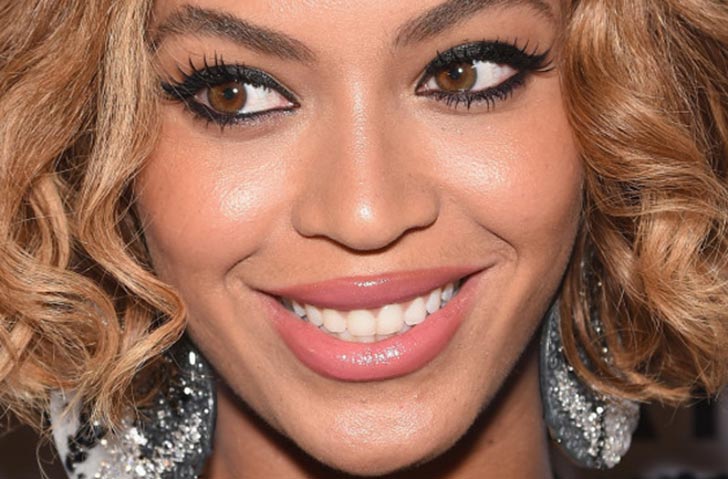
Stars like Beyoncé, Johnny Depp, Priyanka Chopra, and Barack Obama all have brown eyes.
Rare Brown Eye Variants
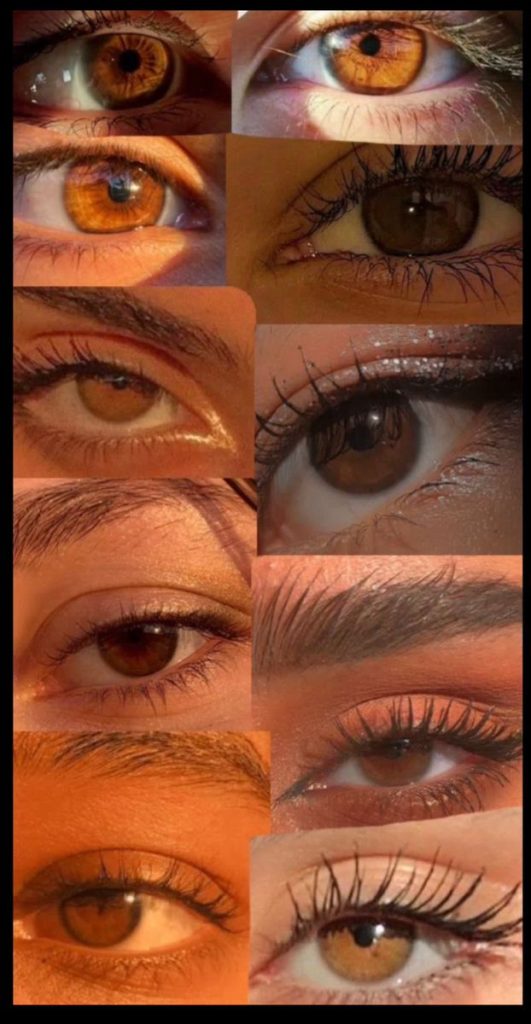
Some brown eyes have unusual undertones like amber, red, or almost black, making them strikingly unique.
Eye Color and Genetics
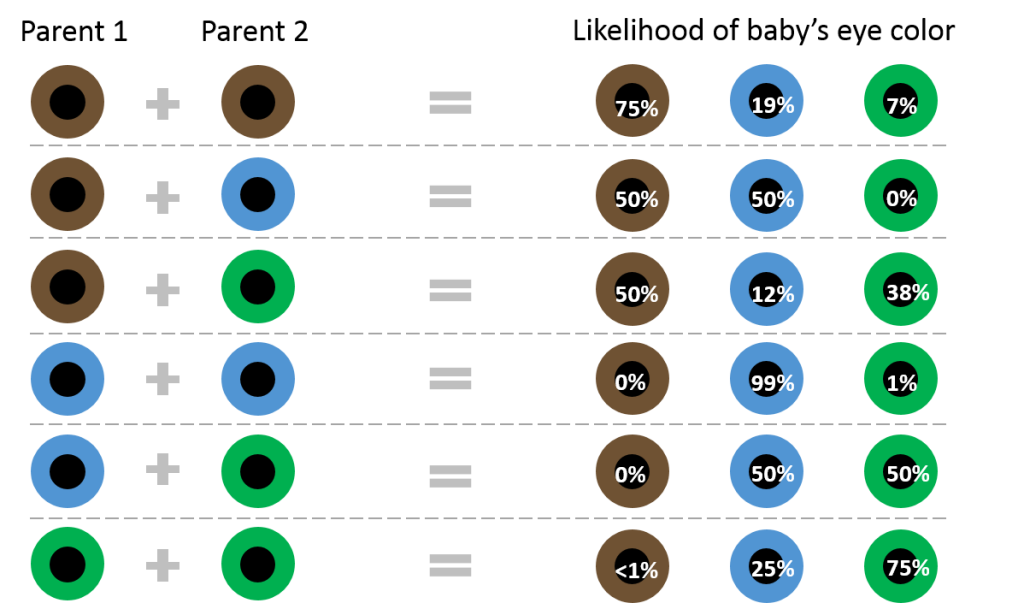
Two main genes, EYCL1 (light eyes) and EYCL3 (brown eyes), help determine eye color and its variations.
Globally Diverse

In the U.S., brown is the most common eye color, followed by blue and hazel.
Subtle Beauty in All Shades
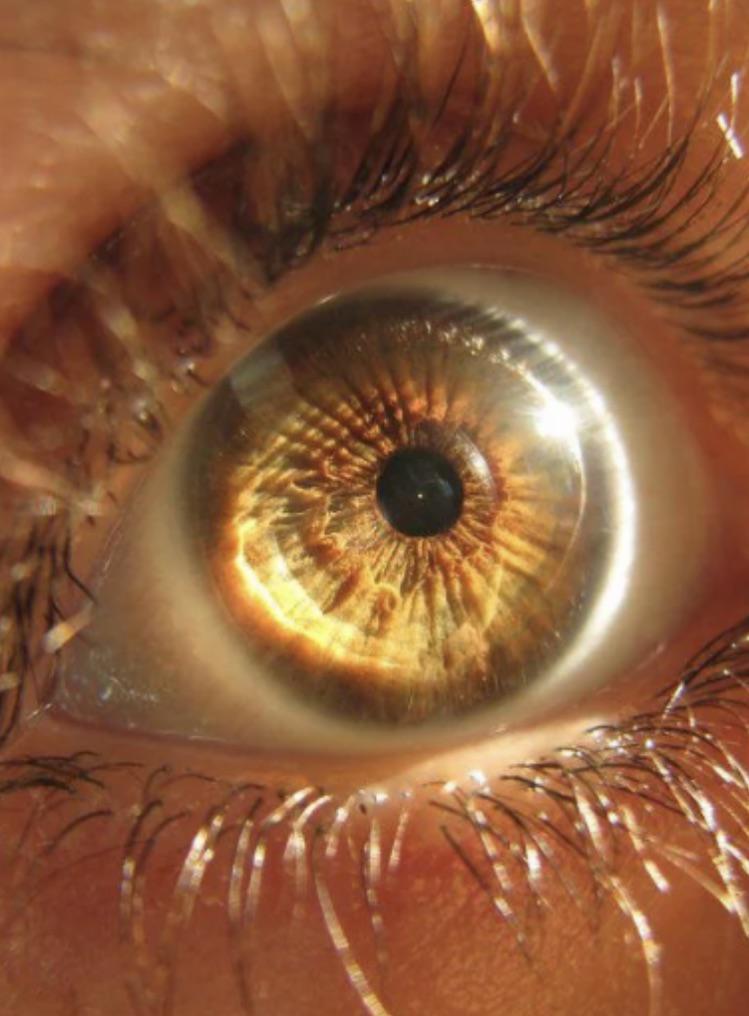
Every shade of brown, from light amber to deep chocolate, is visually stunning and unique.
Natural Protection Against UV
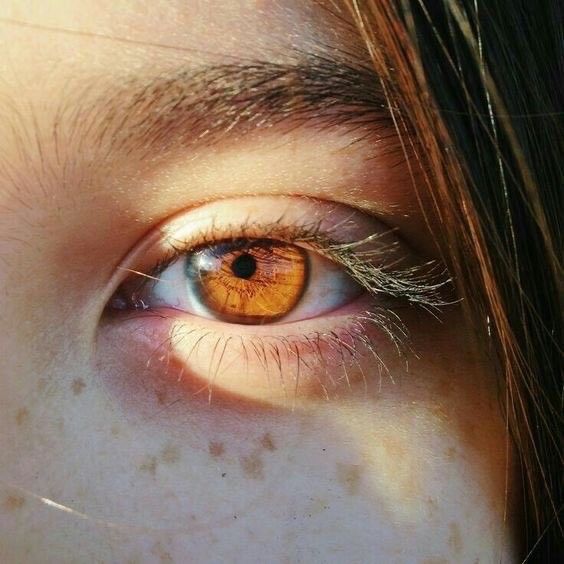
Extra melanin acts like a natural shield against harmful UV rays, reducing risk for sunlight-induced damage.
Desire for Rarer Colors
Some brown-eyed individuals explore colored lenses or laser procedures to try lighter or rarer eye colors, though genetics usually prevails.