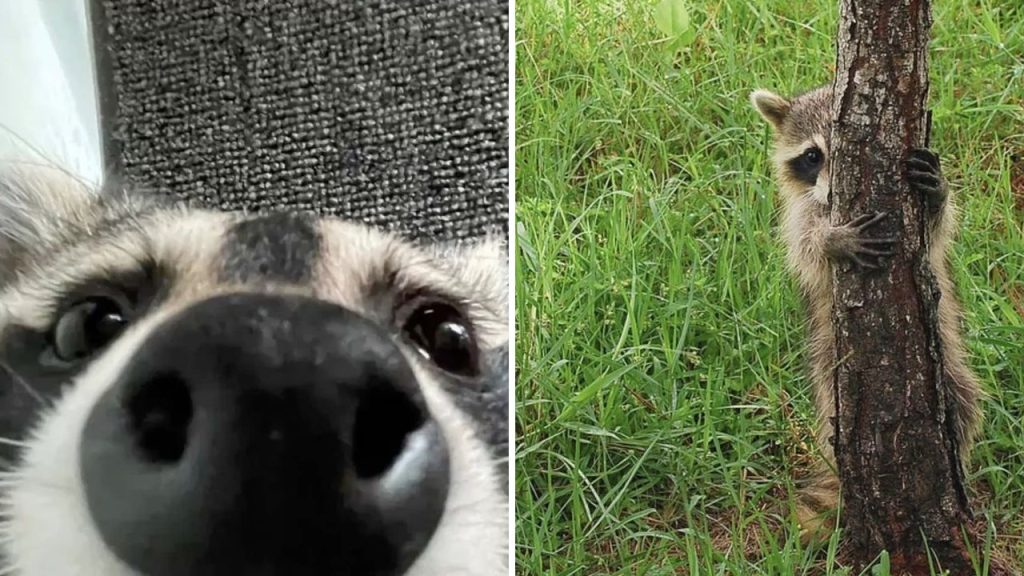
Animals hide wild superpowers in everyday bodies, from protection to intelligence and survival. Over millions of years of evolution, their forms have adapted to meet real-world challenges.
Axolotl – The Salamander That Regrows Hearts
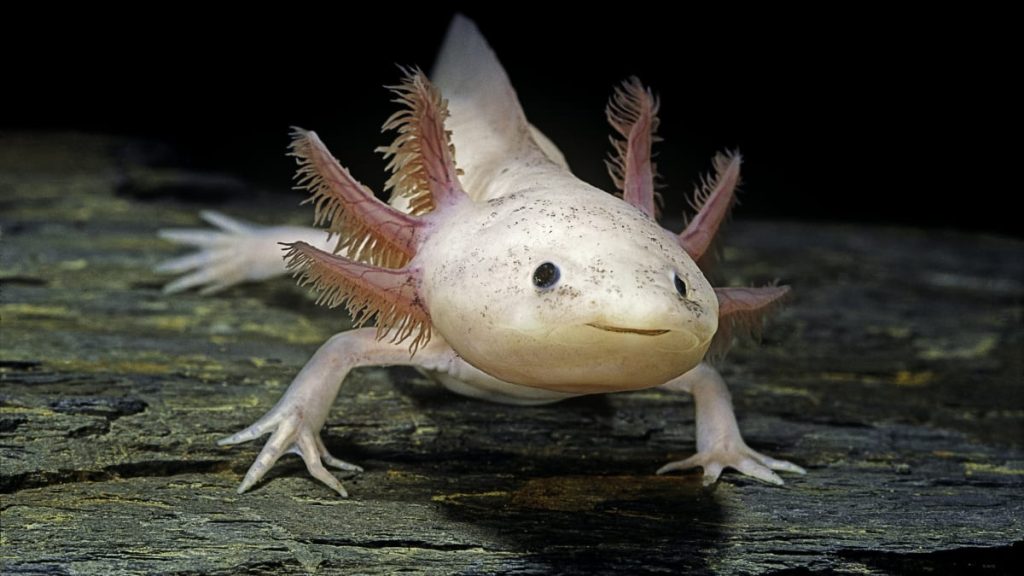
Axolotls can regenerate limbs, spinal cord, parts of the eye and even significant portions of the heart, guided by a blastema of stem-like cells. Researchers are now decoding the molecular “instructions” behind that regrowth.
Mantis Shrimp – The Punch That Makes Shock Waves
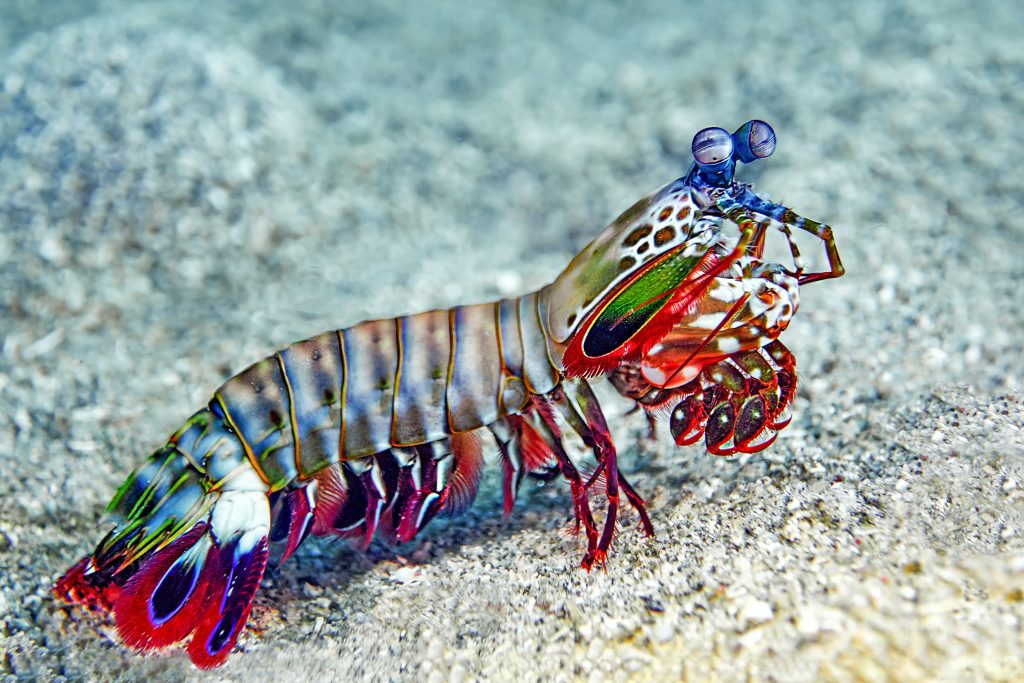
This crustacean’s spring-loaded strike reaches ~10–24 m/s in milliseconds and produces cavitation bubbles that add a second impact when they collapse. The blow can pit shells like a tiny jackhammer.
Platypus – It Glows Under UV And The Male Has Venom
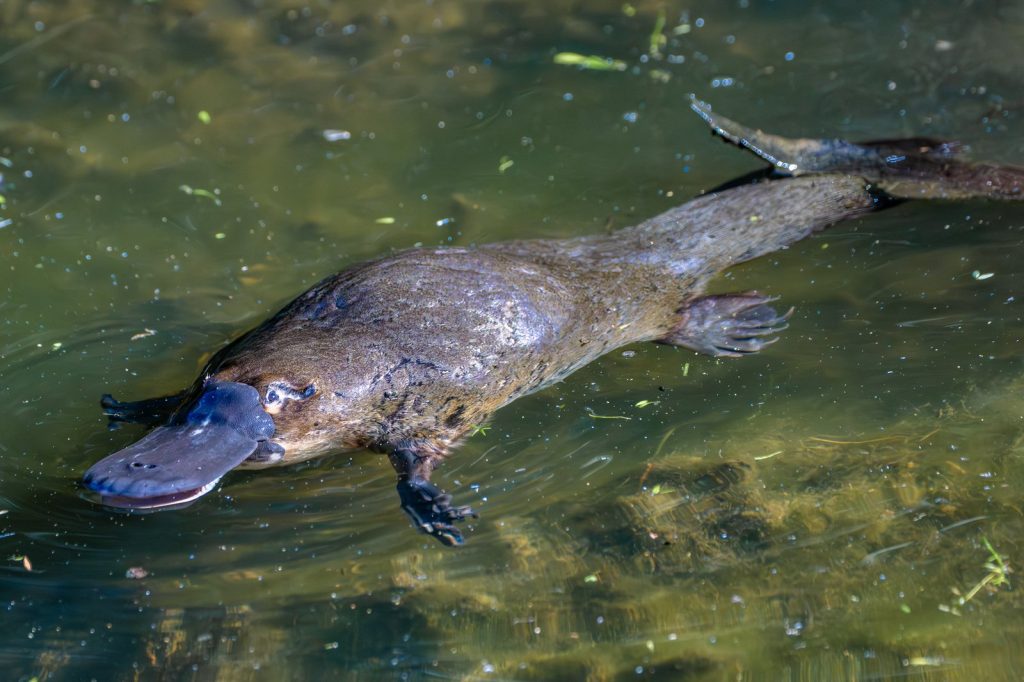
Under ultraviolet light, platypus fur biofluoresces cyan-green. Males also have ankle spurs linked to venom glands, a rare trait among mammals.
Octopus – Three Hearts And Blue Blood
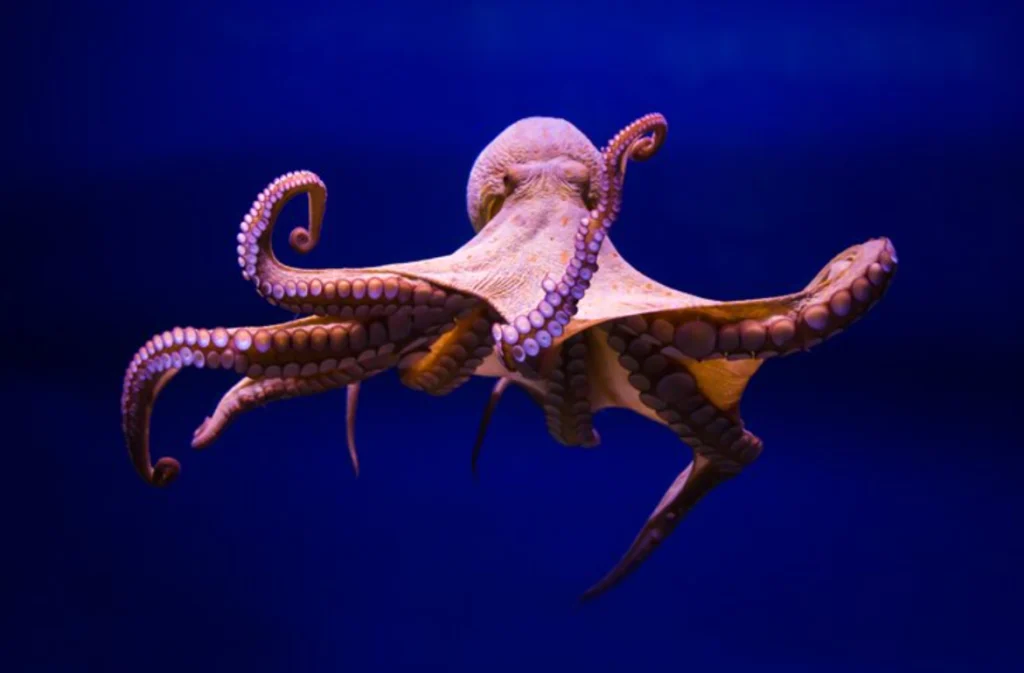
Two hearts pump blood through the gills while a third moves it through the body, and the copper-based hemocyanin makes their blood blue. When an octopus swims, the systemic heart can pause, which is one reason they prefer to crawl.
Seahorse – Dad Does The Pregnancy
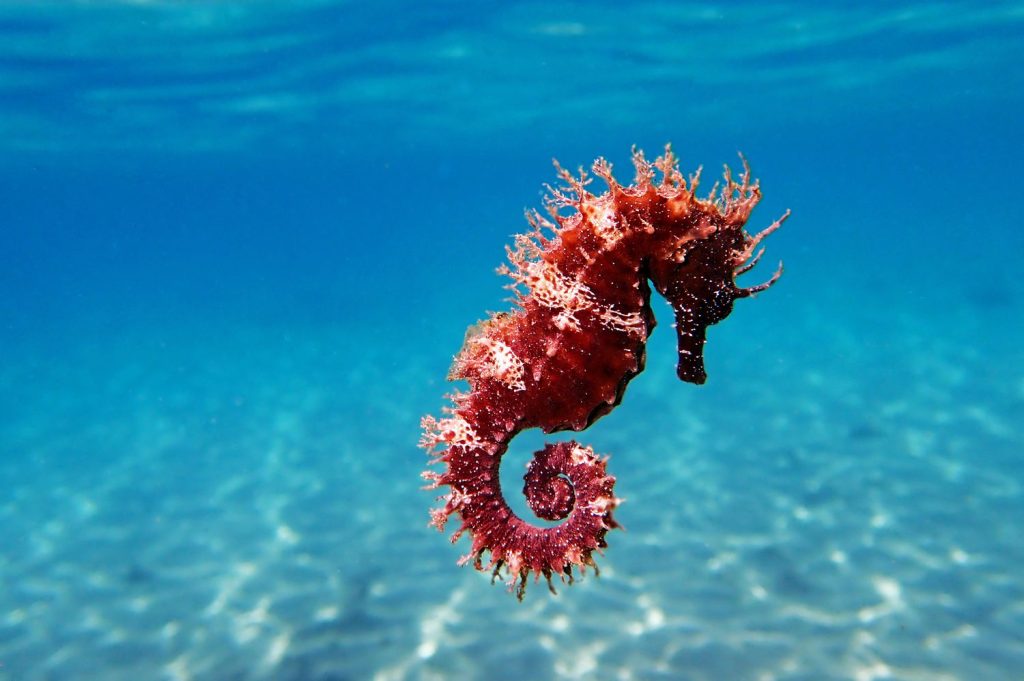
Male seahorses carry embryos in a vascularized brood pouch that provides oxygen and nutrients until birth. It’s one of nature’s most famous role reversals.
Dolphin – Sleeps With Half A Brain Awake
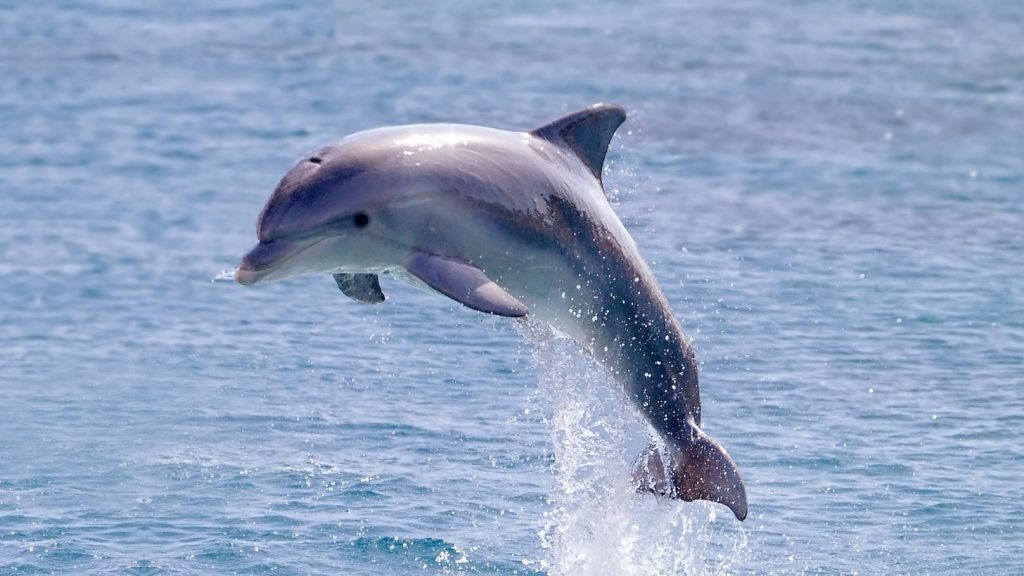
Cetaceans use unihemispheric slow-wave sleep so one hemisphere rests while the other keeps them surfacing to breathe and alert to danger. Eared seals and manatees do versions of this too.
Komodo Dragon – Capable Of Virgin Birth
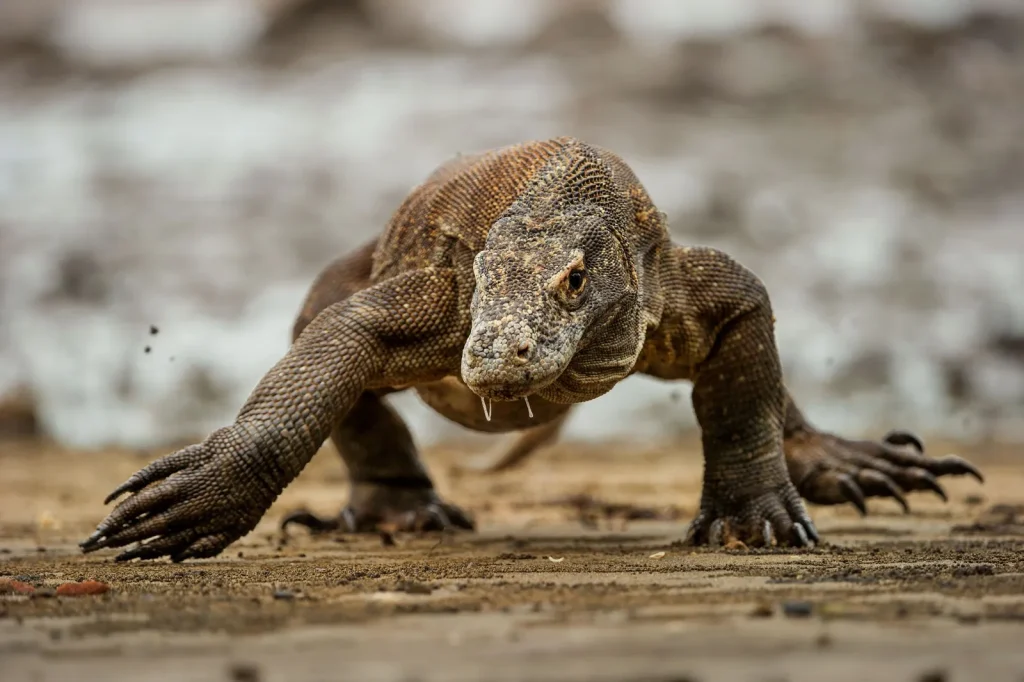
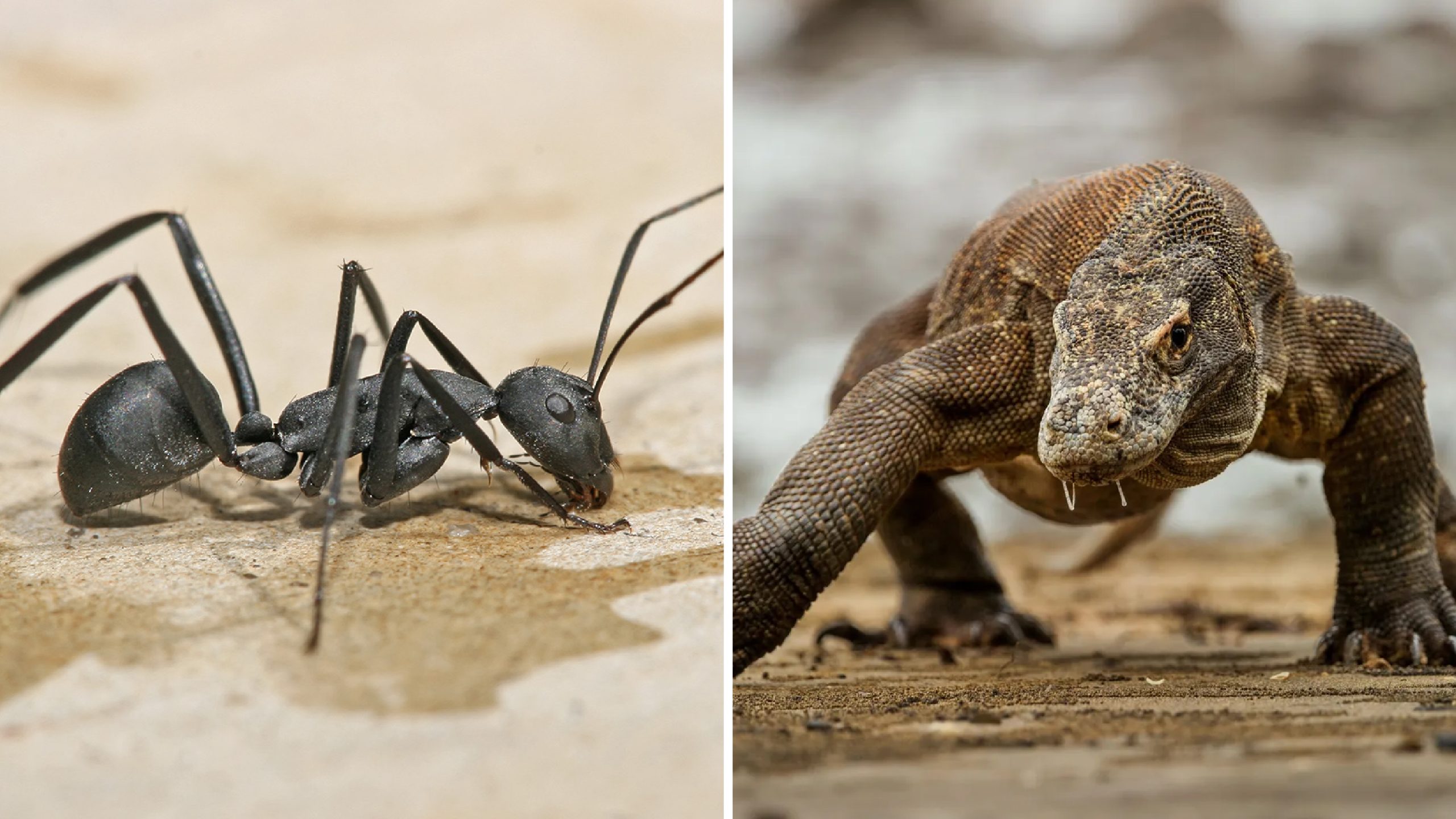
Females can reproduce by parthenogenesis, producing male offspring from unfertilized eggs, a strategy observed in zoos and confirmed by genetic tests.
Sharks – Navigate With Earth’s Magnetic Field
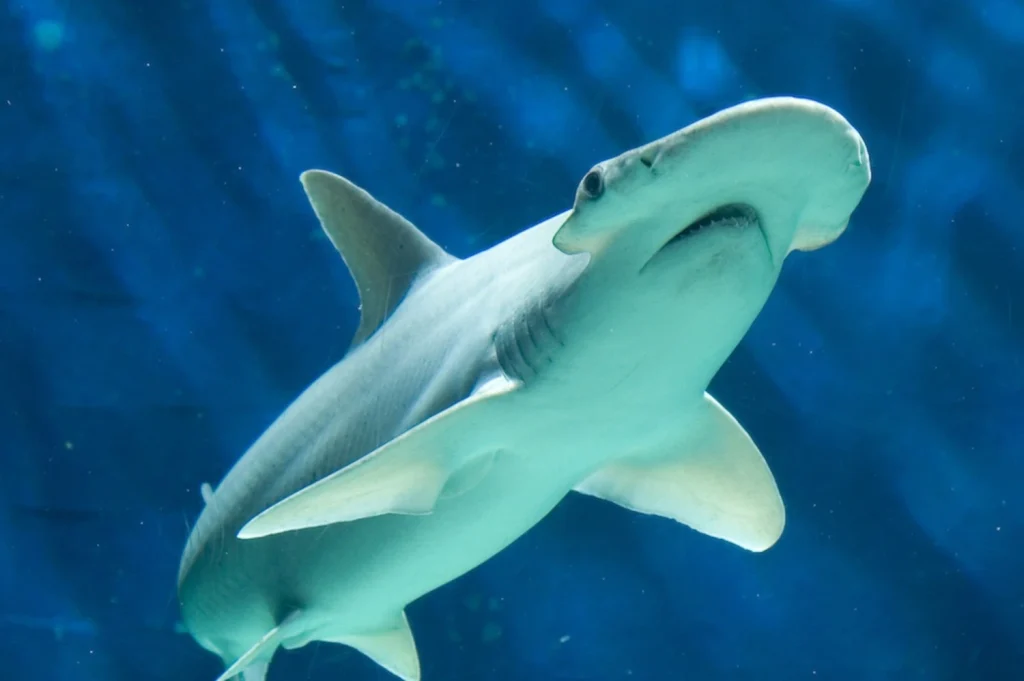
Bonnethead sharks oriented like a compass when researchers simulated homeward magnetic cues, evidence that sharks use geomagnetic maps.
American Crow – Remembers Your Face (And Tells Friends)
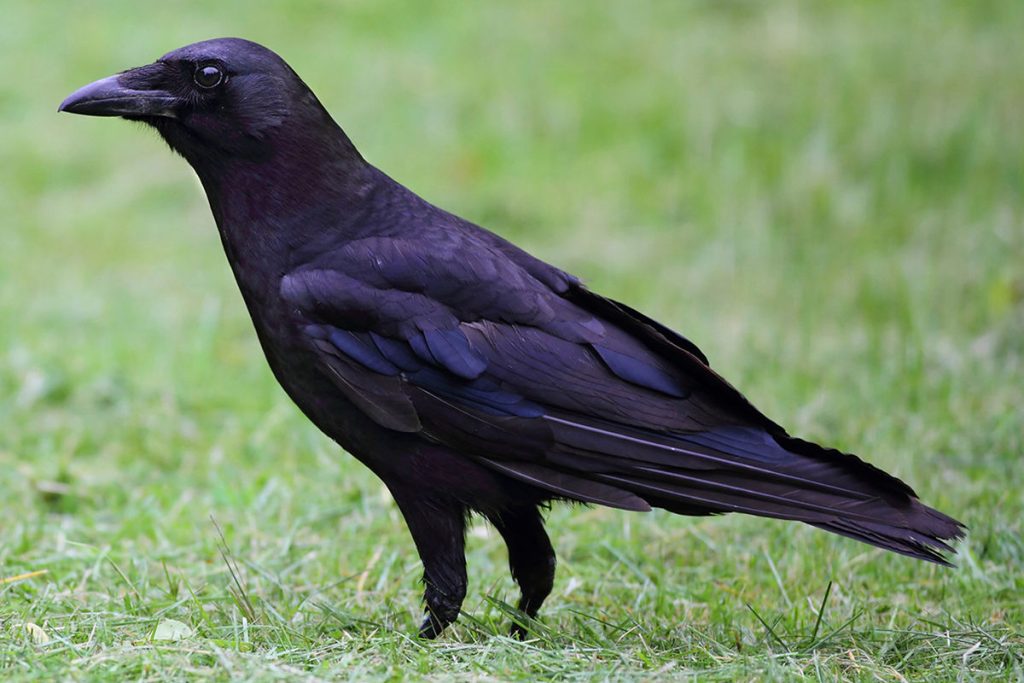
Crows can recognize individual human faces and recruit others to scold a known threat; brain-imaging work shows specialized processing for familiar faces. Knowledge spreads socially within crow communities.
Pistol Shrimp – Snaps A Bubble So Fast It Flashes
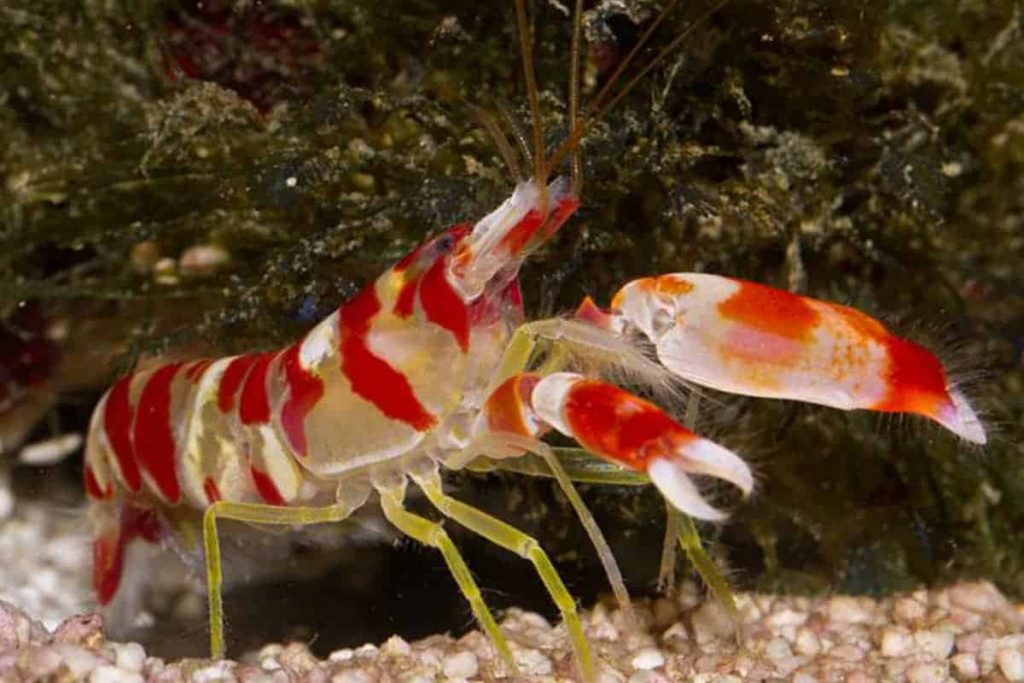
A single claw snap creates a cavitation bubble whose collapse generates a shock wave and a tiny burst of light, stunning prey. It’s physics you can hear.
Naked mole-rat feels Surprisingly Little Acid Burn
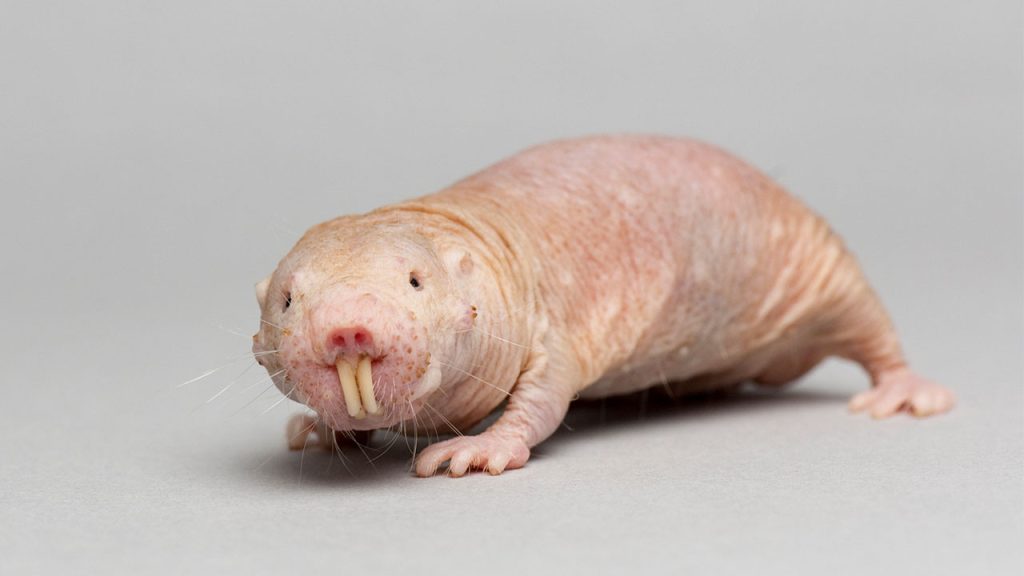
In this eusocial rodent, variants in pain pathways make acid suppress activity in pain-sensing neurons instead of triggering it, contributing to unusual pain insensitivity.
Superb Lyrebird – Mimics Chainsaws And Alarm Calls
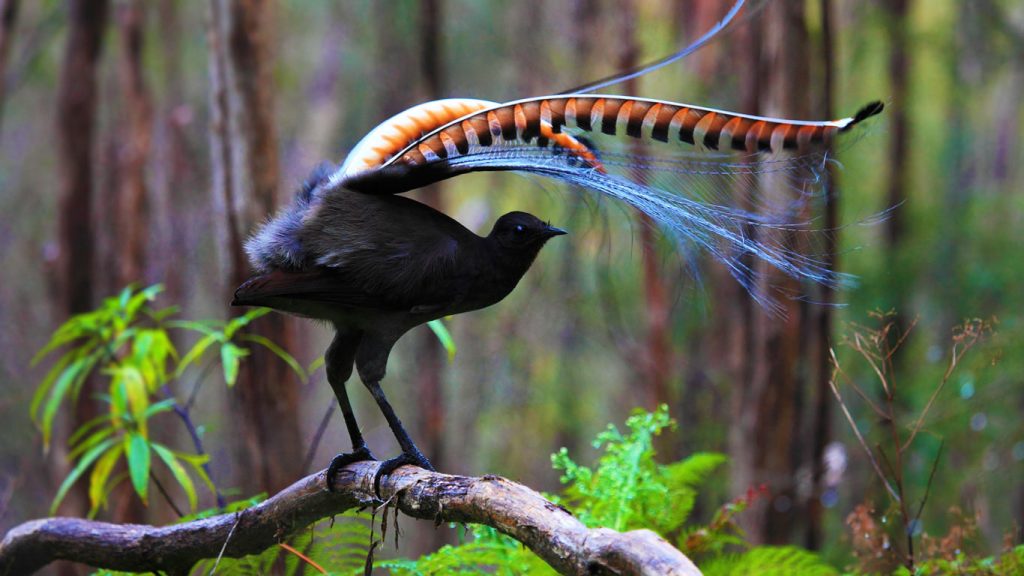
Males weave spot-on imitations of other birds and even human noises into courtship, including realistic mobbing alarms that fool wild flocks.
Wombat – The Cube-Poop Champion
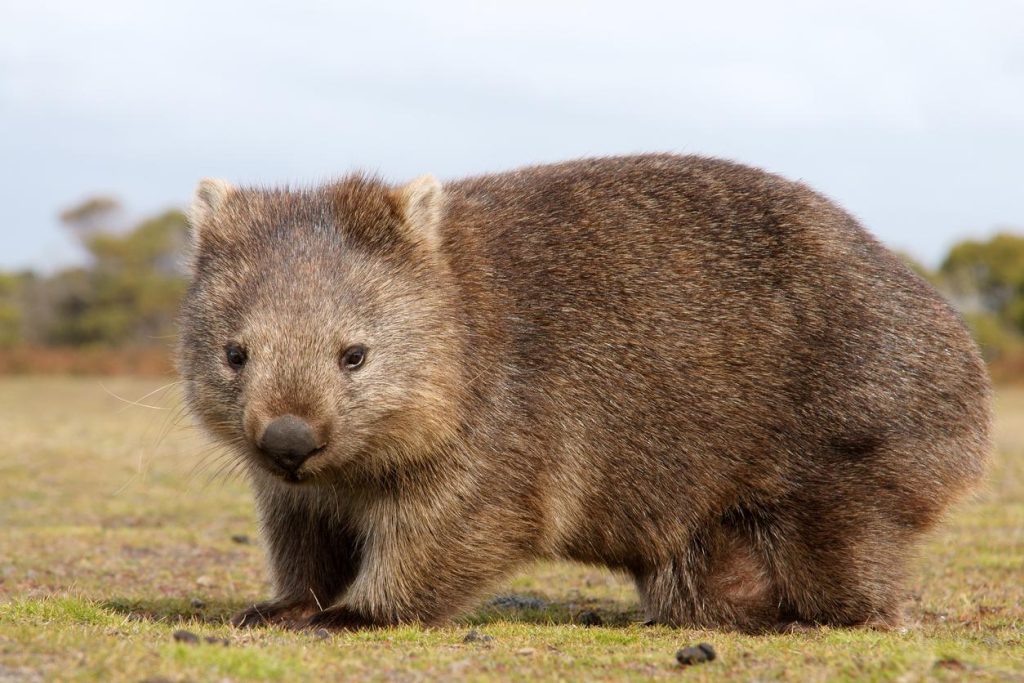
Uniquely, wombats form cubic feces because their intestines have regions of varying stiffness that shape the corners during the final contractions. Handy for marking territory without the pellets rolling away.
Pigeon – Can Learn To Spot Cancer On Scans
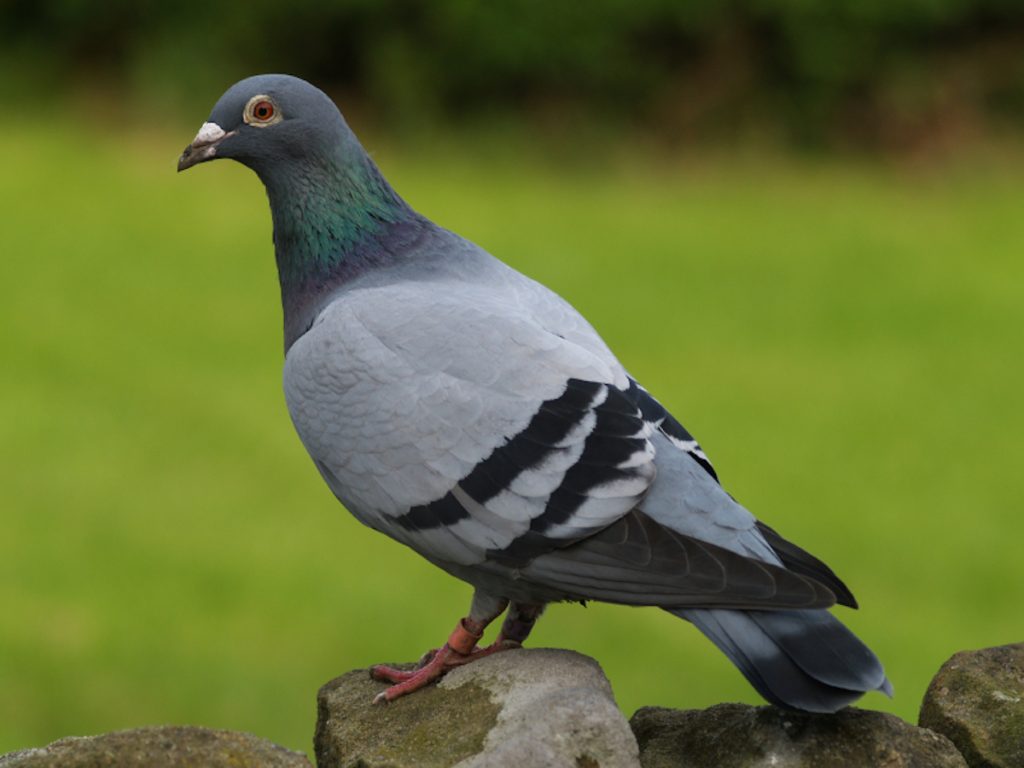
Trained pigeons matched human-like accuracy at distinguishing malignant from benign tissue in mammograms, showing surprising visual expertise.
Zombie Ant – A Fungus Can Hijack Its Body
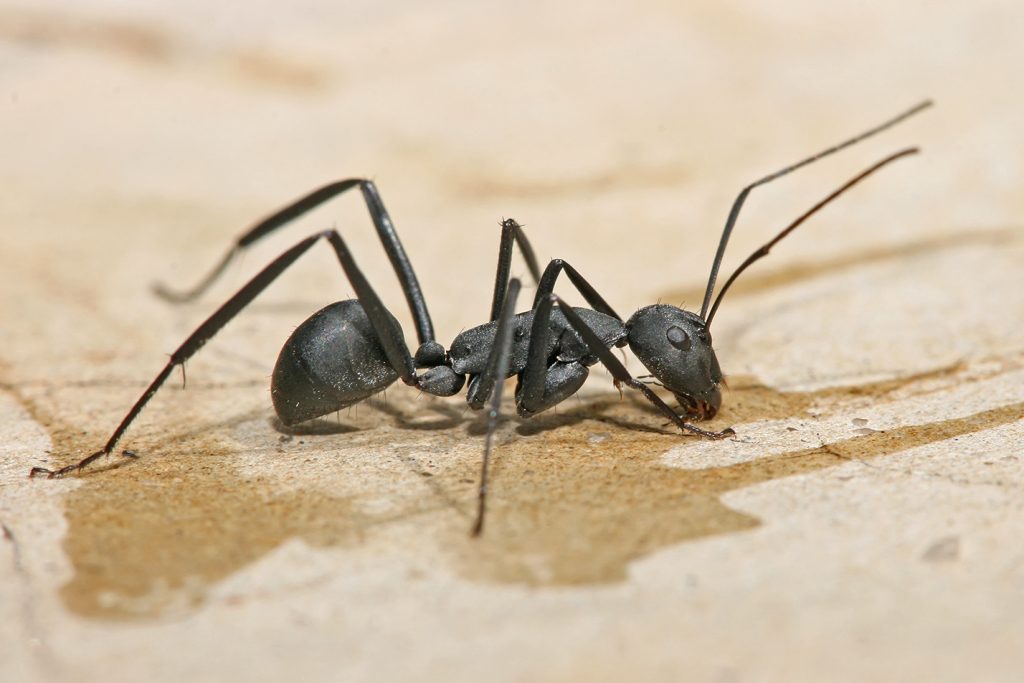
Ophiocordyceps infects carpenter ants, reprogramming behavior so the ant climbs and bites a leaf vein at a “death grip” angle that favors fungal growth and spore spread. It’s a precision takeover of motor control.