Hollywood is full of close calls, and these near-misses show just how different pop culture could look. Here are 30 cases where a star came close to an era-defining part, only for fate, scheduling, or second thoughts to step in. The fun is in imagining how each performance might have reshaped a franchise, a career, or even a whole genre. Some of these choices are legendary, others are surprising, but all of them are fun what-ifs.
Tom Selleck – Indiana Jones (“Raiders of the Lost Ark”)
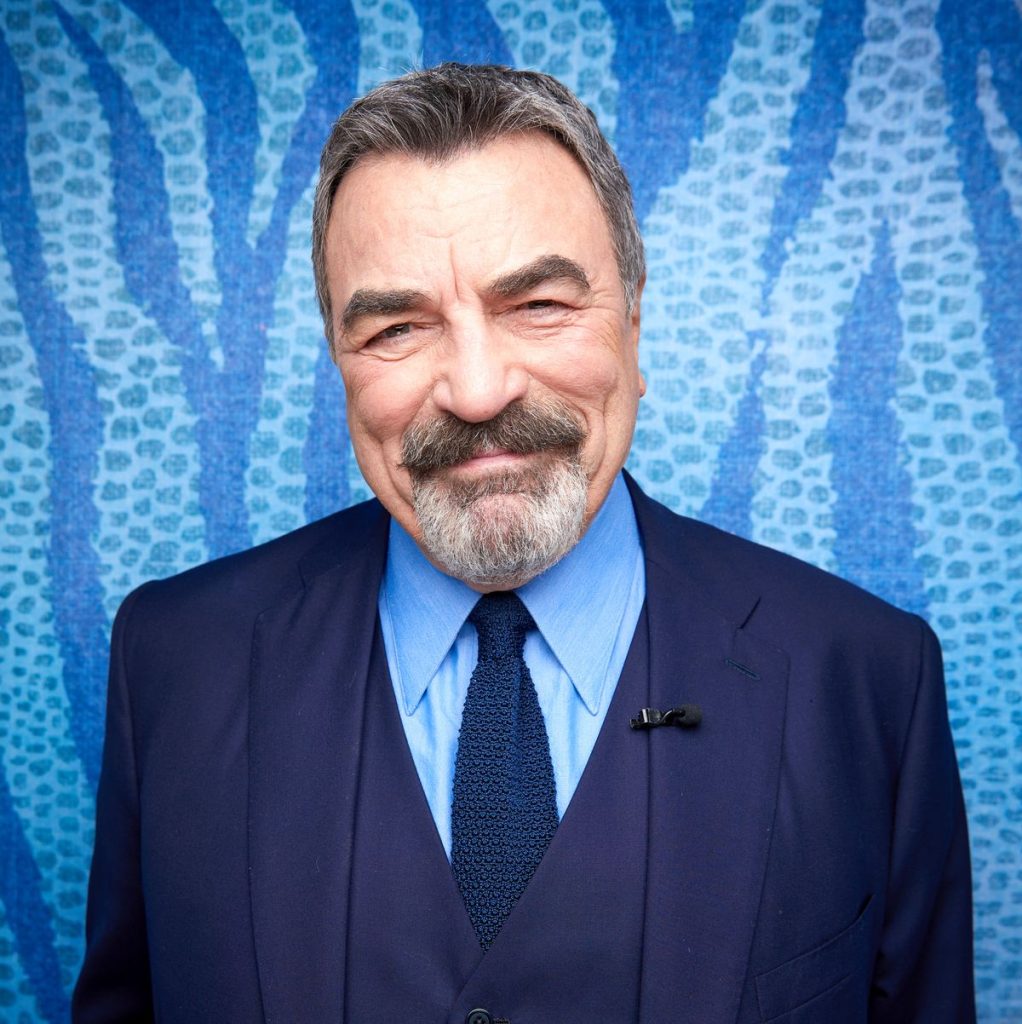
Selleck was a top pick to crack the whip before “Magnum, P.I.” scheduling got in the way. The blend of charm and ruggedness made him a natural fit on paper. When the TV conflict held, the role went to Harrison Ford, forever defining the franchise. It’s one of casting’s most famous what-ifs.
Sean Connery – Gandalf (“The Lord of the Rings”)
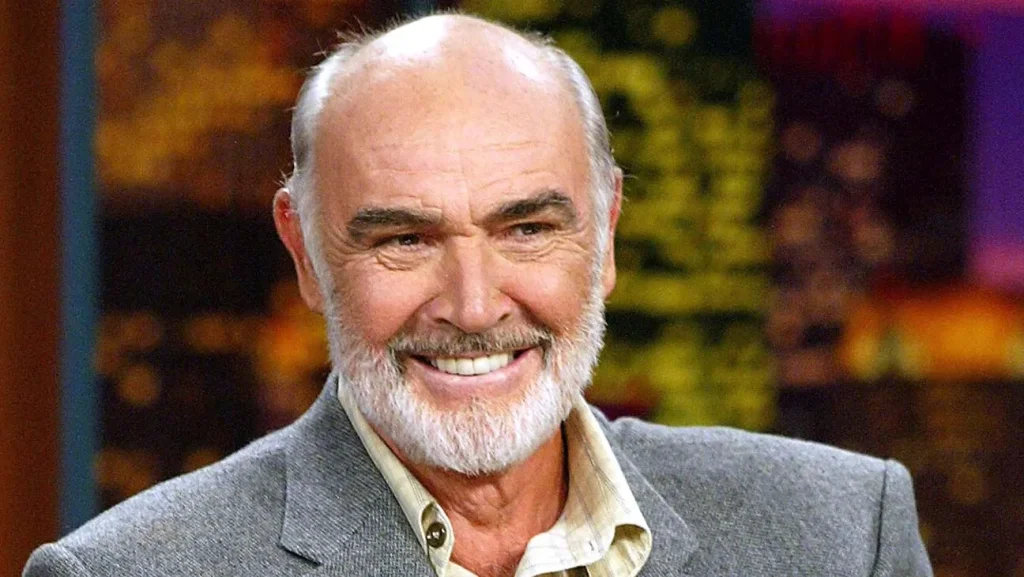
Connery reportedly passed, unsure about the story and effects-heavy vision. Ian McKellen’s take became iconic, but imagining Connery’s gravitas in Middle-earth is irresistible. It’s a reminder that even legends sometimes walk away. The trilogy still soared to historic heights.
John Travolta – Forrest Gump (“Forrest Gump”)
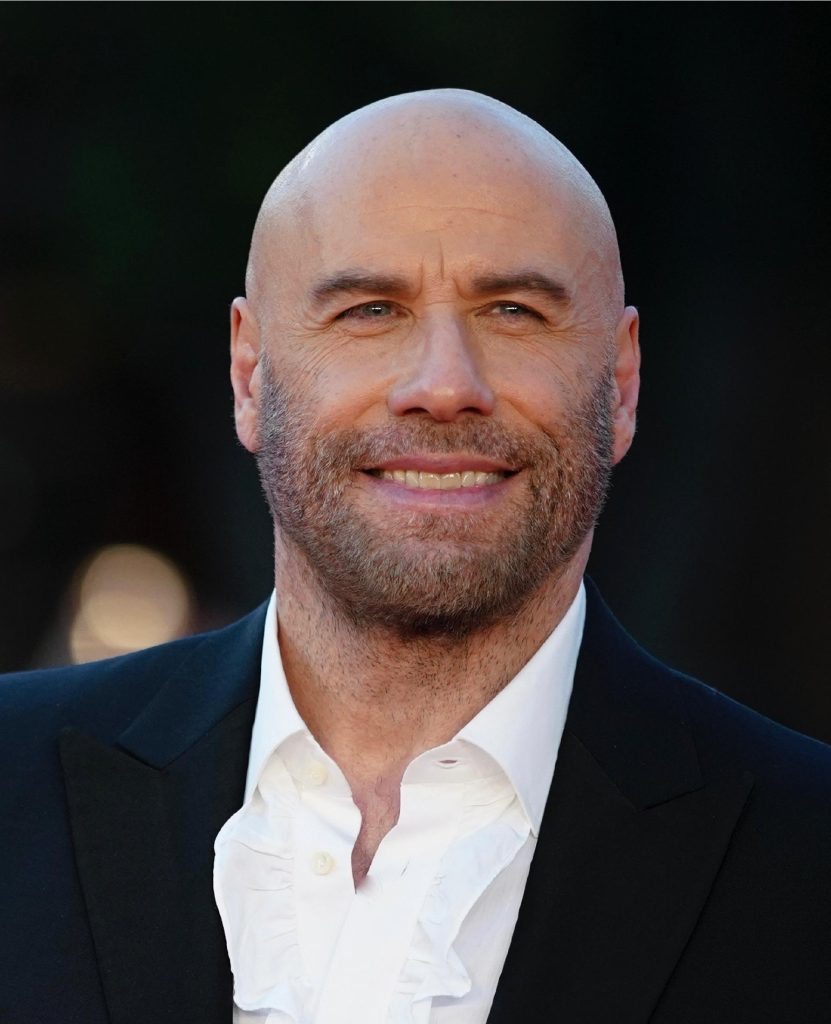
Travolta was in the conversation, but the role ultimately went to Tom Hanks. Hanks’ gentle, openhearted performance became the film’s soul. Travolta’s career took a different, Tarantino-fueled path instead. Two actors, two defining 90s moments.
Madonna – Selina Kyle/Catwoman (“Batman Returns”)
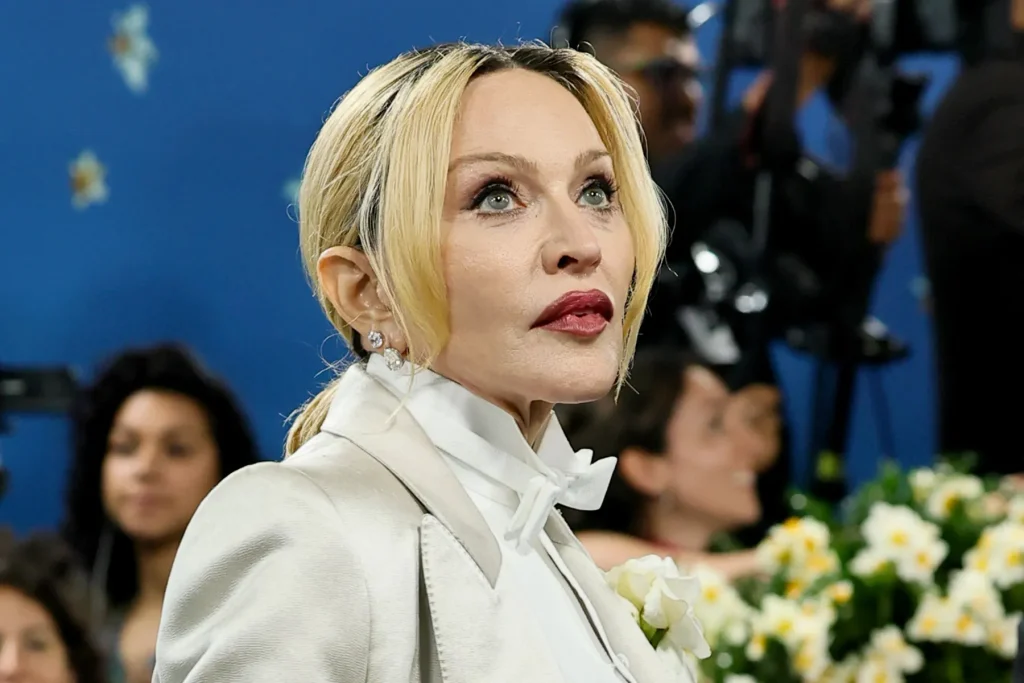
The pop icon circled the part before Michelle Pfeiffer suited up. Pfeiffer’s feline ferocity became a benchmark for comic-book antiheroes. Madonna’s version might have leaned more overtly camp. Either way, Gotham would never have been subtle.
Emily Blunt – Natasha Romanoff/Black Widow (“Iron Man 2”)
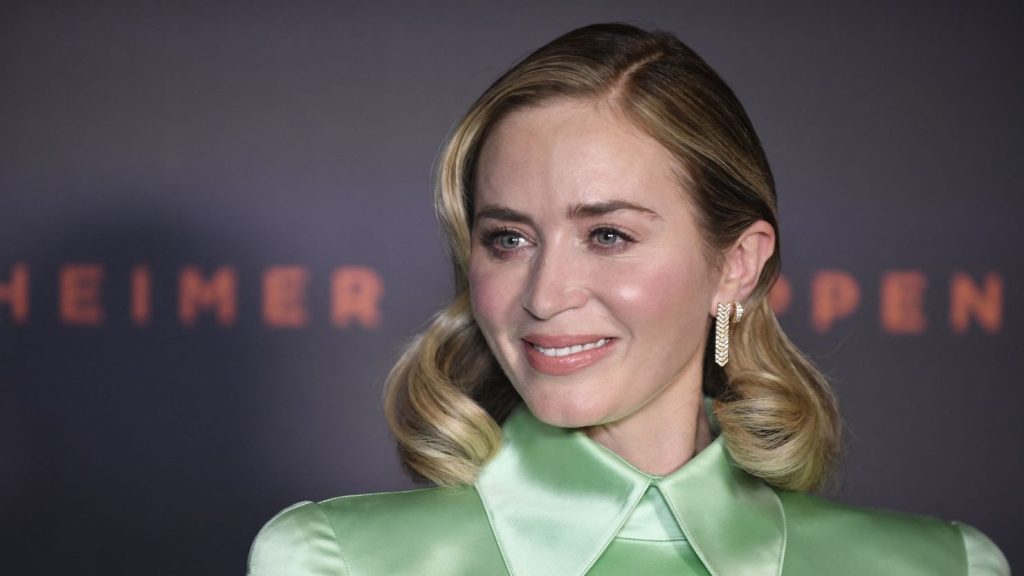
Blunt was in line before a scheduling conflict shut the door. Scarlett Johansson stepped in and made the role central to the MCU. Blunt’s action chops suggest she would have nailed the grounded spy angle. A multiverse where she’s the original Widow isn’t hard to picture.
John Krasinski – Steve Rogers/Captain America (“Captain America: The First Avenger”)
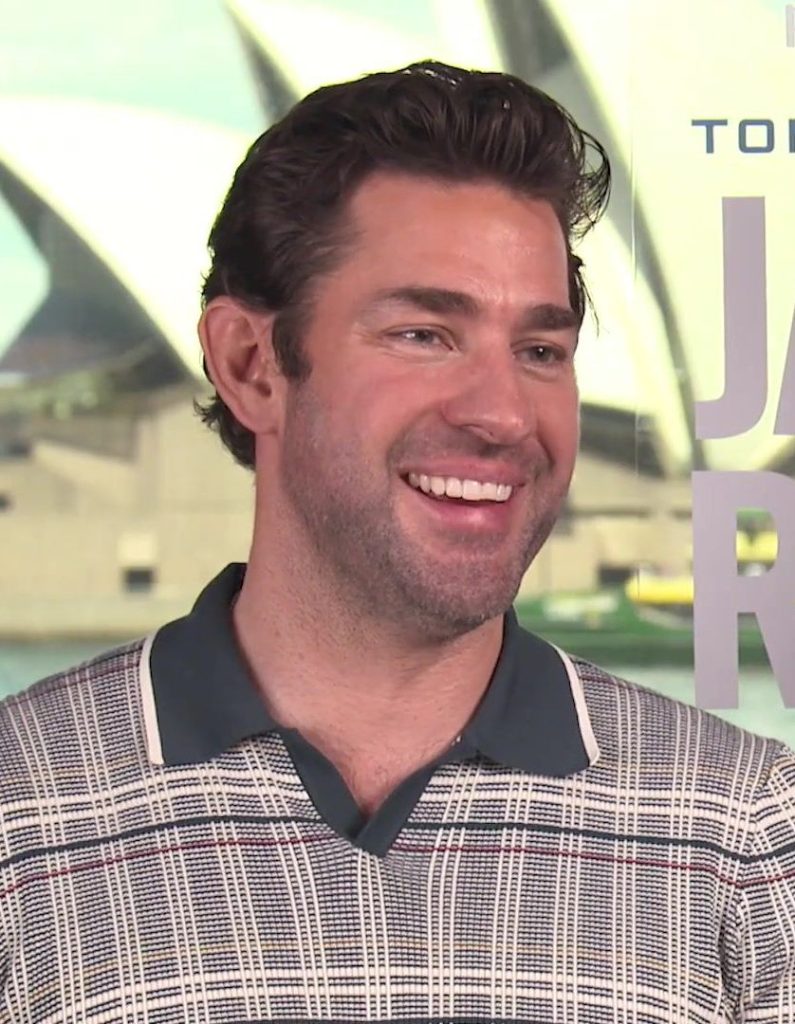
Krasinski tested for Cap before Chris Evans carried the shield. His wholesome charisma fit the character’s ideals. The final call reshaped two careers and the MCU’s tone.
Jake Gyllenhaal – Peter Parker/Spider-Man (“Spider-Man 2”)
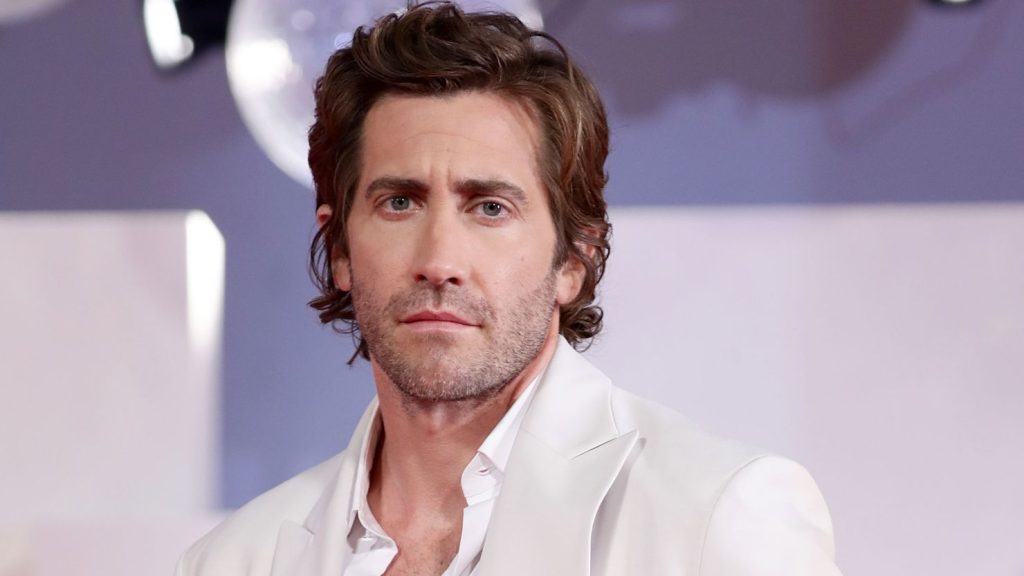
When Tobey Maguire’s back injury put the sequel in doubt, Gyllenhaal emerged as a contingency. Maguire recovered, and continuity won the day. Gyllenhaal later joined Spidey lore as Mysterio. It’s a neat what-if that became a meta in-joke.
Dougray Scott – Logan/Wolverine (“X-Men”)
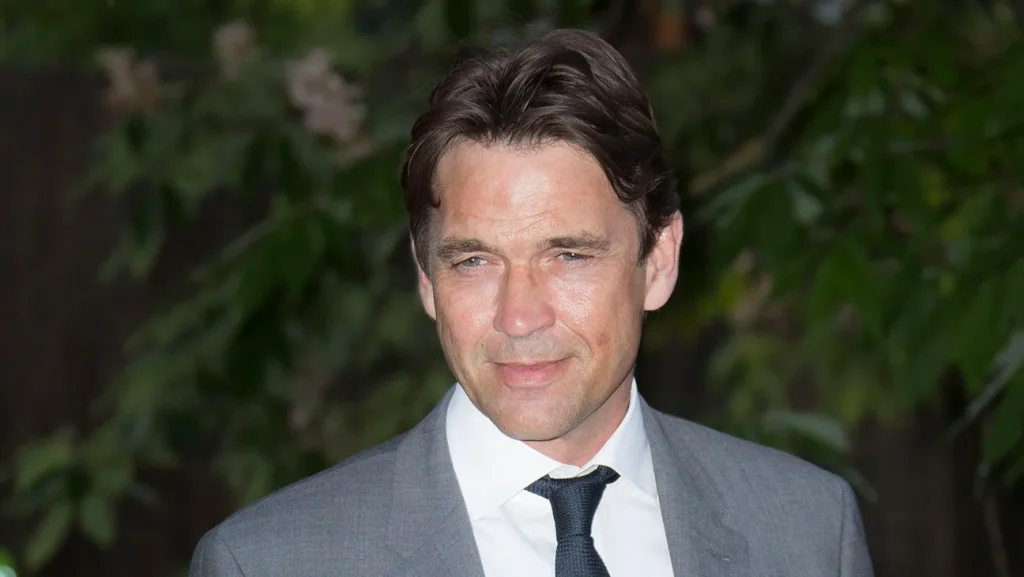
Scott was cast before “Mission: Impossible 2” delays forced an exit. Hugh Jackman took over and reshaped superhero stardom. A single scheduling jam rewired franchise history. It’s the butterfly effect in blockbuster form.
Stuart Townsend – Aragorn (“The Lord of the Rings”)
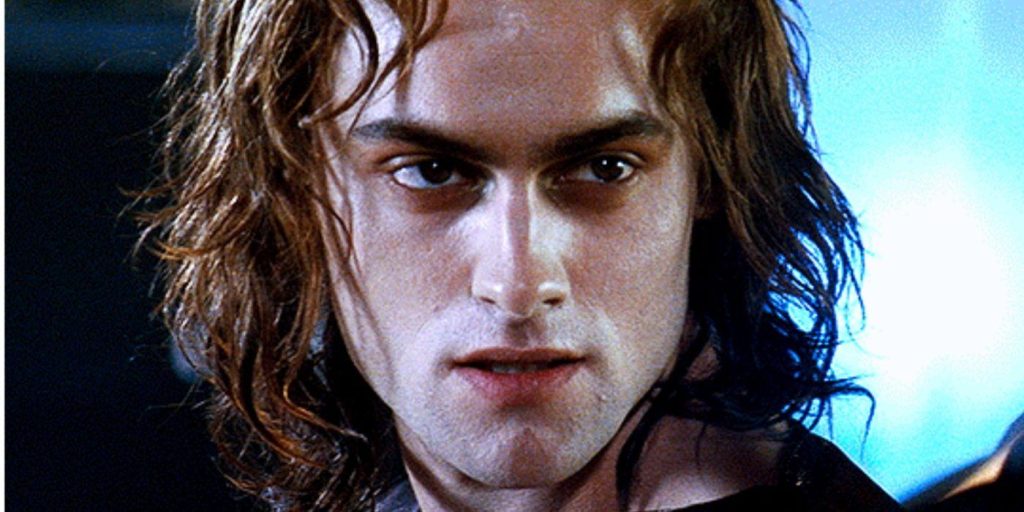
Townsend trained for the role before being replaced close to production. Viggo Mortensen’s late arrival proved perfect for the ranger-turned-king. Few recasts have felt so fated in retrospect.
David Schwimmer – Agent J (“Men in Black”)
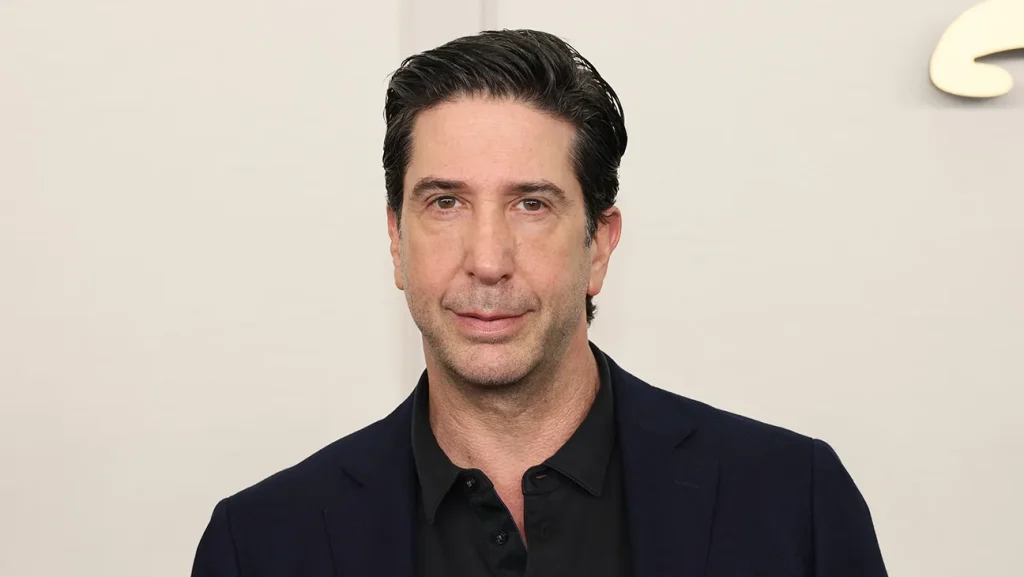
Schwimmer passed to honor a directing commitment with his theater company. The part vaulted Will Smith into A-list movie stardom. It’s a clear fork in the road moment for both actors. Loyalty over a guaranteed hit is a rare Hollywood choice.
Henry Cavill – Edward Cullen (“Twilight”)
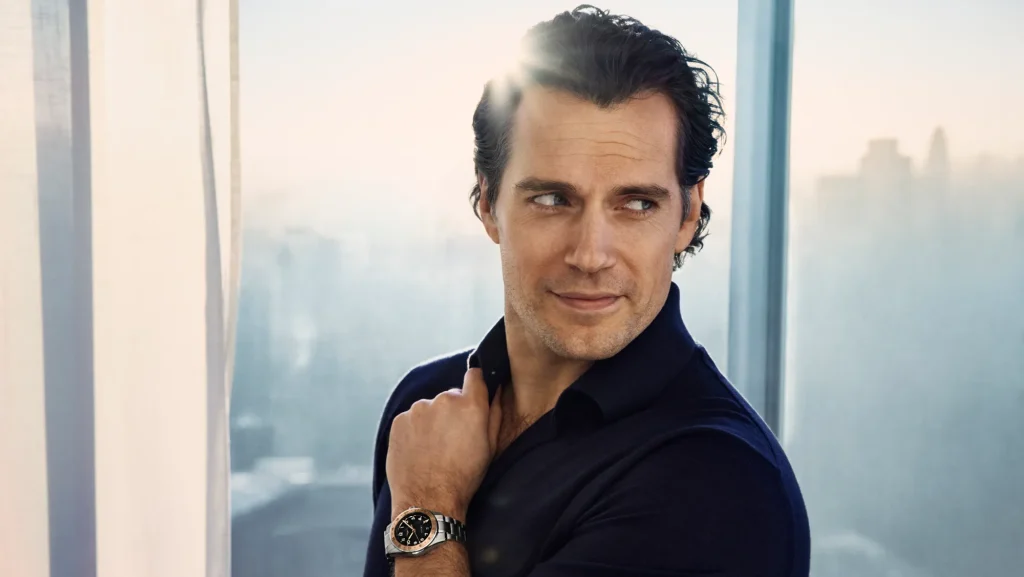
Author Stephenie Meyer once championed Cavill for the brooding vampire. Age and timing put the role out of reach. Robert Pattinson’s casting changed YA cinema. Cavill’s franchise destiny arrived later with DC.
Jennifer Lawrence – Bella Swan (“Twilight”)
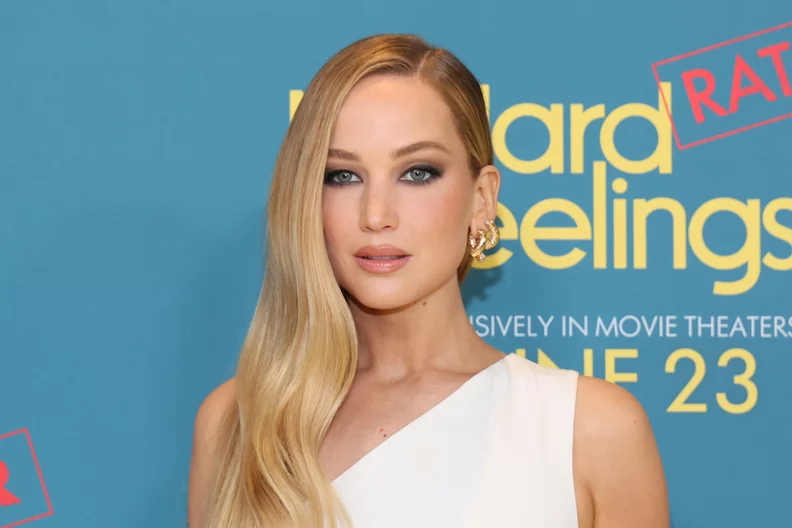
Lawrence auditioned before Kristen Stewart secured the role. She later led another YA juggernaut with “The Hunger Games.” The near-miss shows how casting tides can redirect a career. Same audience, different phenomenon.
Sandra Bullock – Neo (“The Matrix”)
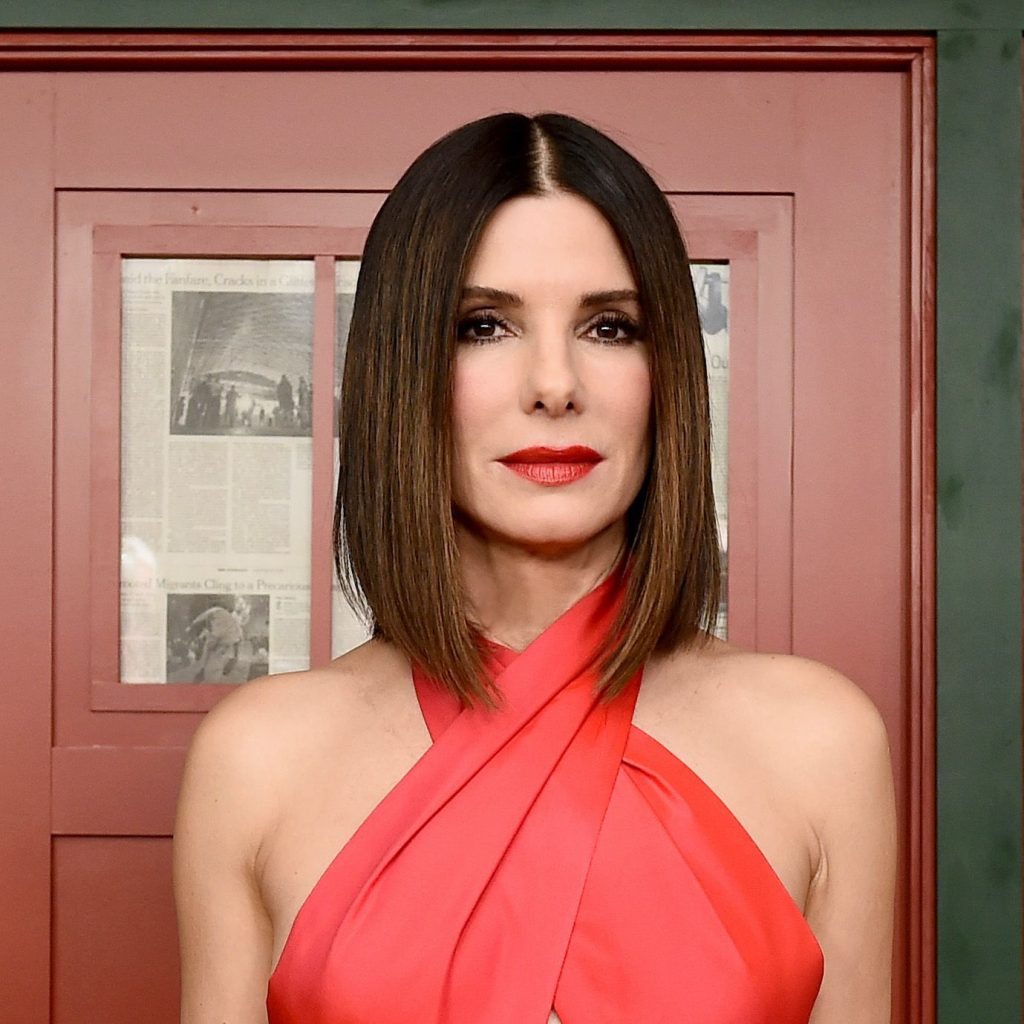
Producers even considered flipping Neo to female to land Bullock. She declined, and Keanu Reeves redefined sci-fi cool. The casting shuffle underscores how fluid early talks can be. Bullet time still found its star.
Al Pacino – Han Solo (“Star Wars”)
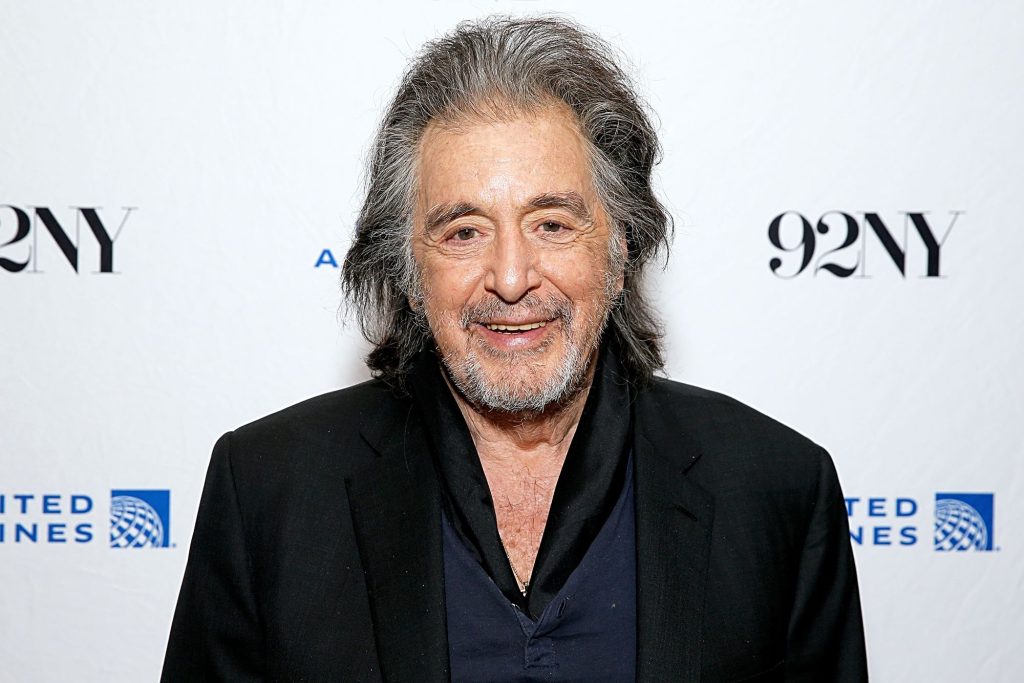
Pacino reportedly passed on the smuggler with swagger. Harrison Ford’s roguish charm became franchise DNA. Imagining Pacino’s intensity in the cockpit is a fun exercise. The galaxy far, far away chose a different cadence.
Burt Reynolds – Han Solo (“Star Wars”)
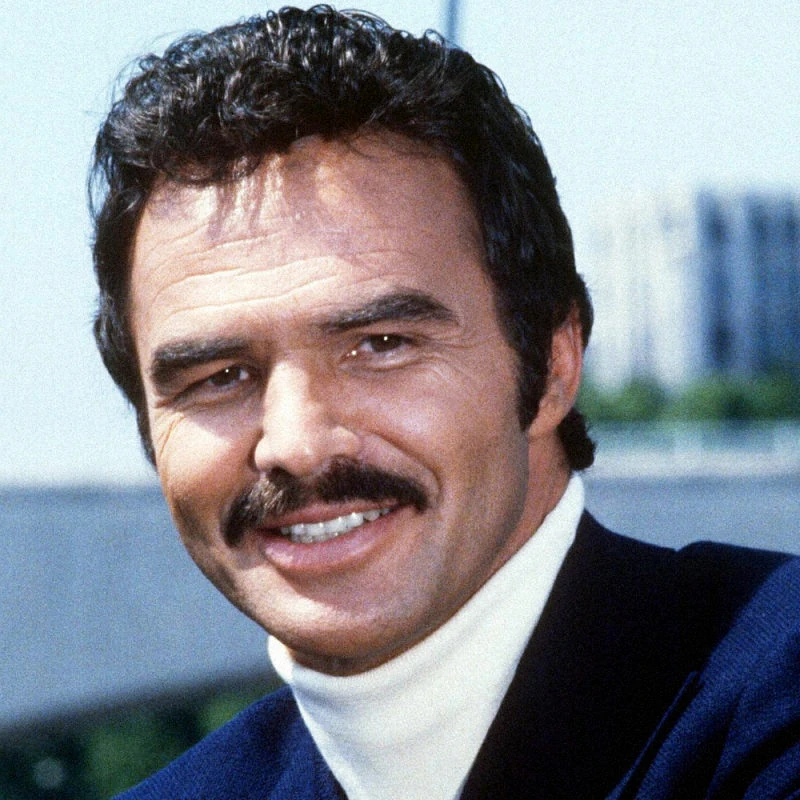
Reynolds also passed, one of several big names tied to early conversations. Ford’s casting locked in the scruffy-nerf-herder blueprint.
Eric Stoltz – Marty McFly (“Back to the Future”)
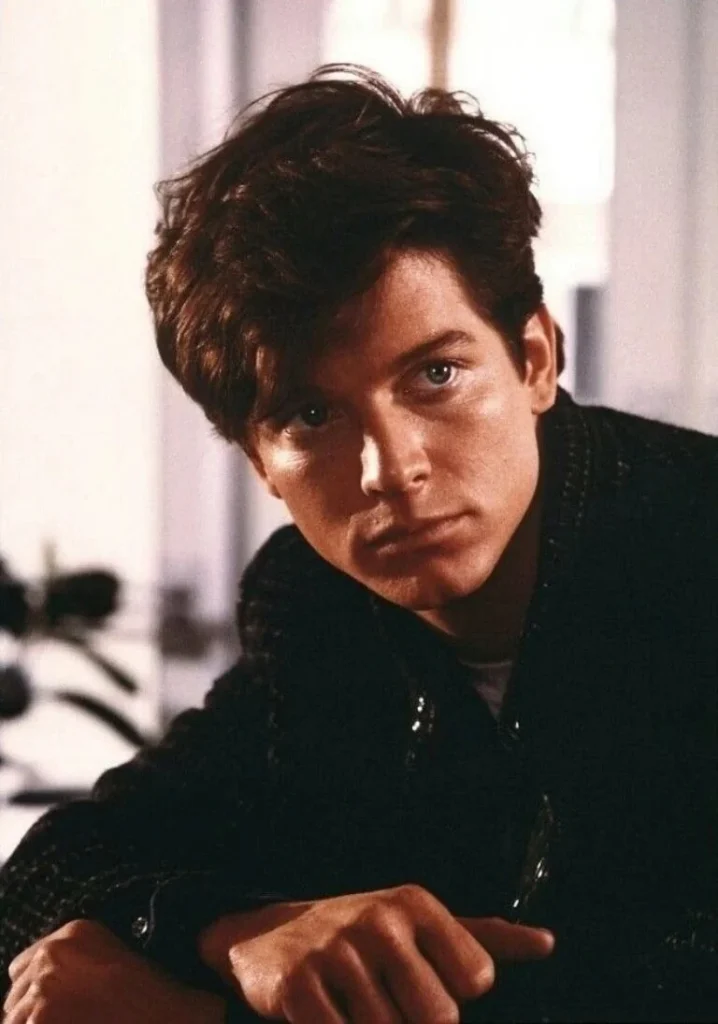
Stoltz actually filmed for weeks before a tonal mismatch led to a switch. Michael J. Fox stepped in and history rewrote itself. The recast transformed the film’s comic energy. It’s the ultimate proof that chemistry trumps plans.
Tom Hanks – Jerry Maguire (“Jerry Maguire”)
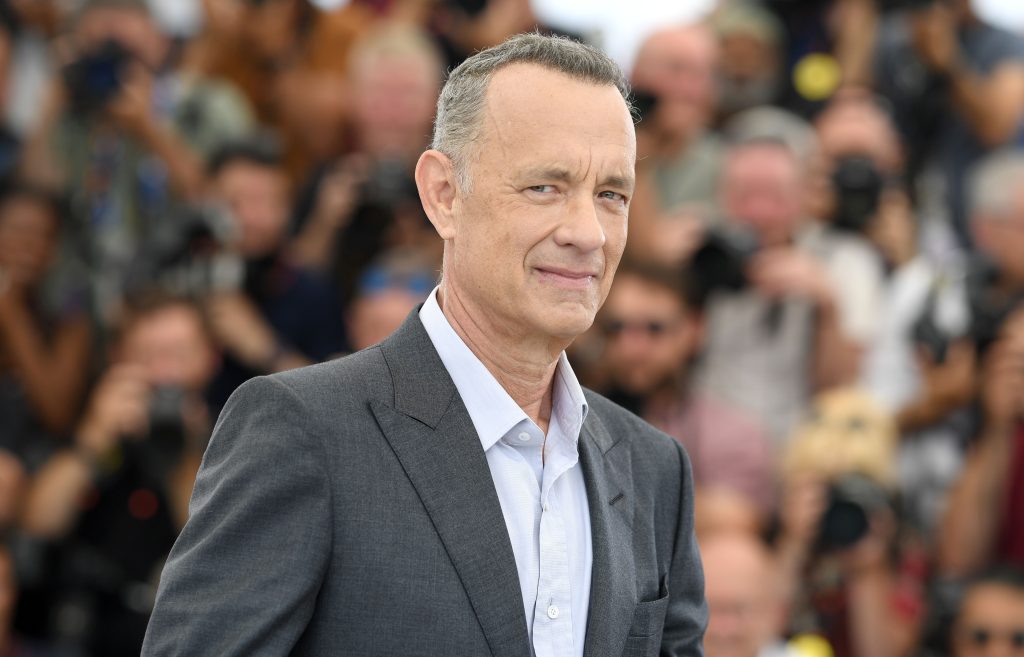
Cameron Crowe conceived the role with Hanks in mind. The timeline didn’t align, and Tom Cruise got the call. Cruise’s blend of bravado and vulnerability became definitive.
Will Smith – Neo (“The Matrix”)
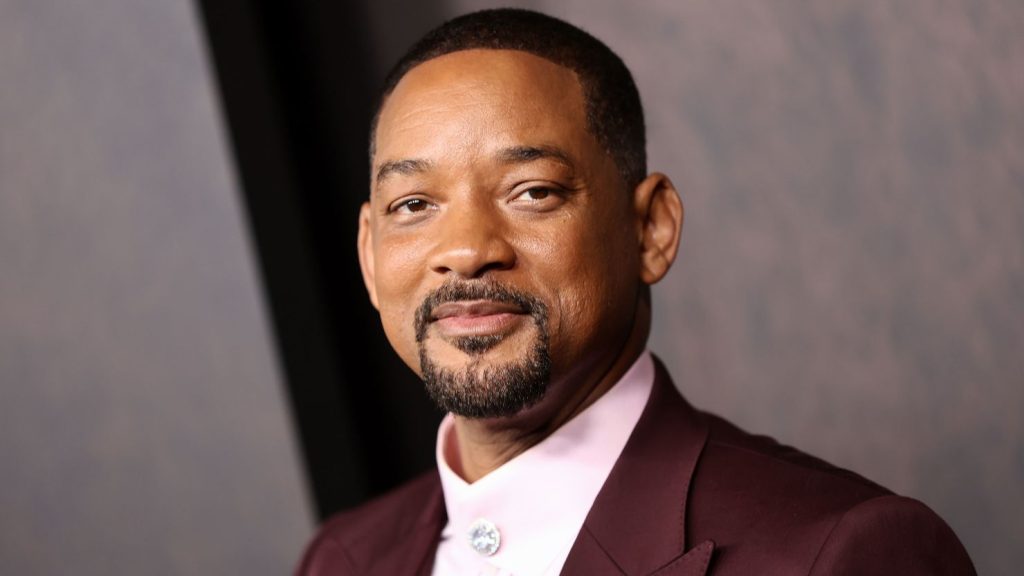
Smith turned down Neo after a pitch that didn’t click for him at the time. Keanu Reeves stepped in and the rest is sci-fi history. Smith has been candid about the decision and even playfully revisited Neo in a music video. Few what-ifs feel bigger for modern blockbusters.
Michael Keaton – Phil Connors (“Groundhog Day”)
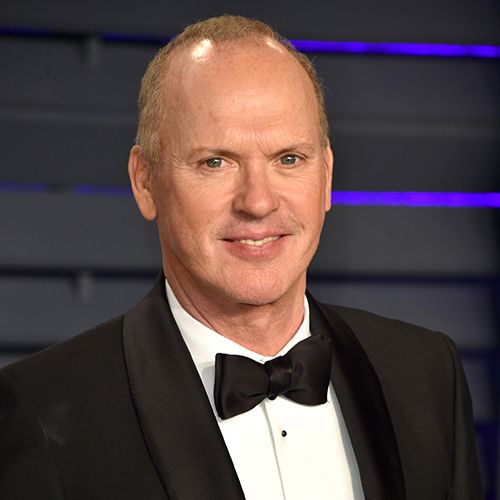
Keaton turned it down, saying he didn’t fully connect with the script. Bill Murray’s dry wit made the time loop immortal. Keaton later reinvented himself with darker, meta roles.
Hugh Jackman – James Bond (“007”)
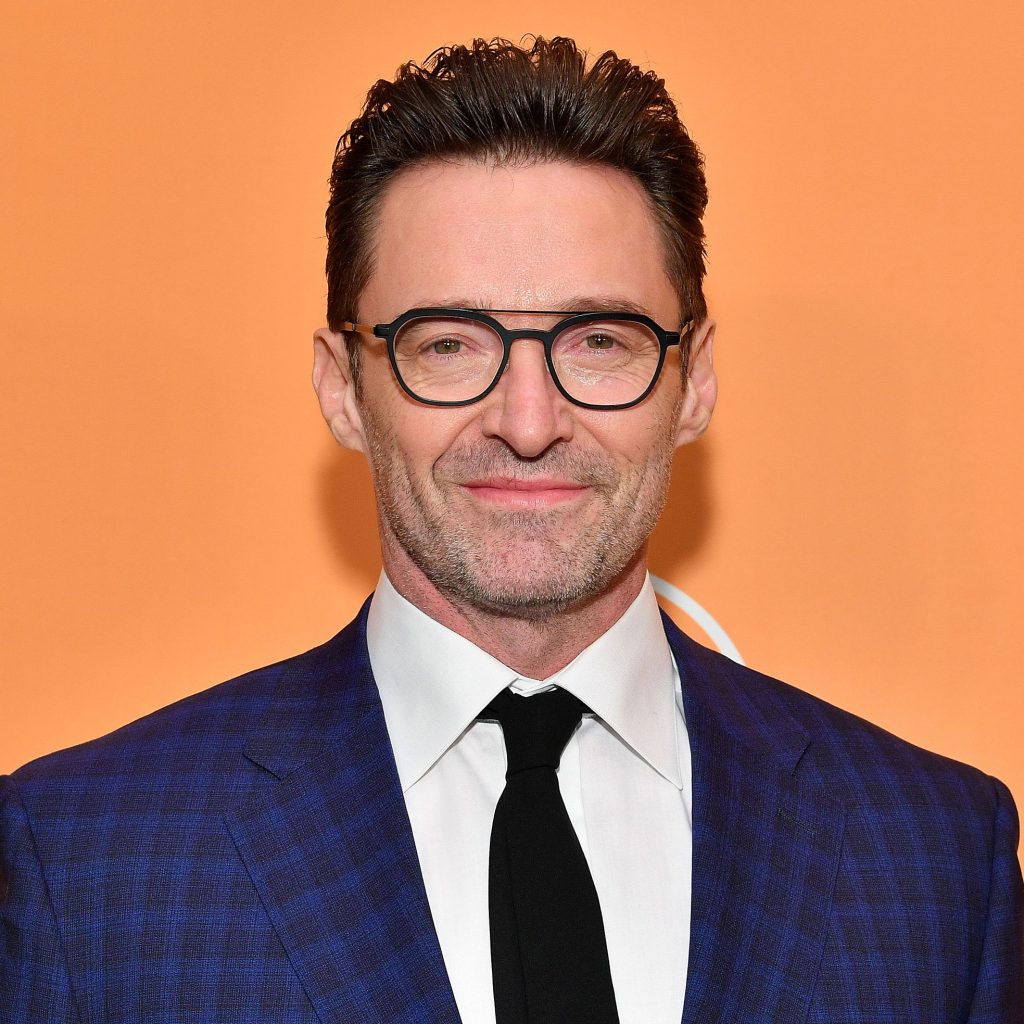
Amid “X-Men” obligations, Jackman passed on early 007 overtures. Daniel Craig redefined the role with bruised elegance. Jackman stayed the course as Wolverine for years. Two franchises thrived on parallel tracks.
Angelina Jolie – Dr. Ryan Stone (“Gravity”)

Jolie stepped away from the high-concept survival thriller. Sandra Bullock took the role and won an Oscar. The movie’s success hinged on a single, sustained performance. Casting proved crucial to its orbit.
Nicolas Cage – Norman Osborn/Green Goblin (“Spider-Man”)
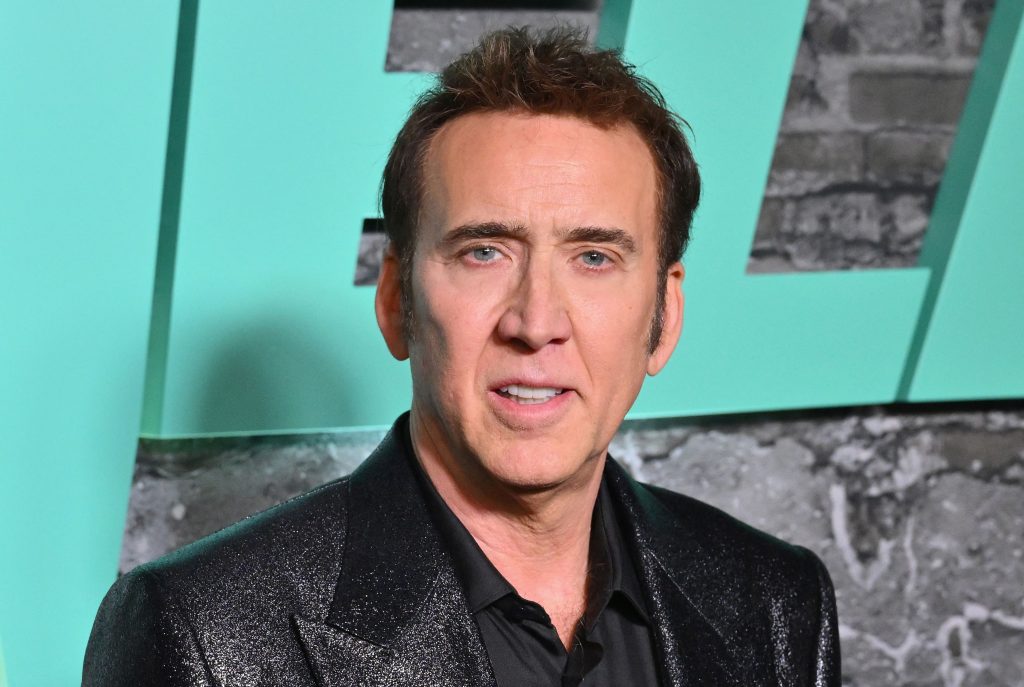
Cage acknowledged passing on the villainous role. Willem Dafoe’s cackling menace became an instant comic-book classic. Cage found his own superhero lanes later.
Charlize Theron – Roxie Hart (“Chicago”)

Attached in an earlier iteration, Theron lost the role after a director change. Renée Zellweger’s Roxie helped the musical win Best Picture. Development shifts can rewrite destinies overnight. Timing is everything on the Great White Way and beyond.
George Clooney – Noah Calhoun (“The Notebook”)
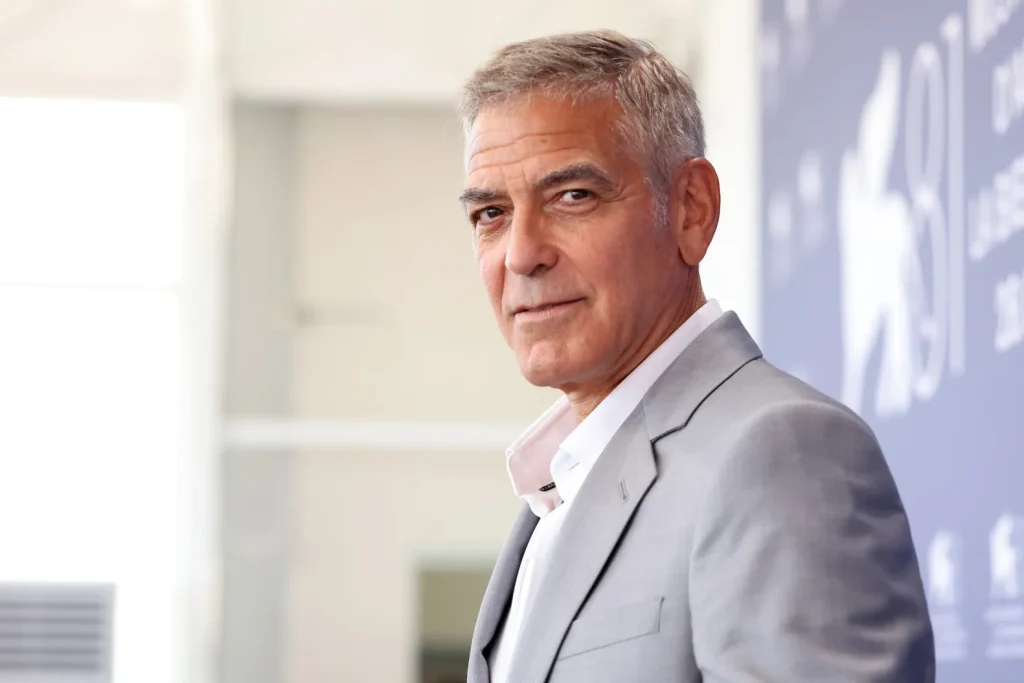
Clooney considered playing the young version opposite Paul Newman as the elder Noah. He ultimately stepped back after rethinking the resemblance. Ryan Gosling took the part and became a romantic lead mainstay. A beloved tearjerker found its perfect pairing.
Gwyneth Paltrow – Rose DeWitt Bukater (“Titanic”)
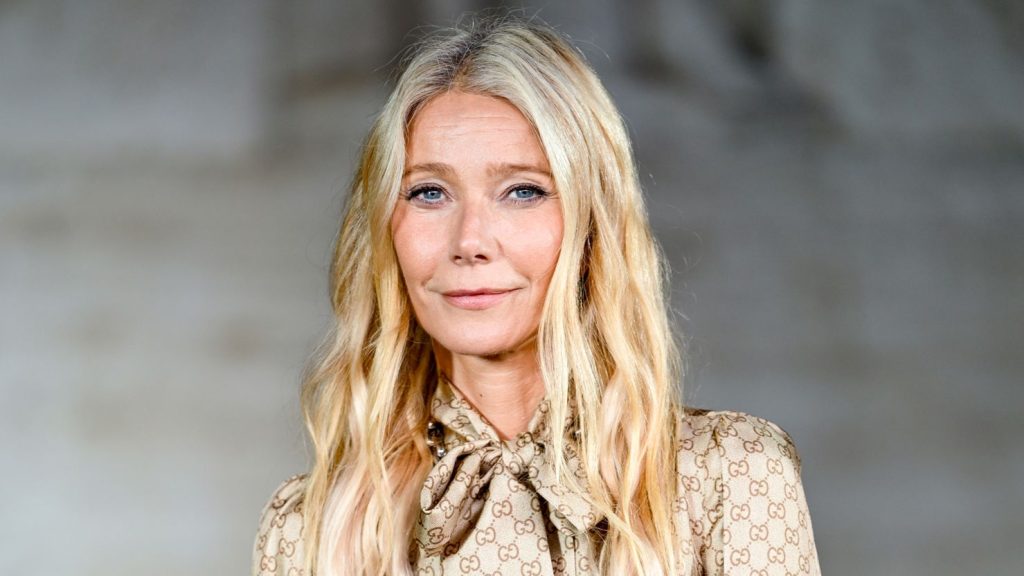
Paltrow was in the mix before Winslet sealed the role. Casting stories around “Titanic” are full of near-misses. The final choices became career-defining for Winslet and Leonardo DiCaprio. Some ships are meant to launch specific stars.
Matthew McConaughey – Jack Dawson (“Titanic”)
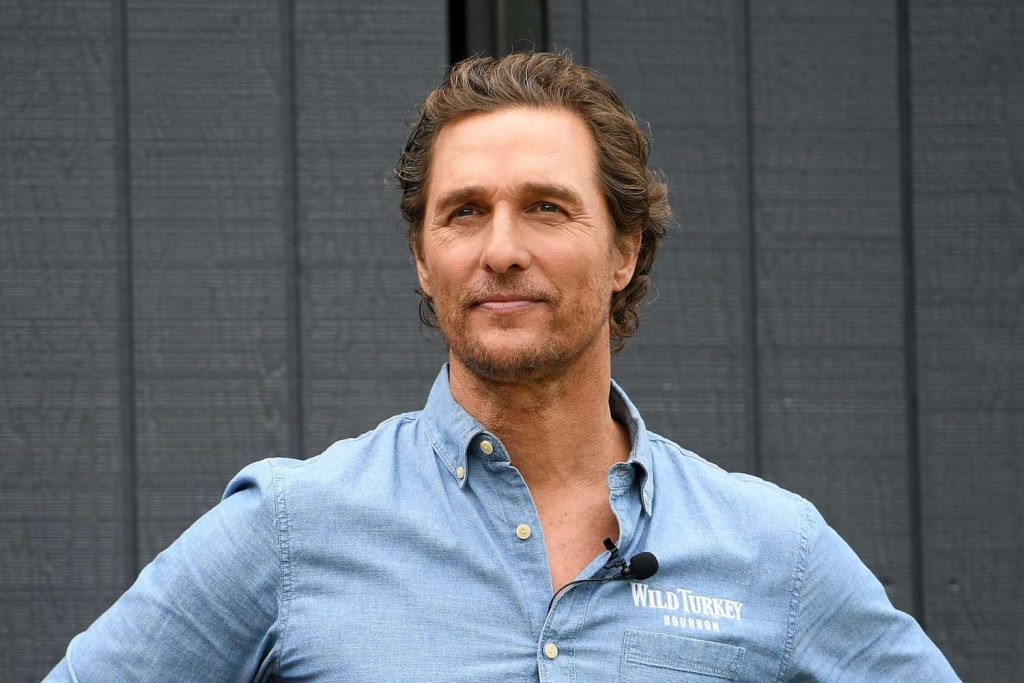
McConaughey has said he auditioned with Winslet and felt confident. The offer never came, and DiCaprio became the face of 90s romance. McConaughey’s big moment arrived later with a reinvention arc. Jack and Rose remained cinematic destiny.
Sebastian Stan – James T. Kirk (“Star Trek” 2009)
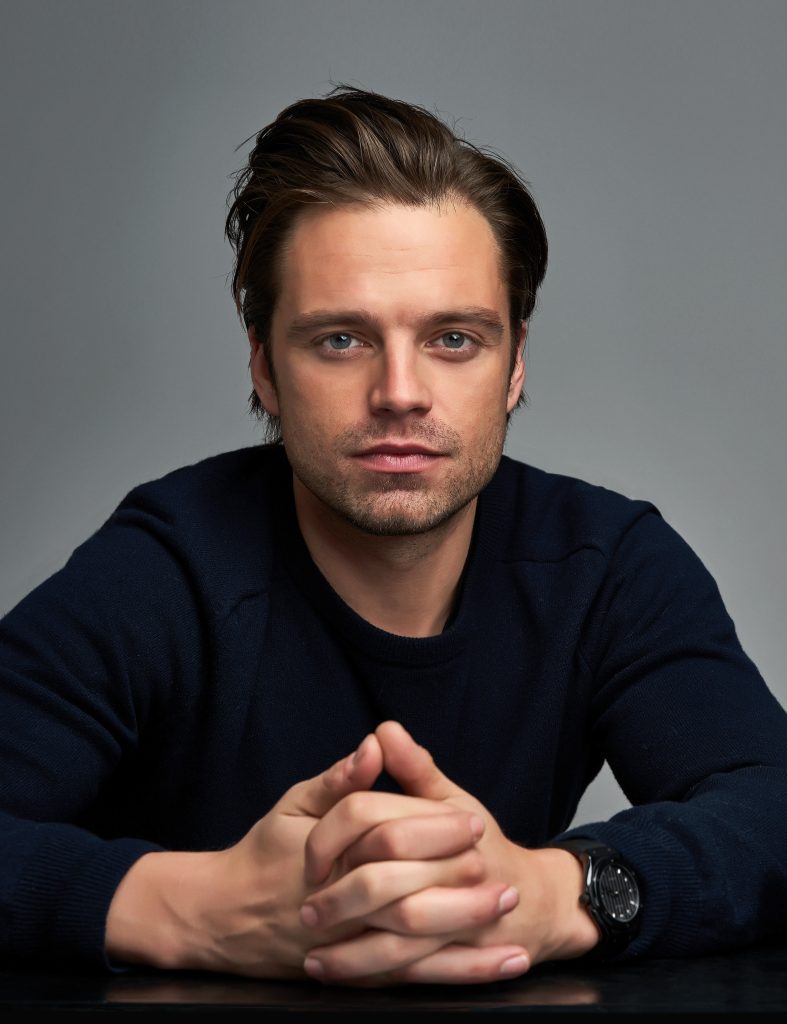
Before becoming the Winter Soldier, Stan was reportedly in the running for Kirk. Chris Pine’s swagger ultimately captained the reboot. Stan’s trajectory stayed Marvel-bound.
Anne Hathaway – Tiffany Maxwell (“Silver Linings Playbook”)
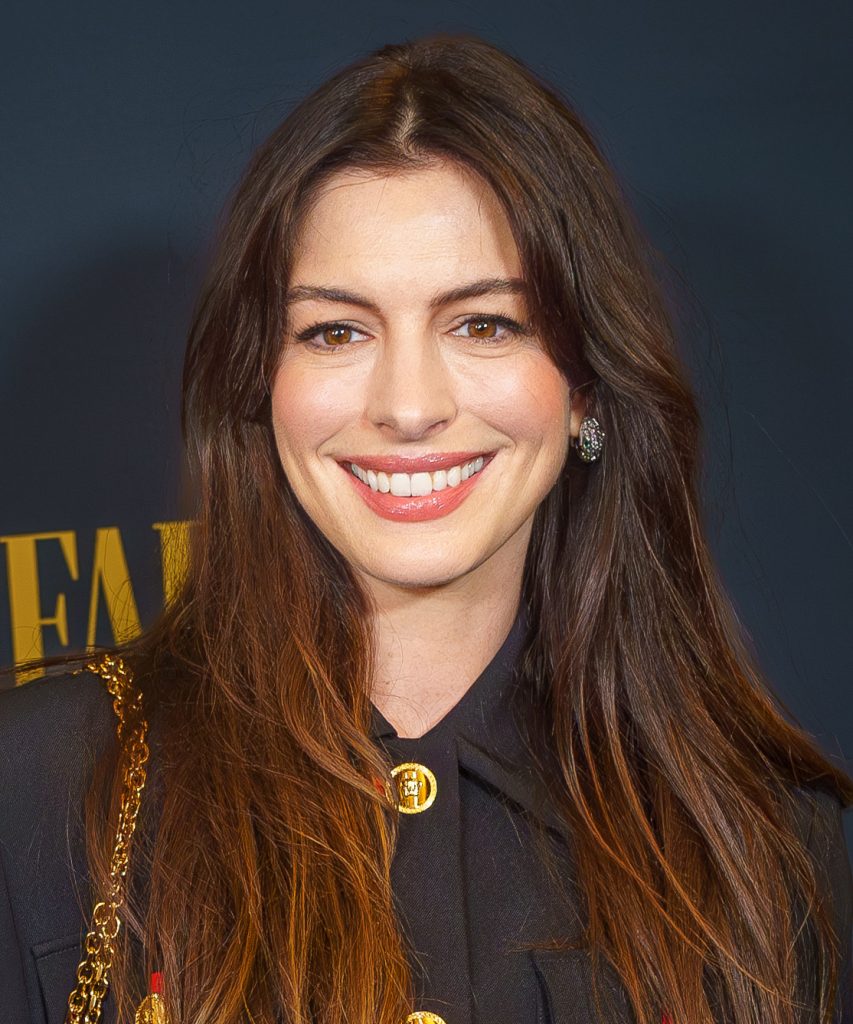
Hathaway departed over creative differences, and Jennifer Lawrence stepped in. The role earned Lawrence an Oscar and a new career tier. It’s a stark example of how a pass can crown someone else.
James McAvoy – Tom Riddle (Young Voldemort) (“Harry Potter” Series)
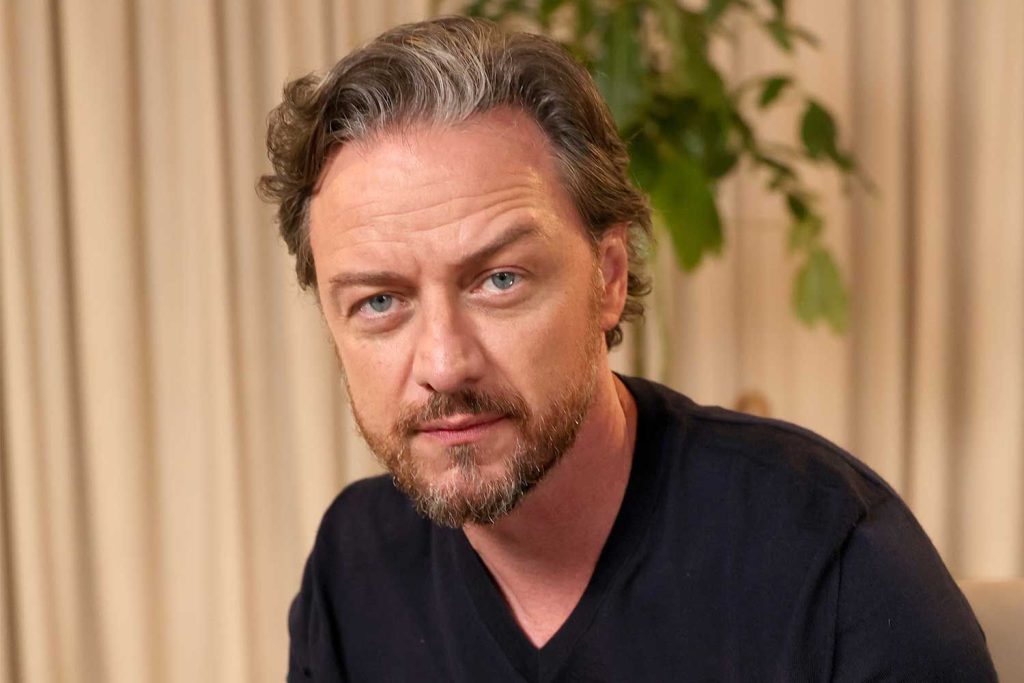
Early in his career, McAvoy auditioned and reportedly declined a retainer due to work restrictions. The choice pushed him toward stage work that sharpened his craft. Later, he found franchise fame in “X-Men.”
Matt Damon – Jake Sully (“Avatar”)
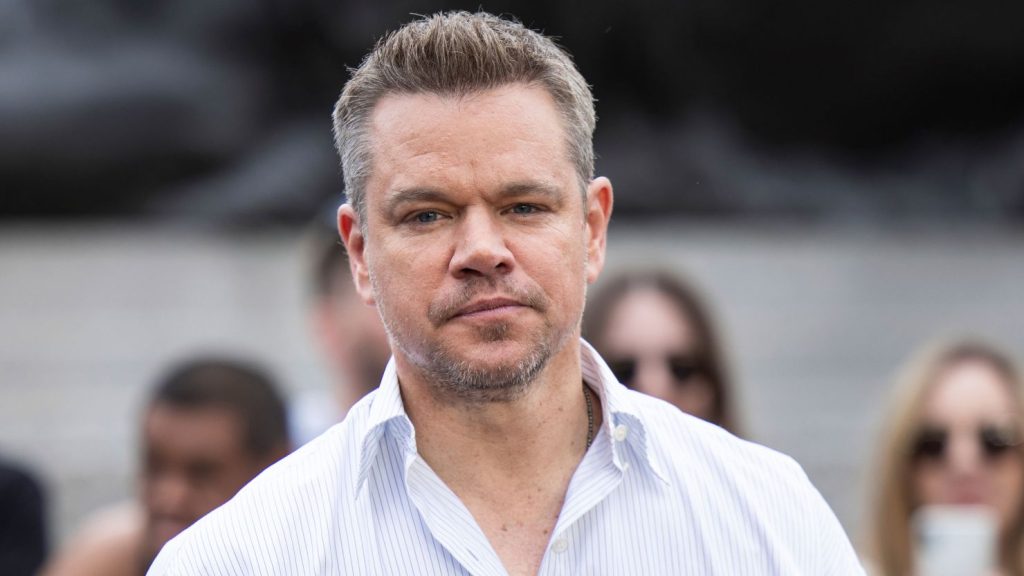
James Cameron personally offered Damon the lead in “Avatar,” along with a 10% share of the film’s profits (an amount that could have made him over $250 million). Damon declined due to scheduling conflicts with “The Bourne Ultimatum” and loyalty to his crew. He later called it the biggest paycheck ever turned down by an actor. Sam Worthington stepped in, and “Avatar” became one of the highest-grossing movies in history.