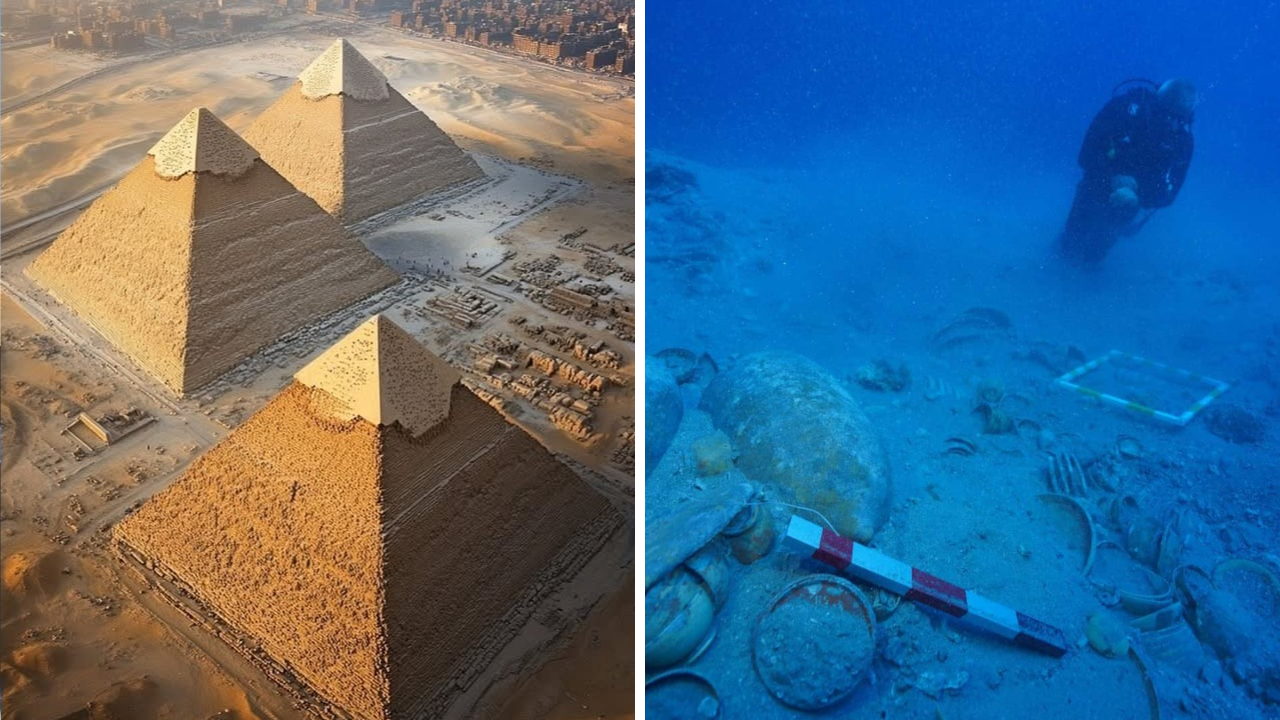
2025 is still unfolding, but it has already brought a wave of discoveries about our past. From ancient archaeology to breakthroughs in human biology, researchers have uncovered surprising results and bold new interpretations. Some findings are widely accepted, while others spark debate and disagreement among experts a reminder that science is always evolving.
Shiloh Ruins Echo Tabernacle Layout (Claim)
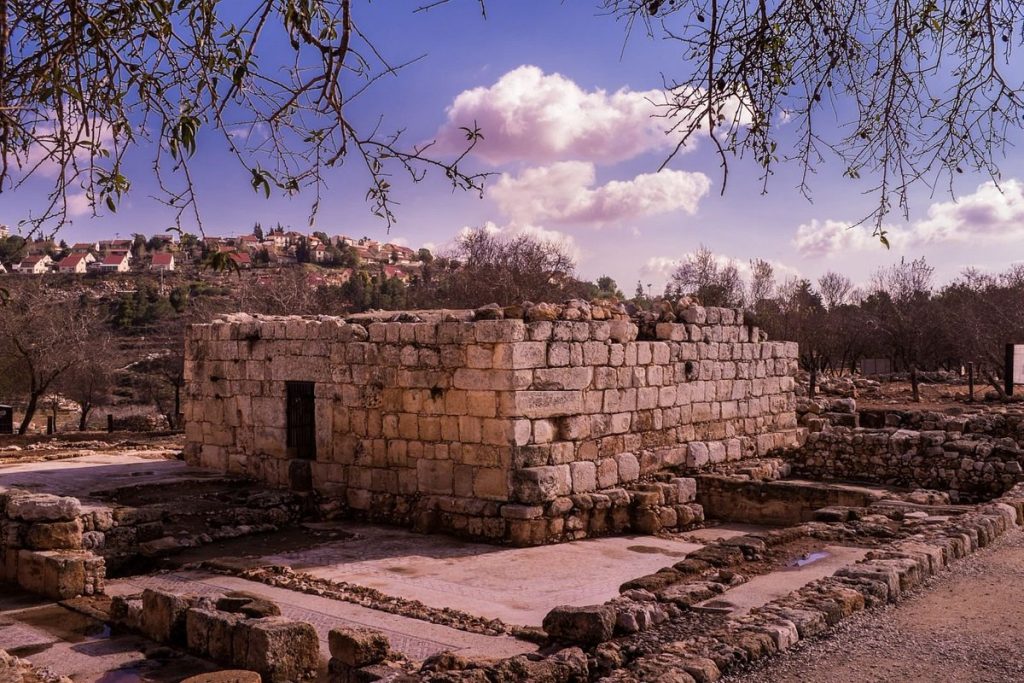
Excavations at Shiloh uncovered a stone structure whose dimensions and plan resemble descriptions of the Tabernacle. Nearby bone deposits and period pottery suggest ritual activity. Most scholars stop short of linking it directly to the Ark of the Covenant.
Possible Location Of Biblical Mahanaim
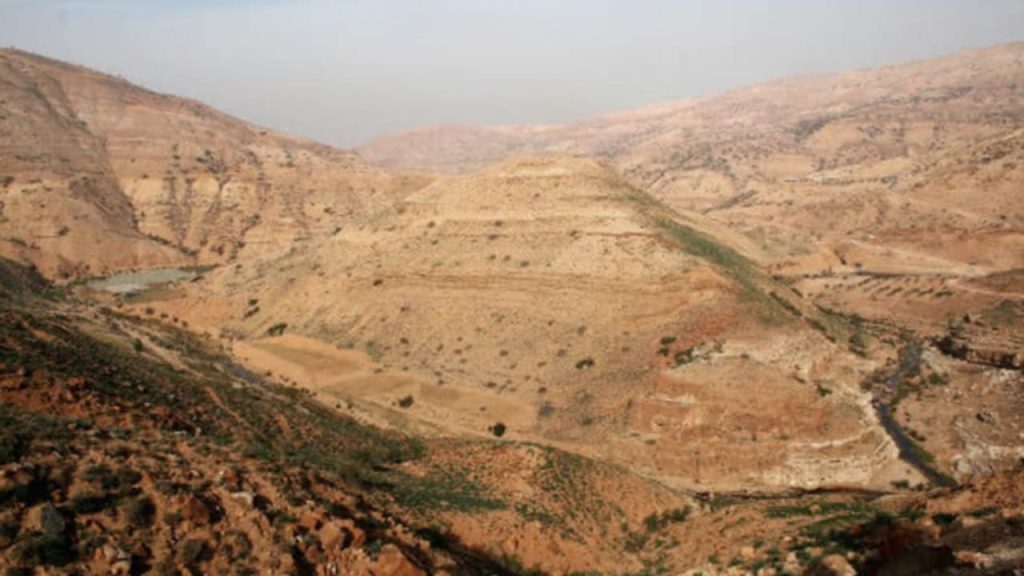
Researchers linked Tall adh‑Dhahab sites in the Jordan Valley to Mahanaim and nearby Penuel from biblical accounts. Artifacts and topography align with textual descriptions. Identification remains provisional pending further work.
Hunter‑Gatherers Reached Malta By Sea
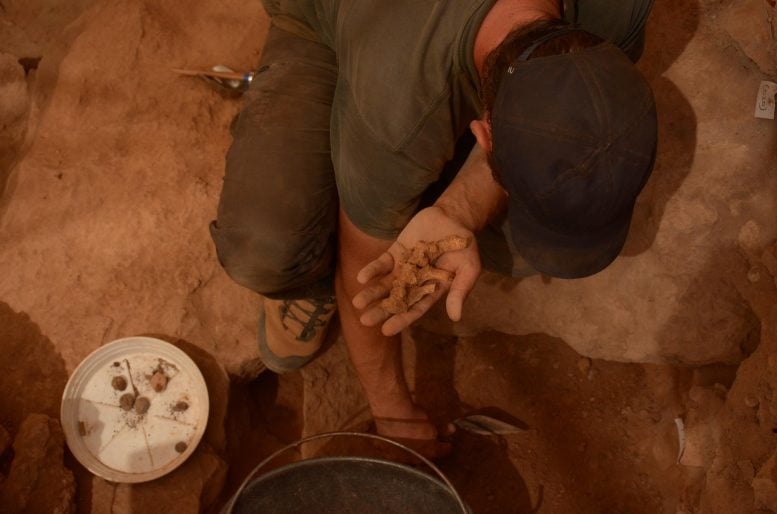
Evidence of hearths, tools, and faunal remains suggests humans lived on Malta about 8,500 years ago. The finding implies long open‑water journeys in dug‑out canoes well before sails. It revises timelines for Mediterranean seafaring.
Prehistoric Travois Tracks In New Mexico
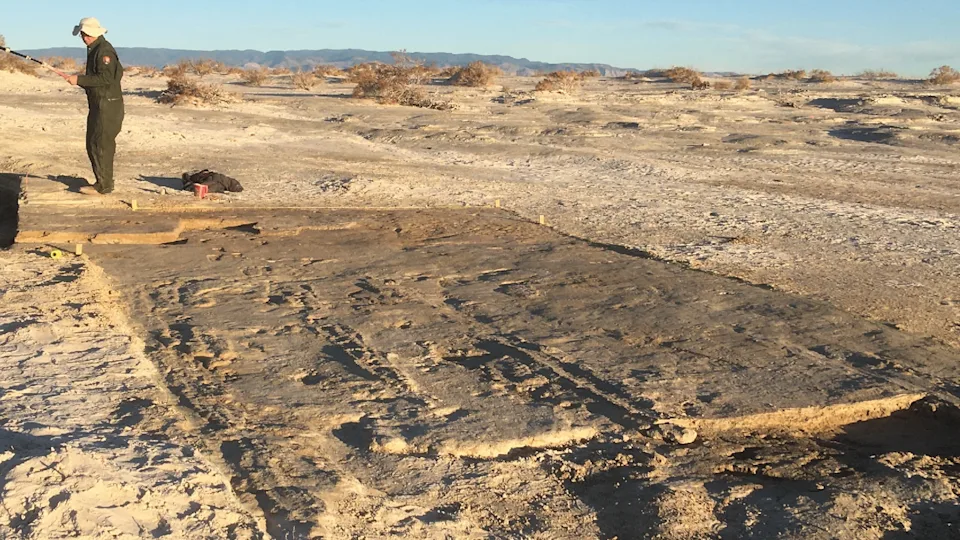
Parallel drag marks near 20,000‑year‑old footprints at White Sands are interpreted as travois tracks used to haul loads before wheeled vehicles. Some scholars caution that animal‑drawn use there is unproven. The longest track sections reach about 50 meters.
Iron Age Women Held Real Power Signals
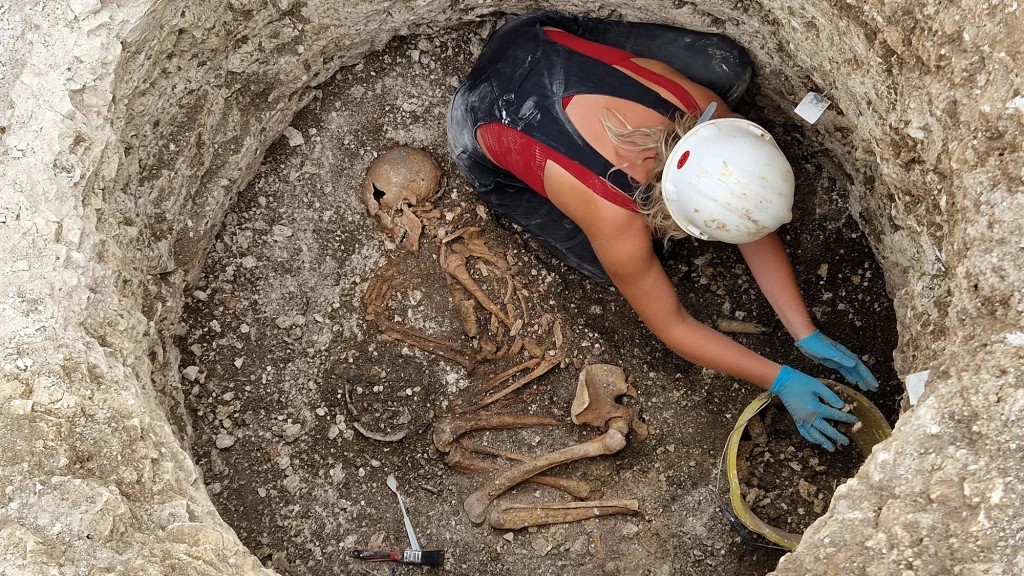
Ancient DNA and grave goods from Dorset point to matrilocal residence patterns, with women anchoring inheritance. Mitochondrial uniformity contrasted with diverse male lineages, suggesting men moved to their wives’ communities. High‑status items were more frequently associated with women.
Intact Roman‑Era Shipwreck Off Adrasan
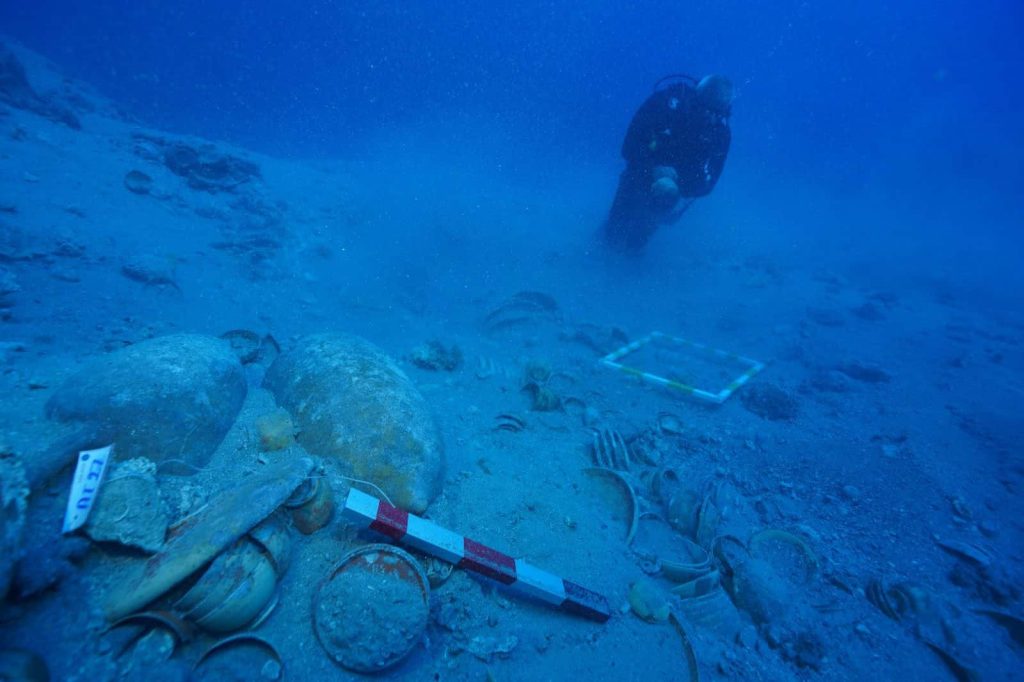
A 2,000‑year‑old wreck off Adrasan sits 46 meters down with stacks of ceramic cargo preserved in place. Officials describe a consumer‑goods vessel and note hundreds of wrecks found in the region. The layout offers a snapshot of ancient trade.
3,000‑Year‑Old Maya City ‘Los Abuelos’ Found
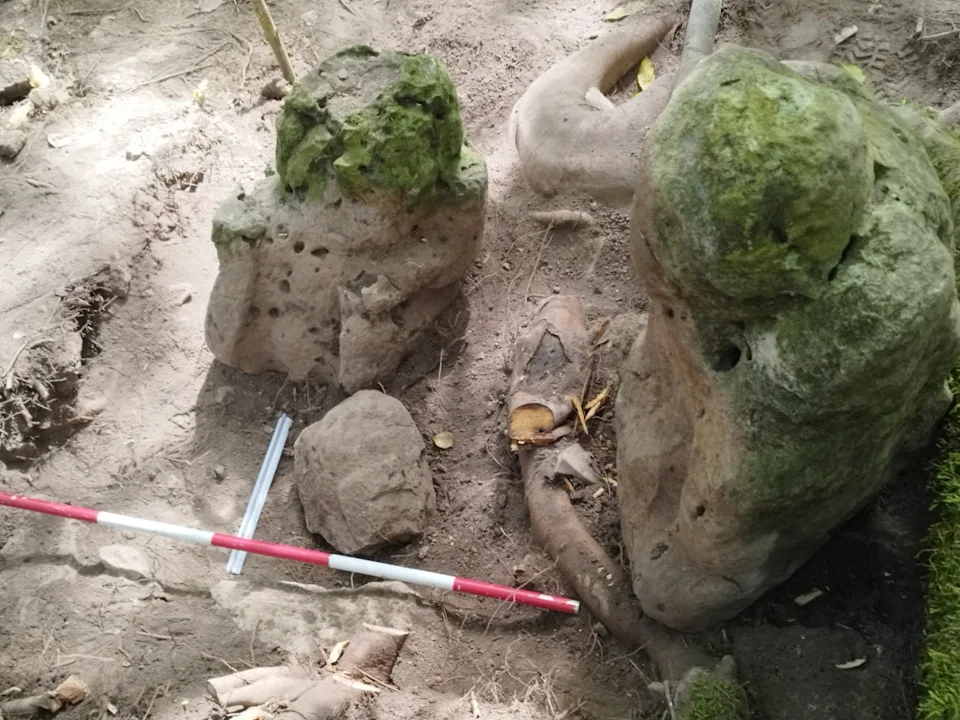
Archaeologists in Guatemala reported a Middle Preclassic site with monuments, murals, canals, and a pyramid. The complex spans roughly six square miles and dates to around 800–500 BC. It adds detail to early Maya ceremonial organization.
Celtic Swords With Ancient Swastika Gems
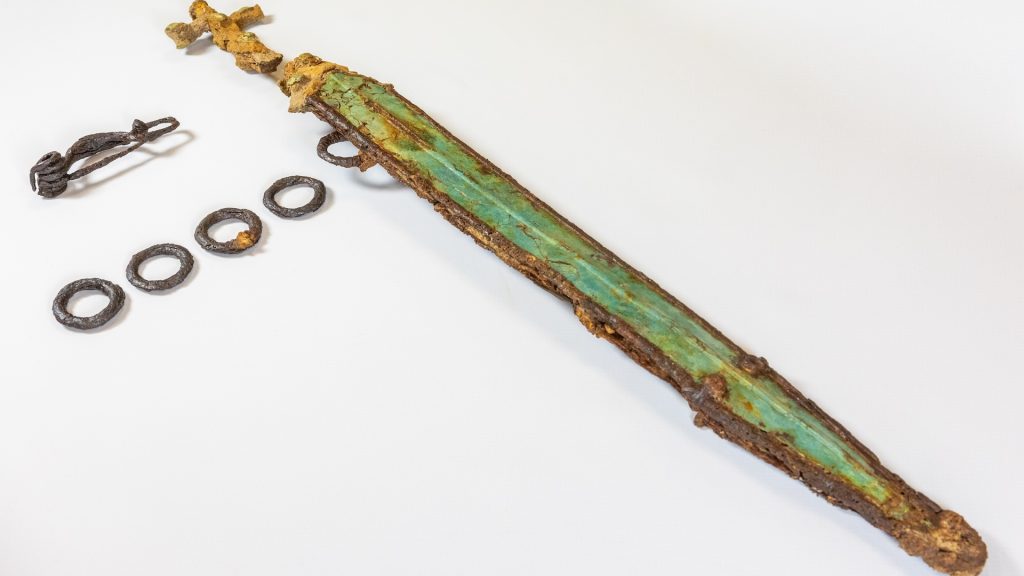
Two Second Iron Age swords in France were recovered still in their scabbards; one bore gems marked with ancient swastikas unrelated to modern politics. Associated metal items survived despite acidic soils. The craftsmanship points to elite contexts.
Vesuvius Eruption Turned A Brain To Glass
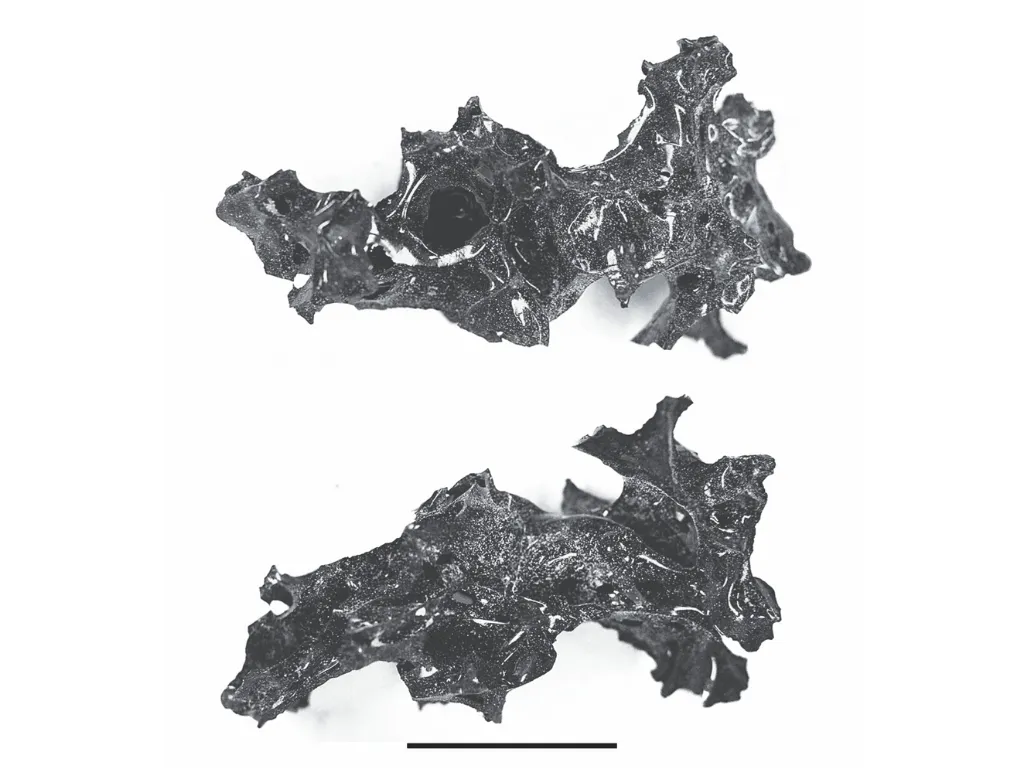
Analysis of a Herculaneum victim indicates brain tissue was heated to around 510°C and then cooled rapidly, a sequence that can vitrify tissue. The mechanism points to an initial ultra‑hot ash cloud followed by quick cooling. It clarifies extreme‑heat effects during the eruption.
Void Found At ‘Noah’s Ark’ Site (Disputed)
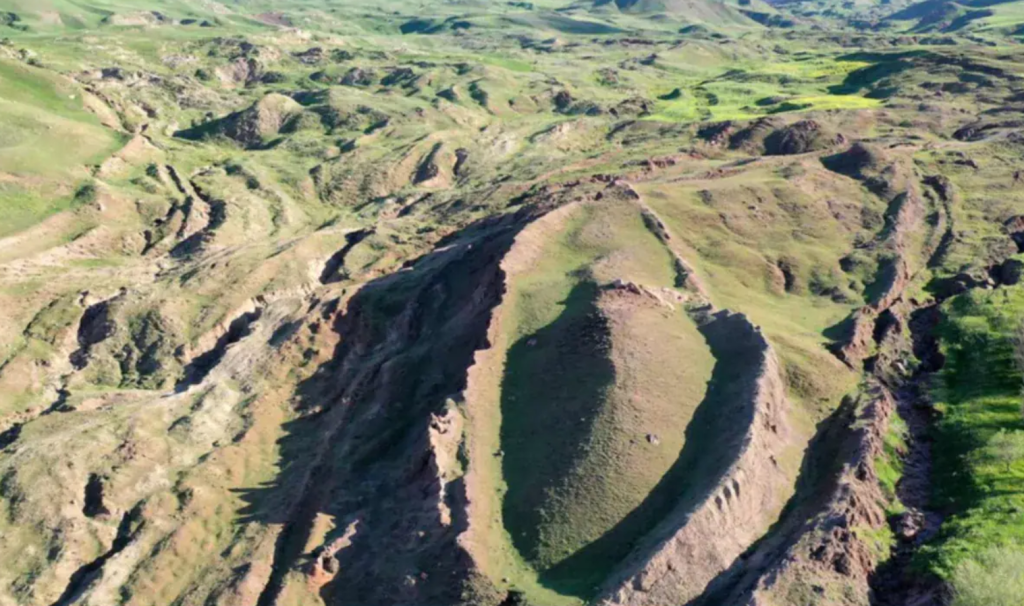
Ground‑penetrating radar and resistivity surveys at the Durupinar formation in Türkiye detected a tunnel‑like void and layered structure. A research team argues the measurements match a man‑made layout, while many geologists disagree. Core drilling is planned to test the claim.
Ancient Sunscreen Helped Homo Sapiens Survive
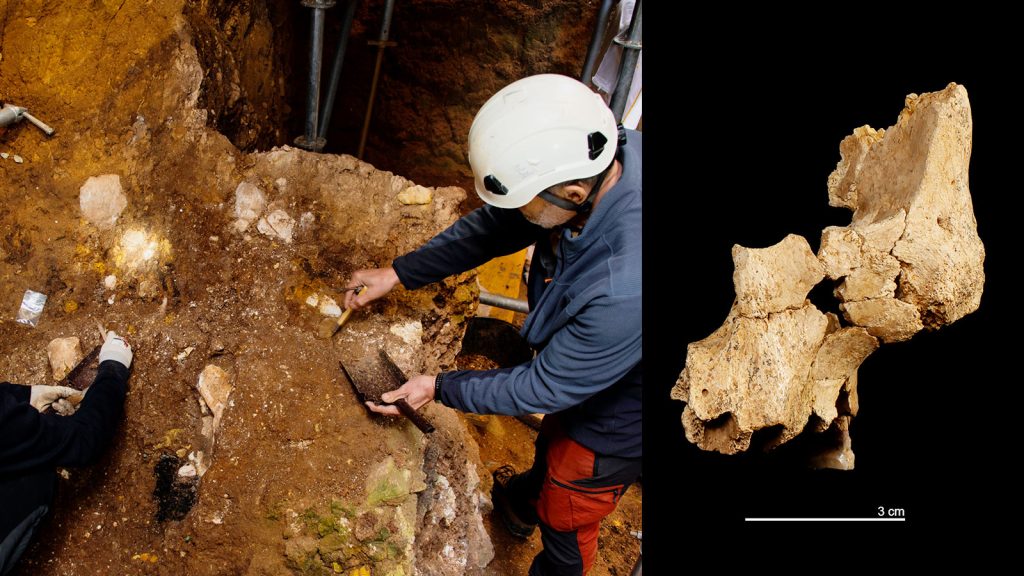
Researchers propose that body ochre, tailored clothing, and cave shelter during the Laschamps magnetic excursion buffered Homo sapiens from heightened solar radiation. These adaptations may have conferred survival advantages over Neanderthals. The hypothesis links pigment use with UV protection.
Gladiator Bone Shows Big‑Cat Bite Marks
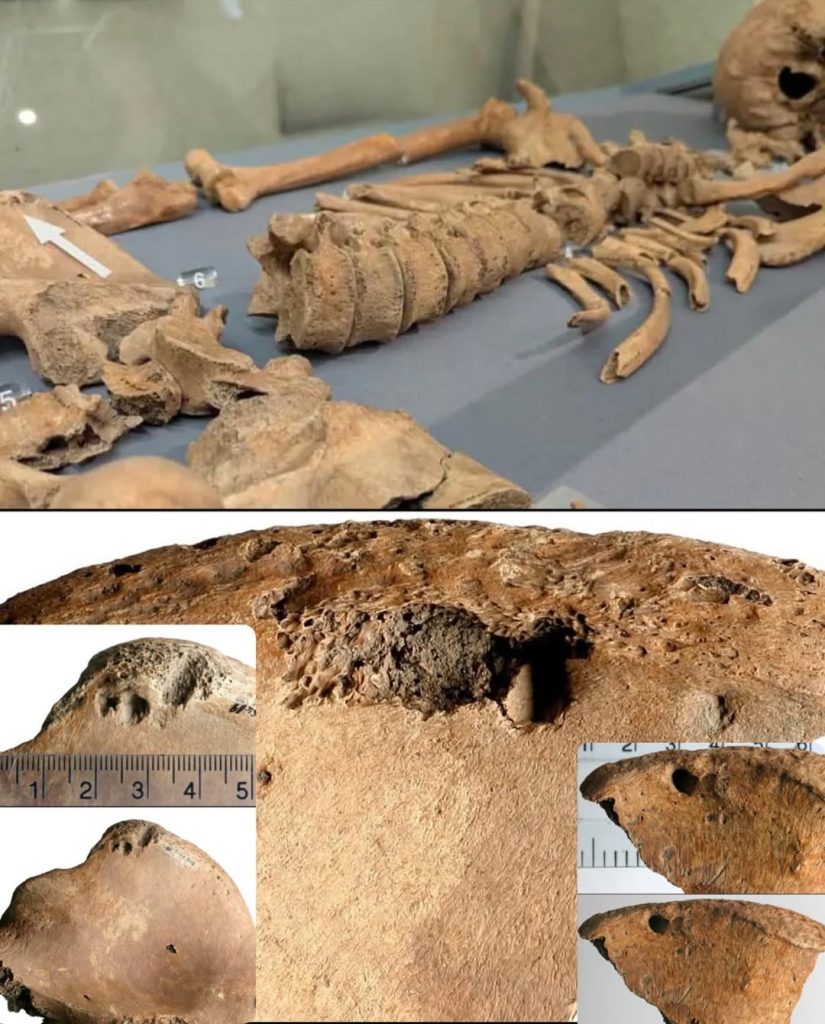
A forensic study of a York skeleton found pelvic wounds consistent with a lion bite. The individual likely died from other trauma and was dragged, offering rare physical evidence of arena animals. The burial context supports a gladiator cemetery.
Roman Industrial Lead Pollution Lowered IQ
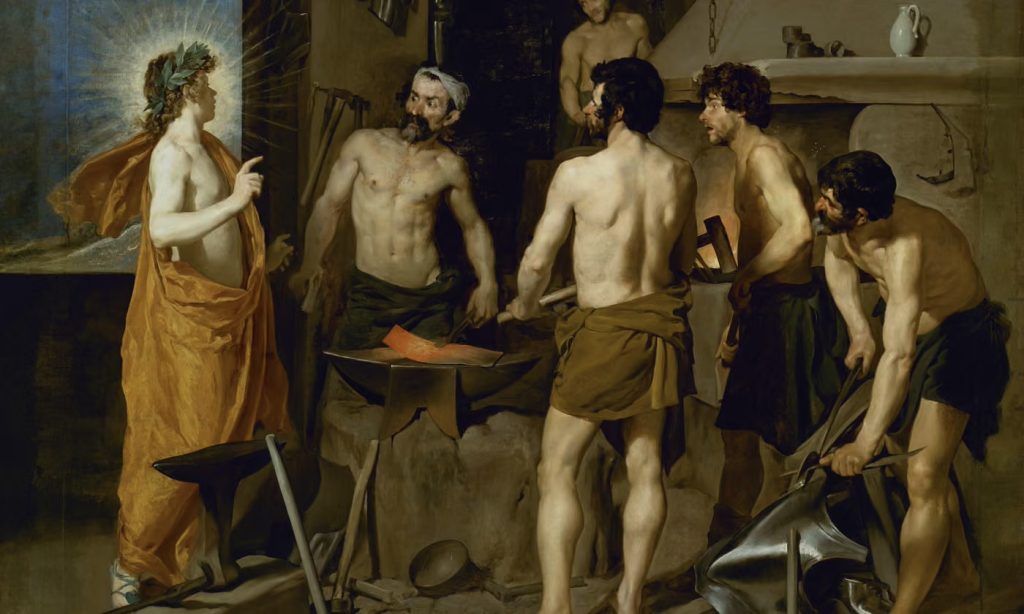
Ice‑core records and atmospheric models indicate sustained airborne lead from Roman mining and smelting between roughly 15 BC and AD 200. Estimated exposure could have reduced average IQ across Europe by several points. The study frames Rome as an early source of industrial air pollution.
Second Hidden City Under Giza (Highly Disputed)
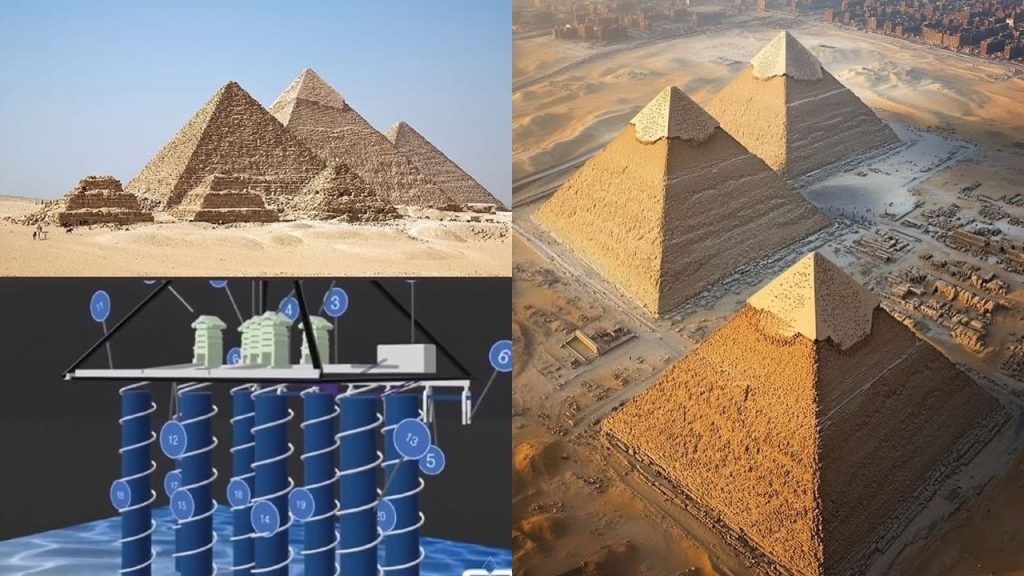
Italian researchers publicized scans they say show a subterranean network beneath parts of the Giza plateau. Egyptian archaeologists have strongly disputed both the interpretations and proposed extreme dates. The claims lack peer‑review and remain contested.