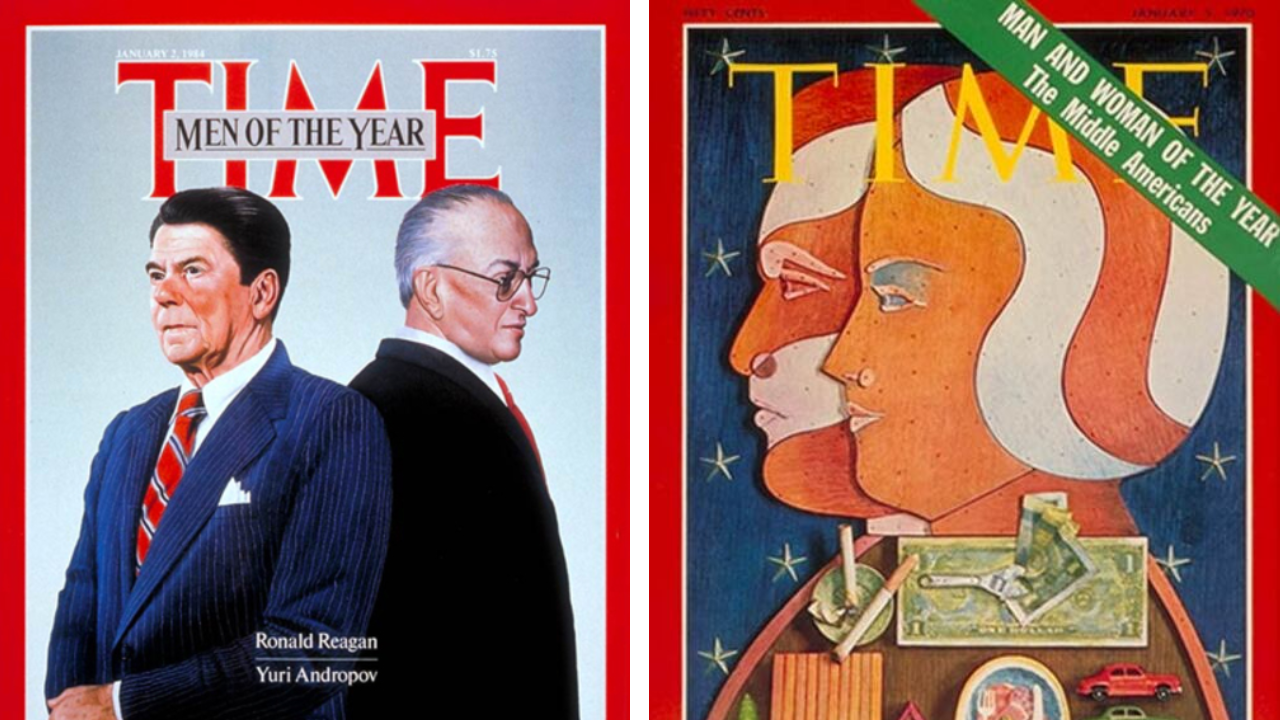
Ever since Charles Lindbergh, the aviator and military officer, was proclaimed Man of the Year for 1927 in the Jan. 2, 1928, issue, TIME magazine has annually selected what is now known as the Person of the Year, the man, woman, group or concept that had the most influence on the world during the previous 12 months. So, from Nixon to Carter, keep scrolling to learn 30 of them.
1. U.S. Scientists (1960)
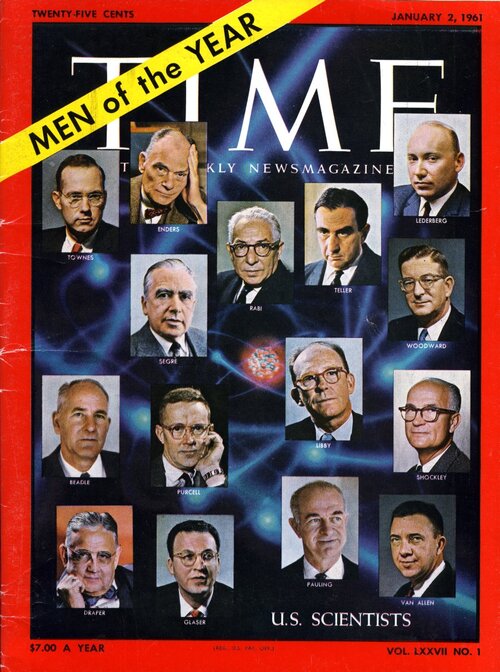
That year, this magazine named 15 US scientists as its Men of the Year. They were recognized for their contributions to different scientific fields, including genetics, physics, chemistry, and virology.
2. John F. Kennedy (1961)
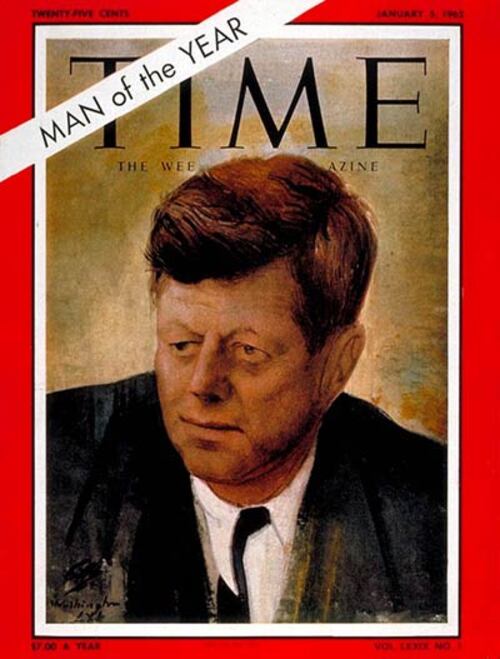
Kennedy was inaugurated as President of the United States in 1961, ordering the failed invasion of Cuba by U.S.-trained Cuban exiles.
3. John XXIII (1962)
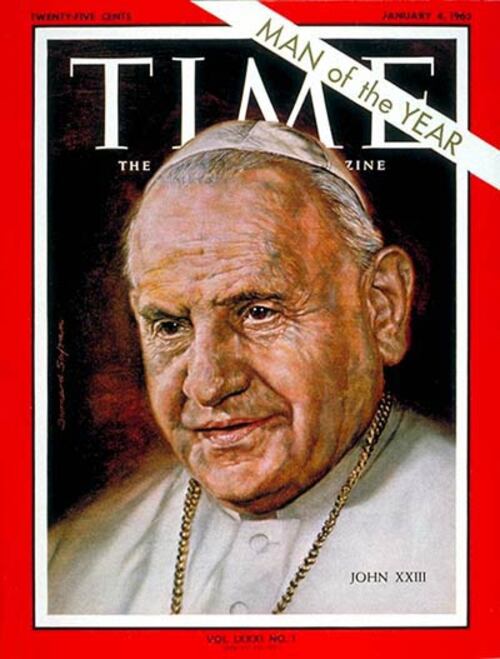
In 1962, the Pope of the Roman Catholic Church volunteered as a mediator in the Cuban Missile Crisis between the U.S. and the USSR, gaining praise from both sides.
4. Martin Luther King Jr. (1963)
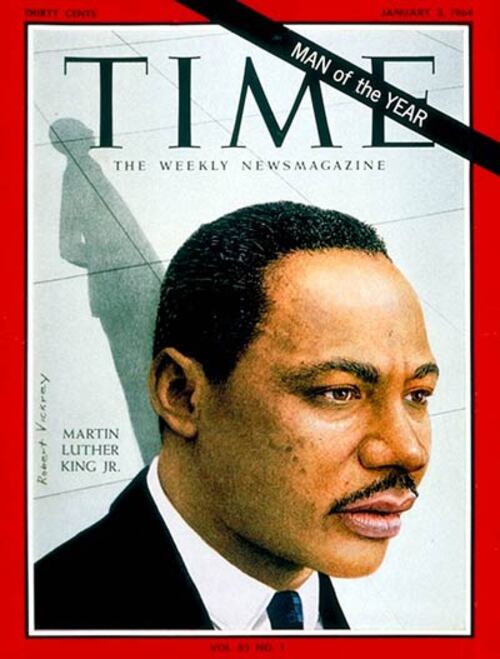
King was the leader of the American Civil Rights Movement. He delivered his famous “I Have a Dream” speech in 1963.
5. Lyndon B. Johnson (1964)
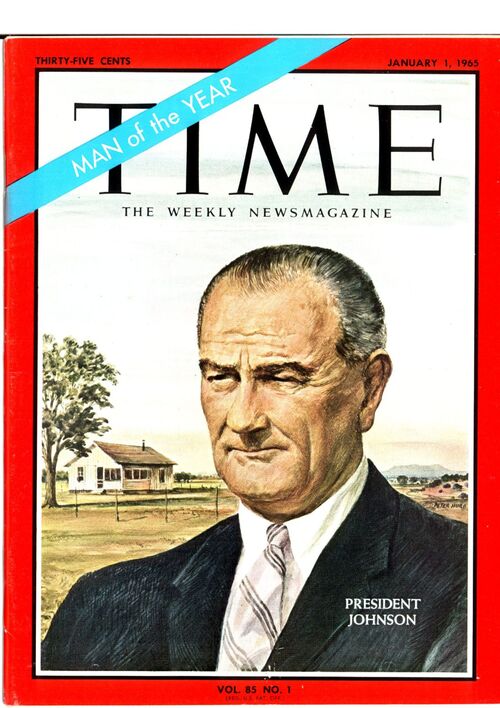
He was elected as President of the United States in 1964, secured the passage of the Civil Rights Act, and declared a war on poverty.
6. William Westmoreland (1965)
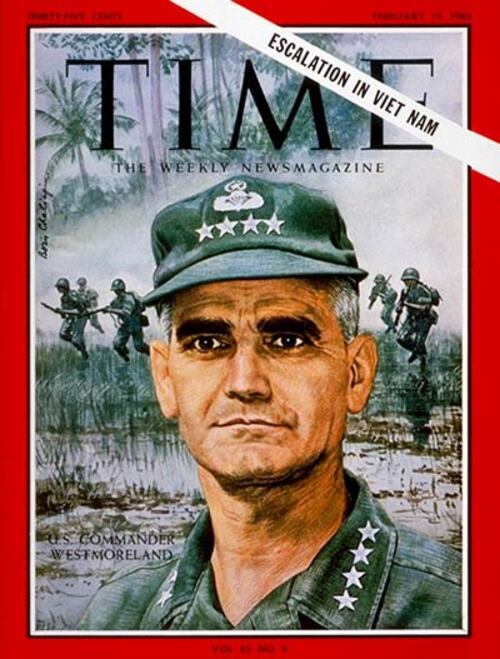
General Westmoreland was commander of the American forces in South Vietnam during the Vietnam War.
7. The Inheritor (1966)
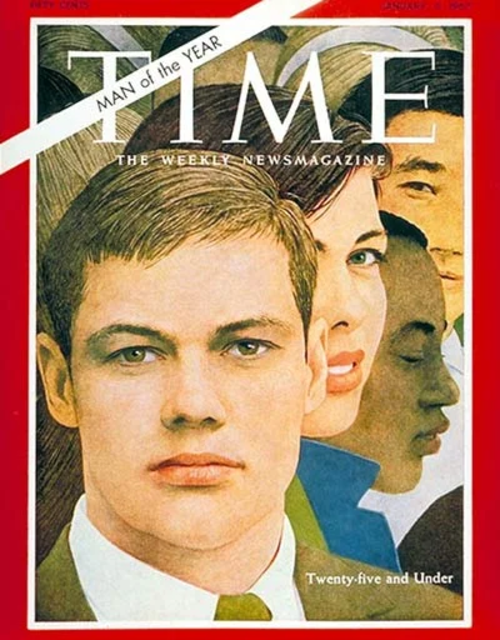
This image represents the Baby Boom generation, a group of American men and women under the age of 25, who in 1966 accounted for about half of the country’s population and had a significant impact on the counterculture of the 1960s. Thomas M. McLaughlin’s face was the one that stood out the most on the cover.
8. Lyndon B. Johnson (1967)
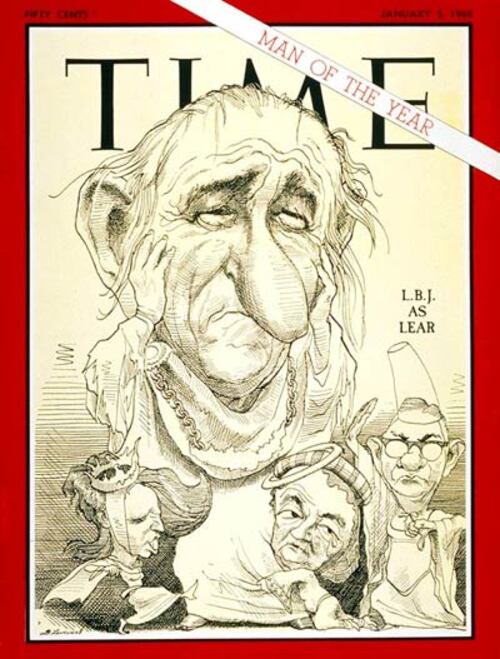
According to Time, Johnson had a year filled with disappointments and failures, including the Dump Johnson movement within his own party, growing engagement in the Vietnam War, and racial rioting throughout the United States.
9. The Apollo 8 Astronauts (1968)
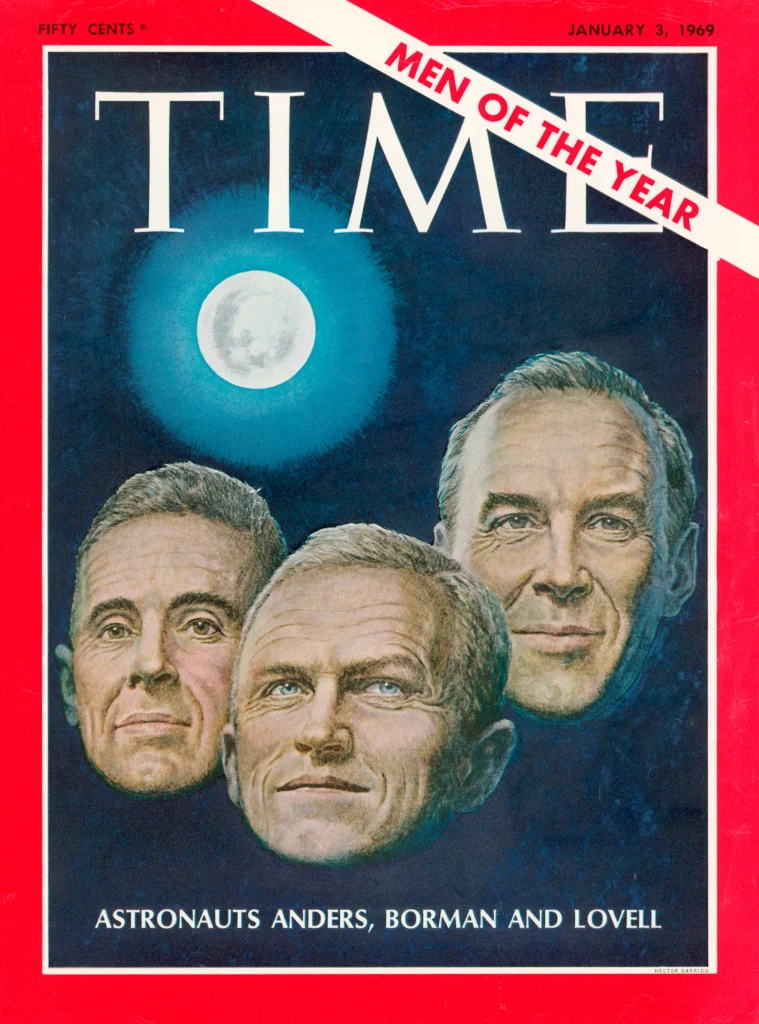
The first humans to leave low Earth orbit were the American crew of Apollo 8 (William Anders, Frank Borman, and Jim Lovell) in 1968.
10. The Middle Americans (1969)
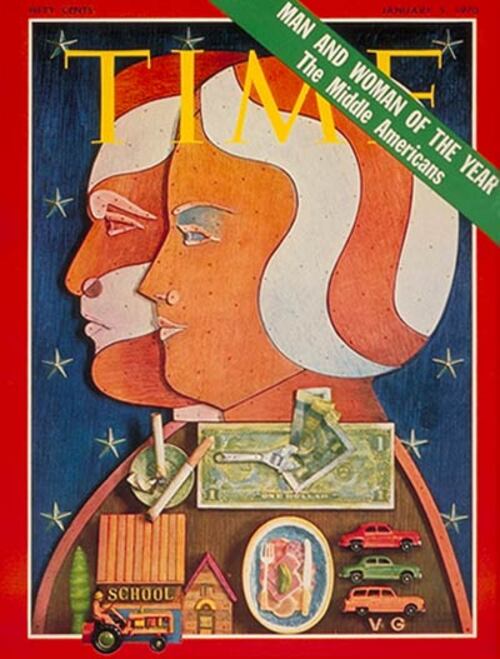
Small-town, conservative Americans are sometimes known as the quiet majority.
11. Willy Brandt (1970)
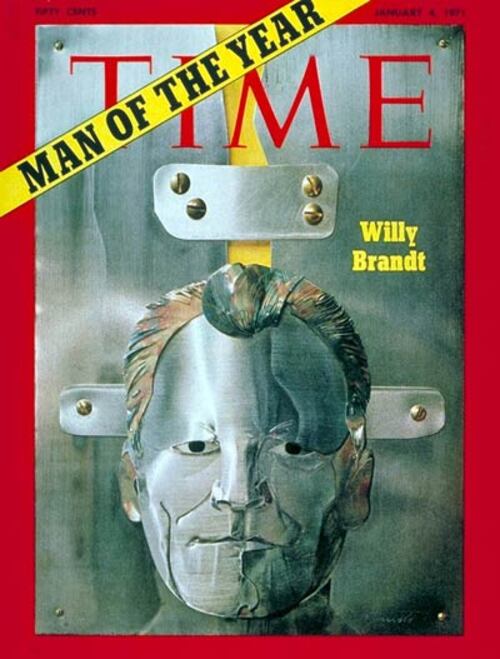
“Seeking to bring about a fresh relationship between East and West” through his “bold approach to the Soviet Union and the East Bloc” was one of Brandt’s recognized accomplishments as Chancellor of West Germany.
12. Richard Nixon (1971)
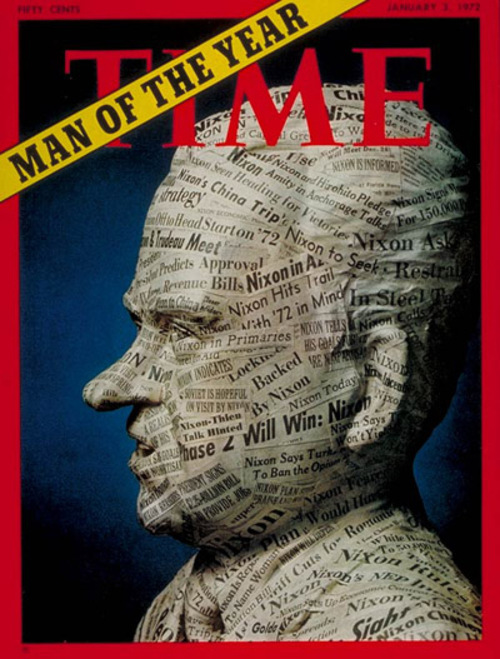
Nixon served as the US president from 1969 to 1974, and he established the Economic Stabilization Program, restored ties with China, and pulled the US dollar from the gold standard in 1971.
13. Henry Kissinger And Richard Nixon (1972)
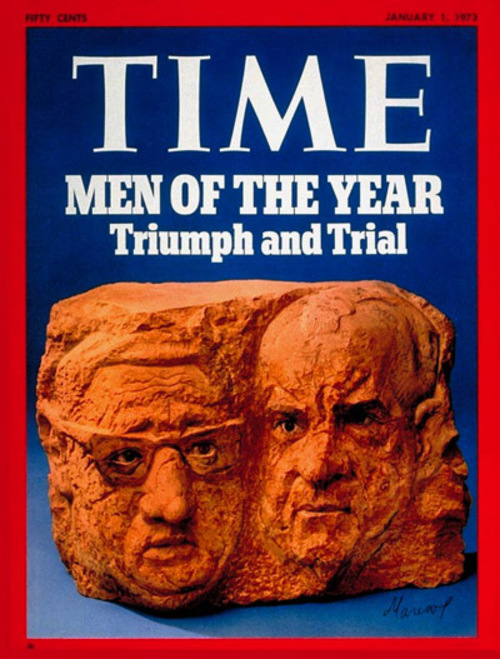
As Nixon’s National Security Advisor, Kissinger accompanied the president on a 1972 trip to China while negotiating a peace deal in Vietnam.
14. John Sirica (1973)
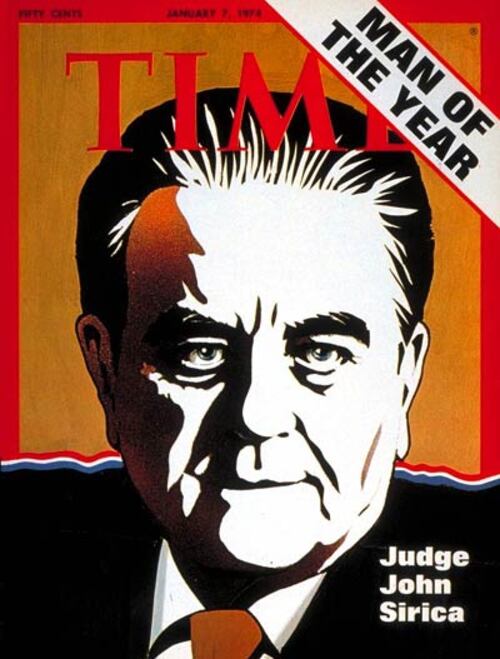
While serving as Chief Judge of the US District Court for the District of Columbia in 1973, Sirica compelled President Nixon to produce recordings of White House talks pertaining to Watergate.
15. Faisal (1974)
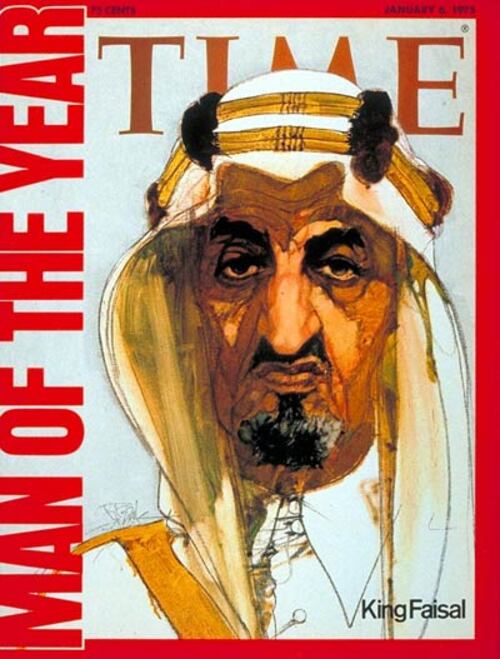
Following the 1973–1974 oil crisis, which resulted from Saudi Arabia withdrawing its oil from international markets in protest of Western support for Israel during the Yom Kippur War, Faisal, King of Saudi Arabia, was recognized.
16. American Women (1975)
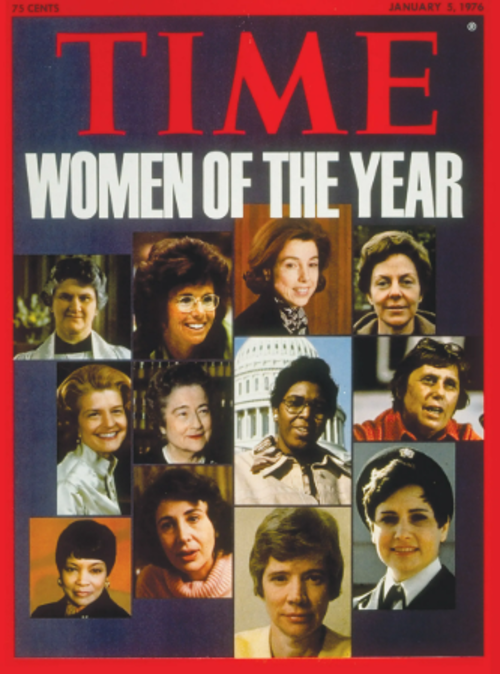
Here, the magazine wanted to highlight “the status of the everyday, usually anonymous woman, who moved into the mainstream of jobs, ideas, and policy making” as well as the accomplishments of the American feminist movement.
17. Jimmy Carter (1976)
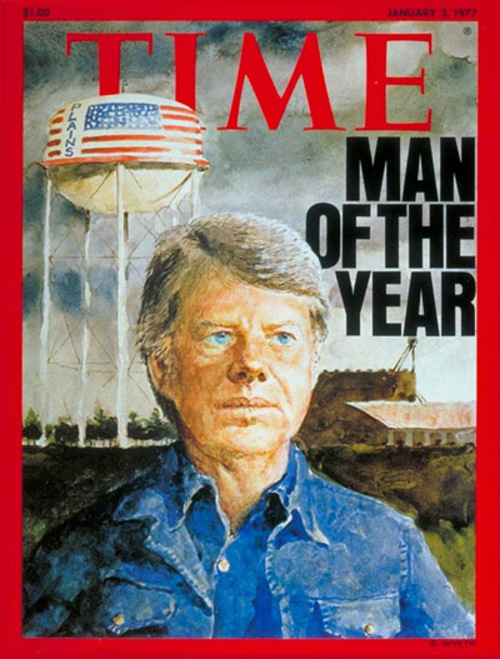
This year, Carter was elected President of the United States, defeating incumbent President Gerald Ford.
18. Anwar Sadat (1977)
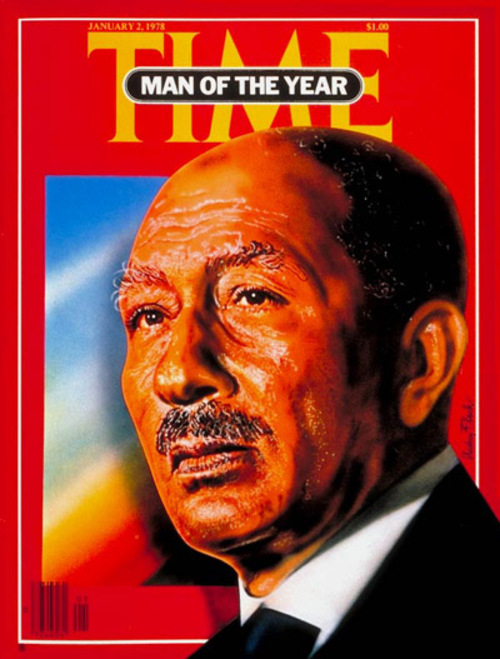
Sadat was the first Arab leader to visit Israel while in office as president of Egypt in 1977 to talk about normalizing relations between Egypt and Israel.
19. Deng Xiaoping (1978)
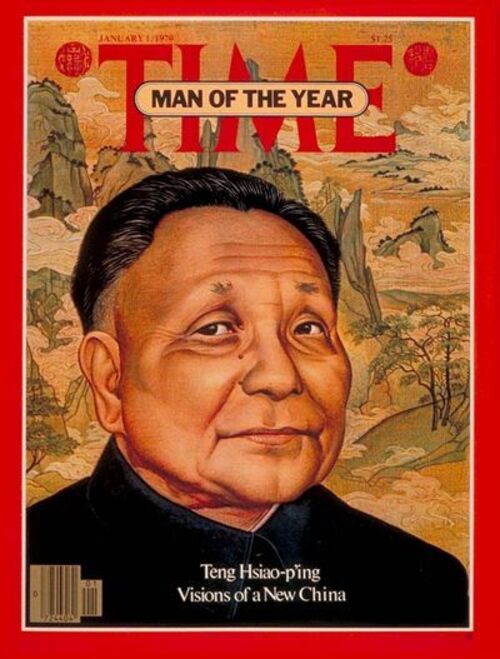
In 1978, Deng became the de facto leader of China after ousting Hua Guofeng in his capacity as vice premier.
20. Ruhollah Khomeini (1979)
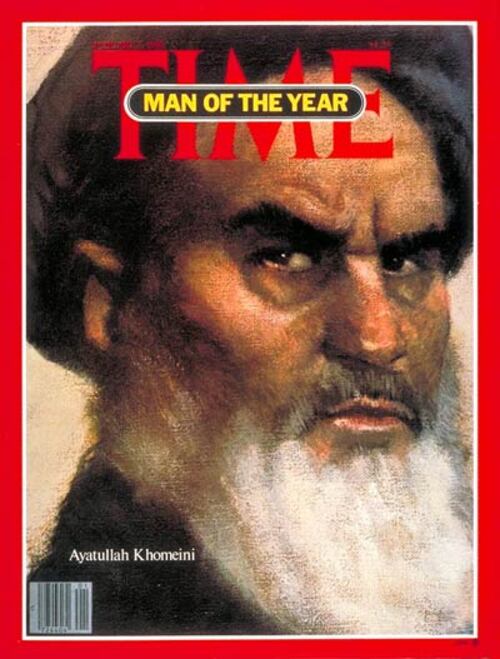
Khomeini became the Supreme Leader of Iran after leading the 1979 Revolution.
21. Ronald Reagan (1980)
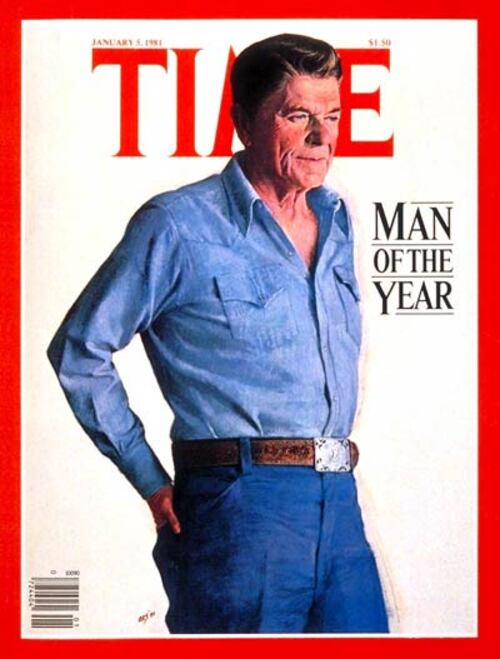
Reagan defeated incumbent Jimmy Carter to win the 1980 U.S. presidential election.
22. Lech Wałęsa (1981)
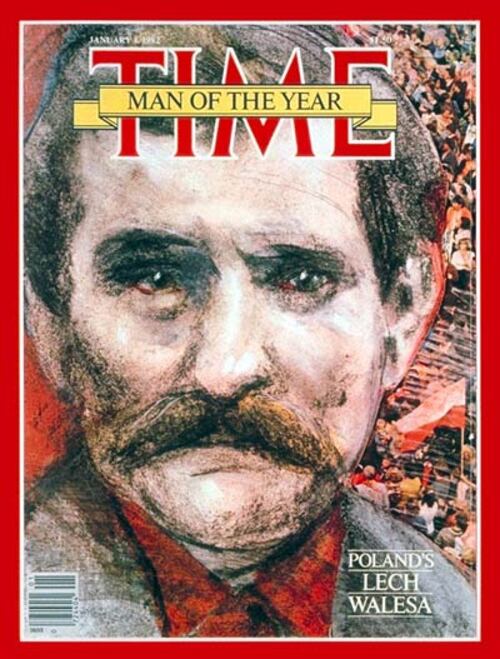
Prior to his arrest by communist authorities and the declaration of martial law in Poland in December 1981, he was the leader of the Polish Solidarity labor union and the creator of the Gdańsk Agreement.
23. The Computer (1982)
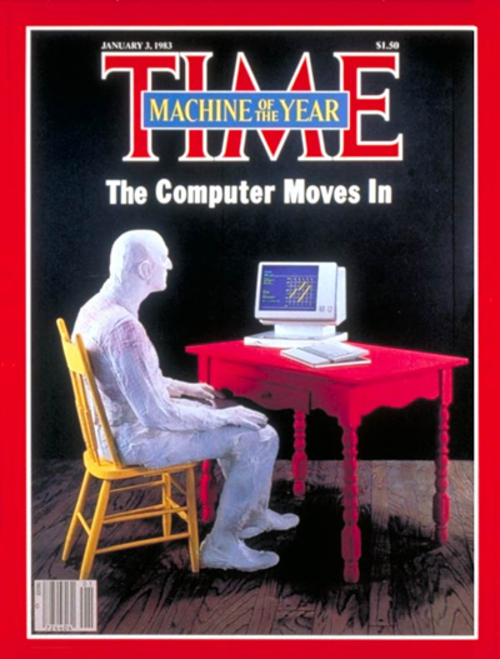
The “Machine of the Year” award was given to celebrate the start of the Information Age.
24. Ronald Reagan And Yuri Andropov (1983)
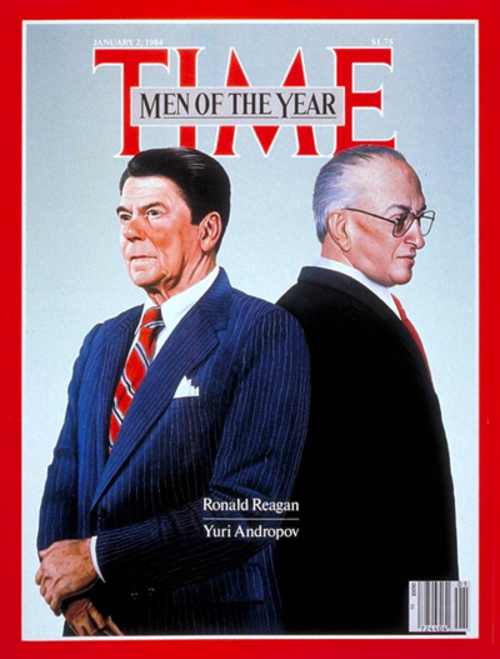
Reagan supported the Strategic Defense Initiative, and, in his capacity as General Secretary of the Soviet Communist Party, Andropov attempted to revitalize the flagging Soviet economy.
25. Peter Ueberroth (1984)
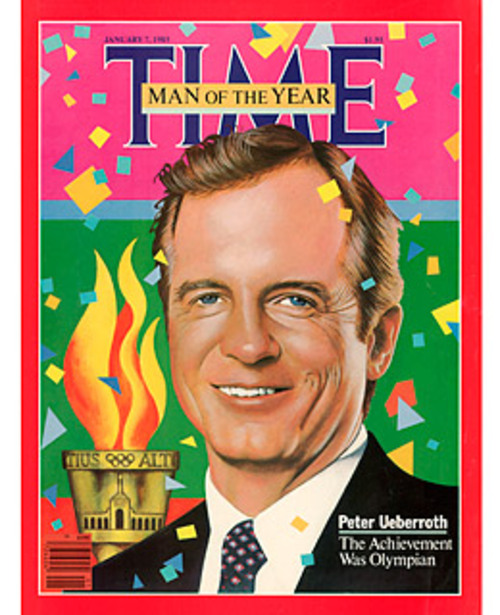
Ueberroth oversaw the 1984 Summer Olympics, which were boycotted by the Soviet Union.
26. Deng Xiaopin (1985)
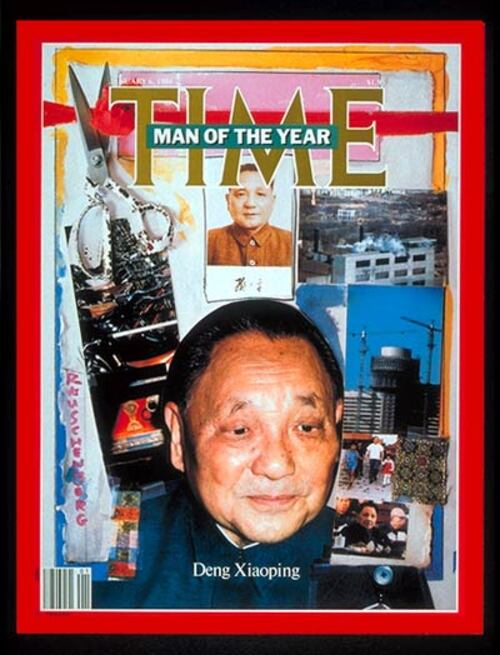
Deng recognized the necessity of “sweeping economic reforms that have challenged Marxist orthodoxies” in his capacity as China’s supreme leader.
27. Corazon Aquino (1986)
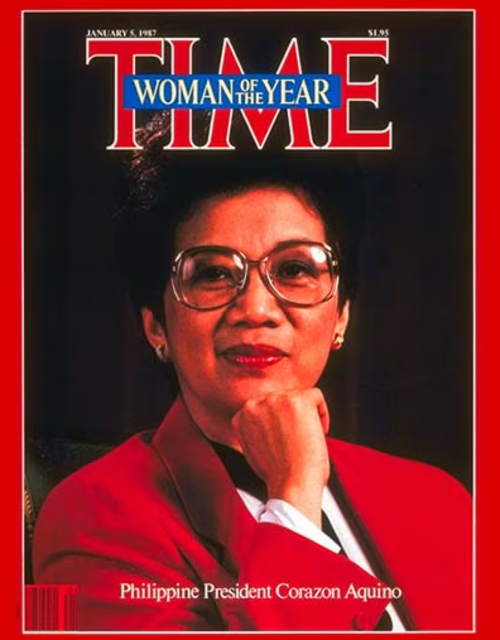
Aquino was elected president of the Philippines and played a significant role in the People Power Revolution of 1986.
28. Mikhail Gorbachev (1987)
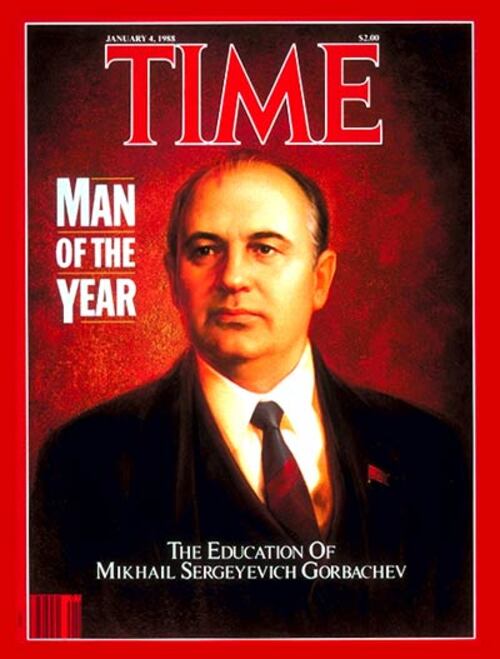
Gorbachev directed the 1987 glasnost and perestroika political reforms, which were intended to liberalize Soviet society, while serving as the country’s leader and general secretary of the Communist Party of the Soviet Union.
29. The Endangered Earth (1988)
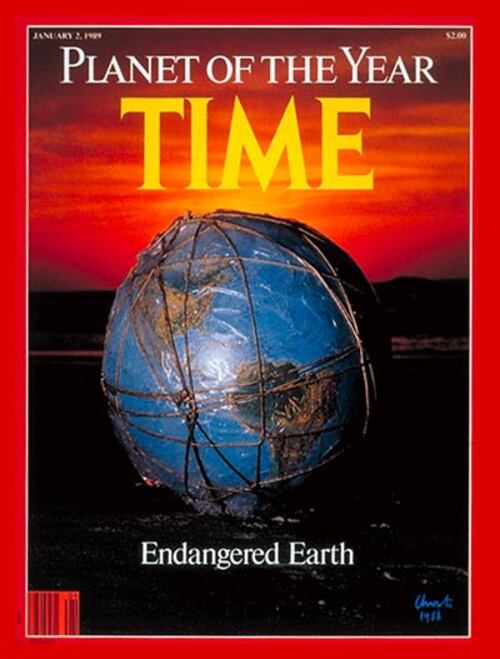
Planet of the Year symbolizes the expanding environmental movement and some natural and ecological catastrophes that occurred in 1988, the ozone depletion, global warming, radioactive contamination, and deforestation.
30. Mikhail Gorbachev (1989)
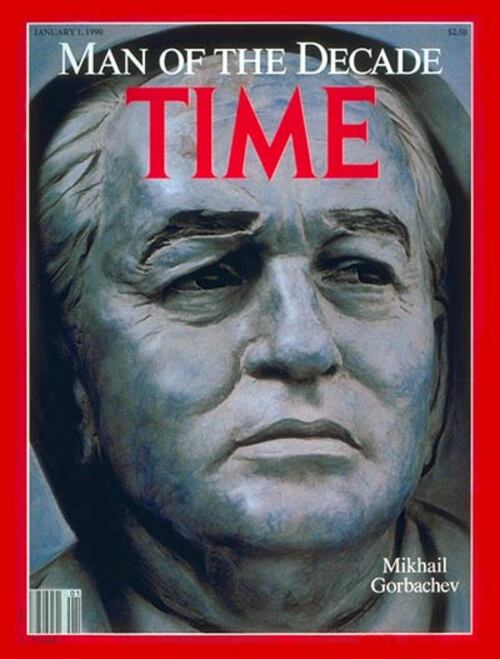
Prior to the breakup of the Eastern Bloc and the toppling of communist regimes dominated by the Soviet Union in Eastern Europe, Gorbachev presided over the first democratic Soviet elections in history in 1989 while serving as General Secretary of the Communist Party of the Soviet Union (Soviet leader).